





Even before the world truly became “global,” people, goods, knowledge, and cultures were already crossing the oceans along trade routes that connected distant continents. It is from this perspective that *Florence Global: The World of Francesco Carletti, c. 1573–1636* takes shape, the exhibition hosted by the Biblioteca Medicea Laurenziana from October 9, 2026, to January 9, 2027, dedicated to the extraordinary experience of the Florentine merchant who, between 1594 and 1606, traveled around the world.
In 1594, Francesco Carletti, still a young man, left Florence with his father Antonio, with a specific initial destination in mind: Seville. From there, the two traveled to Cape Verde, where they purchased slaves to be sold in the Americas. What was supposed to be a business venture, however, gradually turned into a much longer and more unexpected journey, eventually becoming a true circumnavigation of the globe. The route took Carletti to Cartagena, Panama, Lima, and Mexico, before continuing across the Pacific Ocean toward the Philippines, Japan, Macau, and China. The merchant then reached Goa and India before setting out on the return journey to Europe. The journey ends with a dramatic episode: the ship is captured by the Dutch off the coast of Saint Helena.
Carletti returned to Florence in 1606 and entrusted the account of his experiences to Grand Duke Ferdinando I de’ Medici in *Ragionamenti del mio viaggio intorno al mondo*(*Reflections on My Voyage Around the World*), considered one of the most important and remarkable travel accounts of the modern era. It is precisely by tracing the stages of this long voyage that the exhibition presents Florence as one of the hubs through which trade, diplomacy, and knowledge flowed. Around 1600, the city was in fact not isolated from the rest of the world: on the contrary, it observed what arrived from distant lands and welcomed tangible traces of it in the form of objects, images, plants, animals, textiles, and books.
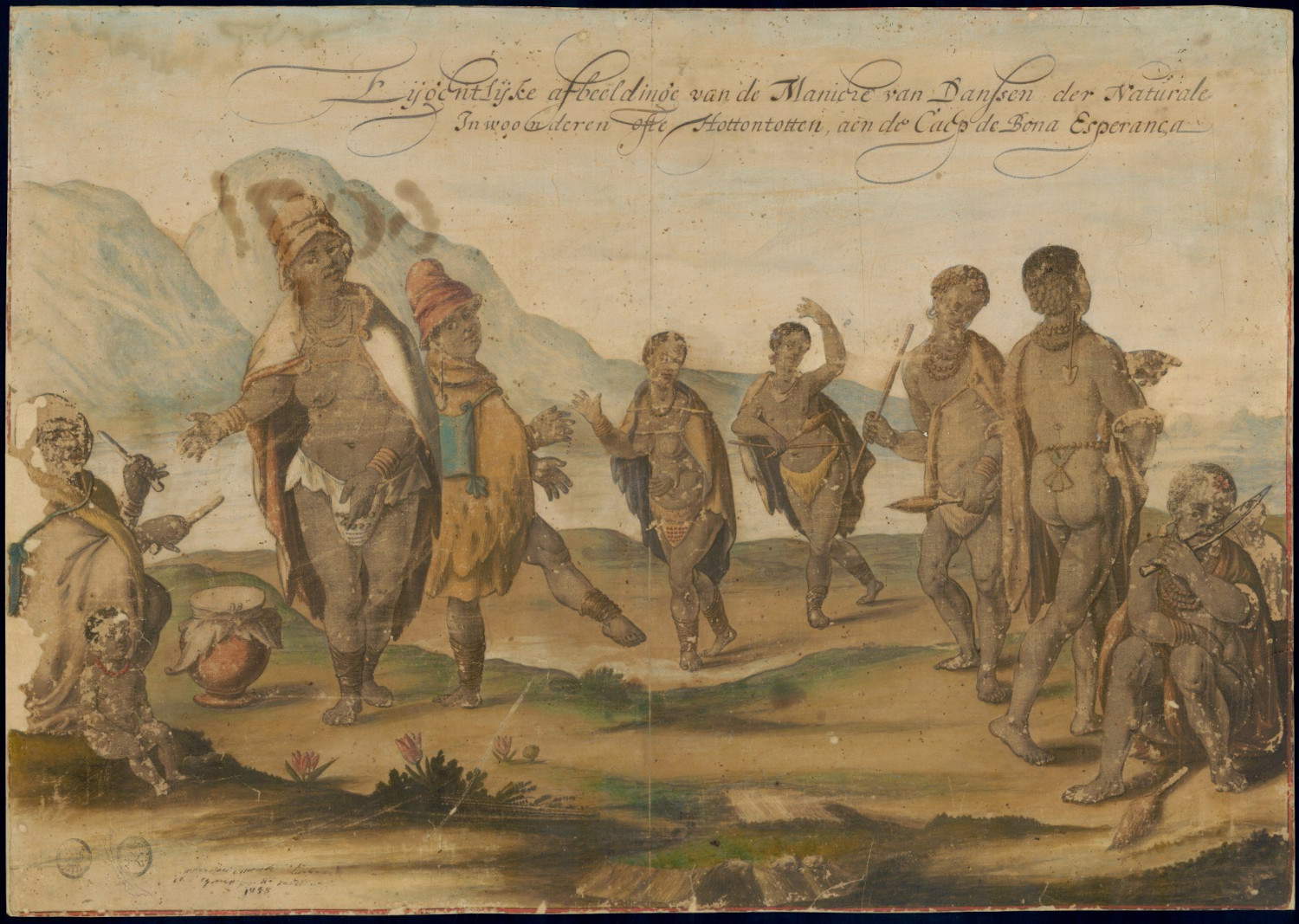
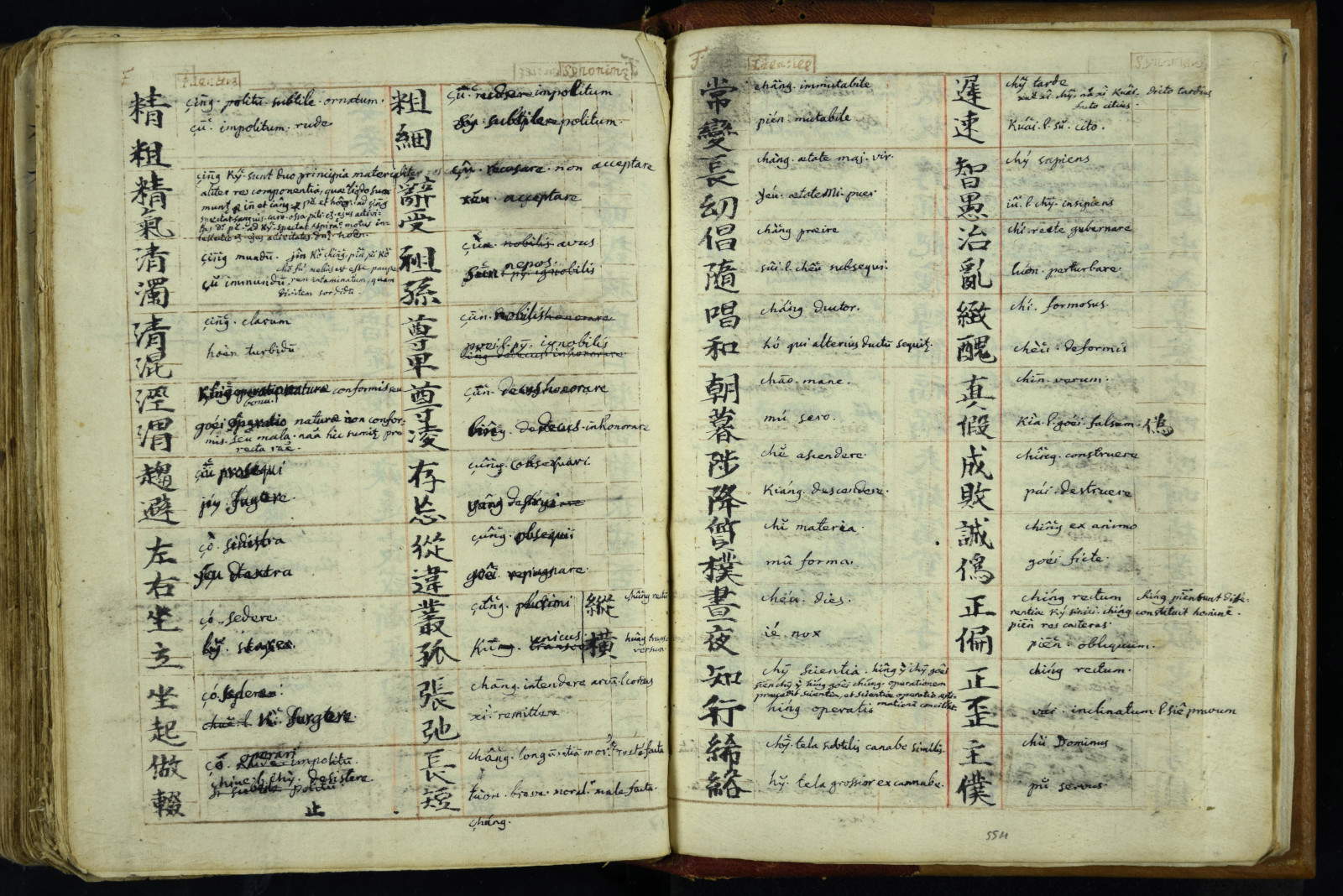
The exhibition brings together 69 works—including prints, drawings, artifacts, books, maps, and instruments—from the Biblioteca Medicea Laurenziana and major Florentine and Italian collections. Taken together, these materials bring to life the visual and material culture of Florence some four centuries ago and illustrate the various ways in which information, objects, and images from other continents reached the city.
Among the most significant pieces is a Chinese atlas annotated by Francesco Carletti himself, a direct testament to his experiences and his interest in the places he traveled through. Also on display are a Japanese katana housed at the Stibbert Museum and a precious copy of the Shahnameh, the Persian national epic, held at the Laurentian Library. Rounding out the exhibition are maps, drawings, and instruments that document the relationships and exchanges between Tuscany, Asia, and the New World, painting a portrait of a society in which the movement of people, goods, and knowledge was already far more extensive than geographical distance might suggest.
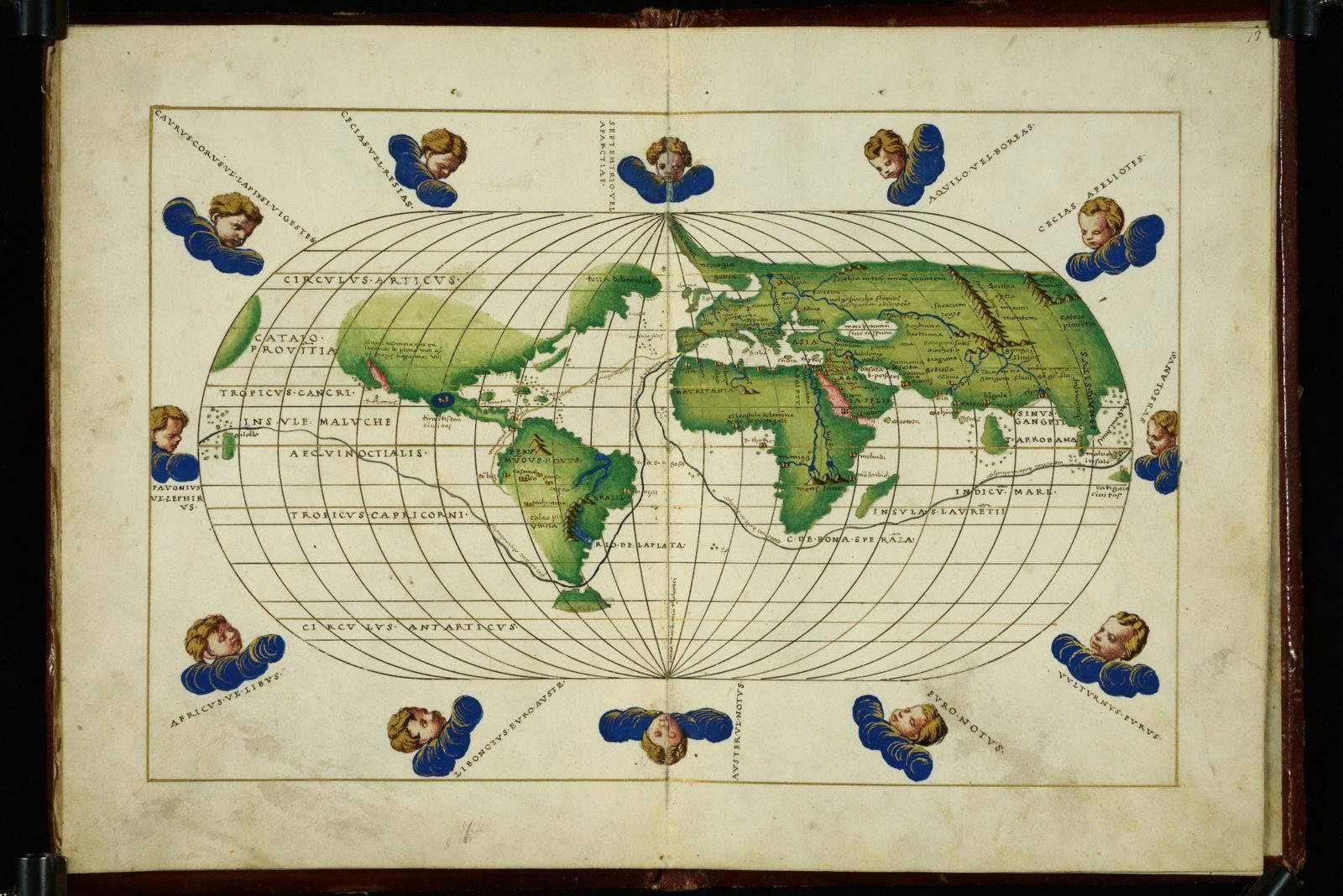
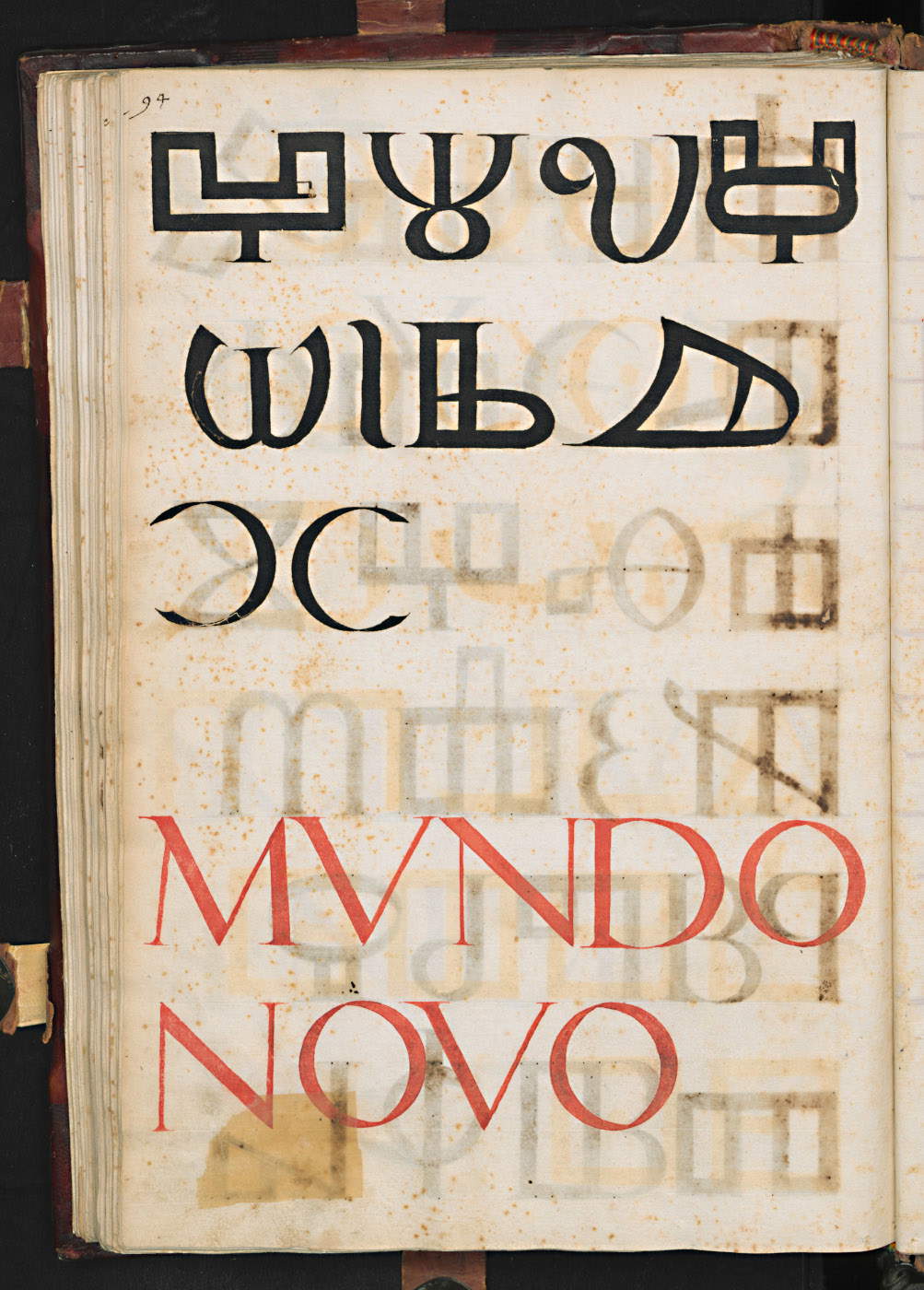
However, the exhibition does not present a celebratory view of early globalization. On the contrary, it also addresses the most controversial aspects of European expansion and, in particular, Carletti’s own involvement in the slave trade, with which his journey began. This perspective introduces a critical reflection into the exhibition on the historical origins of globalization and its human costs. The world depicted by the exhibition thus appears to be deeply interconnected, yet also marked by power dynamics and inequalities: people, goods, ideas, and cultures moved from one continent to another long before the modern era, but these exchanges were often linked to forms of exploitation and violence.
The exhibition is organized by a committee of scholars comprising Giorgio Riello of the European University Institute, Paula Findlen of Stanford University, and Brian Brege of Syracuse University, in collaboration with the University of Warwick and the Kunsthistorisches Institut in Florenz. It is hosted by the Biblioteca Medicea Laurenziana, directed by Francesca Gallori, and is supported by the Region of Tuscany. Accompanying the project is a catalog published by Mandragora.
|
| Florence and the First Wave of Globalization: Francesco Carletti’s Journey Around the World on Display |

Warning: the translation into English of the original Italian article was created using automatic tools. We undertake to review all articles, but we do not guarantee the total absence of inaccuracies in the translation due to the program. You can find the original by clicking on the ITA button. If you find any mistake,please contact us.


























 IT
IT FR
FR DE
DE ES
ES CN
CN


