





From September 18 to 26, 2026, CONNEXXION—the Widespread Festival of Contemporary Art—returns to Savona for its fourth edition, curated by Livia Savorelli. This year’s theme is “Elegy of Fragility,” a project that, through participatory art, performances, talks, exhibitions, installations, and workshops, invites reflection on fragility as a fundamental aspect of the human condition and, at the same time, as a potential resource for change.
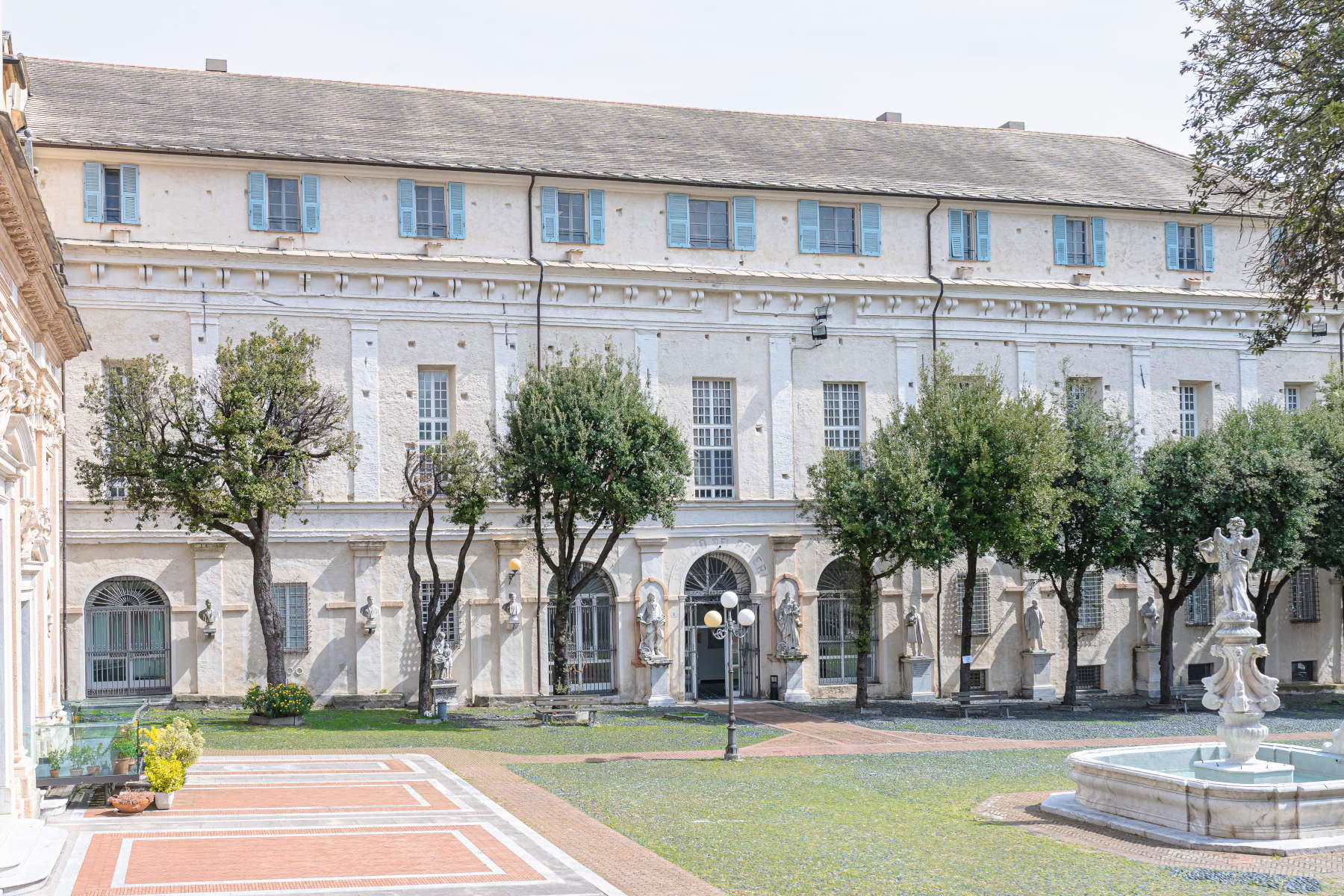
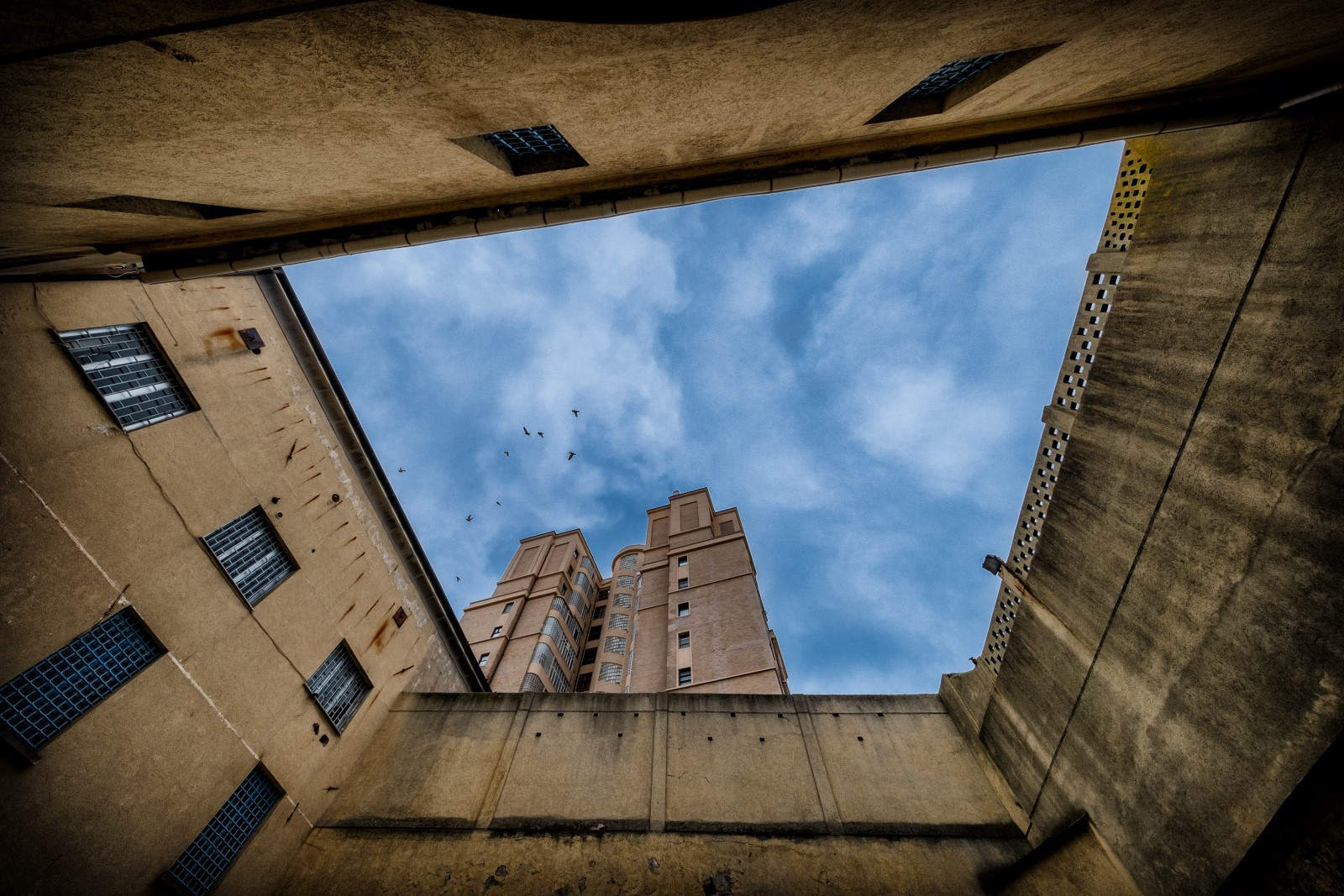
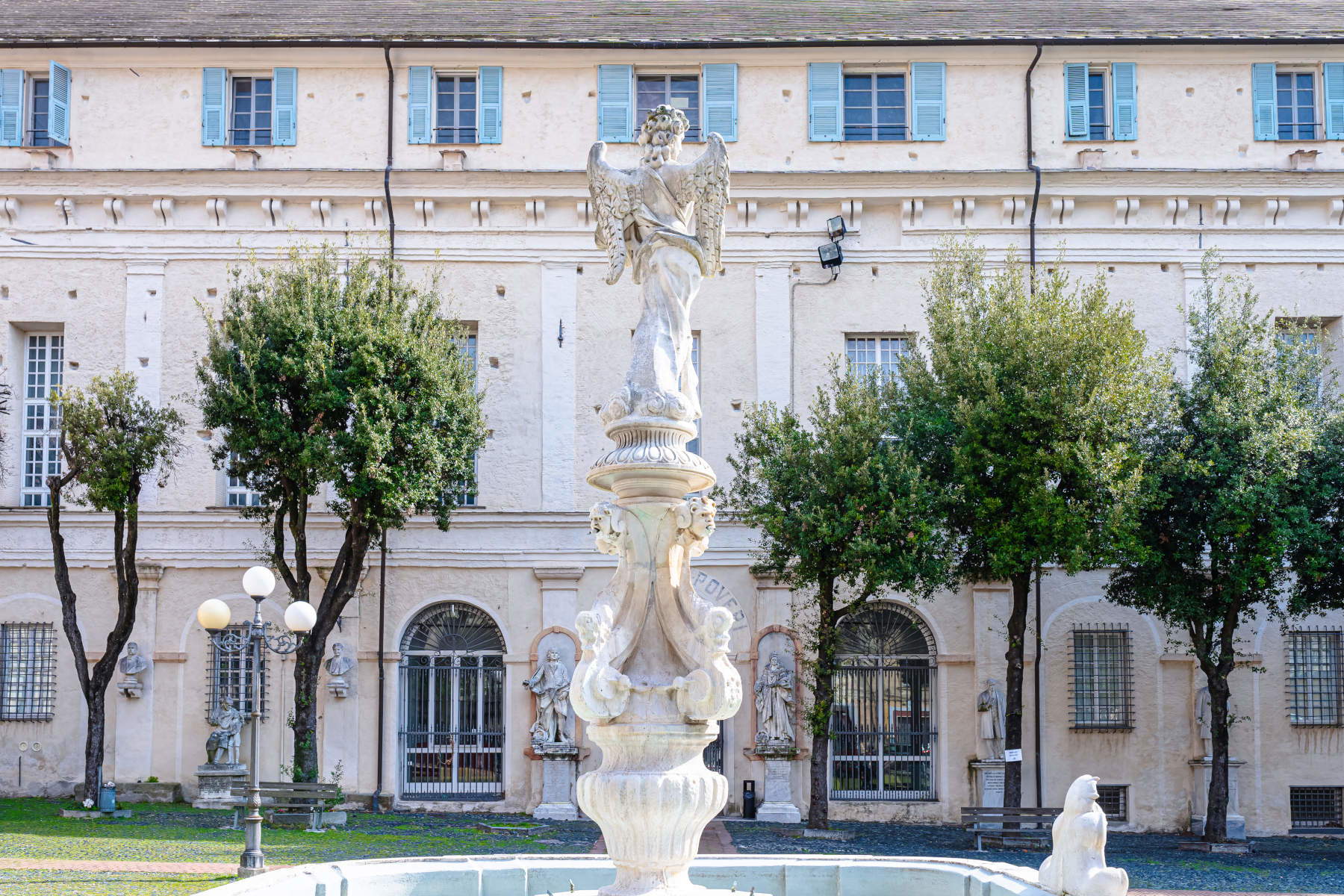
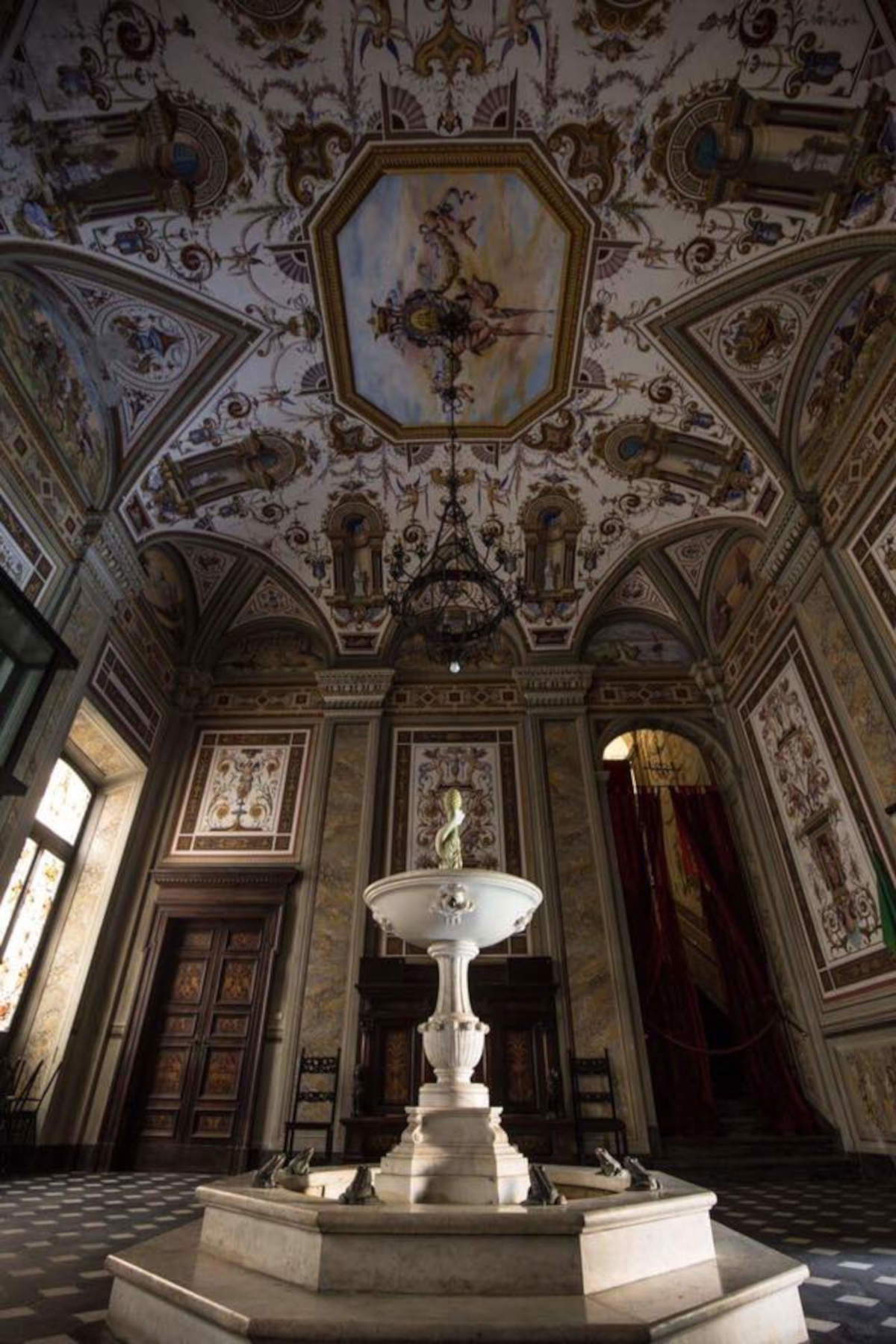
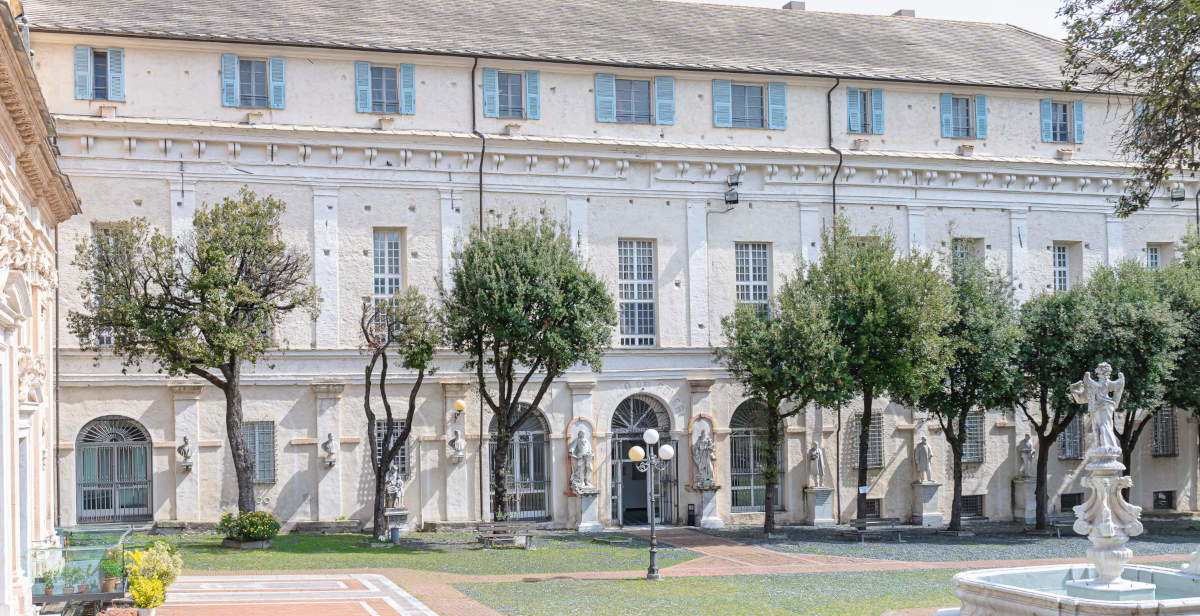
The festival takes place at various locations throughout the city. Alongsidethe former Sant’Agostino Prison—designated as CONNEXXION’s main venue since 2024—the 2026 edition will, for the first time, include the Savona Civic Art Gallery and Villa Cambiaso. The former prison has been reopened and temporarily returned to the public, thanks in part to the Festival and the collaboration between three entities: the State Property Agency, which owns the property; the City of Savona; and the Superintendence of Archaeology, Fine Arts, and Landscape for the provinces of Imperia and Savona.
This edition is made possible with the support of the City of Savona, the Industrialists’ Union of the Province of Savona, the De Mari Foundation, and Banca Generali Private. The project has also received support from the Compagnia di San Paolo Foundation as part of the 2026 Participatory Festivals Call for Proposals, aimed at initiatives that seek to foster the participation of people and communities by supporting cultural experiences outside conventional cultural venues, diversifying the social base, and expanding access to culture.
Fourteen artists have been invited by the curator to participate in *Elegia della fragilità*: Riccardo Bandiera, Veronica Benedetti, Fabio Bix, Luca Carlevarino, Monica Carrera, Francesca Catellani, Elisabetta Di Sopra, Clarissa Falco, Martina Fontana, Fatma Ibrahimi, Stefania Loreto, Max Magaldi, Matteo Mandelli, and Camilla Marinoni. As in previous editions, CONNEXXION is also building a network with local and national associations and groups. The 2026 partners are Opere Sociali, Opere Sociali Servizi, Associazione Museo Villa Cambiaso APS, Auser Savona, Zinöa22, Gruppo FAI Giovani Savona, Associazione Culturale Tempo Uguale Arte ets, Sorelle di corpo, and Flat farfalle libere.
The program was preceded by a preview at the Santuario in Savona, where Moire by Martina Fontana—one of the two Special Projects conceived for this edition—was presented. The project was developed in collaboration with Opere Sociali and Opere Sociali Servizi and involved several residents of the Santuario nursing home. Fontana’s work was developed through a participatory process and will subsequently be presented at the Pinacoteca Civica as well.
The official opening of the Festival is scheduled for September 18 at the Pinacoteca Civica in Savona, featuring the performances *Ceramoprosthesis* by Clarissa Falco and *The Contact* by Matteo Mandelli. On the same day, visitors will be able to view the works by Mandelli and Martina Fontana, the latter resulting from the participatory project carried out with the Santuario Nursing Home.
On September 19, CONNEXXION moves to the former Sant’Agostino Prison, with the presentation of installations created by the participating artists, which will remain on view until September 26. The following day, September 20, a guided tour of the former prison will be led by the FAI Giovani Savona Group. This venue, which has played a central role in previous editions, once again becomes one of the locations through which the Festival connects contemporary artistic production, the history of the spaces, and citizen participation.
The closing event, meanwhile, will take place on September 26 at Villa Cambiaso, where the festival’s second Special Project will be presented. It is *Le Luci di Zinöa* by Francesca Catellani, created in collaboration with Zinöa22. The project takes the form of a podcast available in both audio and video formats and stems from the author’s encounters with several long-time residents of the Zinola neighborhood in Savona. Through a selection of excerpts from the interviews she collected, Catellani has compiled a collection of testimonies, memories, reflections, and perspectives dedicated to the neighborhood’s history and its contemporary reality.
The video version, presented at Villa Cambiaso, combines photographs taken by the artist on film with a static shot of the sea. The work thus offers an immersion in the places of Zinola, through memories, experiences, and perspectives that engage with a present in flux. At the heart of the project are the value of community and the bonds that run through it, along with an attentiveness to the changes, challenges, and possibilities tied to a shared future.
“In dark times,” says Livia Savorelli, founder and curator of CONNEXXION, “such as those we are currently experiencing, where the individual is crushed by the heavy machinery of politics and the economy—whose effects on entire populations are no longer even mitigated by international law— I personally experienced a strong sense of disorientation that I tried to overcome as best I could through the approach that feels most natural to me: a vision that alternates between words and works to construct imagery capable of reaching the minds and hearts of as many people as possible, firmly believing in the transformative power of contemporary art. I have reflected on how to translate the concept of fragility—inherent in our very nature as human beings—into a dimension that would serve as a hymn to that very fragility. Thus, *Elegy of Fragility* was born. To all the powerful of this world, willing to destroy entire peoples, we respond with a vision of active, unyielding fragility, aimed at refocusing attention on the individual—who is all the more in need of care and greater attention. We respond with intelligence, empathy for others, and love for what surrounds and embraces us; we counter hatred with the strength of our fragility, which we believe can be an important path toward a change that is more necessary than ever.”
The theoretical starting point for this edition is *Theory of Fragility: In Search of a Hidden Power* by Roberto Gramiccia, published by Diarkos in 2026. The book identifies three types of fragility: individual, social, and existential. Each can also manifest in one of two forms: active or rebellious, or passive or resigned.
*Elegy of Fragility* also explores the relationship between human fragility and *techne*, understood as the set of tools through which humanity has sought to transcend some of its ontological limits. Technology, however, can over time become a form of dependence capable of amplifying the very fragility it is meant to help overcome.
This theme is also linked to the transformations brought about by contemporary capitalism. In a society organized according to criteria of efficiency and productivity, those who fail to meet certain standards become fragile, with the risk of reducing the human dimension to that of a production machine. The relationship between techne andcapitalism is thus linked to that between techne and fragility.
In the line of reasoning proposed by Gramiccia—and taken up by the Festival’s curators—wars, pandemics, climate change, famines, and migrations are traced back to the effects of a model of progress defined, through reference to Andrea Zanzotto and the book *In questo progresso scorsoio*. Conversation with Marzio Breda from 2009, as a process characterized by a potentially dehumanizing techno-science.
The reflection then shifts to the contemporary condition and the consequences of hyper-technologization. Post-Fordism, technological hyper-development, cybercapitalism, and cognitive capitalism are identified as systems that can disperse and atomize individuals, transforming active fragility into passive fragility. From this arises the idea of a need for conflict, understood not merely as opposition but as a possibility for transformation: to allow oneself to be “enriched by conflict” means, from the Festival’s perspective, transforming one’s own fragility into a source of strength and an instrument of change.
A significant portion of this year’s edition of CONNEXXION is therefore dedicated to the relationship between cyberculture and humanity. According to the project’s framework, the digital revolution initially brought about a series of positive transformations, ranging from access to information to the reduction of physical distances and the time required to obtain content, all the way to the enhanced capabilities offered by diagnostic tools.
Digital platforms, which have also developed under the banner of the democratization of information and the opportunity for users to have a voice within the system, have nevertheless also revealed problematic consequences. The Festival identifies in this shift a move away from real life toward a digital existence and a consequent “anthropological transformation.” Humanity—hyperconnected, constantly stimulated, and embedded in digital communities—can instead become passive in its concrete existence, exhibiting phenomena of isolation, loneliness, and social detachment.
“Digital companies (Meta, Google, Amazon, etc.), those involved in military technology, and big tech research centers tend to ultimately tailor their activities to the demands of their profit margins,” states Roberto Gramiccia. “Shoshana Zuboff illustrates this well in *The Age of Surveillance Capital*, where she focuses on the true interests of the digital giants, which are capable of appropriating even the intangibility of human experience—from hobbies to needs to desires—to transform it into behavioral data to be sold to the highest bidder.”
CONNEXXION thus interprets the digital revolution as one of the most significant forms of passive transformation in the contemporary world and uses contemporary art to spark reflection on fragility and its possible manifestations. The stated goal is to foster a critical mindset among the various stakeholders involved and to activate mechanisms for defending individuality.
In keeping with previous editions, which were dedicated to exploring issues considered urgent for the present, *Elegia della fragilità* addresses these themes through installations, performances, workshops, and talks, spreading the program across various venues in Savona and bringing together artists, organizations, residents, and the public. Information about the Festival’s events is available on the official CONNEXXION website.
 |
| Fragility as a Strength: The CONNEXXION Festival Returns to Savona |

Warning: the translation into English of the original Italian article was created using automatic tools. We undertake to review all articles, but we do not guarantee the total absence of inaccuracies in the translation due to the program. You can find the original by clicking on the ITA button. If you find any mistake,please contact us.





















 IT
IT FR
FR DE
DE ES
ES CN
CN


