



by Redazione 25/11/2026



Categories: Exhibitions / Disclaimer
From November 18, 2026, to July 25, 2027, an exhibition at the Liebieghaus Skulpturensammlung in Frankfurt am Main will present, for the first time, an archaeologically documented reconstruction of the eastern pediment of the Athenian temple, based on the study of approximately 60 fragments, 3D scans, and ancient sources.


The eastern pediment of the Parthenon is taking shape once again after more than two thousand years. From November 18, 2026, to July 25, 2027, at the Liebieghaus Skulpturensammlung in Frankfurt am Main , the exhibition *Bühne frei für Athena. Das Parthenon-Puzzle* (Make Way for Athena: The Parthenon Puzzle) will present, for the first time, an archaeologically documented reconstruction of the sculptural complex that once adorned the eastern facade of the temple on the Acropolis of Athens. The project, the result of years of research, has made it possible to ideally reassemble the various parts of one of antiquity’s most famous sculptural ensembles through the study of approximately 60 surviving fragments, new analytical technologies, and comparison with historical sources. Vinzenz Brinkmann, head of the Antiquities and Asia section at the Liebieghaus Skulpturensammlung, is the curator of the exhibition, while Jakob Salzmann, a research associate in the same department, serves as the project director.


The eastern pediment, approximately 30 meters wide, originally comprised 39 monumental marble sculptures, some of which reached a height of 3.5 meters. The ensemble depicted the birth of the goddess Athena from the head of her father Zeus, a scene that dominated the entrance to the Parthenon. Today, only a few fragments of this complex ensemble remain, and their interpretation has been one of the unresolved questions in archaeological research for over two centuries.


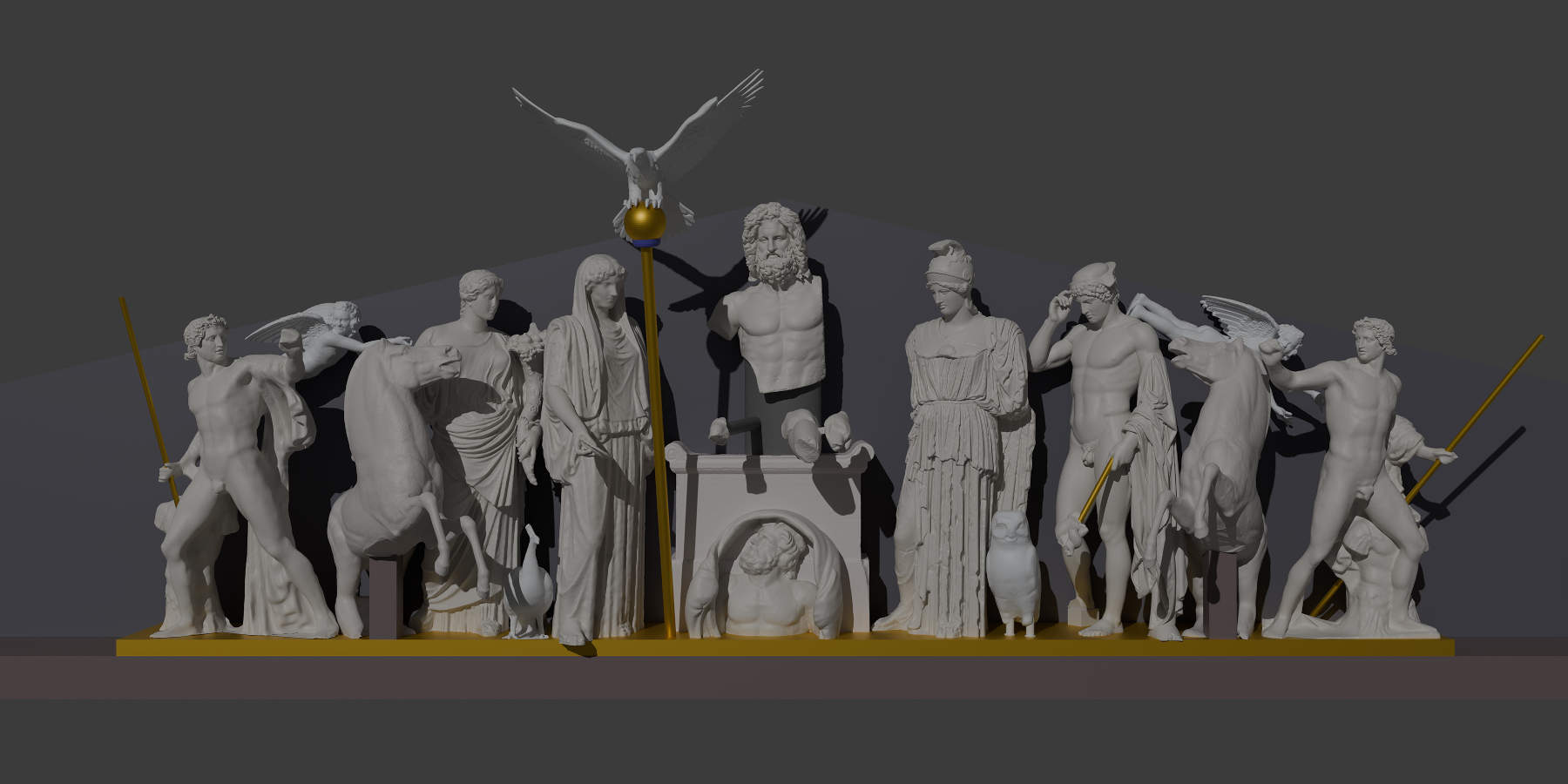
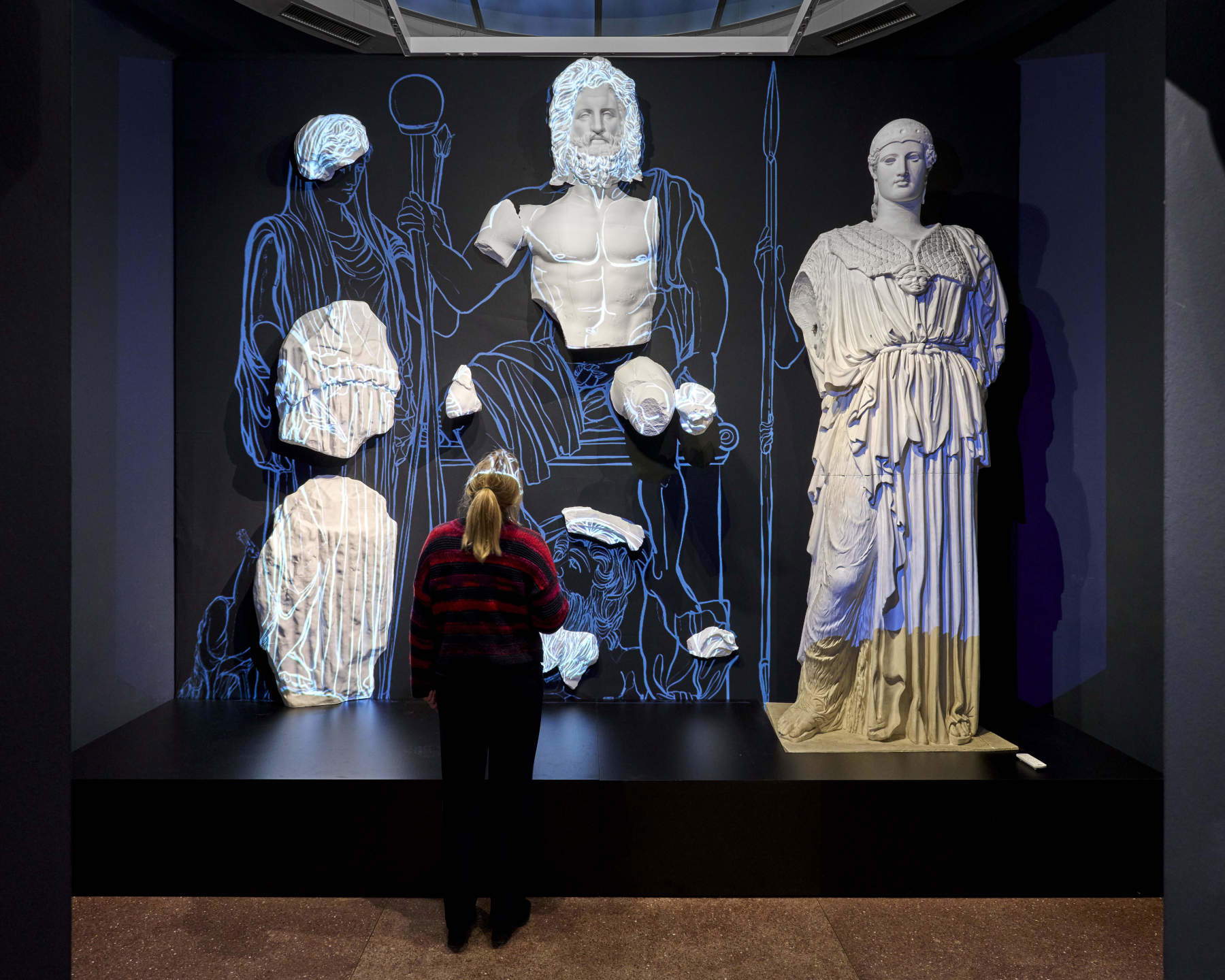
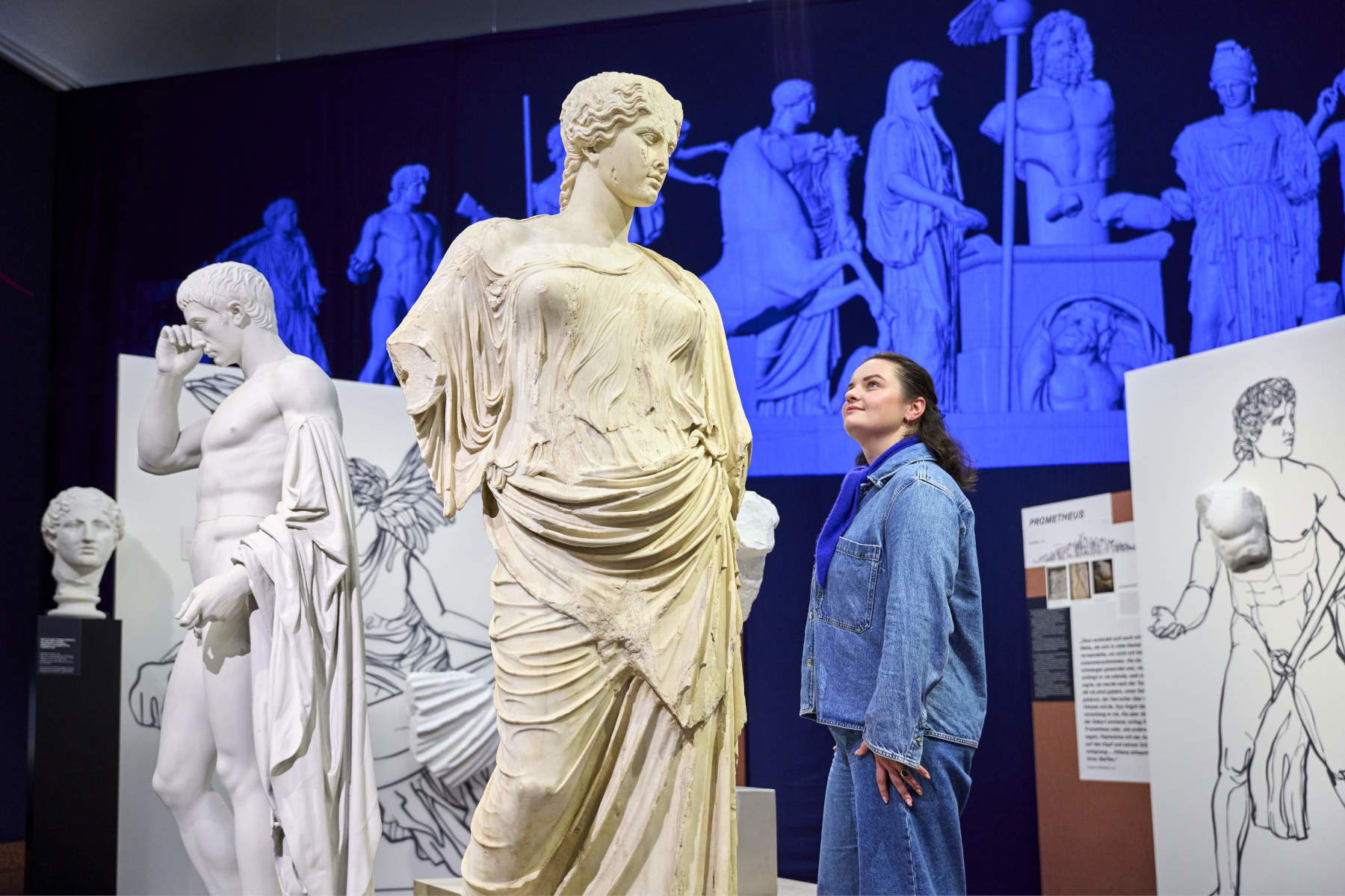
The research team led by Vinzenz Brinkmann, director of the Liebieghaus Antiquities Collection, reexamined the preserved artifacts using 3D scans, seeking to identify correspondences between the fragments and attribute them to the individual figures in the composition. The technical traces on the sculptures were compared with ancient written sources and other examples of statuary from the period, with the aim of developing a comprehensive proposal based on archaeological evidence.


The exhibition illustrates this process through three different levels of reconstruction: documentation of the extant artifacts, the new attributions identified by scholars, and, finally, the proposed reconstruction of the entire pediment. Particular attention is also given to figures of which few traces remain today or that have been completely lost, but which can be repositioned within the original sculptural program thanks to a comparison of the available clues.
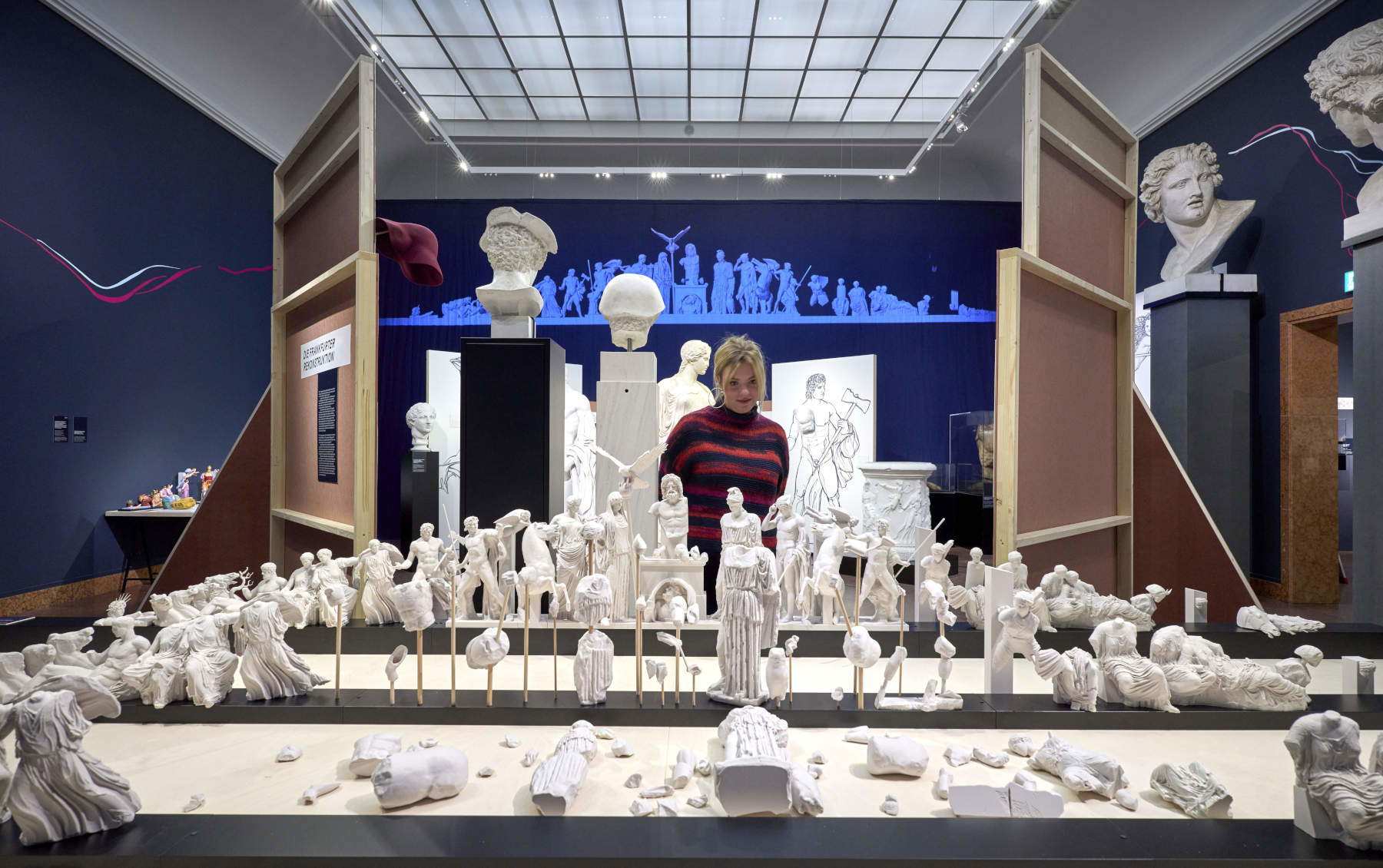
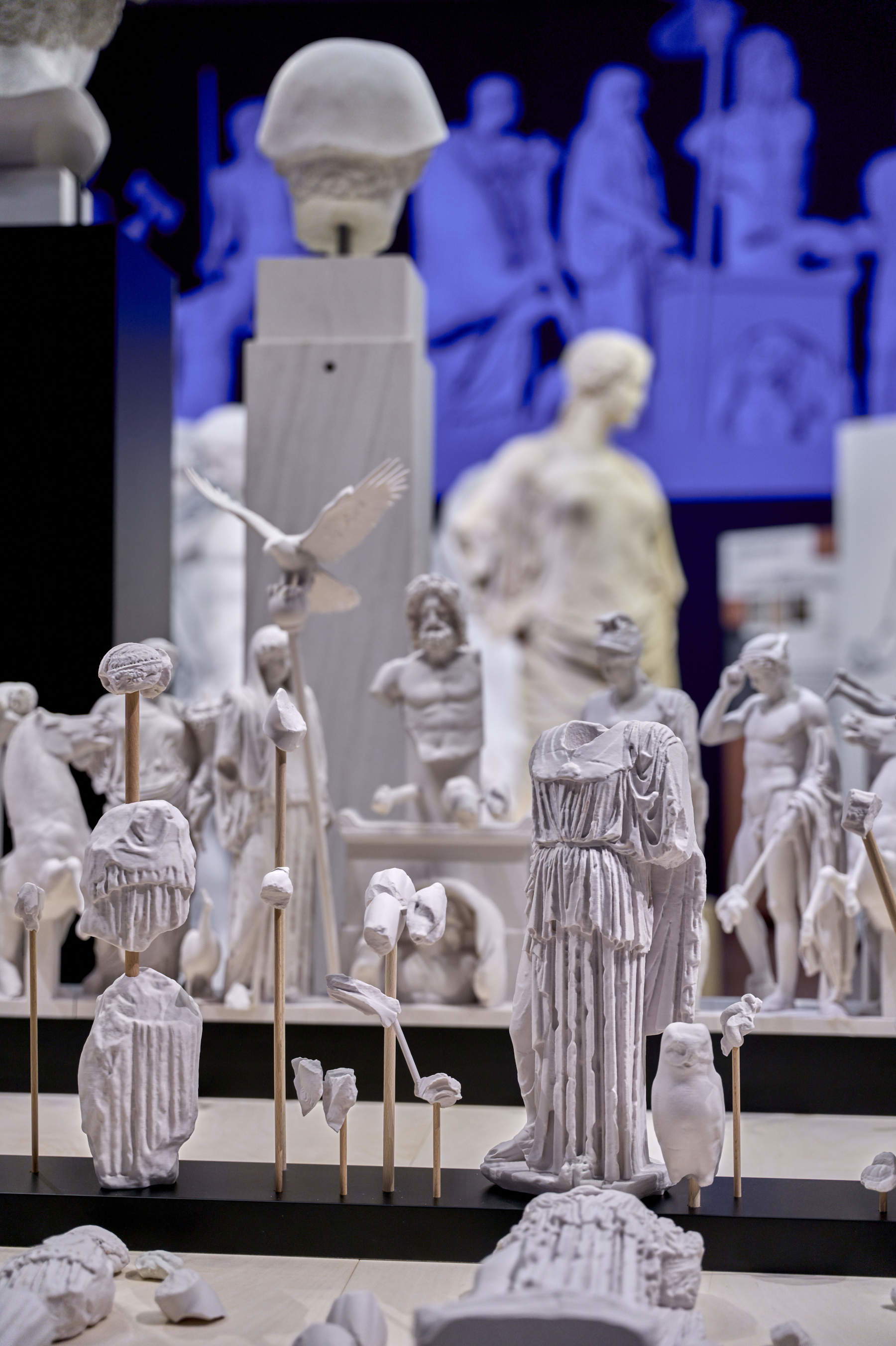
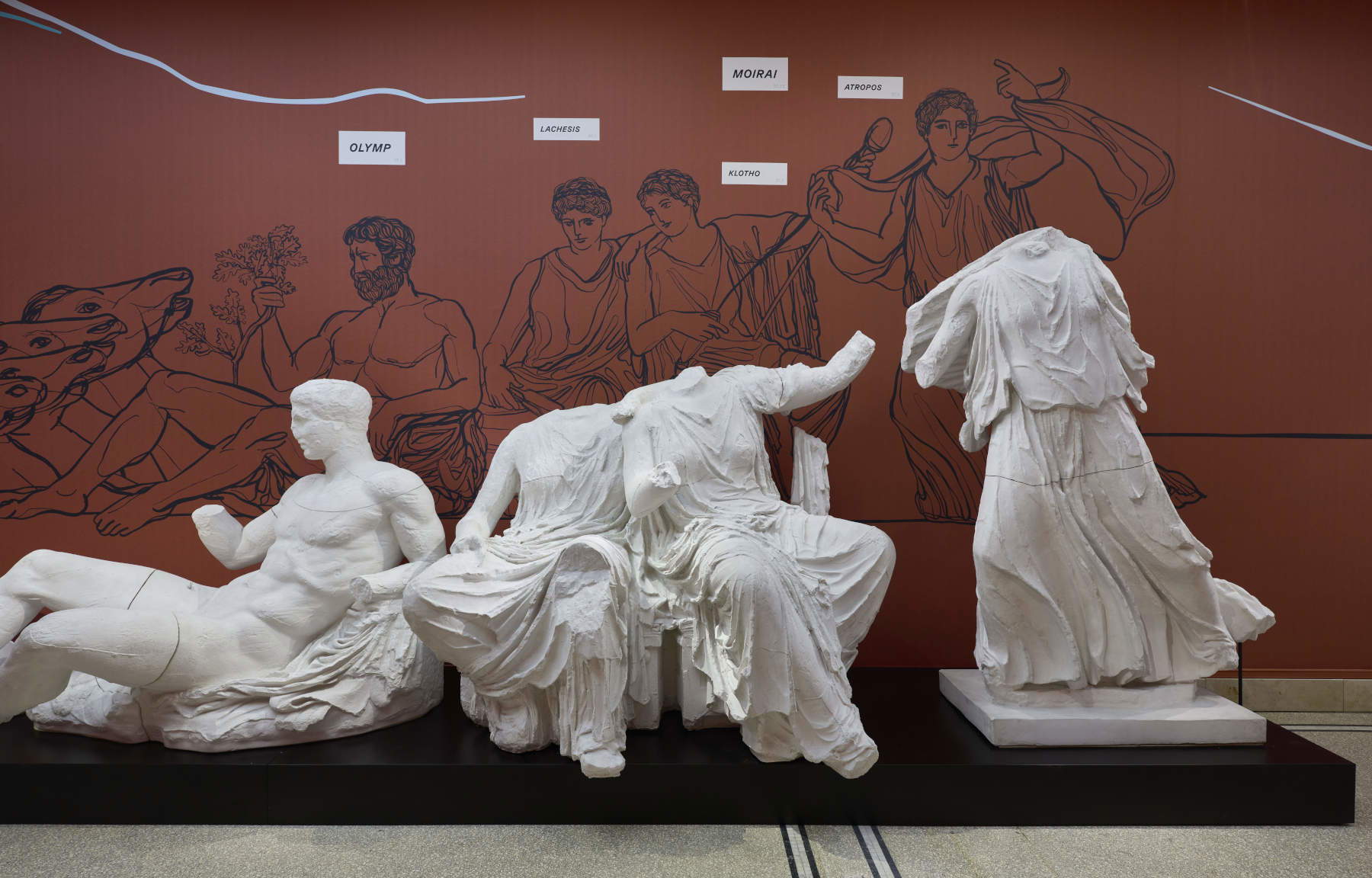
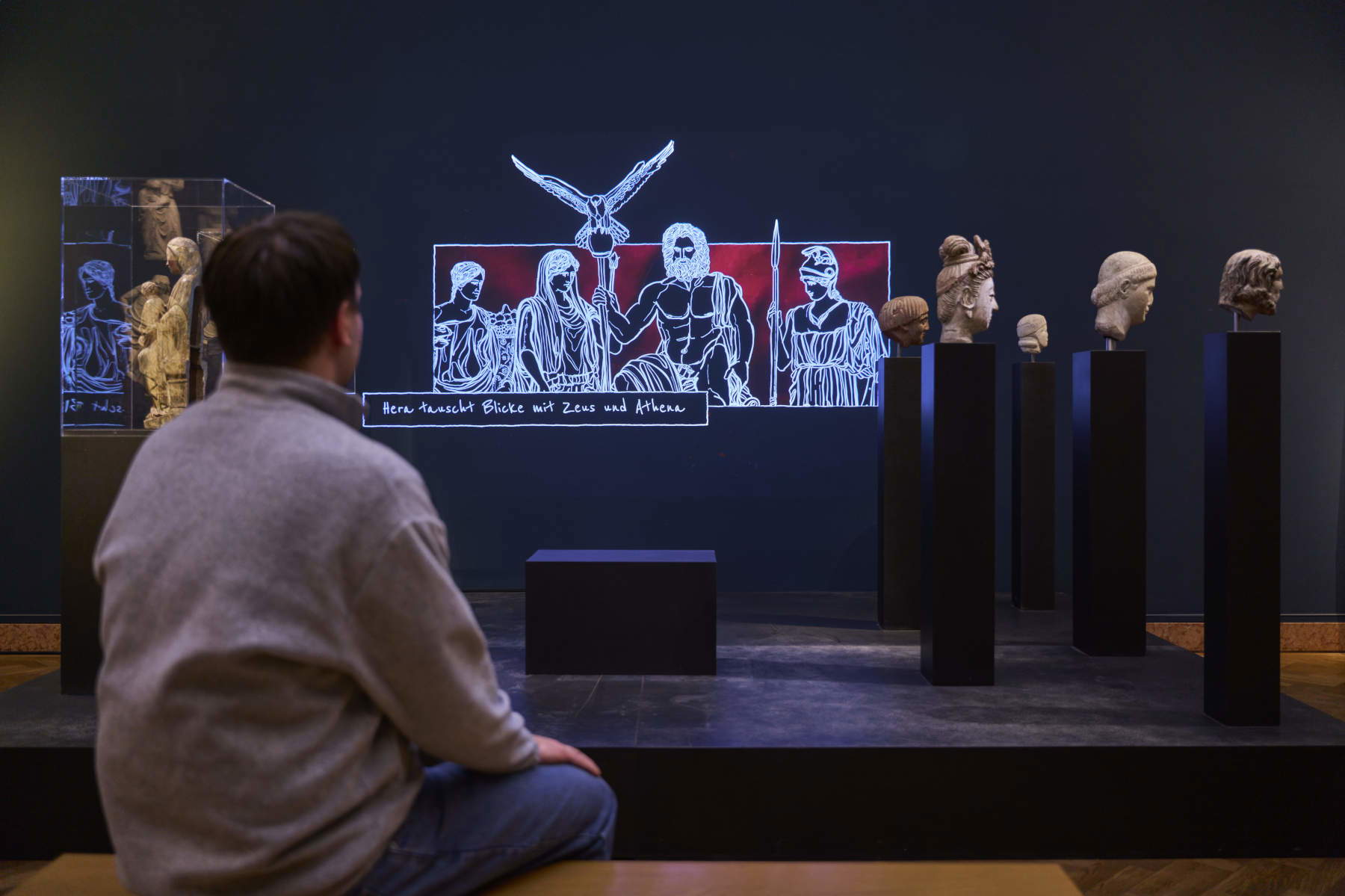
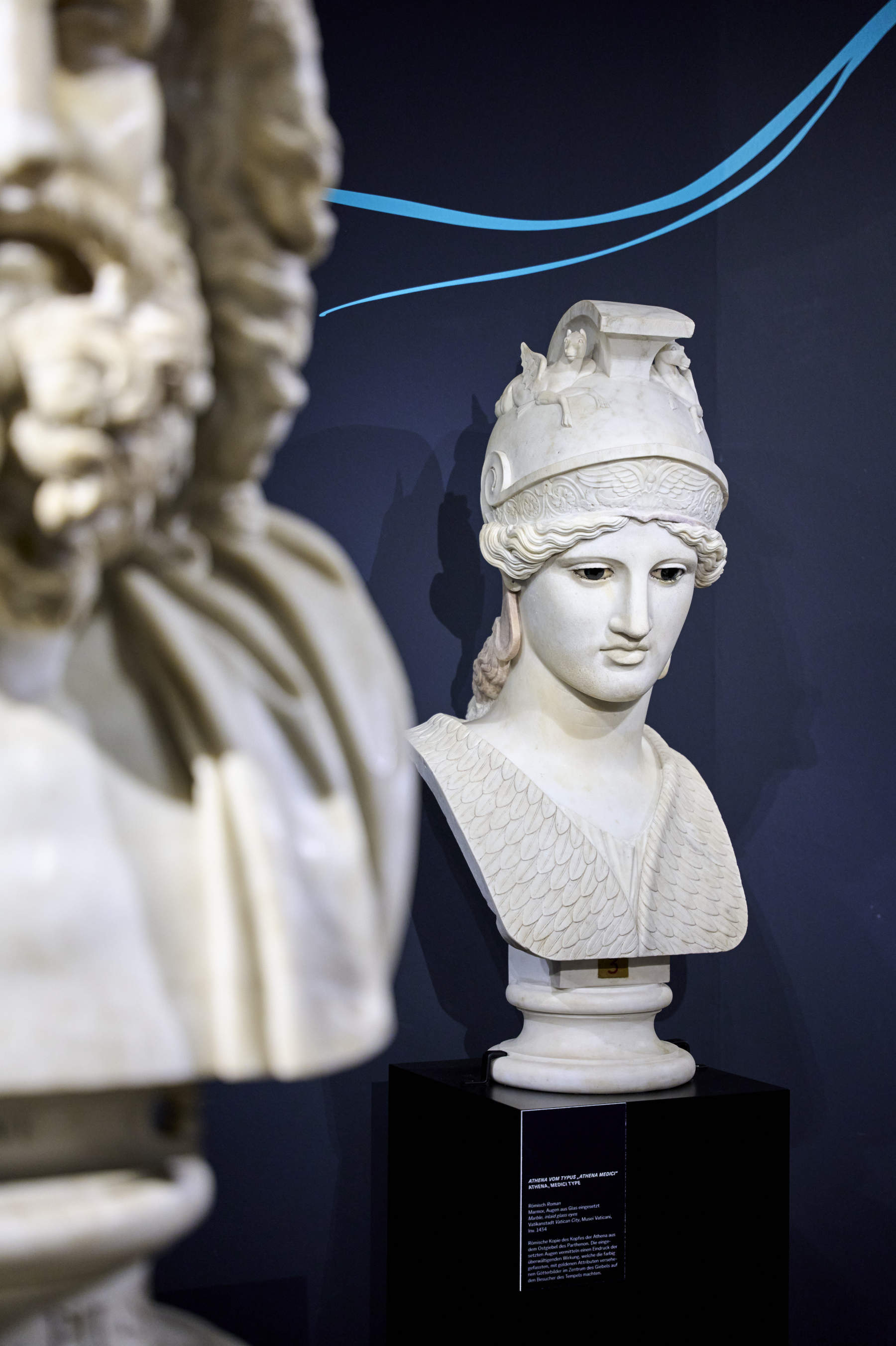
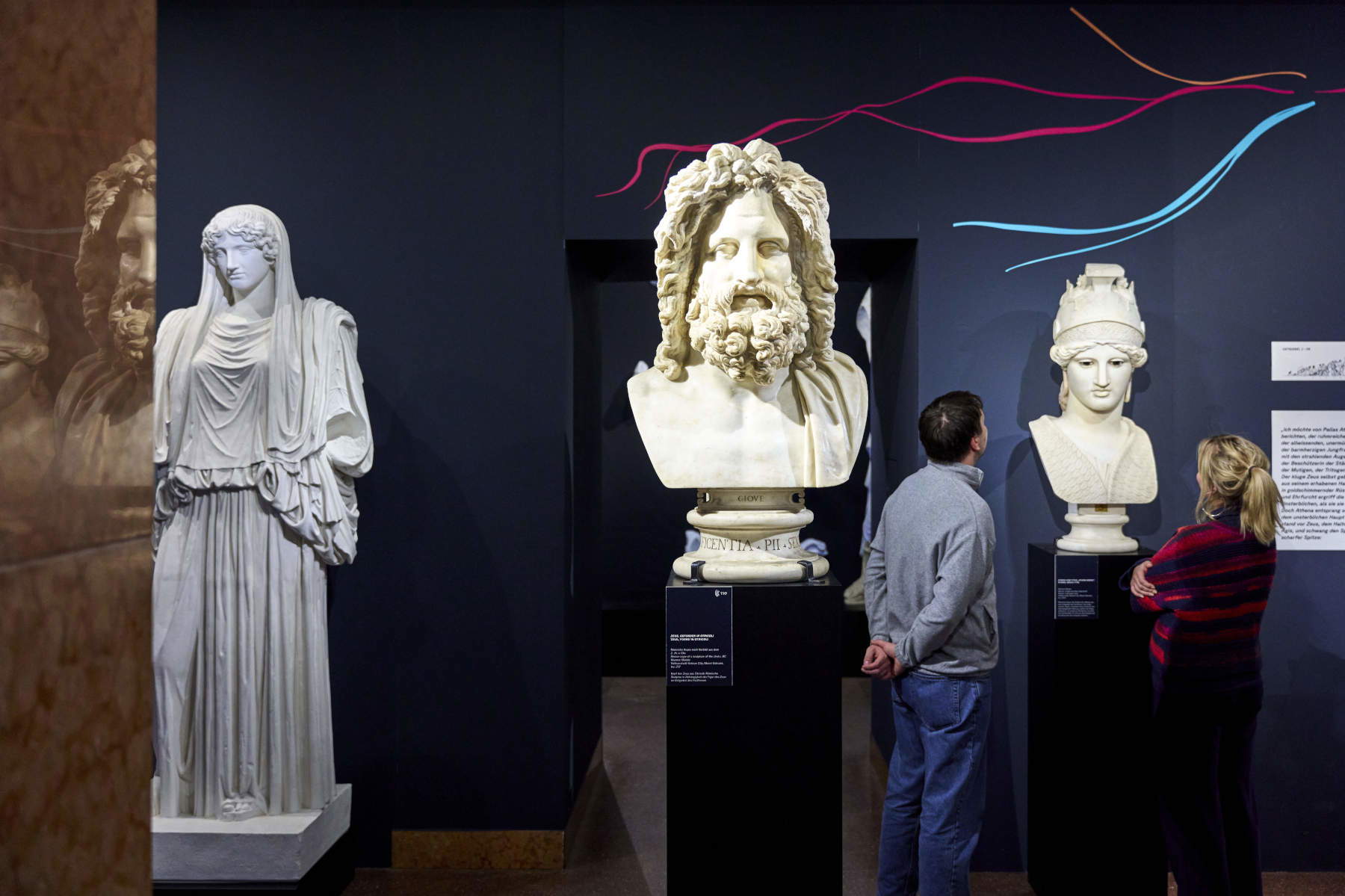
The exhibition features works selected from the Liebieghaus Skulpturensammlung collection and major loans from international institutions, including the Louvre in Paris and the Vatican Museums. A specially designed exhibition layout guides visitors through the various stages of research, connecting the new archaeological acquisitions with some 200 years of scholarship dedicated to the so-called Parthenon puzzle.
The centerpiece of the exhibition is an animation created specifically for the project, in which the figures from the eastern pediment gradually reassemble into a monumental scene. This digital reconstruction thus allows visitors to view the Parthenon’s lost figurative program as a whole, based on the new attributions developed by the research team. To round out the visit, a free smartphone audio guide is available, organized into approximately 20 stops and lasting a total of 60 minutes. The app features audio recordings and images that guide visitors through the history of the pediment and the archaeological issues related to its reconstruction.
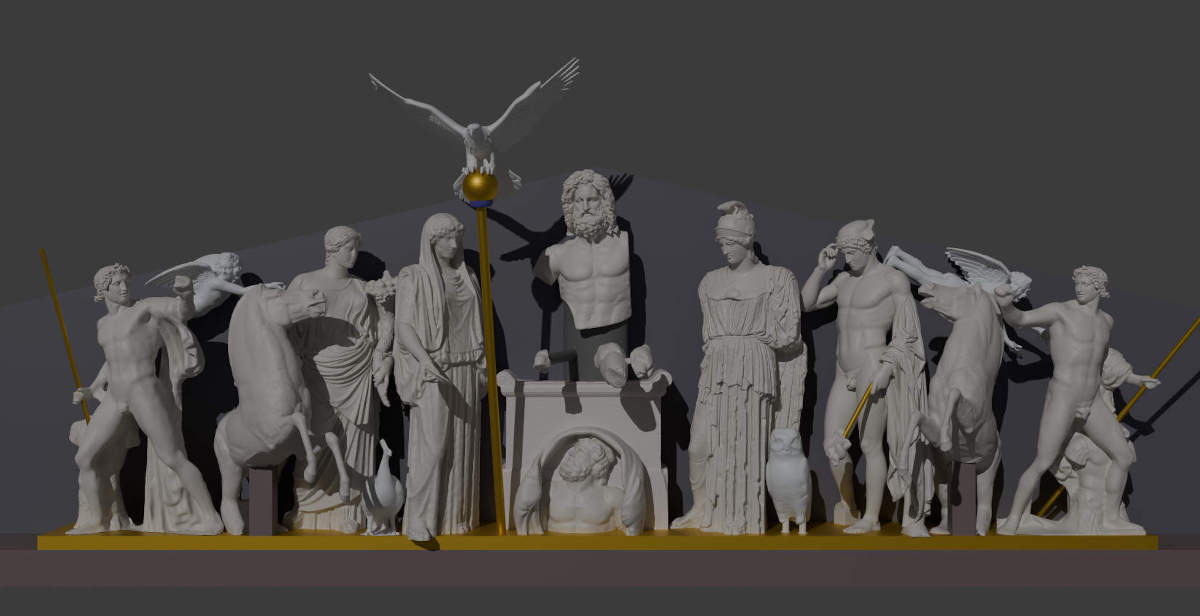 |
| In Frankfurt, they are reconstructing the lost pediment of the Parthenon using 3D technology |
Warning: the translation into English of the original Italian article was created using automatic tools. We undertake to review all articles, but we do not guarantee the total absence of inaccuracies in the translation due to the program. You can find the original by clicking on the ITA button. If you find any mistake,please contact us.