





The landscape as a space of memory, but also as a witness to the transformations and crises of the contemporary world. This is the central theme of *Stories of Landscapes*. From Monet to Hockney (1890–2026), the exhibition—organized jointly by the Marmottan Monet Museum in Paris and the Grenoble Museum—aims to connect over a century of artistic production through the theme of landscape. The curatorship is entrusted to Pierre Wat, professor of contemporary art history at Panthéon-Sorbonne University, director of the HiCSA Research Center, and scholar of landscape representation.
The exhibition begins in the late 19th century and spans the 20th and 21st centuries, challenging the notion of landscape as an autonomous genre separate from historical events. Wars, political and social changes, the relationship with nature, and the construction of collective identities have, in fact, progressively transformed the way artists have viewed and represented the landscape.
An emblematic moment has been chosen to open the exhibition: Claude Monet’s gesture, in which, in the aftermath of the armistice of November 11, 1918, he offered France two paintings from his Water Lilies series to celebrate the victory. This episode serves as the starting point for exploring the relationship between art, landscape, and contemporary history.
The exhibition unfolds across eleven chronological and thematic sections, in which the landscape is examined from different perspectives. From depictions linked to conflicts to the relationship between the nation and the landscape, from the gradual abstraction of nature to the search for origins, all the way to inner landscapes and the relationship between past, present, and future.
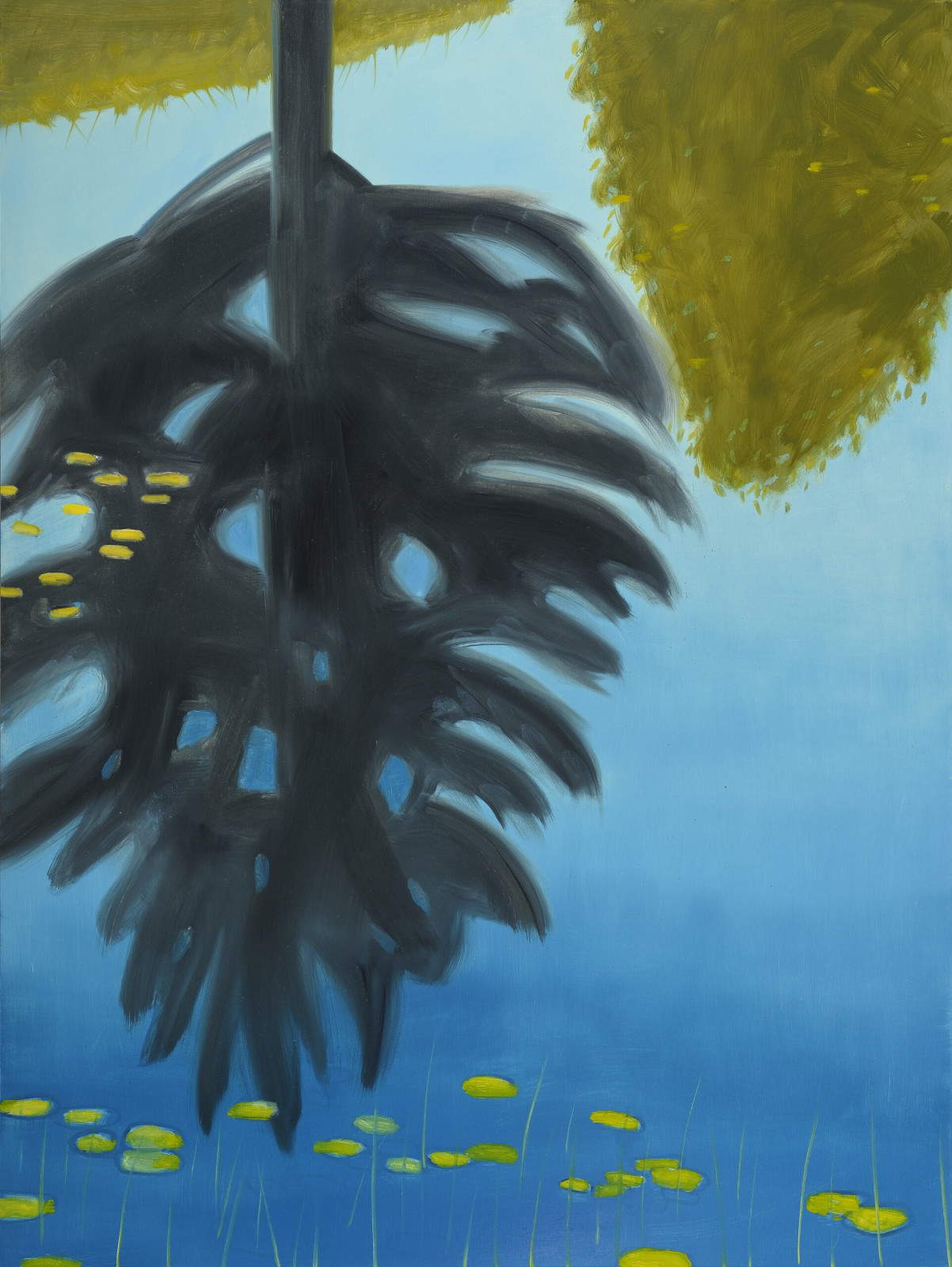
The exhibition also aims to explore the tension between the local and the global, the themeof the Anthropocene, and the loss of certain imagery associated with nature. The landscape thus becomes a space where memory and oblivion, belonging and nostalgia, mourning and transformation converge. What changes over time is not only the way the landscape is represented, but also the very role it plays in art. Painting, photography, sculpture, and video all contribute to the creation of new narrative forms, in which the landscape is no longer merely a backdrop but becomes an integral part of history and of both individual and collective experiences.
The exhibition’s eleven sections— Water Lilies for History; Landscapes at War; Country, Landscape; Abstraction of Nature; Back to the Origins; Inner Landscapes; Past, Present, Future; Local, Global, Total; After History; Landscape, Landscapes of the Anthropocene; Lost Paradises? —form a journey spanning more than a century and exploring the landscape’s ability to preserve traces of its own era.
Following its Paris premiere at the Musée Marmottan Monet from September 24, 2026, to January 31, 2027, *Stories of Landscapes (1890–2026) * will be presented at the Grenoble Museum from March 5 to July 4, 2027, thus continuing the dialogue between the two institutions on the role of landscape in the history of modern and contemporary art.
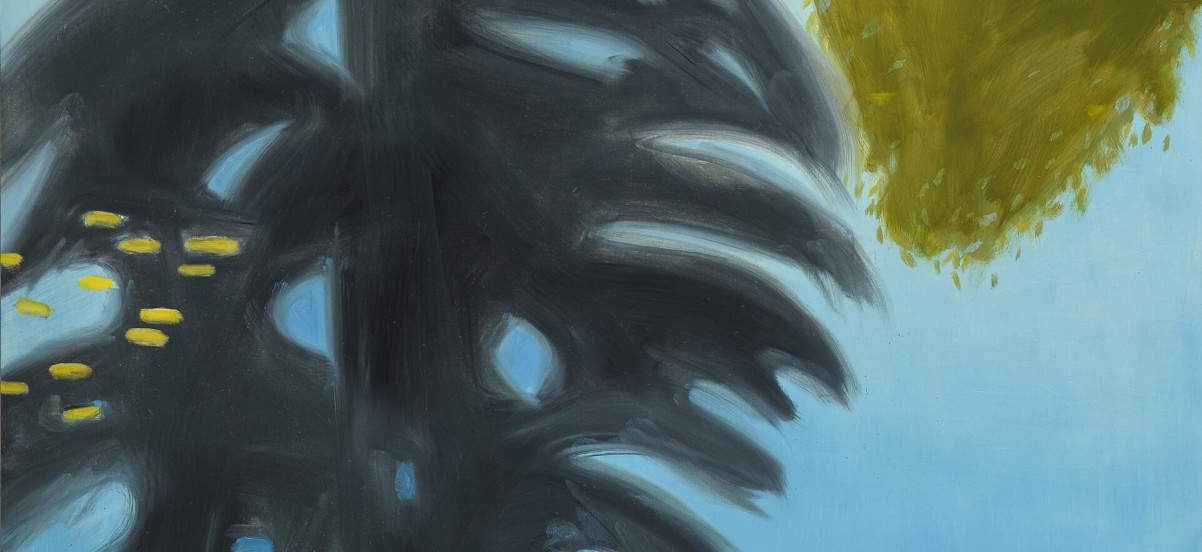 |
| In Paris and Grenoble, an exhibition traces more than a century of landscape art, from Monet to Hockney |

Warning: the translation into English of the original Italian article was created using automatic tools. We undertake to review all articles, but we do not guarantee the total absence of inaccuracies in the translation due to the program. You can find the original by clicking on the ITA button. If you find any mistake,please contact us.
























 IT
IT FR
FR DE
DE ES
ES CN
CN


