





On September 25, 2026, the Vatican Apostolic Library will open AQVA to the public—the first chapter of *Catastrophe and Wonder*, a new five-year exhibition series dedicated to the dialogue between heritage preserved over the centuries and contemporary forms of expression. Running through May 14, 2027, the exhibition focuses onwater—considered in its dual nature as both a resource and a threat—through a curated program featuring artist JR, typographer Bill Moran, and chef Fulvio Pierangelini. The initiative is organized in institutional collaboration with Fondazione Roma and with the support of Intesa Sanpaolo.
AQVA is curated by Don Giacomo Cardinali, Simona De Crescenzo, Francesca Giannetto, and Delio Proverbio. The exhibition serves as the first installment of *Catastrofe e Meraviglia*(Catastrophe and Wonder), a cultural project designed to connect diverse disciplines, eras, and sensibilities. The series explores the fragile balance between catastrophe and wonder through the themes of conservation, knowledge, and our relationship with nature, offering a reflection on the role of cultural heritage in the present.
The project stems from the idea of addressing the threats that have always endangered the book heritage—from water to fire, from light to insects, and even human intervention. Natural elements and actions that can compromise the preservation of collective memory thus become the starting point for a reflection on humanity’s anxieties in the face of what lies beyond its control. The series invites us to move beyond fear to identify new possibilities for interpretation and creation, in a journey that marks a new chapter in the Vatican Library’s mission of preservation and dissemination.
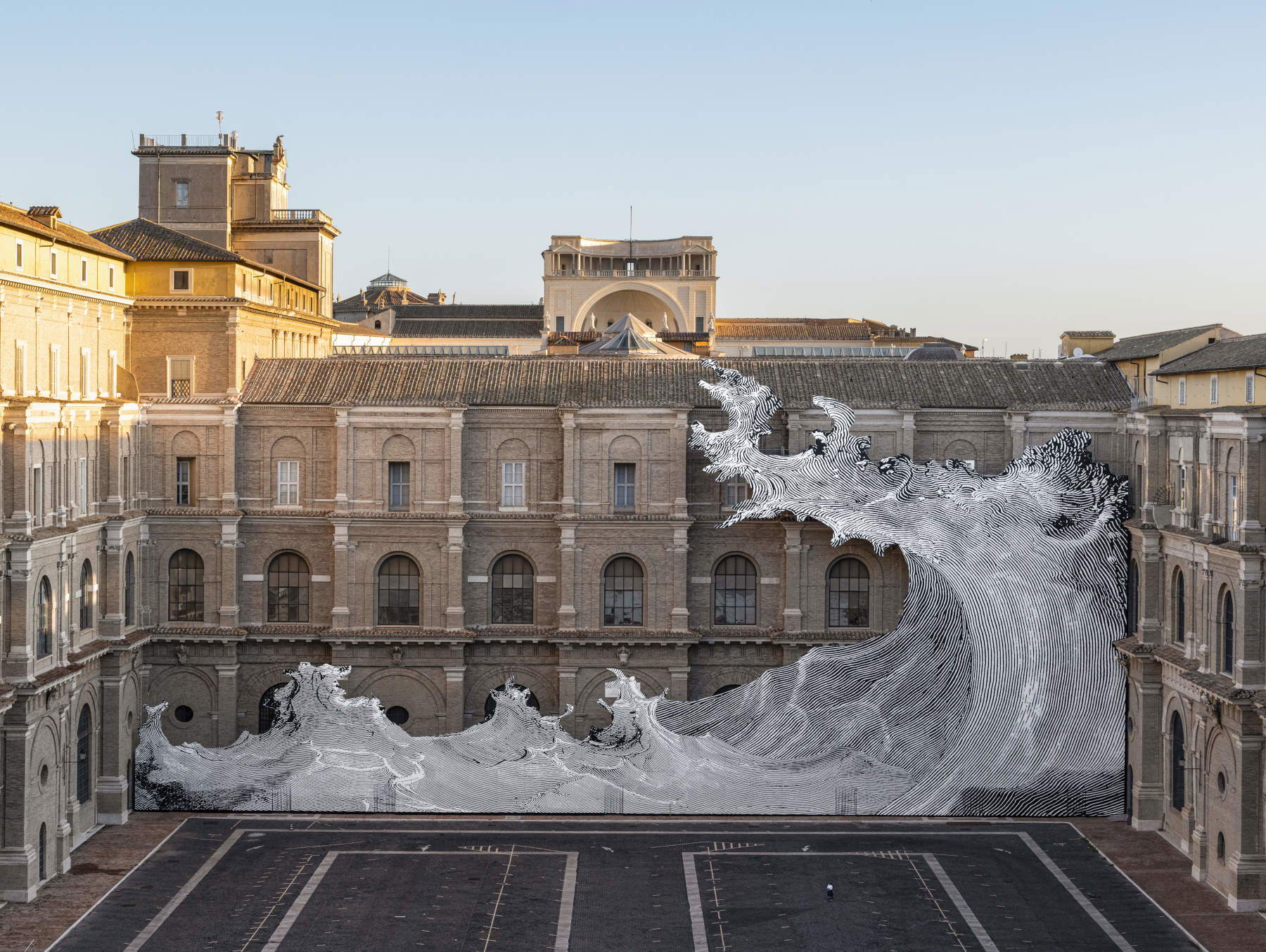
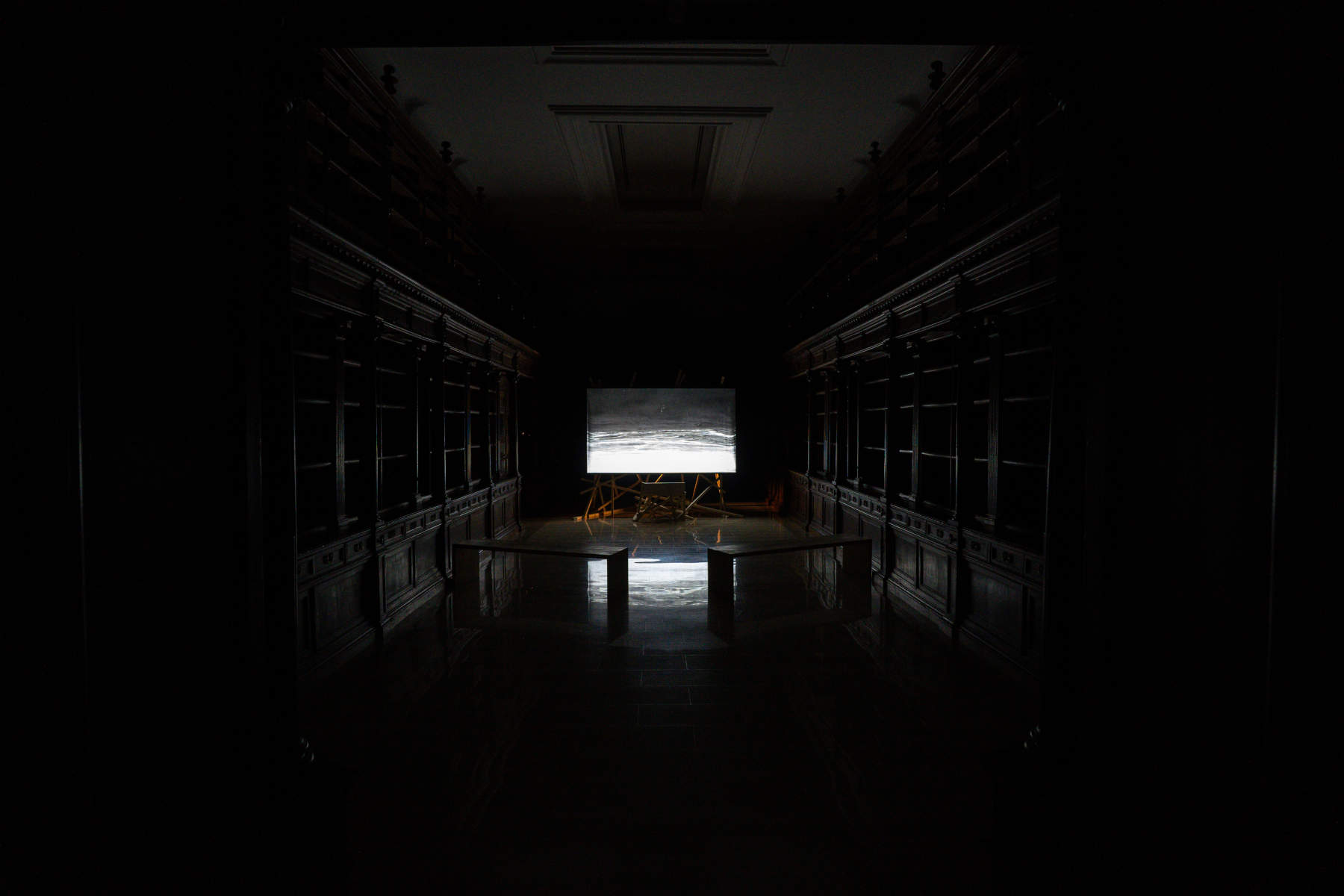
The first installment, AQVA, focuses on the ambivalence of water—an element that generates life and, at the same time, a destructive force. The exhibition weaves together history, science, and contemporary forms of expression, guiding visitors from an initial perception of threat toward a gradual reconciliation with this natural element. This theme also fits within the context of the global climate crisis, highlighting humanity’s relationship with an indispensable resource and with the planet’s transformations.
The exhibition opens with *Diluvium*, a monumental installation by JR mounted on the Library’s 16th-century façade. The work introduces the theme of the vulnerability of knowledge and memory before visitors enter the Vatican Library’s galleries and encounter the connections between the institution’s centuries-old heritage, the aquatic world, and contemporary creations. The itinerary then leads to the Barberini Hall, transformed into a space for contemplation, and to a series of works and materials that explore the theme of water from different perspectives.
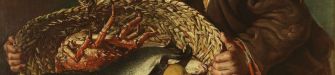
At the heart of the exhibition is Ippolito Salviani’s*Aquatilium animalium historia*, published in 1557. Alongside Salviani’s treatise, a selection of manuscripts, printed books, engravings, and objects from the Vatican collections reconstructs the millennia-old relationship between water and knowledge. The exhibition includes Apicius’s *De re coquinaria*, the travel narratives of Giovanni Battista Ramusio, marine bestiaries, and numismatic curiosities related to the aquatic world. This historical heritage engages in dialogue with the works of three leading figures on the contemporary art scene, who have been invited to engage with the Library’s spaces and collections.
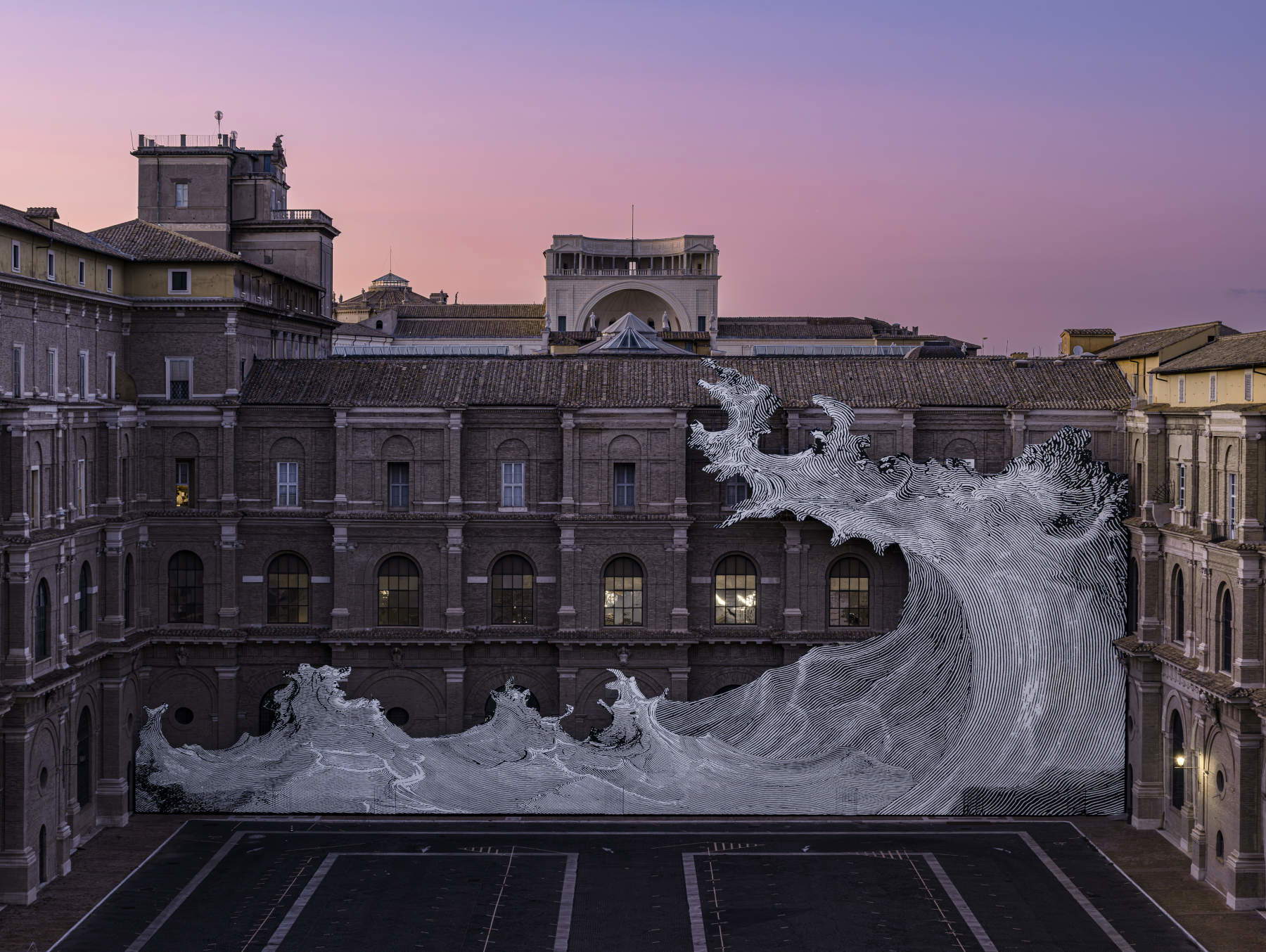
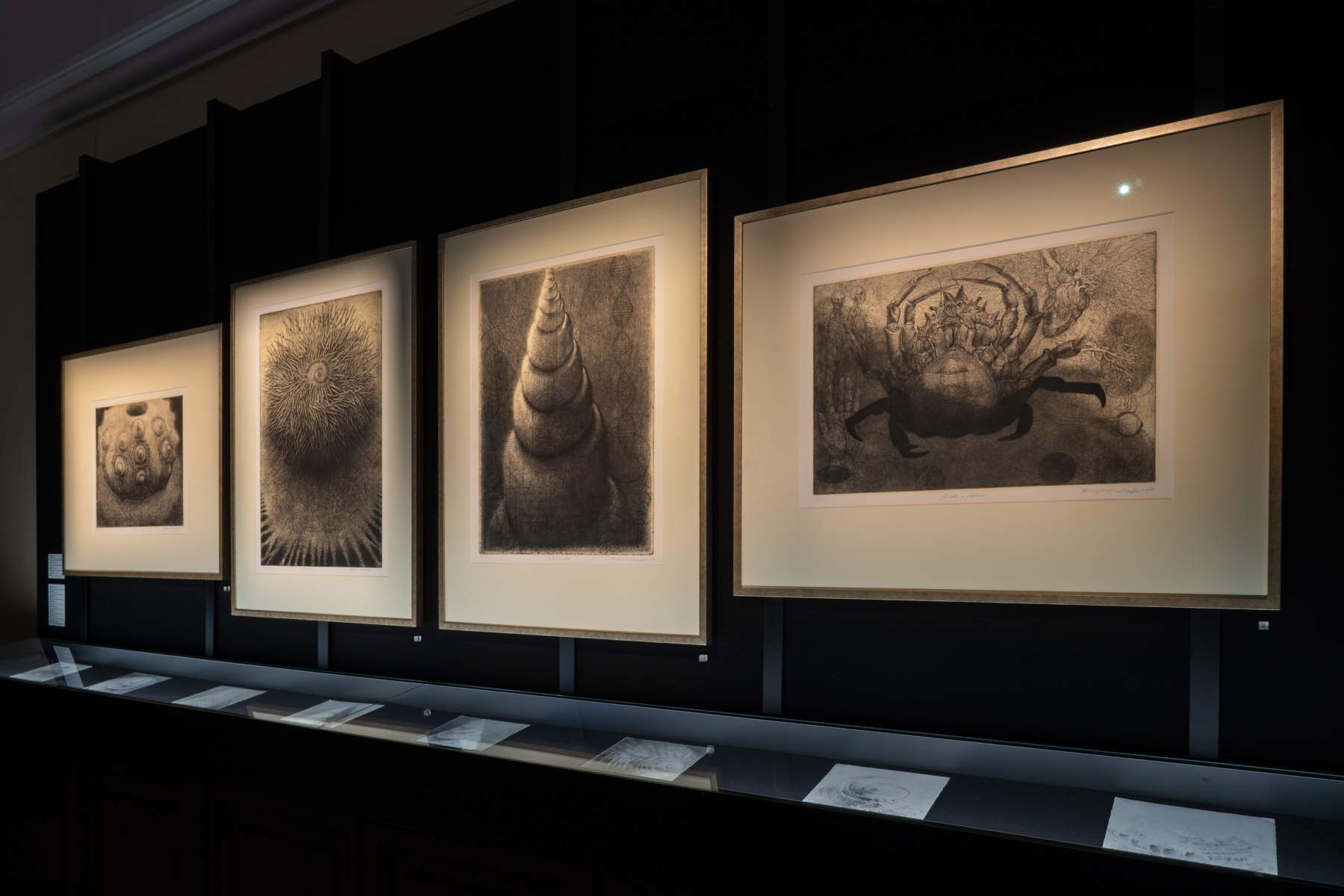
JR presents two site-specific installations with a powerful visual and emotional impact, dedicated to the relationship between nature and culture. Bill Moran, meanwhile, brings his “LetterfFish” to the exhibition—marine creatures composed of letters, numbers, and punctuation marks—through which typography becomes a visual language. Fulvio Pierangelini explores the connection between water, cuisine, and memory through previously unpublished gastronomic narratives, described as declarations of love for raw ingredients—observed and treated with respect and dedication, laced with a touch of sophisticated irony.
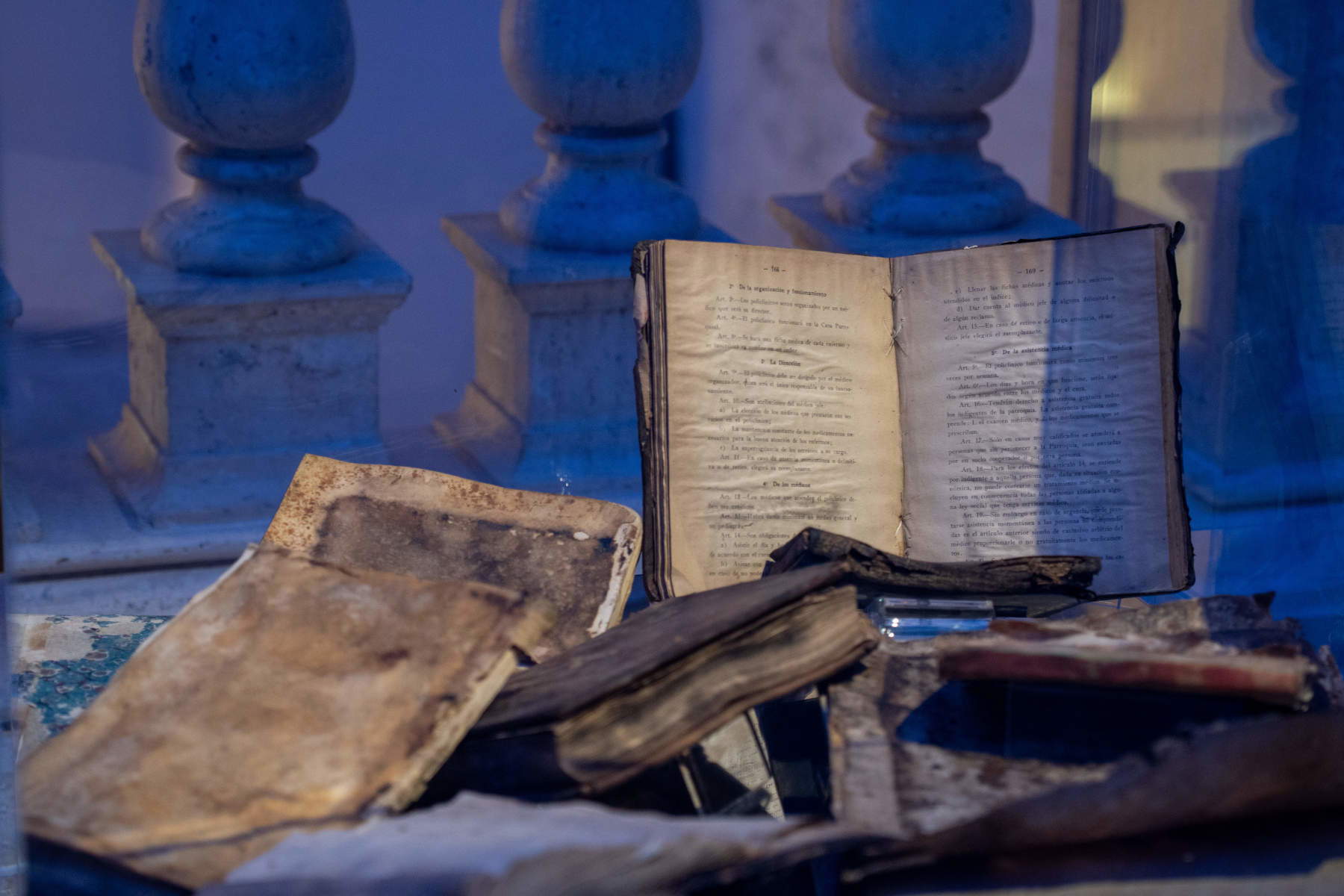
The exhibition concludes with a section dedicated to the Vatican Library’s Restoration Laboratory. Here, water is once again considered in its dual role: both a cause of deterioration for library materials and a fundamental tool for their preservation and restoration. The presence of the laboratory thus introduces a practical perspective on the relationship between cultural heritage and natural elements, linking the exhibition’s themes to the institution’s conservation efforts.
The Vatican Apostolic Library is an ancient institution, a place of preservation and research belonging to the Pope and closely linked to the governance and ministry of the Apostolic See. Its modern history began with Nicholas V, who, around the mid-15th century, decided to open the papal book collections to learned men, in accordance with the principle of “pro communi doctorum virorum commodo” expressed in the papal brief of April 30, 1451. Sixtus IV established a more stable organizational structure for the Library with the Bull *Ad decorem militantis Ecclesia* dated June 15 , 1475. The existence of a *Scrinium*, however, has been documented since the 4th century.
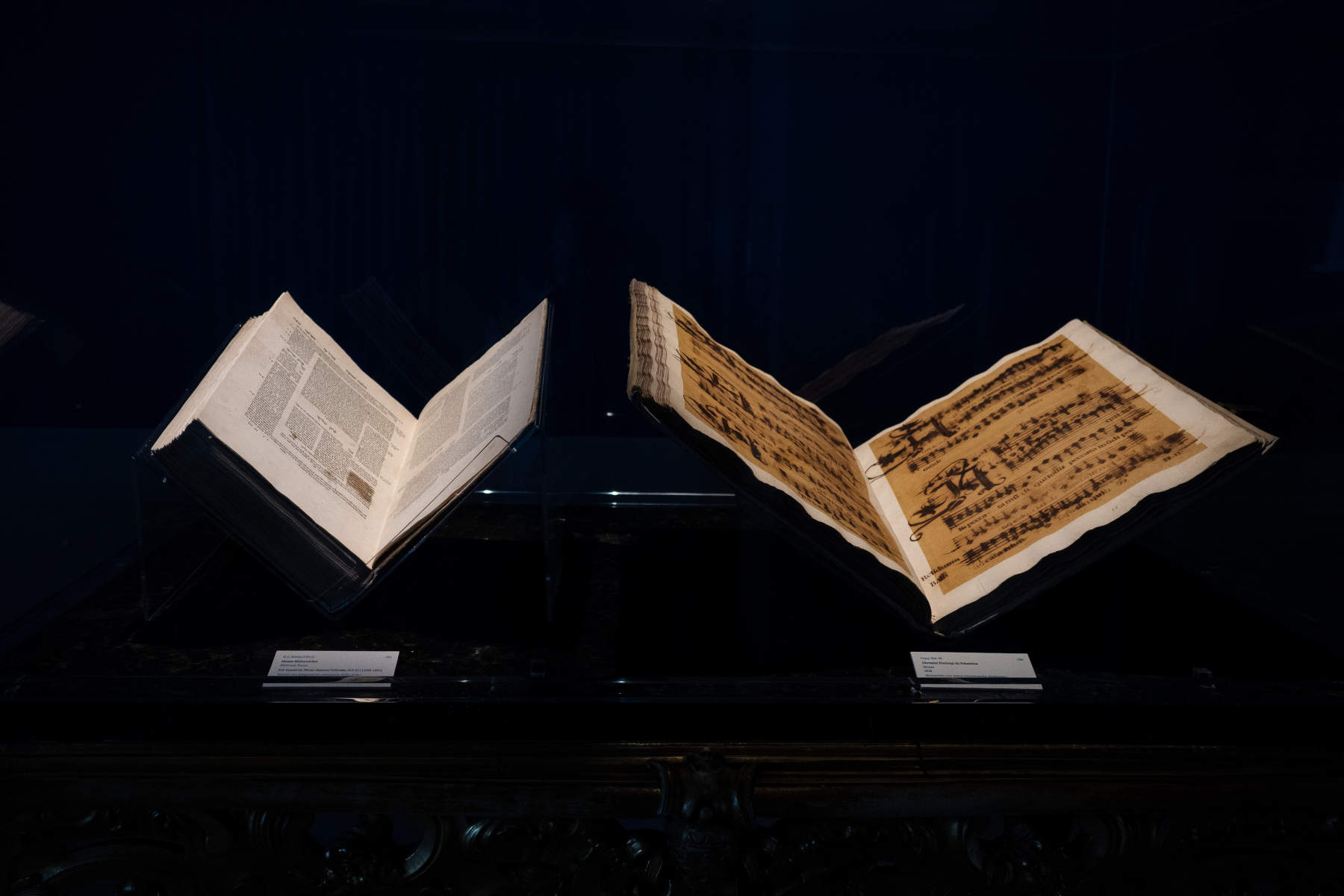
The Vatican Library’s collections include manuscripts, archival materials, ancient and modern printed volumes, coins and medals, prints and drawings, as well as cartographic and photographic materials. They are open to qualified scholars from around the world, regardless of race, religion, origin, or culture. The institution specializes in philological and historical disciplines and, historically, also in theological, legal, and scientific fields.
The “Catastrofe e Meraviglia” project and the inaugural exhibition “AQVA” are made possible by an institutional partnership with Fondazione Roma and the support of Intesa Sanpaolo. The Vatican Apostolic Library and Fondazione Roma have signed a memorandum of understanding establishing a three-year partnership between the two institutions, based on a shared vision and a common mission to promote, preserve, and disseminate cultural and artistic heritage. The project is supported by the President of Fondazione Roma, Franco Parasassi. The exhibition also renews the partnership with Intesa Sanpaolo, which was already involved in the Jubilee project and has been confirmed as a partner for the Library’s exhibition initiatives.
AQVA will be open from September 25, 2026, to May 14, 2027, exclusively on Fridays and Saturdays, according to a specific schedule. On Fridays, special visits will be offered, including a private evening tour led by Library staff from 6:00 p.m. to 8:00 p.m. On Saturdays, the exhibition will be open to the public for regular visits with audio guides, organized in time slots with limited capacity. Reservations are required and must be made at least 48 hours before the visit. Tickets can be purchased on the exhibition’s official website
“The AQVA exhibition, ” says Father Giacomo Cardinali, Vice Prefect and Commissioner of Exhibition Activities, “is also an opportunity to celebrate the 470th anniversary of the publication—which took place on the initiative and at the expense of the Vatican Library—of the beautiful treatise on fish by the physician Ippolito Salviani, completed in Rome in 1557. Convinced that, when faced with fears, it is wiser to pause and confront them, we turned to three creatives of extraordinary ingenuity, discovering unexpected horizons precisely in what usually terrifies us.”
“There is something almost mystical about books,” says JR. “These fragile objects contain the world’s thoughts; they carry voices, stories, and knowledge across the centuries. Their strength is immense, as is their vulnerability: paper offers no resistance to the elements. By bringing a wave into the Vatican Library, DILUVIUM and UNDAE confront this paradox. What can survive, and what do we choose to preserve?”
“The privilege of creating a work for the Vatican Library,” says Bill Moran, “has allowed me to bridge the past and the present, combining my family’s traditional printing equipment with vintage wooden type to create new, original LetterFish.”
“I am very happy to be part of this project and the related program,” explains chef Fulvio Pierangelini. “In both, I will share stories and recipes featuring fish discovered in a splendid text that this precious library preserves with infinite care and wisdom.”
“Collaborating with such a prestigious cultural institution is a source of deep pride for us, but above all, it is an act of responsibility toward the community,” states Franco Parasassi, President of Fondazione Roma. “The three-year partnership with the Vatican Apostolic Library represents not only a collaboration of excellence, but the realization of a shared vision: to make our artistic and cultural heritage an accessible resource, capable of inspiring, engaging with the present, and stimulating deep reflection on our future. Through extraordinary initiatives such as ‘AQVA: Catastrophe and Wonder,’ we are committed to promoting our shared mission as custodians and disseminators of culture, ensuring it remains an asset accessible to all.”
“Supporting a project like AQVA, ” says Stefano Lucchini, “is a great honor for Intesa Sanpaolo: it means helping to bring an extraordinary heritage to life and make it accessible, fostering dialogue between the memory preserved by the Vatican Apostolic Library and the languages of the contemporary world. This collaboration fully embodies our commitment to culture, social issues, and the environment as tools for knowledge. These are the great challenges of our time, as we guide young people to look toward the future with awareness.”
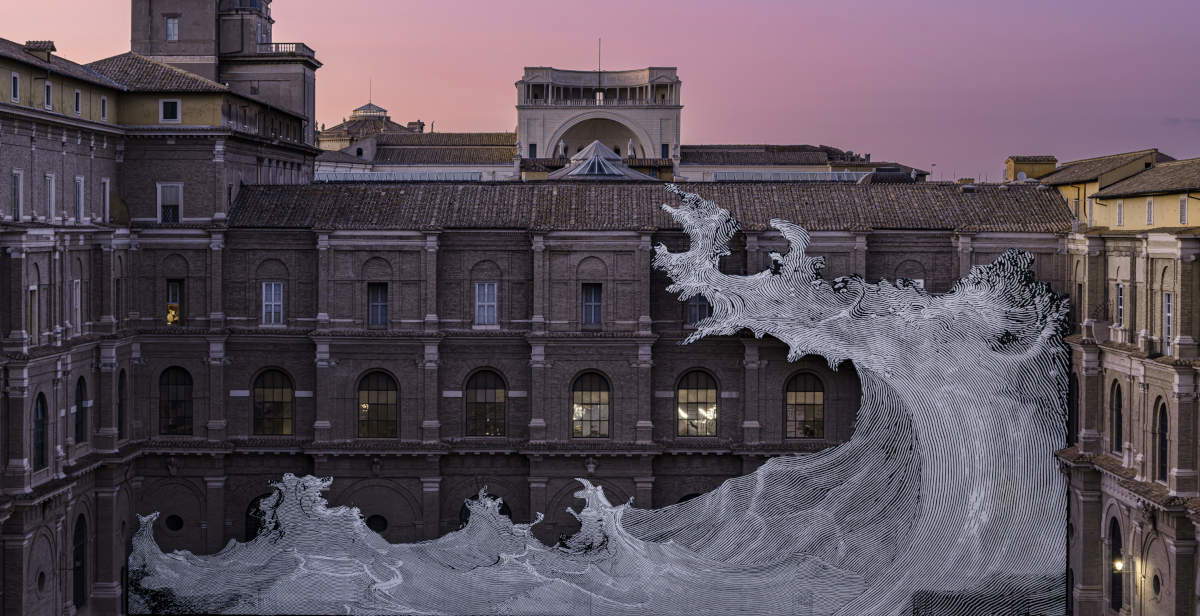 |
| JR unleashes a deluge on the Vatican Apostolic Library for an exhibition on water as a threat |

Warning: the translation into English of the original Italian article was created using automatic tools. We undertake to review all articles, but we do not guarantee the total absence of inaccuracies in the translation due to the program. You can find the original by clicking on the ITA button. If you find any mistake,please contact us.














 IT
IT FR
FR DE
DE ES
ES CN
CN


