



by Redazione 09/09/2026



Categories: Exhibitions / Disclaimer
From September 16 to November 14, 2026, Thaddaeus Ropac Milano will present the exhibition *Perché più bruci* by Leoncillo at Palazzo Belgioioso. This marks the sculptor’s first exhibition at the gallery.
Thaddaeus Ropac Milano presents *Leoncillo. Perché più bruci* at Palazzo Belgioioso. This is the first exhibition dedicated to Leoncillo Leonardi (1915–1968) at the gallery and the first chapter of a trilogy on the artist’s work developed in collaboration with the Leoncillo Foundation. Curated by Lorenzo Fiorucci, Alberto Salvadori, and Azalea Seratoni, the exhibition will be open to the public from September 16 to November 14, 2026.
The exhibition brings together sculptures and works on paper created over the four decades of Leoncillo’s career and showcases the artist’s exploration of clay, through which he redefined its expressive possibilities, making it one of the languages of 20th-century sculpture. At the heart of the exhibition is the motif of the tree, a recurring theme in his work since his earliest drawings of olive trees in the 1930s.
For Leoncillo, this natural element becomes a point of connection between nature and the body and underpins a poetics of transformation that spans from his early figurative sculptures—characterized by bucolic and mythological references—to the informal works of the last decade. In these latter works, cracks, incisions, and fractures transform the surface of the clay into sites of material variation.




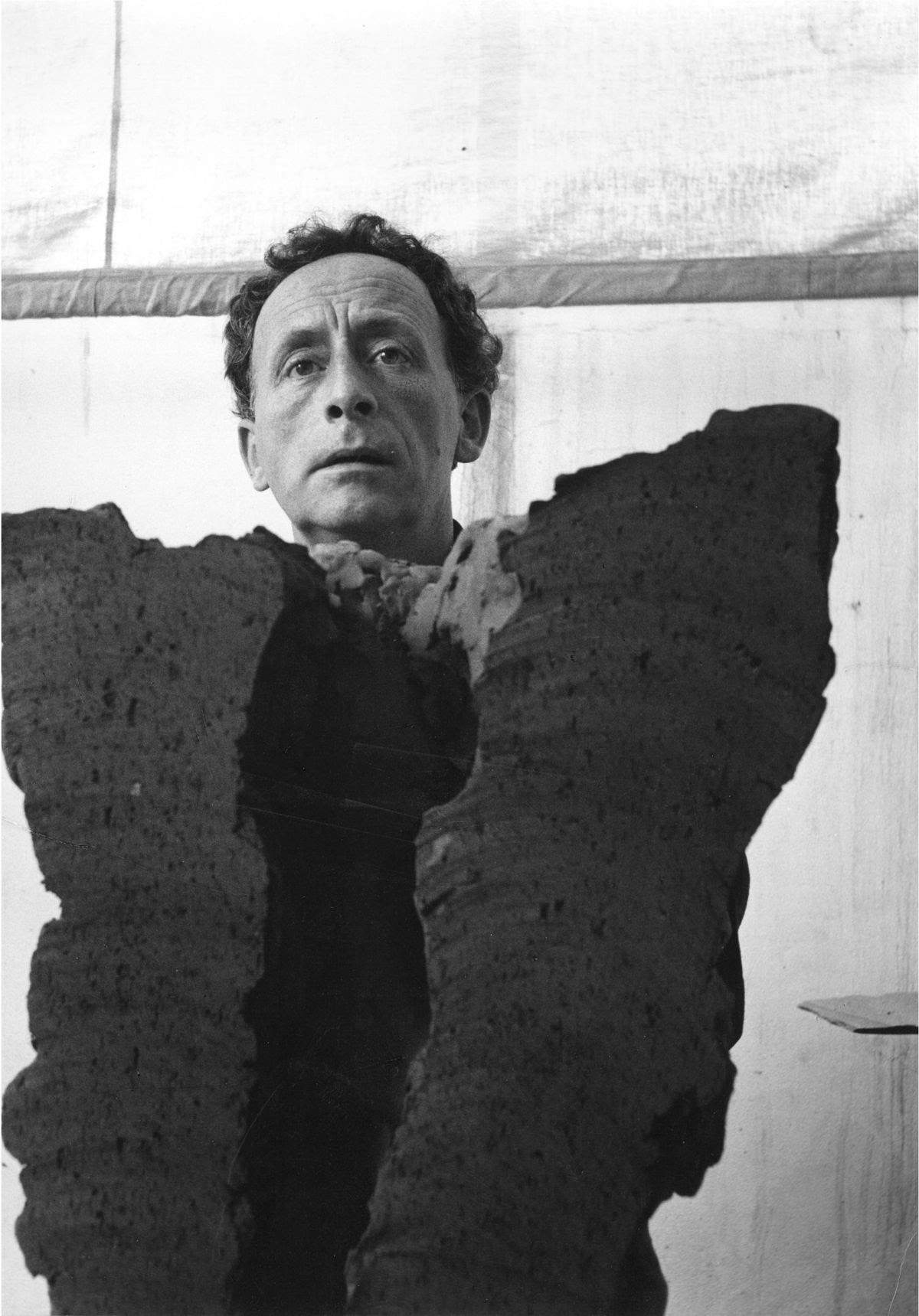
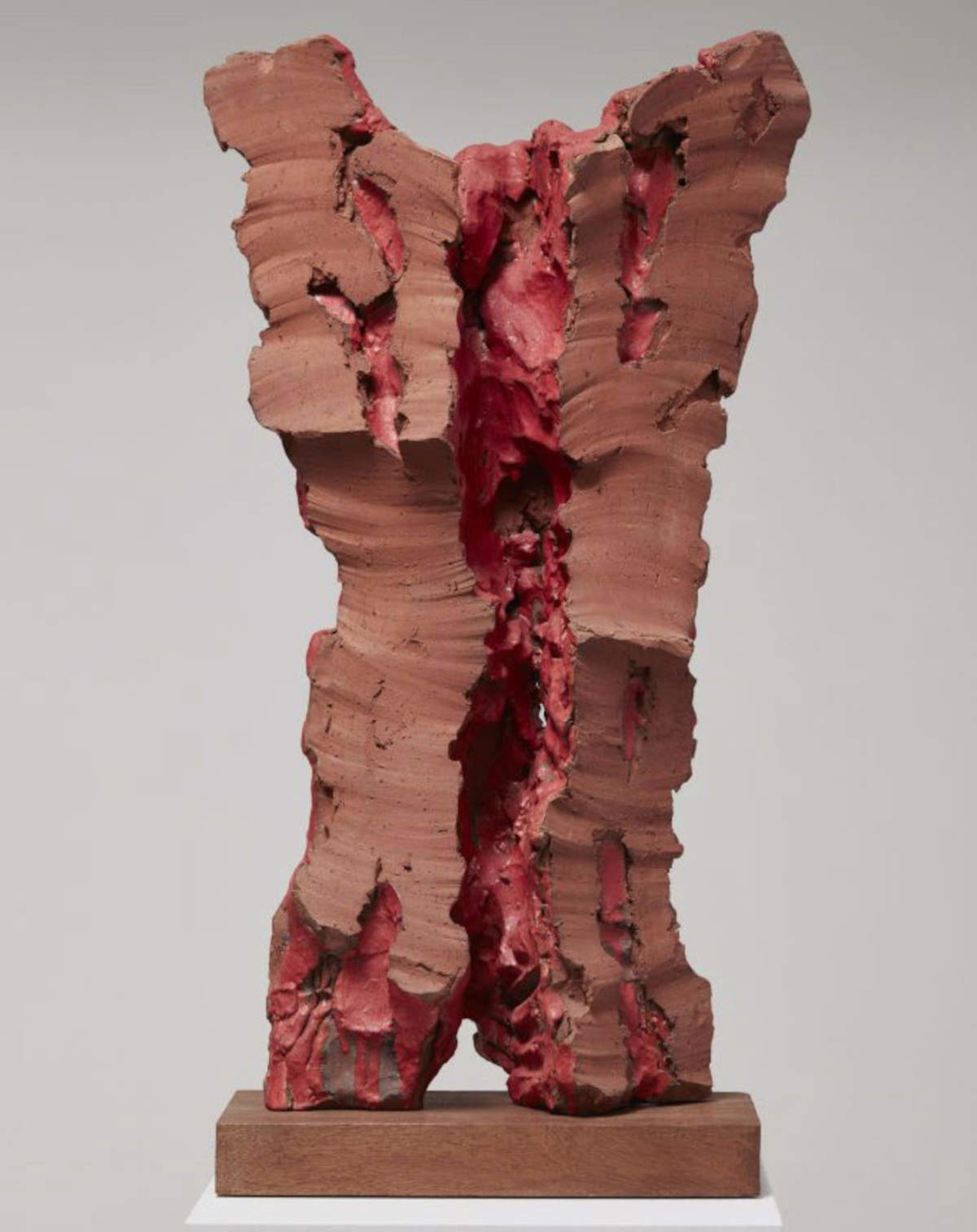
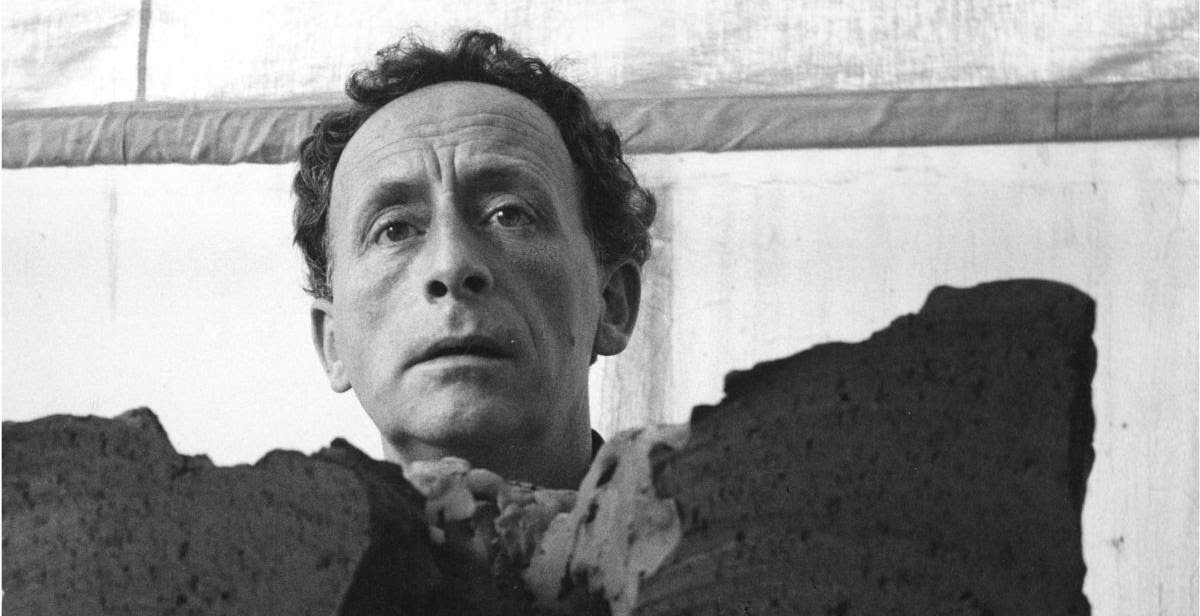
Considered one of the leading Italian sculptors of the postwar period, Leoncillo conceived of clay as a living substance, capable of expressing tension, memory, and rebirth. His practice redefined the relationship between material and gesture, transforming sculpture into a continuous process of becoming. Throughout his career, he represented Italy at six editions of the Venice Biennale, from 1948 to 1968. His works have also been exhibited at the National Gallery of Modern Art in Rome, the Museo Novecento in Florence, the Centre Pompidou in Paris, the Centro de Arte Reina Sofía in Madrid, and the Solomon R. Guggenheim Museum in New York.
“Because with [clay] a new organic quality is possible. The organic nature of what grows and is alive […] Because ceramics, precisely for this reason, can convey—more than any other material—those visible, almost tactile qualities through which a state of mind is expressed,” stated Leoncillo Leonardi.
 |
| Leoncillo, “The Tree as Material”: The Artist’s First Exhibition at Thaddaeus Ropac in Milan |
Warning: the translation into English of the original Italian article was created using automatic tools. We undertake to review all articles, but we do not guarantee the total absence of inaccuracies in the translation due to the program. You can find the original by clicking on the ITA button. If you find any mistake,please contact us.