




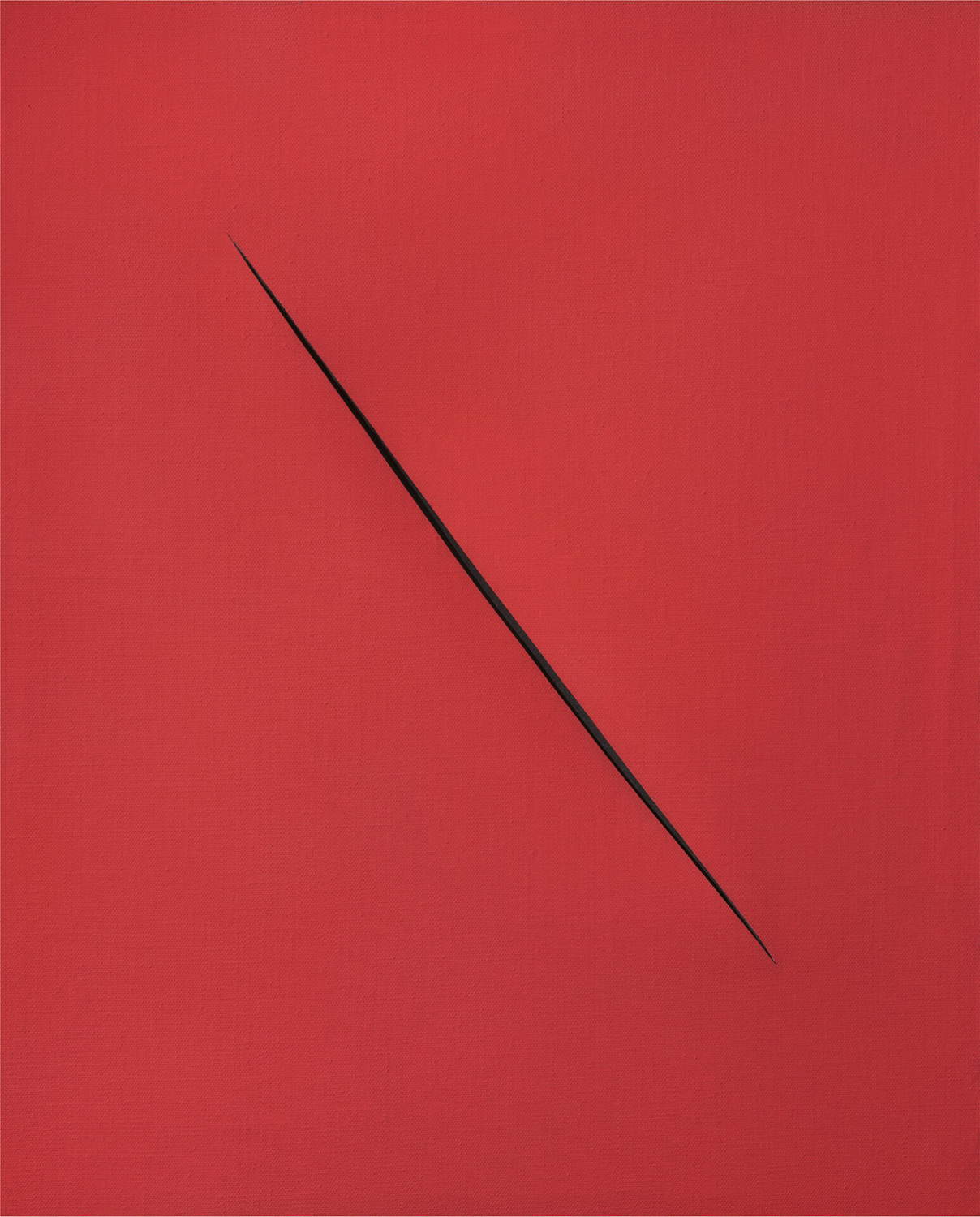
Hidden on the backs of Lucio Fontana’s famous slashed canvases lies a lesser-known universe, made up of notes, phrases, and personal impressions that reveal an intimate, everyday dimension of his work. This hidden side of the artist’s oeuvre serves as the starting point for *Lucio Fontana*. “What a Splendid Day…,” the exhibition curated by Luca Massimo Barbero, will open on November 10, 2026, at the expanded and renovated Tornabuoni Arte venue in Milan, located at Via Fatebenefratelli 36. Scheduled to run through January 23, 2027, the exhibition brings together thirty works and offers a narrative that departs from the traditional retrospective format, focusing not only on Fontana’s major painting cycles but also on the reverse sides of his canvases, which the artist conceived as an integral part of the work.
Thirty years after its opening, the Milanese gallery has doubled its exhibition space. The decision to dedicate the reopening to Fontana stems from the role the artist played in Tornabuoni Arte’s history, helping to solidify its presence on the international contemporary art scene. The exhibition’s title is taken from a phrase handwritten by Fontana on the reverse of *Concetto spaziale, Attesa* (1968): “What a splendid day after such a storm.” This very work is the centerpiece of an exhibition that aims to highlight the complexity and richness of the artist’s creative exploration. The notes on the backs of the paintings offer a glimpse into a private dimension of his work. Behind the minimalism of the surfaces and the famous slashes, thoughts and reflections emerge that transform the canvases into a sort of personal diary, in which the creative process intertwines with daily life.
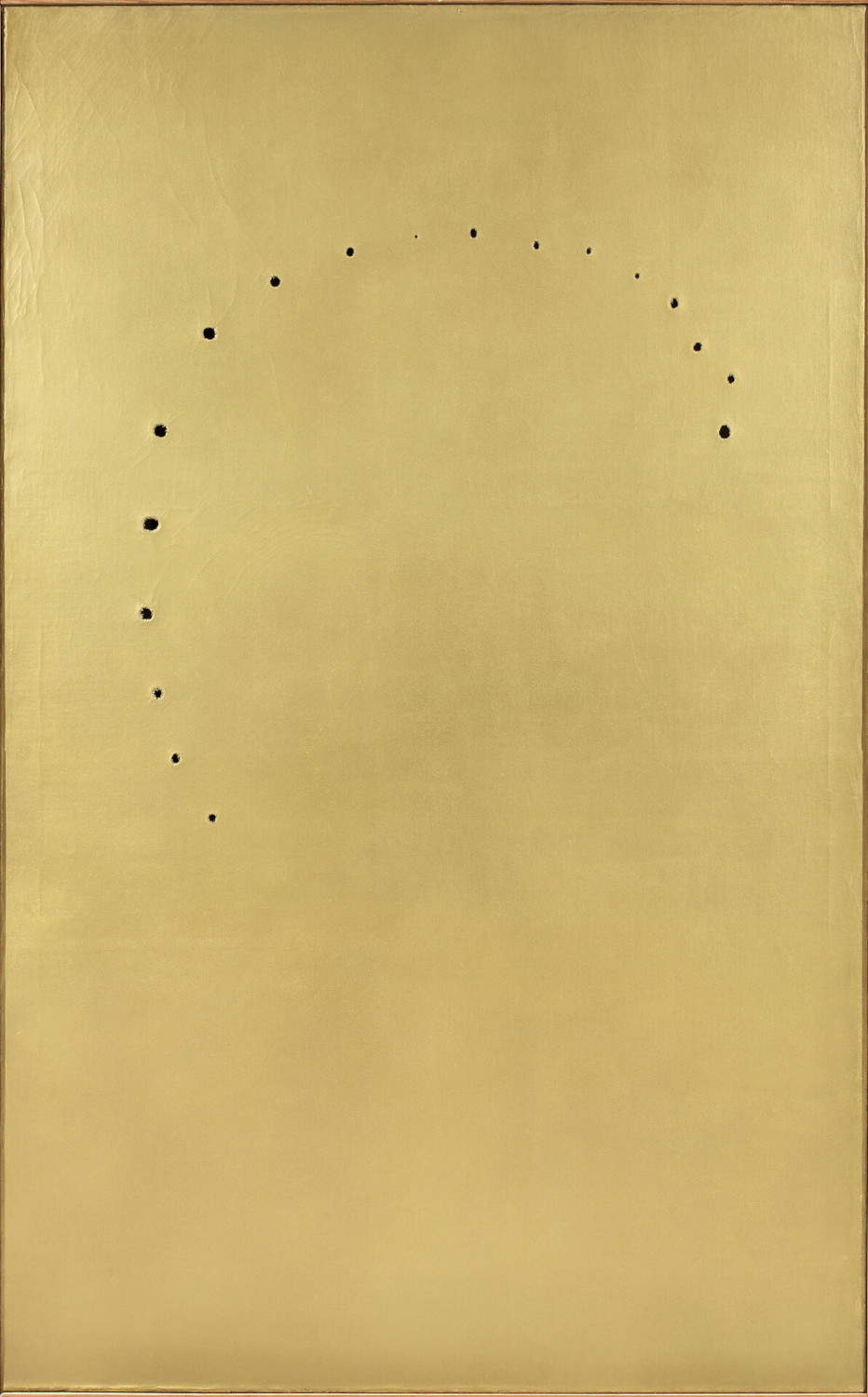
Among the works on display is *Spatial Concept, Le Jour* from 1962, one of the largest gold-leaf canvases created by Fontana. The work will be presented alongside a Belgian television footage documenting the artist piercing the canvas: this is the only known recording of Fontana performing this action. The juxtaposition of the painting and the audiovisual recording will allow viewers to observe the direct relationship between the artist’s action and the creation of the work, highlighting the physical and performative aspects of his practice.
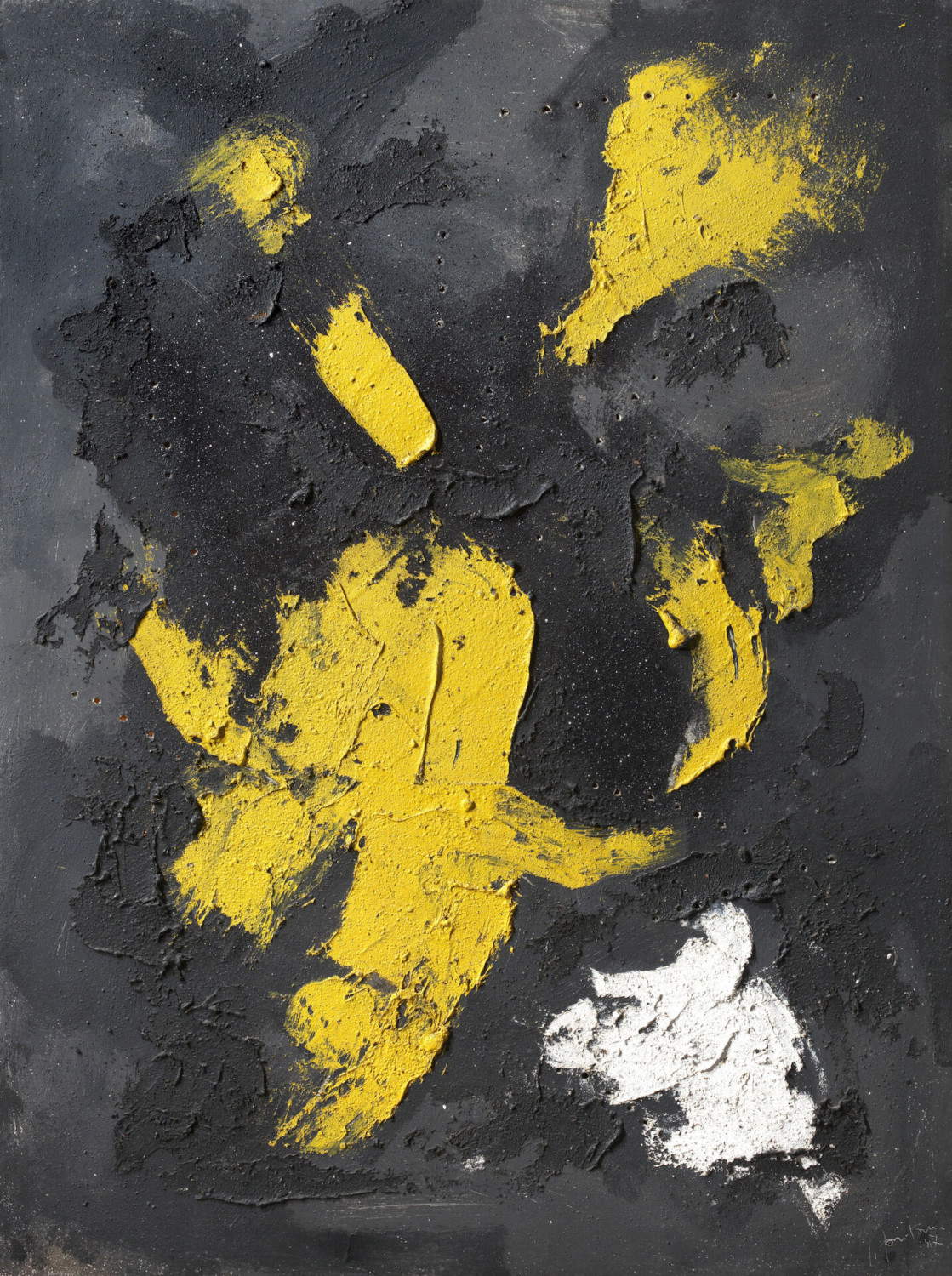
The exhibition will conclude with *Spatial Concept: The End of God* (1963) , part of the series of large oval canvases. Placed in a darkened room, the work will offer a confrontation with the cosmic dimension that permeates Fontana’s entire body of work.
The exhibition will thus mark the reopening of Tornabuoni Arte, focusing not only on the artist’s best-known works but also on the less visible traces and gestures that accompanied their creation.
“In the early 2000s, the response to the globalization of the art market consisted of expanding into new international locations,” say Ursula and Michele Casamonti. “Today we favor a different model: galleries organize exhibitions and projects abroad based on their own locations, which become true centers of cultural production extending far beyond their physical spaces. This is why we have chosen to invest in Milan and to start anew, as we always have throughout our history, with Lucio Fontana.”
 |
| Lucio Fontana: The Hidden Side of the Slit Canvases on Display at Tornabuoni Arte in Milan |

Warning: the translation into English of the original Italian article was created using automatic tools. We undertake to review all articles, but we do not guarantee the total absence of inaccuracies in the translation due to the program. You can find the original by clicking on the ITA button. If you find any mistake,please contact us.























 IT
IT FR
FR DE
DE ES
ES CN
CN


