




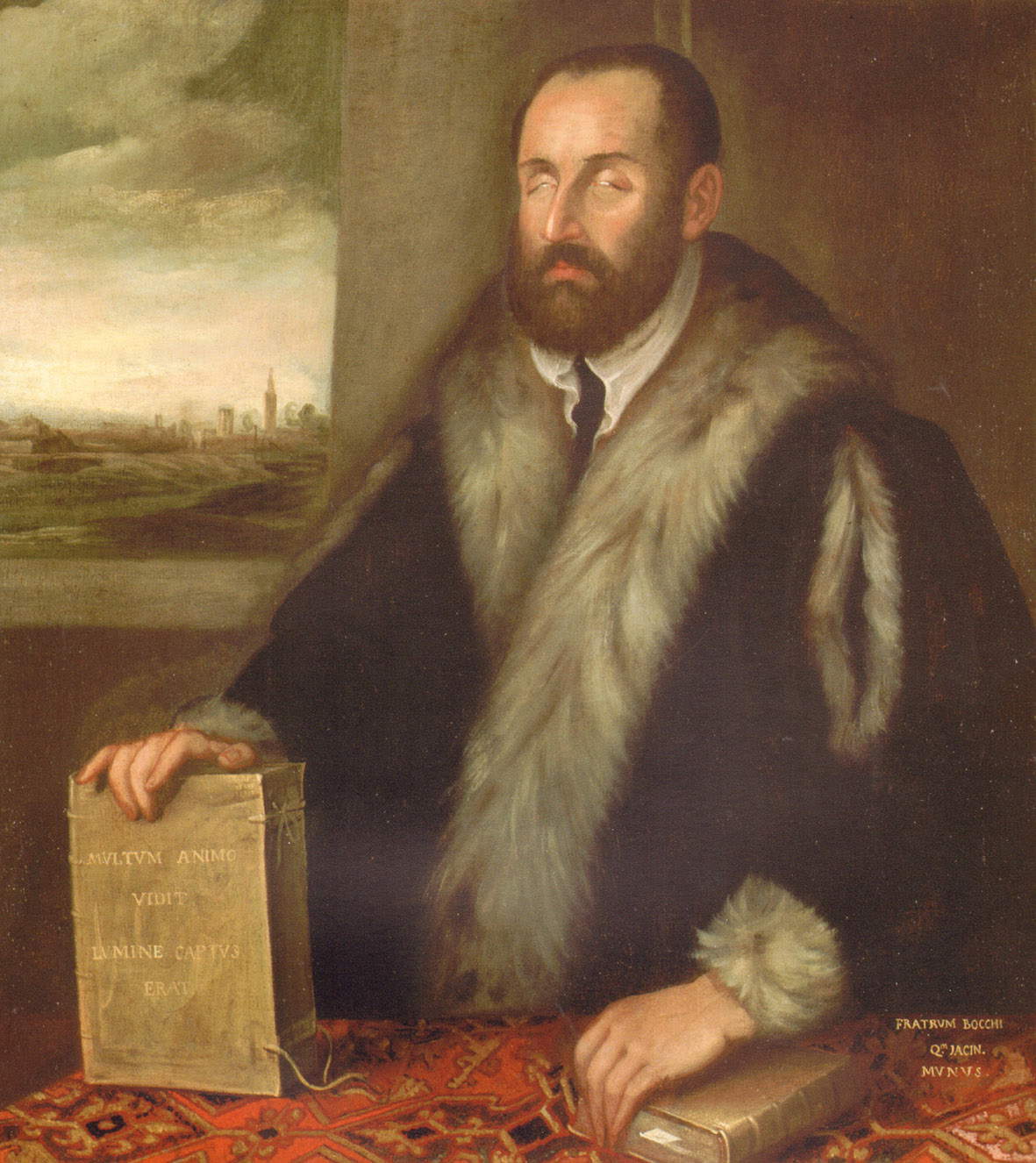
The scholar Luigi Groto was born blind in Adria in 1541, but his condition did not prevent him from engaging in virtually every field of culture of his time. He wrote over 1,300 poems, orations, tragedies, comedies, and pastoral works; he frequented and maintained relationships with European intellectuals; he studied astrology, Kabbalah, and numerology; he delved into forbidden readings and managed to survive a trial for heresy. He was also an actor and stage performer: when*Oedipus Rex* opened at the Teatro Olimpico in Vicenza, he himself played the role of Tiresias. This is the story of Luigi Groto, who went down in history under the nickname “The Blind Man of Adria, ” and of an intellectual who, in the sixteenth century, came to grapple with some of the major cultural themes of his time—a story that will be told from December 4, 2026, to June 27, 2027, in the halls of Palazzo Roncale in Rovigo. The exhibition Luigi Groto. The Blind Man of Adria Before William Shakespeare? The Man of the Impossible, sponsored by the Fondazione Cassa di Risparmio di Padova e Rovigo as part of the “Storia e storie del Polesine” project, will be directed by Alessia Vedova and curated by Antonio Giolo and Antonio Lodo, based on a concept by Sergio Campagnolo.
Groto was born on September 7, 1541, in Adria. Despite his blindness, he managed to produce a very extensive body of literary work and to establish a dense network of relationships with leading figures in European culture. His body of work includes more than 1,300 poems, 24 orations, two tragedies, three comedies, two pastoral fables, and a sacred drama. His activities were not limited to writing: Groto played an active role in the cultural and political life of his time, was involved in theater, and cultivated interests that also included disciplines such as astrology, Kabbalah, and numerology.
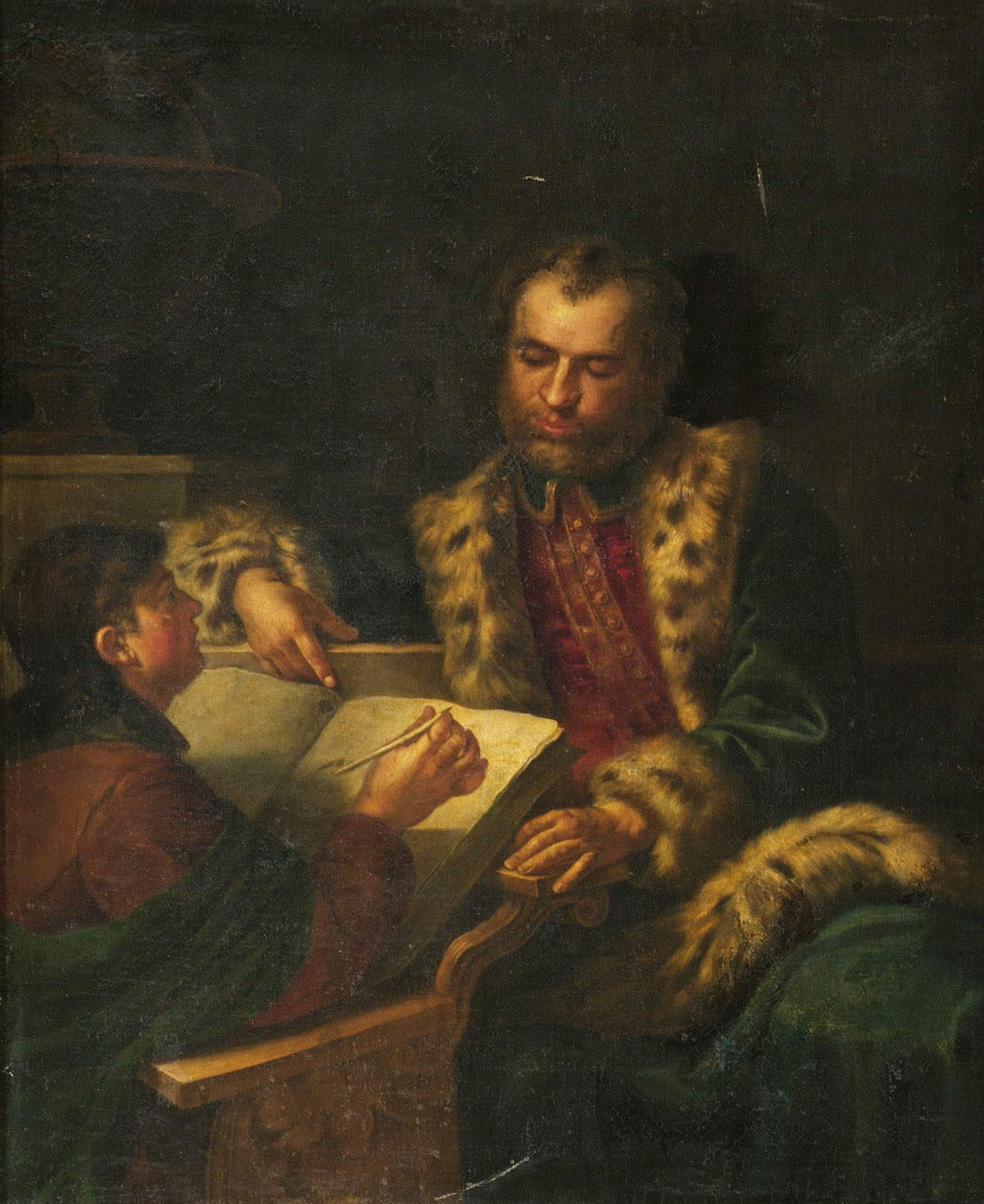
Among the episodes that best illustrate the breadth of his interests is the one related to the “Taglio del Po.” Groto was, in fact, tasked with explaining to the Doge and the Senate of the Venetian Republic the necessity of what would have been a colossal project destined to permanently alter the geography of the Polesine region. It was a territory he knew and lived in, but which, due to his blindness, he could not experience through sight.
Theater also played an important role in his life. Groto did not limit himself to writing for the stage; he even took to the stage himself. When*Oedipus Rex* opened at the Teatro Olimpico in Vicenza, he played Tiresias, the famous blind seer from Sophocles’ tragedy. In Groto’s personal story, this character thus takes on a particular resonance with his own condition, even though the documented evidence of his participation in the production is above all a testament to the theatrical activity of an intellectual capable of moving between writing, acting, and the humanities.
Groto’s interests also included texts and authors that could have been problematic in the cultural and religious climate of the sixteenth century. Among his readings were Erasmus of Rotterdam, Cornelius Agrippa, and Machiavelli. Groto was even put on trial for heresy but managed to save himself. Later, he was also entrusted with the task of editing Giovanni Boccaccio ’s *Decameron *.
His intellectual activity was therefore not limited to literature in the strict sense. The figure that emerges is that of an author interested in multiple forms of knowledge and capable of forging connections with diverse cultural circles. It is also for this reason that his contemporary reputation, according to the exhibition curators, deserves to be reevaluated beyond his current notoriety—which is particularly prominent today, especially in studies conducted at foreign universities.
In sixteenth-century Europe, Groto was, in fact, a well-known and highly regarded figure. John Florio called him a “modern Italian Homer,” while Ben Jonson praised his work. His poetic works circulated internationally: Groto’s poems were admired and translated throughout Europe and, as the exhibition project highlights, went on to influence authors such as Luís de Camões, Luis de Góngora, and Francisco de Quevedo. His poetry was also set to music by composers such as Claudio Monteverdi and Giovanni Pierluigi da Palestrina.
The reference to Shakespeare in the exhibition’s title stems precisely from the European dimension of his fame and from the connections that his theatrical and literary work evokes within the cultural context of the sixteenth century. Groto, in fact, belongs to an era in which the circulation of texts, theatrical forms, poetic models, and ideas beyond Italy’s borders contributed to the development of an increasingly interconnected European culture. The Palazzo Roncale project takes this now little-known figure as its starting point to refocus attention on an intellectual who was, in fact, at the center of numerous cultural circles of his time.
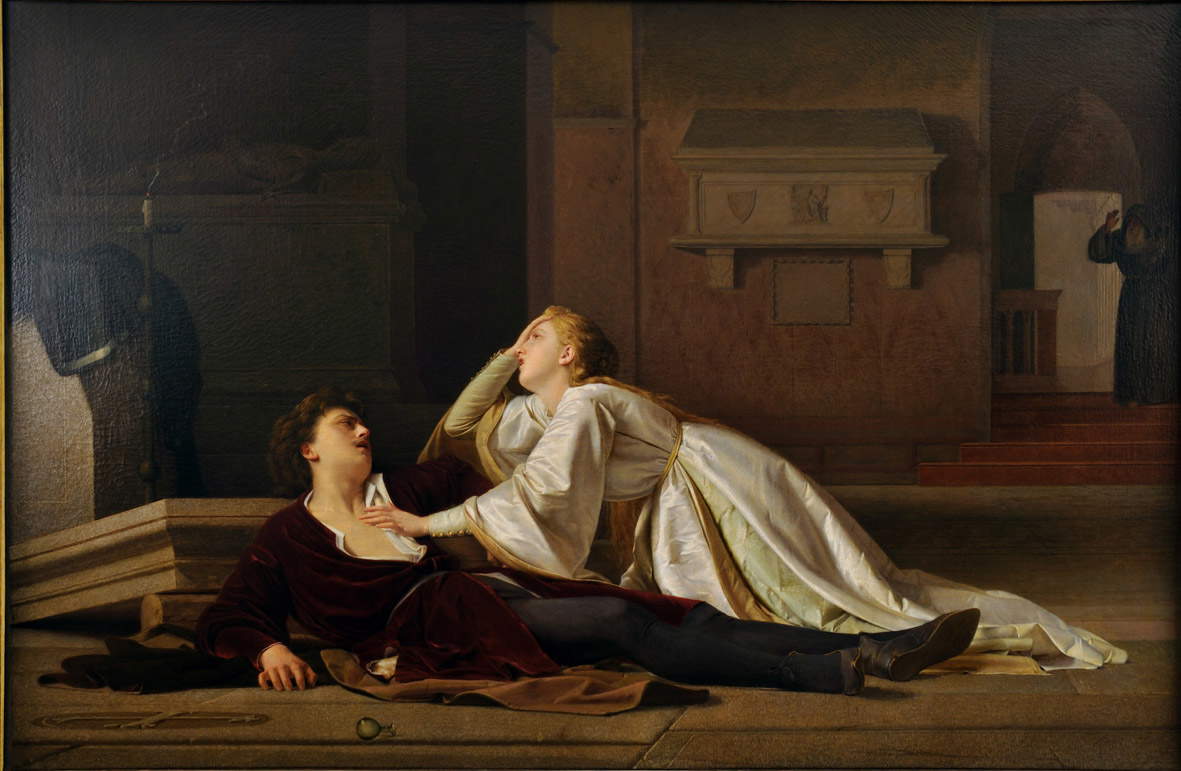
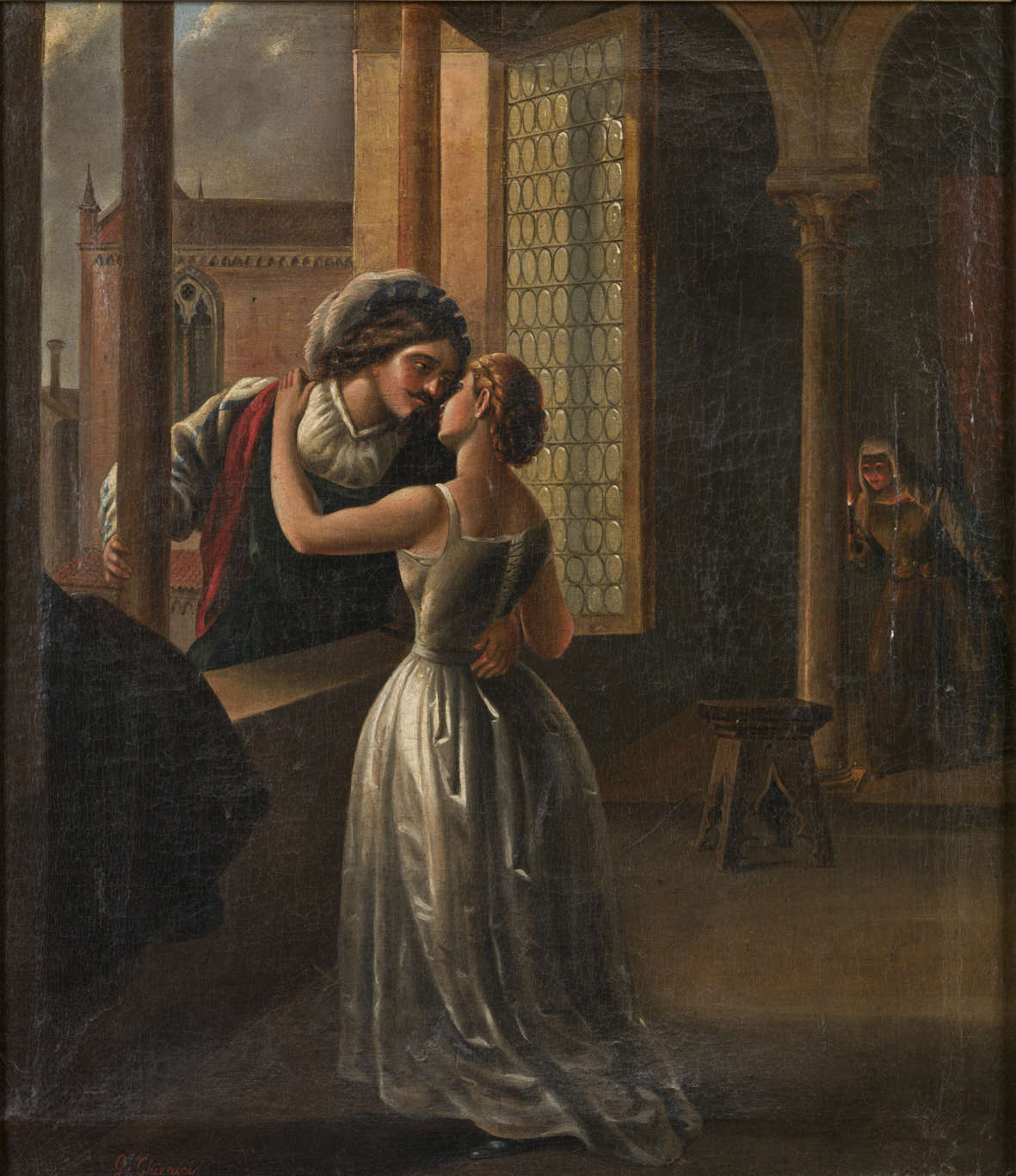
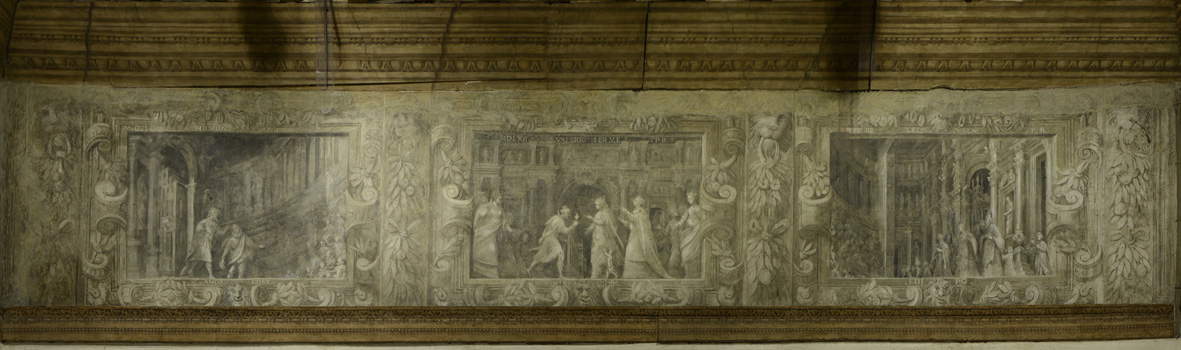
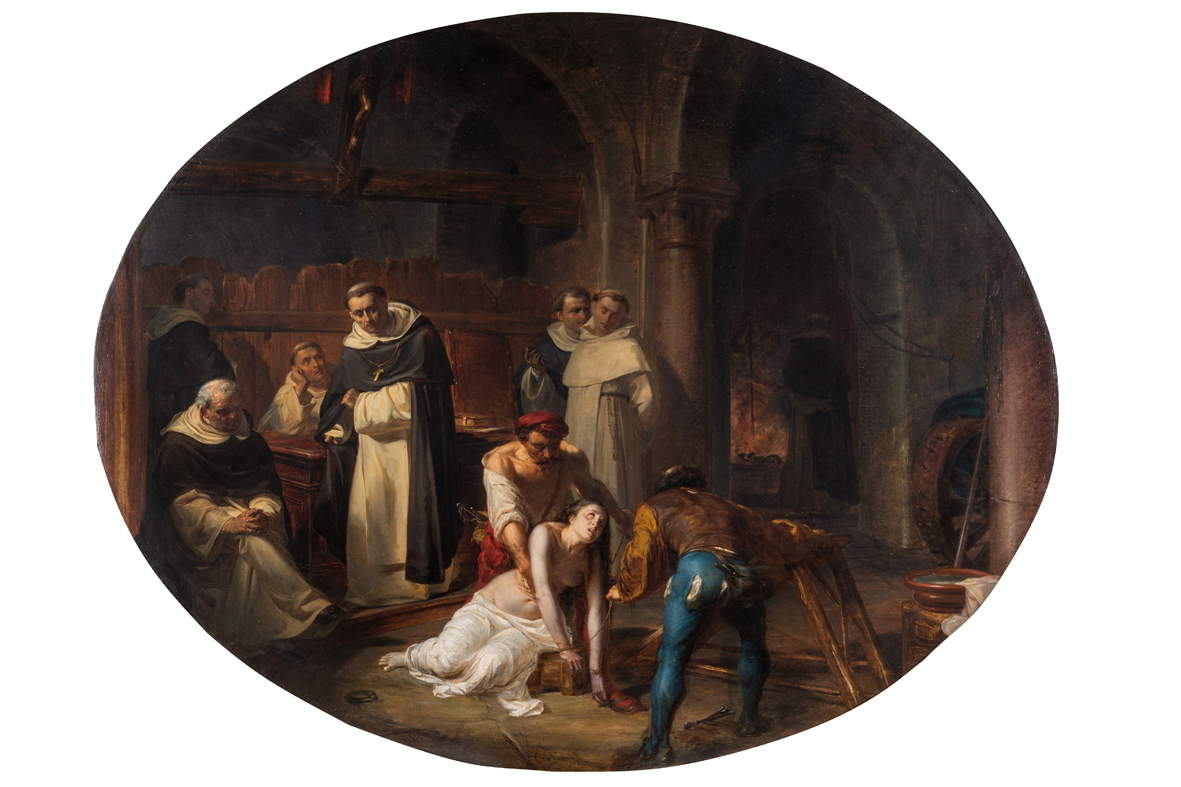
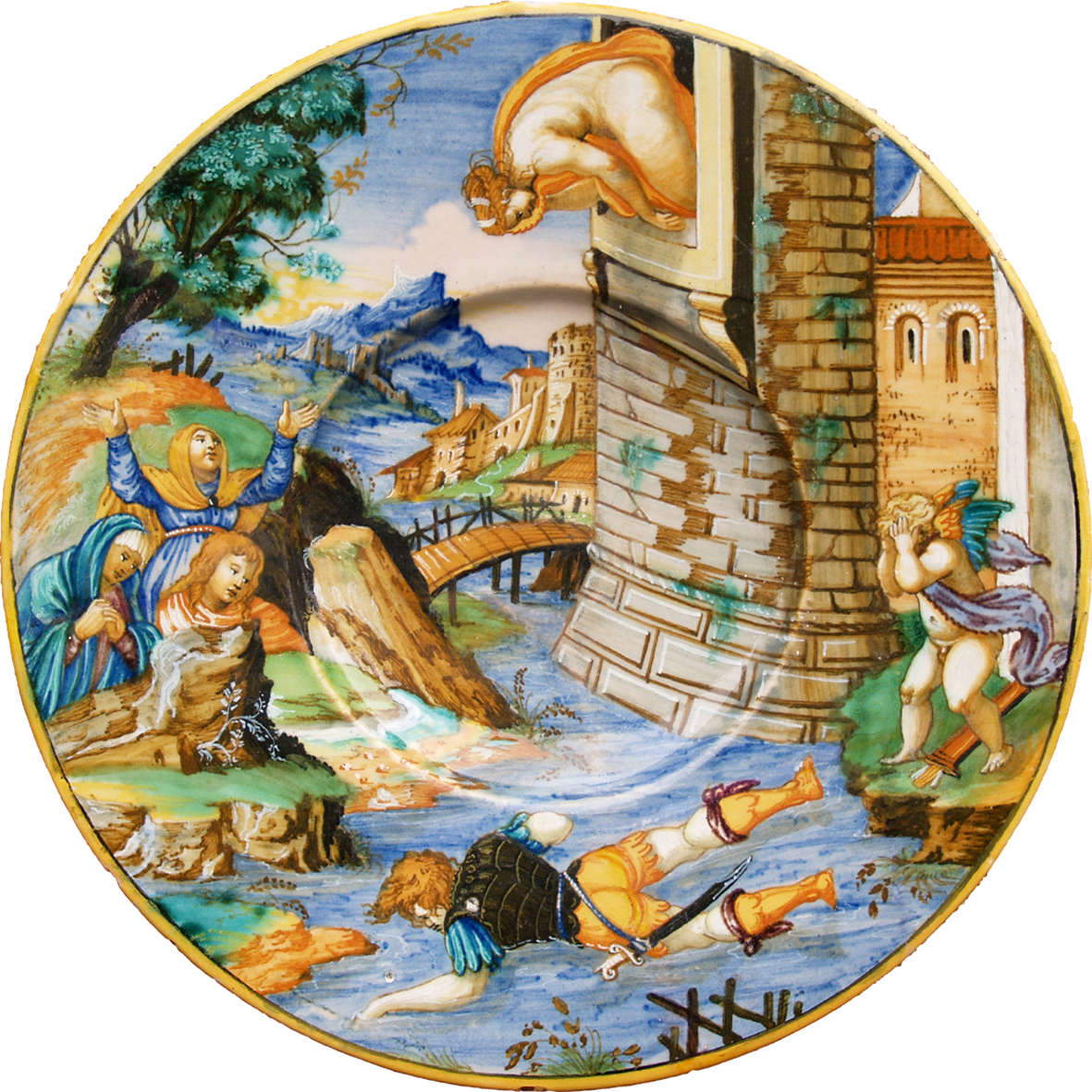
His life story also includes an ambition that remained unfulfilled for almost his entire life. Groto longed to obtain a “lettura, ” that is, a teaching chair in Venice. He was not granted the position until he was on his deathbed. This is one of the episodes that highlights the contrast between the esteem in which he was held and the obstacles he encountered along the way.
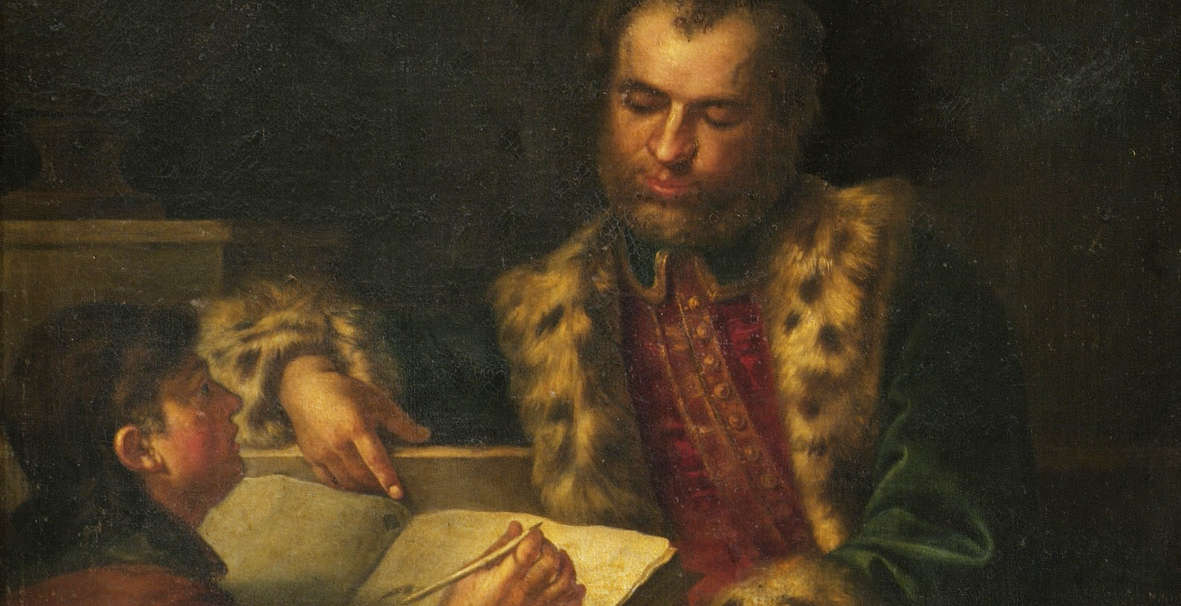
The exhibition in Rovigo thus aims to portray Groto not only as an author but also through his biography. At the heart of the project, as the curators explain, is the desire to highlight the human dimension of a figure whom tradition has long underestimated or relegated to the background. Blindness inevitably becomes a part of his story, but the exhibition aims to place it within a much broader narrative, one that encompasses writing, scholarship, theater, intellectual relationships, and participation in public life. It is above all the contrast between the limitations imposed by his condition and the breadth of his activities that makes Groto’s biography so remarkable. The man who could not see the territory over which he debated with the institutions of the Most Serene Republic managed to contribute to the debate on the diversion of the Po River; the blind author, who might have been associated solely with the literary realm, instead took to the stage to portray Tiresias; the scholar who engaged with controversial texts faced a trial for heresy and, subsequently, was commissioned to comment on the *Decameron*.
The story of the “Blind Man of Adria” thus spans two dimensions: on the one hand, that of a figure deeply embedded in the culture of his time; on the other, that of a figure who today seems less well-known than the fame he achieved during his lifetime and in the decades that followed. The exhibition at Palazzo Roncale was created to bring this story back to the region where Groto was born and to reconstruct, through his work and relationships, the profile of the intellectual whom the project describes as “the Man of the Impossible.”
 |
| Luigi Groto, the “Blind Man of Adria” who defied all limits in the 16th century: the exhibition in Rovigo |

Warning: the translation into English of the original Italian article was created using automatic tools. We undertake to review all articles, but we do not guarantee the total absence of inaccuracies in the translation due to the program. You can find the original by clicking on the ITA button. If you find any mistake,please contact us.























 IT
IT FR
FR DE
DE ES
ES CN
CN


