



by Redazione 04/11/2026


Categories: Exhibitions / Disclaimer
A brass ring twisted into an endless ribbon, a cube split in half within a block of granite, a hemisphere that reflects the space around it. In Milan, some forty works trace nearly fifty years of Max Bill’s artistic exploration, with sculpture at the center.

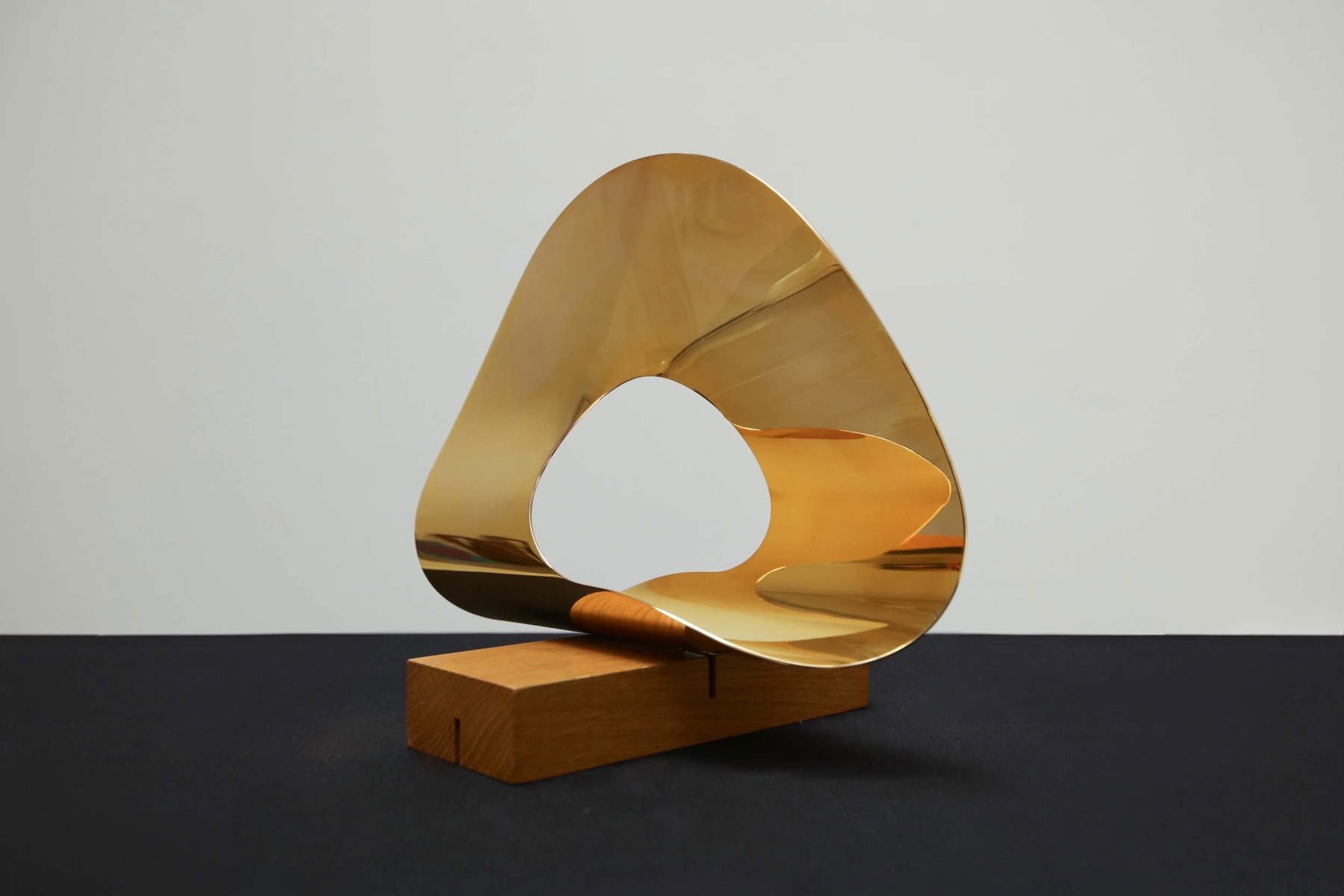
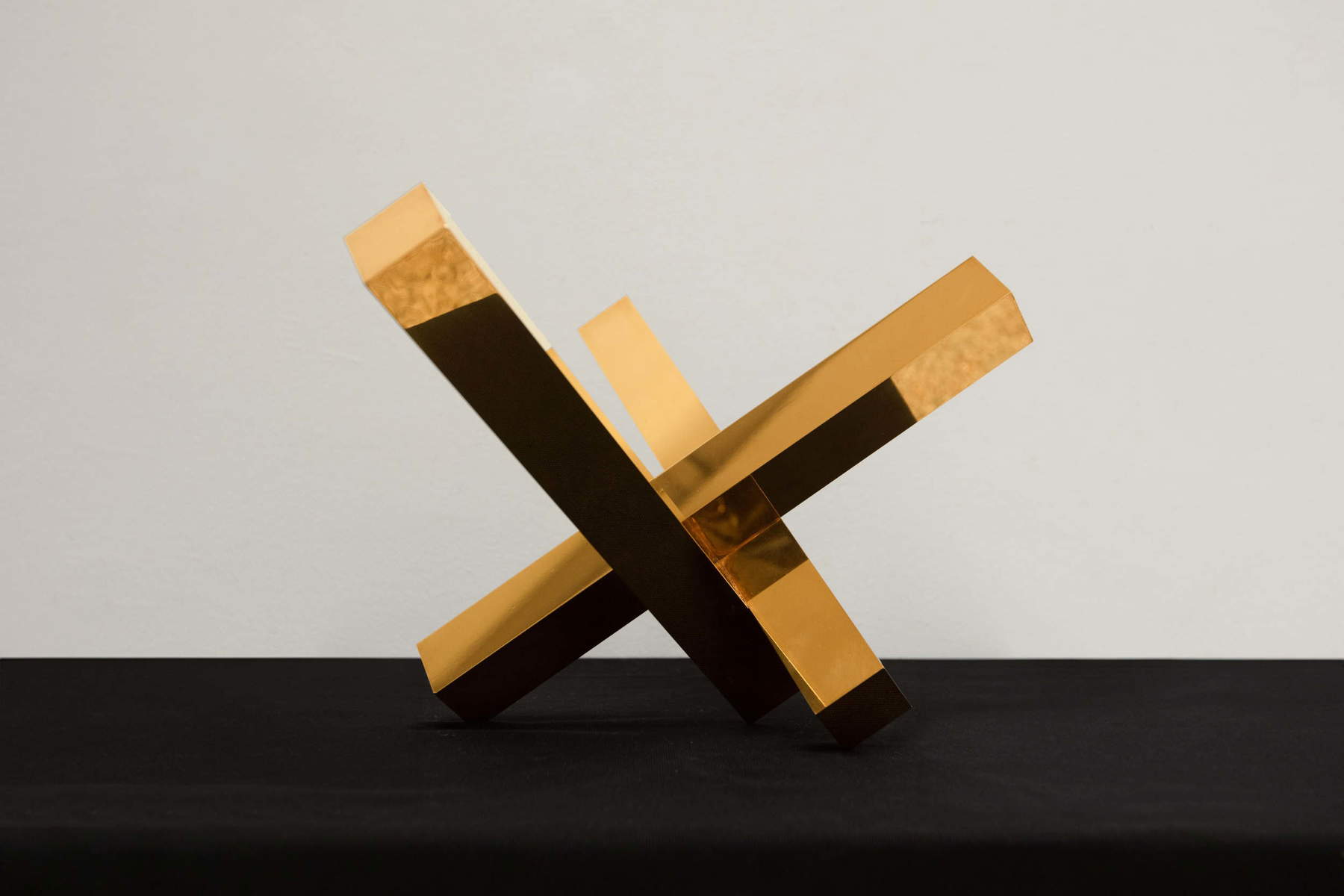
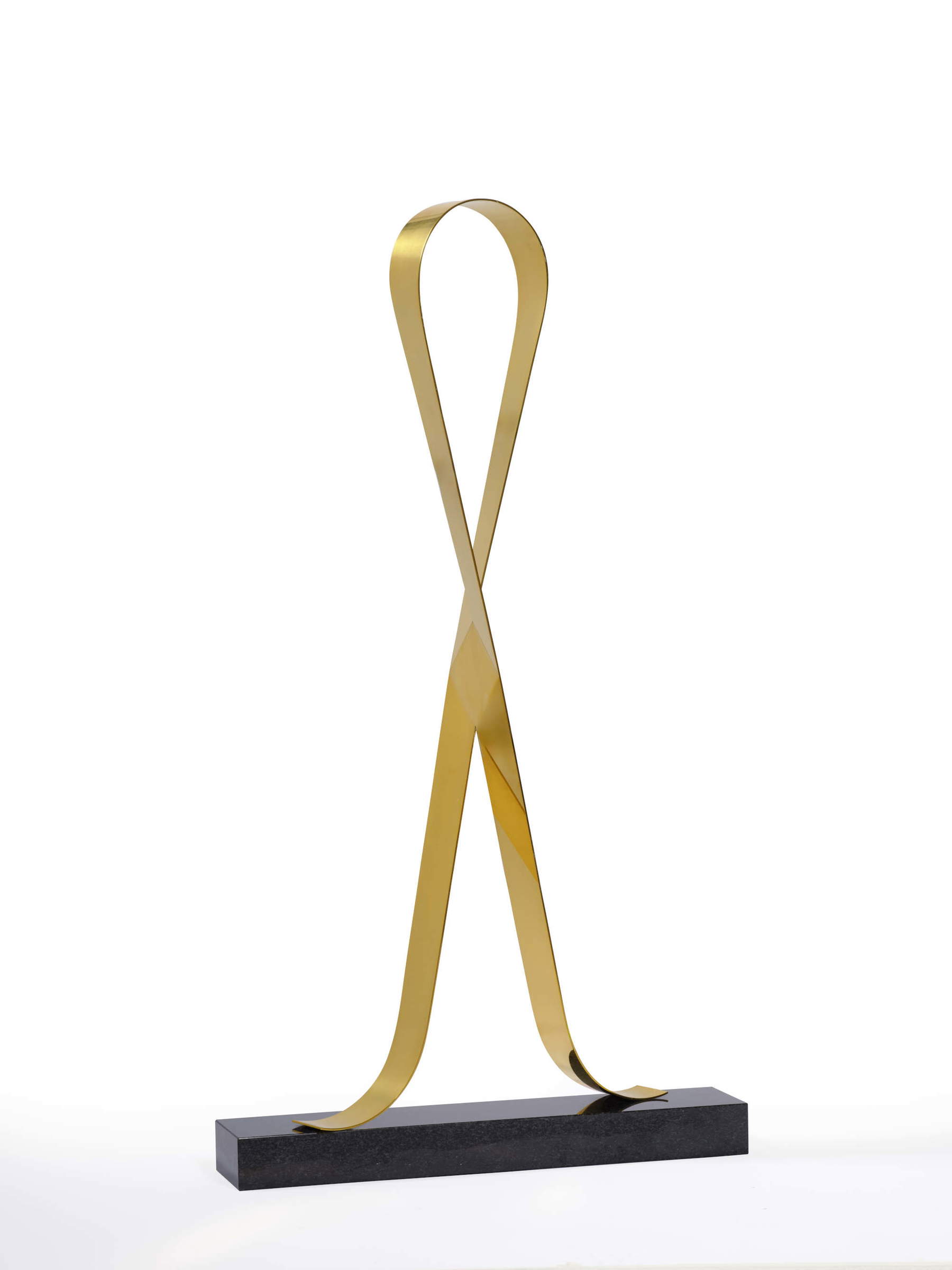
Take a ring, cut it, twist one of the two ends, and close it again. The result is a ribbon that no longer has an inside or an outside—a continuous surface that can be traversed without ever encountering an edge. Max Bill (Winterthur, 1908 – Berlin, 1994) worked extensively on this idea, and one of his versions, *Unendliche Schleife aus einem Kreisring II*, created between 1947 and 1948 in gilded brass, is one of the highlights of the exhibition that the Lorenzelli Arte gallery in Milan is dedicating to the Swiss artist from November 6, 2026, to February 13, 2027.


The work aptly summarizes Bill’s approach: a simple geometric operation, almost an experiment, that generates a new form. In 1976, the artist explained it this way: “When someone creates something, they take responsibility for what they have done… art is a matter of innovation and invention.” The exhibition takes its title from that statement : *Max Bill. Art Is a Matter of Innovation*, conceived by Matteo Lorenzelli and accompanied by a critical essay by Roberto Borghi.
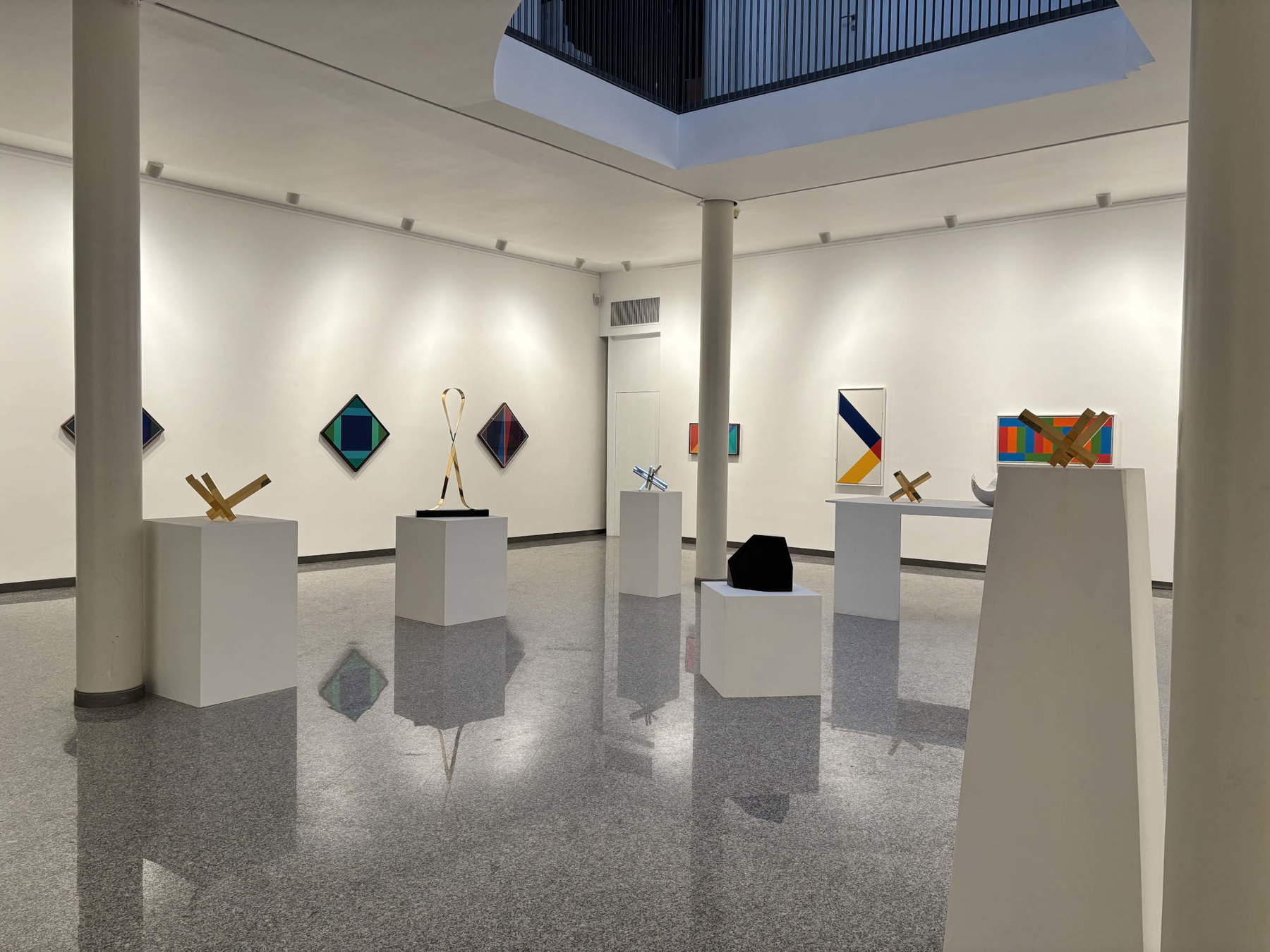
There are about forty works on display, including paintings, sculptures, and graphic works, spanning a period from the early 1940s to the late 1980s. Several come from Matteo Lorenzelli’s personal collection. The gallery describes it as an “exhibition with a museum-like structure” and chooses to highlight sculpture, which it considers an often-underestimated yet essential field for understanding the scope of Bill’s work: According to the curators, it is in the three-dimensional realm that his theoretical exploration finds one of its most accomplished expressions, through geometric relationships, balances, and transformations.



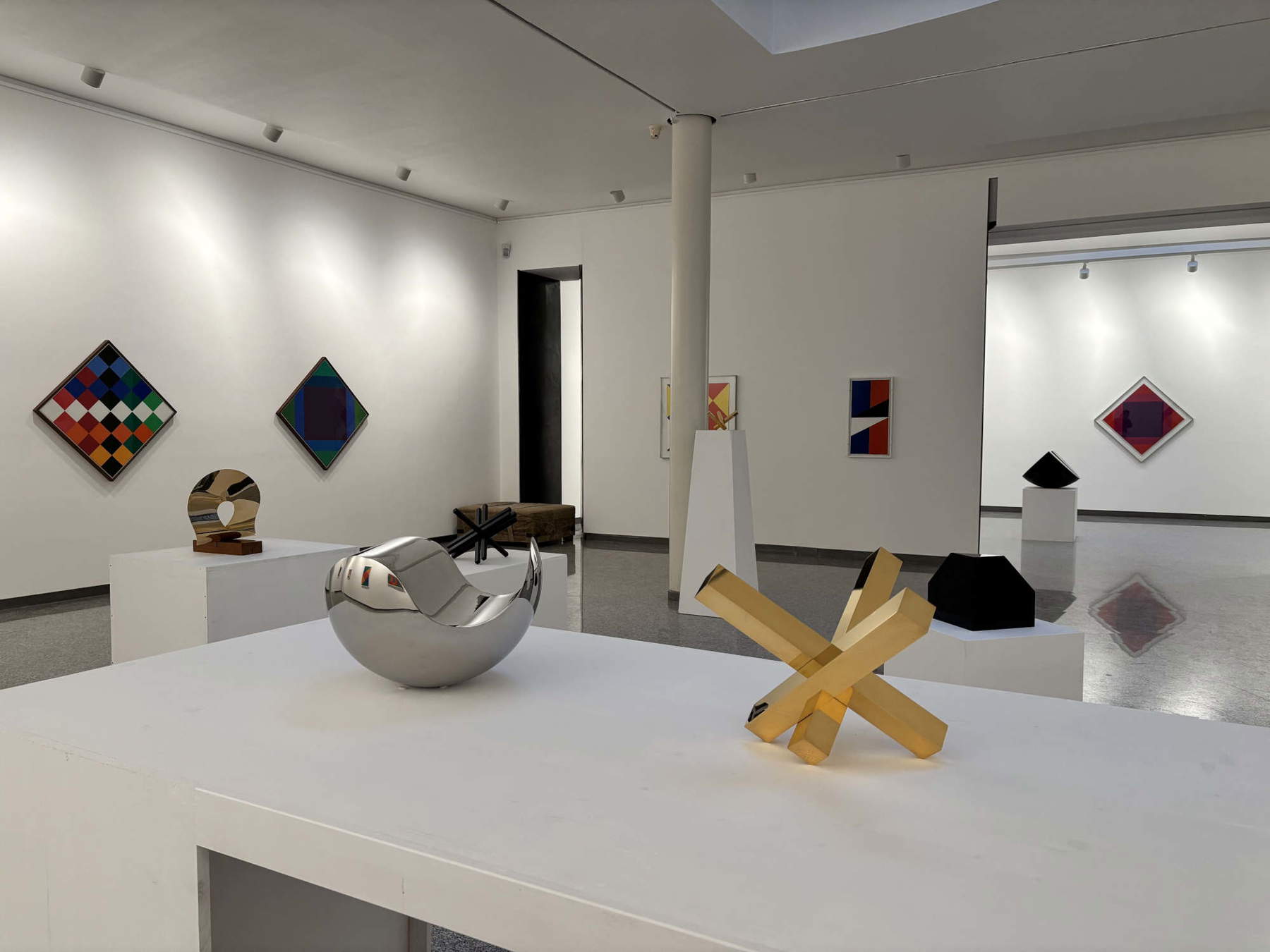
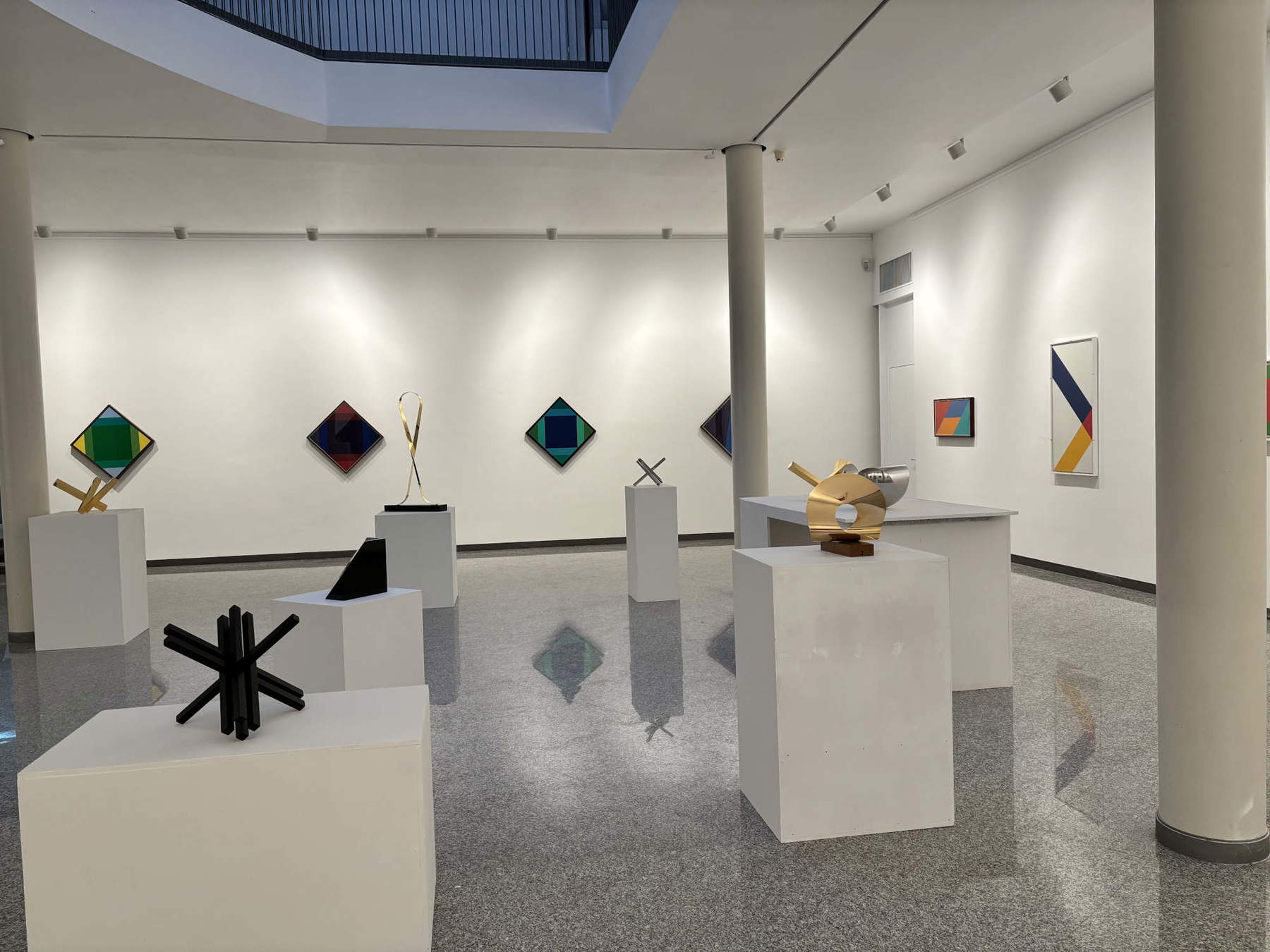
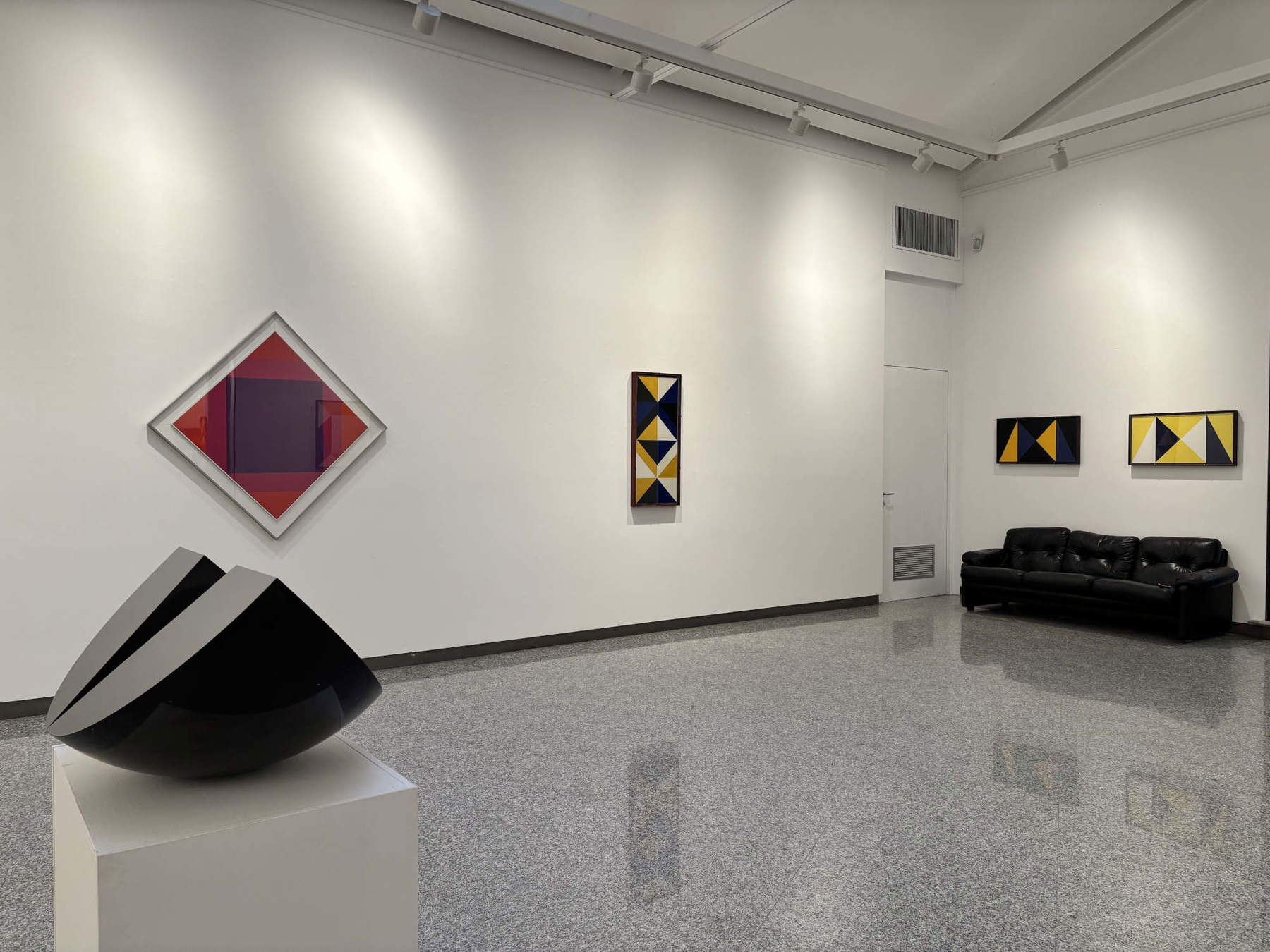
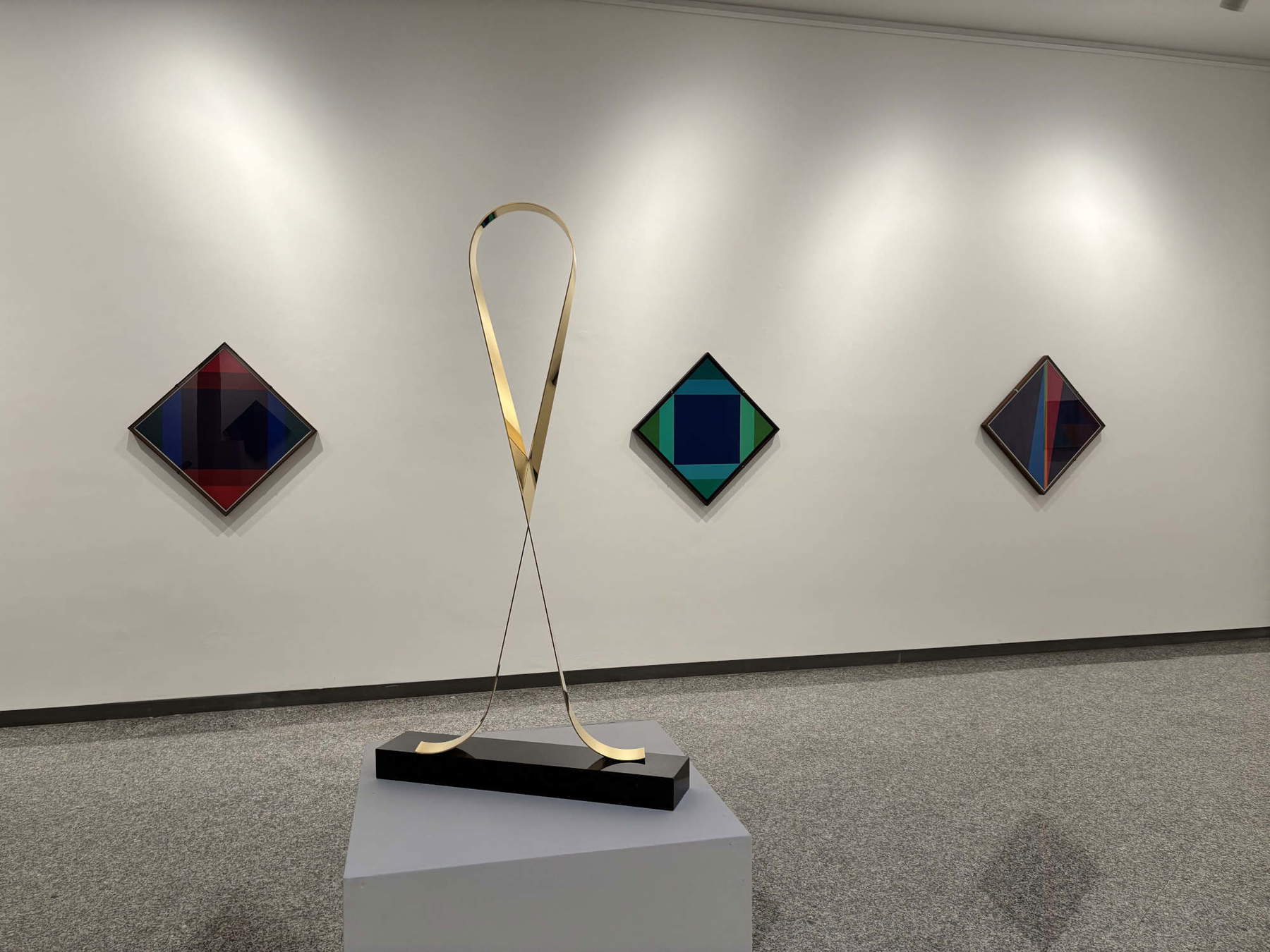
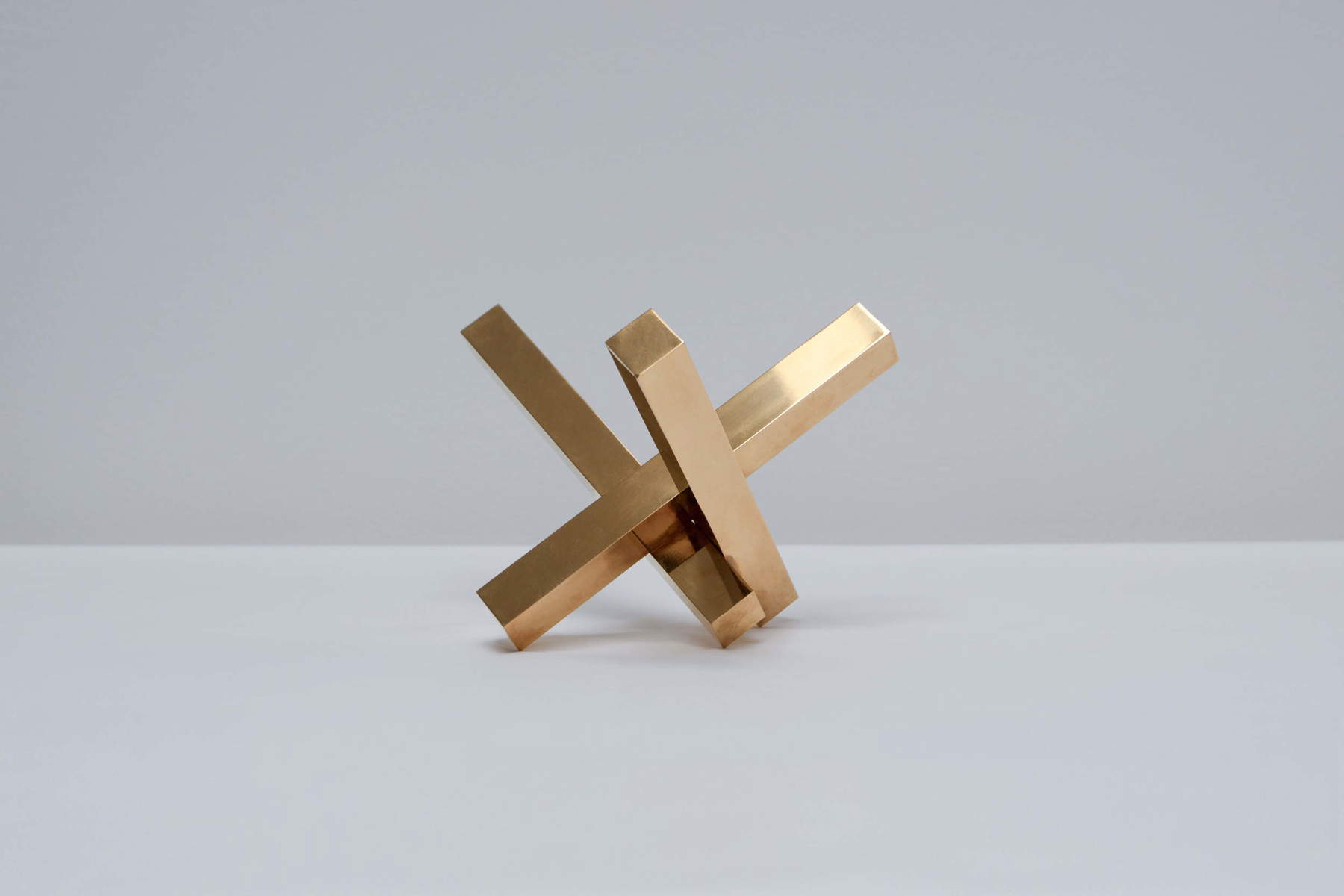
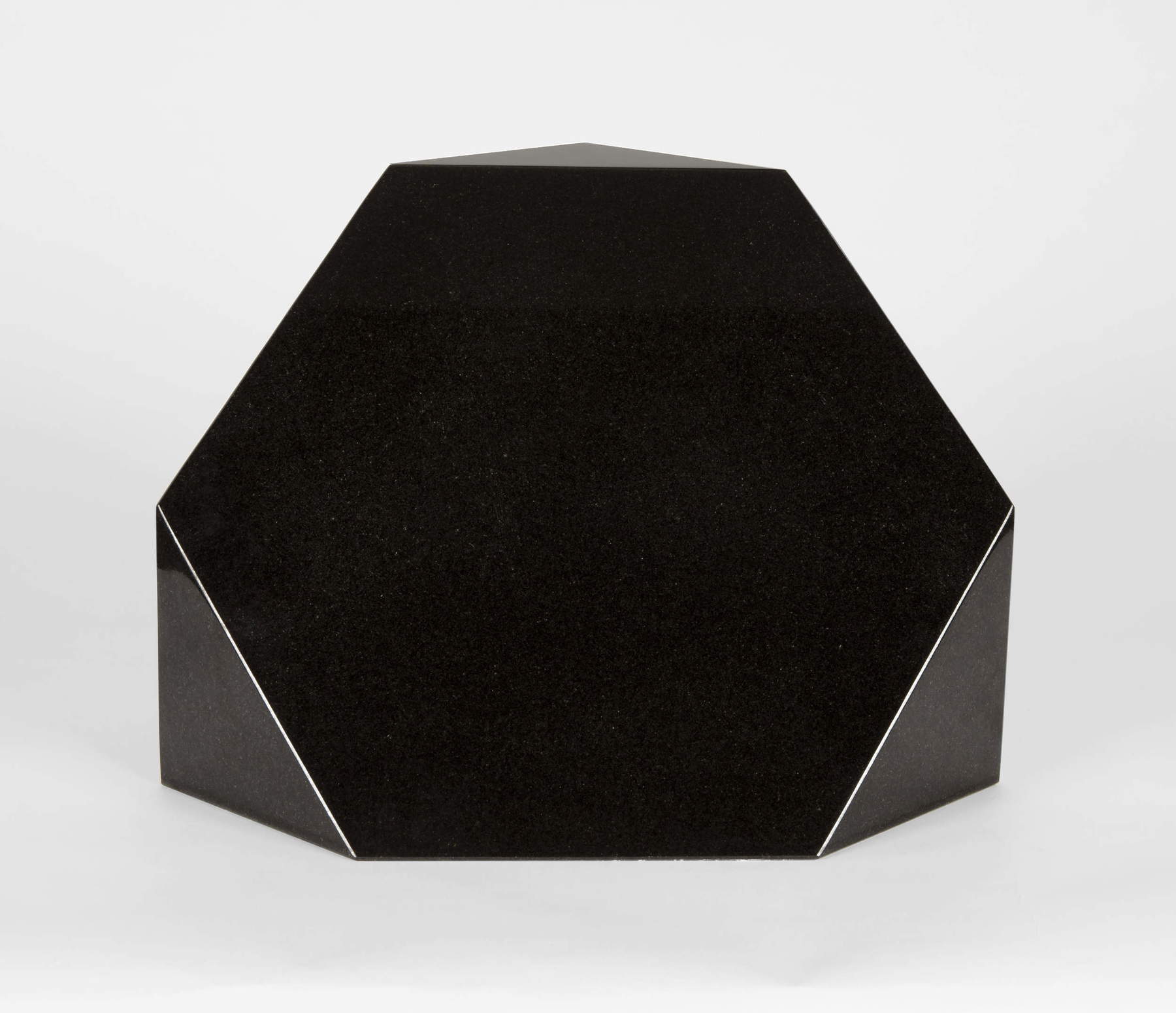
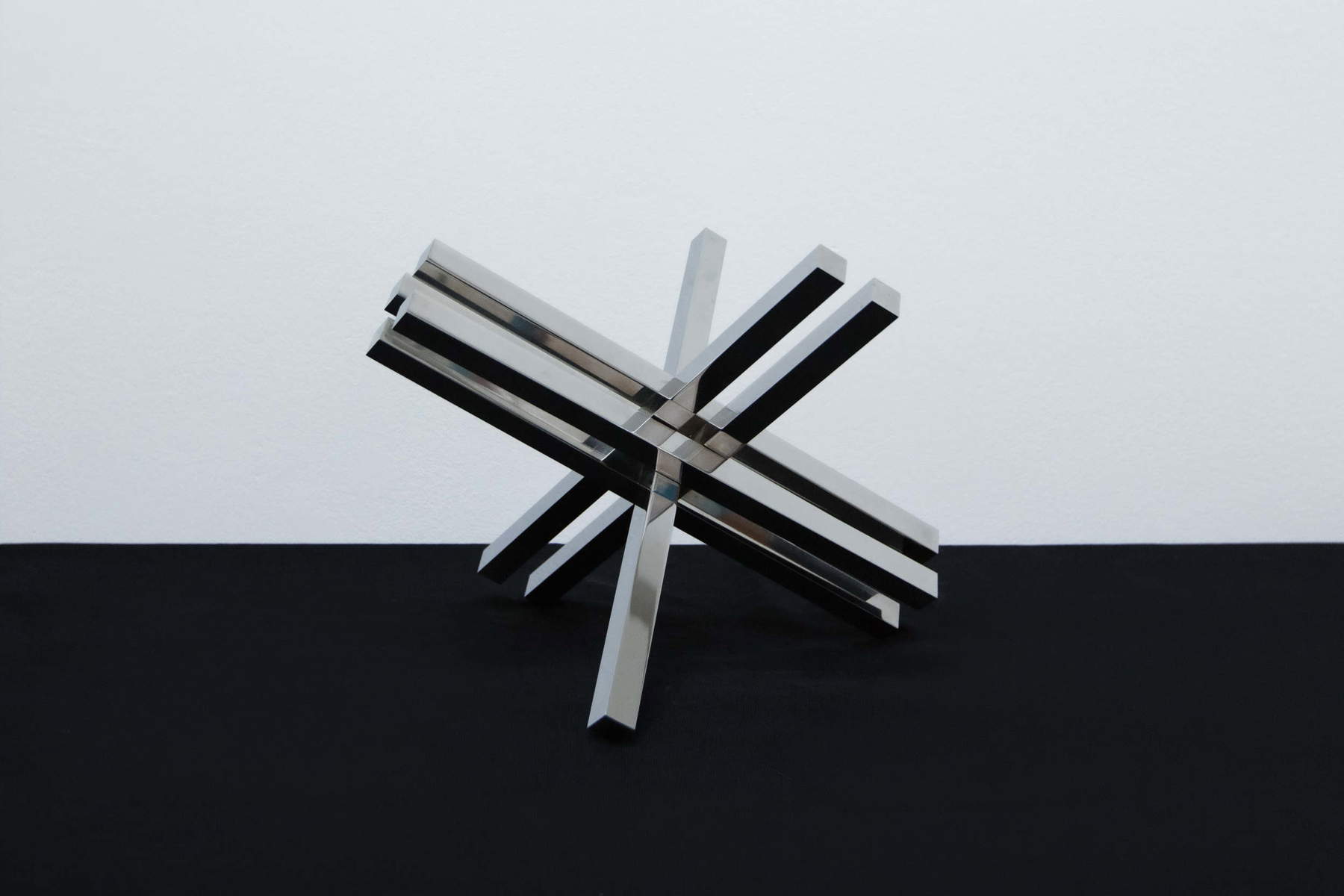
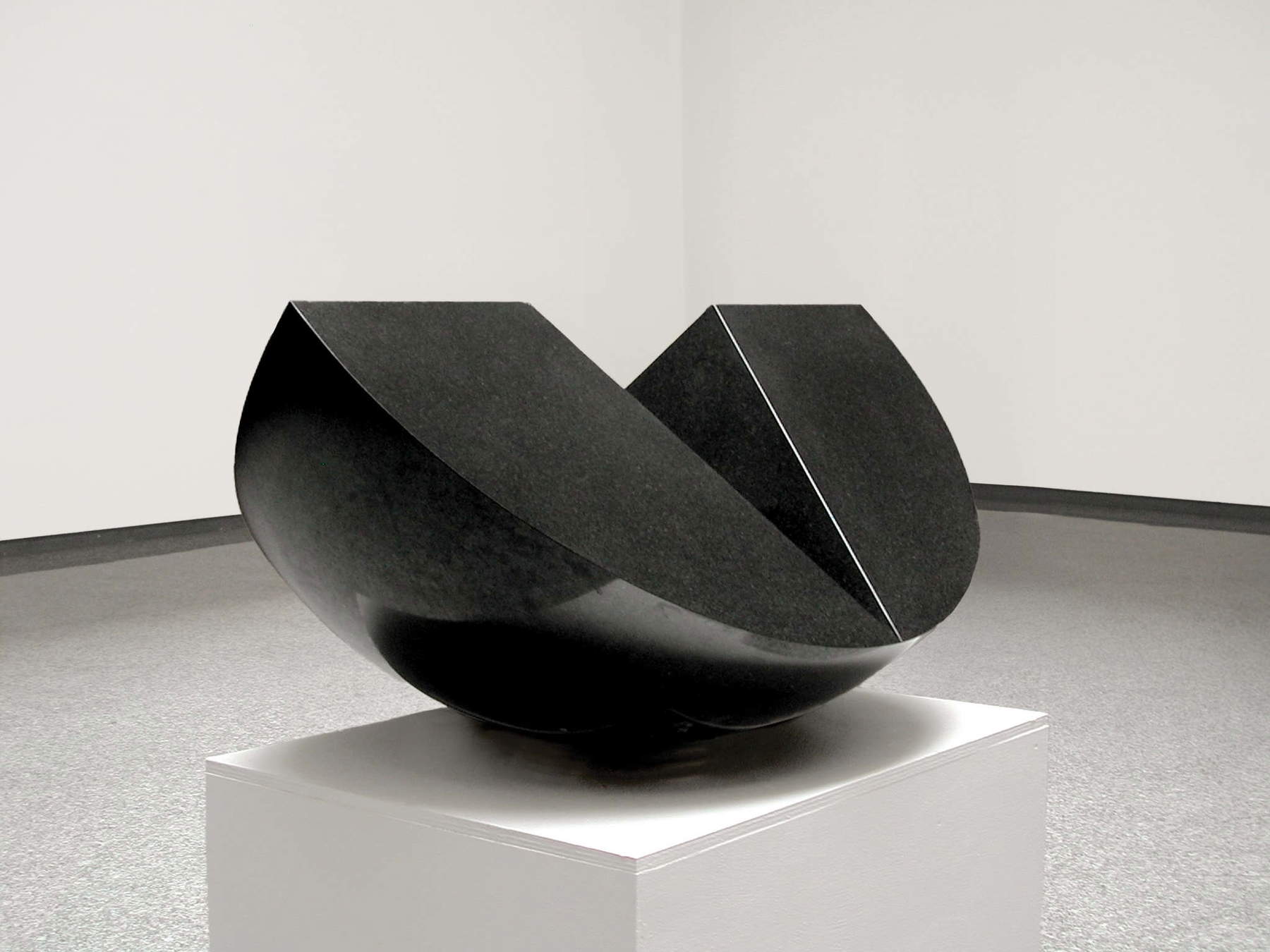
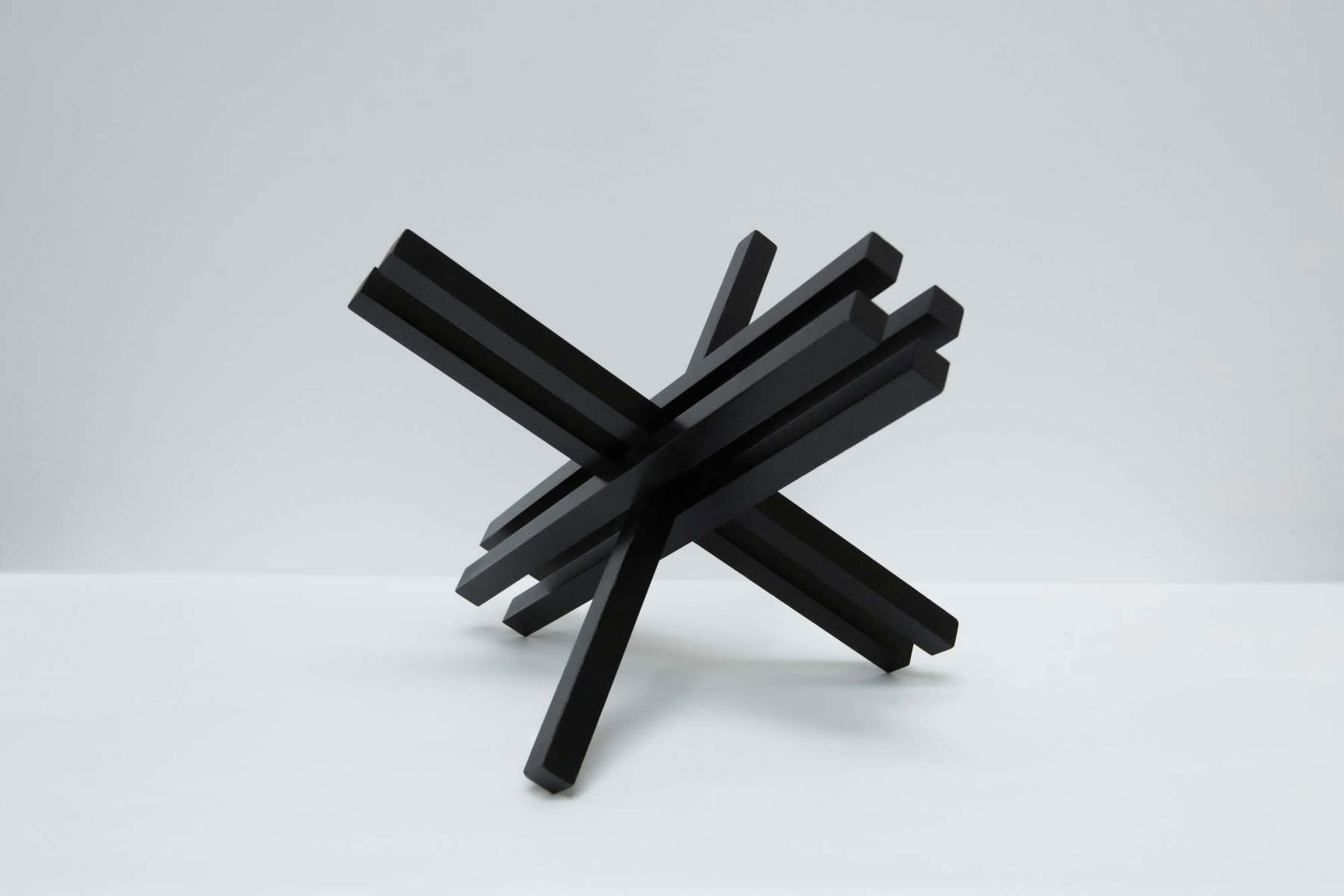
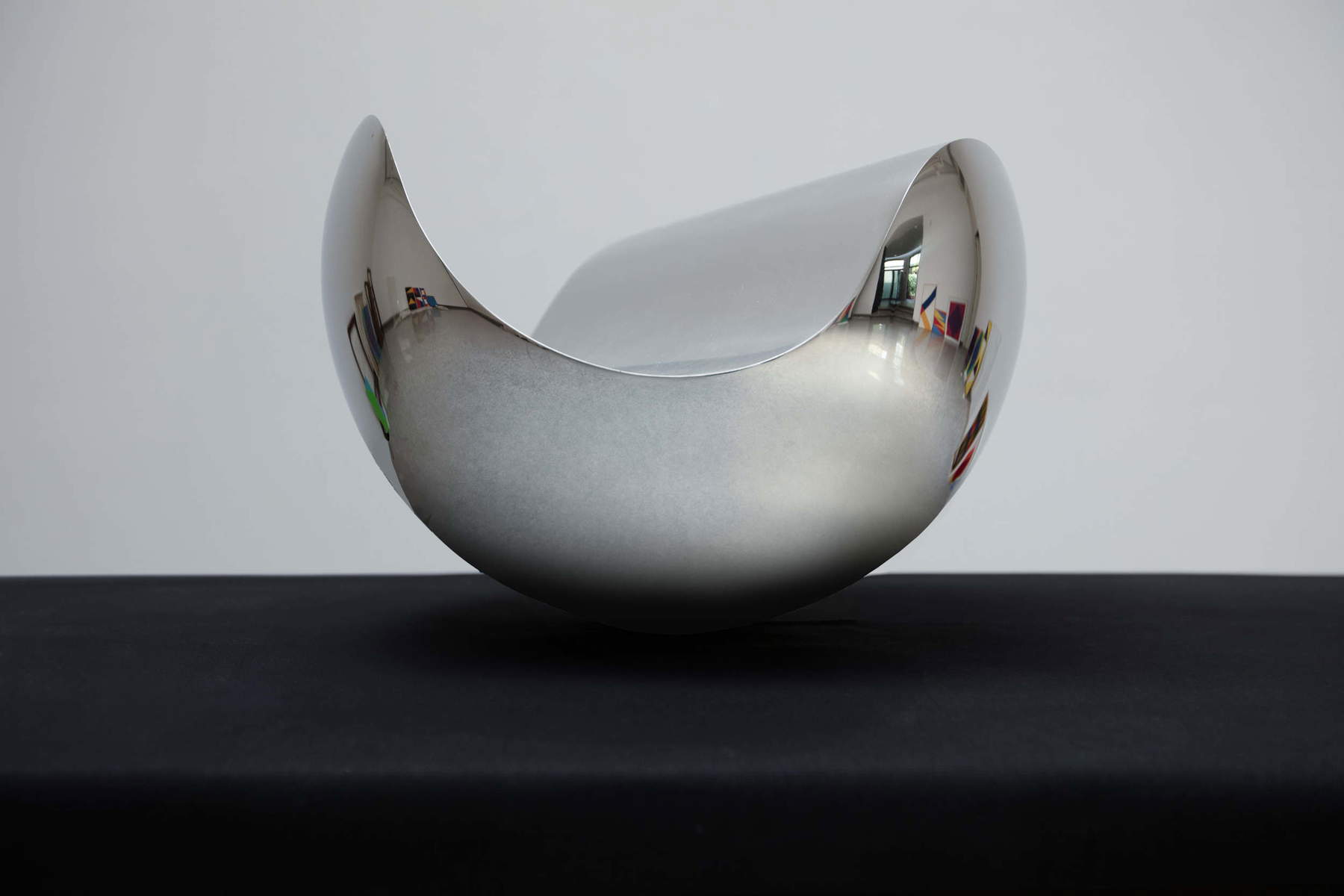
The endless ribbon is not the only example. In *Einheit aus drei gleichen Volumen*(1961–63), three identical volumes interpenetrate to form a single unit. *Dublement*(1969), made of chrome-plated brass, and *Kern aus Doppelung*, made of painted wood, are instead based on the doubling of elements that intersect in space. For *Halber Kubus*(1966), Bill chose Swedish black granite: the stone’s compactness makes the decomposition of the cube—its reduction by half—tangible. At the opposite extreme is *Die feste Hälfte einer Kugel*(1972), a mirrored hemisphere in nickel-plated aluminum in which the relationship between form, light, and space is amplified by the reflective surface.
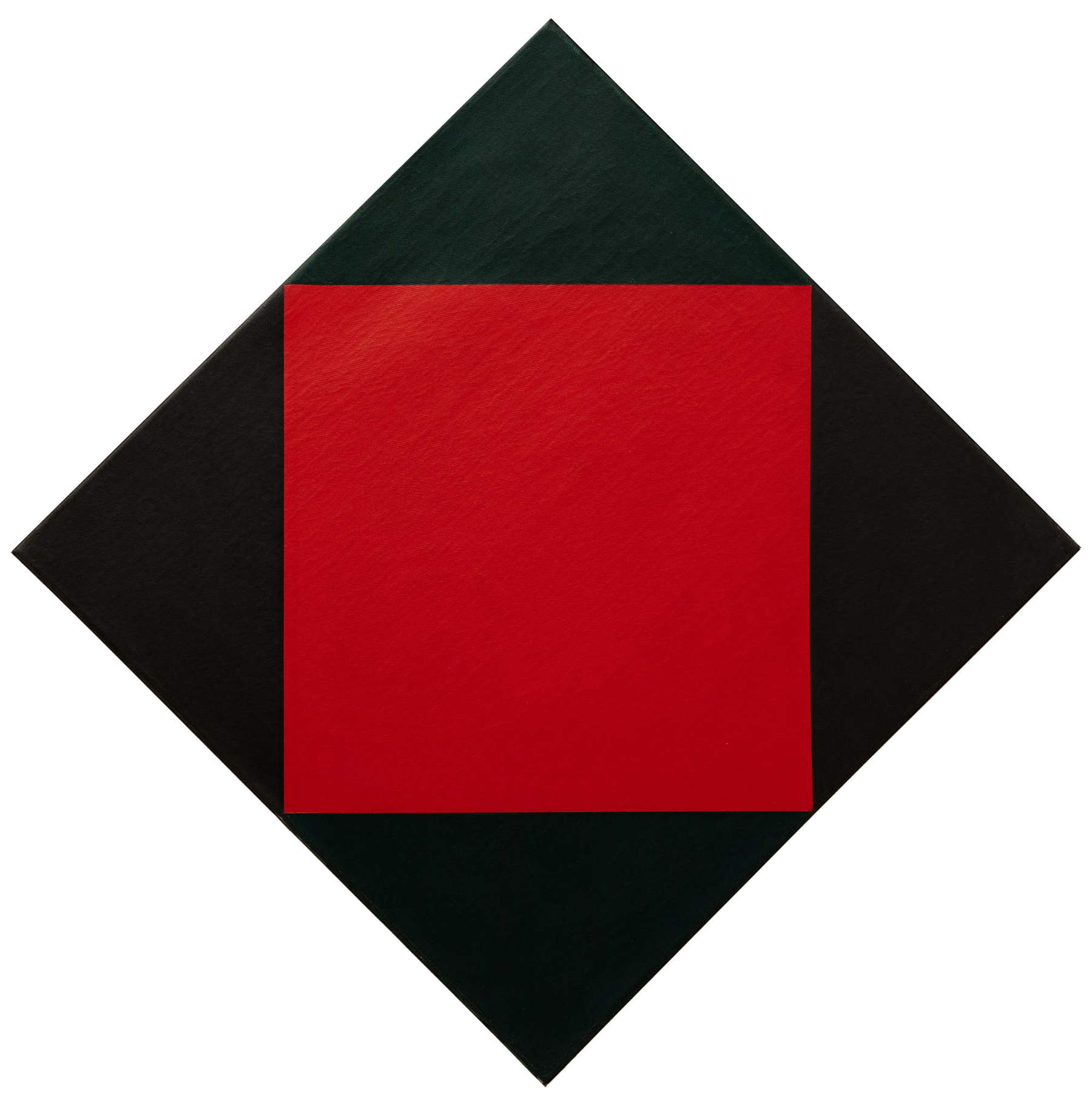
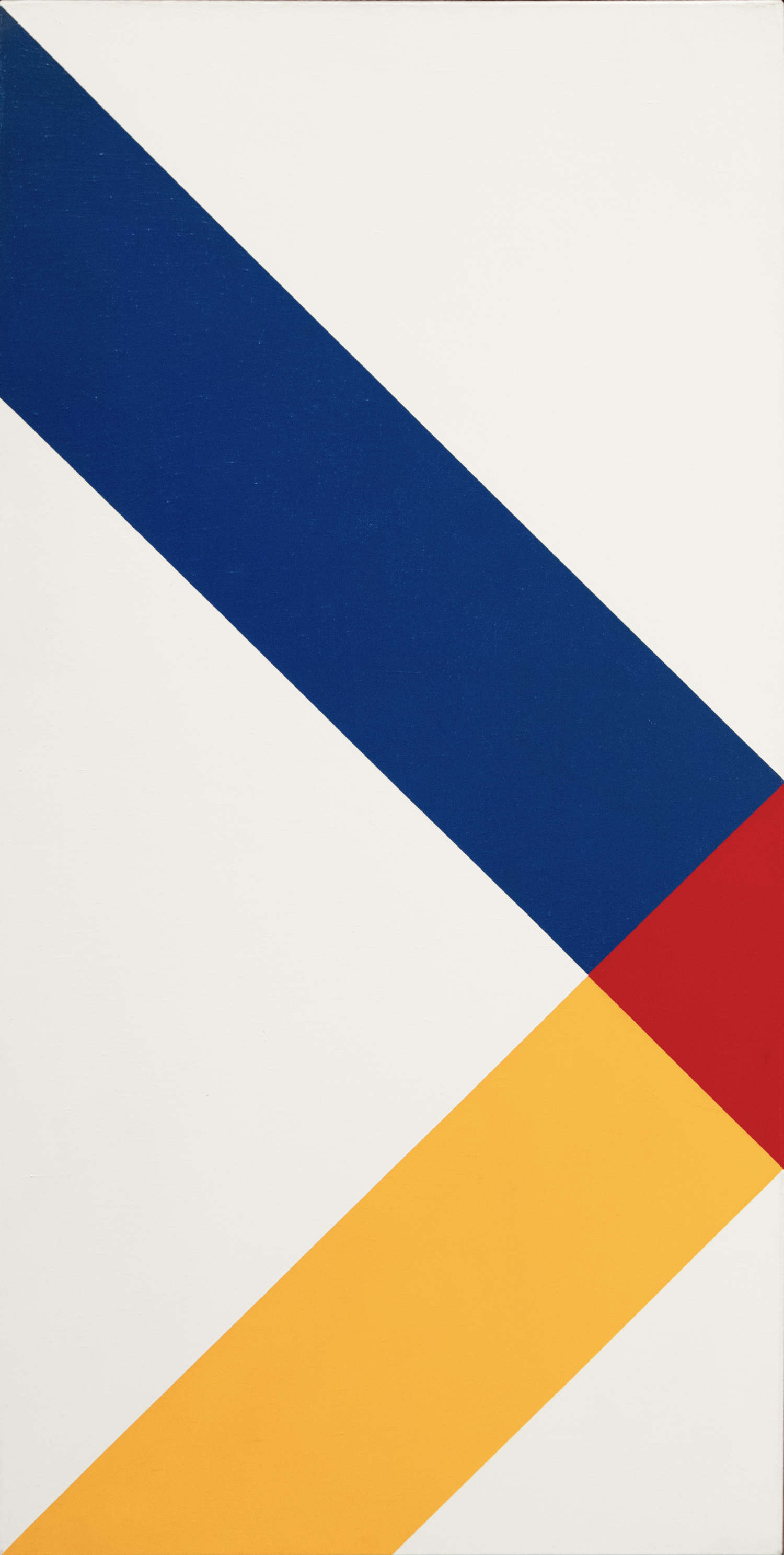
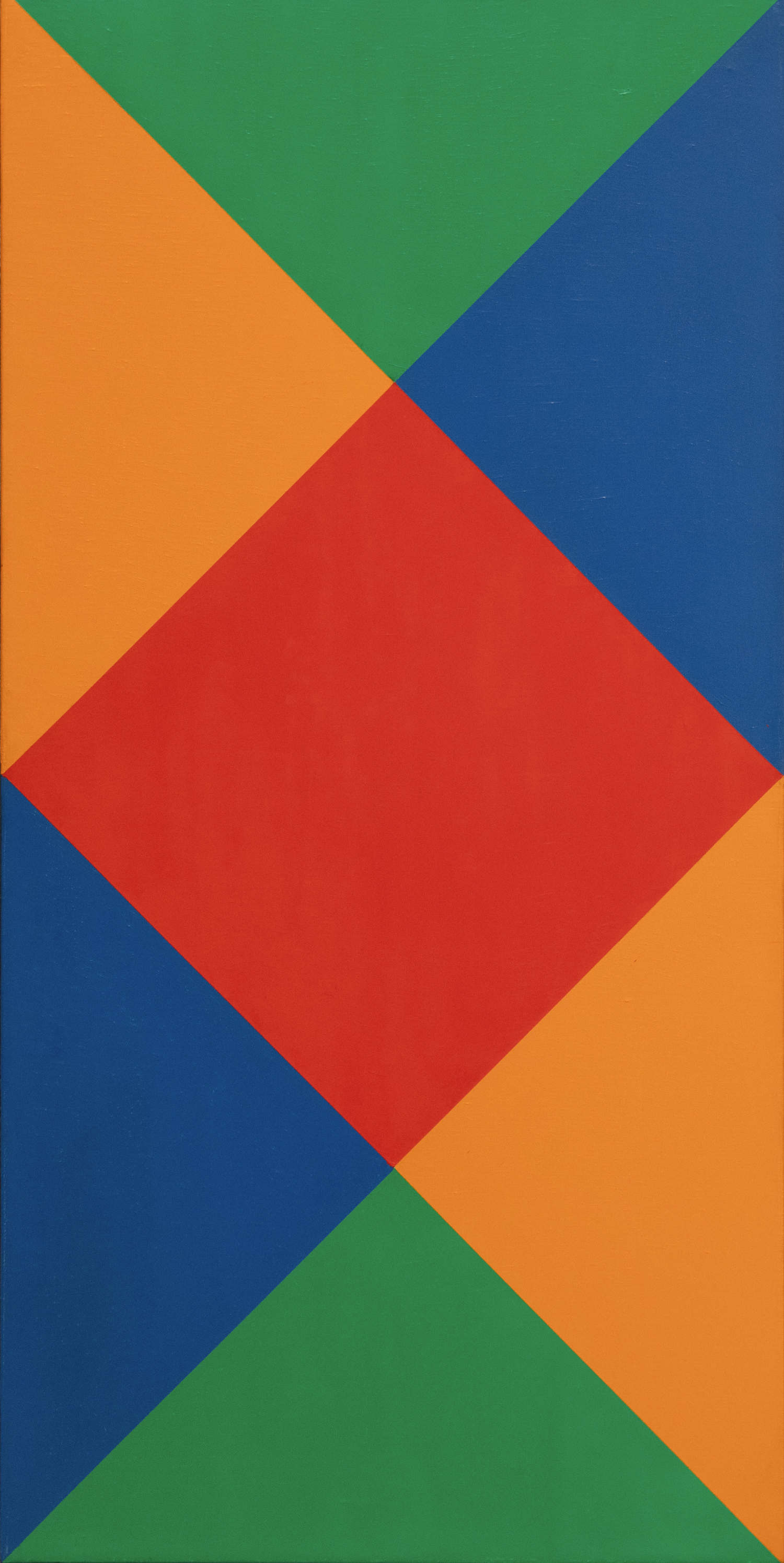
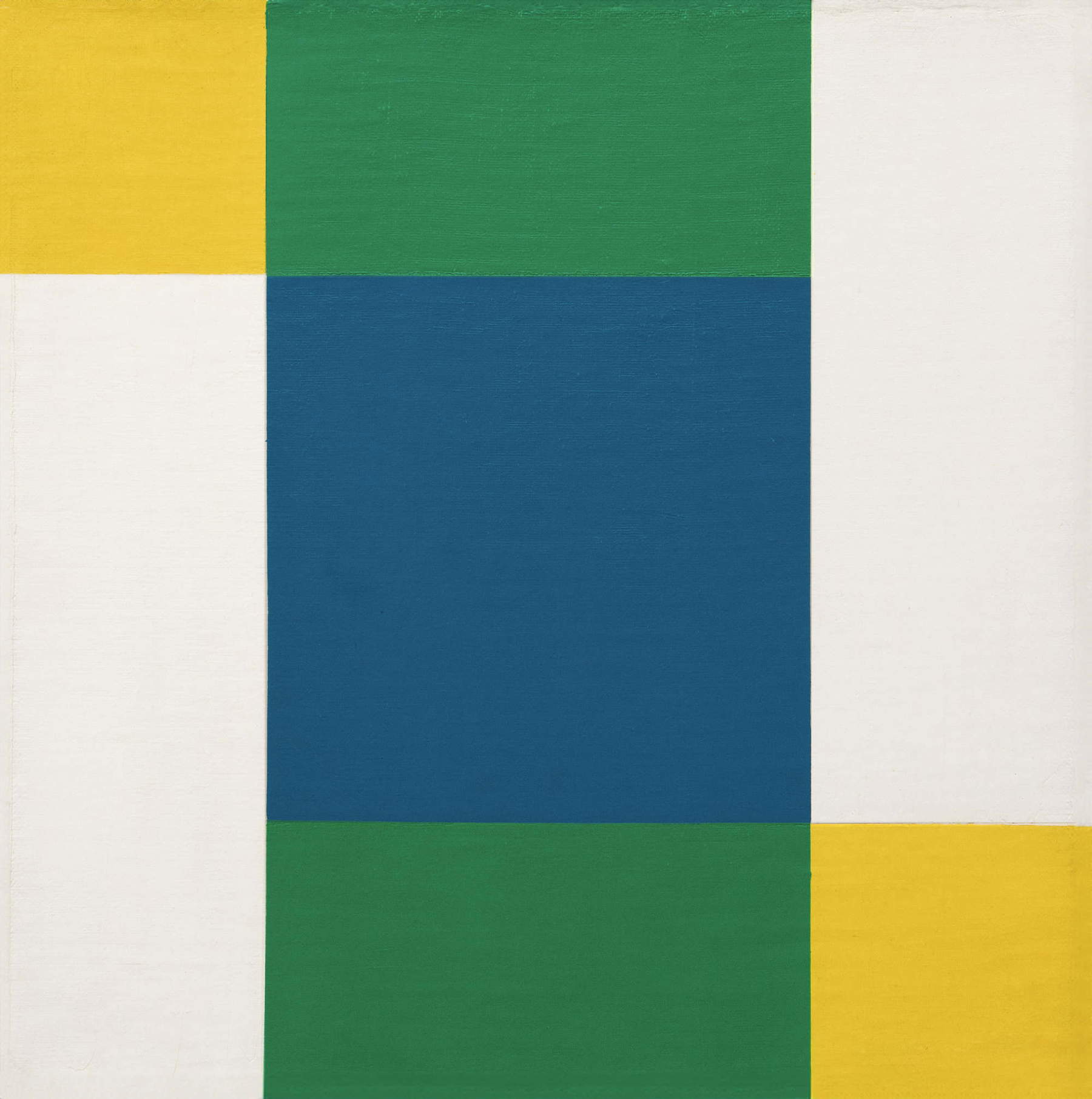
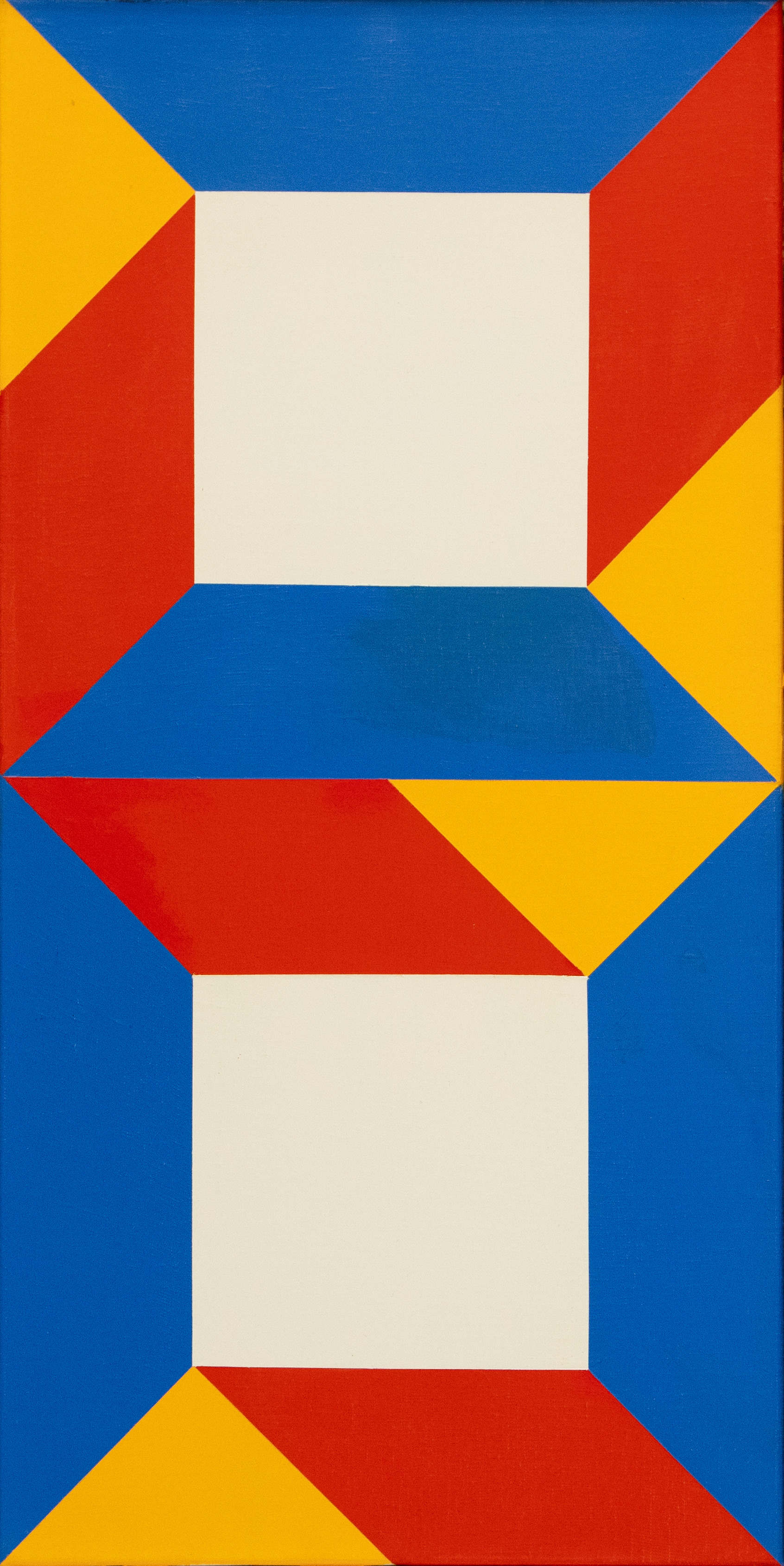
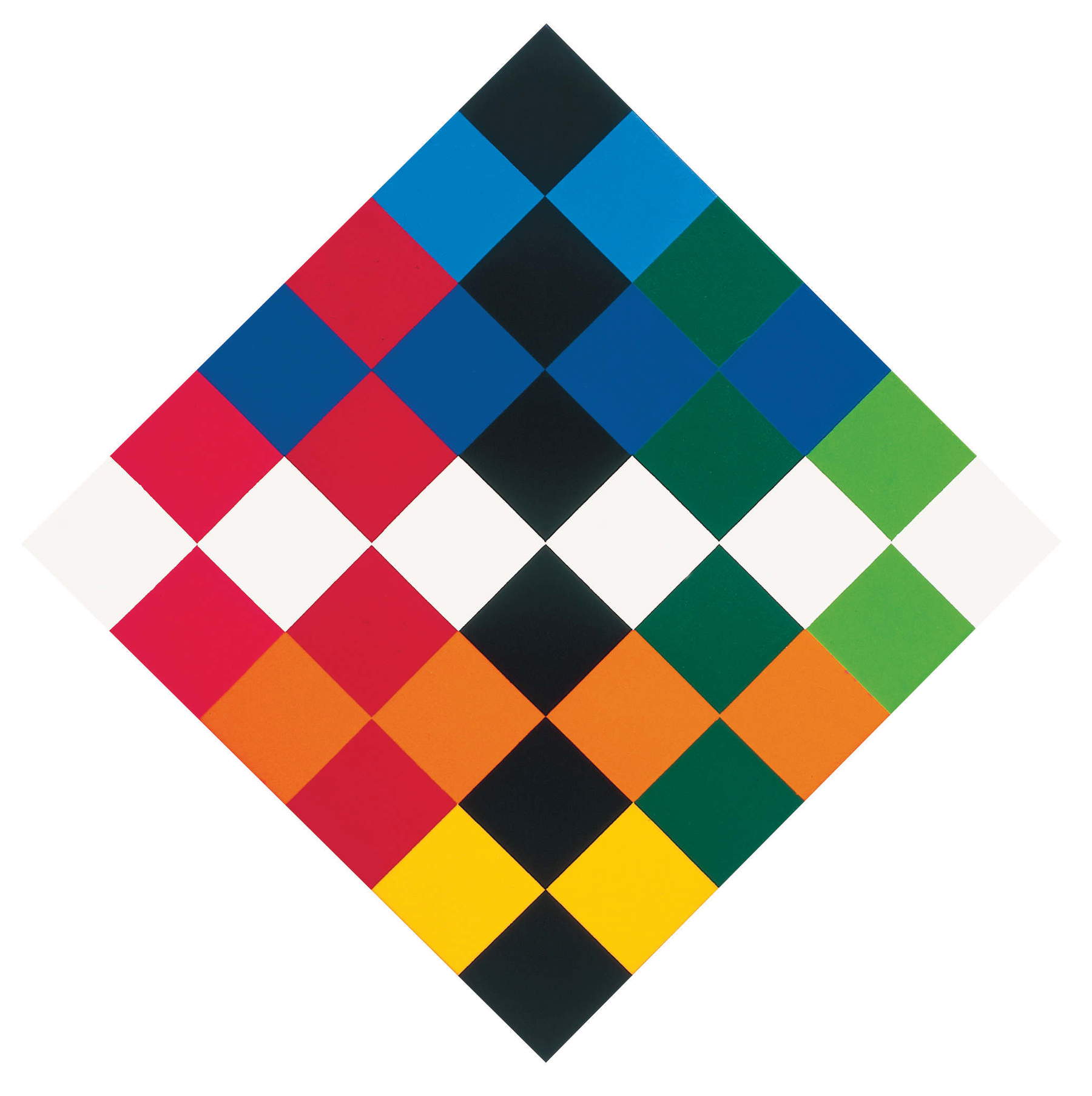
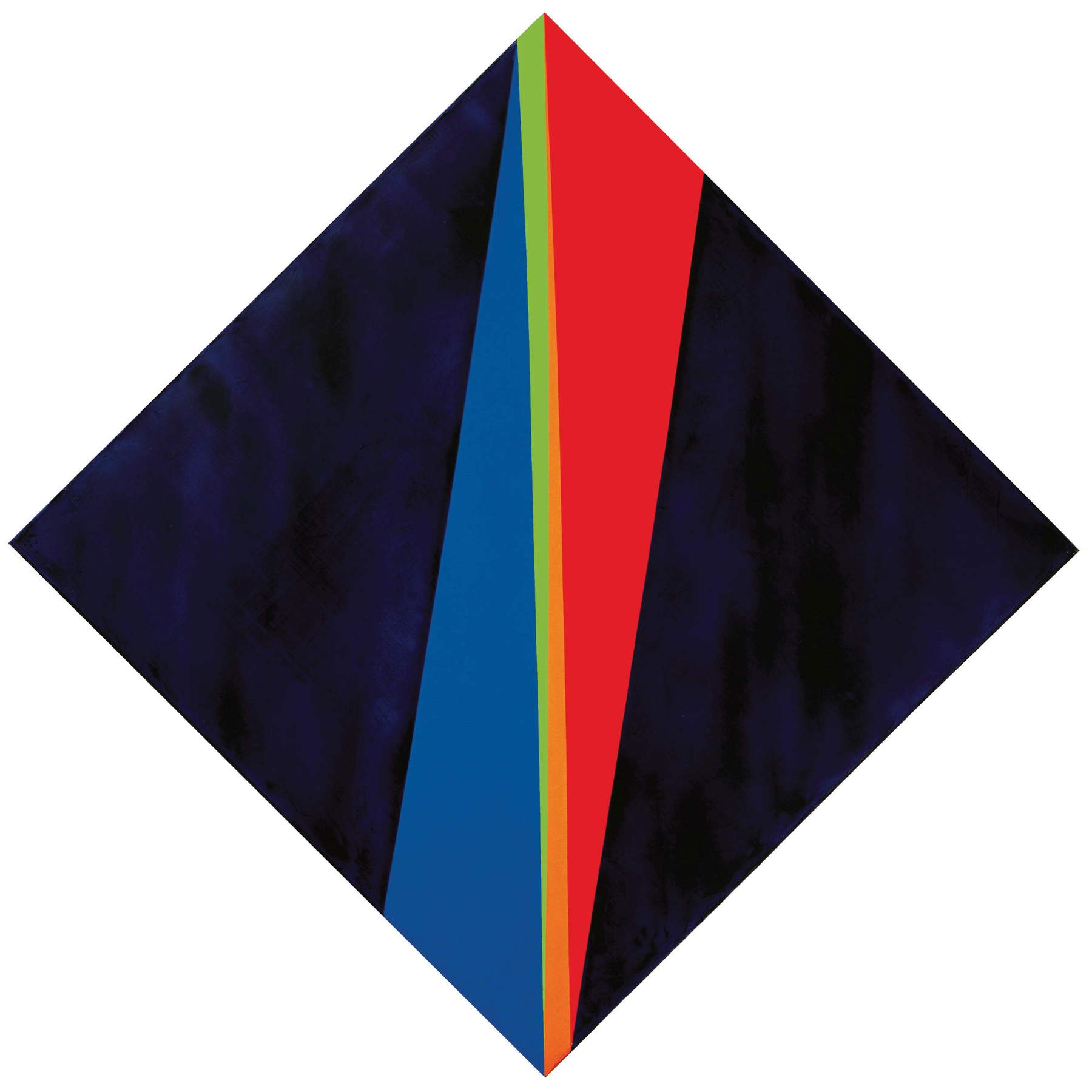
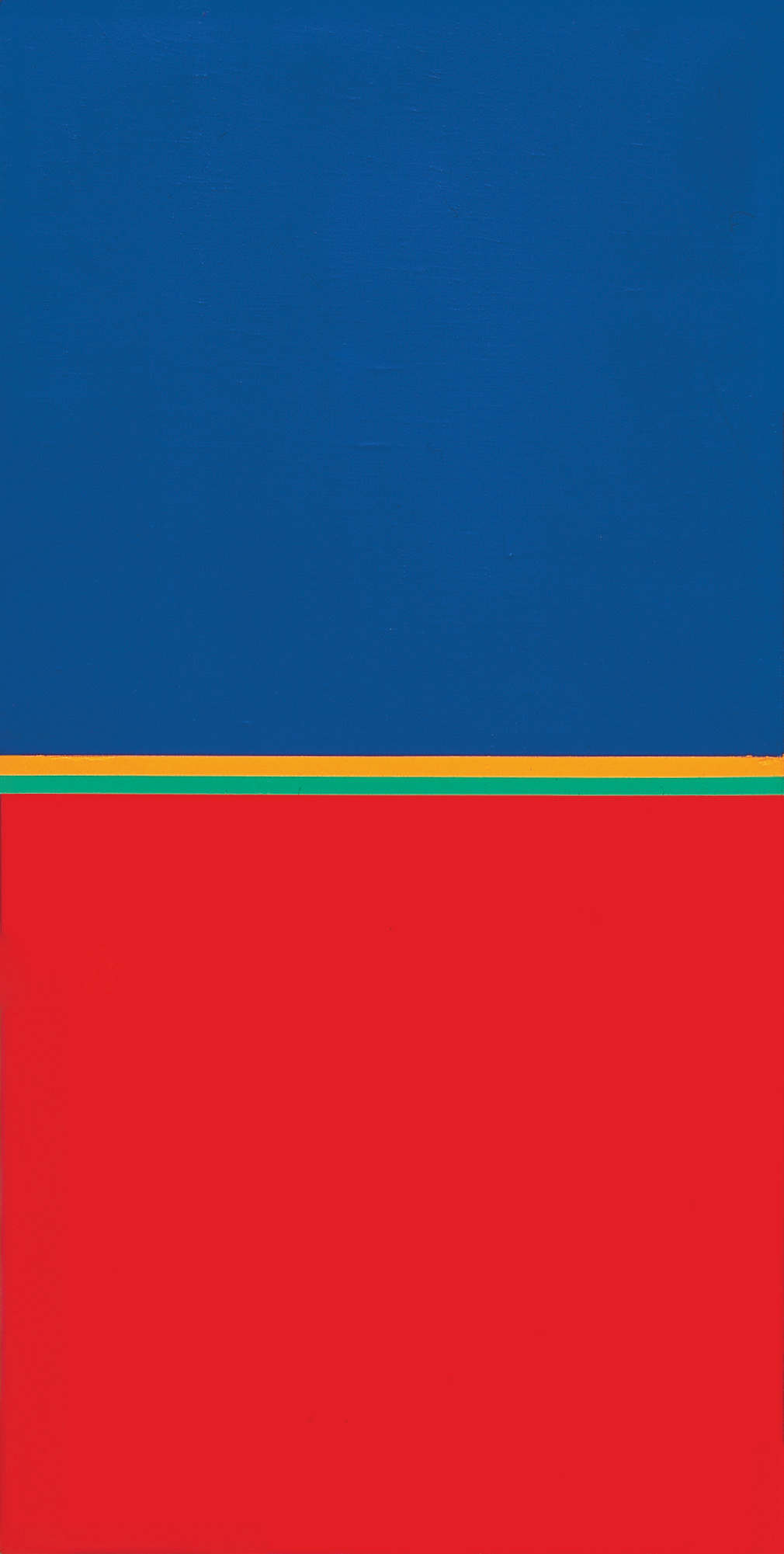
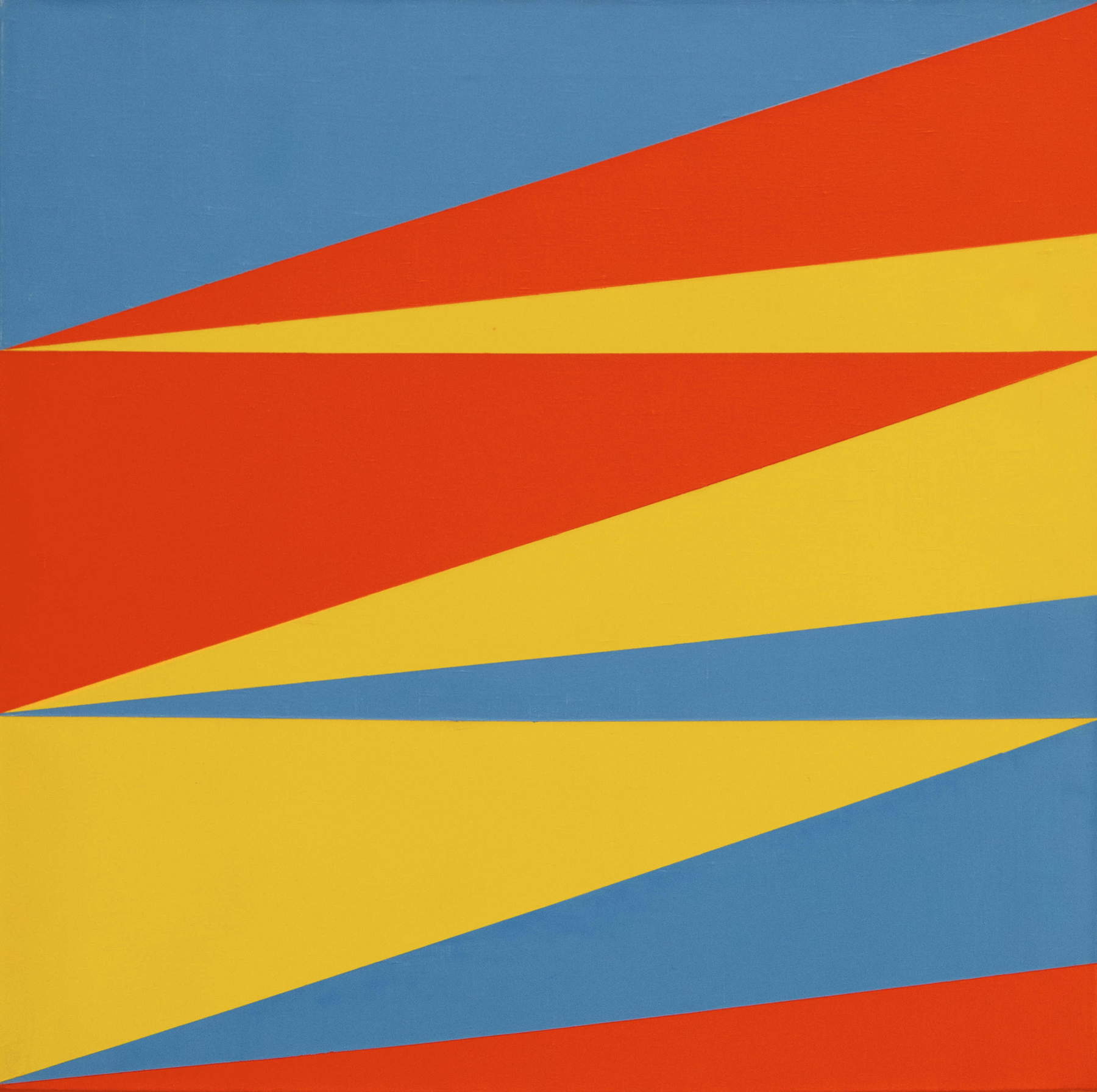
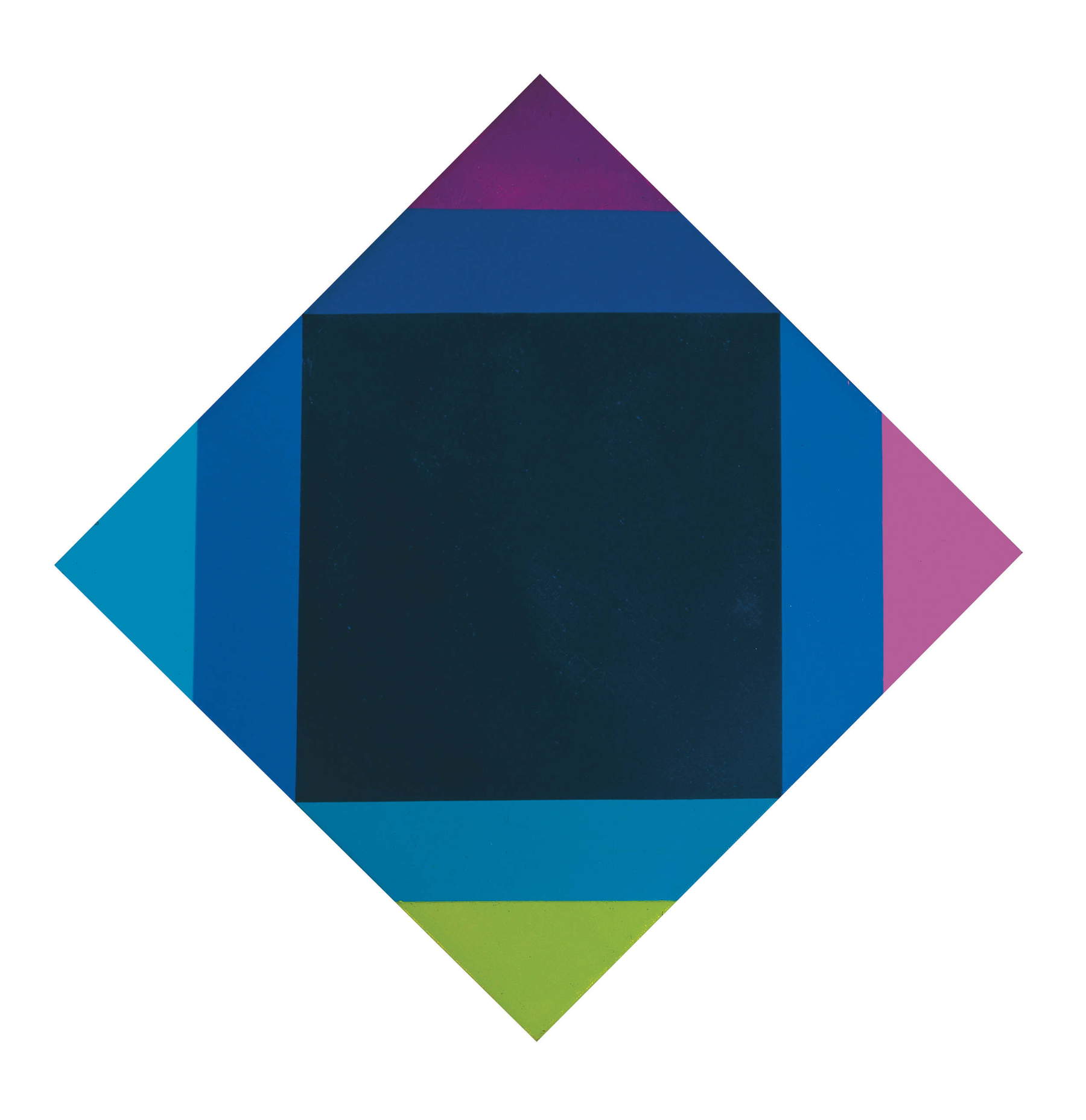
Alongside the sculptures, a group of oil-on-canvas works from 1943 to 1985 traces the evolution of Bill’s painting. Here, color takes center stage, treated not as an expressive element but as a structural material, to be measured and arranged according to precise relationships. The exhibition begins with a work that resembles an equation, *Blue + Yellow = Red*, dated 1943–71, and *Konstruktion mit 2 ähnlichen Farbgruppen um das Zentrum*(1956). Then come the rhomboidal canvases: *Rote Strahlung* (1955–65), featuring a red square inscribed within a black field; *Verdichtung aus Violett* ( 1964–72); *Transcolorazione dall’azzurro* ( 1972); and *Farben um Schwarz und Weiss* (1977). Another section is dedicated to systematic variations, featuring *Konzentration zu Komplementärfarben* (1972), *Durchdringung von vier Farben IV-III* (1966–72), and *3x3x3* ( 1973), while *Zwillingsgruppe*(1970) represents the symmetrical compositions.
Despite the variety of media, the exhibition aims to highlight a coherent body of work, grounded in mathematical thought and in the artist’s firm belief that beauty, as a function, is an integral part of the artwork.
There is also a detail that visitors to the exhibition or those leafing through the catalog will immediately notice: not a single capital letter appears in the texts. This was a deliberate choice by Bill himself, which the gallery respects in all publications dedicated to the artist, including the press release for this exhibition. The monographic catalog, bilingual in Italian and English, features over 80 color plates, an unpublished text by Roberto Borghi, and a wide selection of archival materials, texts, interviews, and photographs.
The connection between Bill and the Lorenzelli family has a long history: the relationship with the gallery began in the late 1960s in Bergamo and solidified in the 1970s, when professional ties and a friendship developed between the artist and the gallery. Bill eventually entrusted Bruno Lorenzelli Jr. with the exclusive custody of the Max Bill Italia Archive, and in 1978 he celebrated his 70th birthday with a solo exhibition at the gallery’s Milan location. In 2008, Lorenzelli Arte—directed by Matteo Lorenzelli, who represents the gallery’s third generation—dedicated its first retrospective to him. The current exhibition, thanks in part to numerous recent acquisitions, expands and completes the retrospective *Max Bill (1908–1994): The Grammar of Beauty, held at the m.a.x. museum in Chiasso (see our review here), for which the gallery was one of the main lenders. Lorenzelli Arte collaborates with museums and public institutions in various countries.
For those unfamiliar with Bill, the biographical overview helps explain why theory played such a significant role in his work. Born in Winterthur, Switzerland, on December 22, 1908, he studied at the Zurich School of Applied Arts from 1924 to 1927 and, between 1925 and 1929, undertook several study trips to France and Italy. From 1927 to 1929, he attended the Bauhaus in Dessau, and between 1932 and 1936, he participated in the activities of the Paris-based group Abstraction-Création. His first sculptures date back to 1933. In 1936, he won the Grand Prix for his exhibition in the Swiss pavilion at the Milan Triennale; the following year, he joined the Allianz, the union of modern Swiss artists, and in 1941 founded the publishing house of the same name. In 1944, he organized the first international exhibition of concrete art at the Kunsthalle in Basel.
These were years of intense activity: in addition to his artistic practice, Bill taught, gave lectures, wrote and published treatises, organized exhibitions, and traveled frequently abroad—interests he would maintain throughout his life. In 1951, he again won the Grand Prix at the Milan Triennale and the Grand Prize for Sculpture at the first São Paulo Biennial; that same year, he became rector of the Ulm School of Design and director of the architecture and education departments. Between the 1950s and 1960s, he initiated collaborations and projects with internationally renowned architects, and by the late 1960s, retrospectives were dedicated to him at museums in Bern, Hanover, Düsseldorf, The Hague, Zurich, Paris, and Grenoble. In the 1970s and 1980s, he continued his theoretical work, giving lectures at schools and universities, while many of his sculptures were installed in public spaces across Europe and elsewhere and entered the collections of major museums. He died in Berlin in 1994.
The exhibition *Max Bill: Art Is a Matter of Innovation* opens on Thursday, November 5, 2026, at 6:30 p.m. and runs from November 6, 2026, to February 13, 2027, at Lorenzelli Arte, located at Corso Buenos Aires 2 in Milan, Tuesday through Saturday from 10 a.m. to 1 p.m. and from 3 p.m. to 7 p.m. Admission is free.
|
| Max Bill's "Infinite Ribbon": An Exhibition of 40 Works in Milan |
Warning: the translation into English of the original Italian article was created using automatic tools. We undertake to review all articles, but we do not guarantee the total absence of inaccuracies in the translation due to the program. You can find the original by clicking on the ITA button. If you find any mistake,please contact us.