





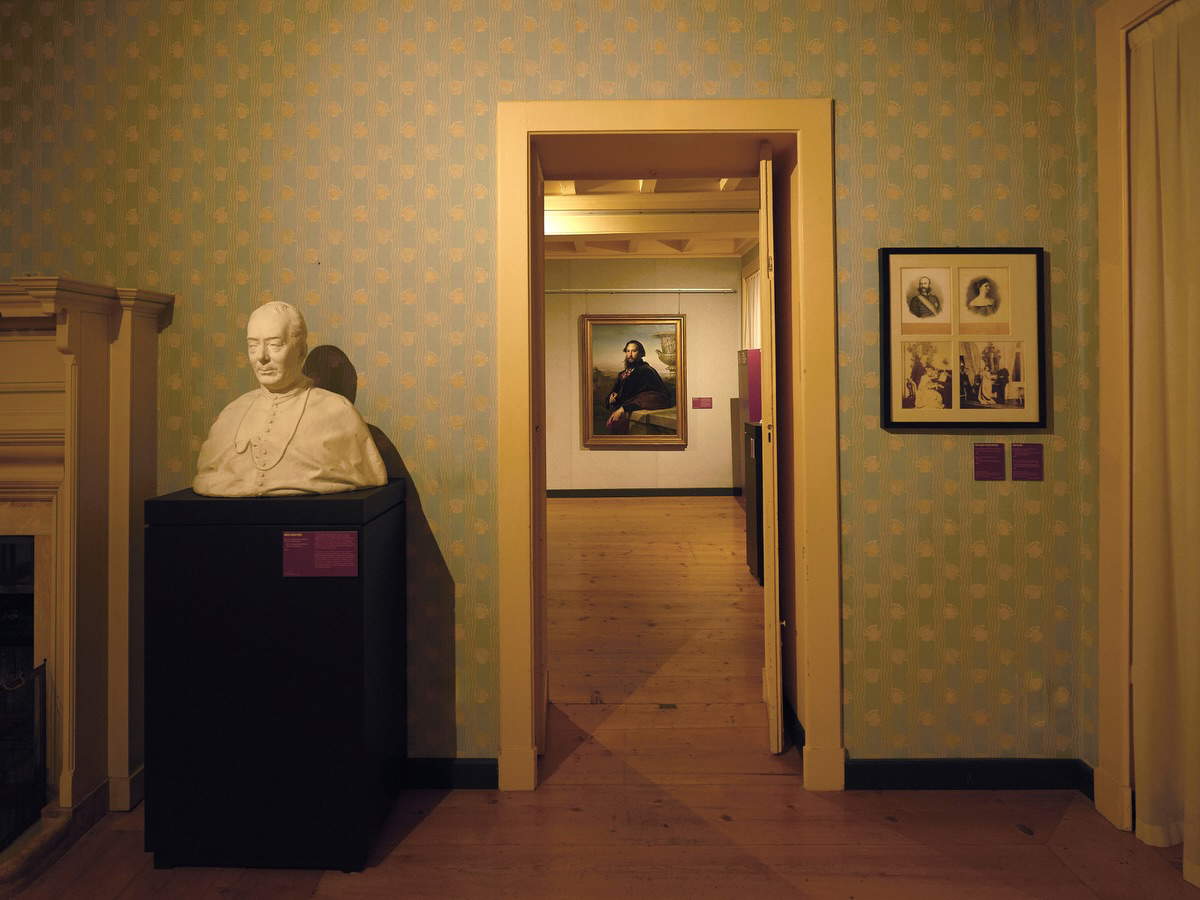
At Villa Carlotta in Tremezzina on Lake Como, the history of the estate is intertwined with that of some of the major European dynasties of the 19th century. From September 18 to December 8, 2026, the Villa Carlotta Foundation presents the exhibition “Dynasties of Europe on Lake Como.” “The Princess of the Netherlands and the Dukes of Saxe-Meiningen at Villa Carlotta,” curated by Maria Angela Previtera and Elena Lissoni. The project explores a specific phase in the residence’s history by reconstructing the historical, artistic, and cultural context associated with Charlotte of Prussia, her mother Marianne of Orange-Nassau, and the court of Meiningen.
The exhibition covers the period from 1843—the year the property was purchased by Princess Marianna of Orange-Nassau of the Netherlands— and 1914, the year of the death of Duke George II of Saxony-Meiningen, shortly before the outbreak of World War I. Born in 1826, George II is the focus of the celebrations organized by Villa Carlotta in 2026 to mark the bicentennial of his birth. As the husband of Princess Charlotte and the villa’s last owner before the establishment of the Villa Carlotta Foundation, the duke is the focus of a program that includes, in addition to the exhibition, guided tours, family activities, musical events, talks, book presentations, and a redesign of the museum’s exhibition spaces.
The exhibition is the result of a collaboration with the Meininger Museen, the Kulturstiftung Meiningen-Eisenach, Schloss Elisabethenburg, the Royal Collections of the Netherlands, and the Marianne Foundation. The project also involves a network of Italian and European institutions linked to the history of these figures and the preservation of artifacts from their era.
The exhibition is presented under the patronage of the Ministry of Culture, the Lombardy Region, the Province of Como, the Como-Lecco Chamber of Commerce, the Municipality of Tremezzina, the Consulate General of the Federal Republic of Germany in Milan, the Embassy and Consulate of the Kingdom of the Netherlands, the Thuringian Castles and Gardens Foundation, the Marianne Foundation, the Meininger Museen, the Kulturstiftung Meiningen-Eisenach, Schloss Elisabethenburg, and the Royal Collections of the Netherlands.
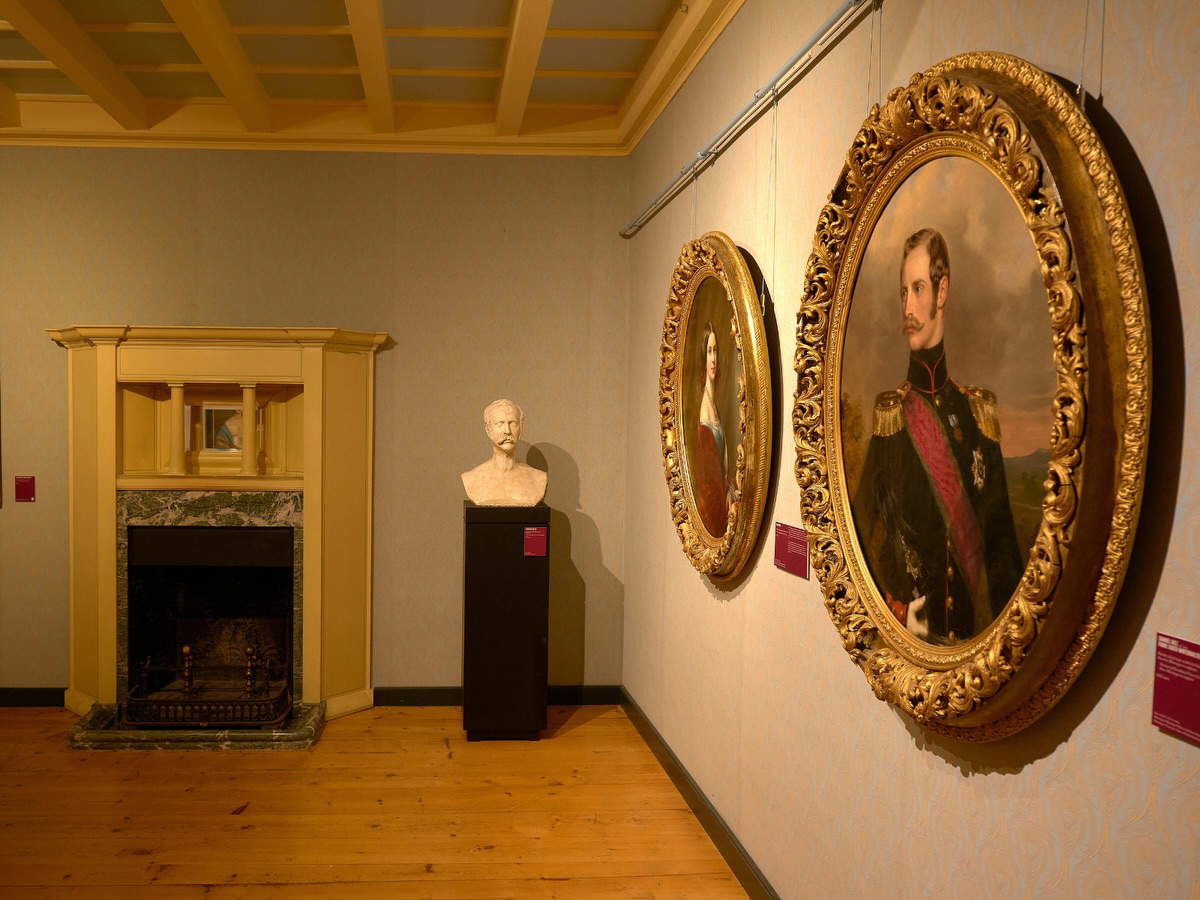
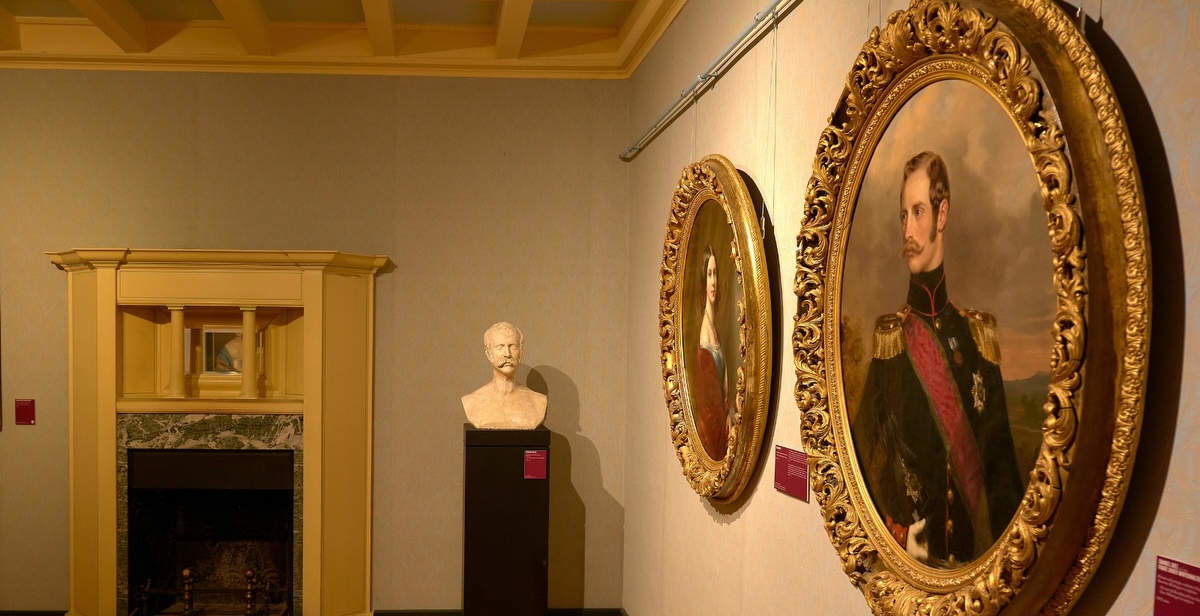
The history of Villa Carlotta is linked to the presence of Marianna of Orange-Nassau, daughter of King William I of the Netherlands. In 1843, the princess purchased the property and, after her divorce from Albert of Prussia, lived in Italy, devoting herself to art collecting. It was Marianna who renamed the residence “Villa Carlotta,” in honor of her daughter, to whom she gave it in 1850 on the occasion of her marriage to George II of Saxe-Meiningen. The presence of Carlotta and George II transformed the identity of the residence and the relationship between its interior spaces, art collections, and garden.
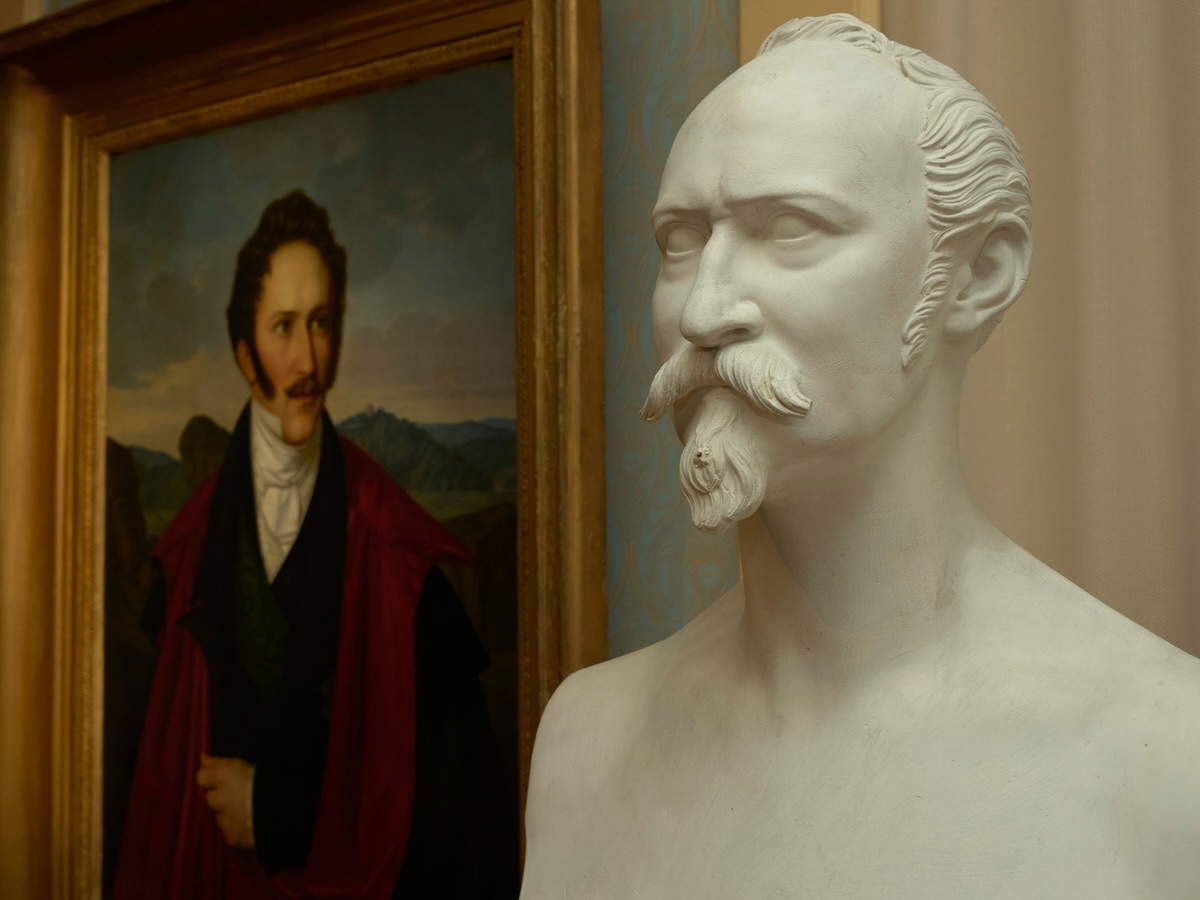
George II is also remembered for his role in the renewal of the European theater scene. Nicknamed “the Duke of the Theater,” he contributed to transforming the way plays were staged through the Meiningen Theater Company, known throughout Europe for its attention to performances, set designs, and costumes. He was also a music enthusiast and a friend of Franz Liszt and Johannes Brahms. His presence at Villa Carlotta also influenced the residence’s layout: artists and decorators worked on the rooms, enriching them with furnishings and decorative elements, while the botanical collections were expanded and the park was profoundly transformed, thanks in part to the contribution of renowned court gardeners. The exhibition itinerary therefore treats the villa, the museum, and the garden as parts of a single narrative. In addition to the paintings, sculptures, and documents from the era of George II preserved in the Villa Carlotta Museum, the exhibition also features previously unseen materials that have recently been added to the collections thanks to donations from the family’s descendants and loans from private collections, foundations, museums, and institutions.
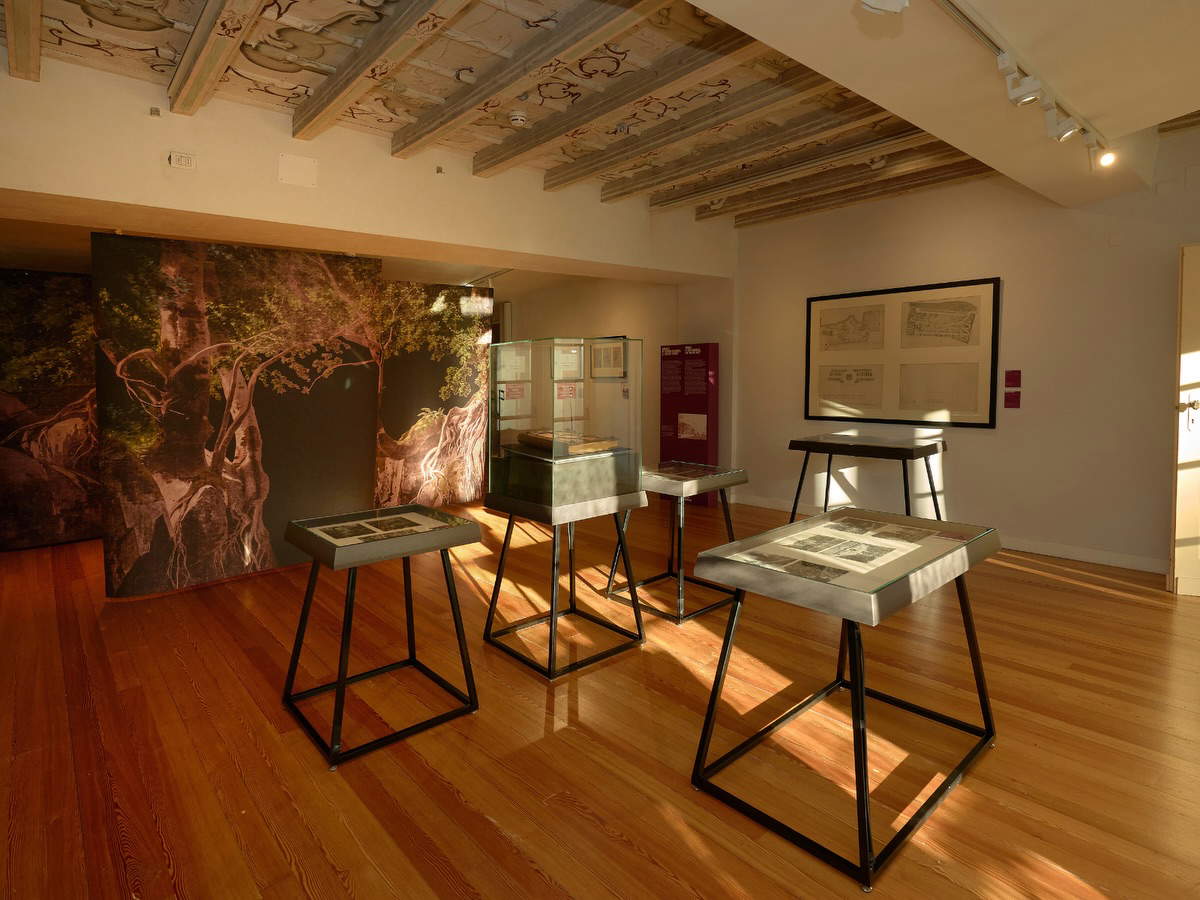
These include the Veneranda Biblioteca Ambrosiana, the Lodovico Pogliaghi House Museum – Sacro Monte di Varese, the Amsterdam Museum, the Haags Historisch Museum, the Rijksmuseum de Gevangenpoort, and Paleis Het Loo. The exhibition is rounded out by historical documents, photographs, and plans related to the park of Villa Carlotta, which reinforce the connection between the garden and the museum.
Part of the narrative focuses on the notable figures who frequented Villa Carlotta. The guest books, compiled beginning in 1843, document the presence of numerous guests from the worlds of culture, politics, music, and the European aristocracy; among the names listed are the writer and essayist Mary Shelley, General and Governor of the Kingdom of Lombardy-Venetia Joseph Radetzky, Queen Anna Pavlovna Romanova of the Netherlands, music publisher and composer Giulio Ricordi, the future King of Italy Umberto of Savoy, the photographer Giorgio Sommer, and the pianist and composer Johannes Brahms, whose entries appear in the records for 1840, 1846, 1846, 1854, 1860, 1874, and 1884, respectively.
The sequence of names thus helps document the villa’s role as a gathering place for members of the European aristocracy and cultural elite of the nineteenth century, but that is not all: the presence of figures associated with literature, music, photography, publishing, and political institutions allows us to interpret the history of the residence beyond its strictly dynastic dimension.
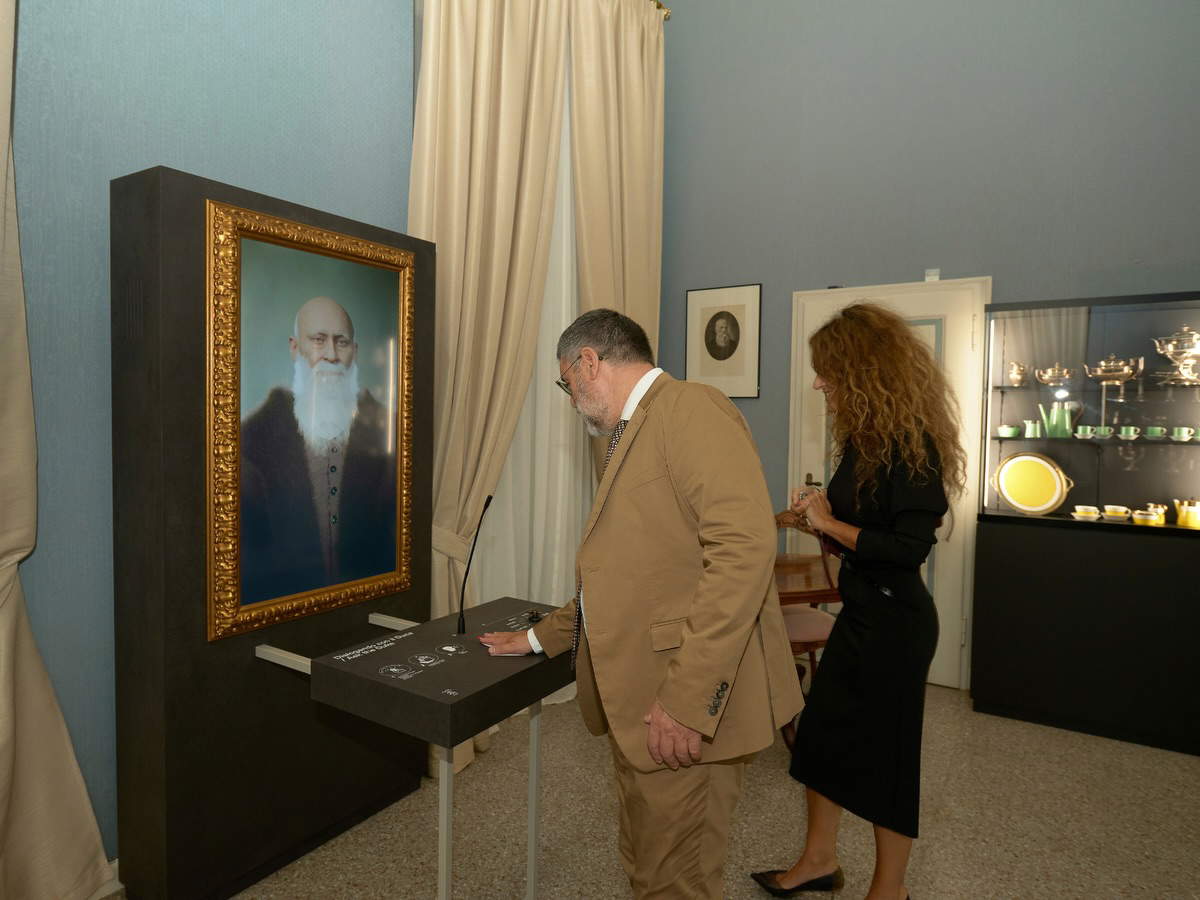
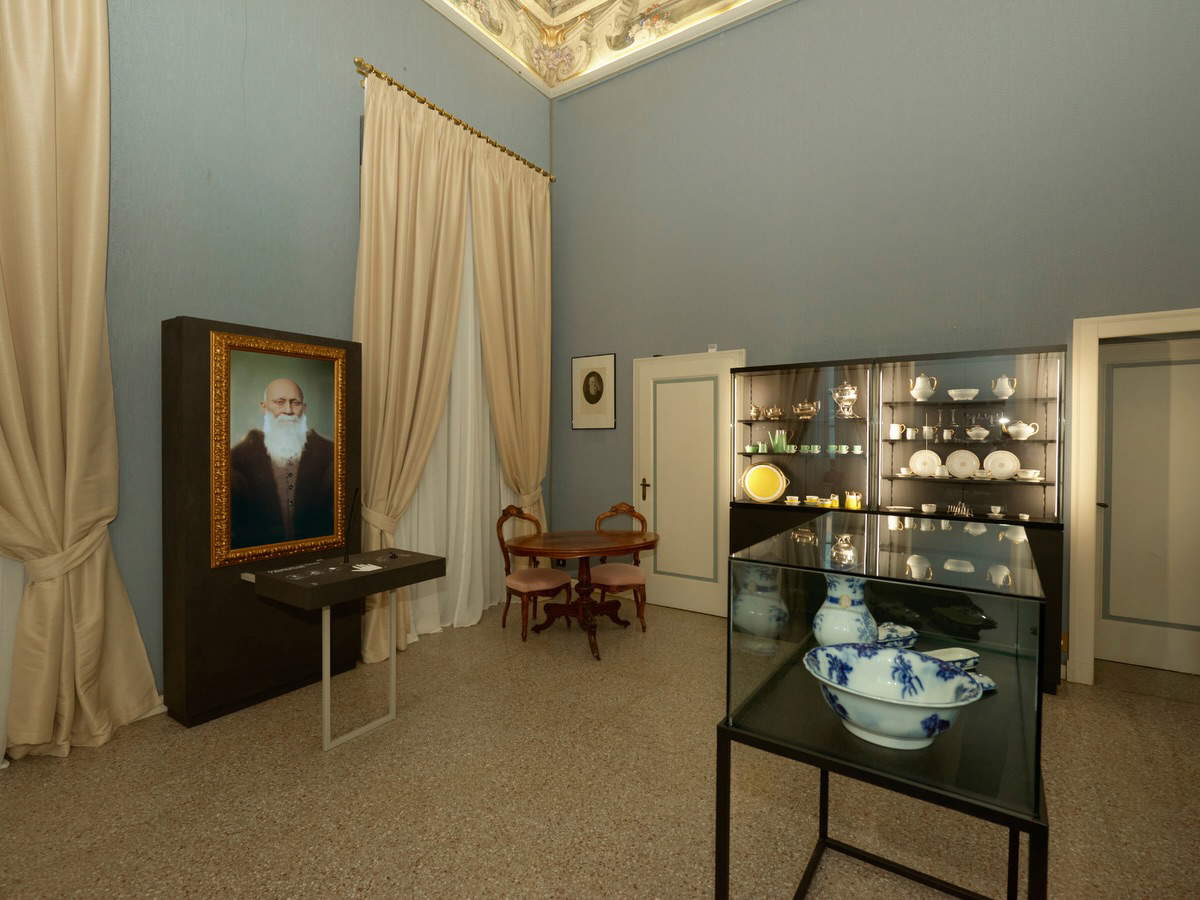
To mark the bicentennial, Villa Carlotta has undertaken a redesign of several second-floor rooms dedicated to George II: this project showcases collections and furnishings that belonged to the Duke of Saxe-Meiningen, including ceramics, glassware, and silverware, which document part of the family’s material heritage. The relationship between the collections and the rooms of the residence is, in fact, one of the key elements of the research underlying the exhibition: the objects are presented as evidence of the family’s collecting activities and as elements connected to the lives of the owners and the transformations of the villa.
The applied arts component will also be explored in greater depth through the publication of the book *The Silverware of Villa Carlotta*, scheduled for fall 2026, produced with the contribution of scholars Paolo Vanoli and Marco Coppe. The book explores the theme of European applied arts in the second half of the nineteenth century and the early years of the twentieth century through the collections of the Saxe-Meiningen family.
“The exhibition dedicated to the bicentennial of Duke George II’s birth provided an opportunity to renew and enrich the museum experience in the rooms adjacent to the Grand Gallery,” says Maria Angela Previtera, director of Villa Carlotta. “The redesign has made it possible to dedicate a new room to the applied art collections and to introduce interactive elements designed for younger visitors.”
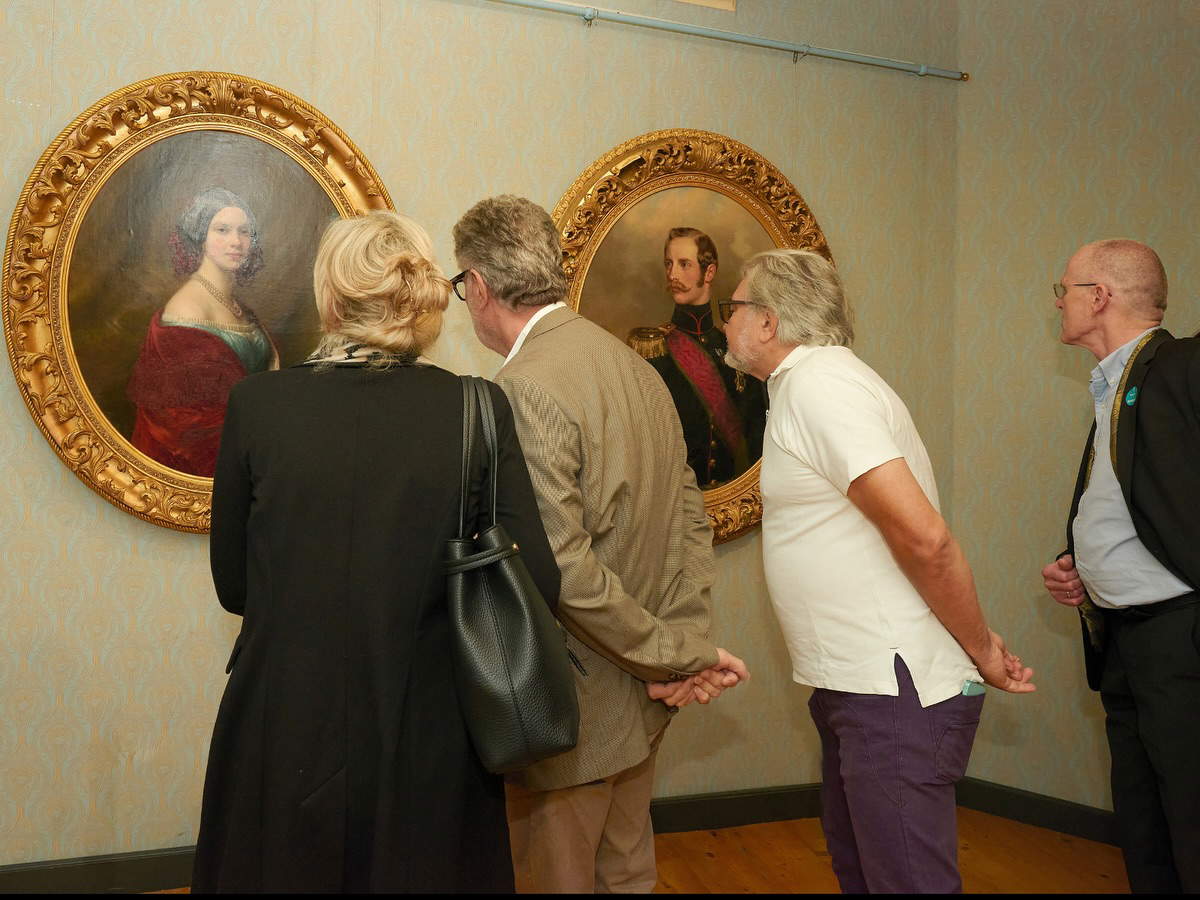
The project is the result of research conducted by the Scientific Committee using a historical-scientific approach. Its members include Maria Angela Previtera, director of Villa Carlotta – Museum and Botanical Garden; Ilaria Bruno, art historian at the Superintendence of Archaeology, Fine Arts, and Landscape for the provinces of Como, Lecco, Sondrio, and Varese; Harald Hendrix, professor emeritus at Utrecht University and former director of the Royal Netherlands Institute in Rome; Philipp Adlung, director of the Meininger Museen; Kees Van der Leer, co-founder of the Stichting Erfgoed Prinses Marianne; Marieke Spliethoff, former curator of paintings, prints, and drawings at Paleis Het Loo; and Tiziana Danelli, professor at the Vita-Salute San Raffaele University in Milan.
Accompanying the exhibition is a publication edited by Maria Angela Previtera and Elena Lissoni, featuring contributions from Italian and international scholars and researchers, essays, critical apparatus, and extensive photographic documentation. The essays focus on Marianna of Orange-Nassau, her daughter Charlotte, and George II, and explore the role of the residence as a site of dynastic relations, cultural exchange, and collecting. The volume brings together scholars from universities, museums, and research institutions and features sections dedicated to families and international relations, residences and gardens, and the relationship with the arts. Archival research was conducted in Italy, Germany, and the Netherlands.
The initiatives included in the program aim to reconstruct the period during which Villa Carlotta entered the orbit of the great European dynasties and to explore the role of the duke and his family in the cultural and artistic life of the residence from the second half of the 19th century to the early 20th century. The program includes two temporary exhibitions: the first is *Greetings from Villa Carlotta: Paper Souvenirs, Traveling Memories*, which opened on April 2, 2026, and runs through December 8. The second is “European Dynasties on Lake Como: The Princess of the Netherlands and the Dukes of Saxe-Meiningen at Villa Carlotta,” opening on September 18 and running, as indicated in the program, from September 19 to December 8.
“Greetings from Villa Carlotta” features a selection of vintage postcards preserved in the organization’s Historical Archive. Opened in conjunction with the celebrations organized in Meiningen, the Duke’s birthplace, the exhibition tracesthe evolution of the garden, the villa, and the surrounding landscape through these postcards. The project was carried out by interns from the Advanced Training Course in Museum and Exhibition Curation at the Department of History, Anthropology, Religions, Art, and Performing Arts (SARAS) at Sapienza University of Rome, in collaboration with the museums of the Lombardy 19th-Century Network and the Villa Carlotta Foundation.
In addition to the exhibitions, the program features themed guided tours of the museum and garden, family activities, musical events, in-depth discussions, and book presentations. The program stems from a network of national and international scientific and institutional collaborations that includes Meininger Museen, the Stiftung Thüringer Schlösser und Gärten, the Stichting Erfgoed Prinses Marianne, the Royal Collections of the Netherlands, the Amsterdam Museum, the Haags Historisch Museum, the Lombardy 19th-Century Network, and Villas and Museums of Lake Como.
The schedule, directly linked to the exhibition, includes three guided tours. On Saturday, November 7, at 11:00 a.m. , “European Dynasties on Lake Como: Faces and Private Life” will take place, dedicated to Marianna of Orange-Nassau, Charlotte of Prussia, and George II, exploring their private lives through documents, photographs, and artifacts. On Saturday, November 21, at 11 a.m., the tour “European Dynasties on Lake Como: Guests at the Villa, ” led by archivist and professor Tiziana Danelli, will delve into the illustrious figures who frequented Villa Carlotta in the late 19th century.
On December 8 at 11 a.m. , the closing event will feature “European Dynasties on Lake Como: Villa Carlotta as a Wunderkammer.” The tour will present the villa as a chamber of wonders, connecting collecting, art, and history, and focusing on the spaces inhabited by the Saxe-Meiningen family and their guests through documents, furnishings, and historical photographs.
Family activities include the tour “In the Footsteps of Princess Carlotta,” which will wind through the newly renovated area of Villa Carlotta, featuring restored historic paths, centuries-old trees, and scenic viewpoints, highlighting the renovation project funded by the PNRR. The park also features a landscape installation by artist Maria Dompè dedicated to Princess Charlotte and to the women who were forced to give up their dreams.
On Sunday, October 4, at 2:30 p.m., “Among Duke George II’s Books ” will offer an in-depth look at the duke’s library and a children’s workshop, “The Leporello of My Passions.” On Sunday, October 18, at 2:30 p.m., “Scenographers at Court” will explore George II’s passion for theater and offer a workshop on building a miniature theater with a 3D backdrop and paper actors.
On Sunday, November 15, at 2:30 p.m., “Family Matters” will be dedicated to the story of the Duke, Princess Charlotte, and their family, followed by a workshop to create handmade stamps and experiment with roller printing using tempera paints, reinterpreting the family portrait through a style inspired by Pop Art.
On December 8 at 11:00 a.m., “Shakespeare Passion ” will explore George II’s interest in Shakespeare and Francesco Hayez’s painting depicting a scene from *Romeo and Juliet*. At the end, participants will create a fabric collage inspired by the tragedy.
On October 1, 2026, as part of Orticolario, the catalog *To the women who are not allowed to fulfill their dreams! / A tutte quelle donne a cui non è permesso realizzare i propri sogni!* will be presented, dedicated to Maria Dompè’s artistic project. The volume documents the site-specific installations created at Villa Carlotta in dialogue with the botanical garden and the museum spaces, paying homage to Charlotte of Prussia. Texts and photographs trace the artist’s creative process and explore the relationship between art, nature, landscape, and history.
On October 9, 2026, the conference “Behind the Scenes: The Mural Depicting the Saxon-Meiningen Family at Villa Carlotta”will be dedicated to the restoration of the decorative elements in the second-floor atrium. Restorer Eliana Tovagliaro will present the restoration work carried out between 2024 and 2025 on the entire decorative scheme, which was created by Ernst, son of Duke George II of Saxe-Meiningen.
 |
| The Dynasties of Europe at Villa Carlotta on Lake Como: Artworks and Documents Tell Its Story |

Warning: the translation into English of the original Italian article was created using automatic tools. We undertake to review all articles, but we do not guarantee the total absence of inaccuracies in the translation due to the program. You can find the original by clicking on the ITA button. If you find any mistake,please contact us.

























 IT
IT FR
FR DE
DE ES
ES CN
CN


