




by Redazione 04/09/2026



Categories: Exhibitions / Disclaimer
From October 1, 2026, to January 4, 2027, at the Van Gogh Museum in Amsterdam, a retrospective exhibition dedicated to one of the most important Japanese printmakers of the 19th century: Tsukioka Yoshitoshi. It presents to the public for the first time the complete series *One Hundred Views of the Moon*, which was recently added to the museum’s collections.

From October 1, 2026, to January 4, 2027, the Van Gogh Museum in Amsterdam presents “Yoshitoshi: The Master of the Moon, ” a comprehensive exhibition dedicated to one of the most important Japanese printmakers of the 19th century. At the heart of the exhibition is Tsukioka Yoshitoshi’s famous series *One Hundred Views of the Moon*, which recently joined the museum’s collection thanks to a generous donation and is now on public view for the first time.
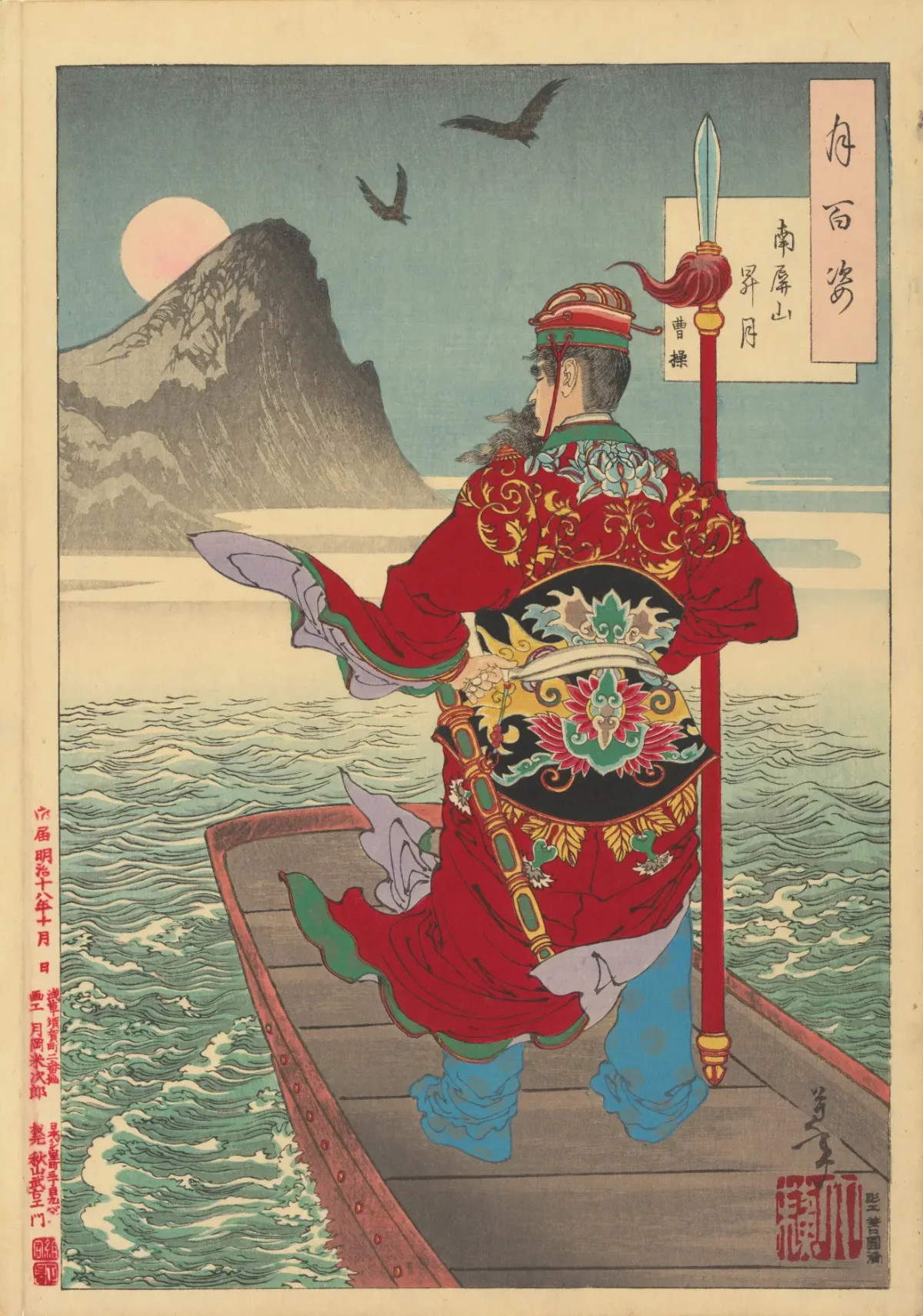
Born in 1839 and died in 1892, Tsukioka Yoshitoshi lived during a period of profound transformation for Japan. In the second half of the nineteenth century, after nearly two centuries of almost total isolation, the country began to gradually open up to foreign influences, embarking on a rapid process of modernization. Yoshitoshi viewed the gradual disappearance of the traditions and culture of ancient Japan with concern. It was precisely this need to preserve memory that gave rise to the series *One Hundred Aspects of the Moon*, created between 1885 and 1892. Through these one hundred woodblock prints, the artist constructed a vast repertoire of stories and images linked to Japanese and Chinese culture. The protagonists are characters and episodes from history, mythology, and folklore, united by a recurring element: the moon.


In Yoshitoshi’s series, the moon takes on a symbolic role and becomes the common thread linking images deeply rooted in contemplation and nostalgia. In some compositions, the lunar disk is clearly visible and occupies a central role in the scene; in others, however, its presence is merely suggested by the light that illuminates the figures and landscapes. This variety of representations allows Yoshitoshi to construct a visual narrative rich in atmosphere, in which the moon also serves as a tool to evoke a traditional world that the artist perceived as increasingly threatened by modernization.
Yoshitoshi remained faithful to the principles of Japanese woodblock printing, yet he was also able to engage with new ideas from the West. In fact, his works reveal influences related to perspective and a greater emphasis on realism. The result is an innovative visual language, characterized by striking compositions, a refined use of color, and original formal solutions. Because of these characteristics, Yoshitoshi is consideredthe last great master and one of the most important innovators of Japanese printmaking, particularlyukiyo-e.
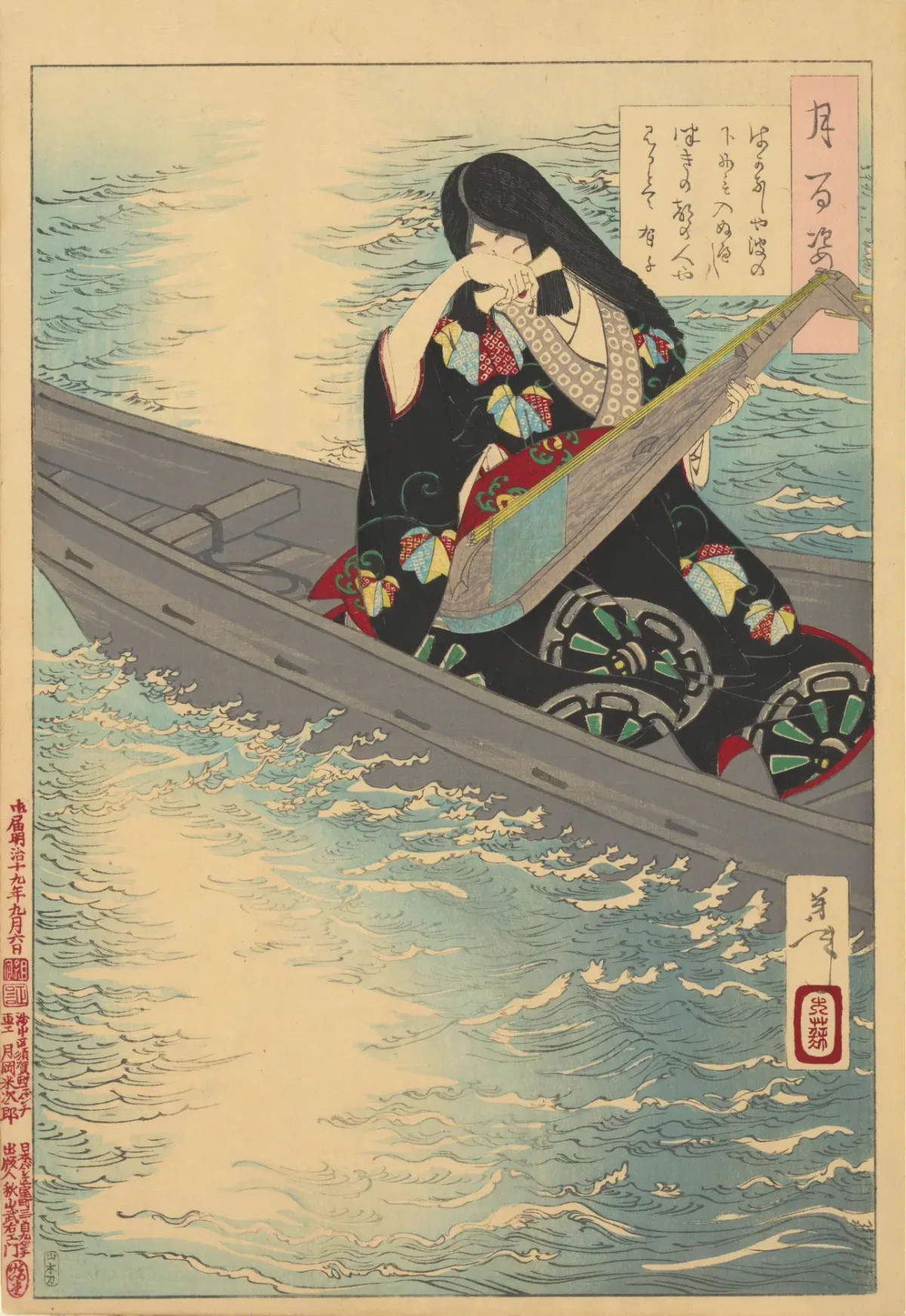
The exhibition’s narrative is also linked to Vincent van Gogh, who harbored a deep admiration for Japanese color woodblock prints. Beginning in 1885, Van Gogh started collecting hundreds of Japanese prints, eventually coming to own five works by Yoshitoshi. Certain physical details still allow us to understand today just how carefully the Dutch artist observed and studied these images: the pinholes at the corners of the sheets indicate that the prints were hung on the walls. The broad swaths of color, sharp outlines, and unexpected compositions of the Japanese prints played a significant role in Van Gogh’s artistic development, contributing to his search for new ways of constructing the image.
The series, presented for the first time at the museum, is particularly significant for its completeness and excellent state of preservation. The 100 prints come from the collection of Elise Wessels (1943–2023), an art collector and founding director of the Nihon no hanga Museum. Wessels decided to bequeath her collection to various Dutch institutions, with the intention of making it accessible to future generations as well.
Thanks to the Dutch inheritance tax system, 141 Japanese prints from her collection—including the complete series *One Hundred Views of the Moon*—were transferred to the Dutch government and designated for preservation at the Van Gogh Museum. The exhibition *Yoshitoshi. The Master of the Moon thus offers the first opportunity to view the Japanese artist’s famous series in its entirety at the museum and, at the same time, to explore the connection between Japanese art and Vincent van Gogh’s artistic exploration.
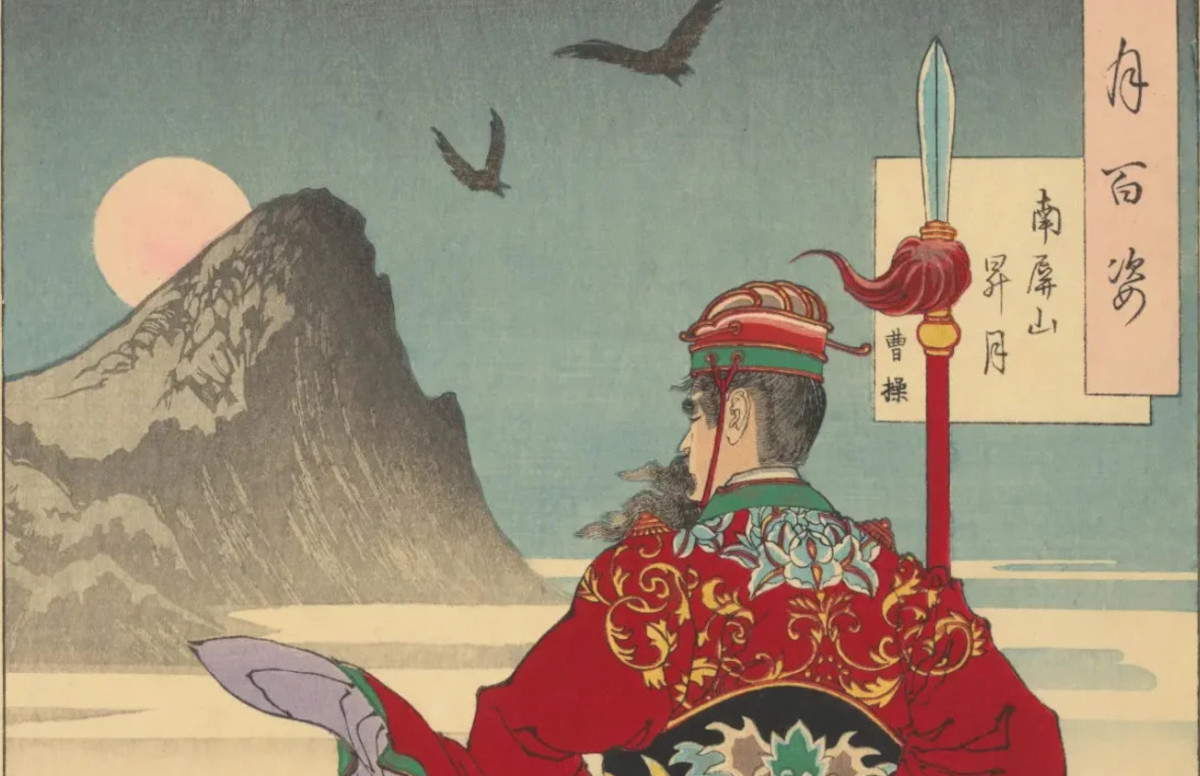 |
| The Van Gogh Museum in Amsterdam is presenting Tsukioka Yoshitoshi's "One Hundred Views of the Moon" for the first time |
Warning: the translation into English of the original Italian article was created using automatic tools. We undertake to review all articles, but we do not guarantee the total absence of inaccuracies in the translation due to the program. You can find the original by clicking on the ITA button. If you find any mistake,please contact us.