





From September 19, 2026, to February 7, 2027, the Kunstmuseum Basel | Neubau presents *Van Gogh, Hodler, and a Cabriolet: Collector and Pioneer Gertrud Dübi-Müller*, the first major exhibition dedicated to one of Switzerland’s most important art collectors. Curated by Géraldine Meyer, the exhibition brings together some eighty works from her international collection, along with photographs, letters, and previously unpublished documents, to offer a personal and in-depth portrait of this still relatively little-known figure.
Born in Solothurn in 1888, Gertrud Dübi-Müller was much more than a collector. Passionate about photography, automobiles, and mountaineering, she mingled with artists and leading figures in European culture. Dübi-Müller became involved in the art world at a young age, when she began studying painting with the Swiss artist Cuno Amiet. Orphaned as a child, she soon achieved financial independence, which allowed her to pursue her passions on her own terms. Shortly after coming of age, she purchased Vincent van Gogh’s *Portrait of Charles-Elzéard Trabuc* (1889), thus launching a collection that would go on to become one of the most fascinating private collections of modern art. Over the years, the collection grew to include works by Paul Cézanne, Giovanni Giacometti, Ferdinand Hodler, Gustav Klimt, and Henri Matisse, alongside those of numerous other Swiss and international artists.
His career as a collector developed in parallel with a close-knit network of personal relationships with the artists. Among his most important friendships were those with Alice Bailly, Giovanni Giacometti, and Ferdinand Hodler.
Her relationship with Ferdinand Hodler was particularly close; he painted her portrait on no fewer than seventeen occasions. Among the paintings for which the collector posed is *View of the Infinite* (1913/14–1916), a large canvas now in the collections of the Kunstmuseum Basel. The bond between the two is also evident in their correspondence. In one letter, Hodler wrote to her in an affectionate yet concerned tone regarding her car trips, urging her to drive cautiously and not to take risks.
The exhibition in Basel aims to explore not only Dübi-Müller’s role as a collectorbut also her role within the network of relationships that linked artists, intellectuals, and leading figures of European culture between the late 19th century and the first half of the 20th century.
Gertrud Dübi-Müller’s passion for photography is another key aspect of her life story. With her camera, she documented the daily lives of her artist friends, as well as her own experiences and adventures. The images depict journeys across Europe and North Africa, airship flights, and numerous extraordinary experiences. A particularly significant chapter revolves aroundthe automobile: Dübi-Müller drove a Piccard-Pictet, a Swiss-made car, which may have been the first vehicle of its kind to travel in the canton of Solothurn. By car, she traveled to some of Europe’s major art and cultural capitals, including Berlin, Paris, Rome, and Vienna, and also tackled Switzerland’s Alpine routes. This extraordinary freedom of movement was complemented by her passion for mountaineering. Among her achievements was the ascent of the Matterhorn, an endeavor that attests to the independent and determined character of a woman who, for her time, stood out for her decidedly unconventional lifestyle.
As early as about a century ago, the collection of Gertrud Dübi-Müller and her brother Josef Müller had already attracted the attention of Basel’s cultural circles. Wilhelm Barth (1869–1939), director of the Kunsthalle Basel from 1909 to 1934, in fact attempted several times to organize an exhibition of the collection, but was unable to bring the project to fruition.
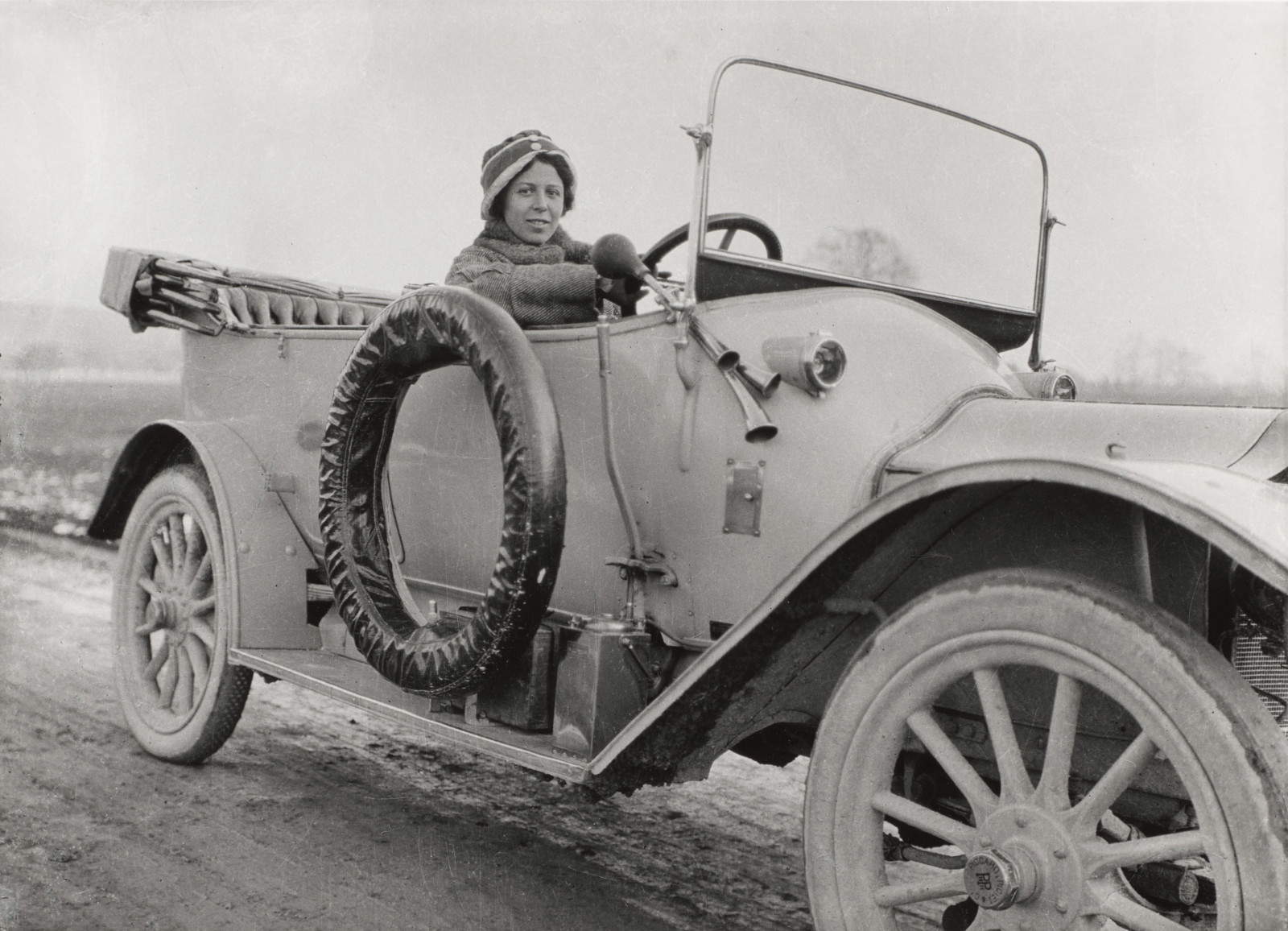
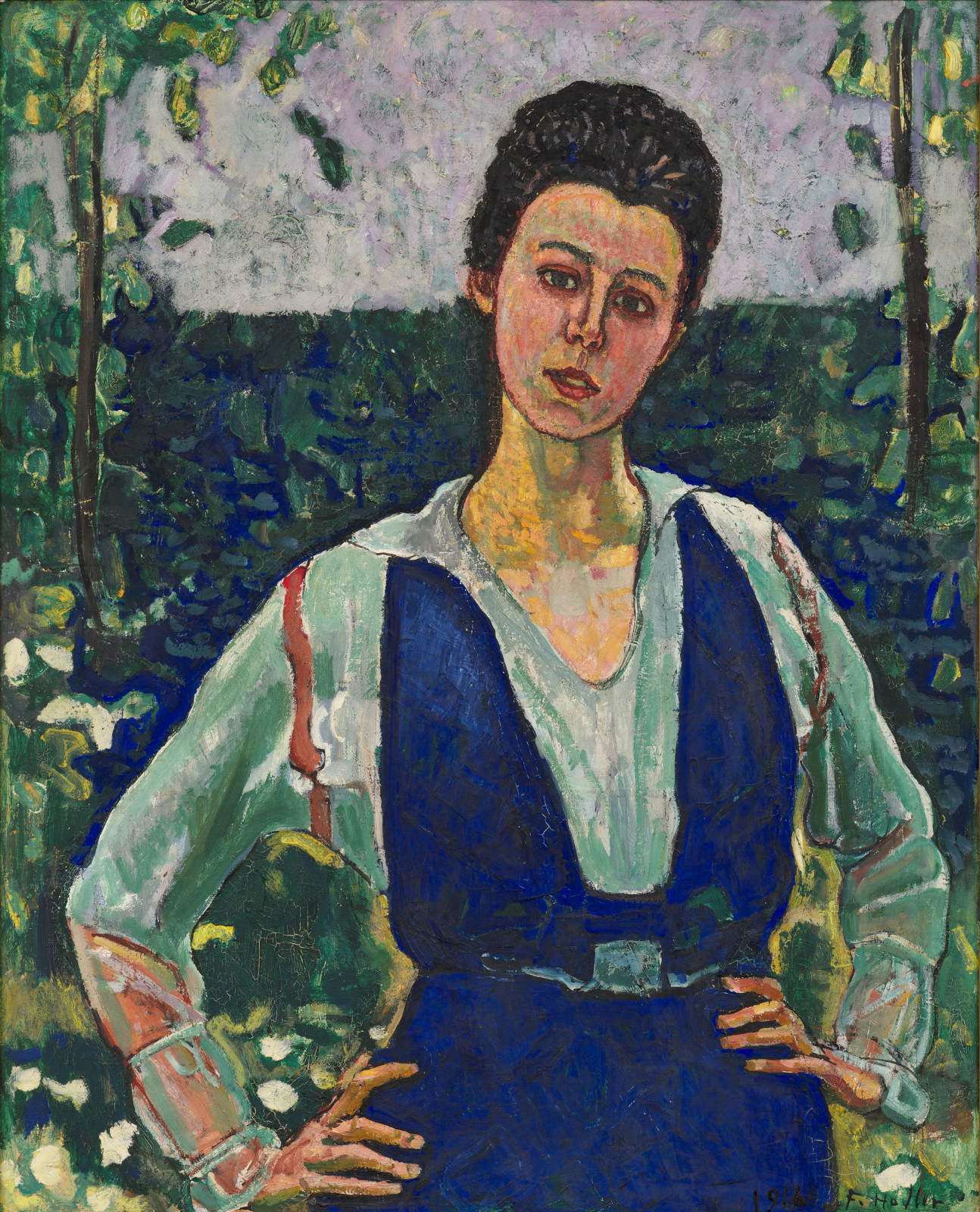
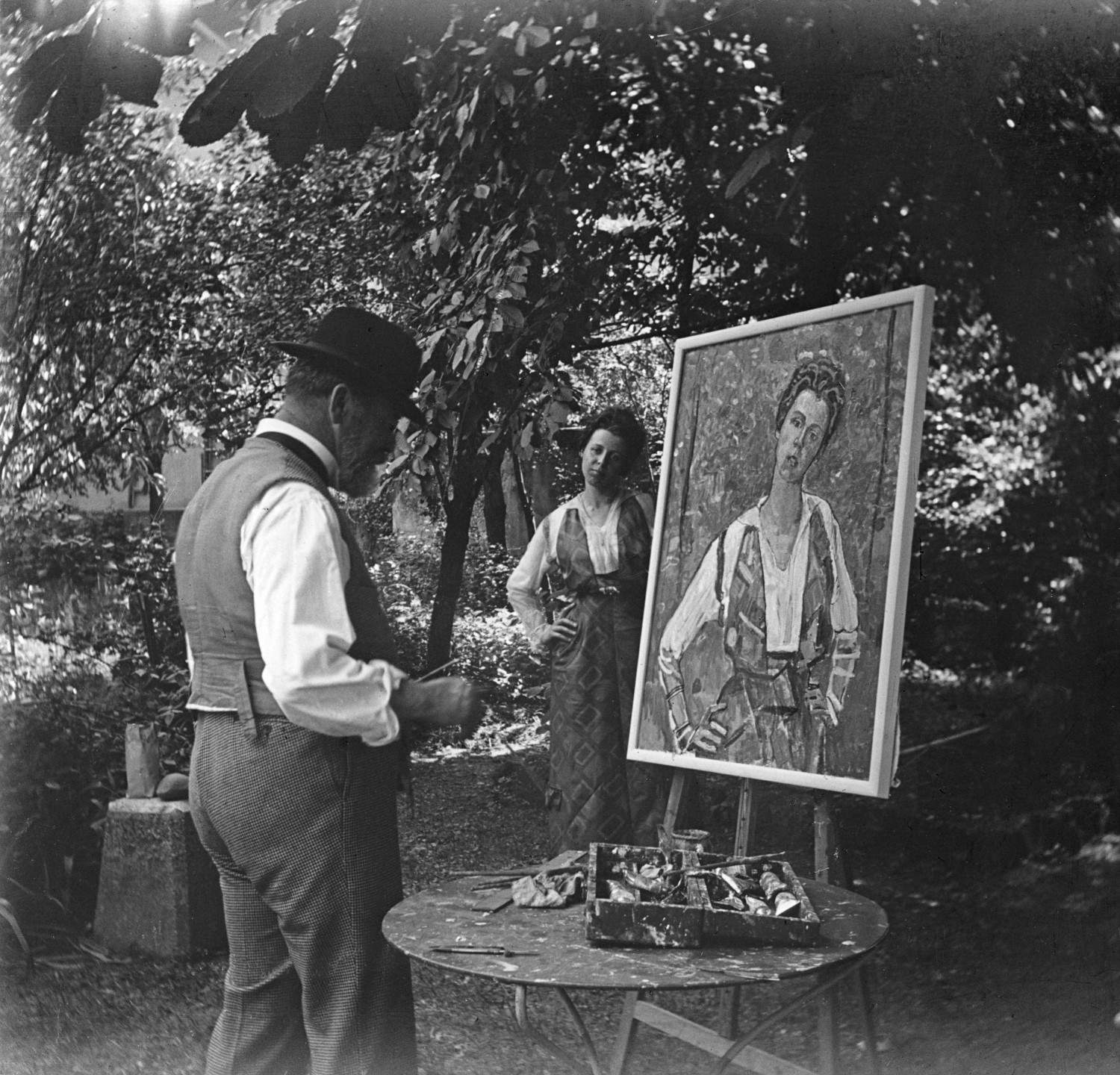
Today, many decades later, the Kunstmuseum Basel is making that exhibition a reality with a show that aims to give Dübi-Müller the place she deserves in art history—not only in the canton of Solothurn, but throughout Switzerland and within the broader landscape of European modernism. The exhibition brings together works by internationally renowned artists, including Vincent van Gogh, Paul Cézanne, and Gustav Klimt, alongside works by leading figures in Swiss art such as Cuno Amiet, Alice Bailly, Giovanni Giacometti, and Ferdinand Hodler. In addition to the works currently held at the Kunstmuseum Solothurn, the exhibition features loans from other Swiss museums and private collections, including pieces that once belonged to Dübi-Müller’s collection. The documentary heritage also plays a central role. Photographs taken by the collector herself and those depicting her, along with unpublished letters and hand-painted postcards sent by artists and cultural figures, allow us to reconstruct the extensive network of relationships that Dübi-Müller was able to forge throughout her life.
In 1964, Gertrud Dübi-Müller and her husband established the Dübi-Müller Foundation with the aim of preserving the collection in its current form and making it accessible to the public. The foundation comprised 190 works. Five years later, in 1969, her brother Josef Müller in turn established the Josef Müller Foundation, consisting of 55 works. Subsequently, both foundations and their respective collections were merged into the Kunstmuseum Solothurn, where the core of Gertrud Dübi-Müller’s collection remains on view to this day.
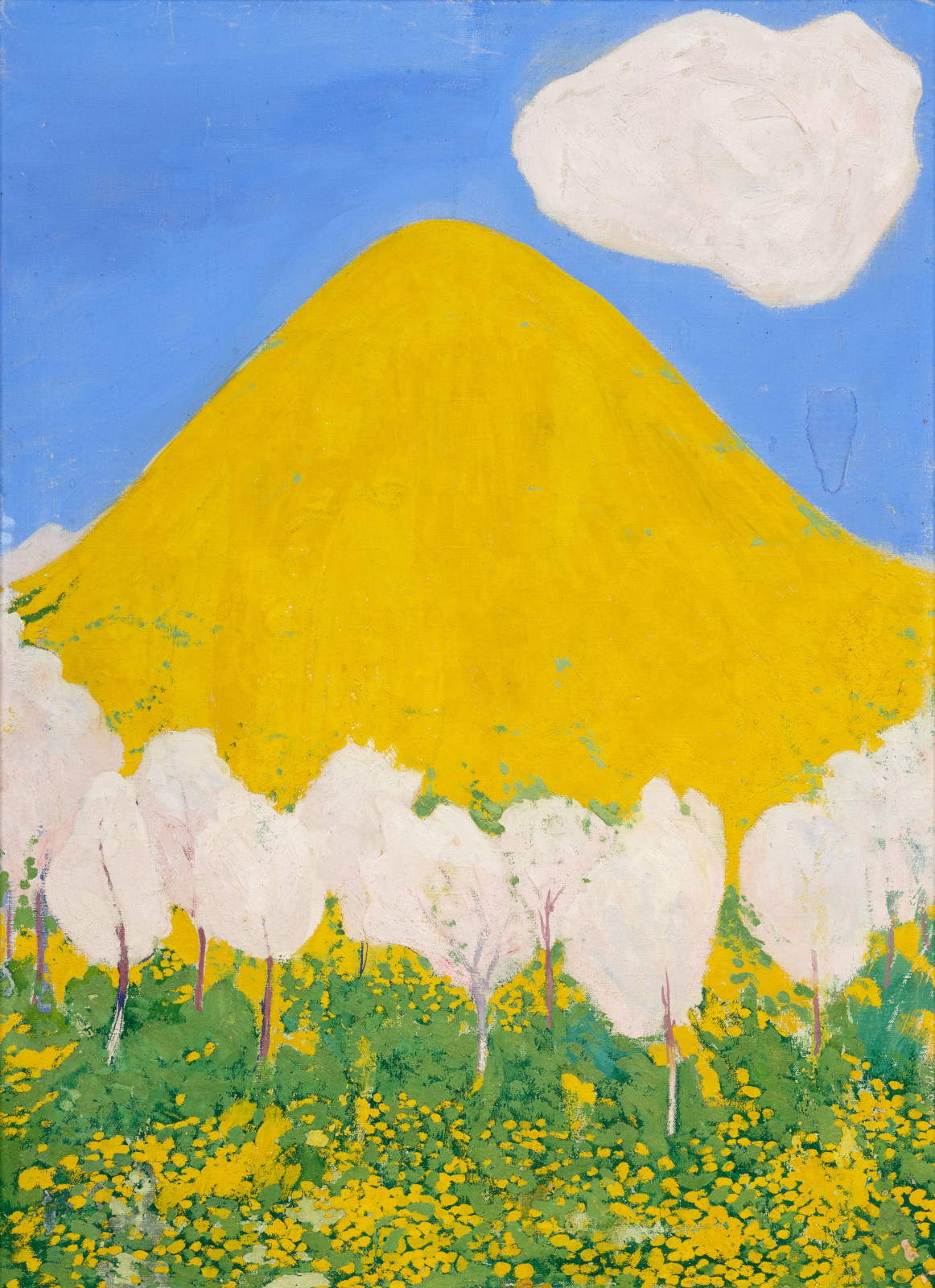
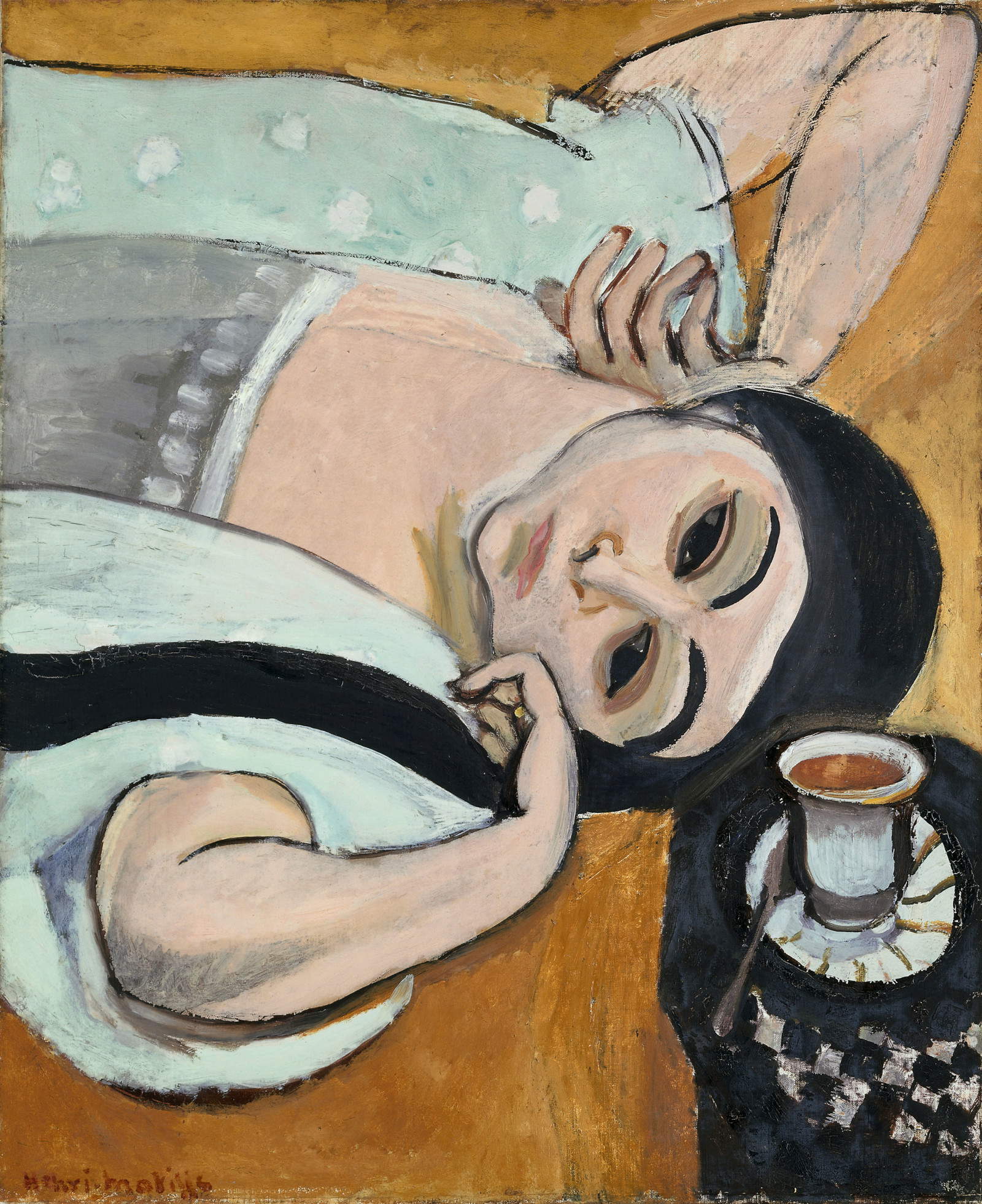
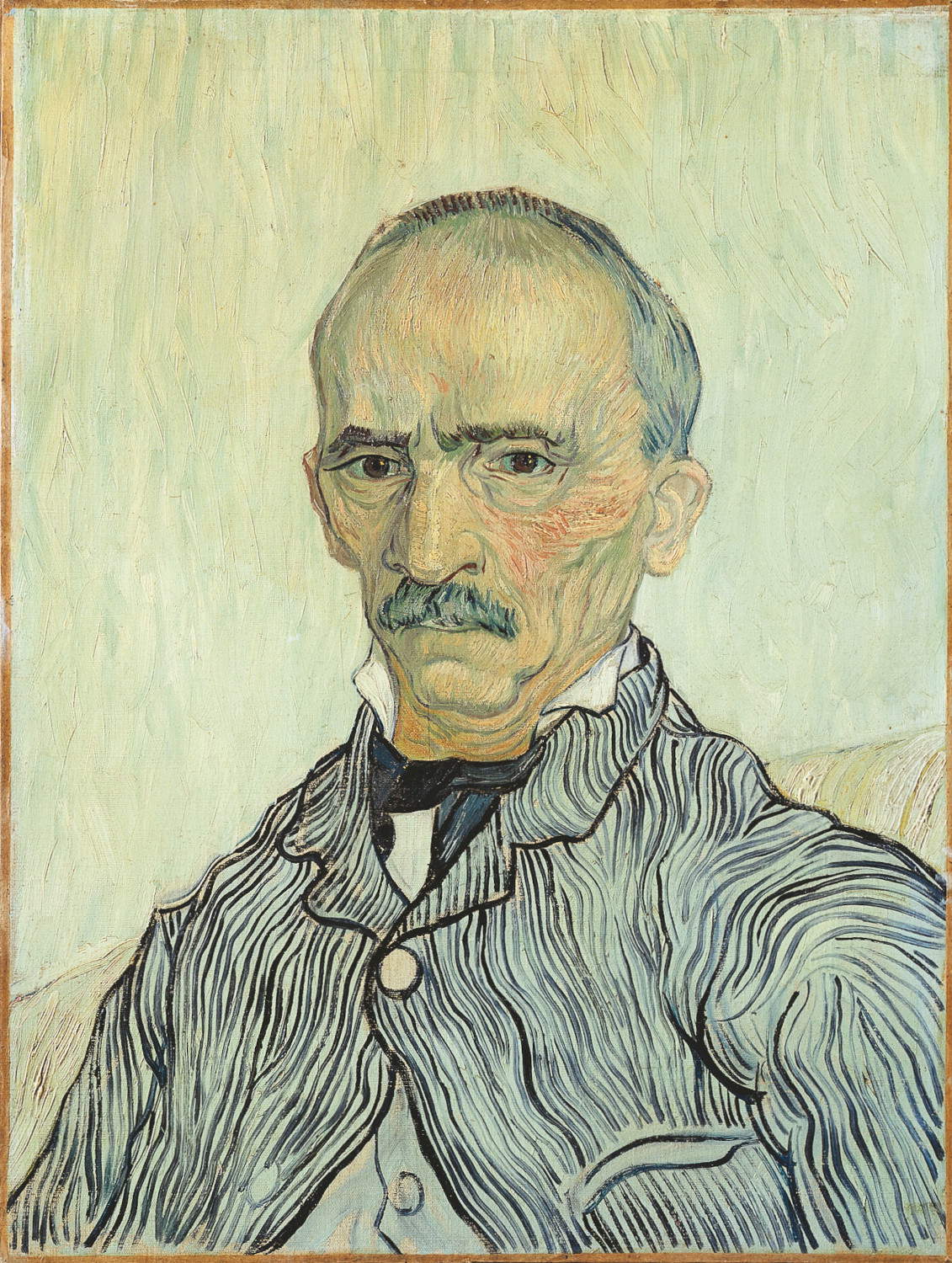
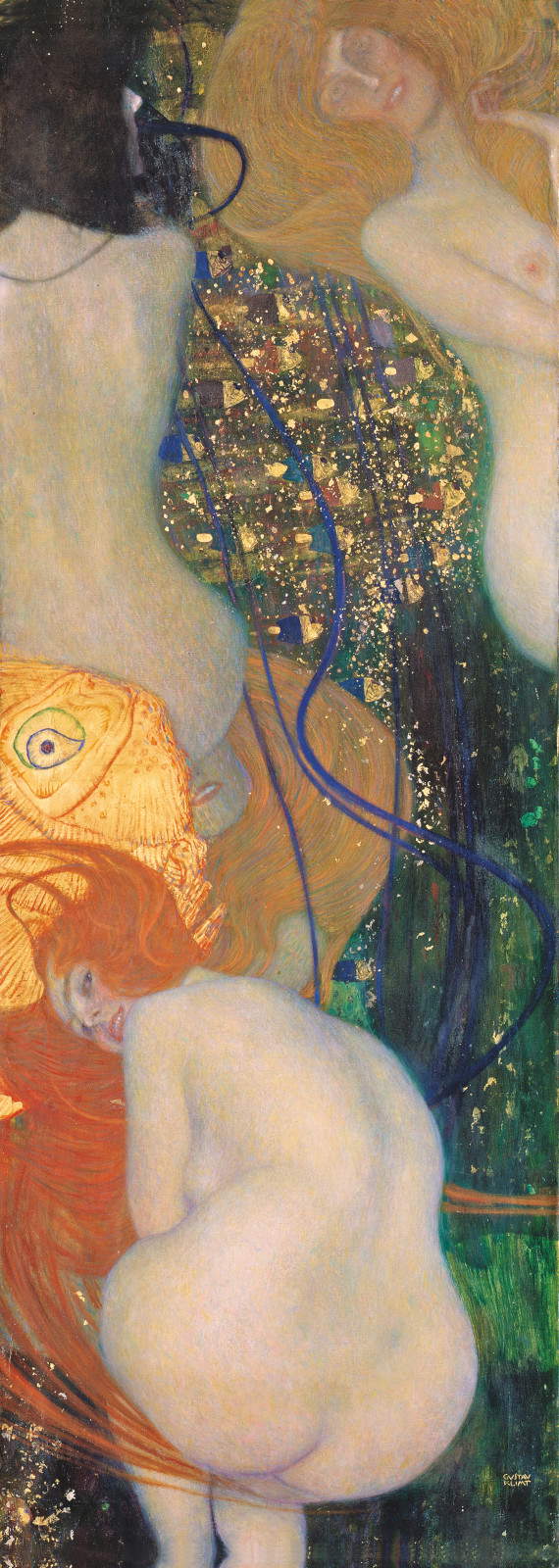
The exhibition in Basel is the result of close collaboration with the Kunstmuseum Solothurn and is enriched by numerous loans from the Fotostiftung Schweiz, an institution dedicated to preserving and promoting the collector’s photographic legacy. The exhibition thus aims to convey the complexity of an independent woman with a passion for art, photography, travel, automobiles, and mountaineering—but above all, a collection that offers a unique insight into the evolution of modern European art.
|
| Van Gogh, Hodler, and a Cabriolet: Basel Hosts the First Major Exhibition Dedicated to Gertrud Dübi-Müller |

Warning: the translation into English of the original Italian article was created using automatic tools. We undertake to review all articles, but we do not guarantee the total absence of inaccuracies in the translation due to the program. You can find the original by clicking on the ITA button. If you find any mistake,please contact us.























 IT
IT FR
FR DE
DE ES
ES CN
CN


