



by Federica Schneck 27/11/2026



Categories: Interviews / Disclaimer
It all began with a bold move in Bellagio. Today, twenty years later, Dep Art Gallery is a well-established institution in Milan: in this interview with Federica Schneck, its founder, Antonio Addamiano, looks back on the decisions, encounters, and transformations within the art world.


In Bellagio, in April 2003, two gallery owners asked a direct question of a young man who wasn’t yet a gallery owner himself. Antonio Addamiano was twenty-three years old and had been working at his father’s gallery for some time; when they asked him if he had a gallery of his own, he replied that he did. He didn’t have a space—not even a wall—but the following Monday he was already standing in line at the tax office to register for a VAT number. It was from that small, bright-eyed lie that the story of the Dep Art gallery in Milan (an acronym for “Distribuzione e Promozione Arte”) began—a gallery that would later open its doors in September 2006 with an exhibition dedicated to Mario Nigro: a twenty-year journey marked by exhibitions, research catalogs, and moves to larger spaces—from the intimate first location on Via Giuriati to the nearly four hundred square meters on Via Comelico—culminating in an anniversary that takes stock of two decades of work and already looks ahead to the third decade.


Over the years, the gallery has forged its identity by interweaving established masters with avant-garde exploration—from programmed and kinetic art to geometric and monochrome abstraction, all the way to international experiments: names such as Mario Nigro, Alberto Biasi, Turi Simeti, Salvo, Giuseppe Uncini, Agostino Bonalumi, Enrico Castellani, Imi Knoebel, and Gerold Miller—to name just a few of the threads running through the space’s exhibition and publishing history. This work has always placed great emphasis on research, critical analysis, and collaboration with archives and foundations, supporting the growth of its artists through solo exhibitions, publications, and participation in international art fairs.


Such a long journey, however, does not traverse a static landscape: the contemporary art market, art fairs, the role of archives, the direct relationship between artists and collectors, and the very geography of the project have changed profoundly compared to that fertile ground at the start of the millennium, driven by post-lira euphoria and the centrality of print media. Antonio Addamiano recounts his story in this interview with Federica Schneck.


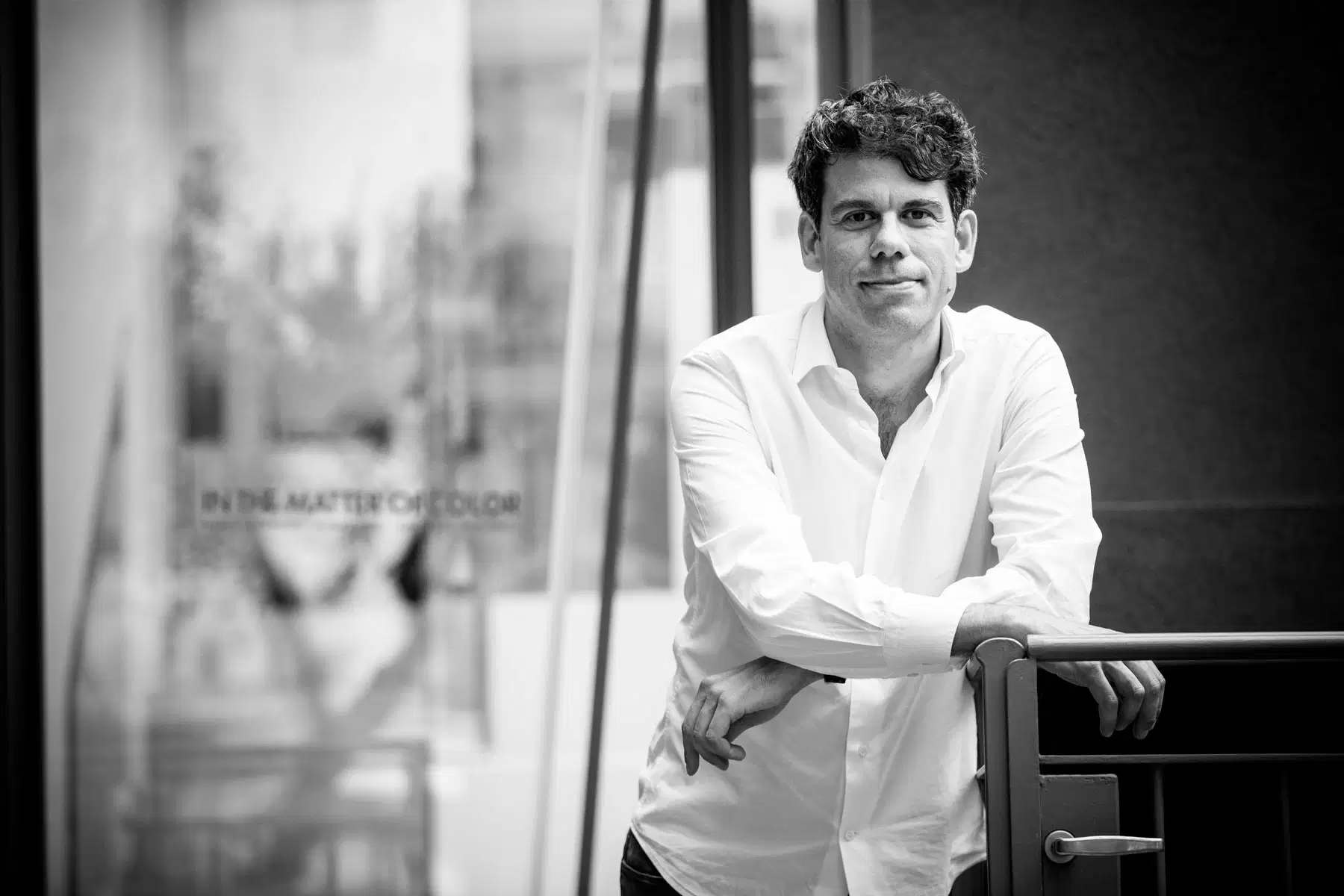
FS. If you could write a letter to the 23-year-old who said“yes”in Bellagio without having a gallery, what advice would you give him?
AA. By 2026, times have completely changed. That euphoria I felt in 2003 is gone. Today, in my opinion, what I did twenty-three years ago is practically impossible: because of the costs in Milan, the costs of renting a company or a space, and the costs of finding artists. And participating in art fairs used to cost a fifth of what it does now. There are just too many factors. All the major artists are already booked; those who aren’t on the market tend to be somewhat overlooked, and taking on all the work by yourself is impossible. The best advice I can give is to cut your teeth at a good gallery: experience is the best teacher; show interest and passion; and get to know the system through a gallery that’s part of the art world. And then, someday, open your own.
After twenty years in the business, can a gallerist afford to maintain the same consistency, or does the profession force him to constantly rethink his approach?
I’d say no, because I myself reorganize the gallery every ten years. In the first ten years of operation, broadly speaking, the strategy was to introduce and establish our Italian artists. Over the next ten years, the gallery’s very identity took shape—it became Dep Art Gallery—with the inclusion of international artists. Now, for about three months, I’ve been implementing a new strategy for the third decade: we’re featuring mid-career artists from distant continents. I’m opposed to those who change their minds or strategies every year. I envision a strategy to be applied for at least five or ten years because we must realize that, when your energy runs out, so does your enthusiasm: we’re human beings; we need motivation.
Behind every change of direction, however, one constant remains: trust. Over the decades, you have chosen to complement the work of established artists with rigorous archiving and publishing efforts, from curating the free archive for Simeti to your work alongside Scanavino’s archive, even going so far as to forgo major names like Bruno Munari when an agreement with the archive fell through and the essential creative synergy needed to safeguard an artist’s body of work was lacking. How much does trust weigh in your decisions compared to market logic?
In my opinion, it matters a great deal, since in the end—unless one has a short life—we are responsible for the rest of our lives for what we’ve done and what we’ve sold. When I took on Munari, I was already aware that I’d have to lay a solid foundation for the future to avoid problems: I thought about when a client buys a Munari from me and is happy, or decides they want to resell it, while also taking into account the low retention rate of such works. So either I had everything in order—that is, a great artist, a great archive, a great family, and a great vision—or I said: let’s get out of this right away.
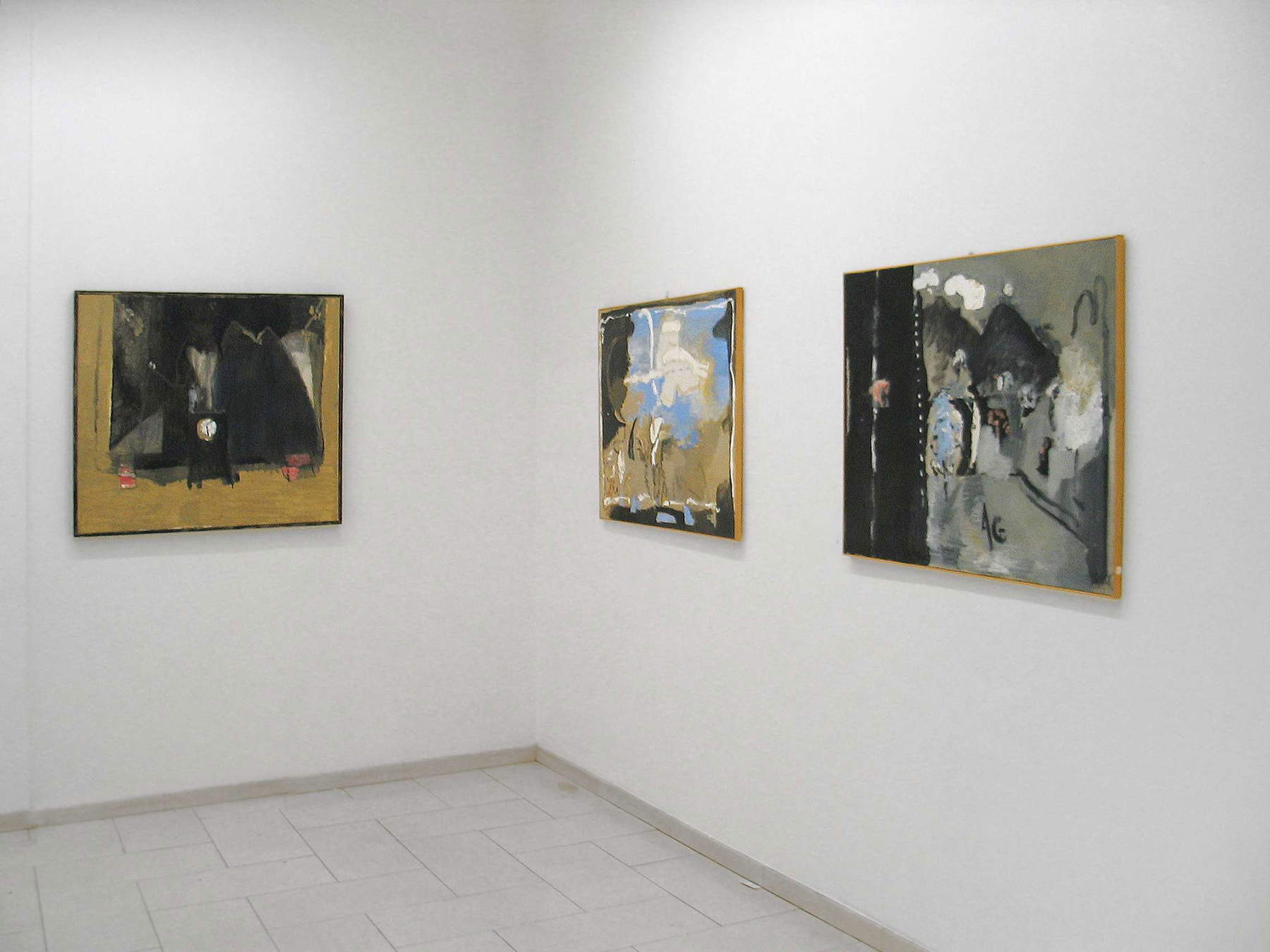
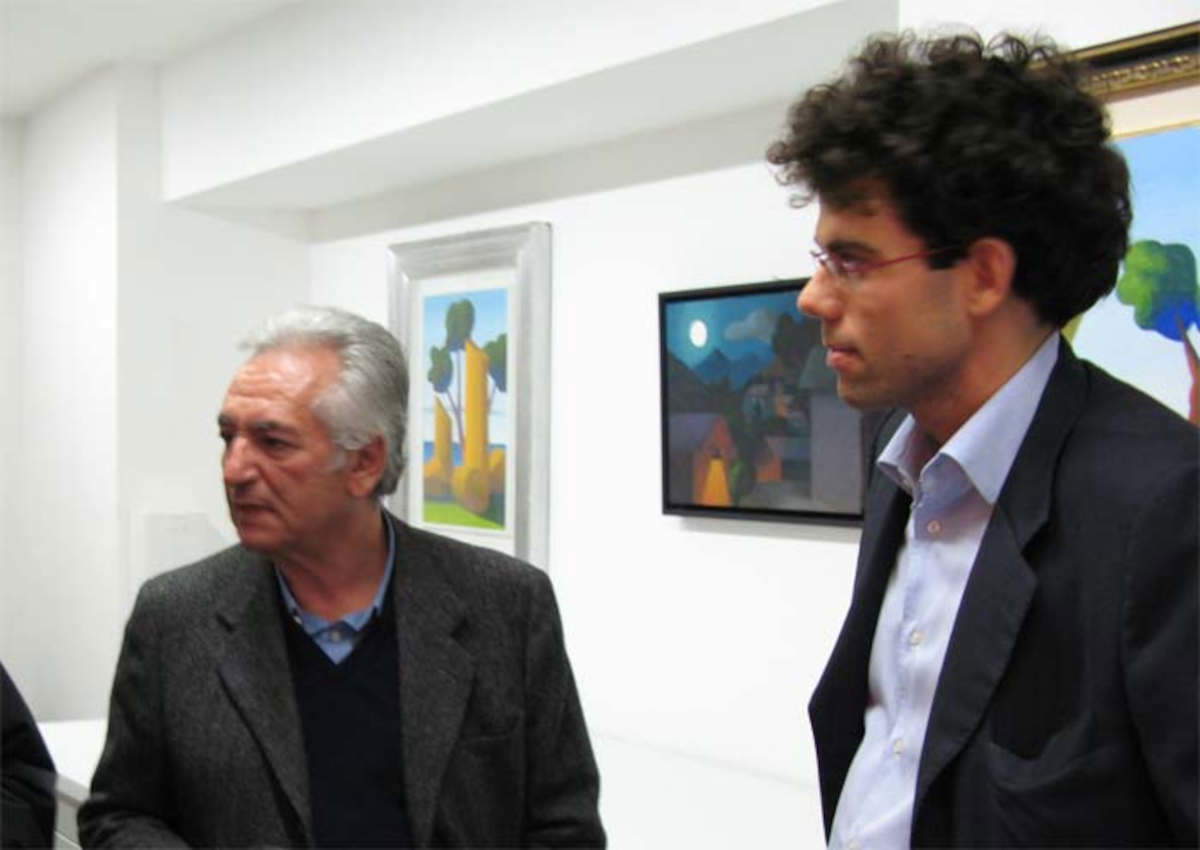
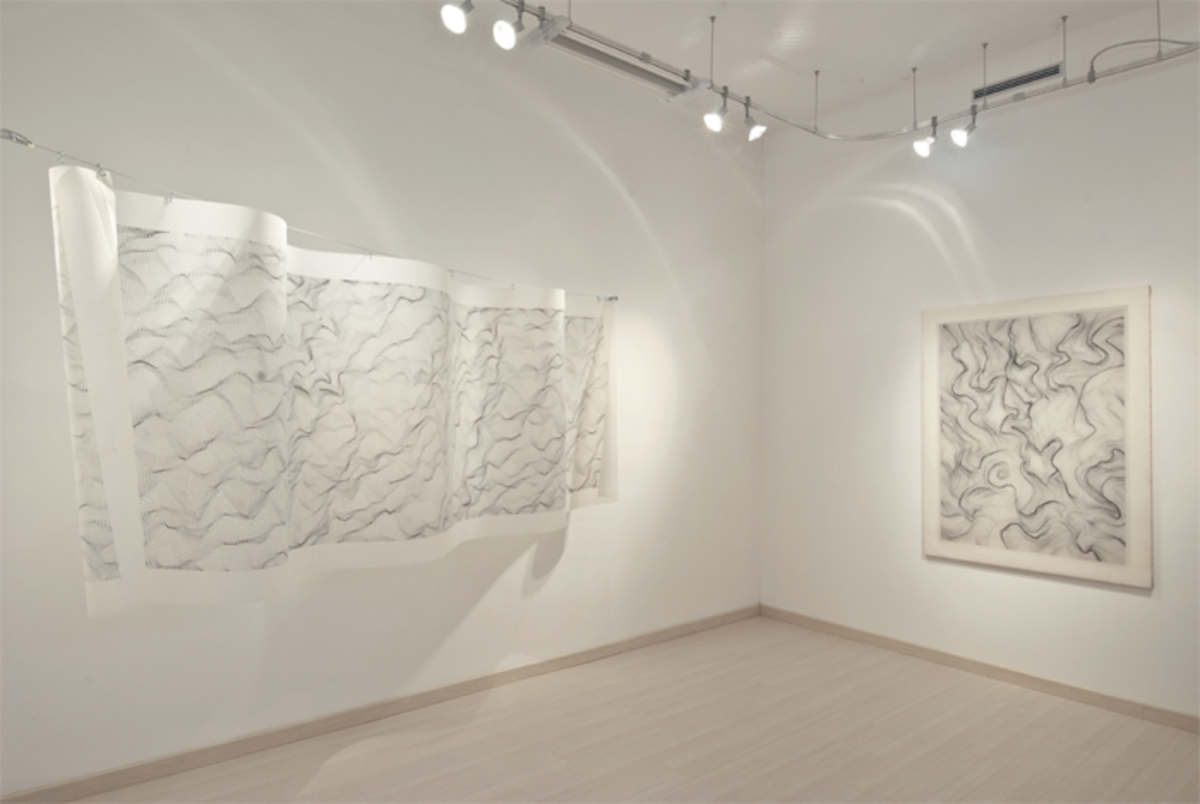

Yet today, the market seems to be moving in a direction opposite to that of slow-paced relationships, critical research, and archives: fueled by social media, the immediacy of the digital age, and a new preference for direct contact, a growing number of collectors—particularly among younger generations, starting with Gen Z—are choosing to reach out directly to the artist in the studio or online, completely bypassing the gallery as an intermediary. This phenomenon not only alters purchasing habits but also brings with it a gradual reevaluation of the gallerist’s role itself, which is increasingly perceived as an intermediary who can be bypassed rather than as the cultural and economic guarantor of an artist’s career. What function do you believe remains irreplaceable for the gallery?
Today, the art world has changed: the art fairs you participate in determine your standing and impact within the sector—a dynamic that didn’t exist in these terms in the past. Artists don’t want to make missteps and know exactly what they’re looking for: you almost “marry” artists, but then how much time do you actually spend with them? Given current economic realities, the commitment is significant, and a filter is needed—both for them and for me. There are artists who sell themselves, but then no one buys their work again. The gallery, on the other hand, serves as a point of reference in terms of value, time, and critical analysis: it helps us understand why an artist is going through a difficult period or a period of growth. Those who self-promote think only about selling the work right away and do so without building a future on the secondary market. Of course, there are also the increasingly strict selection criteria of major art fairs, which in turn act as a filter. I, however, can boast a small record: almost everything that has passed through my gallery—with the exception of Salvo, whose prices have increased tenfold—has not ended up at auction, and that’s no small feat. When a collector asks me, “But in your opinion, how much will it be worth someday?”, I try not to sell them the painting, because I already know that within three to five years they’ll come back asking me to resell it or exchange it.

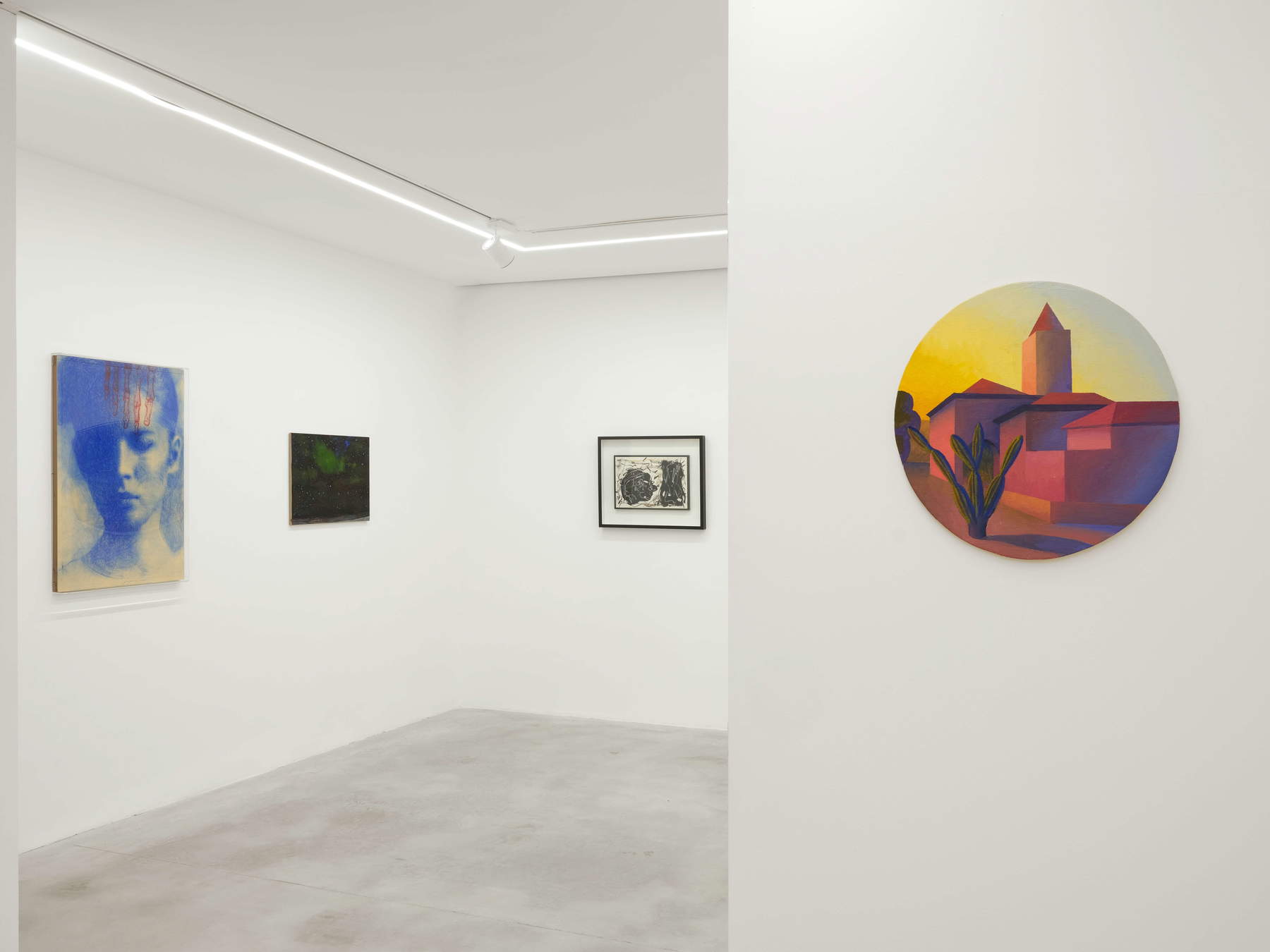
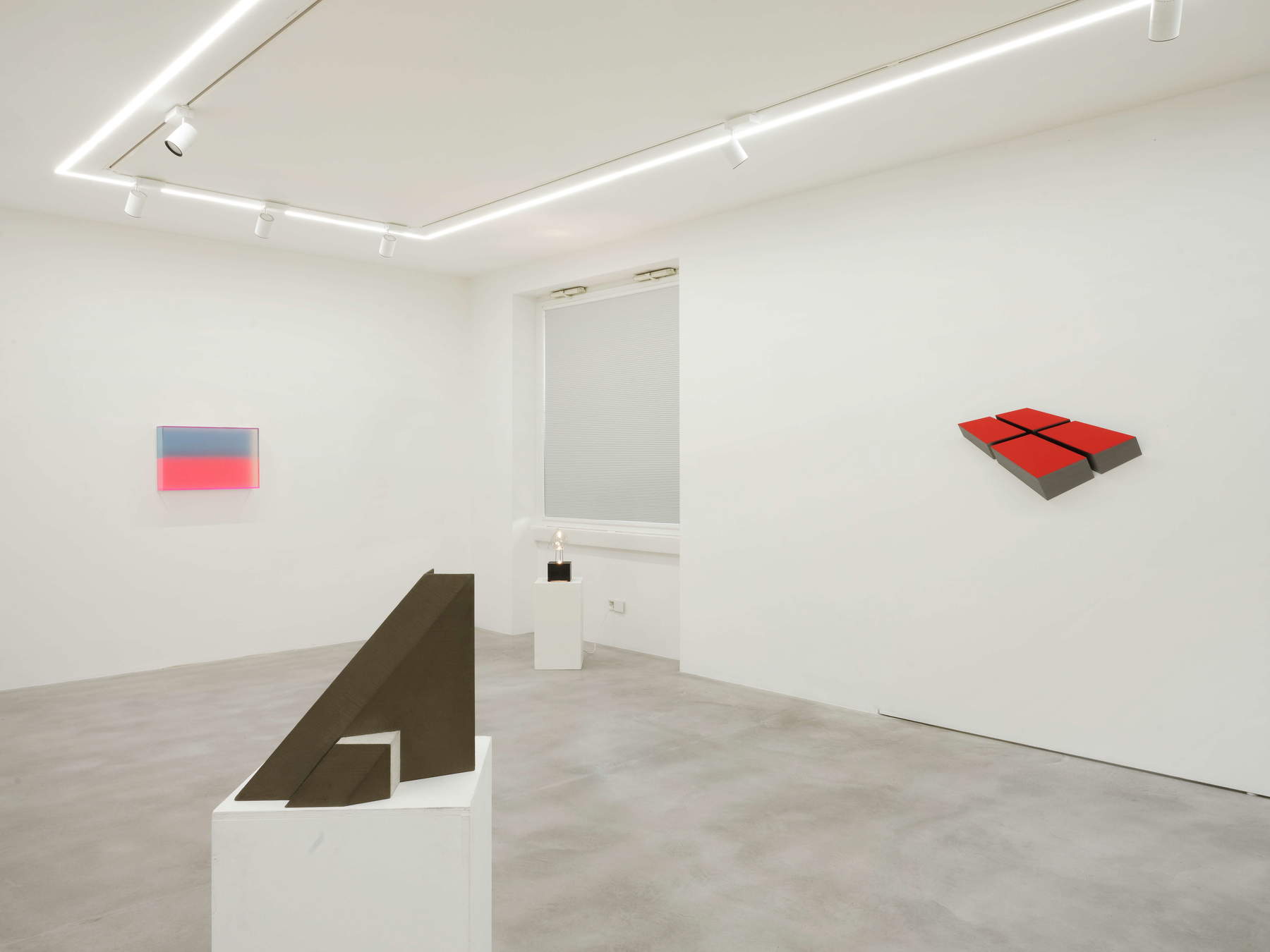
To escape this commercial pressure and rediscover the pure pleasure of discovery, our gaze turned south, among the olive trees and white stone of Ceglie Messapica, in Puglia. Here, within the twenty square meters of an ancient trullo restored with meticulous attention to preservation, Dep Art Out was born: an open-air workshop far removed from the logic of the metropolis, where international artists such as Gerold Miller have been able to engage with the land and physical labor, even going so far as to drag a work attached to a 1973 Fiat tractor along country roads. At the same time, twenty years of activity mark both a milestone and a new beginning: what projects will the gallery focus on in the coming years? Is there a particular scene or generation of artists you’d like to explore further?
The new direction focuses on mid-career artists, but Puglia has served as a space of freedom where I’ve been able to invite gallery owners and artists I didn’t know personally—though I admired them—thereby expanding my network of relationships. It was a pivotal step because, while continuing to work with my go-to artists, my horizons broadened without the commercial pressure of having to sell, buy, or constantly talk about money. It’s a space for pure experimentation, built on synergies free from economic pressures, and it’s precisely from this dialogue that the collaborations with international artists—who later joined our roster—emerged. Anyone who accepts this challenge must have the courage to conceive of a work that isn’t aimed at the market, because the meaning of the experience lies in creating a piece designed specifically for that place, breathing in its energy.
Warning: the translation into English of the original Italian article was created using automatic tools. We undertake to review all articles, but we do not guarantee the total absence of inaccuracies in the translation due to the program. You can find the original by clicking on the ITA button. If you find any mistake,please contact us.