



by Noemi Capoccia 29/10/2026


Categories: Interviews / Disclaimer
During the Dutch Golden Age, witches, demons, and apparitions gave rise to an original and surprising repertoire of images. In this interview with Noemi Capoccia, scholar Tania De Nile—a specialist in Dutch and Flemish art—explores the cultural roots of this art beyond Bosch and Bruegel, its success in the art market, and its connections to the Italian tradition.
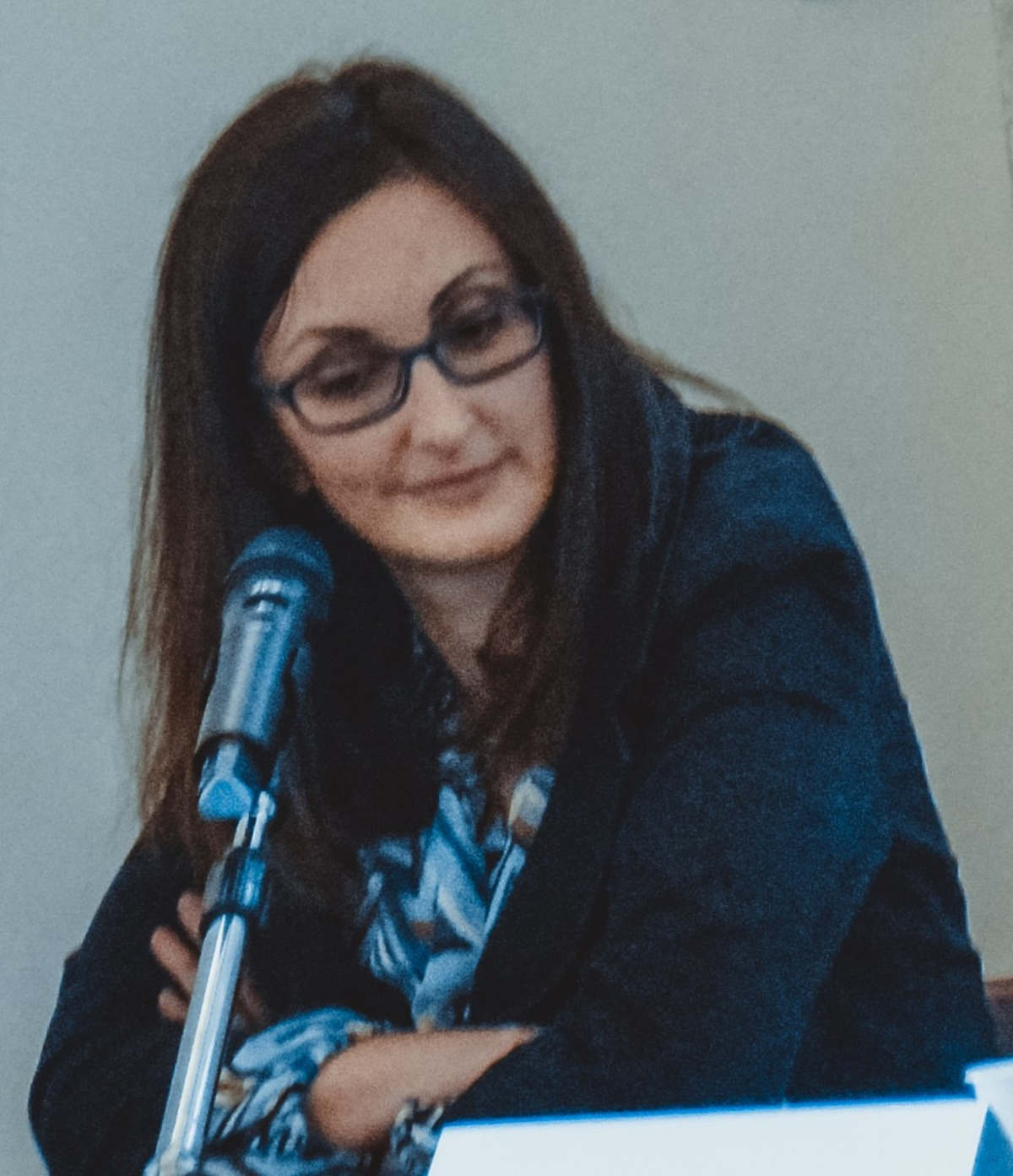
Witches, demons, monsters, and apparitions constitute one of the most distinctive aspects of the visual culture of the Netherlands in the sixteenth and seventeenth centuries—an imagery that art history has often, almost automatically, attributed to the legacy of Hieronymus Bosch and Pieter Bruegel the Elder. But according to Tania De Nile, this interpretation risks oversimplifying a far more complex phenomenon. A professor of Dutch and Flemish art at the University of Rome “Tor Vergata” and director of the Pietro Canonica Museum in Villa Borghese, De Nile has devoted part of her research specifically to depictions of the diabolical and witchcraft, as well as to the relationships between Dutch and Italian visual culture. In her book *Fantasmagorie. Witches, Demons, and Temptations in 17th-Century Flemish and Dutch Art, published in 2023, she proposed reinterpreting these images through the 17th-century term *spoockerijen*, restoring to them a historical specificity often obscured by the generic label of “diableries.” In an interview with Noemi Capoccia, De Nile traces the development of this forgotten genre, examining the role of prints and collecting in the circulation of motifs, the relationship between imagination and religious culture, the prominence of less canonical artists such as Cornelis Saftleven and Jacob van Swanenburg, and the ongoing exchanges between the Netherlands and Italy. A journey that extends even beyond the 17th century, to the persistence of that imagery in contemporary cinema, literature, and video games, where monsters and fantastical creatures continue to give shape to one of the oldest and most elusive faculties: the imagination.


NC. Bosch, Bruegel, demons, witches, and ghosts constitute an iconographic universe that continues to exert a strong pull even on contemporary audiences. In your case, when did the desire to explore these realms of the imagination first arise?


TDN. I can say that these are themes that have always been with me, even though, from the perspective of academic research, it all began with my bachelor’s thesis at Sapienza University of Rome, dedicated to Leonardo da Vinci’s so-called “grotesque heads.” Witches and monsters had not yet entered my research horizon, but I already had a keen interest in the representation of ugliness and its many forms. In 2007, just as I was about to choose the topic for my master’s thesis, Umberto Eco’s *History of Ugliness* was published—a book that highlighted the existence of a genuine historiographical gap: while reflection on beauty has always occupied a central place, ugliness has often been considered merely as its opposite or relegated to marginal discussions. Although it was a popular science work, Eco offered a vast repertoire of images ranging from the classical to the contemporary world, systematizing the numerous categories of ugliness: the monstrous, the comic, the demonic, the witch-like, and the uncanny. I took that coincidence almost as a sign—and an invitation—and decided then to devote myself to exploring Hieronymus Bosch’s legacy in Flemish and Dutch printmaking, focusing specifically on drawings and prints. Bosch is considered the pioneer of a fantastical imagery that was destined to enjoy extraordinary success in European figurative culture. Between the 16th and 17th centuries, especially in Antwerp—then the capital of the Flemish art market and the major printing industry—his inventions were imitated, reworked, and disseminated, reaching a vast audience. Also in 2007, I had the opportunity to spend seven months at the École Pratique des Hautes Études in Paris, thanks to the Erasmus program, and to attend the Institut Néerlandais and the Fondation Custodia, which houses the important collection of Dutch prints that belonged to Frits Lugt: I still remember the thrill of holding in my hands the preparatory drawing for Pieter Bruegel’s *Pride*, part of the famous series *The Seven Deadly Sins*. Printmaking was my first great passion, and although my interests later expanded to include painting, I have never ceased to be captivated by drawings, due to their extraordinary ability to bridge the gap between the artist’s vision and the viewer. It was precisely while I was working on Bosch, however, that I began to realize a historiographical problem that, nearly twenty years later, remains relevant: much of the scholarly literature tended, in fact, to dismiss any fantastical or monstrous creature produced from the sixteenth century onward as a mere imitation of Bosch or Bruegel, according to an automatic assumption systematically repeated by anyone dealing with such themes. Furthermore, these works were—and still are—very often grouped under the label of “diableries,” a generic term that, in reality, is limited to the appearance of demonic forms without explaining their meaning. Even today, recent exhibitions continue to assert that everything fantastical derives from Bosch and can be traced back solely to him. I have asked myself, however: are we really certain that a fantastical imagery that developed primarily in the seventeenth century could derive exclusively from the works of an artist who died in 1516 and was deeply rooted in fifteenth-century culture? In fact, between Bosch’s death and the Golden Age of the modern era, epochal transformations took place: the Protestant Reformation, the rise of nation-states, and the persecutions of alleged witches. I felt it was necessary to examine the sources of the time to understand the cultural context that had produced those images. Once I realized that the traditional explanation was insufficient, my goal was to demonstrate the reasons for this and offer an alternative interpretation.


What is meant by “spoockerijen” , and where did the diabolical-witchcraft genre in the art of the Low Countries originate, and why did it gain prominence?
I begin by explaining the term, which gradually emerges in the course of my research until it becomes a pivotal point. During my doctoral research, conducted under a joint supervision arrangement between Sapienza University of Rome and Leiden University, I devoted myself to the study of works that, while addressing different themes, illustrated the unreal and illusory manifestations of the demonic: in 17th-century sources relating to the Northern Netherlands, these were grouped under the term *spoockerijen*, derived from *spoock*, meaning “ghost.” That work was later incorporated, reworked, and expanded into the monograph *Fantasmagorie. Witches, Demons, and Temptations in 17th-Century Flemish and Dutch Art, published by Officina Libraria in 2023. The word “fantasmagorie” in the title is not a literal translation of “spoockerijen,” but it seemed to me to be the Italian term that best captured the ambiguous and layered nature of an imagery that is difficult to define. It is an expression that is difficult to render in Italian, partly because it belongs to a lexicon deeply rooted in the culture of the early modern period. It refers to the world of ghosts and demonic apparitions and is a recurring term in 17th-century sources, while it tends to disappear or appear only rarely in subsequent eras. It is precisely through the study of sources—in particular, inventories and auction catalogs related to the art market and private collections in the Southern and Northern Netherlands—that I have been able to observe its spread and usage. An important finding is the difference in frequency between the North and the South: in the Northern Netherlands, within a Protestant and Calvinist context, the term occurs much more frequently than in the southern regions, which were still tied to Catholicism. Moreover, “spoockerijen” is used to refer to a highly diverse range of subjects: from the temptations of Saint Anthony to scenes of witchcraft, and even visions of hell. It is precisely this heterogeneity that raises a central question: why, in the 17th century, did inventories and catalogs adopt a single name to refer to such diverse images? Because they are all conceived as “ghosts,” that is, entities generated by a deception of the devil. Theological sources, dream literature, and treatises on witchcraft describe the phantom as an illusion capable of acting on various levels of perception—from dreams to nightmares, all the way to the manipulation of consciousness. In this sense, the phantom is also what leads the witch to believe she is one, or what alters her perception of reality to the point where reality and deception become indistinguishable. It is no coincidence that widespread skepticism regarding the actual power of witchcraft practices developed in the Netherlands. It is precisely within this cultural framework that it becomes possible to understand what unites subjects who are apparently so different from one another. It is telling, for example, that a temptation of Saint Anthony—that is, a hagiographic episode—and a sabbath are sometimes referred to by the same term. In the Protestant context, where the mediating role of the saints is absent, even sacred images take on a different significance: the temptation tends to be interpreted as a vision on the same level as demonic apparitions, rather than as a spiritual trial. On a visual level, this distinction blurs to the point of nearly disappearing. This is also where the need arises to question words, which are never neutral: they classify, organize, and—unfortunately—often oversimplify far more complex realities. For this reason, it is more appropriate to use “phantasmagoria” instead of “diableries,” a term that ends up creating a uniform and uncritically accepted category. The visual art of the seventeenth century is, on the contrary, extraordinarily rich and multifaceted. Reducing it to the legacy of Bosch or Bruegel—as a segment of historiography has long done—means impoverishing a landscape that is as varied as any. The sources, in fact, reveal a plurality of works and iconographic solutions fueled by the continuous circulation of artworks and the mobility of artists. Those who traveled between Flanders, the Netherlands, and Italy introduced variations, blended models, and adapted them to new cultural contexts and different patrons. It is this web of exchanges—rather than the search for an original, foundational canon—that makes the spread of phantasmagoria a phenomenon of international taste.
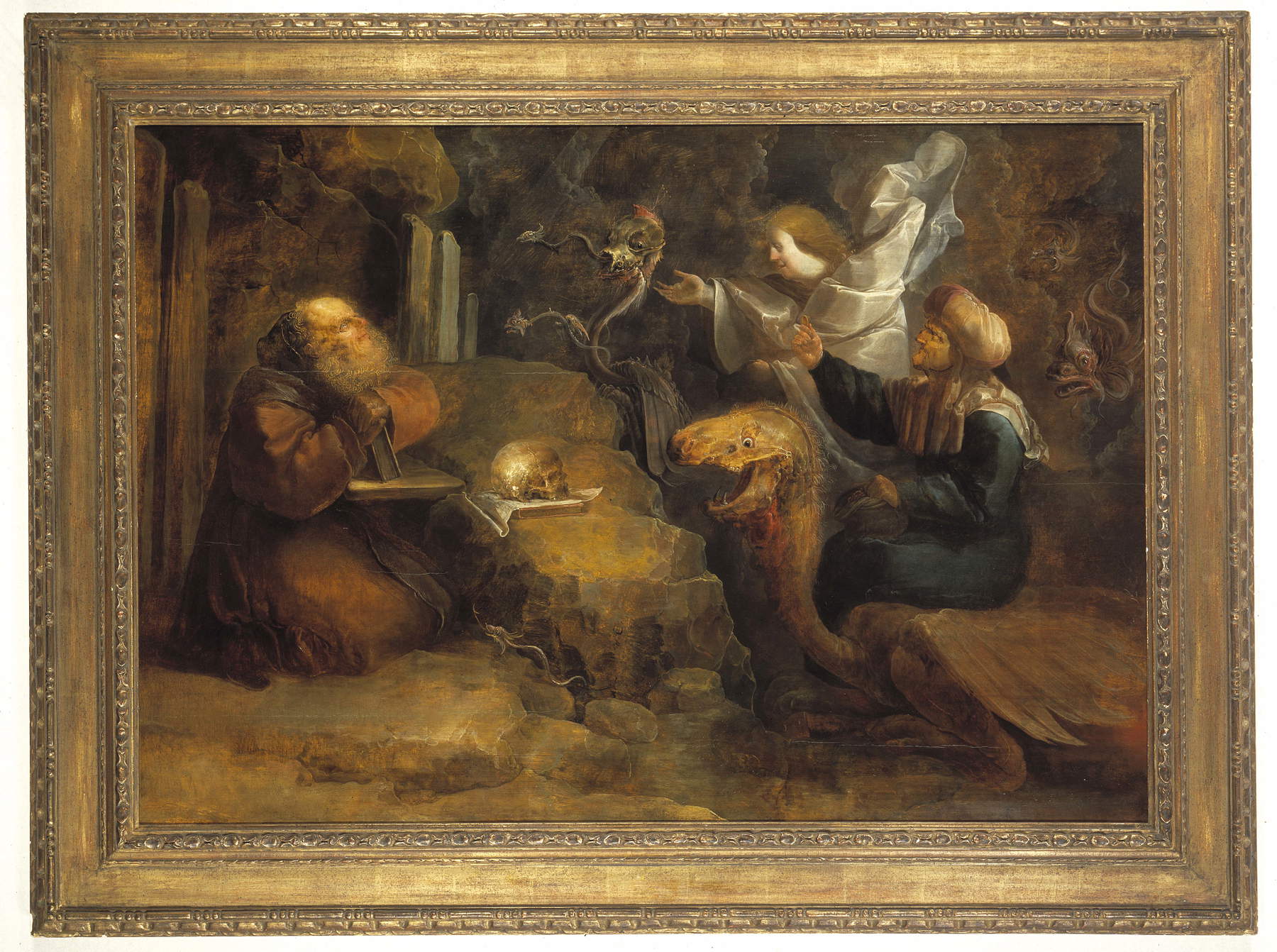
Do you believe that the “spoockerijen” constitute an independent genre, or do you prefer to view them as a space for experimentation where artists could push beyond the limits of traditional representation?
I believe we can speak of a genre—albeit with all the caution that the term “genre” entails—or at the very least of a pictorial category. As I mentioned earlier, this is demonstrated by the fact that a single term encompassed iconographic subjects that were, in some cases, very different from one another, and this is by no means a minor detail. If there is a shared name—a descriptive category used in the language of the art market and collectors—it means that this body of work was perceived at the time as a unified whole. In this sense, I believe that, in terms of quantity and prevalence, one can speak of a genre of diabolical-witchcraft depictions only in the Netherlands. It is, so to speak, a forgotten genre, which today can be rediscovered precisely through the sources, including those of art history literature. In fact, we find it as early as in the work of Karel van Mander, considered the father of Dutch art history and author of the *Schilder-boeck* (*Book of Painting*), published in Haarlem in 1604. In this work, which also includes biographies of Northern European painters and some Italian artists, the use of “spoockerijen” appears in the life of Pieter Bruegel. This is by no means a marginal detail, as it demonstrates that “spoockerijen” was part of the artistic lexicon of the time. It is therefore not a convenient label devised retrospectively by art historians, but a 17th-century category used both in art treatises and in market discourse, before falling into disuse in subsequent centuries. To my great surprise, however, I have observed that a few years after the defense of my doctoral dissertation and its subsequent open-access publication on the University of Leiden’s website, the term has begun to reappear—albeit tentatively—in auction catalogs, though it refers only to works by Cornelis Saftleven, the artist whom, not coincidentally, I had already chosen at the time as the subject of the cover of my study and later of my book. Saftleven, less well-known than David Teniers, was in fact one of Teniers’s principal models and certainly one of the artists who introduced significant iconographic innovations, contributing to the gradual secularization of the episode of the temptations of Saint Anthony. Attributing the status of a genre to these images means recognizing their historical substance, without reducing them to a scattered collection or mere variations on a few original models. It is a coherent field, with a wider reach than has long been assumed. For years I wondered to what extent it was legitimate to speak of a genre and what risks this definition entailed. In the end, I chose to take on this interpretive responsibility and build a new research perspective around it. I hope I have succeeded!
How did the collecting and circulation of prints contribute to defining and consolidating the imagery of the spoockerijen, influencing their spread and the forms this genre took in seventeenth-century Netherlands?
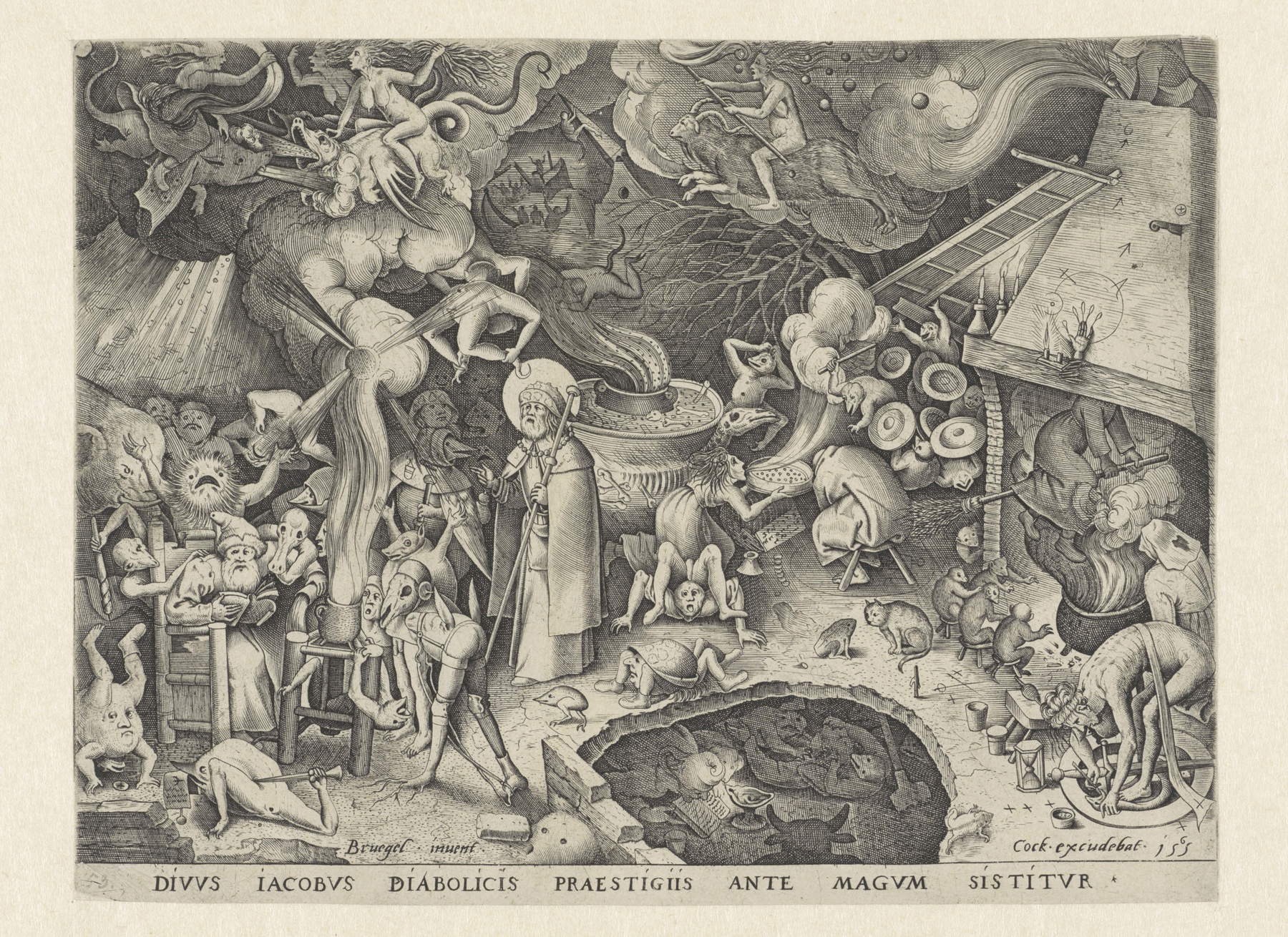
It is precisely through printmaking that the imagery of Bosch and his followers became established and disseminated on a large scale. The early stages of this dissemination are linked to the workshop of Hieronymus Cock, one of the most important publishers and engravers active in Antwerp between the second and third quarters of the sixteenth century. His work is significant because it contributed to the emergence of a genuine market for diabolical images, disseminating a series of engravings in which Bosch is credited as the “inventor.” This was a highly sophisticated commercial strategy: linking those images to an already well-known name made them immediately recognizable—and thus more appealing. In some cases, however, the authorship should be attributed to Pieter Bruegel the Elder, who is repeatedly referred to in sources as a “new Bosch.” Many of his works are interpreted precisely through this stylistic continuity. In reality, Bruegel is an independent and complex artist who goes far beyond the demonic genre—just as Bosch himself did: one need only think of the scenes of peasant life and the landscapes, to mention just the most common themes within a body of work made even more boundless by the family workshop. And for this reason, at a certain point, Bruegel no longer had to hide behind Bosch’s name but was able to publish the series on the Seven Deadly Sins and *St. James and the Magician Hermogenes* under his own name. The latter is particularly important because it inaugurates the tradition of witchcraft imagery, which would become widespread in the 17th century. Bruegel’s fame was enormous and endured well beyond his lifetime. In the 17th century, many artists tackling the theme of demonic visions drew directly on his inventions. Among the most influential repertoires, these two series stand out, becoming a sort of figurative repertoire of monsters, hybrid figures, and infernal motifs to be used as needed. Another artist whose work was particularly widely drawn upon was Jacques Callot, an engraver from Lorraine who created two prints dedicated to the Temptations of Saint Anthony, in 1617 and 1635. These models were not merely adopted by minor imitators; on the contrary, they were also copied and reused by established masters, foremost among them Joseph Heintz the Younger. Jan Brueghel the Elder himself, when he moved from Antwerp to Italy—where he pioneered the genre of “mythological hells”—drew upon his father’s engravings. His early depictions of Orpheus in the Underworld clearly show their derivation from these graphic models, which he later reworked in a more personal and Italianized style. These examples demonstrate just how central printed works were to the circulation of images. Engravings were inexpensive, easily transportable, and accessible to a much wider audience than paintings. For this reason, they could travel rapidly between different regions and countries, creating a shared visual language. The impact of the printing industry in the sixteenth century was enormous. Antwerp served as a hub where texts and images circulated at an unprecedented speed. The techniques, typefaces, plates, and prints themselves bear witness to the emergence of an almost industrial system of cultural production. It is important to emphasize that this was not a one-way flow. The Northern tradition also drew inspiration from Italian images, just as Italian artists absorbed and reworked innovations from the North. Salvator Rosa’s depictions of witchcraft, for example, cannot be understood without considering the circulation of Northern prints; similarly, many Flemish and Dutch artists drew inspiration from reproductions of Roman antiquities or the major works of Raphael and Michelangelo.
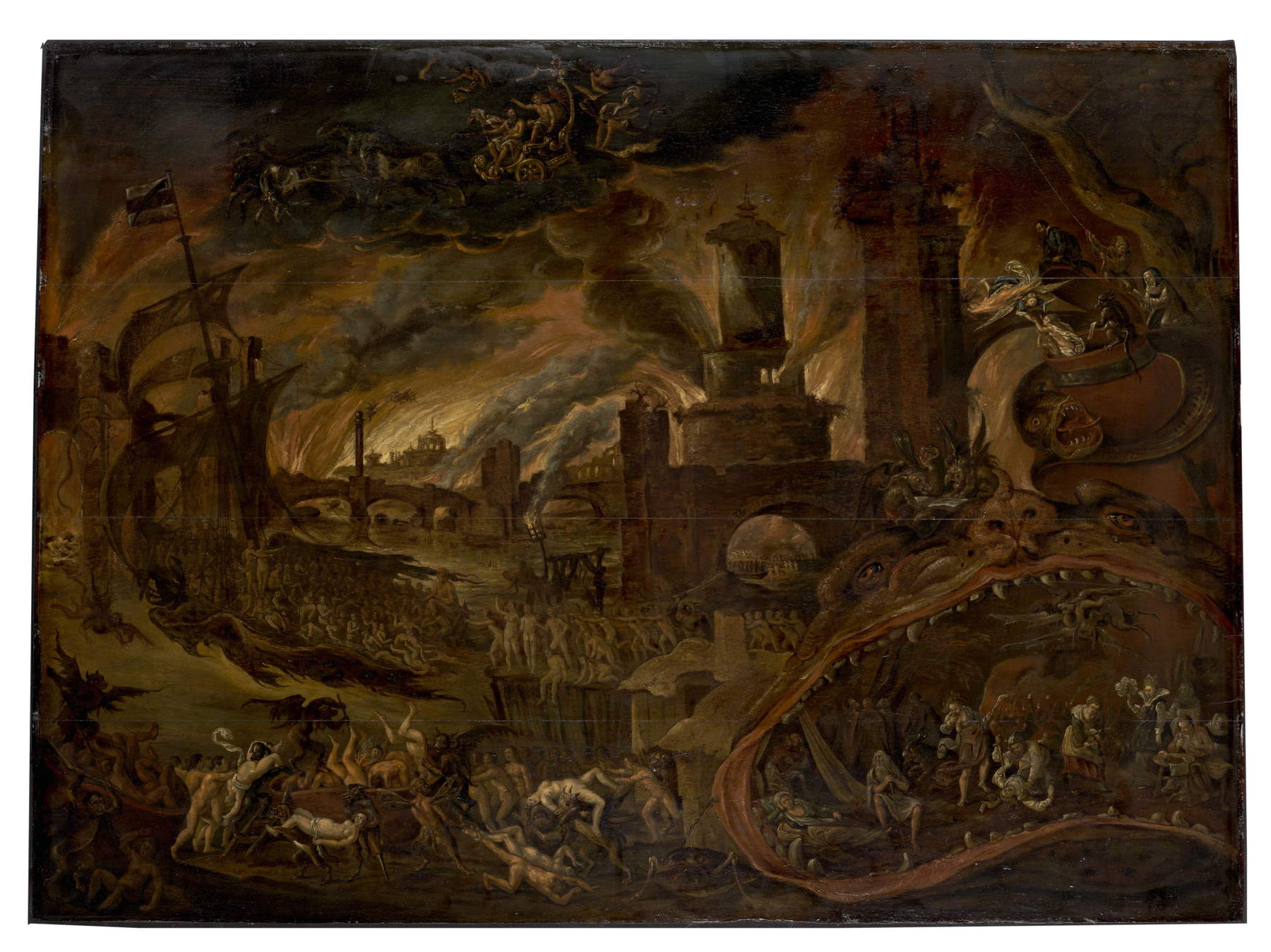
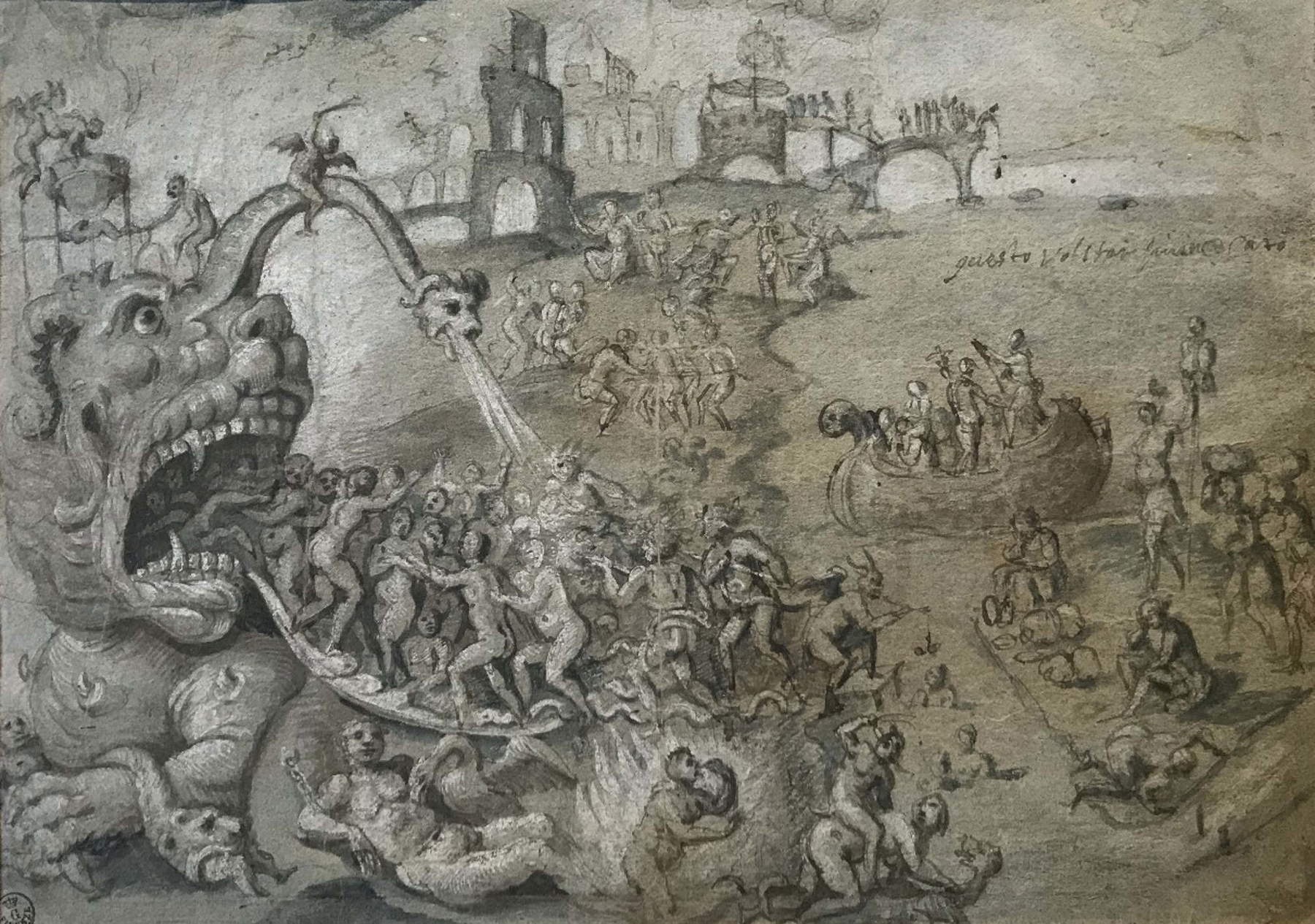
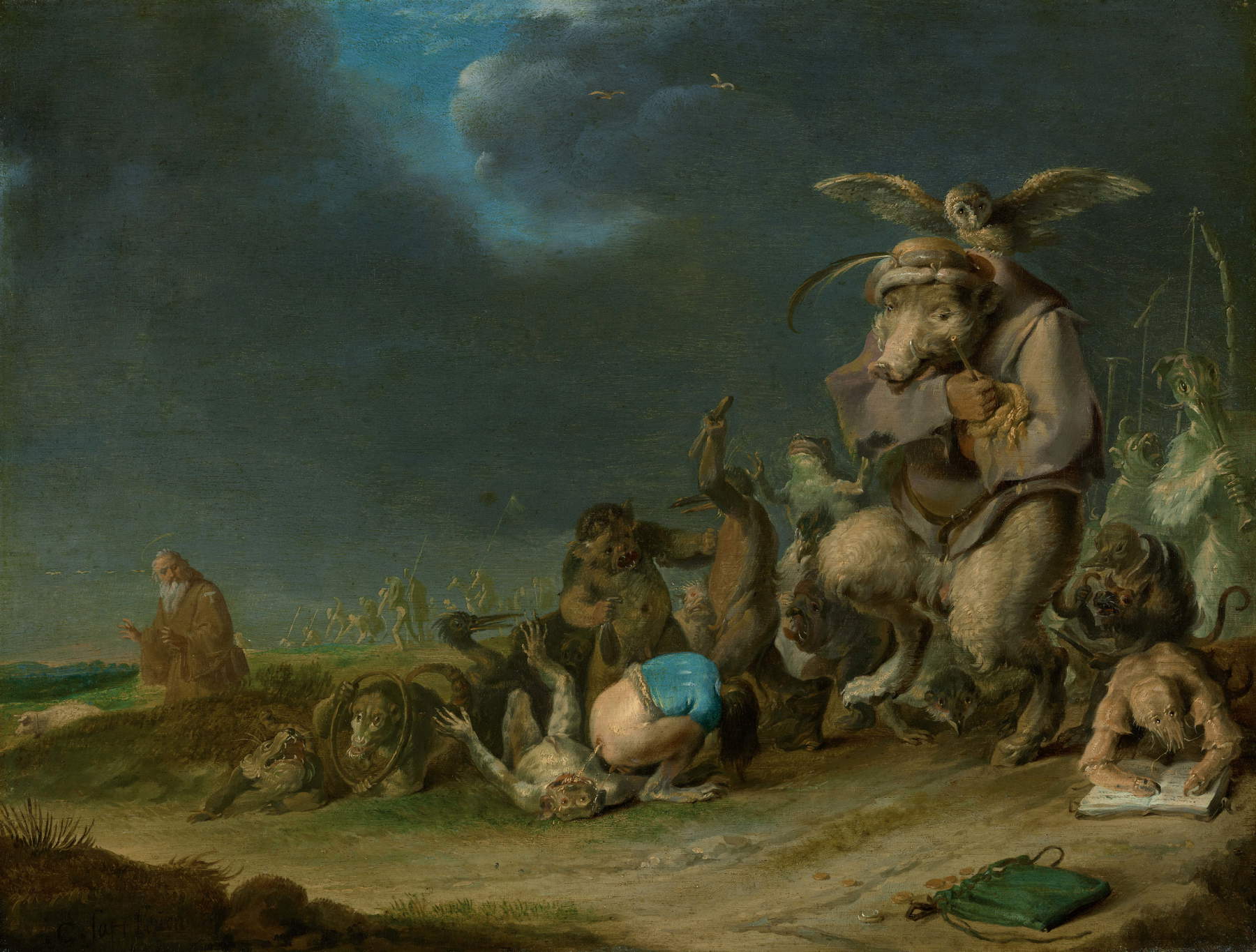
Many works depicting hell, temptations, and witchcraft seem constructed as enigmas laden with allusions and references. How important was the intellectual pleasure of deciphering these works to the 17th-century collector?
The inclusion of complex allusions and enigmas in works of art responded to a specific intellectual taste: that of gradual revelation, of the construction of meanings not immediately accessible, intended for a select audience capable of interpreting them. For a man of that era, recognizing certain details derived from the Holy Scriptures or literary references was more immediate than it is for us today. In the sixteenth century, but even more so in the seventeenth, numerous intellectual circles and academies emerged, within which interest grew in particular themes, often marginalized or censored by official culture. It was in this climate that libertinism developed, which should not be understood simply as an attitude of transgression, but as a different disposition toward religious authority, knowledge, and established systems of thought. This greater openness toward topics that might have been deemed objectionable or ambiguous was more evident in certain cities, such as Florence and Venice, than in others where the interference of ecclesiastical authorities was far more pronounced, such as Rome and Naples. In Florence, for example, a growing interest in subjects related to witchcraft and demonic imagery took root within the academies patronized by Giovan Carlo de’ Medici, such as the Instancabili or the Percossi, founded by Salvator Rosa. It is in these contexts that a form of “dissent” emerged, challenging traditionally accepted truths while exploring less conventional realms of knowledge, both in the artistic and literary spheres. Salvator Rosa, in addition to being the Italian painter who produced the largest number of works dedicated to witchcraft, was also the author of the well-known poem *La strega* (*The Witch*), and the theme also became central in *Malmantile racquistato* by his friend Lorenzo Lippi. Sources confirm, in fact, that these subjects were of great interest, as they allowed for the exploration and embodiment of the invisible. These works incorporated references to demonology—a discipline that was widely practiced during this period—along with literature devoted to witchcraft, sabbats, and magical practices. Witchcraft, in fact, between the second half of the sixteenth century and the early decades of the seventeenth—particularly from 1560 onward, as persecutions intensified—became a subject of analysis even for jurists involved in inquisitorial trials, who were called upon to examine the nature of the charges and the responsibility of the accused. At the same time, physicians and scholars began to weigh in; despite the absence of a structured field of psychiatry, they started to interpret some of these manifestations as possible forms of altered perception or mental states, attributed to poor, marginalized women who were convinced they could change the course of events. The topic, therefore, spans various fields of knowledge: from theology to jurisprudence, from medicine to literary and artistic culture. Disciplines such as astronomy and alchemy are also linked to these interests, united by the search for what can transform reality through knowledge of its hidden laws, as in the case of the philosopher’s stone. It is important, however, to distinguish the Italian context from that of the Netherlands. In Italy, in fact, these themes remained largely confined to small groups, and the presence of the Church led to greater caution: such topics circulated primarily within select circles, kept hidden rather than displayed. In contrast, in the Netherlands, the skepticism surrounding these phenomena also translates into widespread publication. In the Nordic context, artists such as Bruegel play a fundamental role in shaping these imaginaries. For example, the engravings featuring Saint James and the Magus Hermogenes, which I mentioned earlier, become true figurative manifestos, developed in part through dialogue with experts and patrons interested in the circulation of new ideas. Consider, for instance, the depiction of flying witches, which emerged precisely during this period, drawing inspiration from the earliest illustrations that appeared in the margins of texts such as the *Canon Episcopi*—a medieval text that attributes the flight preceding participation in the sabbath to a dream that witches believed to be real. Many attributes and figures associated with witches—now considered part of a traditional repertoire, such as the broom, the cauldron, or the cat—were defined precisely during this period, reaching us today as elements of a shared cultural imagination.
In your opinion, is there a risk that art history, by focusing on the great masters such as Bosch and Bruegel, has underestimated the cultural importance of a genre that actually occupied a significant share of the market?
Yes, and that is precisely the central point: there has been a lack of understanding of the long-lasting effect their presence had on other artists, often working in different contexts, or “right here at home.” In other words, the so-called “long wave” of their influence was not recognized. A prime example is Jacob van Swanenburg, a figure little known to the general public, yet who was in fact Rembrandt’s first teacher in Leiden for about three years. The truly important fact, however, is another: his long stay in Naples, where he lived for over twenty years, firmly established him within the network of Northern workshops centered around the church of Santa Maria della Carità. In 1608, Swanenburg was put on trial by the Inquisition for displaying scenes of witchcraft in his studio—or, more precisely, because, as the trial records state, many people were observing them “with attention.” This trial, in and of itself, speaks volumes about the context and the ways in which his works were received in the capital of the Viceroyalty. Hailing from Leiden, one of the most modern and culturally open centers in the northern Netherlands, as well as the seat of Holland’s oldest university, Swanenburg brought with him a visual language that, in its original context, had by then lost much of its religious significance, taking on instead a commercial and allegorical dimension. Once brought to Naples, however, this iconographic repertoire took on a different meaning, entering into a dialogue with a local, multicultural sensibility that was already predisposed to visionary and infernal themes, as demonstrated by the unsurpassed example of Pedro Rubiales at Castel Capuano. Failing to recognize this transition meant failing to grasp an entire chain of influences. Swanenburg’s impact is reflected in a long line of artists active in Naples: from the paintings of Filippo Napoletano to Monsù Desiderio, from Belisario Corenzio to Salvator Rosa. In fact, Swanenburg—far more so than Jan Brueghel, whose footsteps he also follows—brought about a concrete transformation of the local figurative language. If this level of analysis is overlooked, one ends up attributing local works to generic Northern European artists, simply because they depict hellscapes. This is precisely what happened with a drawing housed in the Uffizi, depicting a large mouth of hell, which was long attributed to Herri met de Bles and subsequently traced back to the 16th-century work of an artist in the tradition of Bosch. As I demonstrated in an article published several years ago, it is instead a preparatory drawing executed by Belisario Corenzio for one of the frescoes on the counter-façade of Santa Maria la Nova in Naples. This case is exemplary: what had been interpreted as a 16th-century Northern European work turns out instead to be part of 17th-century Neapolitan figurative art, deeply connected to the presence and circulation of models from the Netherlands. If we correctly reconstruct this artistic geography, the “Mouth of Hell” turns out to be a Northern motif reworked in Naples—an expression of a layered cultural context, another fine example of which can be found in the vestibule of the Oratory of the Poor Clares at Santa Chiara. It is precisely through these often-overlooked connections that we can understand the development of distinctive artistic languages such as that of Salvator Rosa, for whom such exchanges with the Northern world proved decisive.
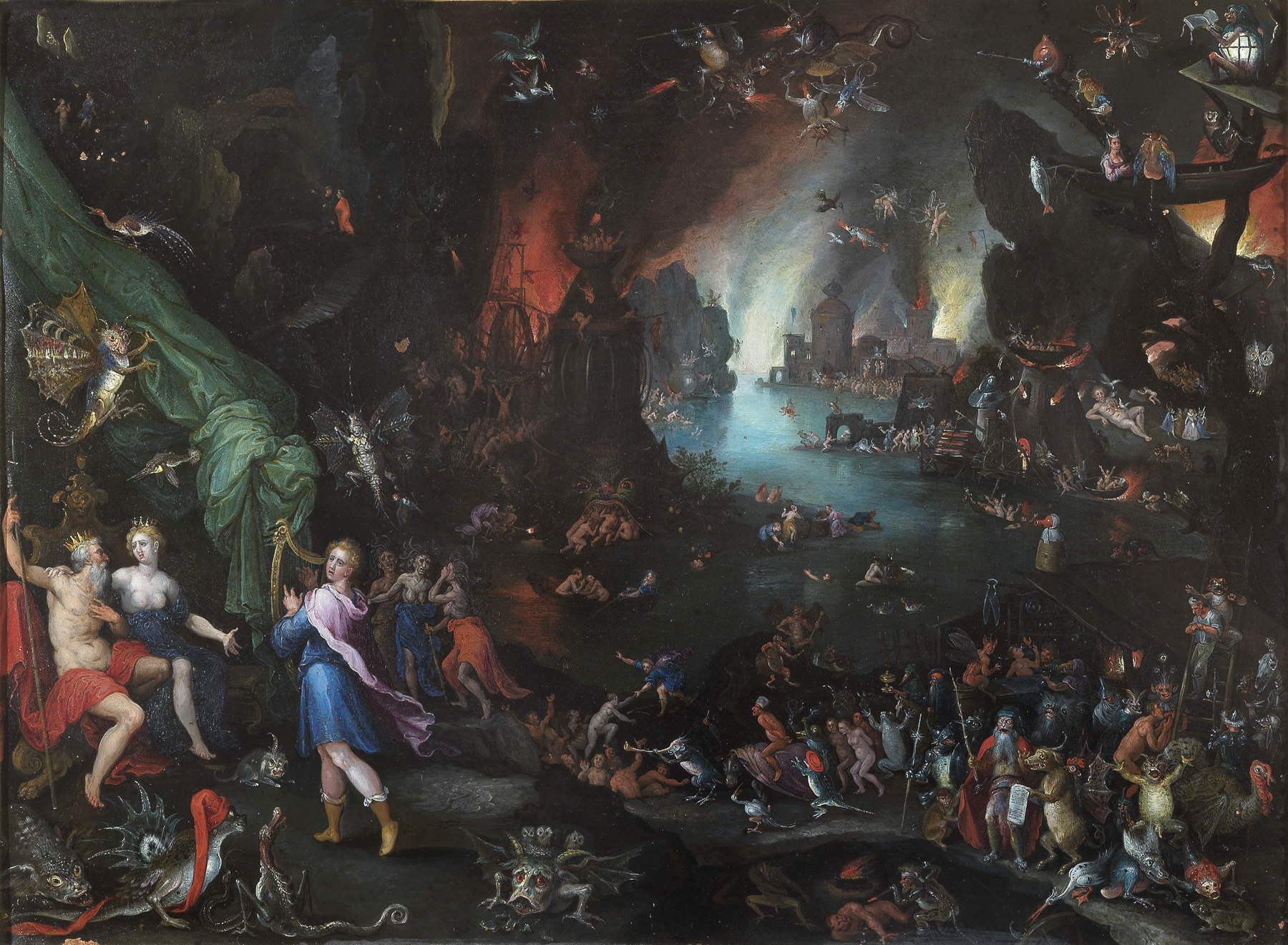
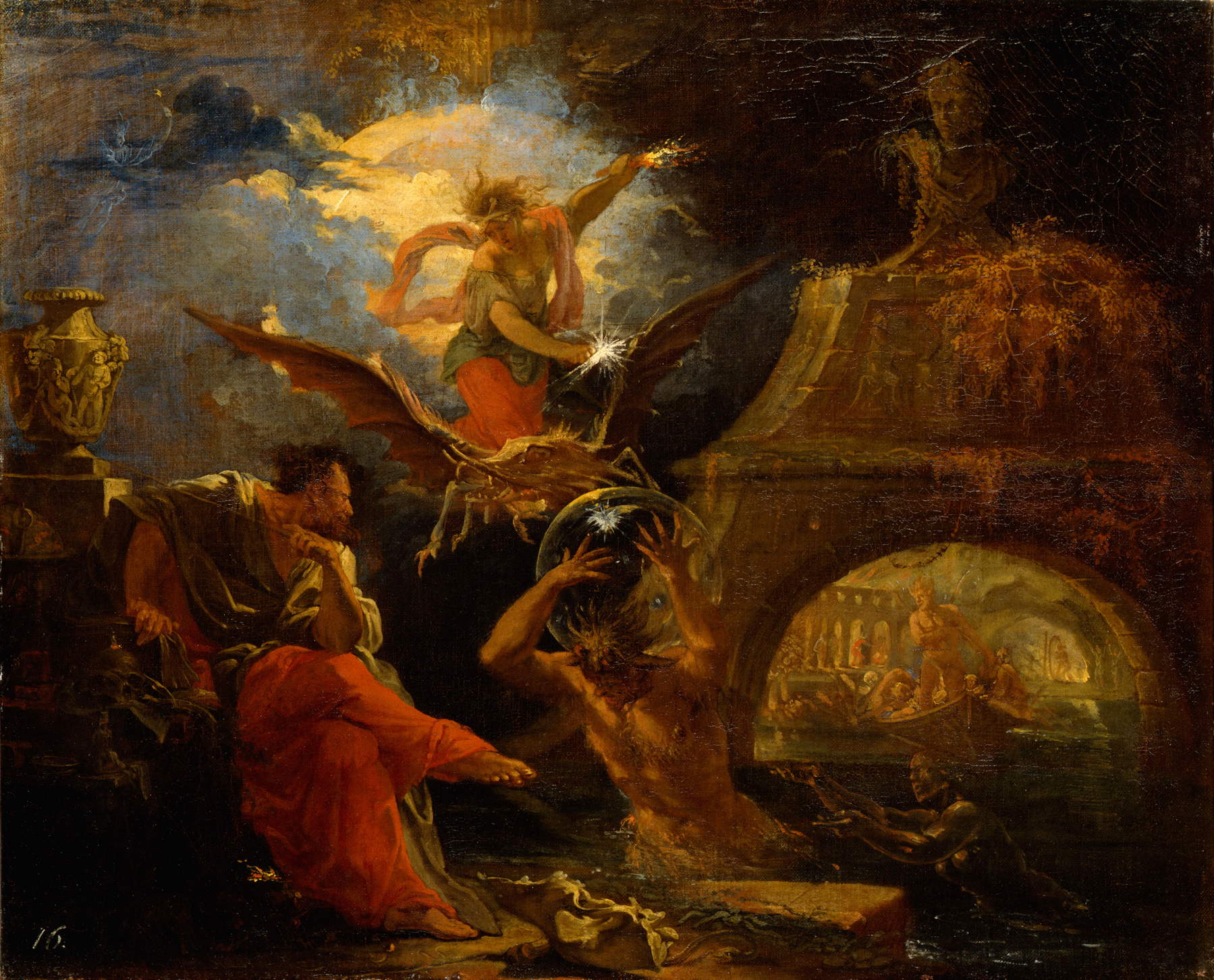
Among the artists you have studied, figures such as Jacques de Gheyn II, Jacob van Swanenburg, and Cornelis Saftleven demonstrate a surprising creative freedom. Is there an artist who, in your opinion, deserves a radical reevaluation by art history today?
Among the names you mentioned—and more generally within Dutch Golden Age painting—the figure who deserves the most radical reevaluation today is Cornelis Saftleven, who hailed from Gorinchem in the Northern Netherlands and worked primarily in Rotterdam. Not because the others are less important, but because Saftleven remains, in a certain sense, still underappreciated compared to David Teniers, despite having profoundly inspired Teniers’s work far more than art history has so far acknowledged. The decisive factor, in his case, is his ability to break with convention. Saftleven does not simply replicate existing models: he deconstructs and reconstructs them with a highly distinctive style. When he worked in Antwerp—even within Rubens’s workshop—while employing a courtly and monumental style, he leaned toward more “Dutch” registers, marked by irony and satire. In some of his versions of the temptations, the figure of Saint Anthony is diminished—and at times even disappears—overwhelmed by demonic creatures, with only the skull or the bell that always accompany images of the saint alluding to his absence. In other words, the focus of the scene shifts entirely to the monstrous beings, as if temptation had now completely supplanted the saint who was supposed to resist it. This is not merely an iconographic choice. Saftleven introduces a sort of shift in perspective, in which evil, the grotesque, and the absurd become the protagonists of the narrative. In this sense, his work closely resembles the logic of the spotprenten, the satirical engravings that often used animal allegories to construct forms of political and social criticism. One of the most striking examples is the depiction of the trial—or rather, the legalized murder—of Johan van Oldenbarnevelt, in which the absence of justice evident in the death sentence handed down to a man judged by his political adversaries is visualized through an animal allegory: the isolated man becomes the target of a court of animals—beings who have lost all human characteristics. This allegory transforms a tragic event into a universal symbolic structure to illustrate the violence of injustice. In the realm of demonology and witchcraft, Saftleven anticipates and, in some cases, directly influences certain subsequent developments, including the approaches adopted by Teniers. Many of the iconographic formulas that would become canonical in the depiction of temptations, witches’ sabbats, and hellish scenes in fact stem from his experiments: compositional cuts, cave settings, the centrality of demonic creatures, and, above all, the pig—the traditional companion of Saint Anthony—which instead becomes the leader of the demons, as clearly demonstrated by the detail I chose for the cover of my book. And it is no minor detail that as early as the seventeenth century, numerous sources recognized Saftleven as a specialist in the fantastic and the phantasmal, a description that also appears in the portrait Van Dyck dedicated to him in his *Iconographie*, accompanied by an inscription identifying him as a “Dutch painter of nocturnal ghosts.” The point, therefore, is to recalibrate the hierarchies, above all to highlight how it is precisely in the work of less canonical artists that a decisive role in the formation of the seventeenth-century imagination is played.
Your analyses reveal a continuous connection between the Netherlands and Italy. To what extent did Rome, Naples, or Florence influence the language of Northern European fantasy? Is there an “Italian hell” conceived by Flemish or Dutch artists working on the Italian peninsula?
Jan Brueghel the Elder, who moved between Naples, Rome, and finally Milan, played a fundamental role in the emergence of what we might call “mythological hells”: an iconographic typology in which the classical repertoire is filtered through Northern sensibilities and reorganized according to new logics, running parallel to and, in part, overlapping with the imagery of the traditional Christian hell. This is precisely the central point: Brueghel does not invent hell in an absolute sense; rather, he reorganizes it using pre-existing material. Classical sources, in particular Virgil’s*Aeneid* and Ovid’s *Metamorphoses*, constitute the narrative reservoir from which he draws to construct journeys into the afterlife, descents into the Underworld, and initiatory journeys, featuring figures well-known on the Italian peninsula such as Orpheus, Aeneas, and the Sibyl, or deities such as Juno and, above all, Pluto with Proserpina. This approach is decisive because it shifts the focus of the infernal theme onto myth. Hell becomes a dark cavern, brought to life by colors made even more brilliant by the use of the typically Nordic copper support, and populated by figures of minuscule size. An often-overlooked aspect is that Brueghel continually reworks the Northern model in response to the Italian context; he does not simply export it. In fact, his depictions of hell reveal influences from the Venetian tradition—particularly from Tintoretto, with his dramatic and incandescent visions—but also from the elaboration of infernal and Dantean cycles, such as those in Federico Zuccari’s *Dante historiato *. He even includes a cameo featuring Dante and Virgilin the *Orpheus* at the Colonna Gallery! It is precisely this fusion that makes the phenomenon so fascinating: the Northern model is continually adapted, hybridized, and reinterpreted according to iconographic, devotional, and market demands. The same is true of another artist whose attempt at a comeback has been the focus of my research for many years: Domenicus van Wijnen, a specialist in witchcraft active in Rome in the late seventeenth century. The idea that, even today, art history must trace every representation of Hell back to the “Bosch” or “Bruegel of the Underworld” categories—following a logic already present in the 16th- and 17th-century art market—no longer holds up, precisely because it ignores the continuous circulation and transformation of figurative repertoires. Artistic genealogy, on the other hand, consists of two-way exchanges: what originates in Flanders and the Netherlands enters Italy, is transformed, and often returns to the North completely reshaped.
In cinema, literature, and even contemporary video games, demonic creatures, sabbaths, and hallucinatory visions continue to appear. After years of studying the “spoockerijen,” do you think we’ve ever truly stopped speaking the language pioneered by Bosch and his heirs?
Without a doubt. Figures such as the demogorgons from *Dungeons & Dragons* or the humanoid predators from *Stranger Things* are undoubtedly heirs to this kind of vision. After all, the “demogorgon” belongs to a much older tradition, already attested in Boccaccio: it referred to a mythological figure, a sort of father of the gods, but with traits akin to those of a prince of darkness. In an engraving attributed to Hendrick Goltzius, the Demogorgon is depicted shrouded in mist inside a cave, and it is no coincidence that he is interpreted as a wizard. All of this shows how certain motifs recur cyclically. It is a body of imagery that spans the centuries and is constantly renewed. It is important to clarify one point: this persistence speaks to something inherent in humanity throughout the ages—namely, the imagination pushed to its absolute limit. It is a faculty that allows artists to experiment, blending the real and the unreal, beyond the constraints of immediate utility. Bosch always starts from reality and then hybridizes it, just as the imagination does during childhood. It is this mechanism that makes him deeply relevant even today. In cartoons, video games, and contemporary fantasy narratives, we find the same need to give form to formless imagination. Over time, this ability fades in many people, but it never disappears entirely: it remains a profound component of the human soul, for some almost a necessity. Even Spinoza speaks of the whims of the imagination as ends in themselves—as generators of beauty—recognizing a sort of necessity for the superfluous. The idea of a world enriched by hybrid figures and fantastical creatures thus becomes a powerful expression of human thought when it is allowed to express itself freely. A beauty of monstrosity that cannot be reduced to any criterion of utility or function. The same principle emerges in the defenses of artists tried by the Inquisition during the 16th and 17th centuries, such as Veronese and Swanenburg, who claimed the freedom to conceive images not based on observation of reality, but generated solely for the sake of whimsy. The idea that painters, poets, and madmen share the same right to creative license marks a decisive turning point: the affirmation of the imagination as a legitimate realm. This tradition is unbroken; rather, it continues to speak across the board to children and adults alike, spanning different cultures and eras. And this is precisely why Bosch, in particular, possesses the rare ability to immediately capture the viewer’s attention, whoever they may be. Why? Perhaps the answer is simpler than we think: because he makes visible, in an extreme and free form, a universal human need.
Warning: the translation into English of the original Italian article was created using automatic tools. We undertake to review all articles, but we do not guarantee the total absence of inaccuracies in the translation due to the program. You can find the original by clicking on the ITA button. If you find any mistake,please contact us.