


by Redazione 22/10/2026


Categories: Museums / Disclaimer
In Canada, in Québec City, the Espace Riopelle – Michael Audain Pavilion is opening—a new branch of the Musée national des beaux-arts du Québec that brings together more than 230 works and traces the many creative phases of one of the leading figures in 20th-century Canadian art.


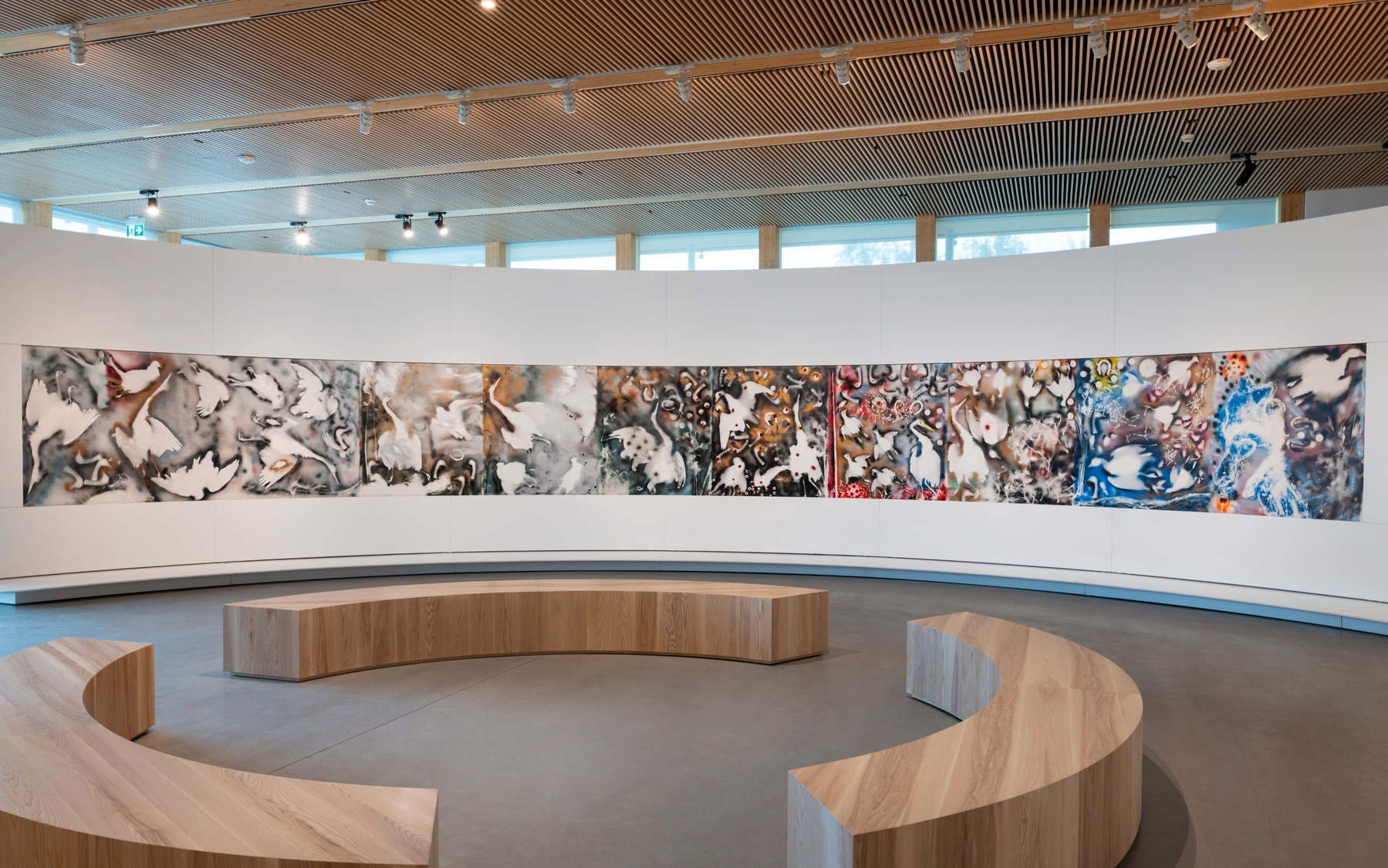
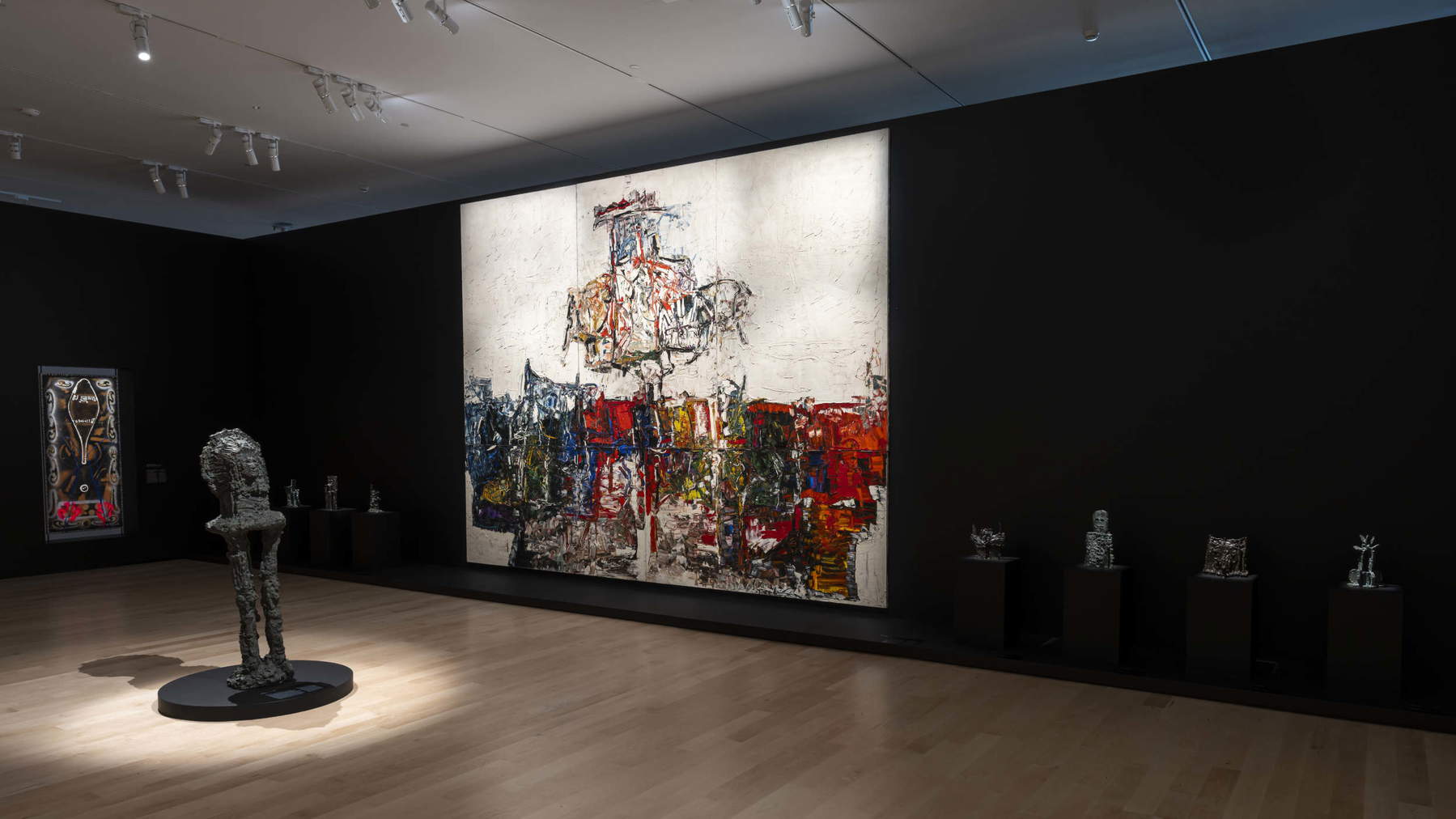
The monumental painting *Tribute to Rosa Luxemburg*, created in 1992, spans over 40 meters and almost completely envelops a circular hall, where the windows offer a view of the plains of Québec and the St. Lawrence River. It is around this work that one of the most spectacular spaces in the new Espace Riopelle – Michael Audain Pavilion—which opened yesterday in Québec City, Canada—unfolds. The building, designed by the architectural firm Les architectes FABG, is entirely dedicated to Jean Paul Riopelle (Montréal, 1923 – Saint-Antoine-de-l’Isle-aux-Grues, 2002), a painter, sculptor, and lithographer who was among the leading figures in 20th-century art in Québec and Canada.

With a floor area of over 5,600 square meters spread over three floors, the pavilion was conceived to provide a permanent home for the largest public collection dedicated to the artist. The $84 million project is the result of a collaboration between the Government of Québec, the City of Québec, and the philanthropic community. The building is also the fourth pavilion in the Musée national des beaux-arts du Québec ( MNBAQ) complex and represents the main legacy of the celebrations marking the centennial of Riopelle’s birth, which took place from 2019 to 2025.


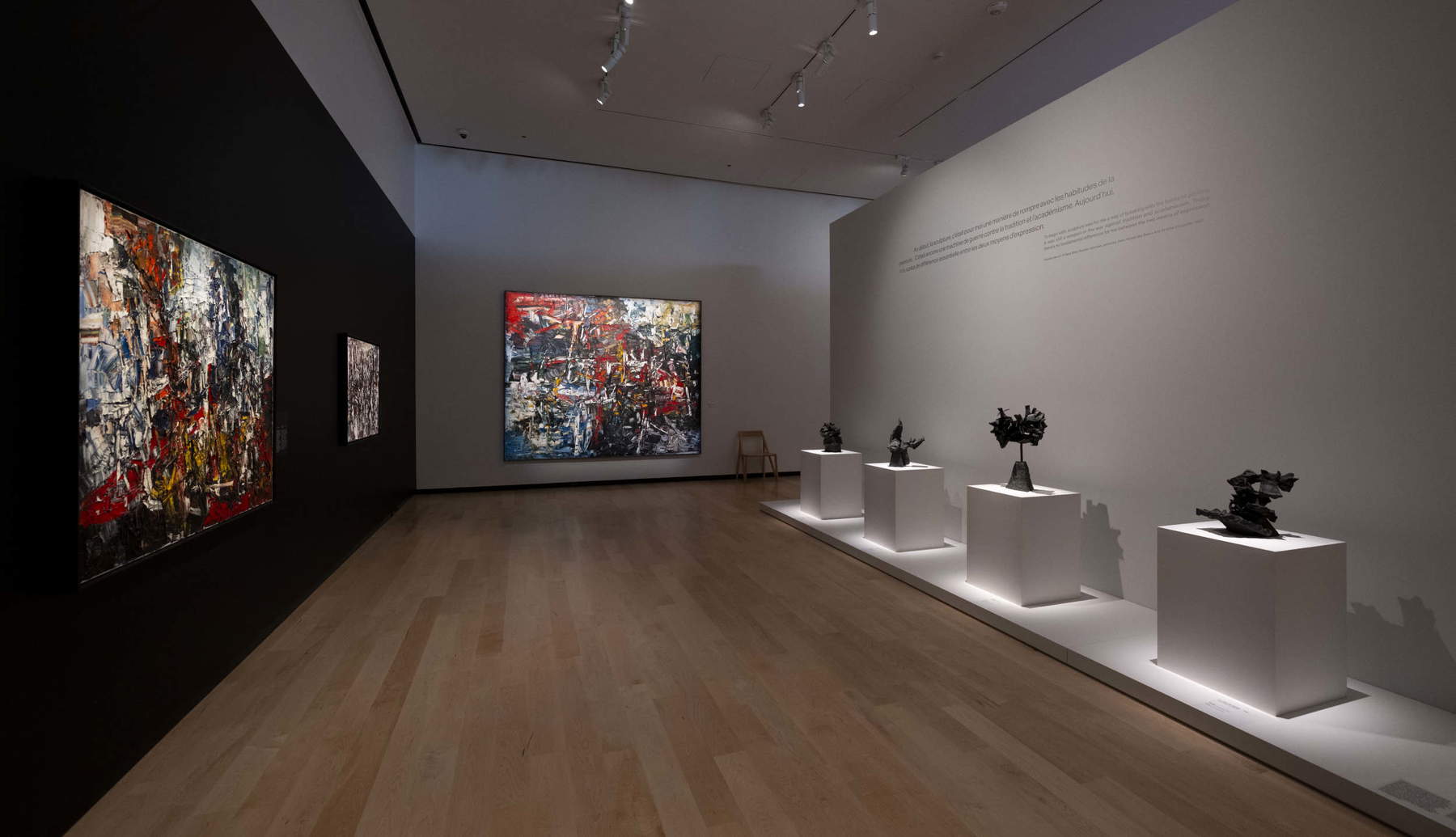
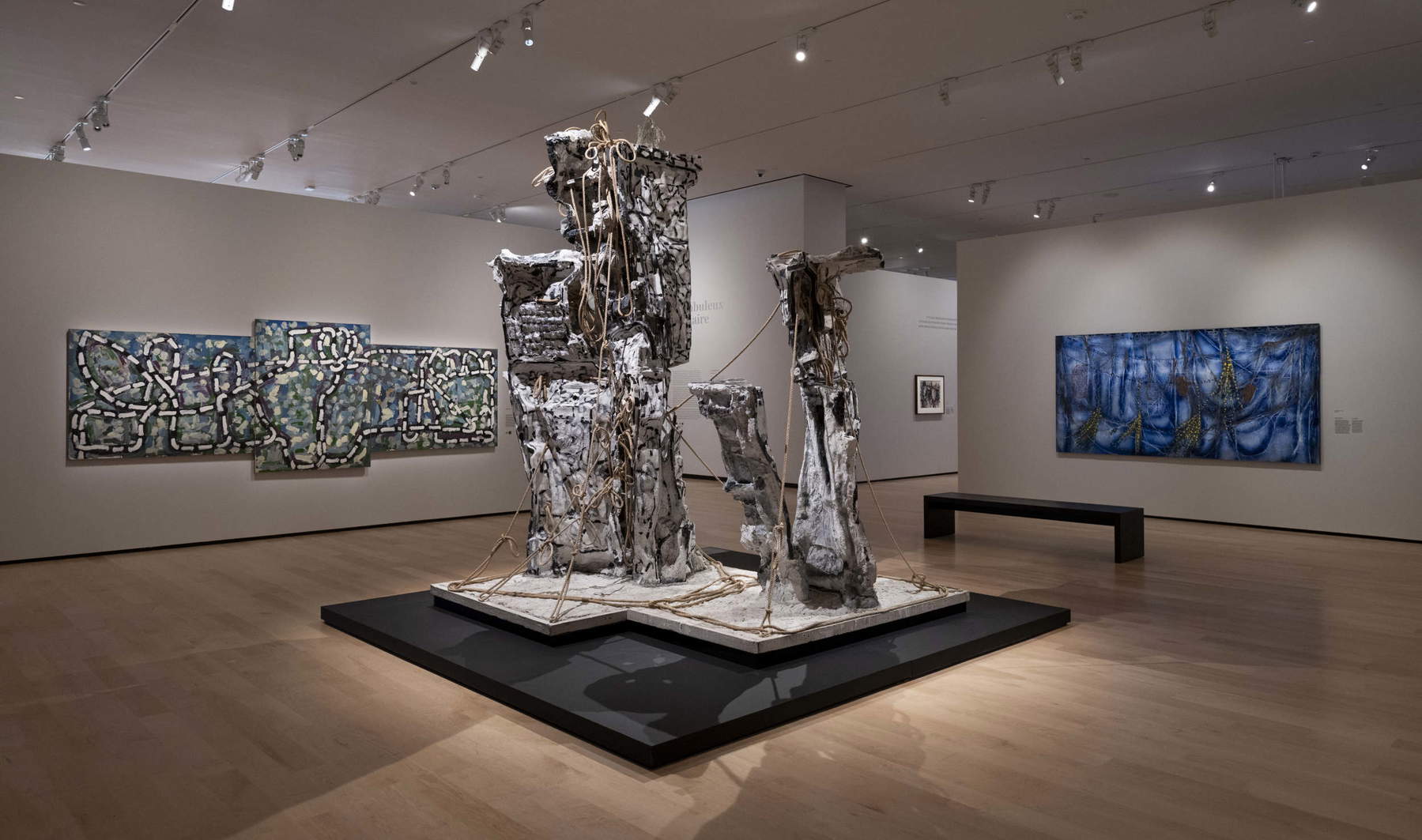
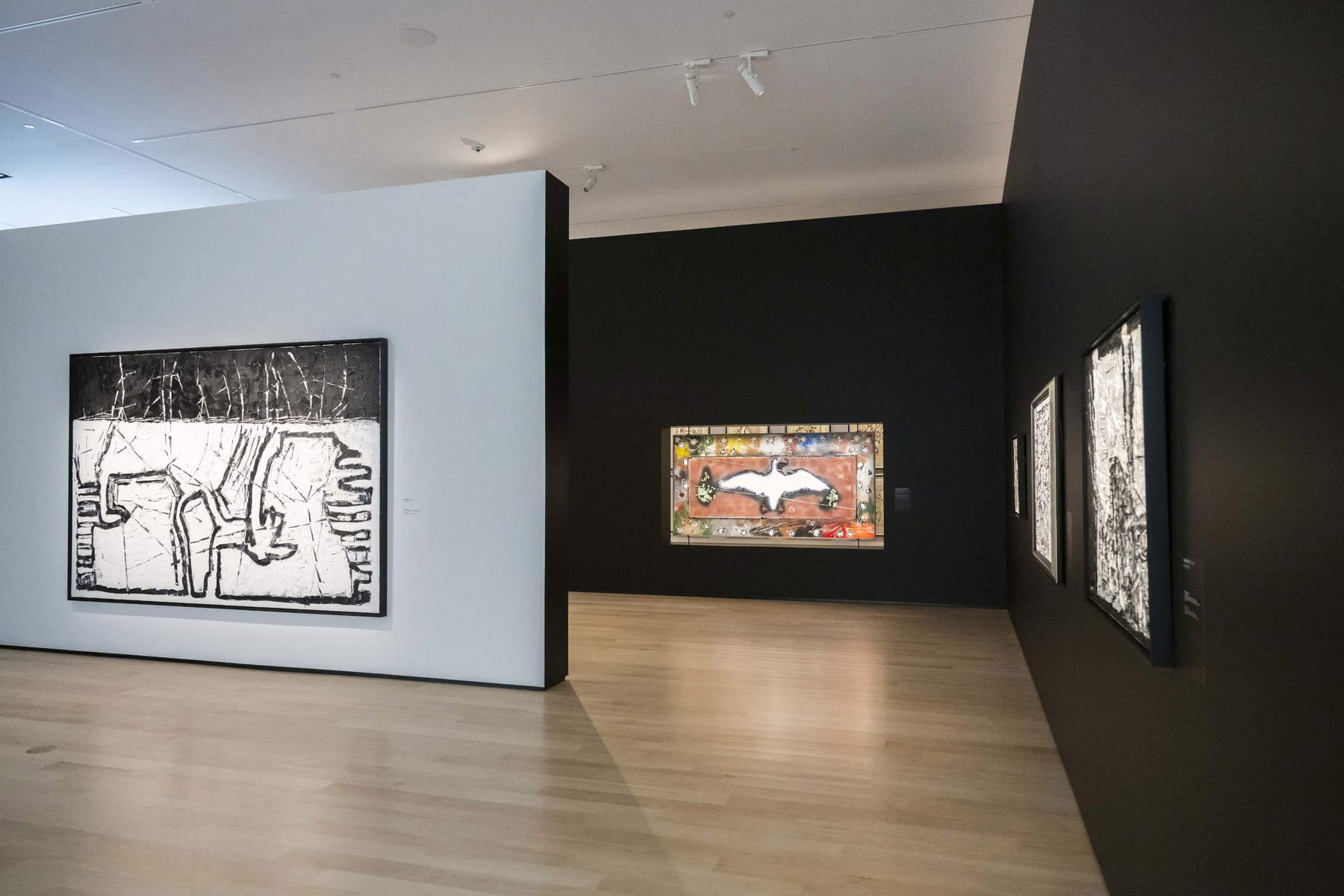
The exhibition features more than 230 works: over 130 works by Riopelle—including paintings, sculptures, and prints—and approximately 100 works by other artists who have contributed to the history of modern art in Québec. The new exhibition brings together works from different periods of Riopelle’s career, including rare pieces and lesser-known works, and offers an interpretation of the artist that goes beyond his early abstract paintings.
Born in 1923 and died in 2002, Riopelle was associated with Lyrical Abstraction and the movement of artists known as the “Automatists.” As early as the 1940s, his free and gestural style helped bring international recognition to Canadian art. The natural world of Quebec, with its landscapes and northern environments, remained a recurring source of inspiration throughout his career, while his body of work expanded to include painting, sculpture, lithography, and experiments with various materials.
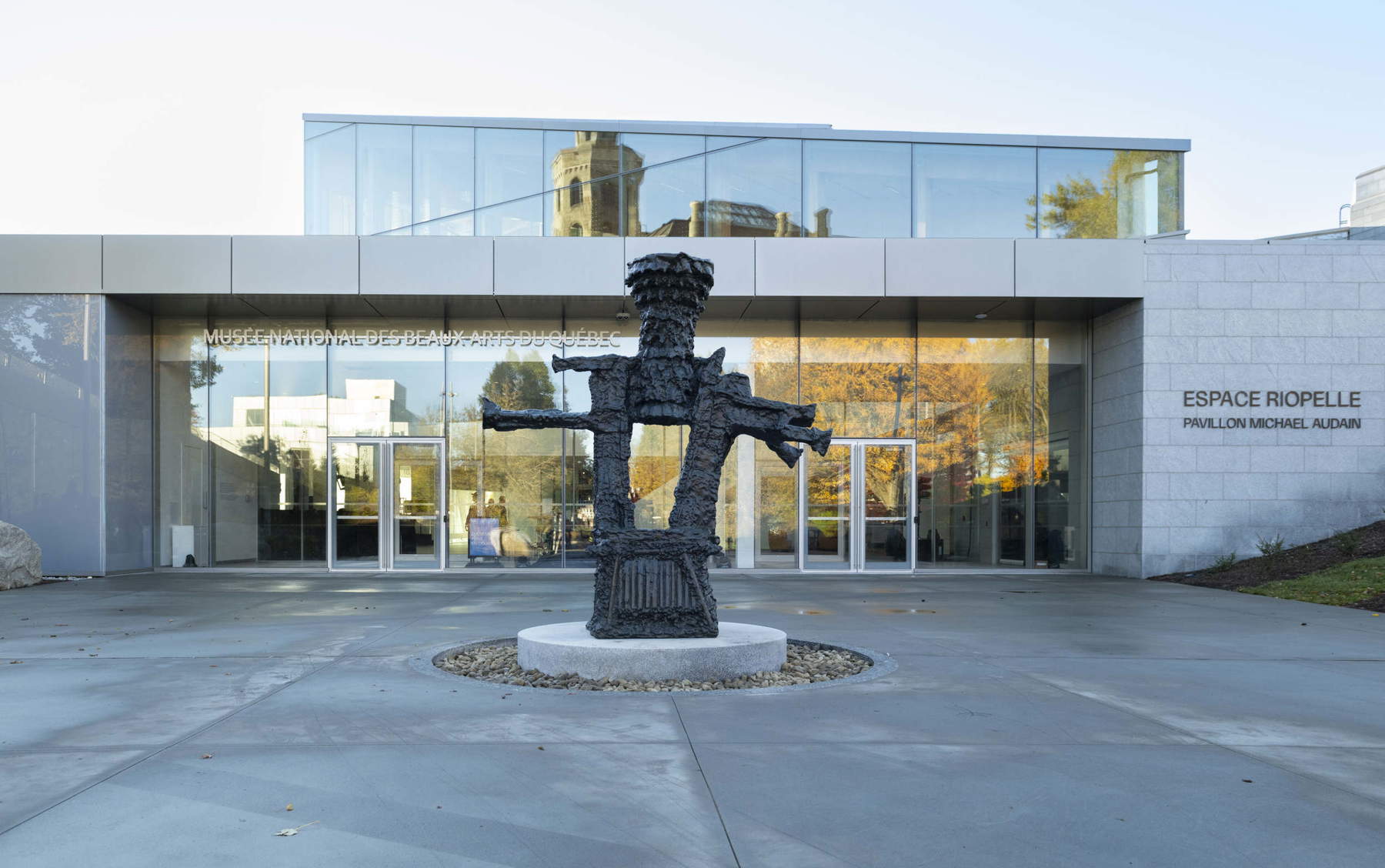
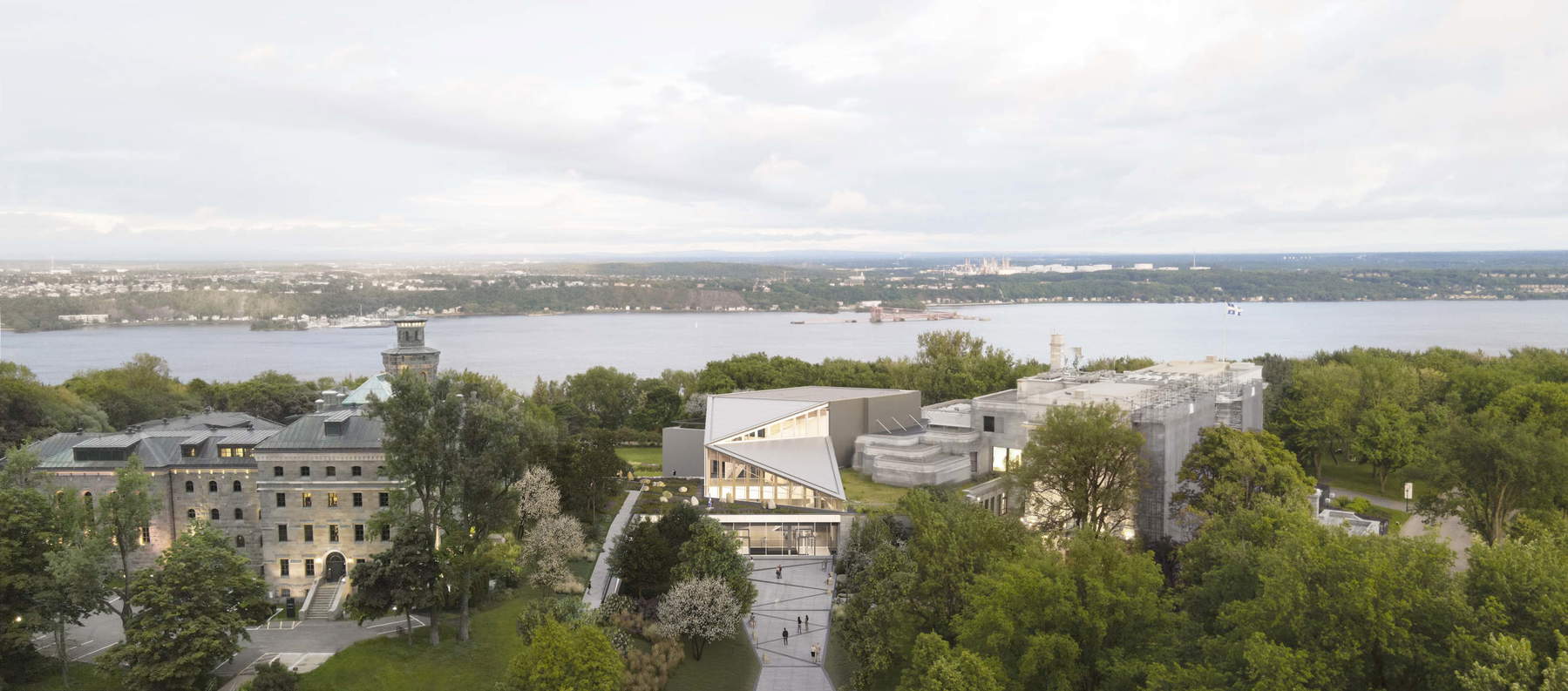
The new pavilion is named after Michael Audain, a Vancouver-based entrepreneur and collector who has supported the promotion of Riopelle’s work for decades. His philanthropic efforts, along with those of his wife Yoshiko Karasawa and Pierre Lassonde, played a decisive role in the project’s inception. A donation of 63 works—46 of which were created by Riopelle—helped spur the construction of the building. The total value of this donation is now estimated at over 125 million dollars.
The inaugural exhibition program consists of four exhibitions and display projects, spread across the building’s three floors. The main exhibition is *Riopelle: The Expression of Gesture*, a retrospective spanning over fifty years of his career. The thematic sections span his early paintings, his famous mosaic works from the 1950s, the works dedicated to the animal world collected in his bestiary, and the lithographs inspired by France and Quebec—two places central to the artist’s life. Also featured are works created in recent years, characterized by the use of mixed media.
Alongside the retrospective, the “Challenging” exhibition offers a fresh perspective on the national collection of modern art, bringing together works by some fifty artists who have contributed to Québec’s art scene. The exhibition focuses in particular on the Automatists and the multidisciplinary nature of their work. To explore the works in both exhibitions in greater depth, the museum also offers visitors an AI-powered chatbot.
On the third floor, “Tribute to Rosa Luxemburg” is situated in a space designed to allow the public to move around the large 1992 composition, which is over 40 meters long. The room, illuminated by natural light, also offers a privileged view of the surrounding landscape. Accompanying the work is “Breathing in Riopelle,” a project developed by Chartier World LAB—an organization specializing in the study of molecular harmonies—which presents six olfactory creations inspired by the artist’s work. The relationship between art and perception is also at the heart of *Art and Emotions*, an interactive project set up on the ground floor and developed by Co-DOT Lab, a research laboratory affiliated with Université Laval. The initiative studies visitors’ emotional responses to Riopelle’s works, introducing a research dimension to the museum experience. Visitors can also get a close-up look at the museum’s normally less visible work thanks to a new restoration lab and a viewing storage area, designed to showcase the conservation and care of the collections.
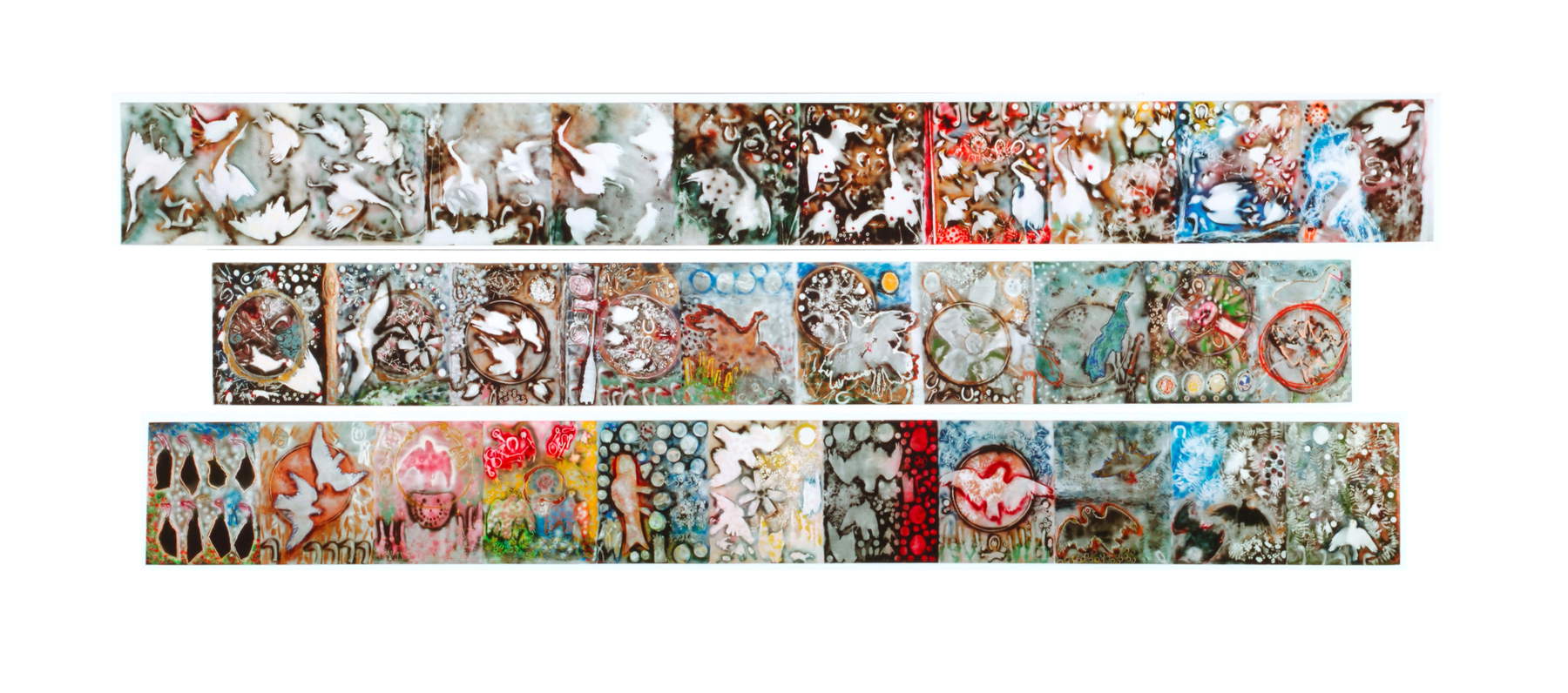
The history of the new pavilion is linked to a long-standing relationship between Riopelle and the museum. The MNBAQ was among the first institutions to acquire a work by the artist—the 1956 painting *Perce-neige* —and in 1967 it dedicated its first retrospective in Quebec to him, titled *Peintures et sculptures de Riopelle*. In the years that followed, other exhibitions and publications were held, including *Jean Paul Riopelle, Peintures, 1946–1977* in 1981, *Riopelle. Impressions sans fin in 2005–2006, and Mitchell/Riopelle: Nothing in Moderation in 2017.
In 1985, Riopelle himself began planning the creation of a foundation named after him in the former prison in Québec City, now home to the Charles Baillairgé Pavilion. The museum’s public collection dedicated to the artist now includes over 500 works, among them *Espagne* (1951), *Garden* (1957), *Pangnirtung* (1977), and *Tribute to Rosa Luxemburg* (1992) . A permanent gallery dedicated to Riopelle has existed since 2000, but the new facility allows for a more comprehensive presentation of his work, highlighting the variety of his artistic languages and creative phases.
The donation that helped make the project possible includes works from the collections of Michael Audain and Pierre Lassonde. Audain, president of Polygon Homes, is one of Canada’s leading cultural philanthropists. Together with his wife, Yoshiko Karasawa, he founded the Audain Foundation, which is dedicated to supporting the visual arts and wildlife conservation in British Columbia. Since 2016, Audain has donated $91.3 million to the MNBAQ, including $76.7 million in works of art. The collection includes 37 works by Riopelle, among them *Forestine* (1954), *Garden* (1957), and *Iceberg No. 3* (1977), as well as eight works by Paul-Émile Borduas.
As previously announced, the pavilion’s architecture was entrusted to Les architectes FABG, a Quebec-based firm with over seventy years of experience and more than 75 awards and accolades. The project is situated between two historic buildings within the museum complex: the Charles Baillairgé Pavilion, dating back to 1867 and once used as the city jail, and the Gérard Morisset Pavilion, built in 1933 and dedicated to the national collections of ancient and modern art. The new building stands on the site of the former Central Pavilion and also provides access to the Pierre Lassonde Pavilion, which opened in 2016.
The architectural journey unfolds upward across three floors, culminating in the circular hall that houses *Tribute to Rosa Luxemburg*. On the exterior, the angular volumes and triangular roofs seem to reach toward the St. Lawrence River, evoking the flight of the flocks of geese that Riopelle loved to depict. In the Grand Hall, the wooden beams and sloped ceiling evoke the artist’s workspaces, from his studios in Sainte-Marguerite-du-Lac-Masson to the converted warehouse in Saint-Cyr-en-Arthies, France.
The limestone-clad facades and zinc roofs, on the other hand, evoke the historic neighborhoods of Québec City. Solid black spruce wood—an emblematic species of the boreal forest—was used for the ceiling, with 90% of it sourced from Québec, primarily from the Chibougamau area. The project also calls for the extensive reuse of the old pavilion’s mechanical, electrical, and structural systems, with a view to minimizing waste and conserving resources.
The outdoor landscape is also an integral part of the project. The commission was awarded to Agence ReliefDesign, a Montréal-based firm specializing in landscape architecture. The terraces and gardens evoke various natural environments of Québec, while on the ground floor, conifers, deciduous trees, and stones evoke the Laurentian landscape; on the second floor, grasses, mosses, lichens, and other groundcover plants recreate a landscape inspired by the Nunavut tundra, where Riopelle undertook several significant journeys in the 1970s. Finally, the terrace overlooking the St. Lawrence River echoes the appearance of L’Isle-aux-Grues through plants typical of riverbanks and rocky outcrops.
Five sculptures by Riopelle are located in the outdoor spaces. *The Tower*, created between 1969 and 1970, is a bronze sculpture over two and a half meters tall that welcomes visitors in the plaza in front of the building. On the opposite side, near the rear plaza, stands *Victory and the Sphinx*, a monumental bronze work characterized by bold geometric forms. On the terrace overlooking the river, at the top of the pavilion, are *The Bear*, *Owl A*, and *The Fish*—three bronze sculptures from the *Joust* series, completed in 1970.
The new pavilion thus brings to a close the program of celebrations for Riopelle’s centennial, organized by the Fondation Jean Paul Riopelle in collaboration with Canadian and international cultural institutions and coordinated by General Curator Manon Gauthier. Titled *Grandeur nature*, the program included approximately fifty cultural initiatives and some twenty exhibitions in Canada and abroad, including one at the Centre Pompidou in Paris. The activities spanned various disciplines, from the performing arts to public art, from arts education to commemorative, philatelic, and numismatic initiatives. The Espace Riopelle – Michael Audain Pavilion now carries on the legacy of that journey, highlighting not only his best-known paintings but also his sculptures, lithographs, archival materials, and works from the lesser-known phases of the artist’s career.
|
| A new pavilion opens in Canada to celebrate a 20th-century master: Jean Paul Riopelle |
Warning: the translation into English of the original Italian article was created using automatic tools. We undertake to review all articles, but we do not guarantee the total absence of inaccuracies in the translation due to the program. You can find the original by clicking on the ITA button. If you find any mistake,please contact us.