





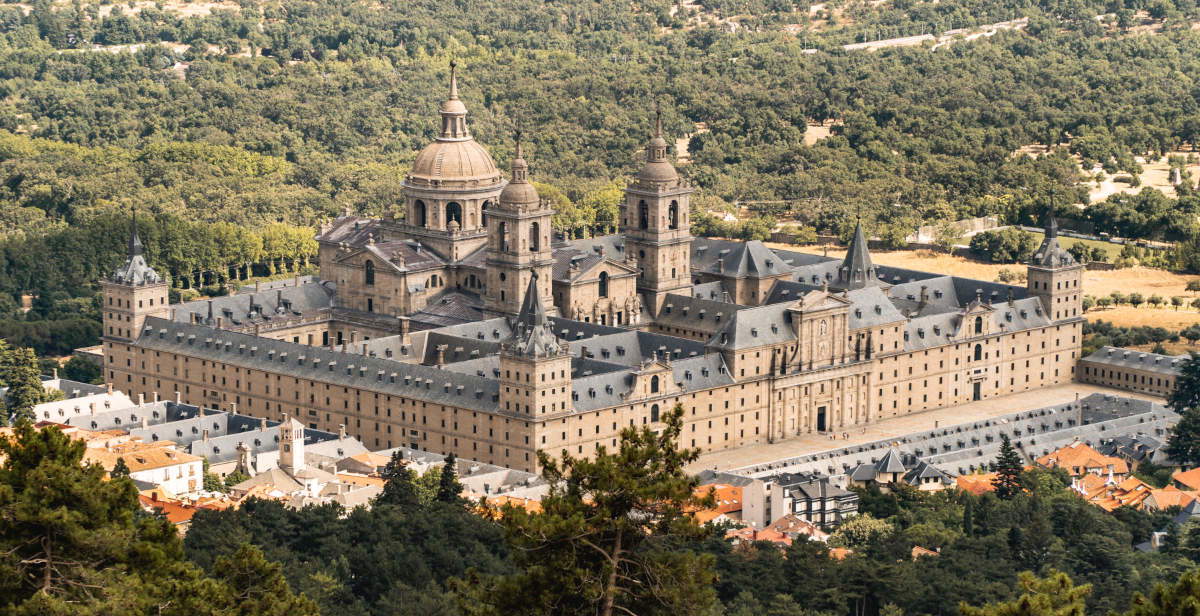
After being closed to the public for ten years, Patrimonio Nacional is reopening the Museums of Painting and Architecture at the Royal Monastery of San Lorenzo de El Escorial in Madrid. The renovation project involved a total investment of 3.1 million euros, largely drawn from the Recovery, Transformation, and Resilience Plan, funded through the European NextGenerationEU funds. The reopening makes two spaces accessible to visitors once again, each dedicated to a central aspect of the complex’s history: on the one hand, the development of the art collections assembled over the centuries by Spanish monarchs; on the other,the architecture of the Monastery—from its design and construction to the transformations it has undergone over more than four centuries.
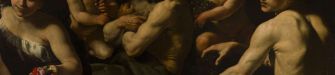
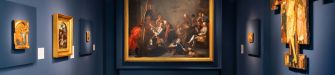
The Museum of Painting features a completely revamped exhibition layout, showcasing approximately one hundred works from the major Italian, Flemish, and Spanish schools. Among the artists featured are Titian, Tintoretto, Veronese, Van der Weyden, Giordano, Ribera, and Coxcie. Twenty-one works are being included in the permanent exhibition for the first time. At the same time, the Museum of Architecture features a new layout and a range of audiovisual and educational materials designed to illustrate why the architecture of El Escorial became a model of reference even beyond Spain’s borders. The reopening was accompanied by the official presentation of the new exhibits.
The new Museum of Painting thus focuses not only on the artists behind the works but also on the events that led to the formation of the collection housed at El Escorial. The museum’s history, in fact, coincides with that of royal collecting, which developed over several centuries and was linked to the political and cultural transformations of the Spanish monarchy.
Philip II transformed El Escorial into one of Europe’s leading artistic centers, assigning to it some of the most important religious works from his own collection. The monastery’s collection of paintings was later expanded by subsequent monarchs. Philip IV, Charles II, Charles IV, and Isabella II contributed to the growth of the collection with paintings from the major European schools, gradually building a collection that brings together different artistic traditions.
The reorganization affected both the spaces and the museum layout. Nearly one-third of the works currently on display underwent restoration specifically carried out in preparation for the reopening. Among the highlights is the diptych*Allegory of the Redemption * by Michiel Coxcie, an artist also known as the “Flemish Raphael.” The exhibition also includes Rogier van der Weyden’s “Calvary,” considered one of the painter’s most significant works due to its technique and the originality of its composition, as well as the paintings created by Federico Zuccari for the basilica’s main altarpiece—works that were later rejected by Philip II.
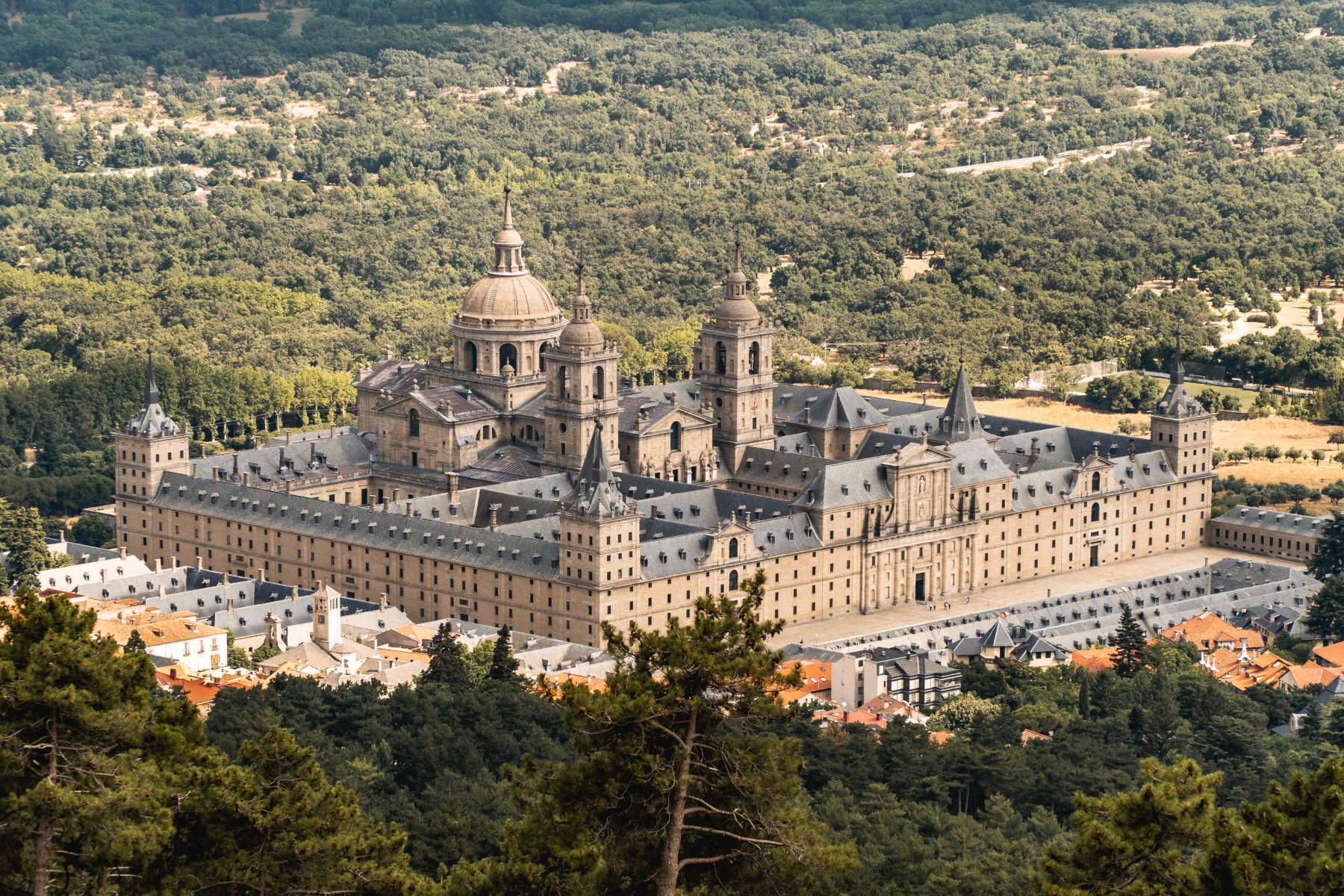
The Museum of Architecture, on the other hand, explores the building’s history through an exhibition dedicated to the various phases of its design and construction. The goal is to provide the necessary elements for understanding one of the most important architectural projects of the modern era, using tools and materials that make both the design choices and the construction techniques employed accessible to visitors.
The new exhibition features floor plans, engravings, models, historical tools, and audiovisual resources. Through these materials, visitors can trace the process from the initial drawings to the construction of the complex, up to the modifications and transformations that took place later. A significant portion of the exhibition is dedicated to Juan Bautista de Toledo, who created the initial design sketches, and to Juan de Herrera, who developed the project, shaping an architectural language destined to become one of the recognizable hallmarks of El Escorial.
The so-called Gallery of Tools also explores the technical aspects of the construction and the work of the many professionals involved in building the Monastery. The museum examines the tools and innovations that made the complex’s construction possible, placing the history of architecture within the broader context of labor and construction techniques.
Another theme concerns the building’s transformations over the course of more than four centuries and its influence on European architecture. In this context, the exhibition also explores the role of the engravings created by Pedro Perret based on Juan de Herrera’s drawings. Their widespread circulation helped spread the image of El Escorial throughout Europe, making the architectural complex a point of reference through the dissemination of its graphic representations.
The two museums reopened by Patrimonio Nacional trace their history back to 1963, when they were established to mark the 400th anniversary of the laying of the monastery’s cornerstone. The Museum of Painting was housed in Philip II’s former Summer Palace, while the Museum of Architecture was located in the Planta de las Bóvedas. The latter museum was designed by architects Javier Feduchi and Jesús Bosch and occupied spaces previously restored by Ramón Andrada. Due to the uniqueness of the project, its exhibition layout has garnered international recognition over time.
More than sixty years after their establishment, Patrimonio Nacional decided to renovate the two museums by reorganizing their entrances and visitor routes. The new itinerary also includes one of the Salons of Honor, where original elements from the Holy Week Monument designed by Juan de Herrera are on display. The project has also restored an old kitchen in the palace, now used as a rest area with a museographic function. Inside, historic fireplaces and objects related to the kitchen’s furnishings and the daily life of the complex are preserved.
Through December 31, 2026, the Museums of Painting and Architecture can be visited free of charge, even without a general tour of the Monastery. Therefore, it will not be necessary to purchase a standard ticket for the Real Monasterio de San Lorenzo de El Escorial. To access the two museums, simply pick up a free ticket at the Escorial Visitor Center and use the north entrance, normally reserved for groups. Starting January 1, 2027, admission to the two museums will be included in the general Monastery ticket. It will also be possible to purchase a specific ticket for the Museums of Painting and Architecture for those who have already visited the complex and wish to access only the new exhibits.
Patrimonio Nacional’s program also includes activities aimed at schools and families. Workshop-style tours have been organized for elementary and secondary school students, along with a specific program for families. The family tours, titled *El gran proyecto del Rey* (The King’s Great Project), will take place every Sunday from January through November 2027, under the sponsorship of the Fundación ADEY.
Workshop tours for students, supported by the Fundación ACS, are also already available. Every Tuesday through May 2027, elementary school students from participating schools may take part in *La visión de un rey * (A King’s Vision), held at the Museum of Painting. Wednesdays, on the other hand, will be dedicated to secondary school students, who will be able to participate in *La obra de El Escorial* (The Work of El Escorial) at the Museum of Architecture.
“Architecture and painting were personal passions that accompanied Philip II throughout his life,” said Ana de la Cueva, president of Patrimonio Nacional. “It is no coincidence that we have dedicated these two museums to them; they are key elements in understanding the cultural and political stature of the monarch and of the Monastery itself.”
“The Monastery is, in and of itself, the centerpiece of the Museum of Architecture. This project allows visitors to understand how it was built and how it has survived to the present day,” emphasized Luis Pérez de Prada, Director of Real Estate and Natural Heritage.
“More than just a succession of masterpieces, the Escorial Museum of Painting offers a comprehensive view of the formation of the Royal Collections and the role art has played in shaping the image of the monarchy,” says Víctor Cageao, director of the Royal Collections.
 |
| Madrid: After Ten Years, the Museums of Painting and Architecture at the Monastery of San Lorenzo de El Escorial Reopen |

Warning: the translation into English of the original Italian article was created using automatic tools. We undertake to review all articles, but we do not guarantee the total absence of inaccuracies in the translation due to the program. You can find the original by clicking on the ITA button. If you find any mistake,please contact us.





















 IT
IT FR
FR DE
DE ES
ES CN
CN


