



by Redazione 15/11/2026


Categories: Museums / Disclaimer
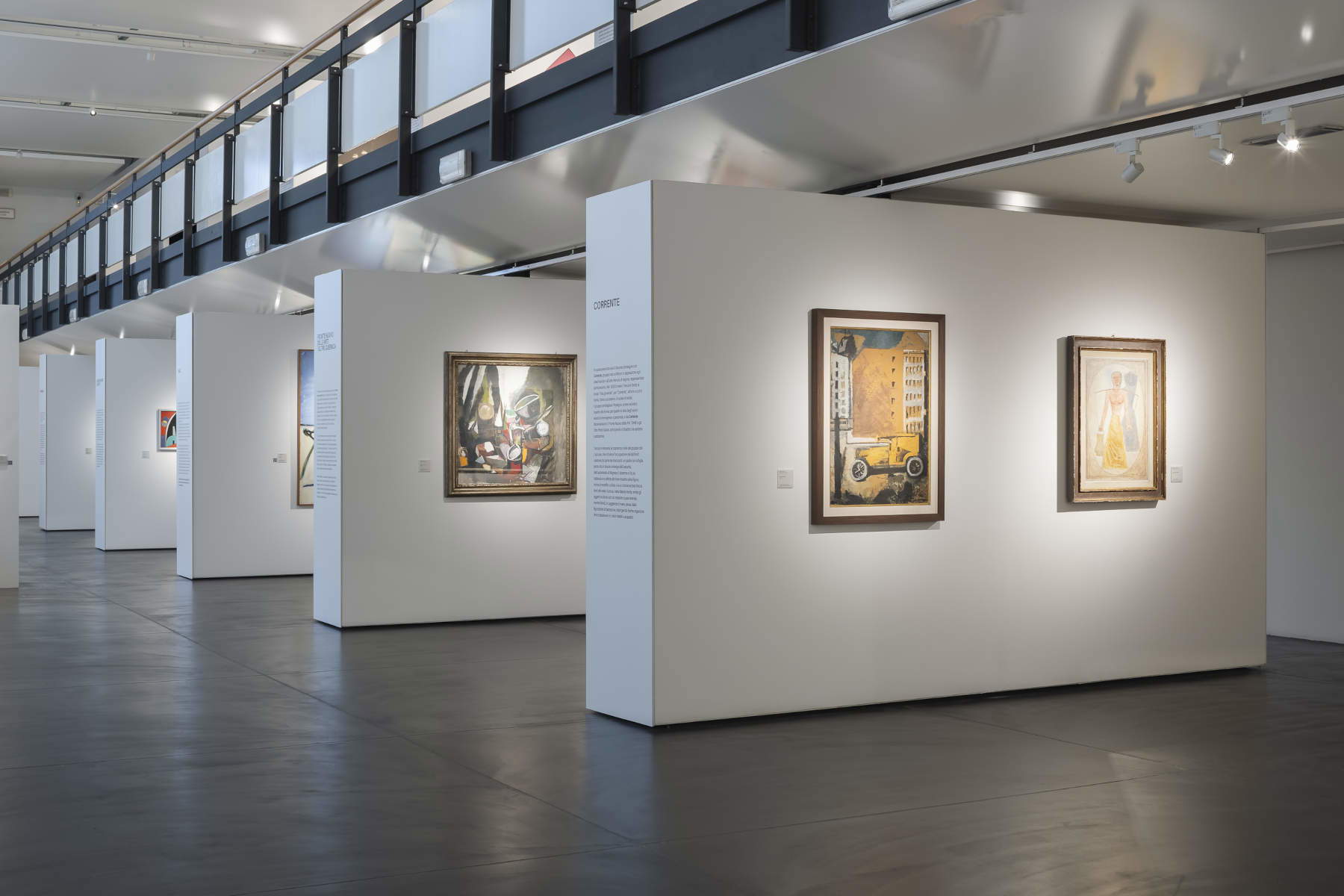
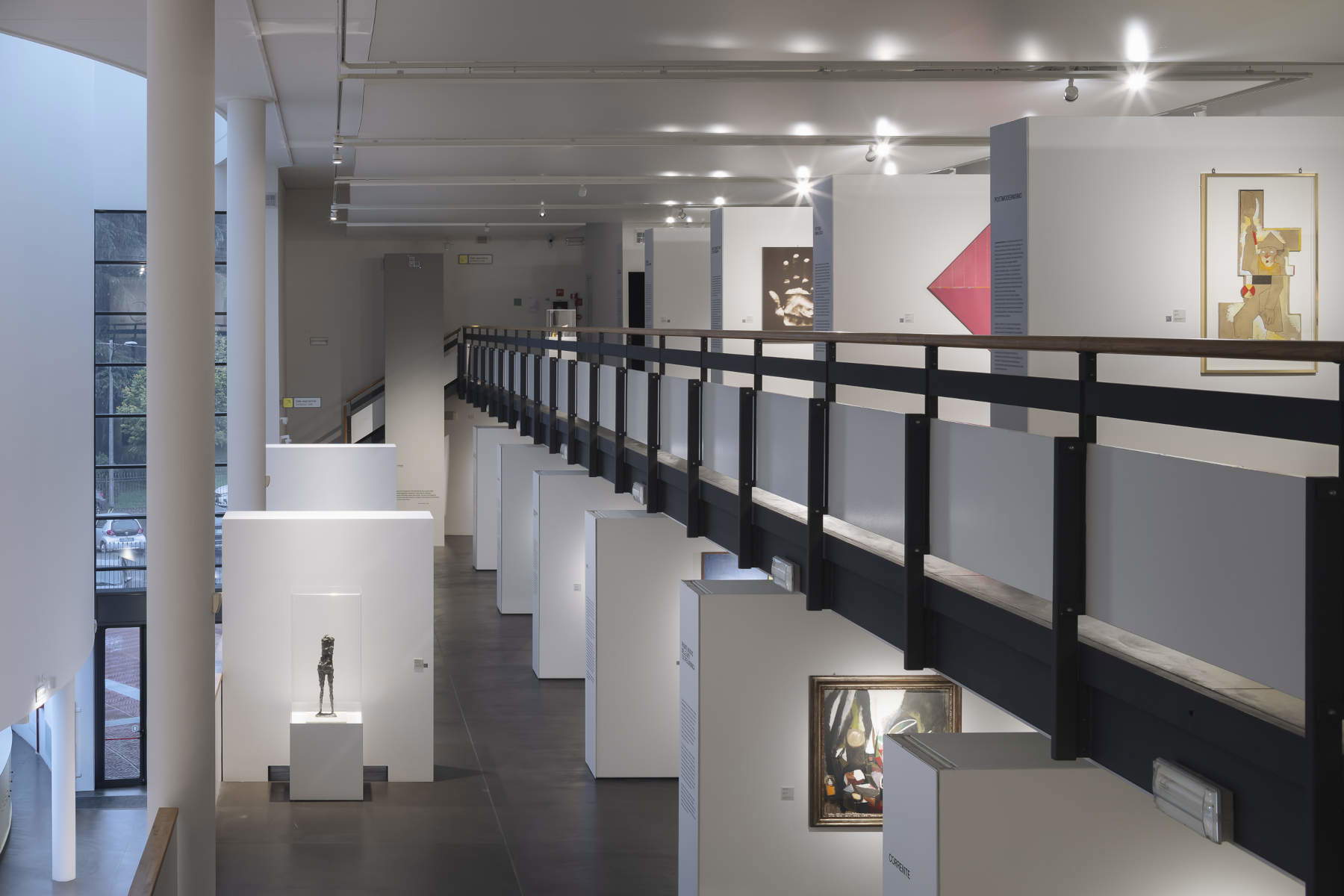
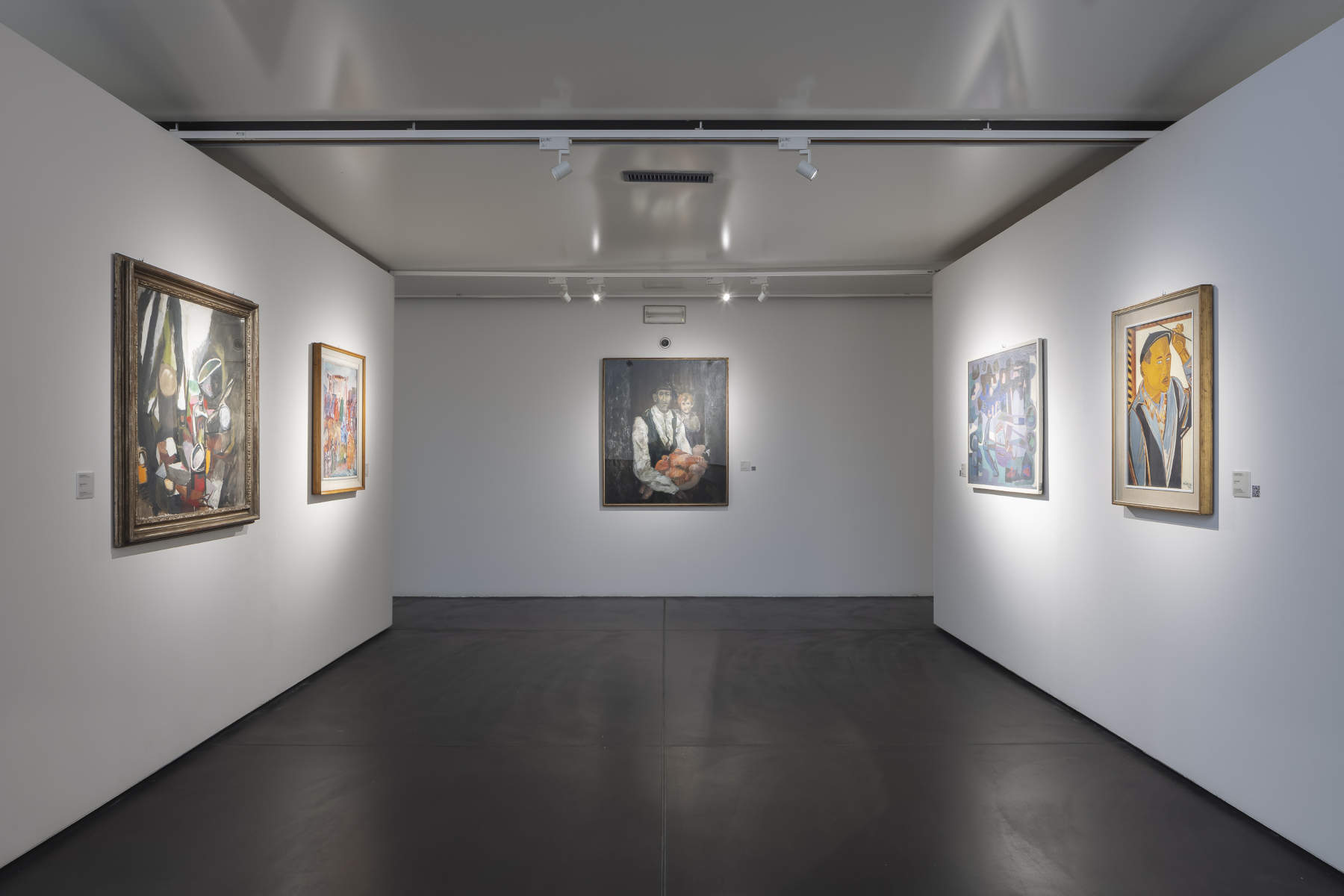
From November 15, 2026, to April 4, 2027, the MA*GA Museum in Gallarate (Varese) will reorganize its permanent collections to mark the 60th anniversary of its founding. The project, curated by Emma Zanella and Alessandro Castiglioni, traces the major trends in Italian art from the 20th century to the present.


A museum is not merely a place where a collection is preserved, but also a space where works can be reinterpreted in light of artistic, social, and cultural changes. This is the idea behind *Il Museo delle correnti*, the new reorganization of the permanent collections at the MA*GA Museum in Gallarate (Varese), open to the public from November 15, 2026, to April 4, 2027. The project, curated by Emma Zanella and Alessandro Castiglioni, is presented to mark the 60th anniversary of the opening of the Civica Galleria d’Arte Moderna di Gallarate, which opened in 1966 and became MA*GA in 2010.

The exhibition’s title draws on an expression used by Silvio Zanella (1918–2003), the museum’s founder and director from 1966 to 1998. With the image of the “museum of currents,” Zanella envisioned a dynamic institution capable of tracing the succession and intersections of 20th- and 21st-century artistic movements, relating their transformations to shifts in society and culture. From this perspective emerges an exhibition that offers a reinterpretation of Italian art history from the 20th century to the most contemporary explorations, ranging from figurative to abstract art, and from spatial to conceptual experiments.


“The title of the exhibition, *Il Museo delle correnti*,” states Emma Zanella, director of the MA*GA Museum, “directly echoes Silvio Zanella’s central museological vision, which took shape beginning in the mid-1970s: to dedicate the museum to Italian art and, in particular, to the currents and movements that shaped its evolution in the second half of the 20th century. With the dual perspective of both an artist and an art historian, Silvio Zanella connected artists’ explorations and interpreted their resonances with history and society. In this way, he offered the public not only individual works but also the aesthetic and social contexts from which they emerged. This vision guided the growth of the museum and the 1983 general catalog through the early 2000s. It was subsequently superseded by the transformation of artistic languages, the fluidity of perspectives, and the impossibility of categorizing artists into predefined situations or movements.”

From the Italian Novecento to Realism
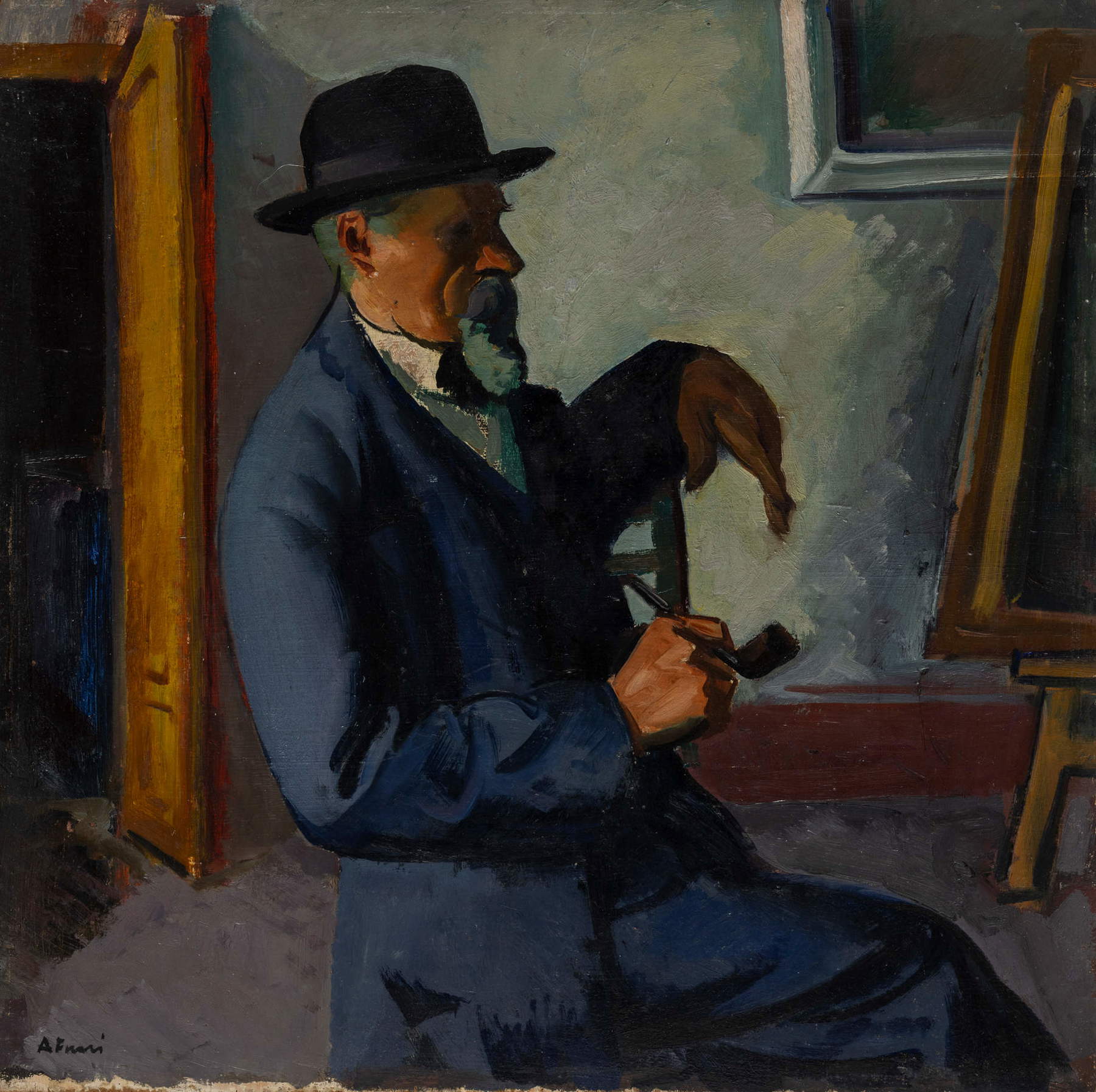
The first part of the exhibition explores the period known as the “return to order,” featuring works from the Novecento Italiano, the movement promoted by Margherita Sarfatti. This section features Mario Sironi’s *Il camion giallo* (The Yellow Truck), Carlo Carrà’s primitivist seascapes, and paintings by Massimo Campigli, Ubaldo Oppi, and Achille Funi.
The exhibition continues with “Corrente,” a movement founded in 1938 that represented a form of ethical and figurative resistance to the cultural climate of the period. Its legacy is documented by the works of Ernesto Treccani, Giuseppe Migneco, Renato Guttuso, and Renato Birolli. The artistic explorations developed in this direction found a continuation in the post-World War II period with the Fronte Nuovo delle Arti and the 1948 manifesto *Realismo Oltre Guernica*. The works of Giuseppe Ajmone, Aldo Bergolli, Ennio Morlotti, and Giovanni Tavernari demonstrate how Cubist principles were reinterpreted in a style of painting that established a direct relationship with the history and reality of its time.
From Abstraction to Spatialism
A significant portion of the exhibition is dedicated to non-figurative art forms, beginning with the MAC—Movimento Arte Concreta, founded in Milan in 1948. This section highlights the movement’s collection preserved at MA*GA and its Historical Archive, featuring drawings by Atanasio Soldati, newly acquired prints by Regina Cassolo Bracchi, and ceramics by Antonia Campi. The archival documents will also be available for consultation on the ground floor, in the new exhibition space of the Italia 2050 Research Center.
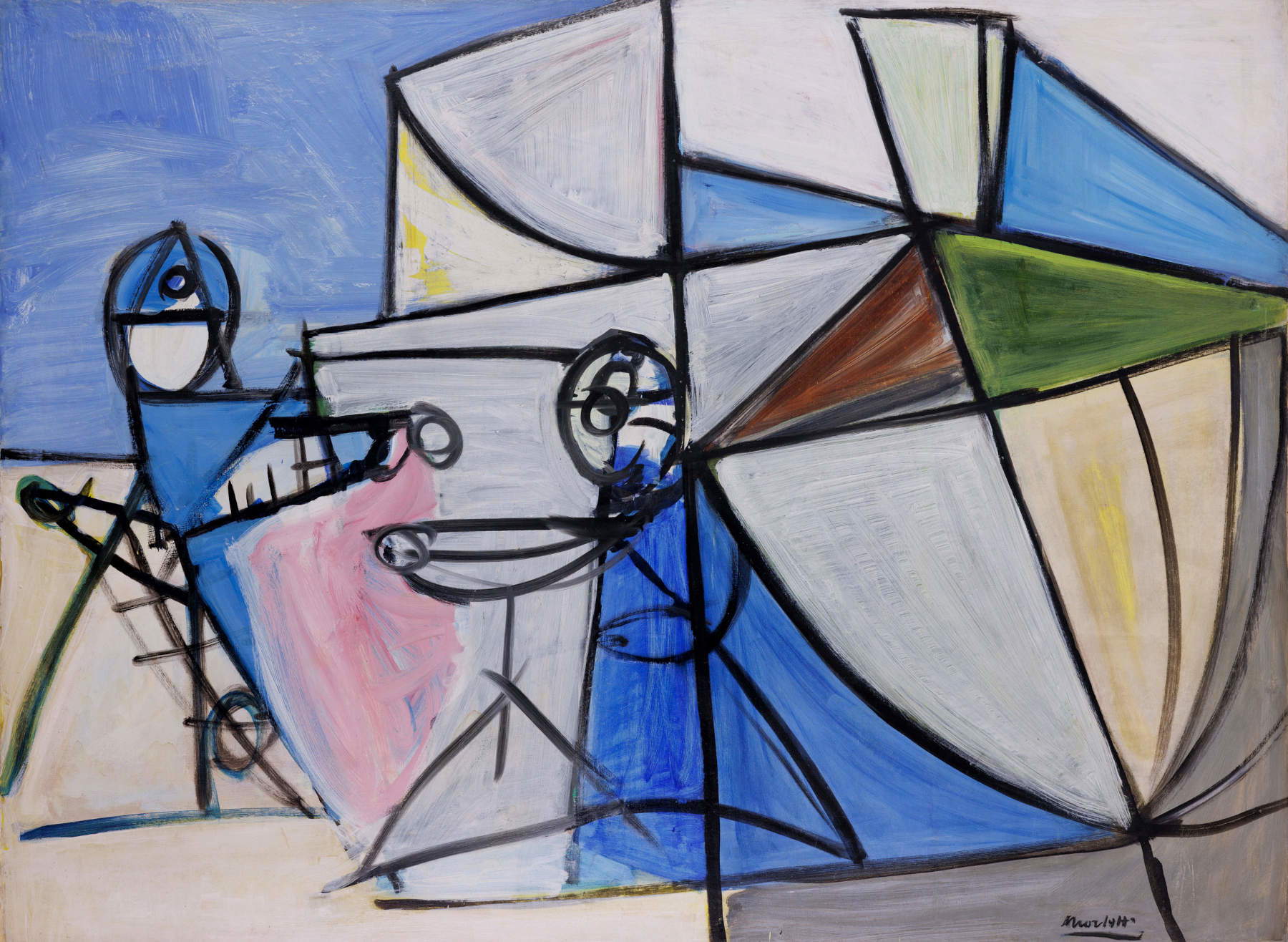
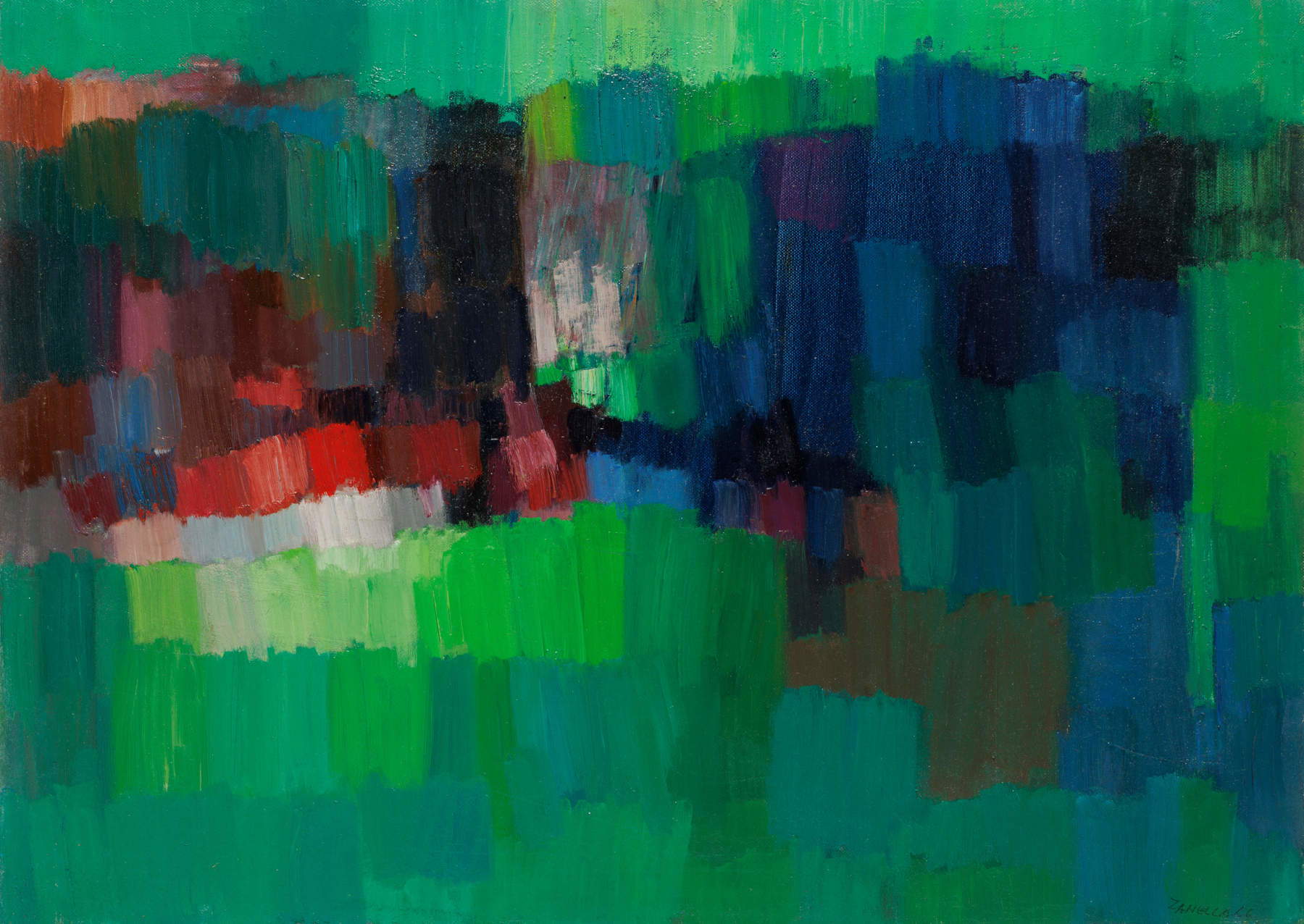
Another section is dedicated to Abstract Naturalism, theorized by Silvio Zanella between 1945 and 1965 and documented by paintings by Pompilio Mandelli, Sergio Romiti, Ennio Morlotti, Vasco Bendini, and Carmelo Cappello. The exhibition then explores Spatialism, featuring the works of Lucio Fontana, Roberto Crippa, Dadamaino, and Paolo Scheggi, who challenge the traditional boundaries of the pictorial surface. These spatial experiments are followed by those of Kinetic and Programmed Art from the 1960s, represented by the works of Getulio Alviani, Nanda Vigo, Gianni Colombo, Davide Boriani, Gabriele De Vecchi, and Alberto Biasi.
From Arte Povera to Postmodernism
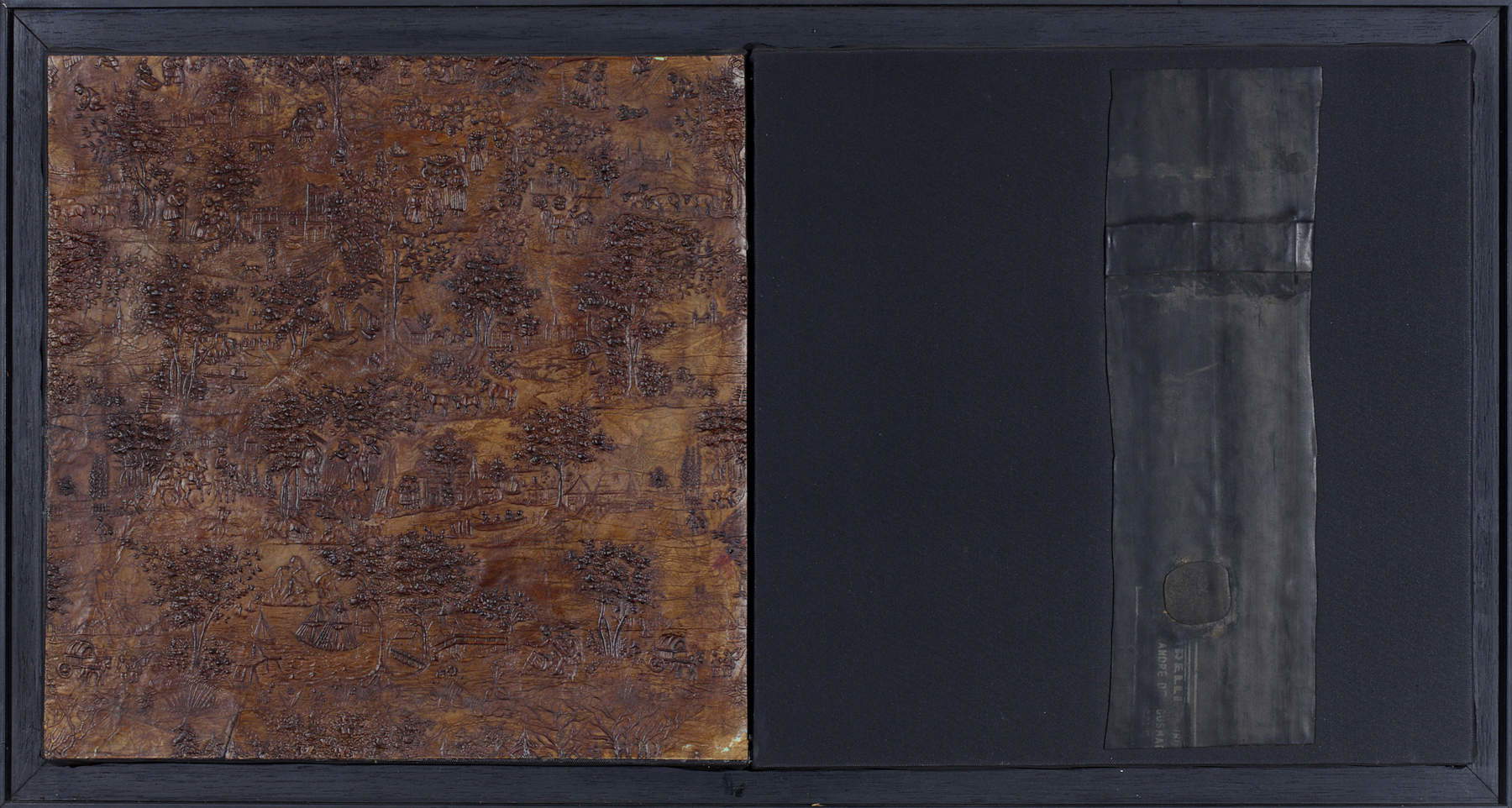
The concluding sections focus on the gradual move beyond traditional materials and media, which took place between the late 1960s and the 1980s. Arte Povera and Conceptual Art are represented by works by Luciano Fabro, Pietro Gilardi, Giulio Paolini, Carol Rama, Vincenzo Agnetti, Franco Vaccari, Ketty La Rocca, Emilio Isgrò, and Bruno Di Bello.
These artistic explorations are complemented by Analytical Painting, which emerged in the 1970s and is represented by the works of Giorgio Griffa, Claudio Verna, Paolo Masi, and Elio Marchegiani. The exhibition concludes with Postmodernism, characterized by eclecticism and allusion, through the works of Lucio Del Pezzo, Luigi Ontani, and Aldo Spoldi.
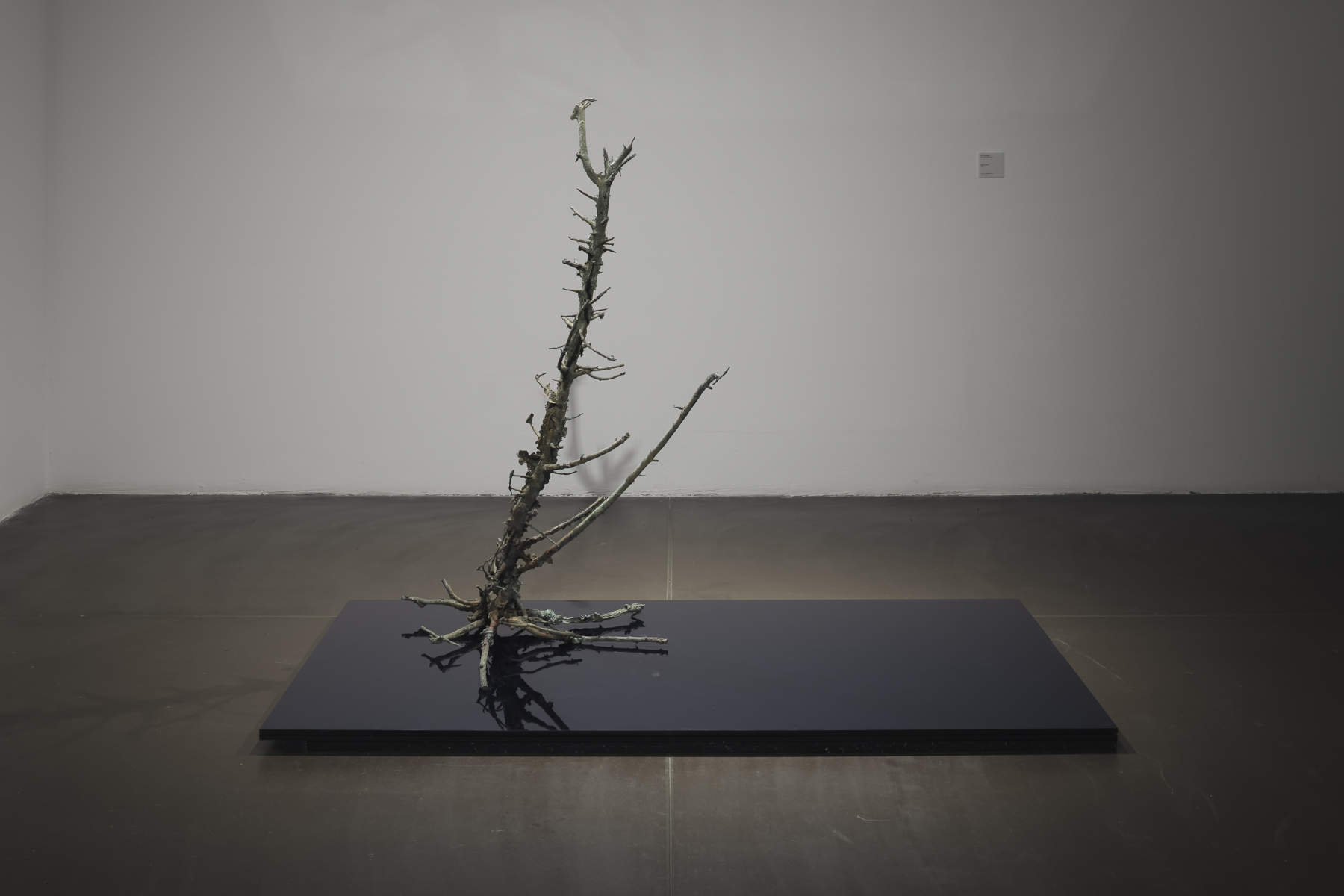
The redesign also offers an opportunity to present two recent additions to the museum’s permanent collection. The first is *Ramo Secco* (1979) by Alik Cavaliere, acquired to mark the centennial of the artist’s birth. The second is *Sankofa, Asase Ye Duru, Wawa Aba* (2026) by Binta Diaw, an environmental installation made of earth, aluminum, and braided hair. Diaw’s work was acquired by MA*GA thanks to the first edition of the FIAMMA Award: Collecting the Future.
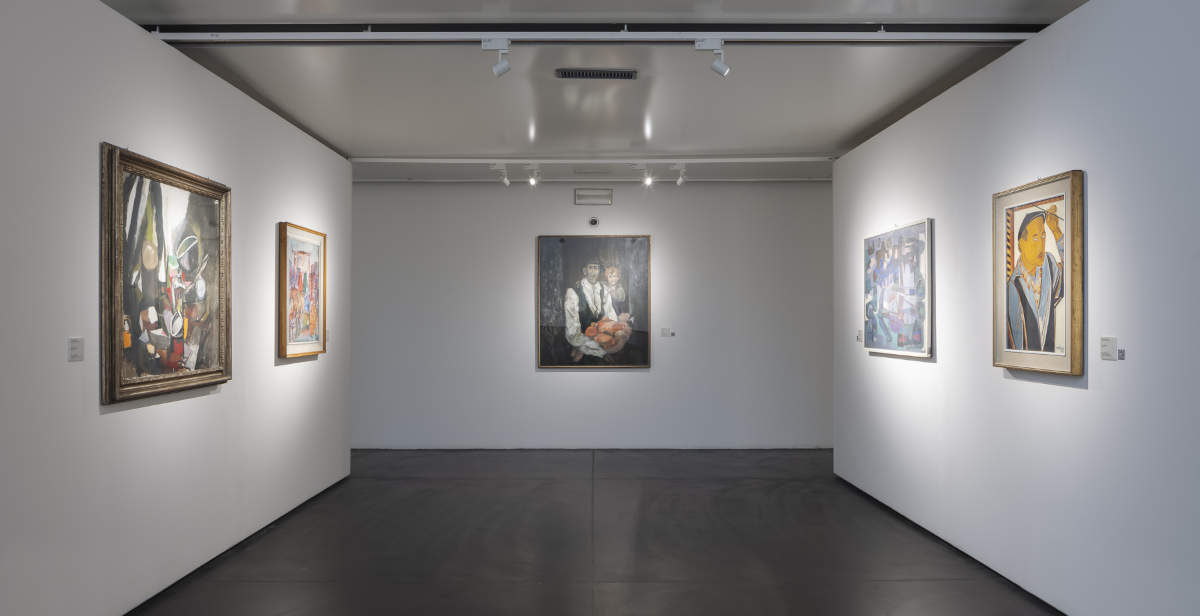 |
| The MA*GA in Gallarate is reorganizing its collection and shaping the Museum of Artistic Movements |
Warning: the translation into English of the original Italian article was created using automatic tools. We undertake to review all articles, but we do not guarantee the total absence of inaccuracies in the translation due to the program. You can find the original by clicking on the ITA button. If you find any mistake,please contact us.