





The Museo Nacional Thyssen-Bornemisza in Madrid is preparing to embark on a new chapter in its history with a major expansion project. The institution will gain a new public space in the former Palacio del Hielo y del Automóvil, on Calle Duque de Medinaceli, just a few meters from the museum’s historic headquarters. The building, which has stood unused since 2007, will be transformed into a center dedicated primarily to contemporary art and the relationship between culture, ecology, and civic engagement. The announcement was made in the auditorium of the Museo Nacional Thyssen-Bornemisza in the presence of Finance Minister Arcadi España García and Culture Minister Ernest Urtasun, along with the museum’s general director, Evelio Acevedo, Artistic Director Guillermo Solana, TBA21 President and Founder Francesca Thyssen-Bornemisza, and Borja Thyssen-Bornemisza.
The Spanish government will transfer the Palacio del Hielo y del Automóvil to the Thyssen-Bornemisza Collection Foundation, making it possible to expand the Thyssen-Bornemisza National Museum. España García emphasized that the building, which has stood unused since 2007, can now once again become part of the city’s cultural life by housing the contemporary collection that Francesca Thyssen-Bornemisza has decided to donate to the museum.
For Minister of Culture Ernest Urtasun, this initiative represents more than just an opportunity to increase available space. The stated goal is, in fact, to build a more open museum, capable of strengthening its relationship with the public and the local community. The expansion is part of a long-standing effort to consolidate the presence of contemporary art within the Thyssen-Bornemisza. Guillermo Solana recalled how, beginning in 2008, the museum has worked to bring living artists back into its programming, thanks in part to its relationship with Francesca Thyssen-Bornemisza and TBA21. After a journey spanning more than ten years, in 2018 the foundation and the museum staged their first joint exhibition, marking the beginning of a collaboration that is set to continue. The new project also represents another chapter in the history of the Thyssen-Bornemisza family. Borja Thyssen-Bornemisza expressed his pride in the continuity of a family legacy that is now being further expanded, while he and Blanca Thyssen-Bornemisza have contributed to the museum’s activities in recent years through long-term loans and new exhibitions. In fact, since 2023, their works have been regularly included in the institution’s exhibition program.
The family collection includes works spanning various periods of modern and contemporary art, from the avant-garde of the early 20th century to postwar Modernism, all the way to Hyperrealism and graffiti art. Among the artists represented are Francis Picabia, Alex Katz, André Butzer, Ross Bleckner, Peter Halley, and Kenny Scharf, creating a link between the different generations represented in the Thyssen-Bornemisza collection.
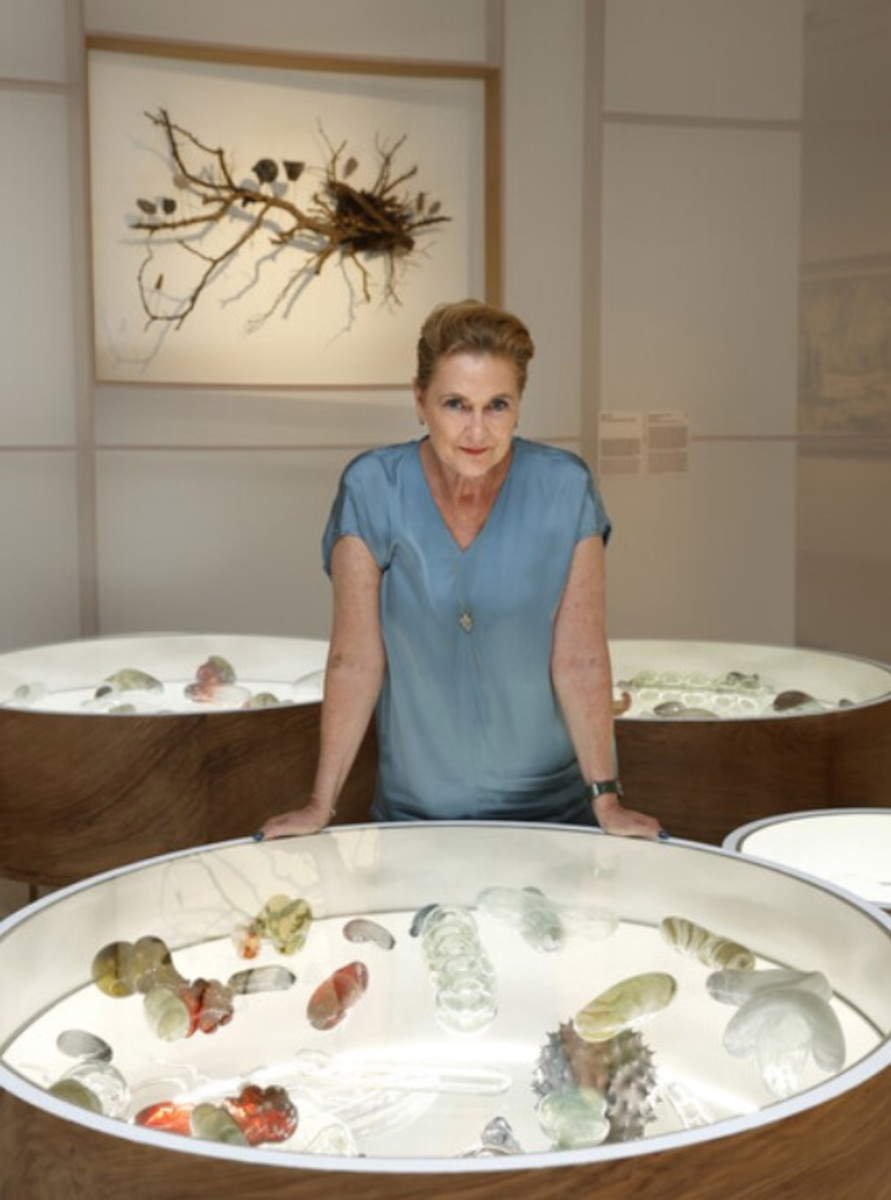
The centerpiece of the expansion, however, will be the initiative related to the TBA21 Collection. Francesca Thyssen-Bornemisza and her heirs will transfer 186 works to the public domain, without any financial compensation or private benefit. This donation will be supplemented by a long-term loan of another 179 contemporary works, creating a collection that is particularly significant in terms of its scope, coherence, and focus on environmental themes. The value of the donation is estimated at 16 million euros, to which is added a loan valued at 10 million euros and the previous long-term loan of works by Francesca Thyssen-Bornemisza, valued at approximately 70 million euros.
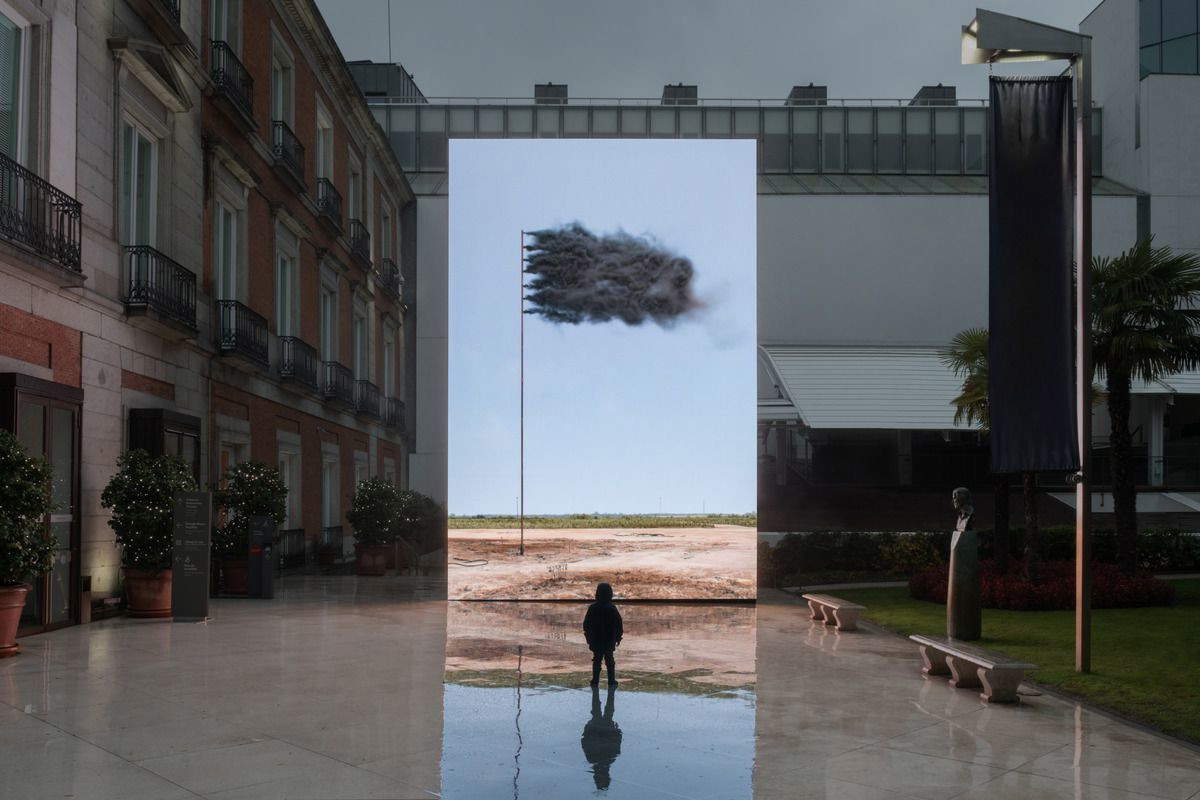
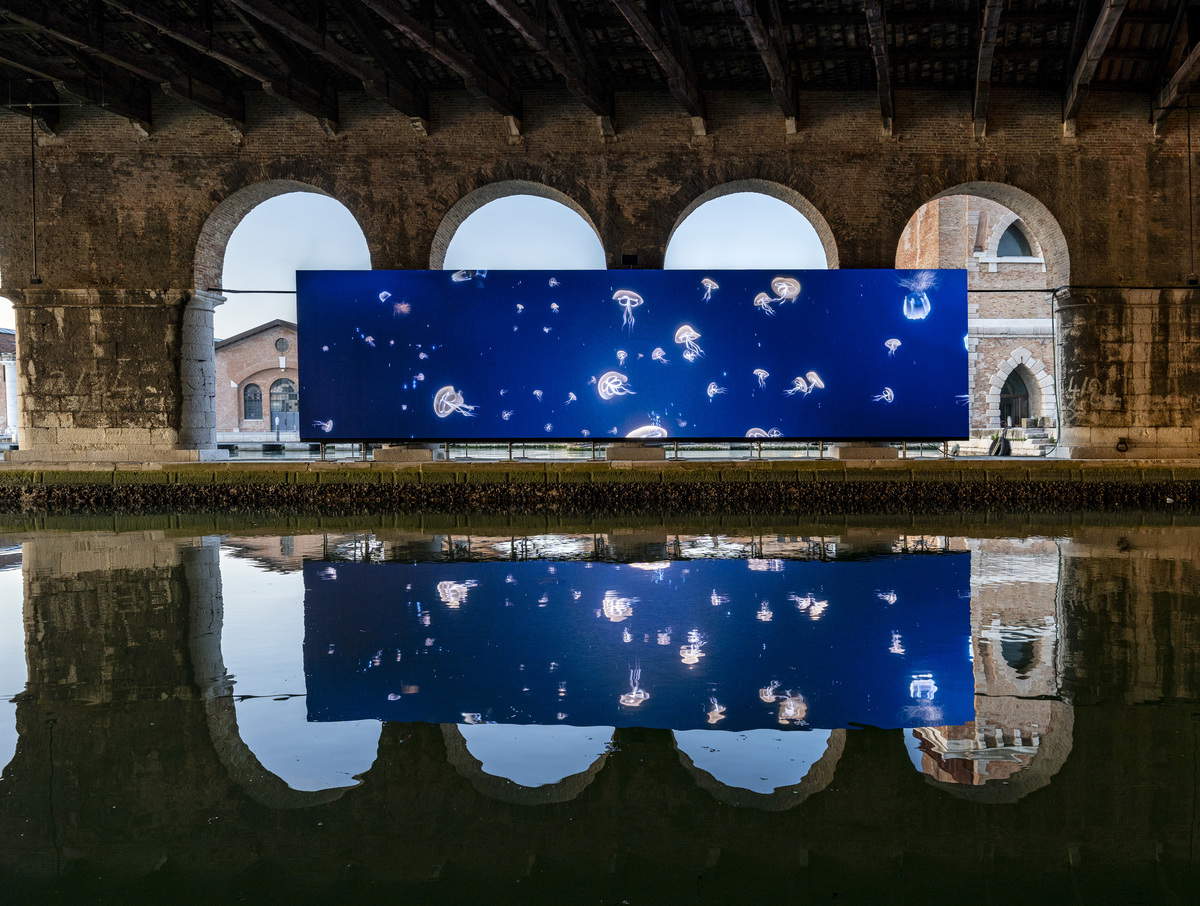
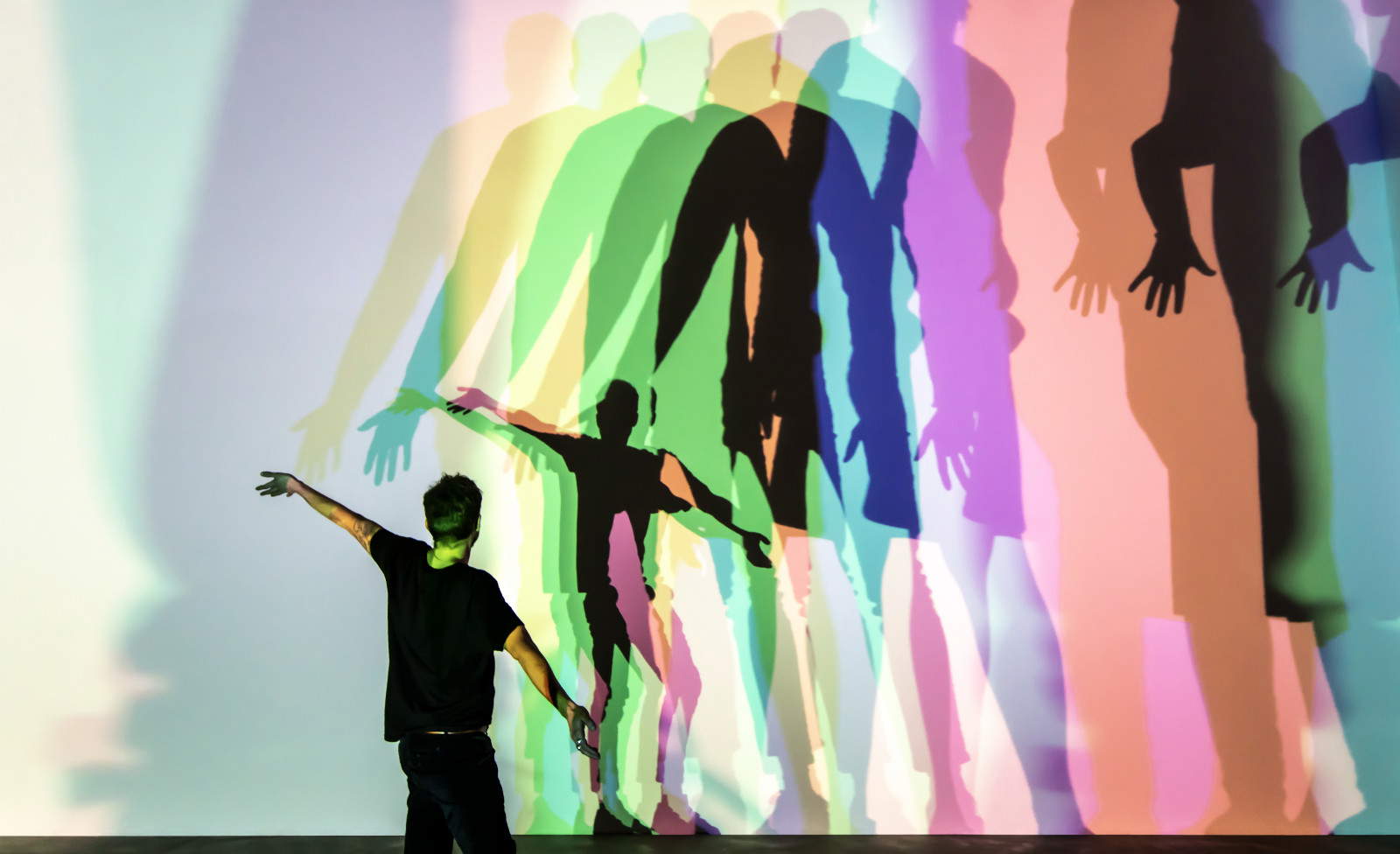
The collection includes works by some of the most important figures in international contemporary art, including Ai Weiwei, Marina Abramović, John Akomfrah, Monica Bonvicini, Candice Breitz, Janet Cardiff and George Bures Miller, Claudia Comte, Olafur Eliasson, Taloi Havini, Nikita Kadan, Pierre Huyghe, Rashid Johnson, Ernesto Neto, Bill Viola, and Wu Tsang. Painting, sculpture, installation, performance, photography, sound, film, and digital works are represented in the collection, which focuses in particular on themes of ecology and social justice.
Founded in 2002 and established as a Spanish foundation after relocating to Madrid in 2019, TBA21 has built one of the most important private collections of contemporary art over the years. Its focus is on the intersection of art, the environment, and social justice, with particular attention to artists from the Global South, indigenous cultures, and voices that have been marginalized in traditional European artistic narratives.
The addition of the TBA21 collection to Spain’s public heritage thus also reshapes the Thyssen-Bornemisza Museum, extending the permanent collection into the contemporary era and introducing interdisciplinary artistic practices. The project also strengthens the dialogue between the works historically collected by Baron Hans Heinrich Thyssen-Bornemisza, his predecessors, and Baroness Carmen Thyssen-Bornemisza, and the contemporary art promoted by the Francesca Thyssen-Bornemisza Foundation.
The new center will be conceived not merely as an additional venue, but as an integral part of a single cultural ecosystem. The availability of new spaces will make it possible to dedicate specific areas to education, research, conservation, and public engagement, while simultaneously reducing the strain on the historic spaces of the Palacio de Villahermosa. The model also draws on the expansion projects already carried out by the Museo Nacional del Prado and the Museo Nacional Centro de Arte Reina Sofía, with the aim of adapting the facilities to the needs of their respective public missions. The former Palacio del Hielo y del Automóvil will thus take on the role of a true public infrastructure for contemporary art, integrated into Madrid’s cultural system. In a city where the Reina Sofía remains the leading state institution entirely dedicated to contemporary art, the Thyssen’s new space will also engage with institutions such as the Tabacalera Center for Artistic Production and Residencies, while maintaining as a defining feature the dialogue between the historical modernity of the Thyssen collection and contemporary artistic exploration.
Special attention will also be given to the local community. The new center will, in fact, share the building with the Madrid headquarters of the Memorial Center for the Victims of Terrorism, and the project includes a consultation phase aimed at neighborhood residents. Through this process, the community’s uses, priorities, and needs will be identified, with the aim of making the new space a place truly connected to the life of the local community.
The focus on the environment will not be limited to the content of the works on display. In fact, ecology will be viewed as a collective responsibility and as an issue directly linked to civic life. The building will also serve as a climate refuge for the most vulnerable people during heat waves, transforming the theme of sustainability into a concrete service for the community.
“The announcement we’re making here today is more than a donation. It’s a commitment that my family has upheld, in one form or another, for over a century,” said Francesca Thyssen-Bornemisza. “My father taught me that a collection is not a possession, but a conversation with the world—a dialogue with the world that takes place only briefly, within a relationship of trust.” This philosophy has also shaped TBA21’s way of working since its inception: “In the first two years of its existence, we made an unusual decision: we chose to commission a work rather than acquire an existing one. This is a completely different way of interacting with artists and means accepting the risk of an experiment whose outcome might not be what either the artist or the commissioner had imagined.”
For her, the donation represents the convergence of two complementary ways of seeing the world: “The Museum’s collection bears witness to how the West has viewed the world over the course of seven centuries. TBA21 is a living testament to how the world sees itself today, through ecological thought, oceanic knowledge, indigenous cosmologies, and political ecologies. With this donation, both testimonies come together within the same institution.” “While my great-grandfather’s generation wondered what art could show us about beauty, and my father’s generation wondered what art could do for peace among nations,” concluded Francesca Thyssen-Bornemisza, “ours asks what art can do to help us imagine, together, ways to live well collectively on a rapidly changing planet.”
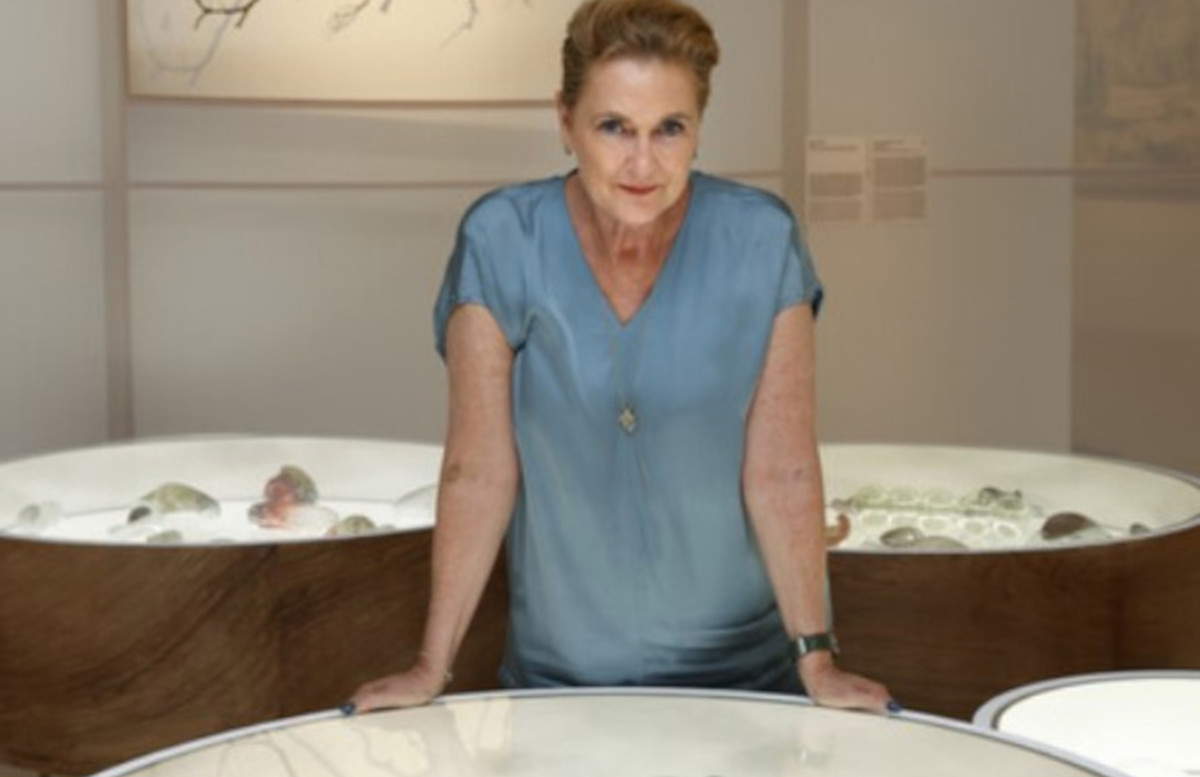 |
| The Thyssen-Bornemisza Museum is opening a new space for contemporary art thanks to a major donation |

Warning: the translation into English of the original Italian article was created using automatic tools. We undertake to review all articles, but we do not guarantee the total absence of inaccuracies in the translation due to the program. You can find the original by clicking on the ITA button. If you find any mistake,please contact us.
























 IT
IT FR
FR DE
DE ES
ES CN
CN


