



by
Ilaria Baratta  @ilaria.lilly
, Noemi Capoccia 05/11/2026


Categories: News Focus / Disclaimer
At the eighth edition of AMART, on view at the Museo della Permanente through November 8, more than sixty galleries present a journey ranging from 14th-century gold-ground paintings to the 20th century works of Marino Marini, Picasso, and Guttuso, with forays into contemporary art. Paintings from Lombardy, Genoa, and Veneto from the 17th and 18th centuries dominate the exhibition, though there is a growing focus on the 19th and 20th centuries. Here’s what we saw—and at what prices. A report by Ilaria Baratta and Noemi Capoccia.

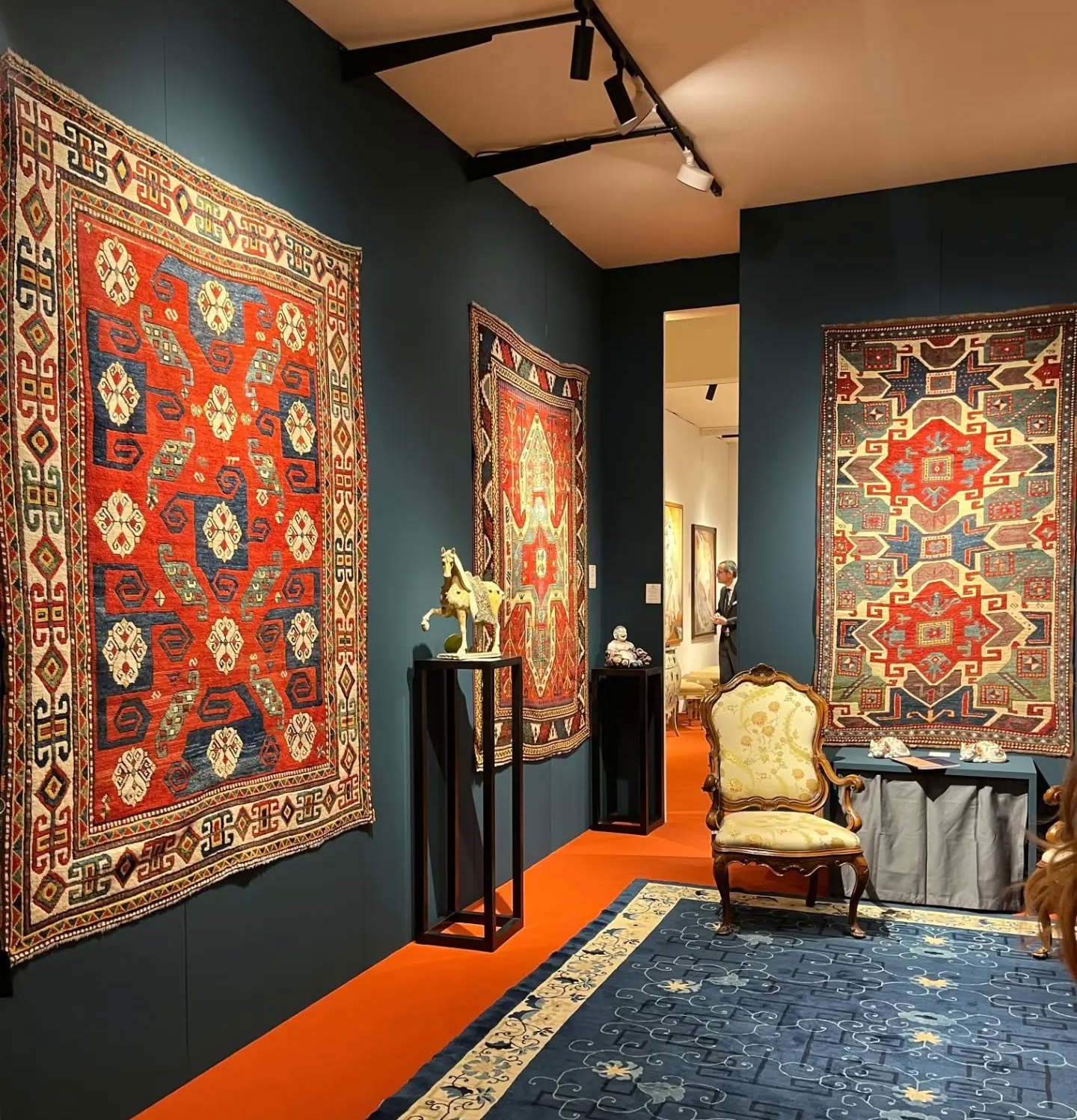
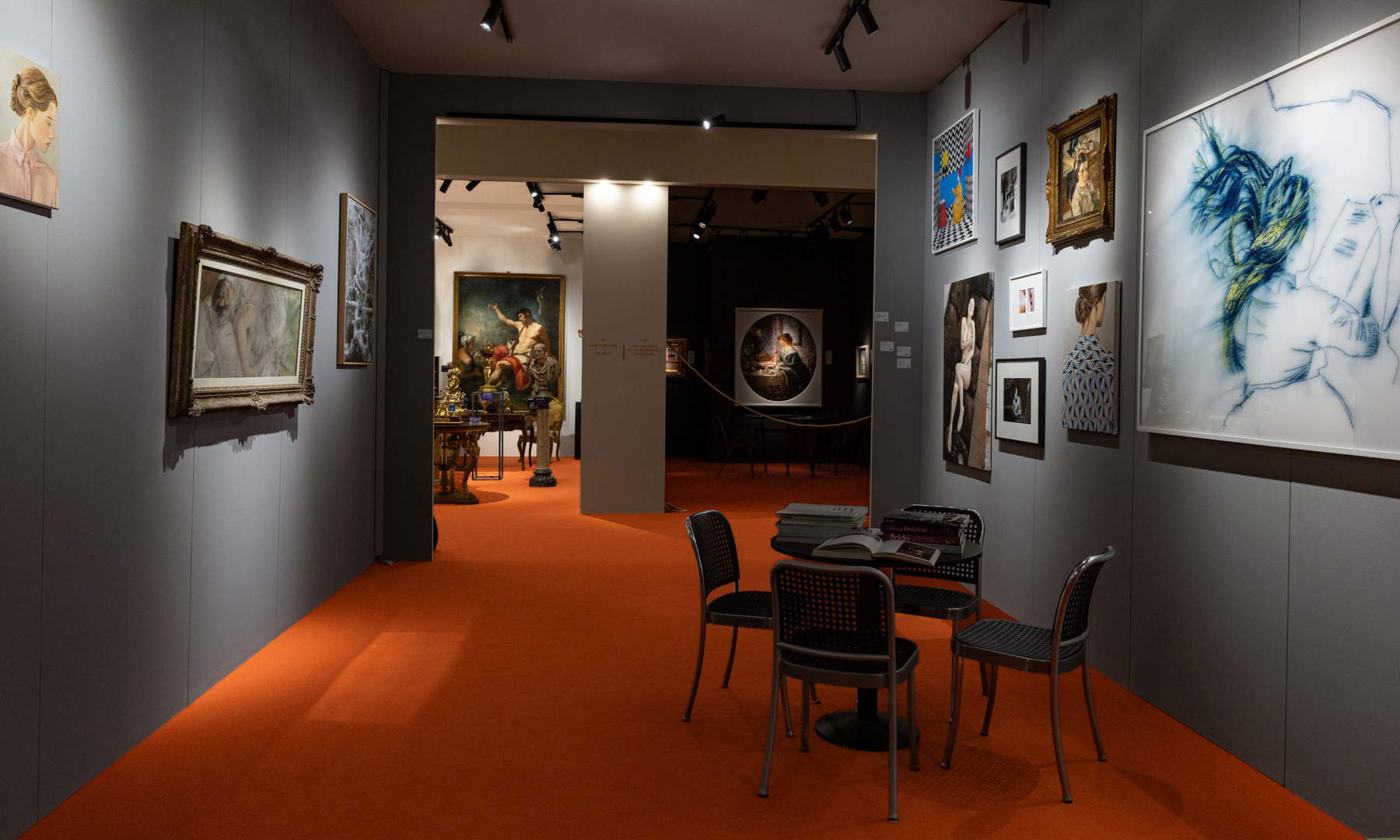
AMART, the Milan antiques fair organized by the Associazione Antiquari Milanesi and PROMO.TER Confcommercio Milano, is now in its eighth edition. It has become a staple of the Milanese fall season and is the last majorantiques fair of the year in Italy: Through November 8, 2026, AMART will welcome the public to the halls of the Museo della Permanente on Via Turati with more than sixty exhibitors, mostly Italian but also featuring a few international participants. A modest fair, yet as always appealing both to high-level collectors and to those new to the antiques world who want to explore it safely, with high-quality pieces in good condition, relying on a market that, according to the Association’s president, Michele Subert, “ignores the mediocre and the ordinary.” Alongside paintings, sculptures, furniture, silver, and rugs—which have formed the backbone of the event since its earliest editions—the fair has now firmly embraced modern art, design, the decorative arts, and even, as we shall see, a few forays into the contemporary.


Impressions following yesterday’s press preview confirm this approach, and AMART has once again proven itself to be a fair built around a significant selection of old master paintings, with a strong presence of regional schools (Lombardy, as is natural in Milan, but also Genoa and Venice), complemented by a substantial collection of 19th-century Italian art and several notable names from the 20th century—both Italian and international—the latter of which drive prices very high. Prices range from a few thousand euros (though there are also pieces available for less, for those looking to start collecting) to several hundred.


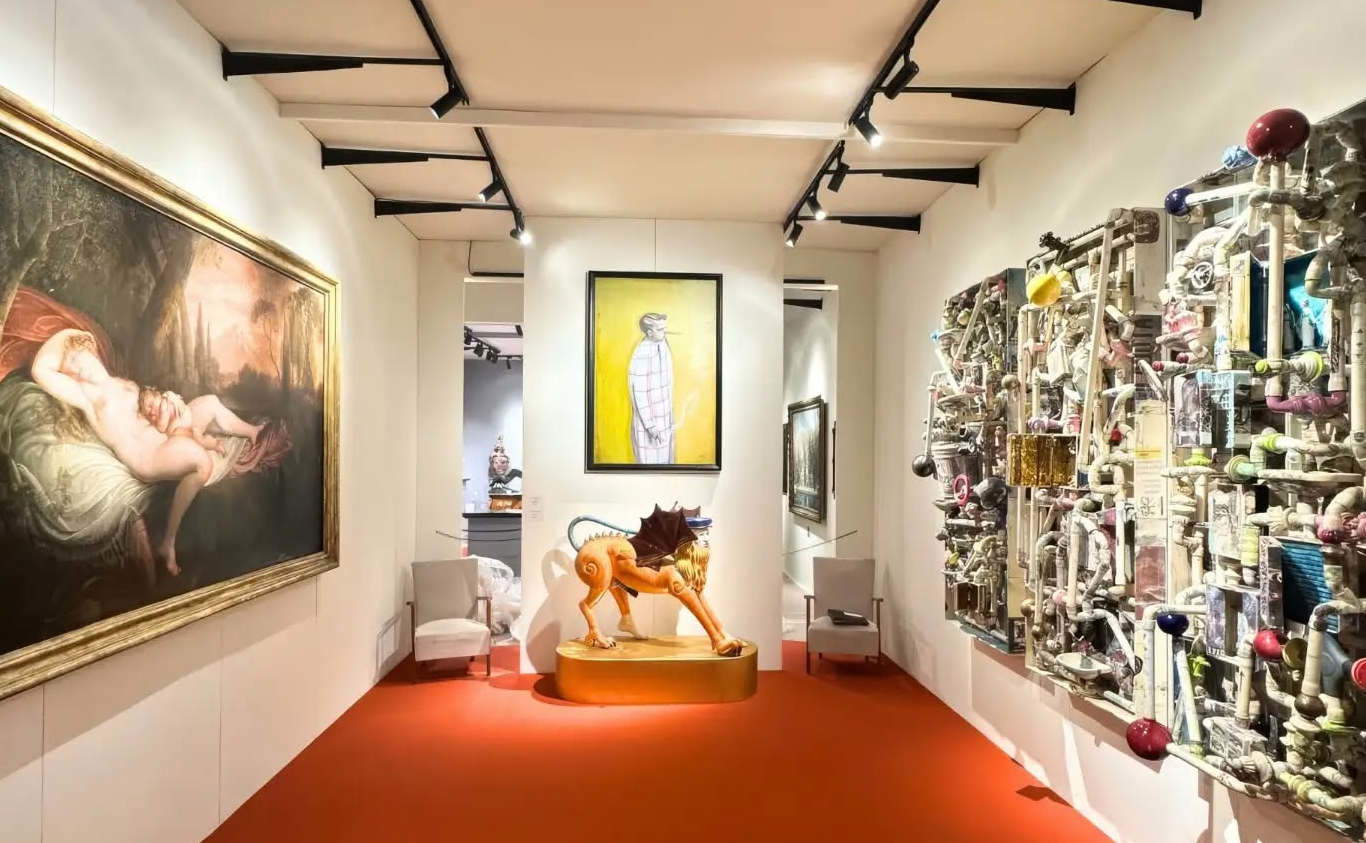
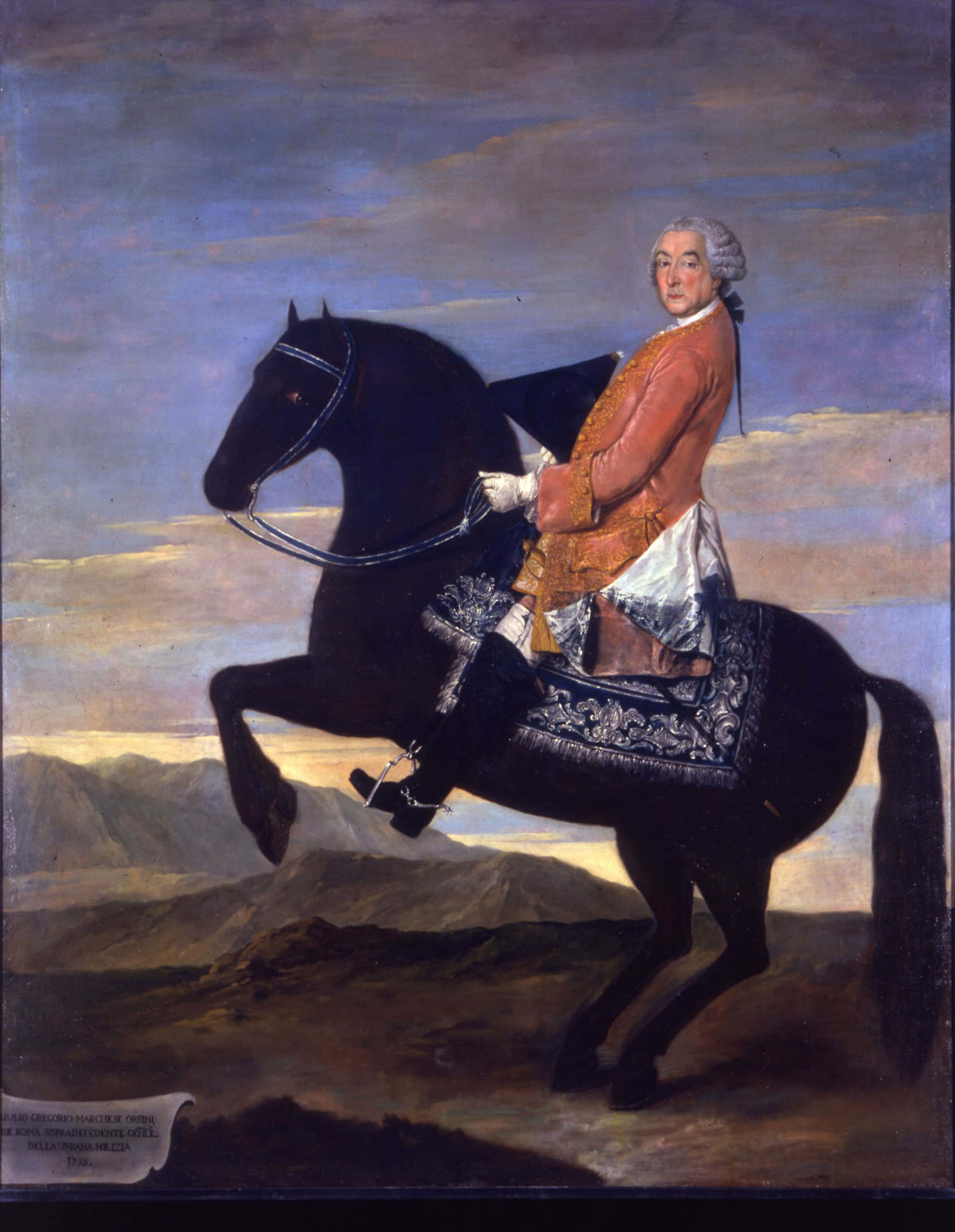
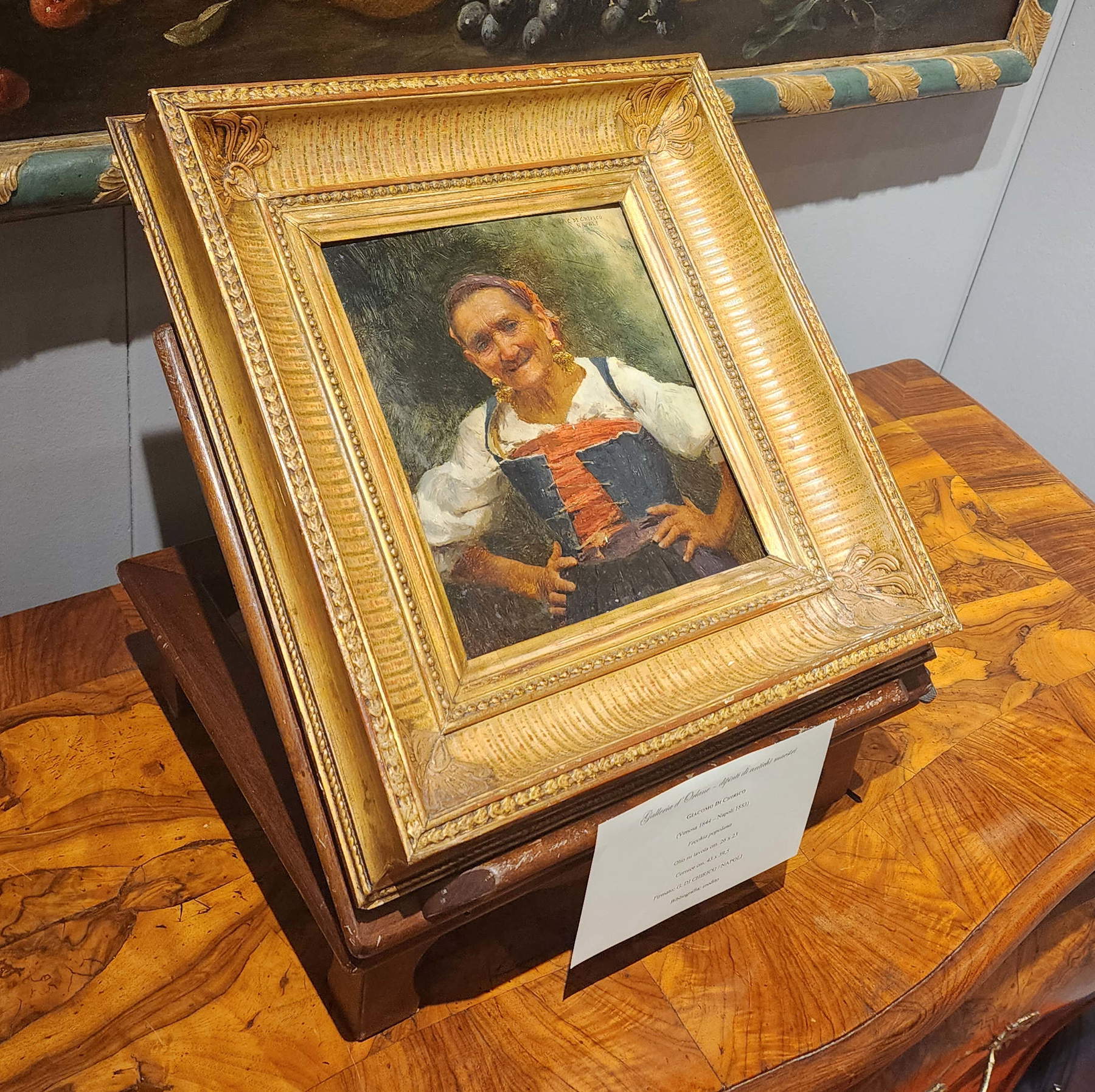
The tour can begin with the work that stands out most of all due to its size. BKV Fine Art presents the Portrait of Giulio Gregorio Orsini, General Superintendent of the City Militia, by Giacomo Ceruti (Milan, 1698–1767), one of the most anticipated pieces of the exhibition: Orsini had been appointed in 1755— the year the painting dates from, to the highest office in the city militia of Habsburg Milan—a largely honorary position that Ceruti rendered as a grand equestrian portrait, tempered by the pre-Alpine landscape in the background and the meticulous attention to detail in the clothing. The canvas comes from the collections of the Orsini Falcò Pio family and showcases the aristocratic side of a painter known primarily for his depictions of the poor and the downtrodden. The asking price is 250,000 euros.

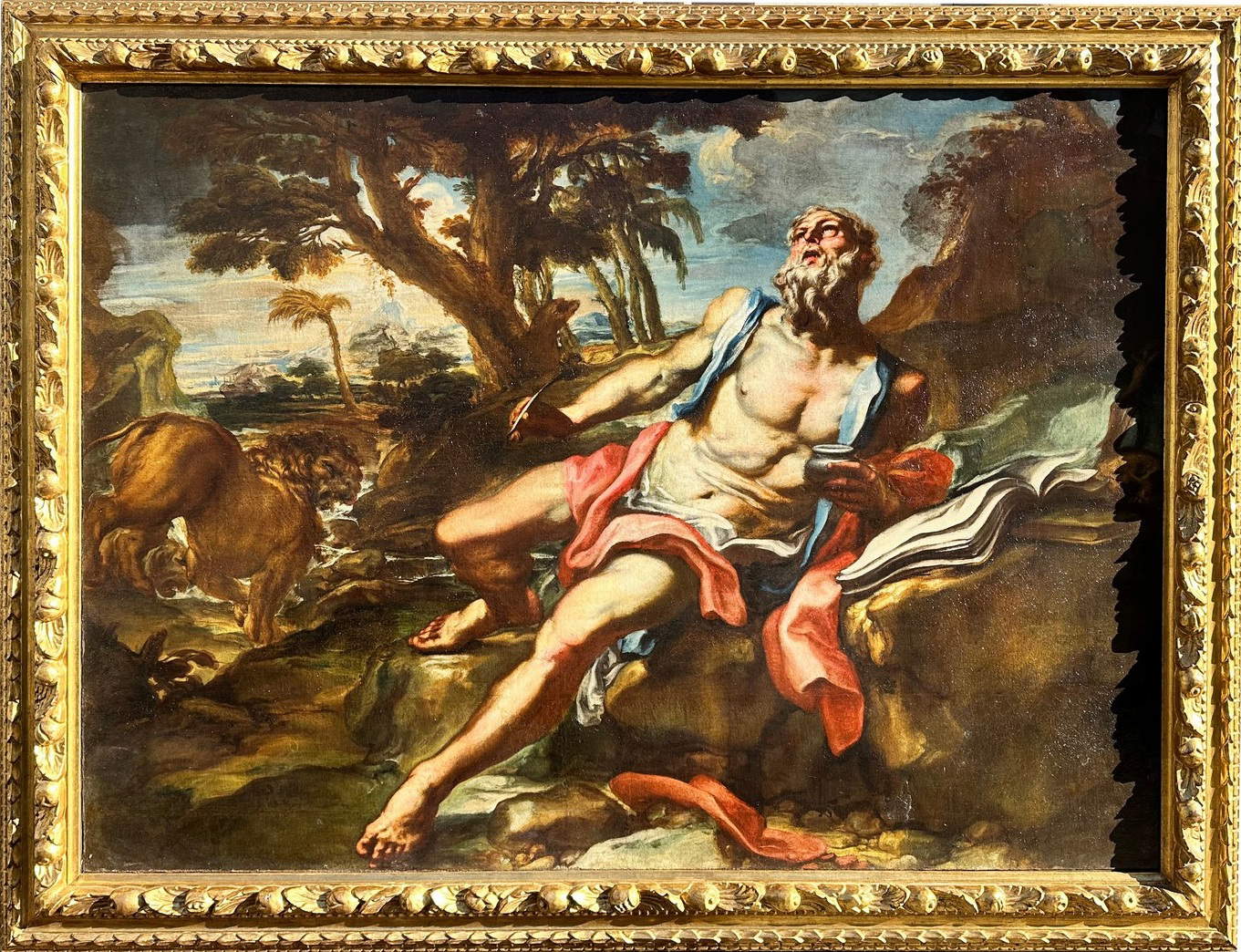
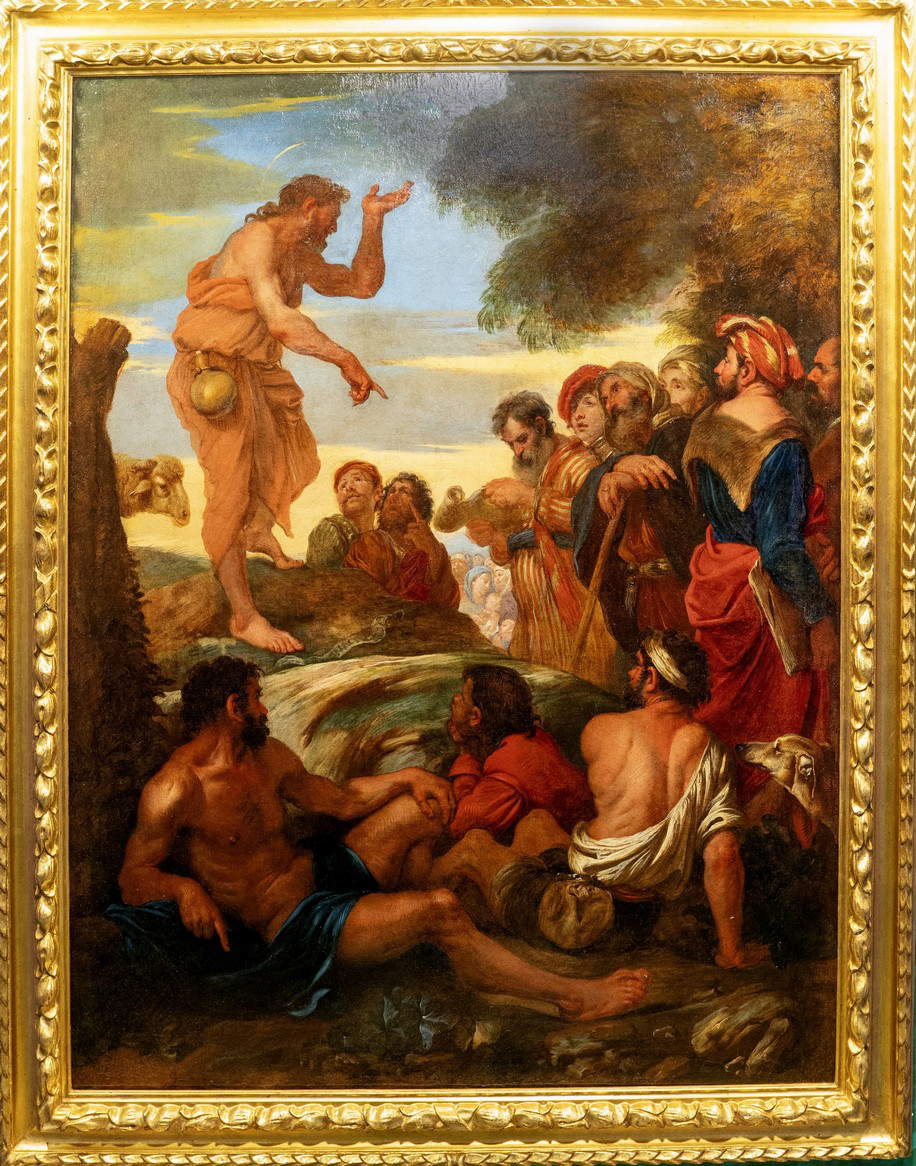
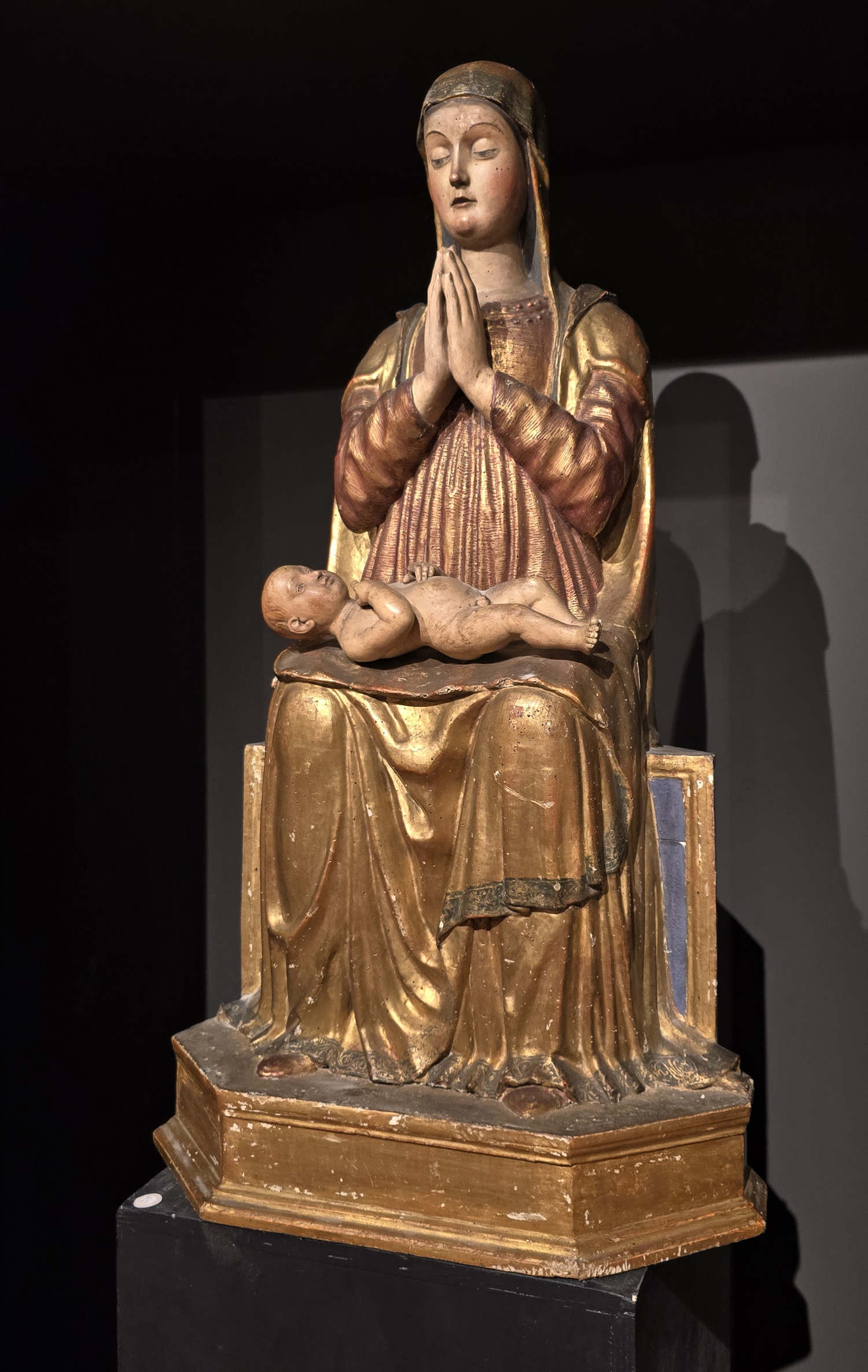
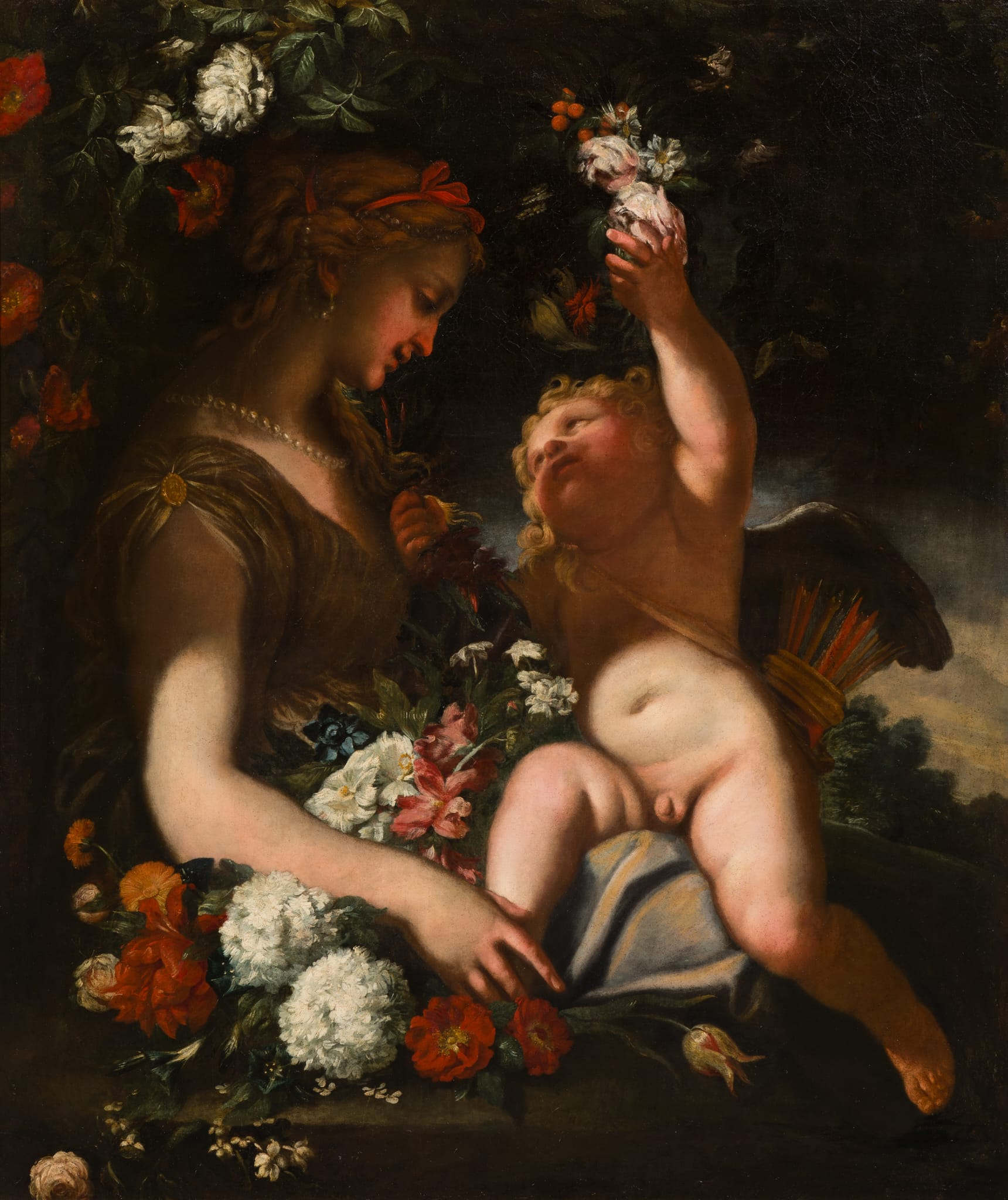
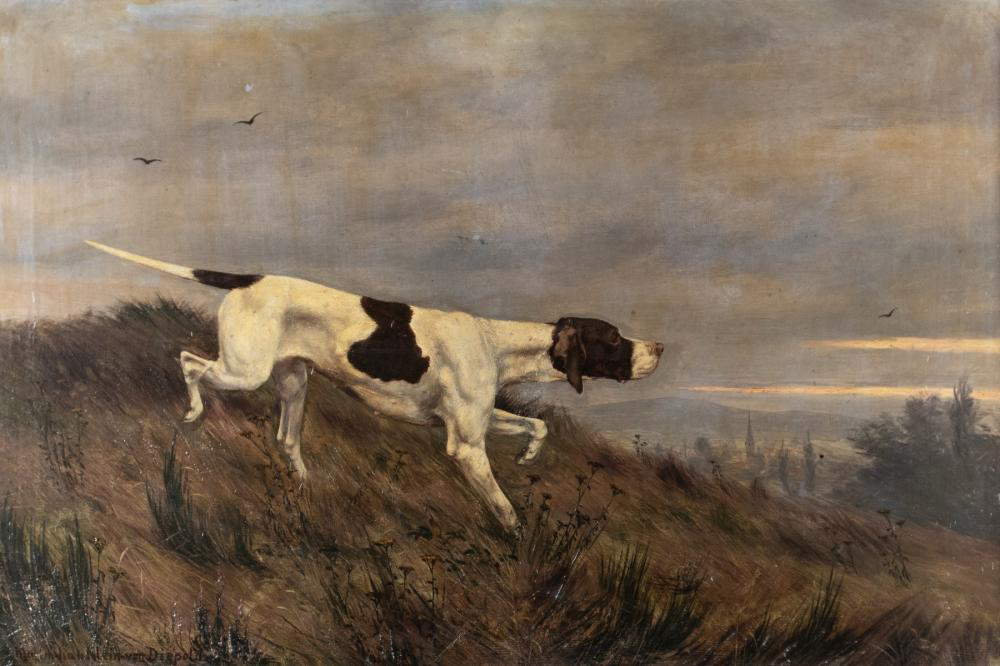
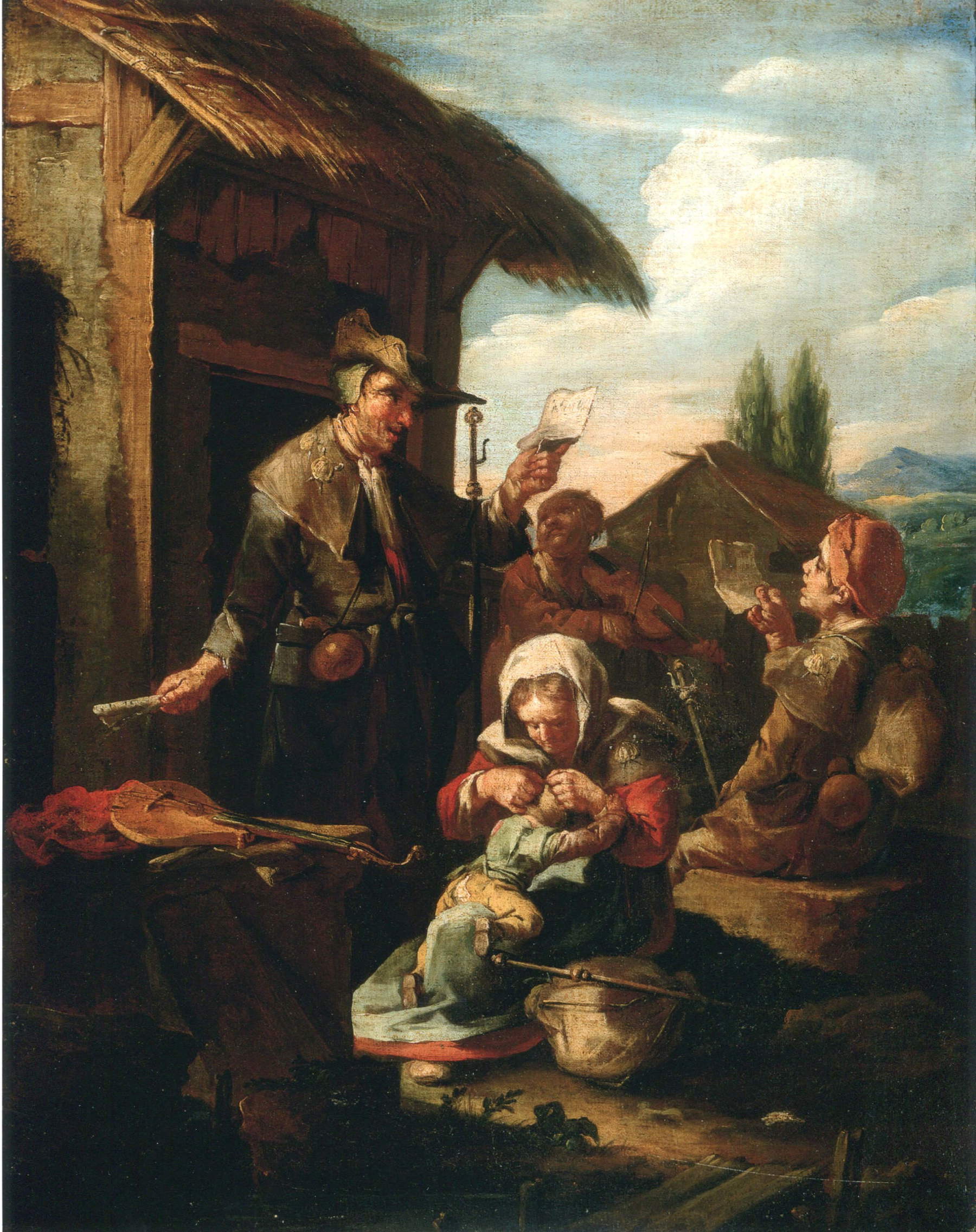
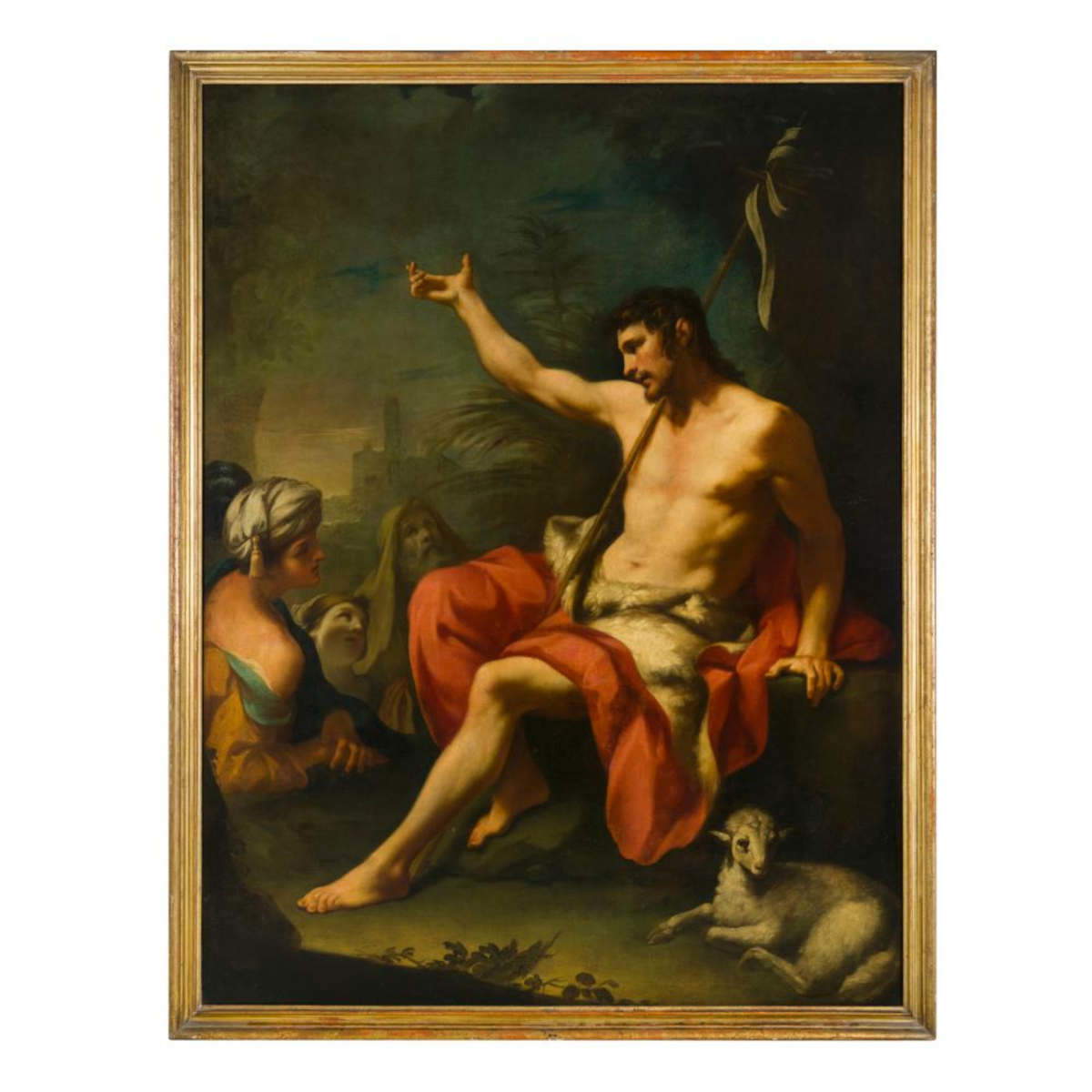
From the Genoa-based Capozzi Antichità, the focus is entirely on Liguria: Gregorio De Ferrari ’s *St. Jerome in the Desert * (Porto Maurizio, 1647 – Genoa, 1726), a mature work featuring warm tones and a figure of the saint sculpted by light, is offered at 60,000 euros, while the price is double that—120,000 euros—for *The Sermon of John the Baptist* by Giovanni Francesco Castiglione (Mantua, 1641 – Genoa, 1716), a previously unseen work from Palazzo Descalzi in Chiavari, offers a valuable opportunity to view the painter—son of the better-known Giovanni Benedetto, better known as “il Grechetto”—outside the shadow of his father, given that this is a mature work. Also worth noting at the same booth is a late 15th-century sculpture, namely the Madonna Adoring the Child by Giovanni Zebellana (carved wood, polychrome and gilded), an artist not often seen at art fairs, priced at 75,000 euros. We remain in Genoa with Fabio Di Ruggiero, who is exhibiting a pair of canvases by Domenico Piola ( Genoa, 1627–1703) and Stefano Camogli (Genoa, c. 1610 –1690),*Allegory of Spring* and*Allegory of Autumn*, the result of a collaboration between a renowned figurative painter and a specialist in flowers and fruits: the pair is offered for 48,000 euros. In a completely different vein is the booth of RV Art Gallery Studio, a gallery specializing in animal paintings, where Maximilian Klein von Diepold’s (Bad Wilhelmshöhe, 1873 – Dorndorf, 1949), an early 20th-century work, appeals to collectors of hunting paintings and is priced at 8,000 euros.
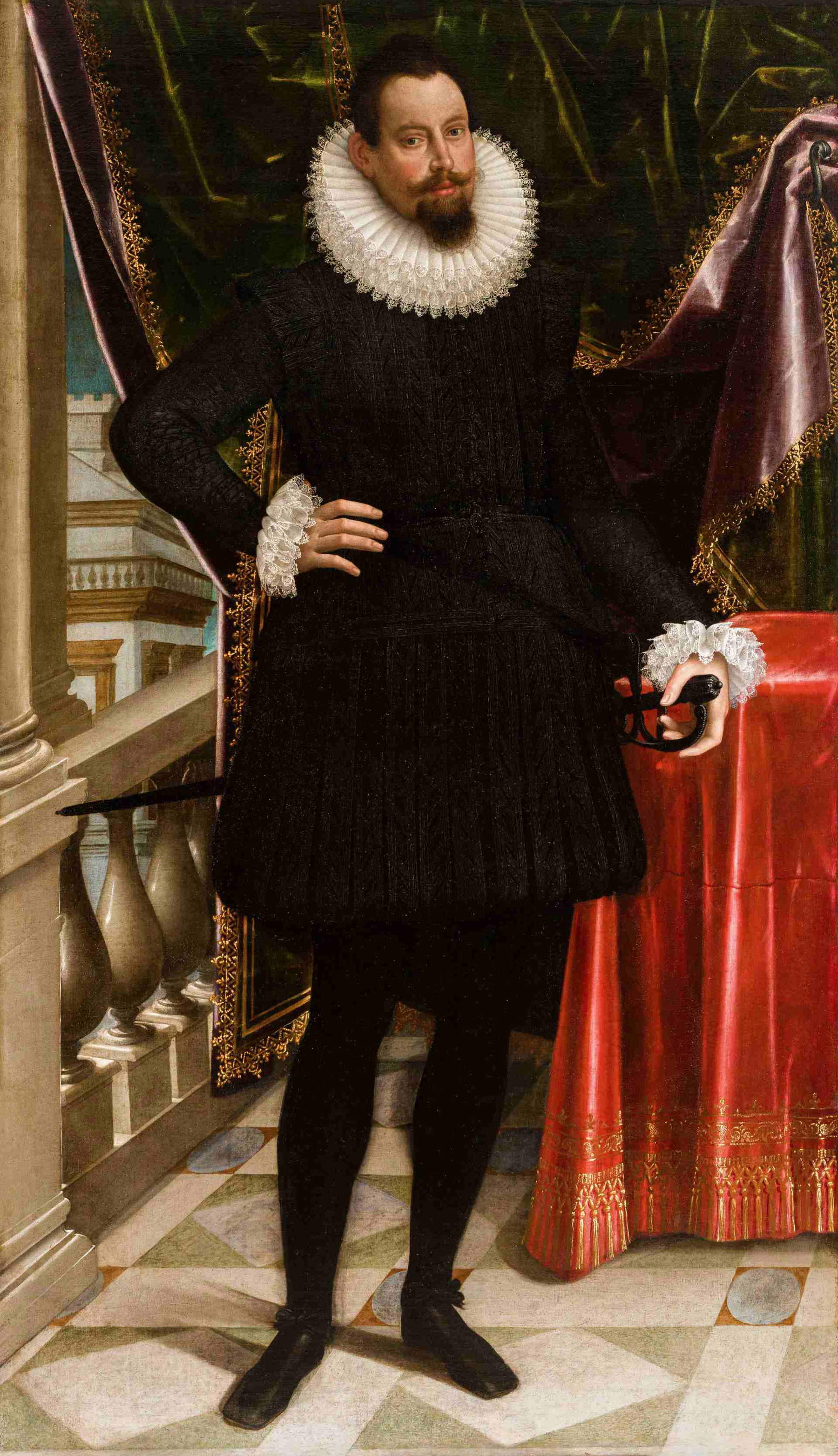
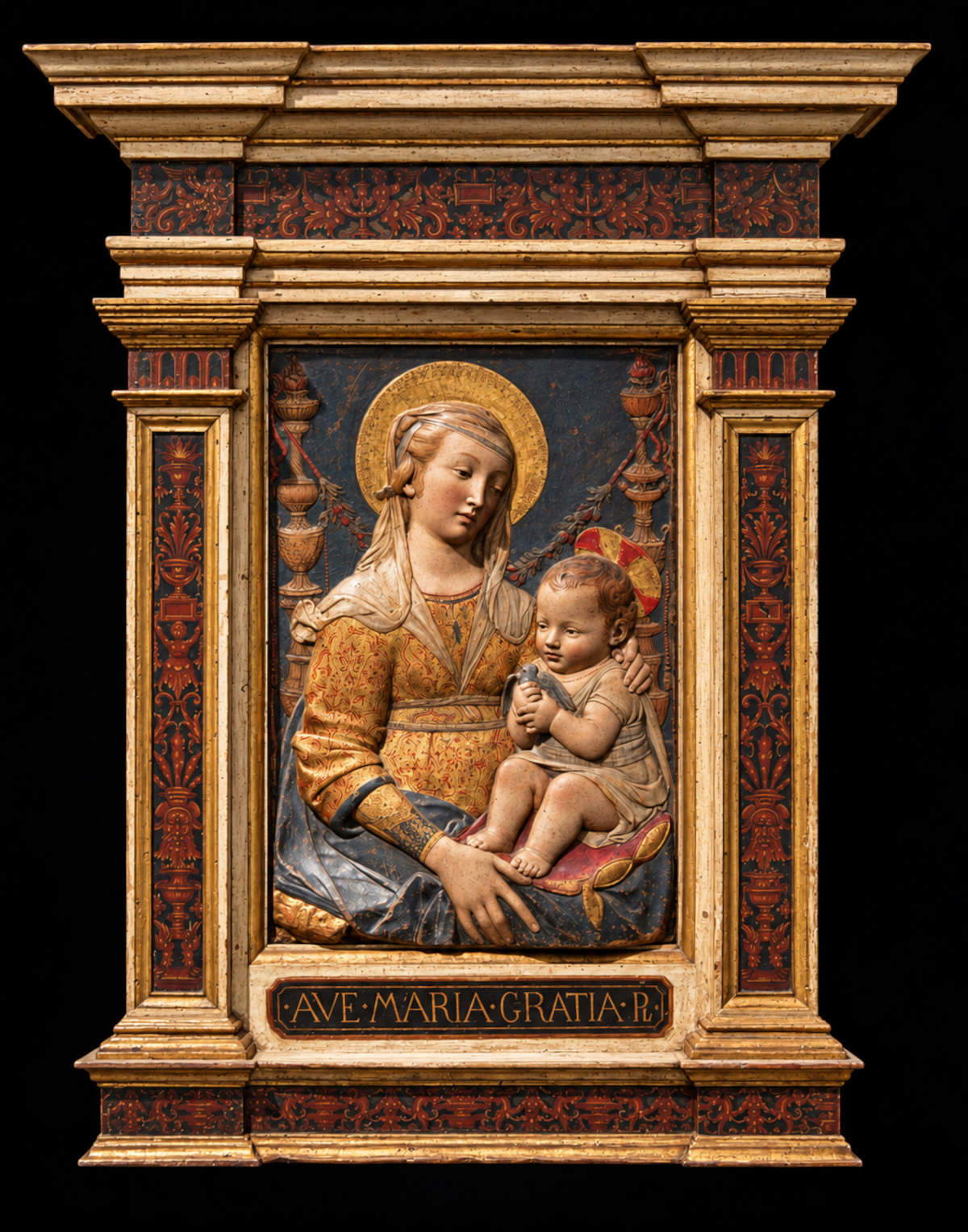
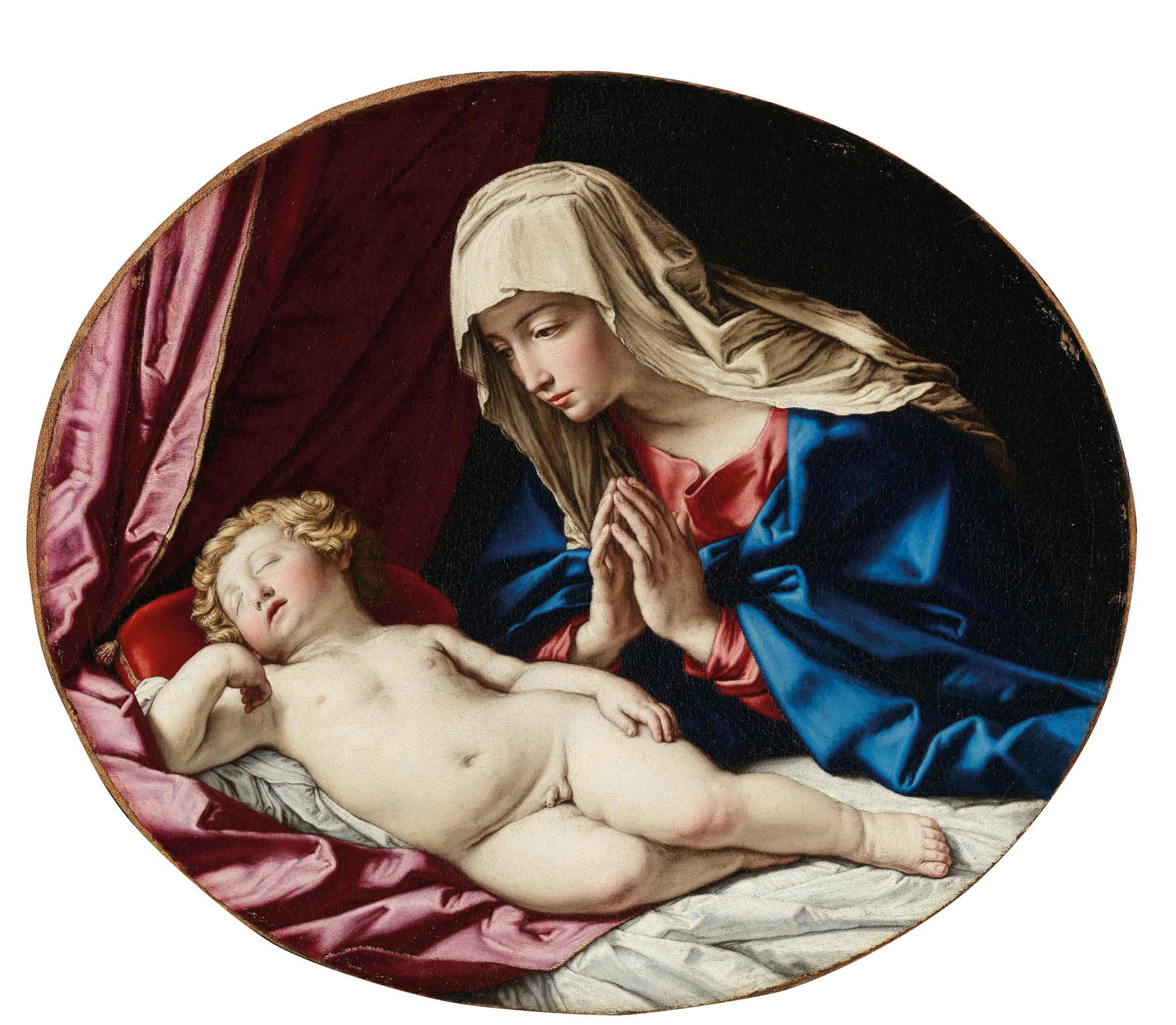
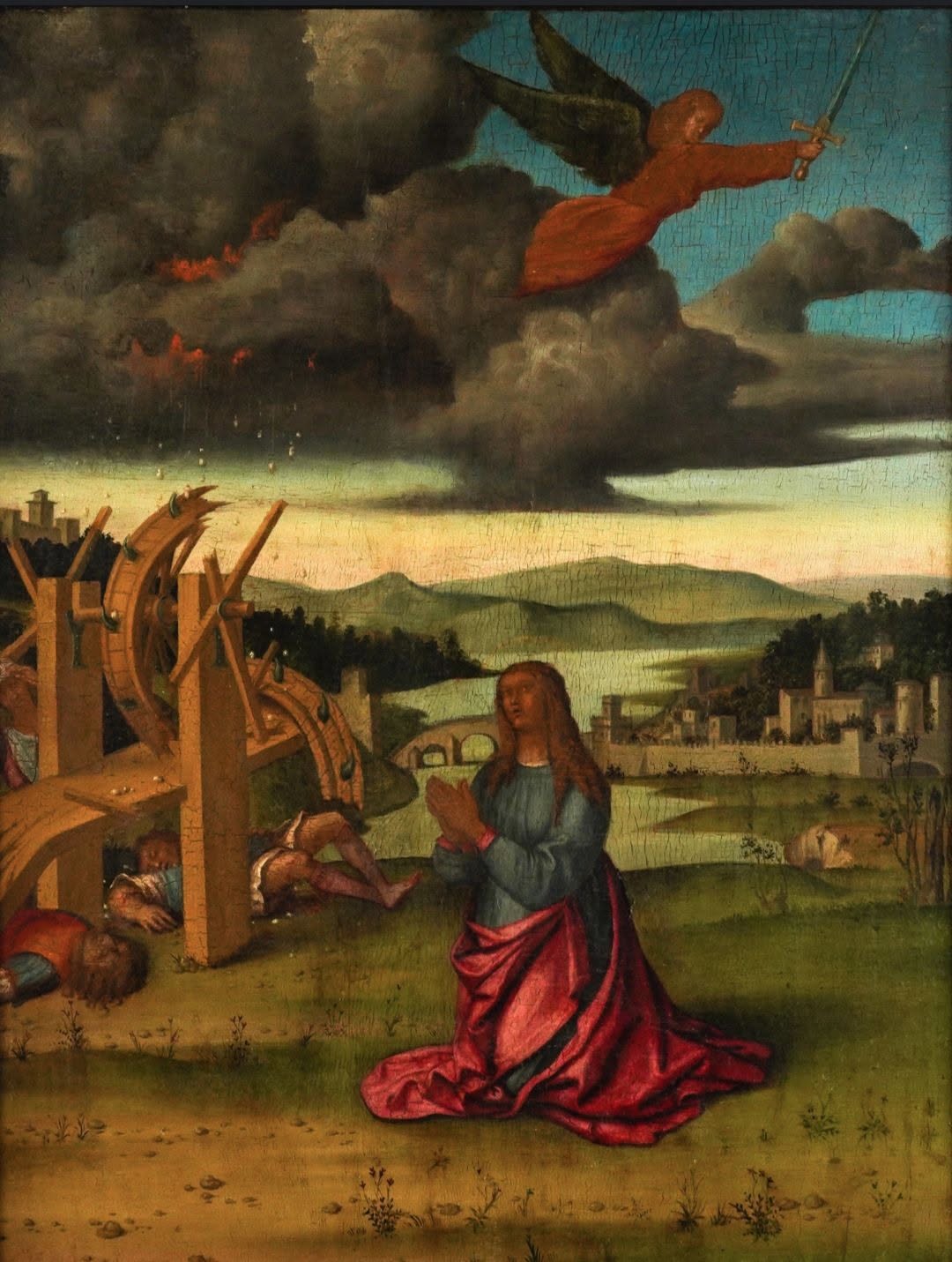
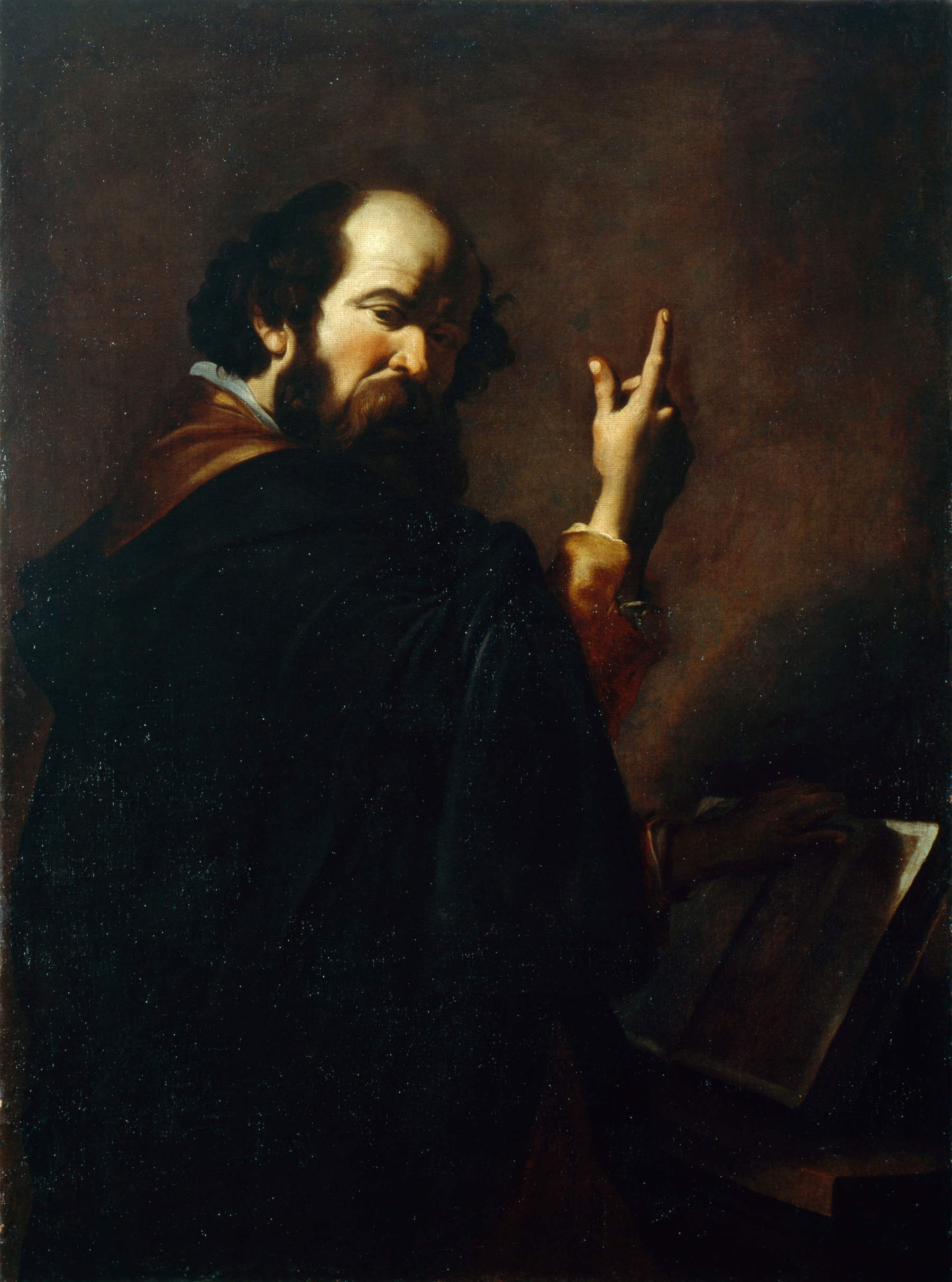
Altomani & Sons features one of the most extensive booths at the fair, spread over two floors, and is also the only one with prices clearly displayed. On the upper floor, the *Portrait of Vincenzo I Gonzaga, Duke of Mantua* by the Mantuan artist Pietro Facchetti (Mantua, 1539 – Rome, 1613), a work from circa 1599–1600 and among the most admired at the fair, is offered for 220,000 euros. On the lower floor, visitors can admire a masterpiece of 15th-century Florentine art, the *Madonna delle Candelabre* by Antonio Rossellino (Settignano, 1427 – Florence, 1479), which retains its original polychromy and gilding, offered at 180,000 euros. Also noteworthy is an intense Madonna and Child by Sassoferrato (Giovanni Battista Salvi; Sassoferrato, 1609 – Rome, 1685), priced at 95,000 euros, and the *Martyrdom of Saint Catherine of Alexandria* attributed to Giovan Francesco Caroto ( Verona, c. 1480 – 1555), priced at 35,000 euros.
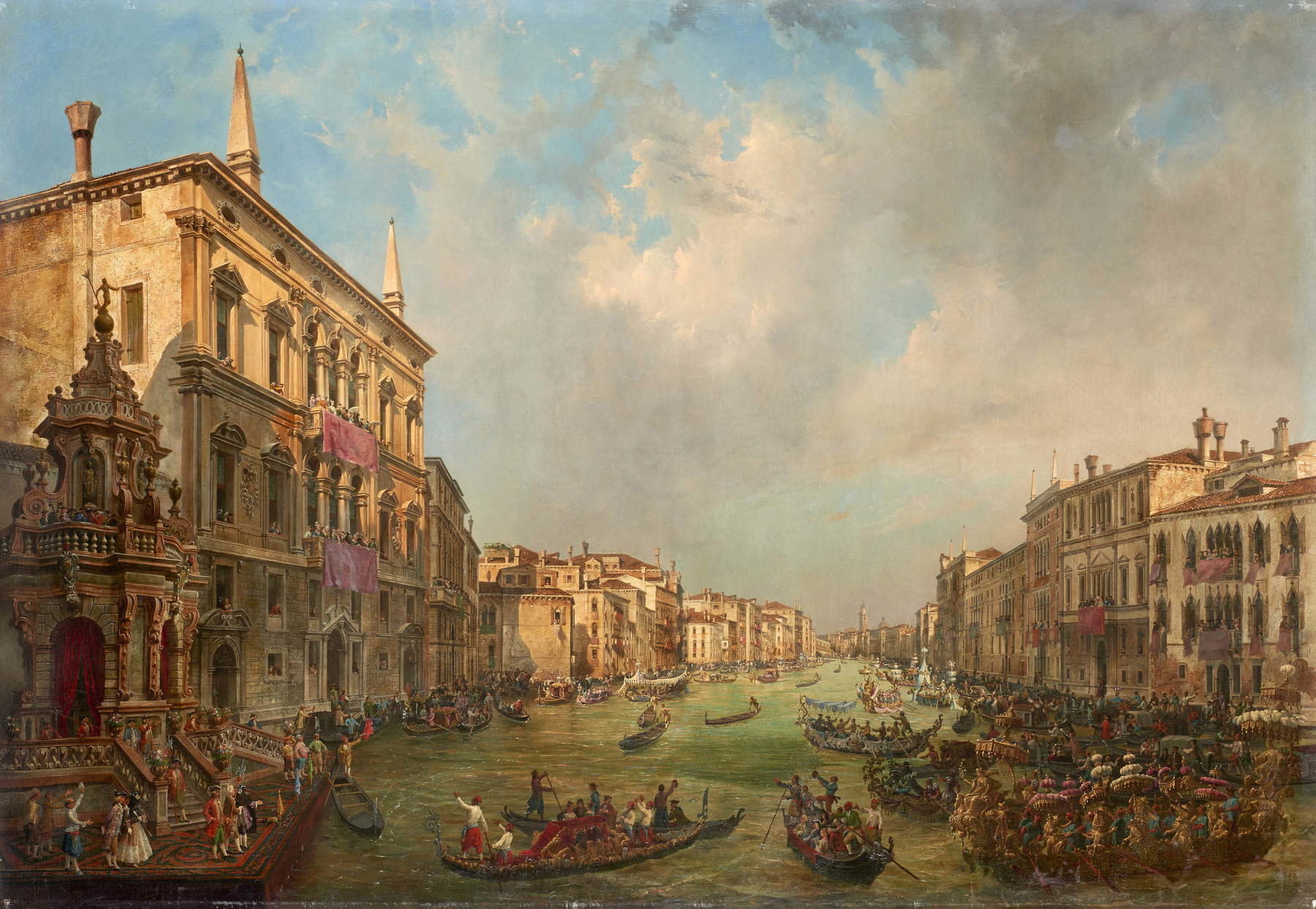
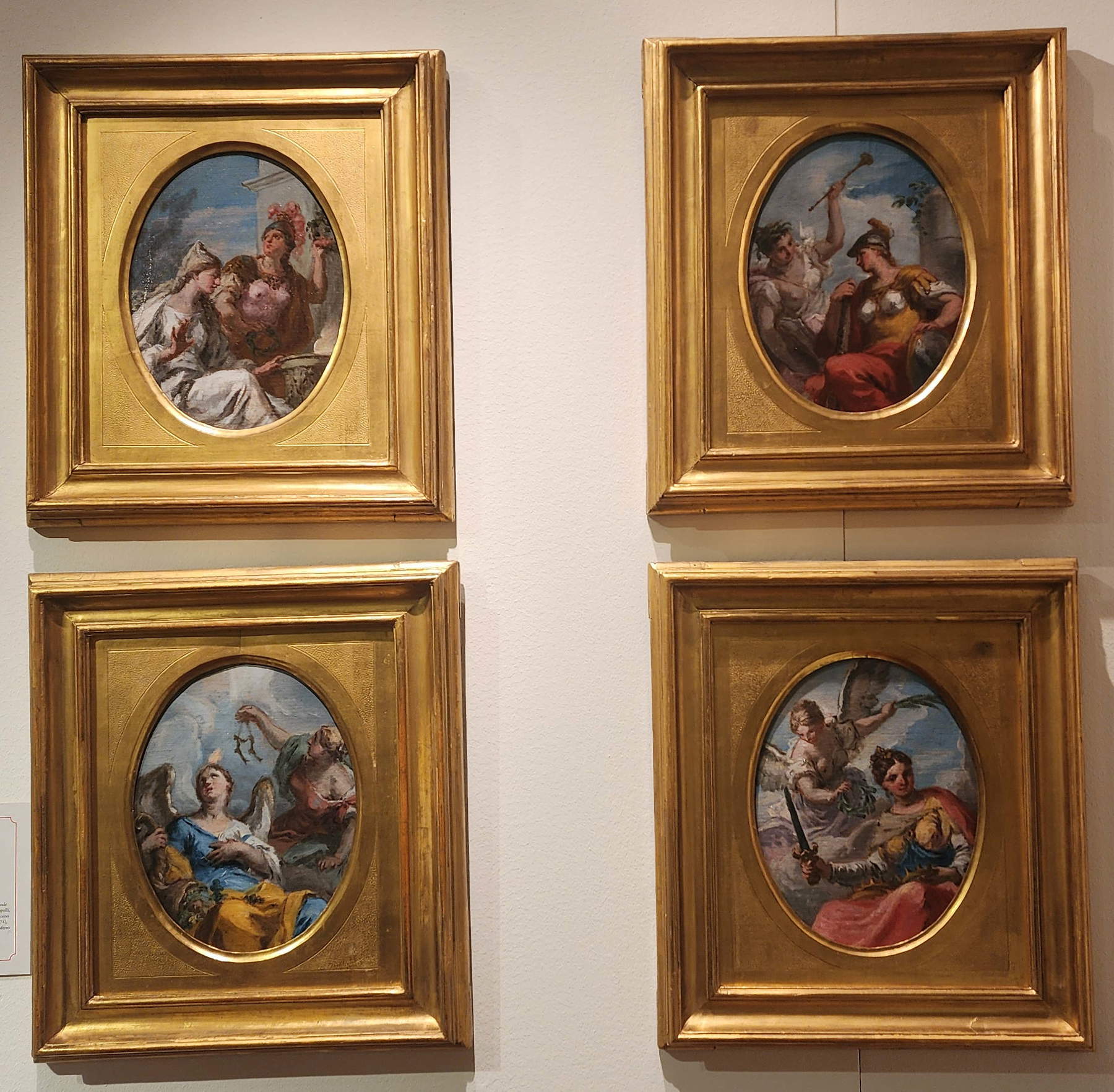
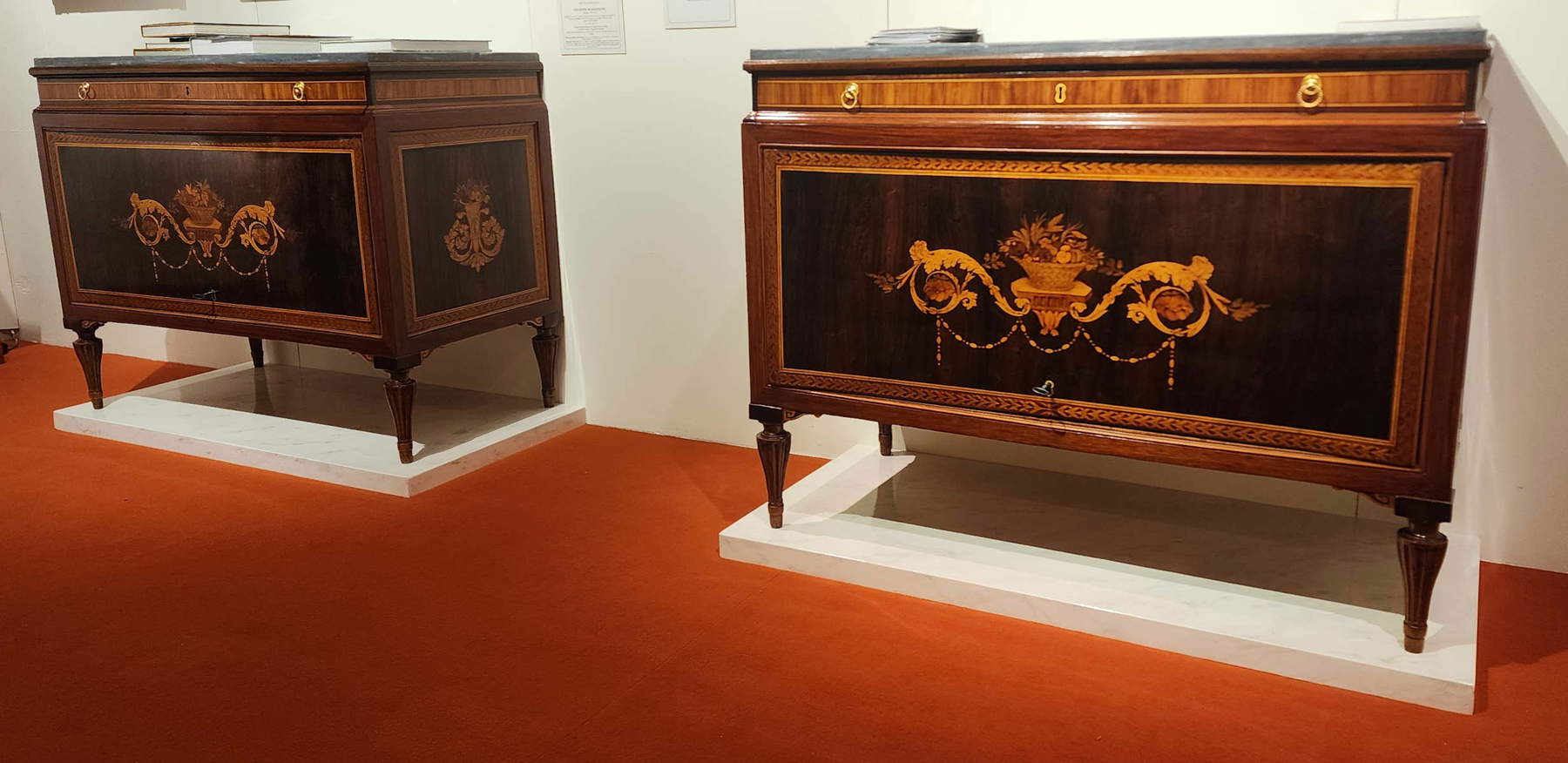
Milani Antichità focuses on Venice: two previously unseen canvases by Luigi Querena (Venice, 1824–1887) immediately catch the eye; signed and dated 1886, they thus belong to the final stages of the painter’s career—he was one of the last landscape painters. These are *The Bucintoro in Front of the Doge’s Palace* and *The Festival on the Grand Canal as Seen from Palazzo Balbi*, works that, nearly a century after the end of the Republic, evoke the ceremonies of the Serenissima: the pair is offered at 250,000 euros. Of greater interest to scholars are the four sketches by Girolamo Brusaferro (Venice, c. 1684 – c. 1720) depicting allegories of History and Fortitude, Piety and Temperance, Victory and Tragedy, and Love of Country and Venice: these are preparatory studies for four of the frescoed door panels in the portego of Ca’ Pesaro in Venice, dated by scholars to between circa 1702 and circa 1730, and are currently being published under the editorship of Enrico Lucchese (the asking price is 35,000 euros). The “star” of the booth, however, is not a painting, but... a pair of pieces of furniture: two chests of drawers by Giuseppe Maggiolini ( Parabiago, 1738–1814), one of the world’s most important cabinetmakers of the late 18th century. The asking price for these two masterpieces of cabinetmaking is 250,000 euros.
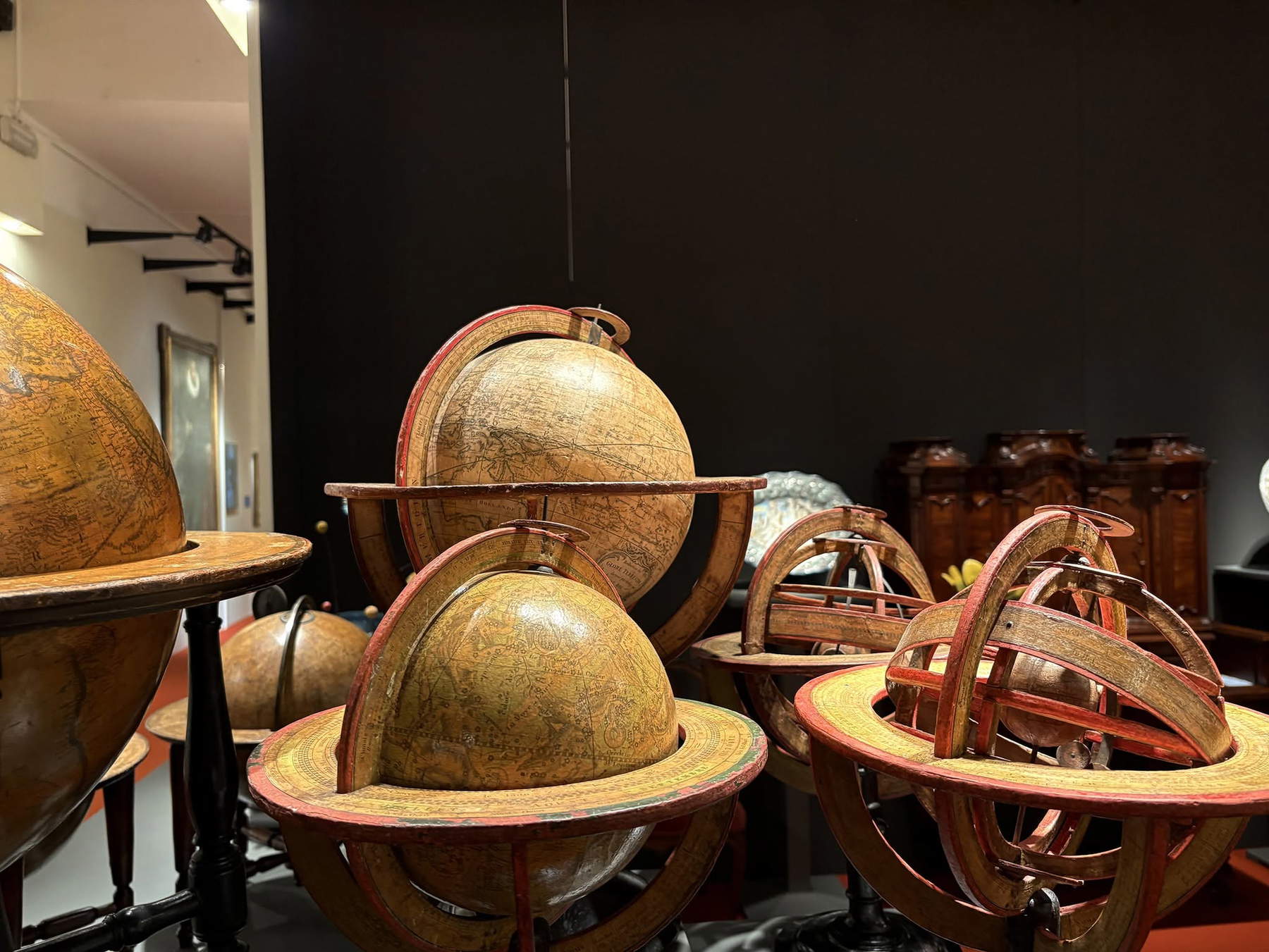
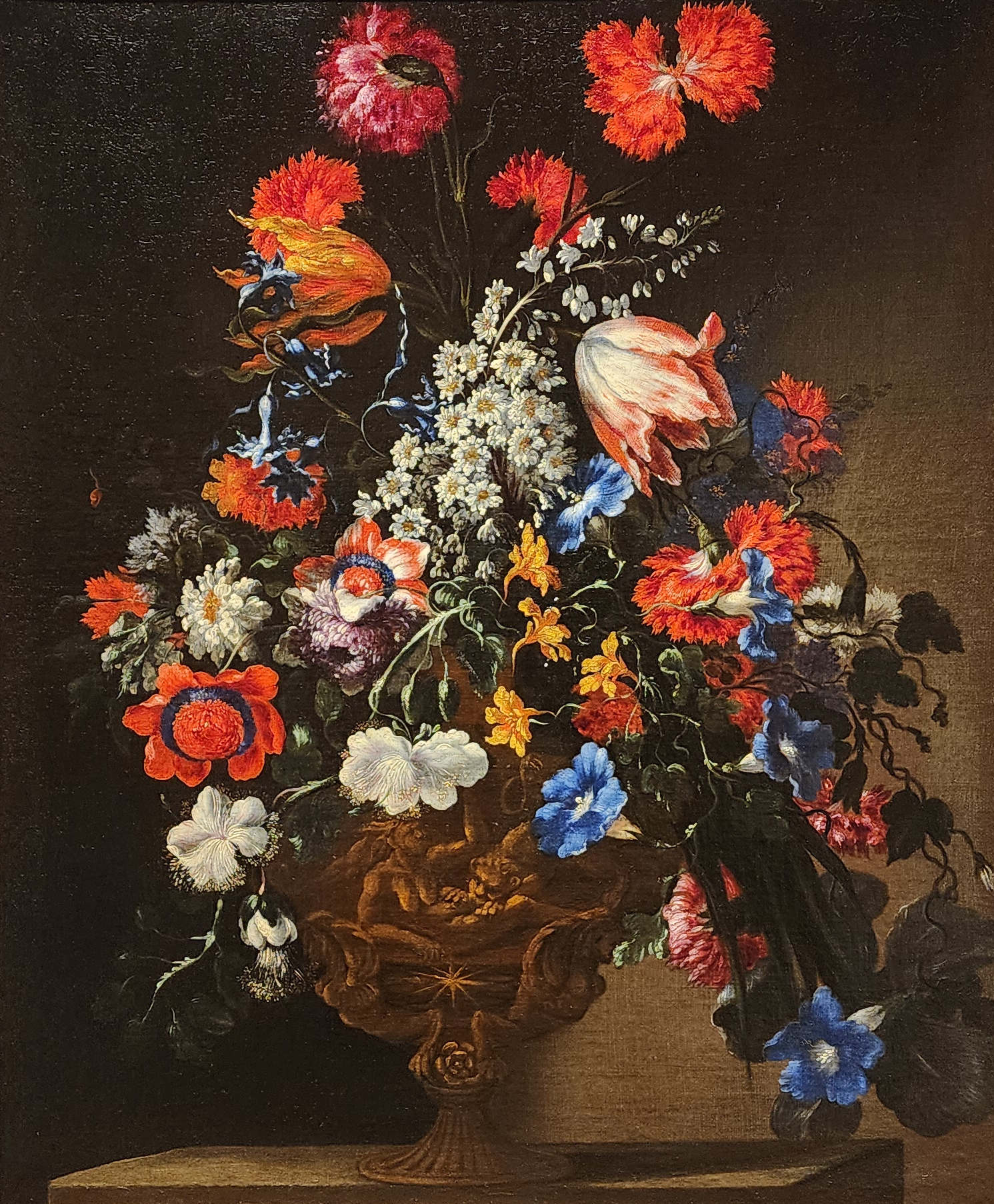
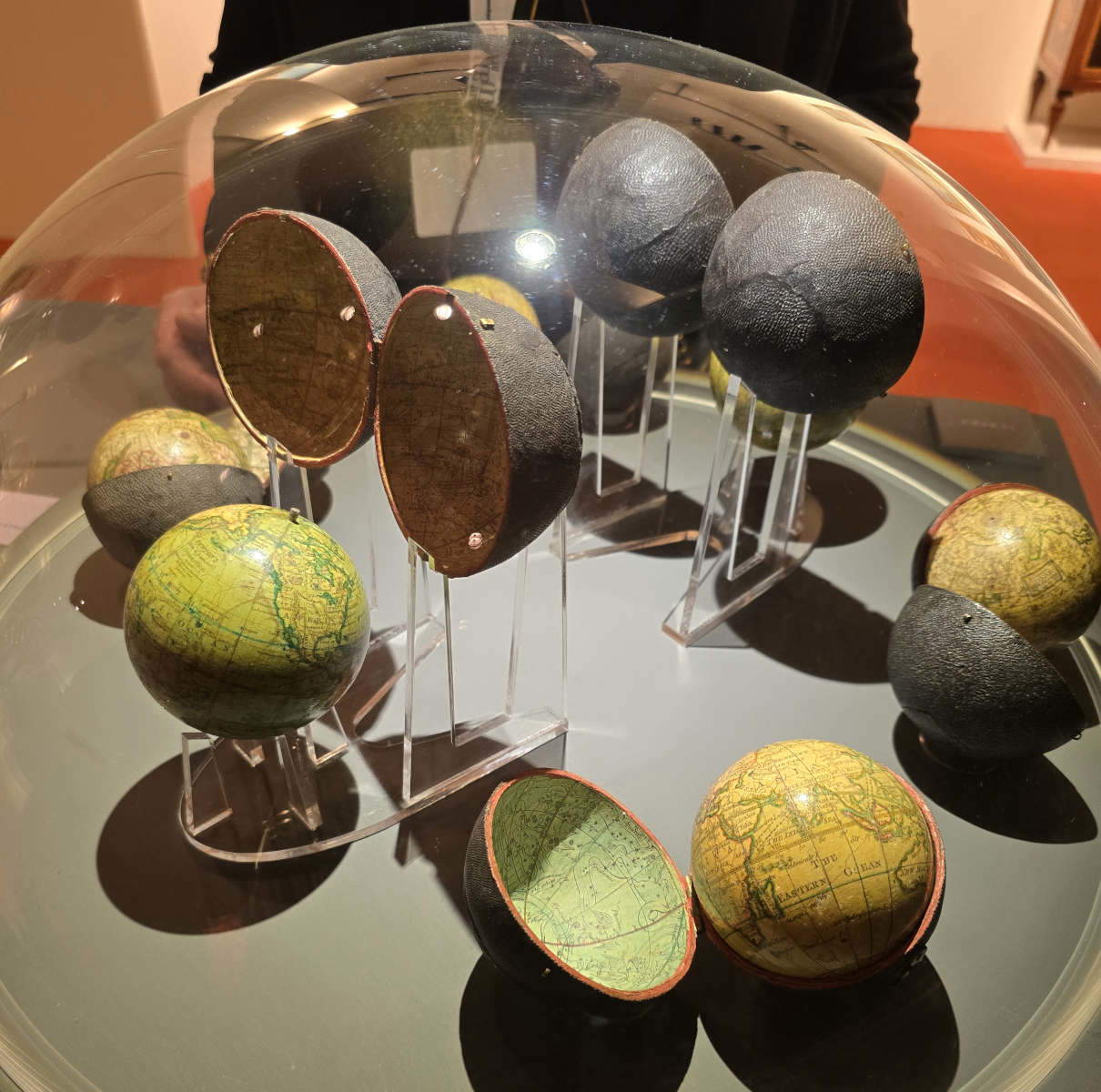
At the Galleria d’Orlane, there is a previously unseen Vase with Flowers by Mario Nuzzi, known as Mario dei Fiori (Rome, 1603–1673), priced at 32,000 euros, alongside a small Old Woman of the People by the Lucanian artist Giacomo Di Chirico (Venosa, 1844 – Naples, 1883), which, at 3,800 euros, is among the fair’s most affordable offerings. At Subert, the gallery run by the association’s president, attention is drawn not only to a beautiful *Madonna del Puligo* but also to a series of 18th- and 19th-century English pocket globes —small, portable globes enclosed in spherical cases: the oldest, signed by Londoner Nathaniel Hill, dates from 1754. Prices range from 7,000 to 11,000 euros.
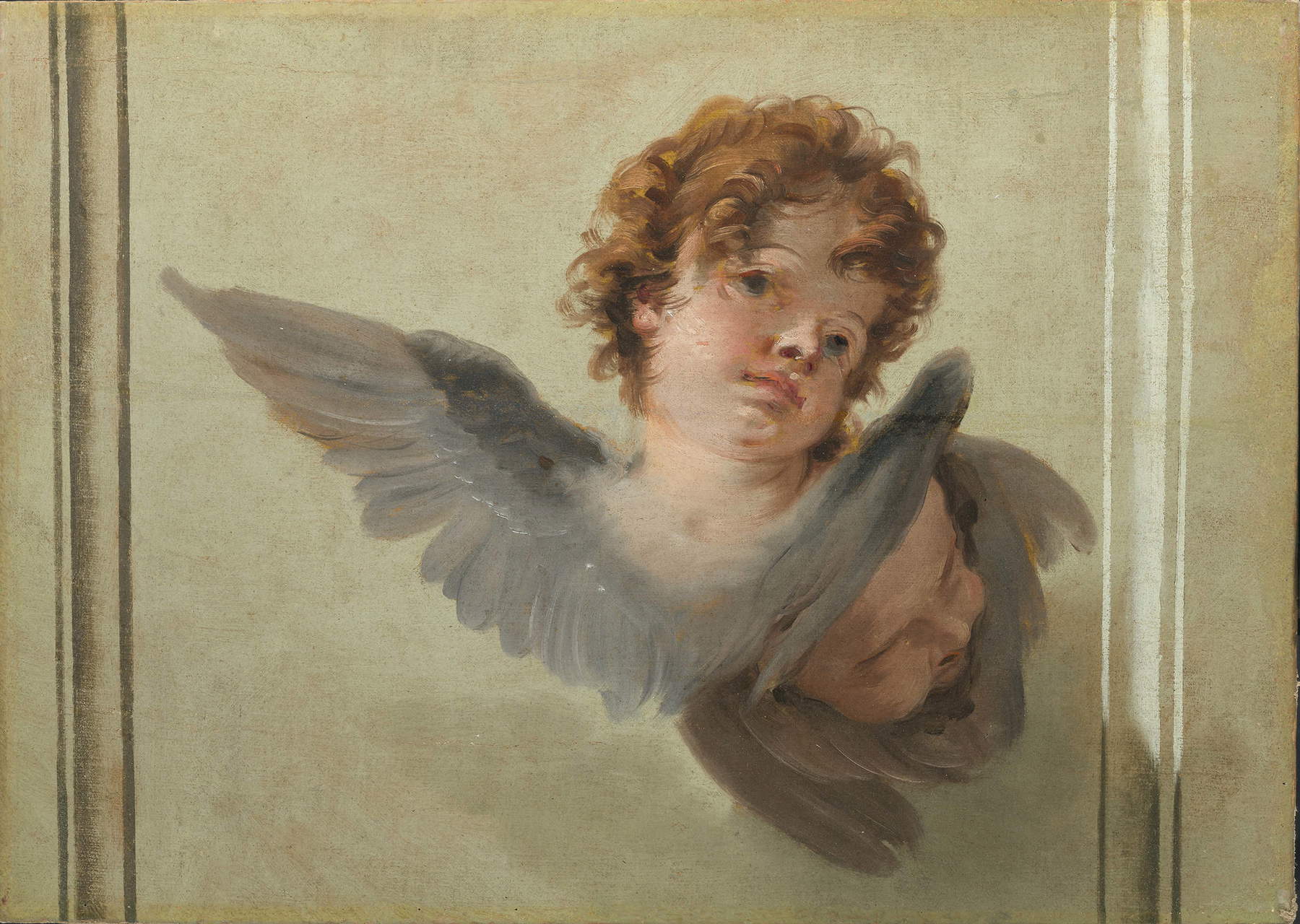
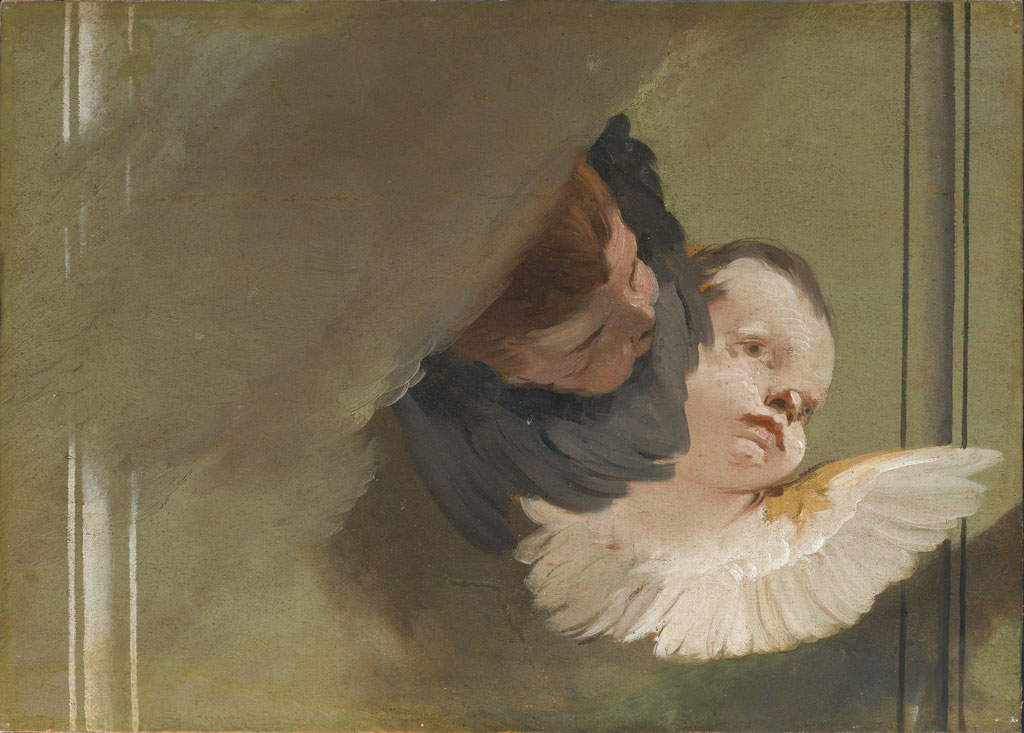
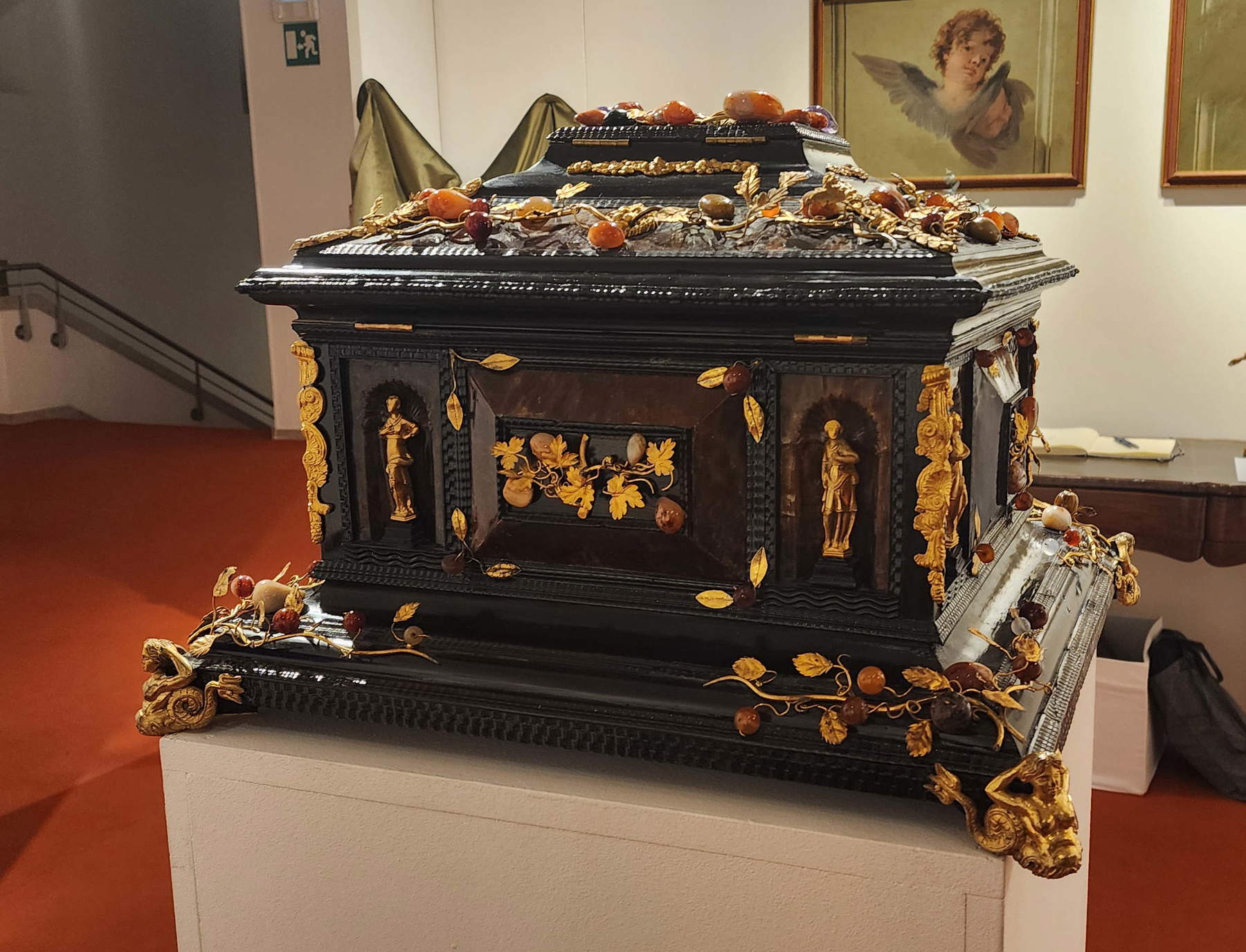
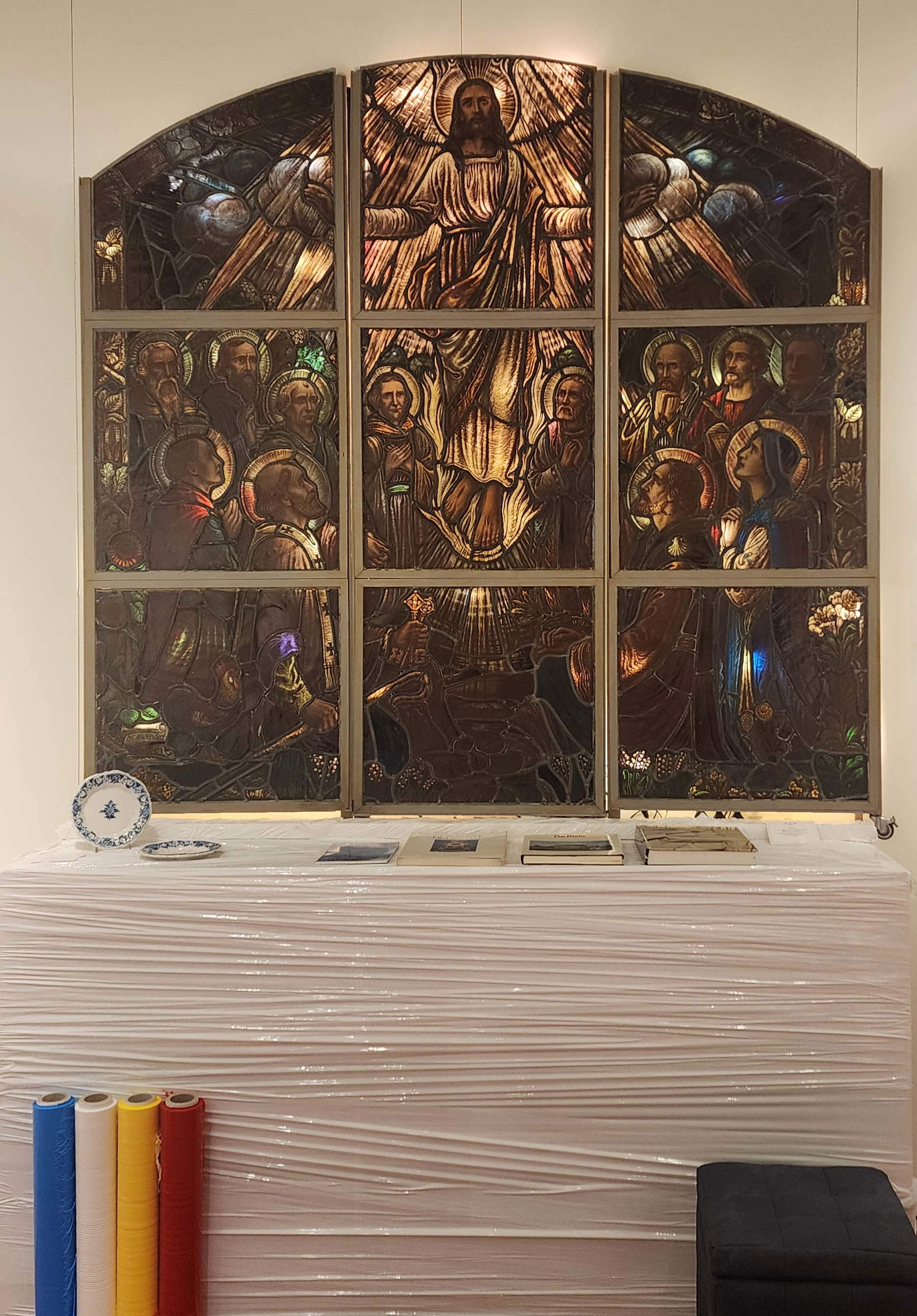
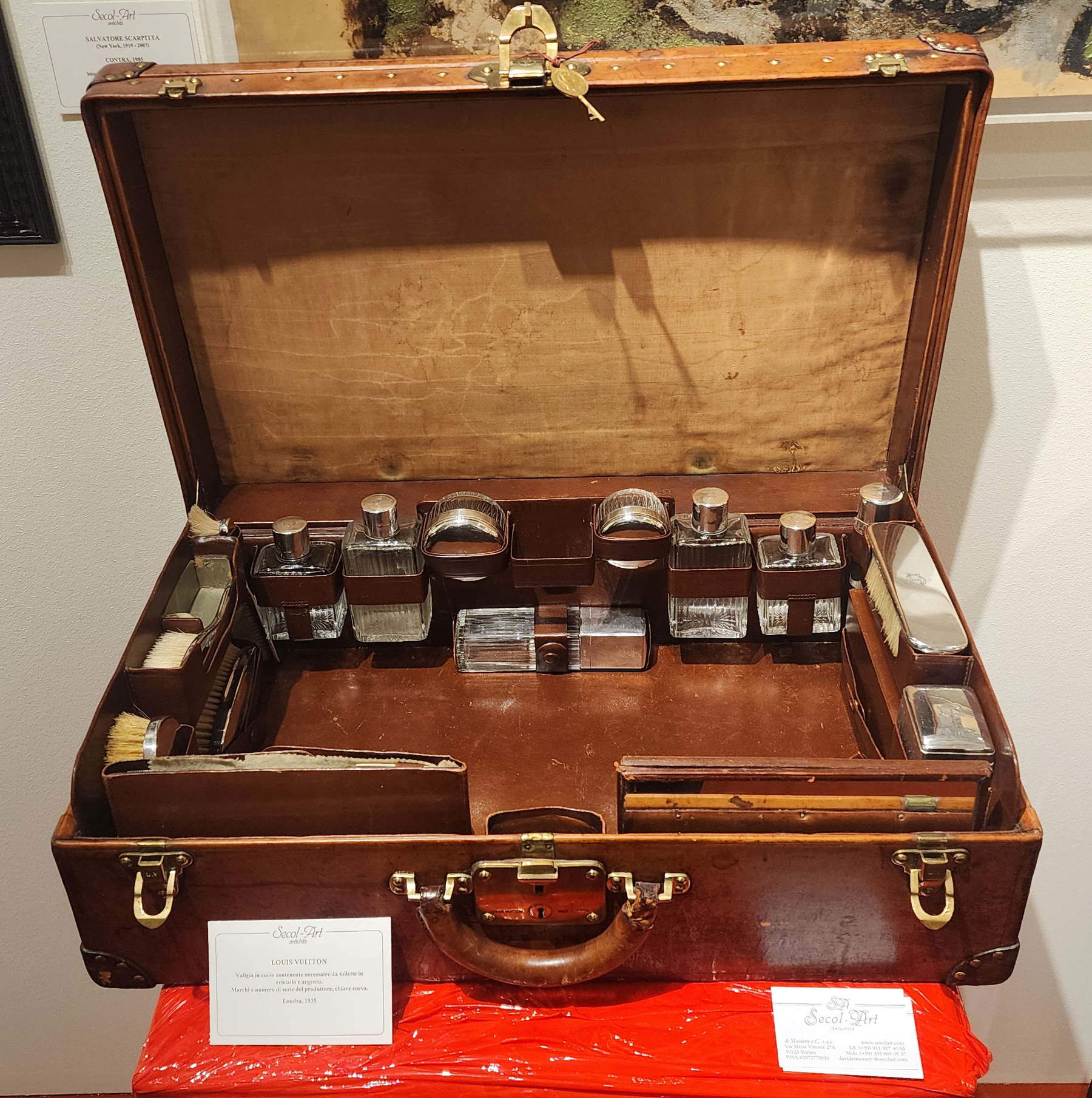
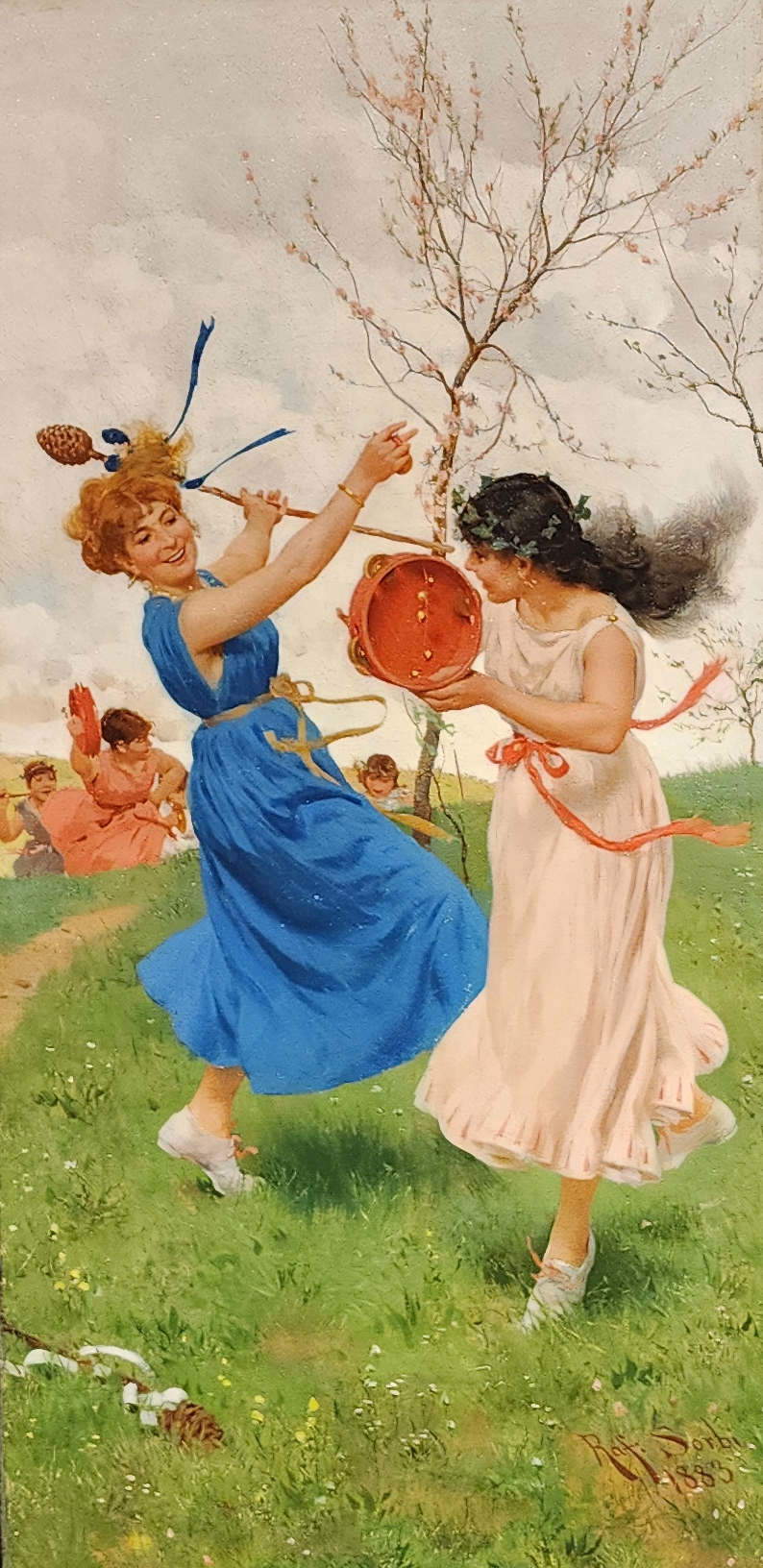
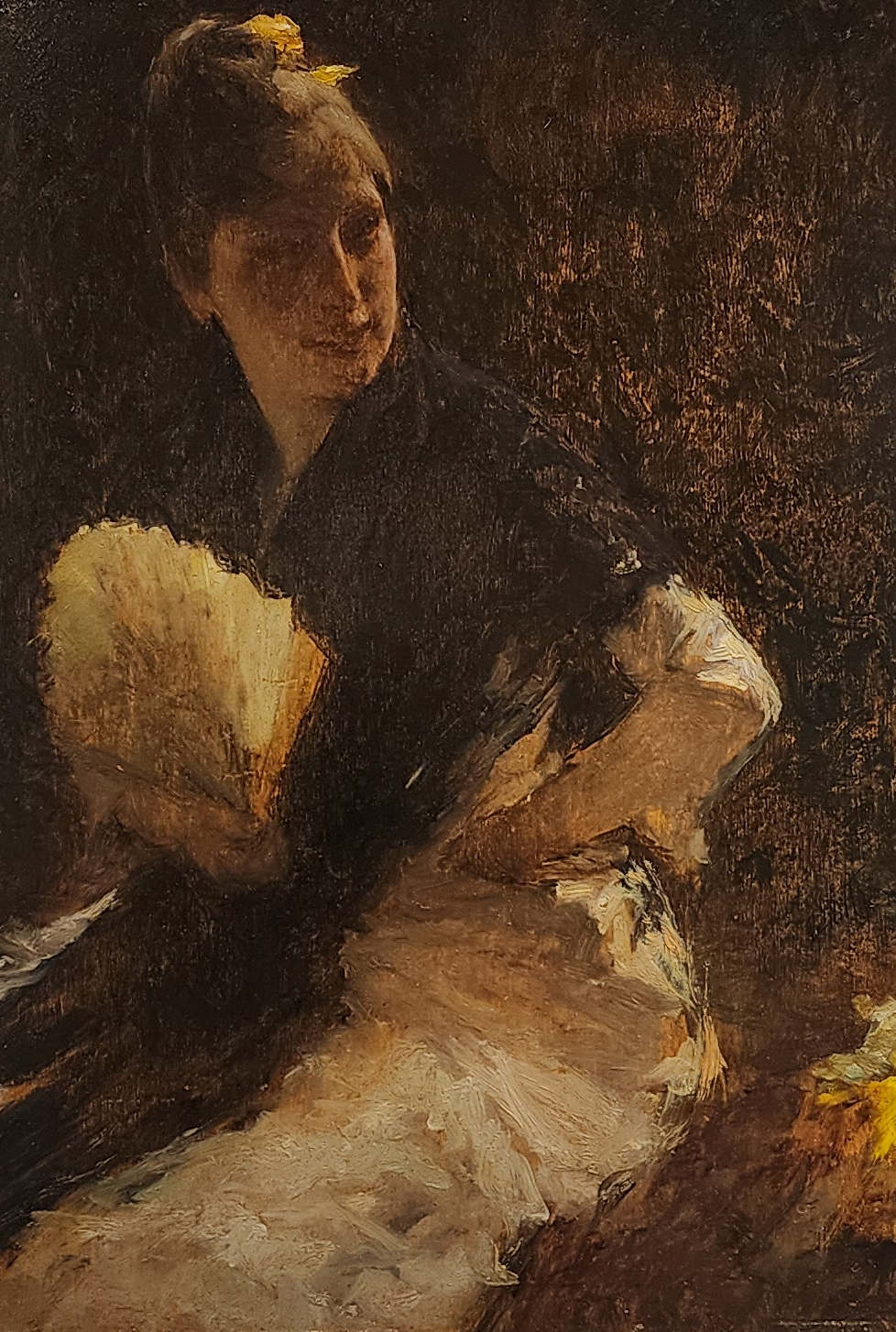
The Cesaro Art Gallery presents a *Piccola composizione equestre I* by Marino Marini (Pistoia, 1901 – Viareggio, 1980), priced at 25,000 euros: a first encounter with the sculptor of horses and with a theme that will reappear later in the fair, at significantly higher prices. Callisto Fine Arts, a London-based gallery under Italian management, is exhibiting Giovanni Battista Tiepolo’s *Cherubini* (Venice, 1696 – Madrid, 1770), dated 1743–1744, formerly in the Agnew Collection in London and the Baroni Collections in Florence, and documented in the catalogs of Molmenti, Morassi, and Pedrocco (160,000 euros), as well as a beautiful 19th-century ebony box with semi-precious stone inlays, which is particularly striking for its gilded bronze legs shaped like Nereids (it comes from Durrow Abbey in Ireland and is offered at 35,000 euros). From Piedmont, Secol-Art Antichità brings to the fair, as usual, several objects that fall outside its usual repertoire, displayed on curious, box-like bases that make the booth one of the most eccentric at the fair: this time, of particular note are a large stained-glass window depictingthe Ascension of Jesus, created by a Birmingham glassmaker in the late 19th century, priced at 38,000 euros, and a Louis Vuitton leather suitcase with a crystal and silver toiletries set, made in London in 1935, priced at 12,000 euros. At San Barnaba, a specialist in Macchiaioli and Post-Macchiaioli art, * * takes us back to the 19th century with *Le musicanti* by Raffaello Sorbi (Florence, 1844–1931), priced at 18,000 euros, and the small but delightful *Woman with a Fan* by Giuseppe De Nittis (Barletta, 1846 – Saint-Germain-en-Laye, 1884), priced at 45,000 euros.
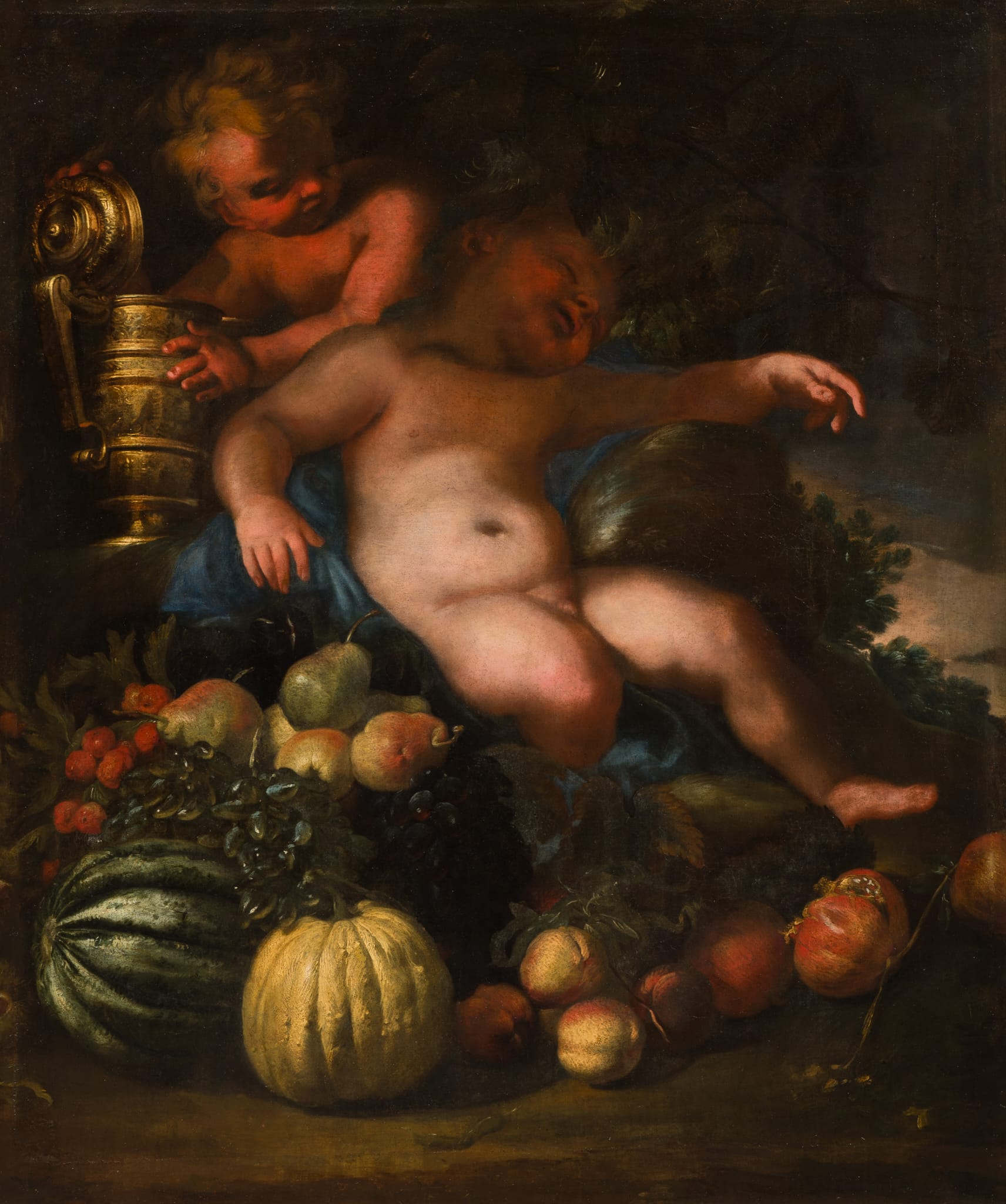
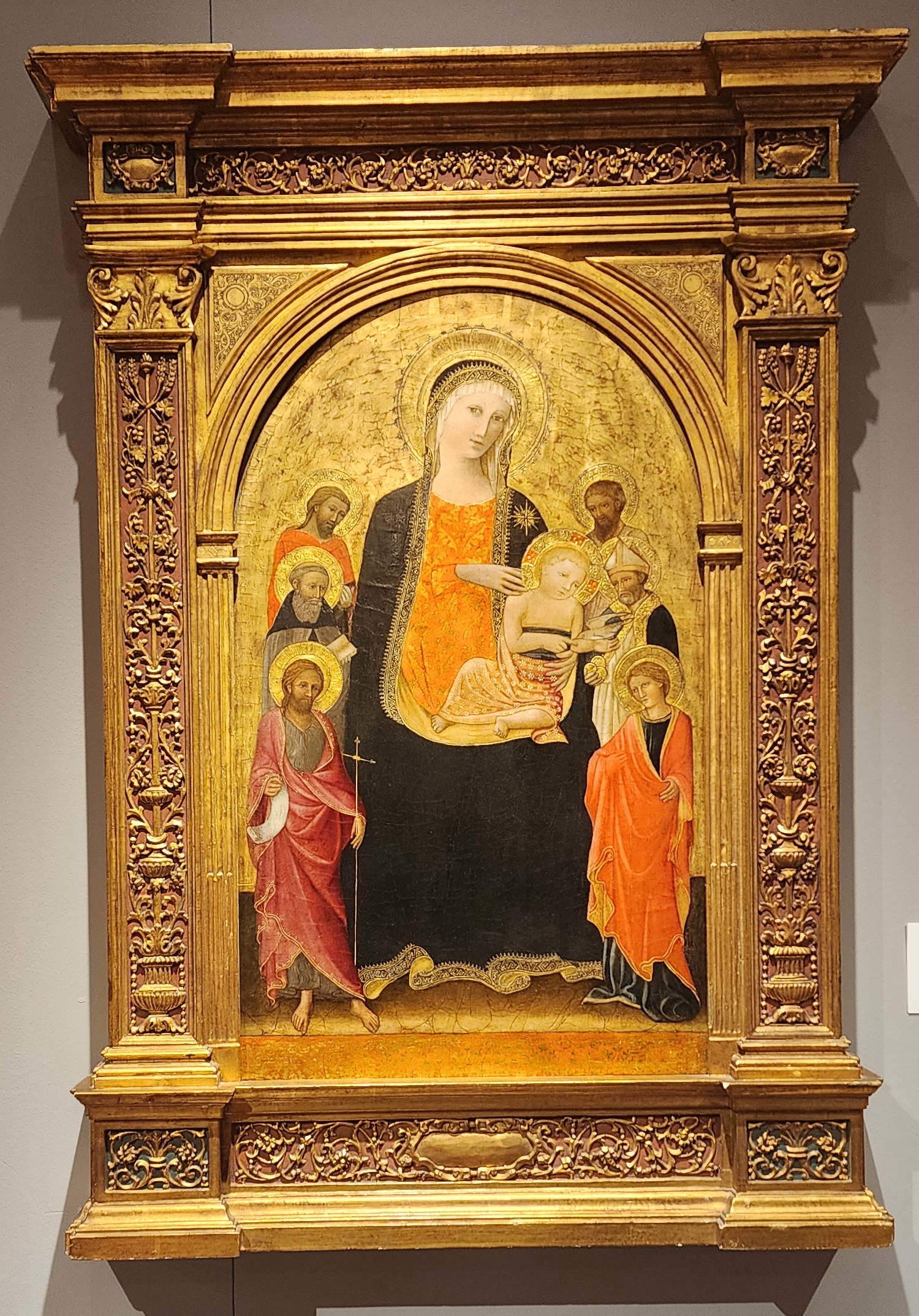
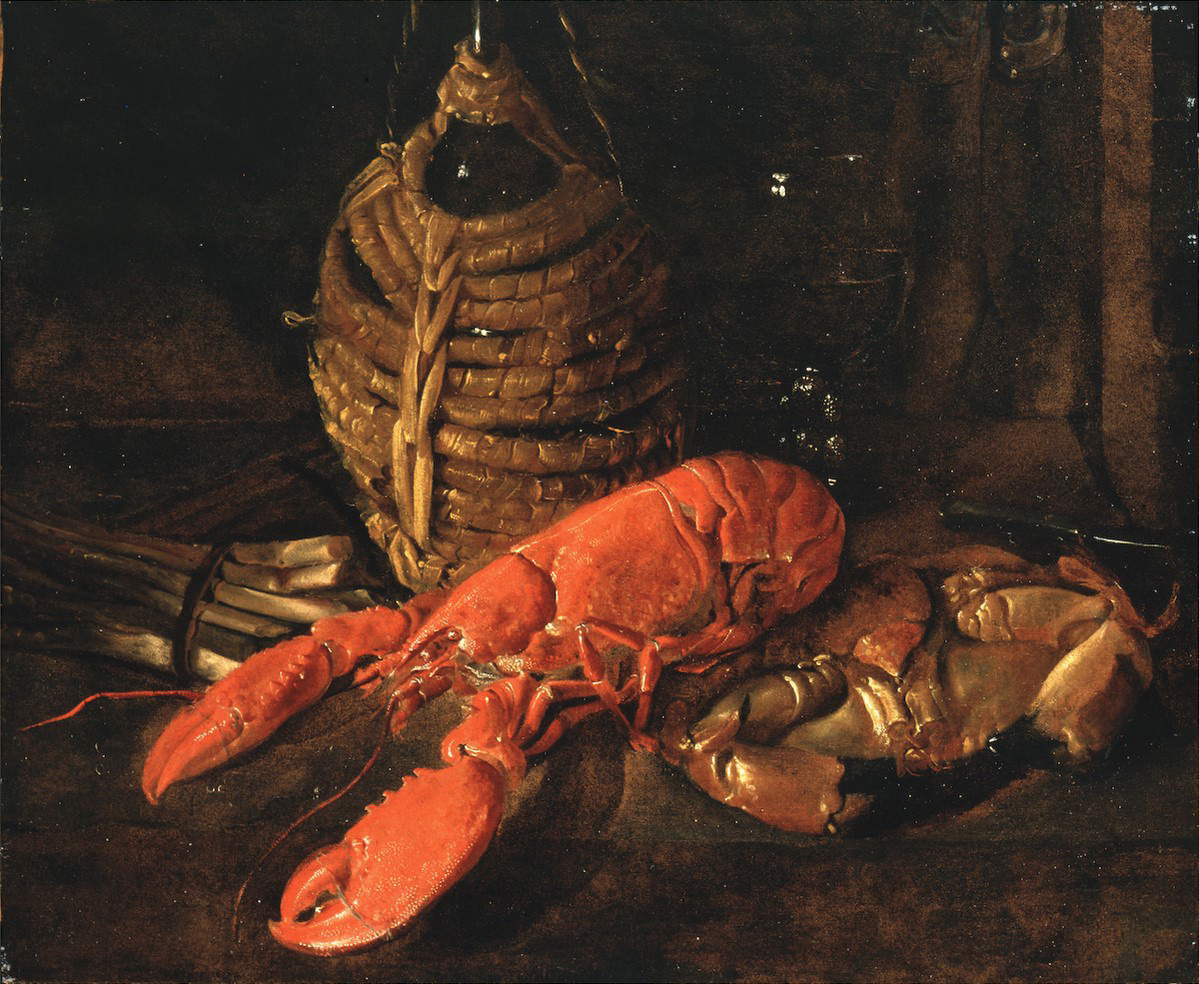
Fine Art by Di mano in mano is among the booths representing the 20th century: the large and spectacular *Milan 1961* by Hsiao Chin (Shanghai, 1935–2023) is offered at 26,000 euros, while Renato Guttuso’s (Bagheria, 1911–Rome, 1887) *The Accordionist* is priced at 12,000 euros. A leap back five centuries takes us to the B&Facchini - Antique Galerie, where the *Madonna and Child with Saints* by the Florentine artist Ventura di Moro (Florence, 1395/1402–1486), a work painted around 1450, is offered at 90,000 euros. The second Ceruti at the fair is at Maison d’Arte, a gallery in Monte Carlo: it is a Still Life with Lobster, previously exhibited in 2005 in Brescia at the “Geni di Lombardia” exhibition and in 2006 at the “Il vino e l’arte” exhibition, offered at 75,000 euros. Also worth noting at the same booth is a *Portrait of a Philosopher* by Gregorio Preti (Taverna, 1603 – Rome, 1672) priced at 60,000 euros, a *Scene of Peasant Life with a Musical Concert* by Giacomo Francesco Cipper (Feldkirch, 1664 – Milan, 1736), priced at 30,000 euros, and a cityscape by Caspar van Wittel (Amersfoort, 1653 – Rome, 1736) with a five-zero price tag.
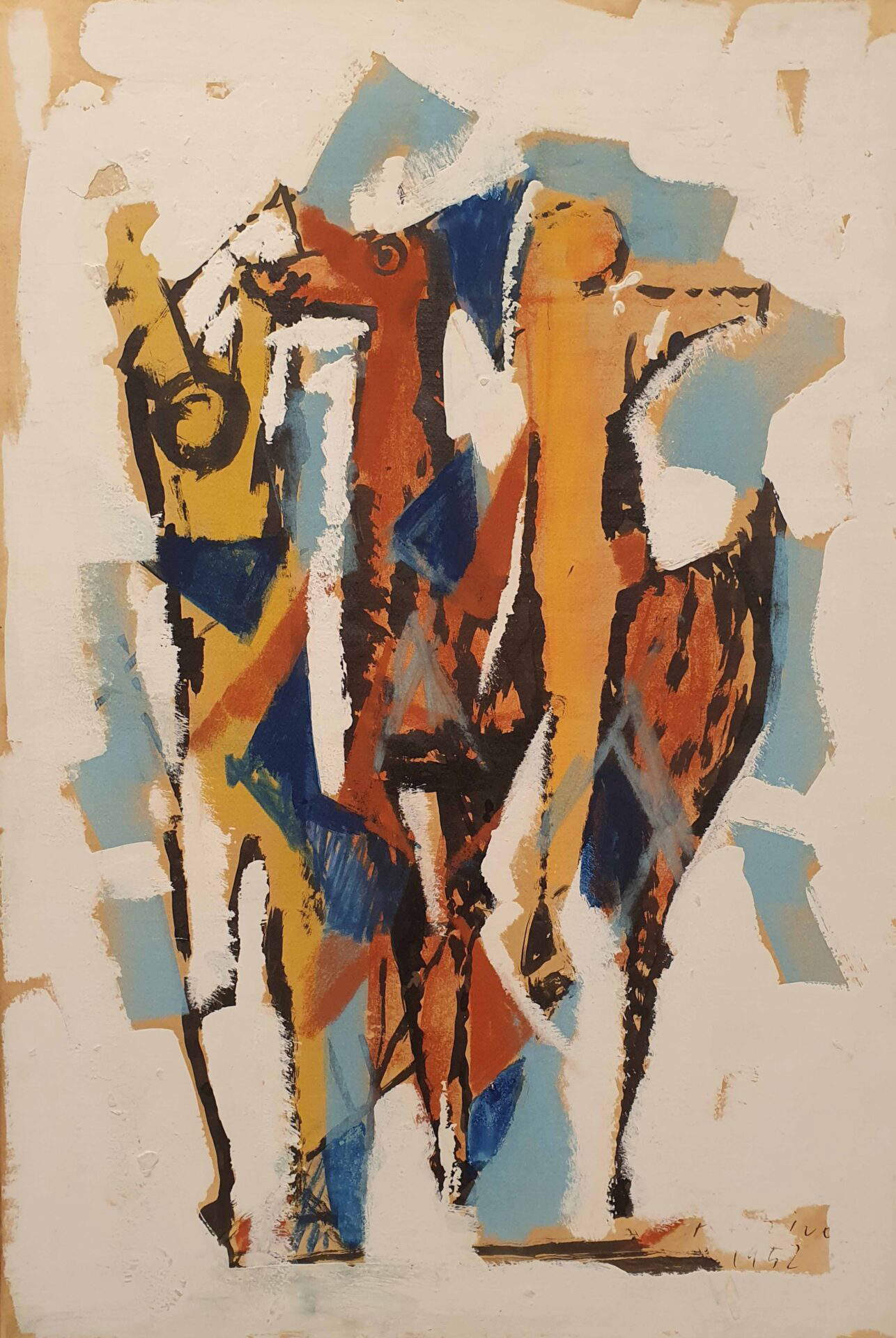
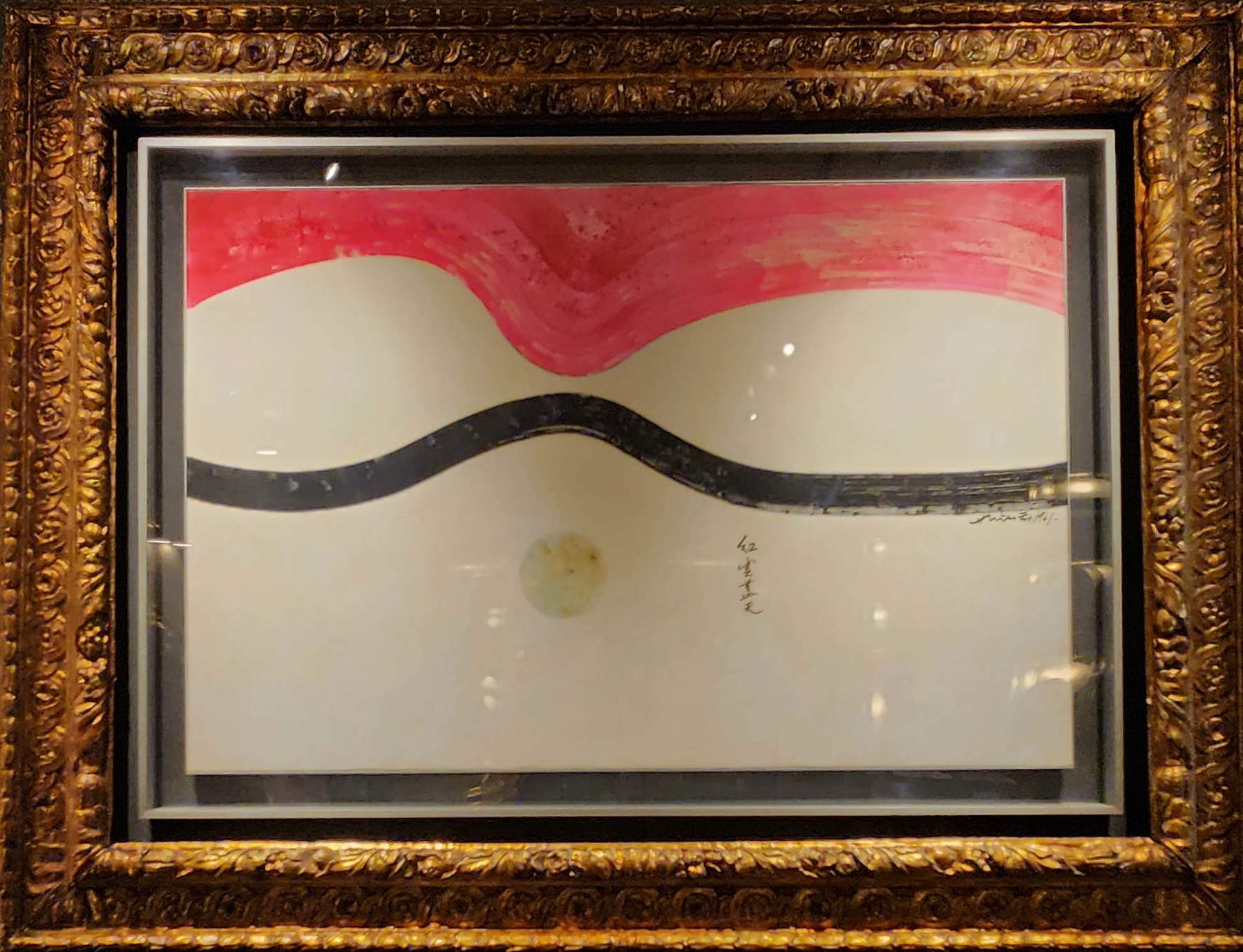
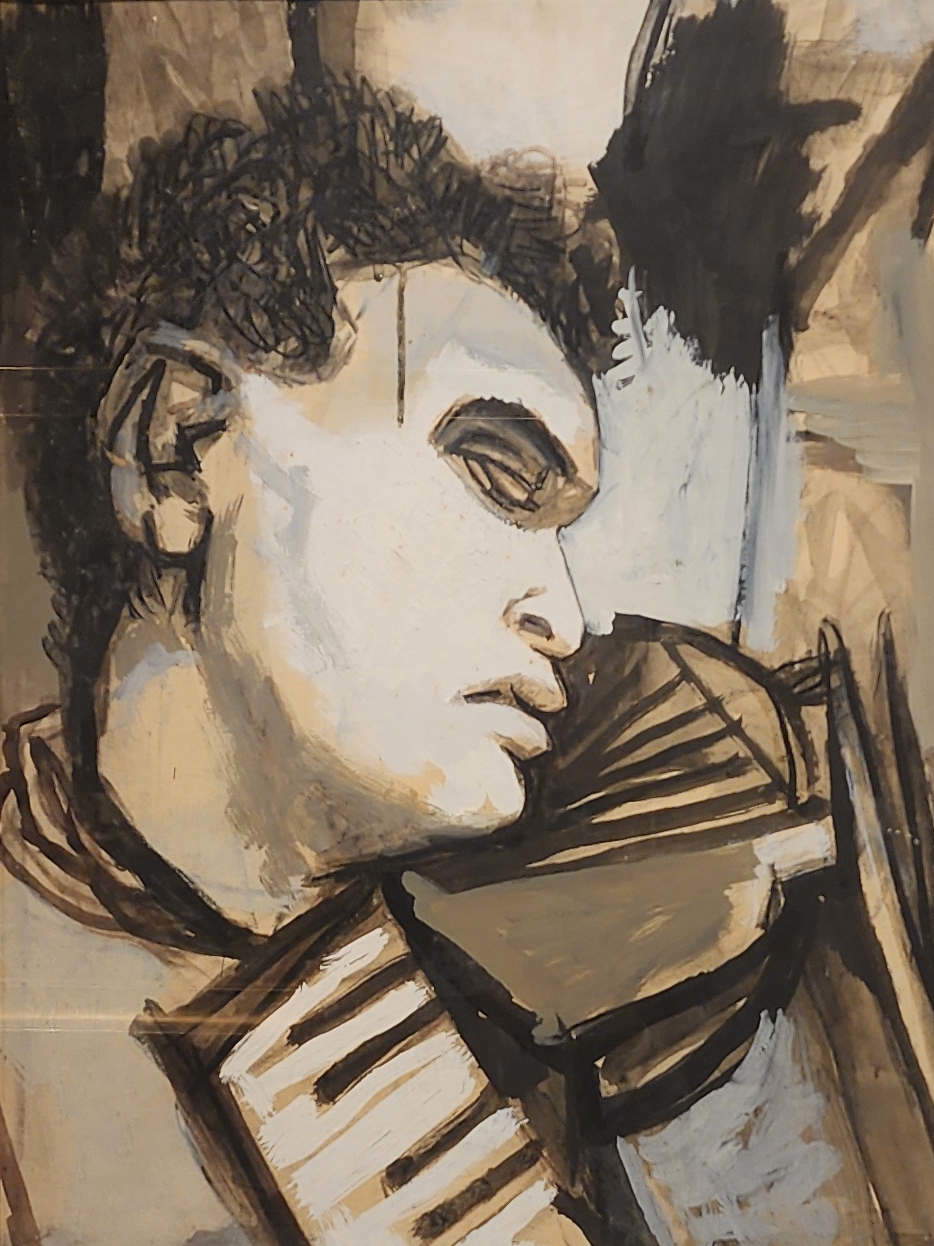
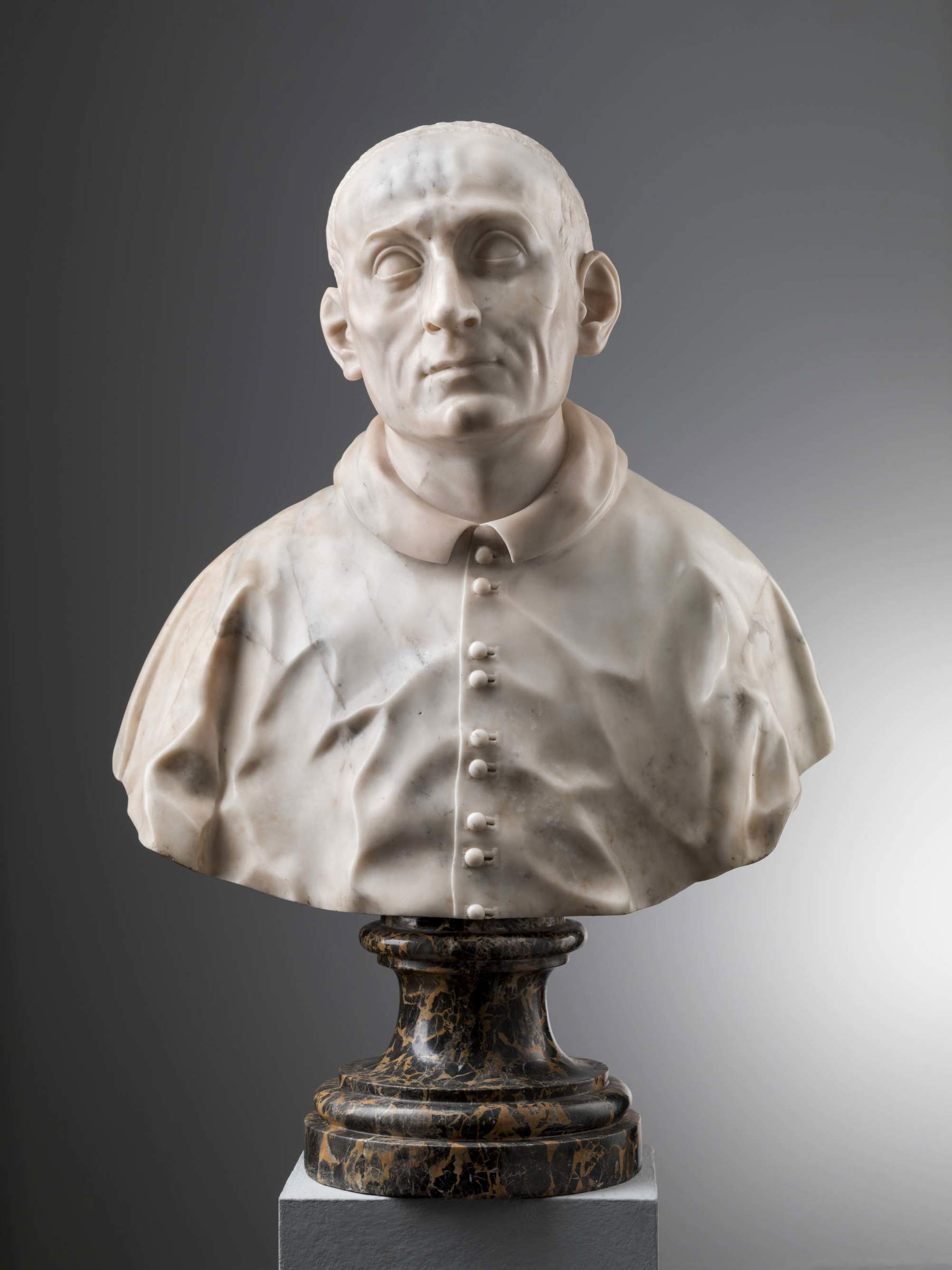
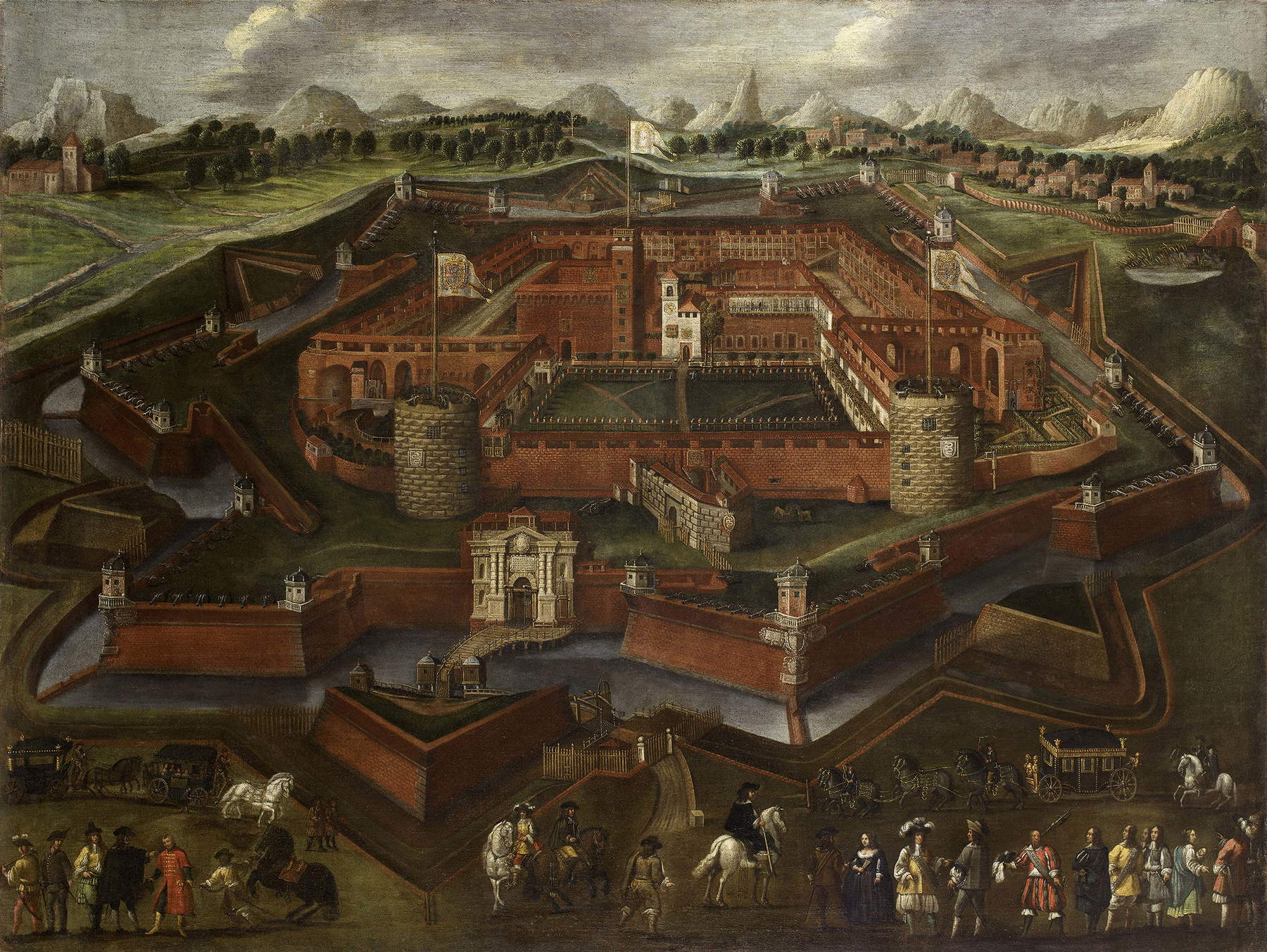
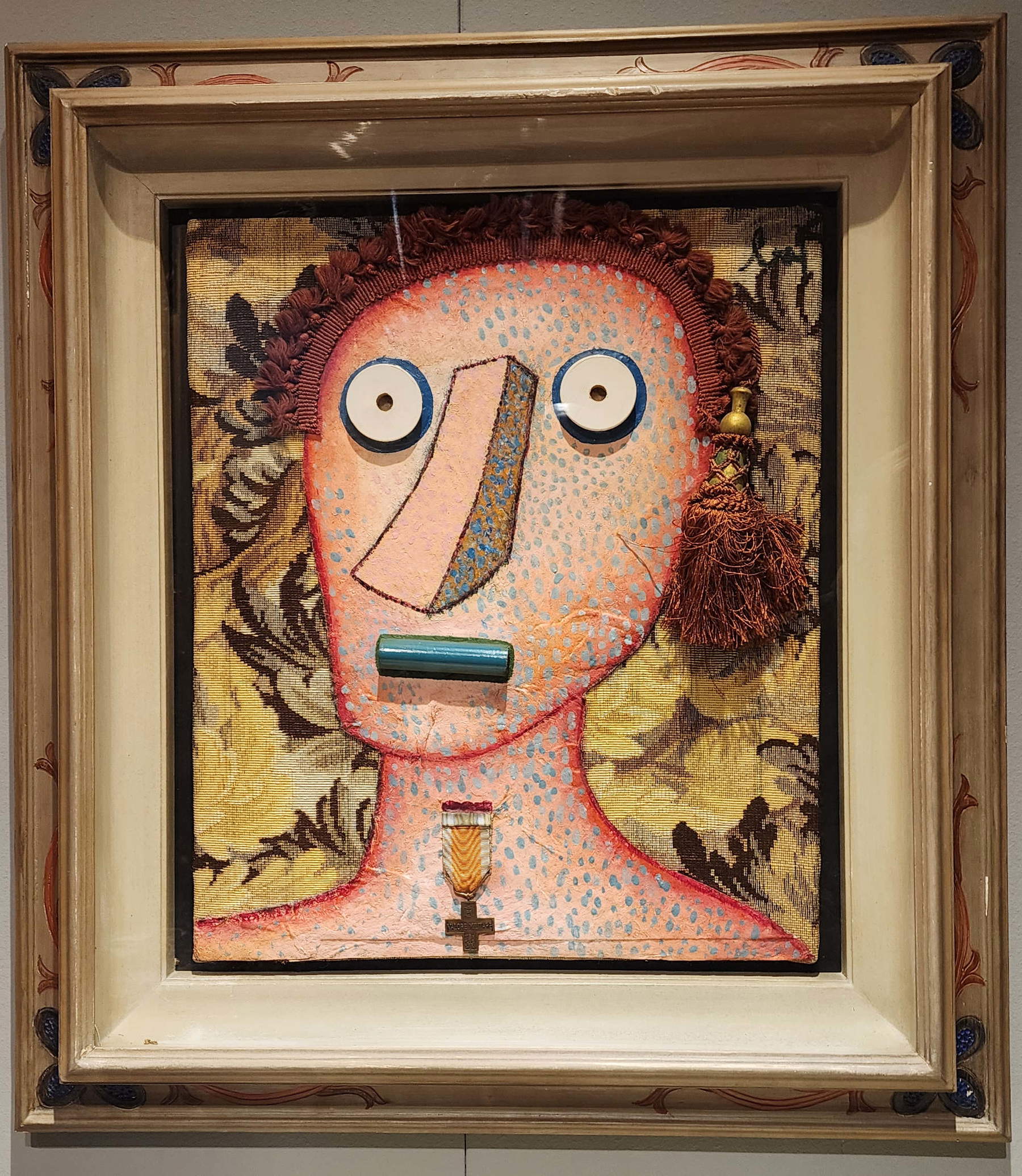
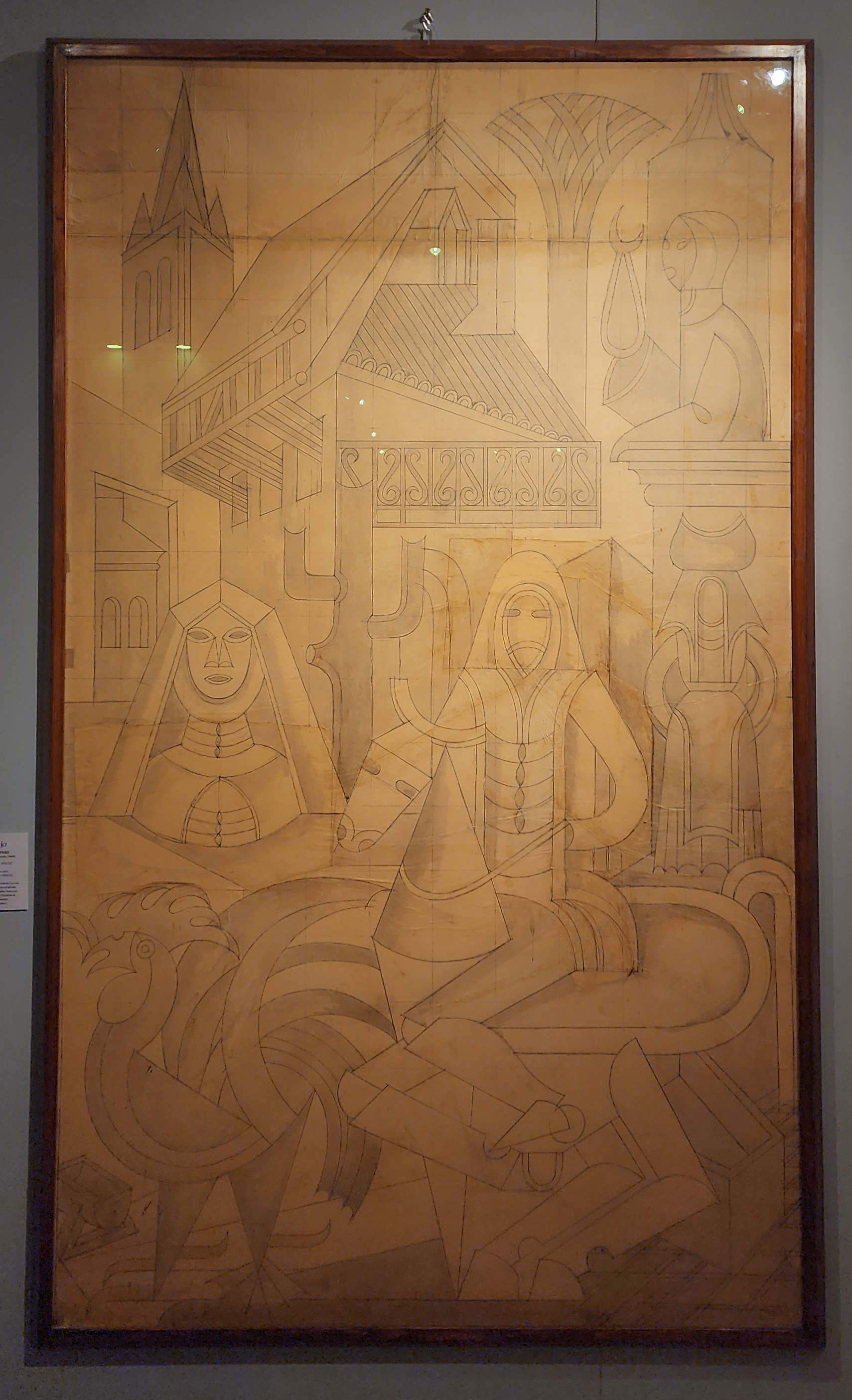
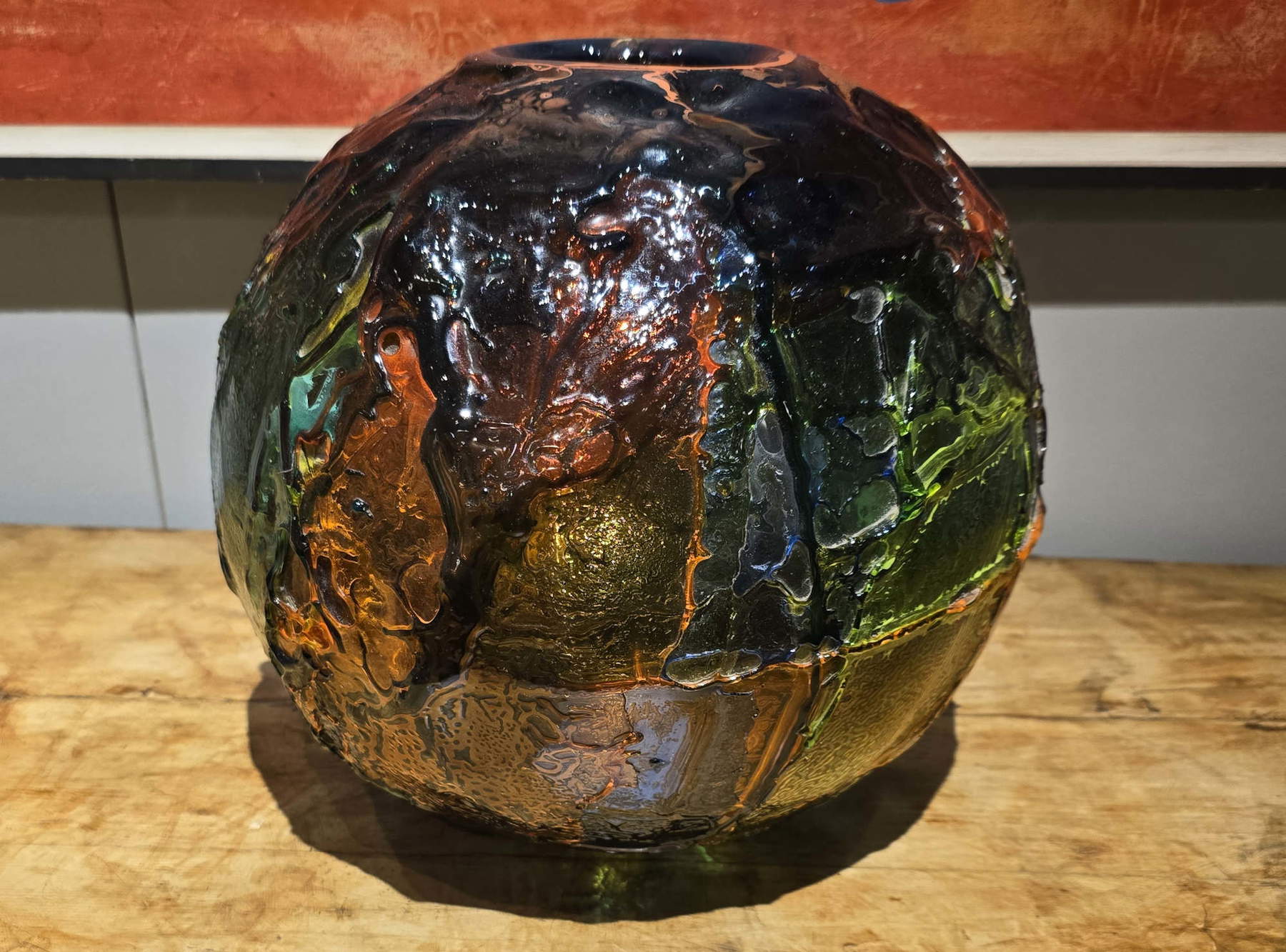
Heading down to the lower level, Botticelli Antichità presents one of the fair’s most interesting works: the Bust of Saint Charles Borromeo by Ercole Ferrata (Pellio Intelvi, 1610 – Rome, 1686), a first-rate work by this leading figure of Baroque sculpture, priced at 120,000 euros—a piece that naturally attracts a keen audience in Milan. Equally tied to the city is the View of the Sforza Castle in Milan by the 17th-century Lombard school, a large oil on canvas nearly two meters wide exhibited by Carlo Orsi, with an asking price of approximately 100,000 euros. Antichità Giglio blends 20th-century Italian art and design: the same price—28,000 euros—is set for two works that could not be more different—on the one hand, Enrico Baj’s *Head of a Woman* (Milan, 1924 – Vergiate, 2003), from 1972, featuring a face constructed through the layering of materials according to a technique the Milanese artist had been practicing for years; and on the other , Fortunato Depero ’s (Fondo, 1892 – Rovereto, 1960), a work from 1951–1952—and thus part of the late career of the Rovereto-born Futurist—which, moreover, is of unusual dimensions for a work on paper, standing nearly two meters tall. Rounding out the selection is a design piece, the Geacolor vase that Gae Aulenti designed for Venini (2002; blown glass, height 29.5 cm), priced at 5,000 euros.
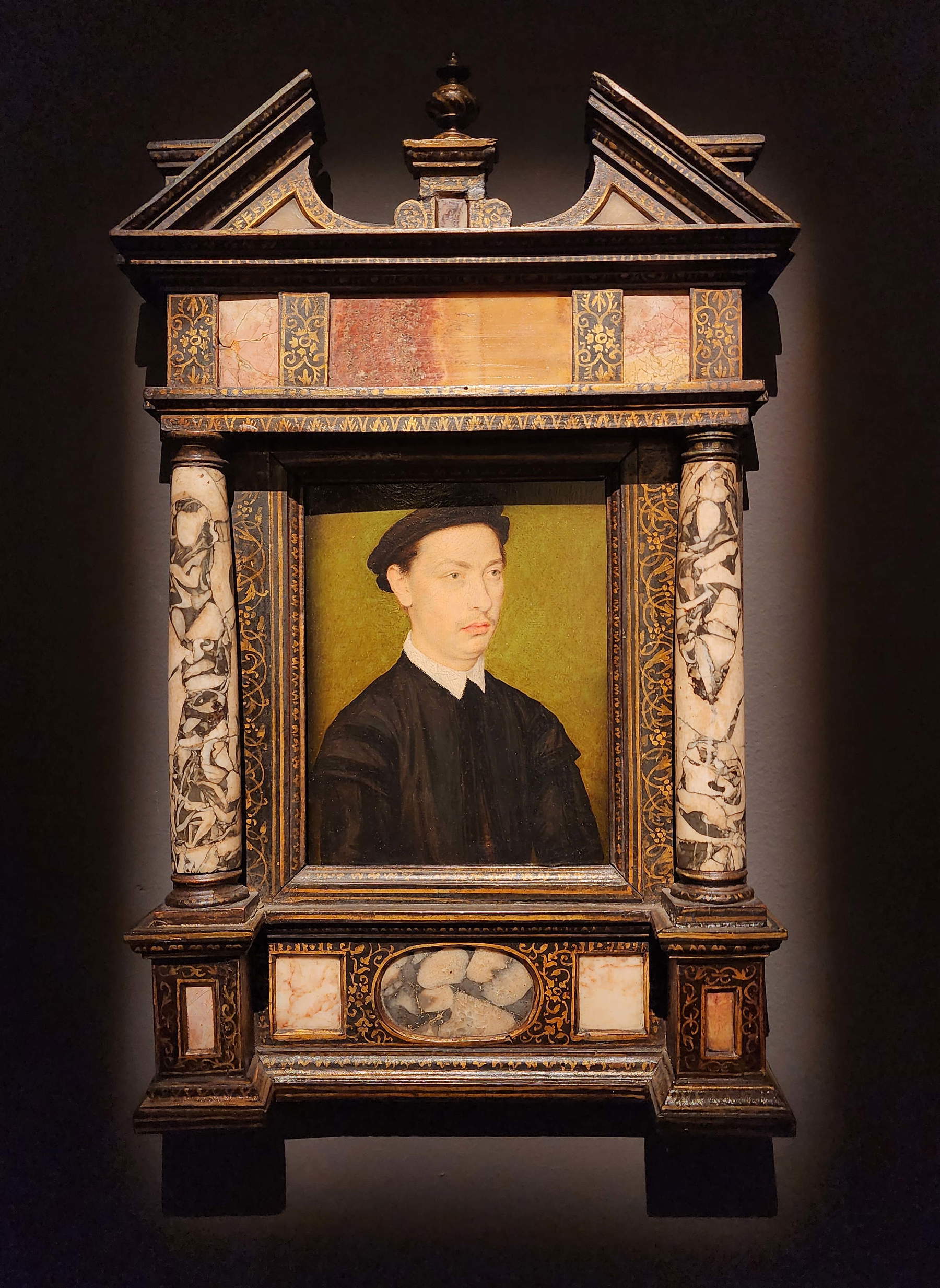
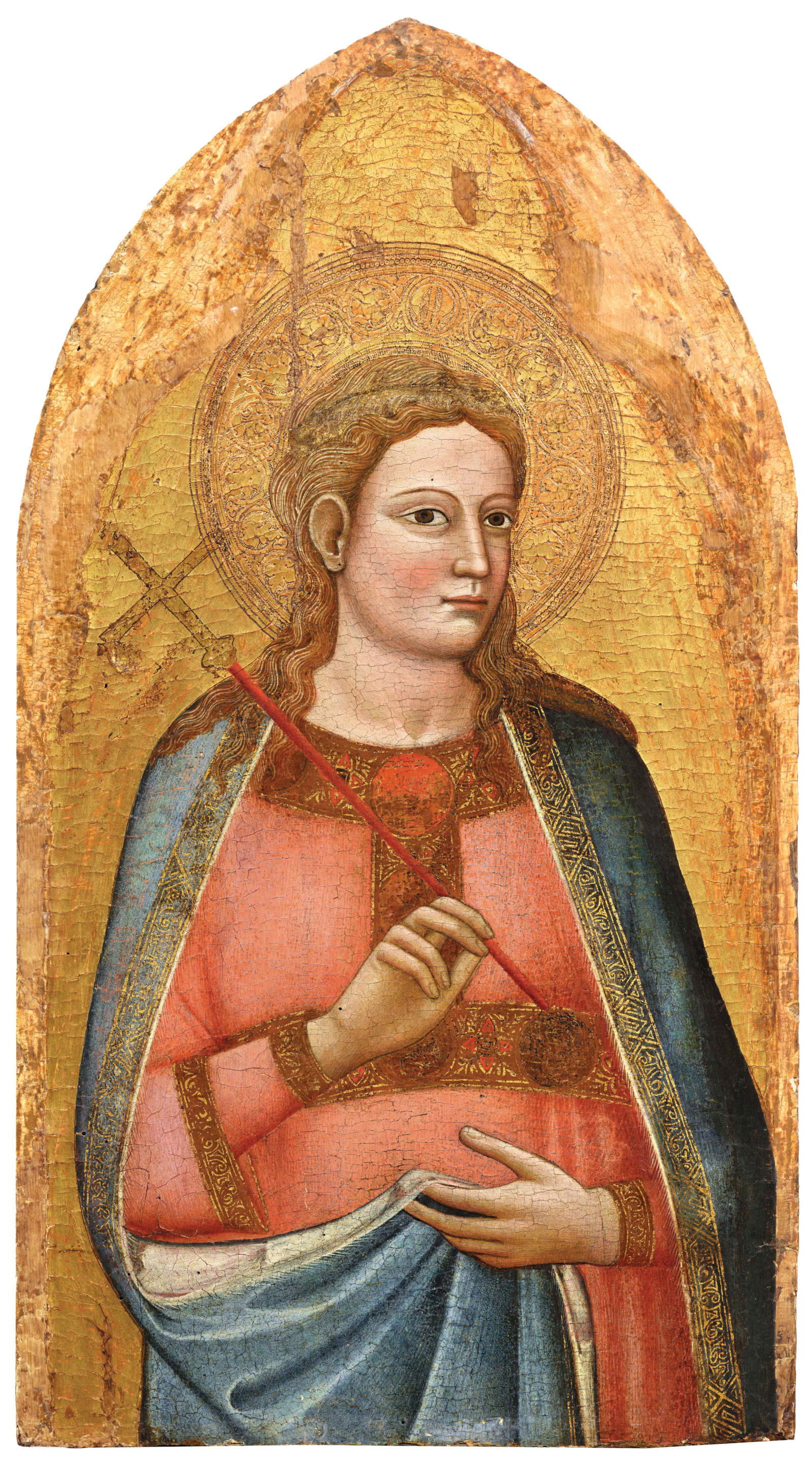
Seventeen and a half centimeters tall for 380,000 euros: the most inversely proportional relationship between size and price at the fair can be found at the Romigioli Antichità booth, where this is the asking price for the Portrait of a Young Notable from Lyon by Corneille de la Haye, known as Corneille de Lyon (La Haye, c. 1500–1510 – Lyon, 1575), an example of those small-format portraits—featuring a half-length figure against a neutral background—that the painter created for Lyon’s high society and the French court (the one offered at AMART dates from around 1550). But there are also older works at the same booth: one dates back to 14th-century Florence with Saint Margaret by Jacopo del Casentino (Pratovecchio, c. 1297 – c. 1349), one of the finest gold-ground works in this year’s edition, offered at 110,000 euros.
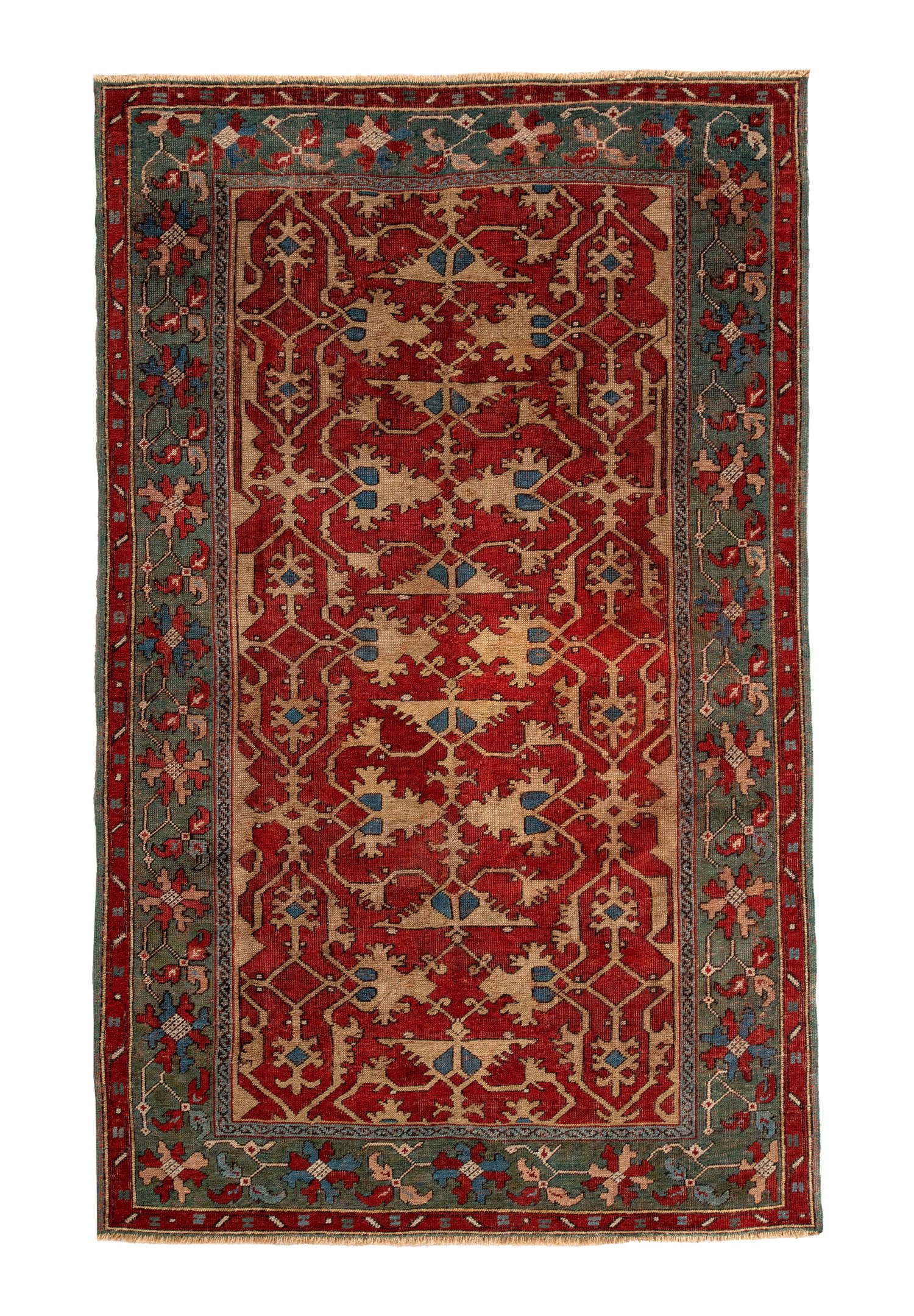
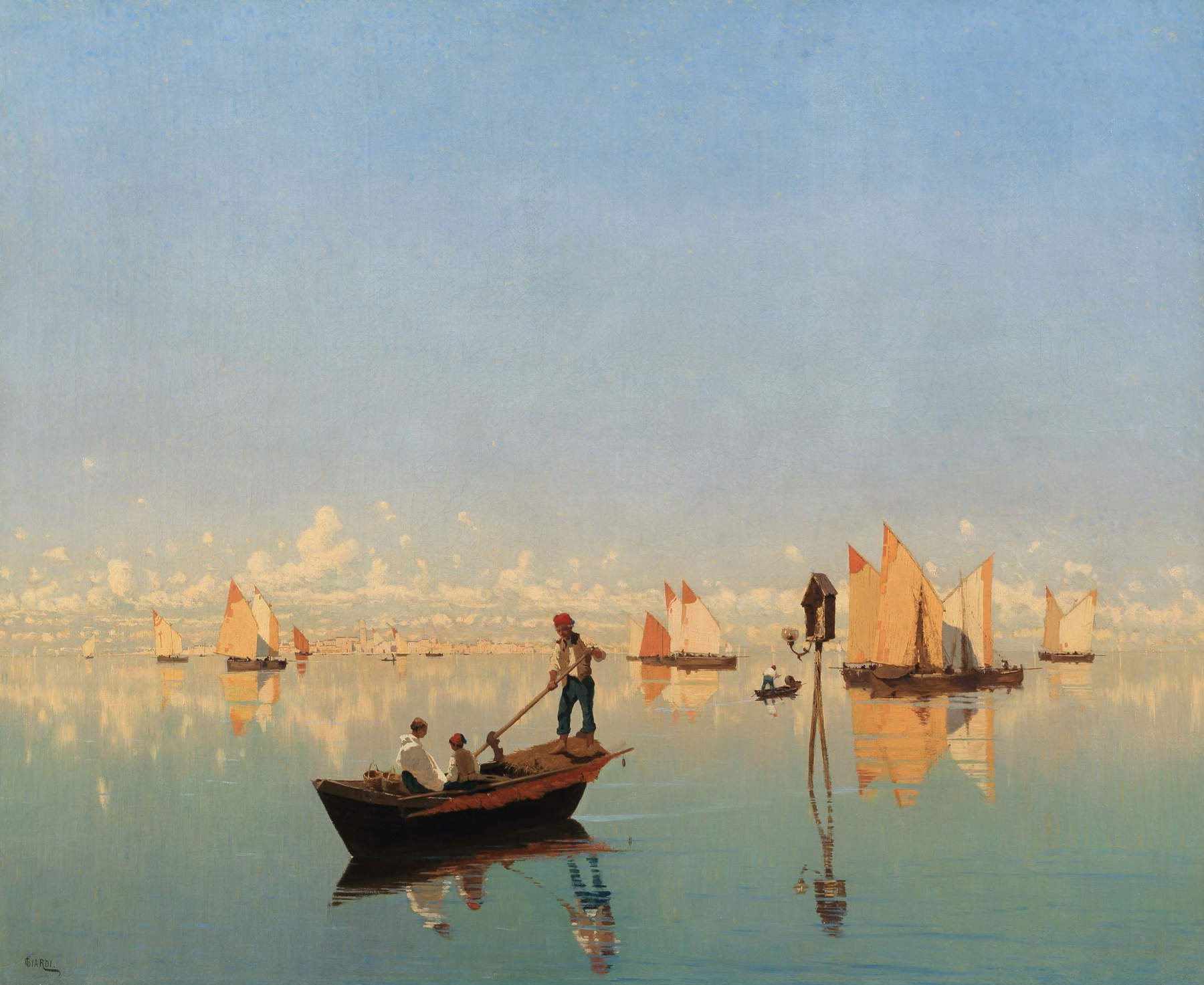
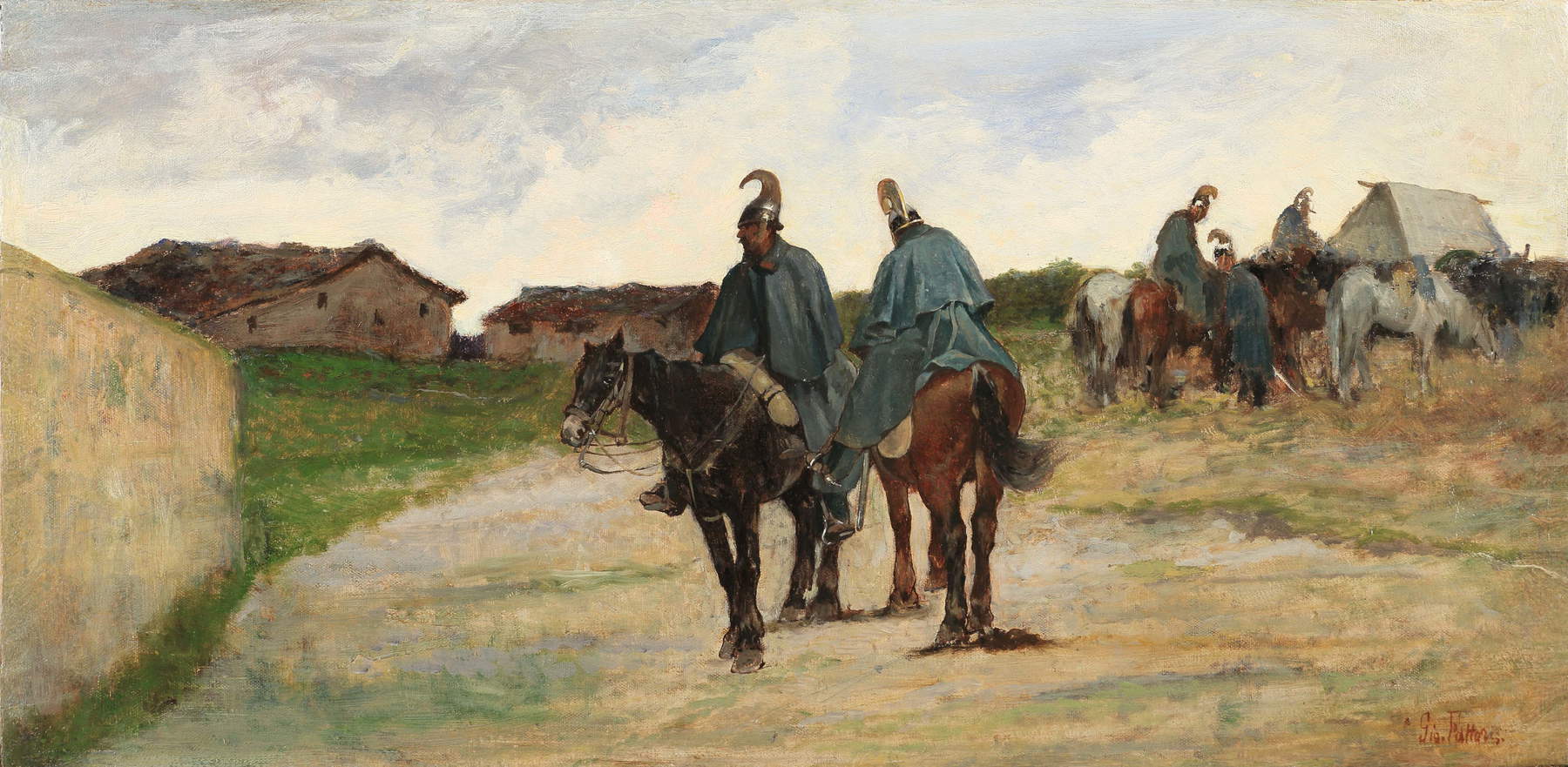
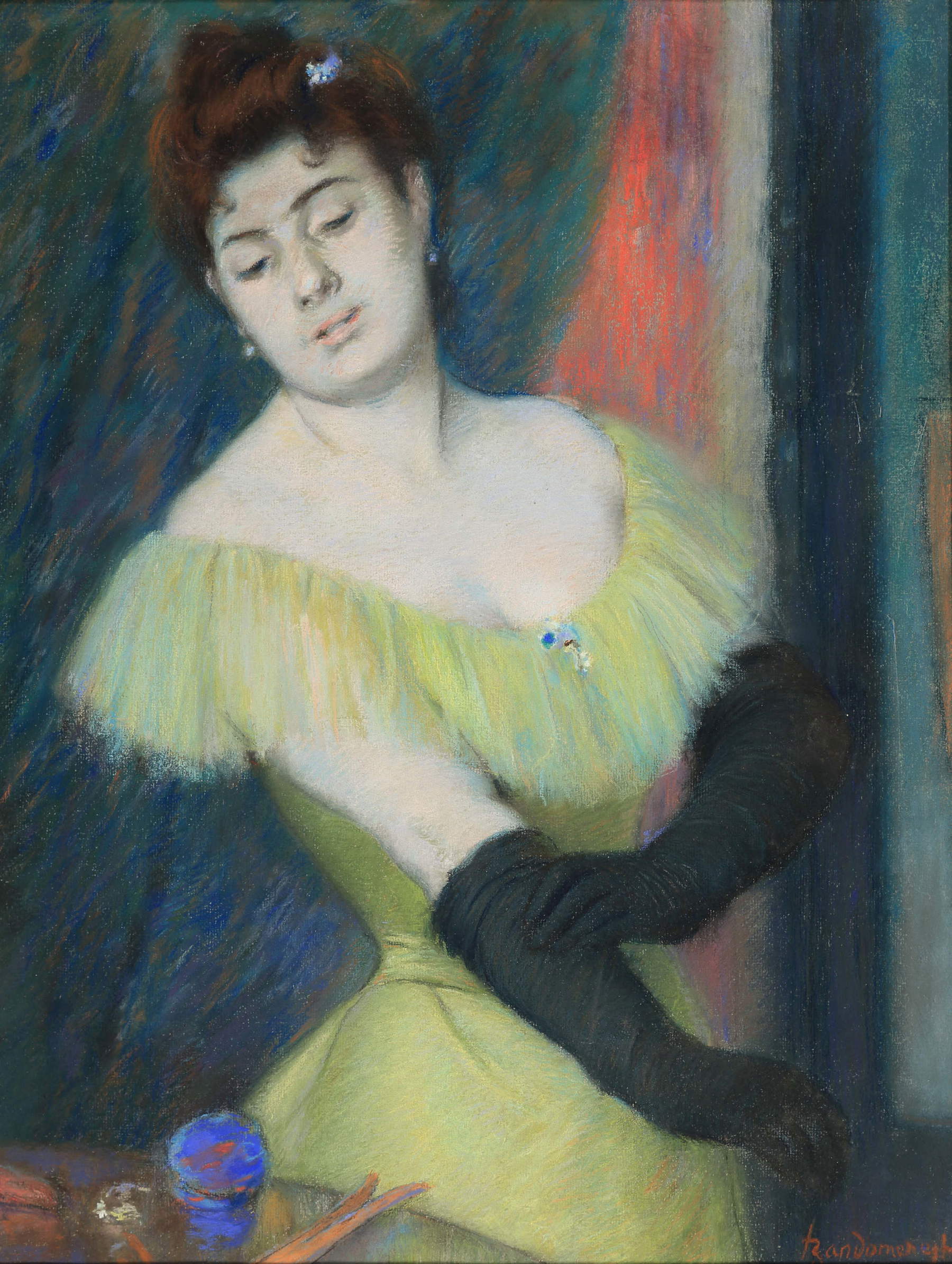
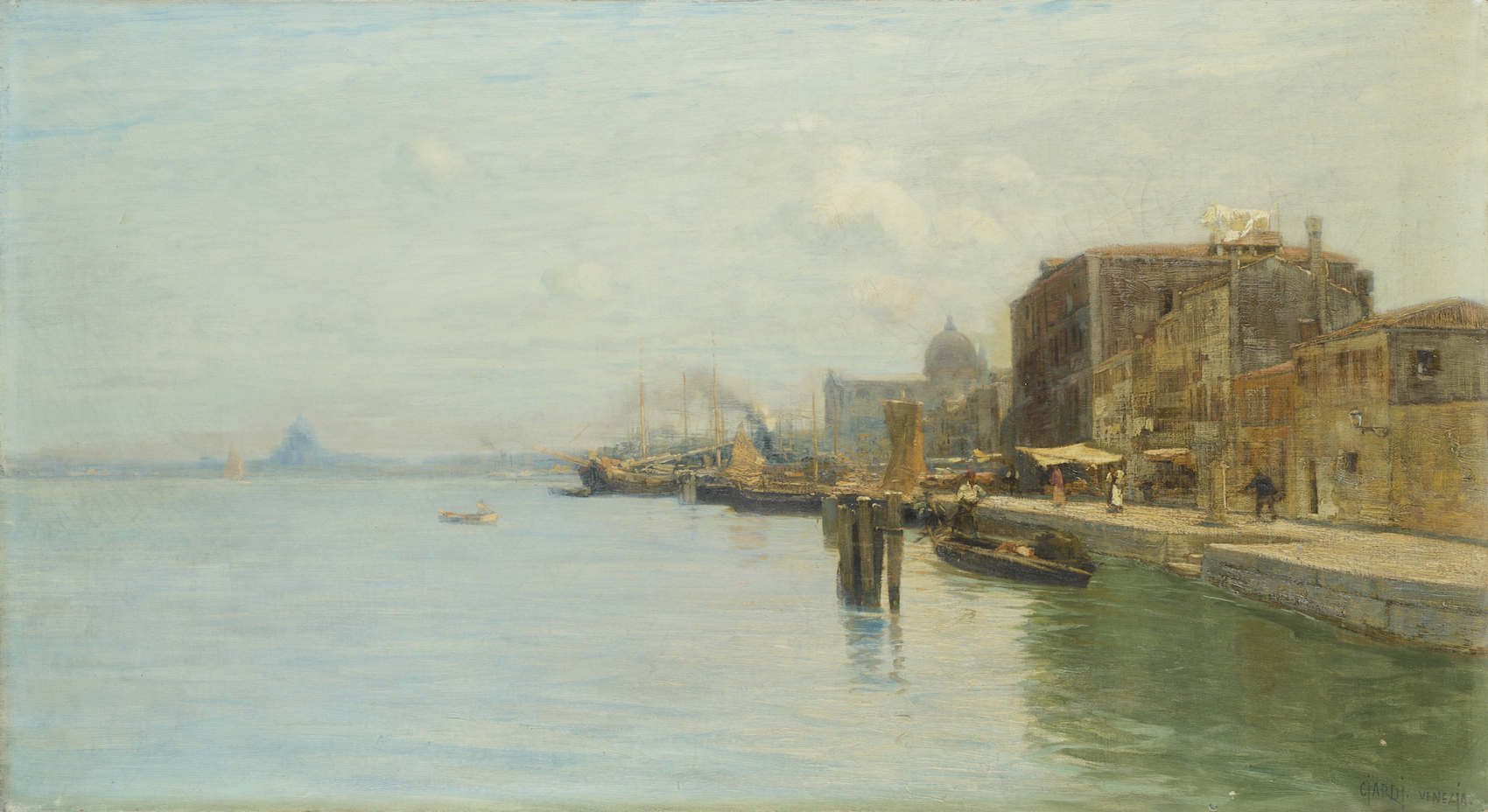
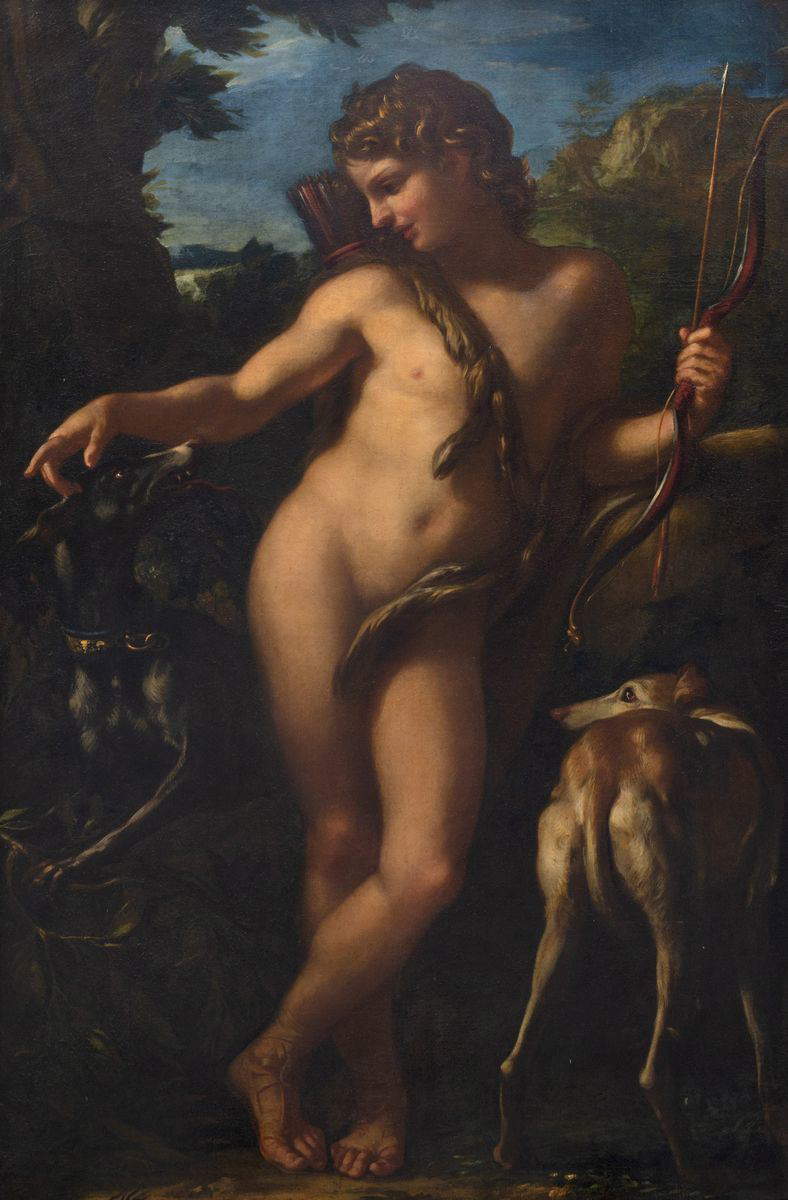
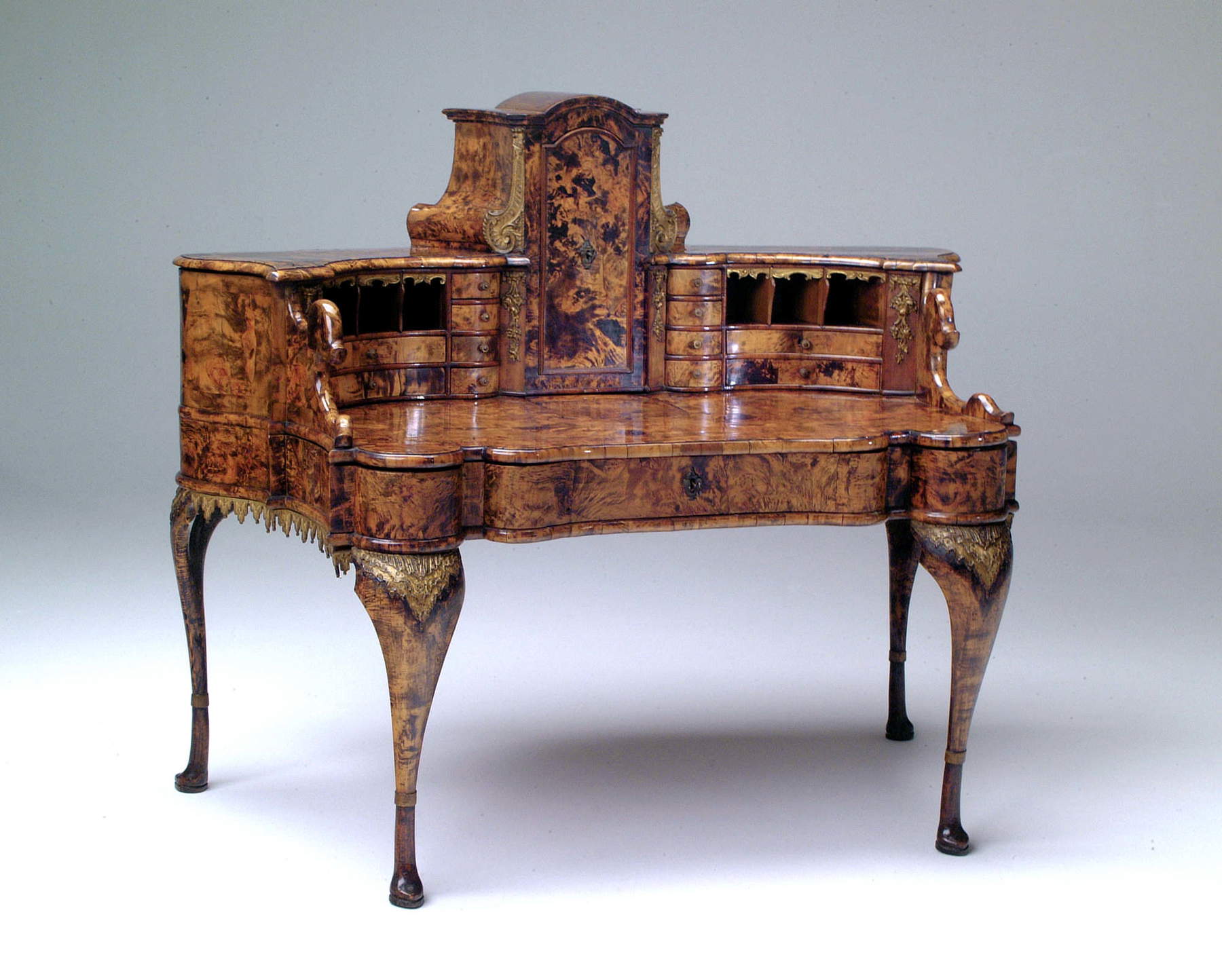
Mirco Cattai, a specialist in fine antique carpets, is presenting one from the late 16th century (175 × 107 cm), an Ushak with a floral border, of the “Lotto” type (these Anatolian carpets owe their name to Lorenzo Lotto, who depicted them several times in his paintings), which the gallery identifies as one of only four known examples of this type, with an asking price exceeding 100,000 euros. We return to painting with Mattarte, which is exhibiting a *Carità* by Stefano Maria Legnani, known as “il Legnanino” (Milan, 1661–1713), with an expert appraisal by Arabella Cifani: the Milanese painter trained in Bologna under Carlo Cignani and in Rome under Carlo Maratta; he was influenced by Baciccio and worked for the House of Savoy at Palazzo Carignano. This painting, entirely signed by the artist, showcases his light and luminous palette, a far cry from the dark hues of many of his Lombard contemporaries. The asking price is 40,000 euros. We return to the 19th century with works by Guglielmo Ciardi (Venice, 1842–1917), the only artist appearing at two booths with prices so far apart as to warrant a comparison: at Enrico Gallerie d’Arte, which prefers to indicate a range rather than precise figures, *La Laguna* is priced between 300,000 and 400,000 euros; at Piva & C. , *Canale della Giudecca, Venice* costs 35,000 euros. Enrico also features Giovanni Fattori (Livorno, 1825 – Florence, 1906) with *Ali di cavalleria* (*Cavalry Wings*), on the military theme that runs through his entire body of work, and Federico Zandomeneghi (Venice, 1841–1917) with *I guanti neri*(The Black Gloves), a pastel on paper depicting an elegant woman in the style the Venetian artist developed in Paris while associating with the Impressionists. For both works, the price range is between 100,000 and 200,000 euros. In addition to the Ciardi, Piva & C. is offering*Adonis with His Dogs* by the Genoese artist Domenico Parodi (Genoa, 1672–1742), priced at 75,000 euros, and one of the fair’s most unique pieces of furniture: a mid-18th-century writing desk from a Ferrara cabinetmaker’s workshop, made of wild heather wood (skillfully carved to mimic a turtle’s shell), with gilded carvings, priced at 250,000 euros.
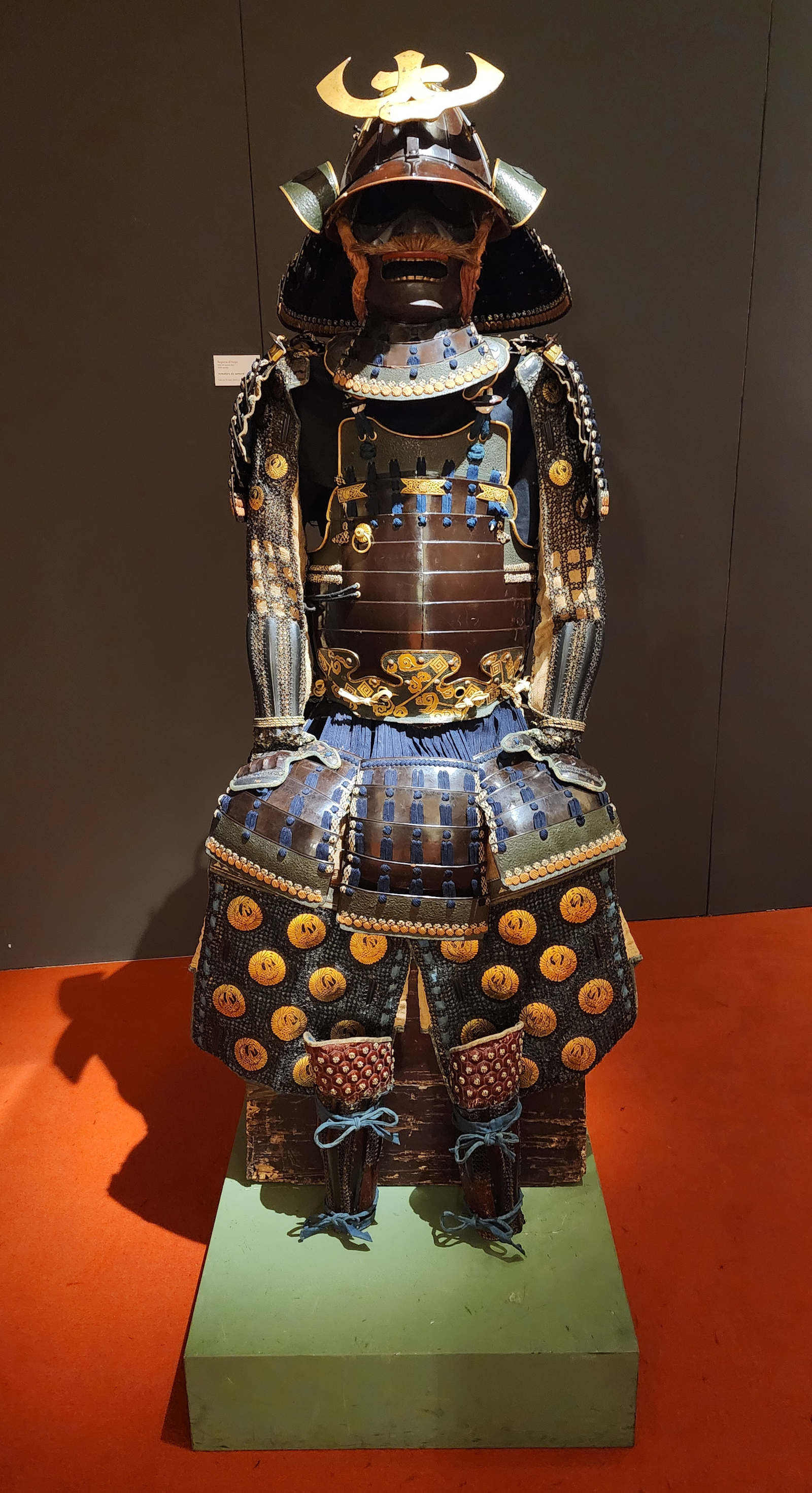
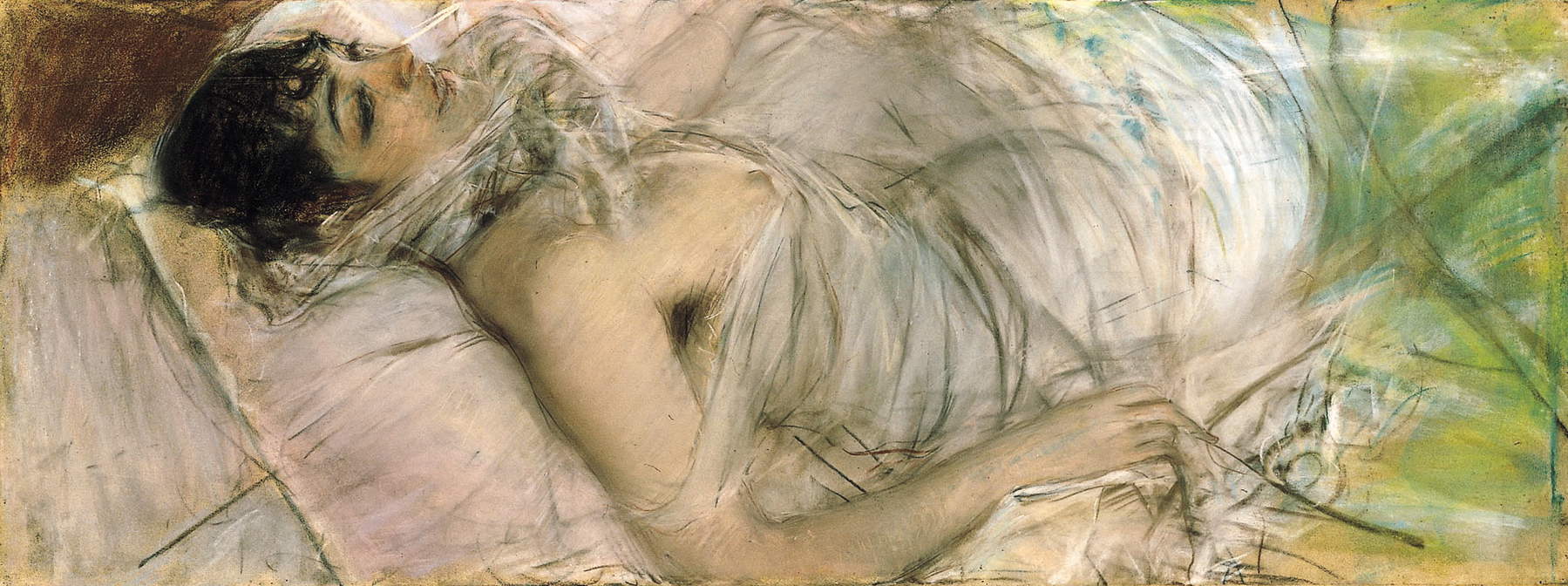
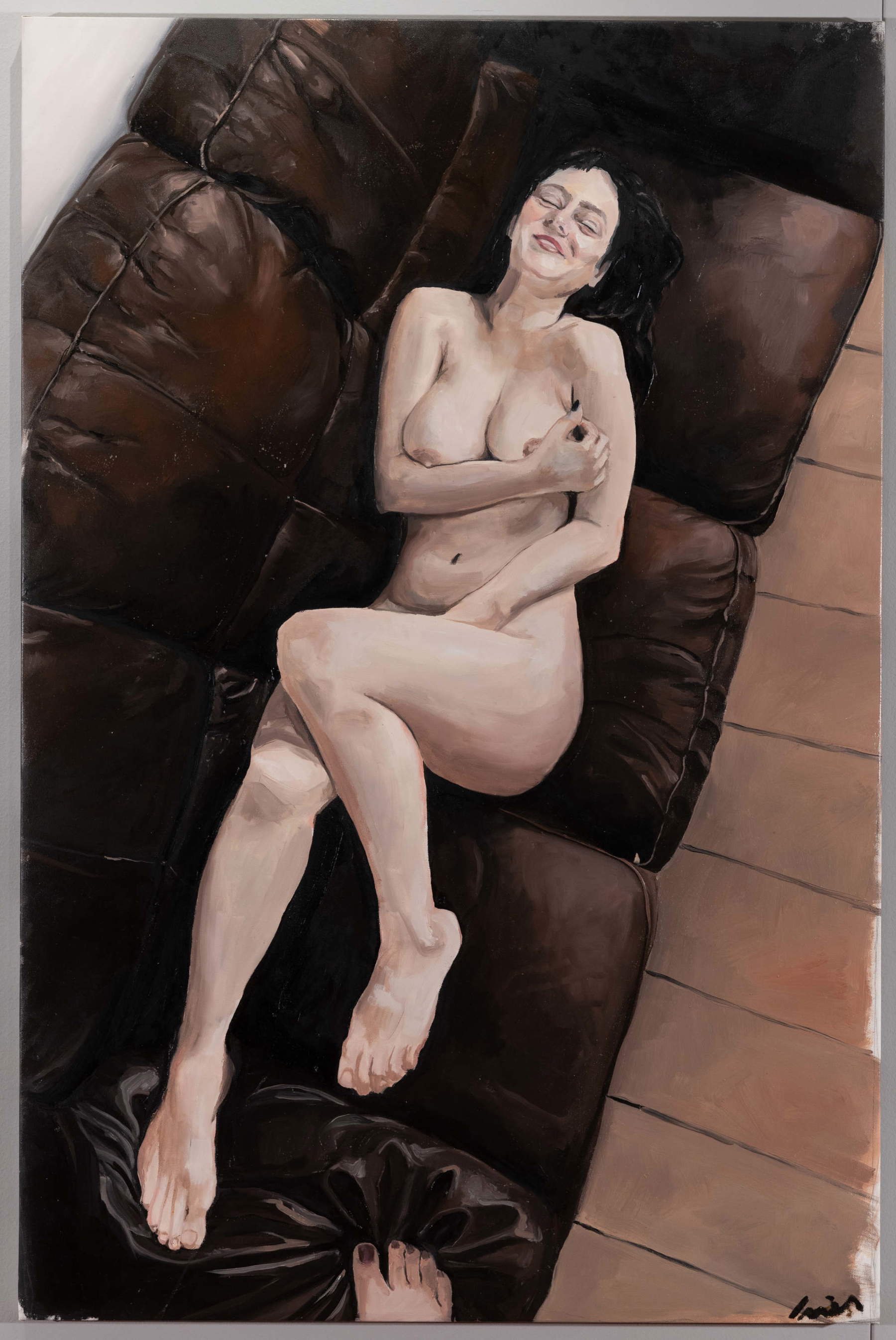
We now turn to Japan at Gilistra, a gallery specializing in Japanese art, featuring a complete set of samurai armor from the Kaga region (mid-Edo period, 18th century). The signature on the helmet, “Jōshū jū Saotome Ietada,” refers to the Saotome school, one of the most renowned among armor makers. The price is 95,000 euros. At the Giampaolo Abbondio Gallery, meanwhile, the exhibition explores a dialogue between two centuries of female portraiture, beginning with Giovanni Boldini and extending to contemporary artists such as Matteo Basilè, Gianluca Di Pasquale, and the very young Ines Michelotto, an artist making her debut. Giovanni Boldini’s *The Reclining Countess de Rasty* (Ferrara, 1842 – Paris, 1931) depicts the woman who was one of the most constant presences during the painter’s early years in Paris; and is priced at 340,000 euros, while on the opposite wall, the painting *Giorgia on a Leather Sofa* by the young Ines Michelotto (Padua, 1997)—also depicting a female figure on a sofa—is offered for 5,600 euros. Contemporary art is also featured at Gian Enzo Sperone’s booth, where the side-by-side comparison between a spectacular *Composizione e scomposizione* by Bertozzi&Casoni and a neoclassical *Venus and Cupid* by Henry Tresham represents one of the most intriguing highlights of the entire AMART fair.
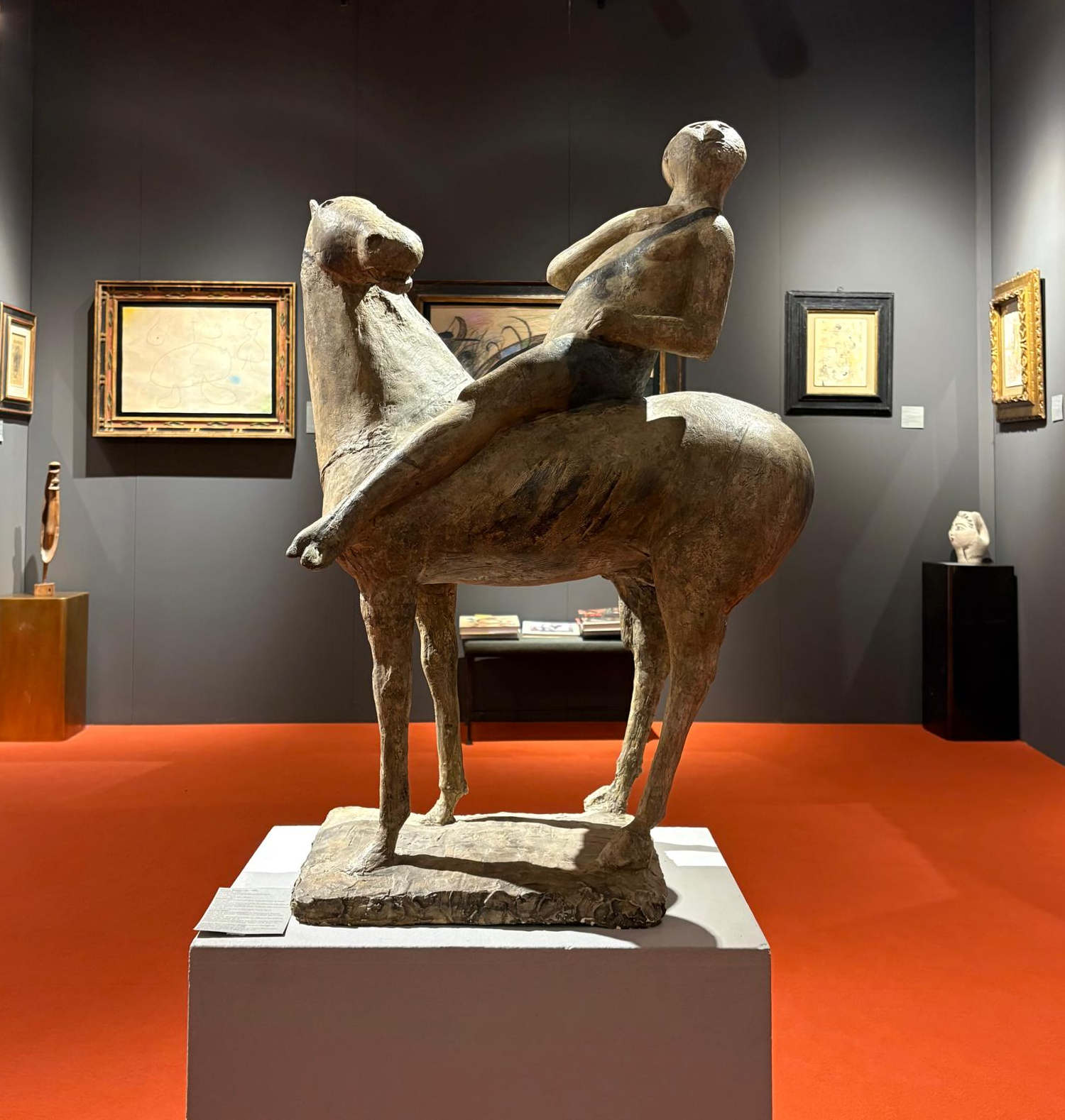
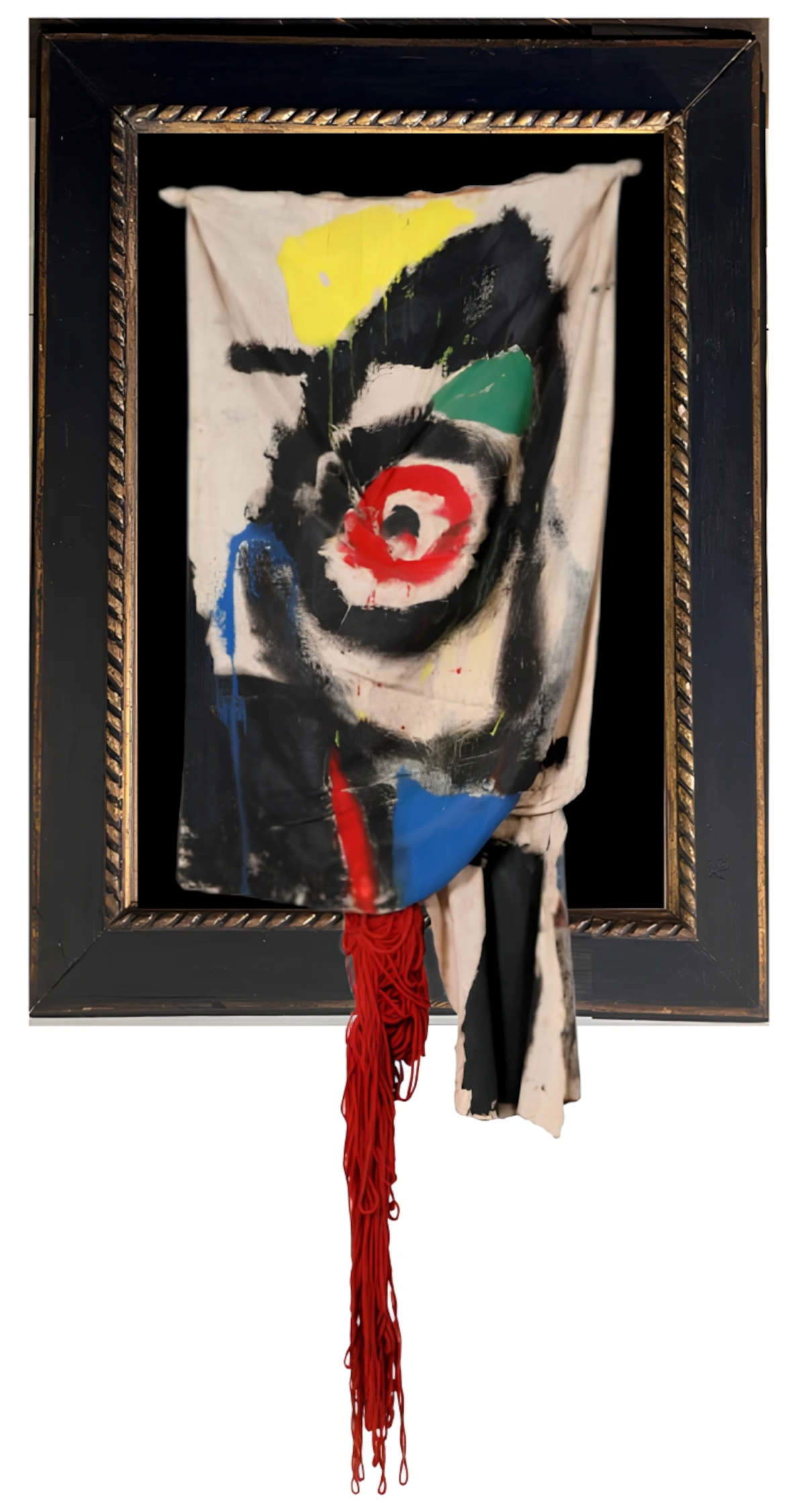
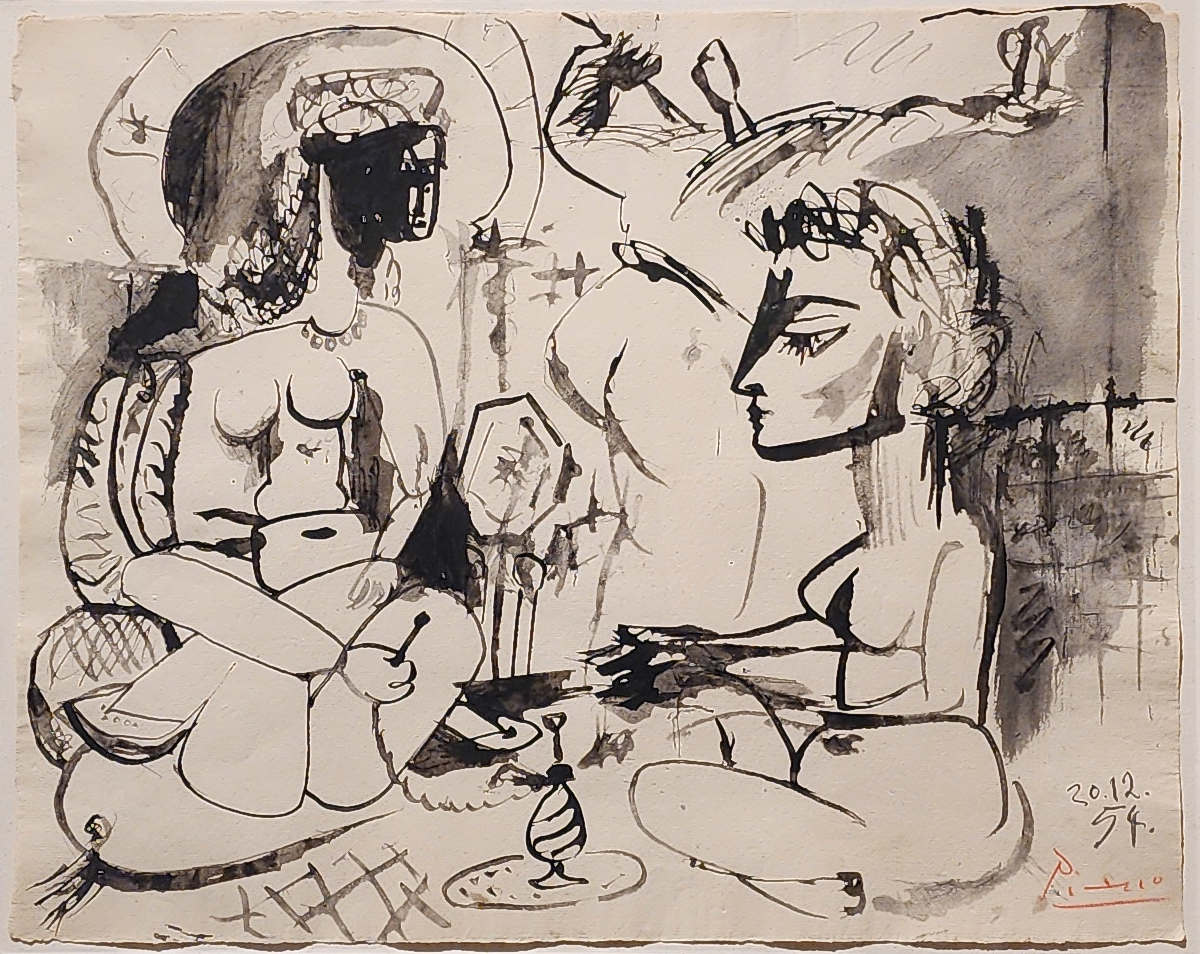
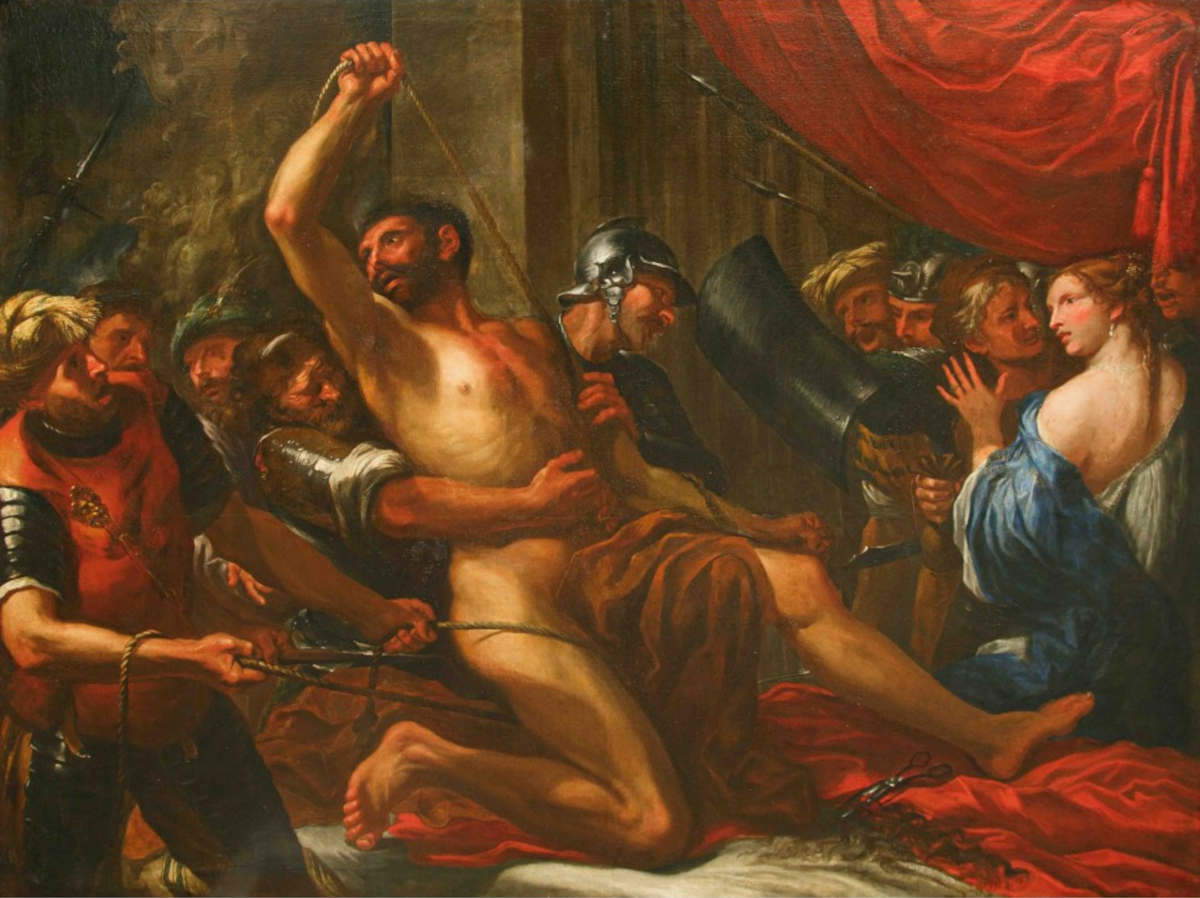
It is at Galerie Traits Noirs & Co. in Paris that the highest prices are achieved, and where the discussion initiated by Cesaro with Marino Marini’s small equestrian composition ideally comes to a close. Here, his *Cavaliere*(Knight), a polychrome plaster from 1947, is a large-scale original model from the period when the theme of the horse and rider—central to the sculptor’s entire body of work—took on a new tension in the postwar era. The asking price is 1.2 million euros, the highest figure at the fair. On the same stand, Joan Miró’s (Barcelona, 1893 – Palma de Mallorca, 1983), from the series in which the Catalan painter experimented with textiles, is offered at 680,000 euros, and Pablo Picasso’s *Étude pour Les Femmes d’Alger, d’après Delacroix* (Málaga, 1881 – Mougins, 1973)—part of his cycle of variations on Delacroix’s masterpiece—is offered at 550,000 euros. Those who prefer artistic exploration to famous signatures will find something of interest at Ars Antiqua, with a *Capture of Samson* by Guglielmo Cairo accompanied by a description by Camillo Manzitti. Little is known about this painter from Casale, active in the second half of the 17th century: for a long time, the only confirmed work wasan *Adoration of the Shepherds*, signed and dated 1671, acquired by the City of Turin. The painting on display at the fair confirms its debt to Genoese painting—and in particular to Domenico Piola—but also reveals a personal style: a tendency to fragment the narrative into many characters, each distinctively rendered, as seen in the faces of the Philistine soldiers gathered around the hero. This work by this rare artist is offered at 38,000 euros.
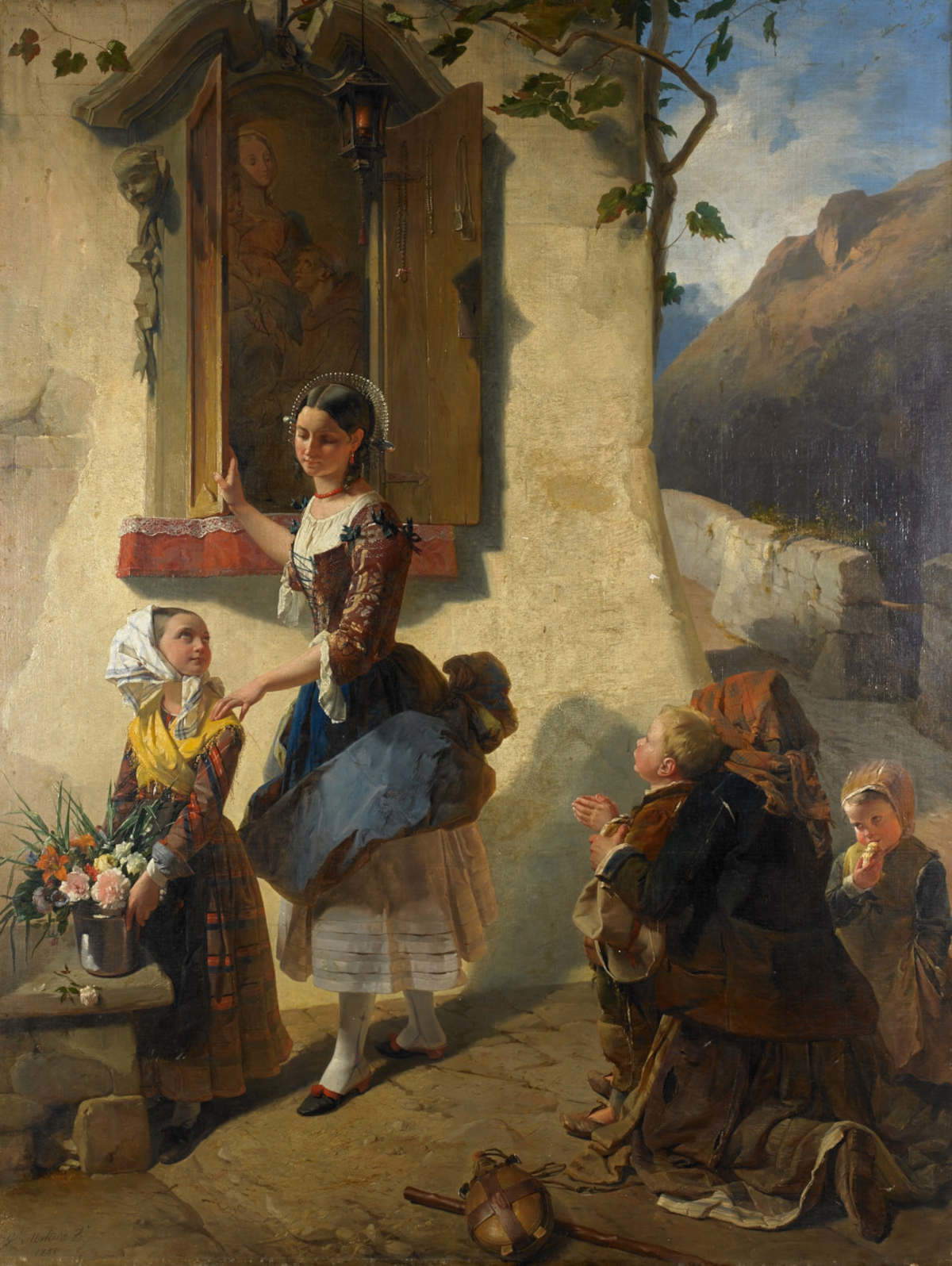
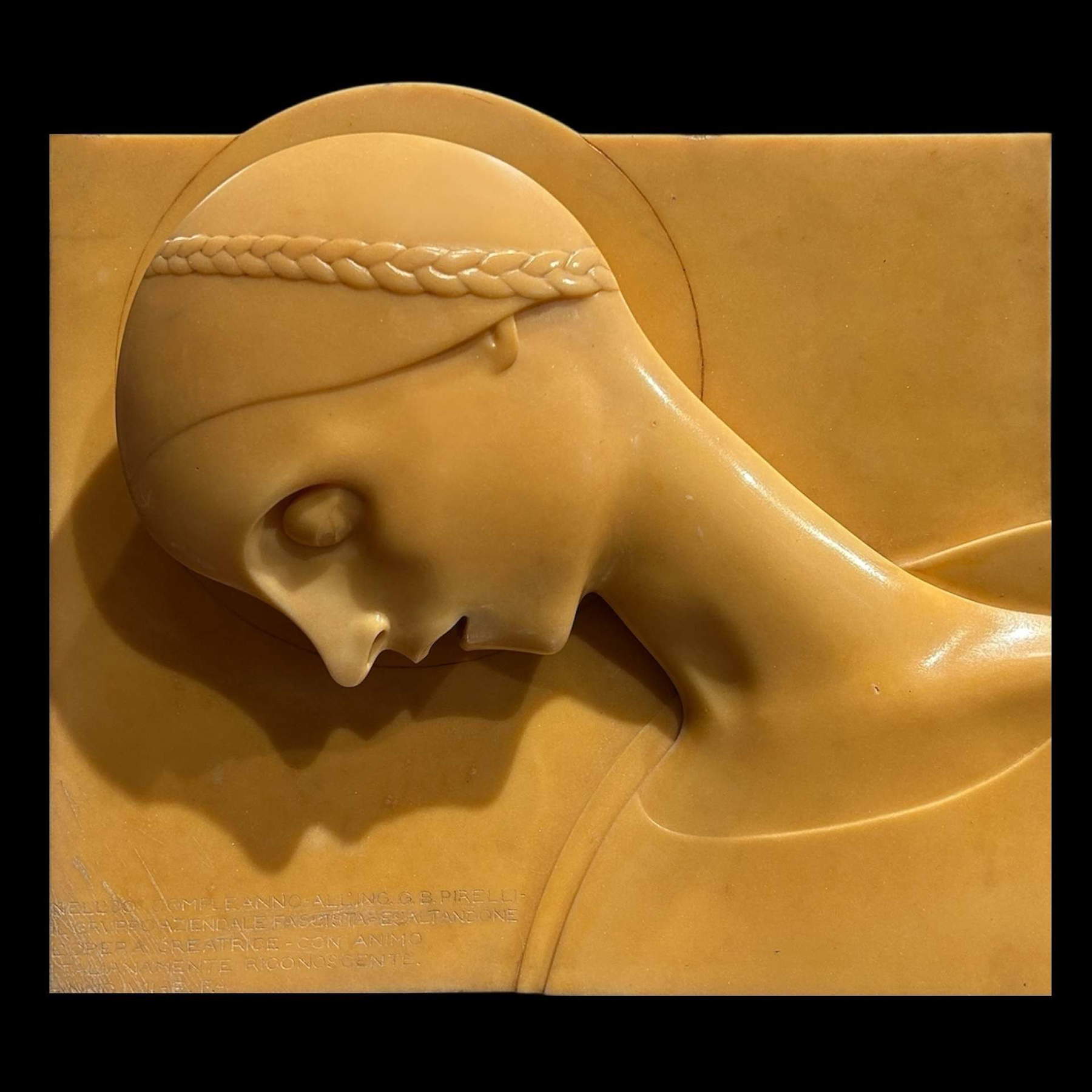
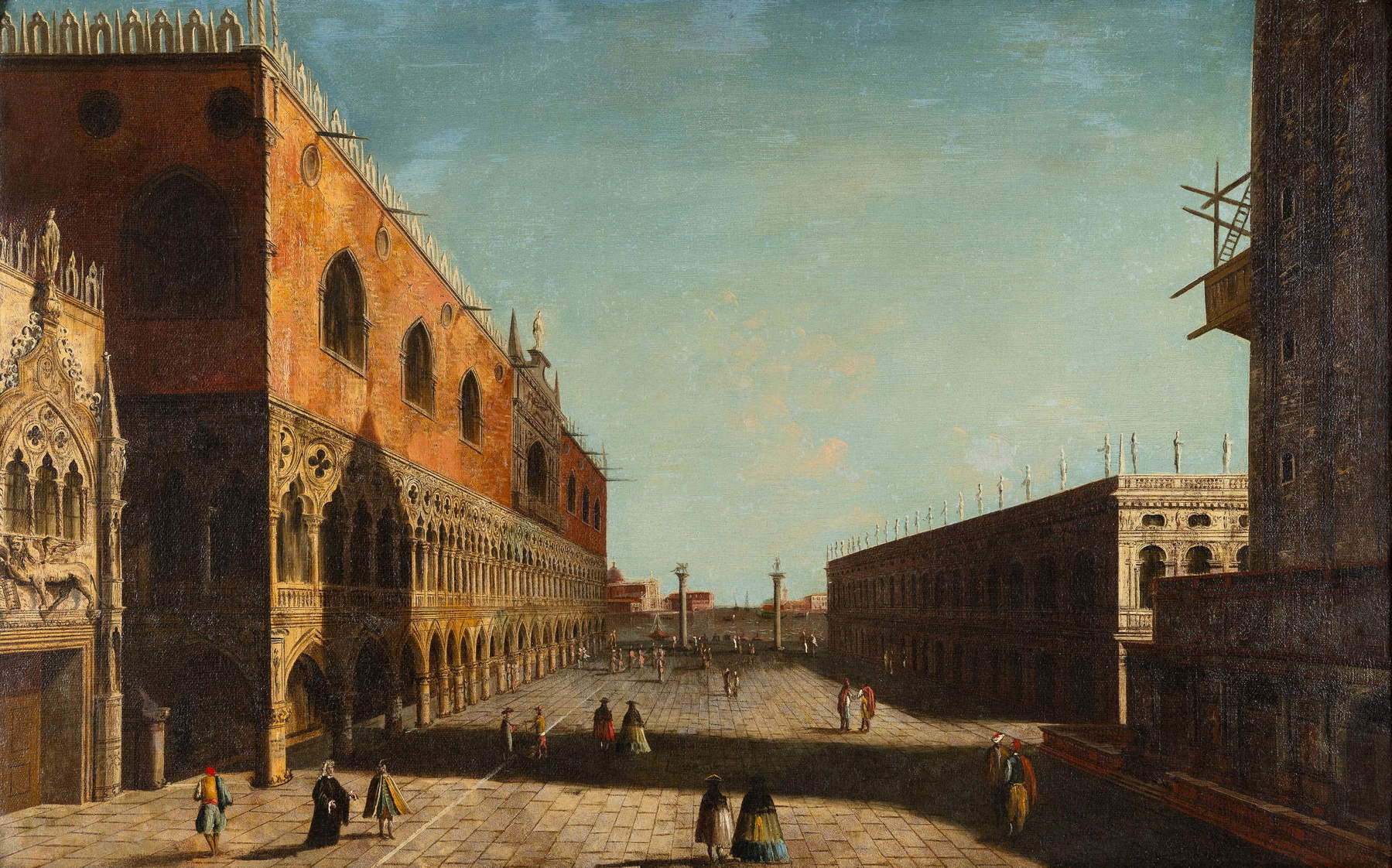
Two significant works—for different reasons—from Scultura italiana srl. *The Feast Before an Image of the Virgin Mary in an Open Field in Brianza*, an 1850 work by Giuseppe Molteni (Affori, 1800 – Milan, 1867) depicts a scene of popular devotion before a Marian shrine, where a young woman in festive attire points out the sacred image to a little girl. This monumental work elevates a genre scene to the realm of history painting, set against the backdrop of Lombard Romanticism: the asking price is 250,000 euros. But it is the small marble sculpture that commands the highest price: Adolfo Wildt ’s *Mater purissima* (Milan, 1868–1931) from 1919—a high relief in Candoglia marble—isolates the Virgin’s head from the large relief *Mary Gives Light to Christian Children*, presented in Milan the previous year. Wildt reduces the image to the profile and the curve of the neck, entrusting the polished surfaces with an expression suspended between purity and suffering. It is offered at 600,000 euros. *Sine Tempore* allows for a direct comparison with what was seen at the beginning of the exhibition: *The Sermon of John the Baptist* by the Emilian artist Giovanni Maria Viani (Bologna, 1636–1700), offered at 45,000 euros, depicts the same subject as the Castiglione painting exhibited by Capozzi, but in an Emilian rather than a Genoese style. Next to it, a View of St. Mark’s Square with the Shadow of the Bell Tower attributed to Michele Marieschi (Venice, 1710–1743) is offered at 75,000 euros. At the Giamblanco Gallery, Giuseppe Vermiglio ’s (Alessandria, c. 1587 – c. 1635), based on a subject dear to the Caravaggist tradition to which the painter adhered, is offered for between 60,000 and 80,000 euros. The *Study of a Saint*, possibly Saint Peter, by Giovanni Lanfranco (Parma, 1582 – Rome, 1647) is priced at 16,000 euros, a modest figure for a leading figure of the Roman Baroque.
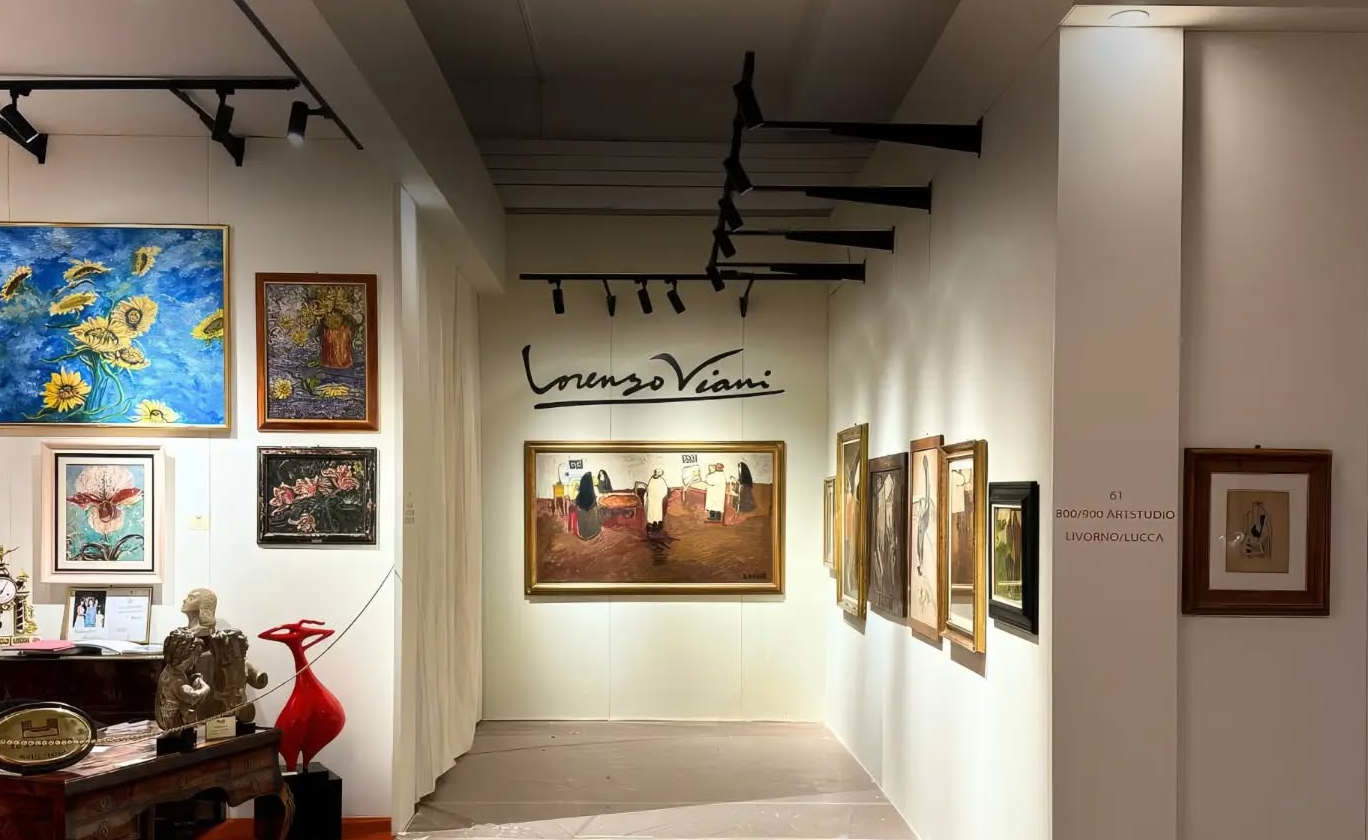
The early 20th century in Central Europe is featured in a dedicated section by the Livorno-based 800/900 Art Studio.The *Allegory* by Anton Müller-Wischin (Weissenhorn, 1865 – Marquartstein, 1949), a 1915 work exhibited at the 1924 Biennale—where the German section was directed by Franz von Stuck—is by a Bavarian painter known primarily for landscapes and still lifes; according to family memoirs, Paul Klee played the violin. At the center of the canvas, a female figure with a haughty gaze is surrounded by male faces and objects laden with meaning—a skull, a string of pearls, a wine goblet—in a composition reminiscent of Böcklin (price: 10,000 euros). The goblet by Gino Parin ( Federico Guglielmo Jehuda Pollack; Trieste, 1876 – Bergen-Belsen, 1944), on the other hand, has a well-documented exhibition history: it was the first work in the painter’s solo exhibition at the Galerie Heinemann in Munich between January and February 1914, and German critics of the time recognized in it echoes of the female figures of the Pre-Raphaelites. The painting is offered at 20,000 euros. The tour concludes at Le Due Torri with a case that concerns the art market no less than art history itself. The Temptations of Saint Anthony by Camillo Procaccini ( Parma, 1561 – Milan, 1629), an Emilian-born painter who made Milan his home and was a leading figure of the Borromean era, has been placed under notification: this restriction prevents the work from leaving Italy permanently and effectively limits the pool of potential buyers to Italian collectors. The asking price, however, exceeds 200,000 euros.
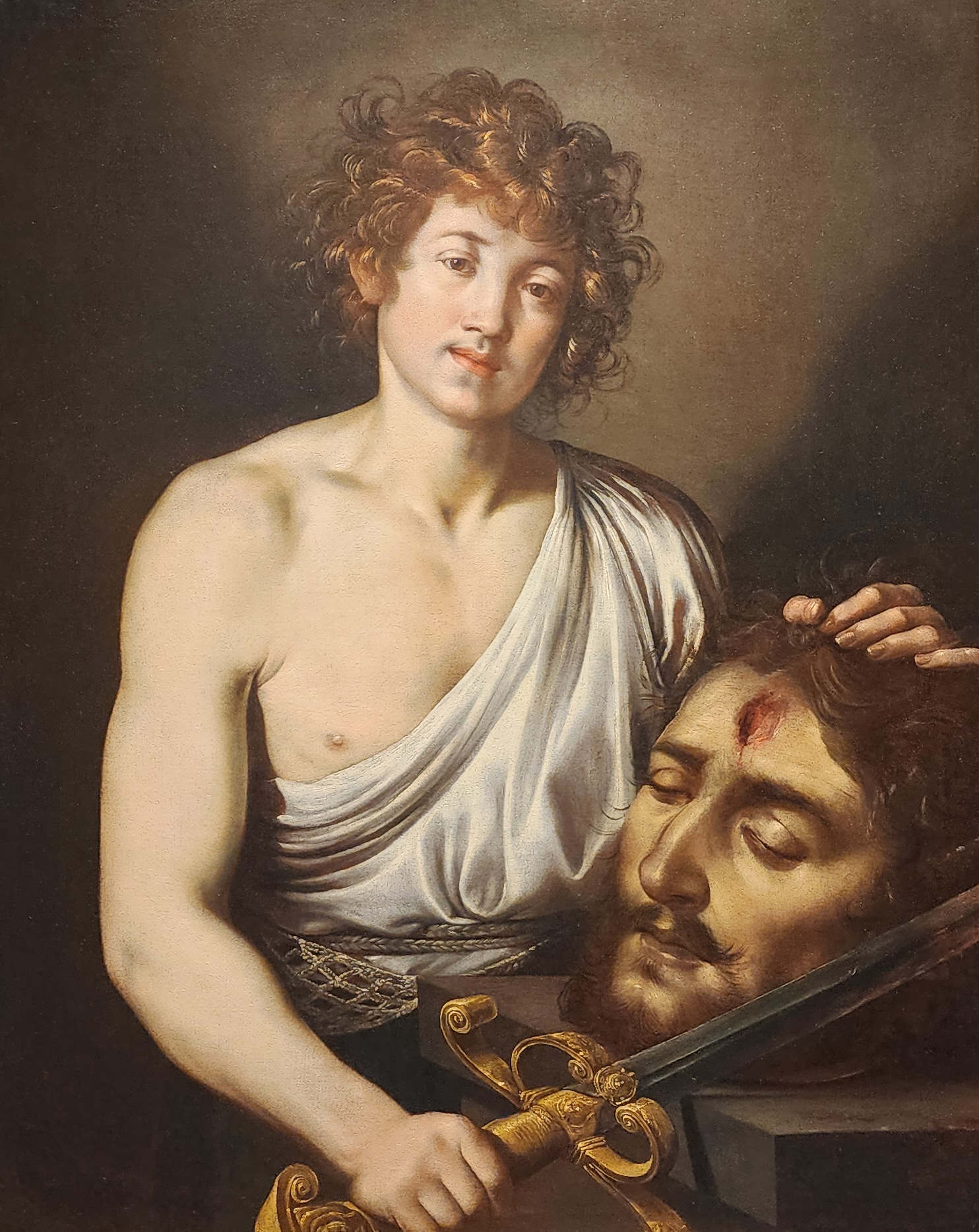
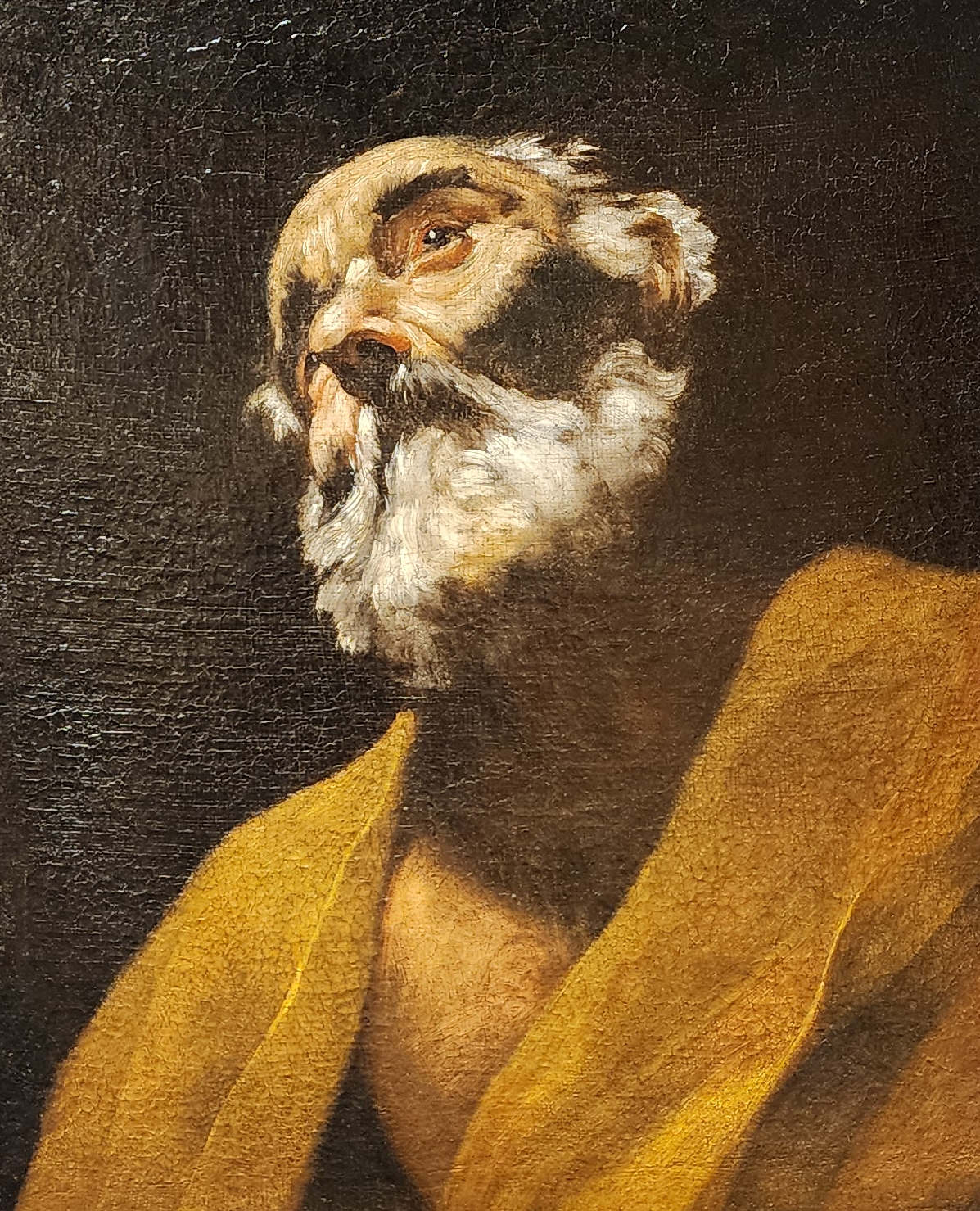
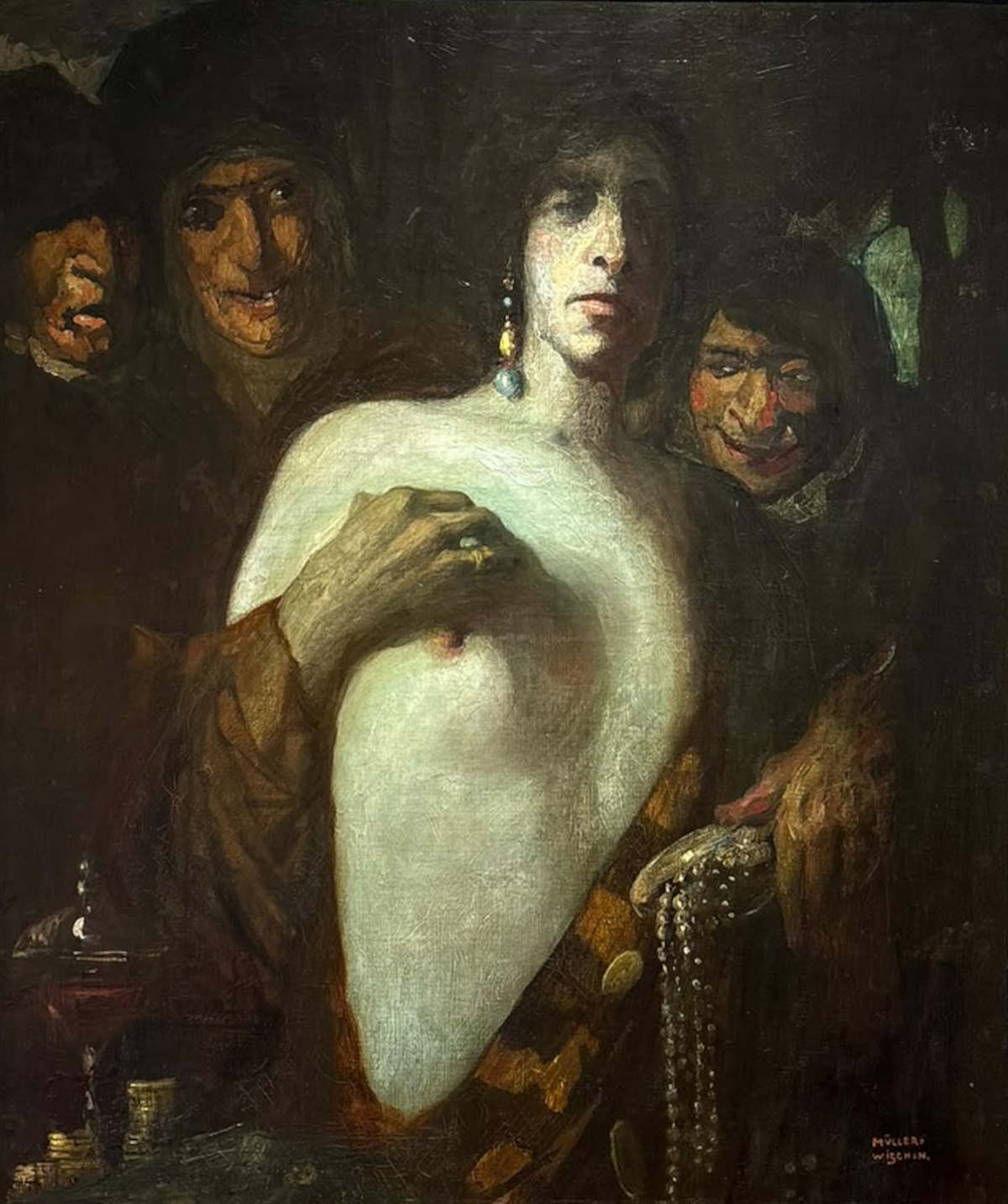
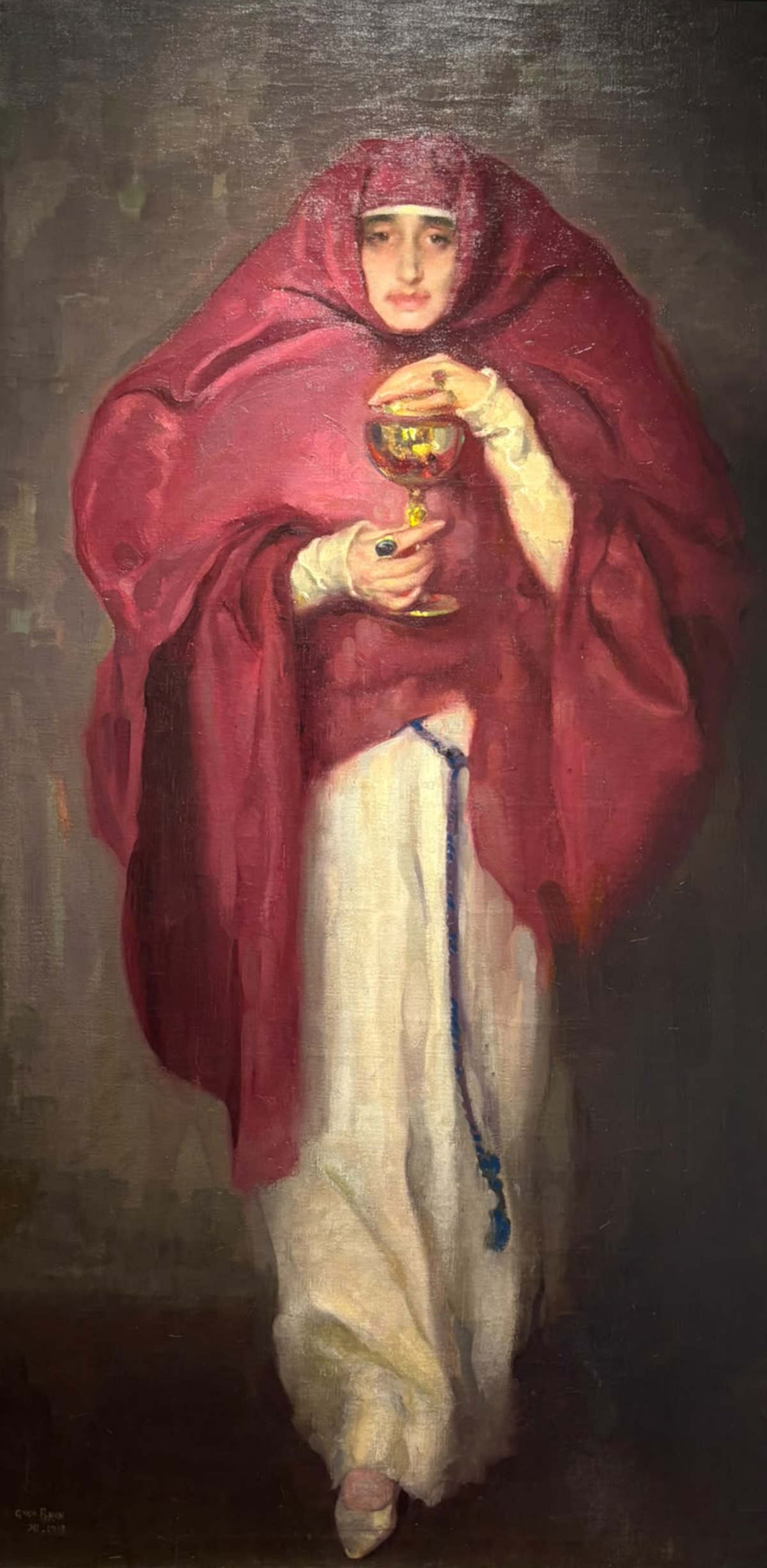
Overall, AMART 2026 reaffirms a now-recognizable profile: the core remains early Italian painting, with a prevalence of regional schools that find their target audience in Milan: it is no coincidence that among the most representative works are an official portrait of Habsburg Milan, a view of the Sforza Castle, a bust of Saint Charles Borromeo, and two paintings by Ceruti. Alongside this core, the inclusion of 19th- and 20th-century works and collectibles broadens the selection and widens the price range.
And it is precisely this breadth that makes the fair interesting even for those who do not regularly frequent the antiques market. Alongside pieces of museum-quality significance are works that allow visitors to explore collecting without compromising on quality, just as there are previously unseen items and works currently under study, making a visit an important opportunity to stay informed. It remains to be seen how collectors will respond in the coming days, but the selection, in all its variety, appears solid and consistent with the organizers’ stated goal of prioritizing quality over quantity.
Warning: the translation into English of the original Italian article was created using automatic tools. We undertake to review all articles, but we do not guarantee the total absence of inaccuracies in the translation due to the program. You can find the original by clicking on the ITA button. If you find any mistake,please contact us.