



by Francesca Grignaffini 14/11/2026


Categories: News Focus / Disclaimer
Through the “Matera: Mediterranean Capital of Culture and Dialogue 2026” program, the city of the Sassi is trying to move beyond hit-and-run tourism. But what opportunities might arise for its residents, and what will remain once the events are over? An article by Francesca Grignaffini.


At Palazzo Lanfranchi in Matera, Silvio Giordano is screening *Lucania 2026*: a four-minute video created using artificial intelligence and based on *Lucania ’61*, the epic television drama that Carlo Levi dedicated to Rocco Scotellaro, the poet-mayor of Tricarico. Levi had come to know that land during his political exile, to which the fascist regime had condemned him between 1935 and 1936 in Basilicata—then known as Lucania—and had chronicled it in *Christ Stopped at Eboli*. For a few moments, the scene in the video remains as Levi depicted it, with the funeral, daily life, and the rally in the square. Then the figures set off and leave the scene.

“If, in [Levi’s] work, the figures seem to emerge from millennia of stillness to finally step into history,” explains Chiara Canali, curator of the itinerant exhibition *The Sea Is Closer Than You See*, which features the work, “in *Lucania 2026*, Silvio Giordano stages a movement of the opposite kind.” The question the curator asks herself when considering the two works is the same one that serves as the starting point for this article: “What does it mean, today, to be able to exist fully in a place?” In a region that continues to lose residents, the question also pertains to tourism: not merely how many visitors a city manages to attract, but what opportunities their presence might generate for those who live there.


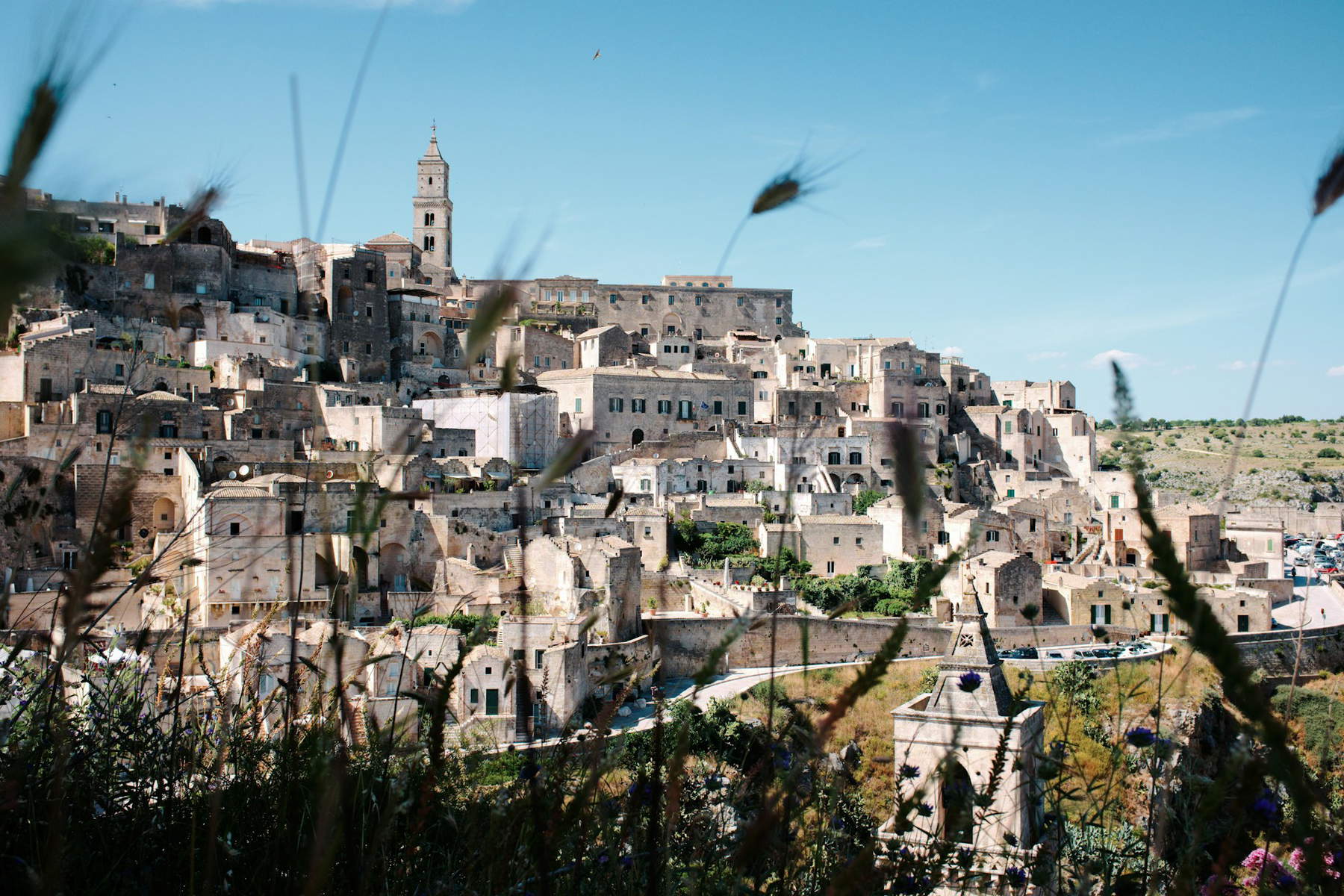
To understand what Matera is trying to change, we must start with its most widely recognized image: that of the city of caves. The cavities of the Sassi, carved into the calcarenite, have been inhabited since prehistoric times, but they have never been merely homes. The guide who accompanied our group of journalists emphasized this point: alongside the dwellings were cellars, warehouses, cisterns, oil mills, and grain silos, and owning a cave also meant owning a reserve. Between the 19th and 20th centuries, he explained, many of the caves gradually lost their productive functions and were also used as dwellings by an increasingly impoverished population. The overcrowding and unsanitary conditions in the Sassi would become a political issue in the postwar period. In 1948, following a visit by Palmiro Togliatti, the Sassi were described as a “national disgrace”; in 1952, a special law initiated the relocation of approximately 17,000 people to new neighborhoods such as La Martella. Perhaps what made Matera a symbol of the South’s backwardness was also the word “cave,” which evoked prehistory even more than poverty. That is the image tourists still seek today.

“The Sea Is Closer Than You See” is one of the central events of Matera, Mediterranean Capital of Culture and Dialogue 2026—a title the city shares with the Moroccan city of Tétouan—and comes seven years after its designation as European Capital of Culture. Curated by Canali with Simona Spinella, the exhibition states in its press release that it aims to move beyond “the postcard image of the Mediterranean,” and the curator extends this discussion to the city itself: the project “attempts to portray another side of Matera, without denying the value of its best-known image.” Meanwhile, the numbers point to a brief visit. A 2019 study by the Eni Enrico Mattei Foundation calculated an average stay in lodging facilities of 1.6 nights. Seven years later, the figure is nearly the same: according to provisional data from APT Basilicata, the region’s tourism promotion agency, between January and August 2026 the city recorded 320,741 arrivals and 509,122 overnight stays, averaging about 1.6 nights per visitor. The months of the exhibitions—from October to December—have not yet been included in the figures. Added to these numbers are day trips, which do not appear in the statistics from lodging facilities. The taxi driver who took us to the airport also described this phenomenon: cruise passengers who disembark in Bari arrive, walk through the Sassi, and leave.
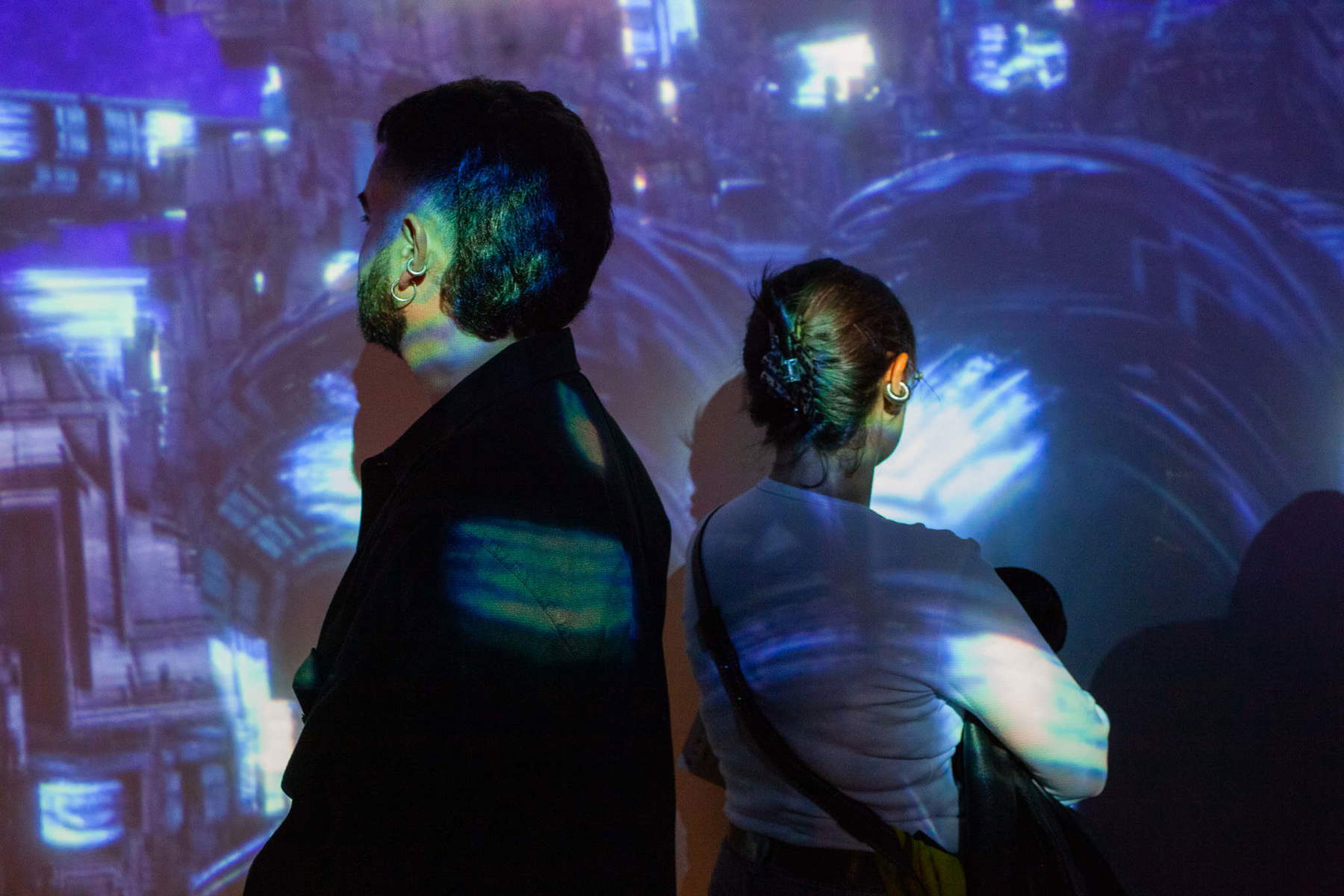
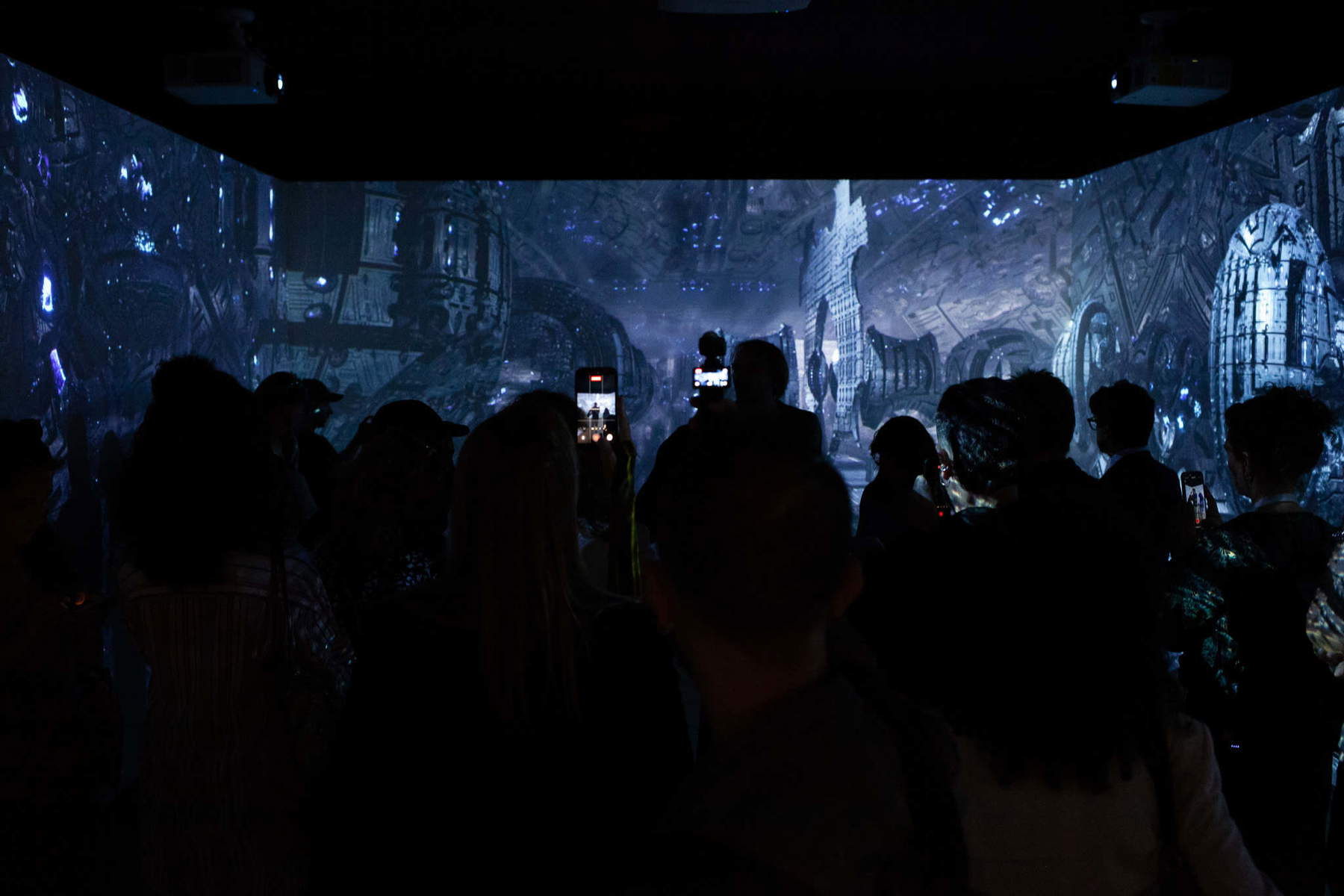
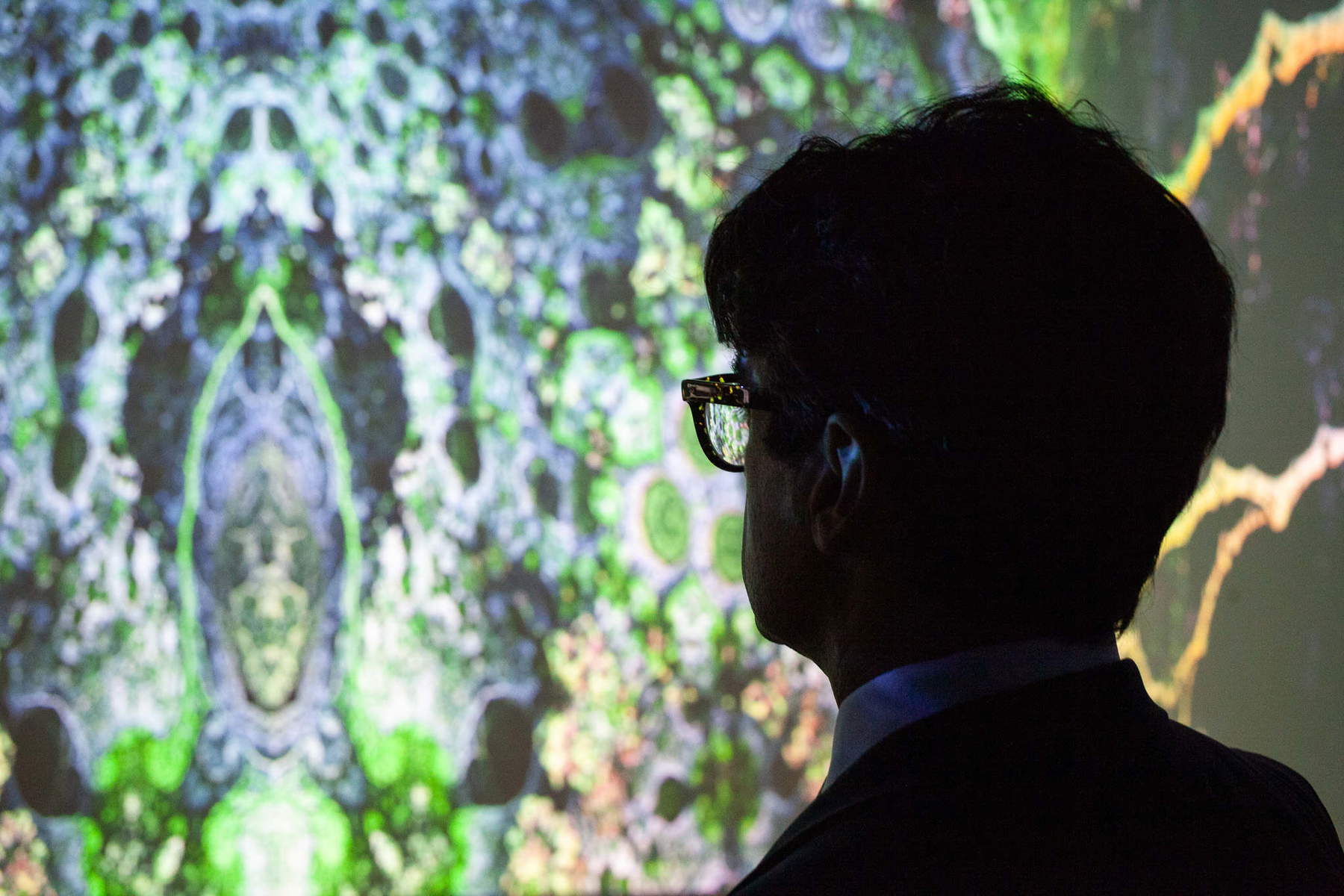
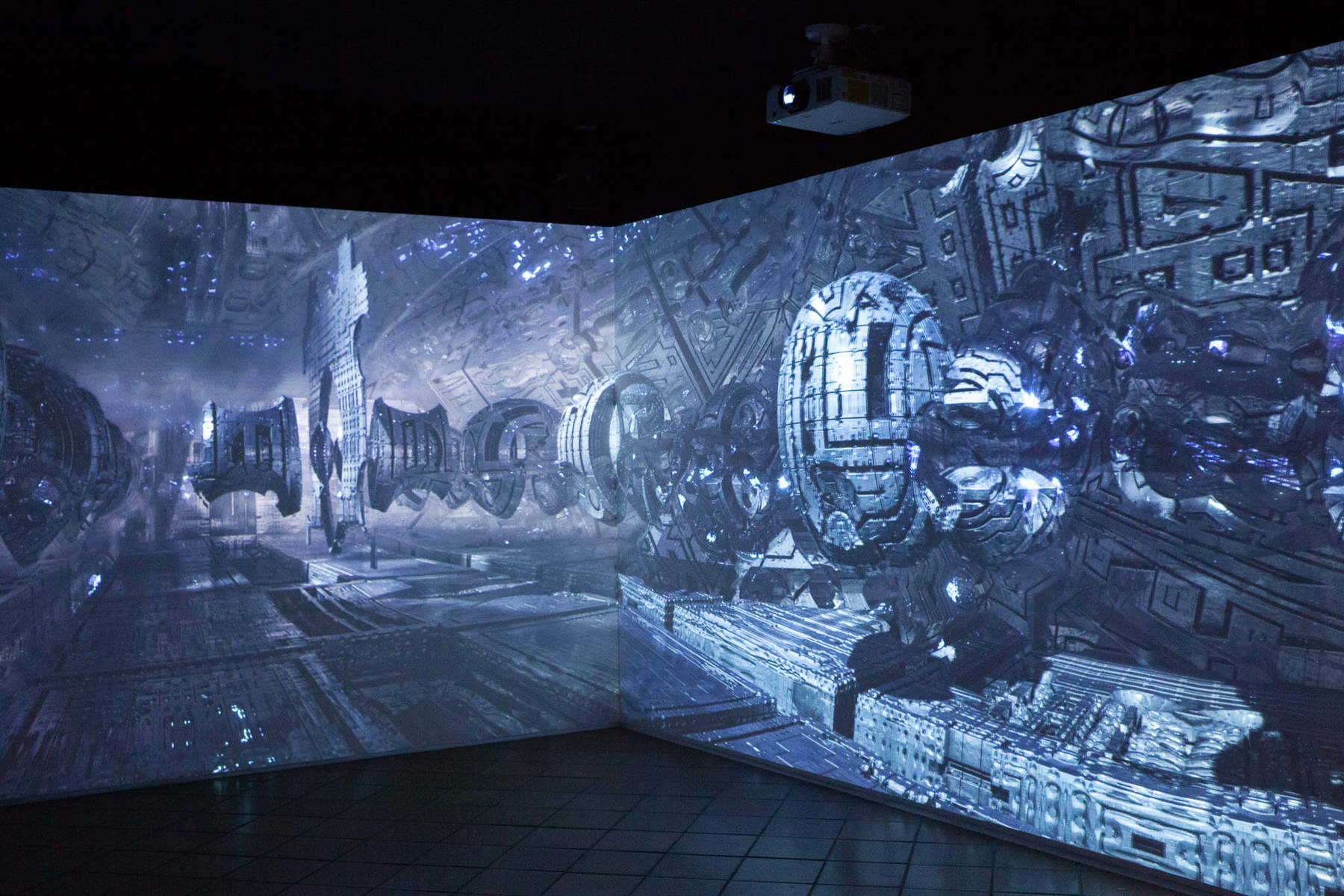
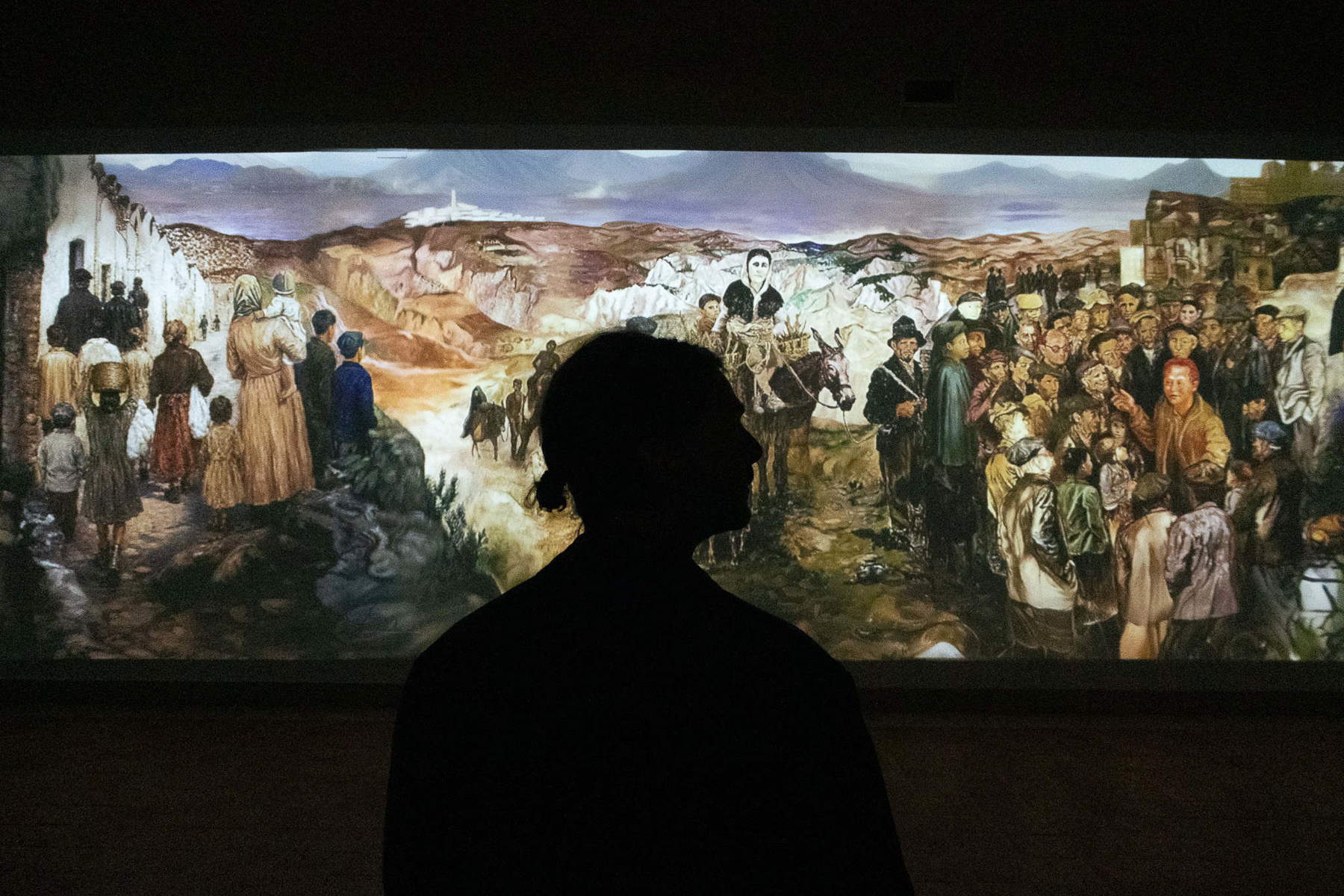
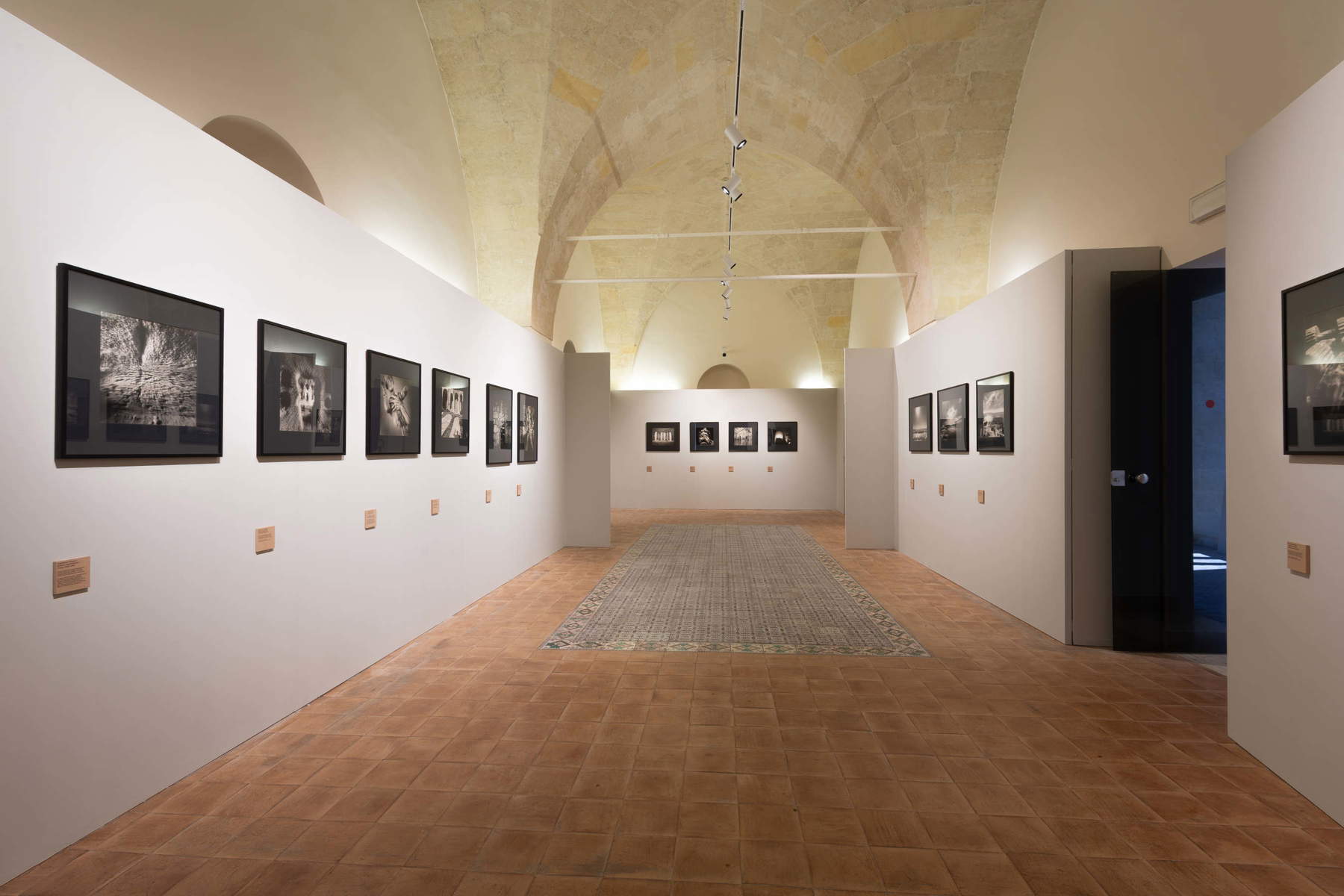
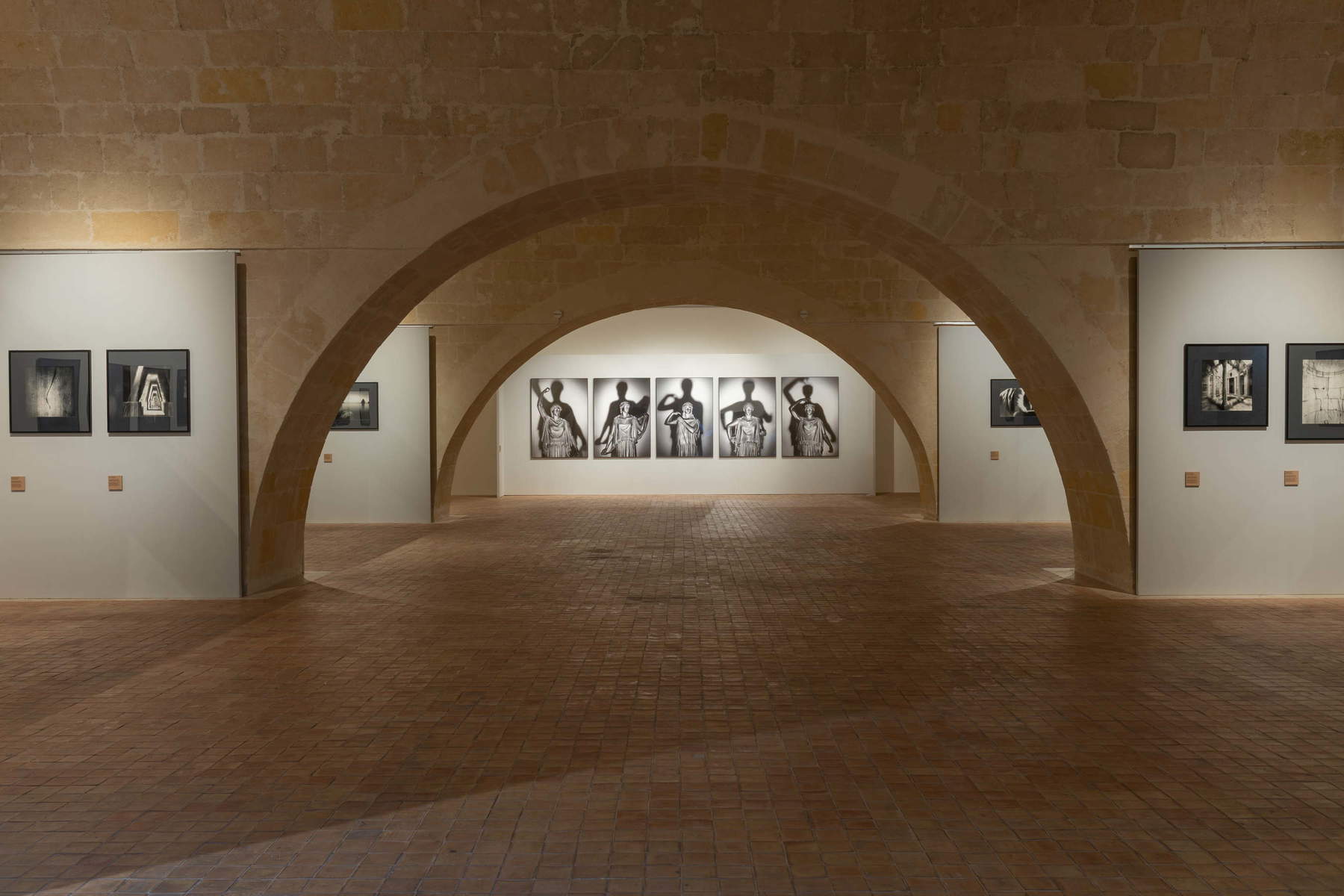
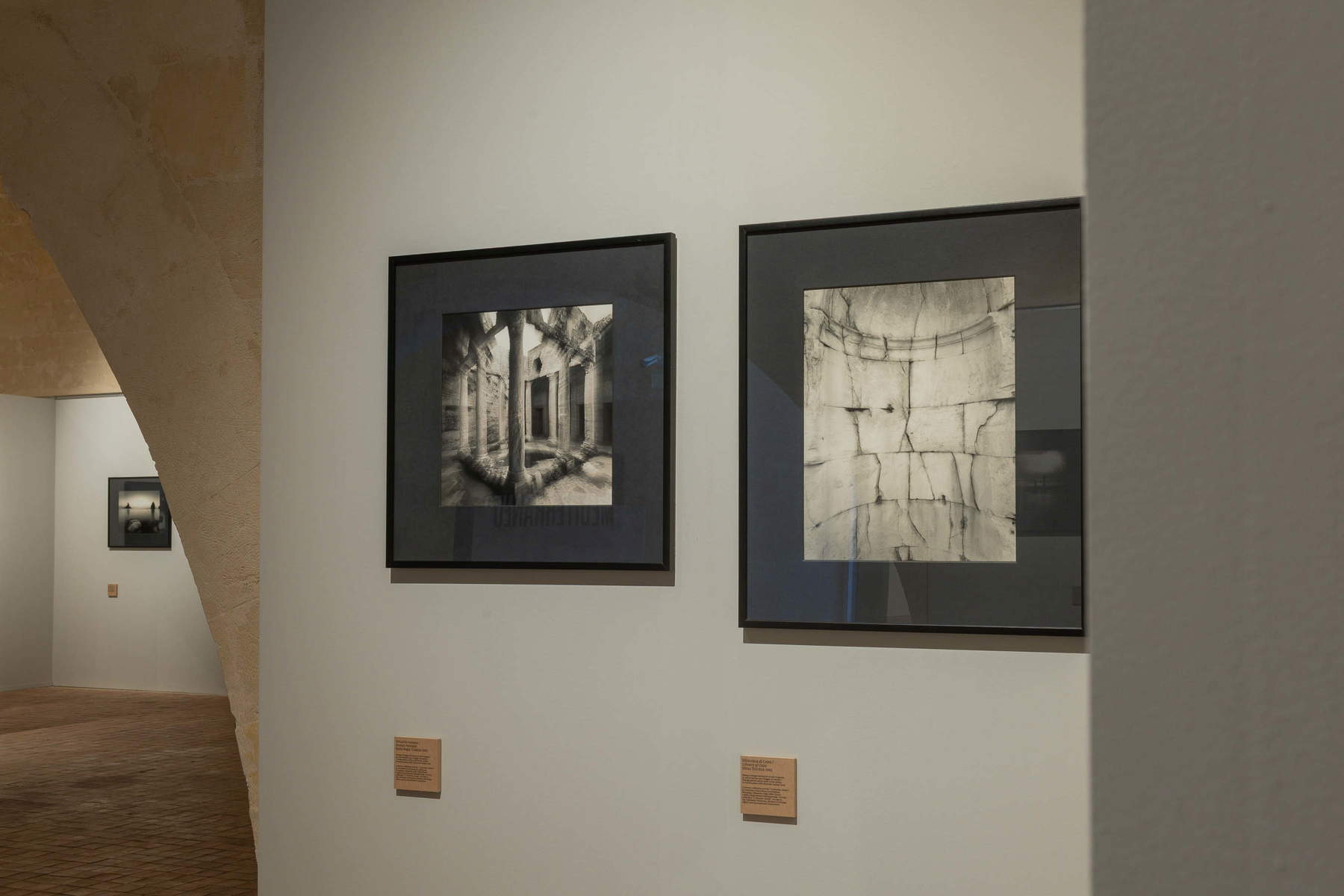
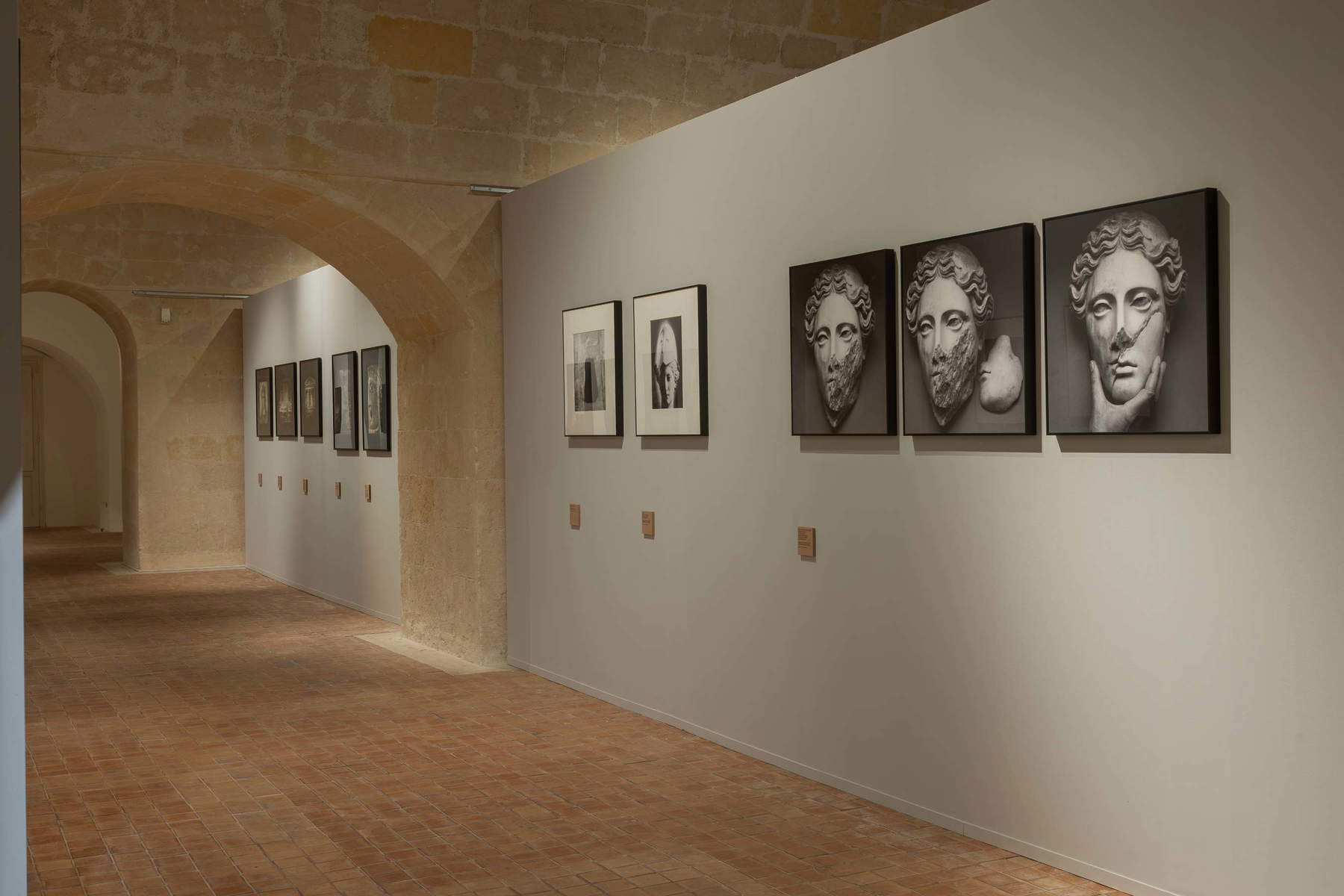
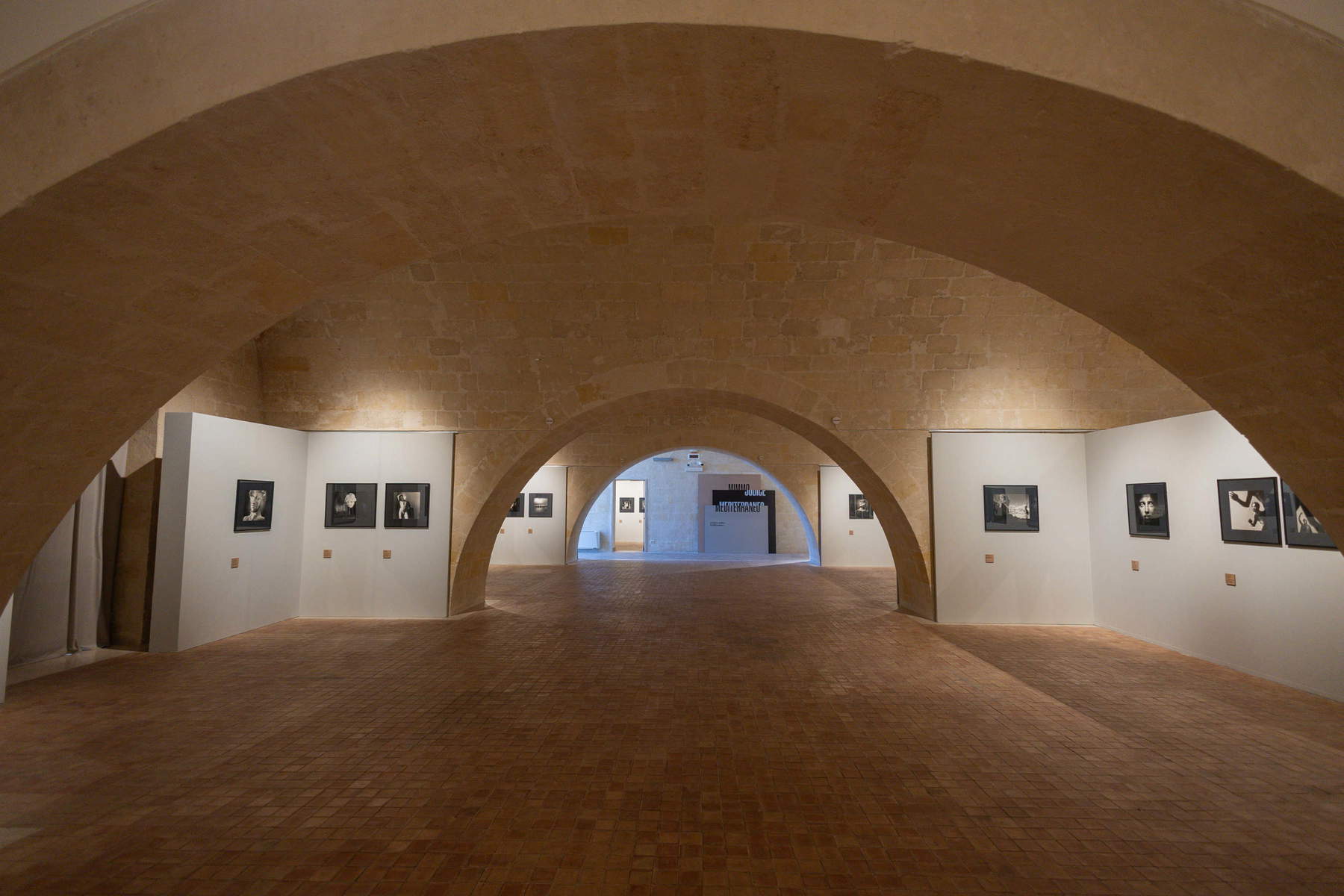
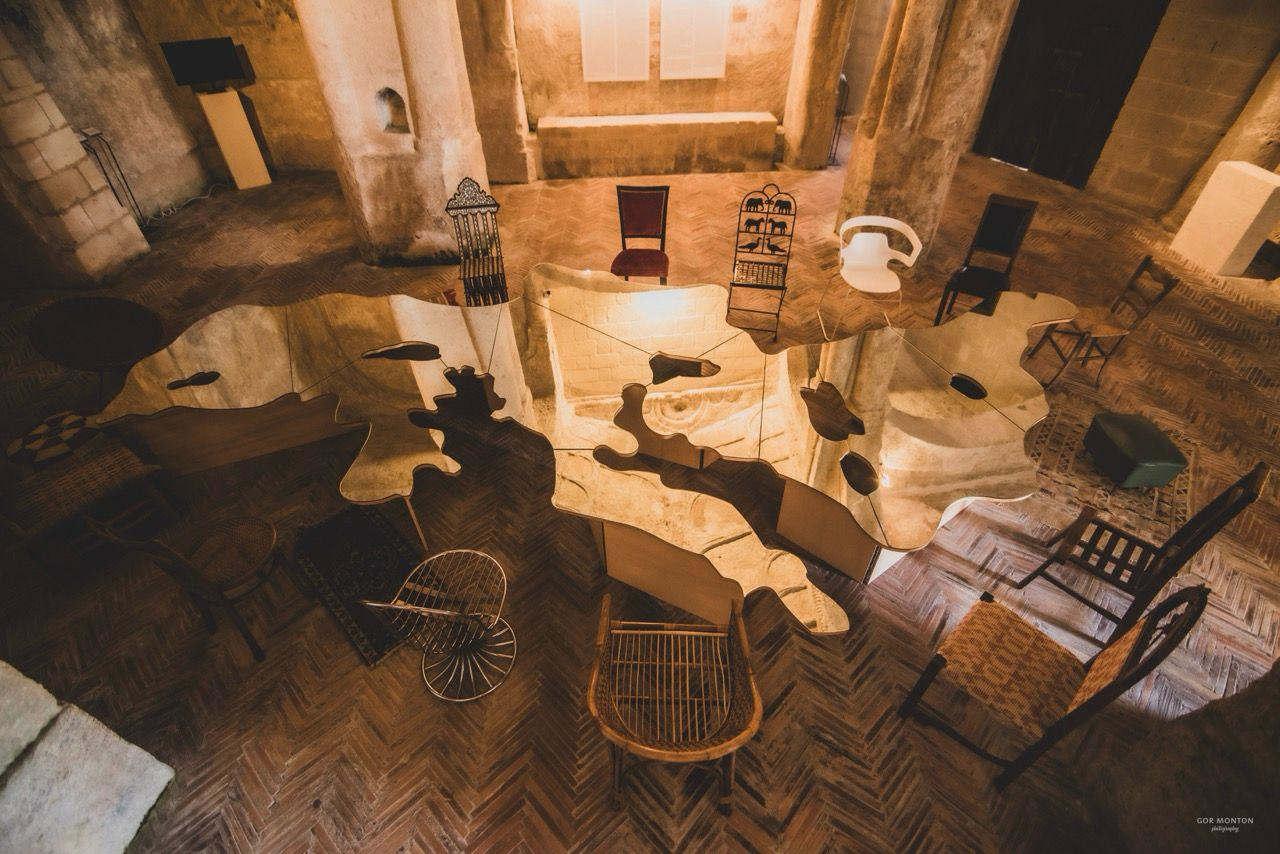
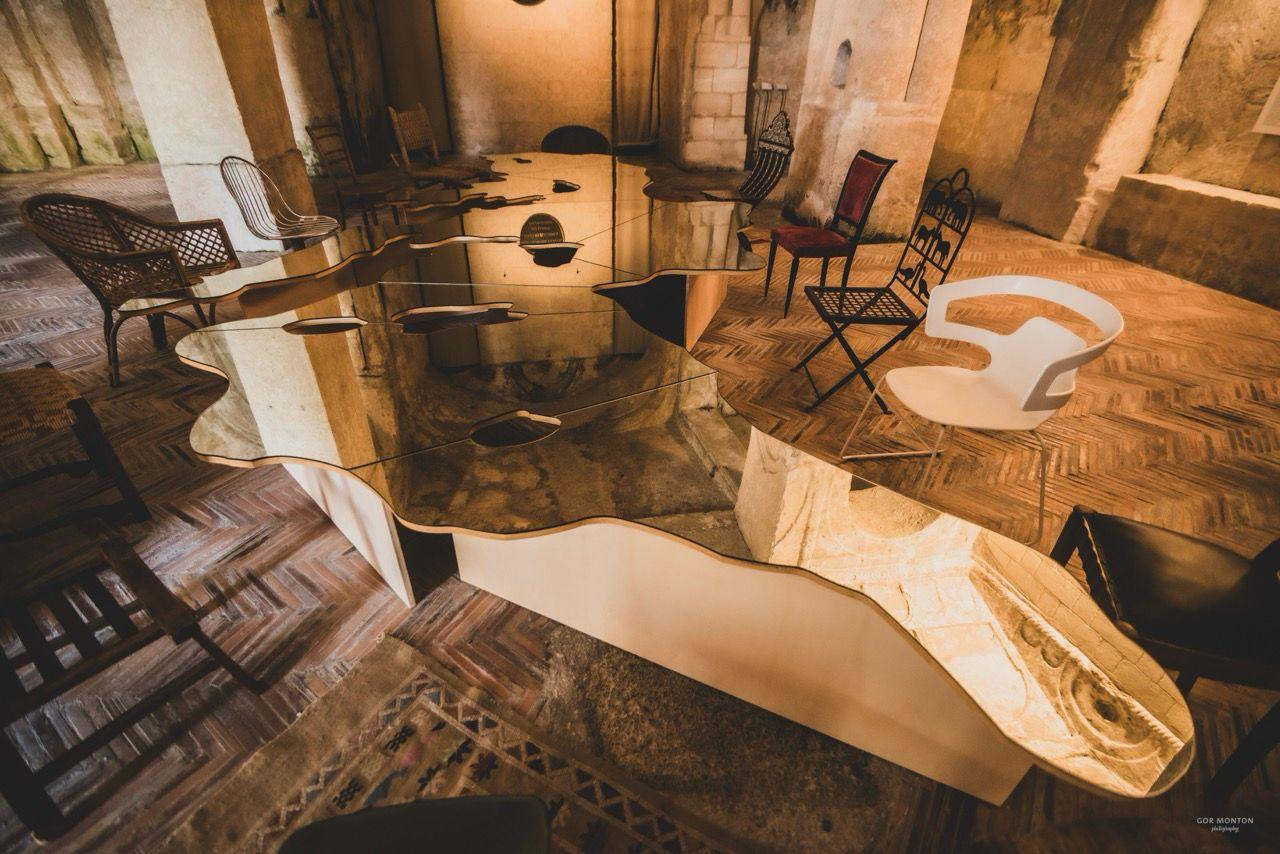
This fall’s program aims to broaden the visitors’ experience. Running through December 8, this multi-venue exhibition spans four locations between the Sasso Caveoso and the city of Piano: Palazzo Lanfranchi, the MUSMA (Museum of Contemporary Sculpture), the TAM (Tower Art Museum), and the APT space at Palazzo dell’Annunziata. It brings together nine projects by Italian and international artists, created using video, holography, sound, and computer vision. Artificial intelligence, used in various works, serves to explore memory, the environment, and social transformations, without becoming the focus of the exhibition. During the same period, Palazzo Lanfranchi hosted, through November 8, “Mimmo Jodice. *Mediterraneo*, curated by Carlo Sala: the first major institutional exhibition dedicated to the Neapolitan photographer since his passing, which will move in December to the Centre d’Art Moderne in Tétouan, the other 2026 capital. At the rock-hewn complex of Madonna delle Virtù and San Nicola dei Greci, through November 28, is Love Difference by Michelangelo Pistoletto—a mirrored table shaped like the Mediterranean, surrounded by chairs and rugs from the countries bordering it. Created in collaboration with the University of Basilicata, the installation also hosts public talks with historians and anthropologists. To see everything, you have to go up and down a lot, and for Canali, that’s precisely the point: “The journey from one work to another isn’t a break—it’s part of the experience.”
According to Rita Orlando, director of the Matera Basilicata 2019 Foundation, this exhibition allows “public and private museums to collaborate, with each inviting visitors to continue on to the others.” Visitors, however, must make their own arrangements. Palazzo Lanfranchi costs 10 euros; MUSMA and TAM offer a combined ticket for 12 euros; the APT space is free; and each venue has its own hours. There is no single ticket because, as the curator explains, Palazzo Lanfranchi falls under the Basilicata Regional Directorate of National Museums and is organized differently from the other two museums. One thing remains, however: with this exhibition, MUSMA and TAM have launched a collaboration that, Canali assures us, will continue with other initiatives. As for the local public, scheduled events include a panel discussion with the artists at the opening, a talk at TAM on November 14 featuring a book presentation, and guided tours led by the curators.
Schools are involved in other projects within the program. In mid-November, as part of *Lontano Lontano*, the Neapolitan artist duo Bianco-Valente will take fifth-grade students to the beach at Policoro on the Ionian Sea to imagine what lies on the other side of the sea: this will result in a mobile artwork that the Foundation plans to take on a tour of the Capitals of Culture. Meanwhile, with artist Valerio Rocco Orlando, about one hundred high school seniors are writing the Manifesto of Euro-Mediterranean Citizenship, which will become a permanent installation in the city and an artist’s book.
Encouraging visitors to stay a few more days, however, is only part of the story. The other part concerns what these initiatives can leave behind for those who live and work in Matera year-round. This is the focus of the ten residencies of “Terre Immerse – Euromediterranean Creative Communities,” funded by the Ministry of Tourism and the Basilicata Region: one artist, four weeks, and a local community hosting them. Some have focused on traditional craftsmanship. Sophie Usunier collaborated with papier-mâché artisans—the technique used each year to build the float for the Madonna della Bruna, which, on July 2, at the end of the procession, the crowd swarms and tears apart to take home a fragment. Jovana Gunjova and Paula Meier, in collaboration with Materahub, designed garments using biomaterials and plant fibers such as broom, whose stems were once left to soak in the running water of mountain streams to extract the fibers for spinning and weaving; A craftsperson who has run a lace and crochet workshop in Matera since 1973 also participated in the project.
Other residencies originated within the communities. At Momart, a contemporary art gallery housed in a cave in the Sasso Caveoso, Albanian artist Driant Zeneli created, between September 21 and October 18, *Oj bari çë rruan diellin* (O Grass That Looks at the Sun), a video inspired by an Arbëreshë song from San Costantino Albanese, a village with Albanian traditions located in the Pollino National Park, in the province of Potenza. The papier-mâché sets were created by master craftsman Uccio Santochirico in collaboration with the Solidarity Crafts Workshop of the Oltre l’Arte social cooperative, where about ten young people with Down syndrome work. The workshop is supported primarily by commissions from families, tourists, and schools. With the residency, Santochirico explains, “a reflection on the local area related to papier-mâché craftsmanship—which had been on hold for some time—has been reignited.”
Even before 2026—and outside of public programs—Matera already has an example of a tradition brought back to life. In the Sasso Caveoso, the “albergo diffuso” Sextantio Le Grotte della Civita—conceived by Daniele Kihlgren, who passed away this October—features a workshop for domestic crafts where several women from Matera, after completing training courses, hand-weave sheep’s wool on antique looms and create blankets for the hotel’s rooms. It is a private hospitality business, with objectives and an economic model different from those of an artist residency. However, it shares one idea with artist residencies: knowledge that was once passed down at home, from mother to daughter, can once again become a profession.
Monica Palumbo has led Momart since 2002. Next to the gallery is an ice cream shop, which also serves as “a form of financial support for the gallery’s operations” and draws people who had come in just for ice cream to view the artworks. In the winter, she explains, visitors come mainly on weekends, and in the South, “the contemporary art market is still not very well-established.”
The residencies lasted four weeks, but the public had much less time to see the results: Zeneli’s exhibition ran from October 17 to 24, and by the end of the month, the presentations of all ten residencies had already concluded. As for what will remain, Rita Orlando explains: “The permanent works will be featured on a map in a book, and the digital archives of the residencies will remain open to everyone.” Among these works is that of Palestinian artist Emily Jacir, created as part of the Nuove Transumanze project, which will be on view at the Scuola dei Sassi starting in early December. Then there is Norman Foster’s Porta della Speranza (Gate of Hope), designed for those returning to the city from prison and for those entering prison from the city: inmates at the correctional facility will work on the project alongside the architect, but the exact location has not yet been decided, and, as the Foundation admits, the timeline has been pushed back. The Gate will be unveiled to the city by the end of December.
For the director, however, the main legacy is something else: “Above all, it remains a network of relationships: organizations and communities that have worked side by side this year—both among themselves and with leading international artists and networks—and that will continue to do so after 2026.” The residencies involved ten organizations from Basilicata and artists who came, she recalls, “from Bethlehem, Beirut, Tunis, Tirana, and Marrakech.” The next step announced by the Foundation is a Network of Mediterranean Cities of Culture, an alliance among cities in Europe, North Africa, and the Middle East to exchange artistic practices and programs.
On December 8, the city-wide exhibition will close. With it, the video in which Levi’s figures step out of the painting will also disappear from the halls of Palazzo Lanfranchi. Monica Palumbo, after attending the Academy of Fine Arts in Bari, returned to Matera thanks to a call for proposals by the City that allocated spaces in the Sassi for cultural activities: a space to restore and an initiative to build within it. “Returning to and staying in Matera wasn’t [...] just a choice tied to my hometown,” she explains, “but a genuine vision for a project.” For the residencies and works of 2026, the assessment will come in a few years, and it will be the same: how many people will have found a job in Matera—and a reason—to stay.
Warning: the translation into English of the original Italian article was created using automatic tools. We undertake to review all articles, but we do not guarantee the total absence of inaccuracies in the translation due to the program. You can find the original by clicking on the ITA button. If you find any mistake,please contact us.