





Starting September 19, 2026, a pilot program will begin for electronic access control gates in the new “Appia Antica” Territorial Limited Traffic Zone (ZTLT). The first phase will be a pre-operational phase, during which the checkpoints will remain active for a trial period of at least thirty days. During this phase, Local Police officers will be stationed at the checkpoints to inform residents and drivers and to conduct all necessary technical checks before the new regulations take full effect and automatic fines are imposed.
There will be three electronic checkpoints, located at the main access points to the area: at the entrance to Via Appia Antica from Via delle Mura Latine; at the intersection of Via Appia Antica and Via Appia Pignatelli; at the entrance to Via Ardeatina, coming from Via delle Sette Chiese. Once the trial phase is complete, the Appia Antica ZTLT will be in effect year-round, except for the month of August, every Saturday and Sunday from 7 a.m. to 7 p.m. The affected area along Via Appia Antica includes the section between the intersection of Via delle Mura Latine and Via Appia Pignatelli. On Via Ardeatina, however, the area subject to the new regulations extends from the intersection of Via delle Sette Chiese to Via Appia Antica.
The new ZTLT was established with the goal of reducing through traffic on the first section of the Appia Antica, between Porta San Sebastiano and Via Appia Pignatelli, and along Via Ardeatina, on the section between Via Appia Antica and Via delle Sette Chiese. One of the key elements of the new regulations is the “single entry/exit point” rule. Vehicles that do not fall into the exempt categories and that need to enter the zone to reach residences, businesses, or other facilities within it may enter, provided they exit on the same day through the same entry point used for entry. The system will thus distinguish between traffic actually headed for the area and traffic merely passing through. The aim is to prevent Via Appia Antica, the “Regina Viarum,” from being used as a shortcut between different neighborhoods of the city.
The new regulations do, however, allowaccess for various categories of vehicles. Public transportation vehicles, AMA vehicles and services, emergency vehicles, bicycles, tour buses, vehicles serving people with disabilities, residents and those domiciled in the area, and workers in the area will be permitted to enter. The system is therefore designed to limit non-essential traffic without compromising accessibility for people who live, work, or need to reach businesses and services in the area.
Alternative routes will be available for regular through traffic, identified along some of the area’s main thoroughfares. The planned routes include: Piazza Numa Pompilio – Colombo – Piazza dei Navigatori – Via delle Sette Chiese; Piazza Numa Pompilio – Via Druso – Porta Metronia; Via Appia Pignatelli – Via delle Sette Chiese – Colombo.
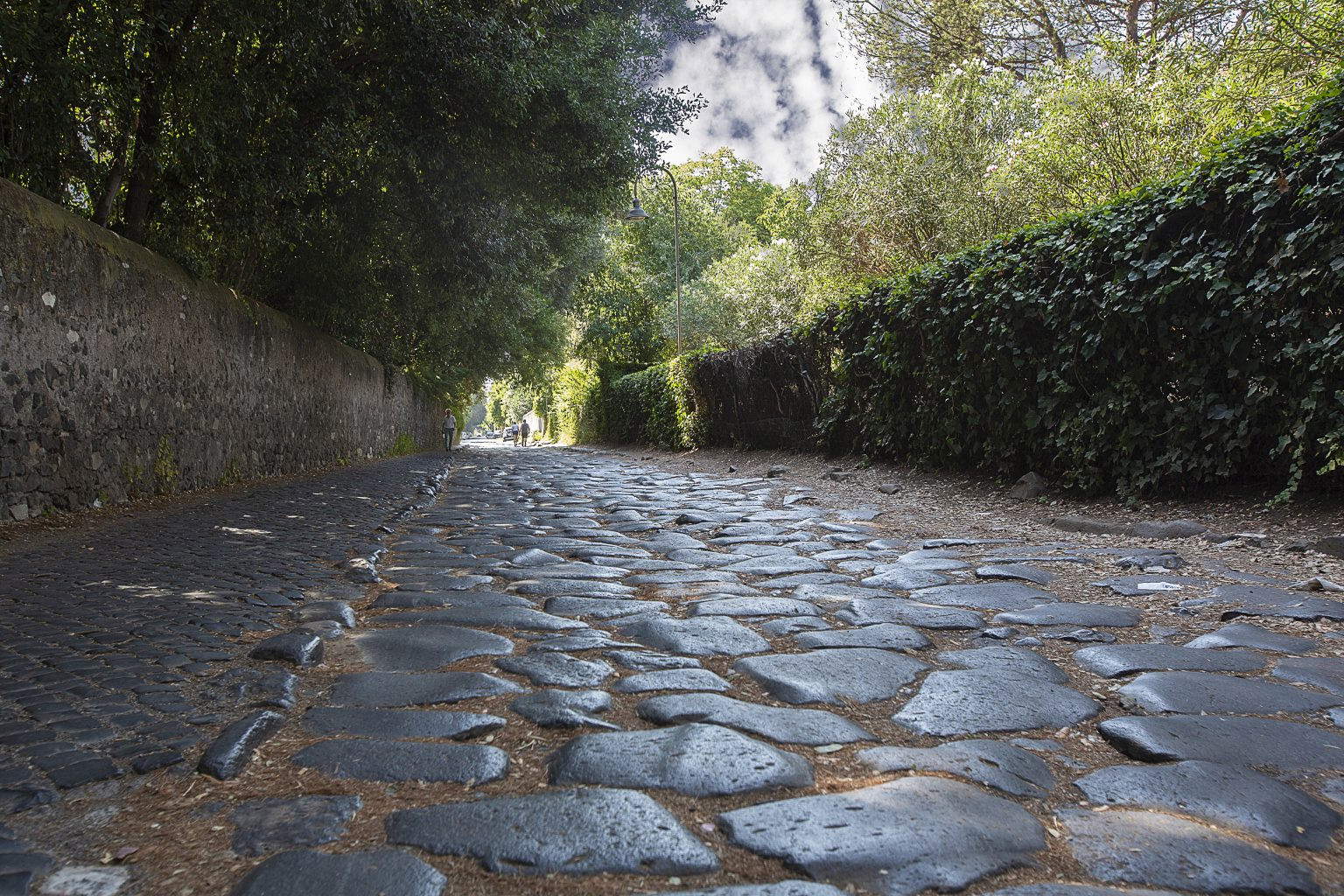
The new automated system will replace the current holiday traffic control measures manned by the Local Police. Through cameras installed at the access points, traffic will be regulated according to more precise criteria, ensuring access for those who actually need to reach the area while at the same time discouraging the use of the Appia Antica as a mere urban shortcut. The initiative also addresses the need to protect the UNESCO site “Via Appia. Regina Viarum” by reducing vehicle traffic and, consequently, pollutant emissions and vibrations that can contribute to the deterioration of stone archaeological artifacts. The new regulations also aim to improve safety conditions for those traveling through the area on foot or by bicycle. In fact, a maximum speed limit of 30 km/h will be introduced on all roads within the ZTLT.
“With the start of the pre-operational phase for the access points,” comments Eugenio Patanè, Councilor for Mobility, “we are taking a decisive step toward safeguarding and enhancing a priceless heritage, recently recognized by UNESCO. We are finally moving beyond an outdated system based solely on a general Sunday traffic ban enforced by local police patrols. Thanks to new technologies, we are introducing a clear, reliable, and efficient rule for the entire weekend: access to homes, businesses, and the park’s attractions is safeguarded, but mere through traffic is definitively eliminated. Those who need to enter the area may do so, but with the strict requirement that they exit through the same entrance they used to enter. This is a measure of civility, environmental protection, and safety that returns the Appia Antica to citizens, walkers, and tourists from around the world.”
|
| Appia Antica Low-Traffic Zone (ZTLT): Trial of Electronic Checkpoints Begins on September 19 |

Warning: the translation into English of the original Italian article was created using automatic tools. We undertake to review all articles, but we do not guarantee the total absence of inaccuracies in the translation due to the program. You can find the original by clicking on the ITA button. If you find any mistake,please contact us.






























 IT
IT FR
FR DE
DE ES
ES CN
CN


