


by Redazione 27/10/2026


Categories: News / Disclaimer
Starting October 27, the church designed by Francesco Borromini will once again be open to the public, following renovations funded by the PNRR. It will be open Monday through Friday thanks to an agreement between the General Directorate of Archives, the Diocese of Rome, and the Italian Touring Club. The openings will be part of the TCI’s “Aperti per Voi” program and will be managed by volunteers.
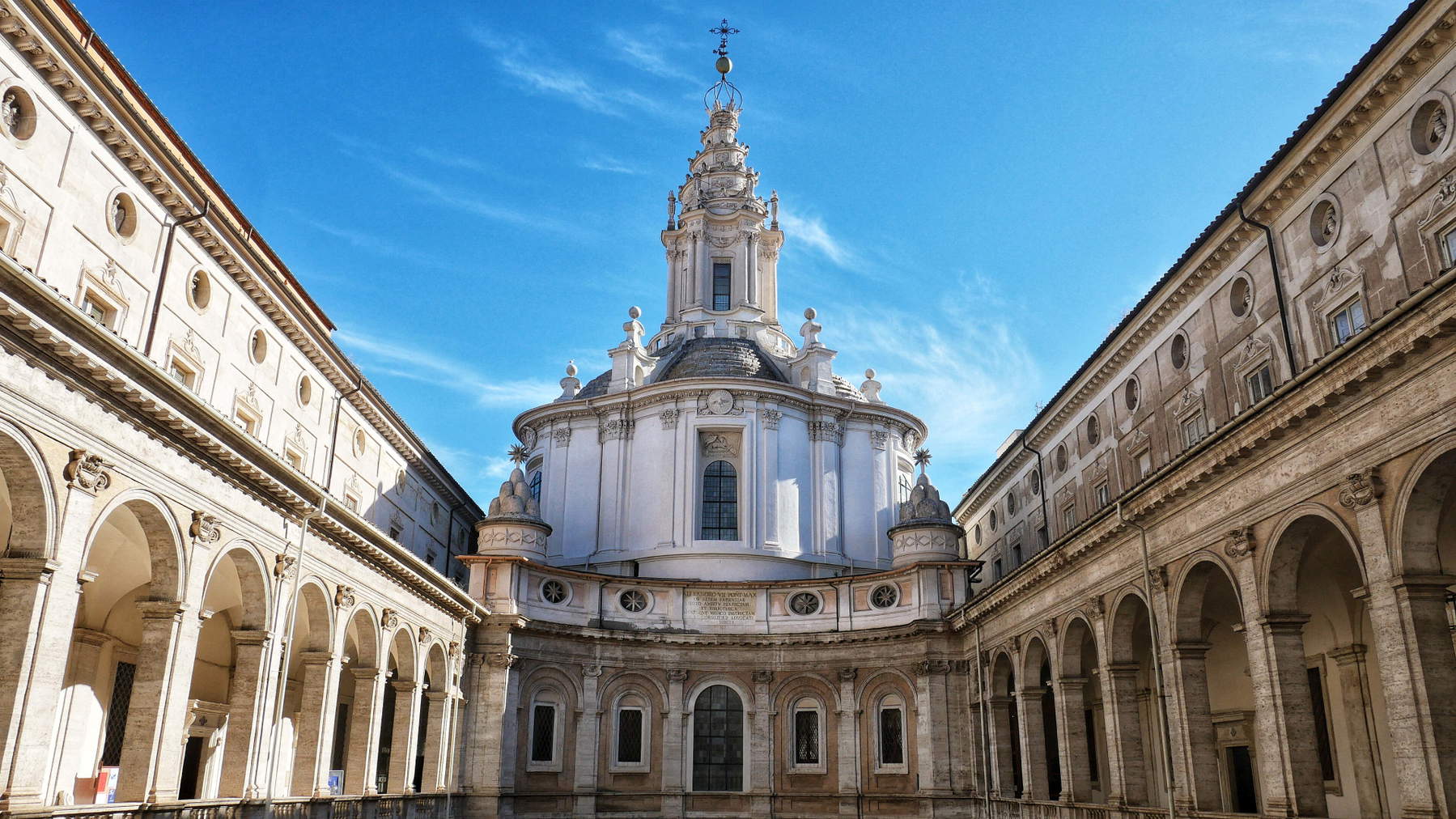
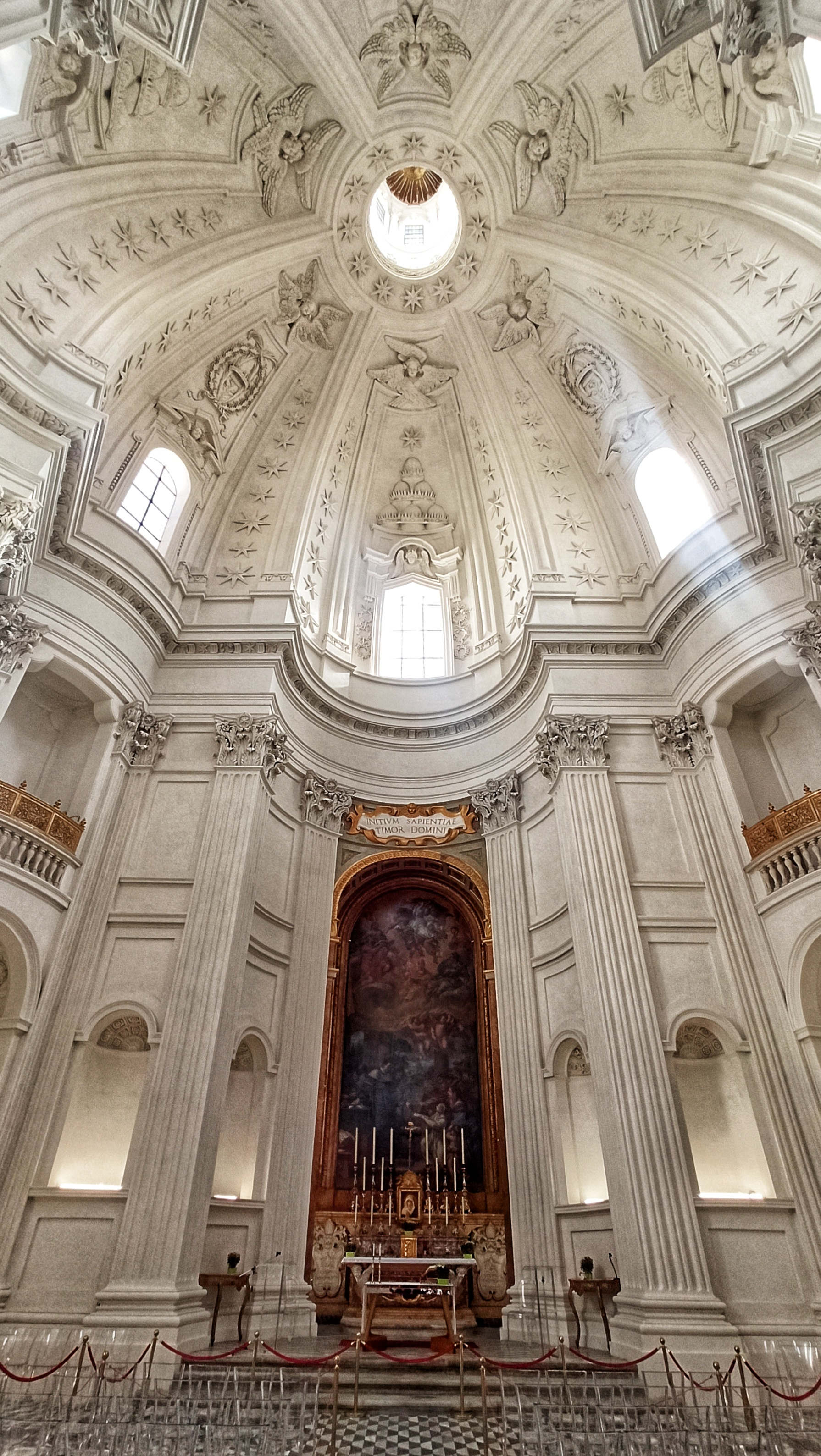
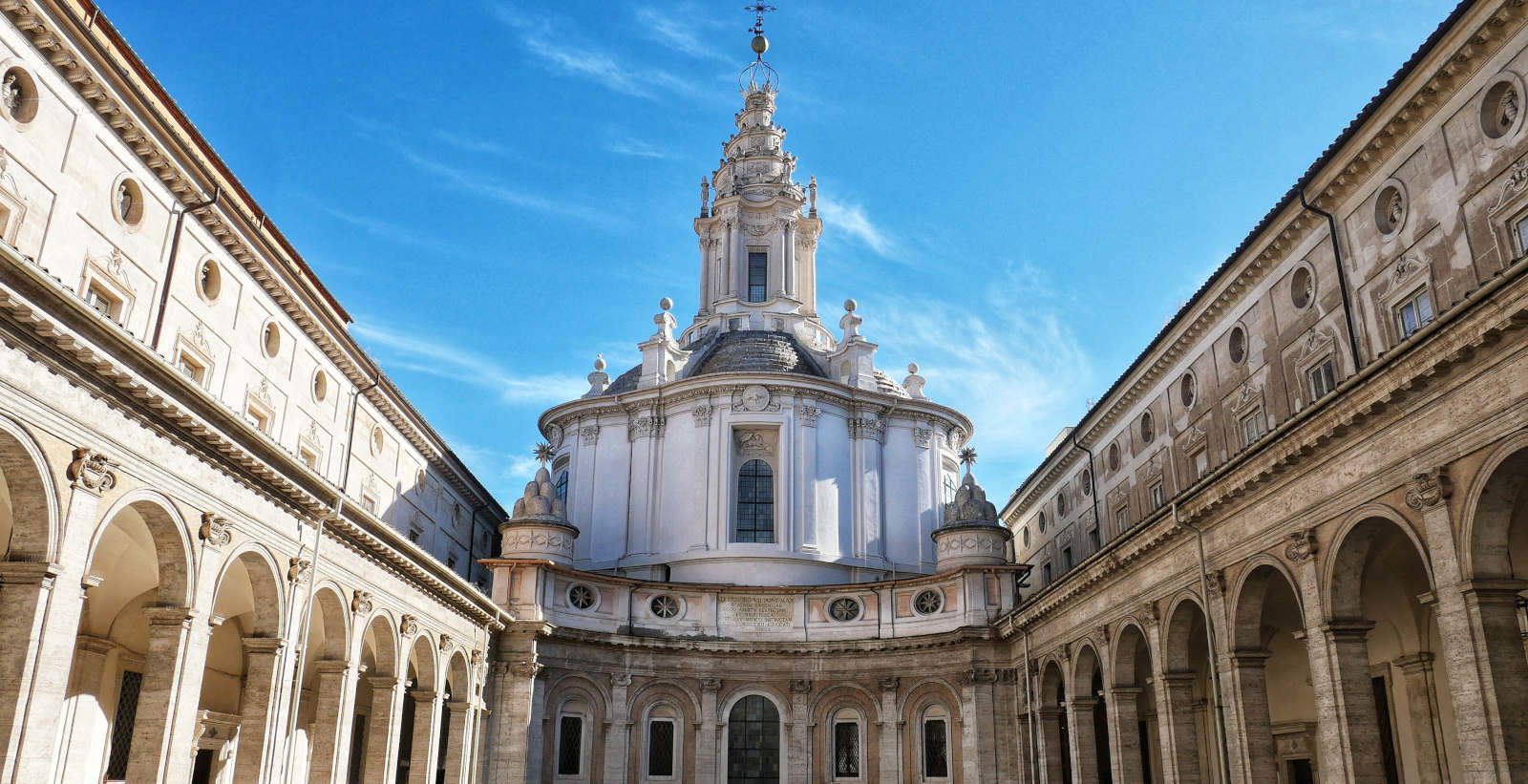
In Rome, , Francesco Borromini ’s architectural white — with its warm and cool shades—is once again on display to visitors at Sant’Ivo alla Sapienza, one of the masterpieces of Roman Baroque. Starting Tuesday, October 27, 2026, the church in Rome will reopen to the public following a restoration project overseen by the Special Superintendency of Rome and funded by the PNRR Caput Mundi.


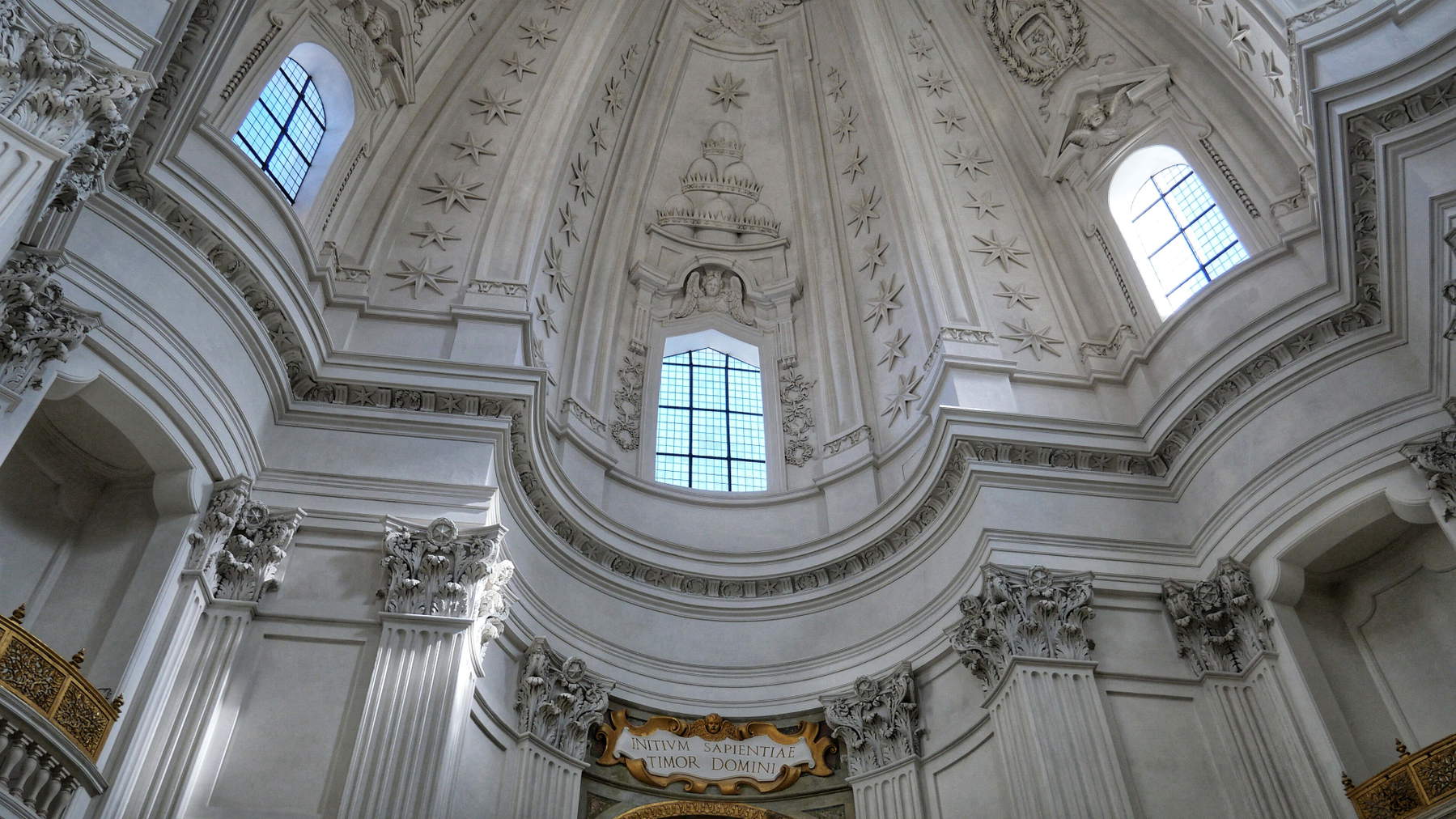
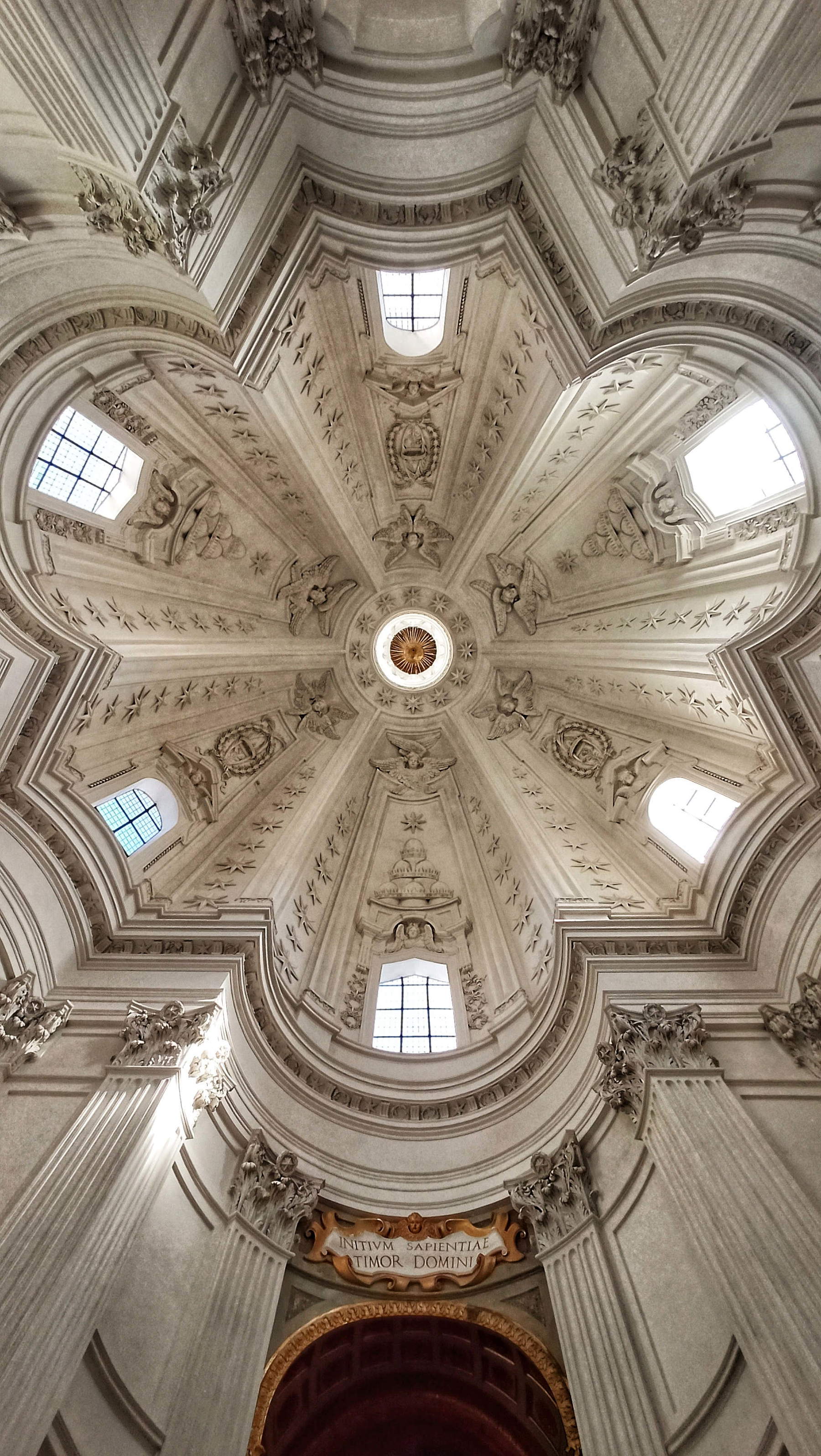
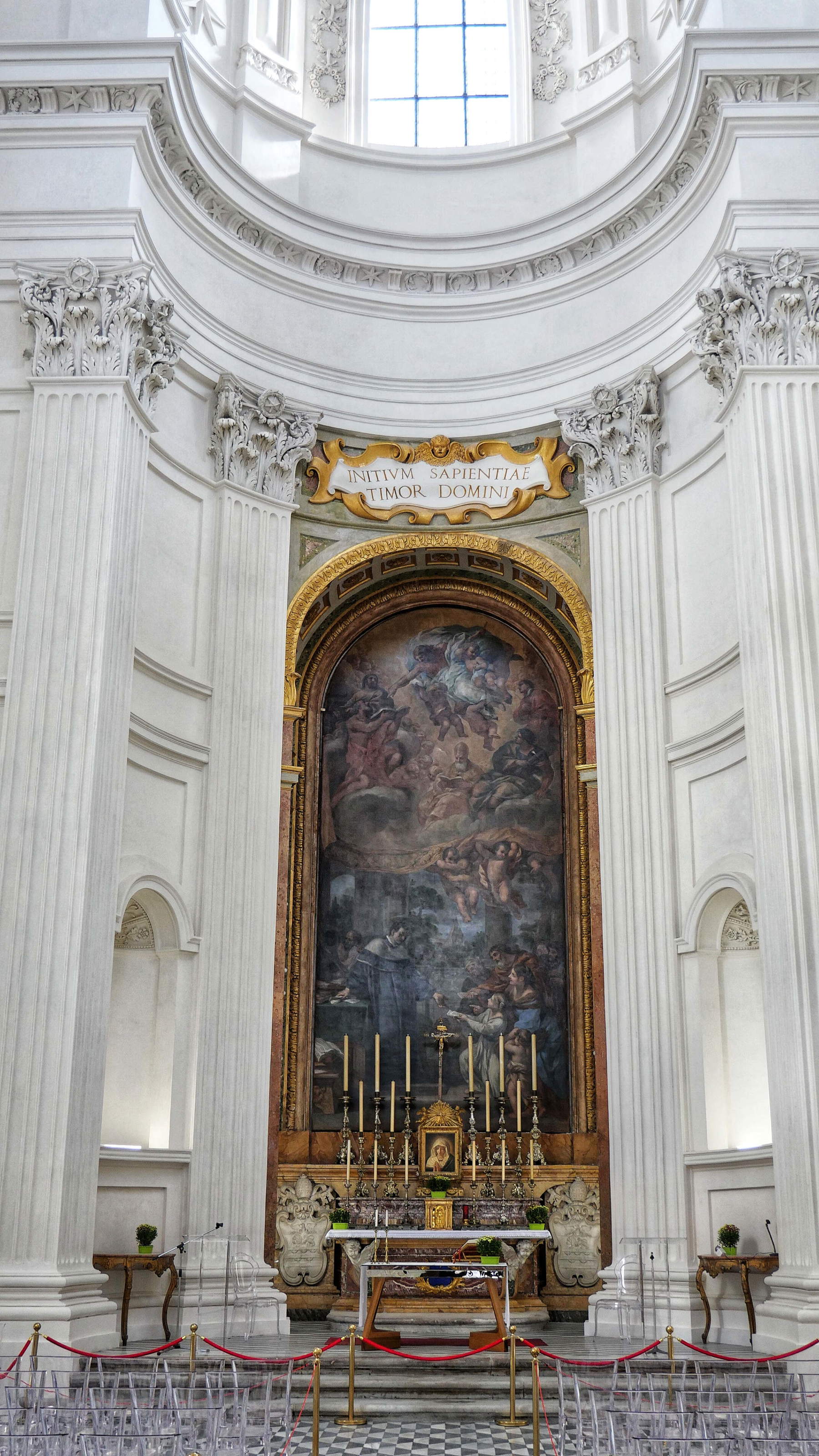
The work focused on the building’s interior and exterior surfaces, including the small dome, where the so-called “color dell’aire” stands out, accompanied by golden rays. The altarpiece—Pietro da Cortona’s final masterpiece, completed by his students—was also restored. The project also addressed the roofing and the rainwater drainage system to prevent water infiltration.
The church is part of the Sant’Ivo alla Sapienza complex, hometo the State Archives of Rome. Its reopening was made possible by an agreement between the General Directorate of Archives of the Ministry of Culture, the Diocese of Rome, and the Italian Touring Club. As part of the “Aperti per voi” project, Touring Club volunteers will welcome visitors and guide them on a tour of the church and the complex’s courtyard.


The return of the monument to the city also pertains to its religious function. Sant’Ivo was consecrated on November 16, 1659, by Pope Alexander VII. During the press conference announcing the reopening, the rector, Monsignor Rosario Matera, highlighted the spiritual significance of the site and its original purpose as a place of worship. The church will be open to the public free of charge Monday through Friday, from 9:30 a.m. to 1:30 p.m., at Corso del Rinascimento 40, in Rome.
Statements
“‘The reopening of Sant’Ivo alla Sapienza,’ says Luigi La Rocca, Head of the Department for the Protection of Cultural Heritage, ‘represents an important opportunity to reaffirm the value of protecting cultural heritage by promoting awareness of it, ensuring its preservation, and facilitating its return to the community. This achievement demonstrates the added value of the Department I have the honor of leading, which is capable of fostering dialogue and synergy among the various affiliated offices—each operating in distinct fields—by pooling expertise and professionalism to achieve shared objectives. The reopening of a site of exceptional historical and artistic value, emblematic of Rome’s architectural history, underscores how essential institutional collaboration is to making cultural heritage increasingly accessible and vibrant, strengthening the bond with the community and ensuring its transmission to future generations.”
“The reopening of Sant’Ivo alla Sapienza restores to the city one of the most significant masterpieces of Roman Baroque,” emphasized Antonio Tarasco, Director General of Archives. “The collaboration with the Diocese of Rome and the Italian Touring Club demonstrates how a shared commitment can once again make sites of extraordinary historical and artistic value accessible. Sant’Ivo is an example of how art, spirituality, and memory can interact, continuing to speak to new generations: returning these spaces to the community means preserving their beauty and keeping their meaning alive.”
“The restoration of this masterpiece of Baroque architecture,” explains Daniela Porro, Special Superintendent of Rome, “involved a masterful restoration of the white color—with all its warmer and cooler shades—that Francesco Borromini had used for this church. We worked on all surfaces—both interior and exterior—of the building, including the small dome where the ‘color dell’aire’ stands out against the golden rays. The altarpiece, Pietro da Cortona’s final masterpiece completed by his students, has also been restored. In addition, the roofing was repaired, and measures were taken to ensure proper drainage of rainwater, which had been causing leaks. At last, it is possible to admire Borromini’s masterful skill, which, through a single color, gave rhythm and dynamism to one of his most iconic architectural works.”
Riccardo Gandolfi, Director of the State Archives of Rome, states: “Actively contributing to the return of the Church of Sant’Ivo to the community makes us particularly proud: the opening of Borromini’s masterpiece—now freely accessible to the public—represents a tangible sign of the commitment pursued by the State Archives of Rome to making our cultural heritage increasingly accessible and shared. This initiative should, in fact, be viewed in conjunction with the daily work of preserving and promoting our history, carried out with passion and dedication by the Institute through the care of 60 linear kilometers of registers, volumes, and parchments dating from the 9th century to the present day.”
“On November 16, 1659, Pope Alexander VII solemnly consecrated the Church of Sant’Ivo alla Sapienza, making Borromini’s complex a sacrament of the beauty of God and humanity,” says Monsignor Rosario Matera, rector of Sant’Ivo. “I wish all who enter here, for whatever reason, the ecstasy of the heart and a spiritual encounter with the great Borromini, who, as of today, takes pleasure in seeing this sacred place restored to its original purpose: the divine liturgy.”
Giuseppe Roma, Vice President of the Italian Touring Club, says: “We are thrilled to be able to collaborate on the reopening of one of the most fascinating sites of Baroque architecture, dear to Romans and visitors alike, a symbol of culture, learning, and spirituality—values that we also hold dear.”
 |
| Rome: Sant’Ivo alla Sapienza Reopens After Restoration; Volunteers Ensure It Remains Open |
Warning: the translation into English of the original Italian article was created using automatic tools. We undertake to review all articles, but we do not guarantee the total absence of inaccuracies in the translation due to the program. You can find the original by clicking on the ITA button. If you find any mistake,please contact us.