




by Redazione 04/09/2026



Categories: News / Disclaimer
From the end of summer to the legacy of painting awards: the case of the Triglia d’Oro, an event founded in Marina di Carrara by Arturo Dazzi between the 1950s and 1960s, is now the focus of Maria Mattei’s research.

“Celeste nostalgia,” sang Riccardo Cocciante in 1982. And with the end of summer, when the beach resorts begin to empty out, the beach umbrellas are folded up, and the vacation season already seems a distant memory, a certain nostalgia returns for a different kind of summer—the one marked by painting competitions. In particular, between the 1950s and 1960s, numerous Italian towns hosted competitions and events dedicated to painting, bringing artists, works, and audiences outside the traditional art centers and creating opportunities for exchange, visibility, and connection. It was a time when, before social media and the widespread use of the internet, these awards also served as one of the main tools through which artists could promote their work and make a name for themselves.
This is the case with a series of awards that are now largely forgotten: from the “Golfo della Spezia” National Painting Prize to the “Pineta di Linguaglossa” in Linguaglossa (Catania), from the “Diomira” National Drawing Award in Milan to the “Autostrada del Sole” National Landscape Award, including the “Astuti” in Alessandria, the “Città di Fiesole,” the “Lorenzo Viani” in Lido di Camaiore, the “Luigi Lanzi” in Corridonia (Macerata), the “Enrico Toti” in Rome, and the “Provincia di Frosinone” National Painting Prize.


This geographical scope also includes the“La Triglia d’Oro” National Painting Prize in Marina di Carrara, which is particularly significant due to its connection to the city of Carrara, whose cultural and industrial identity has historically been linked to marble and sculpture. The award was established by the sculptor Arturo Dazzi and by Ceccardo Roccatagliata Ceccardi, emerging within a context where sculptural and painterly traditions coexisted with a vibrant cultural scene. In an Italy without social media and before the widespread use of the internet, these awards thus provided artists with a major opportunity to present their work, gain visibility, engage with other artists, and reach a wide audience. The events also served as gathering places that connected artistic exploration with the local communities.
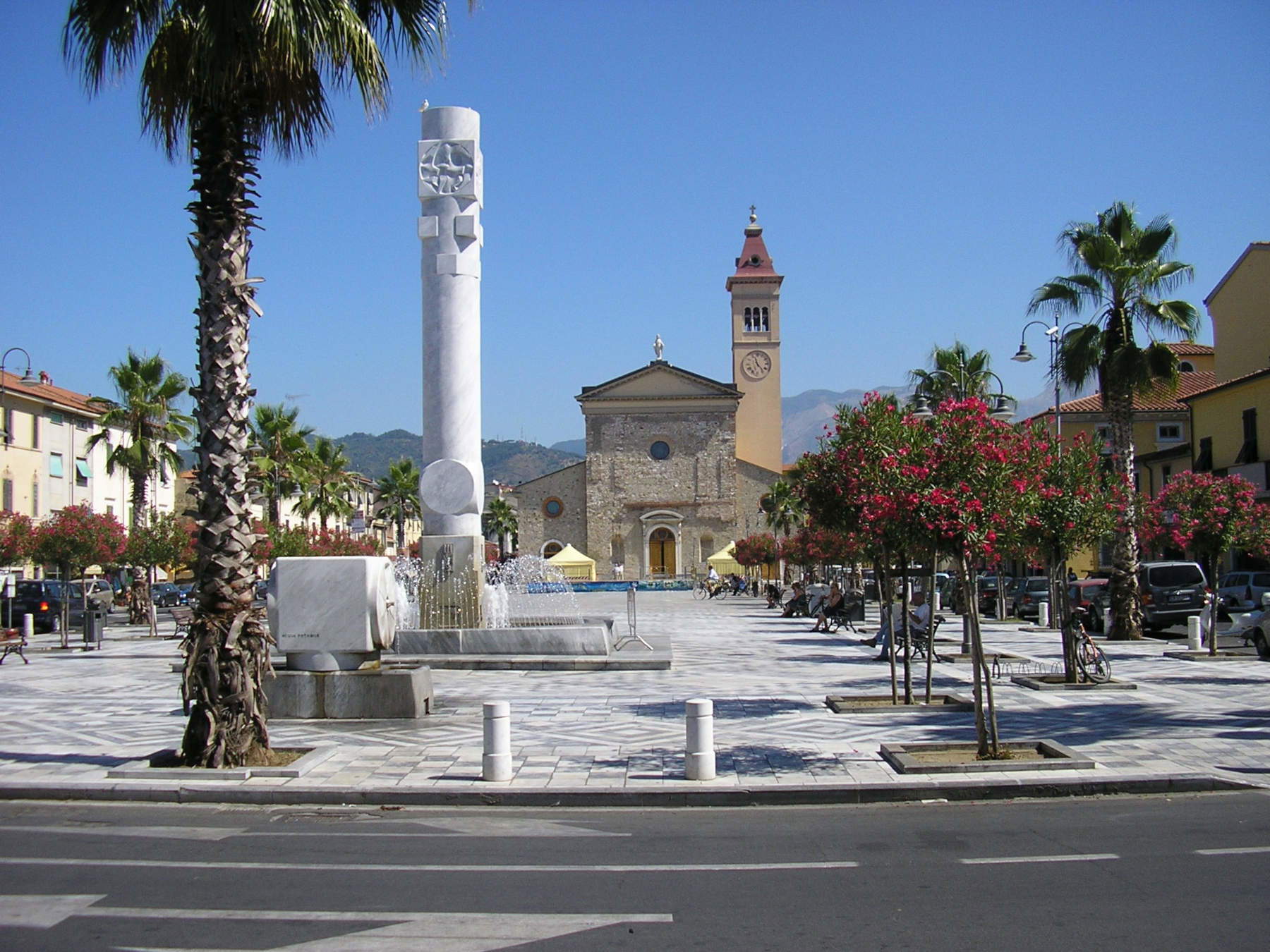
Today, the history of the Triglia d’Oro is the subject of research and studies by scholar Maria Mattei, which began in 2020 with a focus on Antonio Ligabue’s participation in the 1964 edition, organized to celebrate the award’s tenth anniversary. That edition featured, among others, Pietro Annigoni, Carlo Carrà, Mino Maccari, Ardengo Soffici, Ernesto Treccani, Umberto Vittorini, Felice Carena, and Giovanni Colacicchi. On that occasion, the Triglia d’Oro—created by sculptor Bino Bini to celebrate the sea and its creatures—was awarded to Ligabue himself.
In the course of his research, Mattei also rediscovered several canvases that had been entered in various editions of the competition, including works by Umberto Vittorini, Renato Santini, and Pietro Pelliccia. Some of the paintings have not yet been cataloged and are still preserved in precarious conditions. In 2024, an article published in *Il Tirreno* reported on the research, while a motion was presented to the Carrara City Council to begin cataloging the works, including Angiolo Vannetti’s sculpture. To date, the work of reconstructing the history of the Mattei Prize is still underway and will be compiled into a small publication dedicated to the history of an award that enjoyed a certain degree of fame in Carrara, at least until its tenth anniversary in 1964, before gradually fading into obscurity.
Reconstructing the story of the Triglia d’Oro today therefore means retracing the steps of an era when awards were part of the cultural life of local communities and contributed to the circulation of works and the names of artists. Maria Mattei’s research, still in progress, seeks to piece together scattered documents, works, and testimonies, restoring to the collective memory of Marina di Carrara an event that time had gradually erased. It is a story that, like many linked to the painting prizes of the past, reemerges today just as that summer seems to have come to an end.
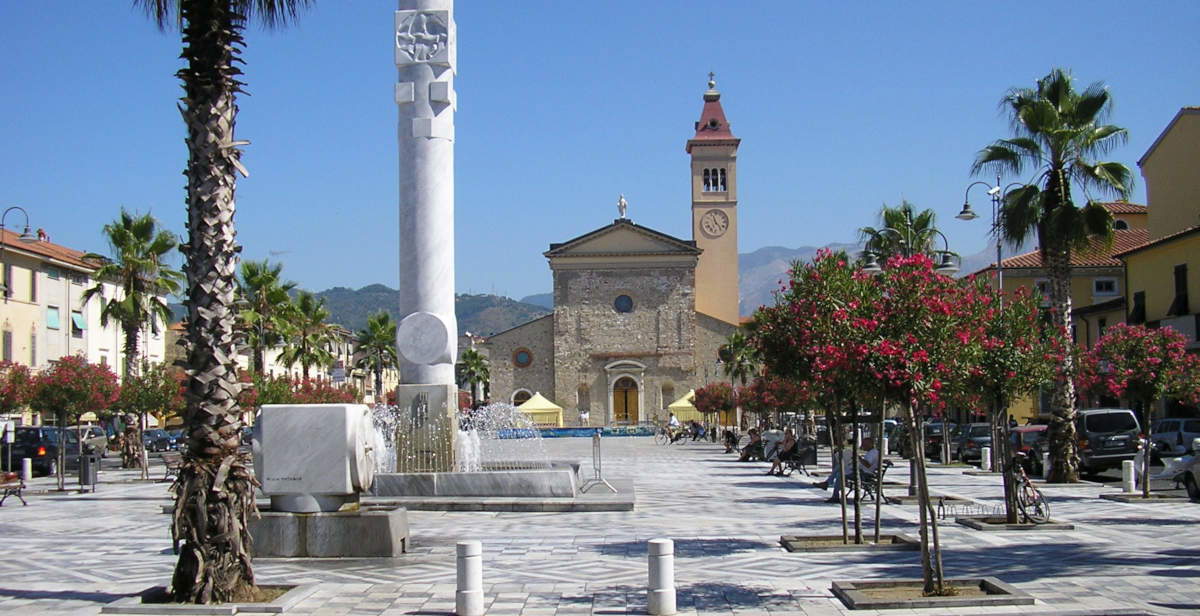 |
| The Triglia d’Oro Painting Prize of Marina di Carrara is brought back to life in the research of scholar Maria Mattei |
Warning: the translation into English of the original Italian article was created using automatic tools. We undertake to review all articles, but we do not guarantee the total absence of inaccuracies in the translation due to the program. You can find the original by clicking on the ITA button. If you find any mistake,please contact us.