





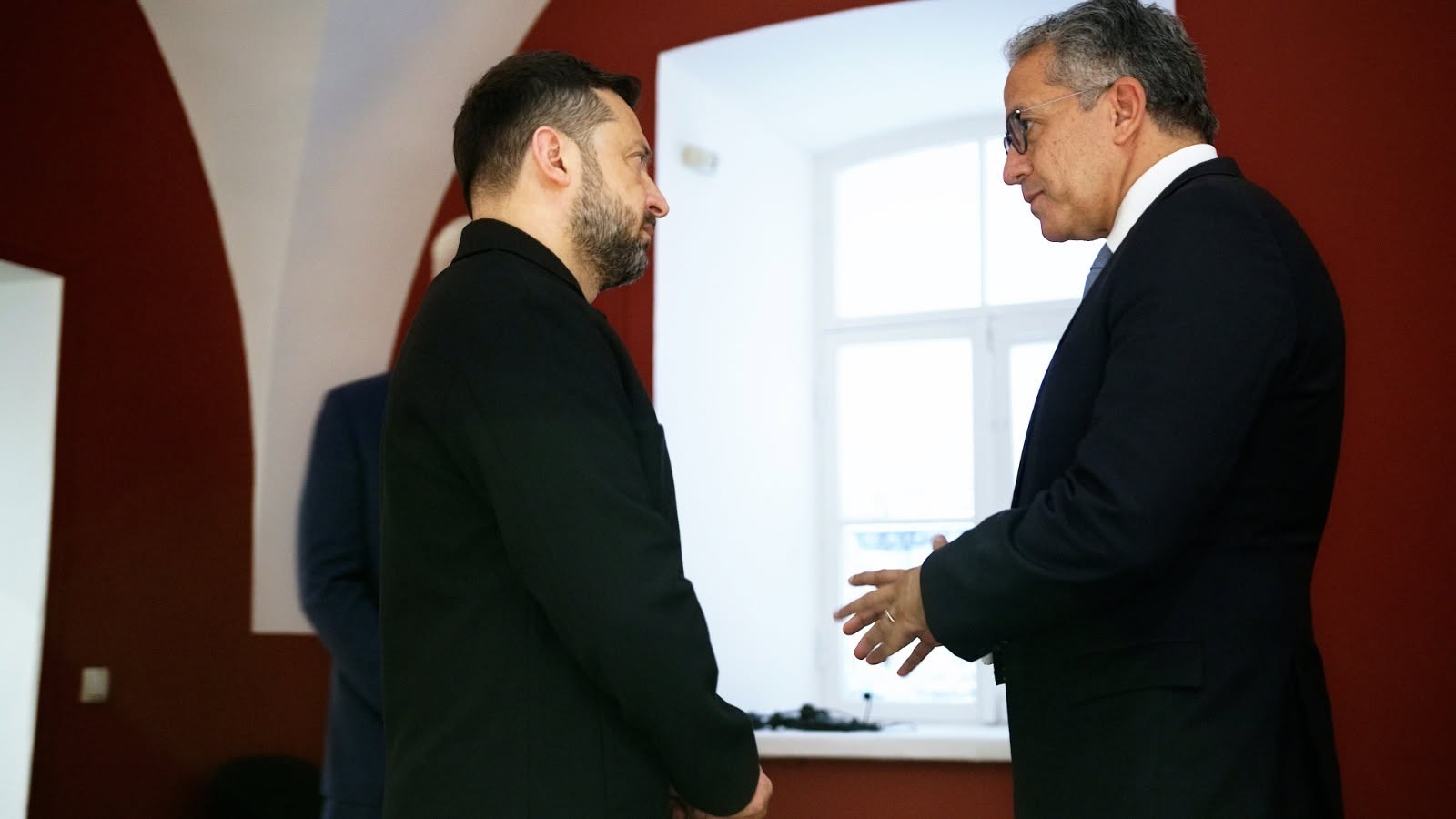
UNESCO Director-General Khaled El-Enany made his first official visit to Ukraine since taking office, with a two-day mission to Kyiv focused on strengthening cooperation with Ukrainian authorities and protecting the country’s cultural heritage. The itinerary included high-level institutional meetings, the celebration of the 975th anniversary of the Kyiv-Pechersk Lavra (the Cave Monastery), and visits to several UNESCO World Heritage sites, reaffirming the Organization’s commitment to supporting Ukraine’s resilience and its path to recovery. During her meeting with Ukrainian President Volodymyr Zelenskyy, El-Enany expressed her appreciation for the invitation and for the warm welcome extended by the Ukrainian government. The Director-General of UNESCO also paid tribute to the courage of the Ukrainian people and expressed his condolences for all those who have lost their lives in the context of the ongoing war.
The mission continued with meetings with Acting Minister of Foreign Affairs Andrii Sybiha, Deputy Prime Minister for Humanitarian Policies and Minister of Culture Tetyana Berezhna, and Minister of Education and Science Andrii Butenko. The talks provided an opportunity to take stock of UNESCO’s cooperation with Ukraine in the fields of education, culture, science, communication, and information, addressing the most urgent needs while laying the groundwork for long-term recovery.
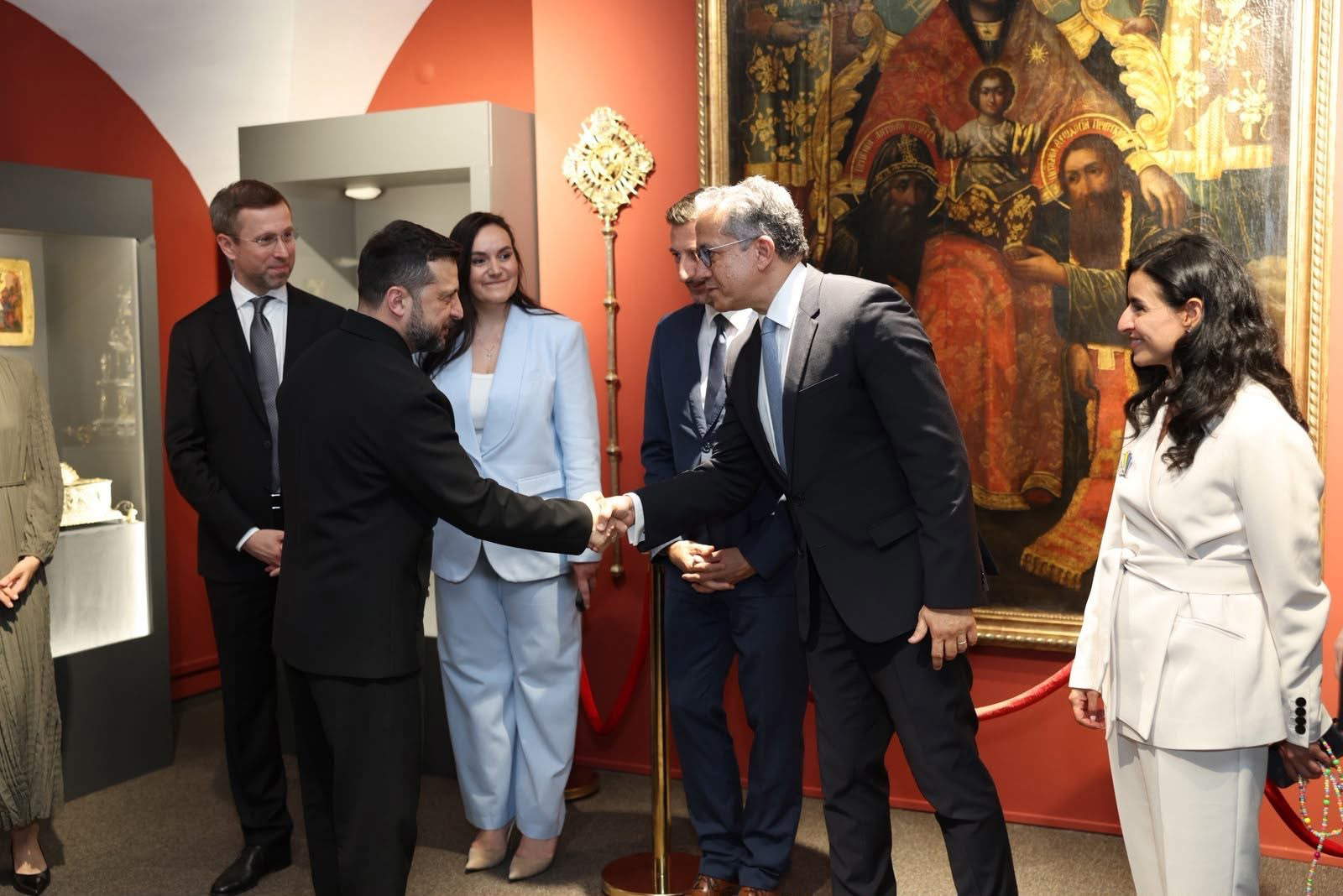
During the meeting with Andrii Sybiha, El-Enany discussed UNESCO’s commitment to Ukraine and the possibilities for strengthening international cooperation in the Organization’s various fields of expertise. During the meeting, Sybiha and El-Enany also visited a special exhibition of archival documents dedicated to the history of collaboration between Ukraine and UNESCO. The exhibition featured documents from the archives of the Ukrainian Republican Choir’s world tour, which took place between 1919 and 1929. The collection was recently nominated for inclusion in the International Register of the UNESCO Memory of the World Program.
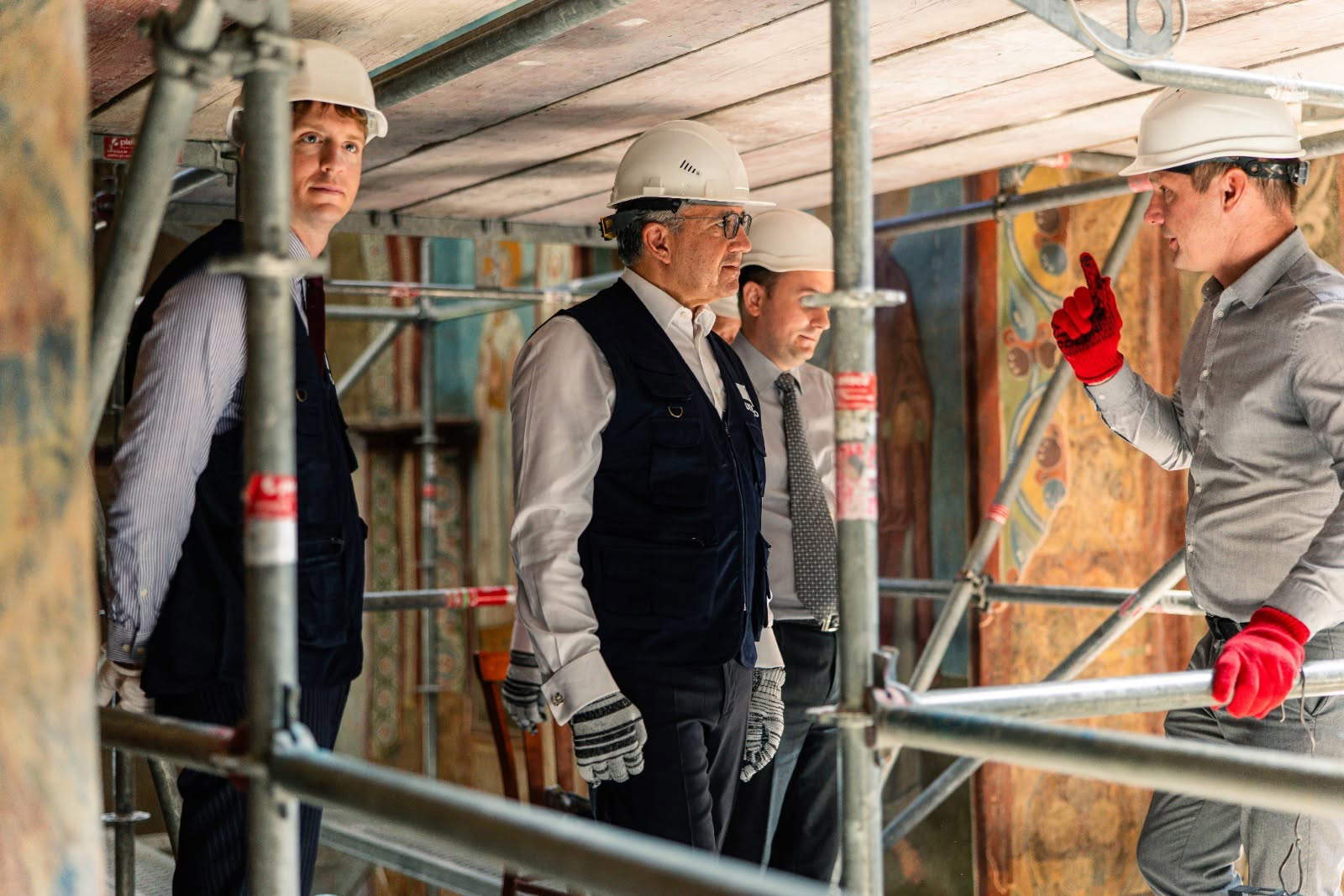
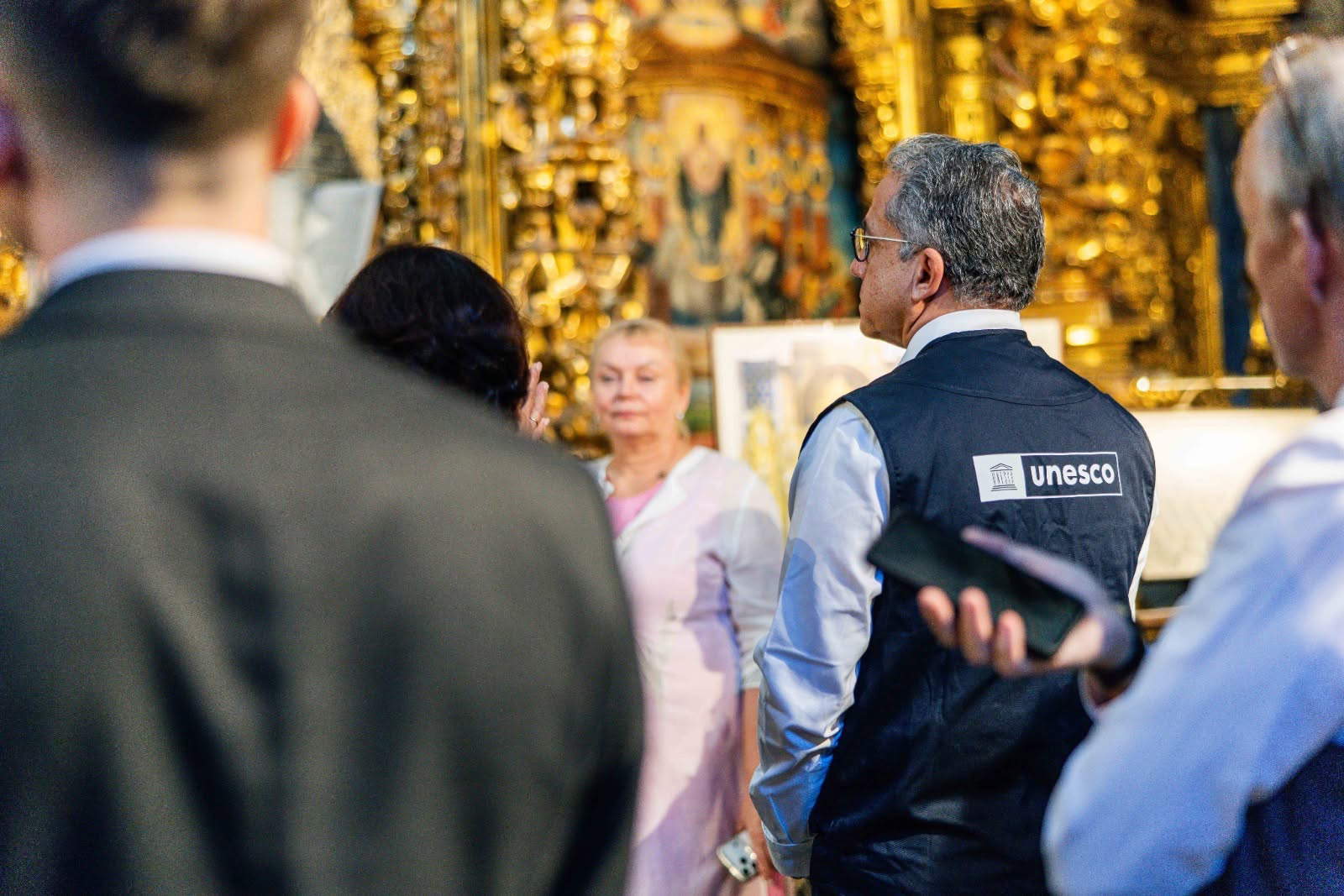
One of the highlights of the mission was a visit to the Kyiv-Pechersk Lavra, marking the complex’s 975th anniversary. El-Enany participated in the celebration alongside President Zelenskyy, paying tribute to one of Ukraine’s most important spiritual, historical, and cultural sites. This monastery is part of the World Heritage site known as “Kyiv: Saint Sophia Cathedral and Related Monastic Buildings, Kyiv-Pechersk Lavra,” inscribed on the UNESCO World Heritage List in 1990. Since 2023, the site has also been included on the List of World Heritage in Danger and, at the same time, benefits from the temporary enhanced protection provided for by the 1999 Second Protocol to the 1954 Hague Convention.
During the visit, the Director-General of UNESCO emphasized the significance of the complex: “For nearly a millennium,” she said, “this site has preserved the faith, memory, and cultural identity of entire generations. I was deeply saddened to see the severe damage caused by the attacks in June—a stark reminder of the importance of protecting this site. UNESCO firmly condemns all attacks on cultural property, which is protected under international law. The Lavra is of exceptional importance to the Ukrainian people and to all of humanity. Its protection is a shared responsibility of the international community, and UNESCO will continue to mobilize its expertise and partners to safeguard and restore this extraordinary World Heritage site.”
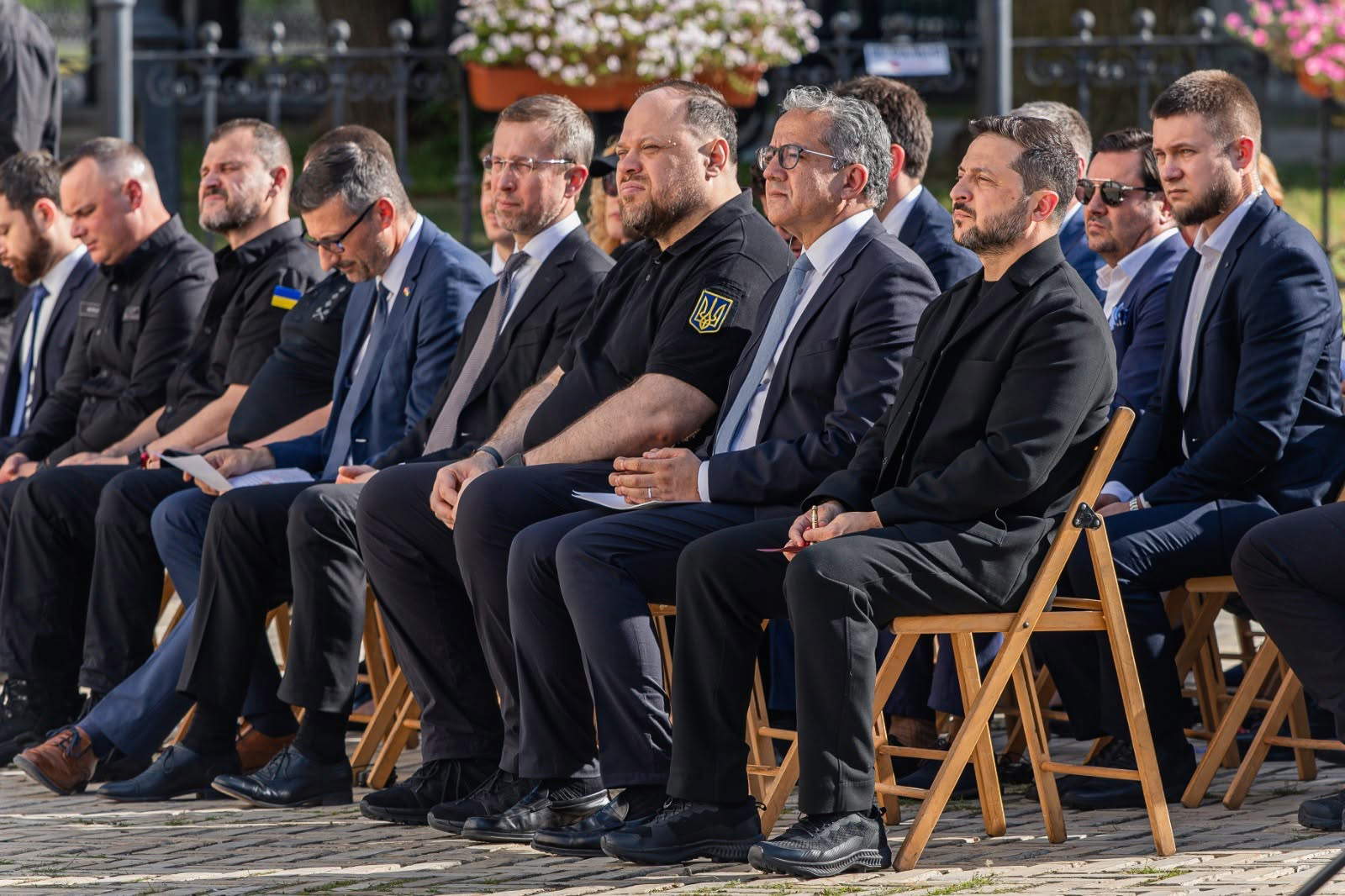
UNESCO is working alongside Ukrainian experts and international partners to assess the damage and identify the urgent measures needed to safeguard the complex. With support from Japan, the Organization is also conducting a 3D laser scan and a digital survey of the Cathedral of the Dormition, which will provide data essential for subsequent conservation and reconstruction efforts. During the visit, El-Enany also announced new funding for the protection and restoration of the Kyiv-Pechersk Lavra. UNESCO will mobilize $100,000 through the Heritage Emergency Fund for urgent stabilization work. In addition to this amount, Switzerland has contributed $732,000, earmarked for preparations for the permanent reconstruction of the roof and emergency consolidation work. Switzerland’s letter of contribution to UNESCO was formally presented during the Director-General’s visit.
El-Enany also visited St. Sophia Cathedral, where he was able to view the new monumental paintings recently uncovered thanks to UNESCO’s intervention. The mission concluded at the UNESCO Office in Ukraine, where the Director-General met with staff members and reaffirmed the importance of the Organization’s presence in the country.
Since the escalation of the war in Ukraine following the Russian Federation’s invasion in February 2022, UNESCO has mobilized, through its partners, $79 million for Ukraine’s recovery. This is currently the Organization’s largest-ever response to a crisis worldwide. UNESCO’s efforts span all sectors of its mandate, with the aim of addressing immediate needs while simultaneously laying the groundwork for Ukraine’s long-term recovery.
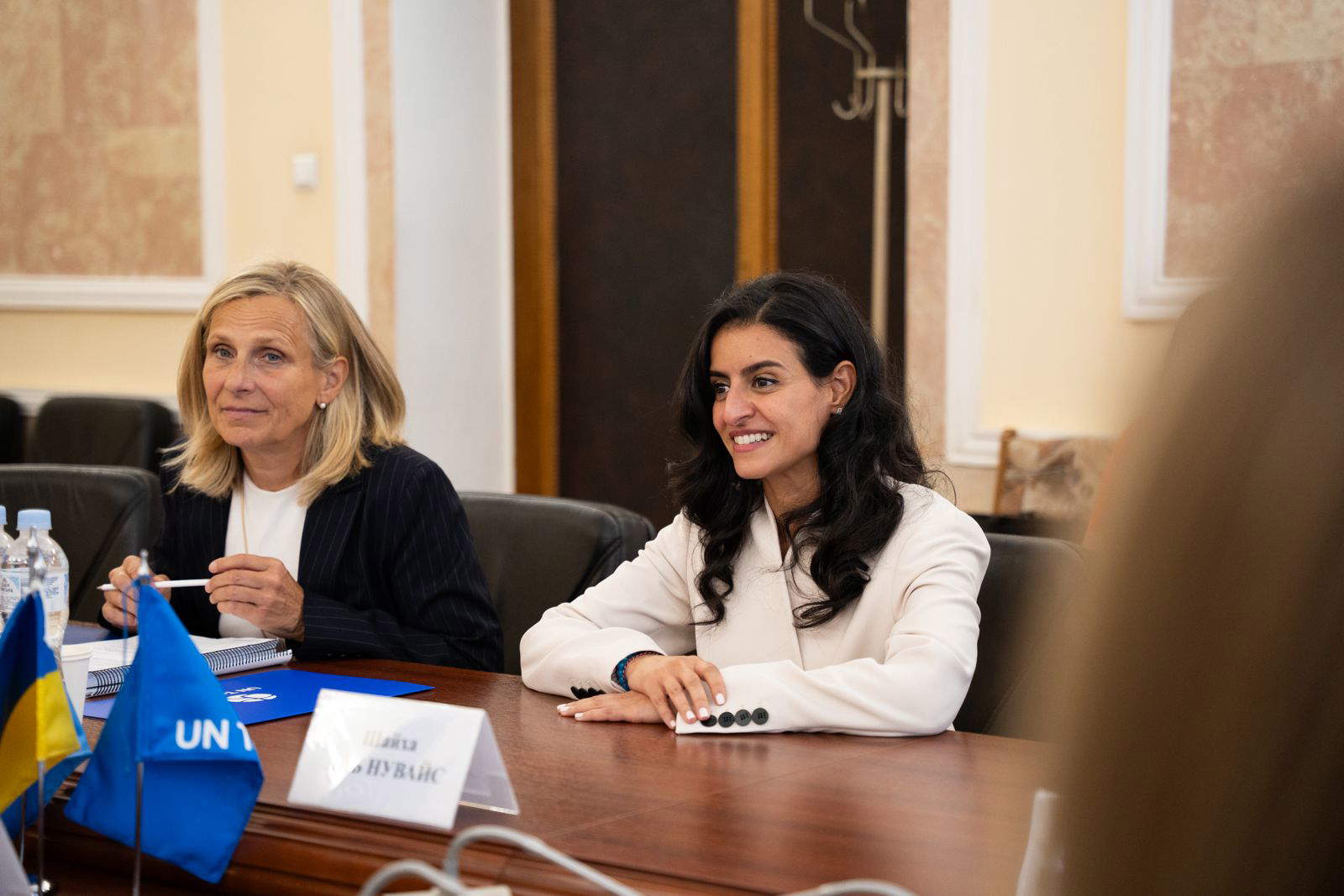
The issue of the country’s recovery has also been addressed from the perspective of tourism. Tetyana Berezhna, Ukraine’s Deputy Prime Minister for Humanitarian Policies and Minister of Culture, met with the United Nations Secretary-General for Tourism, Sheikha Nasser Al-Nuwais, to discuss the development of Ukraine’s tourism sector in the context of the war and its role in future economic recovery. Berezhna emphasized the need to strengthen the link between culture and tourism. She explained that including tourism within the purview of Ukraine’s Ministry of Culture opens up new possibilities for an integrated approach to the reconstruction and preservation of cultural heritage, regional development, and the strengthening of the sector’s economic potential.
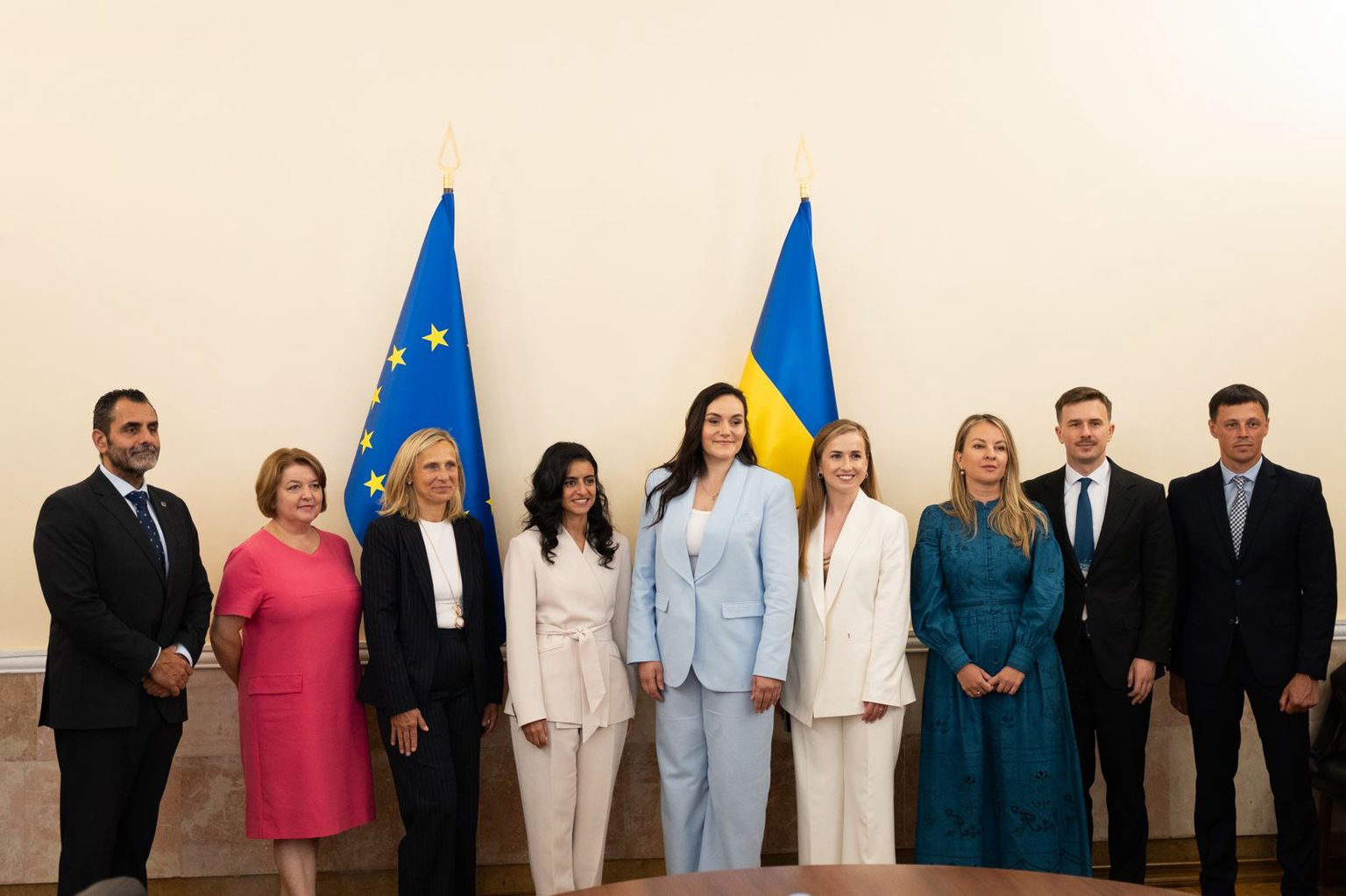
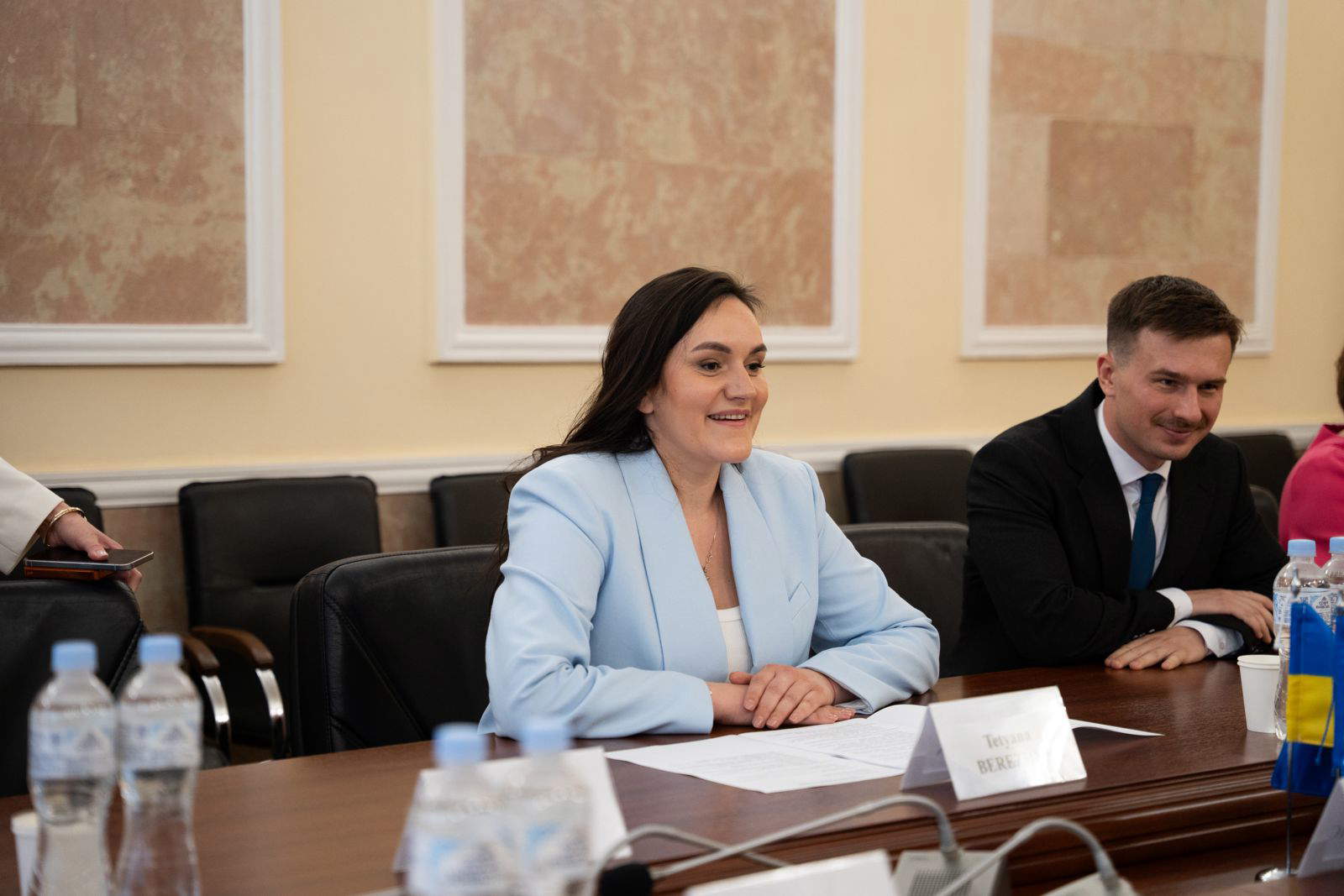
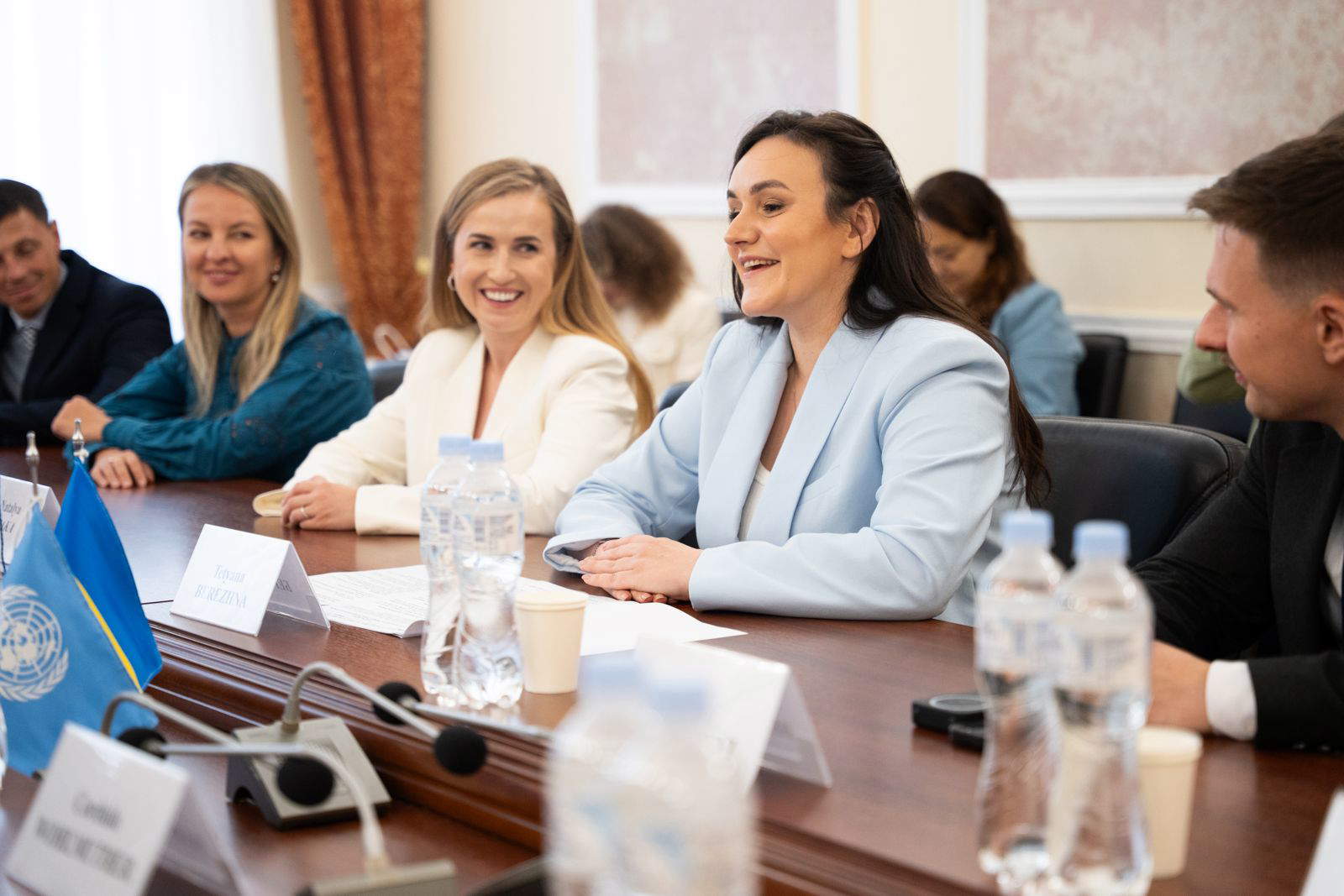
According to the minister, Ukraine possesses enormous cultural and tourism potential, and the integration of these two areas can systematically transform this heritage into economic opportunities for communities. In this process, she added, international collaboration will be essential, through the use of global expertise and the joint development of solutions to revitalize and expand the tourism sector. The discussion also addressed the indirect losses suffered by Ukraine’s cultural sector, due in particular to the decline in tourism, restrictions affecting certain cultural and creative sectors, and the loss of economic potential in specific regions.
The Ukrainian delegation also outlined the creation of the Ukrainian Cultural Heritage Fund, established with the aim of raising international contributions for the restoration of sites damaged or destroyed as a result of the Russian aggression. Berezhna emphasized that reconstruction should not be limited to the physical restoration of monuments but should also include a redefinition of their role for communities, particularly through the promotion of their tourism potential. Sheikha Nasser Al-Nuwais highlighted the considerable economic potential of Ukrainian tourism: “Ukraine,” she said, “already has the foundations, the tools, and all the necessary elements for tourism to recover quickly after the crisis. You are already doing an excellent job of combining the efforts of the government and the private sector.”
Particular attention was given to international coordination and the exchange of experiences in preparation for the post-war recovery of tourism. Potential areas of cooperation include the safety of tourist destinations, accessibility, barrier-free travel, and inclusion. Berezhna reiterated that Ukraine is ready not only to acquire and utilize international expertise but also to share its own solutions in the areas of security, technology, cultural heritage protection, and the development of inclusive tourism.
Natalia Tabaka, head of Ukraine’s State Agency for Tourism Development, also participated in the discussion, highlighting the importance of international cooperation—particularly through the Alliance for Tourism in Ukraine—and of innovative technological solutions to enhance destination safety and contribute to the recovery of the national tourism sector.
Finally, Ukraine’s First Deputy Minister of Culture, Ivan Verbytskyi, highlighted the direct link between the tourism potential of cultural heritage and the economic development of communities. He noted that visitor traffic at historical and cultural sites is, in fact, a key factor in their preservation, as tourism helps generate economic value around cultural heritage.
|
| UNESCO Director-General in Ukraine: Culture and Tourism at the Heart of Recovery |

Warning: the translation into English of the original Italian article was created using automatic tools. We undertake to review all articles, but we do not guarantee the total absence of inaccuracies in the translation due to the program. You can find the original by clicking on the ITA button. If you find any mistake,please contact us.





























 IT
IT FR
FR DE
DE ES
ES CN
CN


