



by Redazione 06/11/2026


Categories: News / Disclaimer
According to a report commissioned by Art Fund and conducted in collaboration with Professor Daisy Fancourt of University College London, spending at least 60 minutes a month in a museum or gallery could contribute to physical and mental well-being. However, 89% of British adults do not meet this threshold.

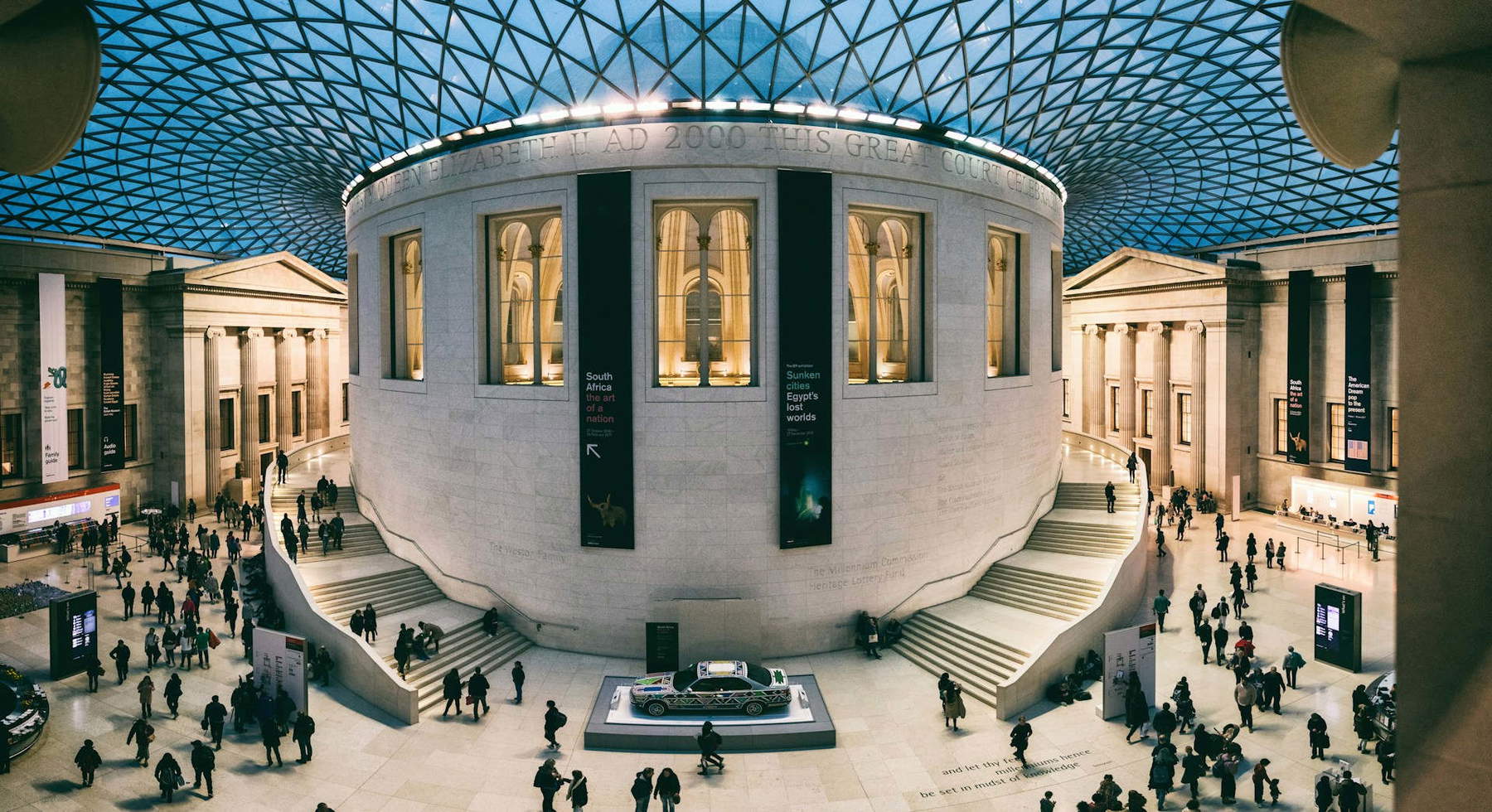
Visiting a museum at least once a month could become a public health recommendation, on par with regular physical activity and a balanced diet. This is the proposal outlined in the report *The Recommended Dose of Art: A Prescription for Health and Wellbeing, commissioned by Art Fund in collaboration with Daisy Fancourt , a professor of Psychobiology and Epidemiology at University College London and author of the book *Art Cure*. The research introduces the concept of the Recommended Dose of Art (RDA), which calls for spending at least 60 minutes a month engaging with artworks in a museum or gallery.


The report compiles scientific evidence on the relationship between cultural participation and health, analyzing the effects of artistic experiences on various aspects of well-being, from stress hormone levels to cognitive function, and from memory to mood. Among the findings presented are a potential reduction in the risk of developing dementia and the maintenance of more youthful physiological conditions in adulthood.
A new survey commissioned by Art Fund and conducted among a sample of 2,000 adults in the United Kingdom highlights just how underutilized these opportunities still are. According to the results, 89% of respondents do not meet the recommended monthly threshold, a percentage that corresponds to approximately 49.5 million people. The survey also highlights limited awareness of the benefits of visiting museums and galleries: only 17% of respondents recognize these visits as a potential source of mental well-being, while just 7% understand their benefits for physical health.



The report compiles several studies documenting the effects of cultural participation on mental and physical health. According to the cited research, regular visits to museums and galleries could nearly halve the risk of developing depression over the following ten years. Combating loneliness also emerges as a potential benefit: older adults who visit museums, art galleries, or concerts are 32% less likely to report feeling lonely ten years later than those who participate less frequently in cultural activities.
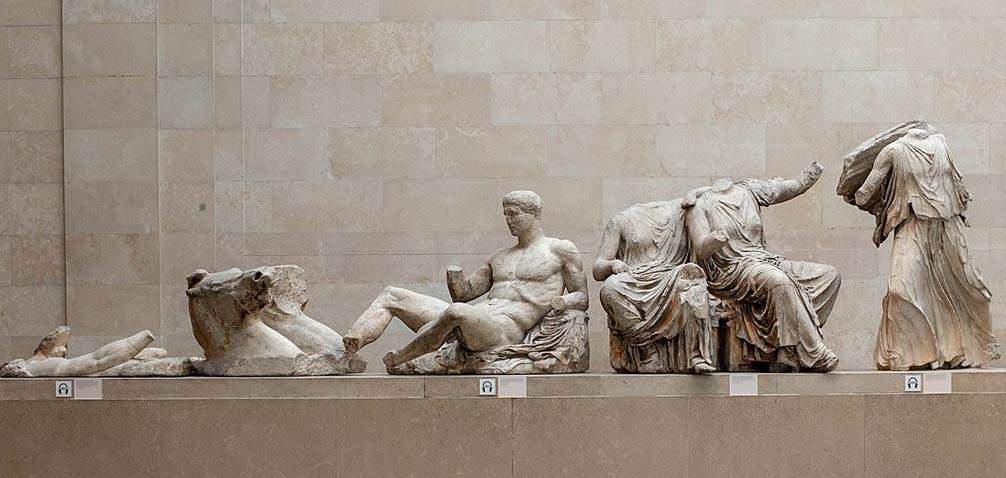
Another factor concerns the difference between viewing an original work of art and a reproduction. Viewing works directly in a gallery can , in fact , lead to a reduction in cortisol—the hormone associated with stress—that is approximately 22% greater than when viewing reproductions. This finding comes from a study presented by Art Fund, which analyzed the effects of the artistic experience on the body for the first time.
Participation in artistic activities may also affect what is known as “health span”—that is, the period of life during which a person maintains good functional health and is free from disease. The reported research indicates that, by age 80, adults who have never participated in artistic activities are 1.3 times more likely to be in a state of frailty. Other studies also point to an association between cultural participation and longevity: culturally active people reportedly have a 31% lower risk of mortality over the following 14 years. The report notes that these findings should be interpreted while also taking into account other variables, including income, health status, demographic characteristics, and disability.
To encourage greater participation, the report offers eight practical suggestions, including visiting local museums and varying one’s experiences by exploring new venues. In the United Kingdom, Art Fund also highlights the National Art Pass, a card that provides free or reduced-price admission to hundreds of museums, galleries, and exhibitions, as well as a 50% discount on major exhibitions.
“Regular engagement with and meaningful encounters with art are now recognized as an important factor in our health and well-being,” says Daisy Fancourt, professor of Psychobiology and Epidemiology at University College London. “The evidence suggests that these should be considered health-promoting behaviors, just like a balanced diet, regular exercise, and time spent outdoors. Guidelines such as eating five servings of fruits and vegetables a day and taking 10,000 steps have proven effective in helping us prioritize other healthy habits, even in our hectic lives. Adding regular participation in artistic activities to this list could be a simple and enjoyable way to further invest in our health and well-being.”
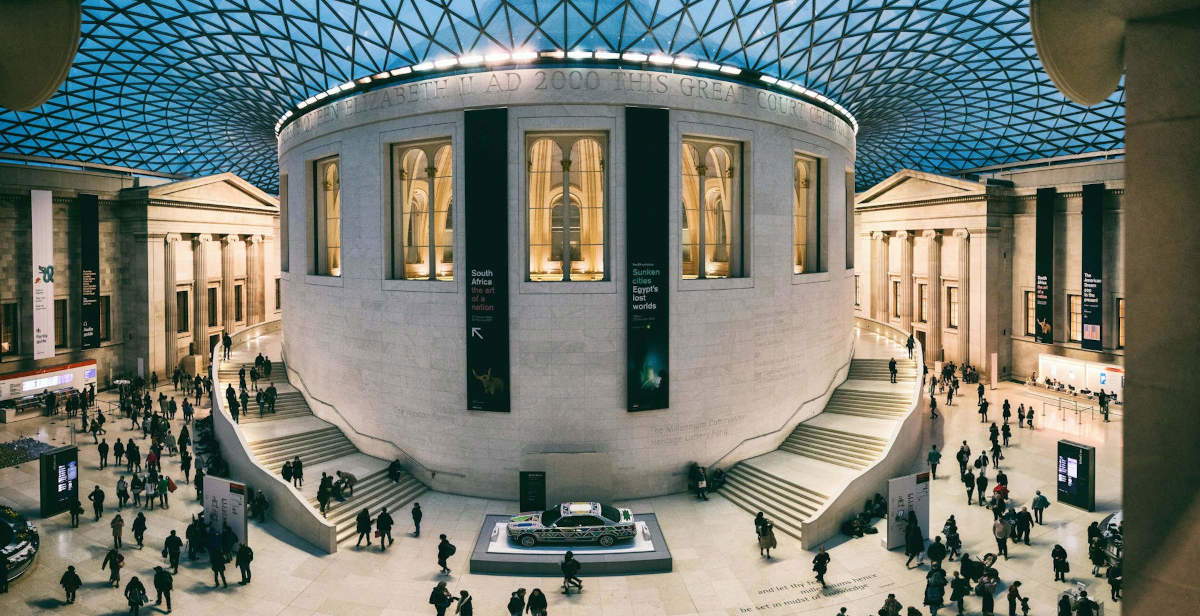 |
| Want to feel better? Visit a museum once a month. That's according to a British study. |
Warning: the translation into English of the original Italian article was created using automatic tools. We undertake to review all articles, but we do not guarantee the total absence of inaccuracies in the translation due to the program. You can find the original by clicking on the ITA button. If you find any mistake,please contact us.