




by Redazione 31/08/2026



Categories: News / Disclaimer
The Metropolitan Museum of Art in New York and John Galliano jointly announced the cancellation of the British designer’s exhibition, which had been engulfed in controversy over an incident that occurred 15 years ago: anti-Semitic and anti-Asian remarks that led to Galliano’s conviction in France in 2011 (Galliano later apologized and sought psychological counseling). Pressure on the museum proved

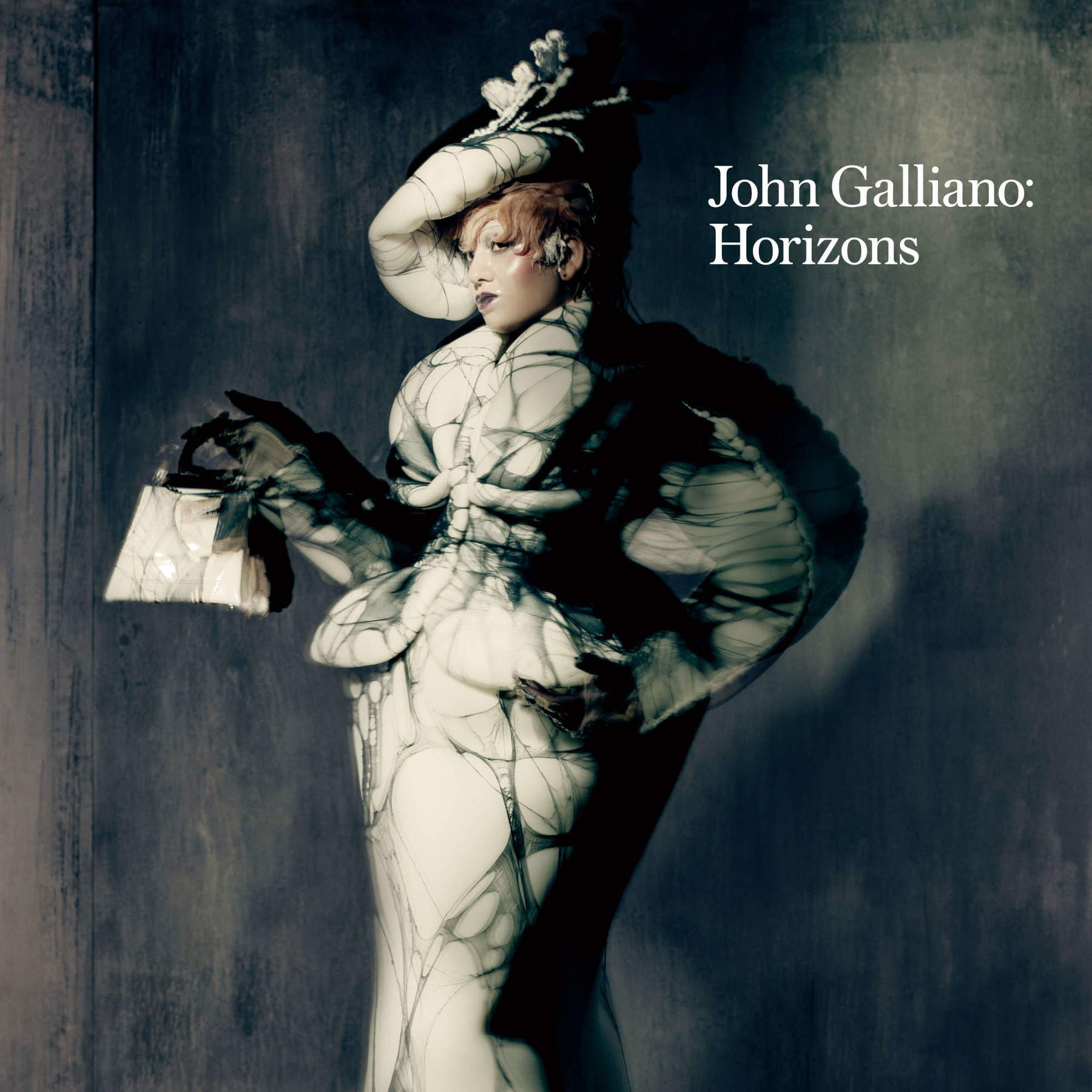
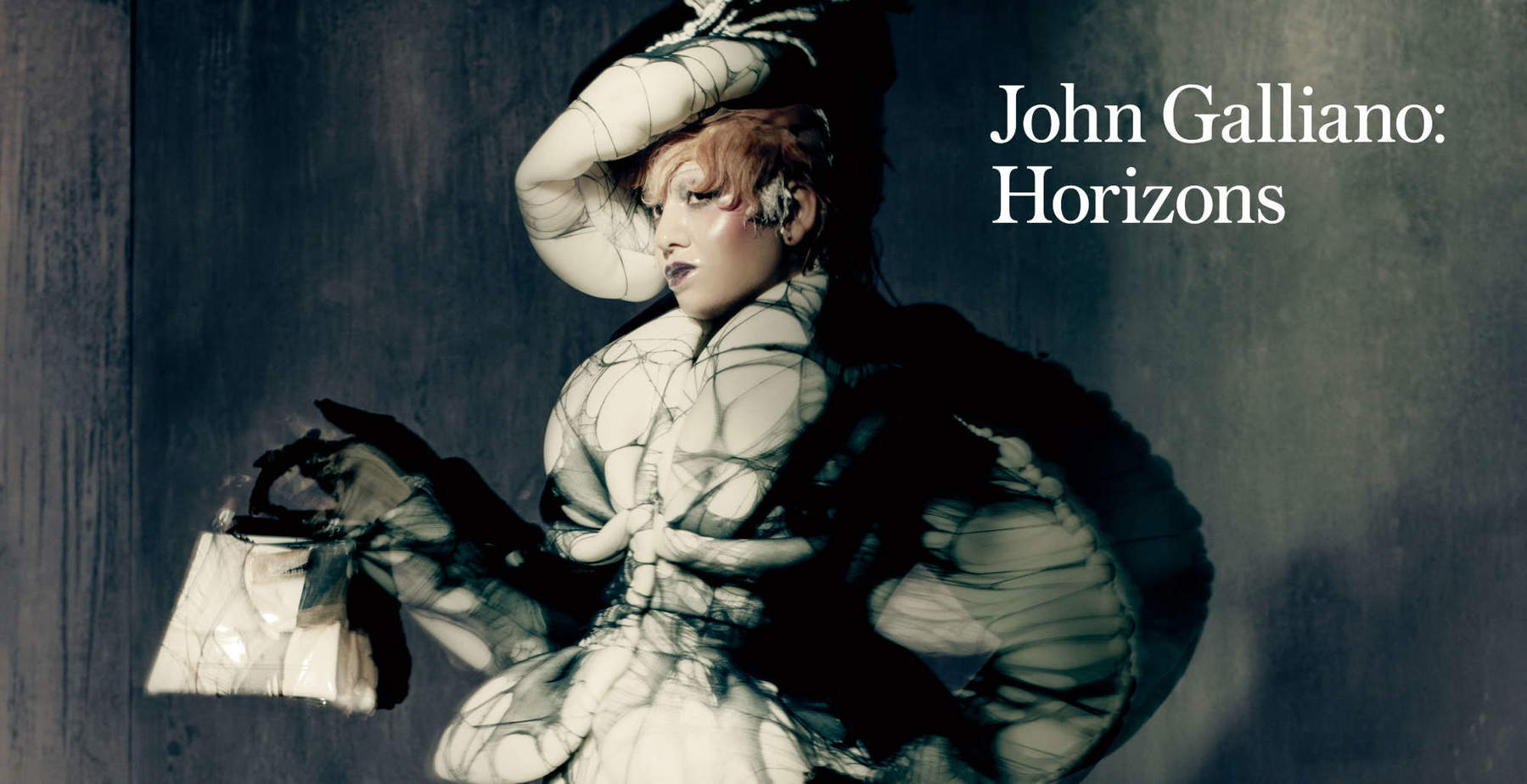
Has “woke” been consigned to the attic? Not at all! It has caused yet another stir in New York, where the Metropolitan Museum of Art has decided to cancel the exhibition dedicated to the famous British fashion designer John Galliano (Gibraltar, 1960), titled John Galliano: Horizons, which was set to open next spring and serve as the Costume Institute’s major event for May 2027, coinciding with the famous Met Gala. All of this is due to events that took place fifteen years ago: the exhibition had in fact been at the center of controversy since the moment it was announced, mainly because of the anti-Semitic and anti-Asian comments made by Galliano himself about fifteen years ago, incidents that in 2011 led to his conviction on hate crime charges by a French court. The designer subsequently apologized publicly for those statements and underwent psychological counseling, while the museum stated that it had consulted with Jewish groups during the exhibition’s planning phase. Neither of these measures, however, was enough to allay the concerns of politicians and public figures who, ever since the announcement in late July, had been pressuring the museum to cancel the exhibition.
The cancellation came a few days after The New York Times published an investigative report detailing these criticisms, which were largely expressed in emails sent to the curators and the Met’s leadership. Among the most influential critics was Arne Glimcher, founder of the Pace Gallery, who, according to the newspaper, threatened to withhold the artworks he had planned to bequeath to the museum after his death. According to the Times, members of the museum’s board of trustees were scheduled to meet to discuss the future structure of the exhibition.


In recent times, the Metropolitan Museum had faced growing discontent over its plan to dedicate an exhibition to Galliano, the British fashion designer who, after being convicted of a hate crime by a French court in 2011 following his anti-Semitic outbursts, had nonetheless transformed the House of Dior into a global fashion powerhouse prior to his public downfall. The exhibition, scheduled to run for nine months, was organized under the auspices of the museum’s Costume Institute and was set to open in conjunction with the Met Gala, the annual spring charity event featuring a red-carpet fashion show, traditionally overseen by Anna Wintour, global editorial director of Vogue and a member of the museum’s board.
Faced with growing public criticism, members of the Met’s board of directors and executive committee had already taken steps in the preceding days to limit the damage to the museum’s reputation. Among the options under consideration was moving the date of the next Met Gala from its usual slot—the first Monday in May—to the following week: in 2027, in fact, the date usually set aside for the event would have coincided with Yom HaShoah, a day set aside to commemorate the Holocaust.
In the days immediately preceding the cancellation, opposition to the museum’s project had grown significantly among leaders of the Jewish community in New York and beyond. Several donors had contacted Met executives, threatening to withdraw their donations if the exhibition were to proceed as planned, addressing their concerns directly to Anna Wintour, Andrew Bolton, curator of the Costume Institute, and Max Hollein, the museum’s director. Julie Menin, president of the New York City Council and one of the highest-ranking Jewish officials in the city administration, had called the museum’s decision to celebrate Galliano’s career “a grave mistake” in a letter sent Thursday to Hollein, Bolton, and Wintour.
In an official announcement released today, the Metropolitan Museum of Art and John Galliano jointly announced that the exhibition “John Galliano: Horizons,” initially scheduled to open in May 2027, will not take place as originally planned. Details regarding a new spring exhibition by the Costume Institute and the 2027 Met Gala will be announced at a later date.
In the official statement, the museum’s director and CEO, Max Hollein, explained that, following careful discussions with John Galliano, the two parties jointly decided not to proceed with the exhibition. Hollein did not elaborate further.
Galliano’s statement, however, was longer; he began by expressing his gratitude to the Metropolitan Museum of Art and, in particular, to Max Hollein, Andrew Bolton, and Anna Wintour, “for the extraordinary honor of having been offered an exhibition dedicated to his work—a gesture he said he found deeply moving, given the admiration he has always held for the institution.” The designer said he would remain forever grateful for the trust, care, and scientific rigor that Hollein, Bolton, Wintour, and the entire museum team had devoted to the project.
“After much reflection and discussion with the Met and everyone involved, I have decided, with great sadness, that it is best for the exhibition not to take place at this time,” Galliano said. “I remain fully accountable for the pain caused by my words in the past, particularly the pain I caused to the Jewish and Asian communities, and I am deeply sorry. I understand that meaningful atonement is not achieved through an exhibition, institutional recognition, or a single public gesture. It is an ongoing responsibility, demonstrated through listening, learning, and one’s conduct over time. I do not want the debate surrounding me to put the Met in a difficult position or distract from the remarkable work of the Costume Institute. I acknowledge and respect the fact that an exhibition honoring my work could be painful for some. I would also like to express my deepest gratitude to all those who have guided, supported, and accompanied me during these fifteen years of sobriety and recovery from alcoholism and drug addiction. Your wisdom, patience, and humanity have helped me more than I can ever adequately express. I am deeply grateful to you for giving me, as promised, a life better than I could ever have dreamed of. My gratitude to the Met, Max, Andrew, and Anna remains deep and enduring. Their generosity, compassion, and their belief in the importance of fashion as art, culture, and history—as well as their understanding of human fragility and the potential for growth—will stay with me forever.”
Andrew Bolton, chief curator of the Met’s Costume Institute, stated: “I believe deeply in the responsibility of museums to examine difficult histories with rigor, candor, and care. I also acknowledge the pain and concern this exhibition has caused. After extensive discussion, I support the decision not to proceed. I remain deeply grateful to my colleagues and to the advisors, lenders, collaborators, and community leaders who contributed their knowledge, trust, and perspectives to the project.”
Finally, Anna Wintour, a member of the museum’s board of trustees, called Galliano’s decision not to proceed with the exhibition dedicated to his work at this time “courageous,” a gesture she said fully reflects his character. Wintour added that she believes this decision is the right one, assuring her full support for both the designer and the museum. The exhibition has already been removed from the Metropolitan Museum’s website.
 |
| "Woke" strikes again: The Met cancels John Galliano's exhibition over an incident from 15 years ago |
Warning: the translation into English of the original Italian article was created using automatic tools. We undertake to review all articles, but we do not guarantee the total absence of inaccuracies in the translation due to the program. You can find the original by clicking on the ITA button. If you find any mistake,please contact us.