




I can certainly say that I have been a fairly regular participant and observer of the art world since the mid-1980s. I therefore believe I have a fairly consistent perspective over the medium to long term, but I am well aware that I am not in a position to provide an adequate analysis of Italian art’s standing in the international context, since my direct observation has been primarily limited to Europe. Like many others, I believe that today we can no longer assume that Europe and the United States are sufficient points of reference for assessing the recognition of Italian art abroad, because expanding our observation to countries such as China and India, or to cultural regions such as North Africa, now appears indispensable. For example, the Chinese art scene has been highly attractive for at least a decade in terms of artist mobility, institutional exchanges, collecting, and the art market; but although I have observed various dynamics of back-and-forth exchanges along the Italy-China axis within the academies of fine arts, I am not sufficiently familiar with that compulsive search for opportunities. I therefore acknowledge that my perspective can and must be considered partial, and that, while I gladly accept the invitation to contribute this reflection, it is primarily because I find it admirable that a magazine is open to a plurality of viewpoints, even welcoming those that are a bit off-kilter, such as my own.
Based on what I know from direct experience, I observe that Italy remains an attractive destination for those studying the arts at the level of higher education institutions, but also for those already active professionally—so much so that among the dreams of every foreign artist I have met is the idea of staging an exhibition in Italy, perhaps in a historic venue. But this image—which fuels the desire to visit Italy—does not seem to be influenced in the least by the recognition of contemporary Italian artists; What I mean is that if people are eager to visit our country, it is for the history, the cultural heritage, the idea of engaging with the artistic titans of the past, and the allure of the Grand Tour—not to engage with the present. I remember interviewing Franco Farina years ago. Between the 1960s and 1980s, as director of the Palazzo dei Diamanti, he managed—despite limited financial resources—to bring internationally renowned artists to Ferrara: When I asked him how he’d done it, he told me that avant-garde artists like Andy Warhol and Robert Rauschenberg didn’t know much about the Italian contemporary art scene, but were happy to come once they discovered they’d be exhibiting in a Renaissance palace. I don’t think things have changed all that much, even though institutions and major collectors (I’m thinking, for example, of the Maramotti Collection, the Prada Foundation, the Sandretto Re Rebaudengo Foundation) are doing important work in building networks, within which they sometimes include Italian artists (who, however, are often already based in London or New York). In short, I don’t think people come here because there’s a vibrant contemporary art scene recognized beyond our borders. I’ve spoken with young artists from other countries—both European and non-European—who were exhibiting in Italy, and almost all of them calmly admitted that they didn’t know the names of any Italian artists, except for their occasional friends or the usual suspects, whom we won’t bother to list here.
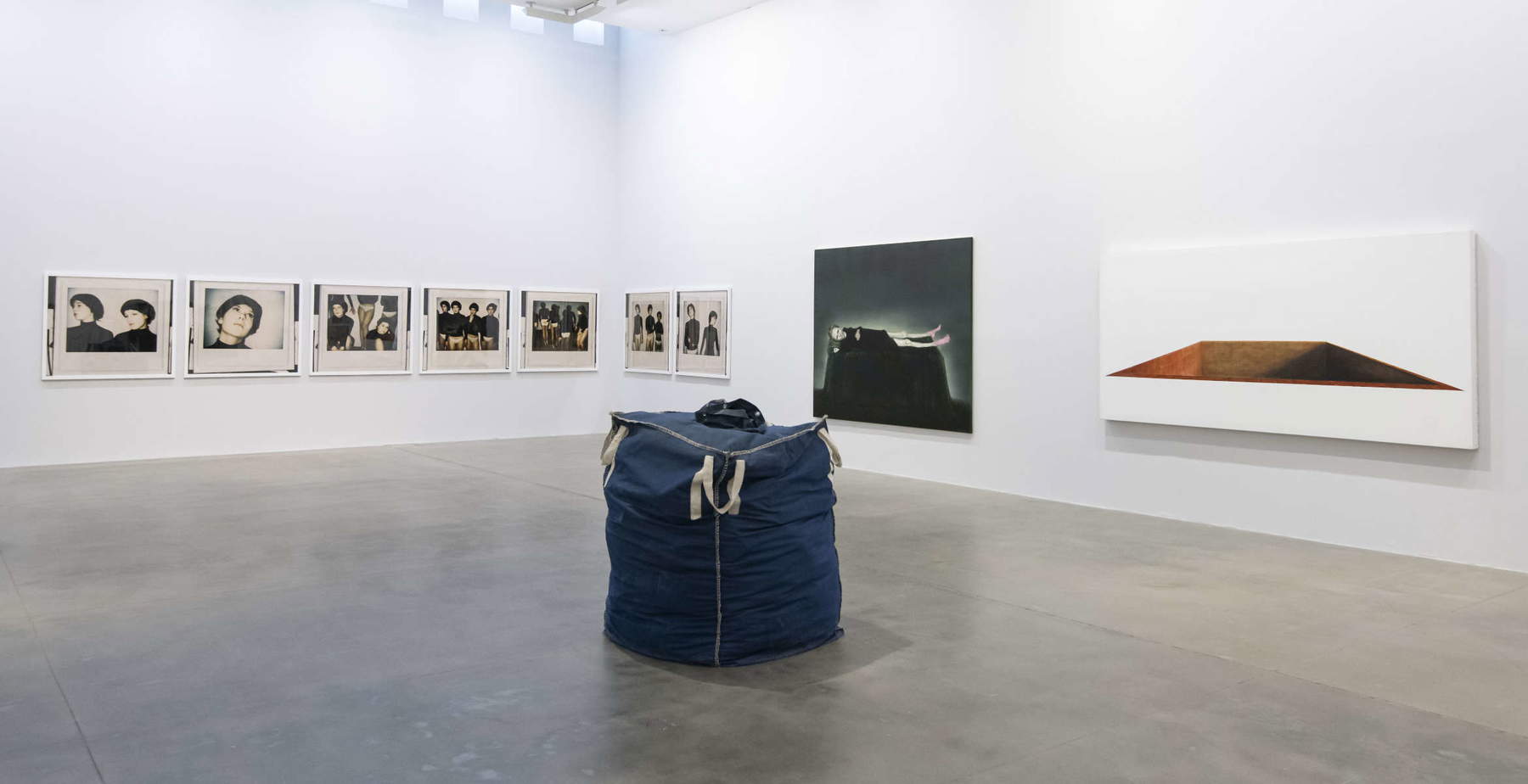
For their part, living Italian artists of all generations travel abroad very frequently; they seek out and build networks, at various levels, independently: they have lasting friendships and relationships, and foster agile, lively exchanges; in the last decade, particularly among young artists, much of this has taken place through residencies and European projects. In fact, when I’m passing through a city abroad and look for a temporary exhibition by an Italian artist, I usually find one: sometimes in a museum or institution, where there may also be works in the permanent collection, or in a gallery, a cultural center, a cultural institute, or the studio of a local artist. But it’s rarely the main attraction at that moment. And this is also true when I go to an international art fair, where I’m more likely to find Italian artists among the emerging talents presented by young galleries than mid-career artists at established galleries. When I ask foreign colleagues if they’re familiar with Italian art, they tell me they see a lot of it around, but then they can’t recall what—or who.
Well, I believe the issue is, in part, that there’s a somewhat diffuse chorus of individual Italian artists—hard to recognize because they don’t set trends, don’t form groups, and don’t pursue identifiable lines of inquiry. It seems to me that abroad we’re perceived as a sort of constant “low vibration”—a subdued background hum that speaks Italian, even in a refined and intelligent way, but remains in the background because the voices are all independent; they don’t seek common ground that would allow them to raise their voices together. The Arte Povera and Transavantgarde movements served as examples of how the group—from which a movement takes shape—is a successful structure for achieving recognizability; but this—which is the premise for the recognizability of a line of research around which individual voices “align”—would need to stem from a strong critical framework. A group becomes historicized much more quickly; it acts as a wedge to penetrate the system, but to establish it, a theoretical dimension is needed—a resolve that does not coincide with curatorial practice, which is often mimetic, opportunistic, and overly inclusive. Ultimately: today, Italian art is present on the international scene but remains unspoken—that is, it does not speak for itself.

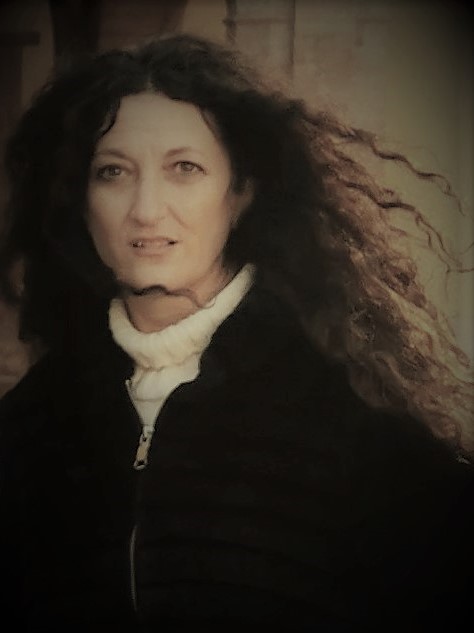
The author of this article: Valeria Tassinari
Valeria Tassinari è storica dell’arte, docente, curatrice e critica d’arte contemporanea. Si è laureata al DAMS dell’Università di Bologna e dai primi anni Novanta è docente di storia dell’arte. Dal 2007 insegna Storia della Decorazione, prima all’Accademia di Belle Arti di Brera a Milano e ora a Venezia. Ha scritto per numerose testate specializzate, ha curato mostre ed eventi in istituzioni museali, in Italia e all’estero. Dal 2012 al 2022 è stata curatrice scientifica del Museo d’arte contemporanea MAGI’900, mentre dal 2022 è presidente del Centro Studi Internazionale “Il Guercino” ed è membro del consiglio di indirizzo della Fondazione Carice. Si occupa di progetti espositivi, di salvaguardia e di valorizzazione del patrimonio artistico ed ambientale, con particolare attenzione al rapporto tra arti visive e contesto storico e naturale. Ha pubblicato saggi, monografie di artisti, cataloghi di mostre d’arte contemporanea.Warning: the translation into English of the original Italian article was created using automatic tools. We undertake to review all articles, but we do not guarantee the total absence of inaccuracies in the translation due to the program. You can find the original by clicking on the ITA button. If you find any mistake,please contact us.





















 IT
IT FR
FR DE
DE ES
ES CN
CN


