





The contemporary art market of the last twenty years is based on a huge lie. This is demonstrated by an obvious fact: many of the leading so-called contemporary art galleries must sell modern art—roughly from the time of Van Gogh through the 1970s—in order to survive. But why does the contemporary art world produce so many boring and mediocre works? Why are we confronted at recent Biennales with oddities and things thrown together without any real purpose? It happens because, over the past twenty years, critical discourse has been progressively eliminated within a system where everyone is expected to get along with everyone else. Added to this is the fact that the language of contemporary art has undergone two decisive crises, in 2001 and 2008, which have left artists even more disoriented.
Collectors are the best customers in the world because they almost never complain: they don’t want to lose their status, and they don’t want to contribute to devaluing the purchases they’ve already made. This attitude ends up crystallizing the problem and reinforcing the lie. Artists, for their part, have remained stuck in rigid, nostalgic postures, shut away in their studios waiting for a call from the god of curators or the god of gallery owners. But the few remaining opportunities are now too few for everyone and absolutely insufficient.
Another thing is now also evident: the Academy of Fine Arts is no longer enough. We need a well-rounded education capable of addressing the most important issues of our contemporary world. Such an education, today, simply does not exist in any art school or academy in the world. The exorbitantly expensive fine art schools and Master of Fine Arts (MFA) programs—which Sarah Thornton, in her book *A Seven-Day Tour of the Art World *, provocatively refers to as “Mother Fucking Artist,” are forced to forge alliances with galleries and curators to at least give the impression of a possible career to students who have invested hundreds of thousands of dollars in their education. Even if you were to send your portfolio to a gallerist today demonstrating that you can walk on water, you’d hardly be taken seriously. Not because you lack talent, but because the system is governed by alliances, affiliations, and cliques that are indispensable if you hope to sell anything in the contemporary art market.
That’s why the modern art market works much better and is decidedly more meritocratic: it has undergone decades of critical discourse that have allowed quality, values, and hierarchies to take root. Yet contemporary art is more central today than ever before. Since the 1990s, it has moved beyond the confines of museums: by now, everything is contemporary art. Precisely for this reason, if we do not take charge of contemporary art, the worst kind of contemporary art will take charge of our lives. And this, in fact, is already happening.
That is why a profound reform of art schools and the entire contemporary art system would be essential. They should become a training ground and a laboratory where we hone our ability to see. But don’t think of artworks as mere objects meant to decorate a mantelpiece. The value of a work of art does not lie in the object itself, but in a cloud of ways, attitudes, visions, and dispositions from which the works emerge as witnesses. These are approaches we can apply concretely in our daily lives. This is the immense value that contemporary art should hold for each of us.

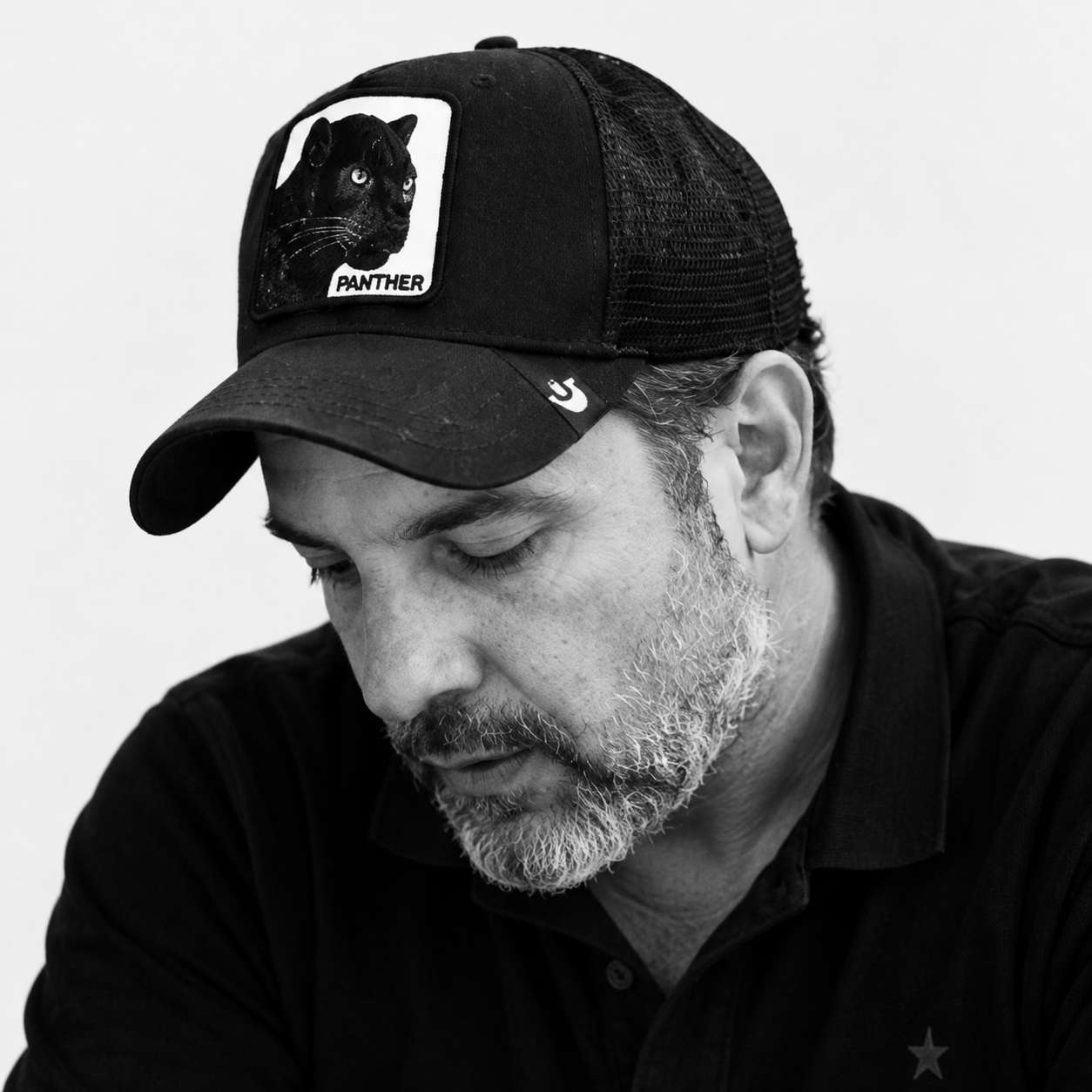
The author of this article: Luca Rossi
“Luca Rossi" è un nome di fantasia in cui idealmente convergono tutti i ruoli del sistema dell'arte: artista, critico, curatore, blogger e osservatore indipendente. È stato definito da Fabio Cavallucci “la personalità artistica più interessante d'Italia”. Dal 2009, “Luca Rossi”, collettivo aperto e figura controversa nel sistema artistico, cerca di stimolare quotidianamente un dibattito più critico nell'ambito dell'arte contemporanea, intesa come materia capace di rivestire un ruolo fondamentale nel nostro presente. Dalle sue riflessioni critiche, ampiamente diffuse, sue le definizioni di “Ikea evoluta”, “Sindrome del Giovane Indiana Jones” e “Nonni Genitori Foundation”, è nato un progetto artistico non convenzionale, che comprende anche attività di divulgazione e formazione, culminate nel 2016 con la creazione della Luca Rossi Art Academy & Coaching (documenta.live). Nel febbraio 2026, un Hidden Work di Luca Rossi è entrato nel nuovo percorso espositivo di Osteria Francescana di Massimo Bottura, segnando un ulteriore sviluppo del progetto e della ricerca intorno agli Hidden Works. Nel 2014 Giacinto Di Pietrantonio, in un’intervista, definì Luca Rossi la promessa futura dell'arte contemporanea, paragonandolo a ciò che Vanessa Beecroft avrebbe potuto essere negli anni Novanta. Alcuni “nodi critici” sviluppati nel corso degli anni da Luca Rossi sono entrati a far parte del linguaggio dell'arte italiana e hanno contribuito a cambiare la prospettiva e la visione di molte persone, dentro e fuori il settore. Nel 2014, la celebre critica d'arte Angela Vettese dichiarò che, dopo aver letto i testi di Luca Rossi, aveva deciso di non dedicarsi più alla pratica artistica, ma esclusivamente alla teoria.Warning: the translation into English of the original Italian article was created using automatic tools. We undertake to review all articles, but we do not guarantee the total absence of inaccuracies in the translation due to the program. You can find the original by clicking on the ITA button. If you find any mistake,please contact us.

















 IT
IT FR
FR DE
DE ES
ES CN
CN


