





These days, it seems that the public’s interest in Caravaggio tends to overshadow that directed at every other genius of painting, driven by the constant stream of solo exhibitions popping up just about everywhere, the endless films and documentaries that reconstruct the story of his life with varying degrees of imagination; and even in the figurative interpretation of his existential anxieties, as seen in the unprecedented performance by classical ballet star Roberto Bolle at Palazzo Barberini during one of the recent exhibitions on the painter. But what more can be said today regarding the exegesis of the painter’s work that has not already been implicitly and exhaustively addressed in Roberto Longhi’s unforgettable essay, published in the catalog of the first exhibition he organized in Milan on Caravaggio in 1951?1 Nothing more than to offer updates—valuable additions to an already quite substantial body of historiography—which, by sifting through anecdotes and various pieces of information from letters and archival documents, may provide some further details on the events of his life, though these add nothing to the celebration of his work.
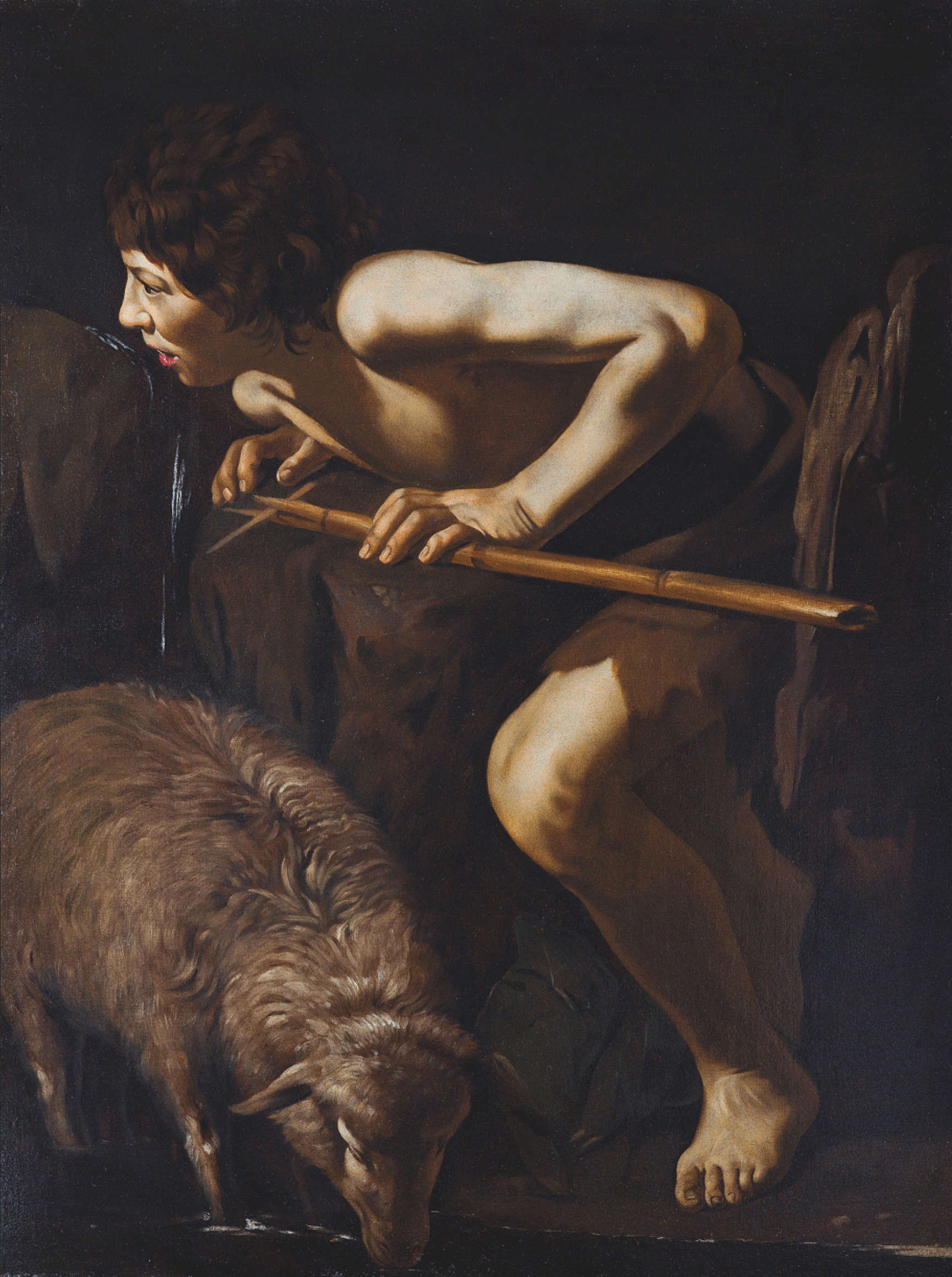
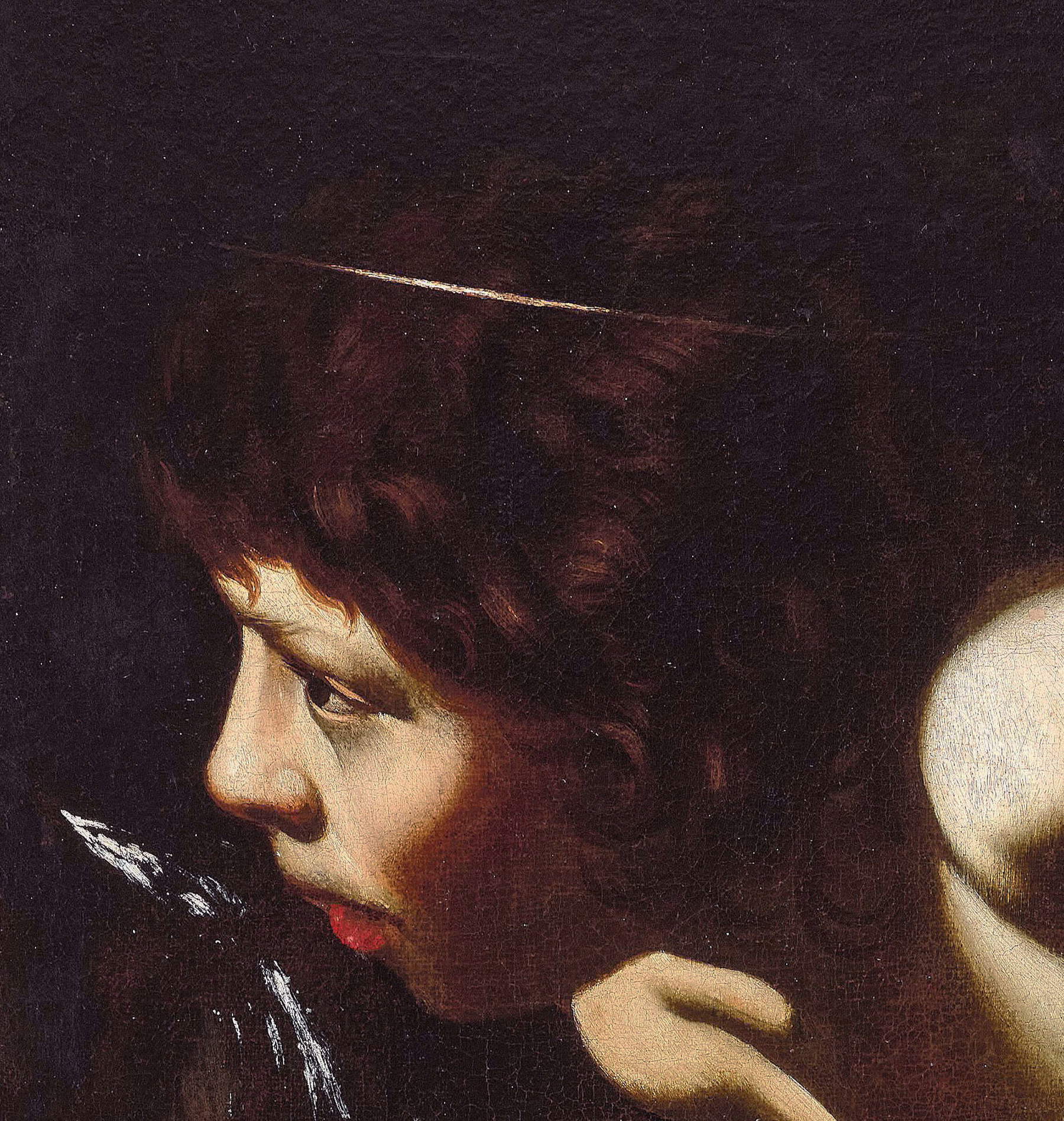
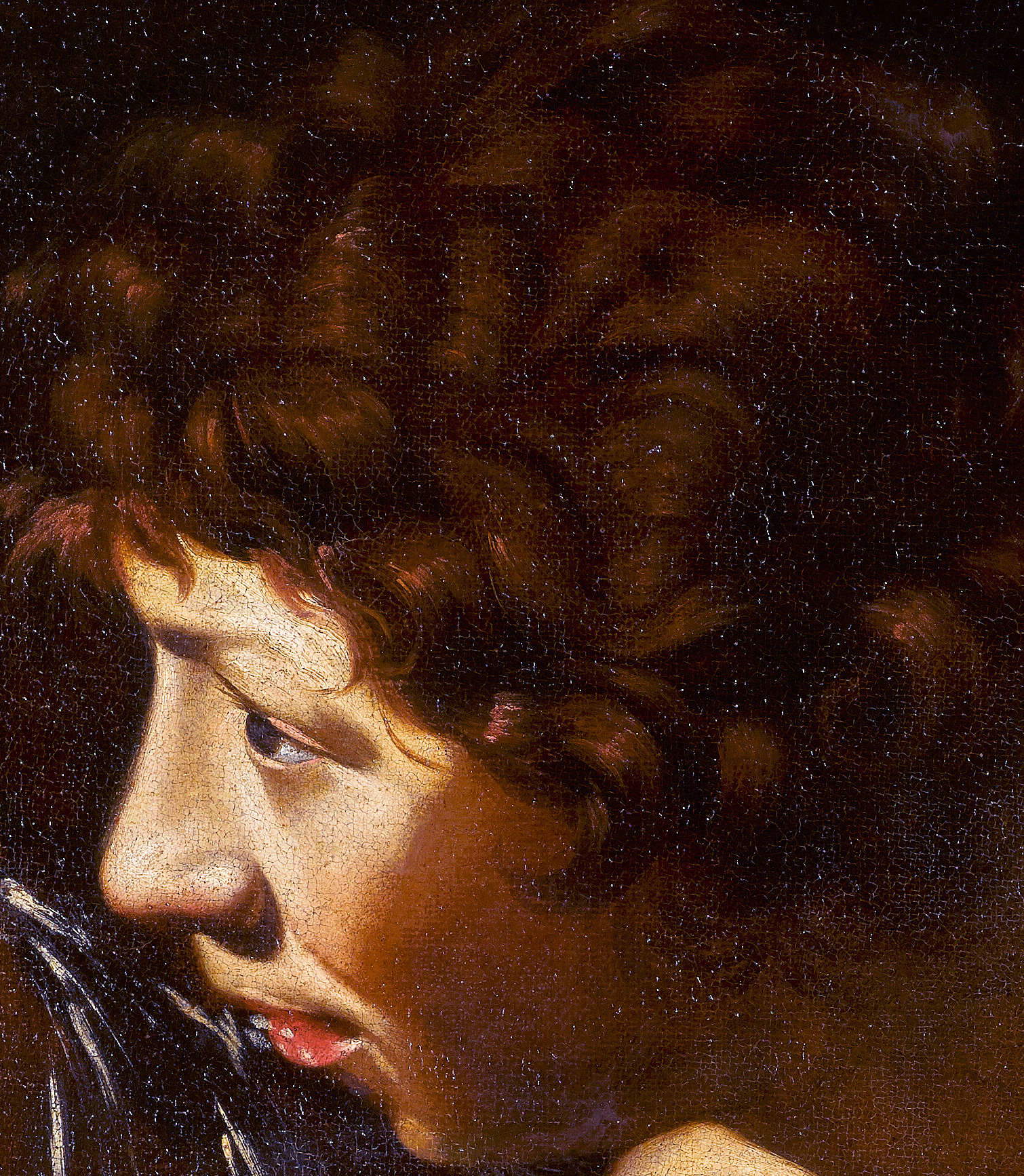
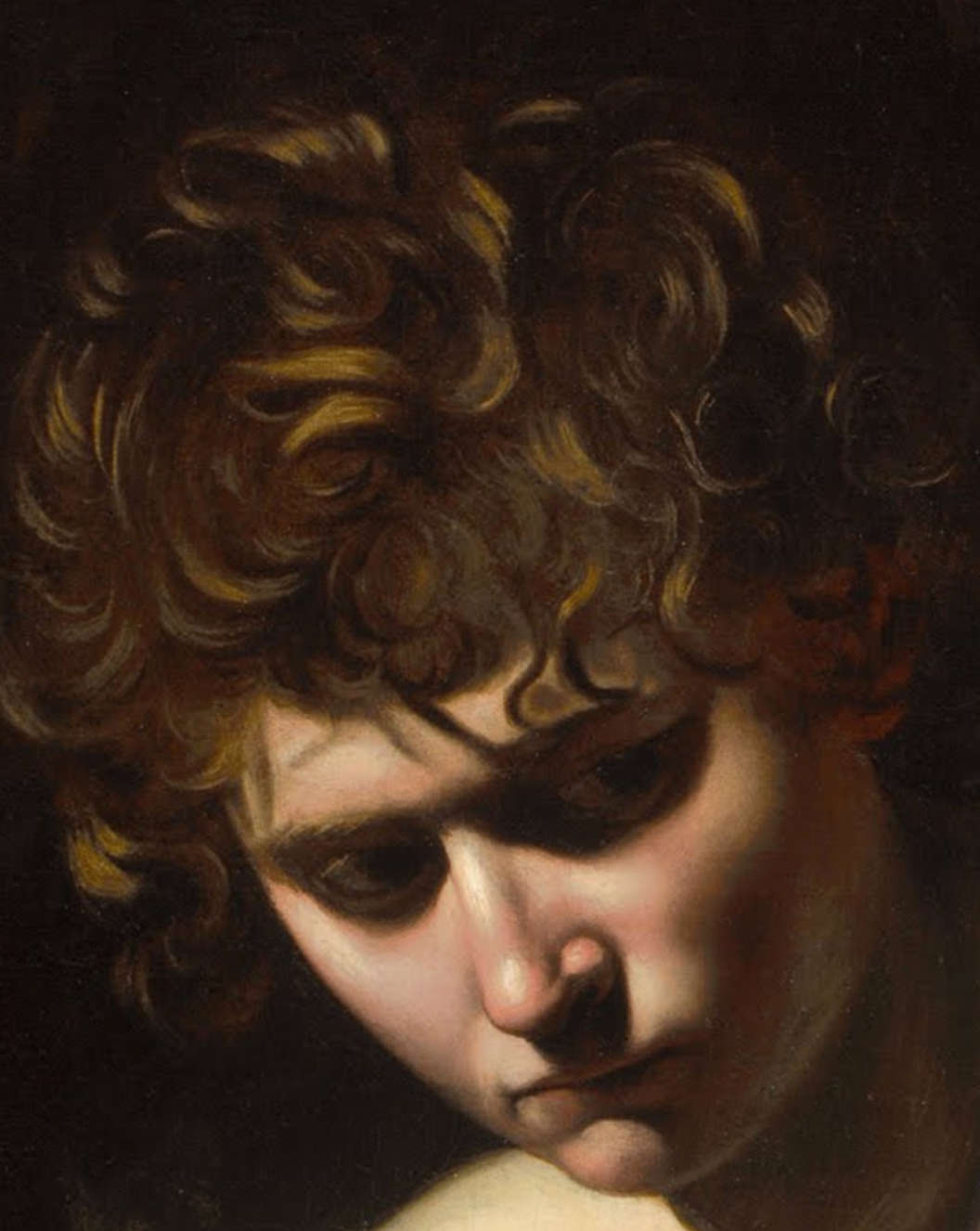
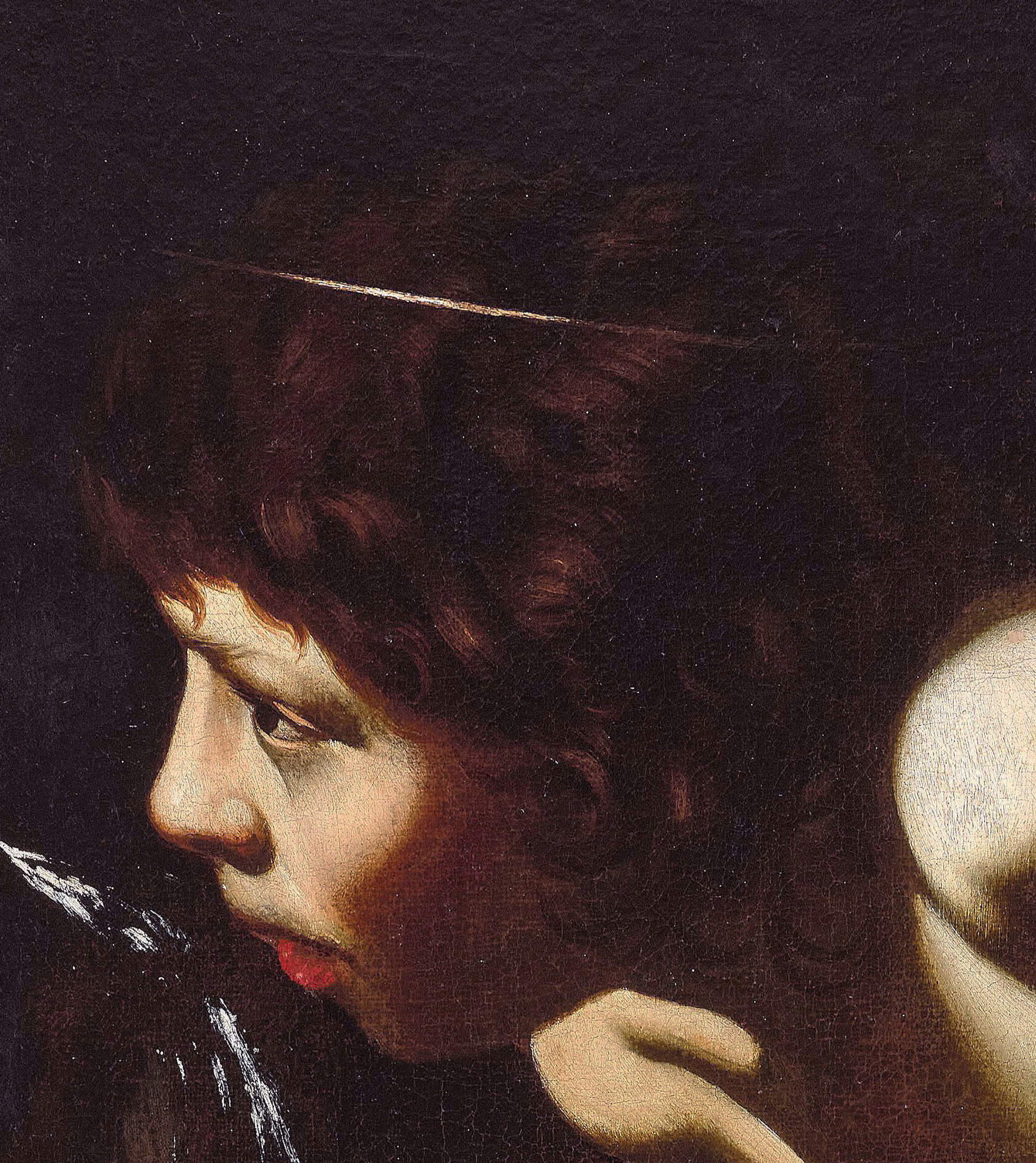
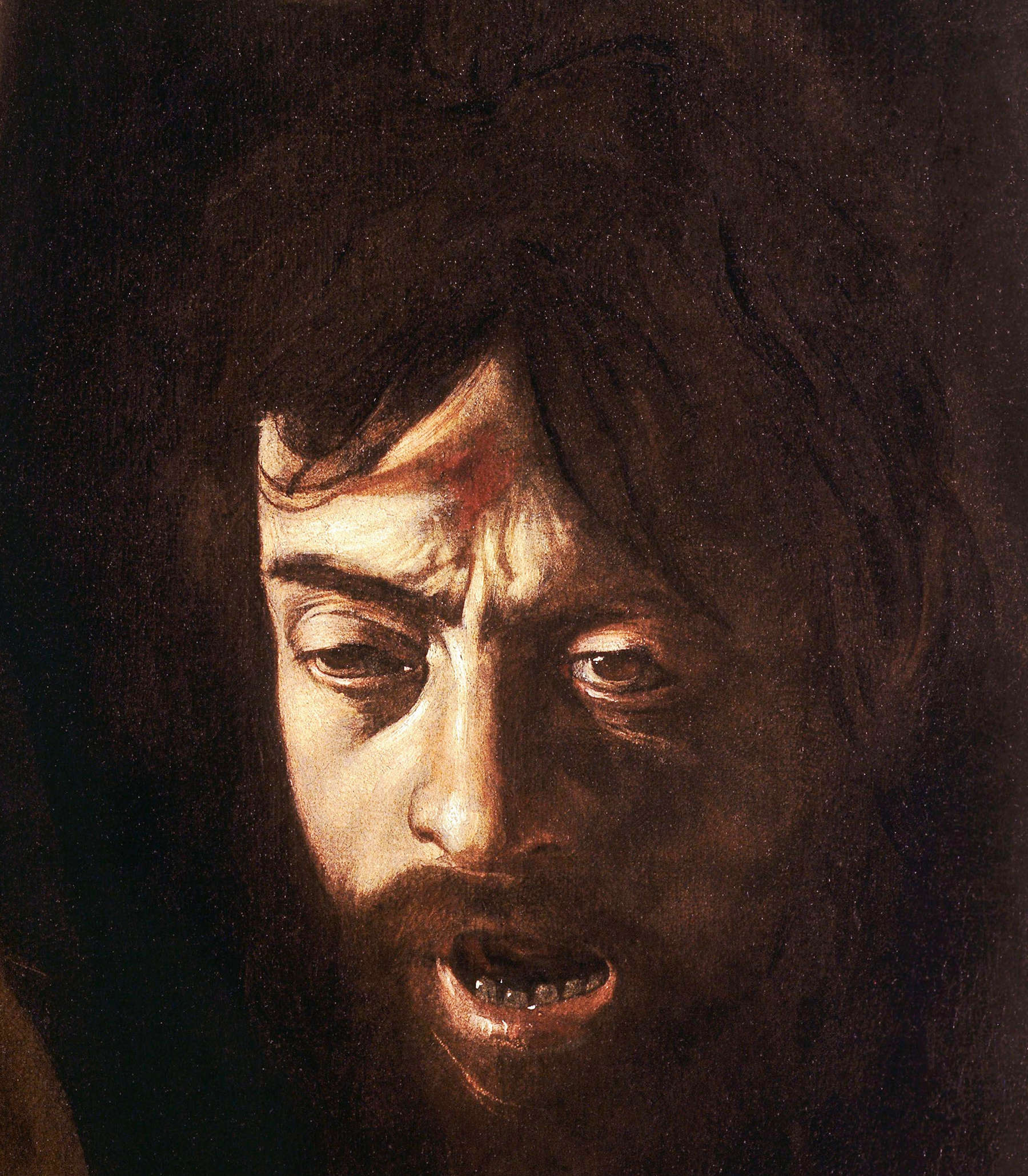
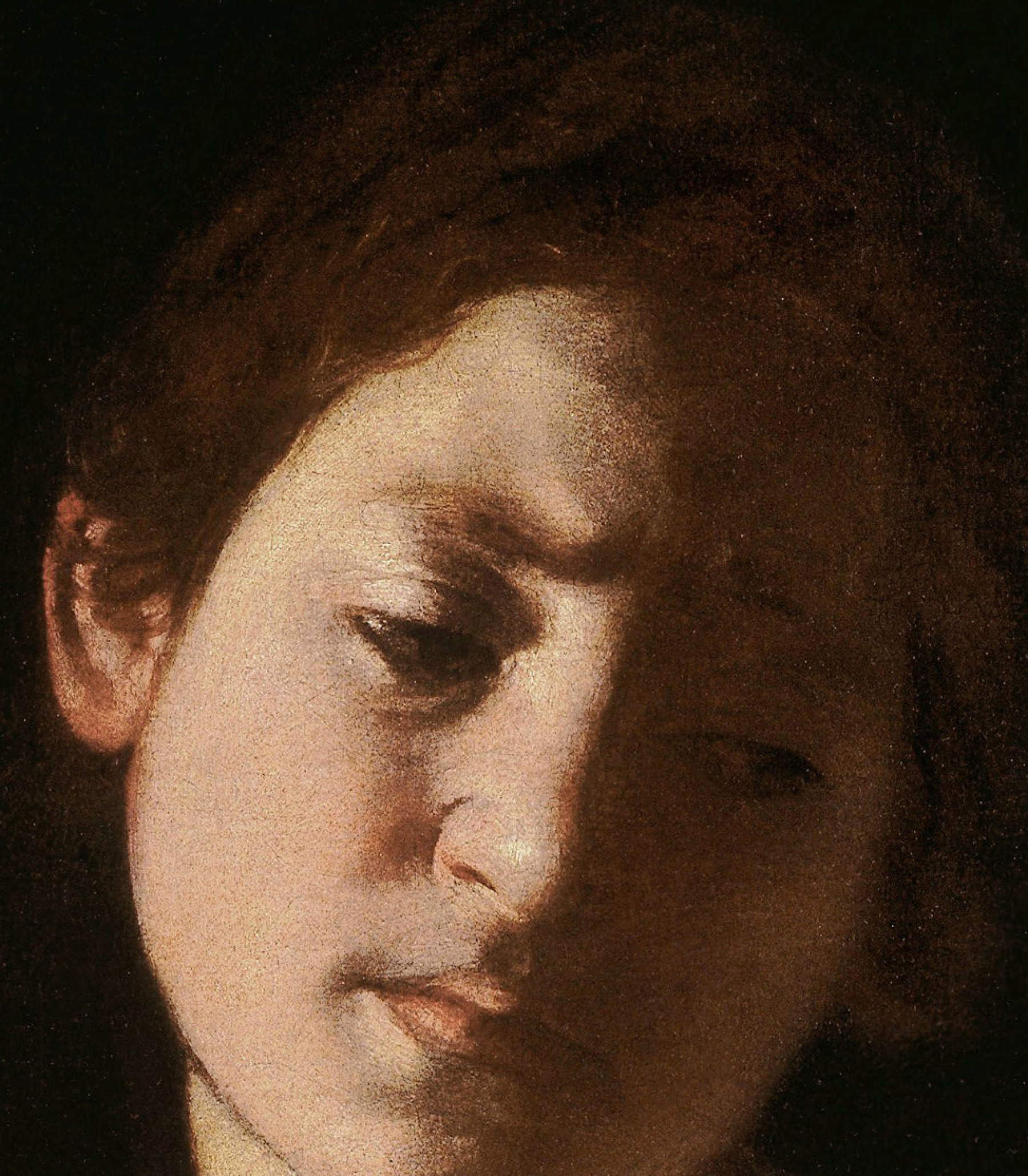
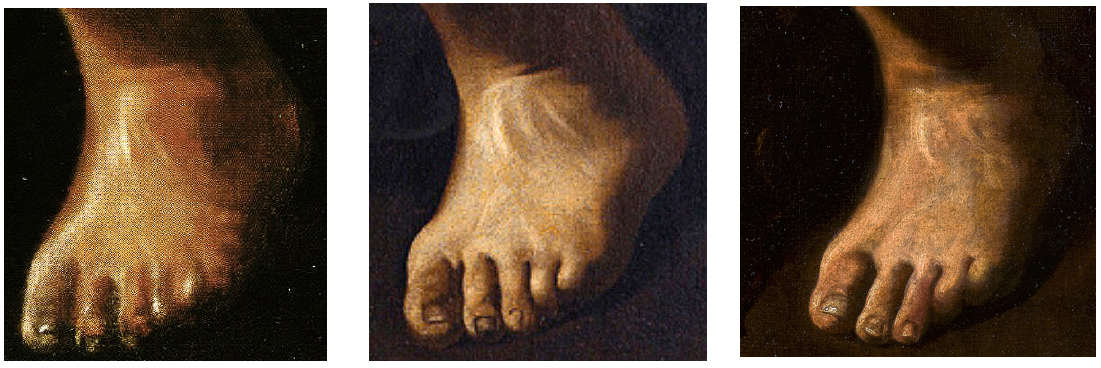
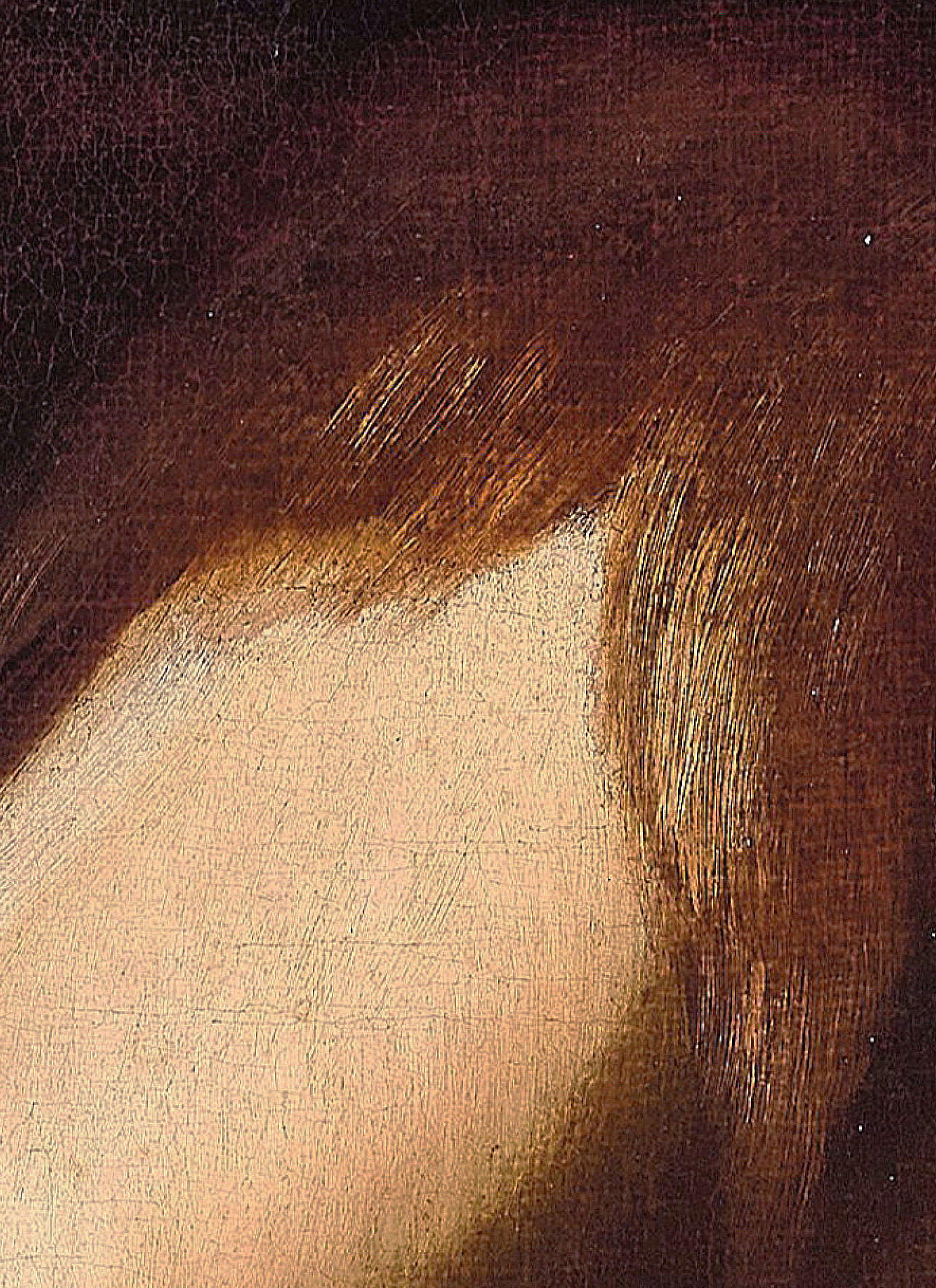
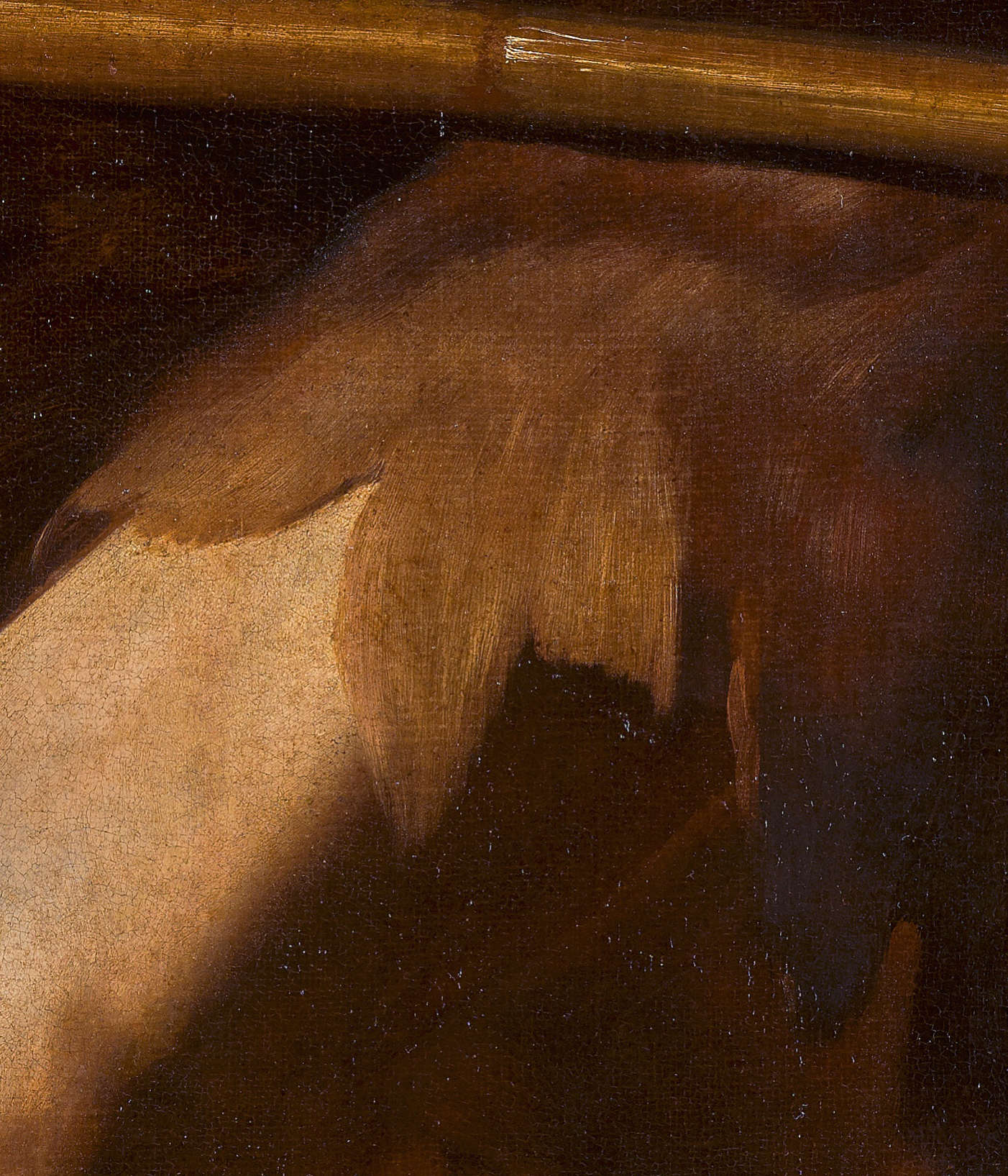
The issue of the numerous Caravaggio copies and their relationship to the originals, however, remains ever relevant; it has been addressed repeatedly in the past by scholars, within the limits imposed by their memory of works examined in person, refreshed for this purpose by those photographic images on paper—in black, black, and shades of gray. But aside from the useful contribution—accessible to all—of radiological and infrared reflectographic examinations, it is above all the extraordinary technological progress in the field of photography—which has replaced the old chemical-analog process with the digital one—that allows for the reproduction of works on a luminous screen, with images magnified at will down to the finest details, in which it is possible to discern even the physical appearance of the brushwork, the agile ease of the brush in the trail left by the bristles, and, in short, the painter’s techniques with which we have become familiar through years of passionate study. This is an opportunity to test the effectiveness of this analytical approach in resolving the complex issue of a comprehensive comparison of the merits and weaknesses of various versions of Caravaggio’s *San Giovannino*—a work depicted as drinking from a spring, which until now was believed to be lost, but known through the existence of various contemporary copies, is offered by a new example that has appeared on the market, at the Dorotheum auction in Vienna on April 24, 2024, with an estimate of 100,000 euros—a figure that, due to fears of yet another disappointment, failed to attract any buyers willing to take the risk. Yet the work displayed a level of quality far superior to that of the other known examples, in addition to differing from them in several significant details, clearly visible in the high-definition digital photograph available online—to which, evidently, no one paid due attention.
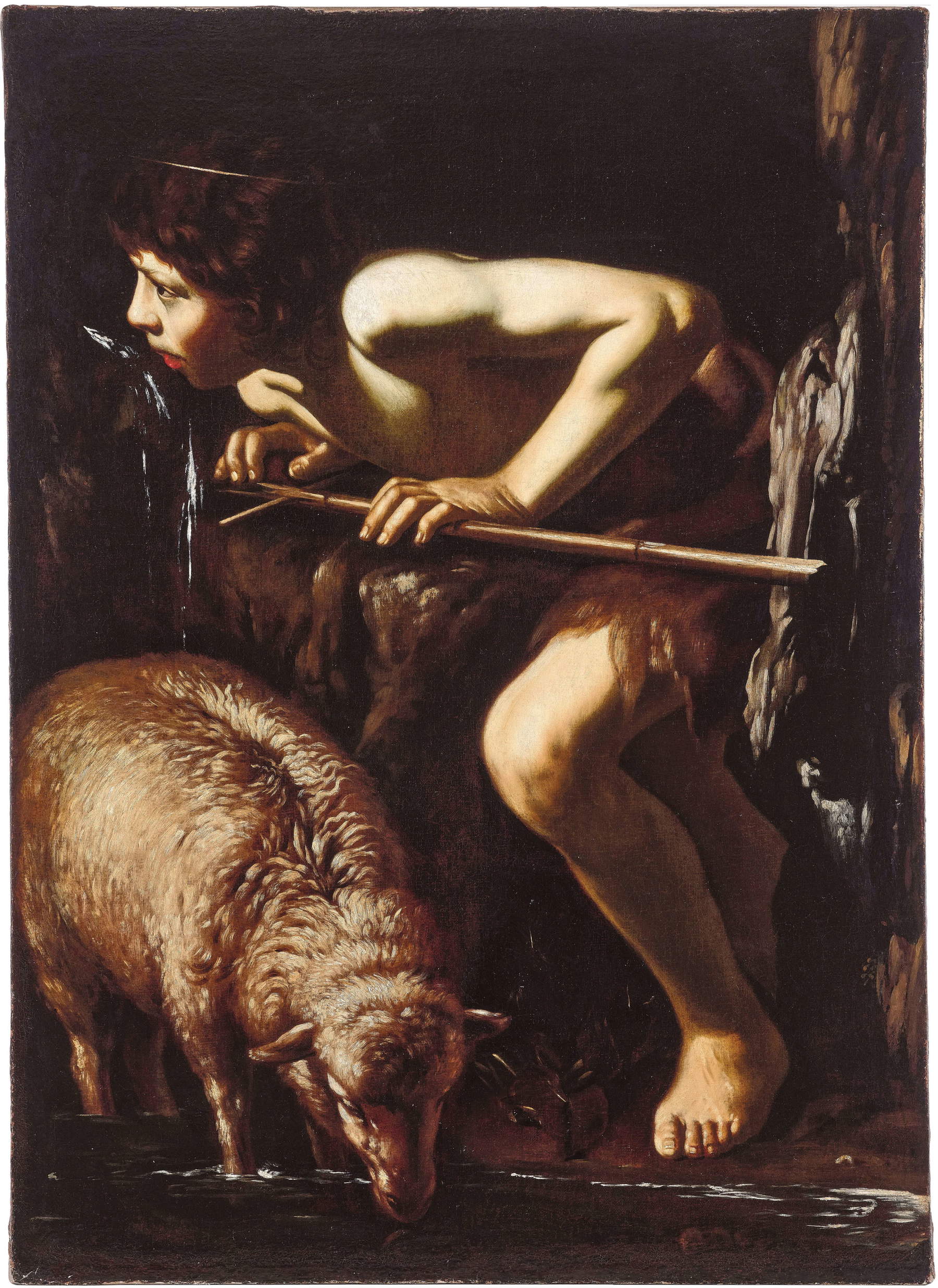
But perhaps, even though Aesop died nearly three thousand years ago, the lessons of his fables continue to prove relevant even in our own time, which seems destined for the dominance of artificial intelligence: his famous fable titled “The Boy Who Cried Wolf” is, in fact, perfectly suited to this underestimation. Otherwise, it is difficult to find an explanation for the incredible indifference of every potential visitor to the painting, except perhaps due to the influence of the many works initially attributed to Caravaggio but not accepted by the majority of scholars.
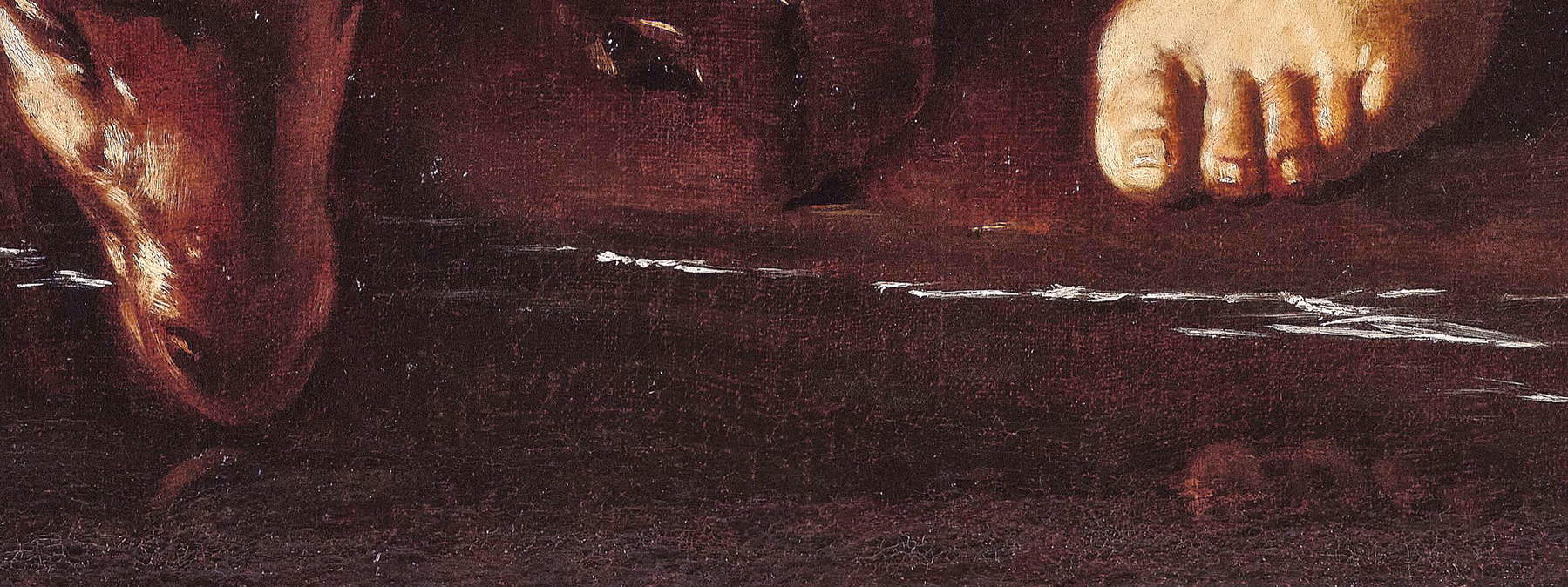
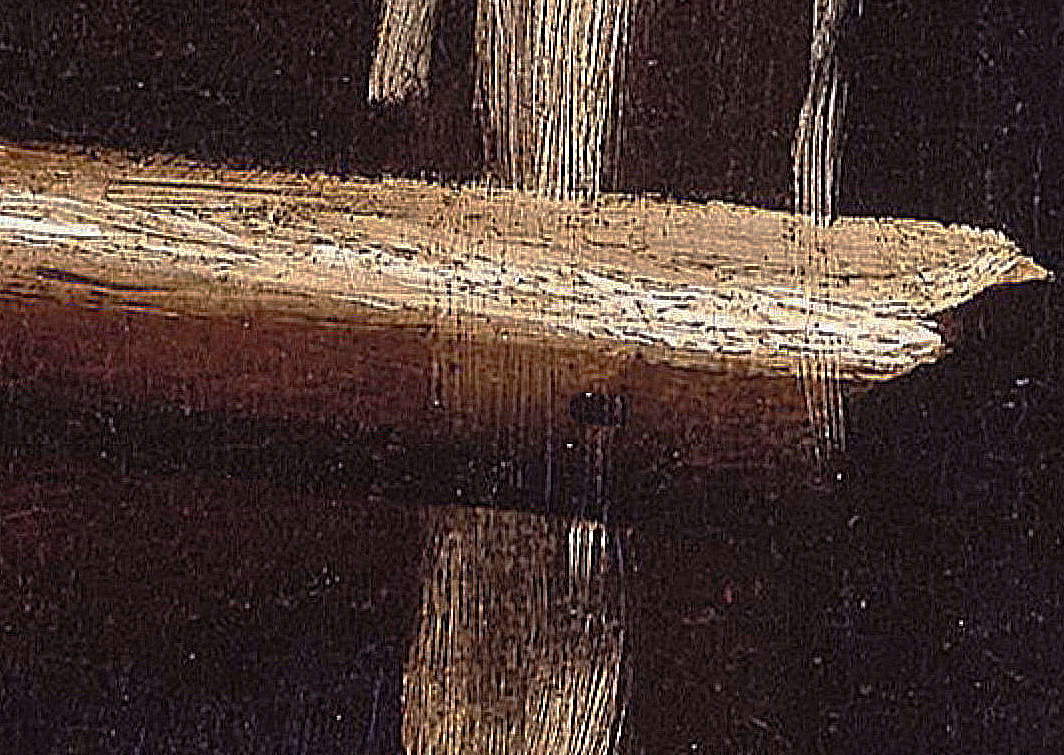
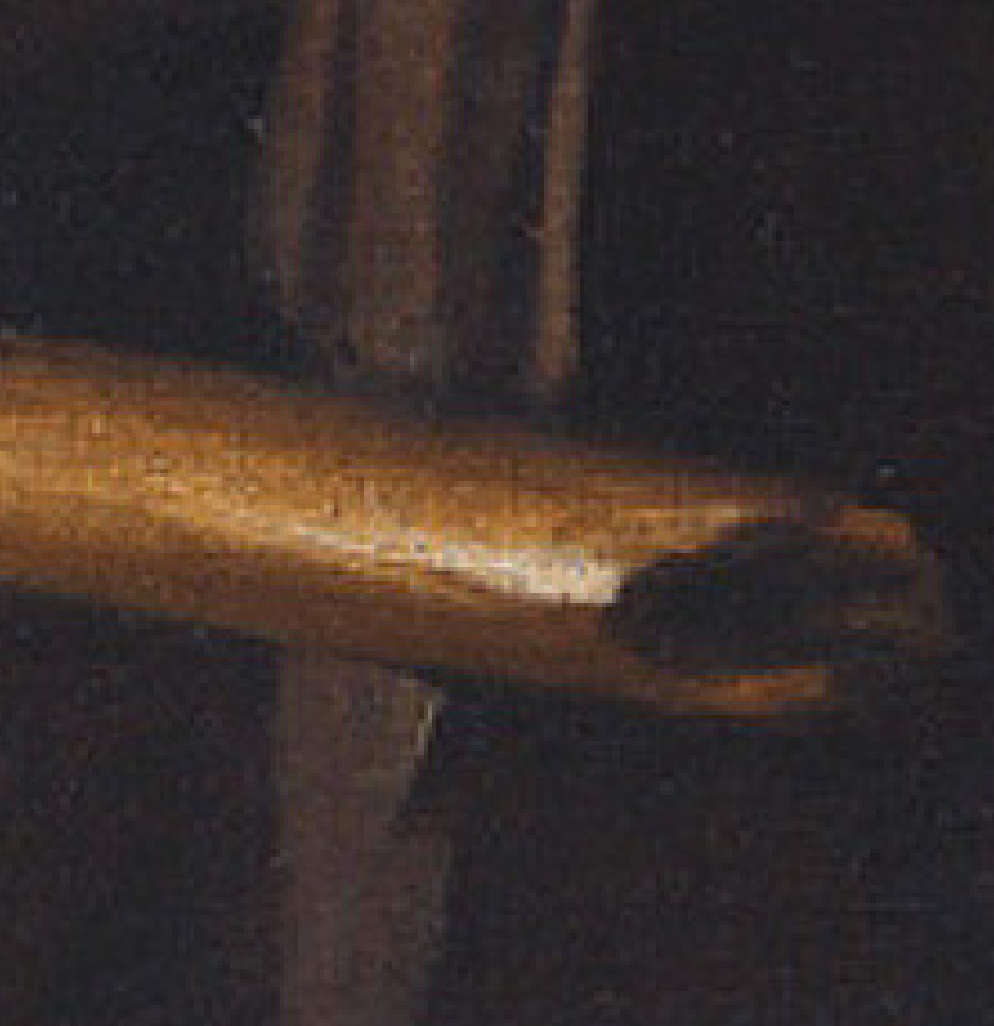
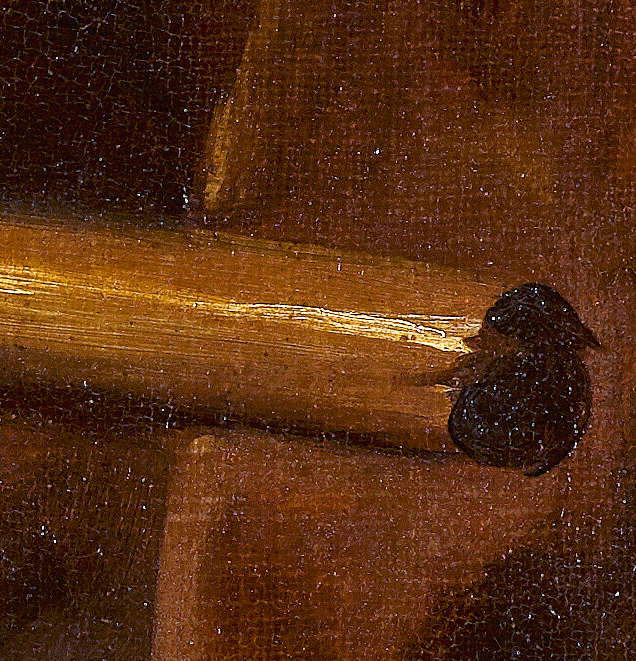
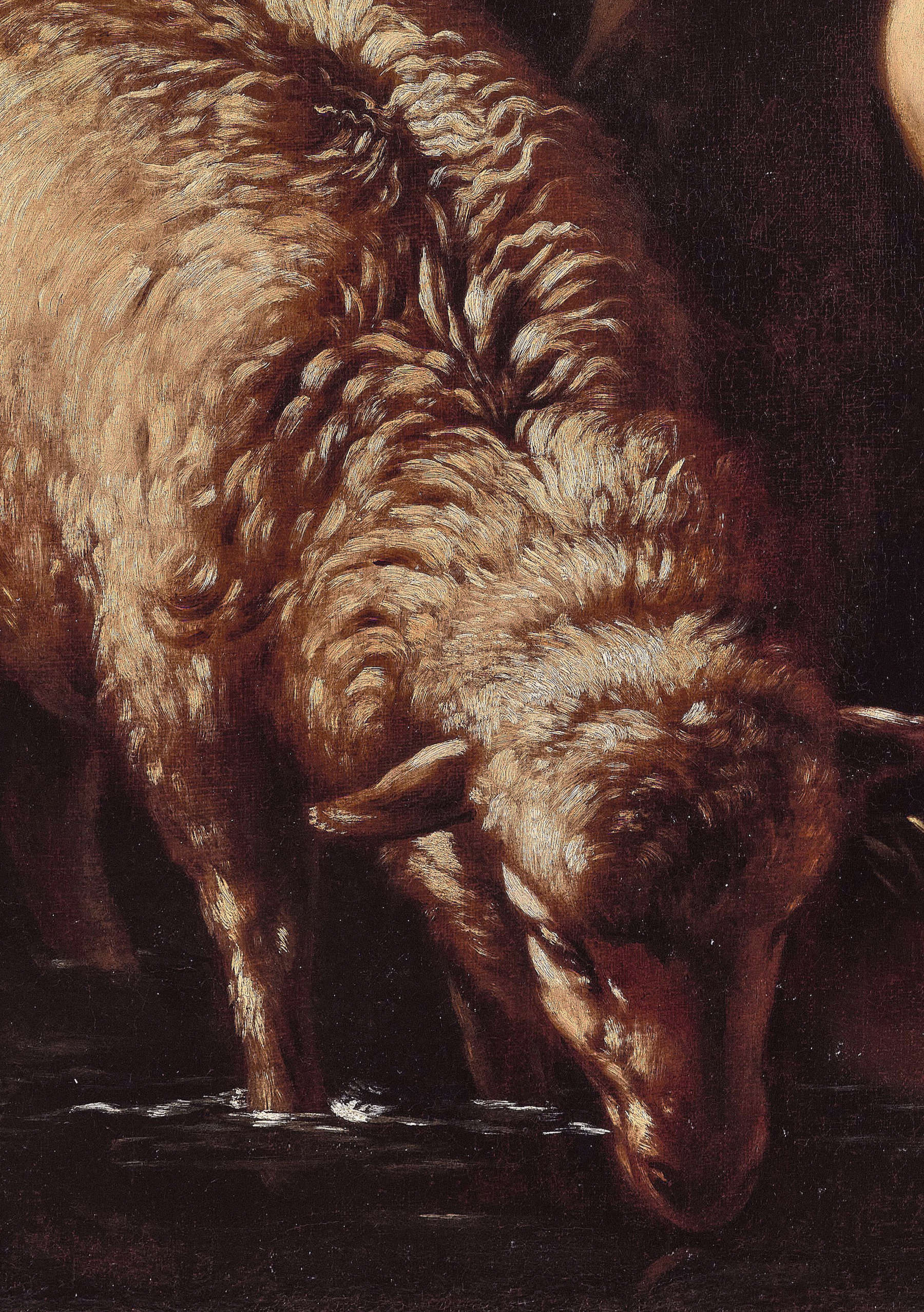
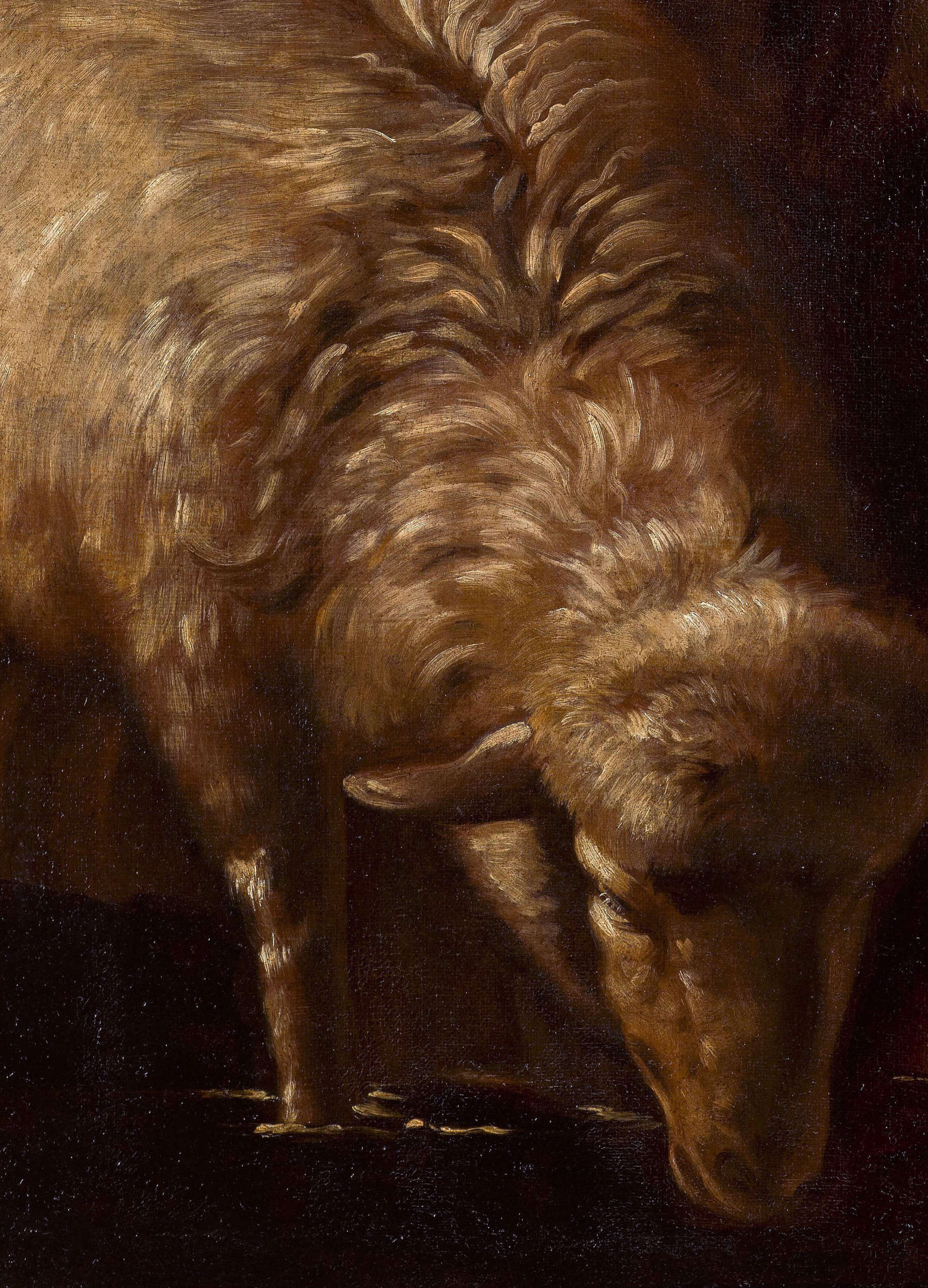
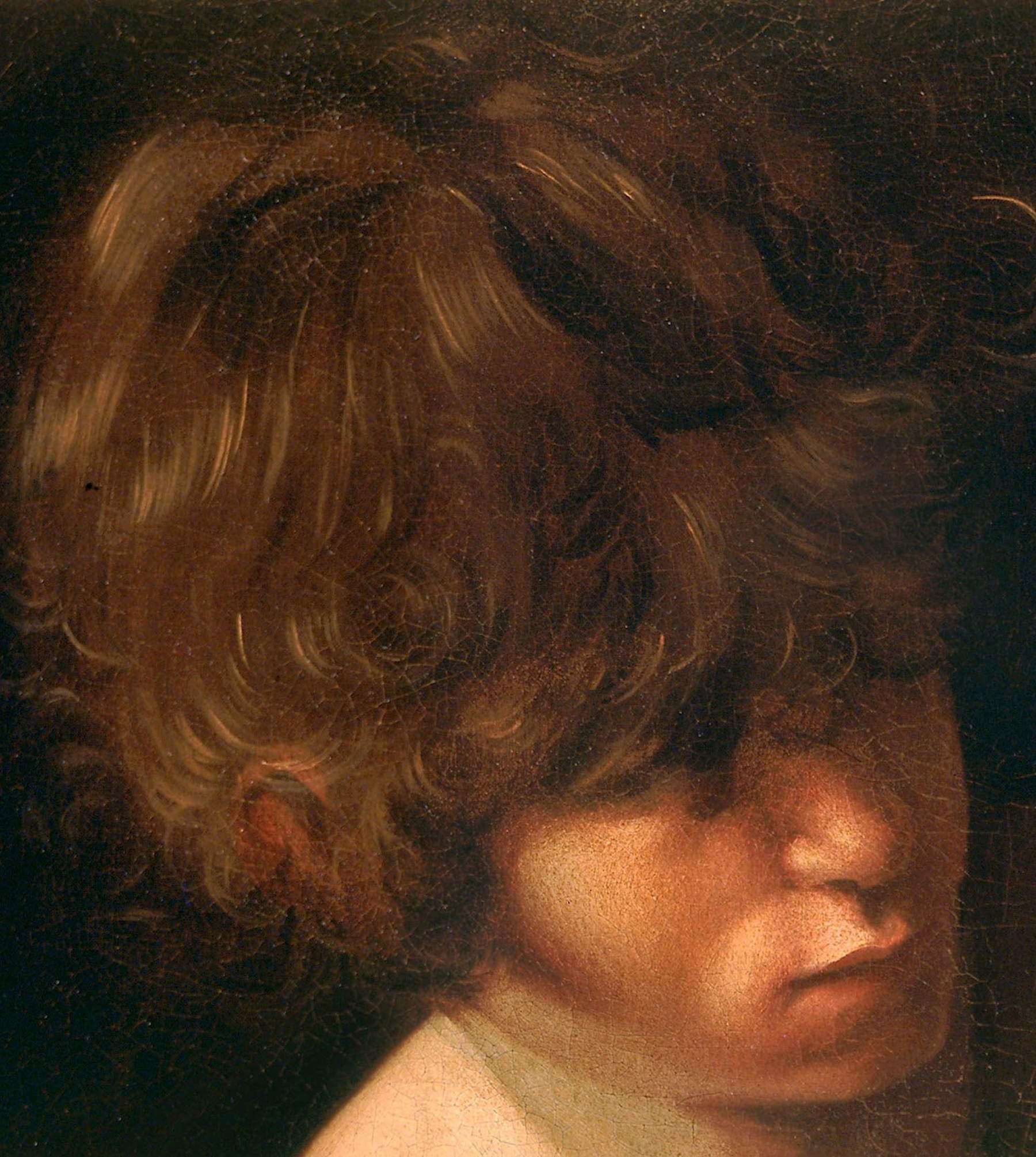
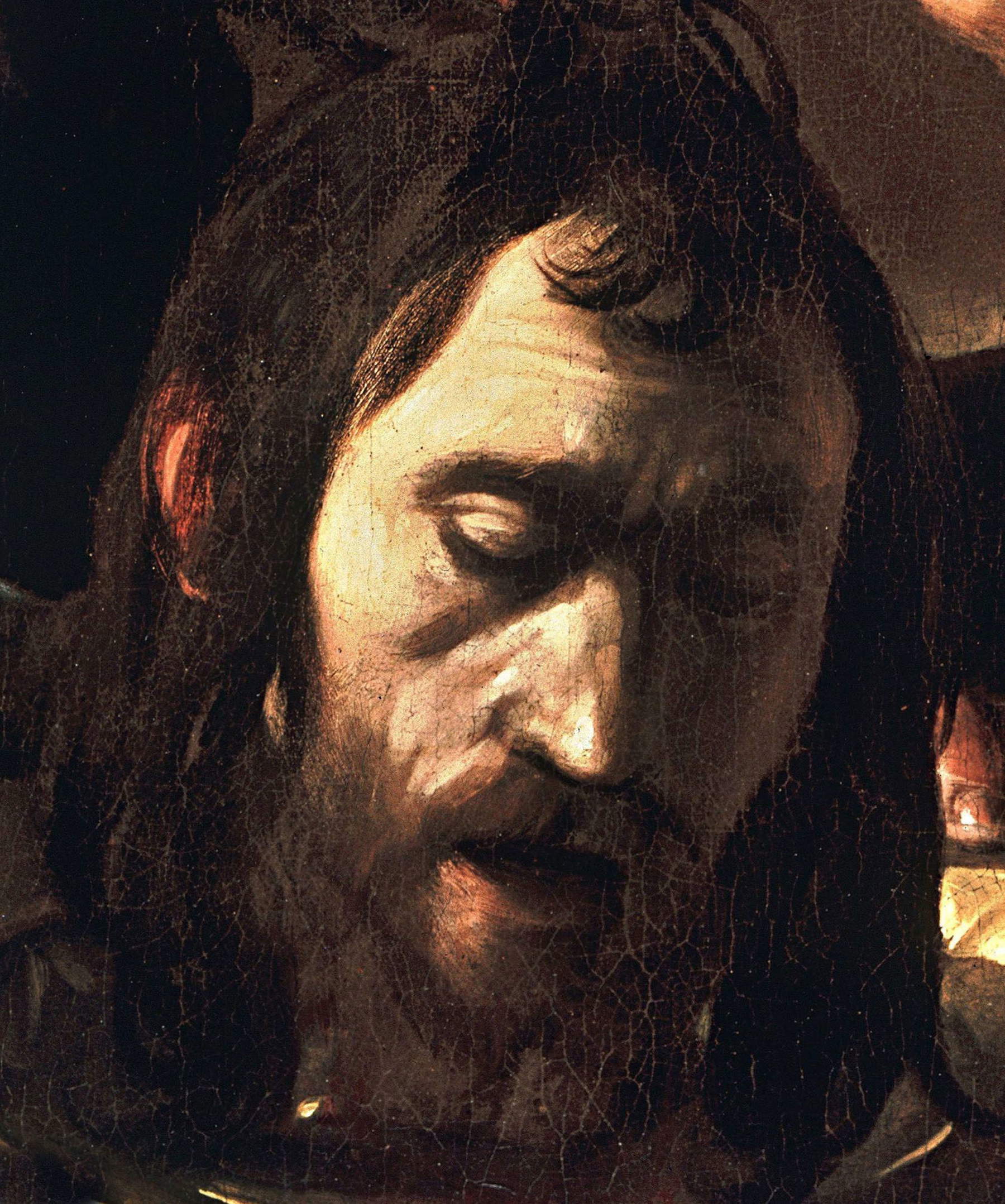
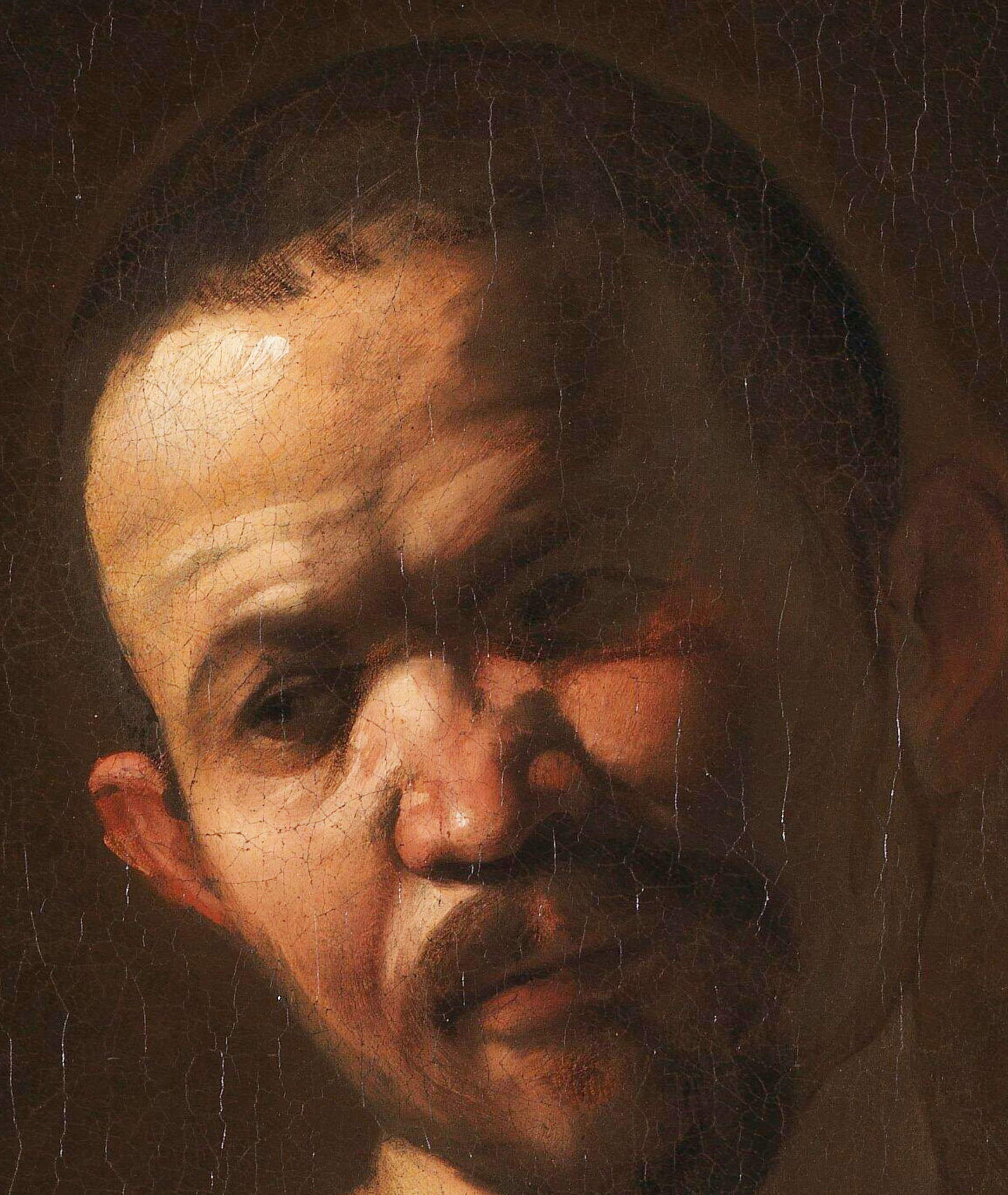
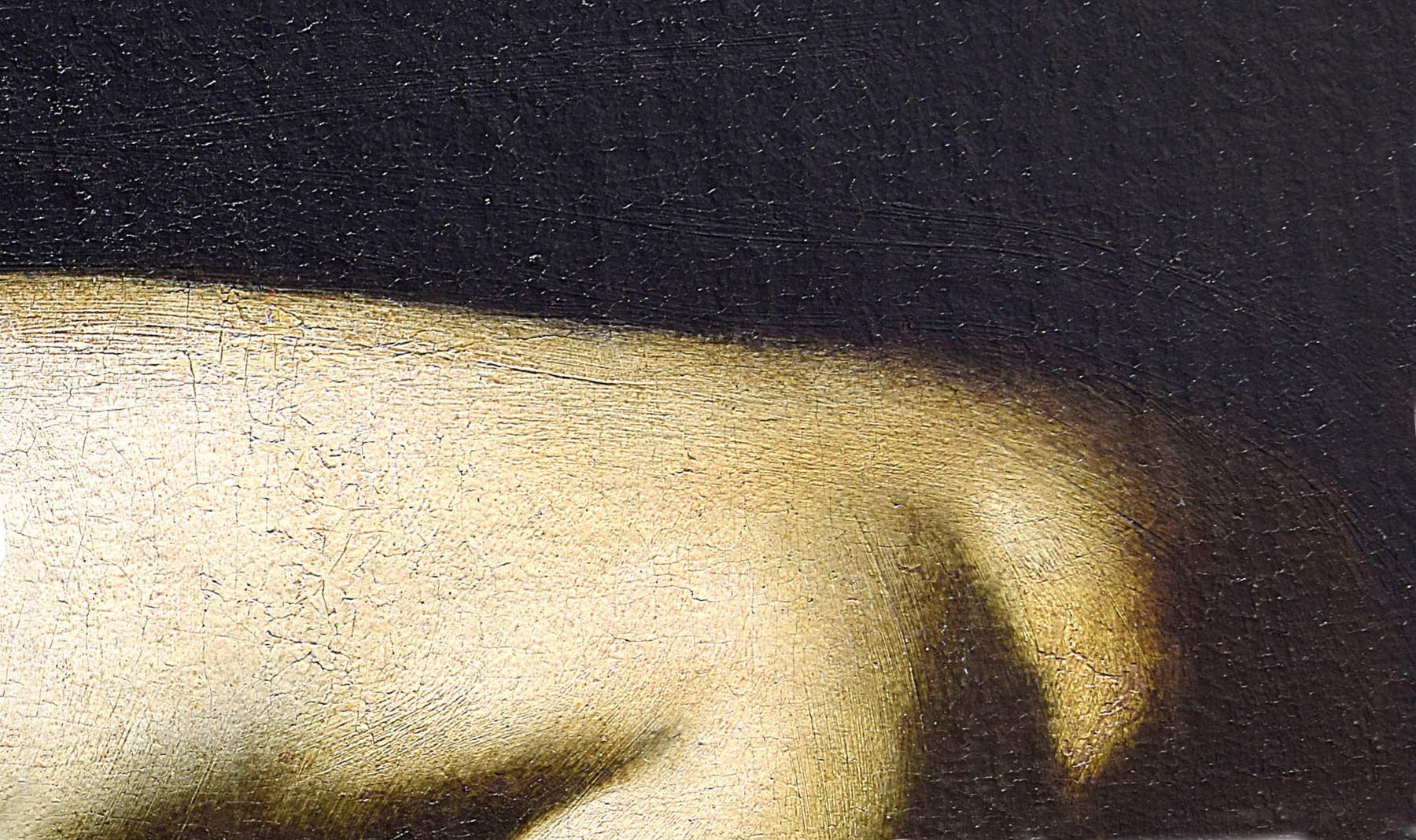
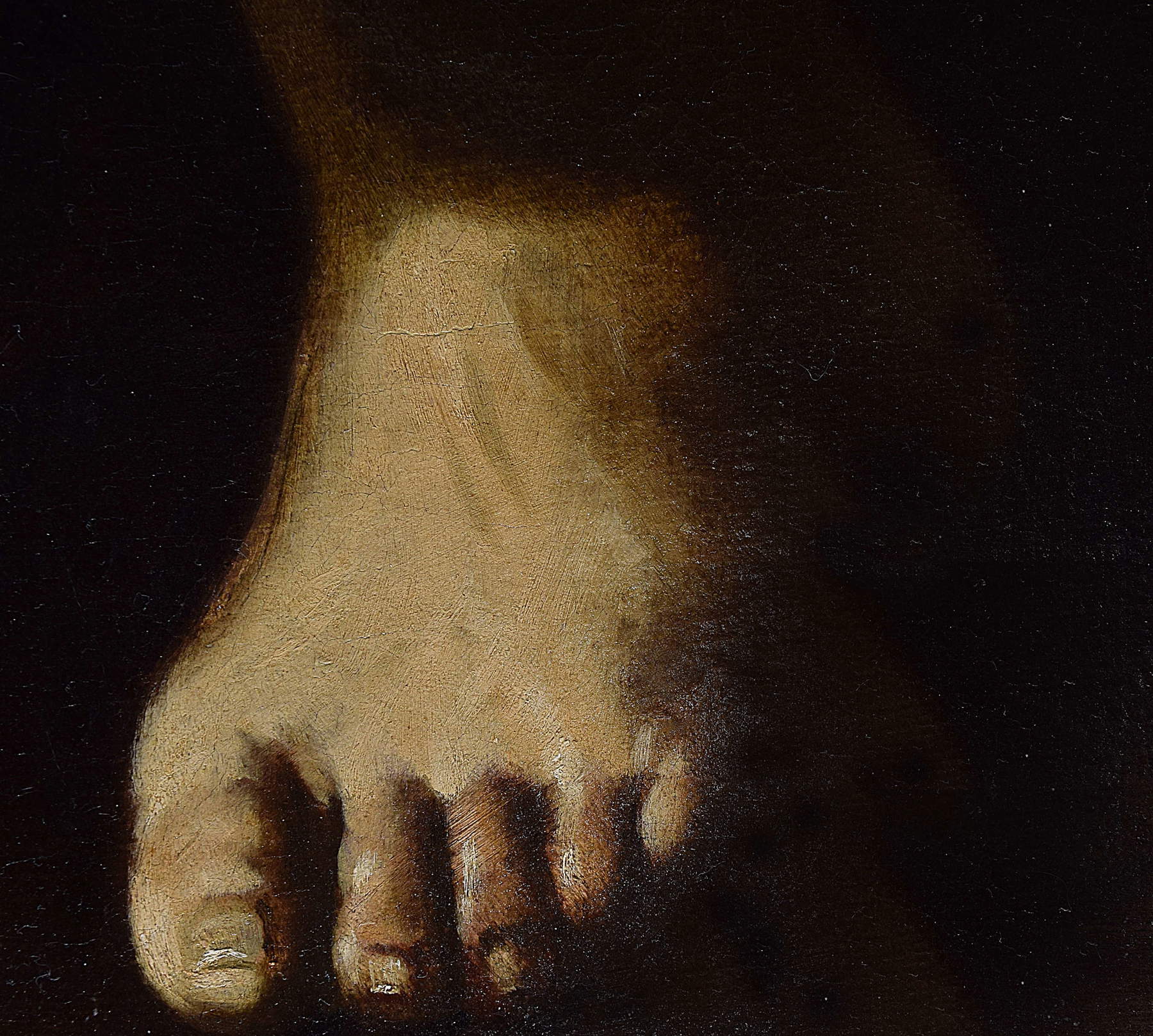
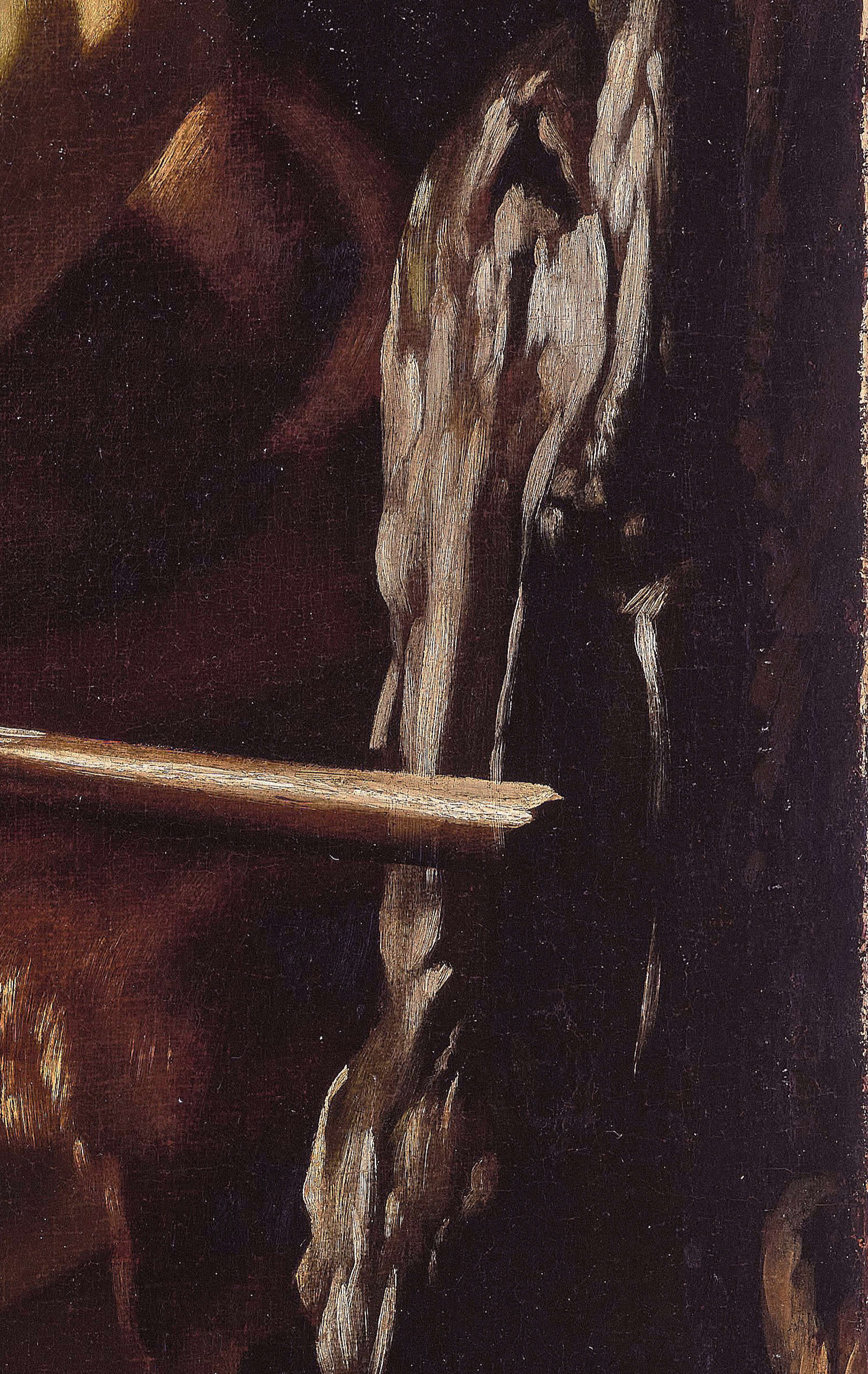
In fact, aside from the painting’s artistic quality, in the little stream flowing below, where the sheep is drinking, one could see the reflection of its muzzle skimming the water’s surface, as well as the left foot of the young John the Baptist, not far from the edge of the stream, which is reflected a short distance beyond, showing the tips of his toes: details absent from all known copies. Furthermore, the cross-shaped reed held in his hands overlaps at its tip with a rocky outcrop, clearly revealing an earlier execution beneath it—something unusual in the work of copyists, who are accustomed to conforming to a pre-existing model, stroke by stroke, rather than following a free, evolving idea—one that is obviously more prone, as the work progresses, to improvisation and some unforeseen material overlaps where the planes intersect. This is precisely what Roberto Longhi meant in a text on the issue of Caravaggio copies: “It goes without saying that a copyist, who drew not from life but from an already painted canvas, had far greater ease in remaining faithful to histask.”2
As is well known, the original of this *Young St. John Drinking from the Spring* is believed to be connected to the tragic events of Caravaggio’s final days. In early July 1610, he left Naples for Rome, taking with him three paintings, two depicting Saint John the Baptist and a third depicting the Penitent Mary Magdalene. The paintings were intended as a gift for Cardinal Scipione Borghese, nephew of Pope Paul V, in the hope of receiving a pardon from the Pope for his death sentence, imposed for the murder of Ranuccio Tomassoni—the tragic conclusion to a quarrel that broke out during a game of pallacorda on May 28, 1606, following which the painter was forced to flee Rome. Upon landing in Palo, Caravaggio was immediately arrested by the papal guards and released after only two days; during that time, however, the felucca on which he had arrived had already set sail back to Naples, carrying all of the painter’s belongings, including the three paintings. In despair, he set out once more for Rome; upon reaching Porto Ercole, the painter died there from a “malignant fever.”
The three paintings were handed over to the Marquise Costanza Colonna, his patron, who had offered him asylum during his second stay in Naples; she managed to deliver *St. John the Baptist* (now housed in the Borghese Palace of the Capitoline Museums) to Cardinal Scipione Borghese, while the fate of the other two paintings remains unknown; ownership of them was contested by several claimants, including the Viceroy of Naples, Pedro Fernando De Castro, Count of Lemos, and the prior of the Order of St. John of Jerusalem in Capua on behalf of the Knights of Malta—a claim refuted by the fact that the painter had, in fact, been expelled from the Order after having been a member.
As for the other painting of St. John the Baptist, in 1951 Roberto Longhi had hypothesized that it might be a half-length portrait, seen many years earlier in very poor condition in Valletta, in the Bonello collection, following which several other similar images of the forerunner have emerged over time, as well as full-length depictions of him accompanied by a sheep (rather than a lamb), some of which have given rise to optimistic hopes that have not been confirmed by the majority of scholars. Apart from the poor quality of all these examples, in fact, their execution does not even show any consistency with the style characteristic of the painter’s later works.
In the great masterpieces left in Malta, Messina, Palermo, and Naples, Caravaggio’s painting reaches the pinnacle of its evolutionary process in forms that are less precisely defined, no longer sculpturally shaped by structural shadows, but rather as if eroded by them, with a manual dexterity of the brush that had become more concise and essential through the frequent use of “pittura a risparmio,” with the active involvement of the undercoat. Caravaggio thus becomes, in essence, an Impressionist, although often with an even more dramatic result (again Longhi 1951, p. 23), inspiring multiple interpretations related to his emotional state—which I must omit here, as they are outside the context of the distinction between copies and originals—yet without denying a personal inclination toward the distinctive expressive characteristics of his stylistic language.
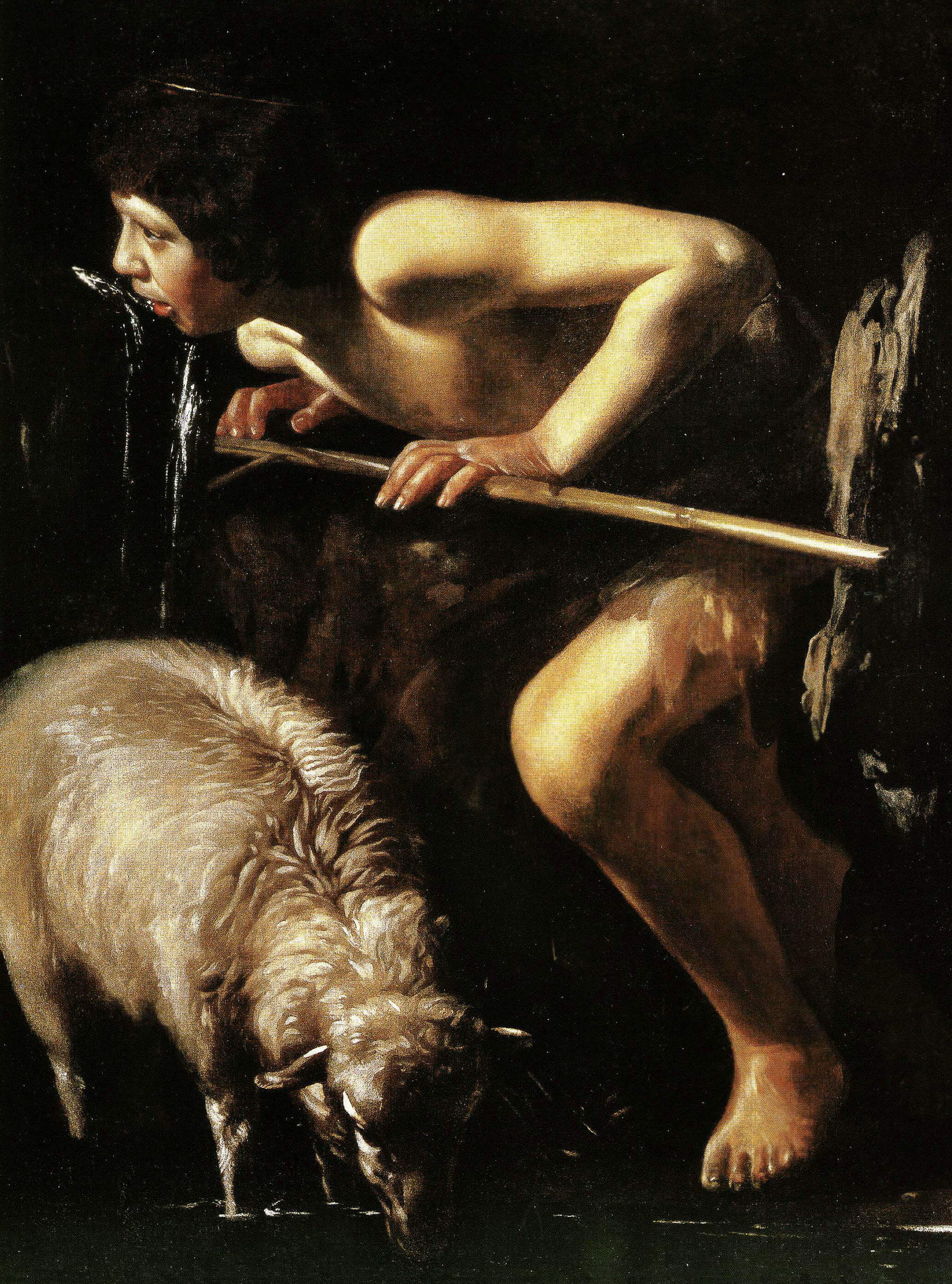
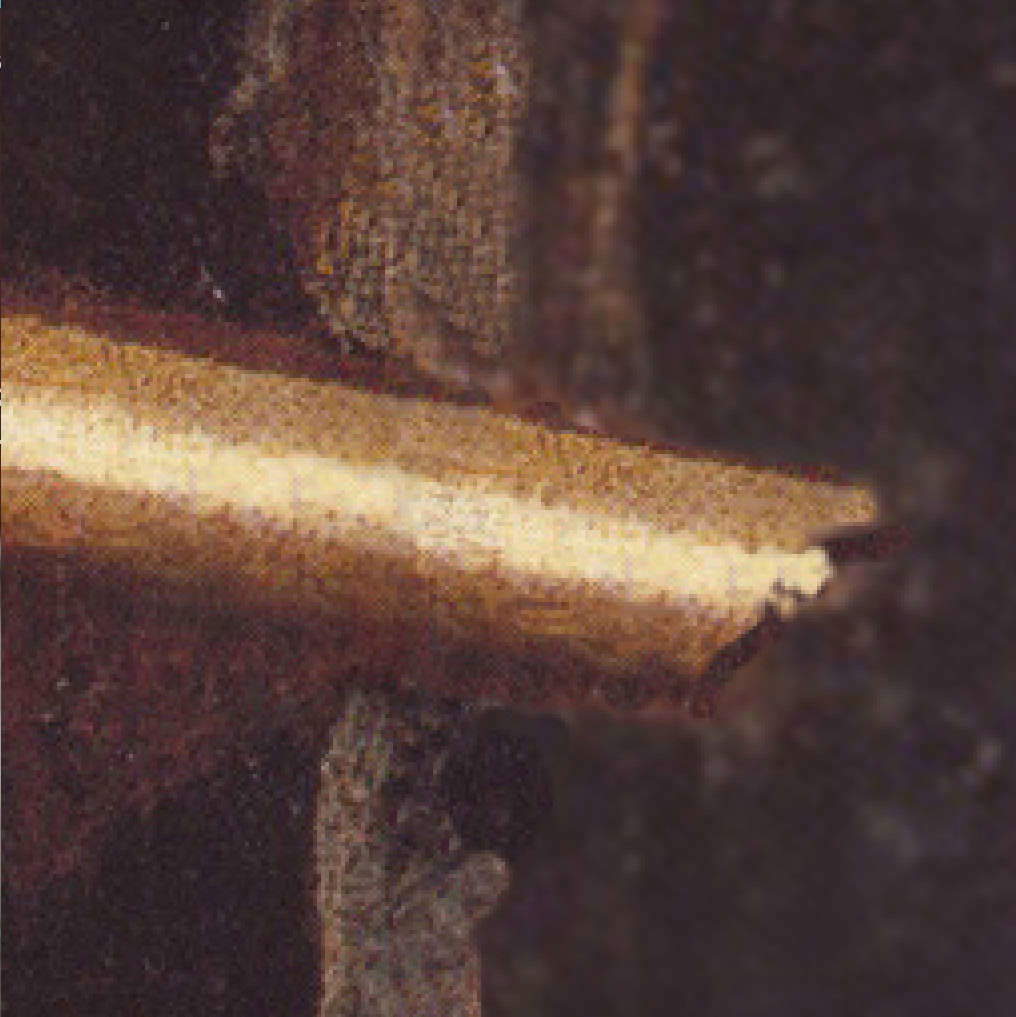
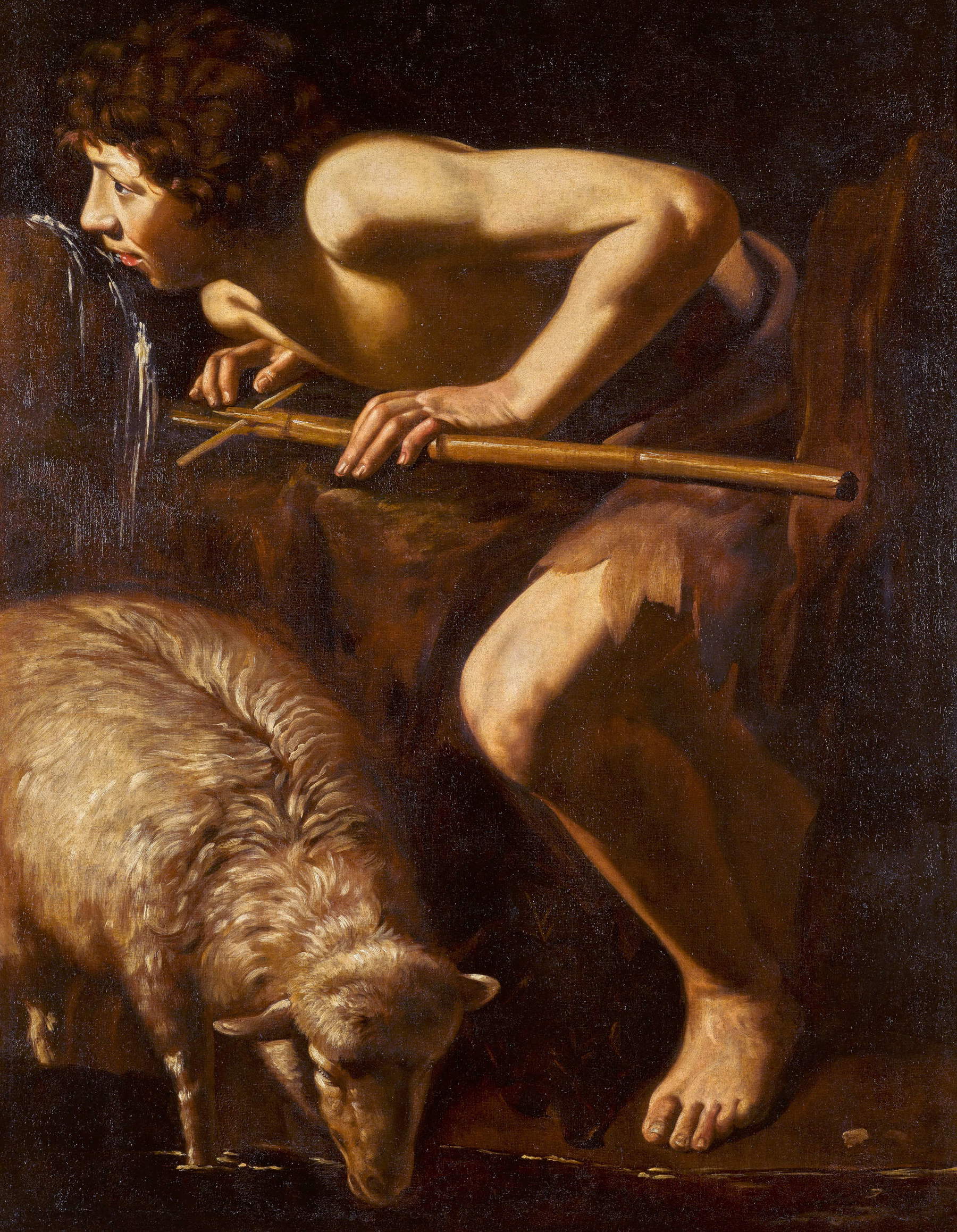
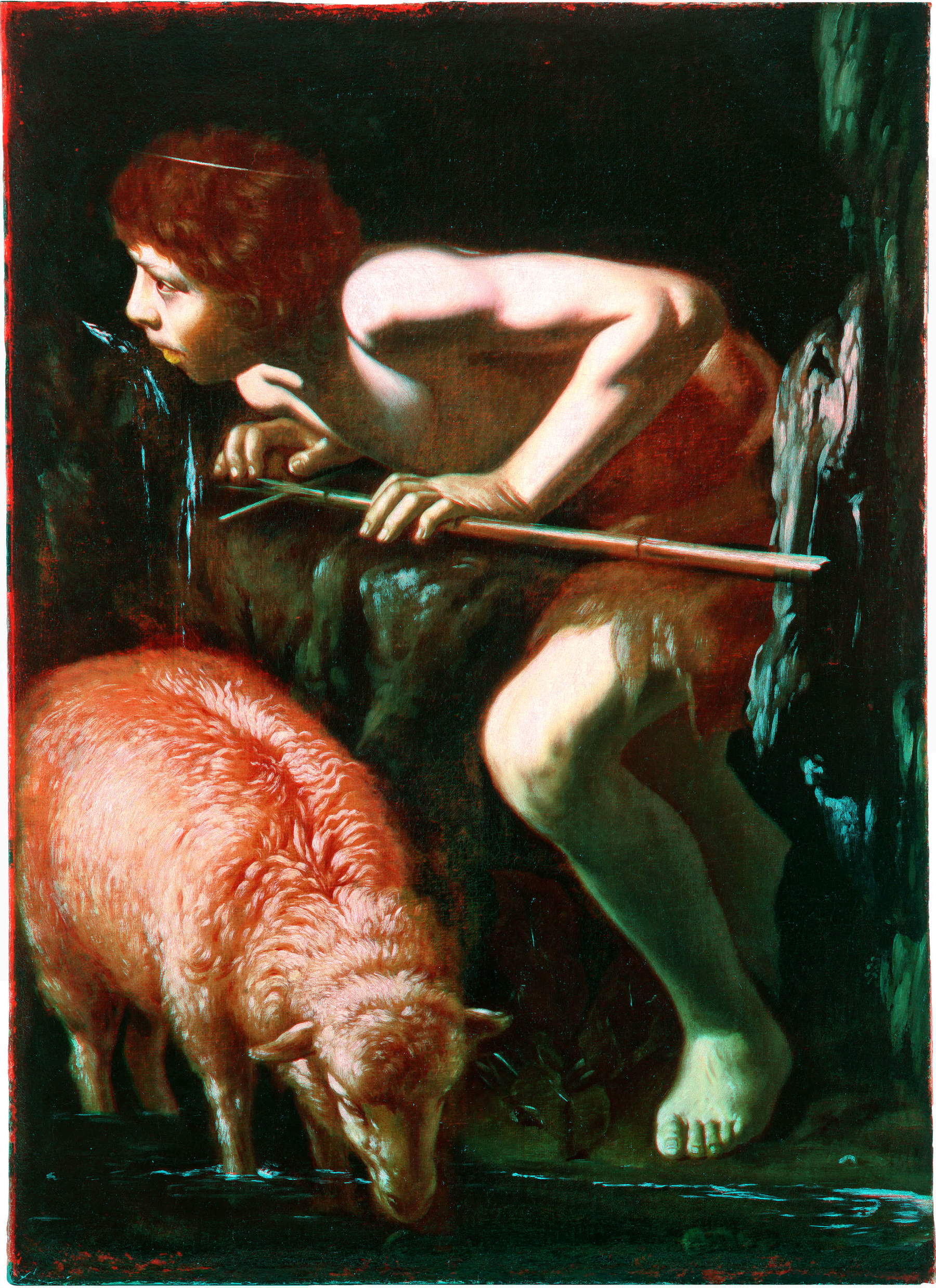
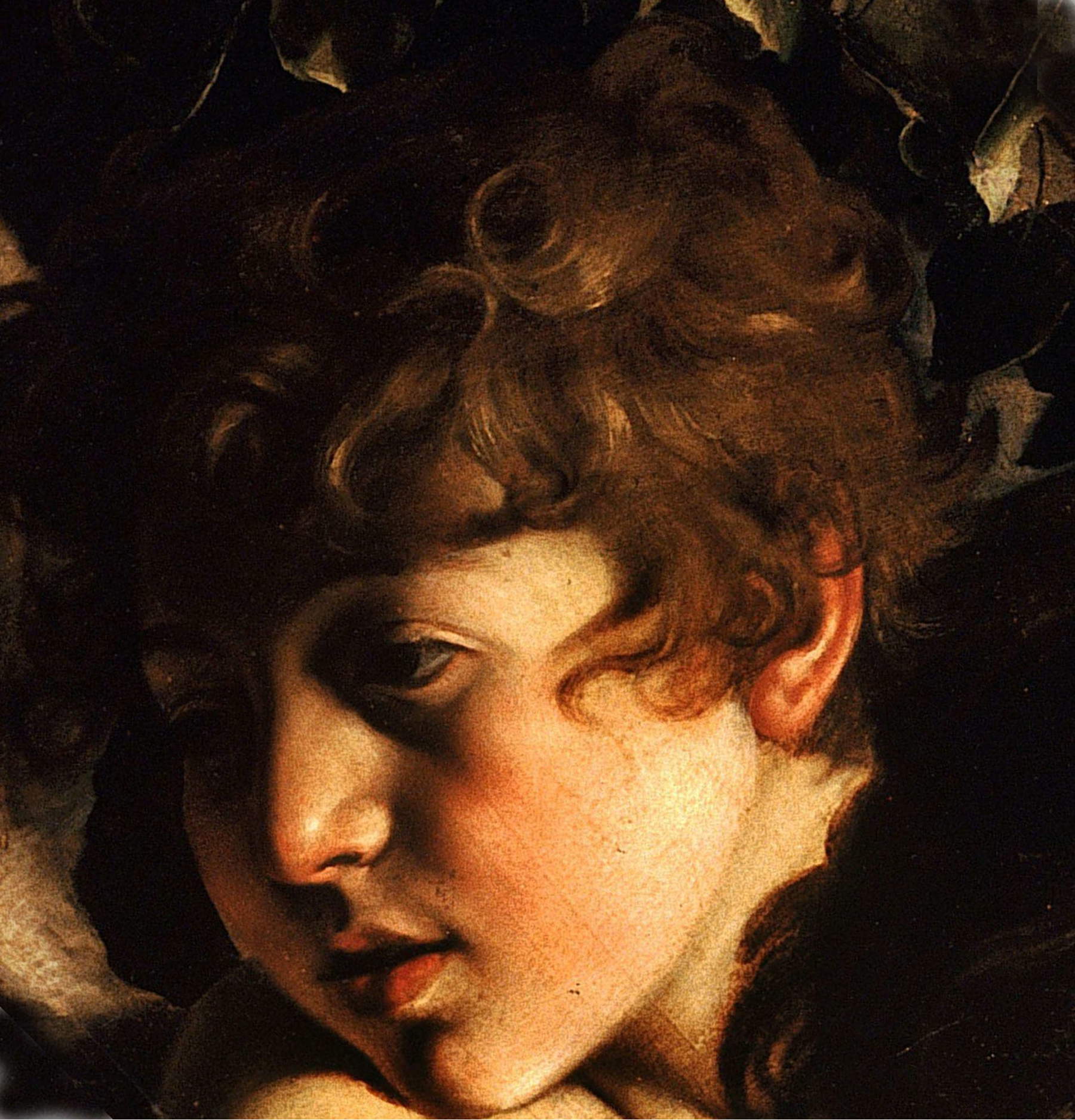
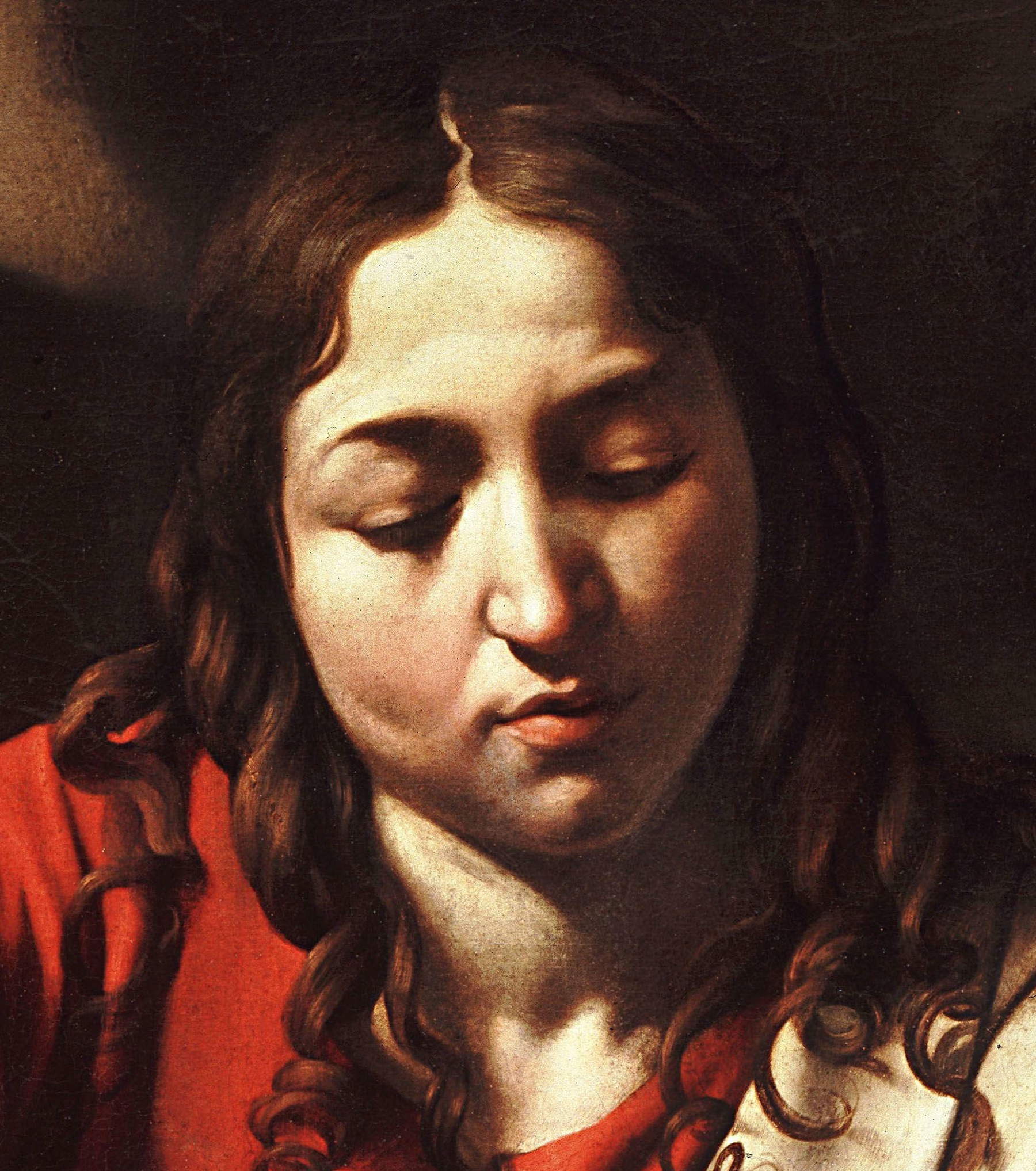
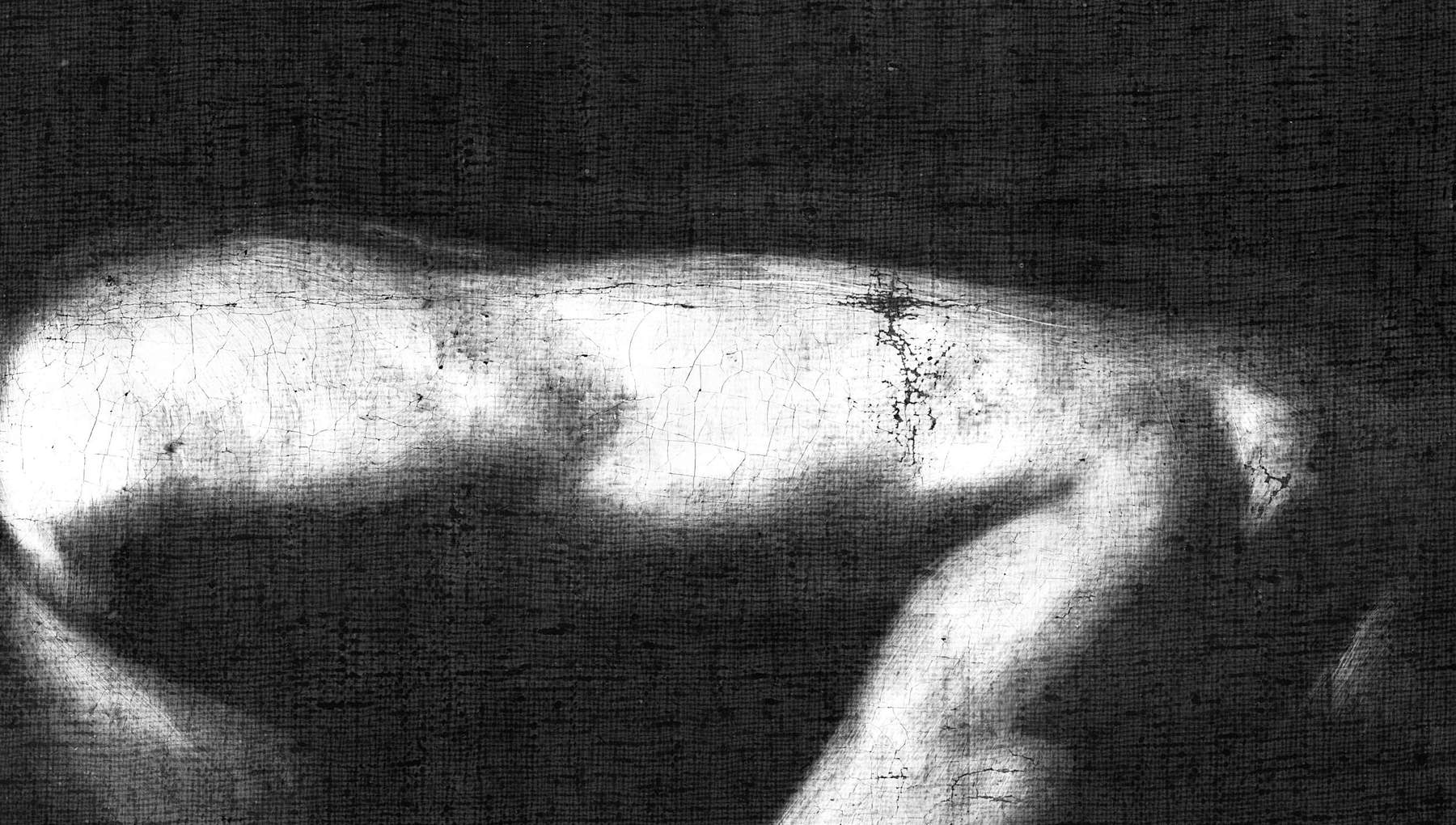
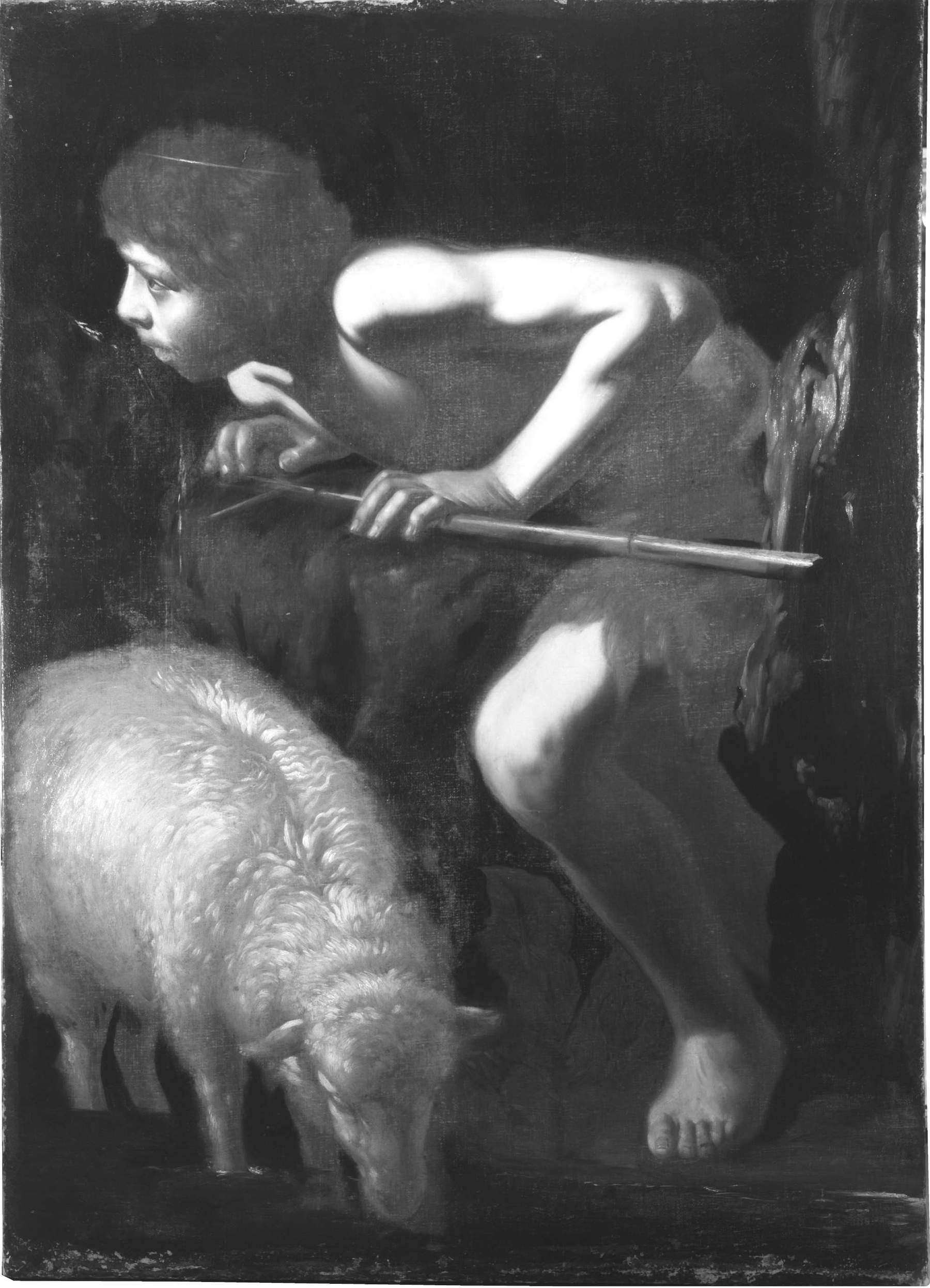
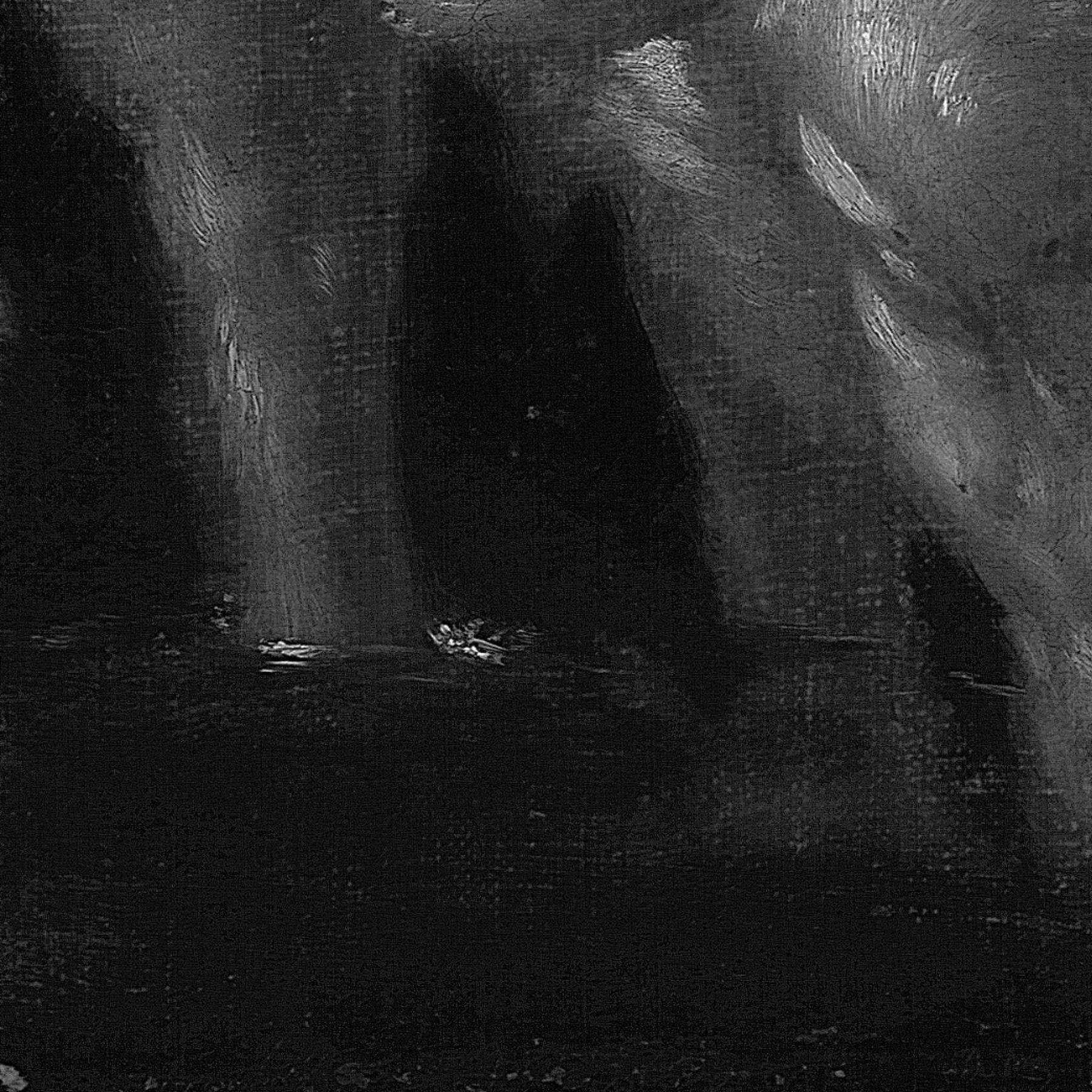
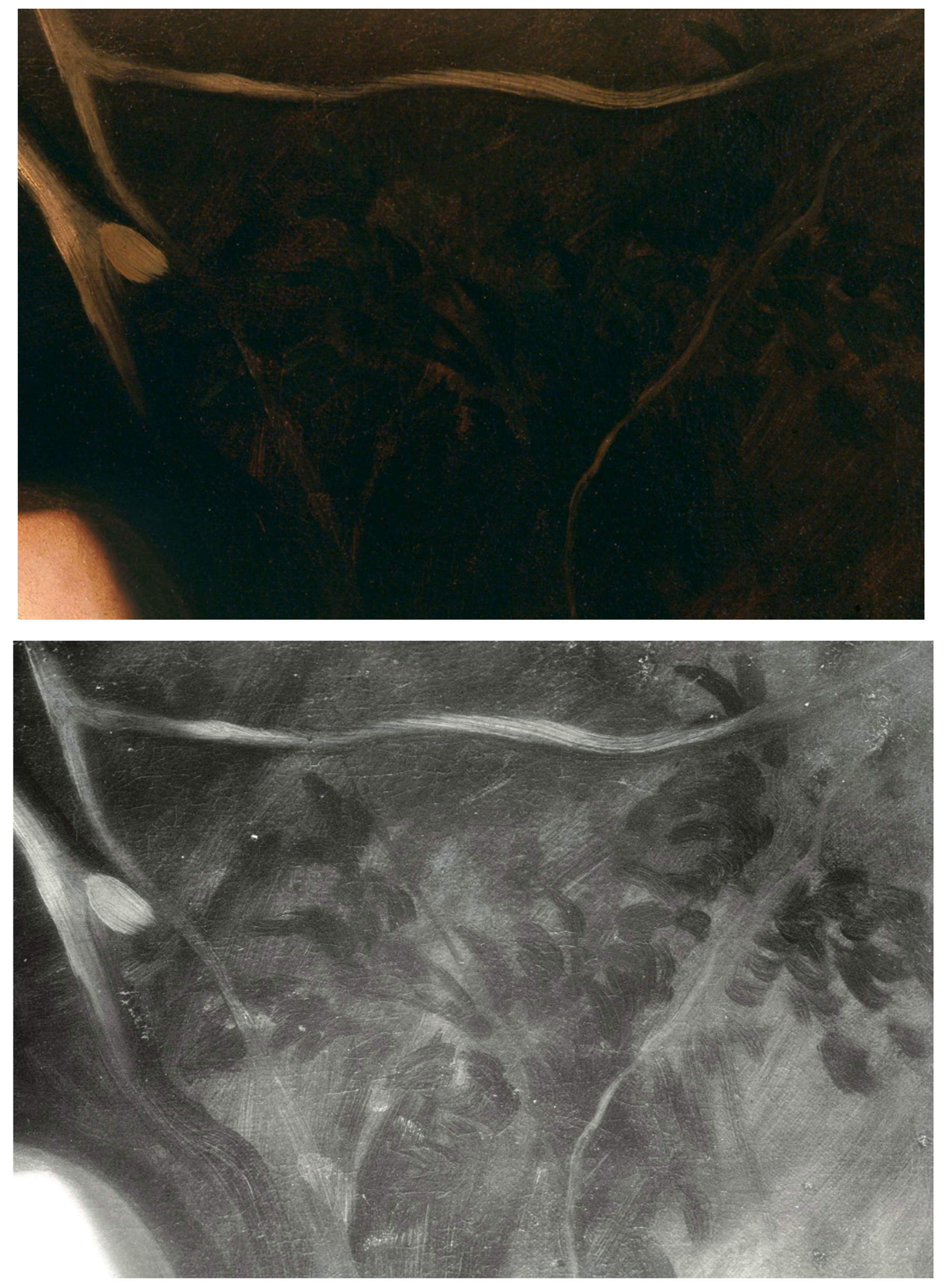
From this new version of *San Giovannino Drinking from the Spring*, presented at the Dorotheum auction in Vienna and subsequently subjected to X-ray and infrared reflectography examinations, numerous pieces of evidence have emerged of a work executed with such freedom as to rule out any possible reference to a copyist, in addition to significant differences from the—as Longhi would say—“routine” painting styles of the other known examples. The work highlights that frequent use of sparse application, clearly emphasized by the so-called false color generated by refraction in infrared light, which transforms the brown parts of the preparatory ground into a red tone, more or less intense, depending on whether they are completely devoid of color or lightly covered with thin glazes. These numerous fine incisions are part of Caravaggio’s working method, first identified
first by Keith Christiansen as reference points in the stages of thepainting’s execution.³
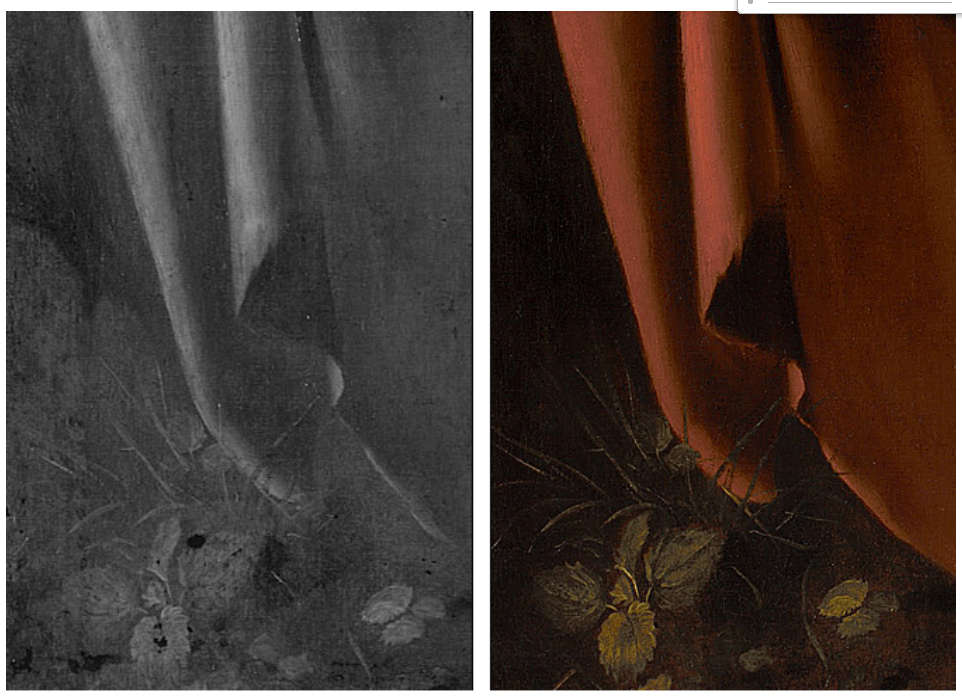
The broad-leaved plant between Saint Giovannino’s leg and the sheep is clearly visible in natural light in the copy formerly in Rome at Francesco Romano’s, now in a private collection in Turin, which was likely painted before the others, when it was evidently still visible and had not yet darkened due to the deterioration of the paint. A similar type of plant is placed beneath the legs of Saint Giovannino in other versions painted by Caravaggio, such as the one depicting him embracing a ram in the Pinacoteca of the Capitoline Museums, the one belonging to the Nelson-Atkins Museum of Art in Kansas City, and the one in the Borghese Gallery in Rome. It may perhaps represent an unknown hagiographic attribute concerning the precursor saint. This loss of visibility, caused over time by the deterioration of the paint’s chemical composition (it has been hypothesized that bitumen was mixed with copper resin, generally used for the green color of plant elements), is found in several works byCaravaggio4.
The identification of this image of the saint drinking from a spring—first hypothesized by Longhi as one of the two—has been universally accepted and consistently reaffirmed by the entire scholarly community as unquestionable, supported also by the numerous existing copies, as evidence of its derivation from a renowned prototype. Whether or not this new discovery is included in the catalog of Caravaggio’s authentic works would ultimately entail only a confirmation or a revision of that presumed derivation.
1 R. Longhi, in *Mostra del Caravaggio e dei Caravaggeschi*, Florence 1951, pp. XVII–XXXI
2 R. Longhi, “An Original by Caravaggio in Rouen and the Problem of Caravaggesque Copies,” in *Paragone*, XI, 1960, 121, pp. 23–36.
3 K. Christensen, “Caravaggio and ‘L’esempio davanti del naturale’” in *The Art Bulletin*, LXVIII, 1986,
3, pp. 426–429, 442.
4V. Pacelli, The Death of Caravaggio. New Documents and Interpretive Hypotheses, Naples 1994, in which the author publishes the letter discovered in the Vatican Secret Archives, sent by Deodato Gentile to Cardinal Scipione Borghese on July 29, 1610, in which he informs the prelate that “The felucca that returned brought back the items left behind at the home of the Marquise of Caravaggio... I immediately had the place checked to see if the paintings were there, and found that none remain, except for three: the two St. Johns and the Magdalene, which are in the aforementioned home of the Marquise of Caravaggio, whom I immediately sent a request to ask that she keep them safely guarded... since they were intended for Your Most Illustrious Lordship...”.

Warning: the translation into English of the original Italian article was created using automatic tools. We undertake to review all articles, but we do not guarantee the total absence of inaccuracies in the translation due to the program. You can find the original by clicking on the ITA button. If you find any mistake,please contact us.























 IT
IT FR
FR DE
DE ES
ES CN
CN


