





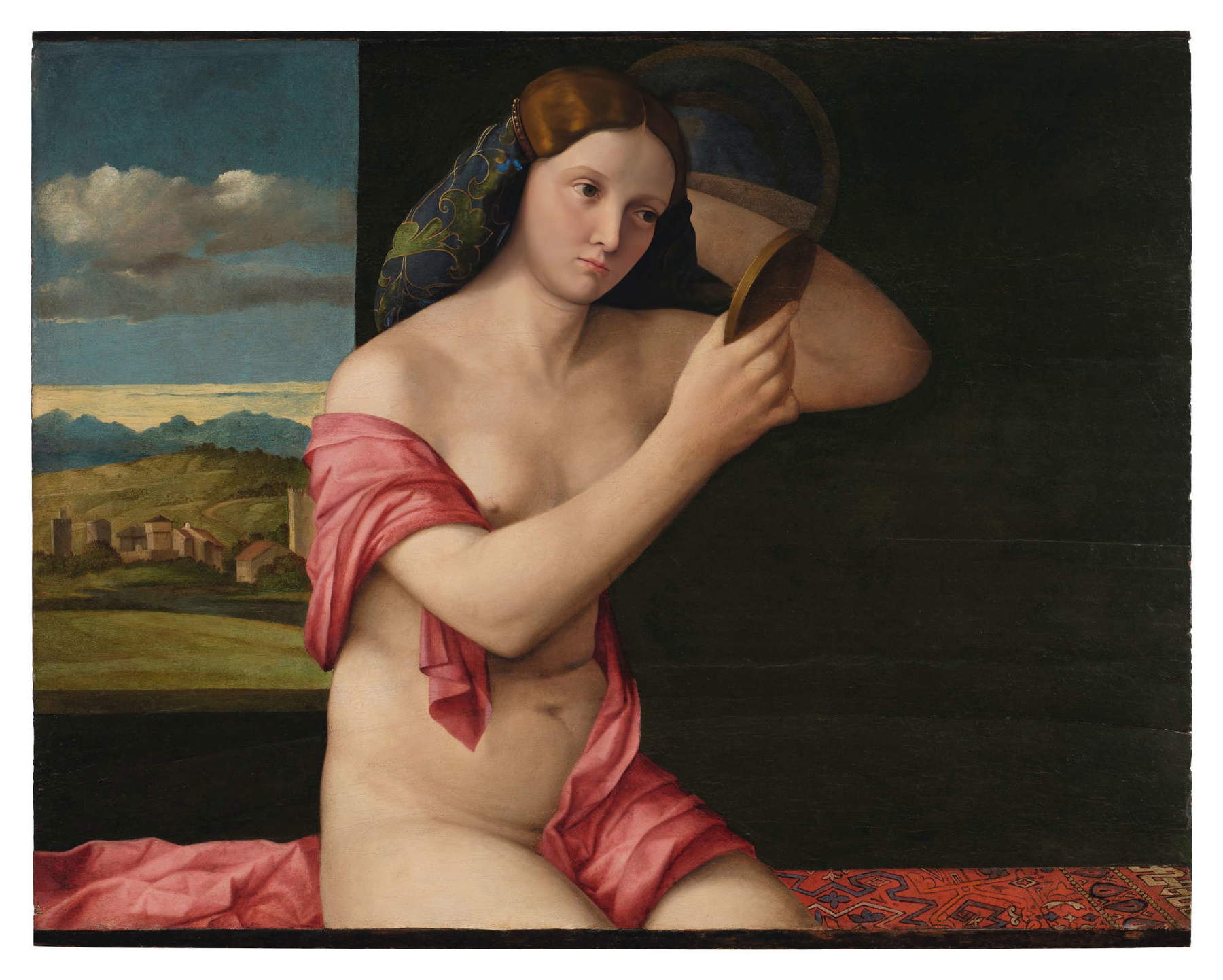
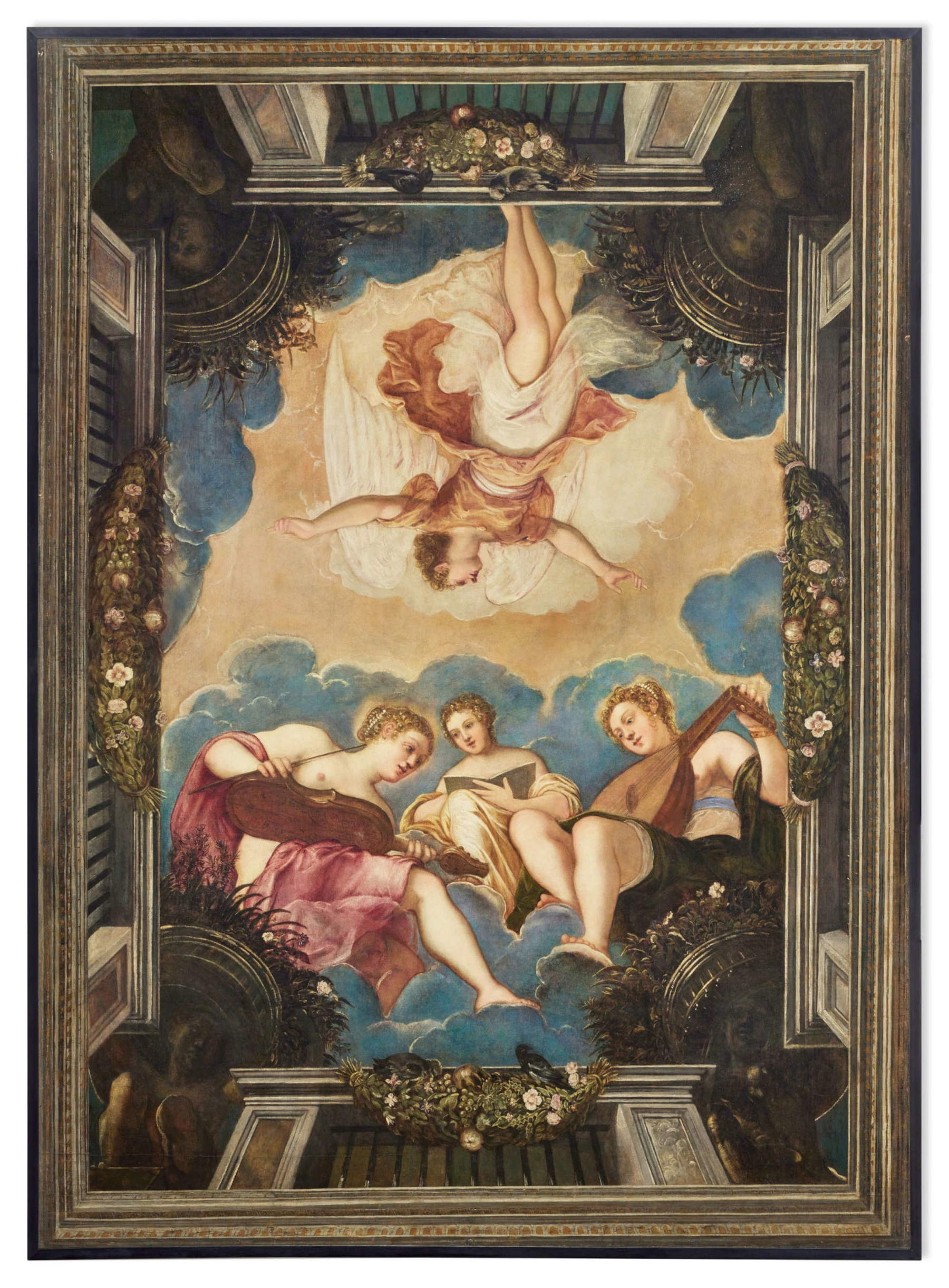
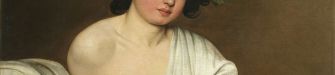
Anyone who happened to be on Madison Avenue in New York in early February of this year certainly couldn’t have failed to notice the gleaming Breuer Building, which had just been restored and recently reopened to house the new global headquarters of Sotheby’s auction house. Anyone who stepped inside the iconic Brutalist building would have found an exceptional exhibition of ancient works of art ready to go under the hammer, including Antonello da Messina’s*Ecce Homo*, which was later purchased by the Italian government for 12.5 million euros. Just a few meters away from the Sicilian master’s precious panel painting, visitors would have found 19 works from the collection of Stanley Moss, the acclaimed American poet, publisher, and exceptional art dealer, who passed away in 2024 at the age of 99. *Woman at Her Toilet with a Mirror* by Giovanni Bellini and his workshop (Fig. 1), which sold for 1.5 million dollars, and*Allegory of Music* by Tintoretto and his workshop (Fig. 2), which sold for $400,000, are just two examples of the many works Moss tracked down over the course of his long career as a dealer in Old Masters.
Stanley Moss was born in Queens, New York, on June 21, 1925, to a Jewish family. His father, a high school principal, taught history, knew Latin and Greek, and loved Shakespeare’s sonnets. In 1935, the family embarked on a long journey through Europe that allowed Stanley to visit Amsterdam, Málaga, Egypt, Jerusalem, Bethlehem, Istanbul, Rhodes, Algiers, and Italy. It was a formative experience that introduced him to artistic beauty and shaped his worldview. Upon returning home, Moss discovered poetry through a magazine that published works by Federico García Lorca, Arthur Rimbaud, and Wallace Stevens. He enlisted in the U.S. Navy in 1942 at the age of seventeen, shortly after the United States entered World War II, and served during the war. After the war ended in 1945, Moss was discharged and resumed his studies. He attended Trinity College in Hartford and Yale University in New Haven, Connecticut. He studied in the theater department of the Yale School of Fine Arts from 1945 to 1946 but did not earn a degree. He sold a portrait of himself painted by a friend—a painter—for $400, and with that money he left for Italy in the summer of 1948. He stayed there for a couple of months, captivated by the country’s beauty. He returned to the United States, and by the end of the decade he was working as an editor at the independent publishing house New Directions, but, unable to stand office work, he resigned to pursue a career in poetry. He befriended the painter Mark Rothko, who asked him to act as his art dealer, but he refused. By then, he had become part of New York’s bohemian literary scene. He sold a Picasso drawing on behalf of a friend and an El Greco belonging to a gallery owner, earning $2,500, which allowed him to return to Europe. He thus moved to Spain and lived in a fishing village on the outskirts of Barcelona with his first wife, a Catalan woman he had met in New York. The two married and then decided to move to Rome, where Stanley worked as an English teacher and, starting in 1954, as an editor for the literary magazine *Botteghe Oscure*, founded and directed by Princess Marguerite Caetani. There he met the writer Giorgio Bassani, Moravia, and Pasolini, as well as numerous American poets, including Ralph Ellison.
These were the Italian years that marked a turning point in Stanley Moss’s career, coinciding with a decisive encounter: his meeting with the heirs to Alessandro Contini Bonacossi’s collection, with whom Moss established a good relationship by serving as their agent for the sale of part of the works. The collection included true masterpieces of art history that are now part of the collections of the world’s most important museums.
Alessandro Contini Bonacossi came from the Jewish community of Ancona and dealt in the buying and selling of stamps until, together with his wife Vittoria, he started a business dealing in works of art. It was toward the end of the nineteenth century that the couple undertook several trips to Spain, just as the great aristocratic families were selling off their estates. They acquired a vast number of works, striking major deals, and upon their return to Italy, they established themselves under a regime that granted them a noble title, a double surname, and, later, a senatorial appointment for Alessandro. Thus, Count Alessandro Contini Bonacossi soon became one of the world’s leading art dealers, with distinguished clients such as Samuel Henry Kress, a fabulously wealthy American who owned a supermarket chain and was among the most important art collectors of the 20th century. It was the paintings belonging to the Italian counts that first found their way into his collection and later into the collections of the National Gallery of Art in Washington.
The export of the works remaining with the heirs of Alessandro Contini Bonacossi was made possible by an agreement between the family and the Italian government, which in 1969 received a donation of 144 paintings—now part of the Uffizi Gallery’s collection—and in exchange granted permission for the free export of the remainder of the collection. For Italy, this represented one of the most significant historical and artistic enrichments of the 20th century; suffice it to mention, among others, the acquisition of Giovanni Bellini’s *St. Jerome in the Desert *, Bernini’s *Martyrdom of St. Lawrence *, and Sassetta’s altarpiece of the *Madonna of the Snow *. In exchange, the Italian government relinquished works by Carpaccio, Zurbarán, Piero della Francesca, El Greco, Goya, and other masterpieces that Stanley Moss would later transfer to the United States and subsequently negotiate with the world’s leading museums, including the Louvre, the Prado, the National Gallery of Art in Washington, the Getty Museum, the Norton Simon Museum, the National Galleries of Greece and Australia, and major collectors such as Baron Hans Heinrich Thyssen-Bornemisza.
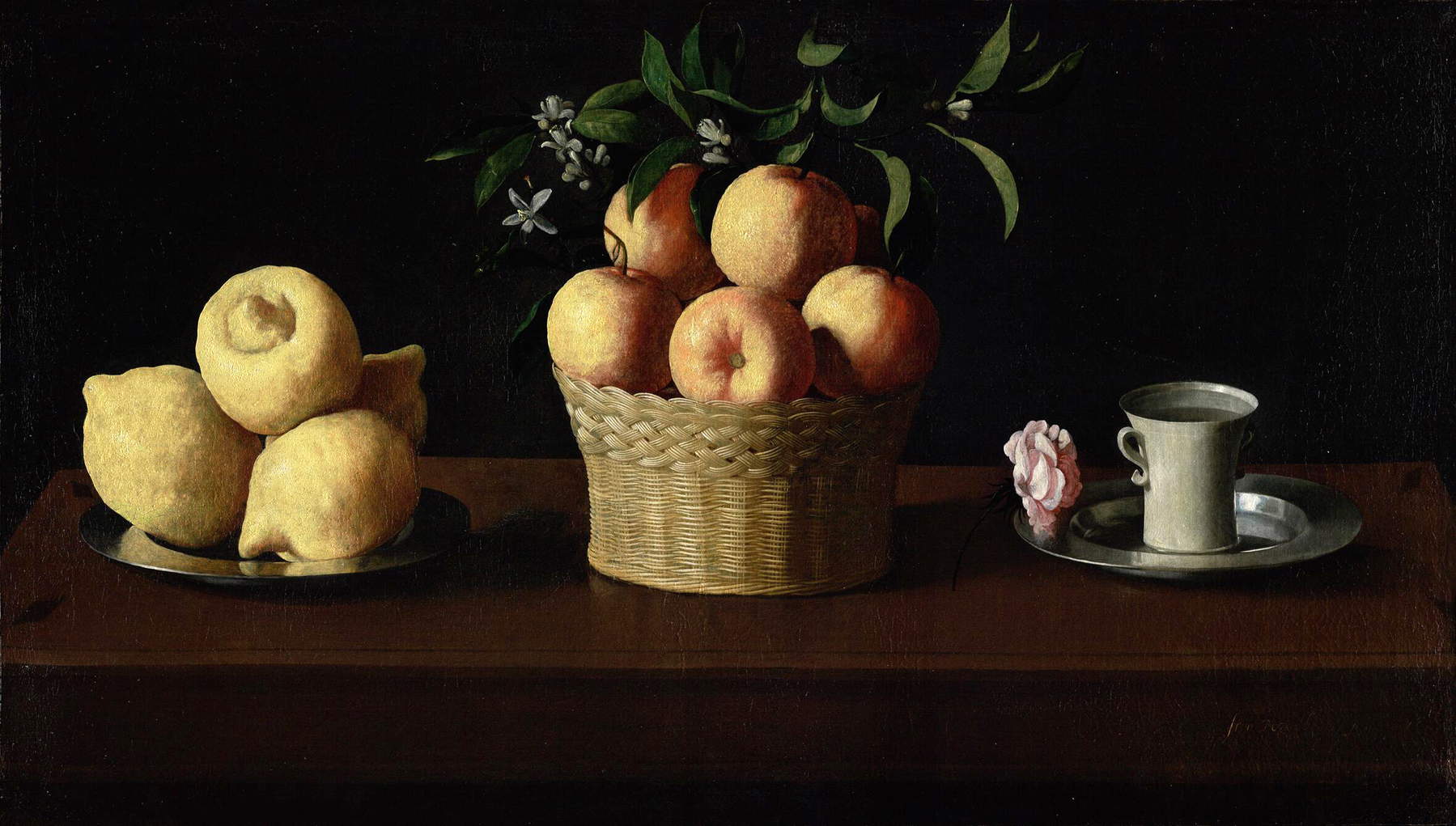
One of these works will be on view at the Louvre from October 7 through January 25, 2027, in an exhibition dedicated to Francisco de Zurbarán: It is the extraordinary Still Life with Lemons, Oranges, and a Rose ( Fig. 3), on loan from the Norton Simon Museum in Pasadena, to which Stanley Moss sold it. It was one of the works most cherished by the New York poet-art dealer, who not only always kept a copy of it in his home on the Hudson River but also had it reproduced on the cover of *A History of Color*, a short poem that has since become a classic in his poetic repertoire.
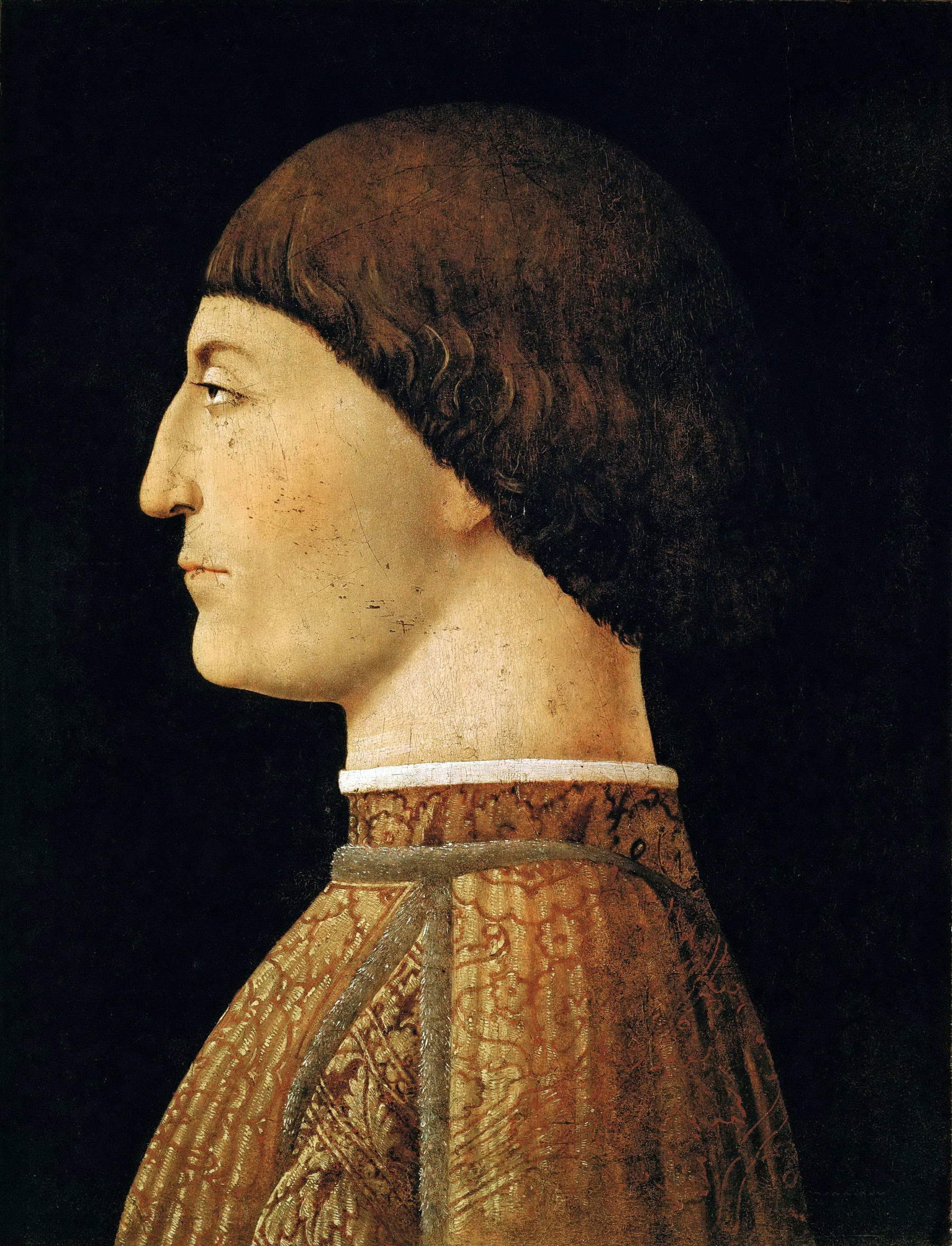
If we were to select, from among all the works of art that have passed through Stanley Moss’s hands, the one most representative of his preeminent role in the global Old Masters market, the choice would fall without hesitation on Piero della Francesca’s Portrait of Sigismondo Malatesta (Fig. 4), now located just a few meters from the Mona Lisa, in the first-floor galleries of the Denon Wing of the Louvre. It is the artist’s only work in the Parisian museum’s collections. The panel, also from the collection of Alessandro Contini Bonacossi, reappeared at Stanley Moss’s in 1977, when the art dealer was living in one of the towers of the San Remo on Manhattan’s Upper West Side. The renowned art historian Keith Christiansen, recalling his friend Stanley, recently wrote about the time he was invited to view the painting and sat on the windowsill of the living room overlooking Central Park to admire it in the best possiblenatural light.¹ The attribution was not universally accepted, but it had the approval of Roberto Longhi, who had laid the critical foundations for the modern appreciation of the artist and who cited the painting, lavishing praise on it, in the second edition of his monograph on Piero dellaFrancesca.² Regarding the portrait, Stanley Moss recalled in a recent interview: “[…] I had a contract with the Contini Bonacossi family for a Francesca worth $10,000. They thought the painting wasn’t authentic. I insisted that it was and said I would pay $700,000 to have it. I managed to get it out of Italy and have it cleaned, then I went to London to see Kenneth Clark to show him a photograph of the painting. He asked me what I did for a living, and I remember replying, ‘I’m a poet who, from time to time, sells a work by an old master.’ He needed to buy cigars, so we walked through Albany—or wherever we were—to the tobacco shop, while he quizzed me aboutAuden.³ He agreed that the painting was authentic and told me he would help me sell it to the Louvre. They sent a guy to my house in Riverdale to see the painting. I kept it under my bed, out of the sun. The director of the Louvre said it was the acquisition he was most proud of […]”4.
In his memoirs, Michel Laclotte, then head of the Louvre’s paintings department, recounts that, due to the limited time available to secure the necessary funds, he called Raymond Barre, then French prime minister, while Barre was on a flight toBeijing⁵. Laclotte managed to secure a special grant, and on February 8, 1978, the Louvre acquired its Piero della Francesca.
With the proceeds from sales on the Old Masters market, Stanley Moss was free to devote himself to his greatest passion: poetry. For Moss, it represented a true means of knowledge that allowed him, through the written word, to explore the essence of his own life. In this regard, he used to recall: “When something was unclear to me, I wrote about it, thus attempting to understand […]”; his reflections on life, death, religious faith, and the concept of God are an example of how the poet constantly sought to delve into the most mysterious recesses of human nature. “A non-believer who does not surrender to unbelief” and who composes hymns to the sacredness of life, as the scholar AntonellaFrancini⁶—the Italian translator of his poems—brilliantly described him.
In 1977, Stanley Moss founded the nonprofit publishing house Sheep Meadow Press, successfully combining his two loves: poetry and art. In a recent interview, he recalled: “[…] I made some money selling a painting—something like a million dollars. I had friends who deserved to be published, so that was a way to spend it… I published people I liked, people who for some reason were going through a difficult time […]”⁷.
He promoted poets of great merit, often those who had been rejected for one reason or another by commercial publishers. He published over 200 volumes, creating a catalog that included authors such as Federico García Lorca, Yehuda Amichai, Miguel Hernández, Fernando Pessoa, and Umberto Saba. He devoted particular effort to promoting the work of Roberto Longhi, the greatest critic of 20th-century Italian painting. In this regard, Keith Christiansen, former chair of the Department of European Painting at the Metropolitan Museum of Art in New York, recalled his pleasant visits to Stanley Moss’s home in Riverdale “with its splendid porch overlookingthe Hudson”⁸ where, together, they selected the essays by Roberto Longhi to be published: *ThreeStudies*⁹, translated in 1995, and the seminal monograph *Piero dellaFrancesca*¹⁰, translated in 2002.
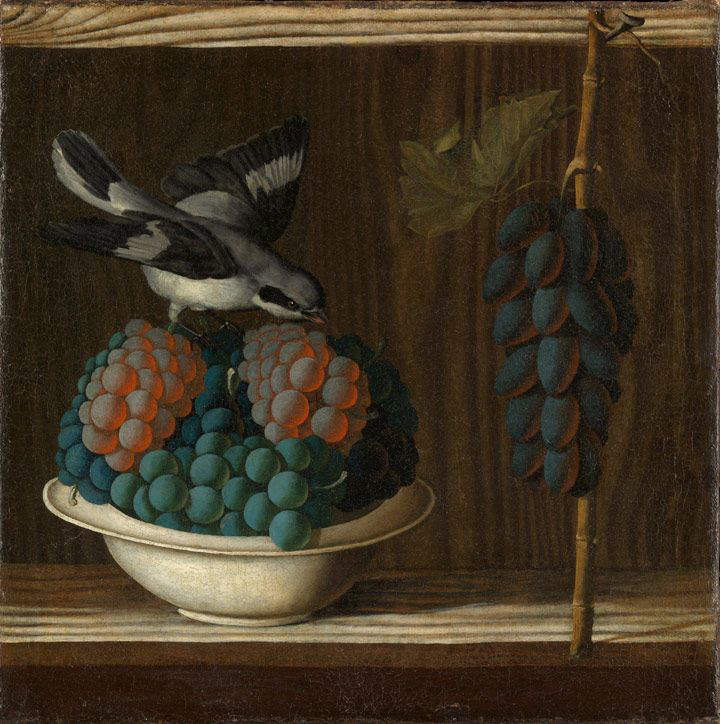
Stanley Moss’s life continued over the years amid poetry and rediscovered masterpieces, such as that charming still life he purchased at a London auction in 1995, depicting a little bird pecking at grapes in a bowl (Fig. 5). In the auction catalog, the painting was described as “17th-century Northern Italian school,” but Moss recognized the work’s more primitive character and thought it would be worth taking a chance on. He contacted the great art historian Federico Zeri, who identified the work as the sole surviving piece by the first European artist remembered by his contemporaries as a still-life painter: Antonio Leonelli da Crevalcore (1443–1525) from Emilia. The subject was taken directly from a famous passage by Pliny the Elder (Pliny XXV-66) which recounts the contest between the ancient Greek painters Parrhasius and Zeuxis, in which the latter presented grapes so skillfully painted that birds began to flutter around the painting. Crevalcore thus positioned himself as the successor to the ancient master, in full harmony with the Renaissance culture to which he belonged. The attribution was also confirmed by Daniele Benati, the leading scholar of Bolognese painting, and by Keith Christiansen, and today the work is housed at the Metropolitan Museum of Art in New York, to which Stanley Moss decided to donate it several years ago.
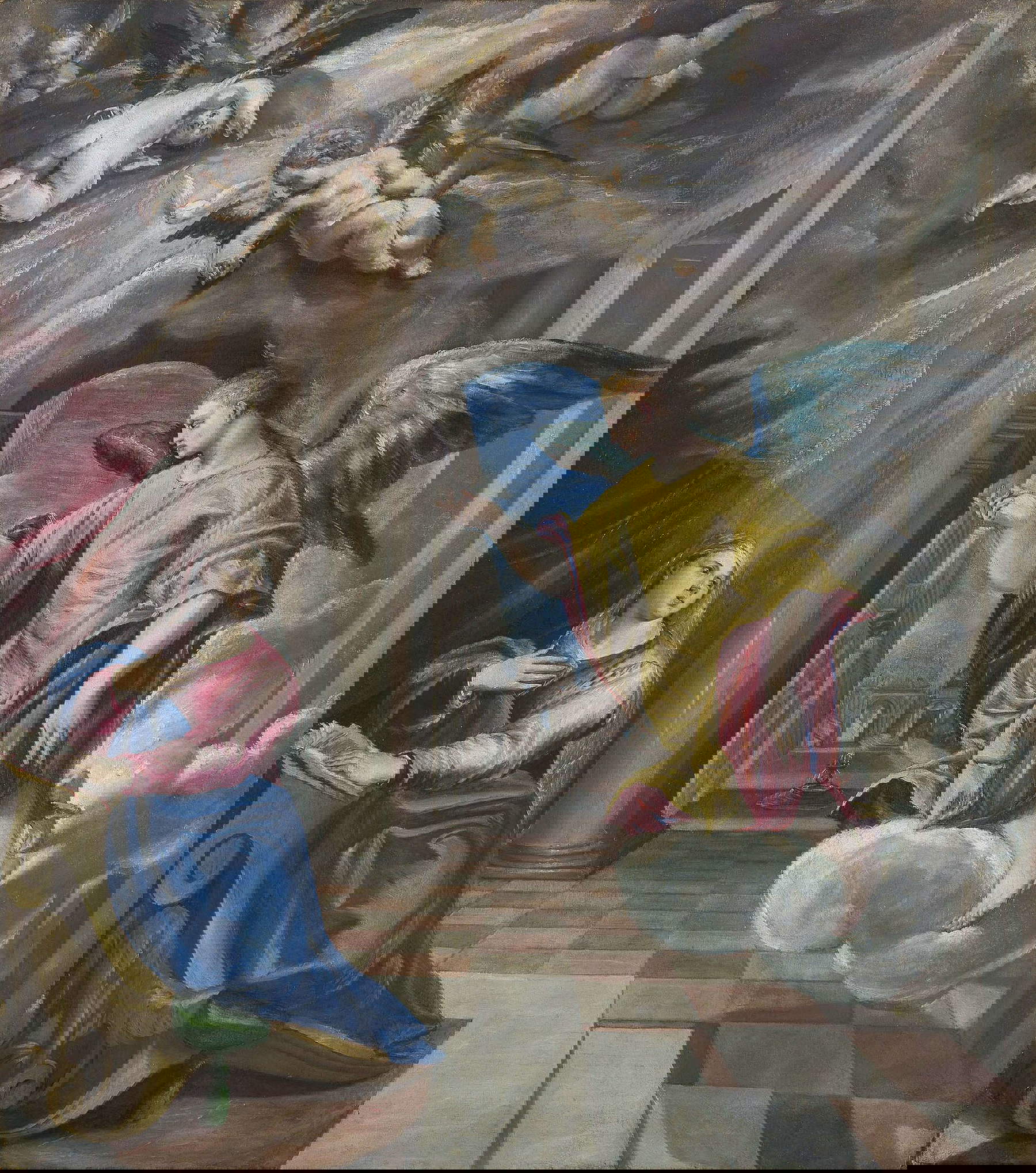
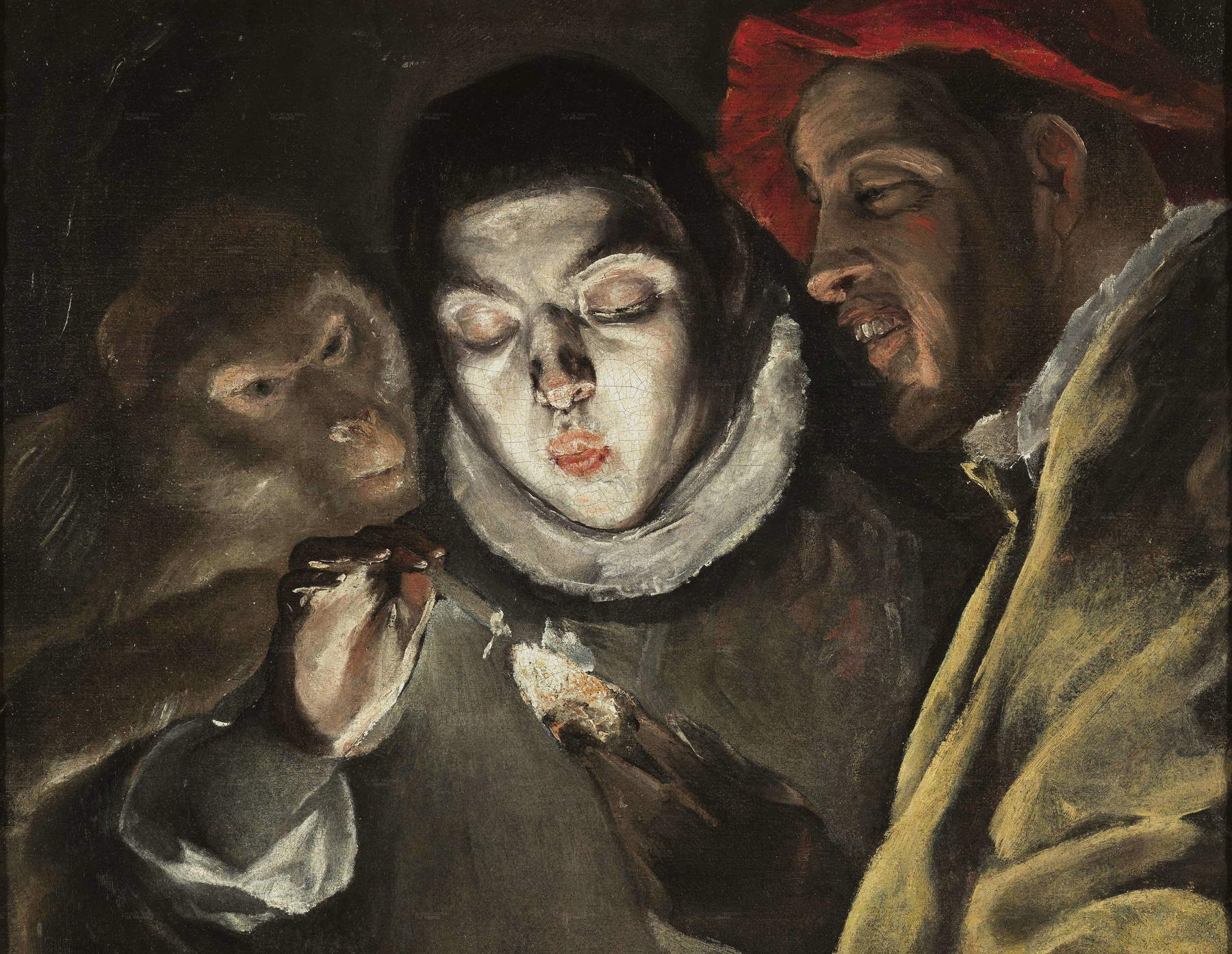
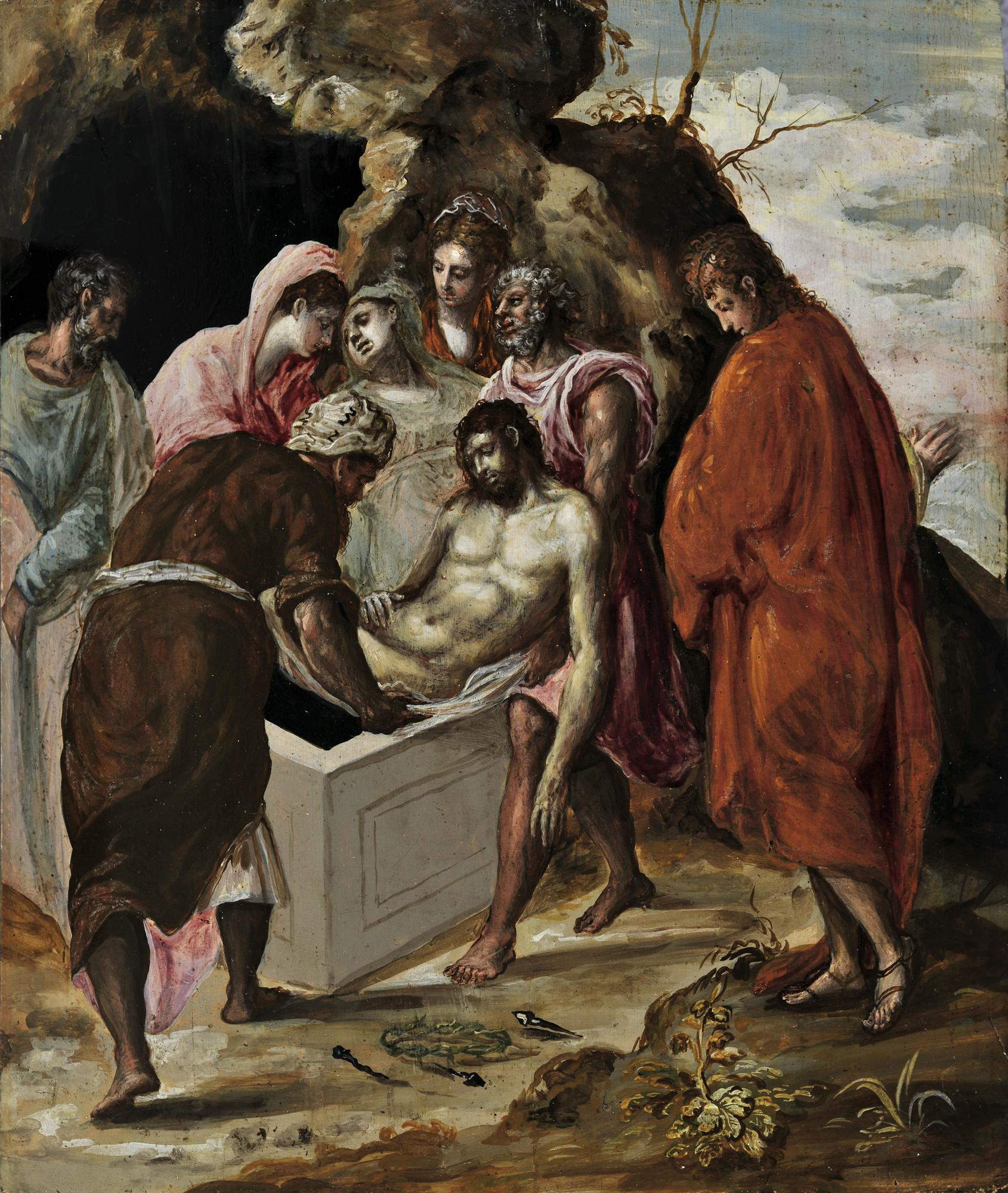
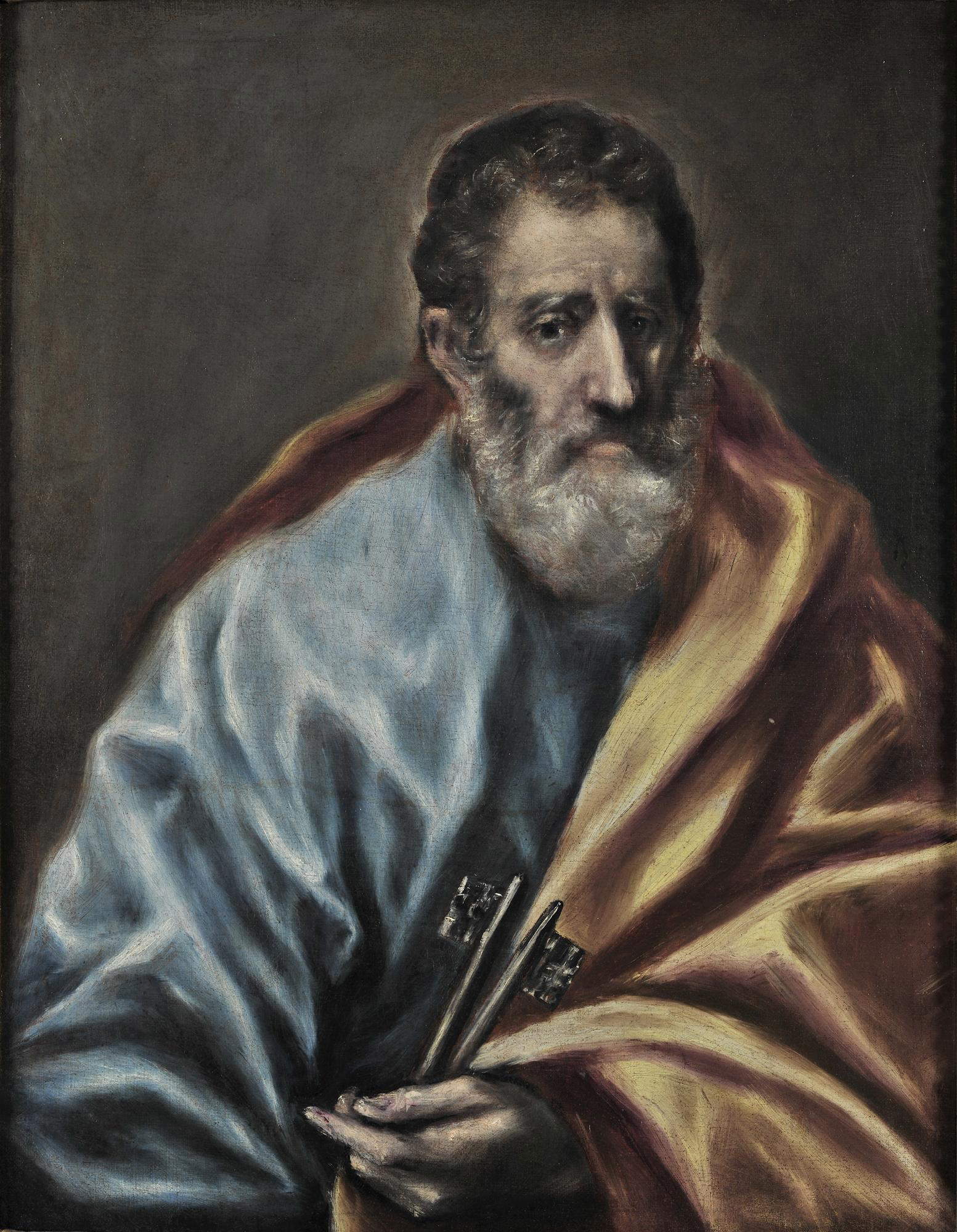
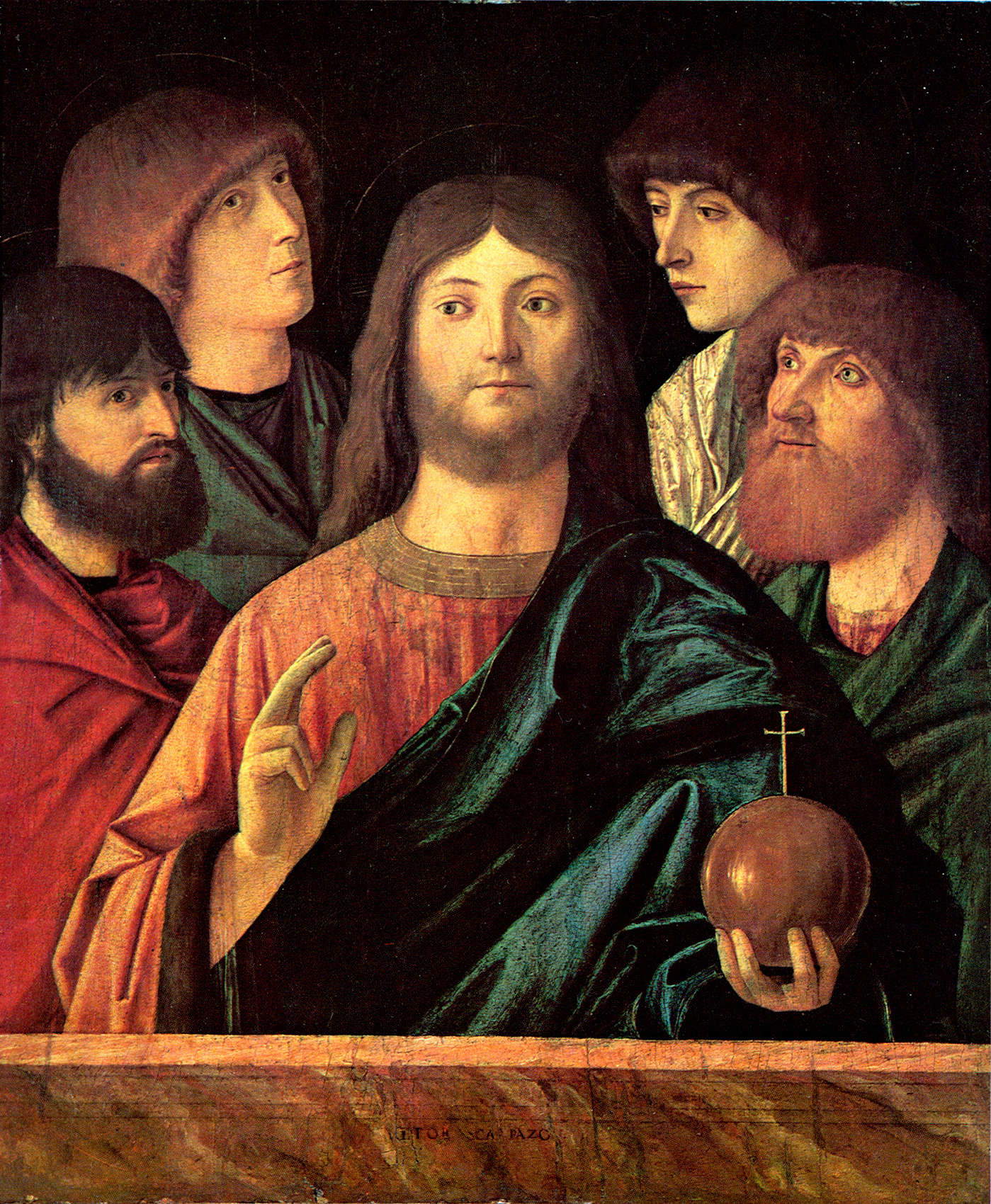
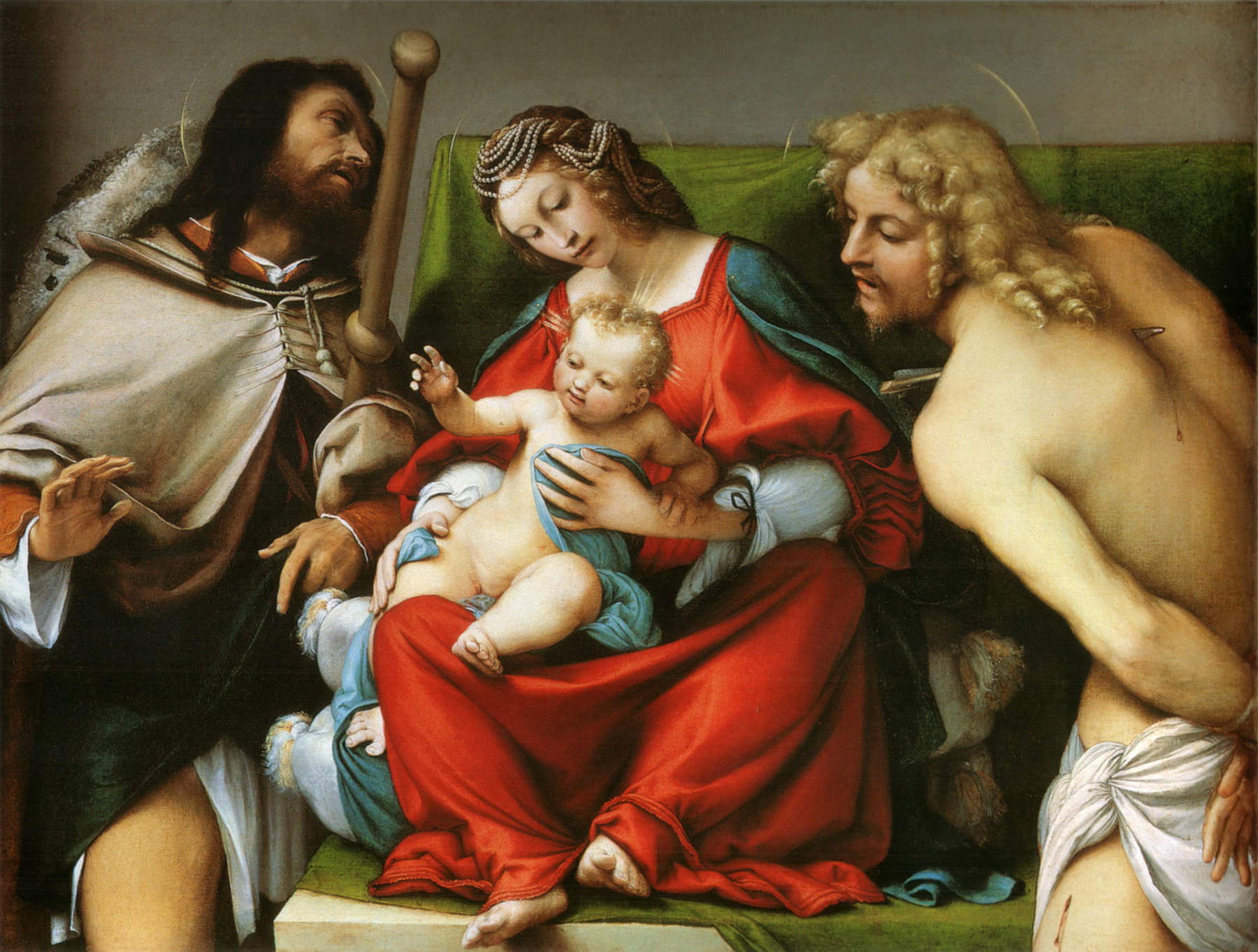
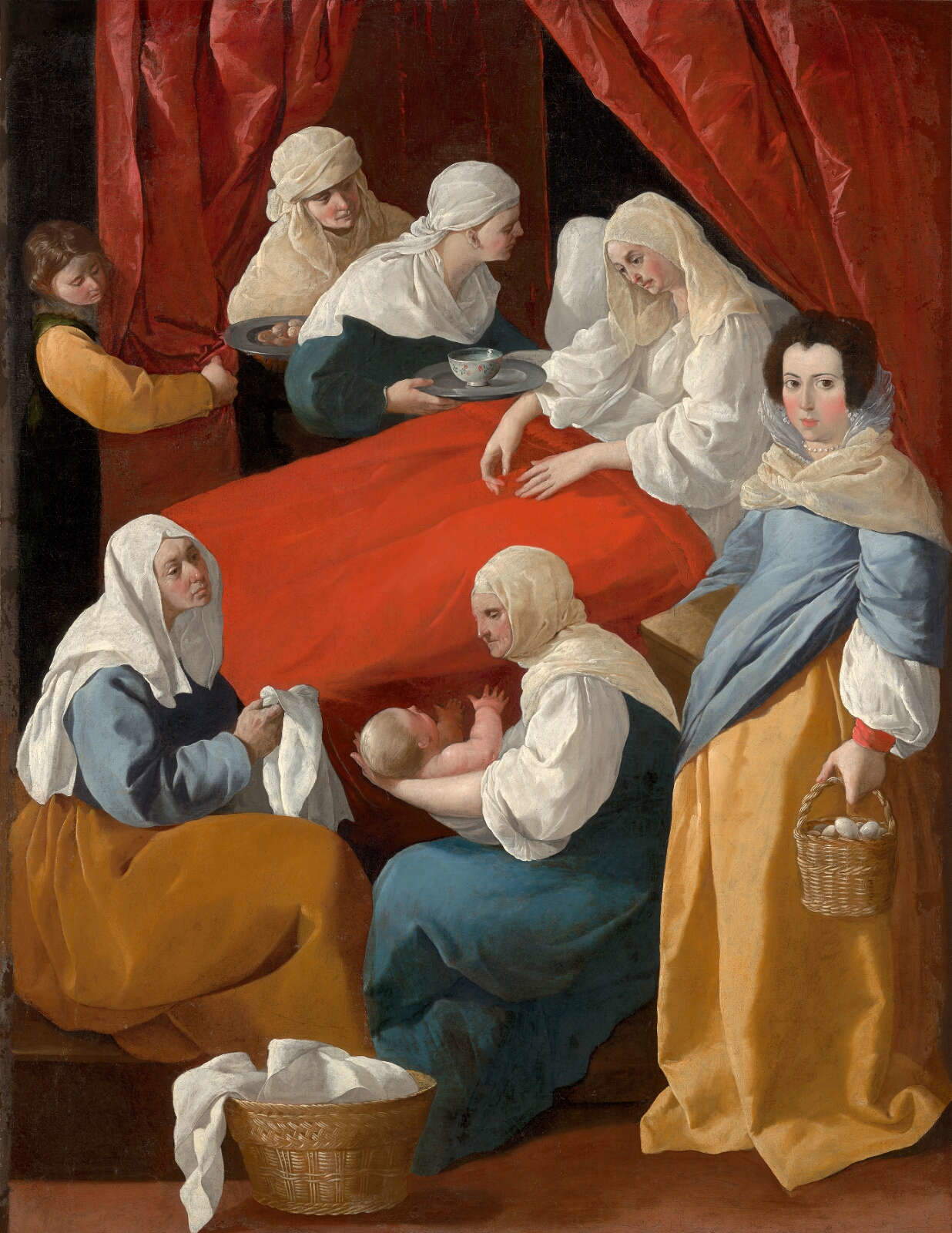
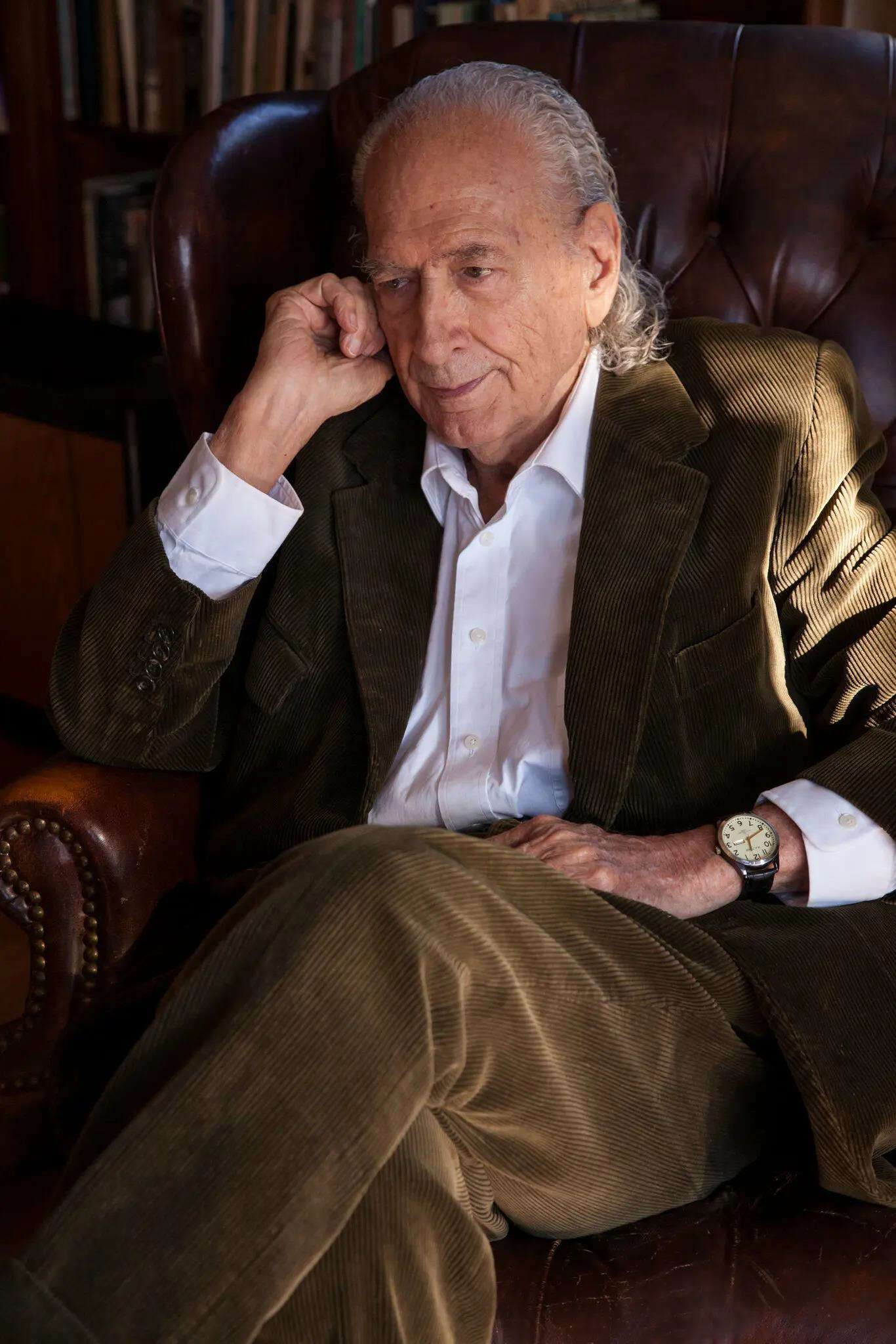
There are still many stories to explore regarding the fascinating vicissitudes of the masterpieces that passed through the hands of Stanley Moss, who over the years continued to deal in exceptional works—one need only think of the paintings by El Greco, includingthe Annunciation at the Thyssen-Bornemisza Museum (Fig. 6), a fábula, now at the Prado Museum (Fig. 7), the Descent from the Cross and the Saint Peter at the National Gallery of Greece (Figs. 8 and 9), not to mention Carpaccio’s *Salvator Mundi* , now in Italy in the Sorlini Collection (Fig. 10), Lorenzo Lotto’s *Virgin and Child with Saints Roch and Sebastian* at the National Gallery of Canada (Fig. 11), Zurbarán’s *Birth of the Virgin* at the Norton Simon Museum (Fig. 12)... but perhaps the best way to remember Stanley Moss (Fig. 13)—the poet who became an art dealer so he could devote himself freely to writing verse—is a brief passage from “Introductory Song,” one of his best-known poems, which is ultimately a wish for peace: “[…] I believe that poetry, like kindness, changes the world—a little. It reaches the ears of the lion and the lamb, enters the birds’ nests and the fish’s paths; it is water in the cupped hands of Arabs and Jews […]”11.
1 Keith Christiansen, “Remembering Stanley Moss,” in Sotheby’s, Master Paintings & Works of Art Part 1, New York, February 5, 2026
2 Roberto Longhi, Piero della Francesca, Milan, 1946, now in The Complete Works of Roberto Longhi, vol. III. Piero della Francesca, 1927. With additions through 1962, Florence, 1963, p. 220.
3 Wystan Hugh Auden (1907–1973), British poet.
4 Stanley Moss,“In conversation with Neilson MacKay” in *Poetry Nation Review*, 249, Vol. 51, No. 1, September–October 2024.
5 Michel Laclotte, Histoires de musées, Éditions Scala, Lyon, 2022, pp. 132–133. Raymond Barre’s trip to Beijing took place from January 19 to 24, 1978.
6 Antonella Francini (ed.), “Stanley Moss: A Metaphysician of Our Times ,” in *Poesia*, XXI, no. 226, April 2008, p. 3.
7 Stanley Moss, “In conversation with Neilson MacKay,” in *Poetry Nation Review* 249, Vol. 51, No. 1.
8 Keith Christiansen, “Remembering Stanley Moss,” op. cit.
9 Roberto Longhi, *Three Studies*, Stanley Moss-Sheep Meadow Press, Riverdale-on-Hudson, N.Y., 1995.
10 Roberto Longhi, *Piero della Francesca*, Stanley Moss–Sheep Meadow Press, Riverdale-on-Hudson, N.Y., 2002
11 Antonella Francini (ed.), Stanley Moss: A Metaphysician of Our Time, op. cit., p. 21.

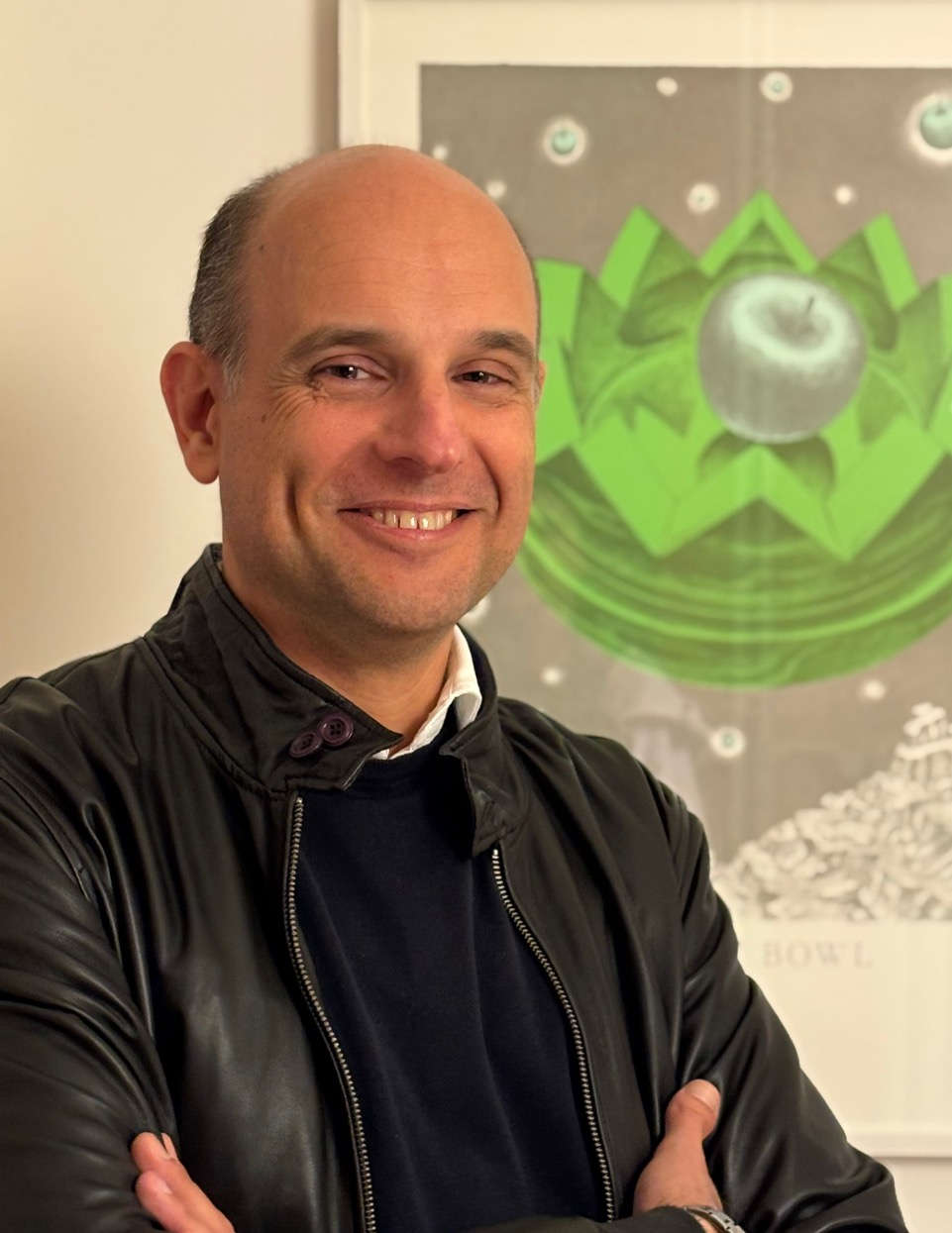
The author of this article: Marco Cerruti
Marco Cerruti è nato a Milano nel 1977. Laureato in architettura, storico ed estimatore d’arte. La sua attività di ricerca si concentra principalmente sull’arte antica con un interesse rivolto alla pittura italiana tra XVI e XVIII secolo. È consulente per la gestione e valorizzazione di collezioni d’arte private.Warning: the translation into English of the original Italian article was created using automatic tools. We undertake to review all articles, but we do not guarantee the total absence of inaccuracies in the translation due to the program. You can find the original by clicking on the ITA button. If you find any mistake,please contact us.



























 IT
IT FR
FR DE
DE ES
ES CN
CN


