




by Redazione 24/08/2026



Categories: Ancient art / Disclaimer
A painting attributed to Federico Barocci, which has resurfaced thanks to the efforts of the Hampel auction house in Munich, has been on display in Urbino since August 24. The painting may be a preparatory study for the young man depicted in the “Martyrdom of Saint Sebastian” in the cathedral. The work is now being examined by experts on the Urbino painter.
A painting attributed to Federico Barocci ( Urbino, 1535–1612), which has resurfaced in Munich at the Hampel auction house, could add a new and valuable piece to our understanding of the Urbino artist’s work. The painting, from a private German collection and depicting a young man in half-length profile, is on exceptional display in Urbino starting August 24, 2026. The work was presented in the halls of the Castellare at the Palazzo Ducale as part of the exhibition *From Barocci to Tiepolo. The Albani Madonna and Great Italian Painting from the 16th to the 18th Centuries, organized by the City of Urbino and inaugurated last July.
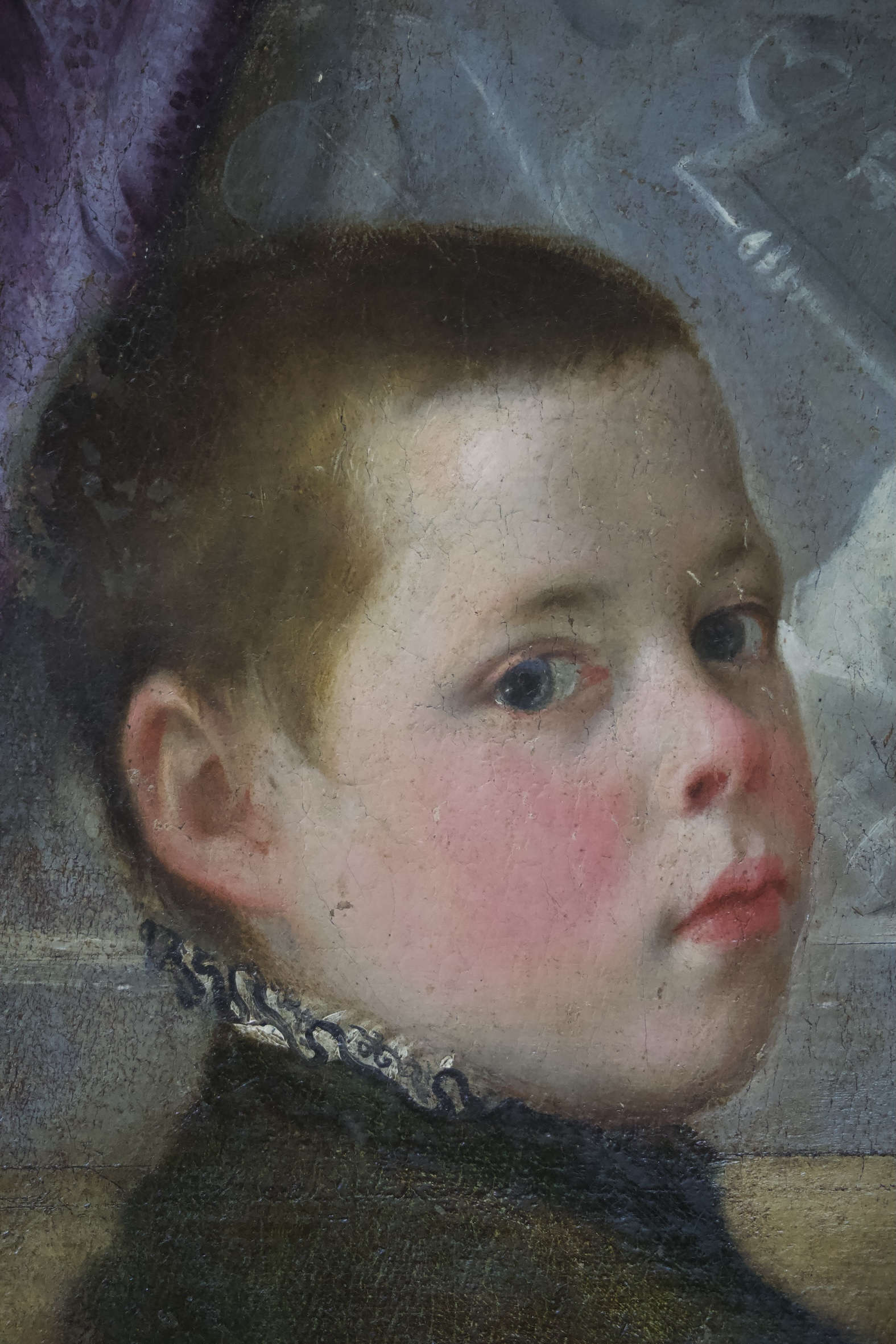
What makes the canvas particularly interesting is the subject depicted: the young man portrayed is in fact a member of the Bonaventura family whom Federico Barocci painted in 1557–1558 at the foot of the famous altarpiece depicting the Martyrdom of Saint Sebastian, housed in the Cathedral of Urbino. That very figure was at the center of a story of theft and rediscovery that has marked the work’s recent history: in March 1982, the fragment depicting the young man was cut directly from the original canvas and removed from the altarpiece. The portion of the painting remained missing for over thirty years, until it was identified in 2017 by the Pesaro-based antiquarian Giancarlo Ciaroni of Altomani & Sons. After its discovery, the fragment was reunited with the altarpiece through a lengthy and delicate restoration process, carried out in Urbino in 2020 by the firm Bacchiocca with the extraordinary support of the Culture Committee of Confindustria Pesaro Urbino.


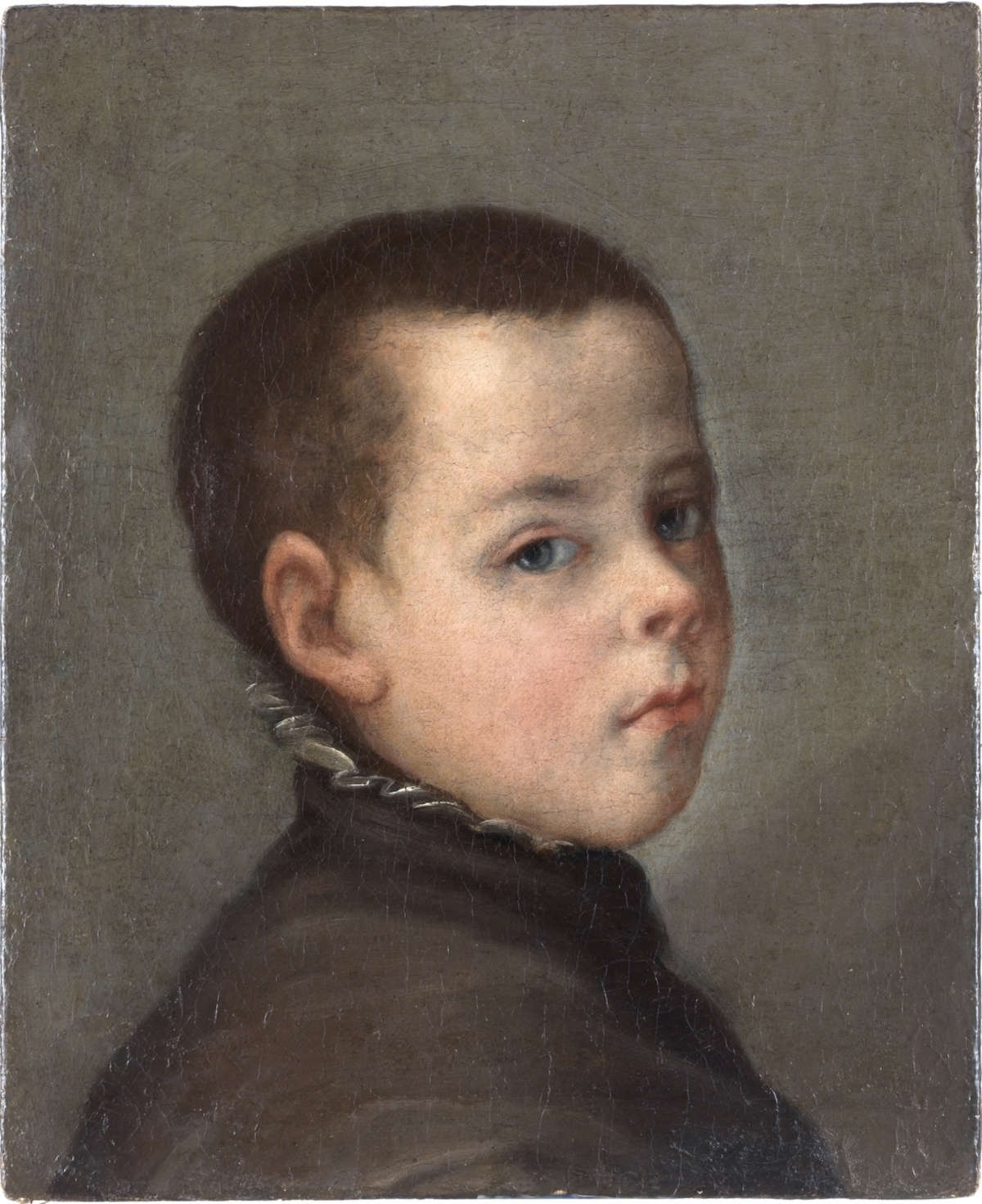
That episode led to the painting being described as a “rediscovered Barocci.” Now, several years later, the story may be about to take a new turn. The canvas that has resurfaced in Munich may, in fact, have been “rediscovered,” so to speak, a second time: initial research suggests it may be a preparatory painting created by Barocci prior to the final version of The Martyrdom of Saint Sebastian. The work also has a provenance of particular interest: it once belonged to the prestigious 18th-century collection of Cardinal Tommaso Ruffo and was historically attributed to Titian. The painting exhibits several significant variations compared to the figure currently visible in the altarpiece of Urbino Cathedral and could therefore be part of the complex creative process Barocci followed to arrive at the final depiction of the young Bonaventura.
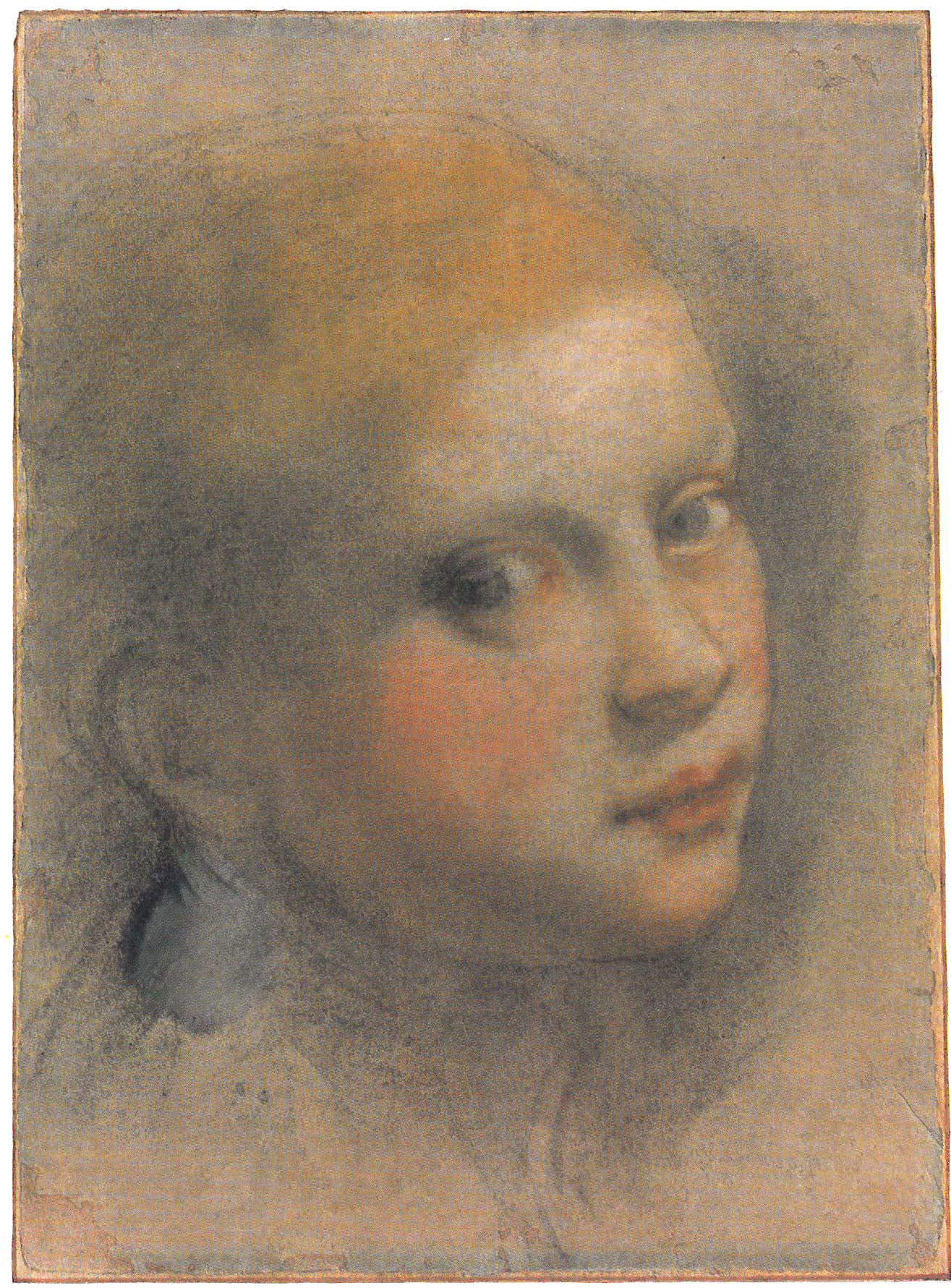
This hypothesis finds further support in a drawing depicting the same head, now held in a private American collection. The canvas, which resurfaced in Germany, could thus help reconstruct a phase of Barocci’s conceptual and compositional process, documenting the transition from the preparatory study to the final version of the altarpiece.
The painting is currently being studied by Luca Baroni and Nicholas Turner, two leading scholars of Federico Barocci: the possibility of temporarily bringing it to Urbino allows for a direct comparison with the young Bonaventura depicted in the *Martyrdom of Saint Sebastian* and for a deeper exploration of the relationships between the new canvas, the altarpiece, and the drawing preserved in the United States. On the morning of September 10, the painting will also be the focus of a press conference attended by local officials, as well as members of the public and scholars. The event will provide an opportunity to present the initial findings of the research and to illustrate the comparison between the canvas that resurfaced in Munich and the figure of the young man in the cathedral altarpiece, addressing one of the most fascinating chapters in the history and painting technique of Federico Barocci.
The canvas arrived in Urbino during the second half of August thanks to the generosity of the Hampel auction house, which covered the costs of the initiative, the hospitality of the Municipality of Urbino, and the scientific coordination of the Northern Marche Museum Network.
The temporary exhibition thus offers the opportunity to once again connect a work by Barocci with the site for which the altarpiece of the Martyrdom of Saint Sebastian was conceived and, above all, to verify on site the hypothesis that the painting rediscovered in Germany may be evidence of the creative process the artist followed to arrive at the final depiction of the young Bonaventura. A story that, more than forty years after the theft of the fragment of the altarpiece and nearly ten years after its discovery, could thus be enriched by a new “discovery.”
“Starting August 24, the exhibition in Urbino will be enriched by a new painting and will open up a further opportunity for discussion,” emphasizes Lara Ottaviani, Urbino’s Councilor for Culture, “while we await scholars’ assessments regarding the attribution of the work. The exhibition on display in the Castellare Halls reaffirms its status as a landmark for Urbino’s cultural summer and for the national and international connections it has fostered.”
“We are honored,” says Luca Baroni, art historian and director of the Rete Museale Marche Nord, “that Urbino can host, thanks to the generosity of the Hampel auction house, such an important testament to the history of Urbino’s painting tradition. The work is currently under study, and it will take time, verification, and further analysis to correctly determine its nature, characteristics, and attribution. Its prestigious provenance and direct connection to the cathedral altarpiece make its return to the city exceptional, reinforcing the role of the Civic Museums of Urbino as an international partner for the study, research, and promotion of the work of great Urbino artists such as Barocci.”
“Hampel Fine Art Auctions,” says art historian Luca Maria Spagnuolo of Hampel, “is honored by the hospitality extended by the City of Urbino to this important example of Federico Barocci’s painting. Our auction house, an international leader in European Old Masters and active in various sectors of the art world, considers an essential part of its mission not only the market but also the study, appreciation, and promotion of art, in a truly international spirit that reflects Munich’s very location in the heart of Europe. The rediscovery of this painting has been particularly fascinating and owes much to the intuition of Luca Baroni, Director of the Marche Nord Museum Network, who immediately understood its importance by recognizing the hand of Federico Barocci in it. The opportunity to present it today in Urbino also stems from the vision of our Director, Vitus Graupner, who has always been convinced that an auction house should actively contribute to the understanding and dissemination of artistic heritage.”
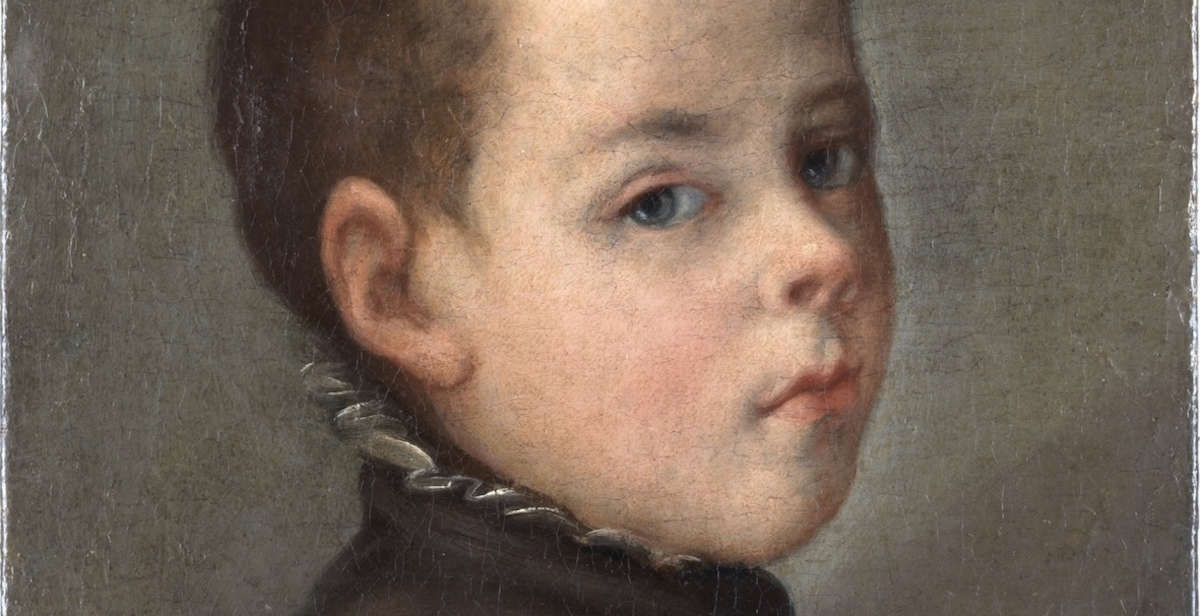 |
| A portrait found in Munich may be by Federico Barocci: the painting is now in Urbino |
Warning: the translation into English of the original Italian article was created using automatic tools. We undertake to review all articles, but we do not guarantee the total absence of inaccuracies in the translation due to the program. You can find the original by clicking on the ITA button. If you find any mistake,please contact us.