



by Redazione 11/11/2026


Categories: Ancient art / Disclaimer
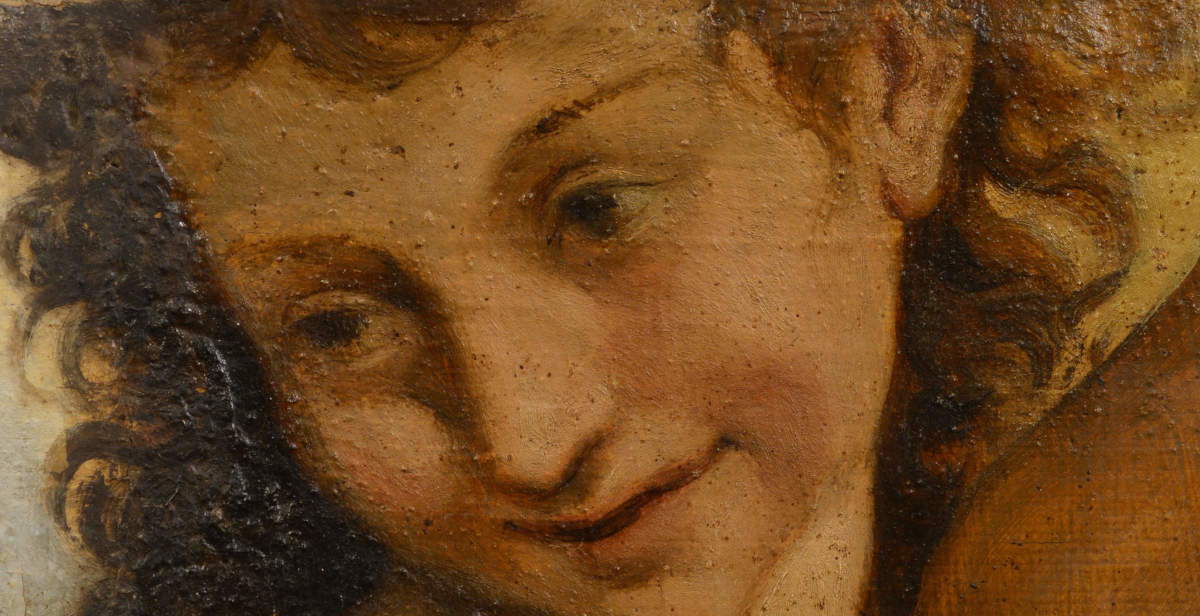
Four paintings attributed to the young Ludovico Carracci, from the Hercolani Fava Simonetti collection, are returning temporarily to the Palazzo Fava complex, where they were created around 1583–1584. At the Grand Hotel Majestic, the public can follow the restoration process through April 30, 2027, by participating in tours and meetings with experts.


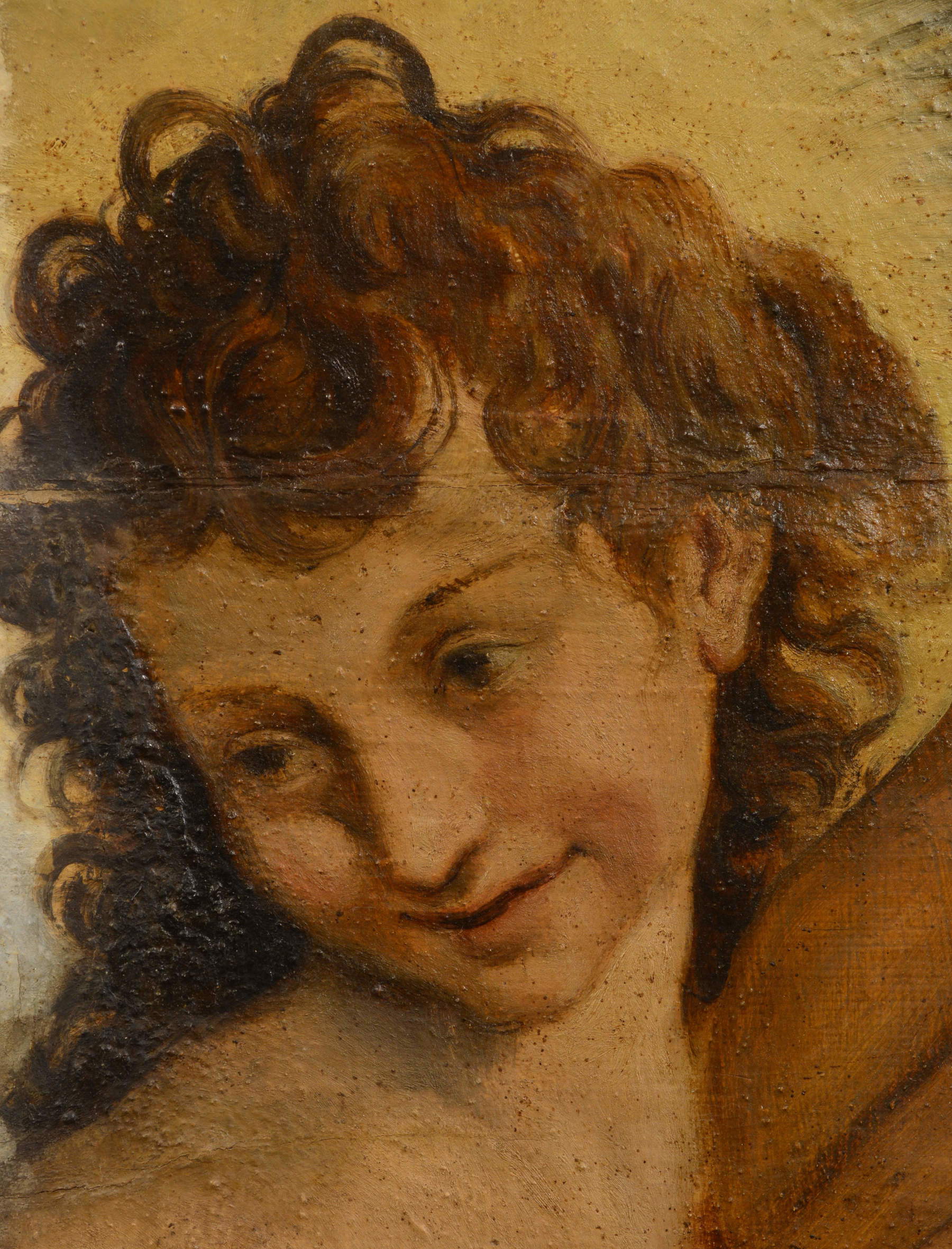
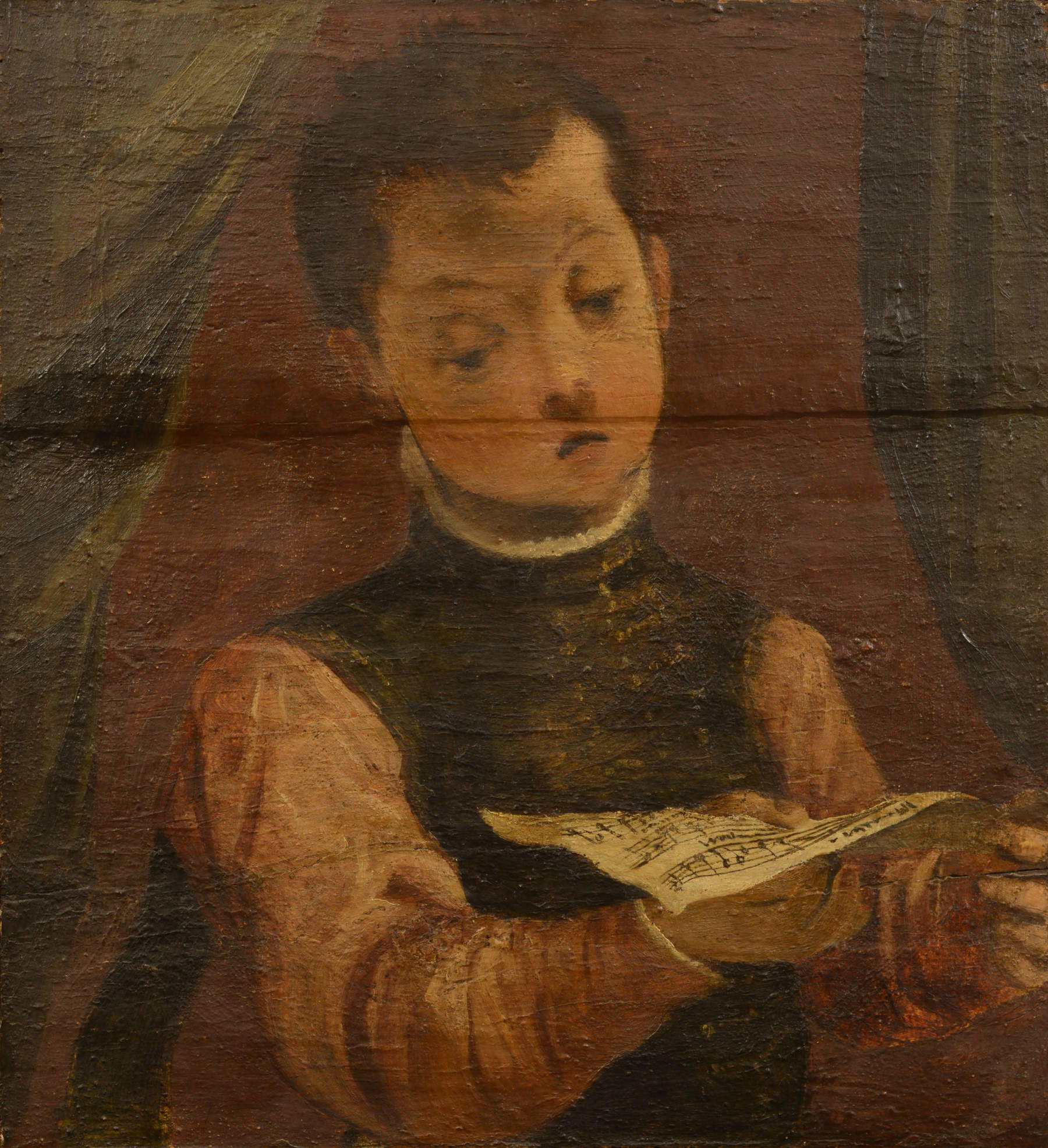
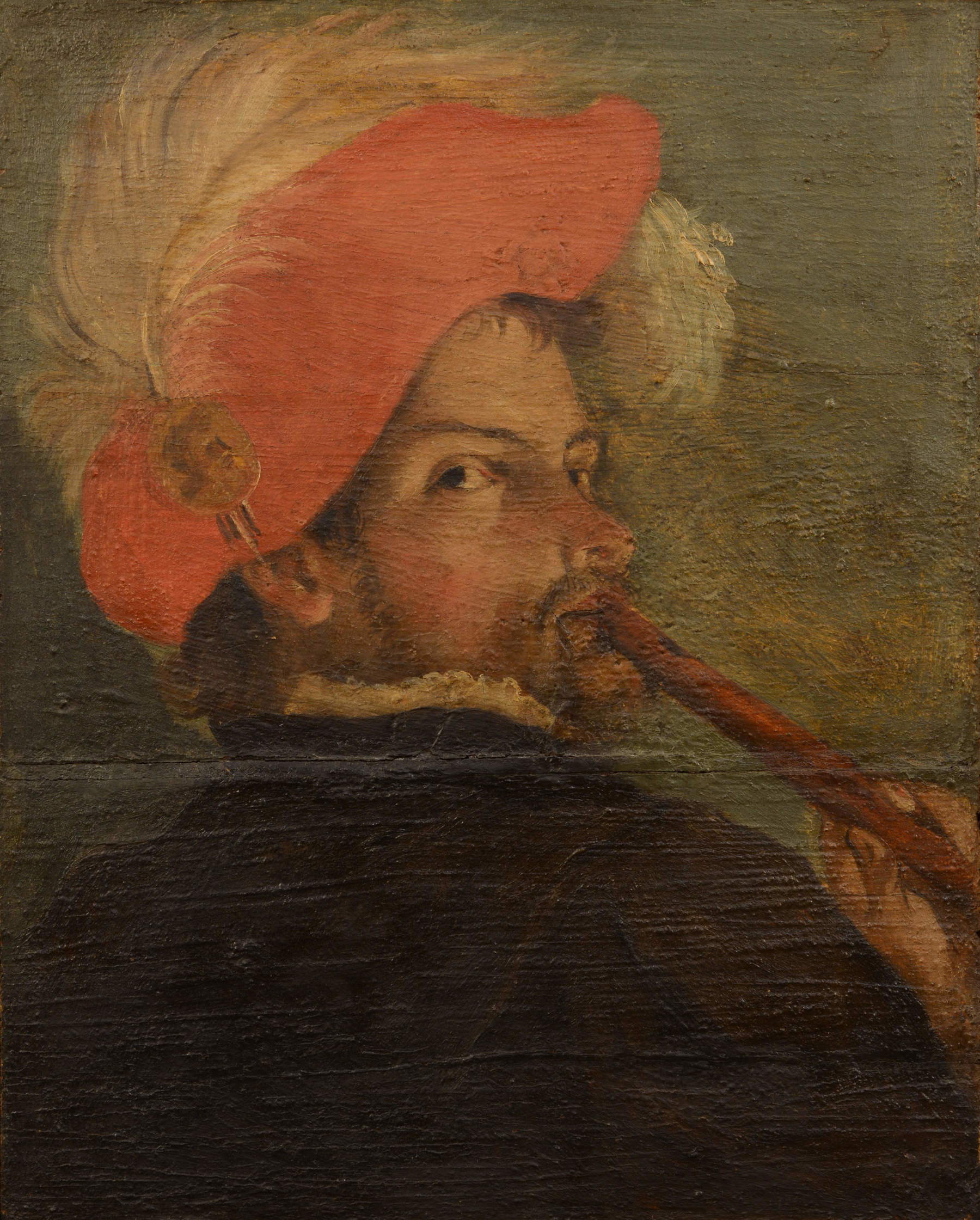
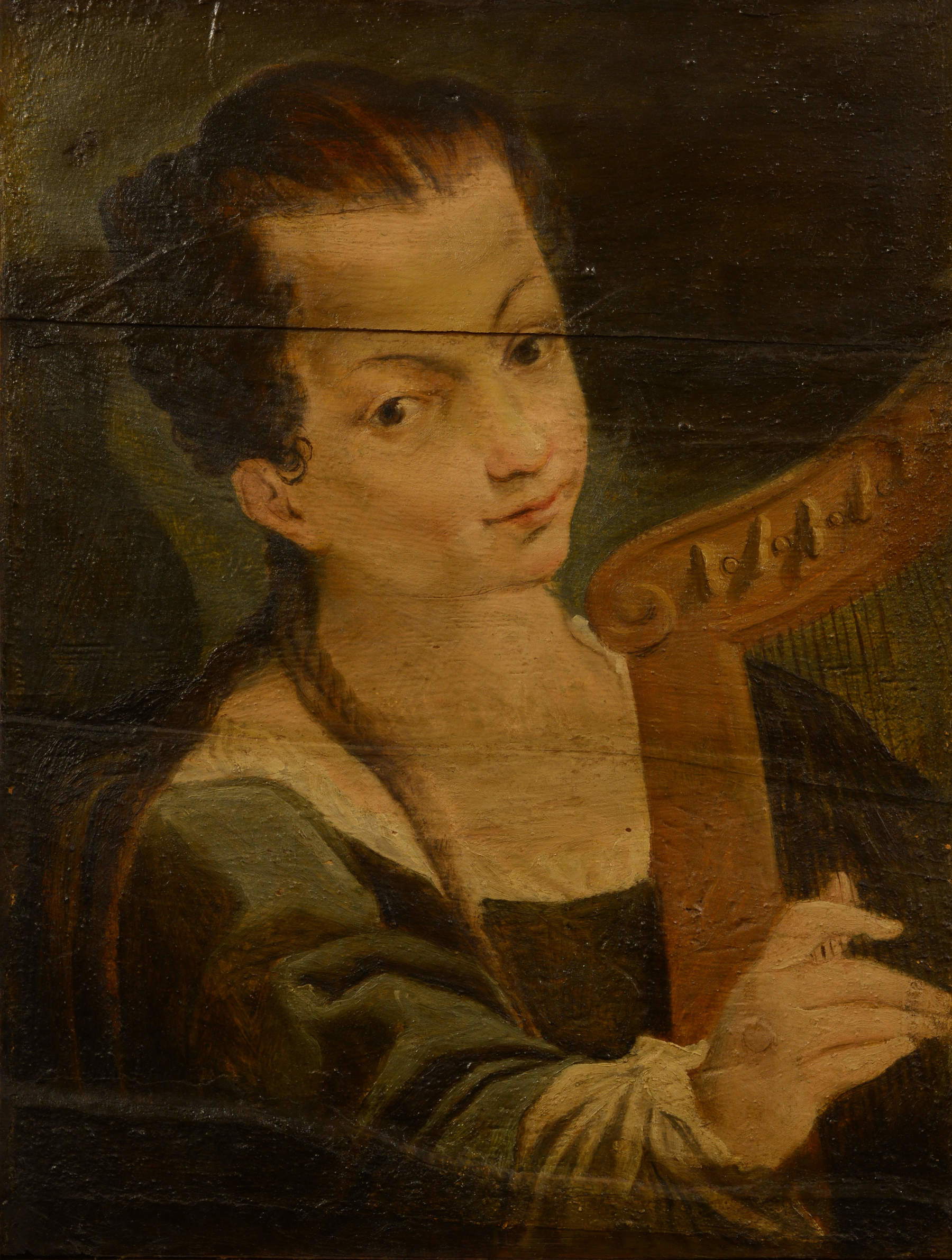
Four paintings, a wooden ceiling to be reconstructed in the imagination, and a history still partly to be explored. In Bologna, four panels attributed to the young Ludovico Carracci are temporarily returning to the Palazzo Fava complex, where they were conceived over four centuries ago. The occasion is the “Ludovico Ritrovato” project . An ongoing project by the Musici del Camerino d’Europa, presented at a press conference and dedicated to the restoration of a group of works belonging to a larger decorative ensemble created around 1583–1584. The panels, from the Hercolani Fava Simonetti collection, will undergo restoration, which the public can follow up close at the Grand Hotel Majestic “già Baglioni” through April 30, 2027.

The four works included in the project are *Apollo*, *Singer*, *Flute Player*, and *Harp Player*, which are part of the six surviving panels of a pictorial ensemble originally consisting of at least eighteen elements. The Grand Hotel Majestic, part of the Duetorrihotels Group and located within the Palazzo Fava complex, is hosting and supporting the initiative. The project builds on the building’s artistic history, which is already evident throughout the hotel: the dining room of the I Carracci restaurant features a ceiling decorated with frescoes from the Carracci school, from which the restaurant takes its name.


Curated by Luca Ciancabilla and Beatrice Buscaroli, the project is based on the principle “To understand in order to restore, to restore in order to understand”: scientific investigations guide conservation decisions, while work on the artworks allows for a deeper understanding of the techniques used, the changes they have undergone over time, and their original context.

An episode from the Carracci brothers’ early years
The history of these panels dates back to the years of the collective debut in Bologna of Ludovico, Annibale, and Agostino Carracci. Around 1583–1584, the three artists were commissioned to decorate several rooms in Palazzo Fava, marking the beginning of an experience that would leave a lasting mark on the history of Italian painting. While creating the Stories of Jason, they also worked on the wall decorations of the small Camerino d’Europa.
One of the three young painters—probably Ludovico—also worked on the room’s wooden ceiling, painting a series of figures intended to form a cycle of at least eighteen panels. An undertaking that, according to the press release, is also linked to the nickname “ragazzacci” (naughty boys) given to the Carracci brothers by their colleague Bartolomeo Passerotti. The decorative ensemble was dismantled as early as the 17th century, and today a core group of six paintings remains, preserved in the Hercolani Fava Simonetti collection. The temporary return of four of these paintings to the place for which they were conceived thus offers an opportunity to explore the history of the series and the original relationship between the paintings and the architectural space.
Research and Restoration
The conservation project is led by Camillo Tarozzi, with Sara Cuppini, Nicola Giordani, and Marco Pasqualicchio, under the scientific direction of Luca Ciancabilla. Diagnostic investigations are being conducted by the Diagnostic Laboratory of the Department of Cultural Heritage at the University of Bologna, Ravenna Campus, in collaboration with Lumière Technology.
The project also draws on a multidisciplinary scientific committee composed of Alessandro Brogi, Beatrice Buscaroli, Luca Ciancabilla, Michele Danieli, Luigi Ficacci, Luigi Gallo, Simone Gheduzzi, Angelo Mazza, Chiara Matteucci, Raffaella Morselli, and Mariangela Vandini. The project is being carried out under the close supervision of the relevant Superintendence of Archaeology, Fine Arts, and Landscape.
The restoration site will be open to visitors, who will be able to observe the various stages of the work: from the analysis of the painted surface to the study of materials, and on to the operations necessary for the conservation of the works. The initiative thus aims to highlight the research activities and technical expertise involved in a restoration project.
Tours, talks, and presentations of the restored works
The public program includes tours of the workshop, scheduled for November 18 and 25, December 2, 9, 16, and 23, 2026, and January 6, 13, 20, and 27, 2027. There will be two sessions: from 6:00 p.m. to 6:30 p.m. and from 6:30 p.m. to 7:00 p.m. Reservations are required.
From January through April 2027, there will also be a series of cultural events and talks dedicated to the history, context, and artistic value of the Musici, featuring experts. The schedule will be published on the Grand Hotel Majestic website. During Art City, on February 5 and 6, 2027, there will also be two days of guided tours by reservation, during which visitors can learn about the works and their restoration process.
The project is scheduled to conclude on May 5 and 6, 2027, with the presentation of the restored paintings and a potential exhibition in the Camerino d’Europa. Any exhibition design will be overseen by architect Simone Gheduzzi of diverserighestudio. Also planned is the publication of a scholarly volume by Minerva, intended to document the results of the conservation work and research.
The project is supported and hosted by the Grand Hotel Majestic “formerly Baglioni,” part of the Duetorrihotels Group, while the works are on loan from the Hercolani Fava Simonetti Collection.
 |
| In Bologna, four paintings by the Carracci are returning to Palazzo Fava for a restoration open to the public |
Warning: the translation into English of the original Italian article was created using automatic tools. We undertake to review all articles, but we do not guarantee the total absence of inaccuracies in the translation due to the program. You can find the original by clicking on the ITA button. If you find any mistake,please contact us.