





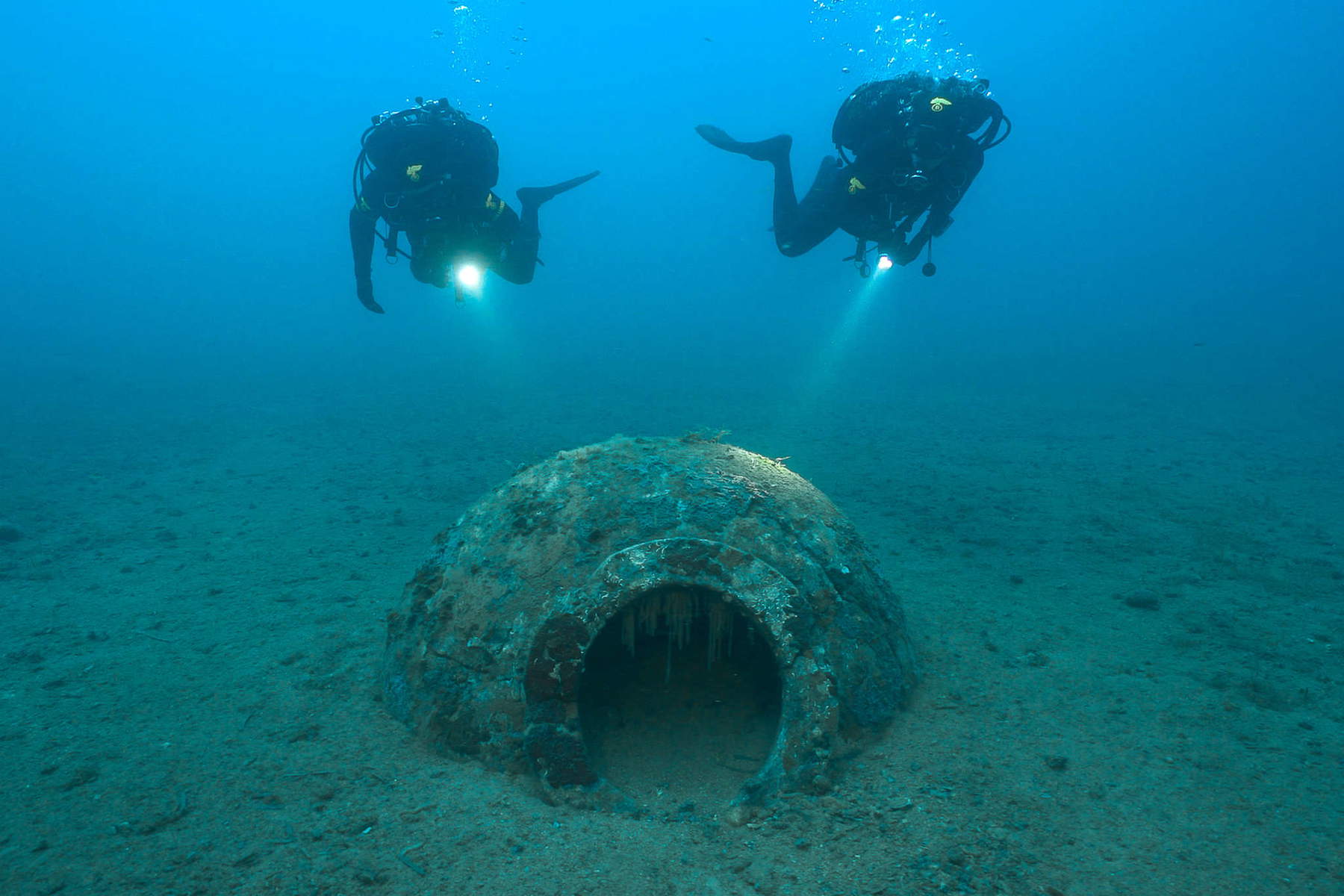
The seabedoff the coast of Elba continues to yield valuable artifacts from the past, spanning centuries along the trade routes of the Tyrrhenian Sea. A dolium—a large container—from the Roman era, and a possible shipwreck, the latter still under study and not yet datable with certainty, are the two new archaeological finds identified on the seabedof the Tuscan Archipelago during monitoring activities of the underwater archaeological heritage promoted by the Superintendence of Archaeology, Fine Arts, and Landscape for the provinces of Pisa and Livorno. The operations were conducted in collaboration with the Carabinieri Cultural Heritage Protection Unit in Florence and the Carabinieri Underwater Unit in Genoa, in a joint effort that combines the scientific expertise of the Superintendency with the operational and investigative skills of the Carabinieri, who specialize in the protection of cultural heritage.
Superintendent Valerio Tesi commented on the discovery, emphasizing the extraordinary value of this stretch of sea for Italy’s archaeological heritage. “The waters of the Tuscan Archipelago,” he stated, “are an exceptional repository of archaeological treasures, and these new discoveries once again confirm their value. These results are the fruit of the long-standing collaboration between the Superintendency and the Carabinieri, in particular with the Cultural Heritage Protection Unit in Florence and the Diving Unit in Genoa, as well as the commitment of archaeologist Gloriana Pace, who is developing a valuable partnership with diving centers to actively involve them in the protection of a heritage that is as rich as it is fragile.”
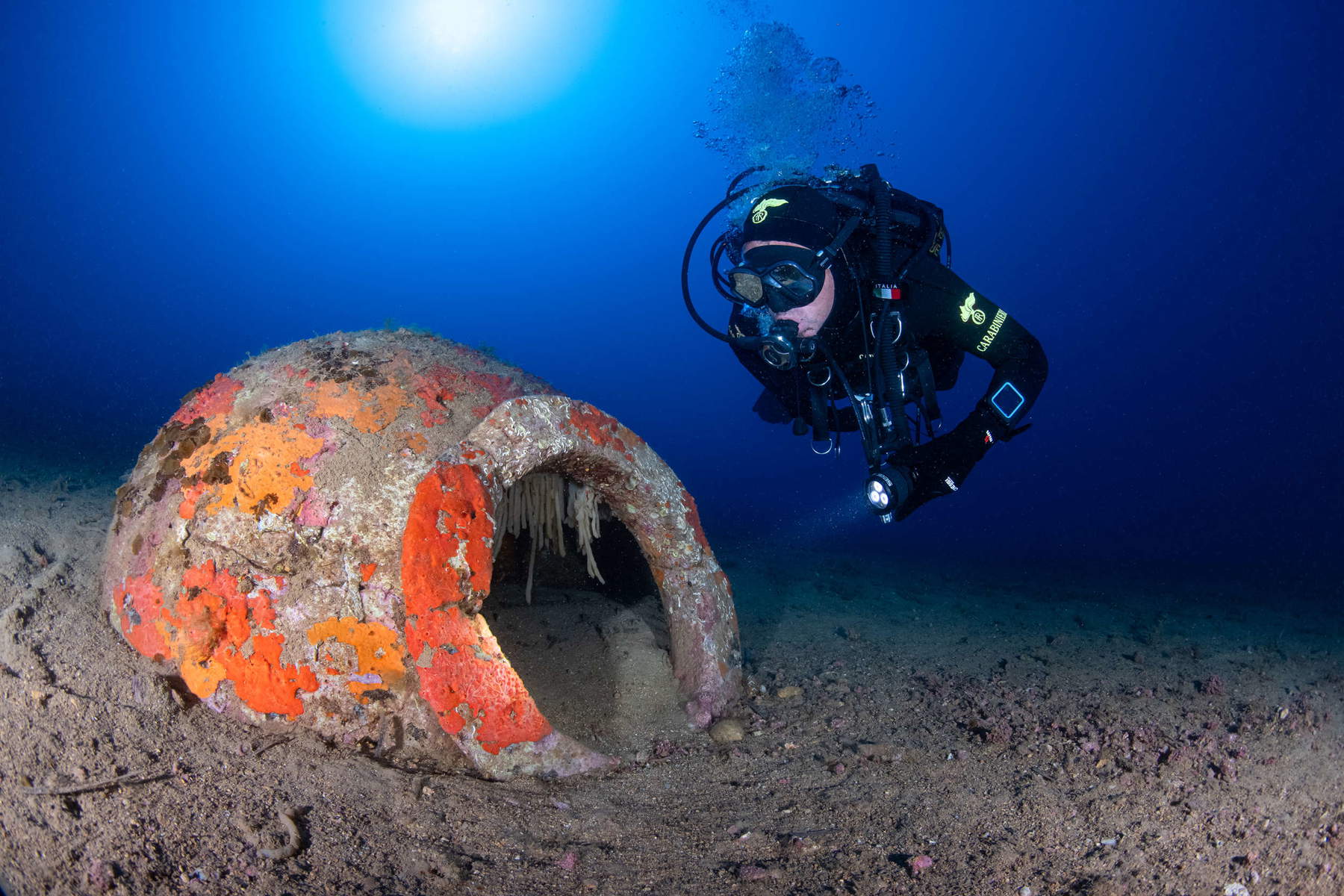
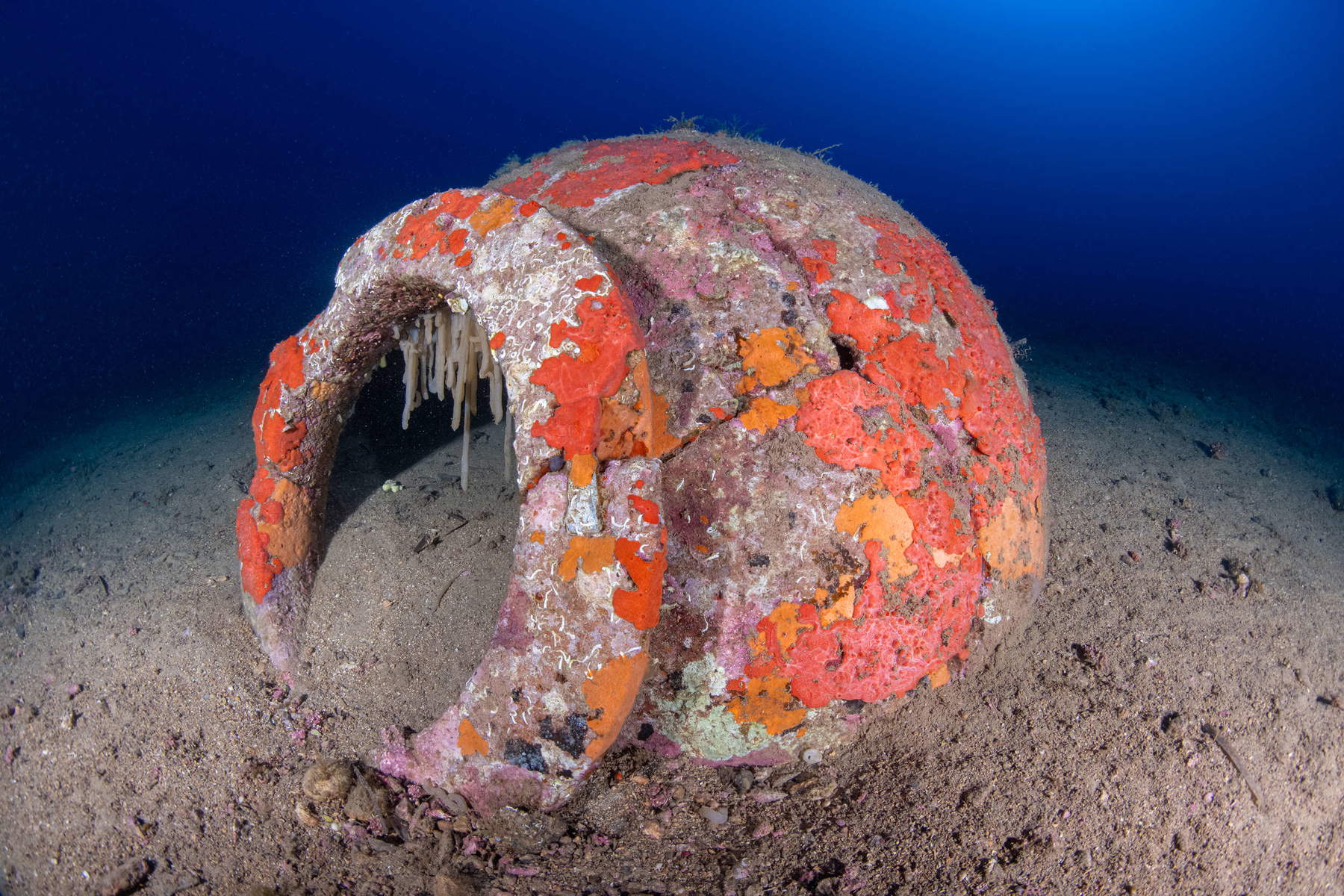
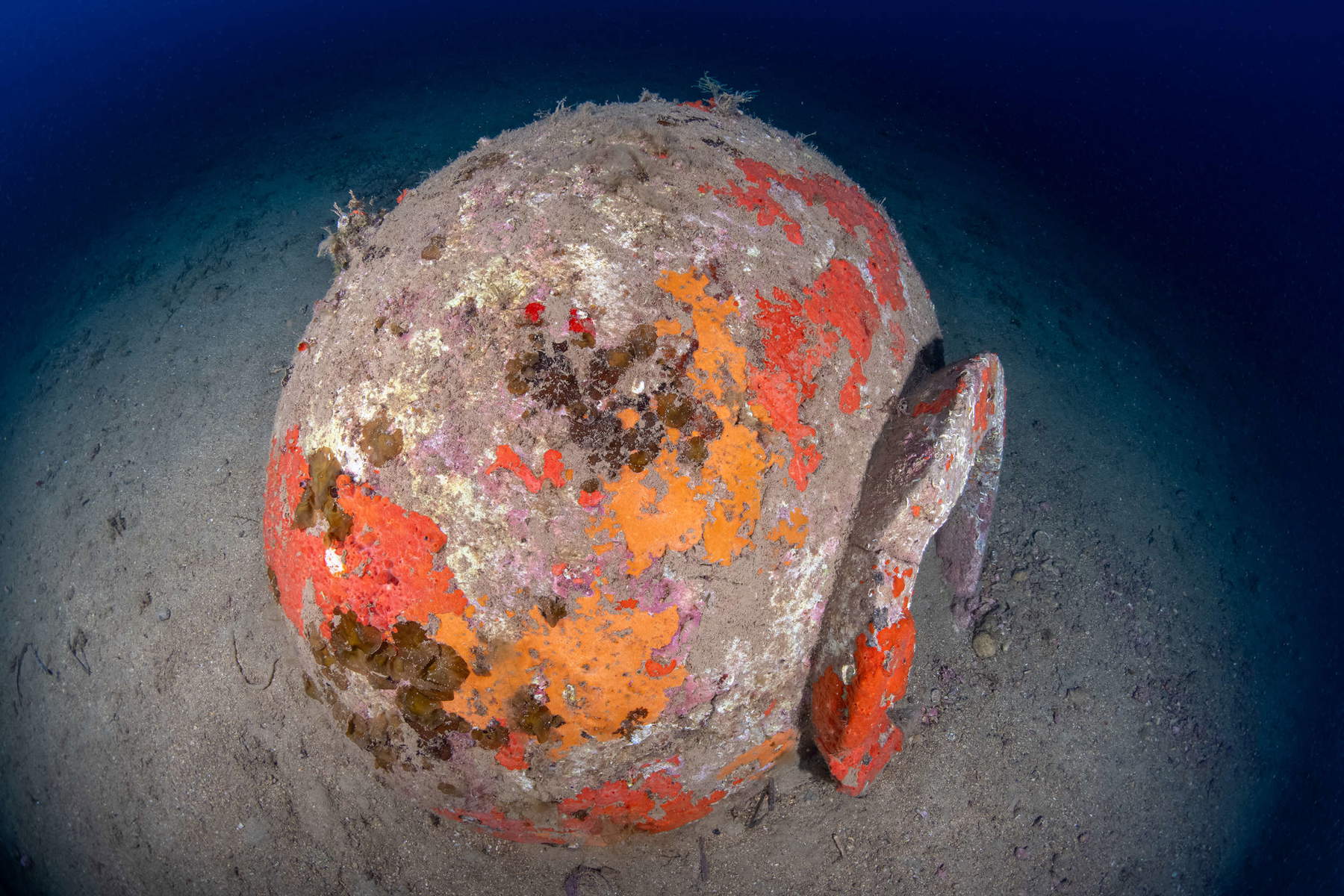
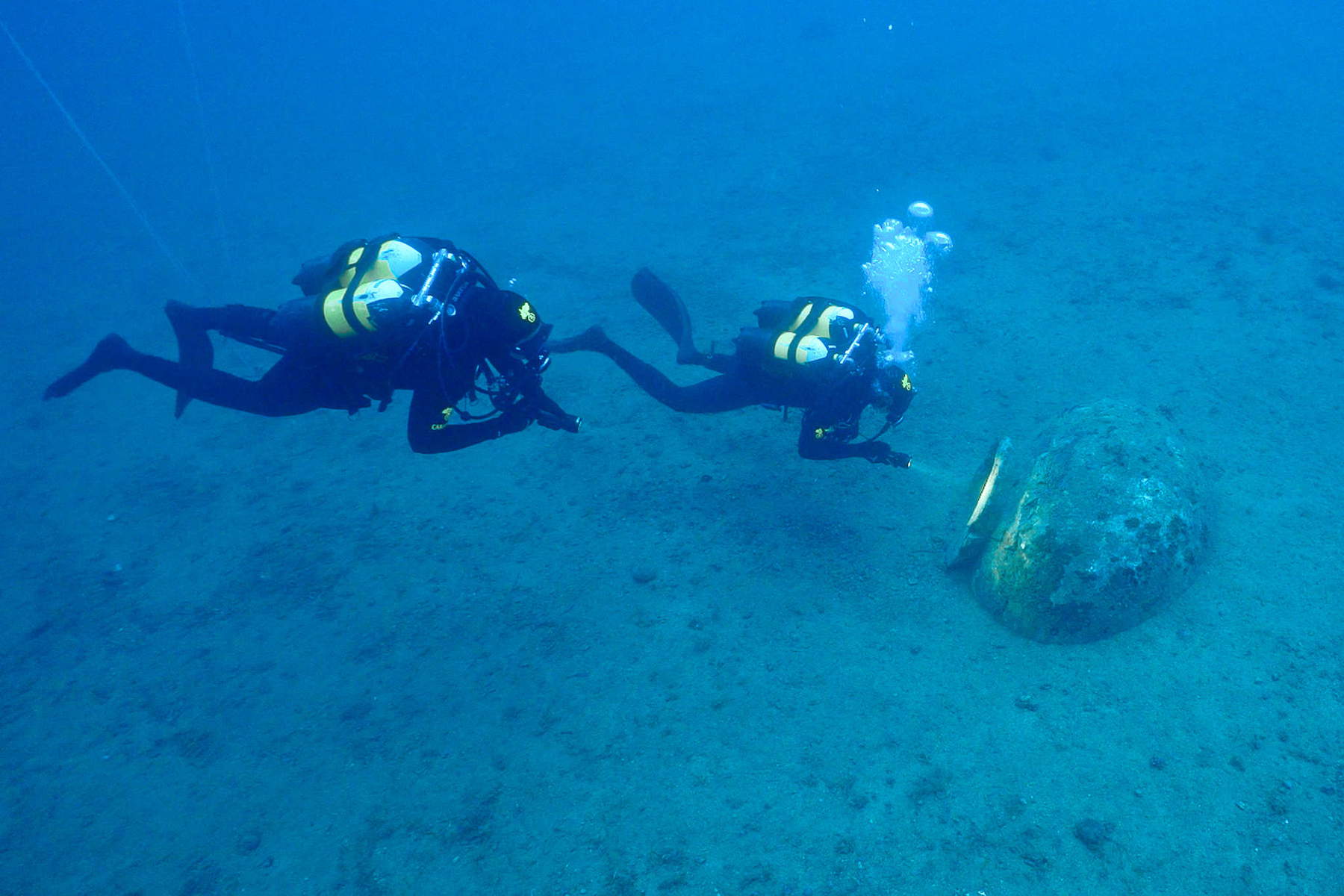
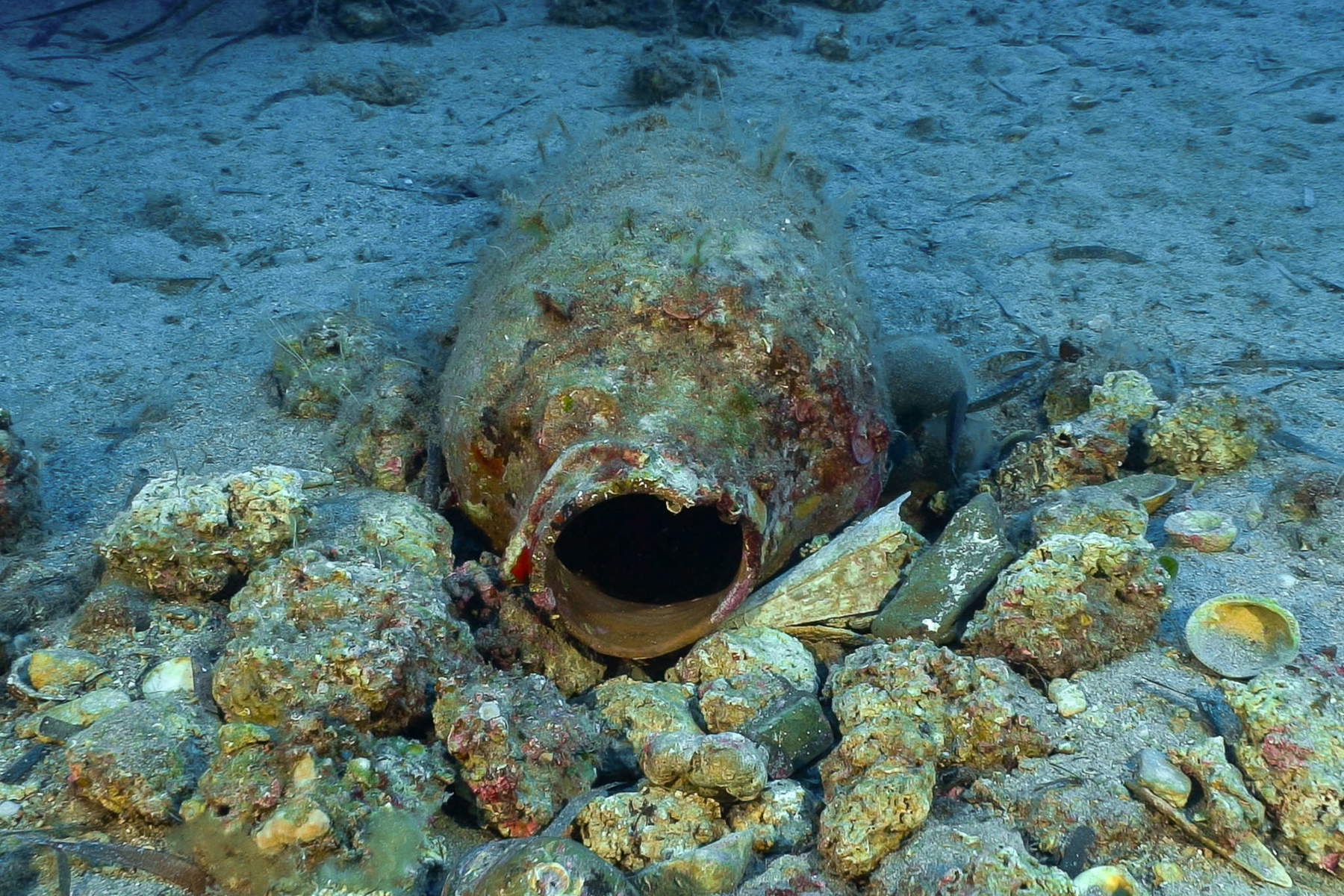
The activities that led to the identification of these two new archaeological finds began in May 2026 and focus on the waters falling within the Superintendency’s territorial jurisdiction, with particular reference to the stretch of sea between the Piombino Channel and the islands that make up the Tuscan Archipelago, an area of extraordinary historical importance because it has been traversed since antiquity by the main trade routes of the western Mediterranean. The work carried out in recent weeks is part of a broader conservation program designed not only to identify new sites but also to assess the state of preservation of previously known and surveyed submerged sites.
Among the program’s objectives is the systematic verification of the locations of artifacts already identified in previous years—a crucial step to ensure that archaeological assets have not been displaced by ocean currents, seabed erosion, or, in the most serious cases, unauthorized interventions. Alongside this verification work, the program also includesupdating the cartographic documentationrelated to the area’s underwater sites—an indispensable tool for the proper management and protection of submerged heritage over time—as well as verifying new reports received by the Superintendency, often thanks to the collaboration of divers, fishermen, and diving industry professionals who regularly visit these waters. According to the Superintendency itself, these combined efforts have made it possible to significantly expand our understanding of the underwater archaeological heritage of the entire Tuscan Archipelago.
Among the most significant results achieved during this first monitoring phase is undoubtedly, as mentioned earlier, the discovery of a dolium—a large terracotta container widely used in the ancient world for the transport and storage of foodstuffs, particularly wine, oil, and grains—products that formed the core of maritime trade in the Mediterranean during the Roman era. Given its technical characteristics and the context in which it was found, the artifact discovered on the seabed off Elba is likely associated with one of the so-called“dolium ships ,” a specific type of merchant vessel used between the 1st century BCE and the 1st century CE to transport bulk wine along the main trade routes crossing the Tyrrhenian Sea. Dolia ships represent a particularly interesting type of vessel from a historical and archaeological perspective, as they differed from the more common cargo ships that transported wine in amphorae: in fact, large fixed containers—the dolia—were installed on board these vessels, allowing for the transport of much larger quantities of liquid than the traditional amphora-based system, thereby optimizing cargo capacity and reducing transportation costs over long distances.
The second discovery announced by the Superintendency, on the other hand, concerns a presumed shipwreck, identified during the same underwater survey activities. It is a structure approximately five meters long and two meters wide; its dimensions suggest a vessel of modest proportions compared to the large commercial ships of antiquity. The wreck is now almost completely covered in mucilage, a phenomenon that has increasingly affected the waters of the Mediterranean in recent years and which, in this case, severely limits the ability of underwater archaeologists to directly observe the submerged structure.
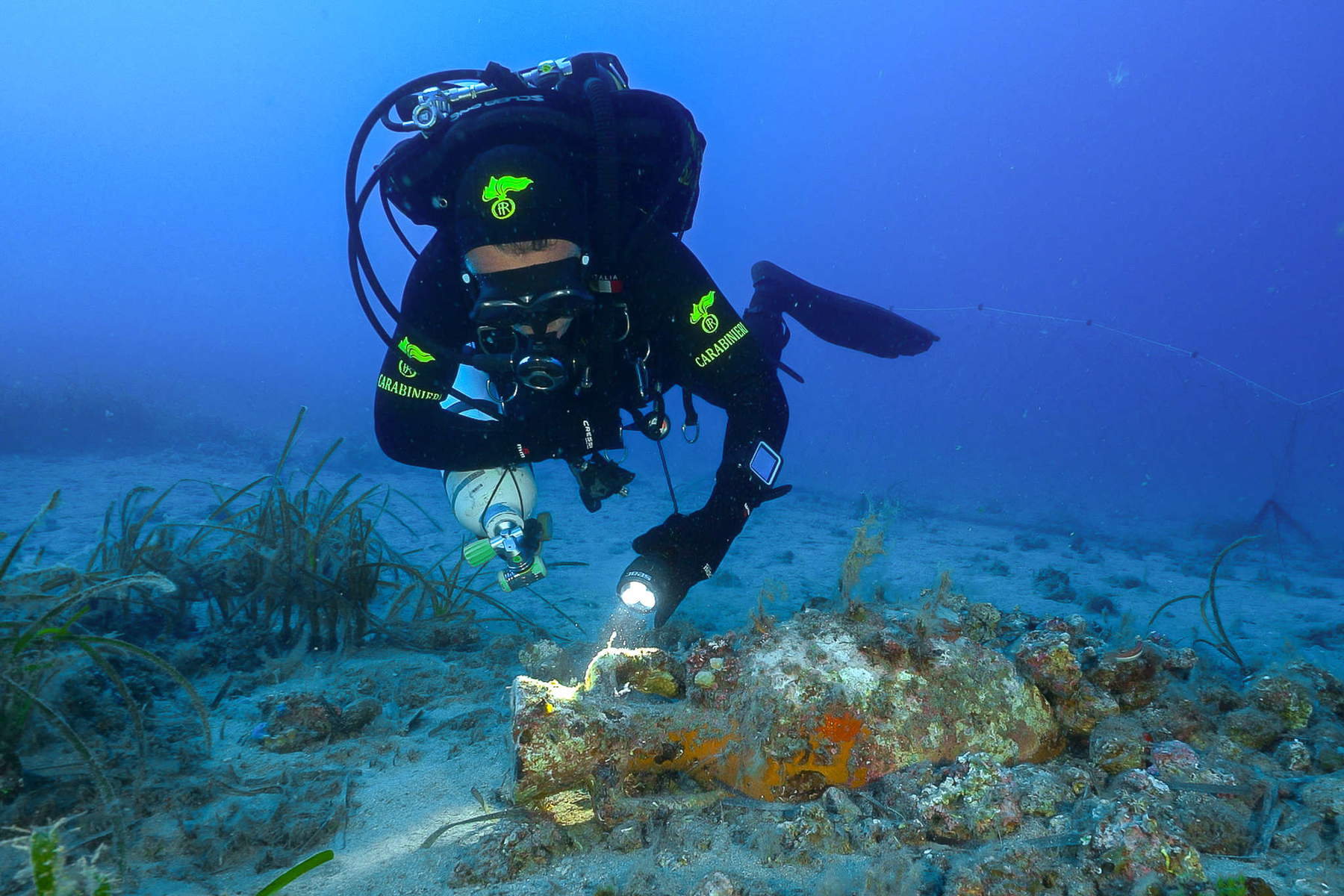
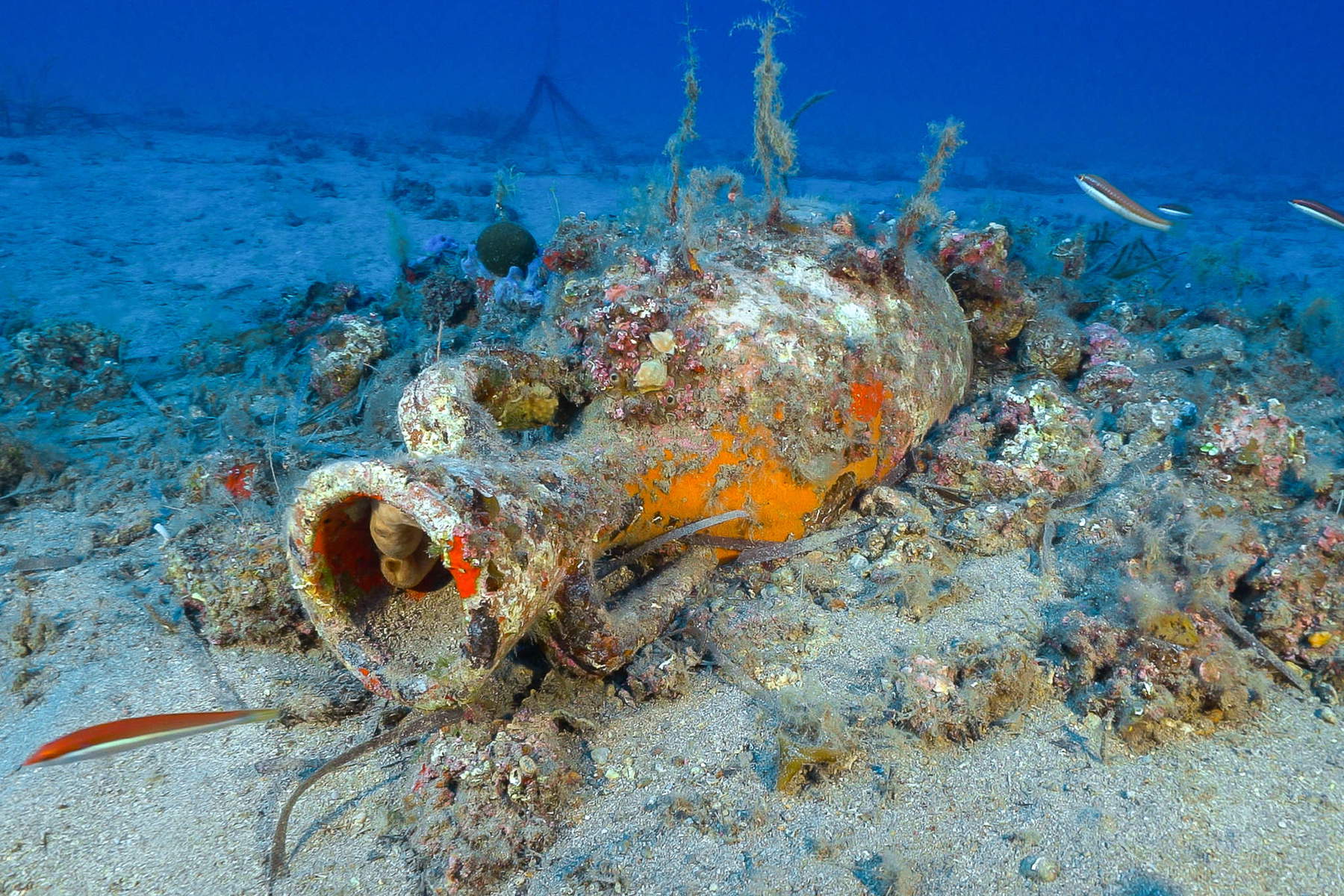
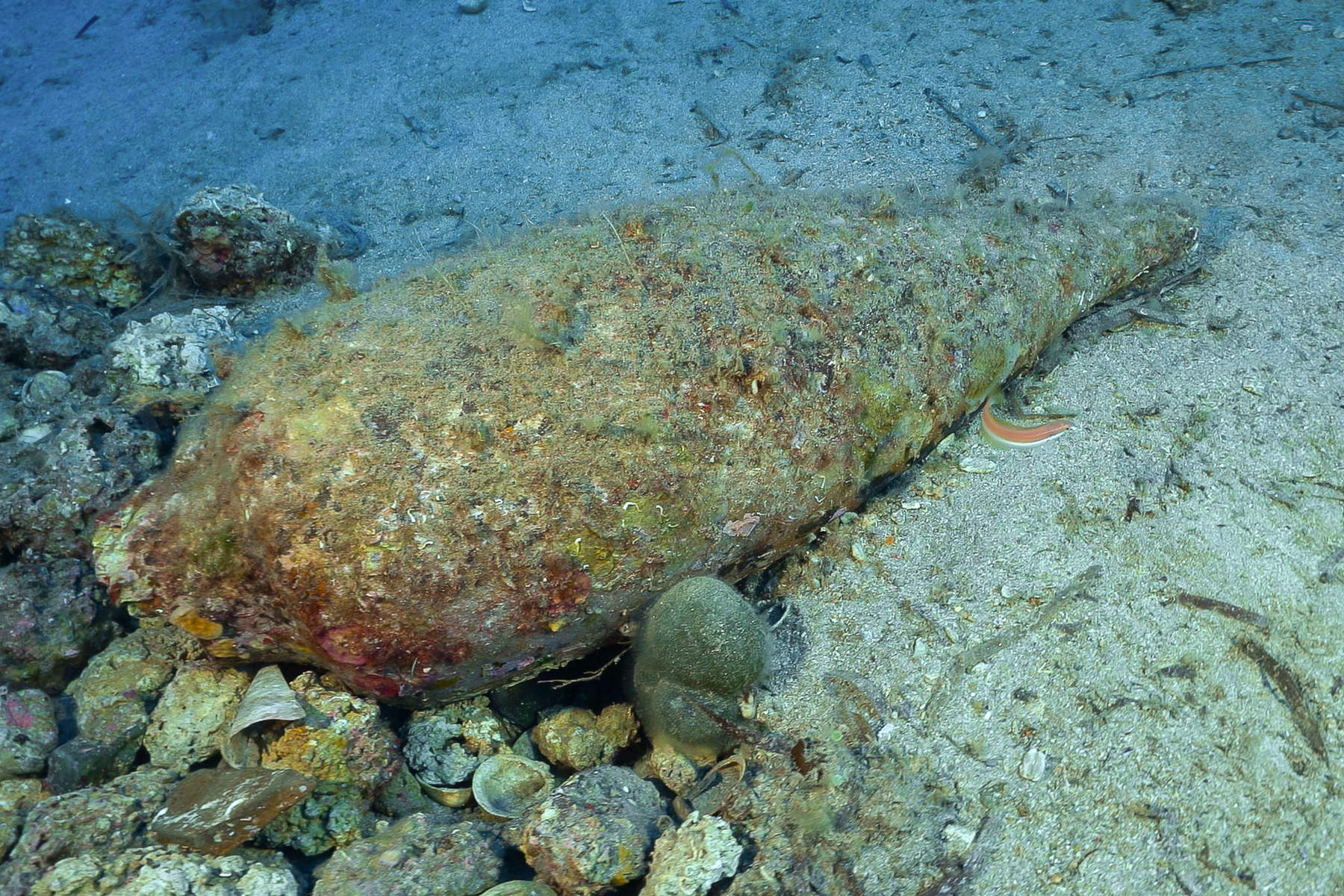
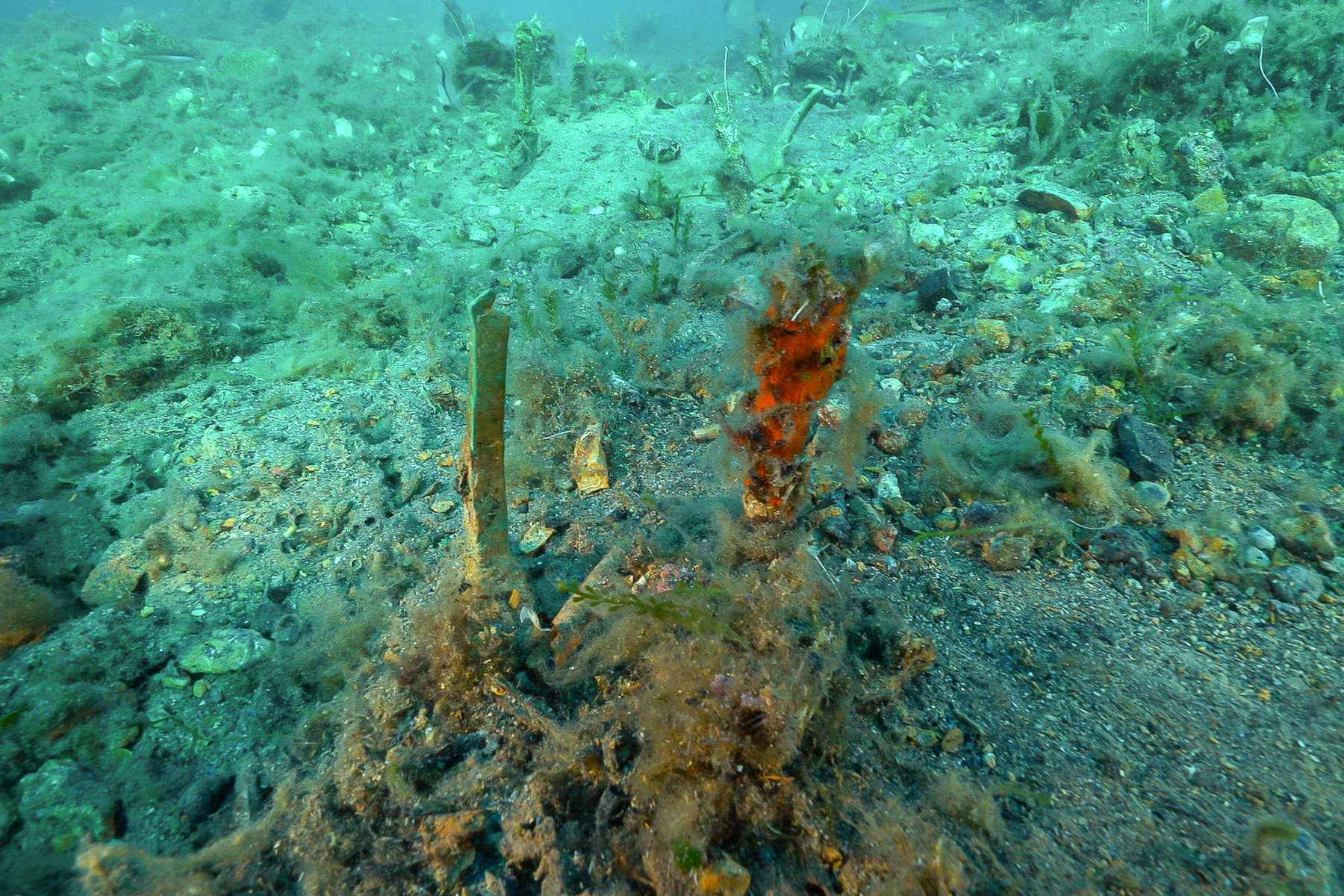
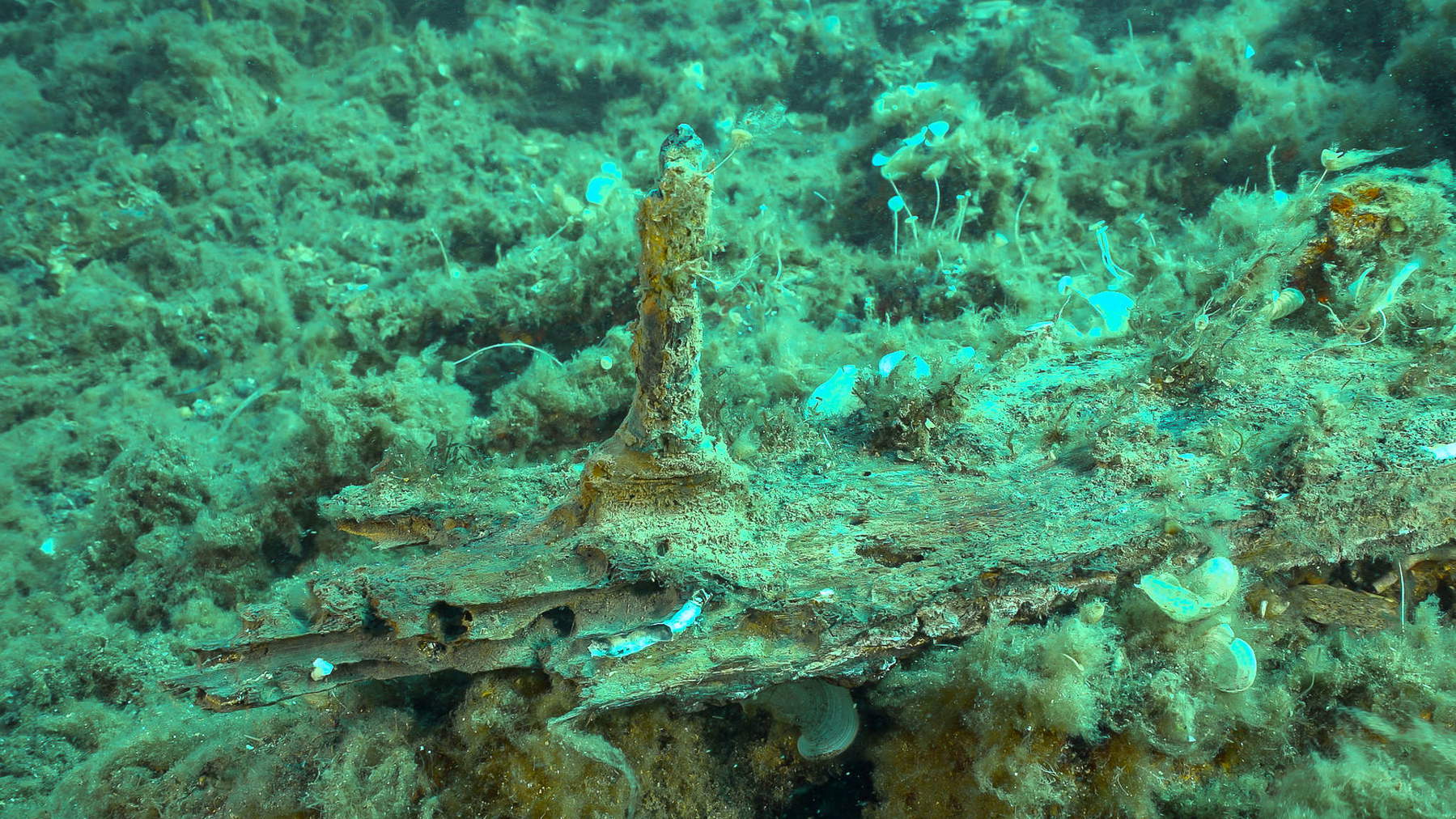
Despite these difficulties, surveys conducted in recent months have nevertheless made it possible to identify several significant elements of the structure, including remains of the planking—that is, the outer covering of the hull— several wooden structural elements attributable to the vessel’s original construction, and numerous bronze nails, likely used to assemble the wooden parts of the hull. However, the site’s state of preservation does not currently allow researchers to establish a definitive date for the archaeological context; according to initial assessments by scholars, it could fall within a rather broad chronological range, spanning from late antiquity to the Middle Ages, a historical period that, as far as evidence from naval archaeology is concerned, remains relatively underdocumented compared to other eras.
As emphasized by the ABAP Superintendency of Pisa and Livorno, the new evidence identified on the seabed off Elba confirms the high archaeological potential of the entire Tuscan archipelago and, at the same time, reaffirms the strategic importance of systematic monitoring activities for the protection, scientific research, and cultural enhancement of the submerged heritage that characterizes these waters.
To further deepen our understanding of the identified site, the Superintendency has already scheduled a second underwater survey campaign for the fall of 2026, during which exploratory archaeological tests will be conducted to clarify more precisely the nature, chronology, and structural characteristics of the wreck discovered in recent weeks.
In addition to planning the new excavation campaign, the Superintendency has also expressed its intention to involve, as soon as possible, the National Superintendency for Underwater Cultural Heritage, the body responsible at the national level for the protection of submerged archaeological heritage, in site inspections specifically dedicated to wrecks located at medium and great depths in the waters of the Tuscan Archipelago.
|
| A Roman dolium and a possible shipwreck have been discovered on the seabed off the coast of Elba Island |

Warning: the translation into English of the original Italian article was created using automatic tools. We undertake to review all articles, but we do not guarantee the total absence of inaccuracies in the translation due to the program. You can find the original by clicking on the ITA button. If you find any mistake,please contact us.
























 IT
IT FR
FR DE
DE ES
ES CN
CN


