





On a farm field near Wesseling, Germany, a treasure hunter equipped with a metal detector discovered a hoard consisting of hundreds of Roman silver coins. The news was reported by the LVR-Amt für Bodendenkmalpflege im Rheinland (LVR-ABR) — the LVR Office for the Preservation of Archaeological Monuments in the Rhineland—which, after being immediately notified of the discovery, conducted subsequent archaeological investigations in the area, recovering a total of 934 Roman denarii. This is the largest coin hoard from the time of Emperor Hadrian found to date in Germany.
The discovery was made by Oliver Riedl during an authorized search. After recovering the first 15 coins, the metal detector continued to signal the presence of material in the ground. The LVR-ABR’s Nideggen branch office then intervened and began excavations. Archaeologists identified a concentration of coins far greater than expected: 934 denarii weighing a total of 3.1 kilograms of silver.
“It was clear to me that there was something more substantial in the ground. So I immediately notified the office,” says Riedl.
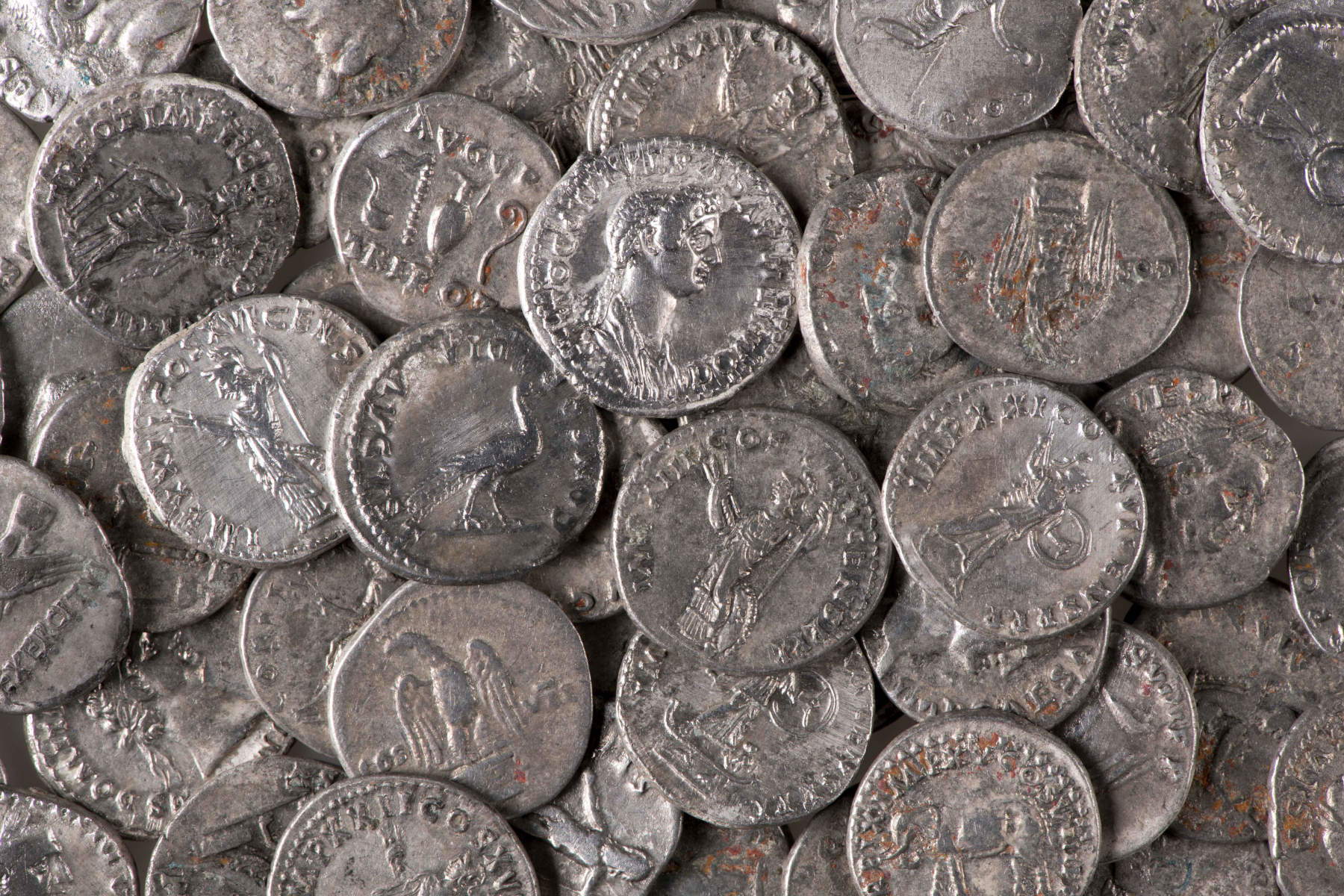
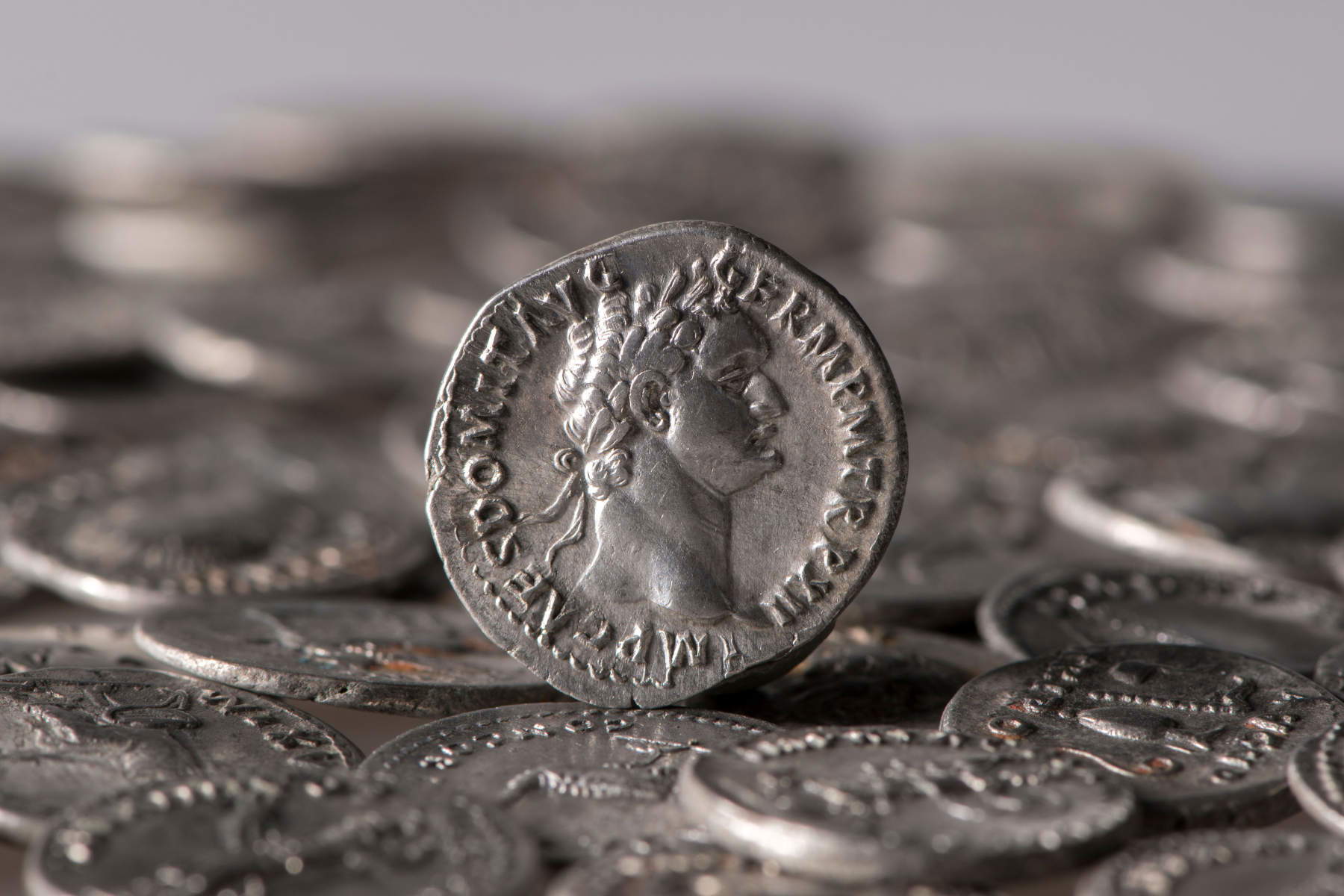
The most recent coin was minted in 124/125 AD, which places the hoarding of the treasure during the reign of Hadrian, emperor from 117 to 138 AD. Most of the denarii, however, date from the period of the Flavian emperors, between 69 and 96 A.D. The oldest coin, on the other hand, dates from the Roman Republic and was minted in 148 B.C.: at the time of its discovery, it was therefore more than 270 years old but was still legal tender. It is possible that the hoard was assembled around A.D. 100 and buried only later, during Hadrian’s reign. The exact value of the hoard in ancient times is difficult to determine. One possible benchmark is the pay of Roman legionaries, as documented in written sources. It is not known, however, who accumulated the hoard: it may have been someone living on one of the Roman farms in the area.
The significance of the discovery is also linked to the methods used for its recovery and documentation. To allow for a more thorough study, the deposit was excavated as a single block and transferred to the restoration laboratory of the LVR-Landesmuseum Bonn, where the block of earth was X-rayed before the coins were removed. The examination also revealed fragments of a ceramic vessel and remnants of straw. However, years of agricultural activity had destroyed the container, scattering the coins throughout the soil.
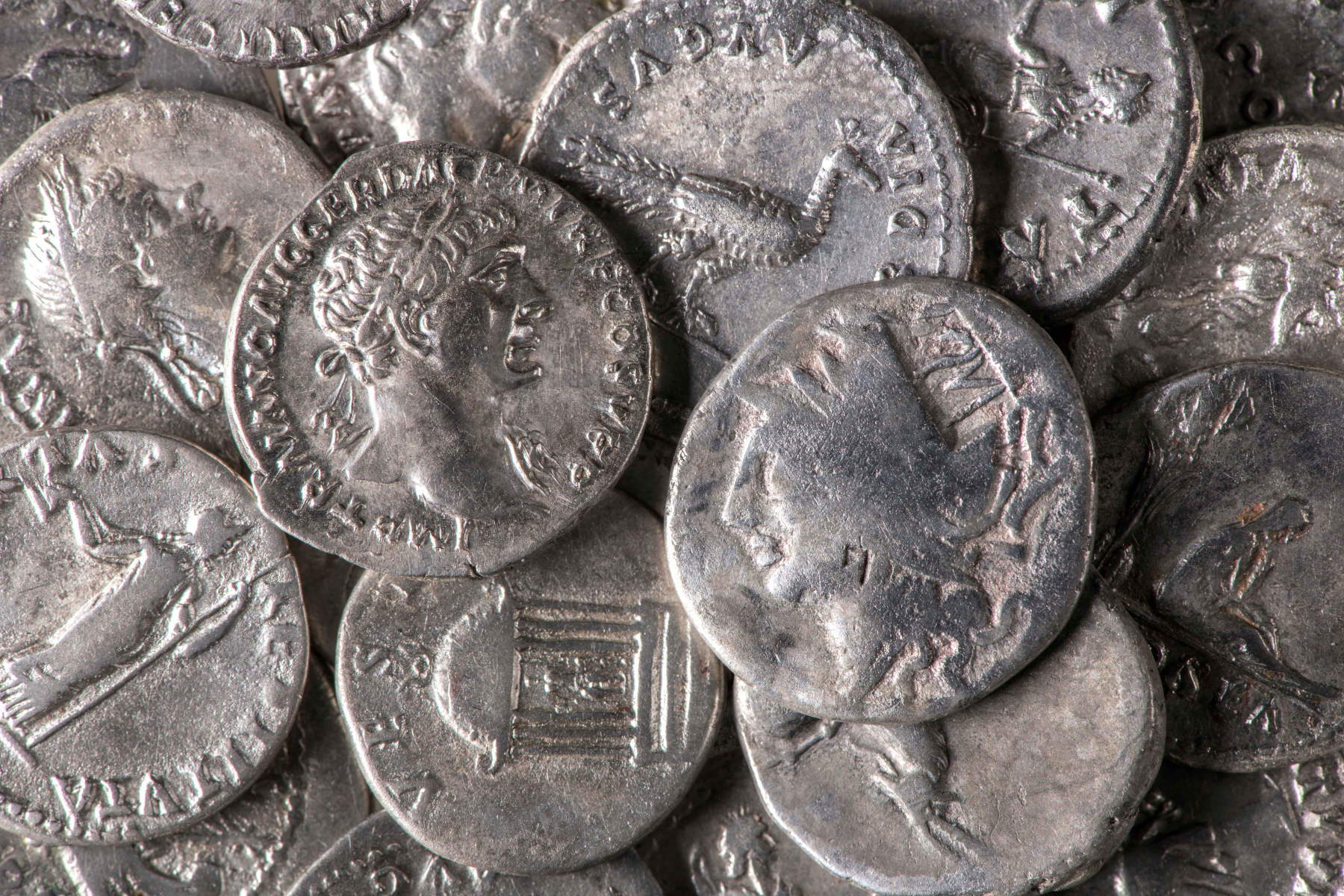
The hoard is now being presented to the public for the first time at the LVR-Landesmuseum Bonn, after also being showcased to the scientific community during the annual meeting of the West- und Süddeutscher Verband für Altertumsforschung (Association for Archaeological Research in Western and Southern Germany), which brought together approximately 300 archaeologists from all over Germany in Bonn.
In North Rhine-Westphalia, metal detector searches require authorization from the monument protection authorities, the consent of landowners, and training organized by the relevant agencies, such as the LVR-ABR. Under regional monument protection regulations, the treasure is now the property of the state of North Rhine-Westphalia. Since the finder acted in accordance with the rules and promptly notified the authorities, he will receive a reward from the Ministry of Regional Affairs, Municipalities, Housing, and Digitalization of the State of North Rhine-Westphalia.
“This is therefore the largest coin hoard from this period ever found in Germany, and the fifth largest worldwide,” explains Erich Claßen, regional archaeologist and director of the LVR-ABR. “Of course, we can only speculate about the motives, but it is very likely that someone wanted to put the money in a safe place. After all, banks did not yet exist at that time. It is possible that the owner died before being able to inform others of the coins’ existence. Mr. Riedl behaved in a truly exemplary manner. Thanks to his prudence, we were able to recover the hoard professionally and in its entirety.”
“At the time, a rank-and-file legionary earned 300 denarii a year. However, about half of that was withheld for food and equipment,” explains Rahel Otte, a research associate at the LVR-ABR who studied the coins. “A legionary would therefore have had to save all the money he had for about six years to amass the Wesseling hoard. The coins were likely originally buried in a pot lined with straw. Nevertheless, we were able to locate and recover all the coins during our investigation.”
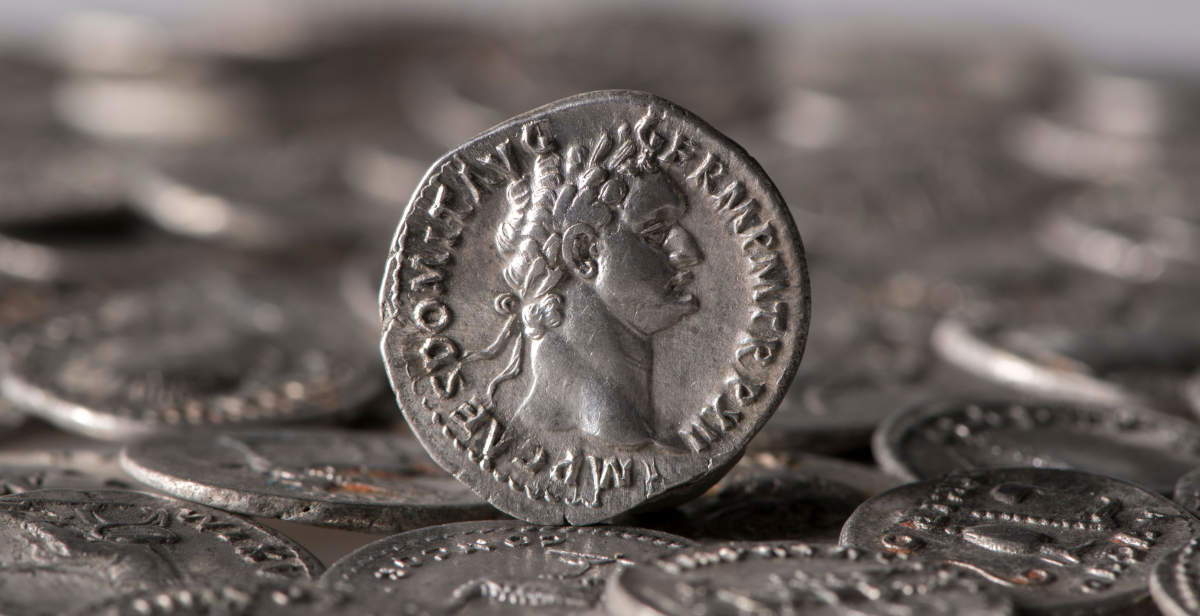 |
| Over 900 Roman denarii discovered near Wesseling: it is the largest Hadrian treasure in Germany |

Warning: the translation into English of the original Italian article was created using automatic tools. We undertake to review all articles, but we do not guarantee the total absence of inaccuracies in the translation due to the program. You can find the original by clicking on the ITA button. If you find any mistake,please contact us.




























 IT
IT FR
FR DE
DE ES
ES CN
CN


