





In Venice, Palazzo Grassi is presenting the fifth edition of its film series, curated by Dominique Païni. Titled “Faraway Cinema,” the new screening series will take place from October 14 to December 2, 2026, every Wednesday at 6:30 p.m., bringing eight films from Africa, the Americas, and Asia to the Teatrino at Palazzo Grassi. The program is designed to complement the exhibitions currently on view at Palazzo Grassi and Punta della Dogana, creating a dialogue between the history of cinema and contemporary film production and the work of artists Lorna Simpson, Michael Armitage, Paulo Nazareth, and Amar Kanwar.
The screenings will take place at the Teatrino di Palazzo Grassi, located at San Marco 3260, next to Palazzo Grassi. Admission is free while seats last. The series kicks off on October 14 with *Shadows* by John Cassavetes and continues on October 21 with *Imitation of Life* by Douglas Sirk, on October 28 with *I’m Still Here* by Walter Salles, on November 4 with *Black God,* White Devil by Glauber Rocha, on November 11 with *Ta’ang* by Wang Bing, on November 18 with *Santosh* by Sandhya Suri, on November 25 with *La Noire de…* by Ousmane Sembène, and concludes on December 2 with *Rafiki* by Wanuri Kahiu.
This cinematic journey has been designed to draw parallels with the works and themes explored by the artists featured in the Pinault Collection’s exhibitions. The program spans different eras, geographies, and cinematic languages, bringing together films made over the course of nearly seventy years—from 1959’s *Shadows* and *Imitation of Life* to 2024’s *I’m Still Here * and *Santosh*. The connection to the exhibitions is therefore not limited to the films’ geographical origins but also encompasses themes such as identity, discrimination, memory, colonialism, political repression, migration, conflicts, and social transformations.
The first screening, on October 14, is dedicated to John Cassavetes’ *Shadows* (1959, 87 min.). Set in New York in the late 1950s, the film follows the lives of three young African Americans and was born out of the experience of improvisation—an element the director himself identified as central to the filmmaking process. The strong influence of jazz music contributes to a cinematic form in which fiction and real life overlap, foreshadowing some of the transformations that would come to shape contemporary cinema. The film is linked to the work of Lorna Simpson, particularly her photographic collages, in which the figures of the characters and the interruptions in the images echo Cassavetes’s editing techniques.
On October 21, Douglas Sirk’s *Imitation of Life* (1959, 125’) will be screened, a Hollywood melodrama that addresses racism, discrimination, and issues of identity through the story of a Black woman who works as a nanny and housekeeper for an actress, and that of her daughter, who is forced to confront the humiliation associated with her status as a mixed-race person. The film’s visual style—characterized by Technicolor and studio-recreated urban sets—contrasts with the harshness of the social dynamics depicted. This film is also linked to the work of Lorna Simpson, particularly in its exploration of the intermingling of identities and human experiences.
The program then moves to Brazil. On October 28, the spotlight will be on Walter Salles’s *I’m Still Here* (2024, 137’), a film that spans fifty years of Brazilian social and political history through the story of a family affected by the military dictatorship. At the heart of the story is the search for the father, who was abducted by the political police—an episode inspired by real events. The private story thus becomes the starting point for a narrative in which individual and collective memory intertwine, while repression and disappearances are reconstructed through the traces left in daily life and popular music. The musical numbers help mark the different eras covered by the film and accentuate the tragic dimension of torture and disappearances, giving shape to what the program describes as a “musical documentary.”
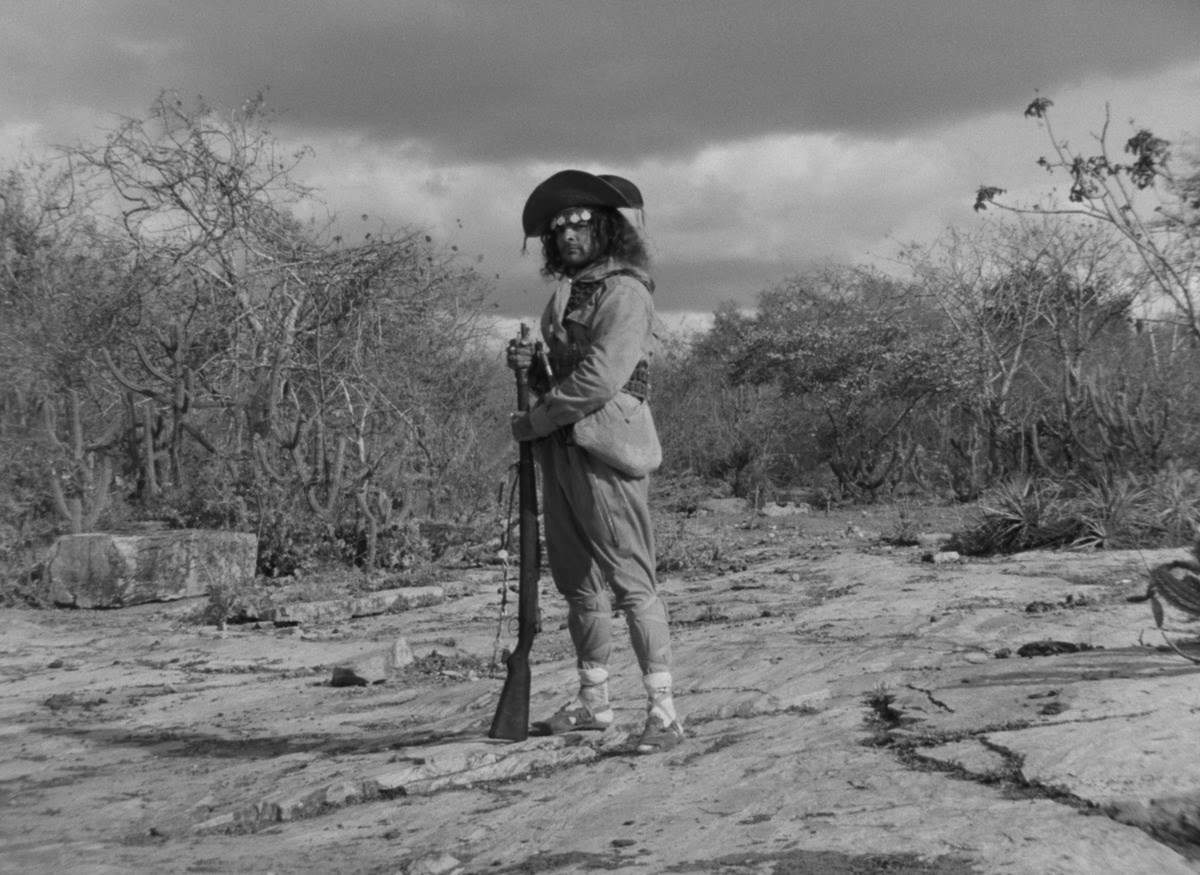
On November 4, the program returns to Brazilian cinema with Black God, White Devil (1964, 120’) by Glauber Rocha, considered one of the seminal works of Cinema Novo. Set in northeastern Brazil, the film tells the story of a starving population that reacts to a hopeless situation through violence, mysticism, and despair. The arid, scorched landscape serves as the backdrop for a story populated by legendary figures and rituals, in which the political dimension overlaps with the mythical and visionary. The film is compared to the work of Paulo Nazareth for the way in which uprisings, spells, and improvised rituals coexist with elements of humor and magic.
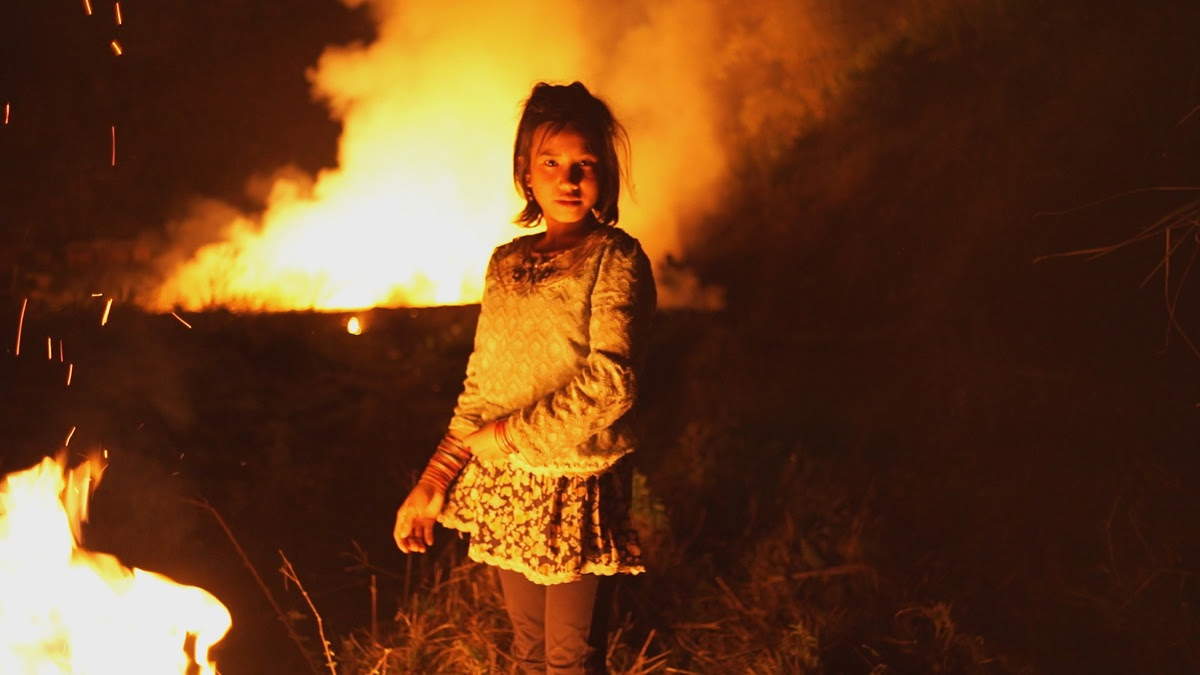
On November 11, Faraway Cinema continues in Asia with *Ta’ang* (2016, 148’) by Wang Bing. The documentary follows the flight of a community belonging to the Ta’ang ethnic minority from the Kokang region in Myanmar, on the border with China. Children, women, and the elderly cross the mountains in search of refuge, while the director joins the exodus and directly accompanies the community through their experience of exile and precariousness. Wang Bing’s documentary style transforms the refugees’ journey into a cinematic experience marked by intense tension, focusing on the human dimension of contemporary conflicts.
The screening is linked to the work of Amar Kanwar, who, throughout his artistic practice, has paid particular attention to the consequences of humanitarian catastrophes and the conditions of survival for communities affected by conflict and violence. The relationship between image, testimony, and political reality continues in the next event on November 18, when Sandhya Suri’s *Santosh* (2024, 128’) will be screened.
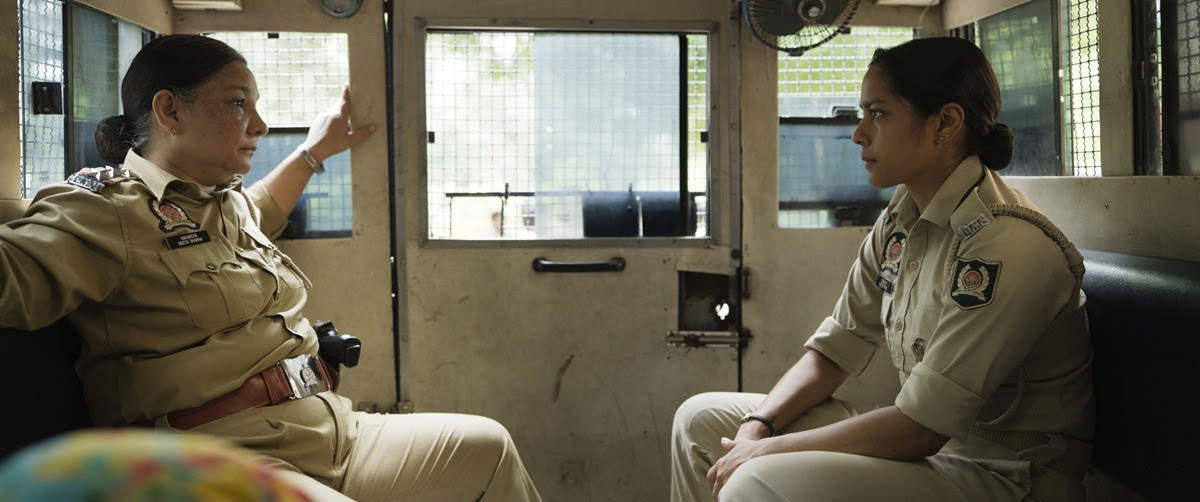
Set in contemporary India, *Santosh* follows a police investigation led by two women. Through a fast-paced narrative, the film addresses issues related to social inequalities, misogyny, generational conflicts, and power structures. The focus on social reality and the documentary component of the narrative are the elements that bring Suri’s work closer to the research of Amar Kanwar, who is also interested in the relationship between images, testimony, and political reality.
The last two screenings in the series, on the other hand, are linked to the work of Michael Armitage. On November 25, the festival will screen *La Noire de…* (1966, 65 min.) by Ousmane Sembène, a Senegalese writer and filmmaker considered one of the leading figures in the birth of contemporary African cinema. Sembène, who had been committed since his youth to the struggle for political independence and the autonomy of African states, tells the story of a young Senegalese woman who moves to France to work as a domestic worker.
In this new context, the protagonist is gradually stripped of her dignity and identity. Her personal story thus becomes the vehicle through which the director addresses the consequences of colonialism, exploitation, and exile. These are themes that the program connects to Michael Armitage’s work and his engagement with the memory of slavery and colonial history.
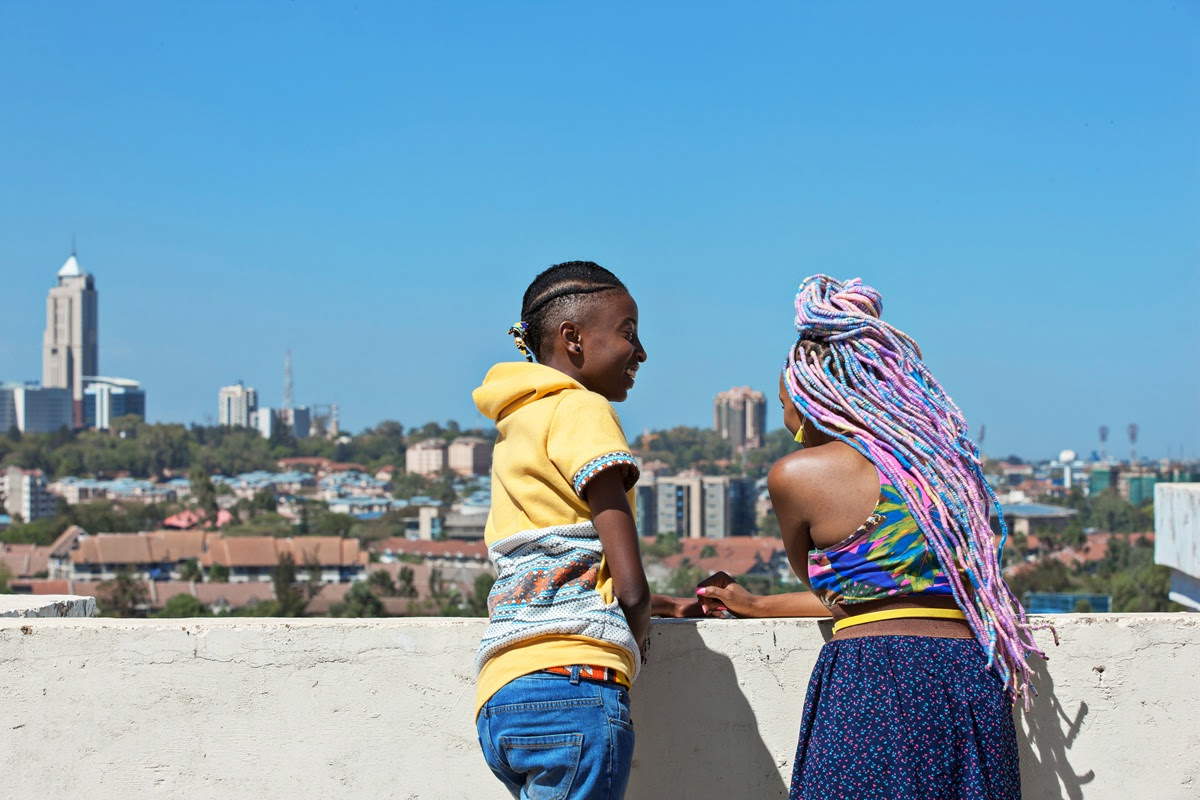
The series will conclude on December 2 with *Rafiki* (2018, 83 min.) by Wanuri Kahiu, set in Nairobi, Michael Armitage’s hometown. The title draws on a slang term used by young people to discreetly refer to a relationship characterized by affection and same-sex desire. At the heart of the film are two young women from different social classes, whose relationship is confronted by forms of social, religious, and cultural repression.
Through a personal story, Kahiu portrays a Kenyan society in transition and addresses themes such as individual freedom, identity, and desire. The depiction of Nairobi also captures the city’s urban character while avoiding an exoticizing perspective. The film thus concludes a program in which the diverse geographical origins of the films intertwine with shared issues, through different cinematic perspectives.
To round out the project, Palazzo Grassi is also offering an in-depth series on its social media channels. The collaboration with journalist and film expert Mattia Carzaniga has been renewed to guide the audience through the eight screenings. Carzaniga will produce eight introductory videos—one for each film—designed to provide context for the works and offer an alternative interpretation of the selected films. The videos will be published every Monday, in anticipation of the Wednesday screenings.
The film series is part of the Pinault Collection’s exhibition season in Venice. At Punta della Dogana, through Sunday, November 22, 2026, an exhibition is on view dedicated to Lorna Simpson, a North American artist to whom the Pinault Collection is dedicating—for the first time in Europe—a comprehensive retrospective focusing on over a decade of her painting practice. Also on view in the same exhibition space is a project by Paulo Nazareth, which invites visitors to follow him on his journeys through an ongoing performance. The work reflects on how colonial cartography and systemic racism have helped shape the landscapes of modernity.
At Palazzo Grassi, however, the exhibitions will be open to the public through Sunday, January 10, 2027. The Pinault Collection brings together a body of work by Michael Armitage created over the past ten years and a selection of works by Amar Kanwar, including the Indian artist’s most recent large-scale installation, *The Peacock’s Graveyard* (2023). These four artistic explorations form the curatorial framework for the Faraway Cinema program, which uses film as an additional tool to address themes and contexts featured in the exhibitions.
The Pinault Collection Membership Card is also available to the public, offering priority and unlimited access for one year to Palazzo Grassi, Punta della Dogana, Bourse de Commerce, and the Pinault Collection’s off-site exhibitions. The card also includes invitations to openings, guided tours, and additional benefits reserved for members. The complete and updated calendar for the cultural season is available on the Palazzo Grassi website, in the “Program” section.
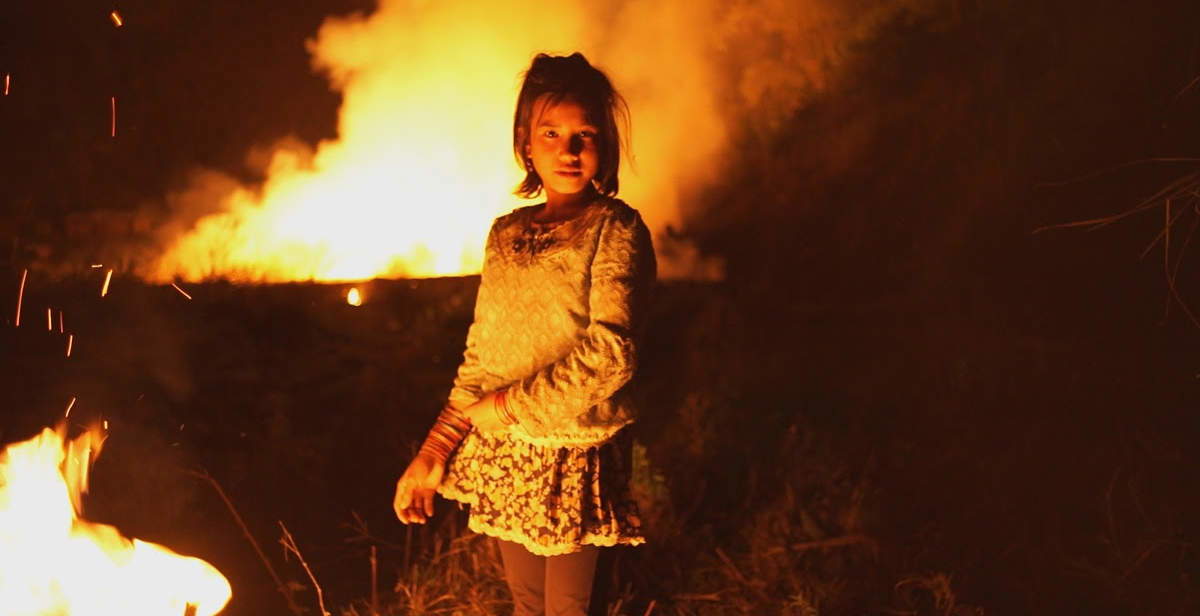 |
| Palazzo Grassi is bringing eight films from Africa, the Americas, and Asia to Venice |

Warning: the translation into English of the original Italian article was created using automatic tools. We undertake to review all articles, but we do not guarantee the total absence of inaccuracies in the translation due to the program. You can find the original by clicking on the ITA button. If you find any mistake,please contact us.
























 IT
IT FR
FR DE
DE ES
ES CN
CN


