



by Redazione 12/11/2026


Categories: Events / Disclaimer
From November 13 to 15, Messina and Reggio Calabria will host the national conference of the Italian Federation of Friends of Museums, bringing together scholars and specialists to explore the significance of bridges as infrastructure, places of connection, and subjects of artistic imagination, from the Baroque era to the present day.


From November 13 to 15, 2026, Messina and Reggio Calabria will host the national conference of FIDAM (Italian Federation of Friends of Museums), an organization that for over fifty years has brought together some of Italy’s leading associations dedicated to supporting the country’s museums. The theme chosen for this edition is “Bridges: Infrastructure, Cultures, Communities,” with a program of events dedicated to the role of infrastructure in building cultural and social relationships and to the various interpretations of the bridge in art history.


The choice of these two cities on either side of the Strait stems from the presence in both of major museum institutions and two historic associations of friends of museums, chaired respectively by Renato Laganà and Guglielmo Labruto. The conference thus aims to highlight the cultural relationship between the two shores—a connection that takes on particular significance in light of the recent theft at the Accascina Regional Museum in Messina.
The event is sponsored by the Ministry of Culture, the Strait Port System Authority, the City of Messina, the Metropolitan City of Reggio Calabria, the National Archaeological Museum of Reggio Calabria, the Accascina Regional Museum in Messina, and various cultural associations from both cities.



The conference will open on Friday, November 13, at 5:00 p.m., at the Palazzo della Città Metropolitana in Reggio Calabria, with a presentation by art historian Claudio Strinati, president of the Higher Council for Cultural and Landscape Heritage of the Ministry of Culture. The program will continue on Saturday, November 14, starting at 9:30 a.m., in the Salone delle Bandiere at Palazzo Zanca in Messina, and on Sunday, November 15, also starting at 9:30 a.m., at the city’s Accascina Regional Museum.
Speakers include scholars and specialists of national and international renown: Matteo Fochessati, Chiara Ianeselli, Franco La Cecla, Franco Panzini, Alberto Samonà, Enzo Siviero, and Anna Vyazemtseva. Participants, coming from various Italian regions, will be welcomed by Italo Scaietta, president of FIDAM and the World Federation of Friends of Museums, who is originally from Mantua.
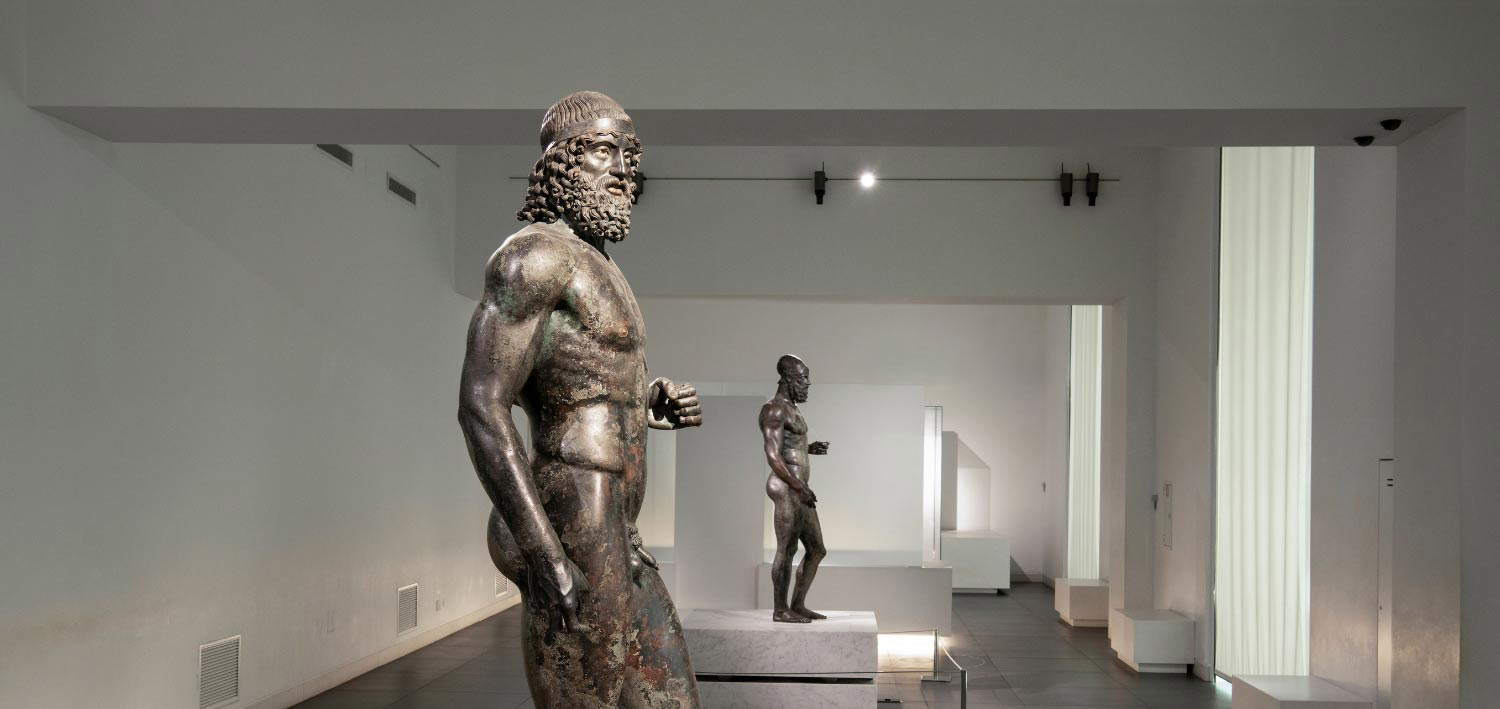
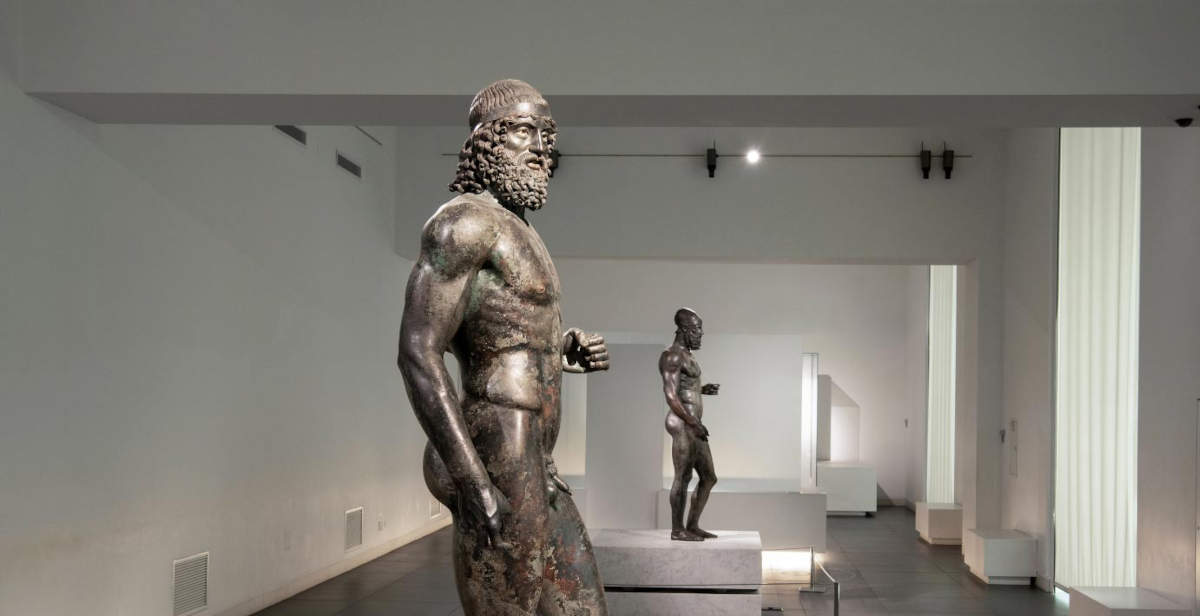
In addition to the academic sessions, the conference will also include visits to the main cultural sites in both cities. In Reggio Calabria, conference attendees will be able to visit the National Archaeological Museum and the Diocesan Museum, while in Messina, visits are planned to the Regional Museum and the Cathedral Basilica.
Among the scheduled presentations is one by Claudio Strinati (on November 13), titled *The Form of Passage. The Bridge in the Imaginary of Art, which offers an interpretation of the bridge not only as an architectural structure designed to facilitate crossing, but also as an element capable of transforming the perception of space and connecting places, times, and images.
The exhibition begins with Baroque Rome, with particular attention to Ponte Sant’Angelo and Gian Lorenzo Bernini’s design. The angels holding the instruments of the Passion, positioned along the bridge, are not merely decorative elements but organize a visual and symbolic journey, transforming the crossing over the Tiber into a narrative experience. From this 17th-century conception, Strinati will move on to the architectural inventions of Giovanni Battista Piranesi, in which bridges, ramps, arches, and crossings become elements of a space that transcends measurable dimensions to open up to vertigo and the imagination.
The exploration will continue with William Turner and Claude Monet, through whose works the bridge enters the language of modernity. The architectural structure becomes an opportunity to explore light, movement, the industrial city, and shifts in the perception of the landscape. We thus move from the theatrical function of the Baroque bridge to its presence as a symbol of urban and social change.
The final part of the presentation will be dedicated to the contemporary era, in which the bridge may even lose its structural necessity to become an artistic gesture, an installation, and a relationship between bodies and places. The visual arts, architecture, and cinema have continued to use this figure as a narrative device, associating it with themes such as encounter and separation, entry and escape, suspension, and the transition from one state to another. The presentation will therefore offer an interdisciplinary interpretation of the bridge as one of the forms through which Western art has represented the experience of crossing.
 |
| Bridges as Places of Encounter and Transformation: Messina and Reggio Calabria Host the FIDAM Conference |
Warning: the translation into English of the original Italian article was created using automatic tools. We undertake to review all articles, but we do not guarantee the total absence of inaccuracies in the translation due to the program. You can find the original by clicking on the ITA button. If you find any mistake,please contact us.