




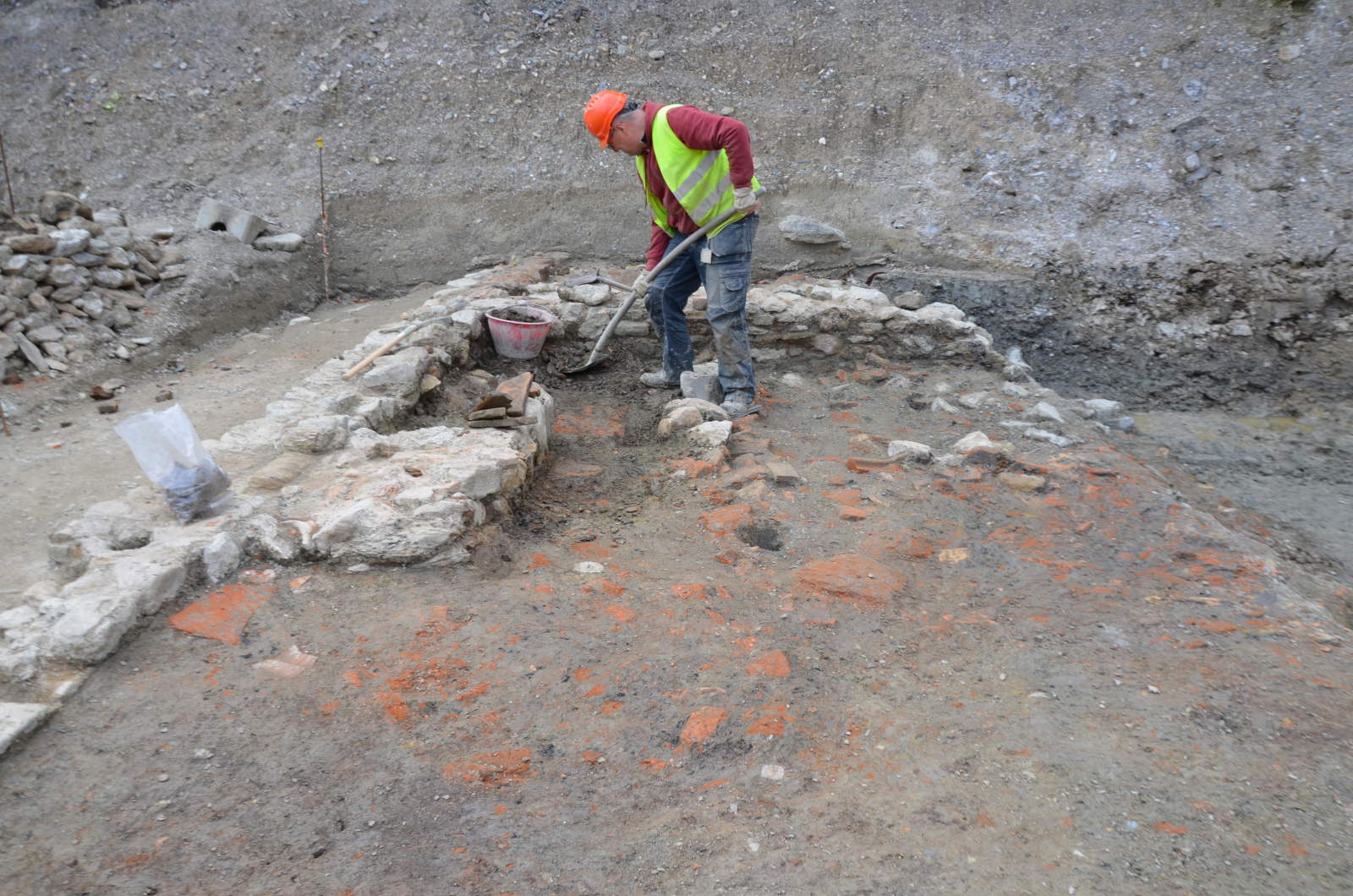
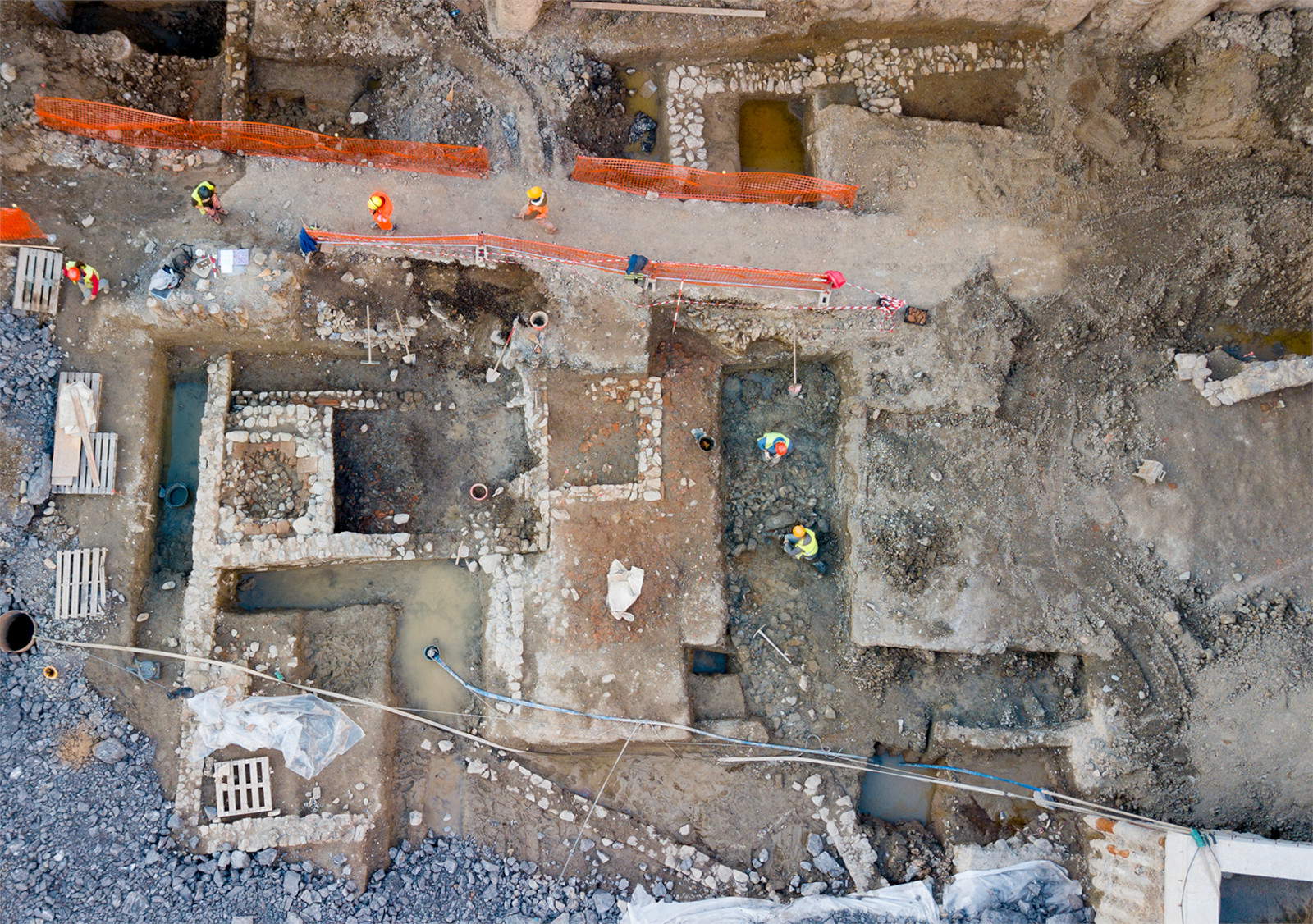
A Roman kiln rediscovered in 2023 during subway construction and restored to be returned to the city: this is the new space that the MuCe – the Certosa Museum of Genoa – is inaugurating on the occasion of the 2026 European Heritage Days, promoted by the Council of Europe and the European Commission and coordinated in Italy by the Ministry of Culture. The new permanent exhibition is dedicated to the Roman Imperial-era bread oven discovered in February 2023 in Rivarolo, in Piazzale Palli, during subway construction. The discovery provided further evidence of an organized settlement in the ancient Val Polcevera.
In just three years, thanks to the collaboration between the City of Genoa and the Superintendency, the oven was excavated, dismantled, restored, and reassembled within the museum’s exhibition space. This project now makes it possible to preserve and make accessible a testament to the area’s past, which can be visited just a short walk from the Brin subway station.
The initiative is part of the theme chosen for the 2026 edition of the European Heritage Days, “Protecting Heritage: Renew, Resist, Reinvent,” linking archaeological preservation with urban transformation and the city’s future.
On Saturday, September 26, and Sunday, September 27, the Certosa Museum will offer a program of events that combines the exploration of the kiln with educational activities, historical reenactments, and family-friendly initiatives.
Saturday, September 26, from 3:00 p.m. to 7:00 p.m.
Meetings with archaeologists and conservators: Specialists from the Superintendency and the companies involved in the work will guide visitors through the recovery and restoration of the kiln. Special guided tours are planned, along with the screening of a previously unreleased documentary detailing the various phases of the project.
Ancient Rome: Legionaries and Reenactments: The museum plaza will be transformed into a Roman camp thanks to a collaboration with the Cooperativa Solidarietà e Lavoro—the lead organization of the MuCe ATS network—and the Liguria Romano Tempore association. The program includes training sessions, legionary parades, tactical demonstrations, and reenactments of battles from the Republican era, to bring to life certain aspects of military life in ancient Rome.
Workshops and interactive educational stations: The public will be able to participate in in-depth sessions on ancient surgery, gastronomy, and Roman construction techniques. The program also includes demonstrations on the construction of arches, the art of mosaics, and sessions dedicated to the history of the famous Bronze Table.
Throughout the day, visitors will have free access to the MuCe collections, housed in the historic Carthusian complex founded in 1297. The museum tour traces the history of the Certosa, the landscape of the Polcevera Valley, and the pre-industrial traditions of the region.
Sunday, September 27, from 11 a.m. to 12:30 p.m.
Sunday’s program will be dedicated to families with “Banquet with the Emperor,” an experiential activity designed by ADM for the museum’s ATS network. Starting from the traces left by the Roman kiln, children and parents will take part in a treasure hunt featuring spices, culinary curiosities, and recipes from ancient Rome. This interactive experience will allow participants to become young “Archeo-Chefs” and explore history through food.
With the opening of the new section dedicated to the Rivarolo kiln, the MuCe is expanding its efforts to highlight Genoa’s archaeological heritage, offering the public the opportunity to learn about a remnant of ancient Val Polcevera and the efforts that made its restoration possible.
“The exhibition of the Roman kiln from Rivarolo at MuCe is concrete proof of how the preservation of the local area can become an extraordinary opportunity for public engagement,” explains Giacomo Montanari, Councilor for Culture. “In just three years since the excavation at the subway construction site, we have managed to study, restore, and integrate into the exhibition a find that confirms the central importance, throughout all eras, of the Polcevera Valley—an uninterrupted crossroads at the heart of the routes connecting the Genoa area with the rest of Italy and Europe. I fully endorse the motto of GEP 2026, which also echoes the one chosen for the UNESCO 20th Anniversary: Sharing is Protecting. I invite citizens, families, and visitors to seize this opportunity to rediscover the richness of our museum and our history.”
|
| The Certosa Museum in Genoa opens a new permanent exhibition on the Roman kiln at Rivarolo |

Warning: the translation into English of the original Italian article was created using automatic tools. We undertake to review all articles, but we do not guarantee the total absence of inaccuracies in the translation due to the program. You can find the original by clicking on the ITA button. If you find any mistake,please contact us.




















 IT
IT FR
FR DE
DE ES
ES CN
CN


