




by
Federico Giannini  @federicogiannini1
26/07/2026
@federicogiannini1
26/07/2026



Categories: Exhibition reviews / Disclaimer
The major retrospective on Franco Vaccari at the Museion in Bolzano highlights the significance of a body of work that transformed the audience into an integral part of the artwork, paving the way for new forms of experience and participation. A review by Federico Giannini.

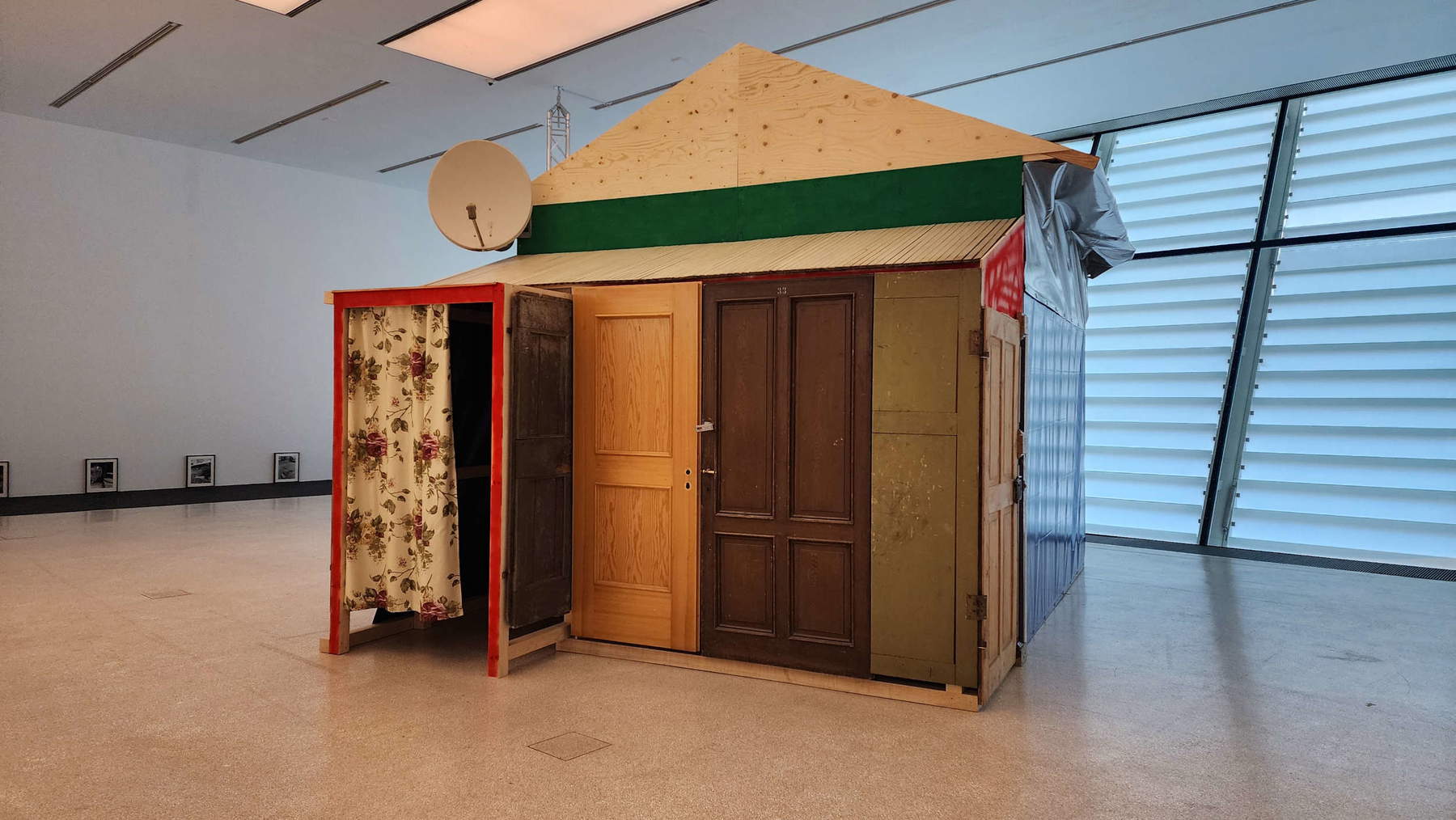
It will happen—no one knows when, but we can predict it with a certain degree of certainty—that Franco Vaccari will cease to be regarded merely as an excellent photographer and will begin to be recognized for what he truly was, namely, a steadfast pioneer, a reformer attuned to the world, and a great artist, capable of a greatness that—one might venture to say—lies within a minimal deviation. Or one that appears minimal. The exhibition at the Museion in Bolzano—which was intended to celebrate Vaccari’s 90th birthday but which, following the artist’s sudden passing, has become the first comprehensive posthumous survey of his most significant innovations—ultimately reveals a Vaccari of restless, intelligent, inventive quick-wittedness—a Vaccari by no means equipped for grandeur, a Vaccari who anticipated relational art, a Vaccari who eludes categorization (however much people have always tried to classify him: sometimes as a practitioner of narrative art, other times as a visual poet, not to mention all the publications that have simply categorized him as a photographer). Not that there has been a lack of opportunities to compare him with others: in the past, there have been exhibitions that paired Vaccari with Marina Abramović, Joseph Beuys, Bill Beckley, Valie Export, Hermann Nitsch, and all the major figures of the late 1960s and early 1970s. However, what was missing was an in-depth survey entirely dedicated to Vaccari, to the core of his work—one capable of highlighting contrasts and distinctions, of emphasizing and setting apart, of soaring and delving deep. It is true, however, that Vaccari himself—as early as 1978—had already alerted critics and the public to what set him apart from others, to the distance between his “real-time exhibitions” and the rest: “The difference between happenings, performances, and ‘real-time exhibitions’ is a difference in structure. While the former unfold linearly and, in their various phases, follow precise, predetermined programs, real-time exhibitions are characterized by the possibility of feedback.”
Of course, one should not be too lenient with artists, or one runs the risk of indulging in myth-making. It is, however, a fact that, in Vaccari’s brief statement, the artist offers a substantive definition of himself—so much so that “feedback” has become a term in the common lexicon of critics who have written about his work, and even provided the title for the Bolzano exhibition curated by Frida Carazzato and Luca Panaro (Feedback. The Environments of Franco Vaccari). It is a statement that can be safely tested, verified, and carefully scrutinized, and one will ultimately discover that, however subtle, technical, or theoretical the differences may appear, and however pedantic it may seem, however tempted one might be to dismiss the awareness of distance as a mere expedient to circumscribe what makes a body of work distinctive, that gap exerts an inescapable pressure. Structure defines a work of art, and the artist is perfectly aware of this: even where the outcome appears uncertain (or where one wishes to make it appear uncertain), one ultimately arrives at a conclusion that can be anticipated—or at the very least delineated—by a plan. The audience, of course, can participate, but it does not truly alter the structure of the work. It can do anything: it can activate, proceed, follow, confirm, refute, erase, or devastate; yet in a performance or happening, it rarely can change the structure itself. Vaccari was a physicist, and in engineering, the process of feedback is the mechanism by which a dynamic system produces information that is fed back to the beginning of a cyclical process and can correct the very course of that process. His real-time exhibitions are thus like thermostats: they start up, measure the temperature, and thereby gather information; they send this information back to the system; the system modifies its behavior—it turns on, it turns off. And the cycle begins anew. Clearly, several of Vaccari’s works suffer from the same problems that have plagued much of art from the 1960s onward: first, audience participation does not necessarily always produce something meaningful. Second, given the structure of the work, it is inevitable that most of the time there is a disconnect between the audience and the work itself—a disconnect that manifests itself above all in the audience’s delay; if the audience is not present at the locations, times, and in the ways agreed upon by the artist, will find themselves faced with a sort of surrogate, if not simply with the memory of the work itself, its documents, or testimonies: credit must nevertheless be given to the Bolzano exhibition for attempting to bridge this gap wherever possible.


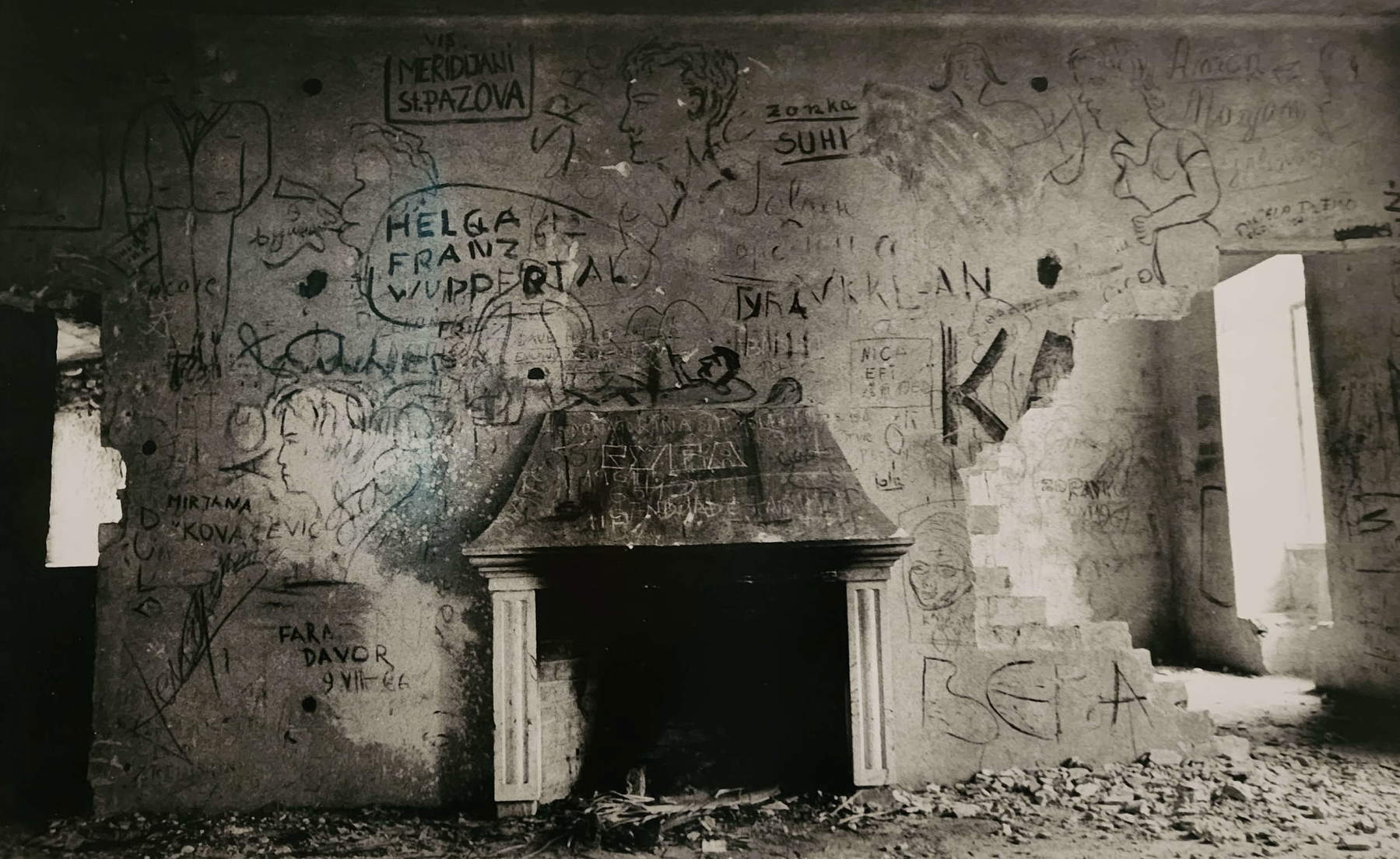
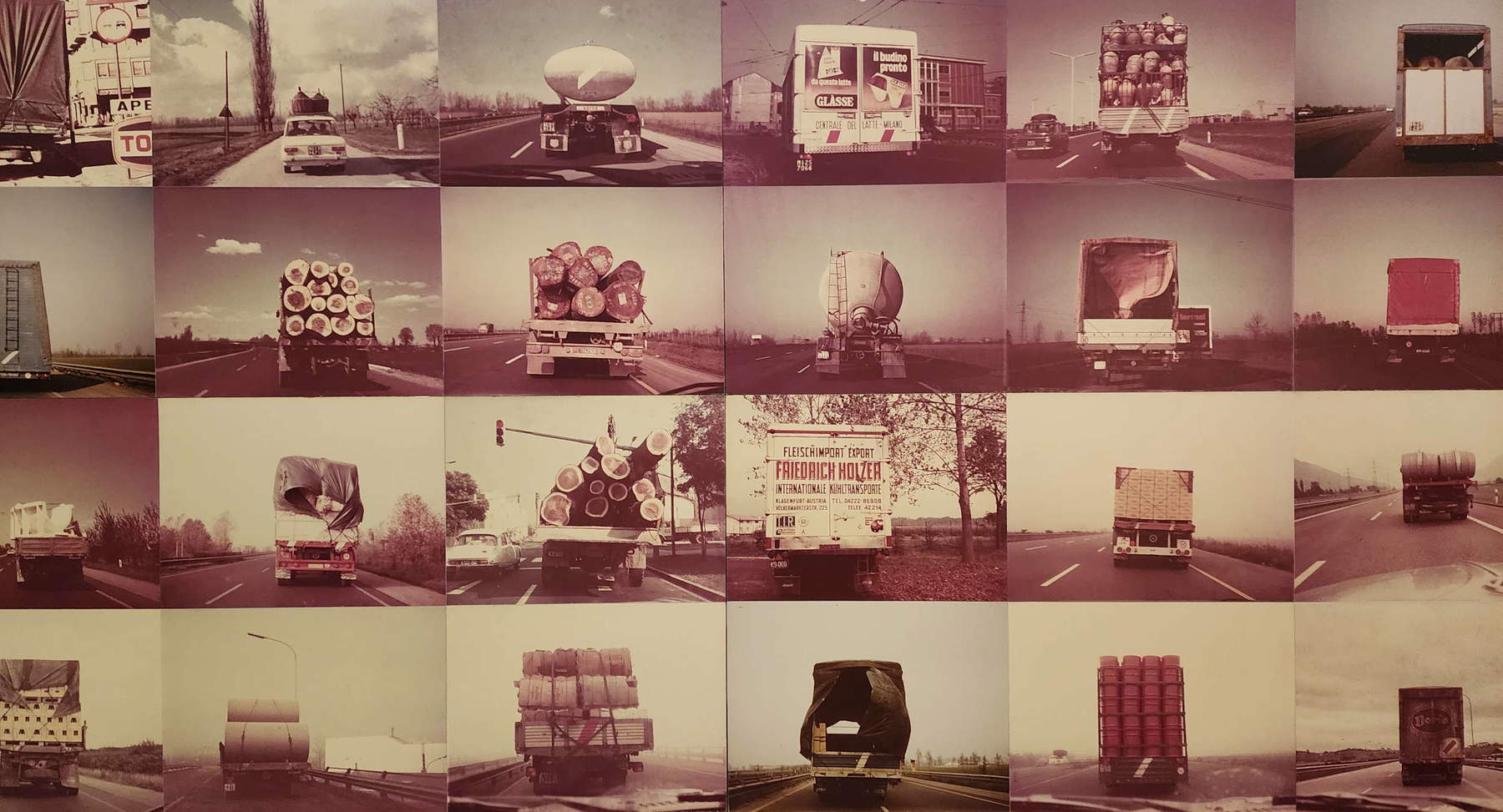
One could certainly begin with photography, if only because photography provided Vaccari with the grammar and foundations that he later channeled into his installations. First and foremost—and perhaps most important—is the attempt to shed prejudices, conditioning, subjugation, habits, and structures. One will thus discover that the walls of a public restroom, covered as they are with writing, graffiti, anonymous marks, and assorted filth, can produce spontaneous poetry (*In the Basements*, 1966–1967). Or that it is possible to break free from automatic responses the moment one realizes that a city—even a familiar one—can change its appearance when viewed from an animal’s perspective (Modena vista a livello di cane, 1967–1968). Or even that the most drab, cold, and indolent normality can be the site of unexpected epiphanies unearthed along the stages of a “minimal journey” (as Vaccari used to refer to the itineraries of his flânerie through the mundane, during the very same years in which Warhol was transfiguring the mundane through his Brillo boxes: the difference being that Vaccari, instead of viewing the mundane as if it were a work of art, sought an event within the mundane), epiphanies that manifest themselves now in the rooms of a public bathhouse (Journey for a Complete Treatment at the Cobianchi Day Hotel, 1971), now on the cargo beds of trucks encountered along a journey between Modena and Graz (700 km di esposizione, 1974), now in the countryside between Carpi and Ferrara, covering the distance between the two cities on foot (Omaggio all’Ariosto, 1974). Here it is: in all these works, as the scholar Claudio Marra observed, the trajectory was already evident “of a photography that, by proposing an action, an intervention, moves further away from the idea of a painting, of a visual object, to identify itself more and more with what Philippe Dubois would call in the early 1980s ‘image-act,’ because while it is true that public participation is tactically orchestrated by Vaccari, the whole project can nonetheless be conceived through the use of a medium that conceptually allows for the presentation of acts, experiences, and tranches de vie, which ‘necessarily’ require participation.”


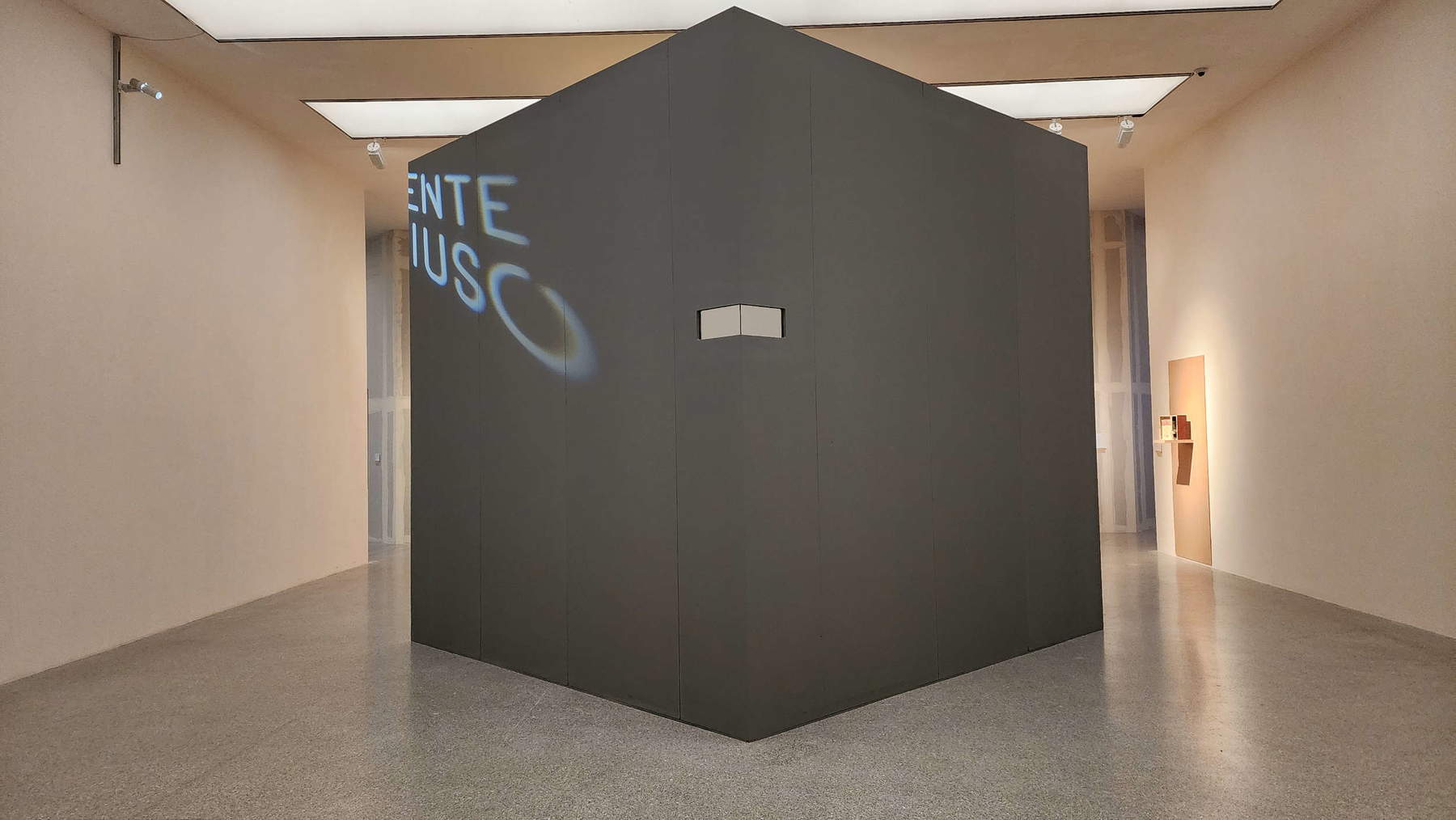
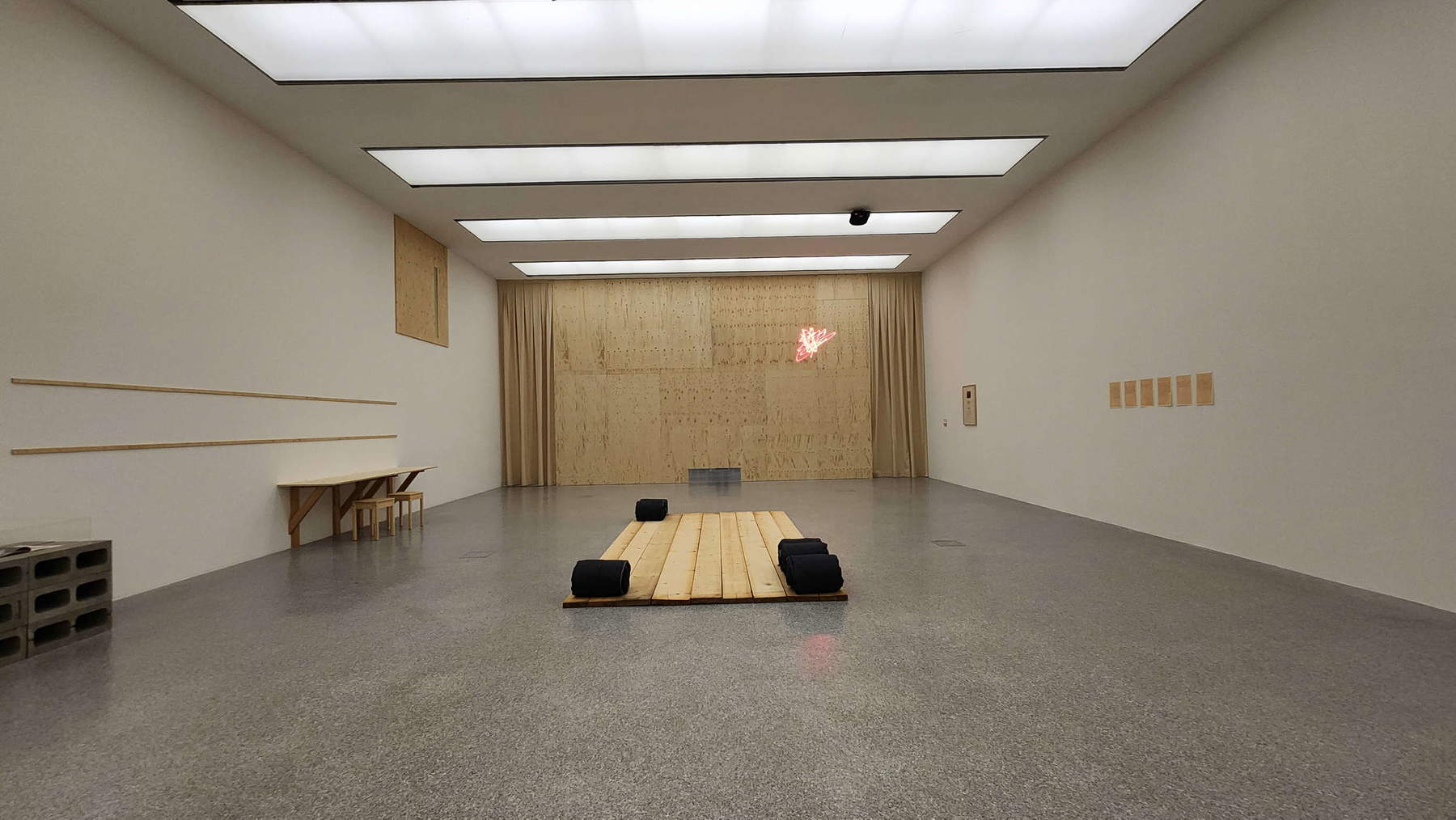
As early as 1969, Vaccari had decided that his invention should be called “real-time exhibition”: “I was interested,” he would explain, “in provoking a change in the ritual associated with exhibitions and in eliciting in the visitor a leap in the awareness of being present.” The extravagant, cerebral novelty of this concept is constantly highlighted by the exhibition in Bolzano, which is in fact the first ever to emphasize this aspect of Vaccari’s work: the singular obsession with a work that produces itself, with a minimal structure, using a wide variety of means (distortion of perception, disorientation, destabilization, multisensory stimuli, discovery, action, the gathering of impressions, and so on), with mostly unpredictable outcomes, and with the participation of the public. Indeed: the audience, one might say, is an element of the work, and this dimension naturally raises the issue of the “delay” mentioned earlier, while adding another: can a “real-time exhibition”—one that can no longer be experienced in real time—retain its integrity? Or would it be like removing a panel from a polyptych, taking a figure from a sculptural group, or freezing a film at a handful of frames? The galleries at Museion seek to address this by faithfully reproducing a substantial anthology of the real-time exhibitions (and where they are not reconstructed, they are documented): The logistical challenges involved, as one can imagine, stem on the one hand from the sheer volume of reproductions and, on the other, from the very nature of Vaccari’s projects (the scale from *Real-Time Exhibition No. 38, Biomass*, 2007, was displayed, today as then, at the entrance to the exhibition: moving it to any other location would have rendered it inoperable, and thus a different placement would have been possible only if it had been a purely documentary reconstruction), have prevented a strict chronological sequence, with the result that the exhibition can be viewed in any direction and in any order: the visitor will be left wondering whether it is better to evoke the artist’s ghost and continue, therefore, to challenge conventions by presenting the public with an almost random arrangement—yet one in which most of the works are functional—or to consign Vaccari to the archives of art history and thus catalog his body of work so that the public can follow its development with a certain degree of linearity.
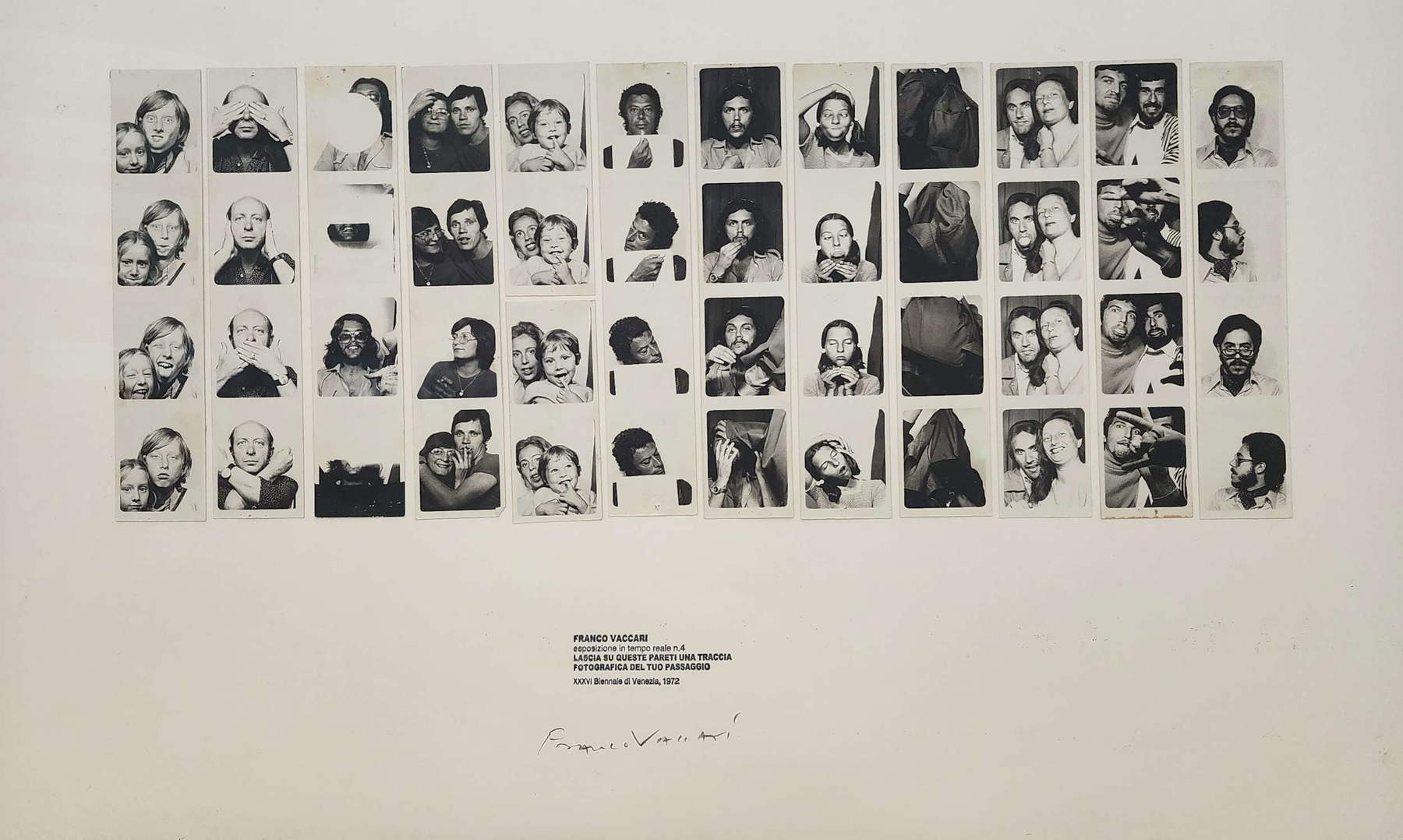
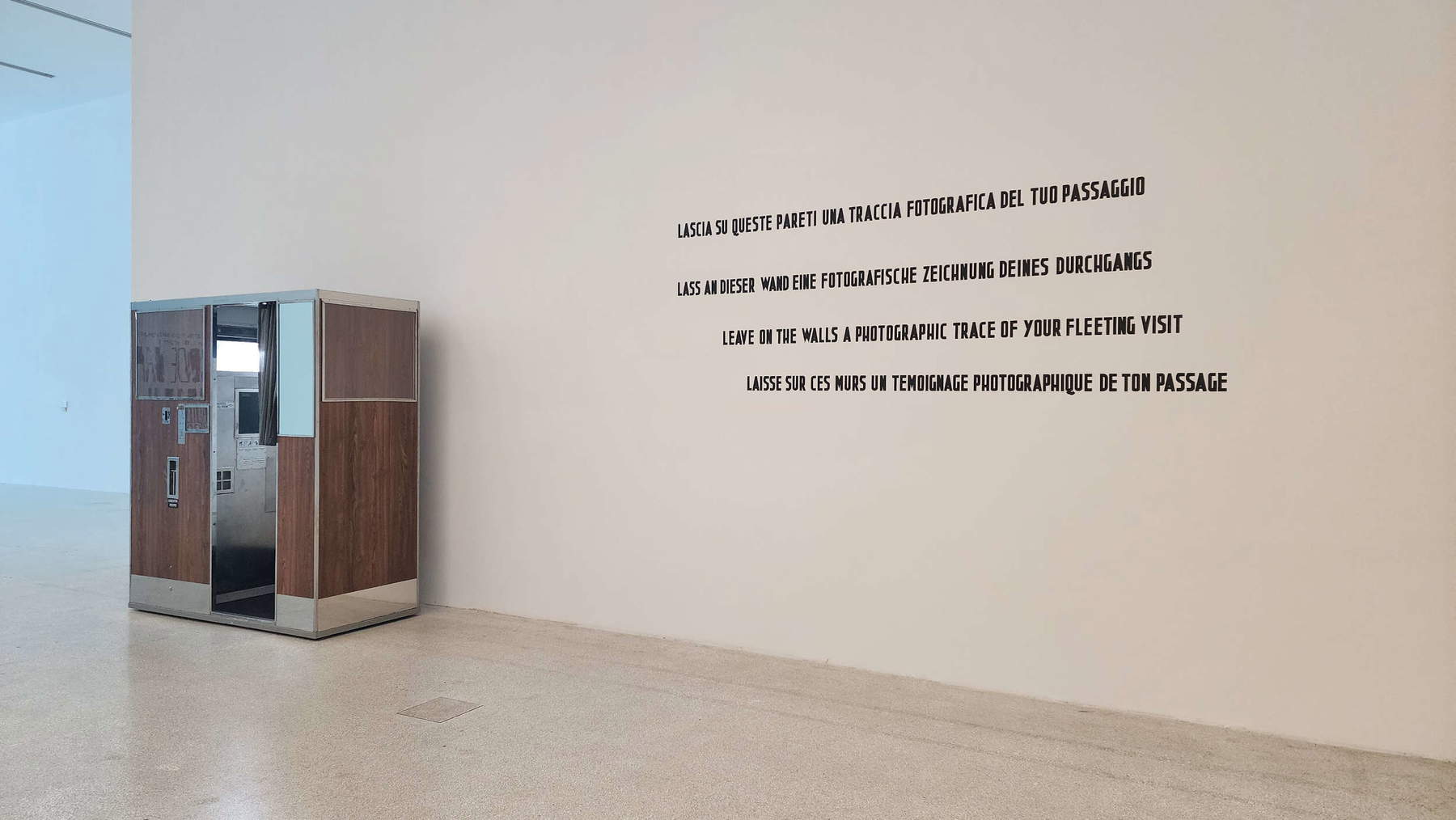
From the 1972 Venice Biennale, Vaccari brought back his most famous and successful real-time exhibition, the fourth (like all those that preceded it and all those that would follow, it was numbered and had a title: Real-Time Exhibition No. 4. Leave a photographic trace of your visit on these walls): “brought back from,” therefore, and not “brought to,” since the work could probably not be considered complete even after the Biennale had ended. Vaccari participated in the Italian Pavilion at that edition with a Photomatic (a passport-photo booth), and a sign urging Biennale visitors to use the machine, with the result that the strips of passport photos spat out by the machine would then be hung on the walls (the first photo was taken by Vaccari, and by the end of the Biennale the wall had been covered with more than six thousand strips): Vaccari faded into the background, giving way to a machine that opened the door to unpredictable outcomes (the artist, in all likelihood, could not have foreseen, for example, that in many parts of Italy other Photomatic booths would be spontaneously made available to him to recreate the work outside Venice: “‘It was proof,’ he would observe, ‘that the action, triggered in Venice, was self-sustaining, living a life of its own; having left the privileged space of the gallery, it had spread throughout the streets’), contemplation turned into action (this was perhaps the artist’s original intention), the work was constructed through continuous feedback from its users (it even led to the development of a sort of real-time exhibition pornography, since many users posted—as might perhaps have been expected—photos of penises in all sorts of poses: Vaccari had even anticipated dick pics), it made use of ordinary means, and it established a space for social interaction.
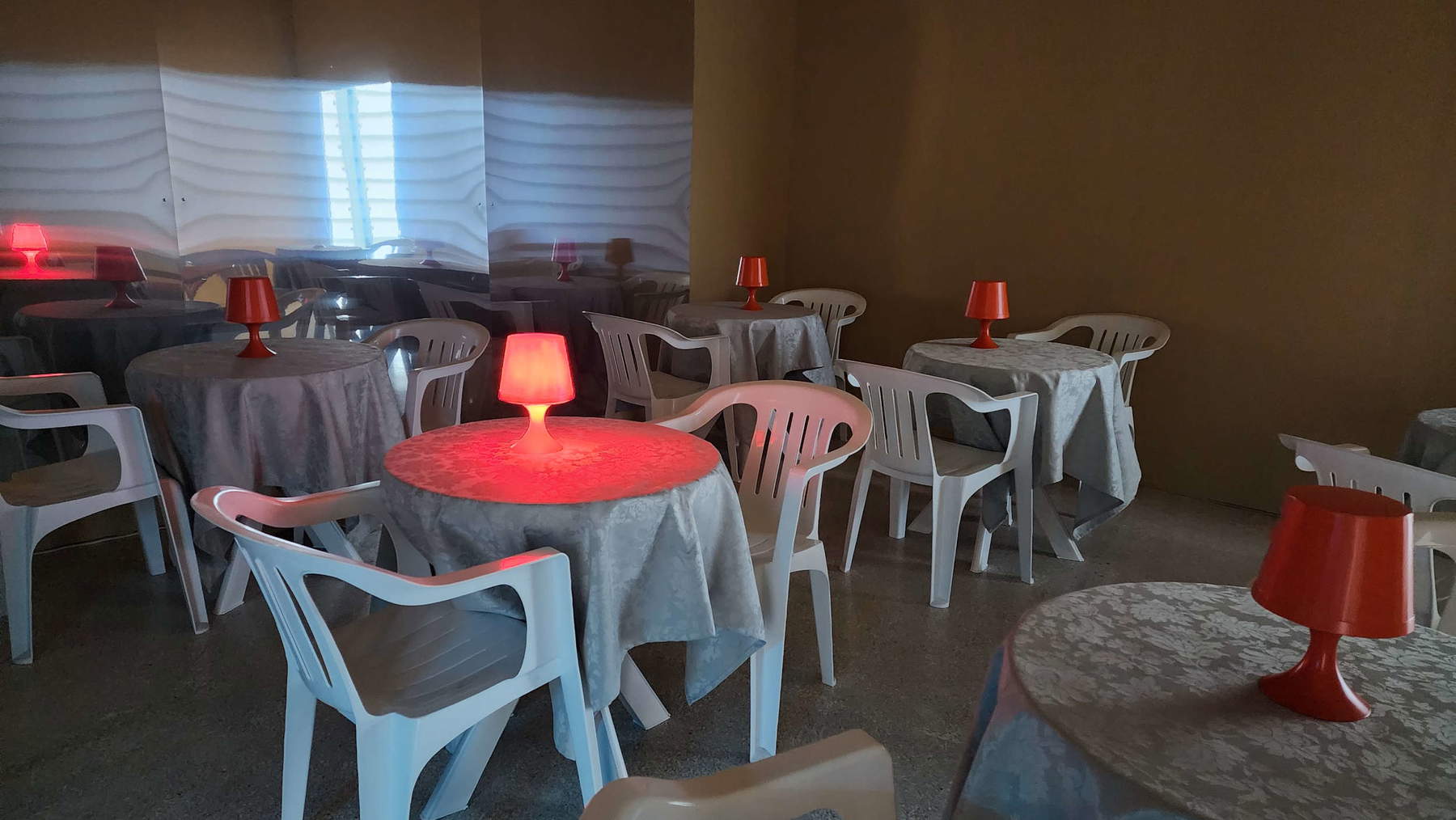
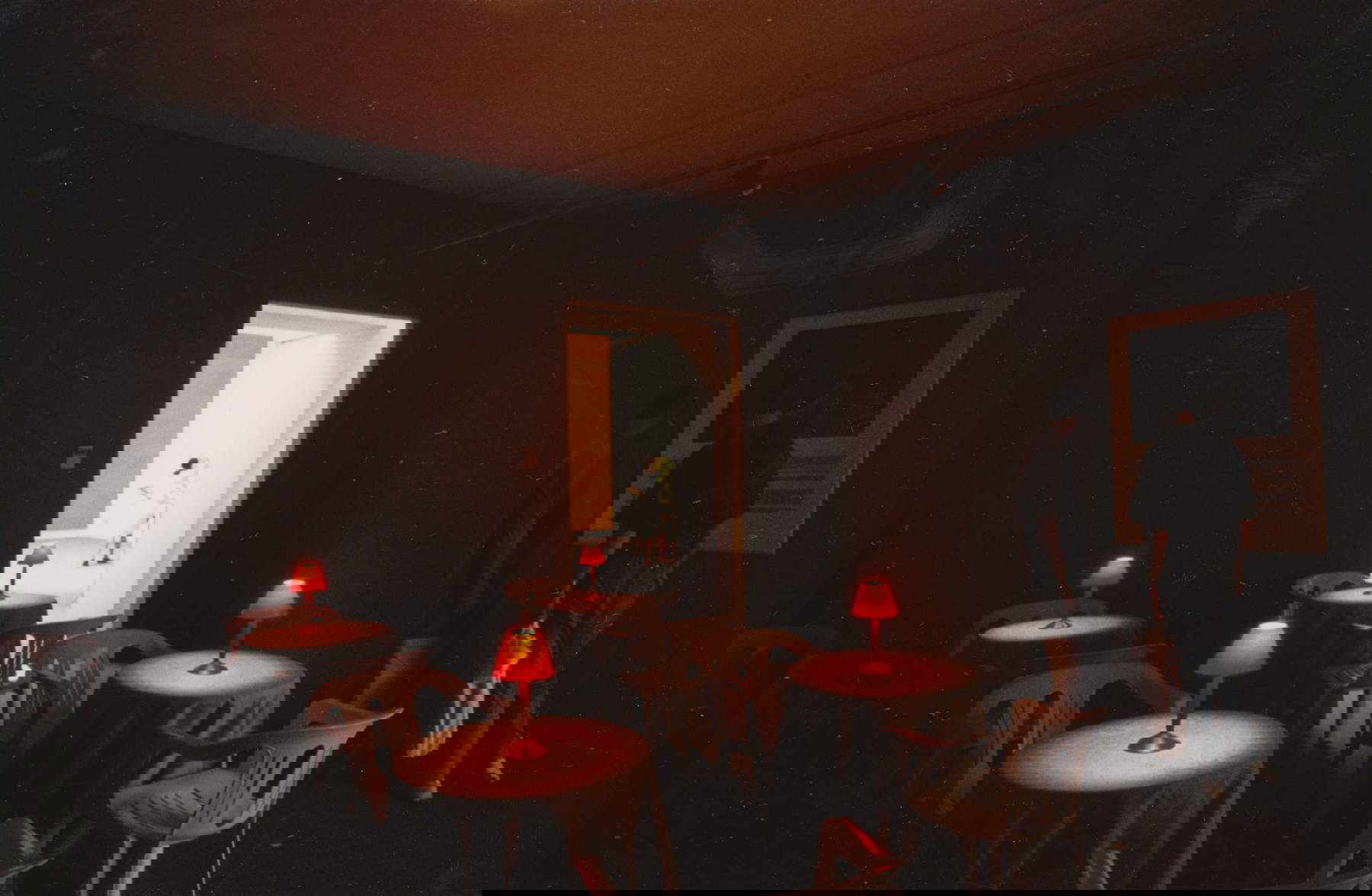
Similar observations could be made about many of the real-time exhibitions reconstructed in Bolzano. At times, the pursuit of conviviality is the very subject of the work: the twenty-first real-time exhibition, *Bar Code*, proposed for the 1993 Venice Biennale, was an actual bar where the public could have a coffee (and can still do so in Bolzano), with a subtle détournement involving a photograph of an Italian activist, Silvia Baraldini, who had been sentenced to 43 years in prison in the United States (the pun is “bar code – bar code – code behind bars”) and to the petition presented to patrons, whom Vaccari asked to sign in support of the woman’s release. At other times, it was the visitor who became part of the artwork: this is the case in the tenth real-time exhibition, *Sogni n. 1* (Dreams No. 1), from 1975, where the work draws on the dreams of participants, who were invited to spend the night inside an art gallery—in an environment specifically designed to promote sleep—and to write down their dreams on sheets of paper provided by the artist. Then, as is often the case, the real-time exhibition eventually became a more or less successful formula, at times perhaps driven more by repetition than by necessity: *Codemondo*, from 1980, was the product of a cyclical machine, a technological device that drew on data provided by the public to produce a sort of disturbing dream, a restless vision that plunged visitors into the darkness of a dimly lit space where each person saw distorted images and heard their own voice—recorded before entering the room— and then broadcast with a delay to generate a feeling of unease, if not bewilderment, caused by the natural unease one feels when something familiar becomes a foreign, evanescent, spectral presence. *Mito istantaneo* was the most ironic exhibition: the visitor was compelled to enter a couple of rooms and follow a series of seemingly obscure and incomprehensible steps, only to discover in the end that the entire process was designed to take a photograph of them, which was then duly enlarged and projected into another room. A photograph that confronted the bewildered visitor with his own titanic, unsettling alter ego, and which, for a fraction of a second, perhaps evoked the same sensation experienced by an animal that suddenly finds itself facing a mirror.
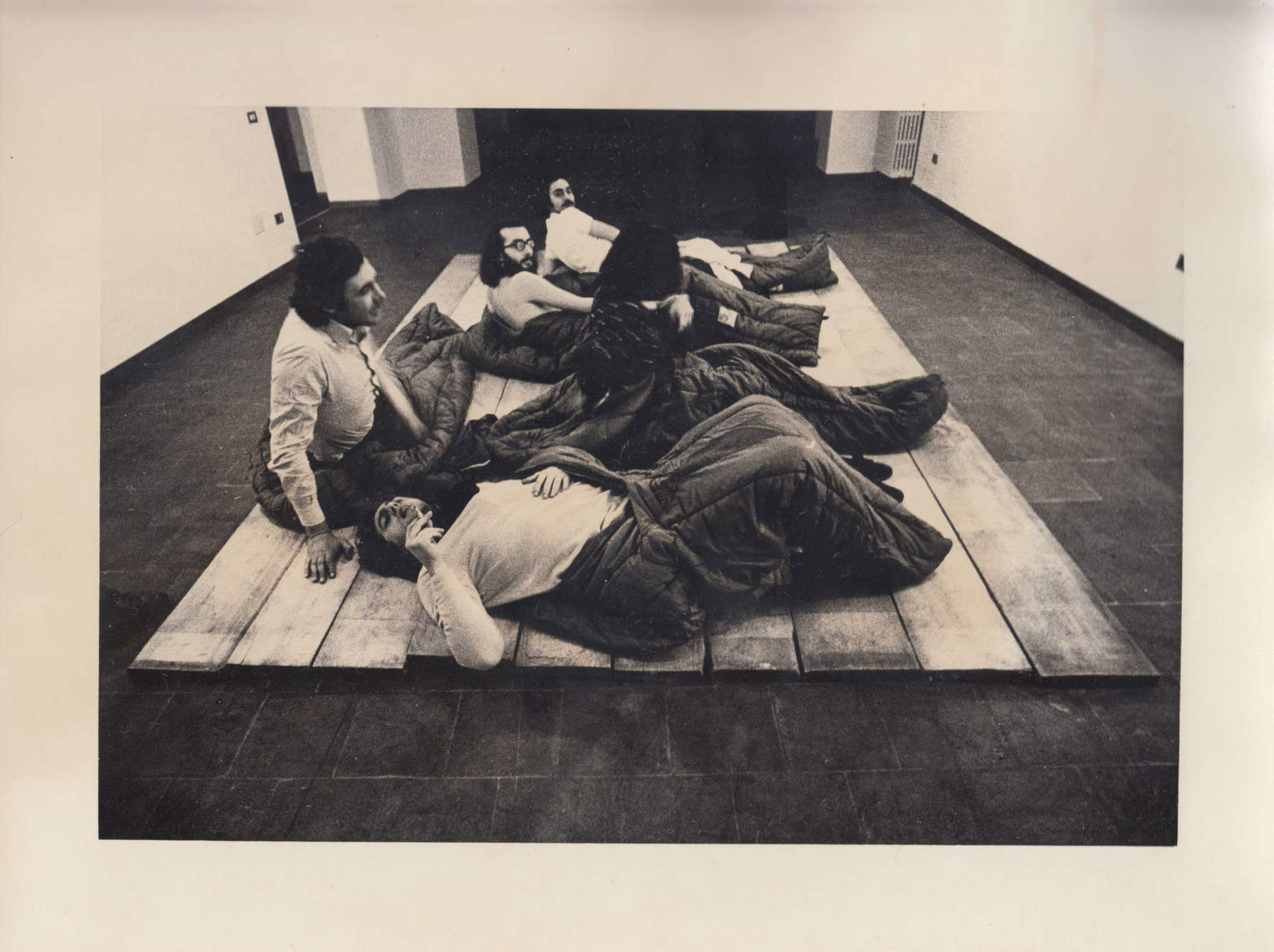
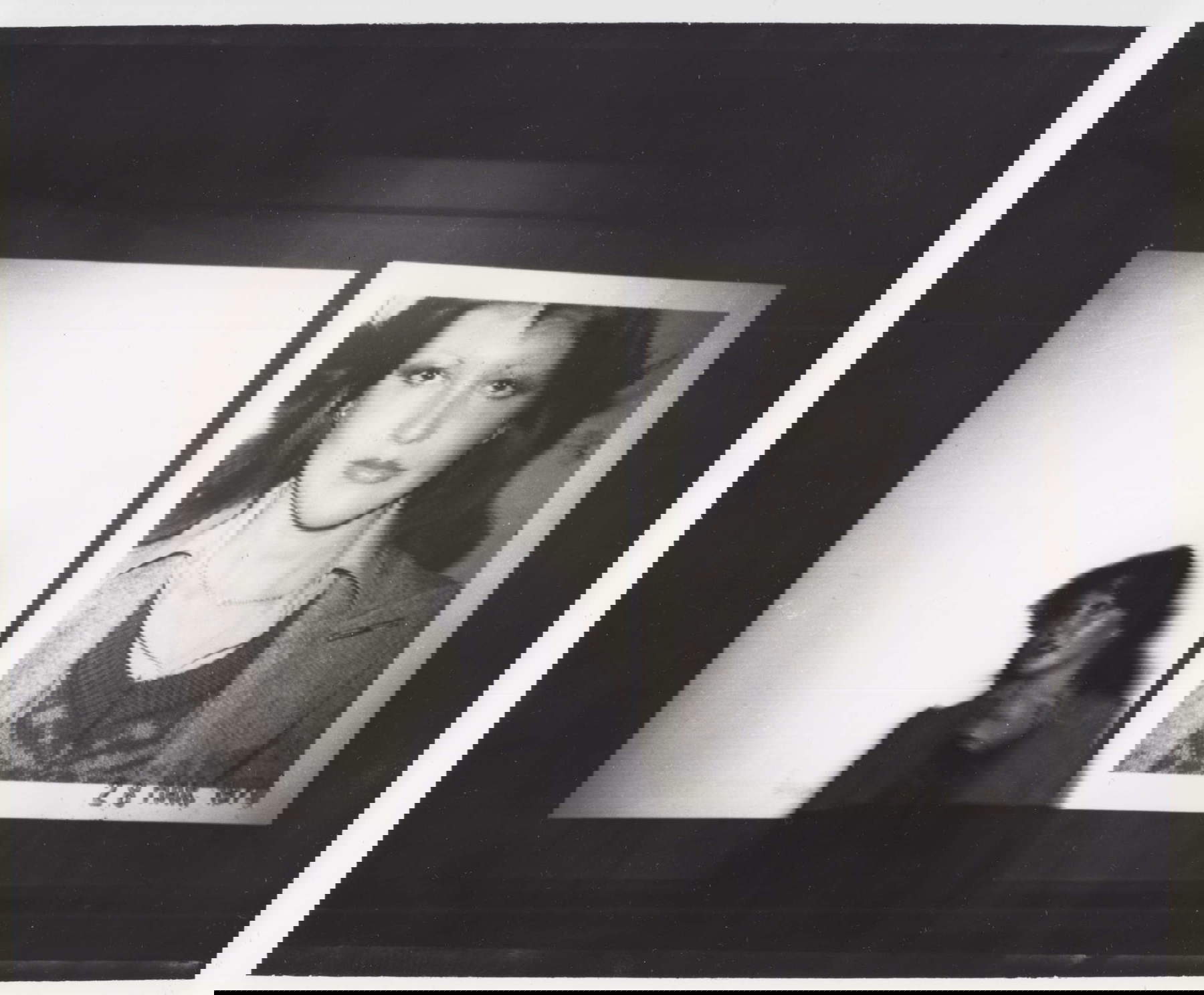
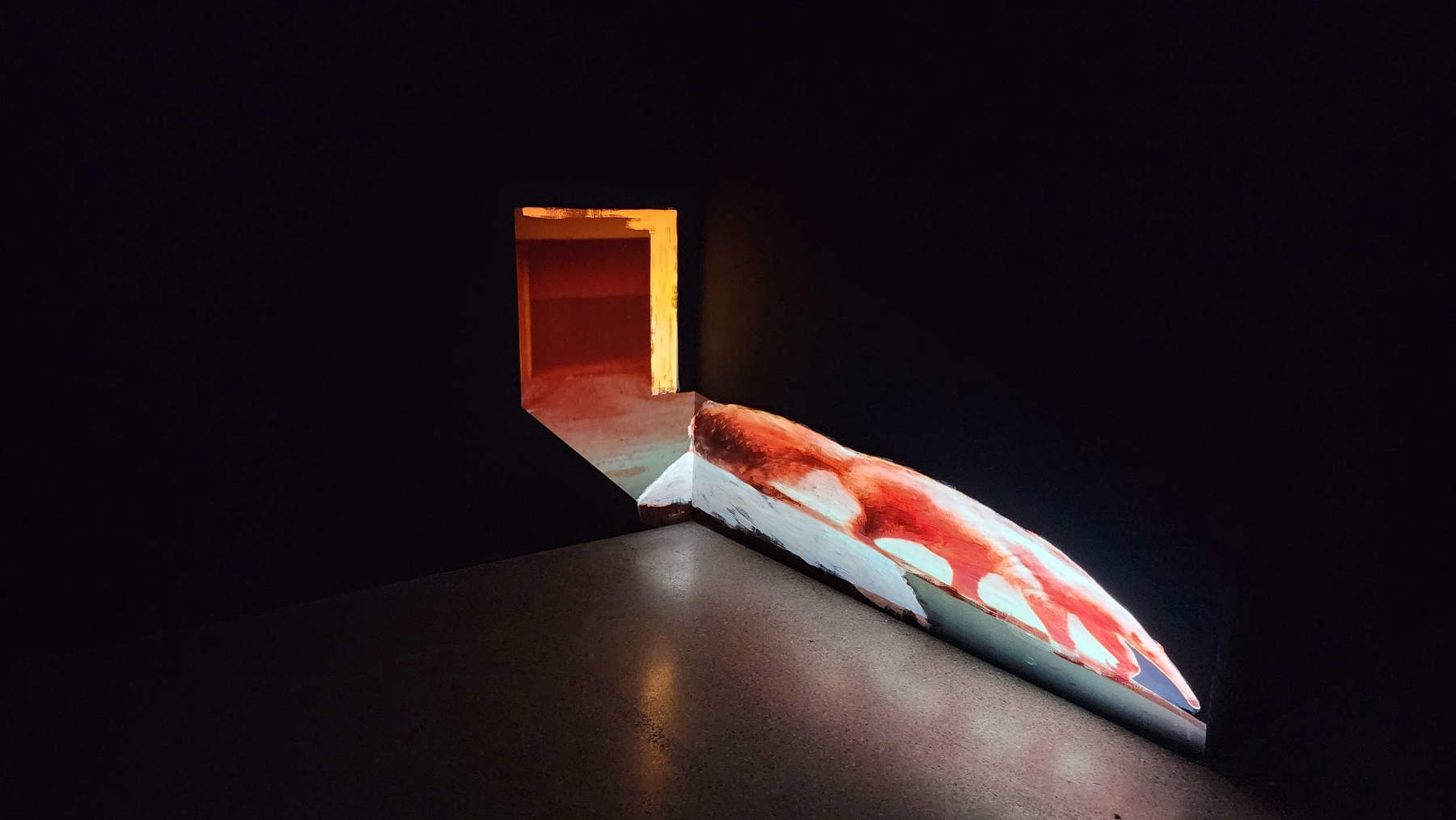
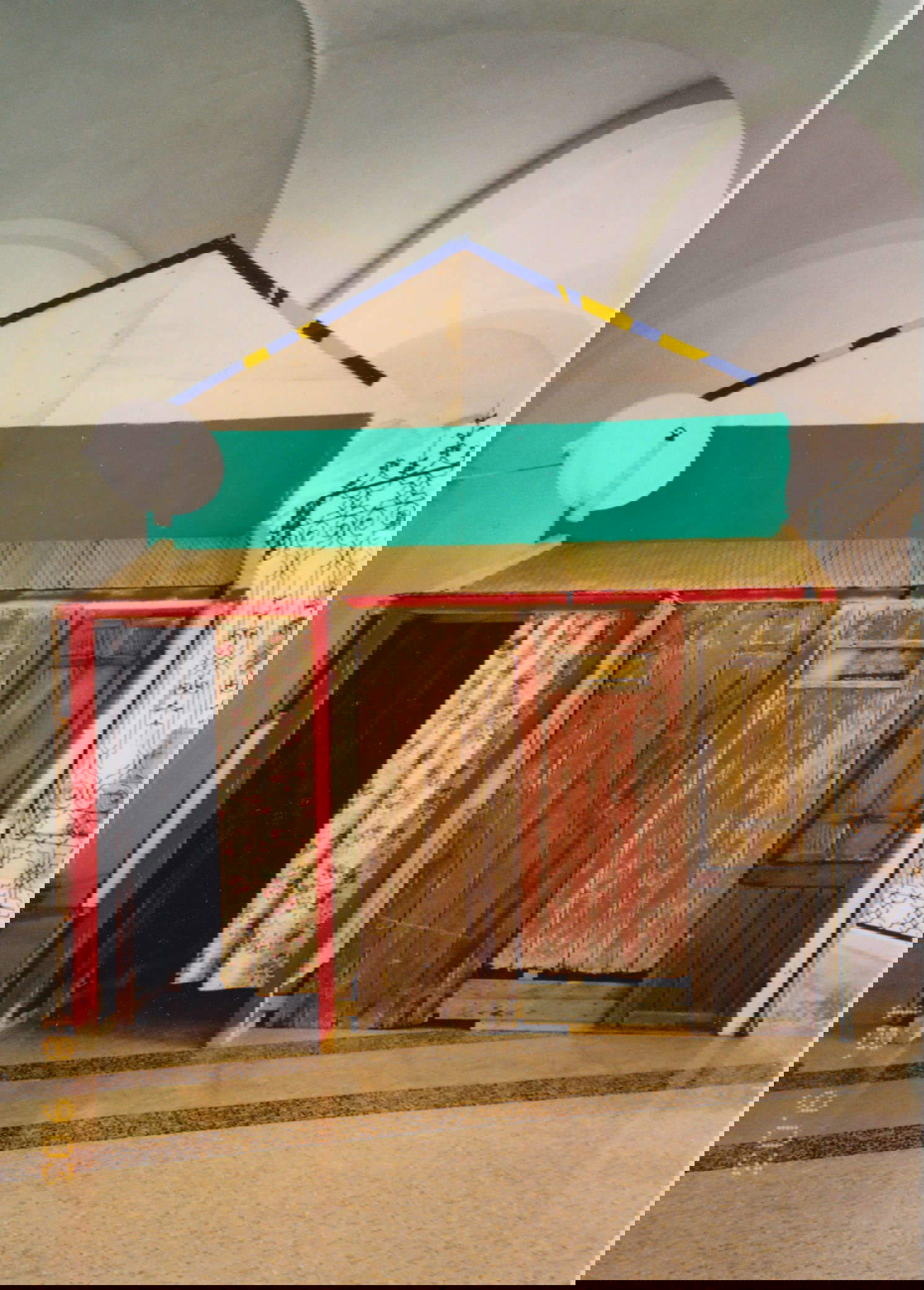
As you wander through the exhibition, you’ll inevitably notice how Vaccari remains constantly drawn to the labyrinths of perception, even outside of his “real-time exhibitions” (as in *Scultura buia* [Dark Sculpture], an environment where visitors are plunged into total darkness and forced to construct a sort of tactile landscape—a process that is, after all, essential if one wishes to find the exit), even when he presents himself as a seemingly traditional and playful artist (as in the *Homages*, a series of figurines modeled after some of the most famous artists of the 1970s—Kounellis, Boltanski, De Dominicis, Acconci, Warhol, Fabro, and others: their bewildered, hallucinatory, repetitive appearance stems from the fact that they are the product of the imagination of a maker of pedal-operated toy orchestras who had never met them and whom Vaccari had commissioned to assemble them, based solely on descriptions). At times, perception blends with memory: thus, the visit culminates with the Mini Cinema, a space conceived for the 2003 Modena Festivalfilosofia and installed at the time in the atrium of the Palazzo dei Musei. “A device for remembering,” as the two curators describe it, “a work that is particularly moving today, following the artist’s recent passing,” thanks above all to the projection the audience sees inside it—a montage “of photographs, film clips, television footage, and home movies by Vaccari himself.”
The exhibition could end here. As visitors chart their own path through the exhibition, they might save the Mini Cinema for last, given its role—one might venture to say—as a summary and distillation of Franco Vaccari’s art. Now, one could conclude by noting how, in Vaccari’s art, it is possible to find a shadow that precedes Cattelan, a seed of Carsten Höller, a hint of Tiravanija, and the list could go on, since Vaccari was truly a pioneer; he was truly one of those artists who seem to compel the present to explore its own future possibilities. And this would be a legitimate observation, since it is not here that we first encounter Vaccari’s contribution in relation to what has happened from the early 1990s onward. First, however, it might make sense to ask about the deeper reasons for such foresight: it would be an undignified diminishment to reduce Franco Vaccari’s value to the mere fact of having picked up on a few fragments ahead of time.
Renato Barilli, as early as fifty years ago, wrote that Vaccari is driven by an obsession that governs his work, and that if “one comes to understand it, it then becomes easy to find the logical thread to follow even those works, despite an incessant transformation that causes them to appear in ever-changing guises.” The idea, Barilli argued, was that of an art capable of producing distillations that do not betray reality: distillations that are necessary when one lives in a “stream of news, events, and images that risks becoming invisible, inaudible, and elusive due to its very excess, due to too much presence and overtness” (they had intuited this back in the 1970s—imagine what we would say today!). Simplifications, however, capable of making perceptible a reality that—precisely because it is constantly before our eyes—we are no longer able to see. Pruning, one might add, that is capable of functioning even outside the logic of real time. If we enter a room with a single object, we would probably notice it immediately. If we enter a room with ten thousand objects, we might have difficulty finding anything useful. Vaccari, then, seeks to create the conditions for a revelation to occur, for something to emerge—even a minimal gesture, even an ordinary, banal occurrence. Without imposing anything, he allows an epiphany—if one is to occur—to manifest through the mechanism of feedback. To see what happens when we alter the conditions under which we view reality. To extract a fragment from the flow in such a way that it ultimately reveals something. This was Vaccari’s obsession. And once grasped, everything will appear intimately connected.
Warning: the translation into English of the original Italian article was created using automatic tools. We undertake to review all articles, but we do not guarantee the total absence of inaccuracies in the translation due to the program. You can find the original by clicking on the ITA button. If you find any mistake,please contact us.