





It’s only natural, when standing before the works of Francesco Gioli and his brother Luigi, to feel a sense of calm—a fresh, fragrant calm. It’s like inhaling the scent of freshly cut grass, hearing the clatter of a horse’s hooves in the distance, and feeling the evening spring breeze caress your bare skin as it rises over the fields. Were it not for the fact that the Giolis’ paintings lack any hint of death, one might almost suspect that their works are like Pascoli’s poems translated into shapes and colors. Country painting, painting of sincerity, painting of rustic joys, painting of humility: let everyone find the description they like best. The exhibition that Pisa is dedicating to the Gioli brothers—the first monographic exhibition on the two brothers (although curator Stefano Renzoni has chosen to distance himself by expressing his dislike for the term “monographic,” which, in his view, evidently does not suit his work well: he prefers, then, to speak of an exhibition of “clarification,” but the quality and variety of the material can only reassure us of the comprehensiveness of this exhibition), is a continuous view of the countryside that intrudes into the halls of Palazzo Blu—a countryside that asks for no explanation and stubbornly pretends not to be merely painted. Herein lies the full subtlety of the Gioli brothers’ painting, yet at the same time, here also lies its possible limitation. A perceived and probably imaginary limitation—like any self-respecting limitation—yet one so often emphasized that it has almost erased the names of the two brothers from the endless anthologies compiled each season on the Macchiaioli. The fact is, they were not revolutionaries; on the contrary: just as every revolution is followed by a restoration, the Gioli brothers could be seen, at least on the surface, as the restoration that followed the Macchiaioli movement. And yet perhaps even speaking of a restoration would be inappropriate, because there was no desire in their intentions to restore the established order (on the contrary: Luigi was more open than anyone else in Tuscany to what was coming from France, and any openness toward France, in late-nineteenth-century Tuscany, could be seen as an attempt at subversion). If anything, one could say that they sought a new classicism.
It must be said that Francesco Gioli himself sensed a sort of discontinuity; he realized he was not cut from the same rebellious and subversive cloth as the various Fattoris and Signorinis, the various Legas and Bantis. His was, however, merely a matter of generational difference, for Francesco Gioli asserted—and even with a touch of pride—his aims of restoration: “I, who—for reasons all too tied to the calendar—found myself close to the combative era of the Macchiaioli and who have always been a staunch follower of their principles, must point out that the artistic revolution that began in the mid-19th century in opposition to academic formulas took on, from the very beginning, as far as Tuscany is concerned—and especially in painting—a character that was, more than anything else, one of technical exploration. By drawing on our local traditions, the aim was to return to certain principles that were the cornerstones of ancient Tuscan painting and, above all, to restore the principle of chiaroscuro in tonal values.” Francesco Gioli saw himself as an heir to Giotto, Angelico, Masaccio, seventeenth-century painting, and, of course, the Macchiaioli. A matter of self-awareness, the reader will immediately say. Therefore, a matter of mythography. The exhibition in Pisa, then, could be interpreted as a lengthy process of verification, as well as an attempt at a new interpretation, the contextualization of a significant yet all too neglected chapter in the history of the Macchiaioli, and a maneuver to find a place for Pisa itself within the history of the Macchia—a history to which, moreover, it was not entirely foreign.
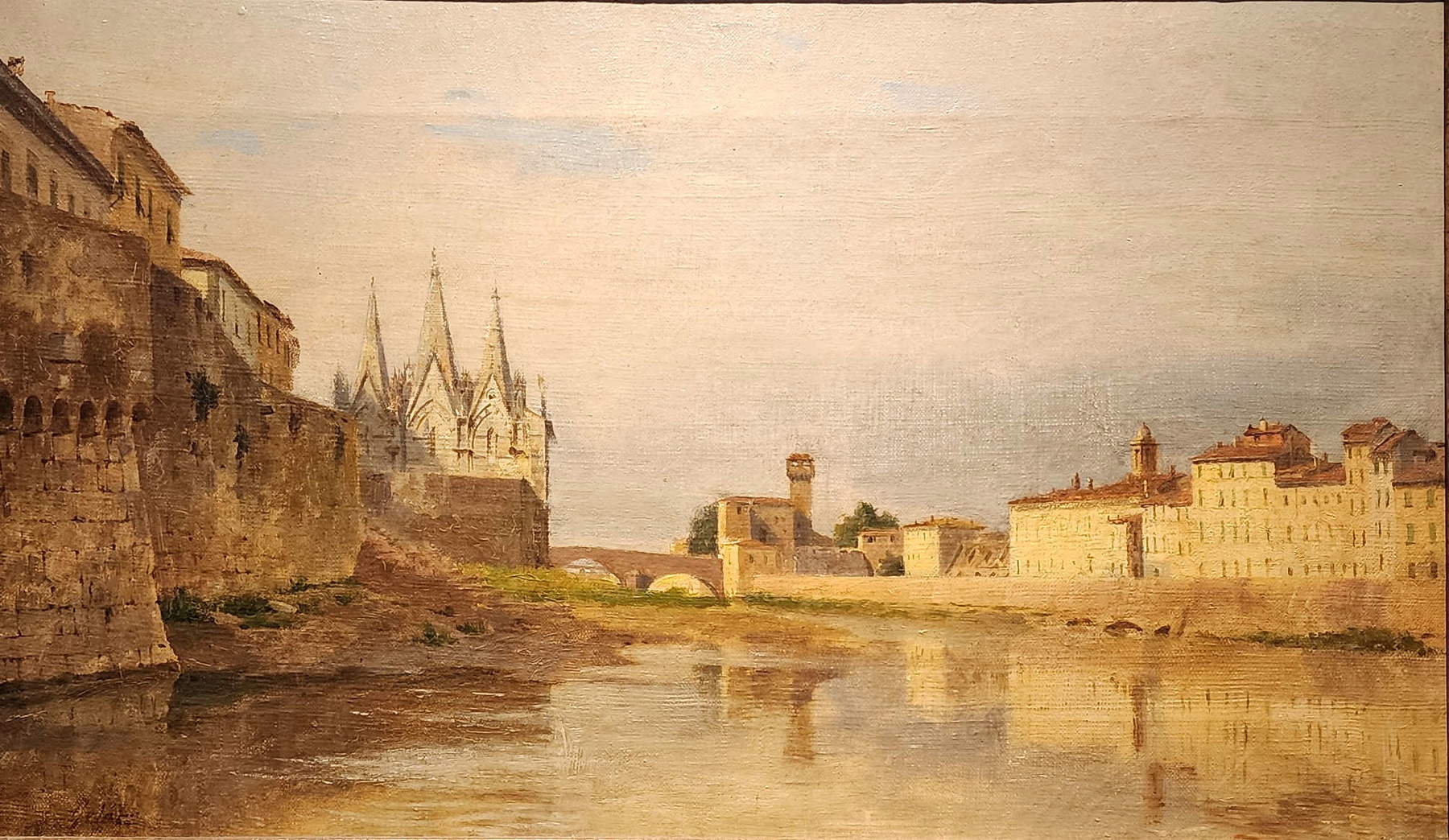
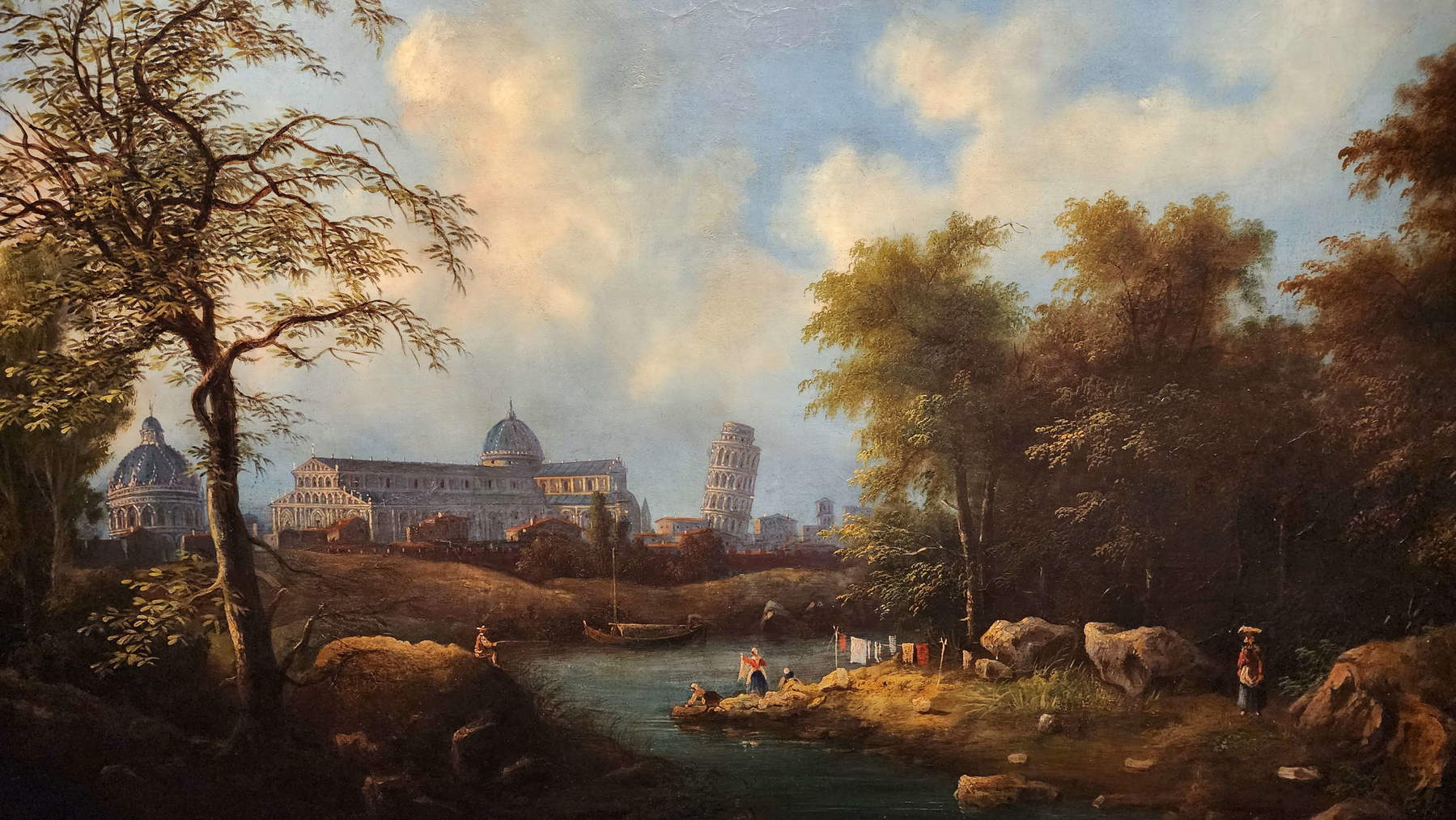
Indeed: the Pisan offshoot—as curator Renzoni calls it—of the Staggia school was of some significance to the Macchia, and the painting practiced by the Hungarian Markós in the city and its surroundings was also of some significance (Károly the Elder established a workshop in Pisa that lasted a few years and fostered the development of a local school that has yet to undergo a thorough critical examination, while Károly the Younger, who was among the most talented and prolific painters of the Staggia school, chose the Pisan countryside as the preferred setting for his most mature experiments). And while the city of Pisa was largely kept on the margins of the exhibition (albeit with a few significant exceptions: on display is a splendid view of the Arno embankments featuring Santa Maria della Spina by Lorenzo Gelati, and an unreal, Arcadic, eccentric view of the Arno with an imaginary forest and the Piazza dei Miracoli on its edge, a work by Egisto Chiavacci—a painter who still warrants further study and who was a product of that school formed in the tradition of Markó the Elder), the same cannot be said of the Pisan countryside, the countryside around Coltano, the woods of San Rossore, or the coastline—all places that sparked the curiosity of Giovanni Fattori, Nino Costa, Vincenzo Cabianca, and Odoardo Borrani (who, though a native of Pisa, almost never depicted the city in his works), and Stanislao Pointeau, who was the most assiduous visitor to Pisa among the Macchiaioli group. Before the Gioli family, therefore, Pisa is a footnote, an almost secondary annotation, and the exhibition brings together almost everything there is to say (which is already quite a lot); conversely, what is missing from the exhibition halls (some works by the Pisan Fattori, a few pieces by Nino Costa, or that cornerstone of the movement— Odoardo Borrani’s *Cammelli di San Rossore* ) is adequately evoked in the catalog. This placid, rural, dreamlike Pisa—this Pisa far removed from the university city, the city of the Risorgimento, the city of Mazzini—precisely this Pisa, touched by a rustic metamorphosis, was the Pisa of Francesco Gioli and Luigi Gioli.
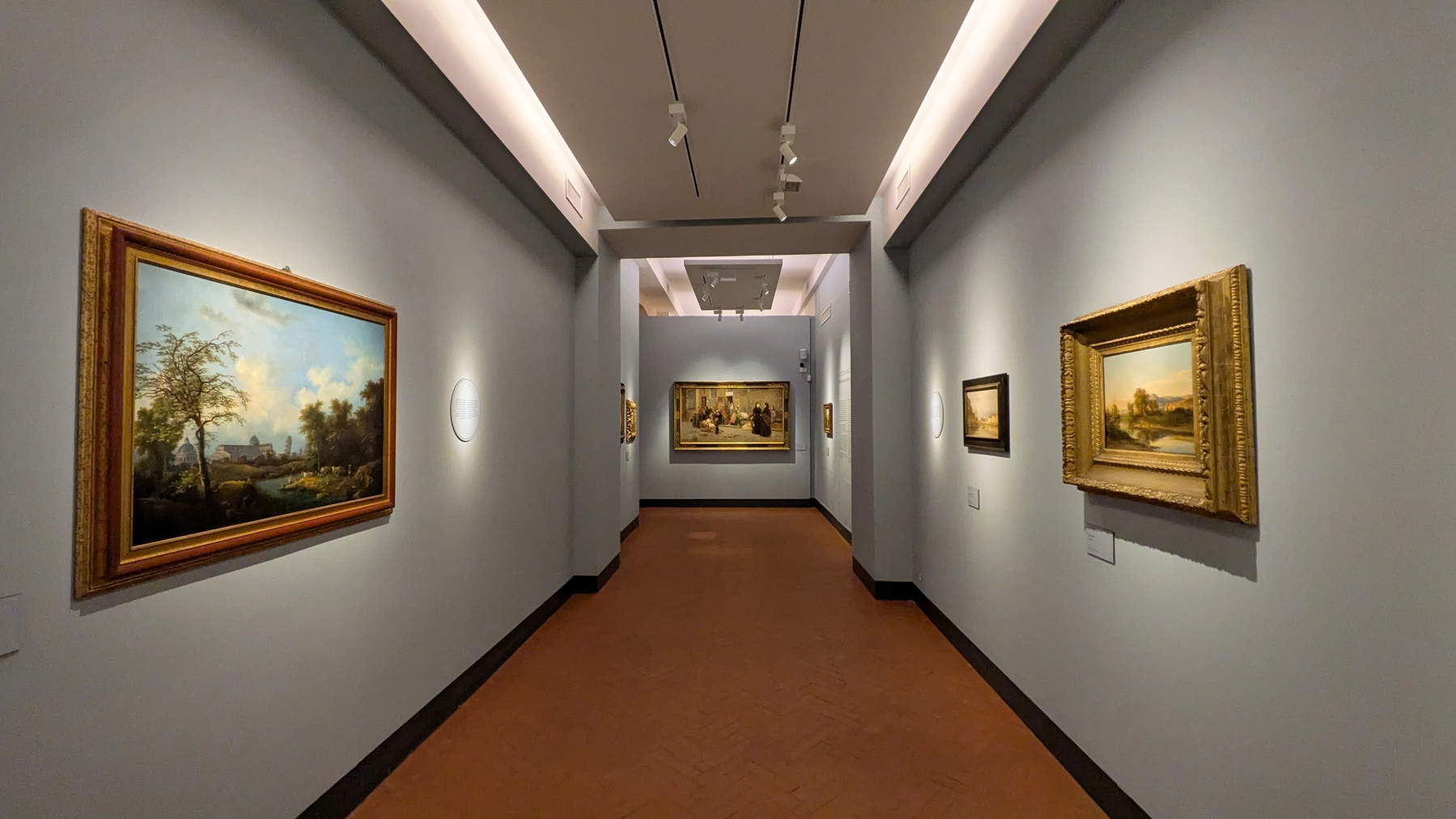
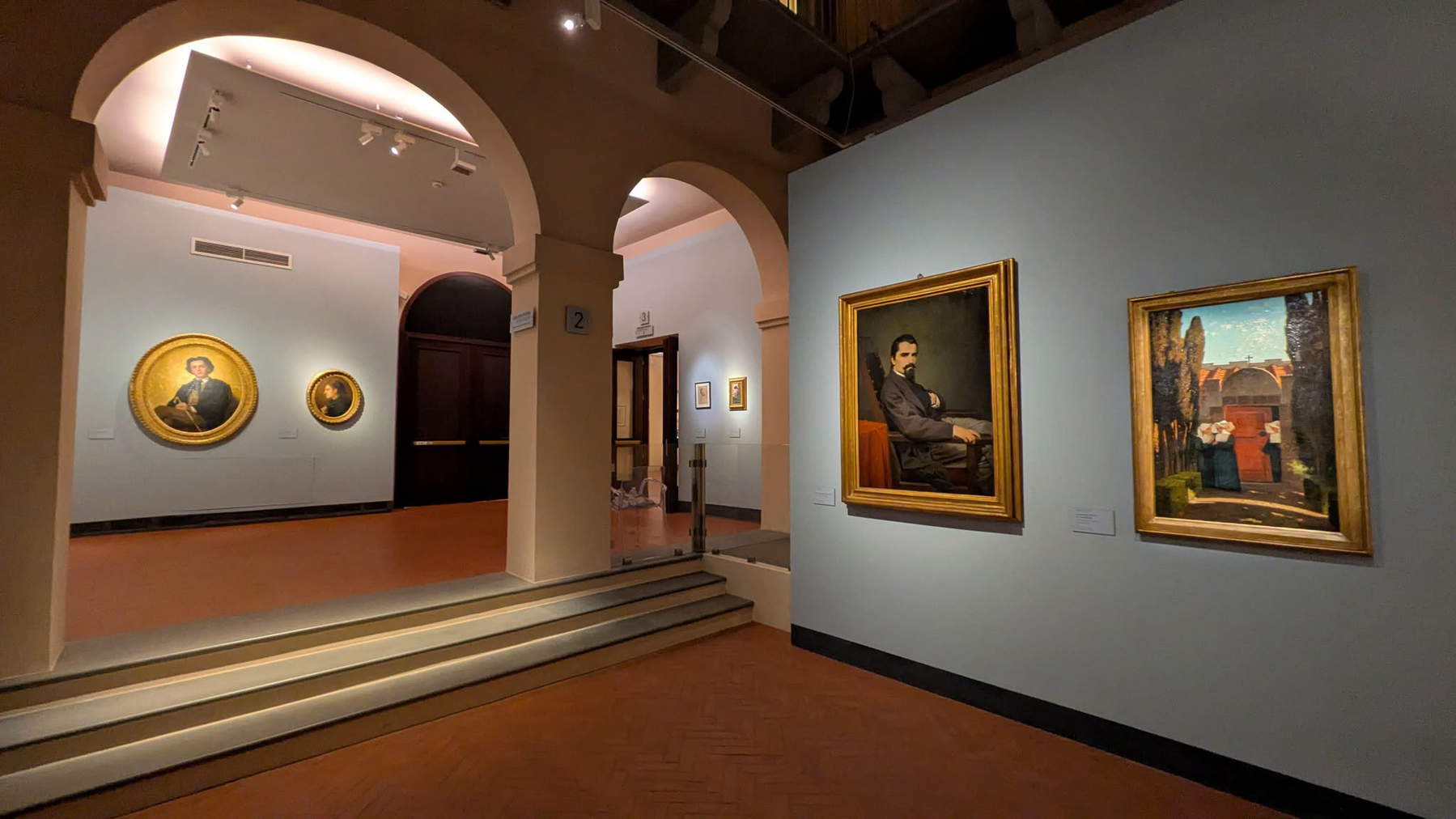
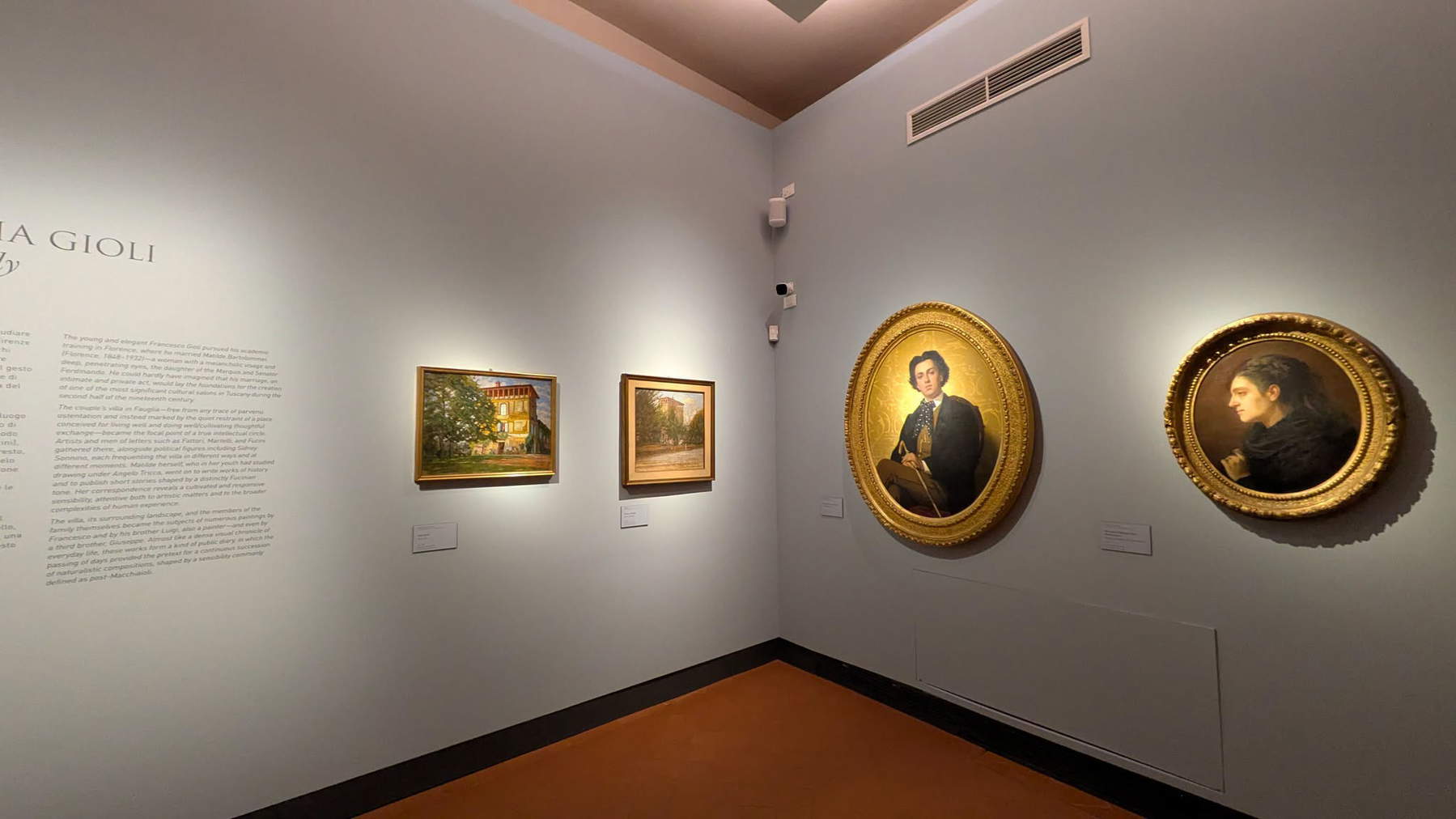
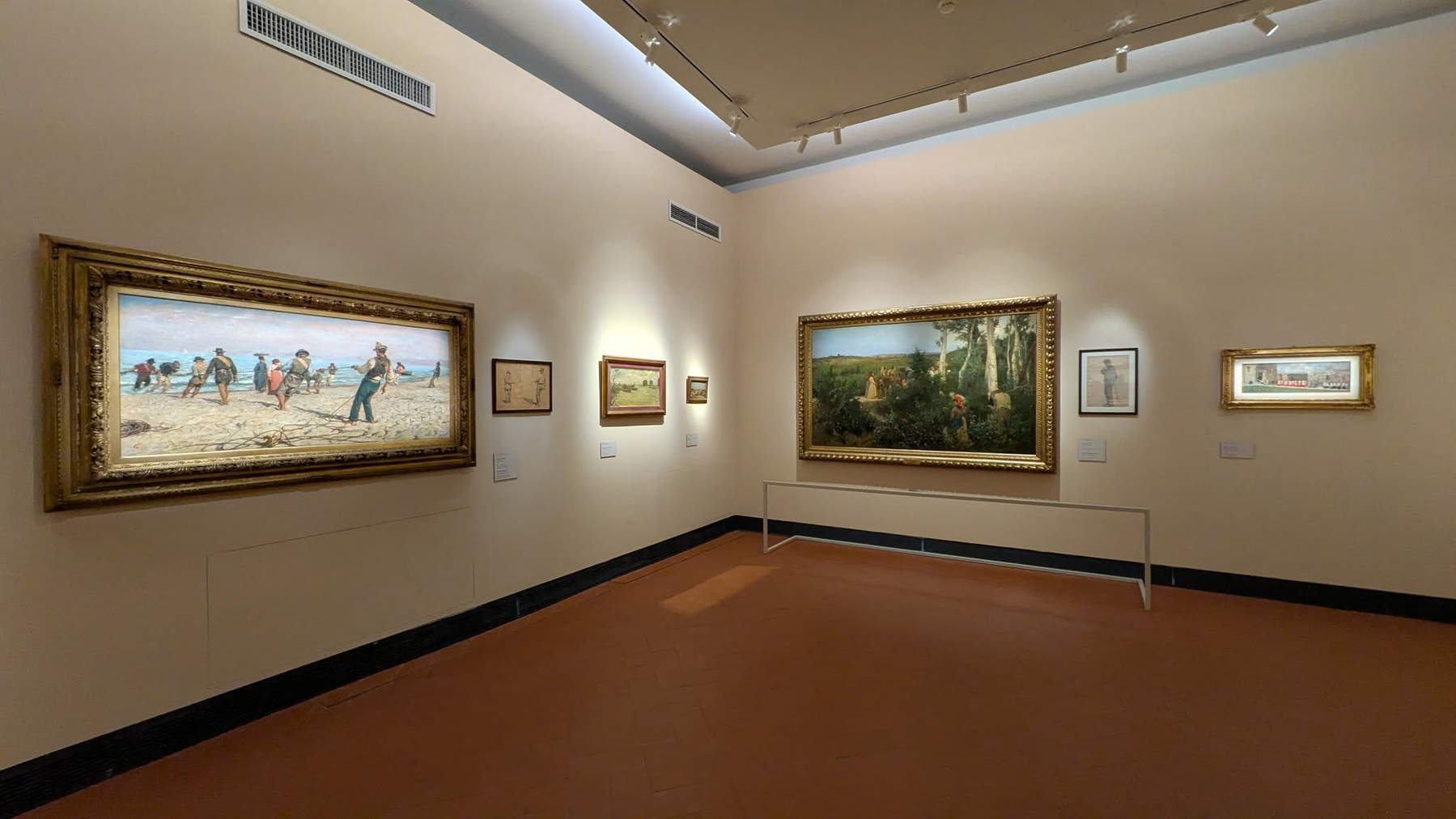
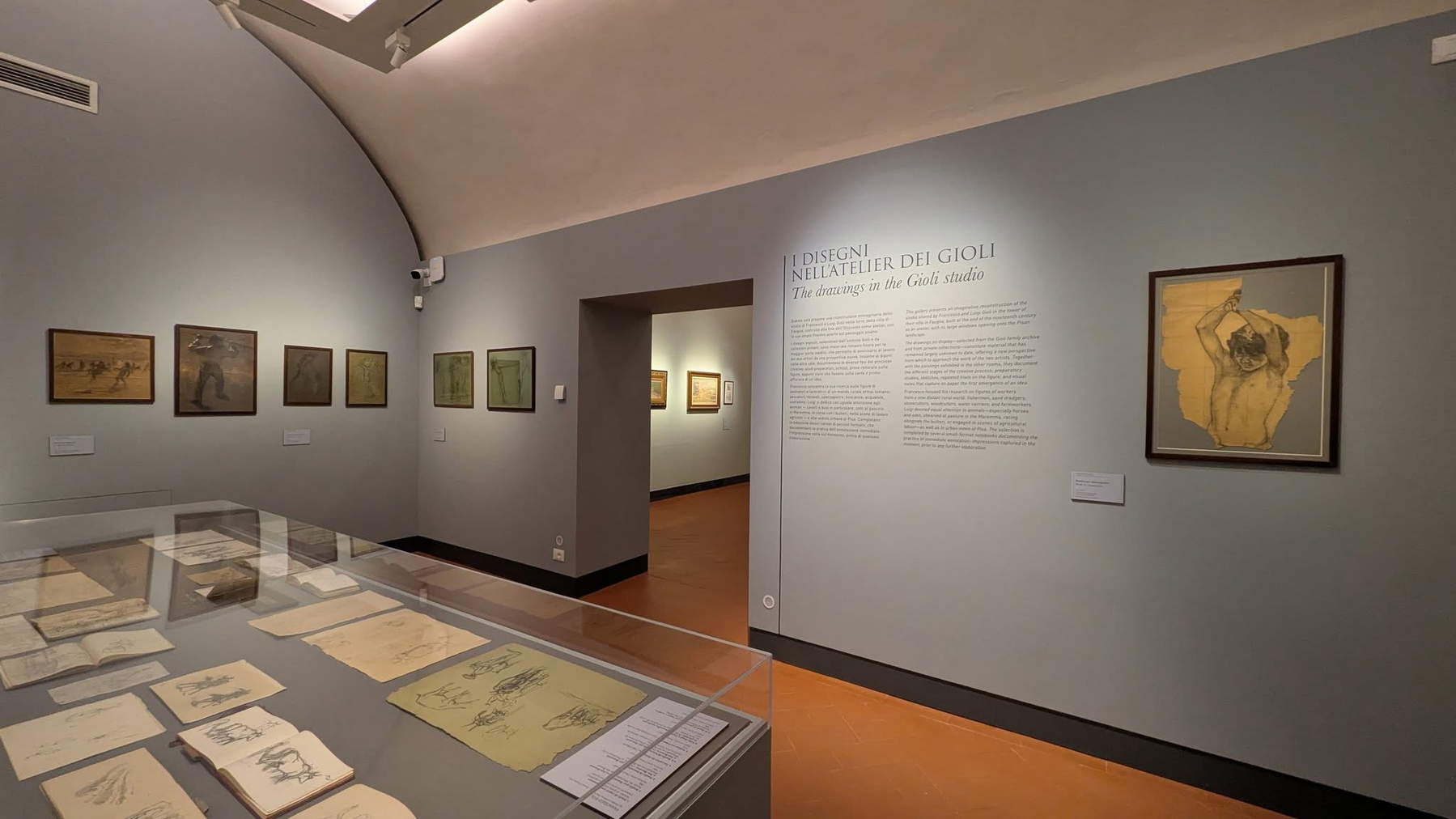
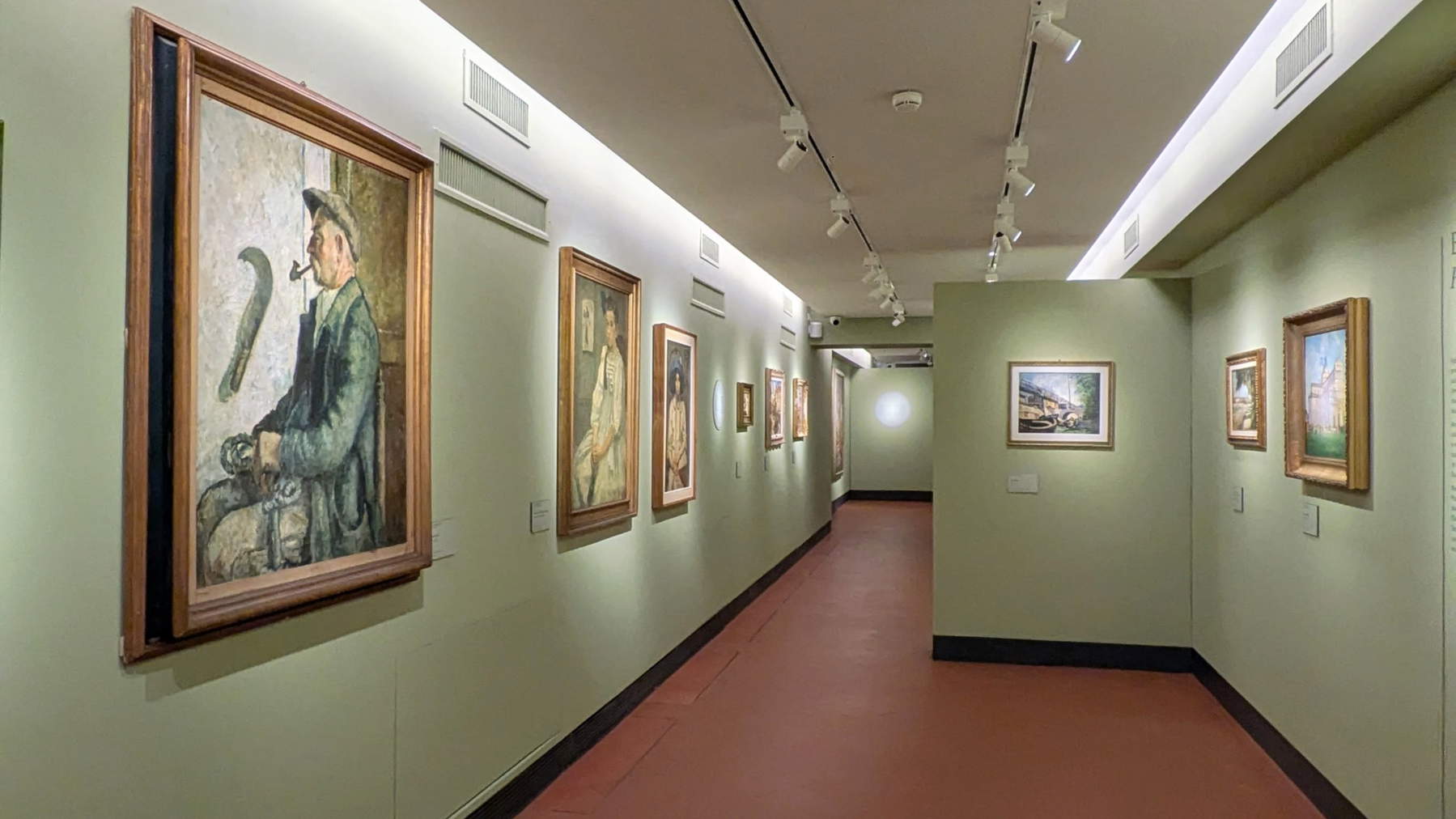
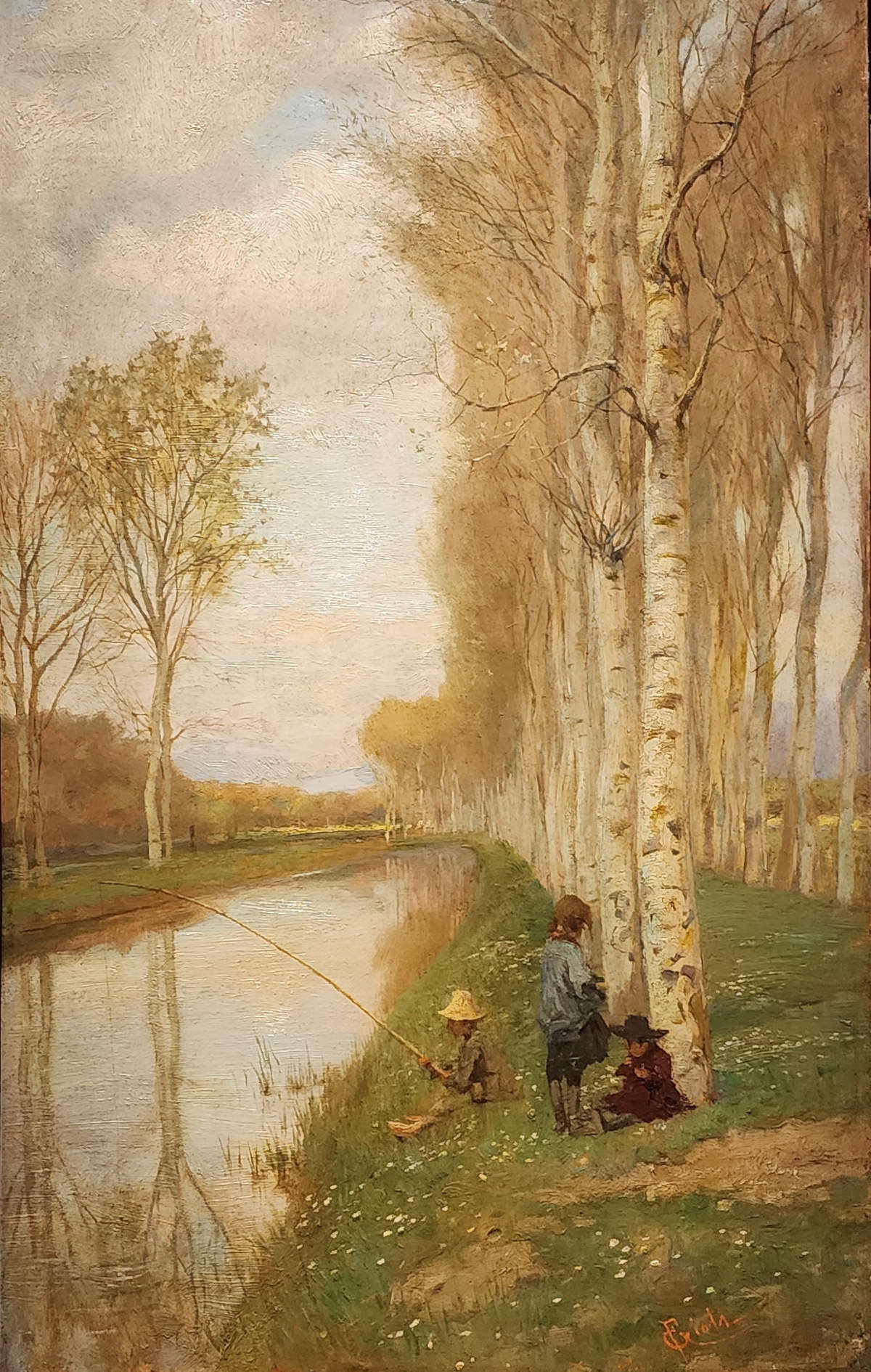
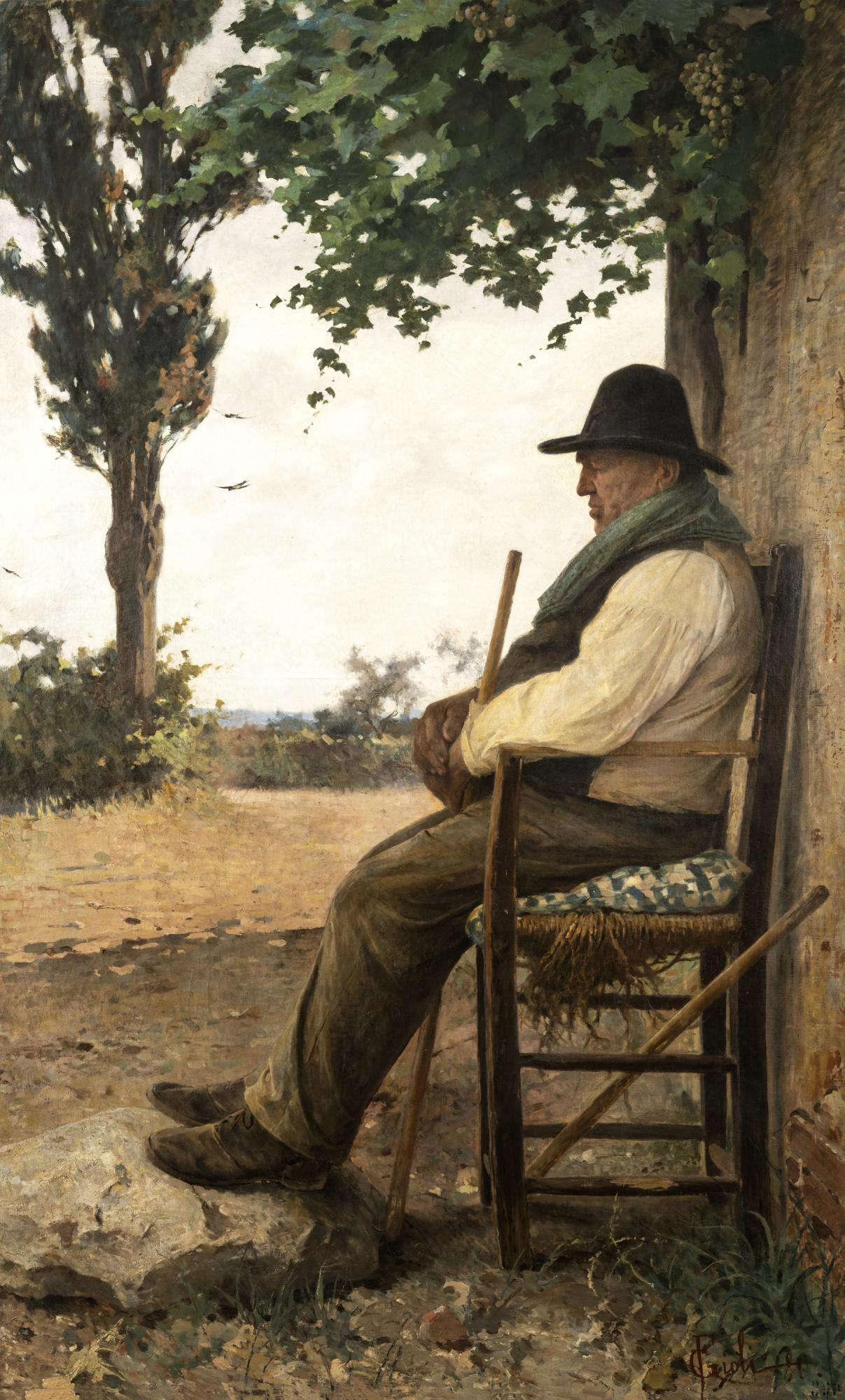
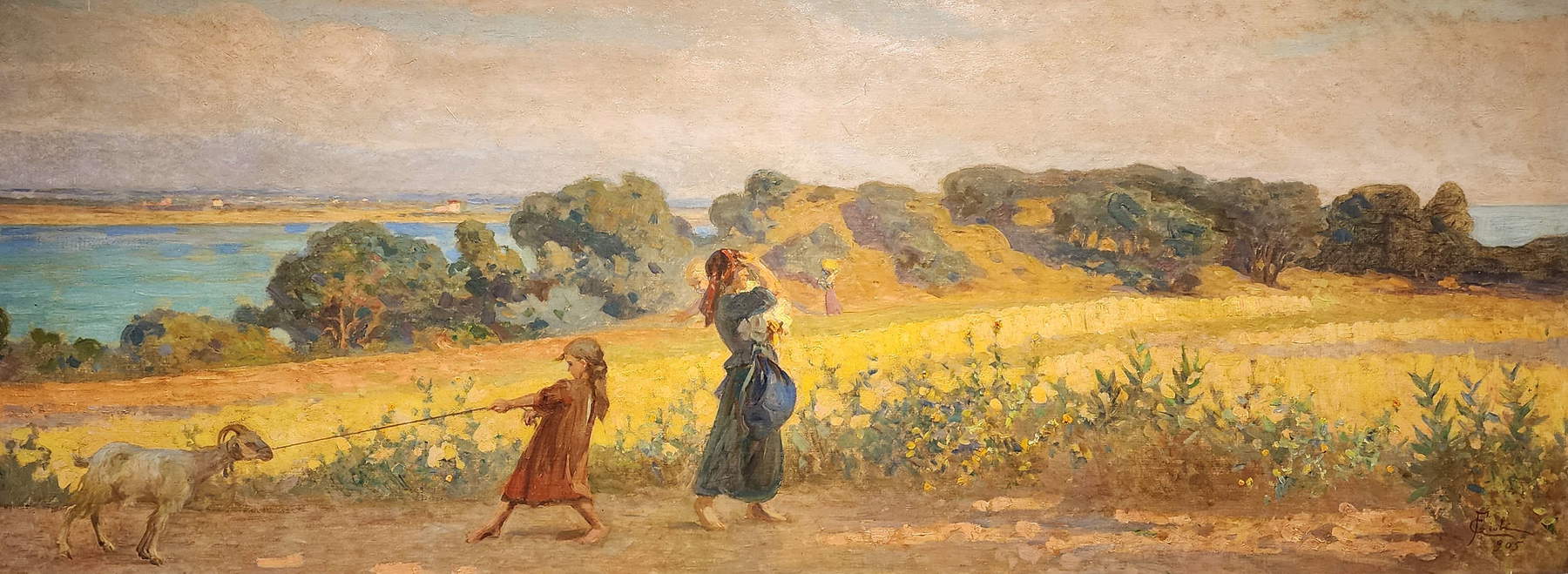
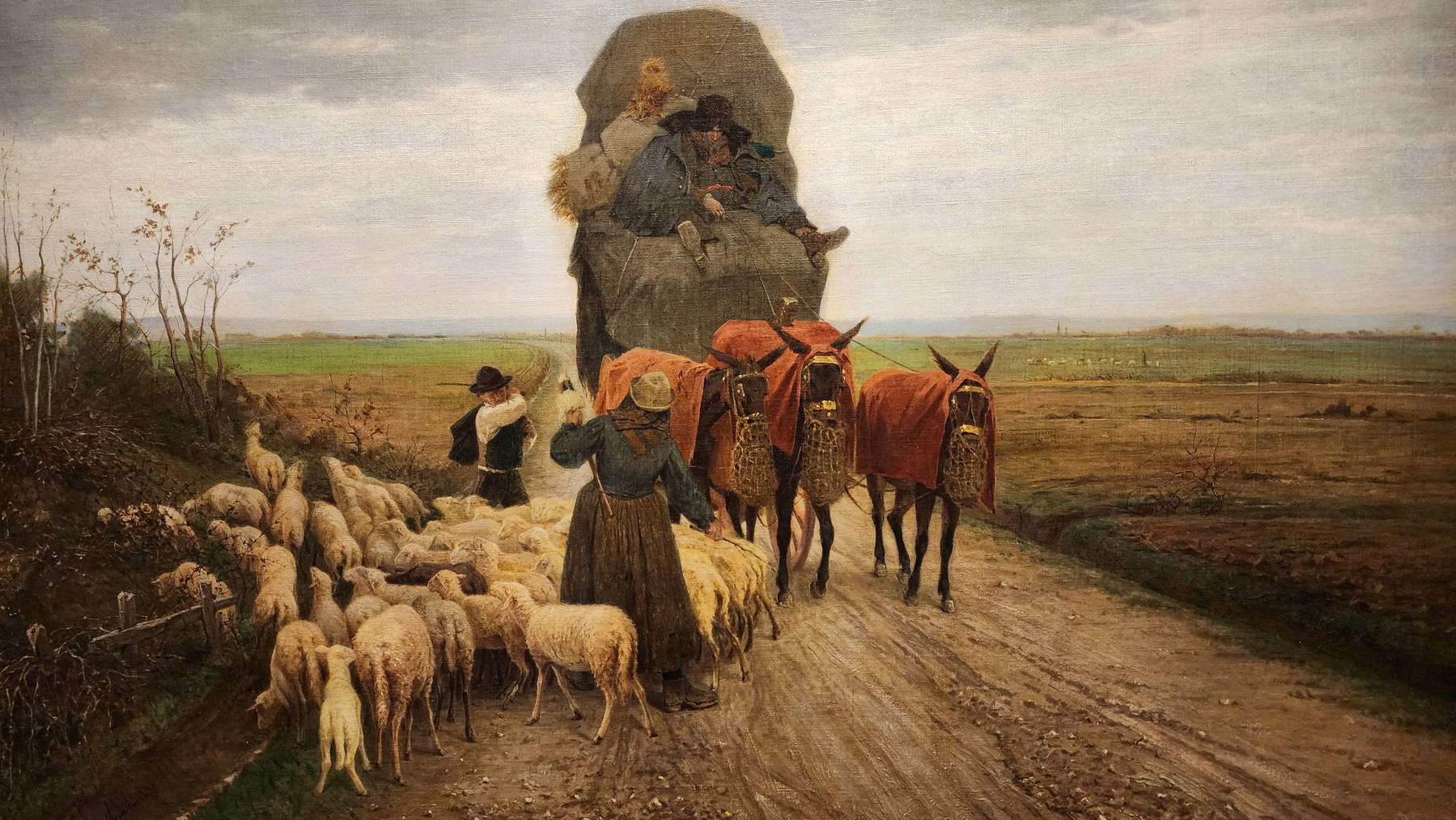
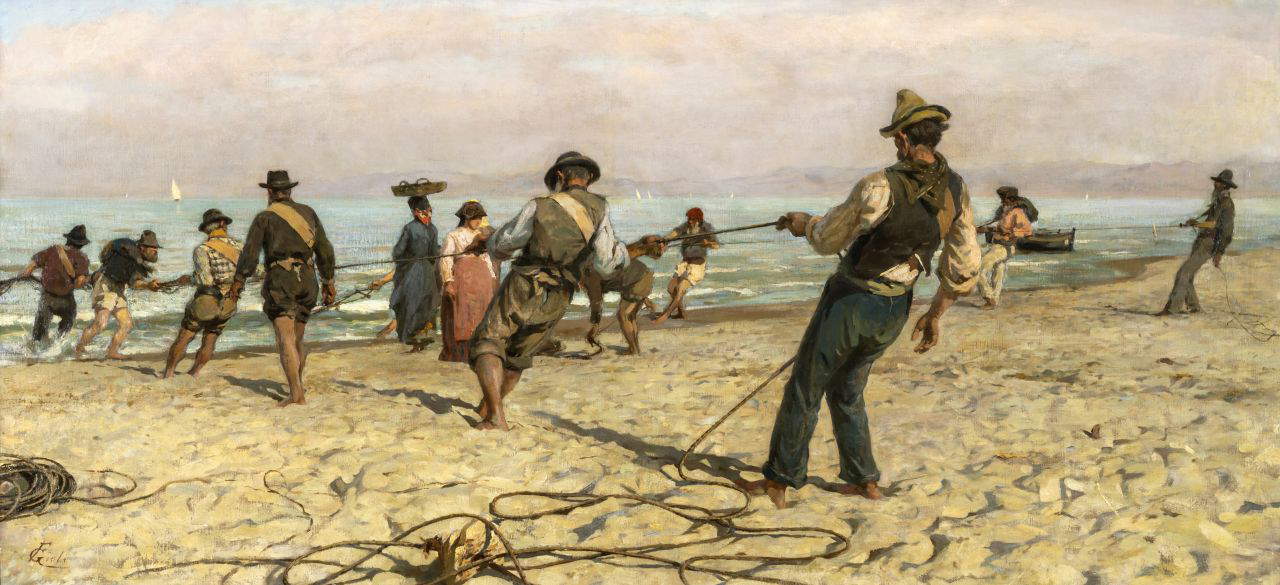
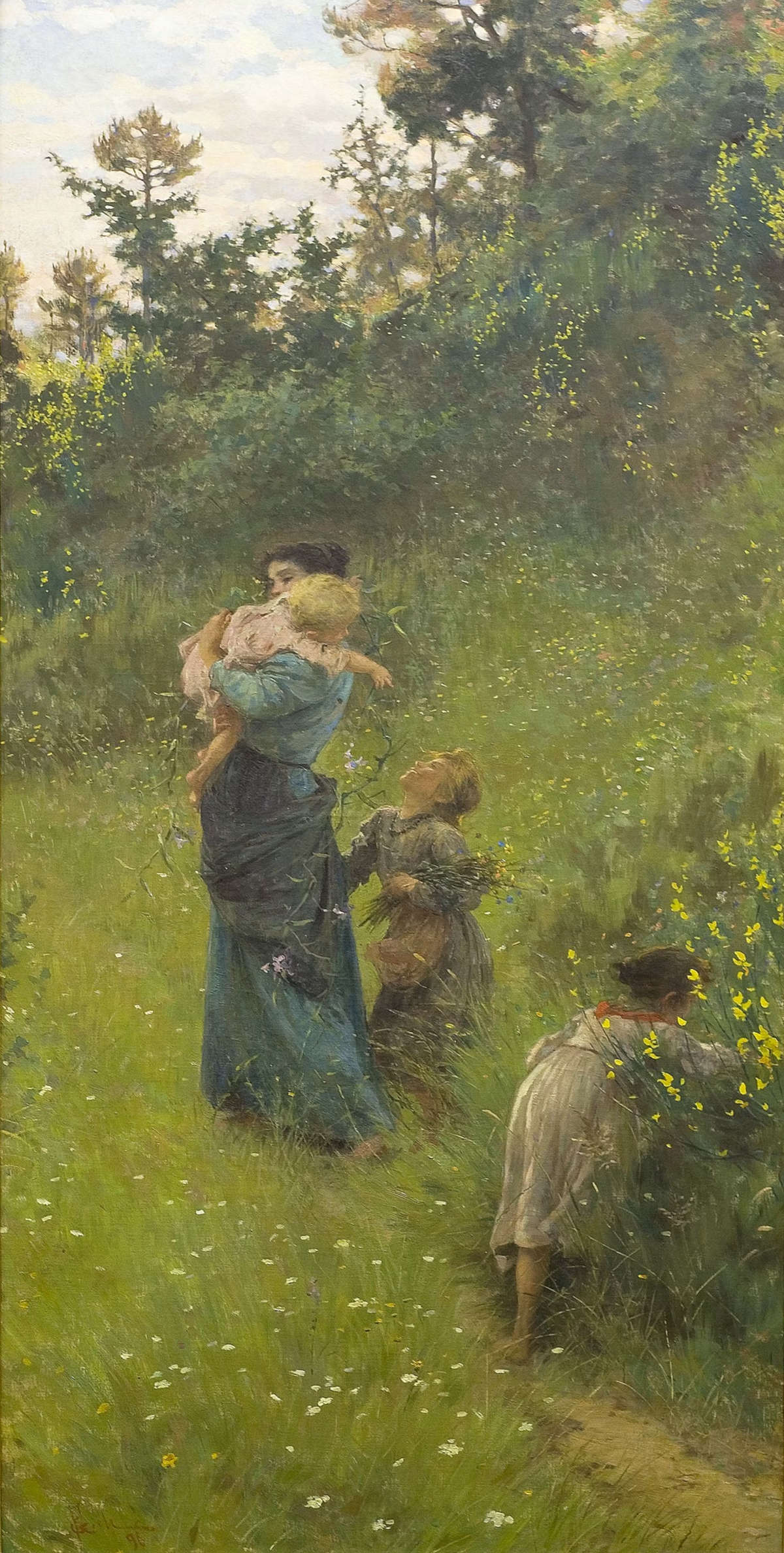
Having thus laid the groundwork and introduced the public to the Gioli family through several paintings by both brothers—which use color to depict their villa in Fauglia, the central hub of their classicist aspirations (as well as with the portrait of Francesco Gioli, depicted faithfully as a country gentleman, and that of his wife Matilde, who was entrusted with the no less important task of turning the villa in Fauglia into a gathering place for artists and writers, along with that of Luigi, which instead reveals his more rebellious temperament, and that of a very young Giuseppe, the youngest of the Gioli brothers, bent over his school desk), the exhibition becomes a meticulously organized unfolding of the Gioli brothers’ counter-revolution. It begins with Francesco, to whom an entire room is dedicated to show visitors the journey and results of his artistic exploration—an exploration centered on the Tuscan countryside, particularly the Pisa region, a universe that, as the curator writes, “with great expressive diligence […] offering an interpretation that is never feverish, but rather rendered serene by an eye at peace with nature and with humanity.” A tranquil countryside that thrives on a harmonious balance between the needs of human beings and those of their surroundings, where the banks of a stream—in which a milky sky is reflected—welcome an orderly row of birch trees and a child fishing (On the River), where an old farmer takes on the monumentality of a Telamon and becomes the memory of the countryside, a guardian deity, a steward of the land (The Blind Grandfather), where the scene seems almost to prioritize the idea over reality (In Castiglioncello), where every trace of toil seems almost erased, where there is no drama, where there is no harshness (Scene of Rural Life. An Encounter), where work appears almost as a pretense, replaced by a sort of rural, woodland, and maritime liturgy (Seine Fishing), and where everything is transfigured into a sort of Tuscan Arcadia populated by country folk, mothers, and children who seem more like pagan processions of woodland deities than farmers at rest (Wildflowers), culminating in the clearest and most unadorned elegy (Farewell to Summer).
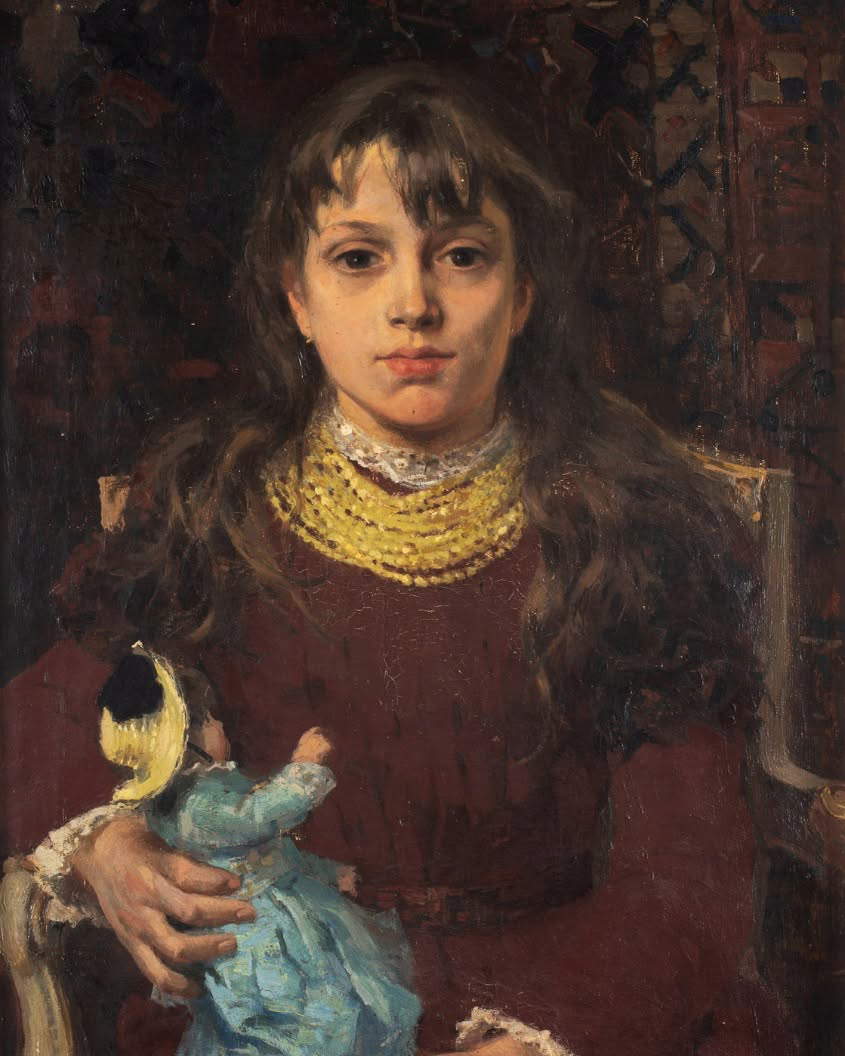
It is certainly a countryside filtered through the eyes of a wealthy landowner, and we must come to terms with this; we must realize that what we see in Francesco Gioli’s paintings corresponds more to his own, more or less precise, sense of the countryside than to an attempt at reality, even though the eldest of the brothers, well-informed as he was about developments in European painting, had been influenced by French painting from fifty to sixty years earlier: it is like seeing a Bastien-Lepage who retains an intact sincerity of inspiration and intent, yet has been stripped of his most radical elements, and who does not fail to engage with the Macchiaioli revolution while retaining, to a certain extent, its temperament, technique, and foundations. Nor did Francesco Gioli lack a sense of quiet bourgeois intimacy which, with a few exceptions (Silvestro Lega above all), was not very common among the other Macchiaioli: namely, that “family lexicon” to which the exhibition dedicates an entire room—that expression of happiness in the mundane everyday life that permeates some of Francesco Gioli’s most poetic paintings (and which is expressed above all in the portraits of his family: the one of his wife Matilde with the children, the one of his daughter Fernanda with her doll, or the one of the two lovers on the cliff—likely a portrait of a slightly older Fernanda with her boyfriend)—is another of the elements that distinguish Francesco from his brother Luigi, who was a painter of a different temperament.
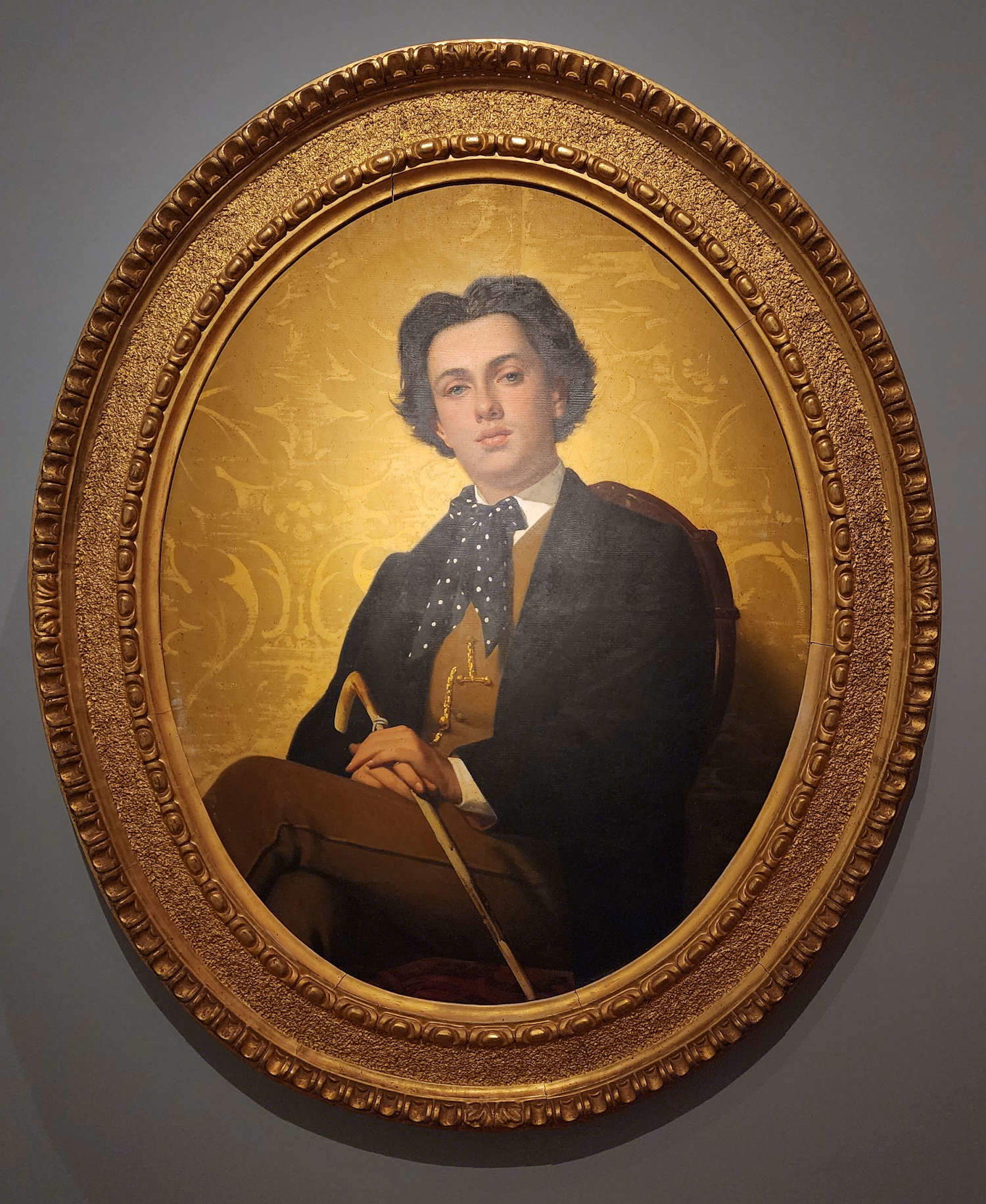
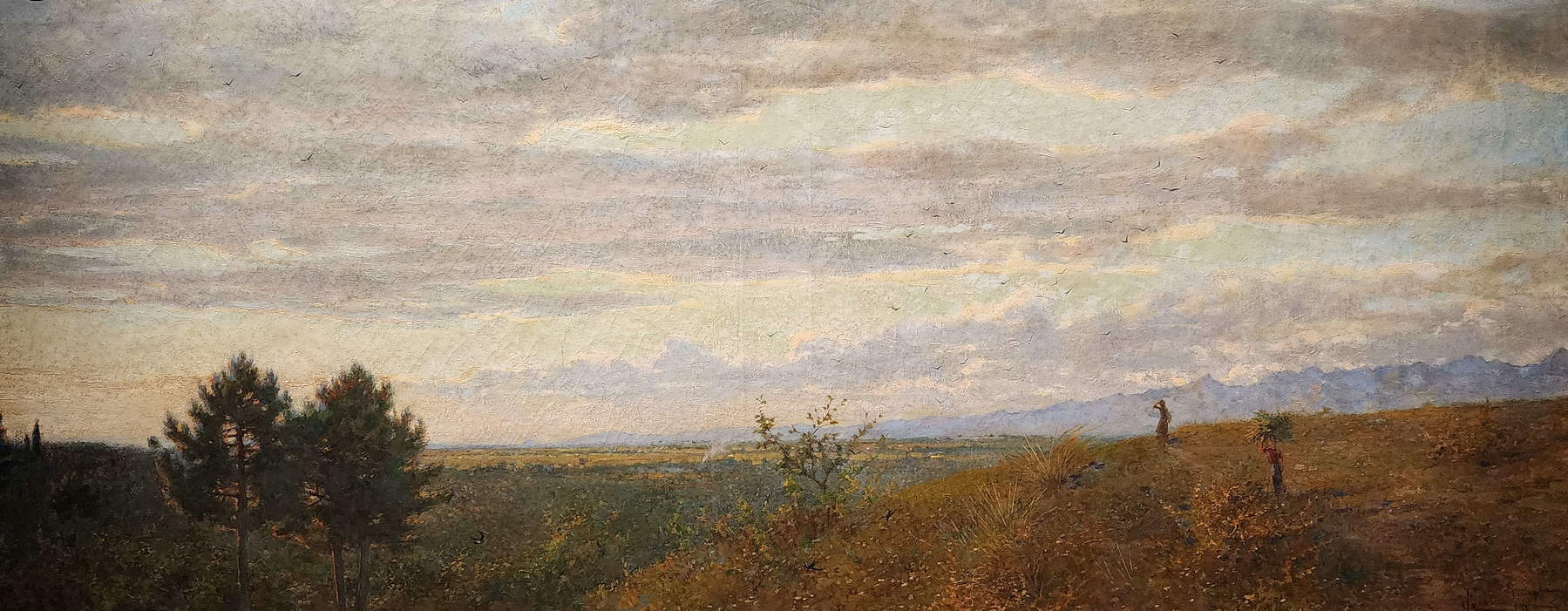
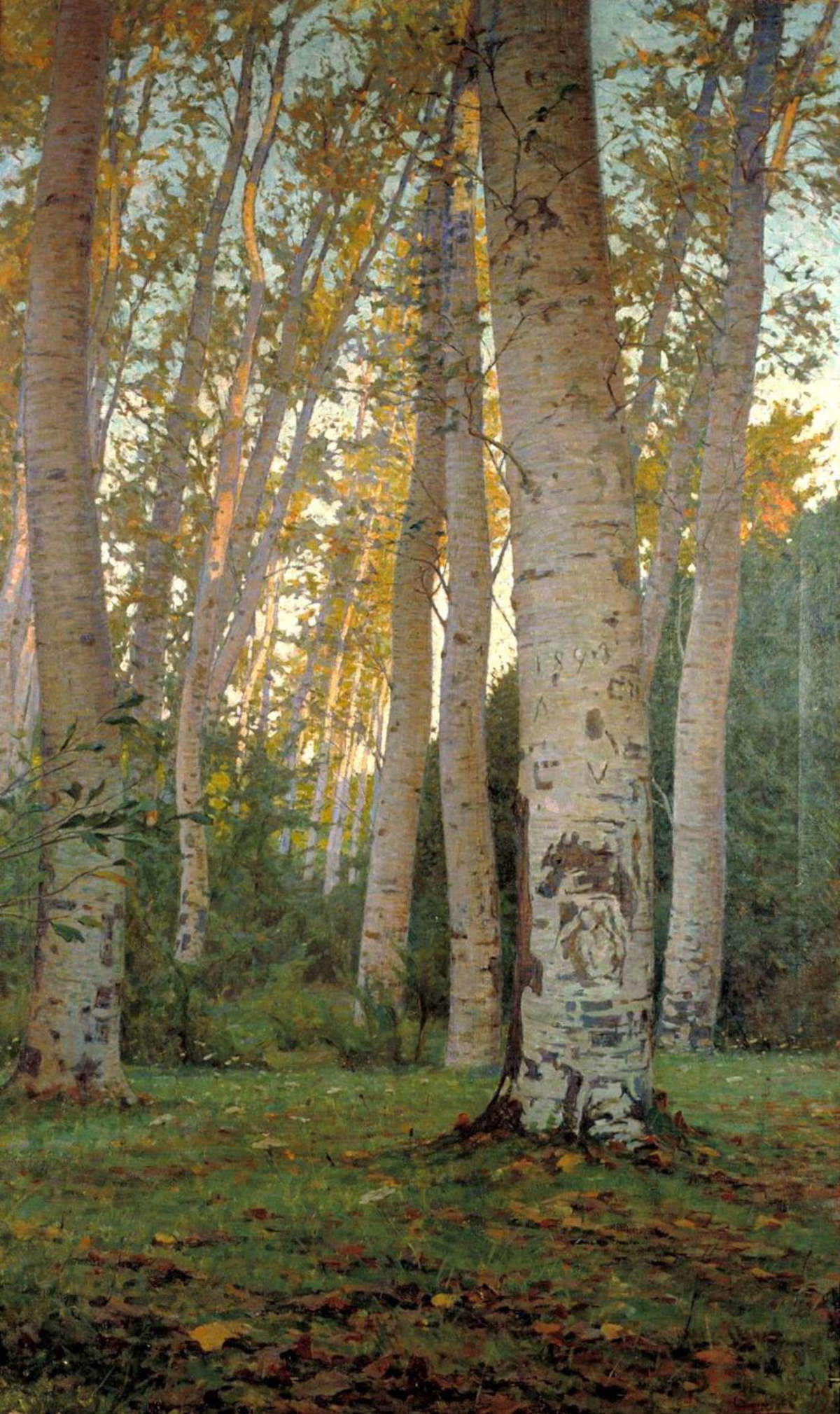
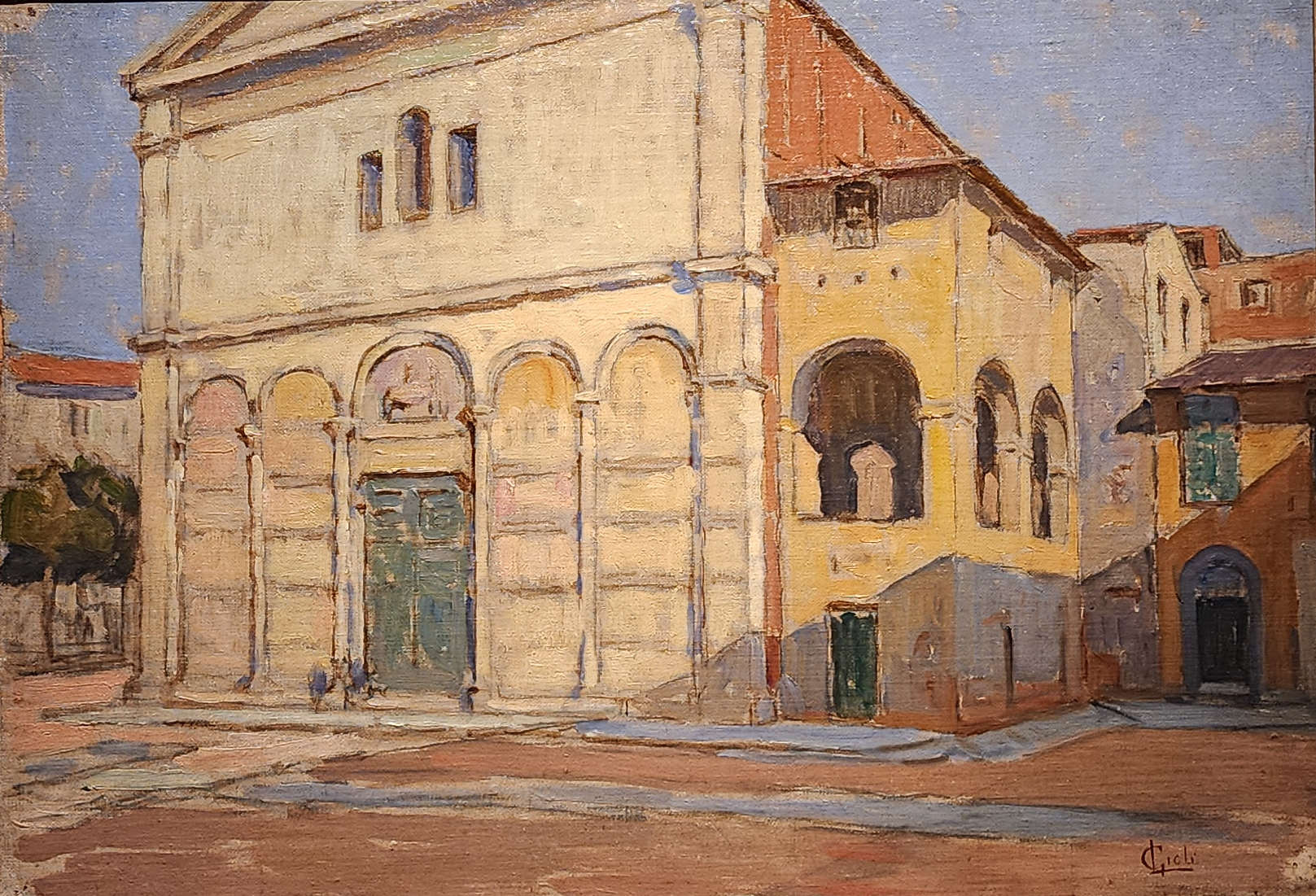
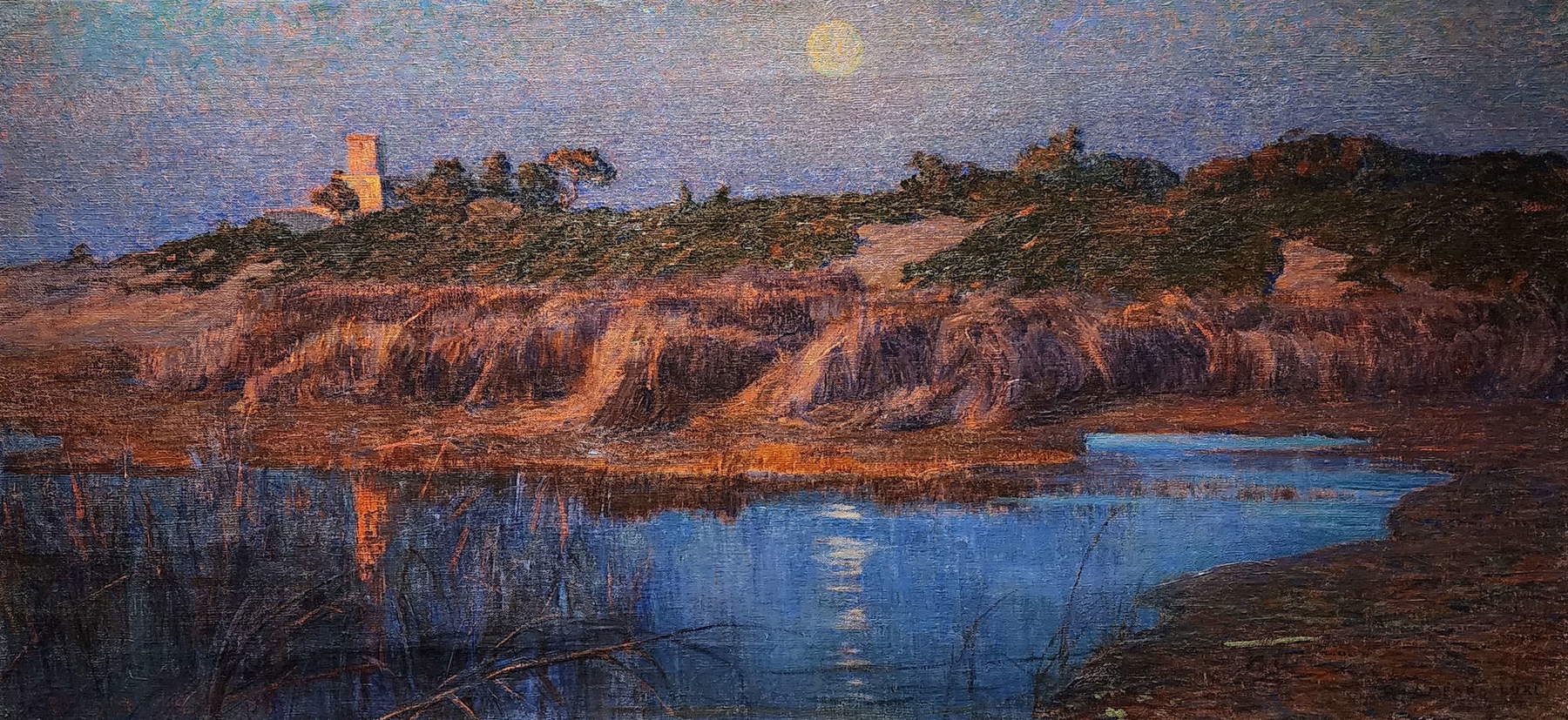
A temperament, one might say, that was less confined. Less linear. Less controlled. Luigi Gioli was a landscape painter, a painter of horses, sometimes a painter of cityscapes, a painter of light, atmospheres, and impressions in large format (The Poplar Grove, perhaps his finest painting in the exhibition, is a dream of soft twilight glimmers striving to envelop the leaves of a grove), with a penchant for sketch-like works in small formats, since he was more open than his brother—and probably more so than any other Tuscan of his time—to the influence of the Impressionists. An artist capable of dipping his brush into dazzling midday light (A Tree, Church of San Martino in Pisa), capable of the boldest and most unusual cuts and perspectives (The Arena in Pisa, or The Promenade in Livorno, where the subject is not so much the street as the horse entering, oblivious to everything, into the frame), to the point of almost disregarding what should be the subject of the painting (Church of San Nicola in Pisa), capable of loving experimentation to the point of abandoning the macchia technique and devoting himself from time to time to some Divisionist experiments (The Haystacks), capable of being ignited by an impetuous love for the landscape when the landscape becomes a possibility (Bocca d’Arno). In Luigi Gioli’s painting, a tree is a tree, and we might be content to ask nothing more of it, but it can become a question of light. A horse is a horse, but it can become something that arrives too early or too late. A church is a church, but it can become a circumstance. A river is a river, but it can become a feeling.
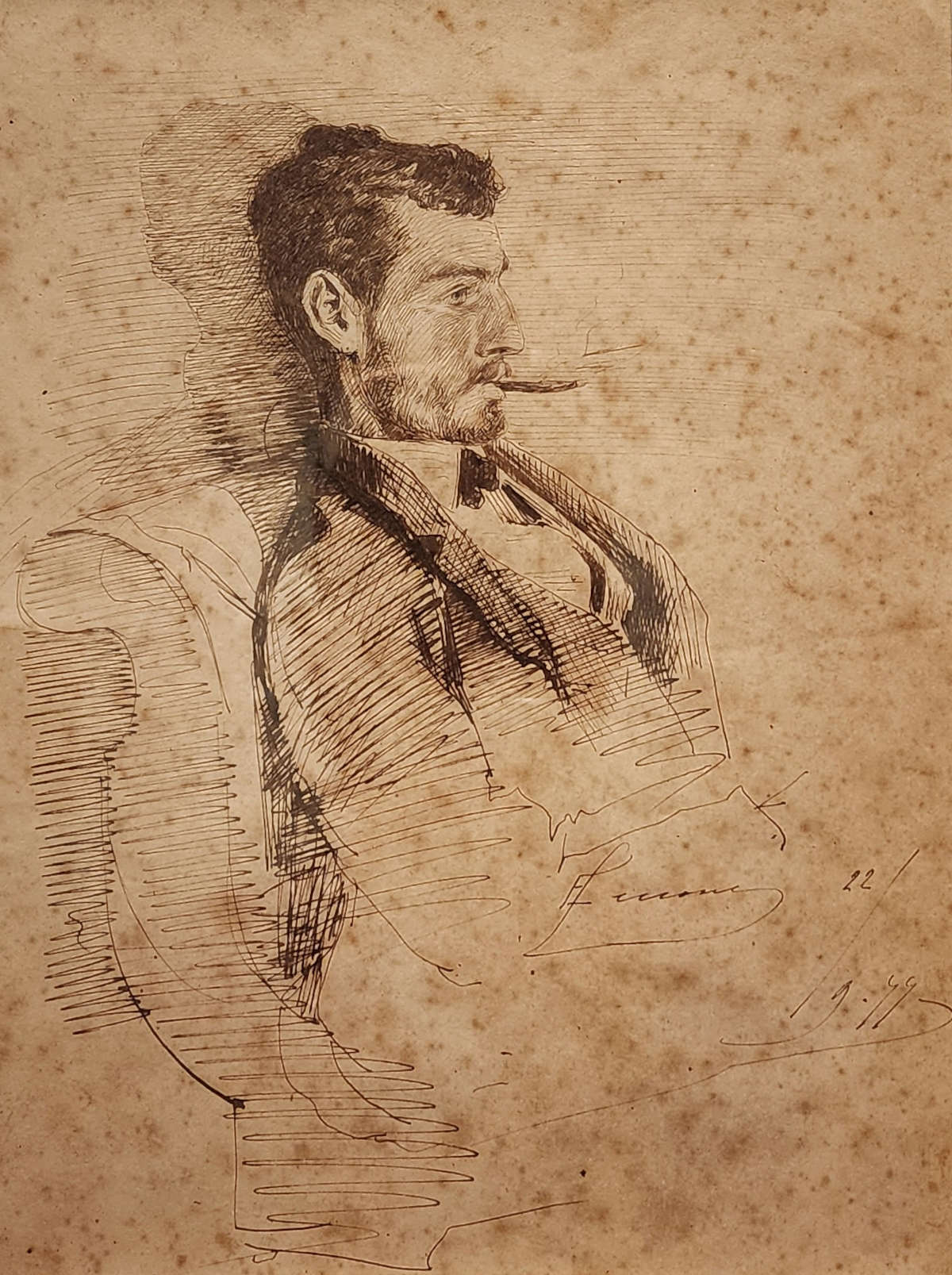
Luigi Gioli is thus an artist who, like his brother Francesco—so eager to shun any conservative instinct while seeking the possibility of mediation within his rural classicism—ends up attempting a synthesis with European modernity by working with light, with impression, and movement—and it is not even certain that he succeeds, or that he manages to carry his intentions through to the end, but perhaps the measure of his success is to be found in this very incompleteness, in this sensibility so different from his brother’s and yet so identical (in this regard, one should linger in the room with the drawings, the section curated by Bianca Cerrina Feroni, which for the first time explored the graphic work of the two: one would be hard-pressed to find major discrepancies, except perhaps in terms of subject matter), in this distancing of himself from the reassuring shadow of the Mediterranean scrub without ever wishing to abandon it entirely. And yet, as Renzoni argues, compared to his brother, Luigi “truly paved the way,” “the path for the future local pictorial tradition of the 20th century, partly because he applied his photographic and corrosive method of depicting urban vistas to the representation of obsolete, eccentric places—ones not found on 19th-century postcards.” Luigi thus ended up becoming perhaps the most French of the Tuscans.
It was Luigi, more so than Francesco, after all, who gathered a following around him—a phenomenon the exhibition explores in its final galleries, which might seem almost like an add-on, an afterthought, or filler (a feeling, of course, reinforced by the fact that the quality of what is seen in the final section is quite uneven), yet they are perhaps just as necessary in their role as a historical verification of the Gioli brothers’ painting, as well as in their openness to new working hypotheses and their suggestions for further exploration: here, then, is a section on the “School of Bocca d’Arno,” a chapter of late-nineteenth-century art history yet to be fully written but which can be traced to the circle that formed around Nino Costa at the turn of the century and found its foremost figure in Luigi Gioli, whom we can imagine as a sort of director of this school, capable of steering the movement toward Divisionism, and who found his most valuable product in the brilliant and all too neglected Guglielmo Amedeo Lori (the *Sunset on the Arno*, the night view of Manarola, and the view of the Apuan Alps from Pisa are among the finest works Lori ever painted; they are musical movements that take the form of landscape compositions). And here, toward the end of the exhibition, is the concluding chapter on the “Pisan legacy”—on those painters who, as curator Renzoni explains, “were able to reflect on the painting of the Gioli brothers, and in particular that of Luigi”: names that mean little (Spartaco Carlini, Umberto Vittorini, Giovanni Chiaramonti, Salvatore Pizzarello, Ferruccio Pizzanelli) because they have yet to be studied in depth, yet they are evidence that this “counter-revolution” had its followers.
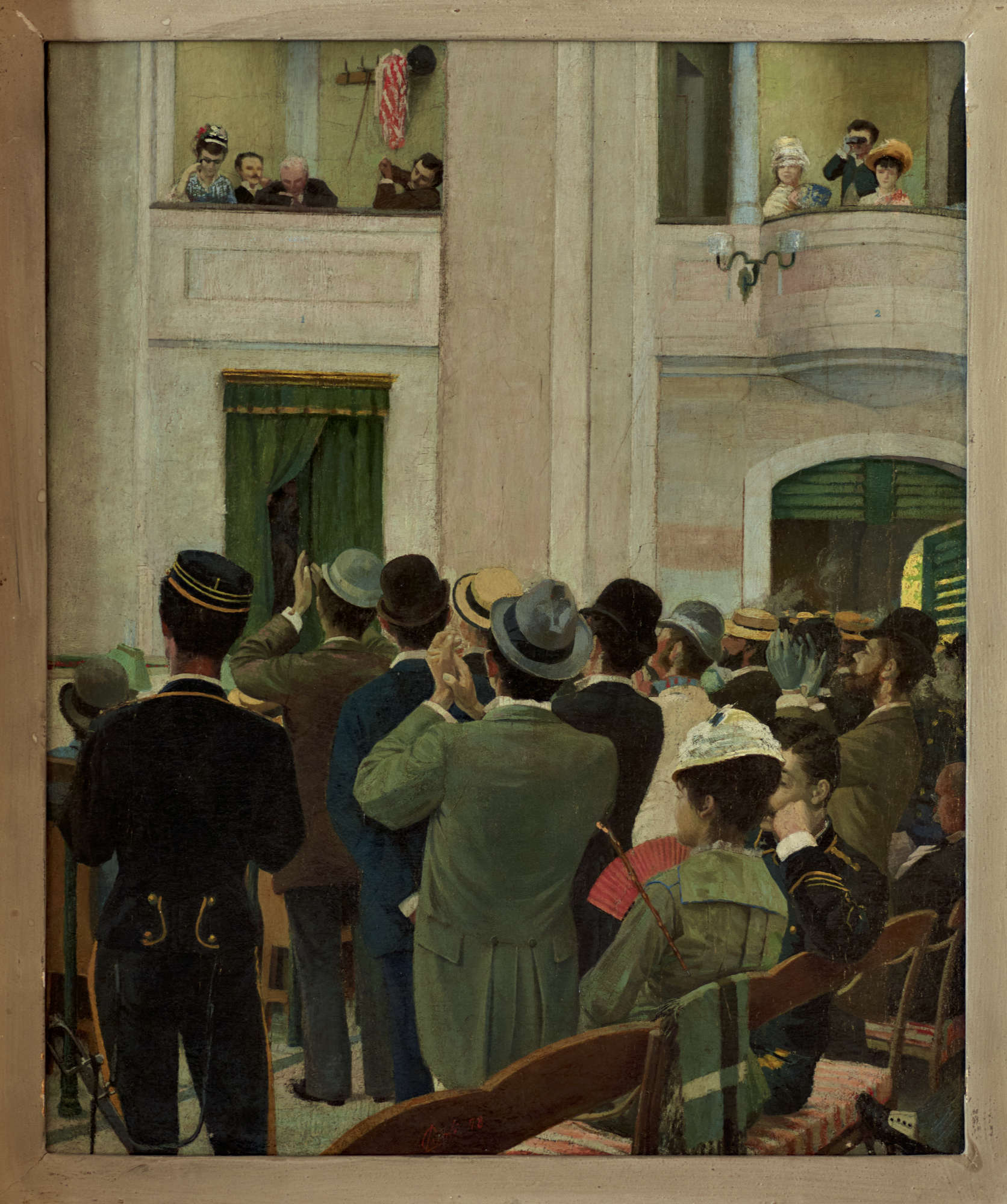
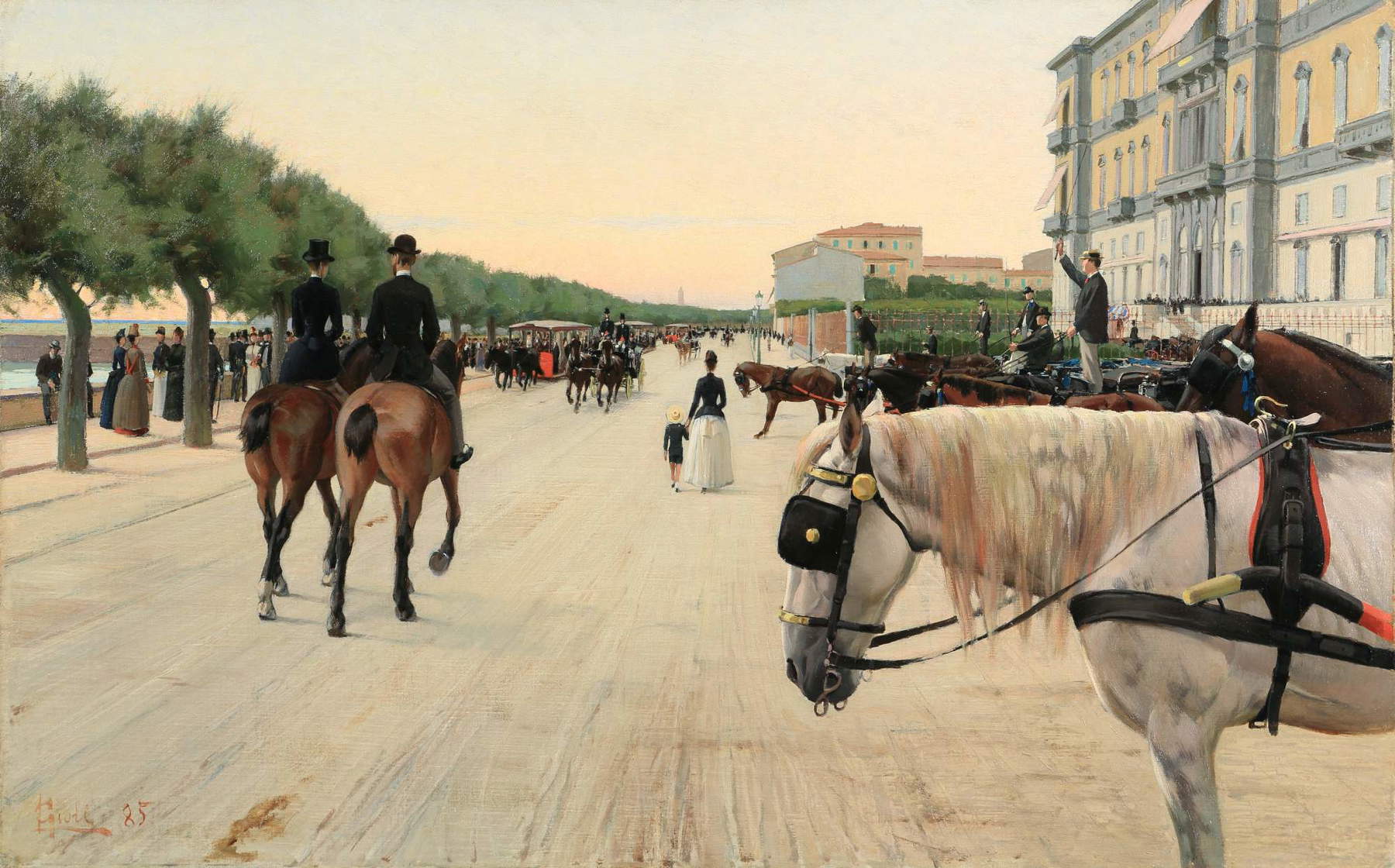
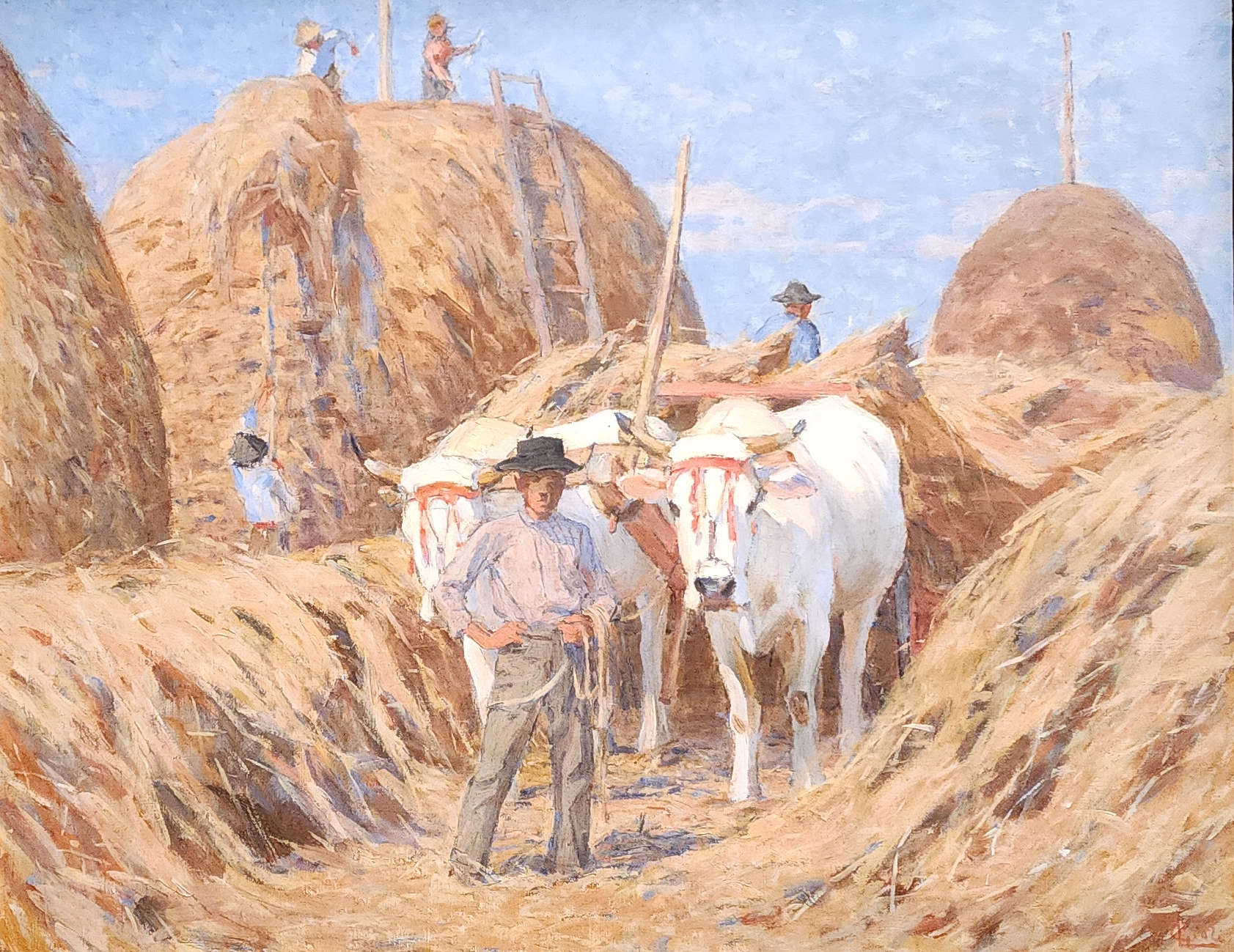
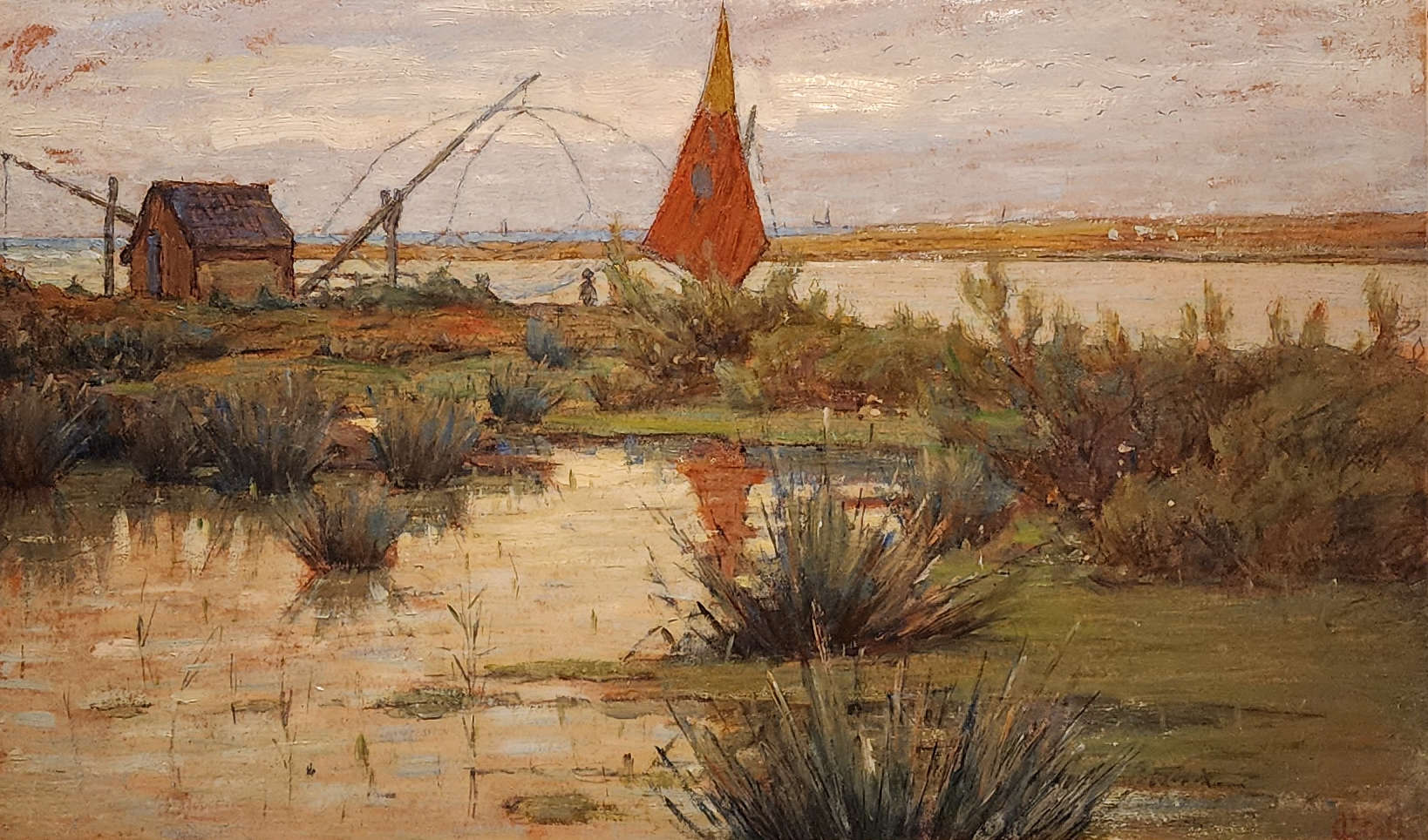
Of course, one might object that any provincial daub can have its own following provided it is sufficiently charismatic, and that the formation of a school around an artist is not necessarily a sign of significance. This is likely what all those who, a hundred years ago, mistook the Gioli’s countryside for a postcard, their sense of nature for mental anguish, and their calmness for good-natured simplicity, must have thought. Ugo Ojetti, for example: the Gioli brothers, like Niccolò Cannicci, Adolfo Tommasi, and Egisto Ferroni, are placed at the head of a “clear, frank, and gentle Tuscan school” of “serene, pastoral painters who never left their homeland—indeed, never left the little valley or hill where they were born.” Or, again, Ardengo Soffici, who mentioned Cannicci, Francesco Vinea, and Raffaello Sorbi to count them among those “bit players of Macchiaiolism” who were, at best, to be pitied and forgiven. And Carlo Carrà: “It is unproblematic painting, not only because its illustrative and anecdotal nature hinders its resolution, but because in that medium, relationships cannot take shape and become refined in the drawing, which is never architectural.” One might counter by pointing to the high regard in which the Giolis—especially Francesco—were held during their lifetimes: they were invited to the Venice Biennales, kept abreast of current trends, involved in debates, and regular attendees at national exhibitions. The true answer, however, probably lies elsewhere.
The originality of Francesco Gioli’s and Luigi Gioli’s painting lies not so much in their novelty, and even less in any intention of renewal that they likely never even felt. It was written of Francesco that he had placed himself at the service of the infinite mysteries, that he had sought to understand and penetrate, through his daily practice, the mysteries of the sky and of nature, which he regarded almost as his teacher. Francesco Gioli is, then, an artist of purity—a purity that seems immune to time and the human eye—an artist of pacified nature, of the wild scrubland transfigured into a musical harmony. Luigi Gioli, more restless, is an artist of immediacy, of mediation, of effect; he is an artist calmly oriented toward modernity. Both were fresh heirs, confident heirs.

The author of this article: Federico Giannini
Nato a Massa nel 1986, si è laureato nel 2010 in Informatica Umanistica all’Università di Pisa. Nel 2009 ha iniziato a lavorare nel settore della comunicazione su web, con particolare riferimento alla comunicazione per i beni culturali. Nel 2017 ha fondato con Ilaria Baratta la rivista Finestre sull’Arte. Dalla fondazione è direttore responsabile della rivista. Ha scritto i libri Vero, Falso, Fake. Credenze, errori e falsità nel mondo dell'arte (Giunti editore, 2025) e Immagini del potere. Arte e propaganda da Augusto a Trump (Giunti editore, 2026). Collabora e ha collaborato con diverse riviste, tra cui Art e Dossier e Left, e per la televisione è stato autore del documentario Le mani dell’arte (Rai 5) ed è stato tra i presentatori del programma Dorian – L’arte non invecchia (Rai 5). Al suo attivo anche docenze in materia di giornalismo culturale all'Università di Genova e all'Ordine dei Giornalisti, inoltre partecipa regolarmente come relatore e moderatore su temi di arte e cultura a numerosi convegni (tra gli altri: Lu.Bec. Lucca Beni Culturali, Ro.Me Exhibition, Con-Vivere Festival, TTG Travel Experience).
Warning: the translation into English of the original Italian article was created using automatic tools. We undertake to review all articles, but we do not guarantee the total absence of inaccuracies in the translation due to the program. You can find the original by clicking on the ITA button. If you find any mistake,please contact us.




















 IT
IT FR
FR DE
DE ES
ES CN
CN


