





The Renaissance man is guided by certain absolutes toward which he also strives through the liberal and practical arts, but he ultimately discovers a new dimension—that of the aesthetic value of ugliness—which asserts itself through comedy, natural deformities and those artificial ones imposed by the human imagination, and a different understanding of what evil (the ugly) still represented for medieval thinkers—namely, non-being, the negative of the good (of the beautiful): Thus begins the modern era, within which ugliness occupies an important place not only in philosophical reflection but also in the representation of a world where the common man and popular culture gain a centrality in defining the taste of an era that they did not possess in the past. The need for novelty, for constant amazement, and the primacy of the real over the absolute demand a different approach to ugliness. This distinction was made clear a few years ago by the philosopher Remo Bodei: “Ancient art grows like wildflowers, spontaneously tending toward beauty; modern art, on the other hand, needs the ‘interesting’—that is, something that keeps us in a constant state of excitement.”
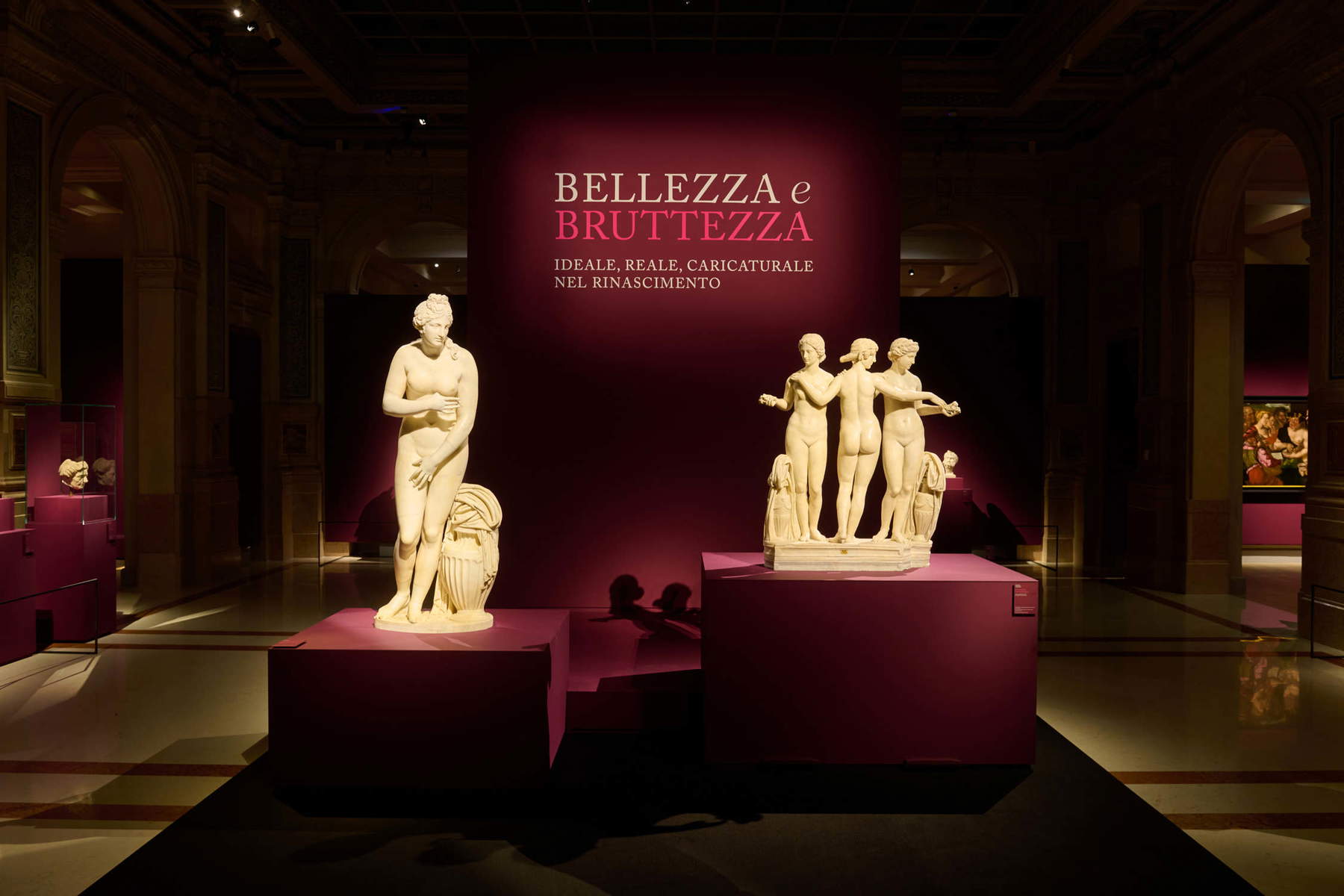
An exhibition in Milan, at the Gallerie d’Italia (through October 18), traces the very beginnings of this new aesthetic coexistence of beauty and ugliness, with “the ideal, the real, and the caricatural in the Renaissance” as its central themes. Bodei, responding to questions from Silvia Torrisi in 2009, identified Christianity as one of the forces that gave ugliness new significance compared to the Greeks’ harmonious vision—based on numbers and proportions, on ideal relationships between the parts of a whole: “There is a fundamental reason,” Bodei explained, “why the Christian religion, in a certain sense, redeems the ugly, just as it redeems sin, to the point, at times, of depicting Christ himself as ugly. Whereas in the Greek tradition—specifically the Neoplatonic tradition—it is man who must rise, through asceticism, to divinity, in the Christian tradition—if we look at one of St. Paul’s great texts containing the Hymn to Christ—we see that there it is God who descends, lowers himself, humbles himself by becoming man, empties himself of his glory and divinity, and becomes not only one like us, but the worst of us from an external standpoint. Thus, Christianity establishes for the first time a separation between the internal and the external: we must recognize, behind the outward ugliness of an individual, the glory of Christ that resides in each of our fellow human beings.”
And what about modernity, which in the Renaissance still hovered between classicism and nature? “In the modern age,” says Bodei, “we discover that beauty no longer has anything to do with what is measurable, but in an infinite universe we experience the boundless, the immeasurable. During this period, ugliness began to be perceived as something that exists in nature. Geographical explorations revealed the existence of a multitude of strange animals, or ones that were beautiful yet poisonous. Thus arose the idea that creation is something mysterious, blending good and evil. The world, viewed in and of itself, no longer obeys the rigid, classical canons previously attributed to it. There is a growing awareness of the ugly—that is, of the non-classical—which has been simmering, so to speak, for about two centuries.” It is, in fact, the primacy of reality that will change the rules.
And today? Applying this discussion to our own time, it’s almost natural to wonder whether it still makes sense to seek beauty in art. It is abundantly clear that most contemporary artists draw inspiration from social and political themes such as war, marginalization, or gender discrimination, as well as major ecological issues, taking cues even from current events—from a perspective that is more ethical than aesthetic, where beauty is the least of their concerns. Ugliness prevails because our world is full of ugliness. If you seek beauty in contemporary art, therefore, you’ll soon discover you’re in the wrong time and place. Or perhaps not. But the risk today is that beauty must coexist with kitsch, a “negative value” that competes with ugliness, because it is no longer necessarily attributable to “bad taste,” as it was in Hermann Broch’s time, in whose moral universe kitsch was almost a crime against the common good. Kitsch is a voracious jumble of forms that are parodies of art as we have inherited it. For Broch, the “kitsch man” was a sort of scoundrel, and the Austrian writer’s invective thundered against a bourgeois society that had contaminated every man—even the most rigorous and upright—by inoculating him with that virus, “bad taste,” the slightest trace of which was nevertheless enough to destroy a centuries-old culture. And the main culprit was the novel, the literary art form that had developed over the centuries dominated by the bourgeoisie.
Introducing for the first time into Western culture a reflection on the “aesthetics of the ugly,” in the mid-nineteenth century the German philosopher Karl Rosenkranz had begun with provocative nonchalance by stating that the ugly participates in the metaphysics of the beautiful: “‘‘Aesthetics,’” he wrote, “has become a collective term encompassing a broad group of concepts that are further subdivided into three specific classes. The first has to do with the idea of the beautiful, the second with the concept of the production of the beautiful, and the third, finally, with the system of the arts—that is, with the artistic representation of the idea of the beautiful in a specific medium. We usually summarize the concepts belonging to the first class under the heading of the metaphysics of the beautiful. But if one discusses the idea of beauty, one cannot ignore an examination of ugliness.” In Rosenkranz’s time, as he himself observed, when discussing aesthetics, objections were raised against other human disciplines for dealing solely with beauty: “No one is surprised that biology deals with the concept of disease, ethics with the concept of evil, the science of law with the concept of wrongdoing, and the science of religion with the concept of sin.” According to Rosenkranz, negative characteristics such as asymmetry or deformity have themselves become integral to defining the aesthetic horizon into which every individual is immersed, thereby also giving rise to new artistic languages (from Expressionism to Surrealism, from performance art to“artification,” that is, the intensification of fashion through influences from contemporary art). We are conditioned by the Hegelian mental framework that pits the positive against the negative in a dialectical perspective; in reality, they should be considered as open situations where the negative sometimes gains the upper hand over the positive, and the ugly over the beautiful, outlining a worldly landscape in which the perception of the coexistence—to varying degrees and with varying strengths—of what were once considered irreconcilable values is increasingly clear. There is no doubt, for example, that in our era even horror produces aesthetic value, and Rosenkranz himself, nearly two centuries ago, opted for a phenomenology that described what lay before him—even if repugnant from the standpoint of taste—treating it as a means of knowledge: Thus, opening the gates of hell in his own way, for Rosenkranz the ugly is that which speaks to us of the diabolical, according to an aesthetic development in which beauty is intertwined with the comic and the grotesque, rendering the very idea of the fine arts more ambiguous. By now, the deformed, horror, suffering, and moral decay dominate contemporary art, bringing the German thinker’s analysis to its fullest expression.
In recent decades, the French critic Jean Clair has explored, beginning with the 1993 exhibition *Identity and Otherness*, the revolting aspects of modernity: Over the years, the focus has shifted toward those artists who use trash, excrement, and bodily provocations not to denounce, but to subjugate the viewer. An art that embodies a “stercorary” aesthetic:“Docere et delectare: for a long time, art’s purpose was to enrich the spirit and delight the senses,” wrote Clair. “Contemporary art seems to have completely changed its tone. The age of disgust has replaced the age of taste: the exhibition and desacralization of the body, the debasement of its functions and visible forms, morphings and deformations, mutilations and self-mutilations, a fascination with blood, bodily fluids, and excrement, coprophilia, coprophagia... art has embarked on a strange ritual in which the sordid and the abject are writing an unexpected chapter in the history of the senses.”
If we seek to understand the world in which we live, ugliness therefore contributes more than beauty to defining our reality. What better illustration of what was already taking place in Rosenkranz’s time: “it is art itself that no longer presents itself, in recent years, as ‘courtly,’ since it has begun to take to the streets, capturing from them and within them an ‘ugliness’ that must be represented, disfigured, symbolized—and in any case transformed into a visual and perceptual event”. Replace “streets” with the multifaceted universe of the media—including those that dominate the digital realm—and you have the current state of affairs, where ugliness is prioritized over a beauty whose true nature is no longer clear, amid the uncertainty of being able to establish new standards for what was once the canon—if not precisely in negative terms through direct comparison with an ugliness that is more widespread than in the past. Rosenkranz is the theorist who opened the Pandora’s box of aesthetics, foreshadowing a vision of the “hell” yet to come in which many contemporary critics are wallowing. If art is to be a representation of reality, then it cannot limit itself to positive values and pure ideals, as it once did, but must take into account the ugly and the malaise that prevails in a world where, as Rosenkranz argued, the satanic reigns (something not too dissimilar from what Broch thought of kitsch). The diabolical, even outside of religion, is in fact that which separates, that which divides. And art cannot ignore this schizophrenic condition of ours.
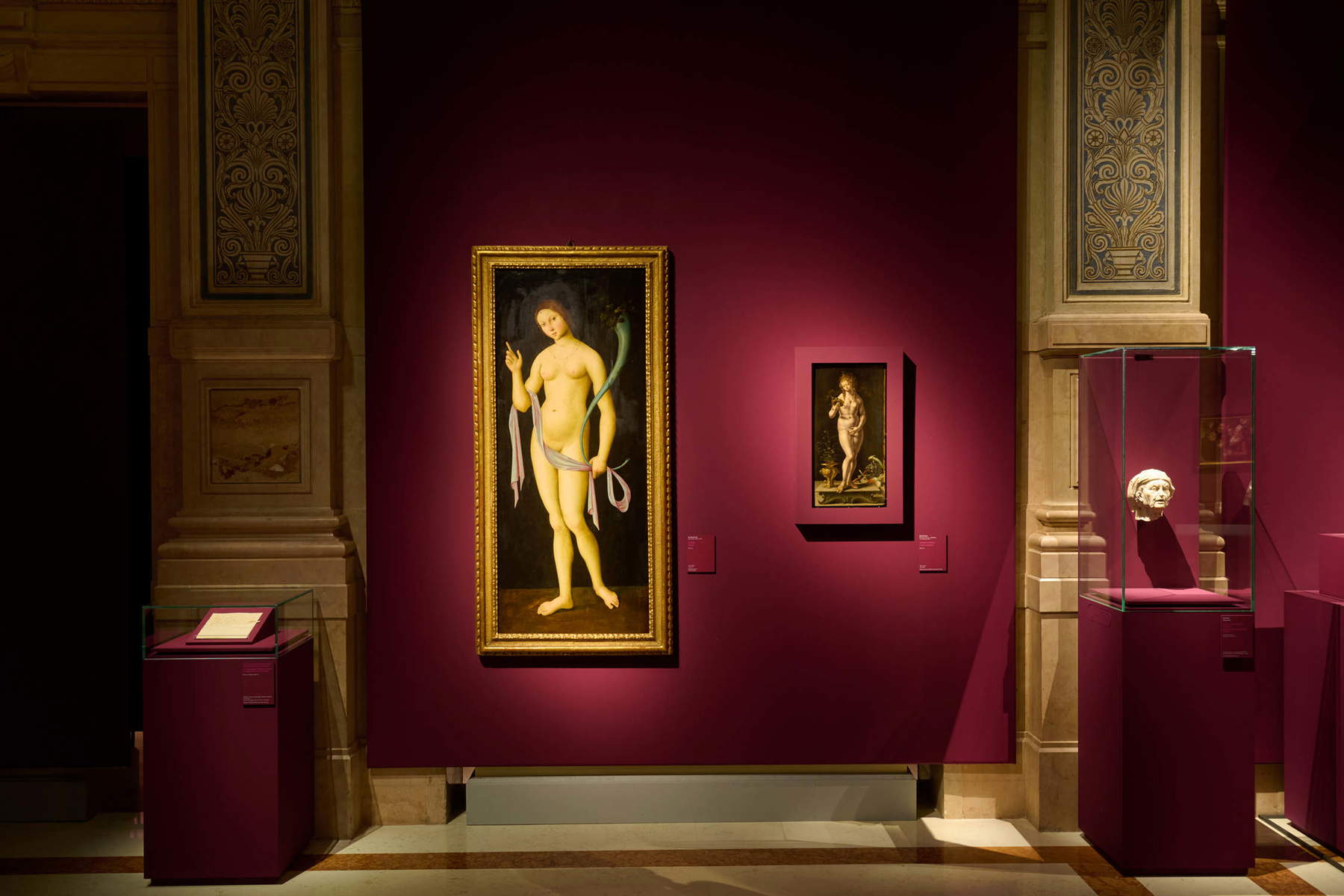
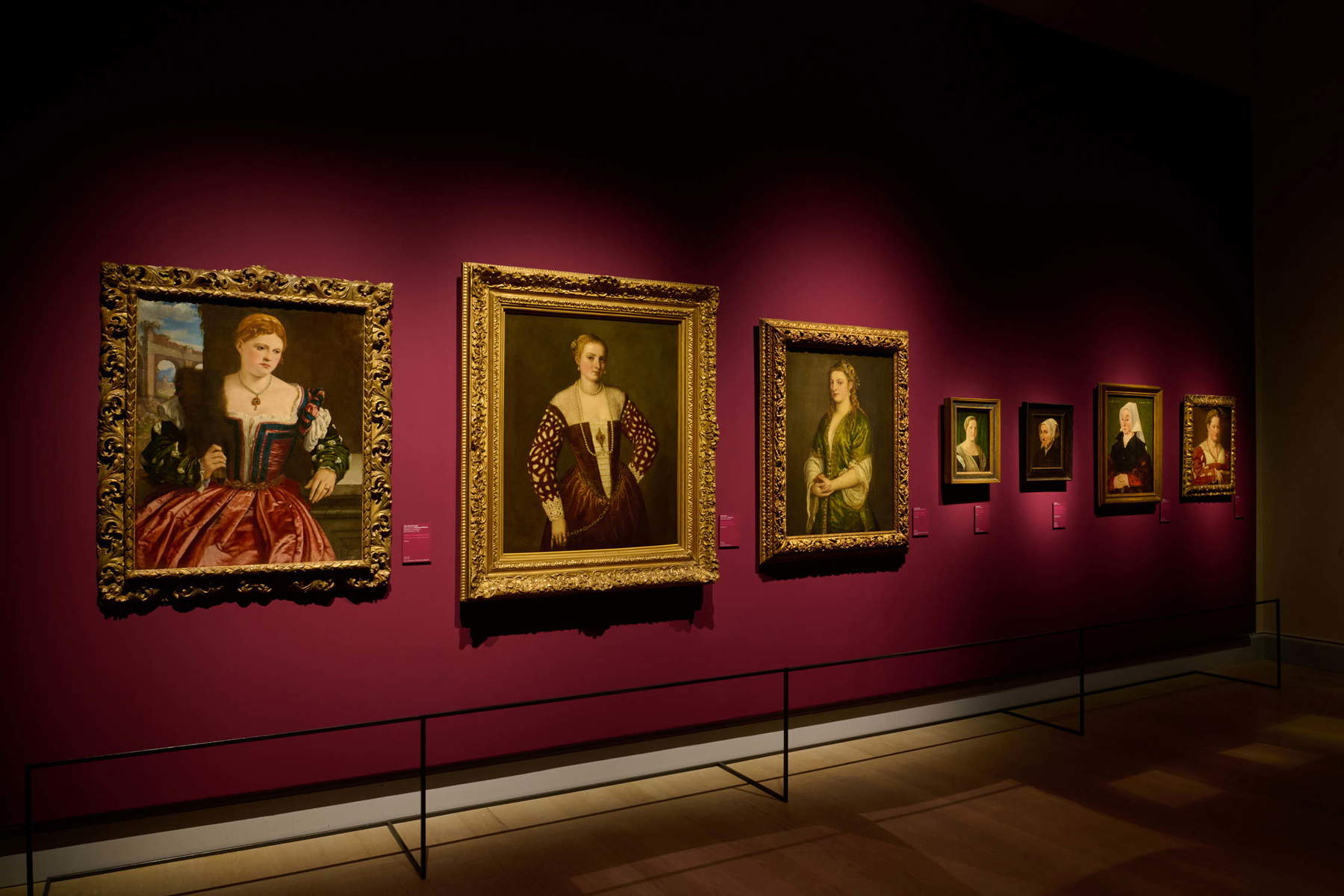
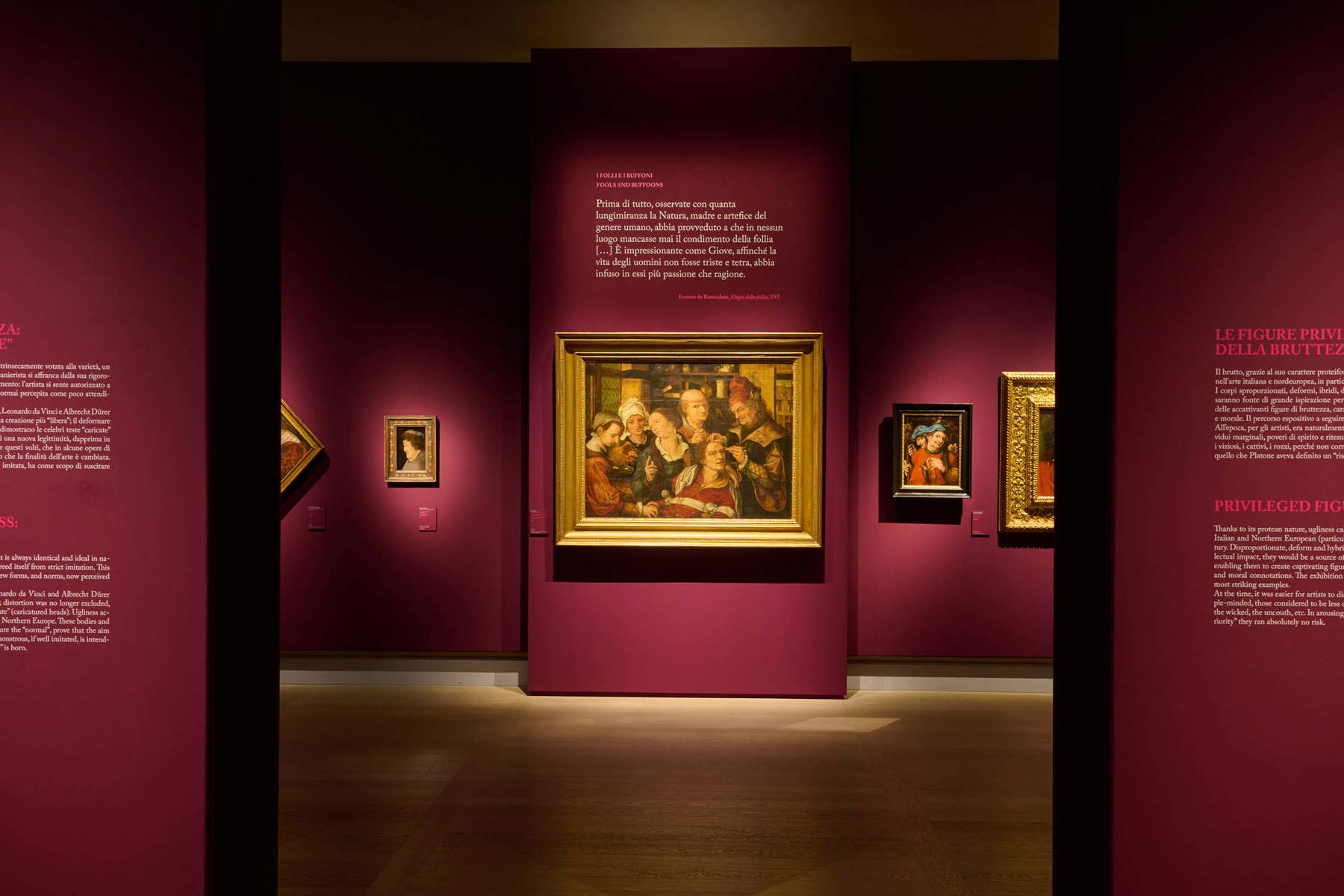
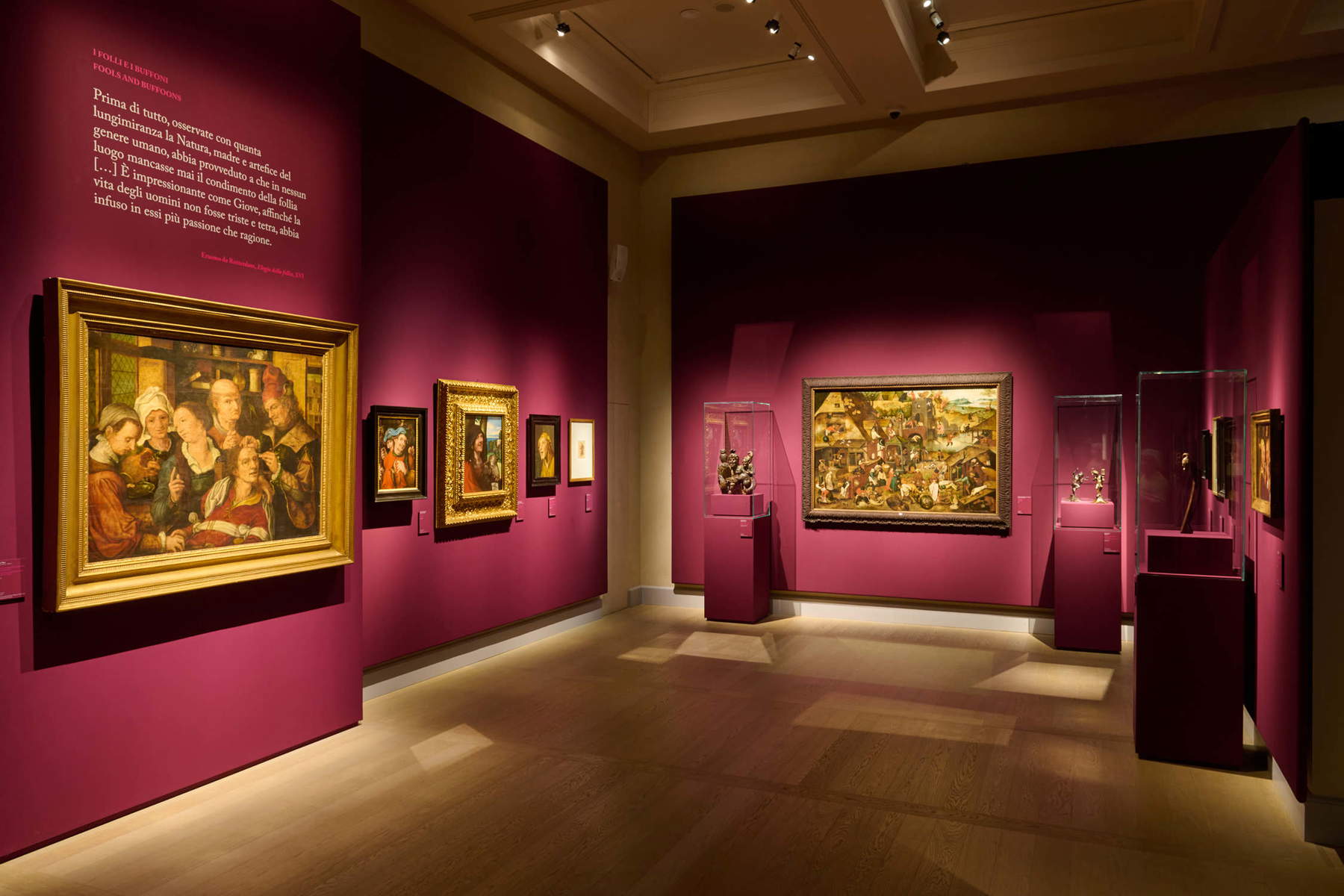
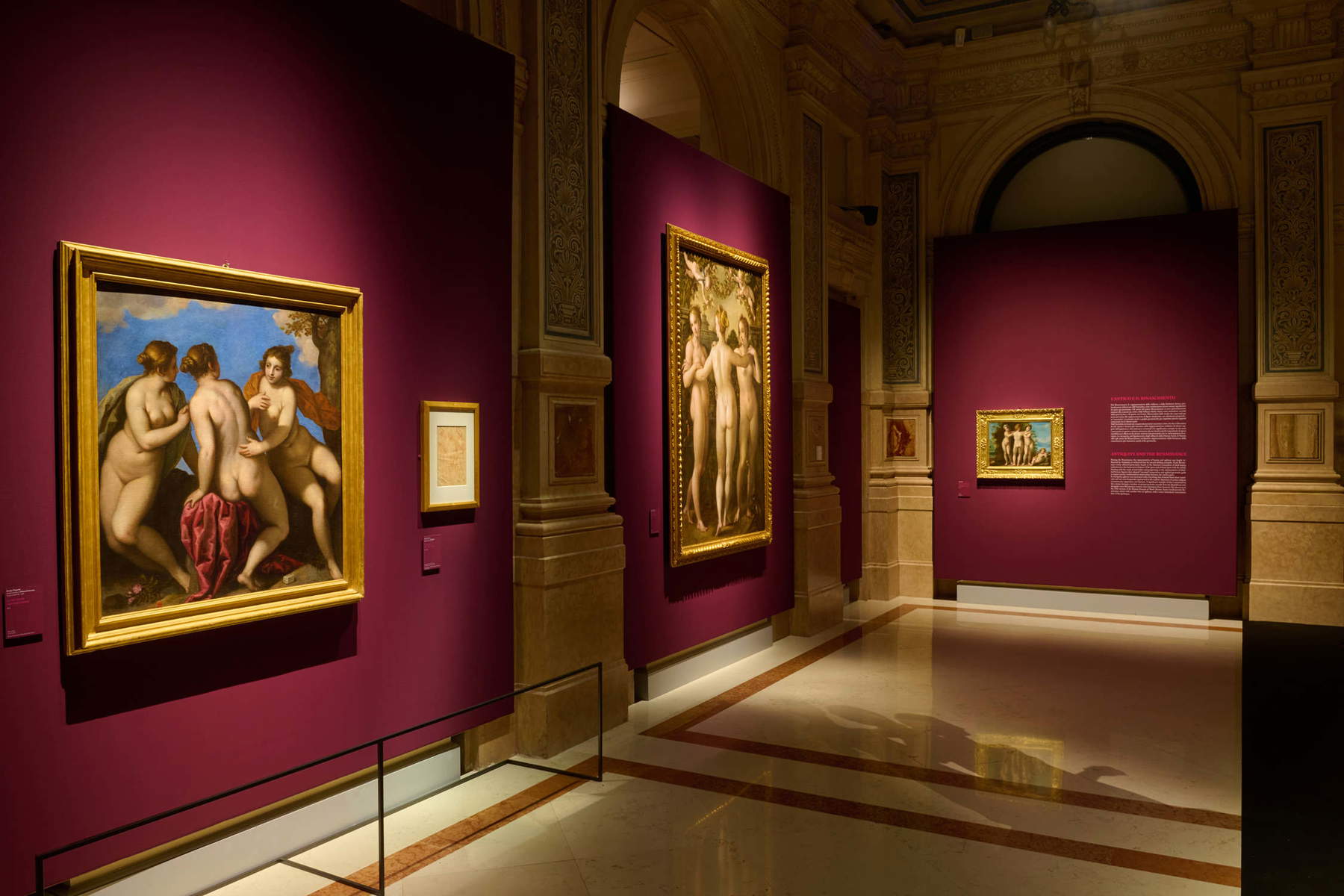
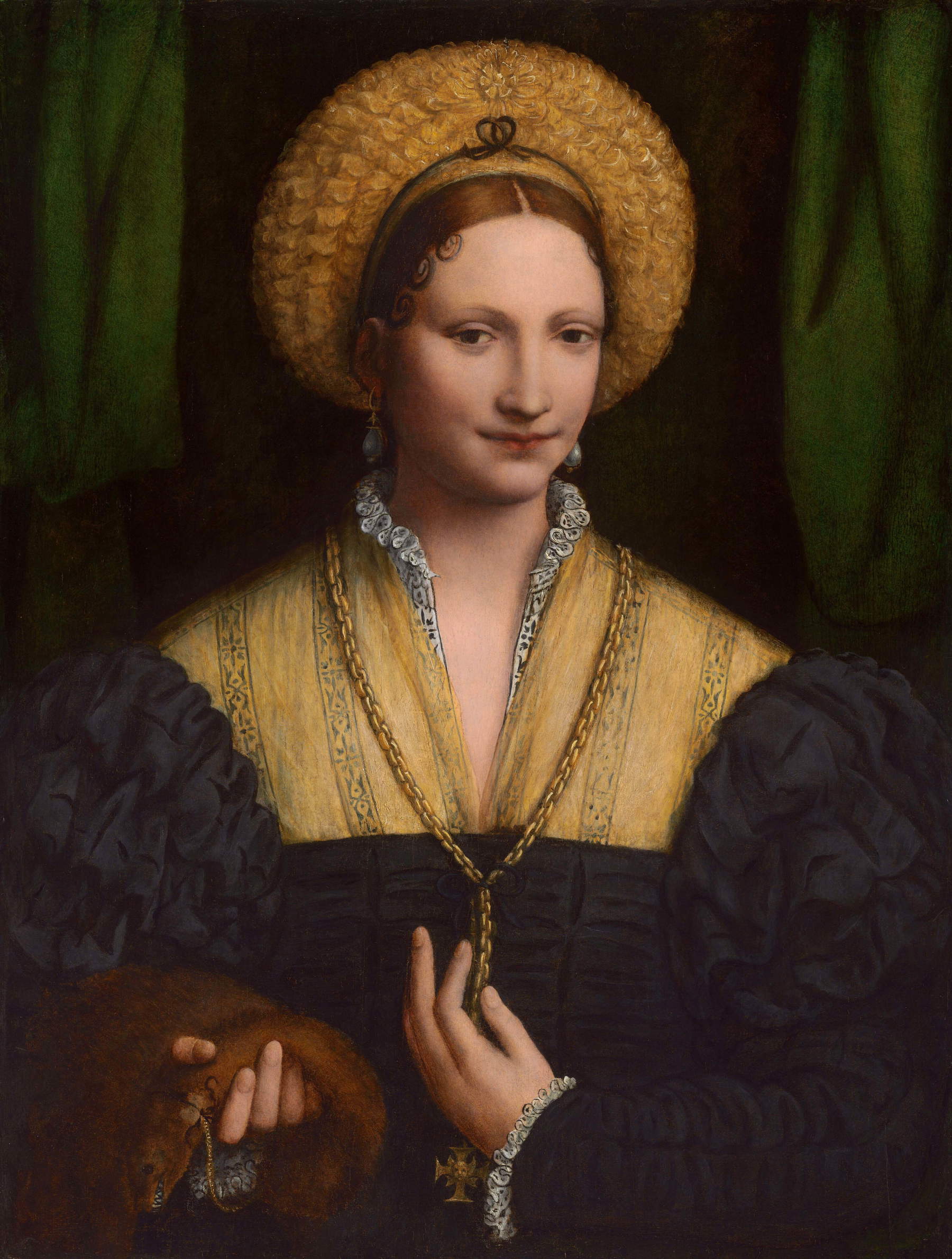
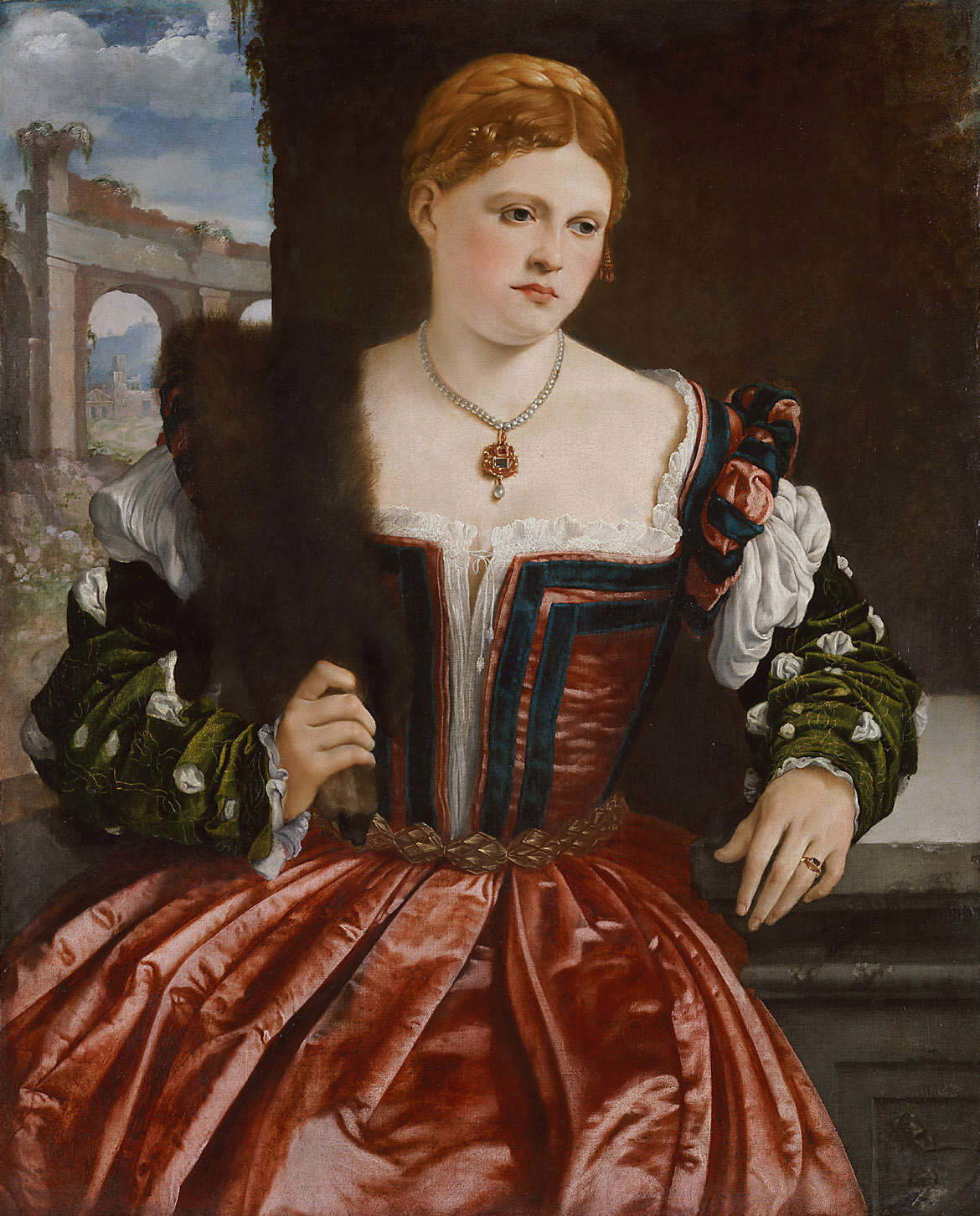
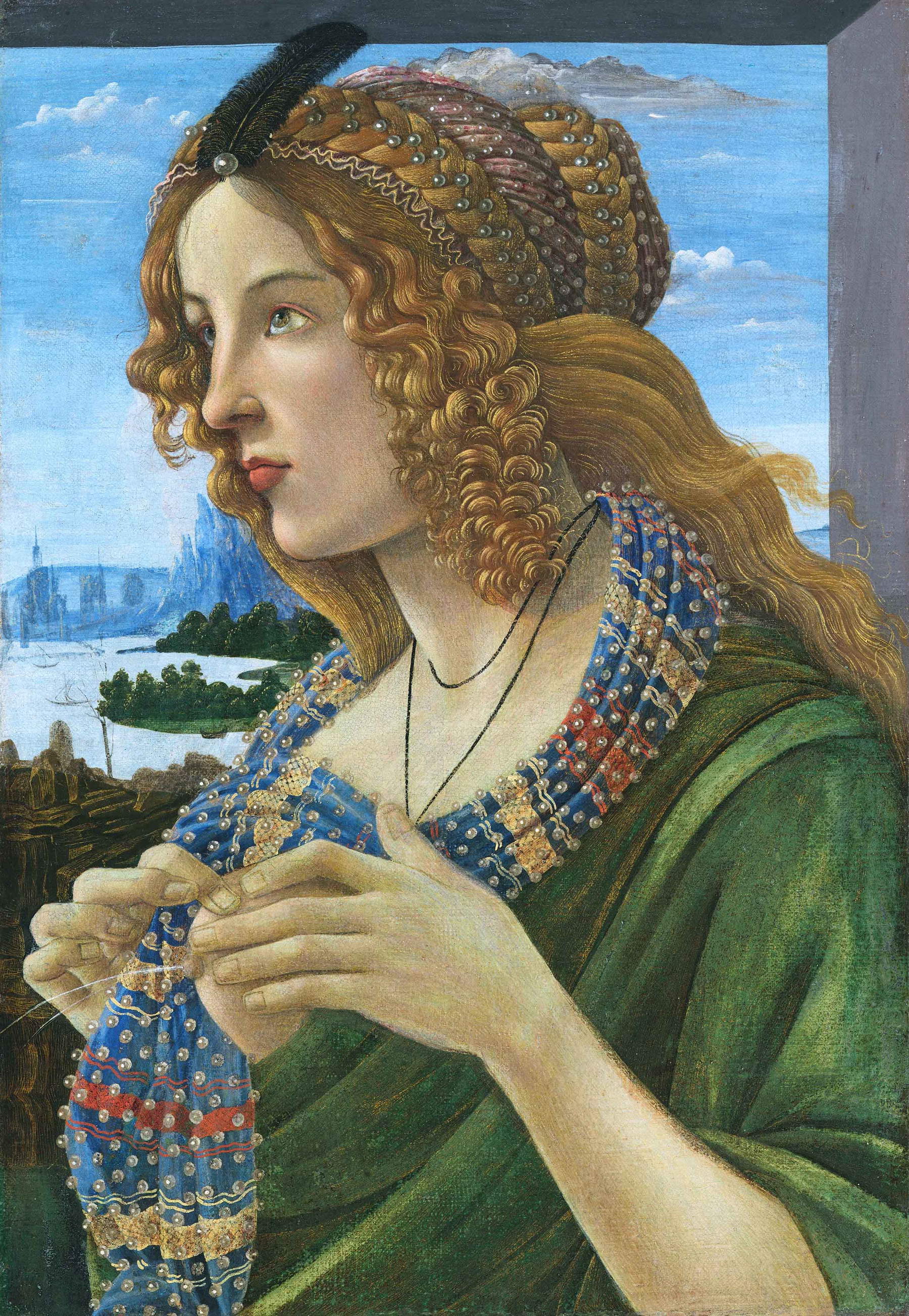
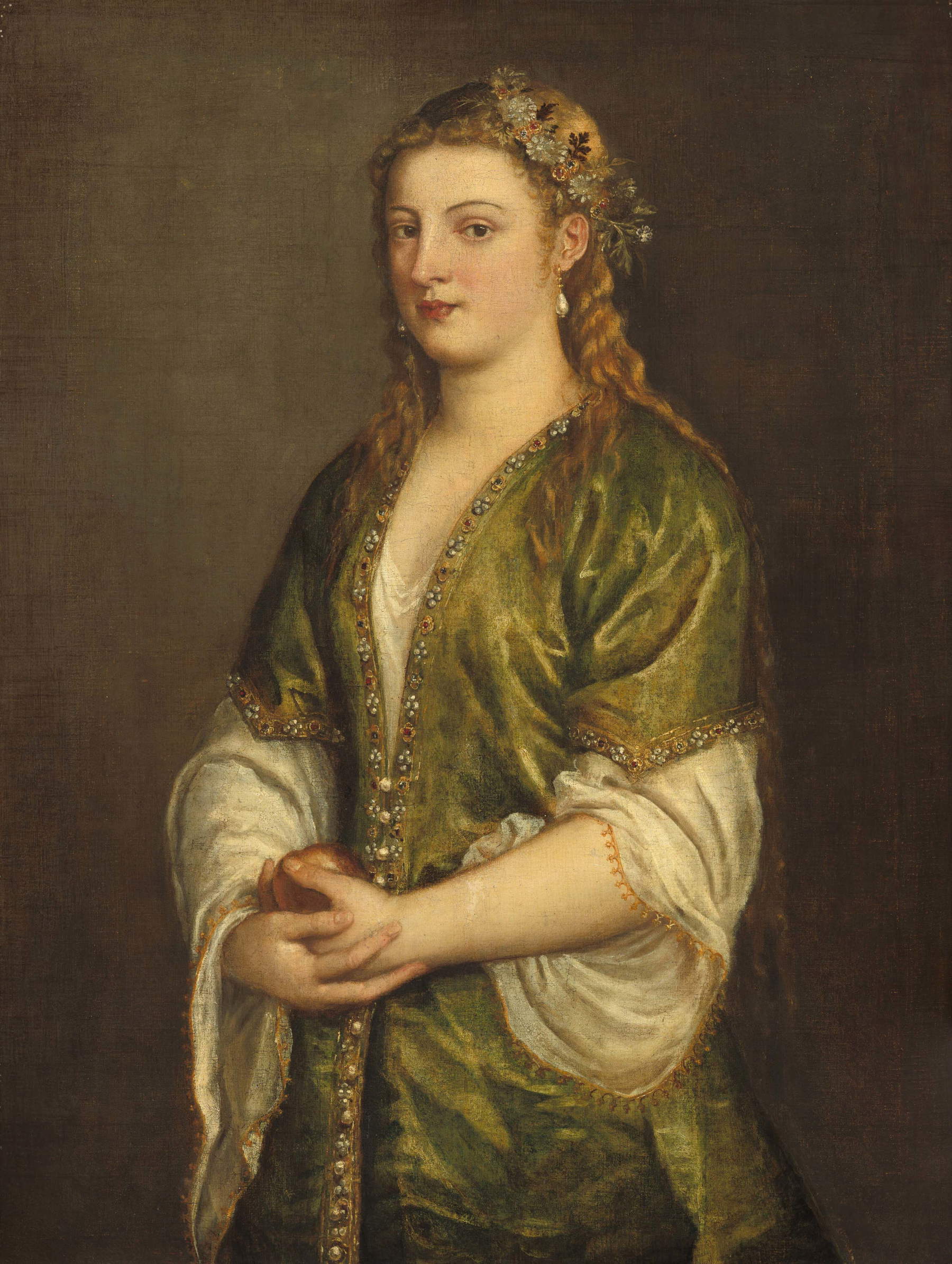
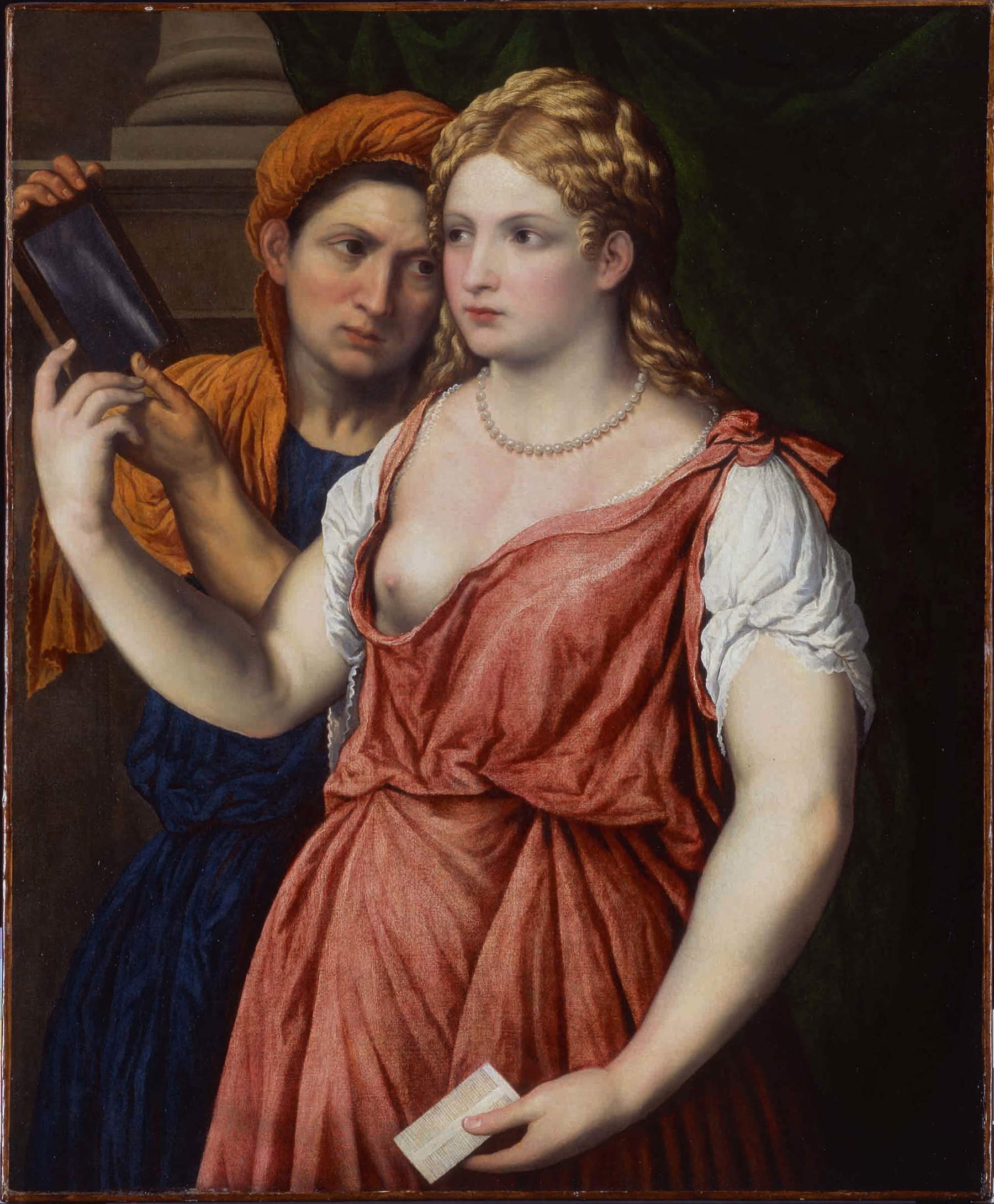
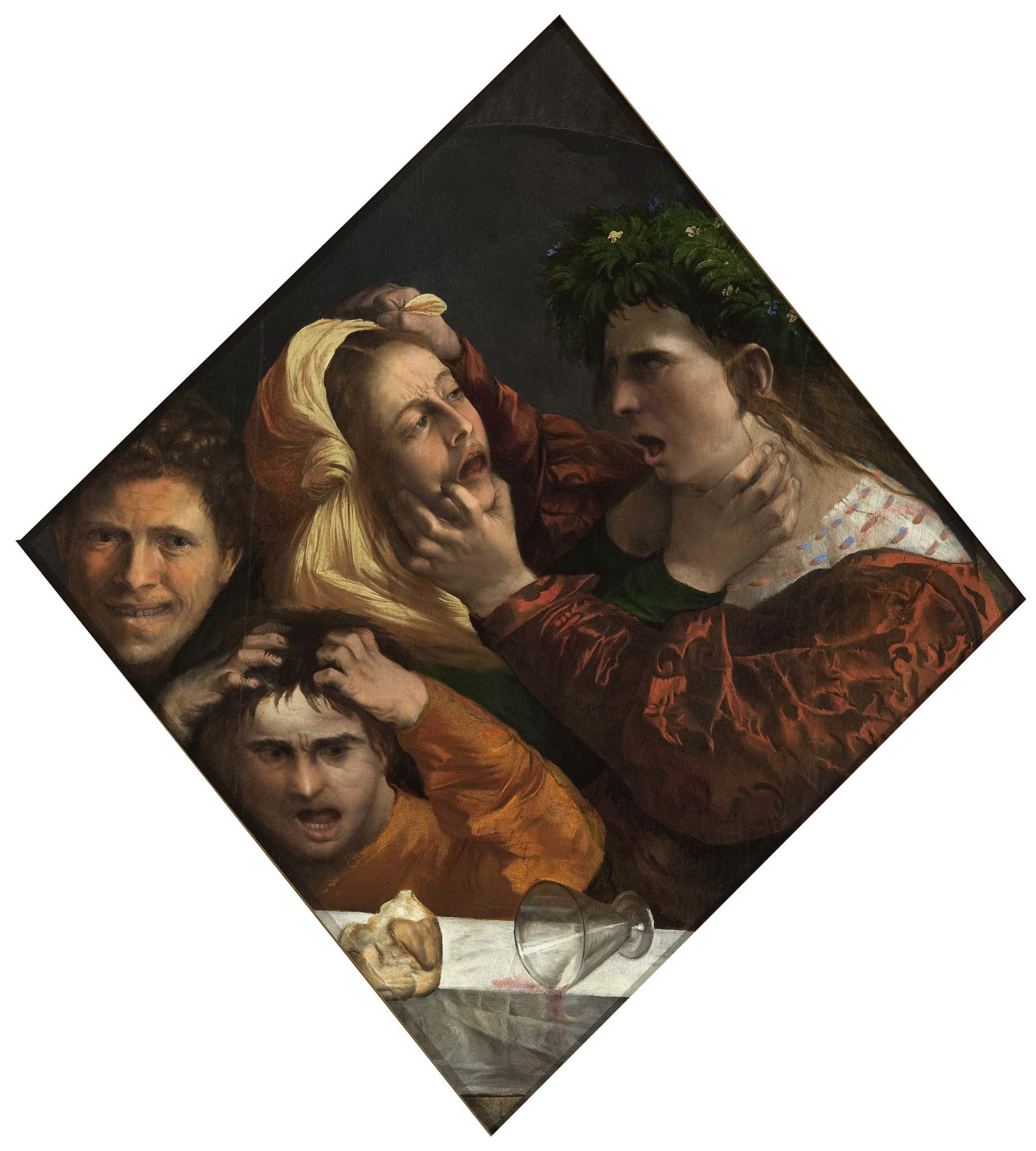
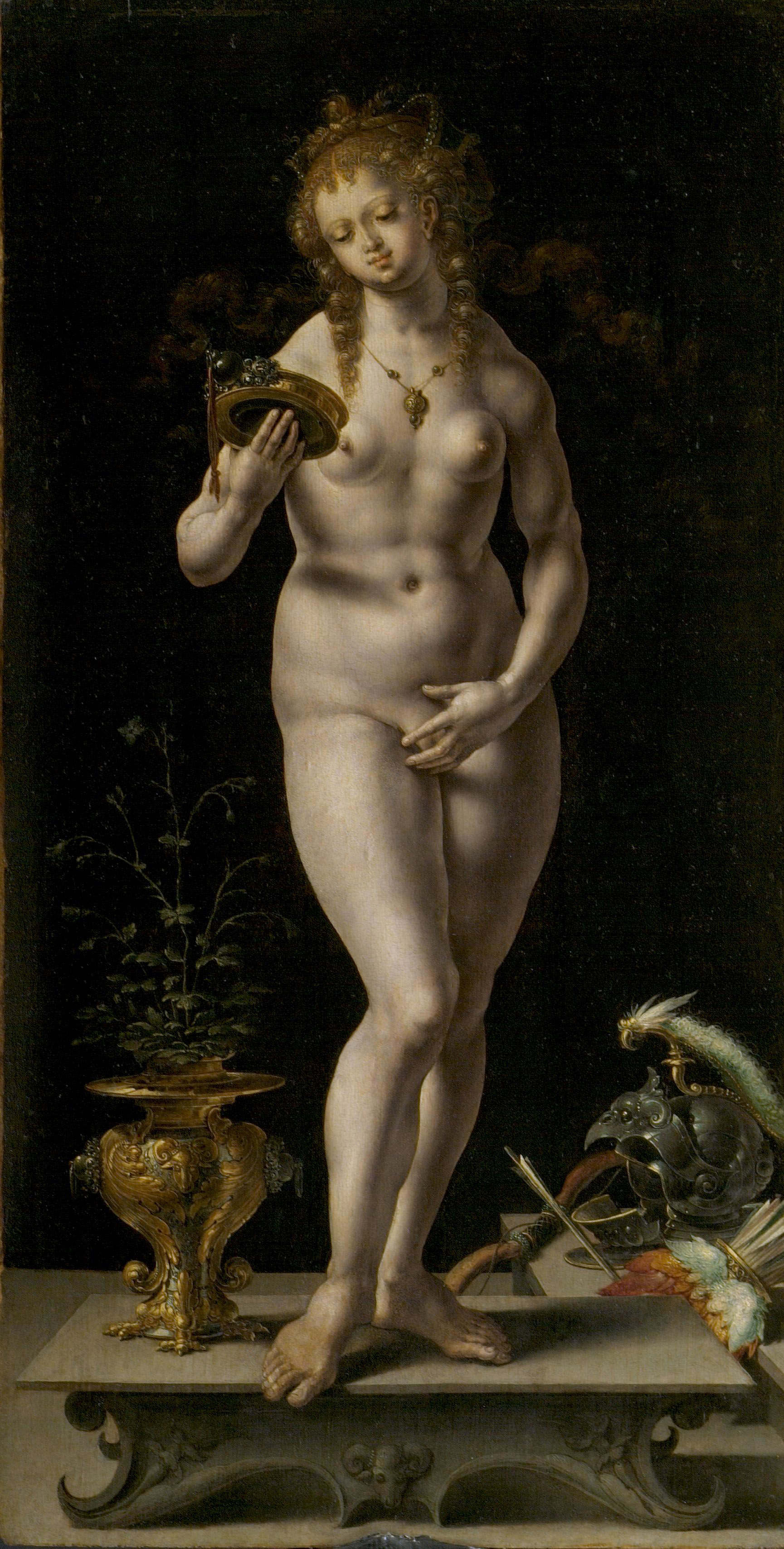
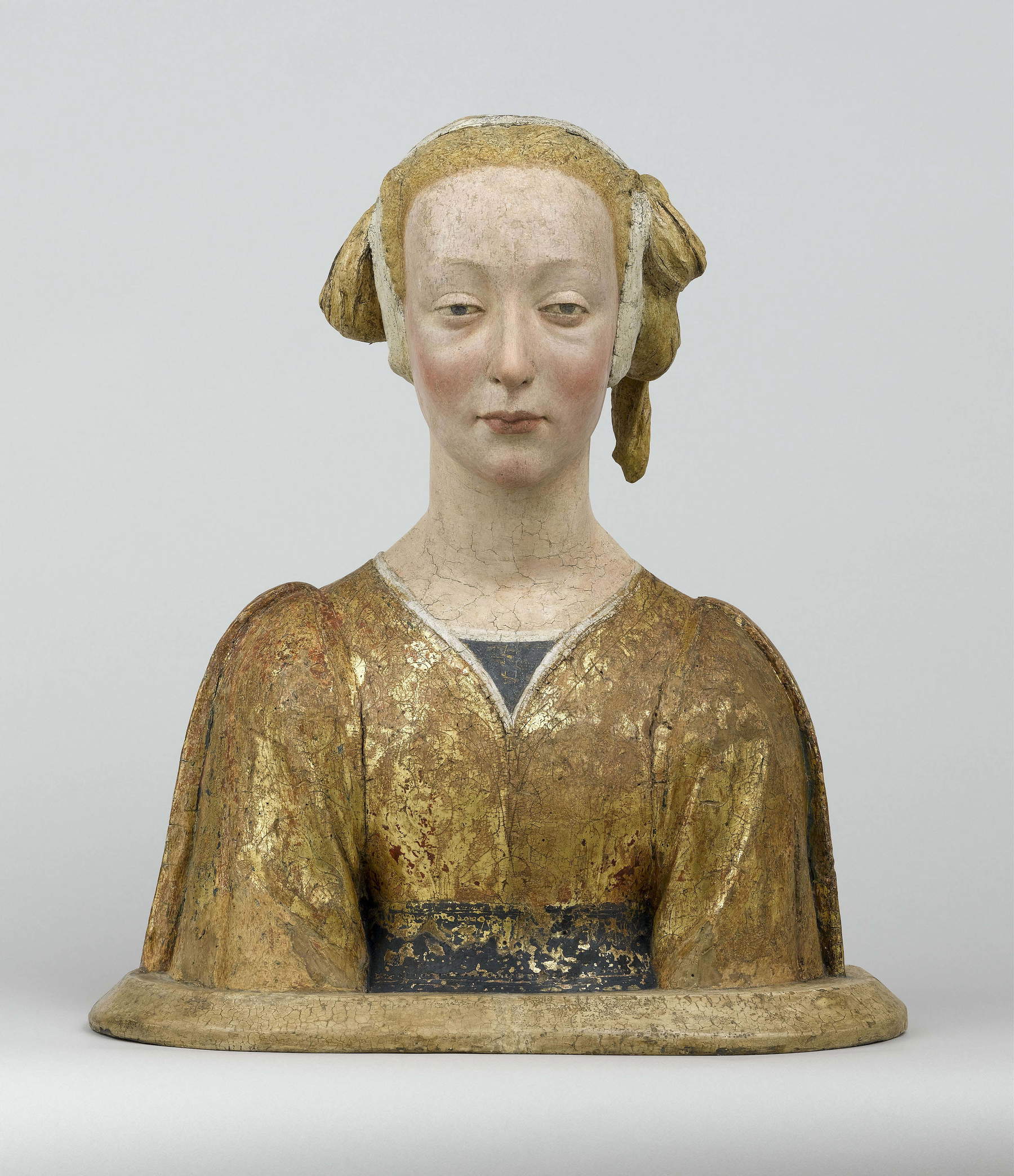
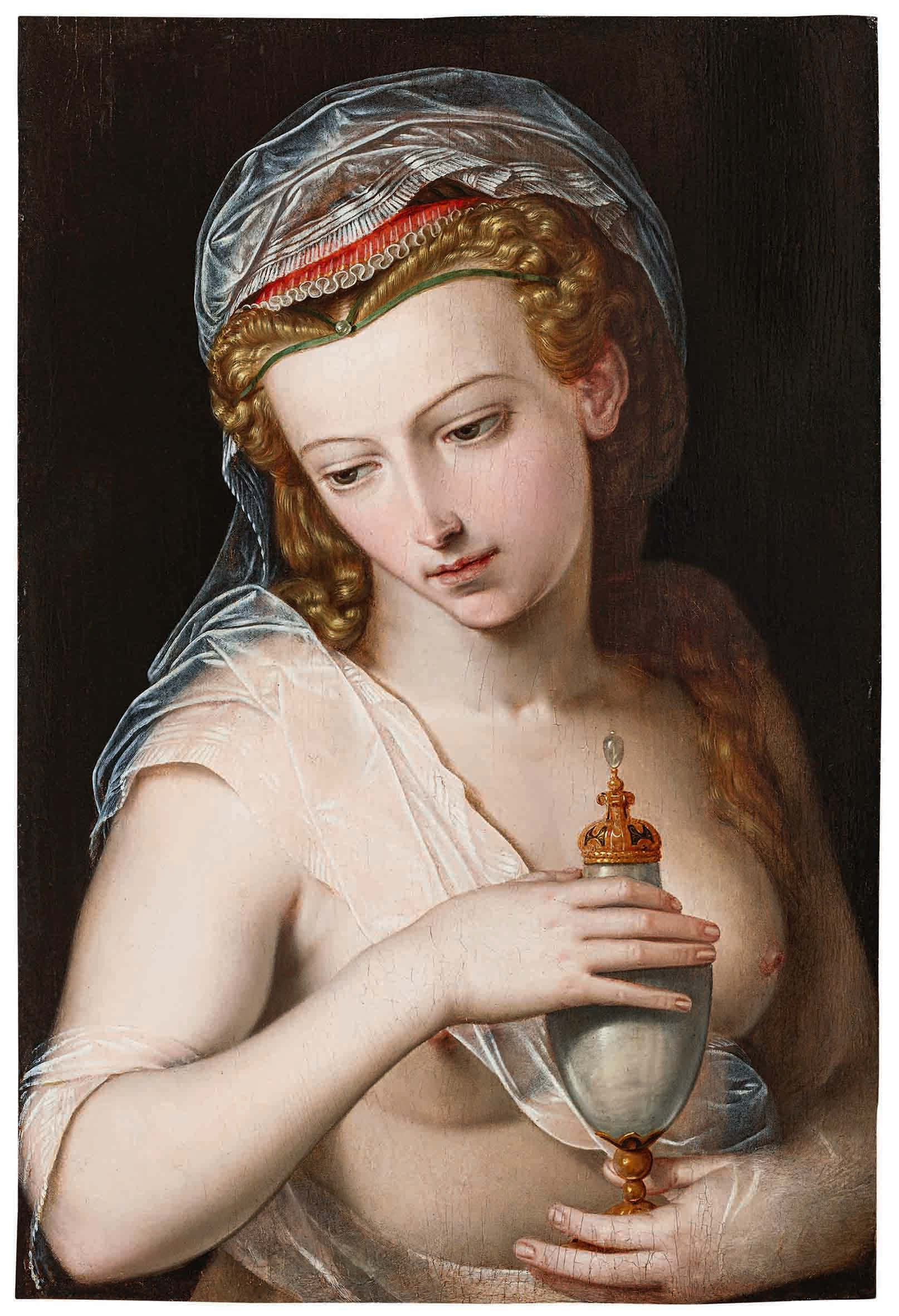
Bringing together about a hundred works from various Italian and international museums, the Milan exhibition was created in collaboration with the Bozar Museum in Brussels, where it was first held, curated by Chiara Rabbi Bernard. From the fluid form of sixteenth-century beauty—which bears witness to the connection with the human truth of the models without renouncing the classical canon that art interprets by engaging with reality— works such as Luini’s “Lady” or Moretto’s “Young Woman ” emerge, where the profile pose is increasingly abandoned in favor of the three-quarter view—widely prevalent in Northern European painting—laying the groundwork for the development of the modern portrait that reflects reality and, over the centuries, interacts with physiognomy and later with psychoanalysis to express the individual’s inner life. The presumed portrait of Simonetta Vespucci (the mistress of Giuliano de’ Medici, brother of the Magnificent), which the most recent studies confirm as the work of Botticelli—albeit with the collaboration of his workshop—is a striking example of a style that values reality but does not yet disdain a certain aesthetic ideal. The legendary beauty of the young woman, who died at the age of just twenty-three, is also reflected in the details: her hairstyle studded with tiny pearls, her golden curls, and the stunning polychrome scarf, from beneath which the woman’s breast emerges with a bold spout of milk. Compared to other female figures by Botticelli, the portrait has a decidedly modern appearance, with a facial expression poised between purity and sensuality—characteristic of both the femme fatale and the romantic muse—that seems to anticipate Pre-Raphaelite painting by three centuries. The portrait gallery features, among others, famous works by Veronese, Tintoretto, Paris Bordon, and Lorenzo Lotto, but it is the gradual shift in taste toward realism that paves the way for a new perspective on ugliness, which gains ground as the ideal of perfection dissolves into details increasingly less faithful to the classical canon, taking deformities into account and accentuating their features in a grotesque and comic manner.
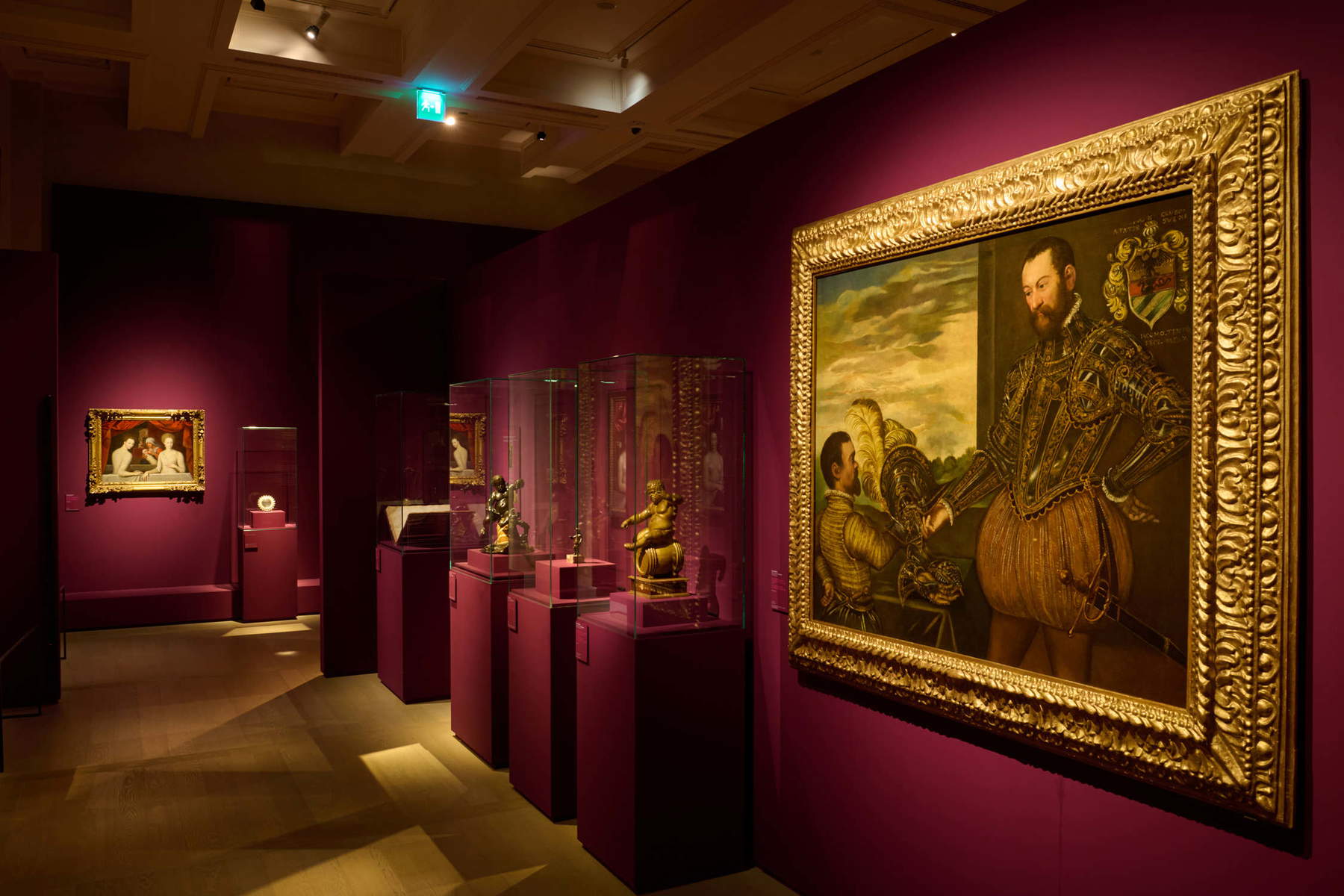
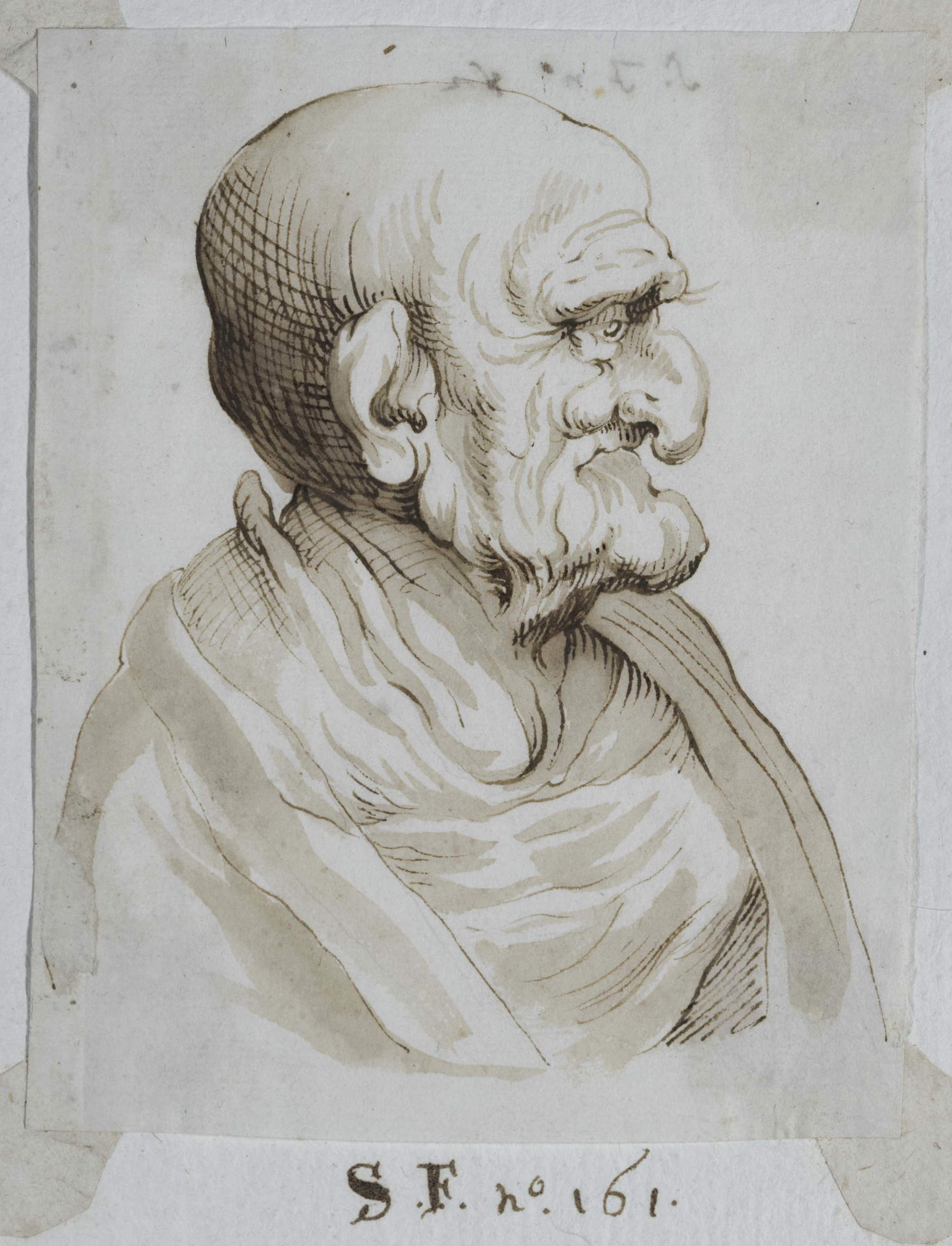
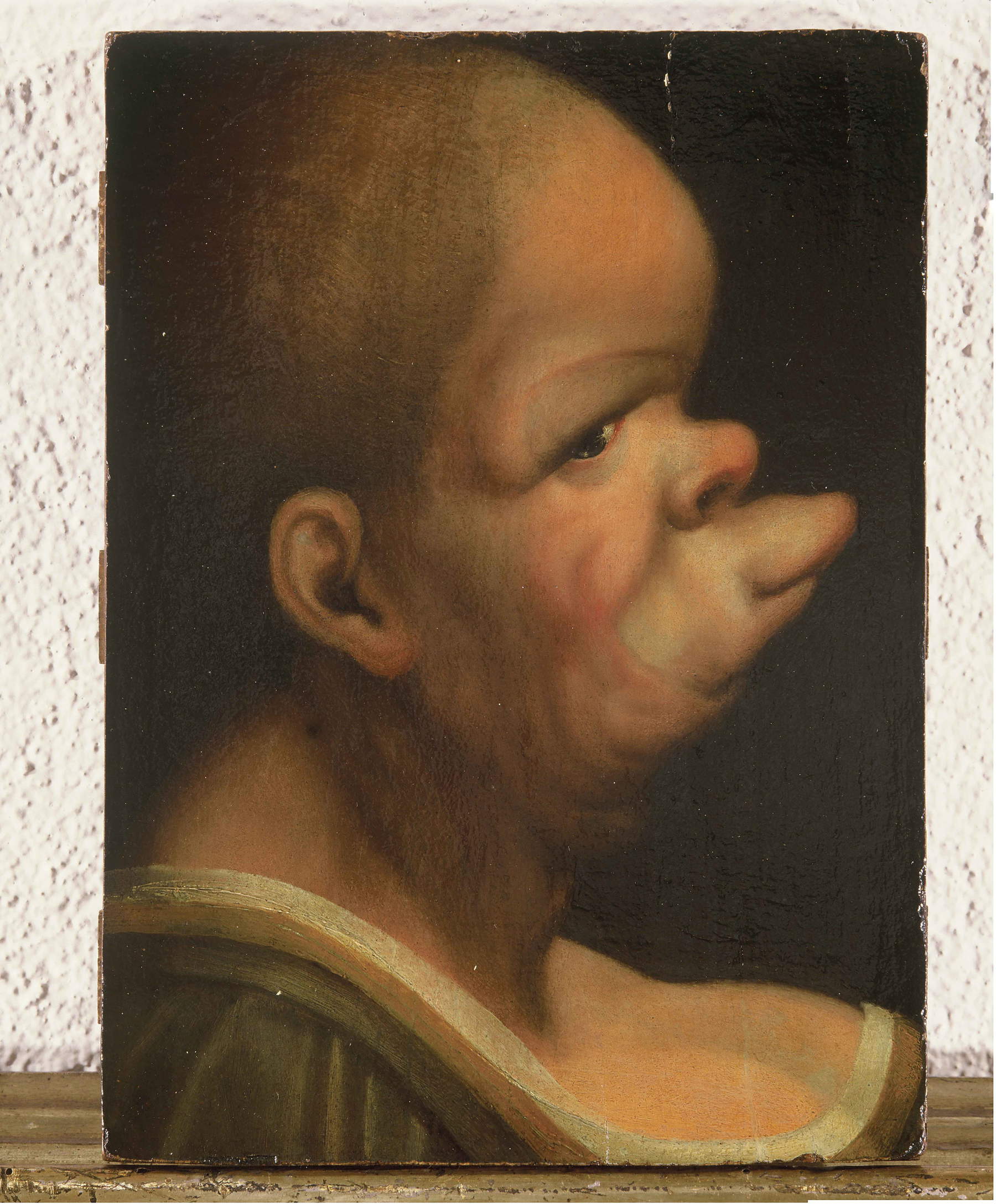
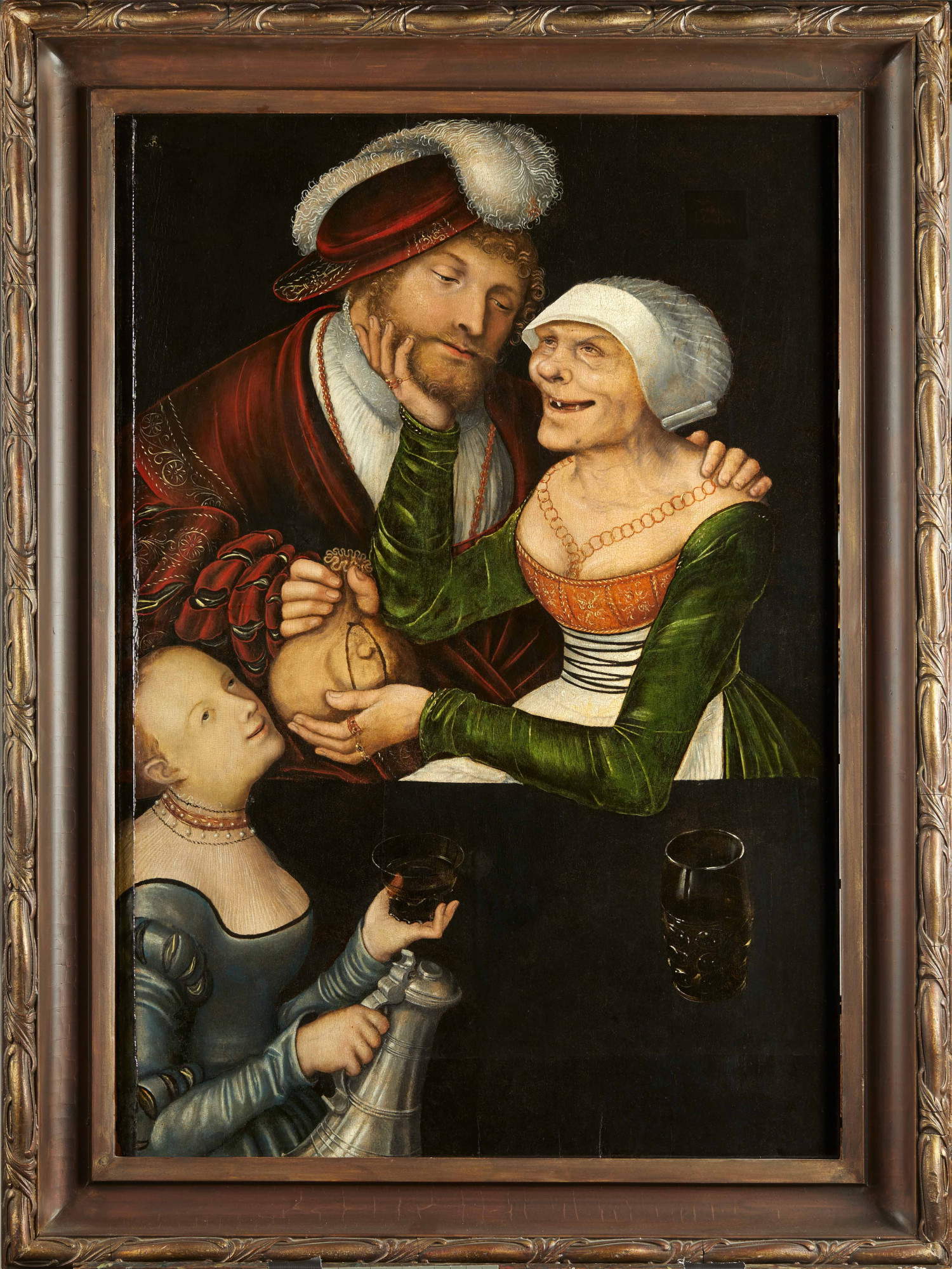
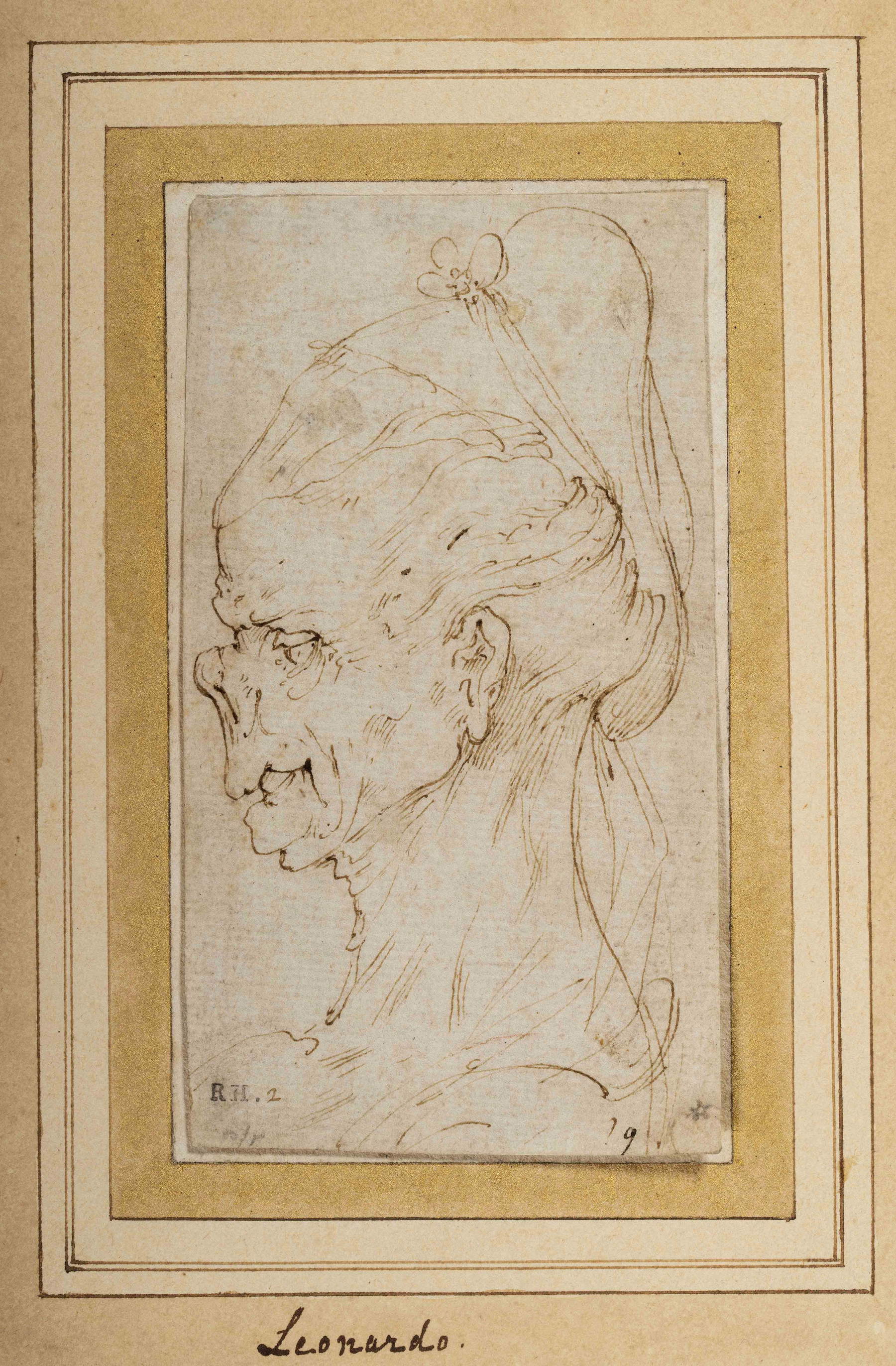
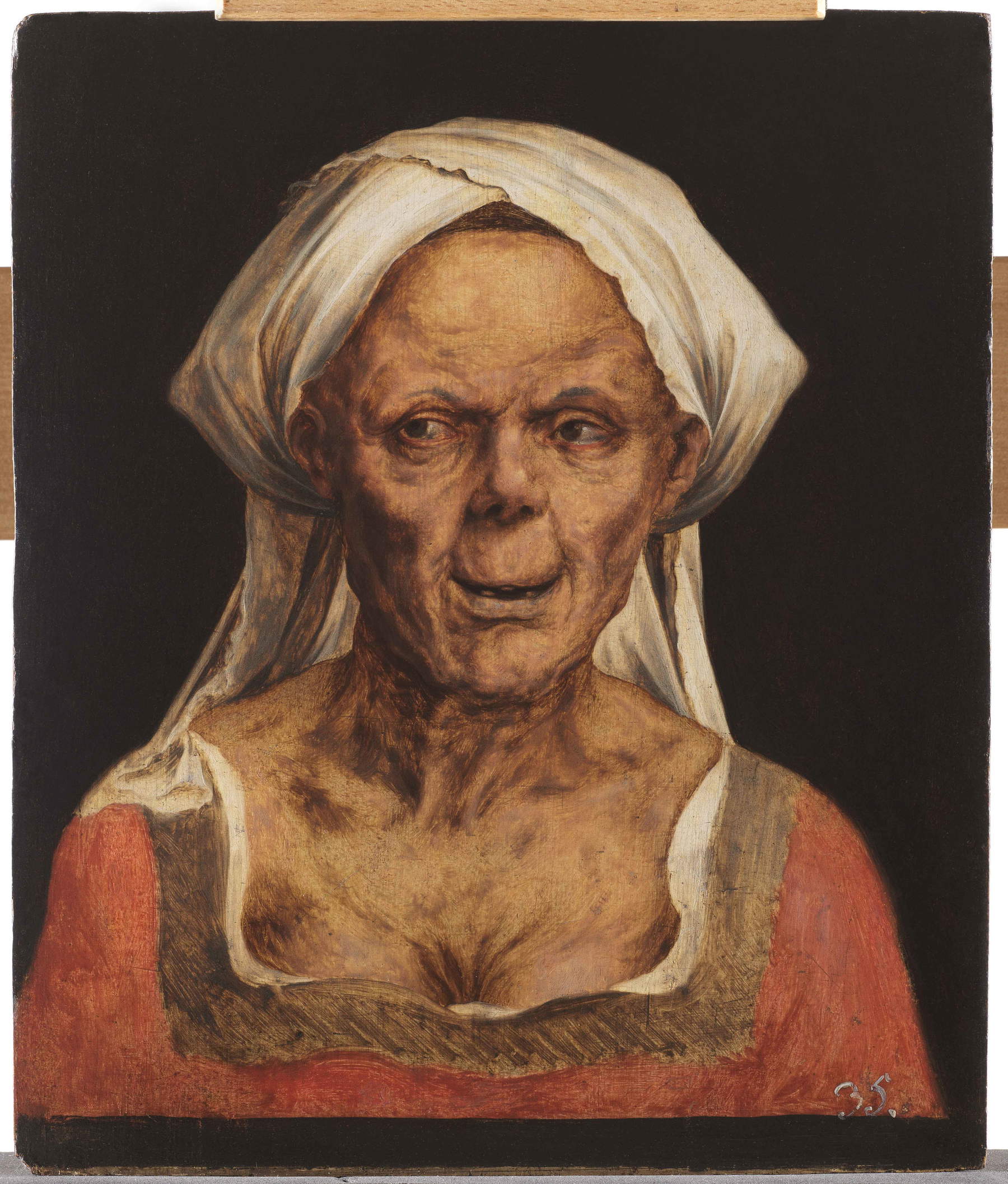
What really changes the game is the direct confrontation with nature, which brings physical peculiarities to the forefront. In this new mode of representation, ugliness is no longer an expression of deviation from the canon of feminine beauty, as we see in Lorenzo Lotto’s Portrait of a Woman, but a genuine recognition of the aesthetic value of that which evokes apprehension, disgust, humor, repulsion, and horror. The deformed figure embodies a spectrum of variables: indeed, the “ugliness” of Michelangelo’s Old Woman or Cesare da Sesto’s male head is quite different from that of the Flemish artist Quentin Metsys, who seeks to give the portrait an exemplary character rather than emphasize physical appearance—as he had, in fact, done shortly before in *The Ugly Duchess*, perhaps painted with inspiration drawn from a famous caricature by Leonardo.
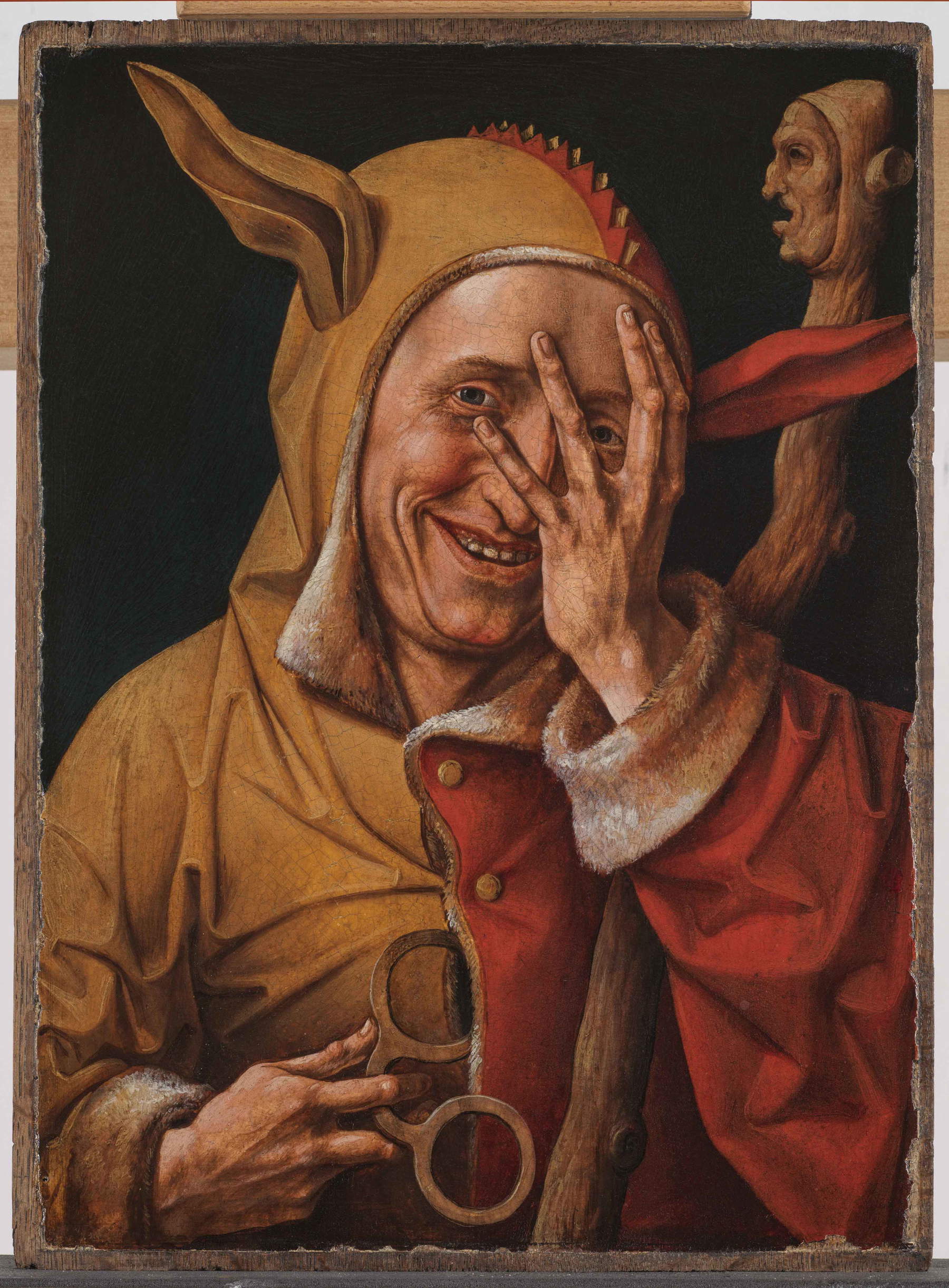
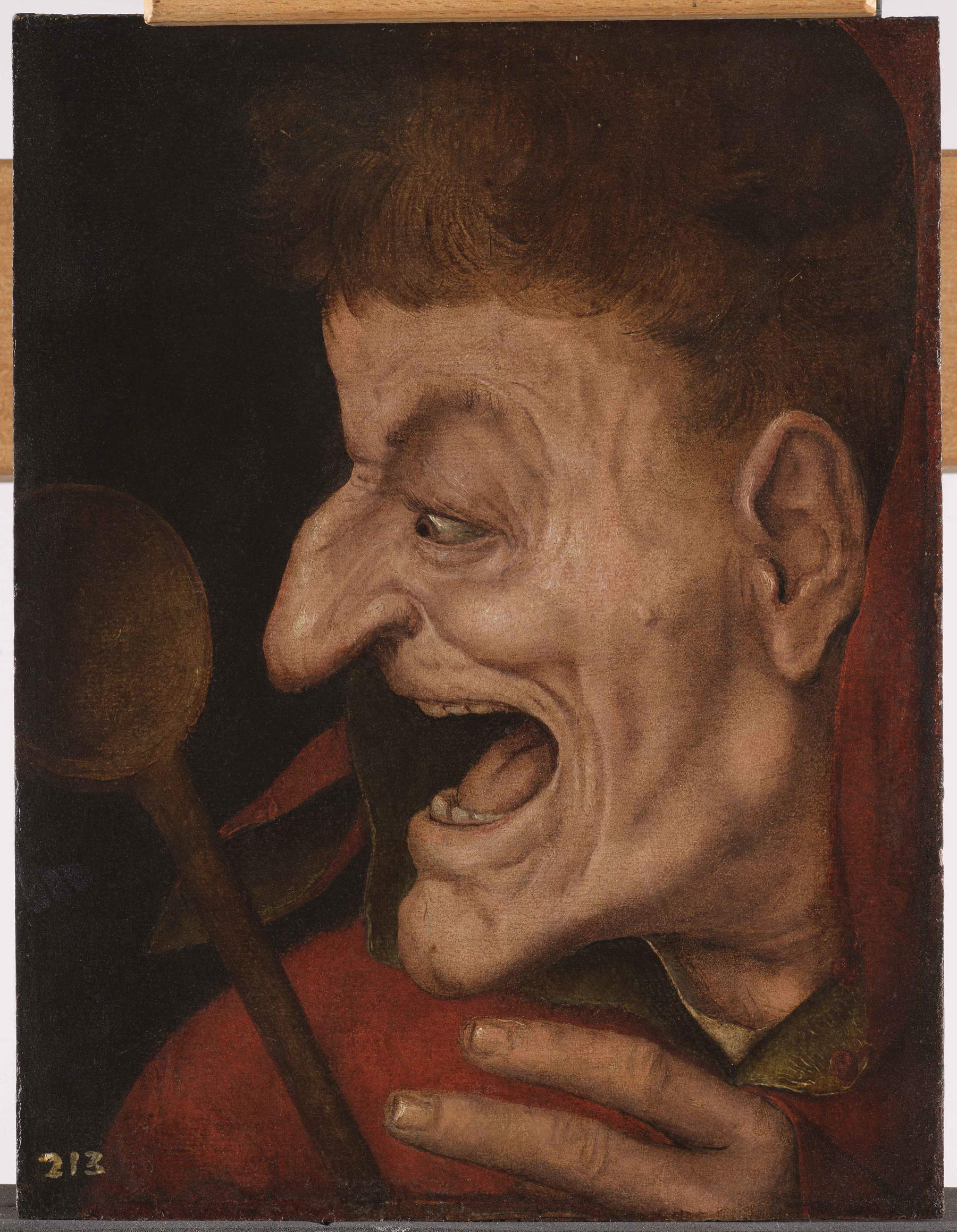
The fifth section of the Milan exhibition, centered on “privileged figures of ugliness,” with three subcategories dedicated to madness and jesters, comedy and social satire, and vices and virtues, opens with Dosso Dossi and what some speculate is a self-portrait, but whose expressive power may also suggest something else: for example, as noted in the catalog, that it is a portrait of the jester Gonnella, a jester in the House of Este, or of Ruggiero, the protagonistof Ariosto’s *Orlando Furioso* ; but whatever his identity may be, the presence on the scene of the sheep that the figure is embracing suggests that it is rather an image of folly. As for madness—the subject of a major exhibition at the Louvre two years ago—the portraits painted by Cornelis van Haarlem and by an anonymous Flemish artist are extraordinary in their truthfulness and adherence to the theme. The latter depicts a mad jester laughing while casting a mischievous glance toward us through his fingers: in his right hand he holds a pair of very rudimentary spectacles, similar to pince-nez (analogous in their rough design to those that stand out on the jester-like helmet that belonged to Henry VIII ofEngland—a coincidence that suggests these little glasses are a typical attribute of the image of the court jester)—because they imply an underlying meaning: beware, for everything is a deception. On this subject, a painting by Brueghel the Younger could not be missing; in this case, it is taken from the “Proverbs” series, which depicts a chaotic world where humanity is caught up in a frenetic succession of absurd activities. The social satire of this painting bridges the gap between bacchanalia, groups greedily eating ricotta—in which the fly in the foreground will likely lay its eggs—who guzzle their food while being urged on by an old woman pouring them wine in abundance, evoking a carnivalesque and folk-inspired universe with “bizarre” scenes verging on the grotesque.

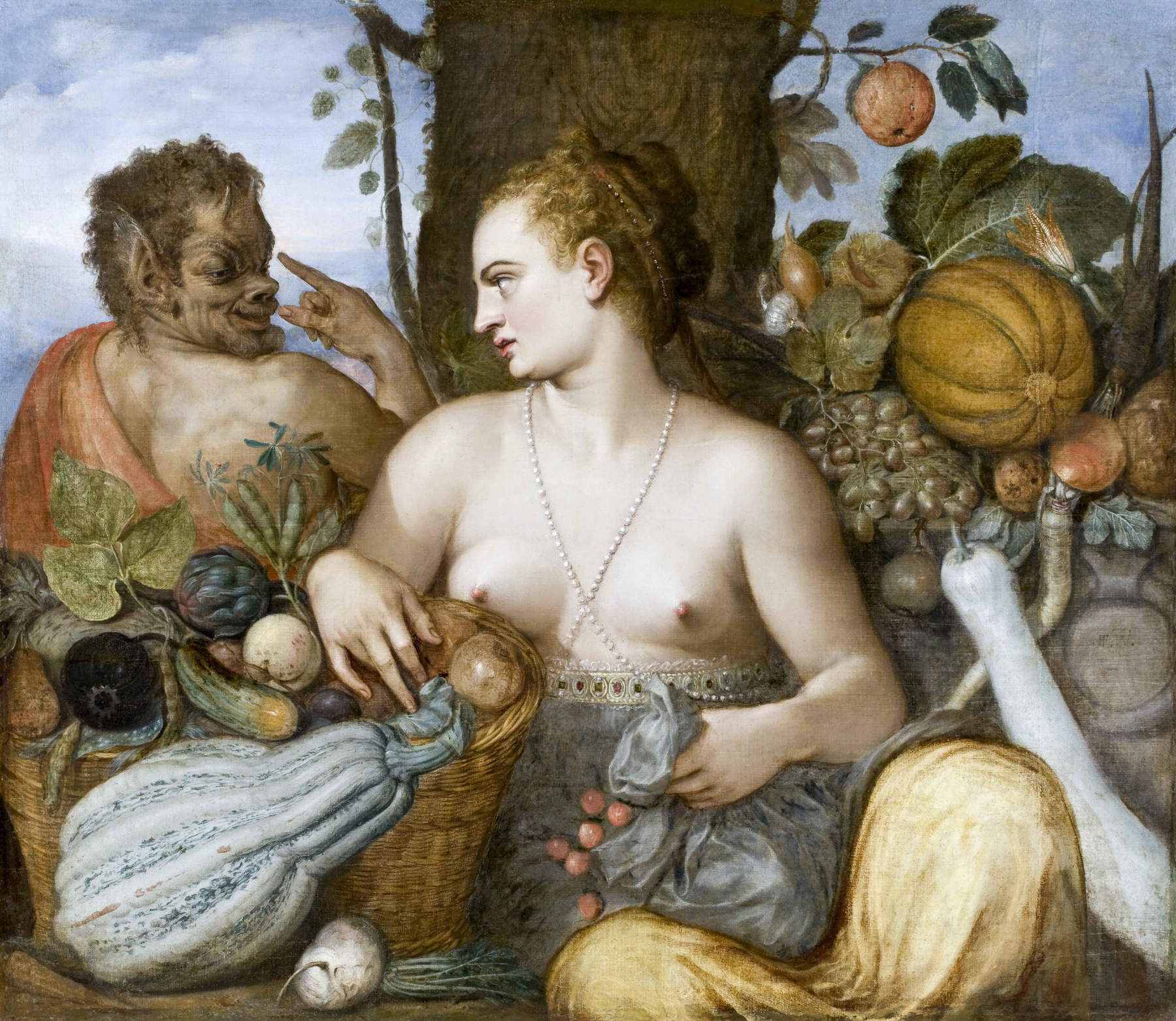
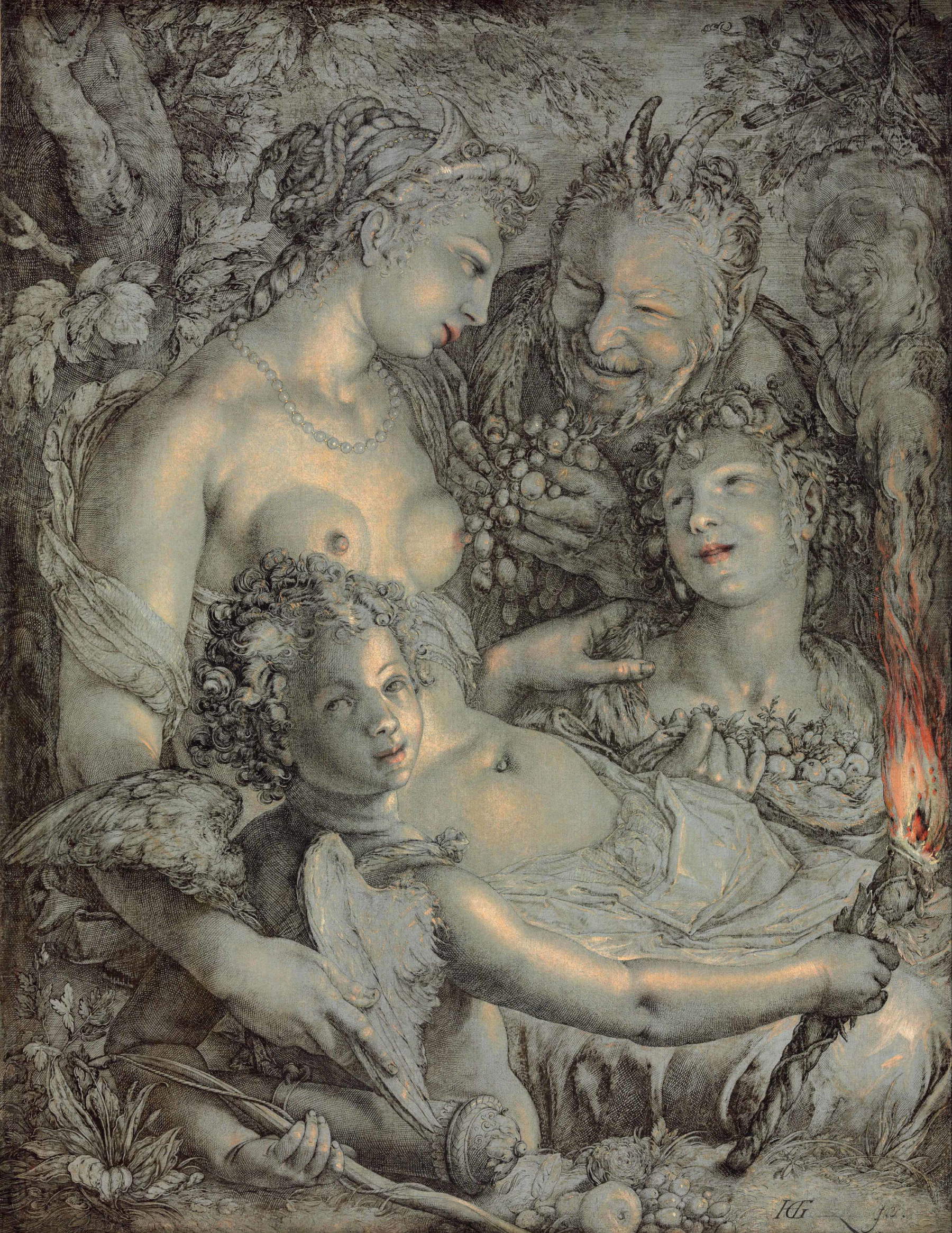
Art that seeks to shock the viewer by appealing to the ugly seems to have already triumphed over art that sought to enchant the viewer with beauty. Miuccia Prada, a fashion designer who has established her brand on an international level, explained the reasons as follows: “Ugliness is attractive; ugliness is exciting. For me, the pursuit of ugliness is more interesting than the bourgeois idea of beauty. And why? Because ugliness is human.” In short, ugliness is the moment when the common person breaks free from subordination to more or less established powers, and in this new perspective, it takes on an existential and ontological dimension, becoming in our time almost a necessary requirement for art that seeks to be provocative: think of Marina Abramović’s performances, which over the years have transformed into “pranic healing” scenes—a perfect synthesis in the age of kitsch and the fake.
When we begin to speak of the aesthetics of the ugly—when the ugly attains the dimension of being that evil, in the Thomistic sense, lacked—it is no longer surprising that a negative value like kitsch is associated with the superlative. And so aesthetics becomes the means to render something cloying or bizarre—which sometimes capitalizes on horror—magnificent. Barnum’s circus made this a rule. And for at least two centuries, the freak show has enjoyed great success, featuring people with rare and unusual physical anomalies, such as the Mexican woman Julia Pastrana, whose thick facial and body hair earned her the nickname “ape woman” and the categorical label of “the ugliest woman in the world.” And what of Picasso’s *Les Demoiselles d’Avignon*? The celebration of the tribal as a medium for expressing a different, alternative form of beauty? We could draw a parallel between those female figures wearing African masks and the bodies of so many people today who flaunt tattoos. “Ugliness will save us,” a Dostoevskian antihero might say—one who realized he was living, just as we do today, in an age of mass agnosticism…
Do even absolutes change their nature? A contemporary philosopher, Georges Bataille, wrote a provocative essay in the mid-20th century, *La laideur belle ou la beauté laide dans l’art et la littérature*, in which he asked: “How is it possible that, under the guise of beauty, so many artists and writers offer us nothing but ugliness? How is it that the pursuit of beauty has led to the monstrous and the absurd?” The philosopher-writer’s provocative answer was that disgust is the only thing that can still overcome boredom, since all beauty in and of itself is already tainted. Even vulgarity—understood as crude language, excess, and provocation—has a long tradition dating back to the carnivalesque, as analyzed by Mikhail Bakhtin in relation to popular culture. And Catholic tradition has redefined the ugly as ugliness, verbal prosaicness, and carnal licentiousness, reflecting it in the forms of the *risus paschalis* that preachers provoked in the faithful by recounting, during the homily of the Easter Mass, jokes, witticisms, or bizarre and licentious stories. It was a way of affirming victory over death and sin. In this case as well, ugliness and beauty were not separate or opposed, but worked together to make the sacred word or image a means of knowledge—entirely opposed in its aims to the aesthetic provocation inherent in bourgeois prurience, which today, through kitsch, is accompanied by a sort of “contemptus mundi”—that is, a form of aesthetic masochism in which more and more people hate the world in which they live. It is no scandal, then, that for many today the ugly is more desirable than the beautiful.


The author of this article: Maurizio Cecchetti
Maurizio Cecchetti è nato a Cesena il 13 ottobre 1960. Critico d'arte, scrittore ed editore. Per molti anni è stato critico d'arte del quotidiano "Avvenire". Ora collabora con "Tuttolibri" della "Stampa". Tra i suoi libri si ricordano: Edgar Degas. La vita e l'opera (1998), Le valigie di Ingres (2003), I cerchi delle betulle (2007). Tra i suoi libri recenti: Pedinamenti. Esercizi di critica d'arte (2018), Fuori servizio. Note per la manutenzione di Marcel Duchamp (2019) e Gli anni di Fancello. Una meteora nell'arte italiana tra le due guerre (2023).
Warning: the translation into English of the original Italian article was created using automatic tools. We undertake to review all articles, but we do not guarantee the total absence of inaccuracies in the translation due to the program. You can find the original by clicking on the ITA button. If you find any mistake,please contact us.





























 IT
IT FR
FR DE
DE ES
ES CN
CN


