


by Redazione 30/10/2026


Categories: Exhibitions / Disclaimer
In Ravenna, at Palazzo Rasponi dalle Teste, more than twenty years of work by the Romagna-based artist and designer Marcantonio are on display, featuring sculptures, installations, and design objects. An exhibition that weaves together irony, nature, and imagination, inviting visitors to rediscover the uninhibited perspective of childhood.
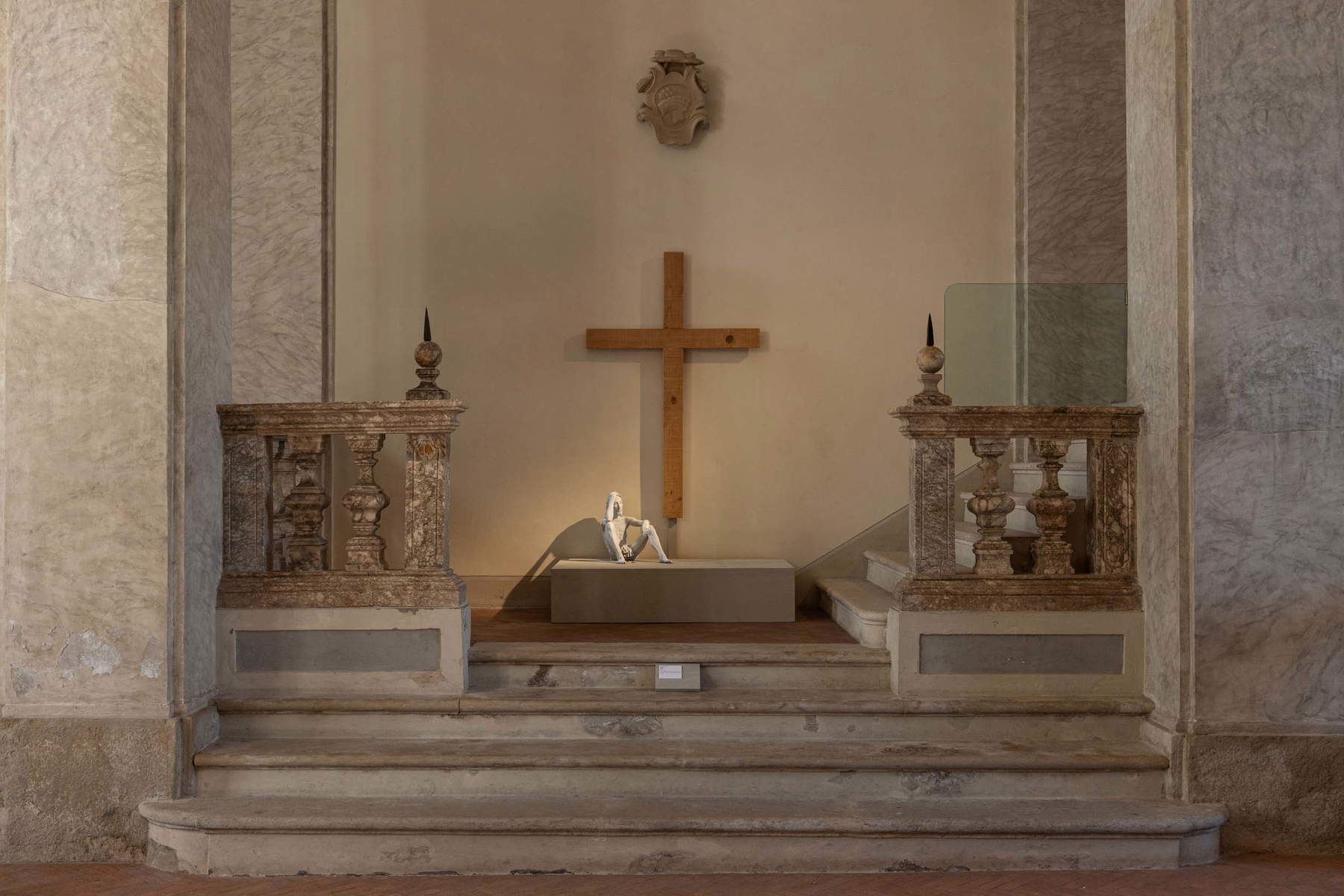
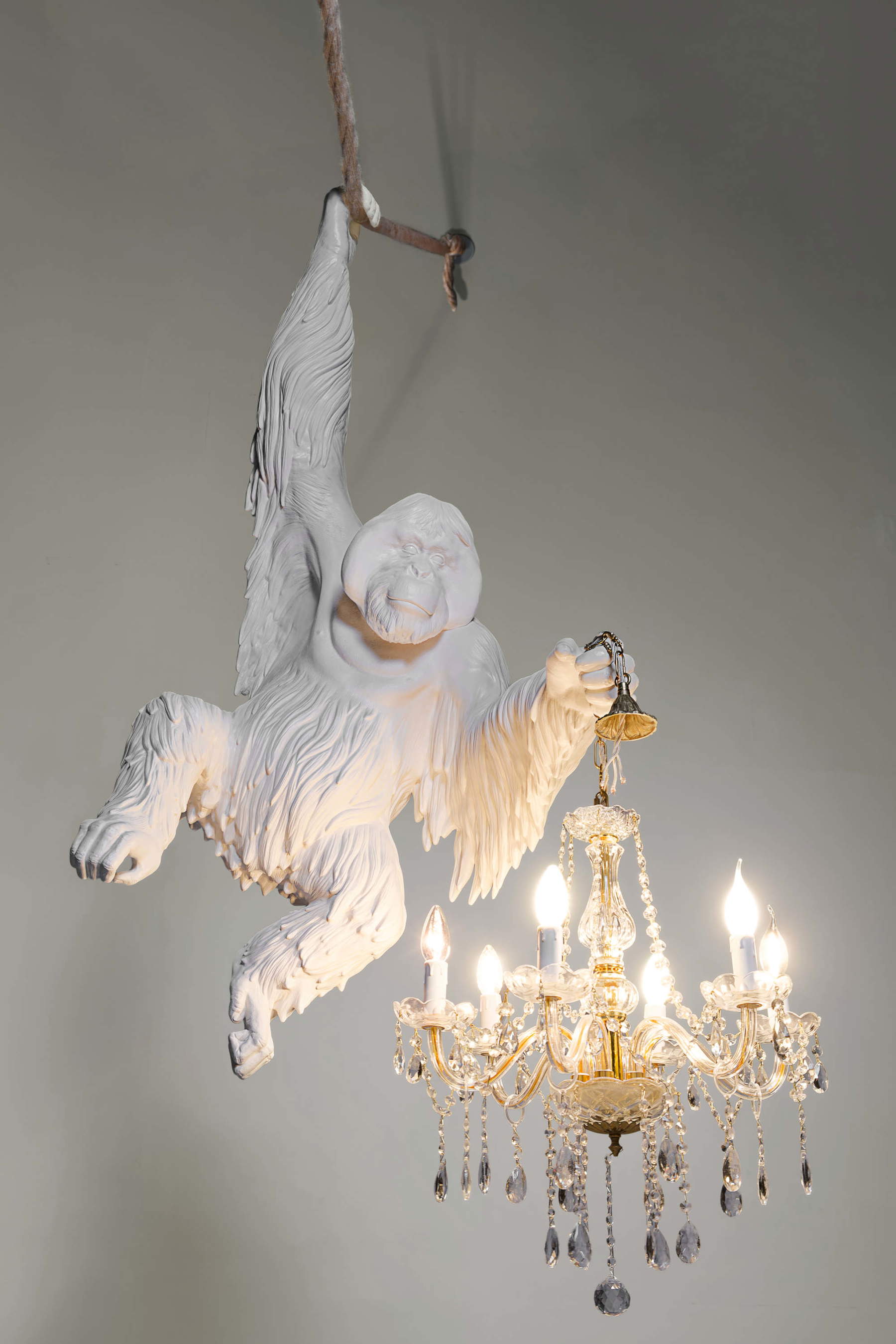
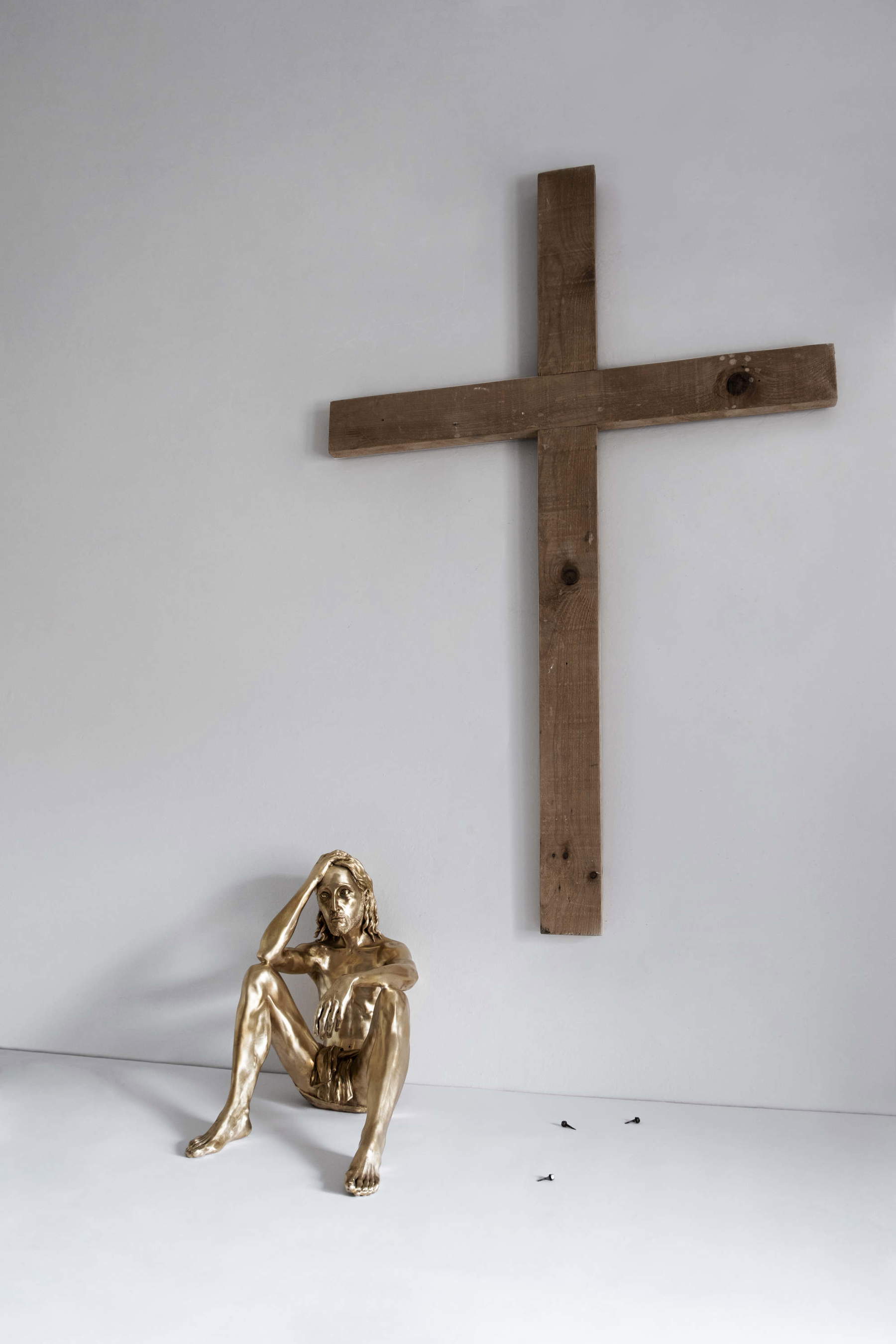
A Christ who, after more than two thousand years on the cross, decides to come down and sit at its foot, weary of what he sees happening in the world. An orangutan fleeing a room while dragging a chandelier behind him, a giraffe carrying a large light fixture in its mouth, an anatomical heart from which flowers sprout. These are some of the images with which Marcantonio (Marcantonio Raimondi Malerba; Massa Lombarda, 1976) constructs his creative universe, halfway between art and design, where familiar objects take on unexpected meanings and animals become the protagonists of situations suspended between irony and poetry. It is precisely this imagery that lies at the heart of *Cosa vuoi fare da Piccolo?*, an exhibition that Ravenna is dedicating to the artist and designer from October 11, 2026, to January 10, 2027, at Palazzo Rasponi dalle Teste. Curated by Paride Vitale and Nicolas Ballario, the exhibition traces over twenty years of his work through sculptures, installations, one-of-a-kind pieces, and objects created for industrial production, highlighting the freedom with which Marcantonio moves across different artistic languages and disciplines.


The title turns the traditional question asked of children—“What do you want to be when you grow up?”—on its head, suggesting a journey that invites us to rediscover the curiosity and sense of wonder of childhood . A perspective not yet shaped by convention, capable of finding unexpected possibilities in everyday objects. It is this attitude that unites works that are, at times, very different from one another—from animals invading domestic spaces to human figures merging with plant elements.


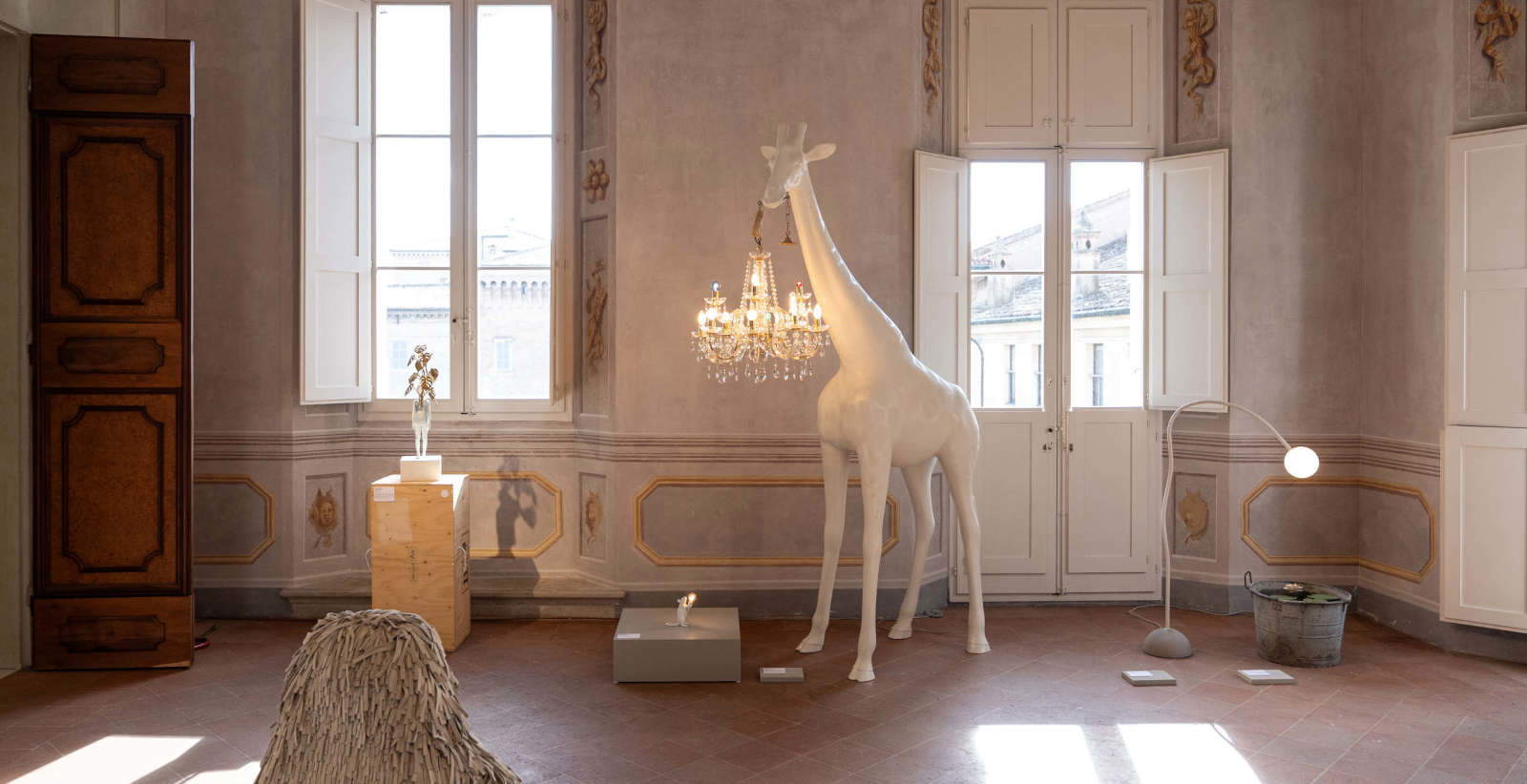
The exhibition occupies approximately 400 square meters across the residential rooms of the main floor, the monumental staircases, and the balcony of Palazzo Rasponi dalle Teste. Frescoes, stucco work, and historic decorations interact with the artworks, serving as more than just a backdrop. The exhibition does not follow a chronological order: the various phases of Marcantonio’s artistic exploration intertwine through thematic clusters, freely juxtaposing one-of-a-kind pieces with mass-produced items.

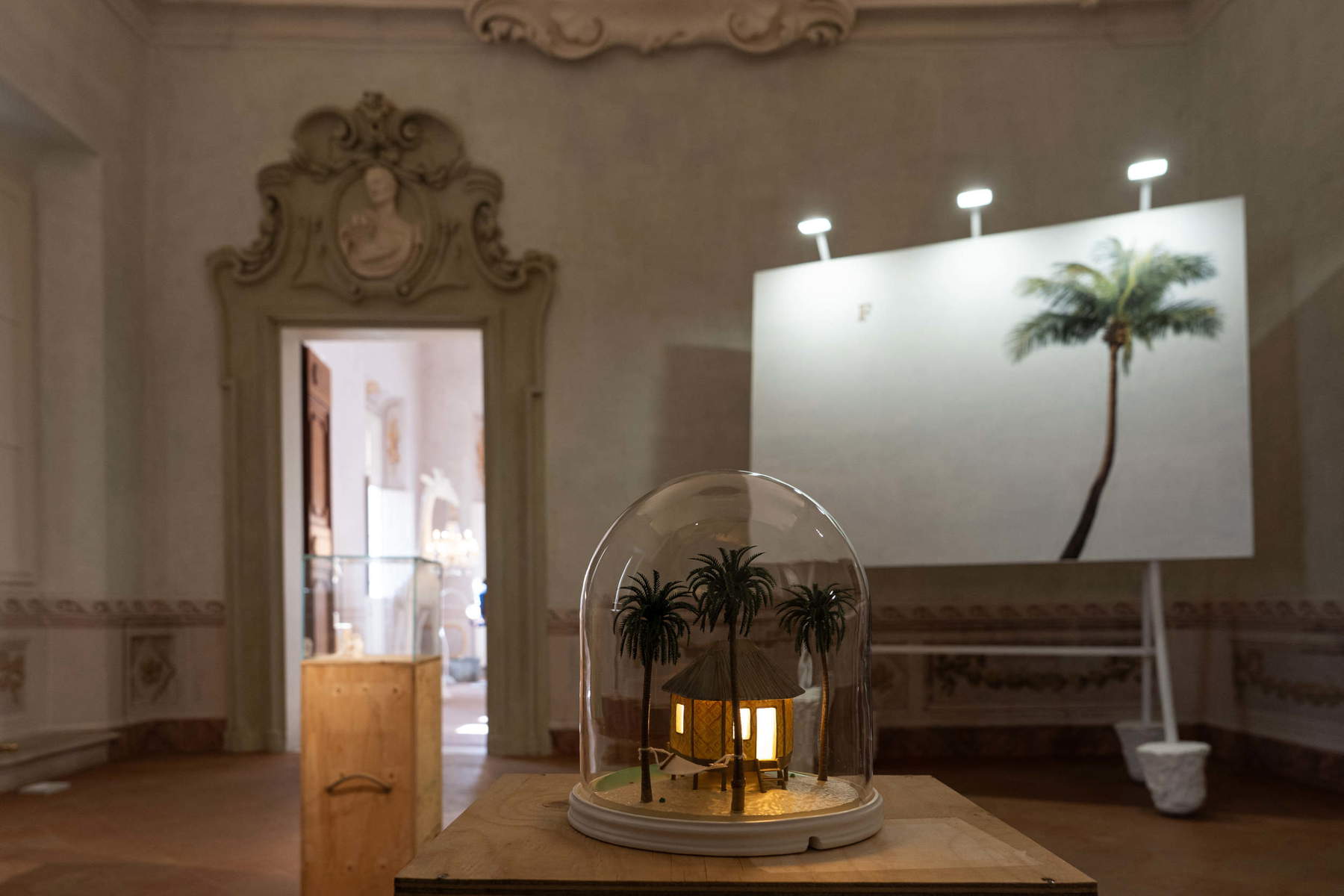
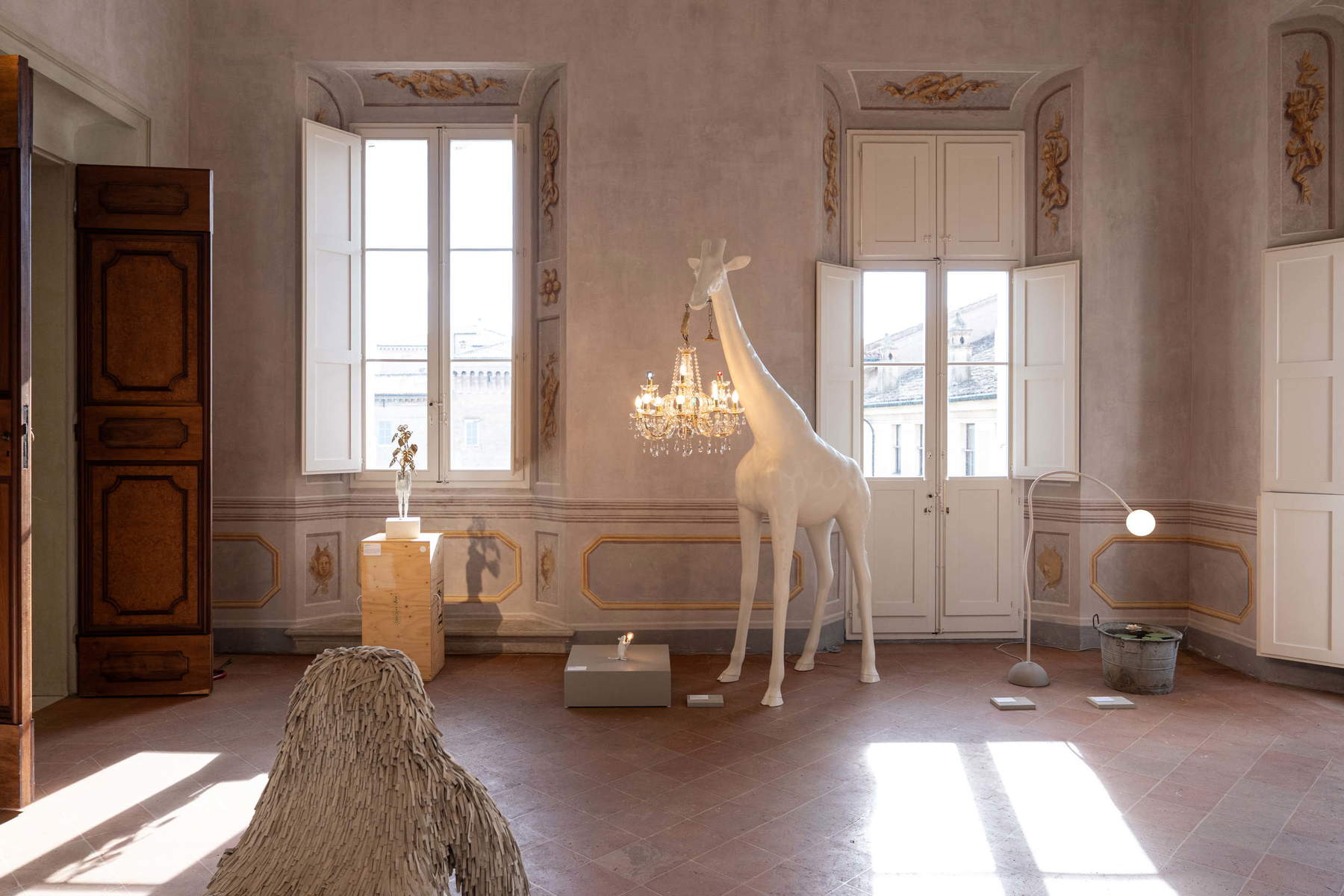
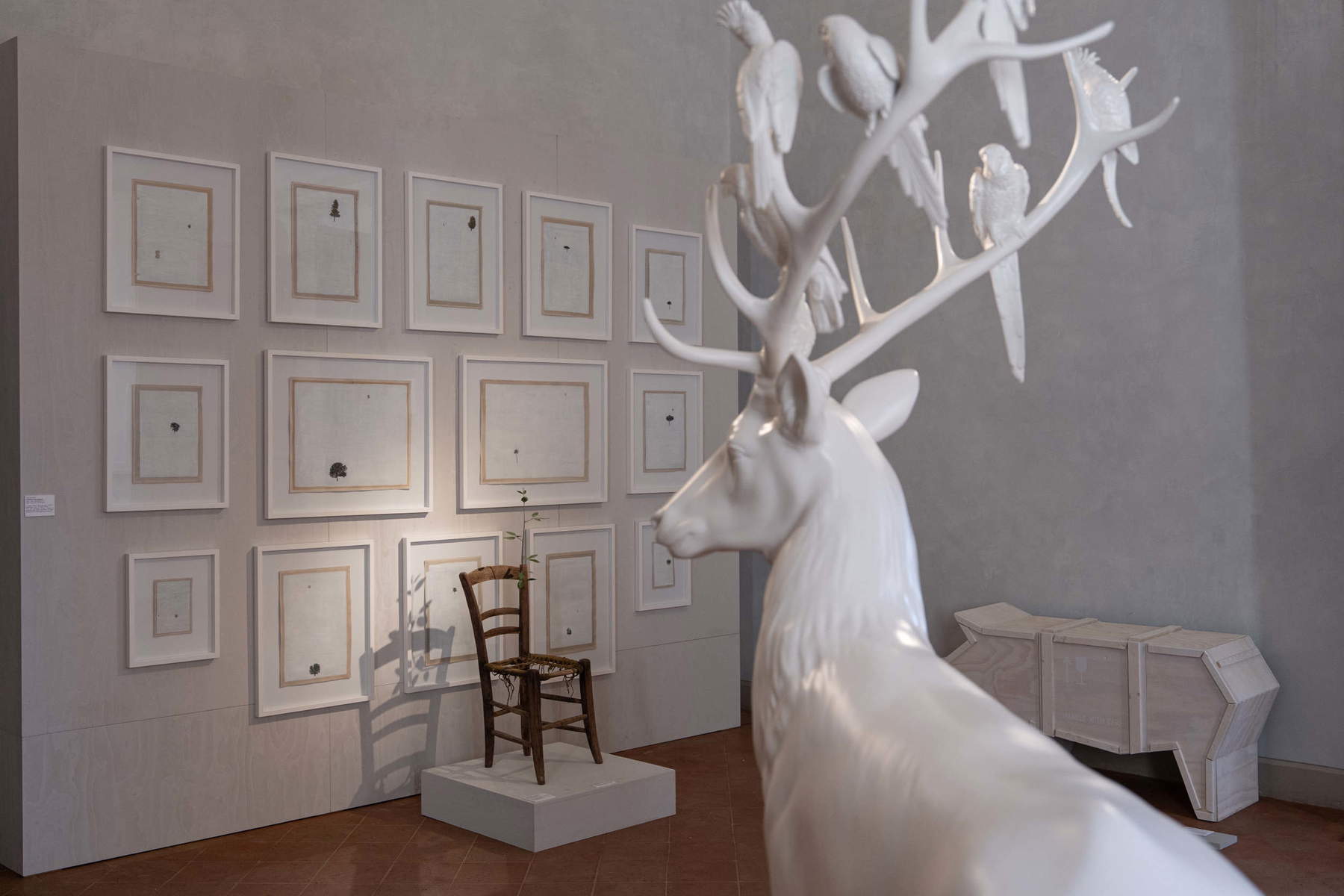
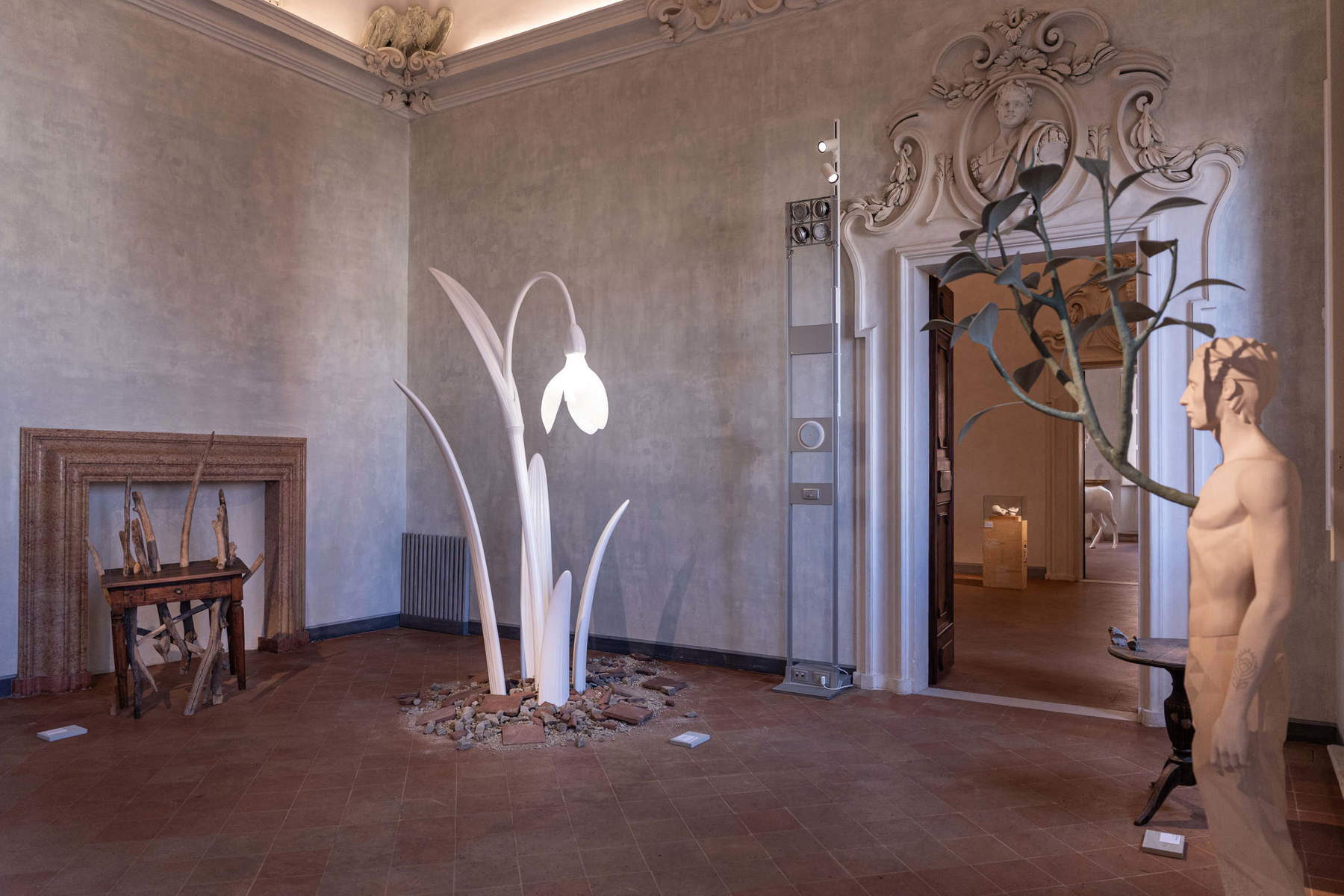
“We asked ourselves how to present an artist who, for more than twenty years, has stood out for an approach that is difficult to categorize, always straddling the line between art and design,” explain curators Paride Vitale and Nicolas Ballario. “That’s why we let the works inhabit the rooms of the Palazzo like unexpected guests, juxtaposing unique pieces and mass-produced items without distinction. The result is a portrait of an artist who is both consistent and unpredictable, capable of eliciting a smile one moment and, the next, sparking questions and reflections.”
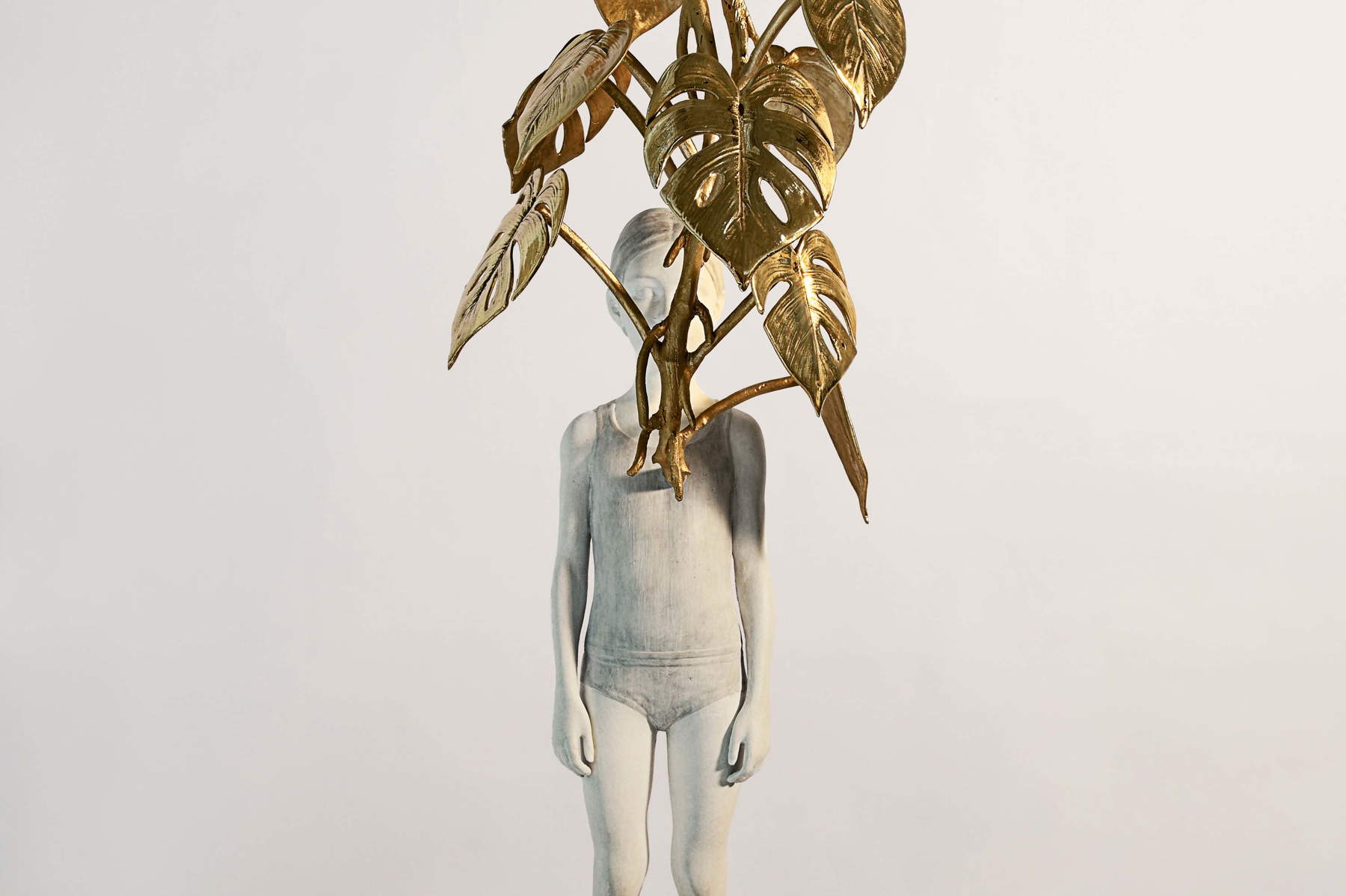
One of the initial themes is that of the relationship with childhood, understood as a state of openness toward the world. In *Bimbo con grillo* (2011), Collodi’s cricket—traditionally associated with conscience—rests on the heart of a newborn. The image suggests a primal closeness to nature, which human beings risk losing as they grow up and adapt to the models imposed by society. In *Before the Beginning* (2019), a child observes light and its reflections in a suspended moment that precedes intuition. Finally, in *To Belong to* ( 2024), the human figure and plant elements merge into a single presence, making nature a primary form of belonging.
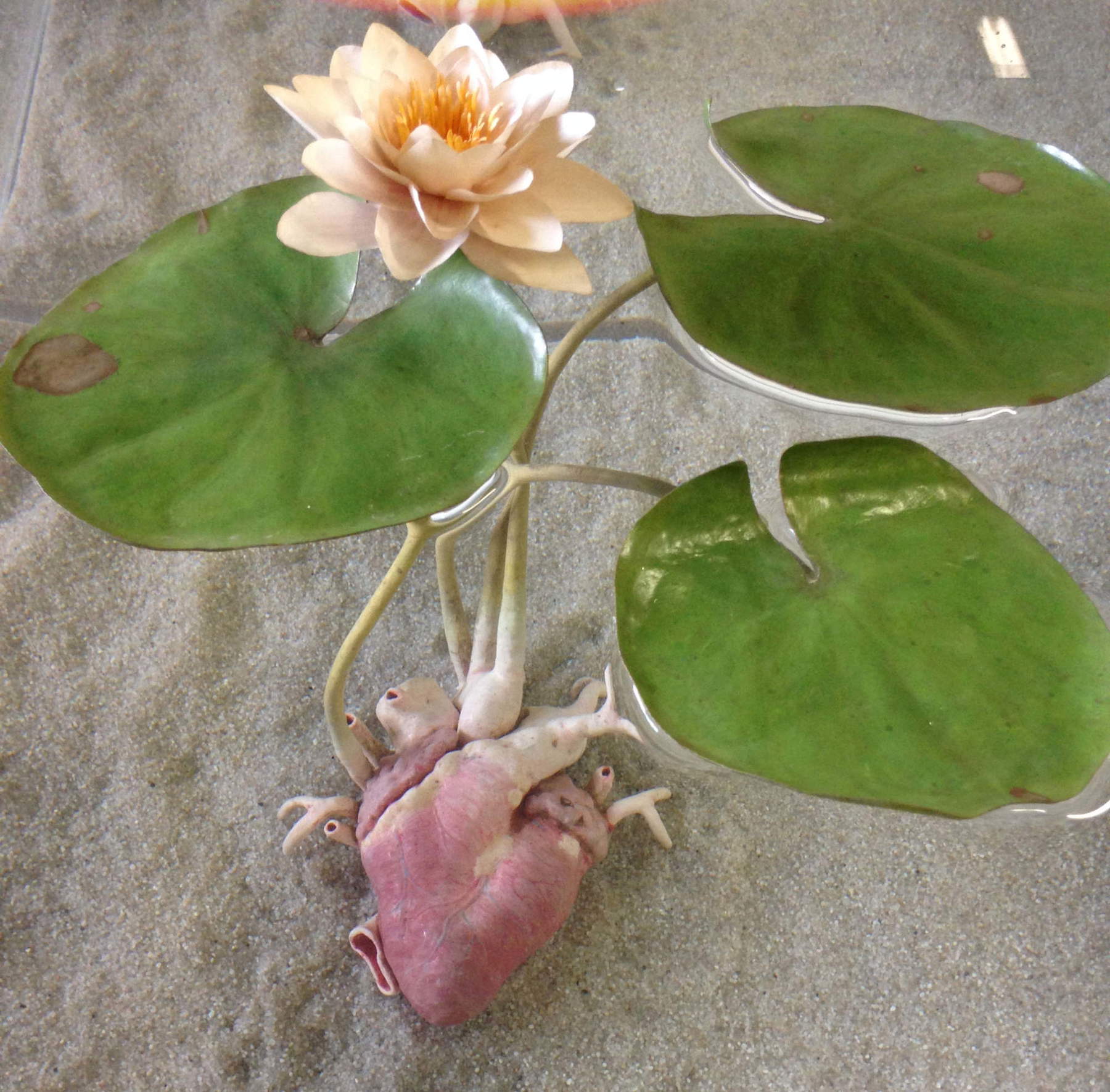
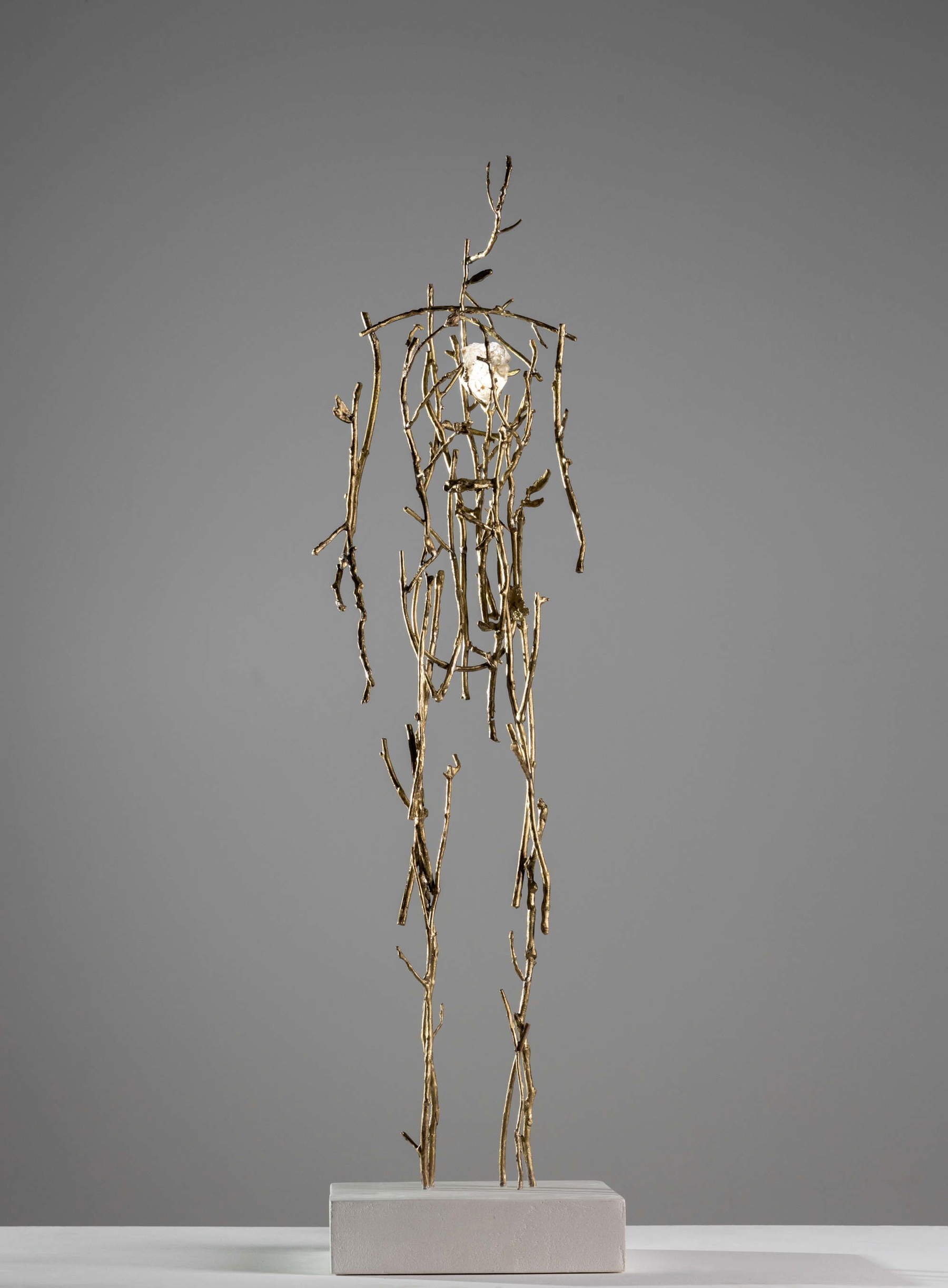
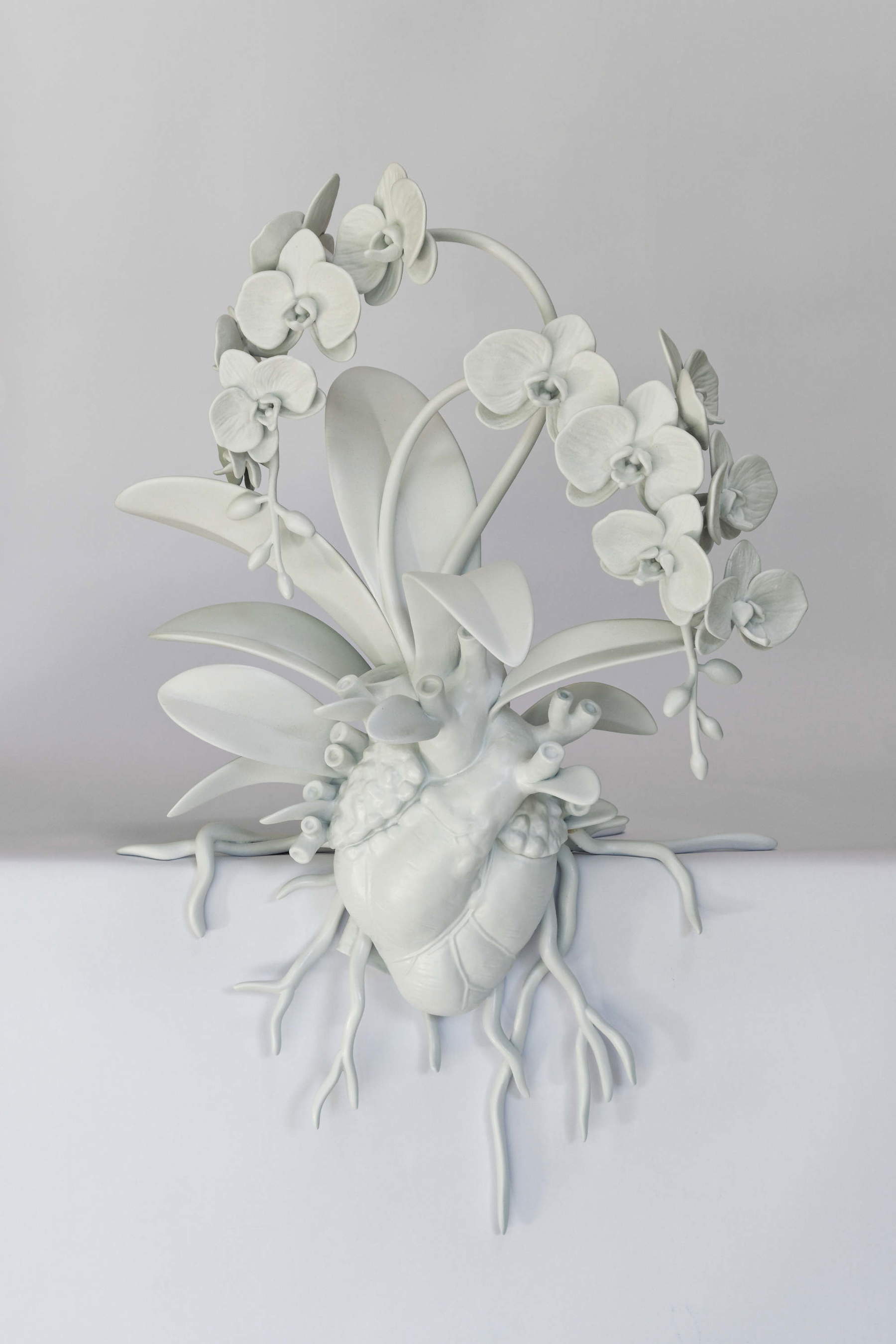
The relationship between the human body and the natural environment is one of the most recurring themes in the artist’s work. In the works *Heart with Water Lily* (2009) and *Heart with Orchid* (2025), both self-produced, the anatomical heart becomes the point from which new plant life originates: veins and roots seem to belong to the same organism. The image connects two forms of existence that, rather than being viewed as separate, are brought back into a single continuum. This theme recurs in *Awakening* (2026), where twigs, leaves, and berries transformed into brass form a human figure that holds a luminous quartz crystal in place of its heart. The work evokes the idea of an awakening of consciousness through contact with nature. In *Philos Phos* (2025), on the other hand, a sprout emerges directly from a terracotta amphora, conceived as a vessel for ideas and feelings, capable of holding light within itself.
In other works, nature itself reclaims the spaces occupied by humans. The two versions of *Anemos* ( 2026), created respectively on newspaper pages and on a billboard, show trees reemerging after the surfaces have been covered with white paint, erasing the news and advertising content. In *Sedia con germoglio* (2026), an everyday object ideally returns to its plant origins, transforming once again into a tree.
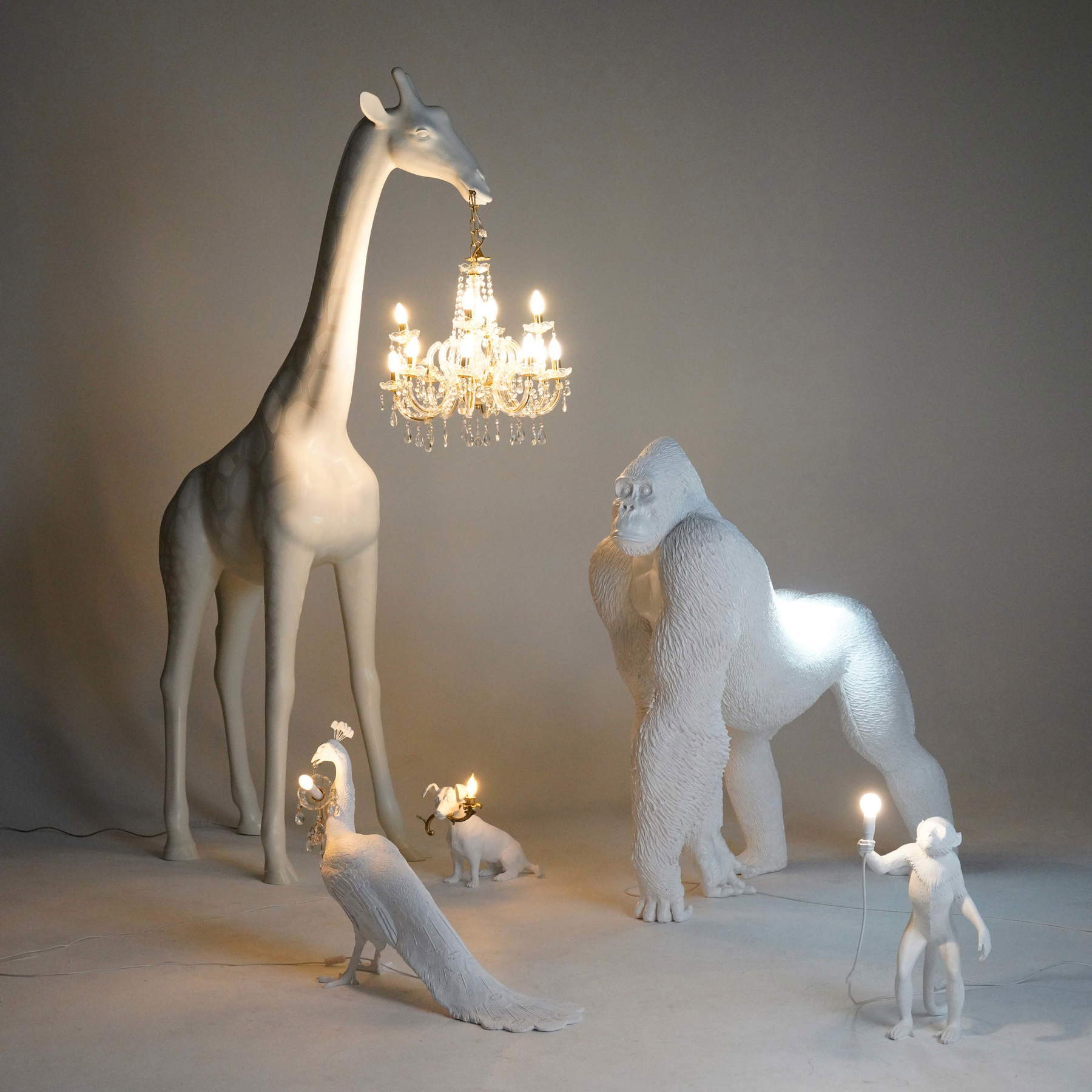
The relationship between nature and built space finds a particularly striking expression in *Bucaneve* (2024), a work created for the *This Way* collection for Škoda. Here, a large flower literally breaks through the floor of Palazzo Rasponi dalle Teste to bloom inside one of its rooms. The installation brings the theme of the reappropriation of natural space directly into the historic architecture hosting the exhibition.The irony emerges most clearly when animals subvert the rules of human coexistence. In *Gorilla su cattedra* (2022), the power of instinct takes the place of reason, and the gorilla dominates the scene from atop the lectern. In *The door was open...* (2024), on the other hand, an orangutan flees while clinging to a rope, carrying with it an elaborate Maria Theresa-style chandelier. The image resembles a still from a story of which the viewer has come to know only the epilogue.
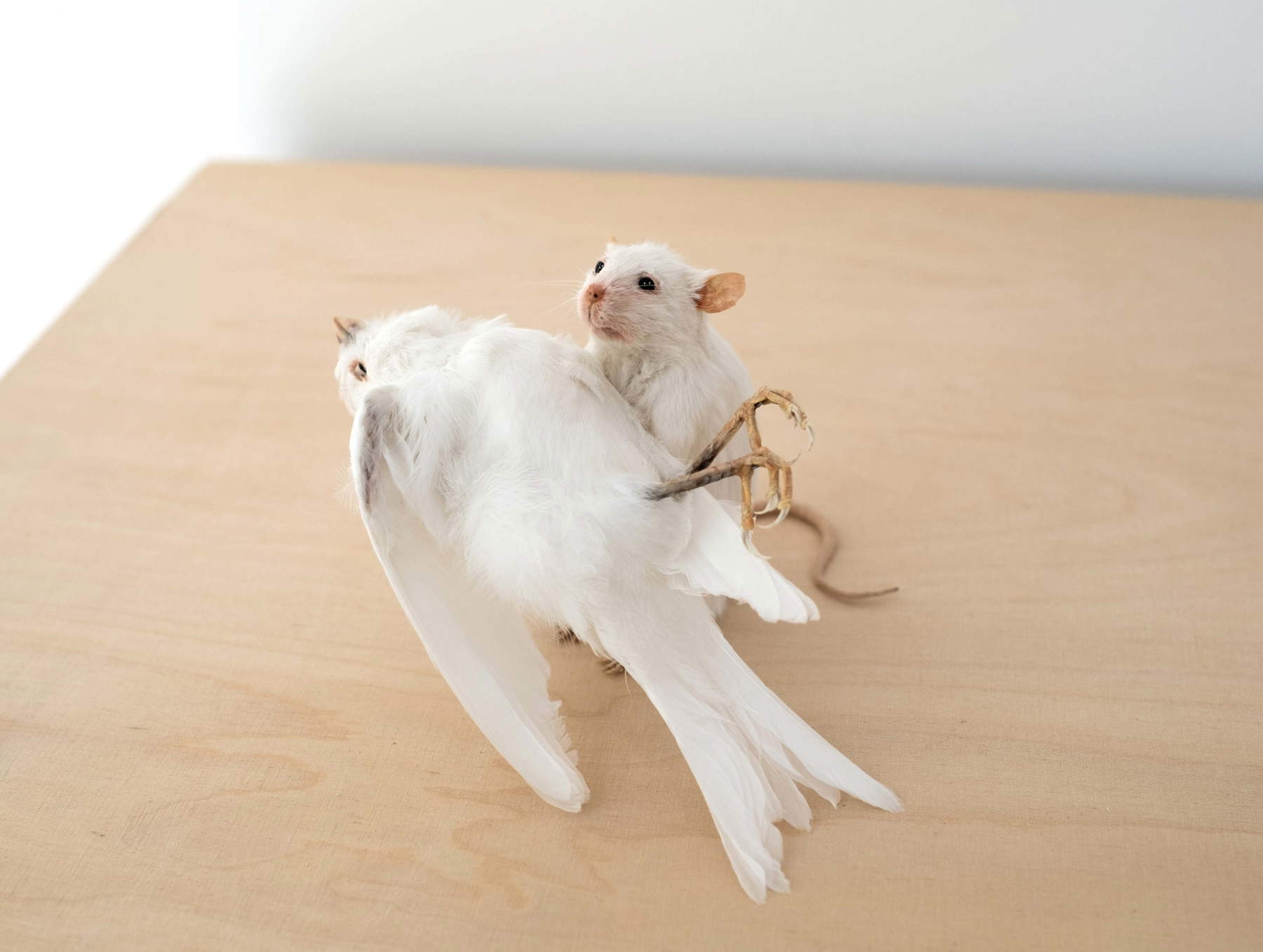
Even the sacred is addressed through a tone that blends humanity and irony. In *Amen* (2009), Christ descends from the cross and sits at its foot, the marks of the nails still visible. He is a weary figure who seems to need a break after having observed the events of the world for over two thousand years. Ideally bringing this thematic core to a close is *Pietà* ( 2026), a previously unseen work depicting a tiny mouse clinging to the body of a sparrow. An intimate scene of care that transcends the distinctions between species and size, transforming into an image of universal compassion.
Alongside works conceived as one-of-a-kind pieces, Palazzo Rasponi dalle Teste also documents Marcantonio’s relationship with the world of industrial production. His collaborations with design firms have, in fact, allowed him to bring his imagery into everyday life without sacrificing the narrative element that characterizes his artistic practice.
Among his most significant collaborations is the one with Seletti, for whom he has created some of his most recognizable designs. Monkey Lamp (2014) depicts a monkey that appears to have stolen a light bulb, transforming the animal into a lighting fixture; Peacock Lamp (2020), on the other hand, takes its cue from the figure of the peacock, while My Moon (2024) introduces a more dreamlike dimension. Also part of this collaboration are Love in Bloom (2018), a sculptural vase shaped like an anatomical heart, and Kintsugi Skull (2025), a porcelain piece inspired by the Japanese tradition of kintsugi.
For Qeeboo, Marcantonio created Giraffe in Love ( 2019), a giraffe holding a chandelier in its mouth that seems to light its own path. The project also plays on the idea of falling in love unconsciously: with such a long neck, the artist ironically suggests, the head remains far from the heart. Also part of the collaboration is *Turtle Carry* (2020), a turtle carrying interchangeable accessories on its shell that can be used as a side table, bookshelf, ottoman, or vase.
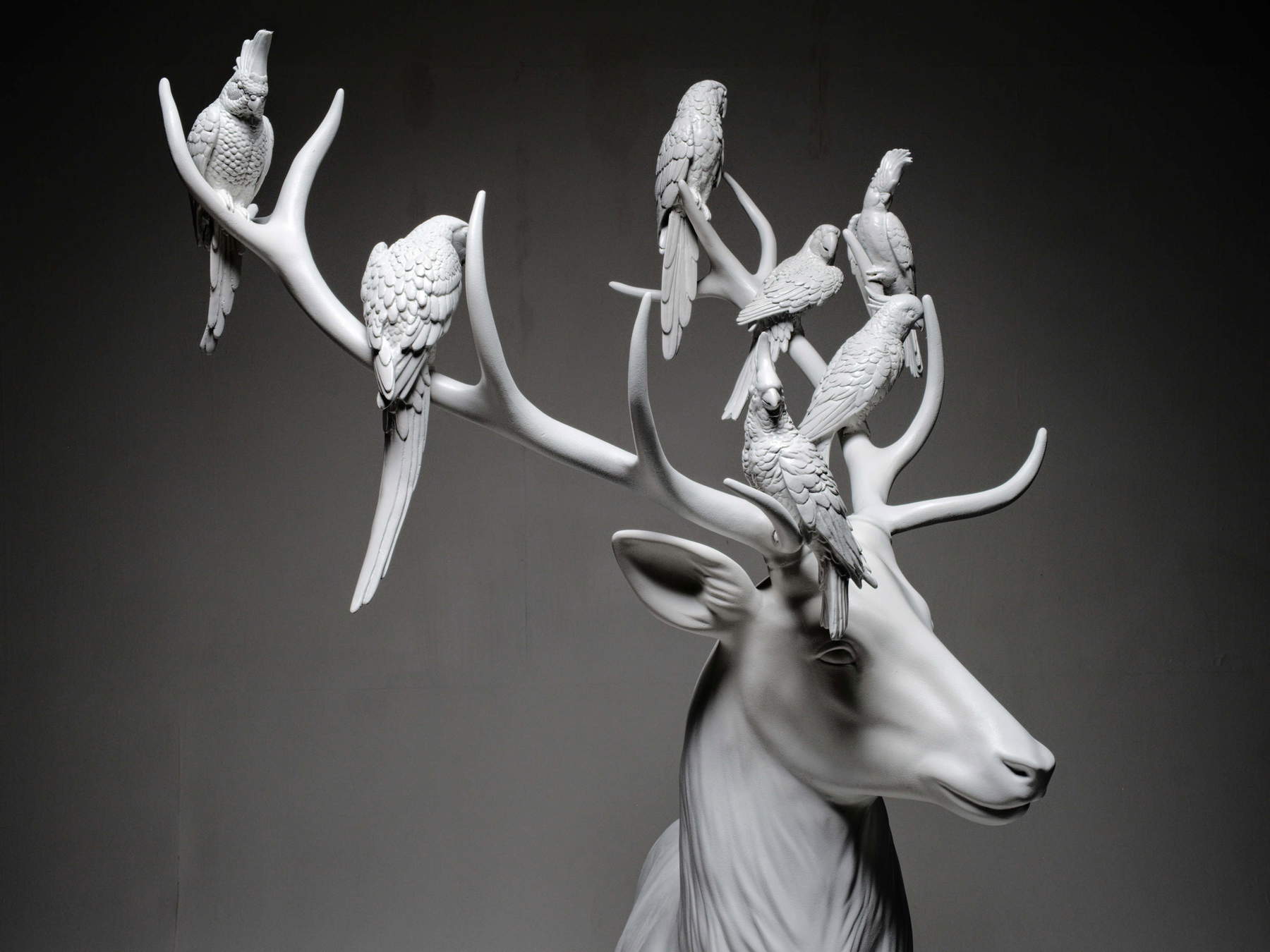
For Giorgio Armani, he designed *Deer with Parrots* (2023), a deer that cradles numerous parrots among its antlers, creating an image of coexistence between different species. With MOGG, he developed Lunee (2025), a sculptural seat with soft, organic forms reminiscent of surfaces shaped by water and wind, and Seven Pillows (2016), crafted from wood and fabric. The exhibition also features projects developed with Natuzzi, Slide, Karman, Opinion Ciatti, Osmotica, Scapin, and Ideal Standard.
The exhibition also marks a return to the city where Marcantonio received his training. Born in 1976, the artist studied at the Art Institute and the Academy of Fine Arts in Ravenna, where he took his first steps as a set designer and sculptor. In 2001, he began the creative journey that led him to collaborate with leading international firms in the fields of design and fashion.
“Marcantonio is an artist whom Ravenna has watched grow,” says Fabio Sbaraglia, Ravenna’s Councilor for Culture and Tourism. “He received his training here, at the Art Institute and the Academy of Fine Arts, and it was here that he took his first steps as a set designer and sculptor, before embarking in 2001 on a creative journey that led him to collaborate with leading international design and fashion houses. Today’s event at Palazzo Rasponi dalle Teste feels like a homecoming to a city dear to him—one that has always proudly accompanied his career.”
Marcantonio himself describes his relationship with objects and the creative process as follows: “I’ve always believed that objects have a story to tell, even when they’re merely used to provide light or as a place to sit. My work stems from that: from something familiar that, all of a sudden, looks at you in a different way. Returning to Ravenna, the city where I learned my craft, and seeing my animals, my hearts, and my plants fill the rooms of a palace so steeped in history is an emotion that’s hard to describe.”
Organized by the Department of Culture and Tourism of the City of Ravenna and the MAR—Museum of Art of the City of Ravenna, with the support of the State Academy of Fine Arts of Ravenna, the exhibition is presented in collaboration with Vera Studio, iGuzzini, and Masciarelli Tenute Agricole, with the support of the HERA Group. Admission is free. The exhibition will be on view through January 10, 2027, and will also be open during Ravenna’s Notte d’Oro, scheduled for October 17, 2026.
 |
| A gorilla at a lectern, a giraffe with a chandelier: Marcantonio on display in Ravenna |
Warning: the translation into English of the original Italian article was created using automatic tools. We undertake to review all articles, but we do not guarantee the total absence of inaccuracies in the translation due to the program. You can find the original by clicking on the ITA button. If you find any mistake,please contact us.