





Milan is dedicating a retrospective exhibition to Carla Cerati on the centennial of her birth and ten years after her passing. From September 26, 2026, to January 10, 2027, Palazzo Reale will host “Carla Cerati. Plural Feminine.” Photography and Writing, 1926–2026, an exhibition curated by Elena Ceratti, Giovanna Calvenzi, and Mariateresa Cerretelli that brings together 200 photographs along with books, documents, archival materials, and videos. The exhibition is sponsored by the City of Milan – Culture and produced by Palazzo Reale, Pernice Group, and Cluster-A. The exhibition traces over thirty years of the artist’s career, connecting her photographic work with her literary work and demonstrating how photography served as a tool for Cerati to understand reality, while writing represented a return to memory.
The exhibition project connects two dimensions of Cerati’s work: the public dimension, linked to current events, politics, and social transformations; and the private dimension, developed through family memory and autobiographical reflection expressed through fiction. These are two paths that have unfolded over decades and that the exhibition brings into dialogue through photographs, documents, and archival materials.
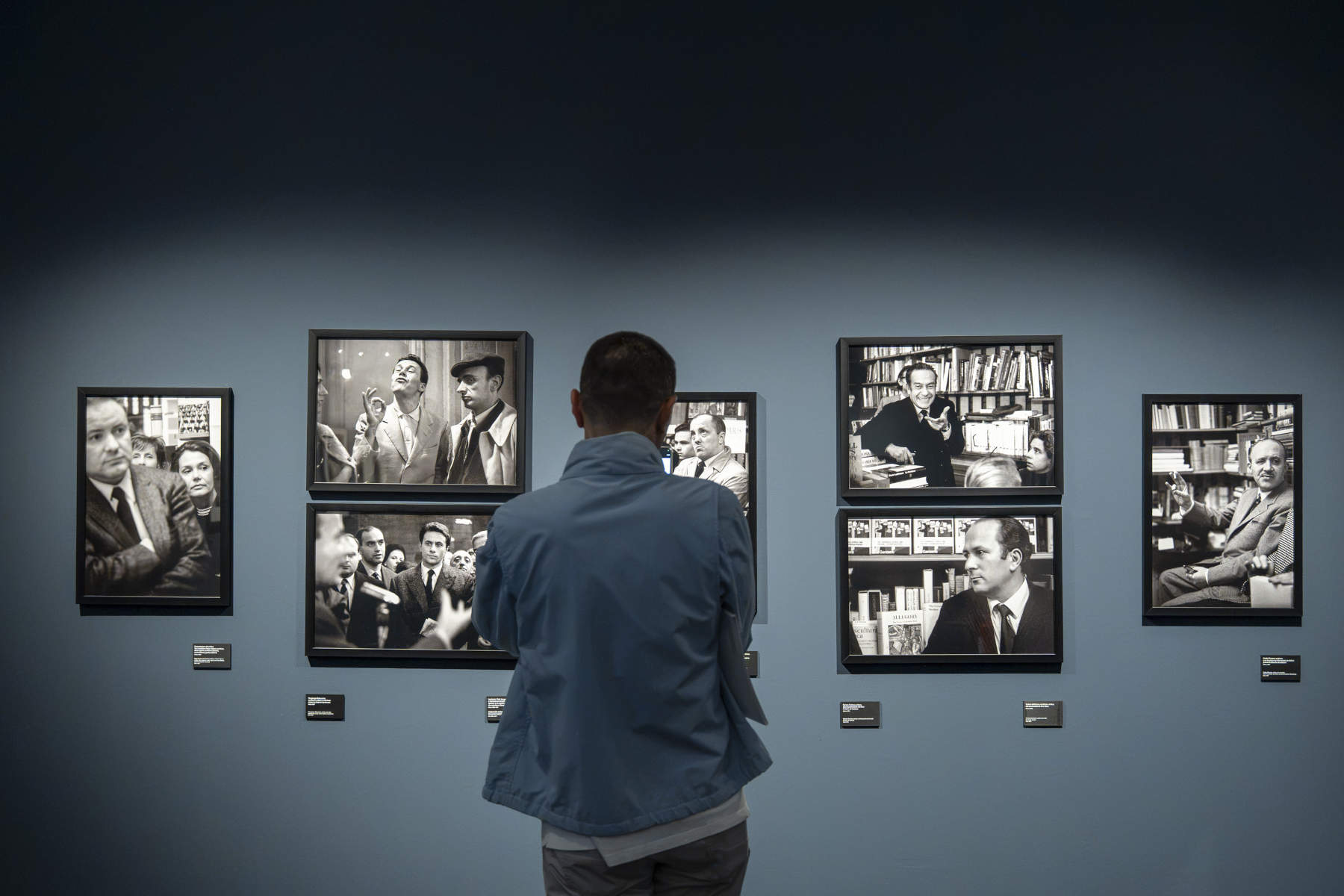
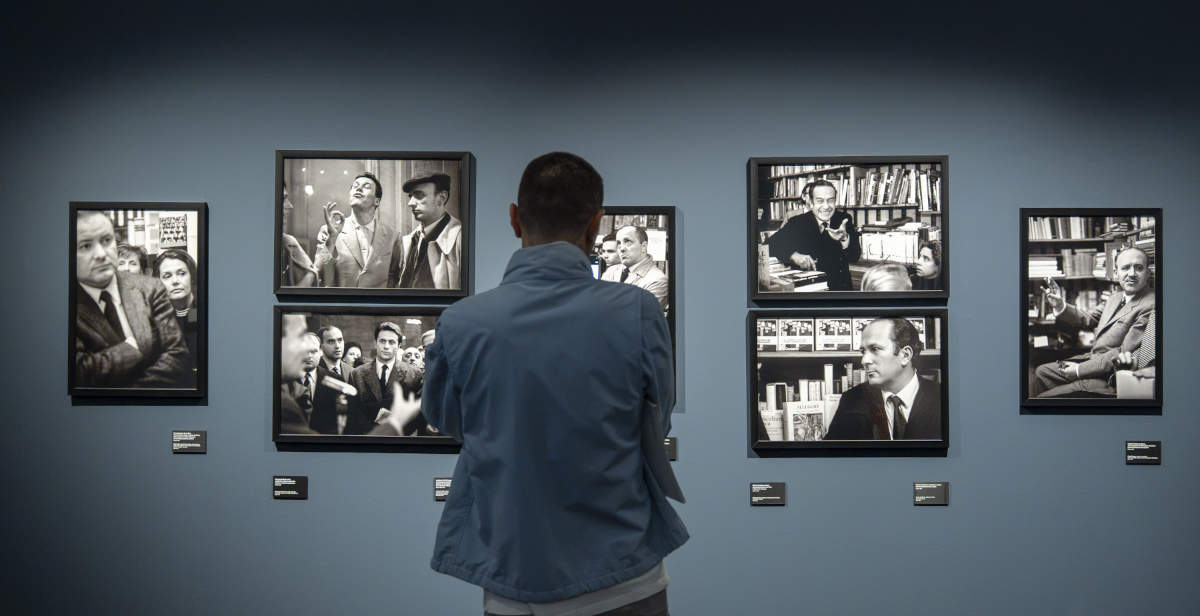
Born in Bergamo and having moved to Milan, Cerati identified the Lombard capital as one of the main focal points of her photographic research. Her work has chronicled the city’s transformations—from postwar reconstruction to the economic boom, from social protest to the tensions of the 1970s. New neighborhoods, labor struggles, student marches, and the first feminist demonstrations entered the photographer’s frame alongside the rituals of the bourgeoisie and Milanese cultural life, observed with an ironic eye. The city’s fabric thus intertwines with the documentation of society and its changes. Some of the most prominent figures in postwar Italian culture appear in her portraits of the great intellectuals of the 20th century and in the photographs taken at the Einaudi Bookstore on Via Manzoni in Milan. The theater also constitutes an important area of Cerati’s work: from the Living Theatre to Eduardo De Filippo, the theatrical gesture becomes an opportunity to examine the relationship between reality and representation.
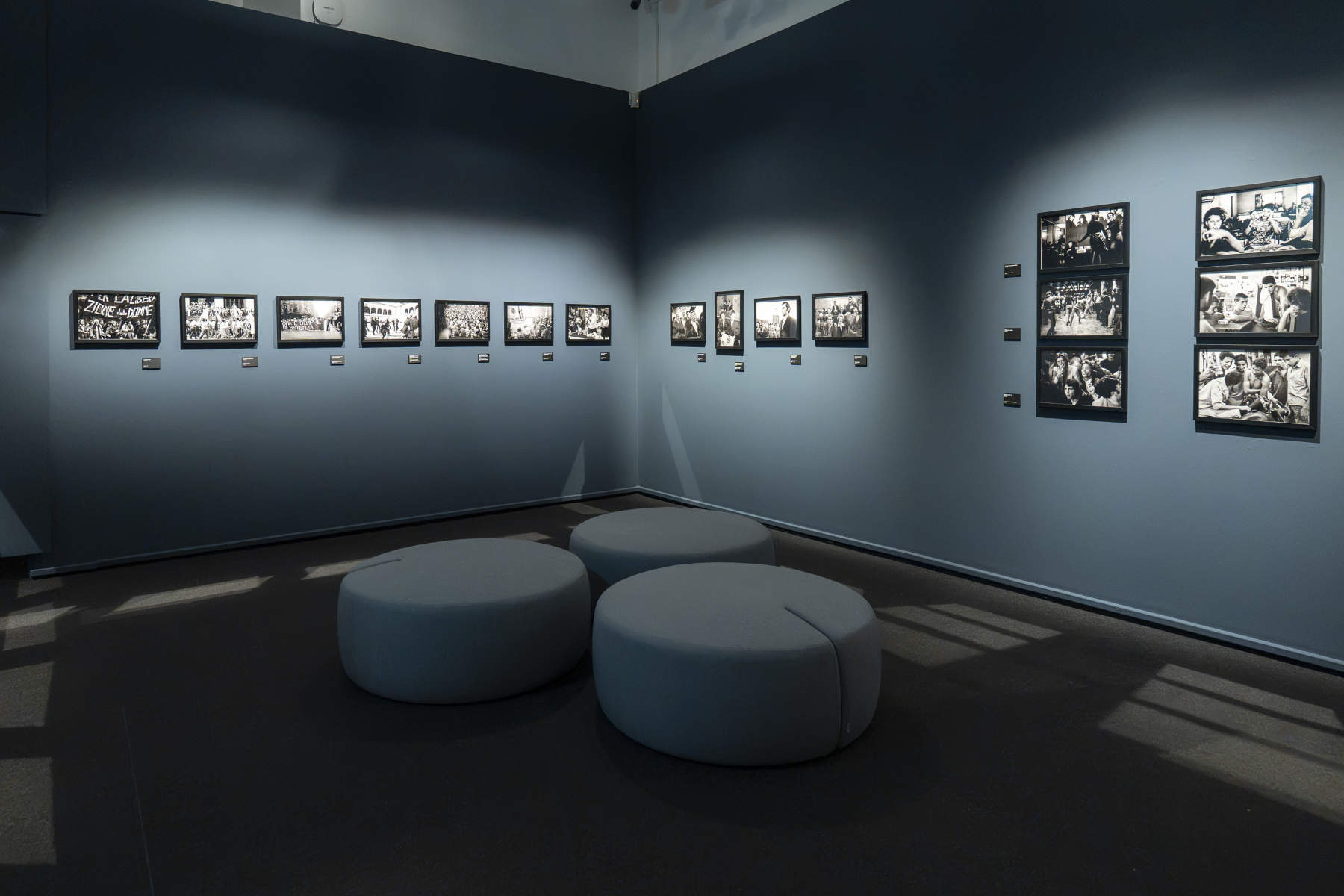
One of the central themes of the exhibition is *Morire di classe*(Dying with Class), the photo essay created by Carla Cerati in collaboration with Gianni Berengo Gardin as part of the work of Franco Basaglia and Franca Ongaro Basaglia and published by Einaudi in 1969. The photographs taken in psychiatric hospitals reveal conditions that had long been hidden from public view. At the time, these images contributed to the debate on conditions in mental institutions that preceded the Basaglia Law, which led to the definitive closure of Italian psychiatric hospitals. In this photo essay, the documentary power of the photographs coexists with a sense of engagement that the exhibition project presents as free of rhetoric and careful to preserve the dignity of the subjects. “Dying with Dignity” thus constitutes one of the ways in which the exhibition explores Cerati’s relationship with social activism and with the representation of social realities that had long remained on the margins of public visibility.
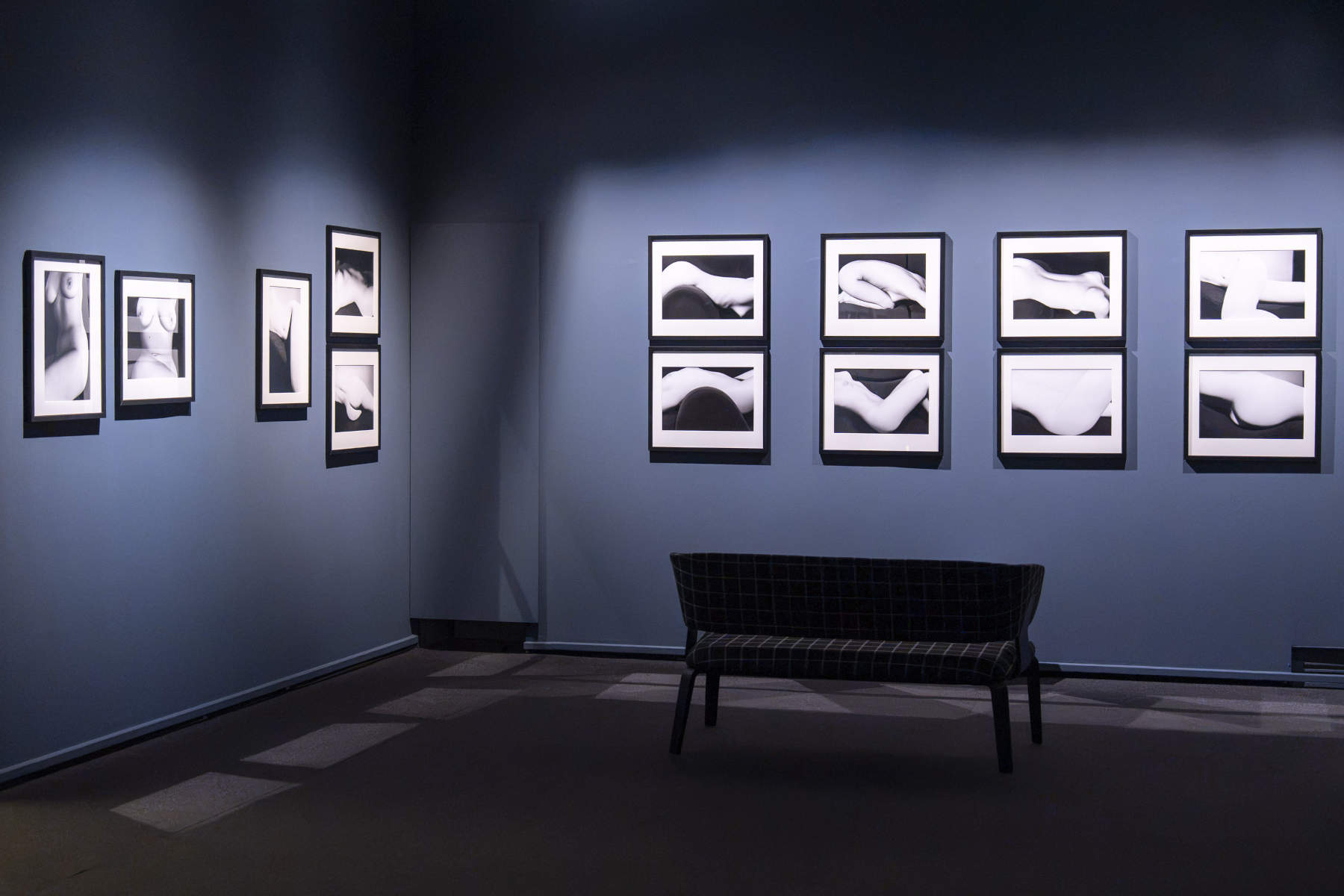
The exhibition also includes works dedicated to political reporting, research on the condition of women and the female body, landscapes and architecture, up to her later experimental works. The diversity of interests and approaches is reflected in the title itself, *Plurale femminile*, which brings together the various dimensions of Cerati’s work: the photographer and the writer, the witness to collective history and the author committed to examining her own experience. The exhibition unfolds across ten galleries. Large-scale prints, projections, three-dimensional structures, and immersive environments translate some of the themes addressed in the artist’s work into the exhibition space, while keeping the photographs at the center of the narrative. In the final section, original documents and video contributions also allow visitors to hear Cerati’s voice and gain a deeper understanding of her work through materials directly linked to her career.
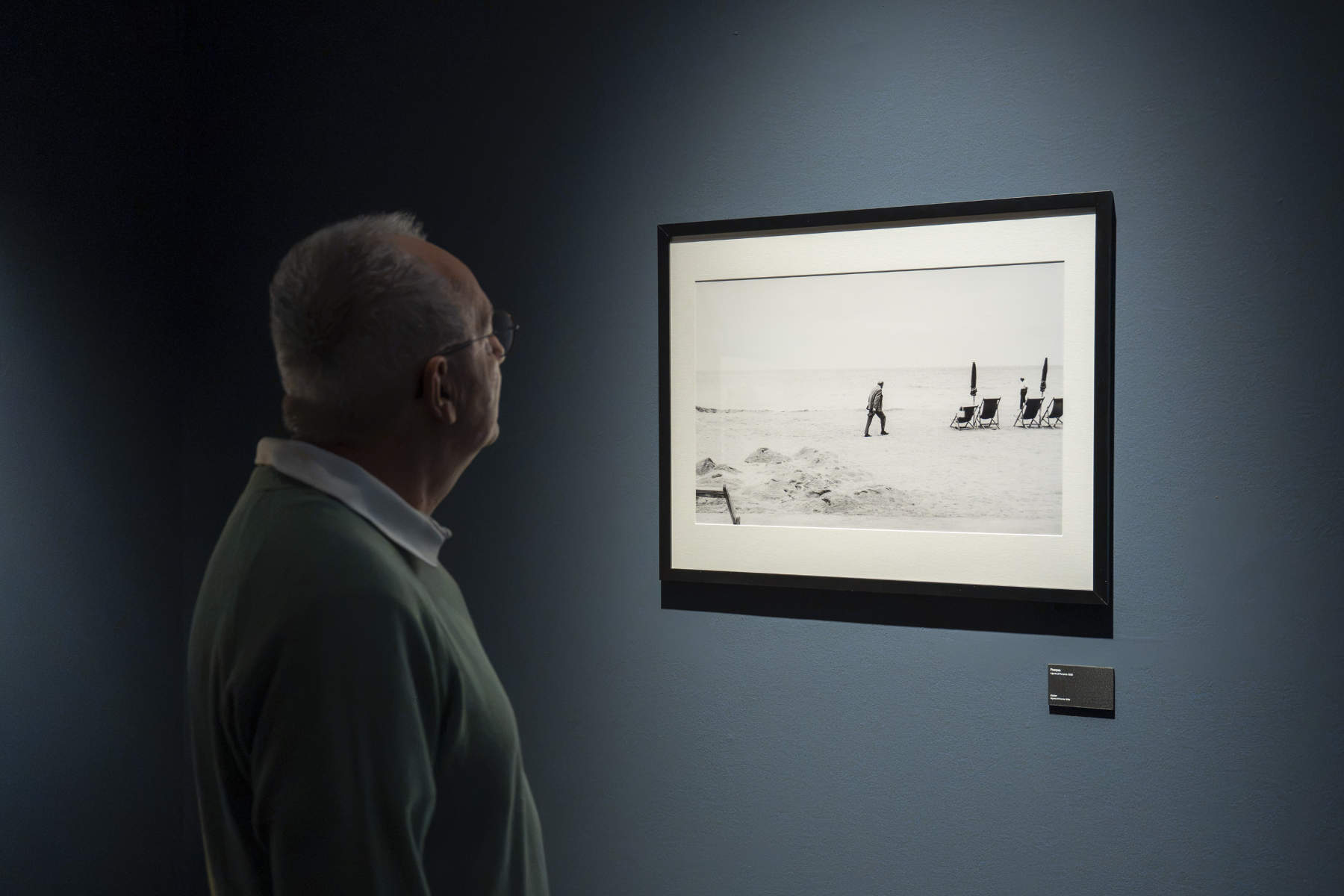
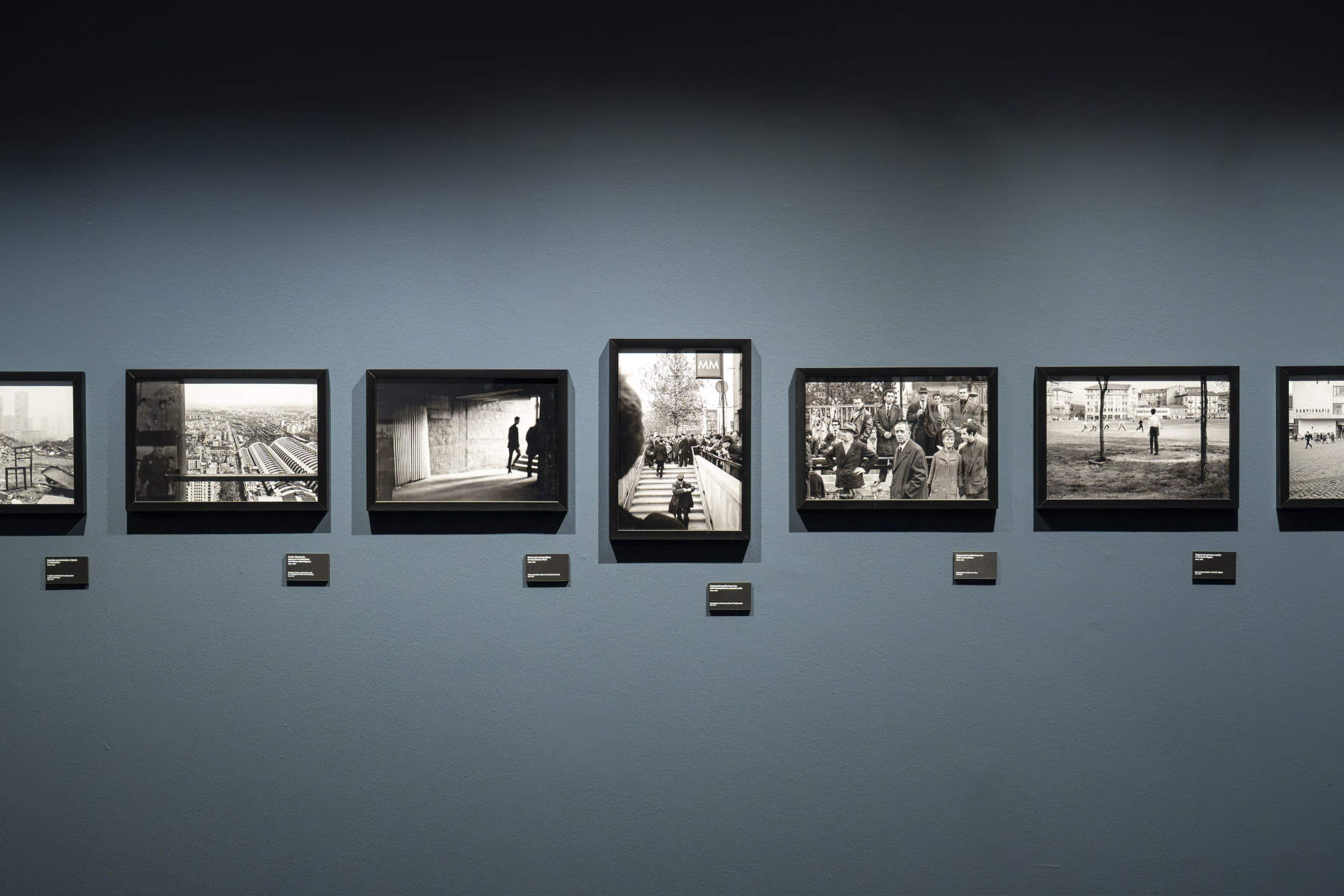
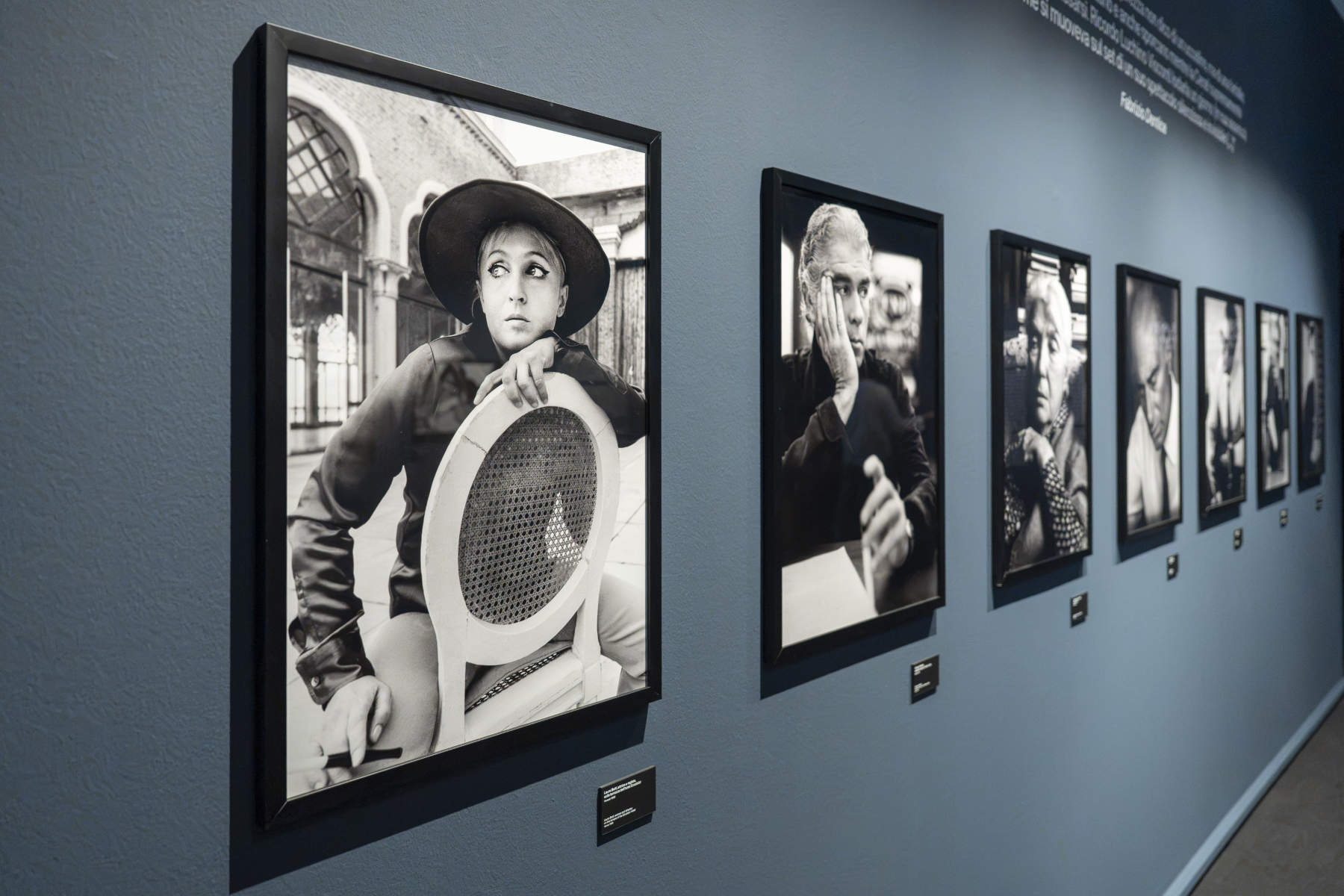
The retrospective at Palazzo Reale thus explores Cerati’s body of work, beginning with the relationship between image and word, individual experience and collective history, documentary photography and formal exploration. The project presents an artist who used diverse languages to observe the transformations of society—from postwar Milan to the political and social issues of subsequent years—and pairs her photographic practice with writing and autobiographical memory.
Accompanying the exhibition is a catalog published by Cluster-A, featuring texts by Marco Belpoliti, Giovanna Calvenzi, Elena Ceratti, Mariateresa Cerretelli, Silvia Mazzucchelli, and Nicoletta Vernia. The technical sponsor is Viganò & C., featuring fabrics by Gabriel; Fra.Mar, Verdevip, and Flambé Fine Catering are among the technical partners. The bookshop is managed by Giunti.
“Hosting a retrospective exhibition dedicated to Carla Cerati at Palazzo Reale means restoring to Milan the perspective of an artist who, with rare rigor and sensitivity, was able to chronicle the city’s social, urban, and cultural transformations over more than half a century,” states Tommaso Sacchi, Milan’s Councilor for Culture. “On the centennial of her birth, the city recognizes in her work a living heritage that is still capable of challenging the present and speaking to new generations with the same force with which she chronicled her own era. This exhibition is a visual and literary journey through more than 200 works, designed to rediscover one of the great figures of Italian culture and, through her, the women who, throughout the 20th century, served as a critical mirror of their time.”
“The exhibition stems from a desire to present Carla Cerati in her entirety, without separating the photographer from the writer or public history from private memory,” says Elena Ceratti, the author’s daughter and co-curator of the exhibition. “Her work is diverse in its languages and themes, but it stems from a single need: to understand her own time and find a way to tell its story.”
 |
| Carla Cerati: 200 Photographs at Palazzo Reale Depict Reality and Memory |

Warning: the translation into English of the original Italian article was created using automatic tools. We undertake to review all articles, but we do not guarantee the total absence of inaccuracies in the translation due to the program. You can find the original by clicking on the ITA button. If you find any mistake,please contact us.



















 IT
IT FR
FR DE
DE ES
ES CN
CN


