





From January 23 to June 13, 2027 , Palazzo Martinengo in Brescia will host *Men in Art: From Titian to Boldini*, an exhibition dedicated to the depiction of the male figure in the history of Italian art from the dawn of the Renaissance to the threshold of the 20th century. Curated by Davide Dotti and organized by the Associazione Amici di Palazzo Martinengo, with the support of the Province of Brescia, the City of Brescia, and the Fondazione Provincia di Brescia Eventi, the exhibition will bring together approximately one hundred works from museums and private collections.
The project is part of a series launched by Palazzo Martinengo in recent years with exhibitions dedicated to the female world, from *Women in Art* in 2022 to *La Belle Époque* in 2025 and *Liberty* in 2026. On this occasion, the theme is reversed to focus on the ways in which men have been represented in Italian art and on the evolution of their identity over the centuries. The male figure is thus explored through the various roles he has assumed in visual culture: man of power, saint, hero, father, intellectual, lover, dandy, and protagonist of modernity.
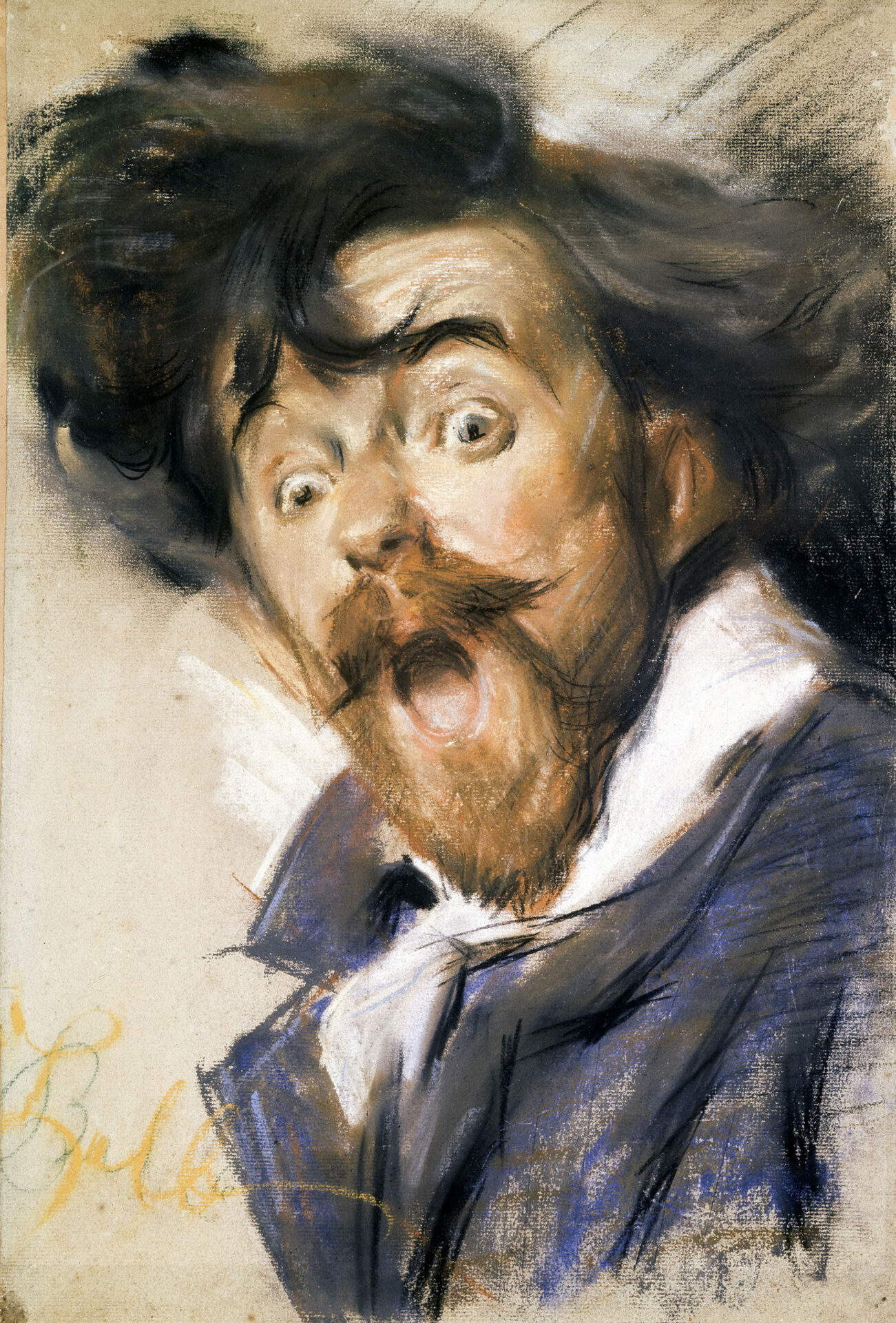
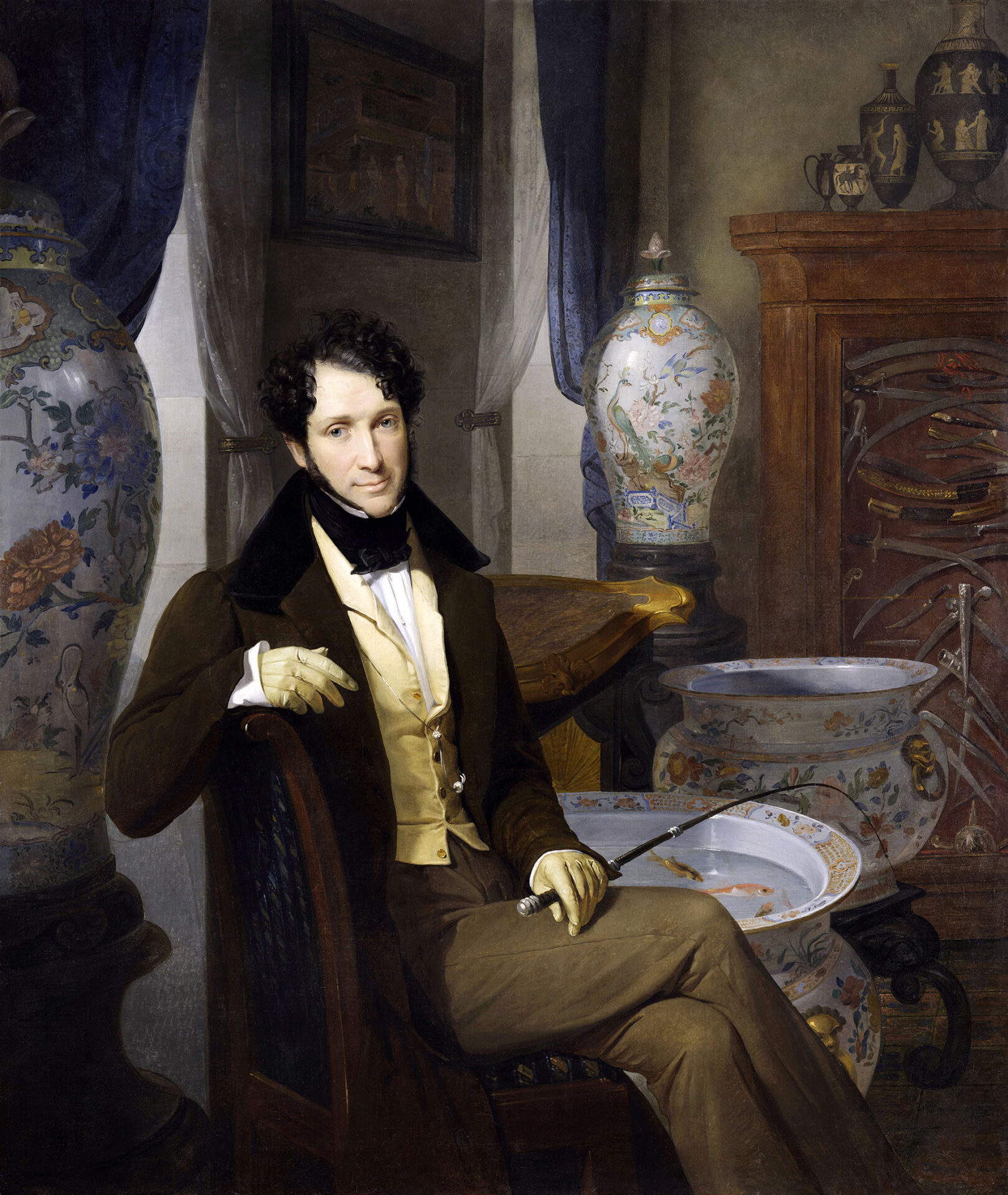
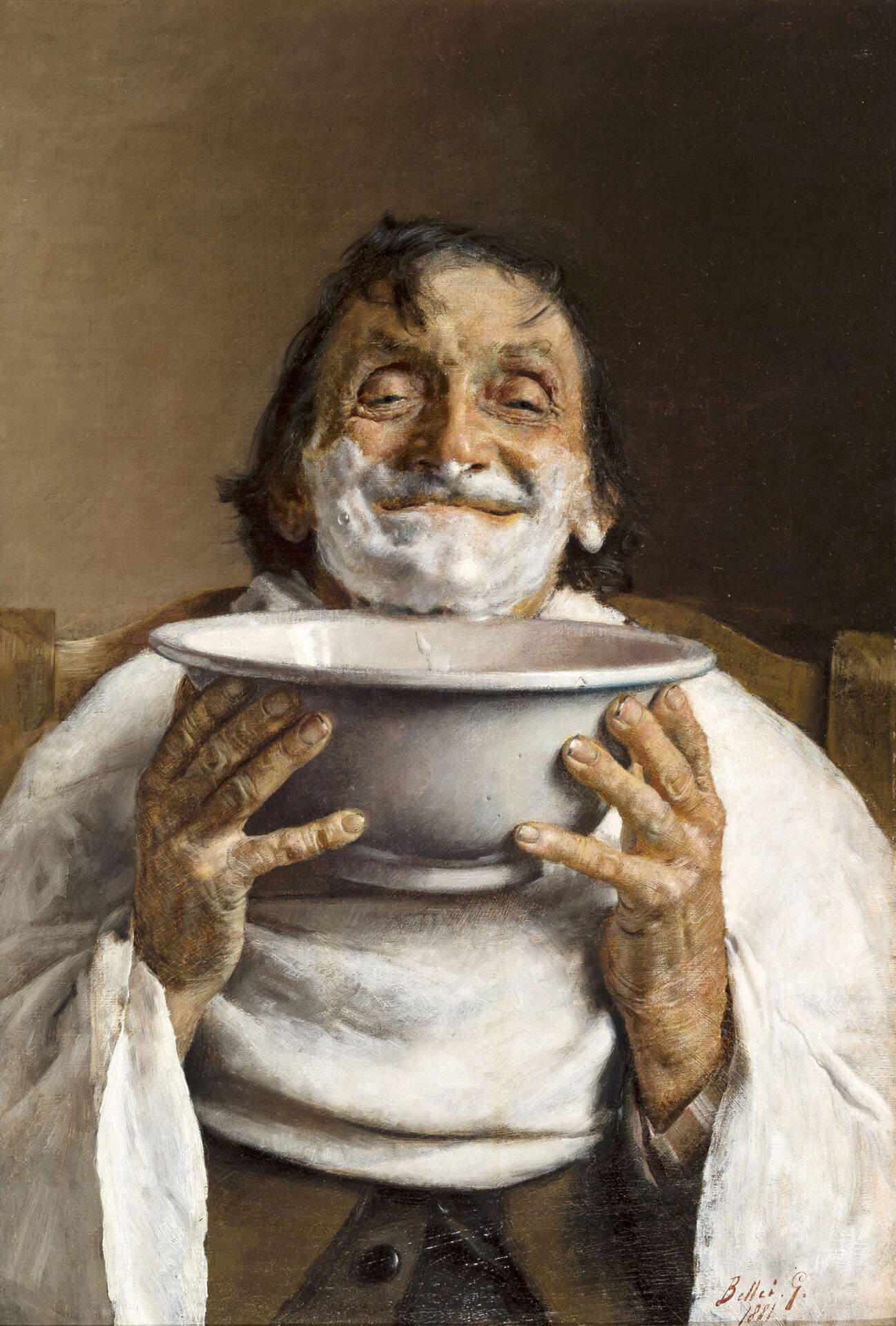
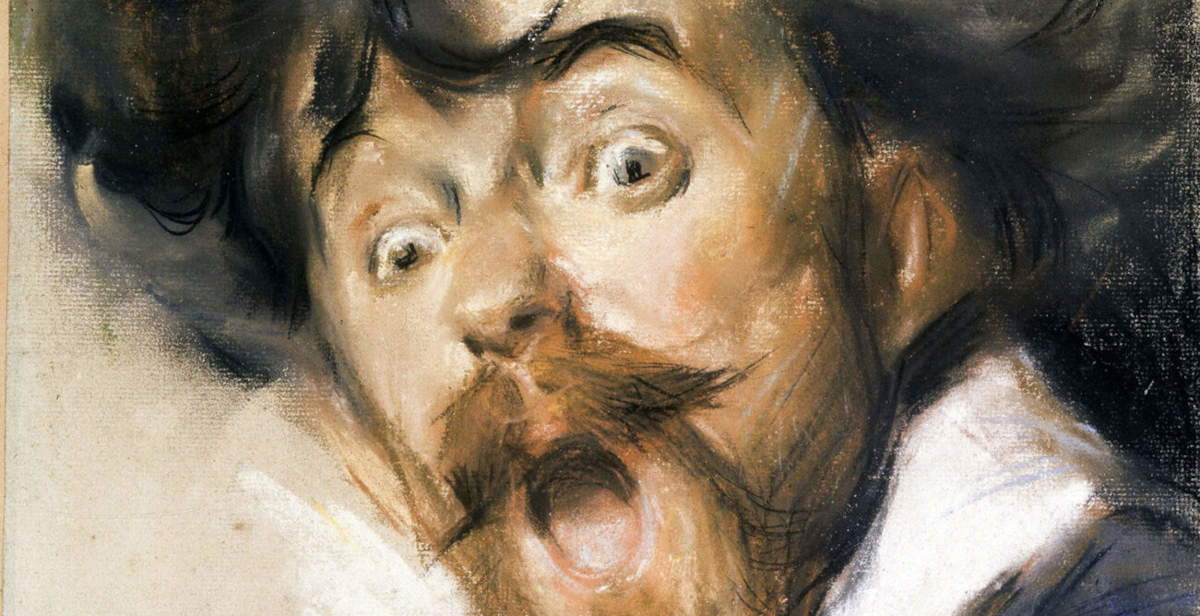
The works on display will come from major private collections and museums such as the Pinacoteca di Brera in Milan, the Mart (Museum of Modern and Contemporary Art of Trento and Rovereto), the Strada Nuova Museums—Palazzo Bianco in Genoa, and the Civic Museums of the Visconti Castle in Pavia. In addition, there will be a group of sixteen works from the private collection of Gian Enzo Sperone, considered one of the most extensive private art collections in Italy. Among the works on loan are Giacomo Balla’s *Autosmorfia*, Andrea Appiani’s *Portrait of Achille Fontanelli*, Pompeo Batoni’s *Apollo*, and *David with the Head of Goliath* by Cavalier d’Arpino, the artist who was Caravaggio’s first teacher in Rome.
The exhibition will be organized into eight thematic sections: Saints and Biblical Heroes; Mythology and Ancient History; The Faces of Power; Self-Portraits; Daily Life; Childhood and Adolescence; Love and Courtship; Dandies and Gentlemen. This division will allow visitors to explore the various contexts in which the male figure has been depicted, drawing connections between iconography, social role, psychology, and customs.
The exhibition will thus span Renaissance, Baroque, and 19th-century painting, featuring works by artists such as Titian, Bronzino, Guercino, Guardi, Appiani, Hayez, and Boldini. In portraits of popes, cardinals, nobles, aristocrats, members of the bourgeoisie, and commoners, the image of the man is also constructed through his posture, expression, and elements of his attire, reflecting the various conceptions of personality and social status that have evolved over time and across different geographical contexts.
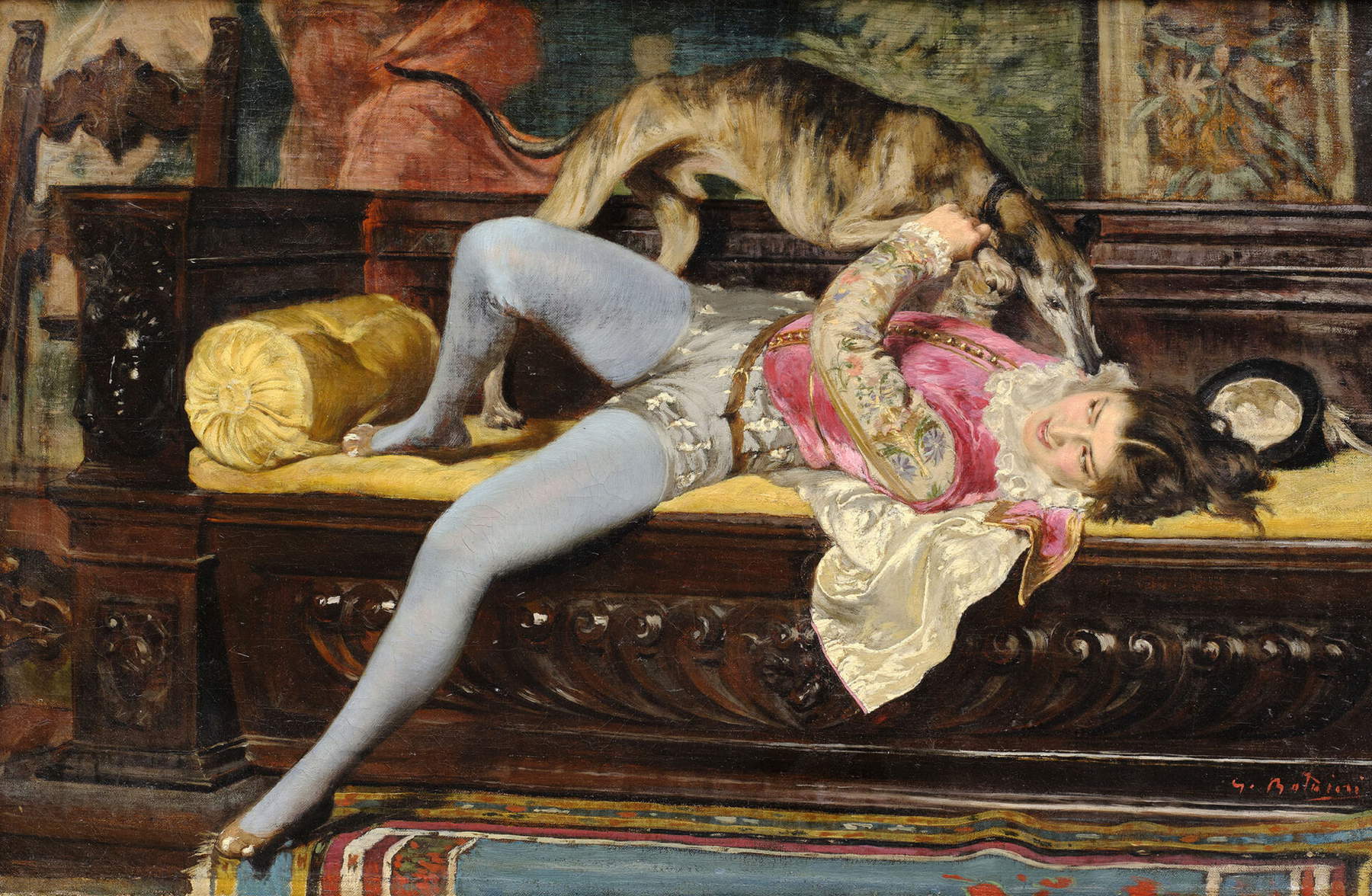
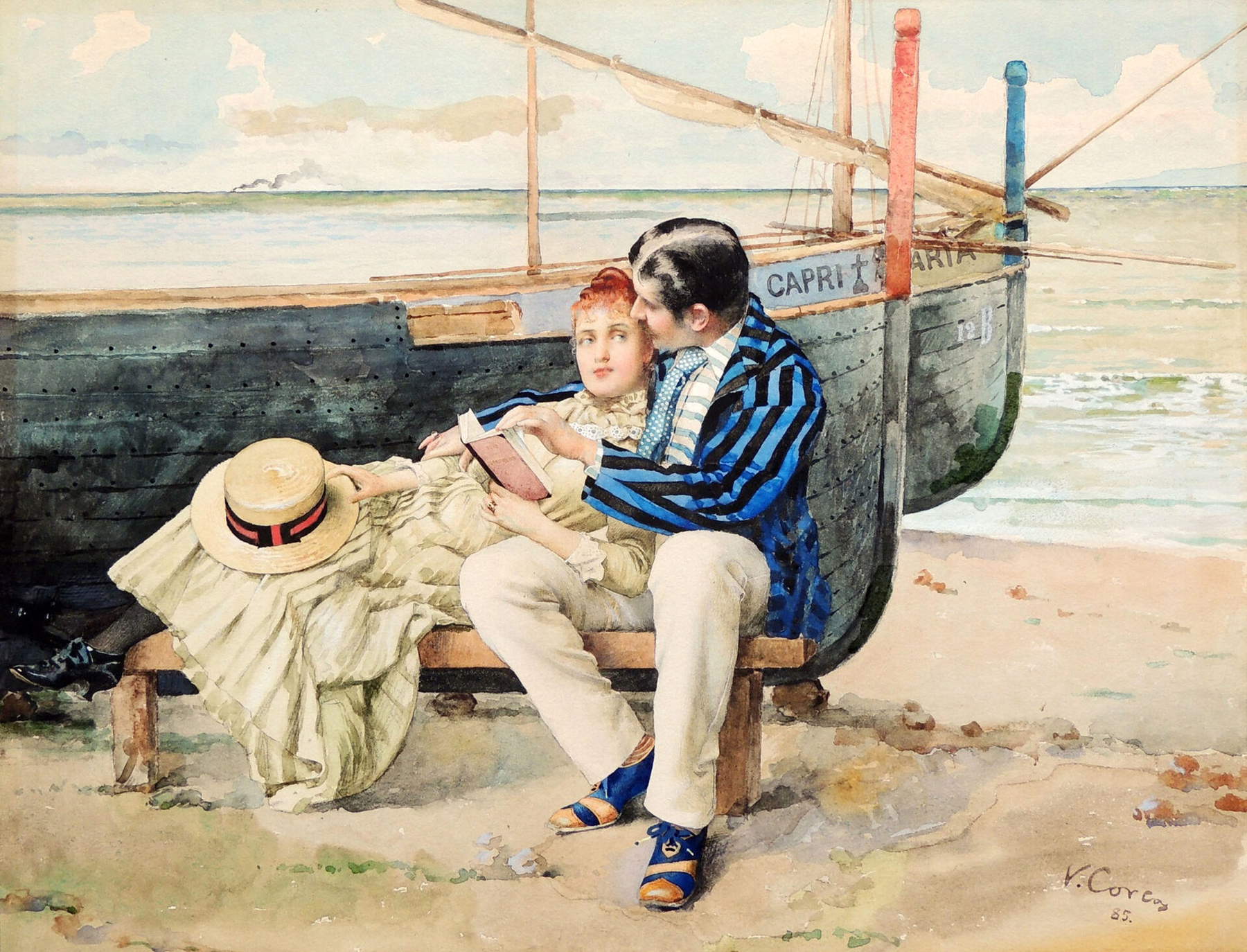
Part of the exhibition will be dedicated to sacred and hagiographic traditions, featuring depictions of saints, Old Testament heroes, and scenes from the Gospels. Alongside these subjects, Greek and Roman mythology and ancient history will offer another area of comparison, through deities, mythological figures, and key figures of classical culture. Nineteenth-century realist painting, on the other hand, will shift the focus to everyday life, with images related to work, family ties, courtship, and moments of leisure.
Other themes explored include the self-portrait—seen as an opportunity for introspection and as a means through which artists bequeat their likeness to posterity—and adolescence, documented through scenes of play, moments of carefree joy, dress-up, and first work experiences. The final section is dedicated to the dandy, a central figure in 19th-century society, when the male image also became a conscious construction based on elegance of bearing, choice of clothing, the expression in one’s gaze, and the refinement of gestures. “Men in Art: From Titian to Boldini” will be accompanied by a catalog published by Silvana Editoriale.
 |
| Men in Art, from Titian to Boldini: The Depiction of Male Identity in Brescia |

Warning: the translation into English of the original Italian article was created using automatic tools. We undertake to review all articles, but we do not guarantee the total absence of inaccuracies in the translation due to the program. You can find the original by clicking on the ITA button. If you find any mistake,please contact us.


























 IT
IT FR
FR DE
DE ES
ES CN
CN


