




by
Federico Giannini  @federicogiannini1
25/11/2026



Categories: Interviews / Disclaimer
A lengthy interview by Federico Giannini with Massimo Osanna, head of the Department of Cultural Activities (DiAC) at the Ministry of Culture. Osanna outlines his vision for cultural policy: research as a method, libraries that are more open yet remain true to their mission, strengthening the Italian Council, and expanding audiences without simplifying the language.


The Department of Cultural Activities (DiAC) of the Ministry of Culture brings together very different worlds: the performing arts, cinema, libraries, and contemporary creativity. Massimo Osanna, an archaeologist and former director of the Pompeii Archaeological Park and the General Directorate of Museums, has been at its helm for just a few weeks. In this interview with Federico Giannini, Osanna outlines his cultural policy and how he intends to provide a common direction for these sectors without undermining their autonomy, placing research at the center as the driving force behind the institutions’ activities. Among the topics addressed is the disconnect between education, production, and engagement with the public. There is the concept of the permeability of cultural institutions. Then there is the—often contrived—relationship between historical heritage and contemporary art, and the future of the Italian Council, which the director proposes evaluating in part based on the international relations it manages to foster over time. Ample space is devoted to libraries, the country’s most widespread cultural institutions and a tool for reducing significant regional inequalities: in 2020, there were still nearly 3,000 municipalities without a library. In closing, a reflection on how institutions can communicate in an accessible way without trivializing their message and engage with social media without succumbing to its logic.


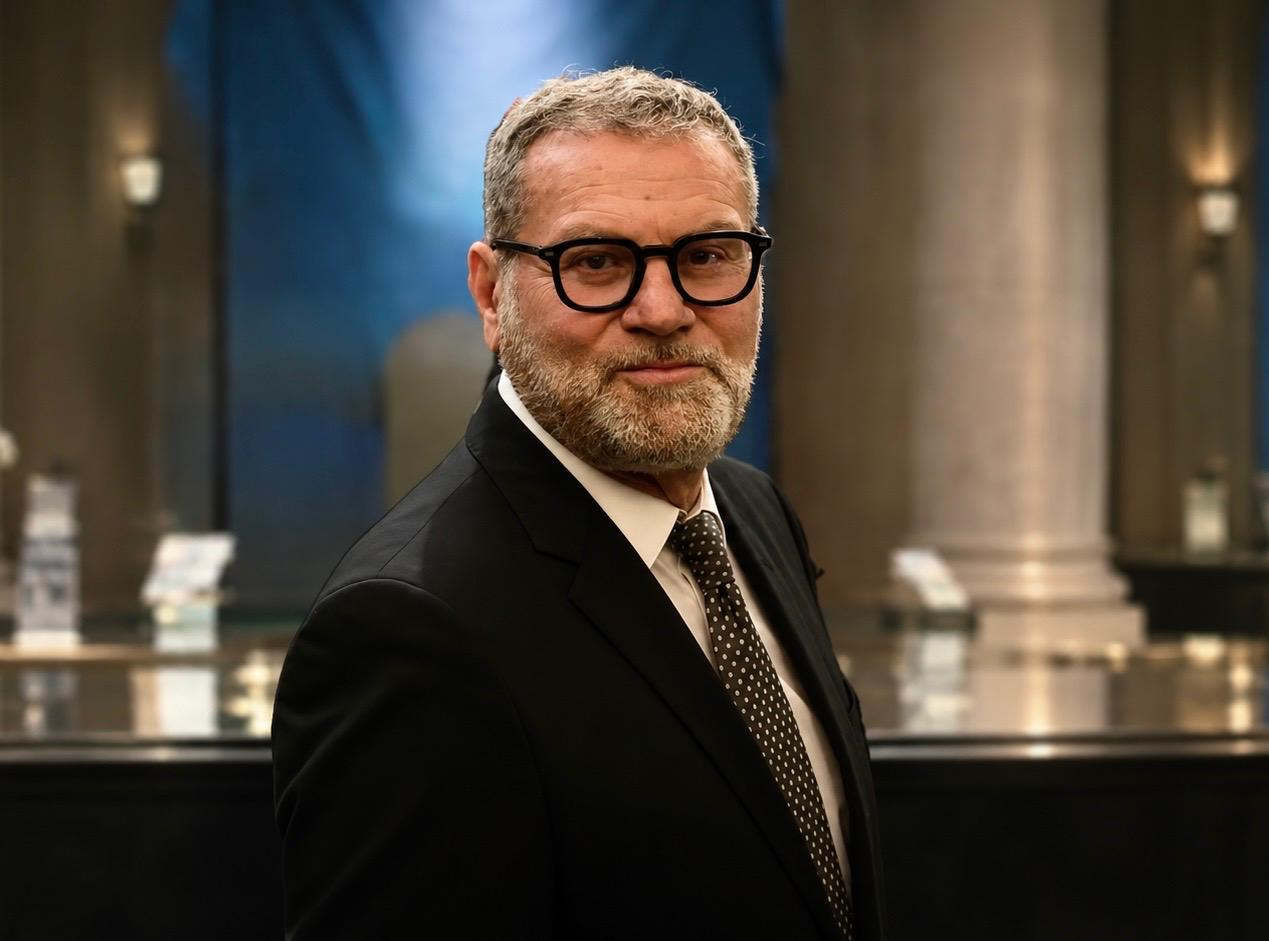
FG. The DiAC brings together sectors with vastly different histories, audiences, economic models, and modes of production: from the performing arts to cinema, from libraries to contemporary creativity. In your opinion, what kind of cultural project could give these worlds—which are unrelated only in appearance—a common direction?


MO. The Department of Cultural Activities has a unique character because it brings together very diverse fields, each with its own history, languages, expertise, and modes of production. The four Directorates-General are specifically designed to recognize and safeguard these distinct characteristics. I believe, however, that the Department’s task is also to identify and develop the connections that span these sectors—connections that have existed within the very history of the arts and culture, long before their administrative distinction. Consider the relationships that theater and music have maintained over the centuries with literature and the visual arts; consider cinema, which has developed its own language by reworking experiences drawn from different fields; or consider contemporary artistic practices, which span performance, the stage, the moving image, and architectural space. From this perspective, libraries are a privileged setting: through their collections, we can reconstruct the history of these experiences, trace their transformations, and recognize their mutual influences, as demonstrated—among many possible examples—by the Lucchesi Palli section of the National Library of Naples, dedicated to theater, music, and literature. They are, in turn, places where knowledge continues to be produced and new interpretations developed. It is precisely on these relationships that I believe a significant part of the Department’s work should focus. We must identify the areas where different fields of expertise can converge, promote opportunities for joint research, and foster collaborations grounded in authentic cultural foundations. Bringing together different disciplines, in and of itself, guarantees nothing: we must know the history and specific characteristics of each, understand which issues can be addressed through their interplay, and recognize which new possibilities for interpretation or creation may arise from it. This is work that requires scientific rigor, sensitivity to artistic languages, and the ability to plan cultural initiatives. In this, I recognize a specific responsibility of the Department: to provide direction for this work, fostering the most fruitful relationships among the various sectors while fully respecting their autonomy. The quality of this interaction depends precisely on the depth with which each field understands and cultivates its own tradition, and on its ability to relate it to other forms of research and creation.


The Department’s four General Directorates have different tools and operational traditions at their disposal: however, if you had to identify a cross-cutting issue that currently prevents these sectors (and, I would say, Italian culture in general) from realizing their full potential, what would you point to?
Above all, I would point to the difficulty of ensuring continuity throughout the entire process that makes cultural life possible: from education to research, from creation to the production and circulation of works, all the way to their engagement with audiences. These are closely interconnected activities that require different skills, resources, and tools. When interventions focus on individual stages, even initiatives of great value risk petering out without consolidating the professional expertise, institutions, and conditions that made their realization possible. This discontinuity is felt first and foremost at the outset, in the often-difficult transition from training to one’s first work. Cultural activities have an essential economic and productive dimension that must be recognized and supported. I am thinking of the companies, institutions, and many professionals who make it possible to produce a film, a performance, a work of art, or a publishing project. But public support must also take into account the unique nature of artistic and scientific research, which requires freedom, depth, time to mature, and a willingness to experiment—even when the results are not always predictable. The market can recognize and reward works of the highest quality; other endeavors, equally significant, may initially reach a more limited audience. Ensuring that these forms of exploration, too, have the opportunity to develop—through rigorous evaluations and appropriate tools—is a specific responsibility of public policy. At the other end of the spectrum lies an issue that is particularly close to my heart: the relationship with audiences. A cultural policy must be concerned with the quality of what is produced and, with equal attention, with the conditions that allow people to discover, understand, and appreciate it. I am thinking of opera, symphonic music, auteur cinema, and experimental theater and dance: experiences that may require a certain familiarity with their respective languages, but which many more people could engage with if they had the opportunity and the tools. Expanding audiences does not mean simplifying works or adapting productions to prevailing tastes. On the contrary, it means investing in training, in educating people to listen and watch, and in the ability of institutions to spark curiosity and guide people in discovering cultural expressions—even those far removed from their usual habits. This is the direction in which we must work: ensuring continuity and adequate conditions for free and high-quality cultural production, while simultaneously expanding access and raising public awareness.
You are taking the helm of DiAC following a long career in museums and archaeology, fields in which you have also worked on the relationship between heritage, research, and the public. In your new role, you’re facing a potentially broader field, which also includes the performing arts, contemporary cultural production, and libraries. What have you learned from your experience in museums that you’d like to apply to these other areas?
From my experience in museums—and in academia—I would first and foremost bring a working method: viewing research as an essential component of the life of cultural institutions, capable of guiding their decisions and activities. A museum continually generates knowledge through the study of its collections, new discoveries and acquisitions, scientific investigations, restoration, and the exchange of expertise across different disciplines. It is from this work that exhibitions, exhibition projects, and public engagement initiatives must emerge. Equally important is the relationship with universities, schools, and educational institutions, which allows us to foster research and pass on its methods and expertise to new generations. The broad and multifaceted issue of accessibility is also very close to my heart. In museums, we have worked hard to remove physical and sensory barriers—an essential commitment that must continue. But accessibility is above all about knowledge: the opportunity for people of different ages, backgrounds, interests, and educational levels to understand what an institution preserves, studies, and presents. Making content accessible means finding the tools and languages capable of conveying its full complexity, while maintaining scientific rigor. These are principles I would like to bring to the Department’s work: supporting research and cultural production and making their results more accessible. Each sector will require different tools, but my past experiences have taught me how important it is for these responsibilities to go hand in hand.
A museum, a library, or a cultural institution can be places where knowledge is—as is only natural—preserved and transmitted, but also spaces where culture is produced in the present. What does it mean, in practical terms, to make these institutions more open? Think, for example, of greater openness toward artists, writers, musicians, and performers, or a more radical rethinking of the functions and relationships these places maintain with their local communities—or what else?
Making cultural institutions more permeable means, in my view, creating the conditions so that the body of knowledge they preserve and continually develop can fuel new forms of research and cultural production. For this to happen, however, we must start with research: into the collections, the archives, and the historical contexts of the institutions and the places that house them. It is from this knowledge that questions and opportunities for collaboration can emerge—ones capable of engaging artists, writers, musicians, and scholars from different disciplines. In practical terms, I’m thinking of shared research programs, artist residencies, and collaborations with universities and educational institutions, where dialogue has the time and tools necessary to develop. A library can place its own literary or documentary collection at the center of a research project from which new works, publications, or theatrical productions emerge; a museum can open its collections and archives to the work of contemporary artists, creating opportunities for dialogue with curators, conservators, and scholars. In both cases, the project gains meaning to the extent that it arises from specific questions and allows for their exploration through diverse expertise and languages. The mere coexistence of cultural activities—even those of high quality—does not in itself guarantee a productive relationship. I would also pay particular attention to the spaces themselves and their history. Many buildings that today house museums and cultural institutions have, over the centuries, been places of artistic production and experience: one need only think of historic residences, where architecture, the visual arts, music, and the performing arts all contributed to the cultural life of the courts, or of historic libraries, which often originated alongside collections of art and antiquities. Reconstructing those histories can suggest new possibilities for use, without attempting to reproduce the original functions. Even entirely new uses may be appropriate, provided the project engages meaningfully with the history, materiality, and character of the spaces. The key is to understand why a particular initiative makes sense precisely in that location, what relationship it intends to establish with its history, and what contribution it can offer to research or the artistic experience. This perspective also applies to relationships with local communities. Universities, schools, associations, academies, and cultural operators can contribute to the life of these institutions through projects that capitalize on existing expertise and resources. It is the Department’s responsibility to foster these conditions by promoting structured collaborations and programs capable of enduring over time. Openness to new forms of production must stem from culturally grounded planning, in which the autonomy of artistic research establishes a conscious relationship with the history and responsibilities of the institution that hosts it.
The cross-pollination between historical heritage and contemporary creation is often cited as a desirable goal, but it does not always produce lasting relationships—and above all, well-founded ones (I am thinking of the many often contrived dialogues between the ancient and the contemporary, or those that, at best, amount to nothing more than a single event or a temporary project with little impact). In your opinion, how can this interplay truly be fruitful? And how can the DiAC help foster this interplay?
First and foremost, we must overcome a dichotomy that has long shaped the way we view the relationship between the ancient and the contemporary—as if the pursuit of the new necessarily required a break with what came before us. Yet the history of the arts is one of continuity, transformations, revivals, and reinterpretations. Forms, proportions, compositional solutions, techniques, and symbolic repertoires span the ages, taking on different meanings. I don’t see why contemporary creation should shy away from rediscovering these affinities: on the contrary, they can serve as the starting point for profoundly original explorations, capable of developing new languages and forms of expression. Of course, for this relationship to be fruitful, we must understand its terms. A formal or symbolic correspondence can reveal profound connections, but it can also be reduced to a superficial analogy, constructed merely to justify a comparison designed for easy effect. It is here that, once again, research becomes decisive. Knowledge of the works, their contexts, and their transformations allows us to recognize which relationships may have a genuine historical, aesthetic, or cultural foundation and provide material for a new artistic elaboration. Rigor, of course, must not limit the artist’s freedom, nor force them to illustrate the past. A connection can be reinterpreted, contradicted, or even overturned: what matters is the awareness with which it is approached. Contemporary art can thus help bring to light aspects of our heritage that new sensibilities and new expressive tools allow us to explore in different ways. This is a perspective I had the opportunity to explore, for example, with *Pompei@Madre. Materia archeologica* in 2017. In that project, the dialogue between archaeology and artistic research began with the materiality of the artifacts, the collections, and the methods of investigation, offering artists a space for experimentation in which historical knowledge could fuel independent interpretations. It strikes me as a significant example of how the relationship between different languages can emerge from shared research and generate new possibilities for expression. As for the Department, it can play an important role precisely in creating the conditions for experiences of this kind to become part of a more informed and sustained cultural planning process. I am thinking first and foremost of the work of the General Directorate for Contemporary Creativity, but also of the possibilities offered by theater, music, dance, and film, which can engage with historical heritage through very diverse expressive tools. The DiAC can foster joint programs among these sectors and, in coordination with the Ministry’s departments responsible for preservation and promotion, promote collaborations grounded in preliminary research, the quality of artistic proposals, and an understanding of the contexts in which these initiatives take place. This also means encouraging commissions and projects capable of evolving over time, building stable relationships between cultural institutions, artists, and the world of research. After all, I do not believe that the duration of a project necessarily coincides with that of its physical realization. Even an exhibition or a temporary installation can yield significant results if they open new avenues and initiate collaborations destined to continue. It is on the basis of these effects—as well as the artistic quality of individual initiatives—that we should assess the capacity of the encounter between historical heritage and contemporary creation to truly contribute to the cultural life of the present.
When I think of contemporary creativity in Italy, I naturally think of a country that can count on an extraordinary historical and artistic heritage, but in today’s arts (or rather, in their international presence) it still seems to struggle to compete with other countries. Italy is often criticized for having been slow to develop structured policies to support the circulation of works, the art market, and artists. The Italian Council is one of the tools the Ministry is using to bridge this gap: in your opinion, what are the limitations of the current model, and how do you think it could be strengthened? Is it necessary to rethink its resources, operational mechanisms, or overall strategy so that Italian contemporary art can establish a more significant presence on the global stage?
We must distinguish between the quality of artistic production and its ability to establish itself in international circuits. Italy has produced, even in recent history, artistic works of the utmost significance, which have contributed profoundly to contemporary art. However, their presence and recognition also depend on the conditions under which artists can work, the relationships they are able to establish with museums, research centers, curators, and collectors, and the opportunity to participate consistently in international dialogue. It is on this network of relationships that public policy can have a significant impact. The Italian Council is already an important tool in this regard. Founded in 2017, it has progressively developed a model that supports the creation of new works for public collections, the international promotion of artists, curators, and critics, research activities, and residencies abroad. The fifteenth edition has a budget of 2.7 million euros and supports various stages of an artist’s creative and professional journey. This seems to me to be a solid foundation, one in which we must continue to invest. If I were to suggest an area for strengthening, I would start with the ability to sustain over time the international relationships that these projects help to build. An exhibition at a major foreign institution, a residency, or a publication can represent decisive milestones in an artist’s career, but their value increases if those opportunities lead to further collaborations, new commissions, acquisitions, and research projects. For this reason, I believe it is useful to track the outcomes of supported initiatives even in the years following their conclusion, to understand which relationships have taken root, and to use this knowledge to guide future editions. This would be a way to assess the effectiveness of public support through the opportunities it has actually generated. As for resources, an increase would certainly be desirable, but I believe it is equally important to examine how they are used. I am thinking of the possibility of strengthening multi-year planning, facilitating access even for less established organizations, expanding the geographic scope of collaborations, and developing a more stable connection with Italian and foreign cultural institutions operating at the international level. The Directorate General for Contemporary Creativity already has the tools and expertise on which to build this work; the Department can help strengthen coordination with other cultural sectors and, as appropriate, with institutions engaged in the international promotion of Italian culture. Finally, there is the relationship with the market, which must not be overlooked. The commercial circulation of artworks is part of the life of contemporary art and contributes to the sustainability of artists’ work. Public support, however, as I mentioned, has a broader responsibility: it must also be able to support projects whose value is not immediately recognized in economic terms.
Libraries can be considered one of the country’s most widespread cultural infrastructures. Yet, in the public imagination, they are often associated primarily with the preservation and consultation of books. What role, then, should they play in contemporary cultural life? And above all, what role could they play in a country that remains marked—as confirmed by data from the Istat BES report published a few weeks ago—by significant regional disparities in access to culture?
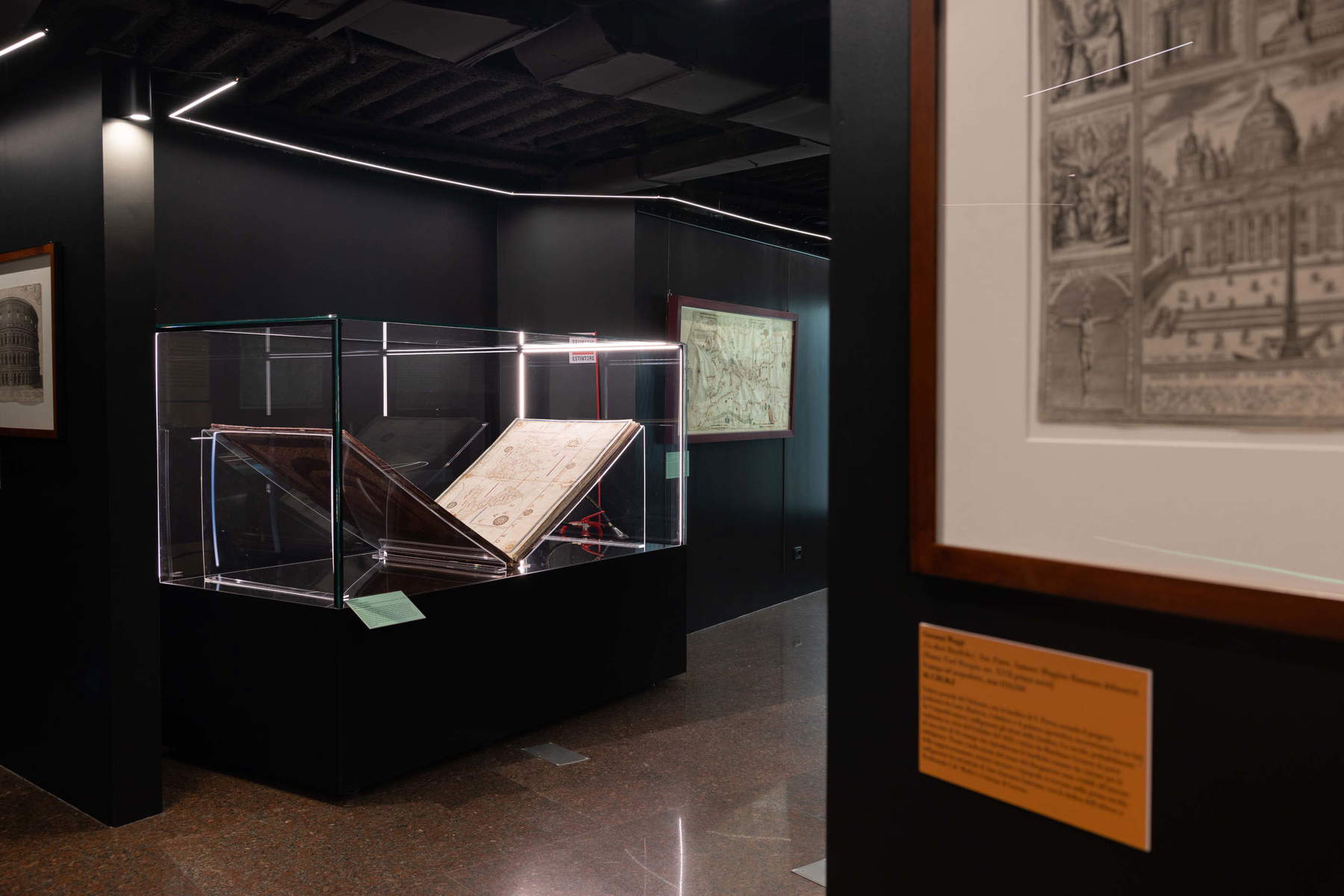
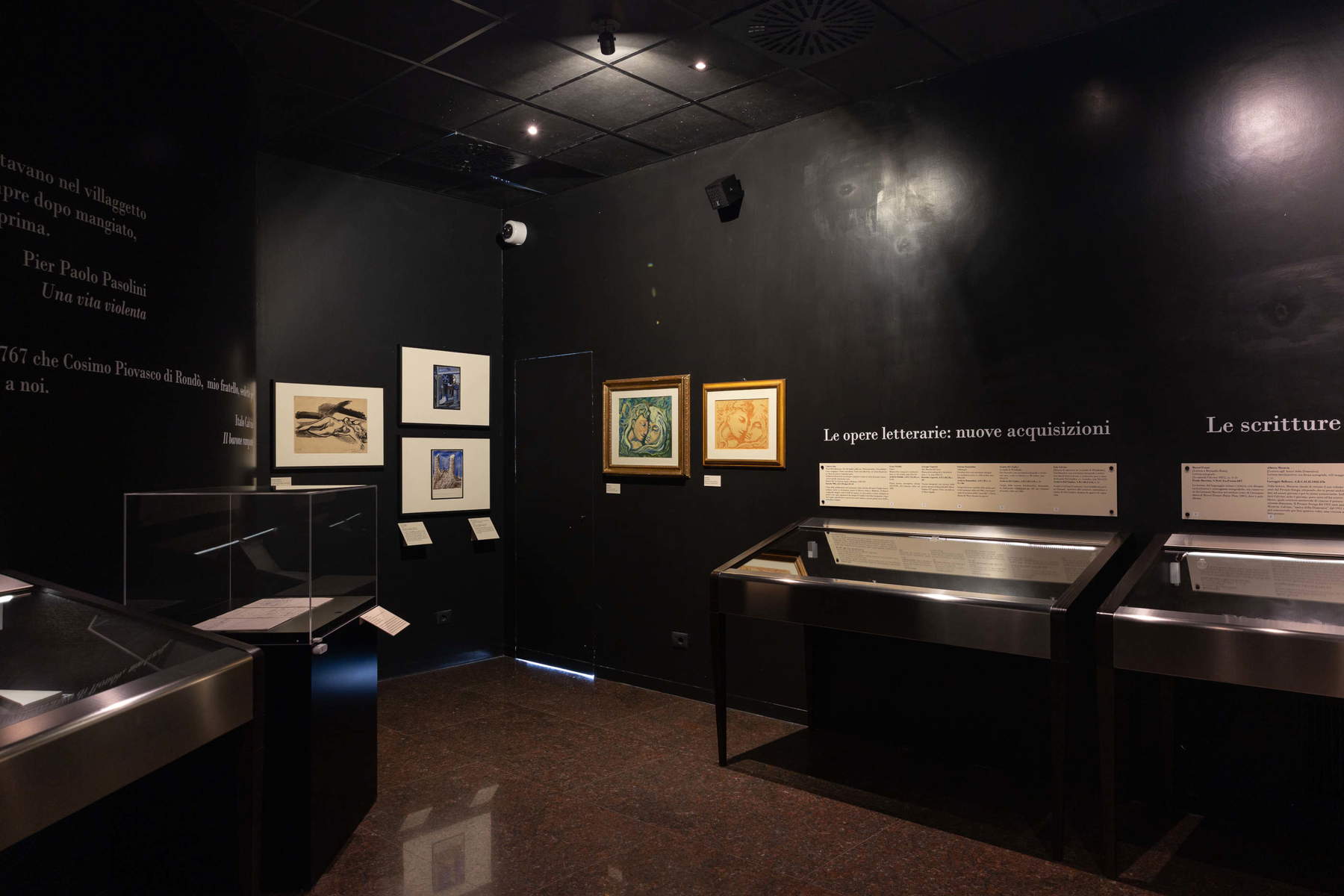
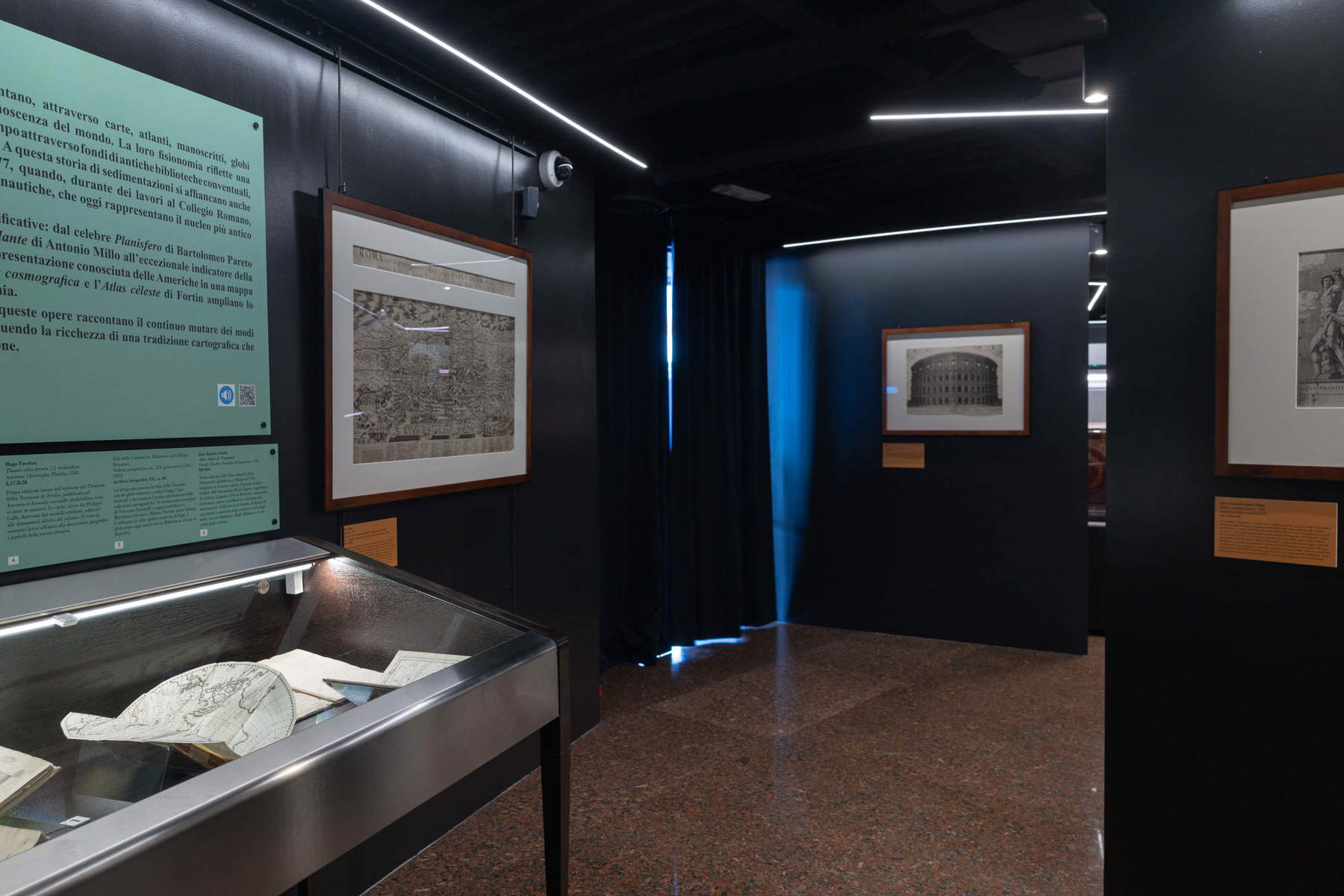
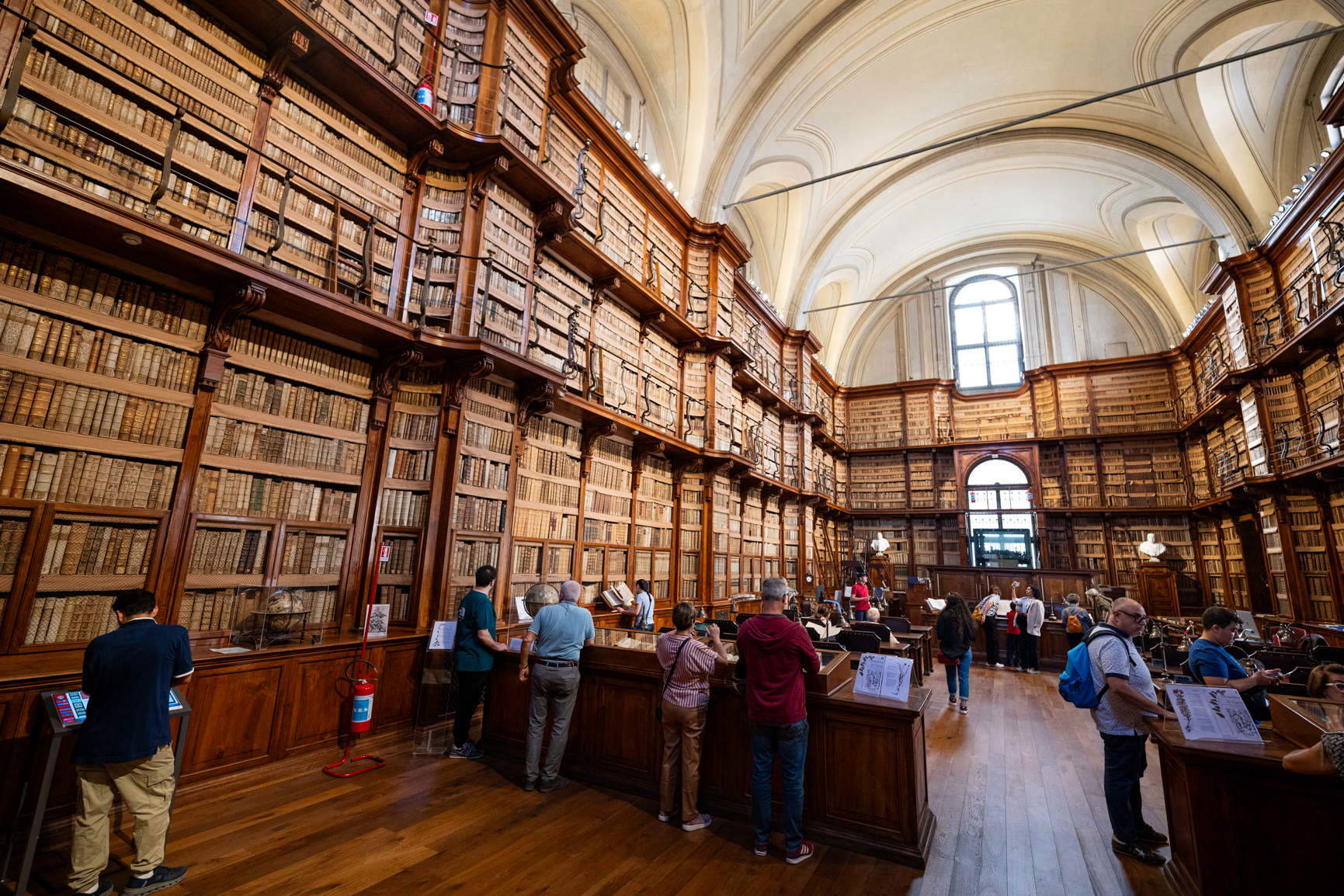
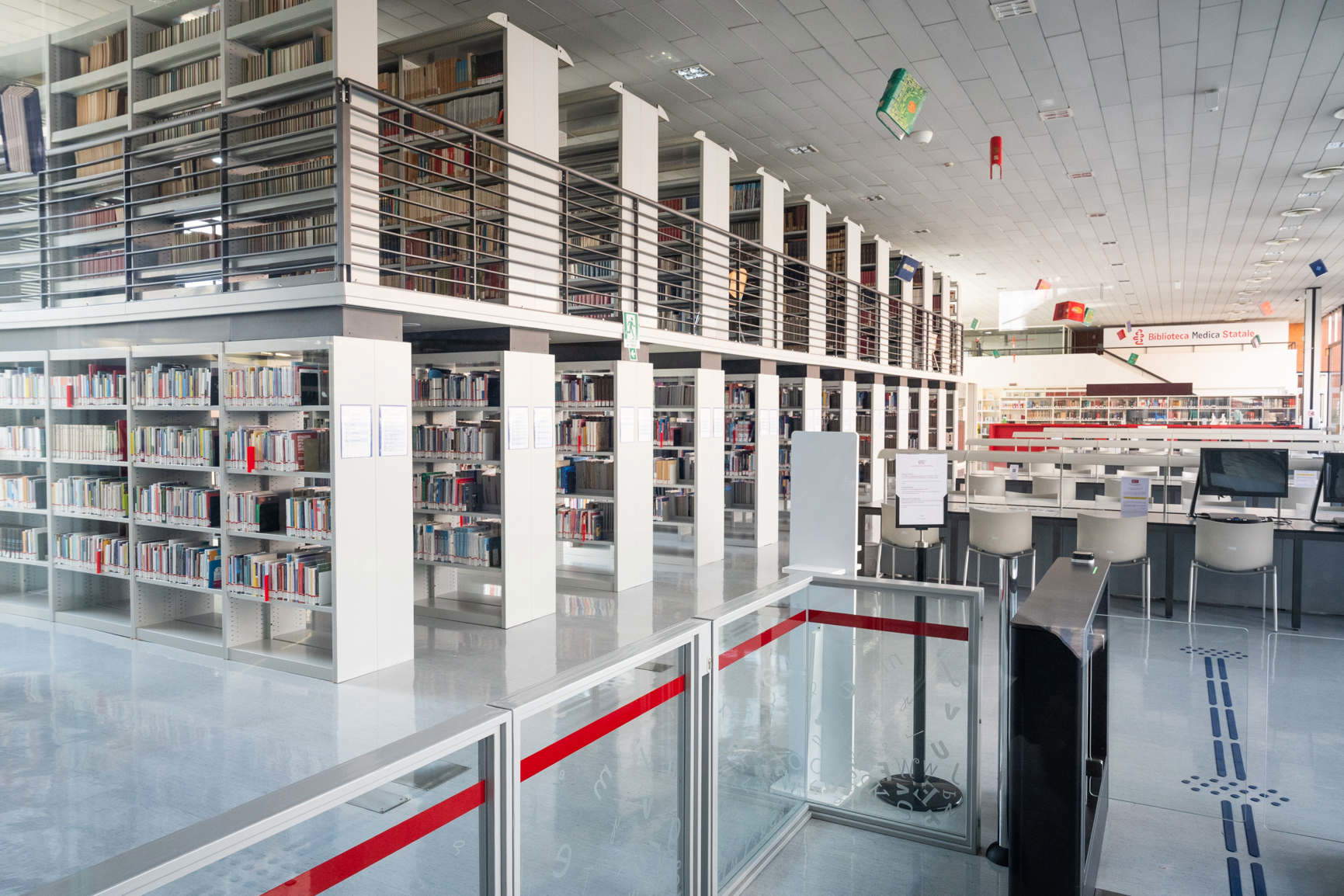
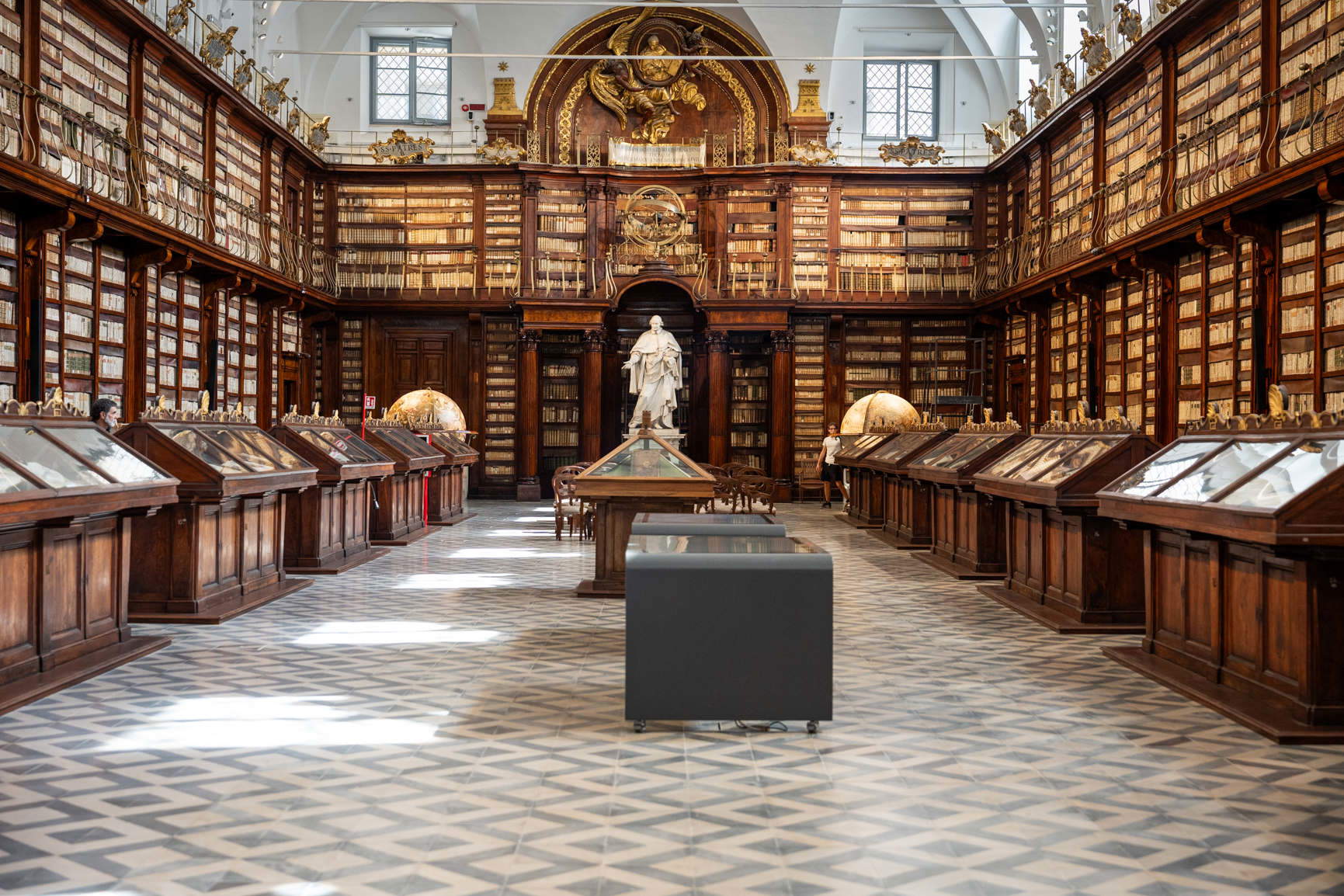
Libraries play a particularly important role today—in some ways, even bucking certain trends in our society’s transformation. We live immersed in a growing volume of information, images, and content, which we can access at any moment. Yet this immediate availability does not necessarily equate to knowledge, which requires time, attention, the ability to select and compare sources, to delve deeply into an issue, and to form one’s own judgment. The library is one of the places where these conditions can be found. For this reason, I believe that its role in preserving, studying, and transmitting knowledge must be safeguarded and strengthened. We must protect and enhance the opportunity to enter a library and devote a few hours to reading, studying, or consulting a document, escaping the constant barrage of stimuli that characterizes so much of our daily experience. In a society that seems to leave less and less room for concentration, this function takes on even greater value than in the past, and defending it also means rethinking the conditions under which it operates—starting with hours that accommodate the schedules of students and workers, and communication strategies capable of reaching those who do not yet know what a library has to offer them. Alongside this core mission, libraries can take on additional roles, and many initiatives in Italy have already transformed them into vibrant spaces for gathering, socializing, and cultural production. I believe this expansion must be deliberate and thoughtful, capable of broadening the library’s uses while simultaneously reinforcing its meaning and roots; activities, in fact, gain meaning when they arise from what the library preserves, far more so than from undifferentiated programming. This potential is inherent in their very history. For centuries, books, drawings, coins, and ancient artifacts have been part of the same collections, organized by the same people and often housed in the same spaces, and many libraries still preserve paintings, sculptures, globes, maps, and graphic collections that remain in storage or are known only to scholars who visit them for their research. At the Marciana, the monumental halls, decorated by Titian, Veronese, and Tintoretto, are now part of the St. Mark’s Square Museum circuit; in many other cases, that museum dimension still awaits rediscovery and permanent accessibility, consistent with the library’s functions of reading and study. Specifically, I am thinking of exhibitions that showcase the collections, publishing initiatives, and opportunities for in-depth exploration capable of raising awareness of these cultural assets and fostering new interests—all within specially designated spaces that complement the study rooms while respecting their needs. A recent example is the “Tesori” exhibition, organized to mark the 150th anniversary of the National Central Library of Rome: through a selection of highly significant artifacts, it makes the institution’s heritage—and the ongoing work of research, cataloging, and conservation associated with it—accessible to a wider audience. The exhibition begins in the atrium, which is open to the public, and offers visitors a chance to explore collections that many citizens would otherwise rarely have the opportunity to see. I find this direction very interesting, because these new initiatives are rooted in the library itself and help deepen understanding of it. The National Library had already demonstrated this with “Spazi900,” which opened in 2015 as the first permanent museum dedicated to 20th-century Italian literature within a public library, built around the writers’ collections preserved there. Equally important are the possibilities offered by digital technologies, which must be developed specifically to serve these functions. In Italy, we already have a solid infrastructure, such as the National Library Service—based on cooperation among institutions under different jurisdictions—as well as tools for interlibrary loans and access to digital resources. We must continue to strengthen these networks, improve catalog integration, link digitized collections and make them more easily accessible, and simplify the procedures through which a reader can locate a book and obtain it—whenever possible—even if it is held in another city. Consider the opportunities all of this can offer a student, a researcher, or a casual reader who visits a provincial library: through efficient services, they can access resources and knowledge distributed throughout the entire country. It is also from this perspective that libraries can help reduce the regional inequalities highlighted in Istat’s BES report. Libraries are the most widespread cultural institutions in the country, yet, according to ISTAT data, in 2020 there were still 2,869 municipalities without a library, home to 7.5 million people, 60.5% of whom lived in the South; and in 2025, 20% of the population in the North and 9% in the South visited a library at least once. The digital network expands access opportunities, but a widespread physical presence remains essential—with libraries that are consistently open, qualified staff, adequate collections, and welcoming environments. A well-functioning library can have a tangible impact on the opportunities available to those who do not have a space at home to study, cannot afford the books necessary for their education, or live in an area where cultural offerings are limited. The task, then, is precisely this: to strengthen the functions that make the library an irreplaceable institution and, building on them, to develop new services and activities capable of expanding its role in the cultural life of communities.
 "
The relationship with books goes beyond simply providing them; it involves the ability to build communities, stimulate critical thinking, and even reach people who do not consider themselves regular visitors to museums, exhibitions, or galleries. Perhaps local libraries can contribute in some way? What tools can the DiAC make available to place libraries at the center of a broader cultural policy—beyond, say, the necessary promotion of reading? And how do we envision the library of the future?
Libraries can play a decisive role precisely because they have a widespread presence throughout the community and can become part of people’s daily lives. The relationship with books certainly has an individual dimension—linked to reading, studying, and the formation of one’s own thoughts—but it can also become a shared experience. A book club, a meeting with an author, or a project developed with a school can create opportunities for interaction among people of different ages, interests, and backgrounds. And this interaction is all the more interesting when it helps bring in those who do not usually frequent cultural venues. The library can serve as a first point of access—a familiar place where people can discover new interests and, through them, engage with other cultural experiences. For this to happen, however, we must strengthen the relationships that libraries maintain with local communities. I am thinking above all of the relationship with schools, which should provide ongoing support for educational programs, but also of collaborations with universities, bookstores, associations, and cultural organizations. A library can help build a community of readers if it knows the people it serves, understands their interests and challenges, and offers opportunities for participation that go beyond one-off events. This is why I consider the skills of librarians to be particularly important; their work in guiding and facilitating access is essential for bringing people closer to reading and accompanying them as they discover our cultural heritage. The Ministry already has tools at its disposal with which we can develop this approach. Through the Center for Books and Reading, initiatives such as “Città che legge” (Cities That Read ) and the “Local Reading Pacts” are supported, fostering collaboration among local governments, libraries, schools, and other local stakeholders. I am also thinking of the “Italian Capital of Books,” which calls on municipalities to develop a cultural program centered on books and reading and which, for 2027, has received thirty-one applications involving ninety-two municipalities—the widest participation since the title’s inception. It was precisely from this process that “Libro Città” was born—an initiative of the Department, carried out in collaboration with the National School of Cultural Heritage and Activities and the Center for Books and Reading—which supports finalist cities in developing the projects submitted for their candidacy, even when they do not win the title. I find this approach particularly interesting because it ensures that the work carried out by local governments and cultural organizations is not wasted. Municipalities are supported in planning, building partnerships, and identifying the conditions necessary to make these initiatives sustainable. In Carmagnola, for example, this process supported the creation of “frazio-libraries”—small hubs dedicated to books and reading in the municipality’s outlying villages; in Tito, work was done on the sustainability plan for a new municipal library housed in a school building. These are concrete examples of how a cultural project can reach people even beyond their usual haunts and take root in the life of a community. I believe the Department should work in this direction, fostering cooperation among different institutions and administrations and helping projects develop beyond the initial phase of funding or public recognition. As for the library of the future, I envision it remaining true to its core function, yet capable of fulfilling it through increasingly open tools and methods. A place where one can go to study in peace, look for a book, receive help from a librarian, and where one can also discover a documentary heritage or take part in a cultural project. And a place increasingly connected to museums, archives, and other cultural institutions, to which it is bound by a shared history, without losing its own distinct identity. This is the guiding principle behind the design of the new home for the Library of Archaeology and Art History at Palazzo San Felice, where reading rooms, exhibition spaces, and meeting areas will all be derived from the institution’s collections and scholarly mission. Above all, I believe it is important that the library continue to be a place one can enter even without already possessing the knowledge needed to find one’s way around: for it is precisely this opportunity to discover what we do not yet know that makes it so valuable.
Cultural institutions are called upon to engage with very diverse audiences: from specialists to practitioners, from students to citizens who are unfamiliar with administrative language. However, public discourse often seems to veer toward simplification (which almost always ends up trivializing the subject) as well as toward the perhaps even more harmful path of disintermediation. I would therefore like to ask you how public communication can be made more accessible without simplifying the content or losing credibility, and how institutions can work to mitigate the harm caused by disintermediation.
Good institutional communication must begin, first and foremost, with the quality and rigor of the content. Making a complex issue understandable requires a thorough understanding of it, the ability to identify its essential aspects, and the skill to organize them into a clear narrative—without losing sight of the relationships, nuances, and, where they exist, unresolved issues. It is a demanding intellectual task that requires scientific expertise and communication skills. Accessible language does not mean sacrificing complexity: we can explain even highly intricate concepts using words that everyone can understand, provided we accurately convey their meaning and offer those who wish to do so the opportunity to explore them further. Institutions should work precisely on this multiplicity of levels. Those approaching a topic for the first time must find a clear explanation; those who want to learn more must be able to access the sources, studies, and evidence on which interpretations are based. This principle also applies to the communication of public policies. When, for example, a program is launched to support film production or contemporary creativity, it is important that citizens be able to understand its objectives, selection criteria, and results, without necessarily having to be familiar with the technical language of the administration. Making these processes intelligible also means providing the tools to evaluate and critically discuss them. As for disintermediation, I believe we need to distinguish between certain aspects. Digital technologies have made documentary collections, sources, and research findings directly accessible—resources that were once reserved for a much smaller circle of people. This is a valuable achievement that institutions must continue to promote. The problem arises when the availability of information is accompanied by the notion that the skills needed to interpret it are no longer necessary. A historical document, an image, or a statistical datum can be consulted by anyone, but understanding its origin, context, limitations, and meaning requires critical analysis. Without these tools, reliable information and arbitrary interpretations risk circulating on the same level, making it increasingly difficult to distinguish between them. The experience of museums has taught me, after all, just how interested the public is in precisely those aspects that traditionally remained behind the scenes: how research is conducted, what investigations precede a restoration, and through what studies and interpretations an exhibition takes shape. Making these processes accessible allows for a deeper understanding of the works and the work of those who care for them, and shows that every interpretation stems from a method, sources, and verification. The same principle can apply to cinema, theater, or contemporary artistic production, making the expertise, research, and decisions through which a work is conceived and realized more visible. We must therefore invest in professionals capable of bridging the gap between specialized expertise and communication, clearly documenting the sources used, explaining the criteria behind decisions, and making scientific insights accessible. Institutional authority entails a specific responsibility: to offer verifiable knowledge, to state its underlying assumptions, and to be open to dialogue and discussion. I believe that it is above all through the quality of this work that we can build and maintain a relationship of trust with the public.
One final point on communication, to conclude. Today, culture circulates through digital platforms, social networks, and communities that select and share content according to logics that are often very different—perhaps even opposed—to those of institutions. How can a ministerial department enter this ecosystem without merely chasing trends, without being forced to measure its success in terms of views, and without having to engage in a sort of competition with the veritable variety show that social media has become today?
Digital platforms and social networks are now an integral part of how culture circulates and reaches people. For many, especially younger people, they are one of the main channels through which they discover artists, works, performances, and cultural initiatives. This is a reality that institutions must necessarily confront, recognizing its possibilities but also understanding the dynamics that govern it: the speed at which content is consumed and the constant competition for attention. These conditions do not necessarily align with those required by the cultural experience. A clip lasting just a few seconds cannot convey the depth of a work, a body of research, or an artistic language. It can, however, spark curiosity, reveal something unexpected, or prompt a question that serves as a starting point for further exploration. These are valuable opportunities—provided we do not stop there. We need to create pathways that allow people to move from that initial encounter to a deeper understanding of the work, the artist, the contexts in which the artistic exploration took place, and, when possible, to a direct experience. There is also an aspect that I consider particularly important. In a society where we are constantly bombarded with images and information, culture can also offer us the chance to rediscover a different relationship with time and with our attention. Listening to a concert, attending a theatrical performance, reading a book, or visiting an exhibition are experiences that require a willingness to pause, to follow the development of a thought or a form of expression, and to allow oneself to be surprised by something initially unfamiliar. These can be experiences of great pleasure, as well as cultural enrichment. I believe we should also value this dimension, avoiding the indiscriminate transfer into the life of institutions of the same constant pursuit of fleeting stimuli that characterizes much of digital communication. For the Department, I see the opportunity to develop, together with the four Directorates-General, a shared editorial plan capable of highlighting the richness of our respective fields and providing continuity in our communication, beyond the promotion of individual initiatives. I’m thinking of content created directly with artists, scholars, and institutions: telling the story of how a musical composition comes to be, following certain stages in the preparation of a performance, and showcasing the research that precedes an exhibition or the holdings of a library. From these initial stories, we could then develop in-depth explorations, providing interviews, study materials, recordings, digital resources, and guidance on how to access the works and initiatives. The Department could facilitate this collaborative effort by bringing together the expertise of the General Directorates and the institutes operating in the various sectors. It would also be a way to give greater visibility to lesser-known forms of research and cultural production—from contemporary music to auteur cinema—which deserve to be discovered even by those who do not yet have the tools to engage with them. Of course, all of this requires specific planning and appropriate professional expertise, capable of working closely with those who produce knowledge and culture. It is also necessary to assess the results using more sophisticated tools. In museums, visitor numbers remain an important indicator, but they do not tell us what people have actually understood, what questions have arisen, or what difficulties they have encountered. Similarly, views and the reach of content are useful indicators, but it would be interesting to understand how many users chose to access in-depth materials, what questions and interests emerged, and whether the communication encouraged participation in cultural activities. These are aspects we can study—including through dialogue with the institutions involved—to progressively improve the quality of our offerings. Ultimately, cultural institutions must necessarily become part of this ecosystem—it is impossible to imagine remaining outside of it—bringing to it the quality of knowledge and experiences they are called upon to support and transmit. They can use new forms of expression, experiment with narrative styles that may be very different from traditional ones, and reach out to ever-wider audiences. What must guide this work is the ability to spark genuine cultural interest by offering people opportunities to develop it. Even through social media, we can raise awareness of what is less immediately accessible, less familiar, and sometimes even challenging—and which, precisely for this reason, can open up new perspectives for those who engage with it.
Warning: the translation into English of the original Italian article was created using automatic tools. We undertake to review all articles, but we do not guarantee the total absence of inaccuracies in the translation due to the program. You can find the original by clicking on the ITA button. If you find any mistake,please contact us.