


by Ilaria Baratta 28/10/2026


Categories: Interviews / Disclaimer
A permanent collection to expand, new masterpieces to acquire, and international collaborations to forge: Micol Forti, director of the Mart in Rovereto, reveals the direction she intends to take the museum in this in-depth interview with Ilaria Baratta.
Strengthening ties with the local community, showcasing the collections, and building new relationships with international institutions: these are some of the challenges that Micol Forti, director of the Mart in Rovereto, has identified for the museum’s future. Nearly a year after taking office, we interviewed her to take stock of the work accomplished so far and to get a sneak peek at some future projects. The interview is by Ilaria Baratta.


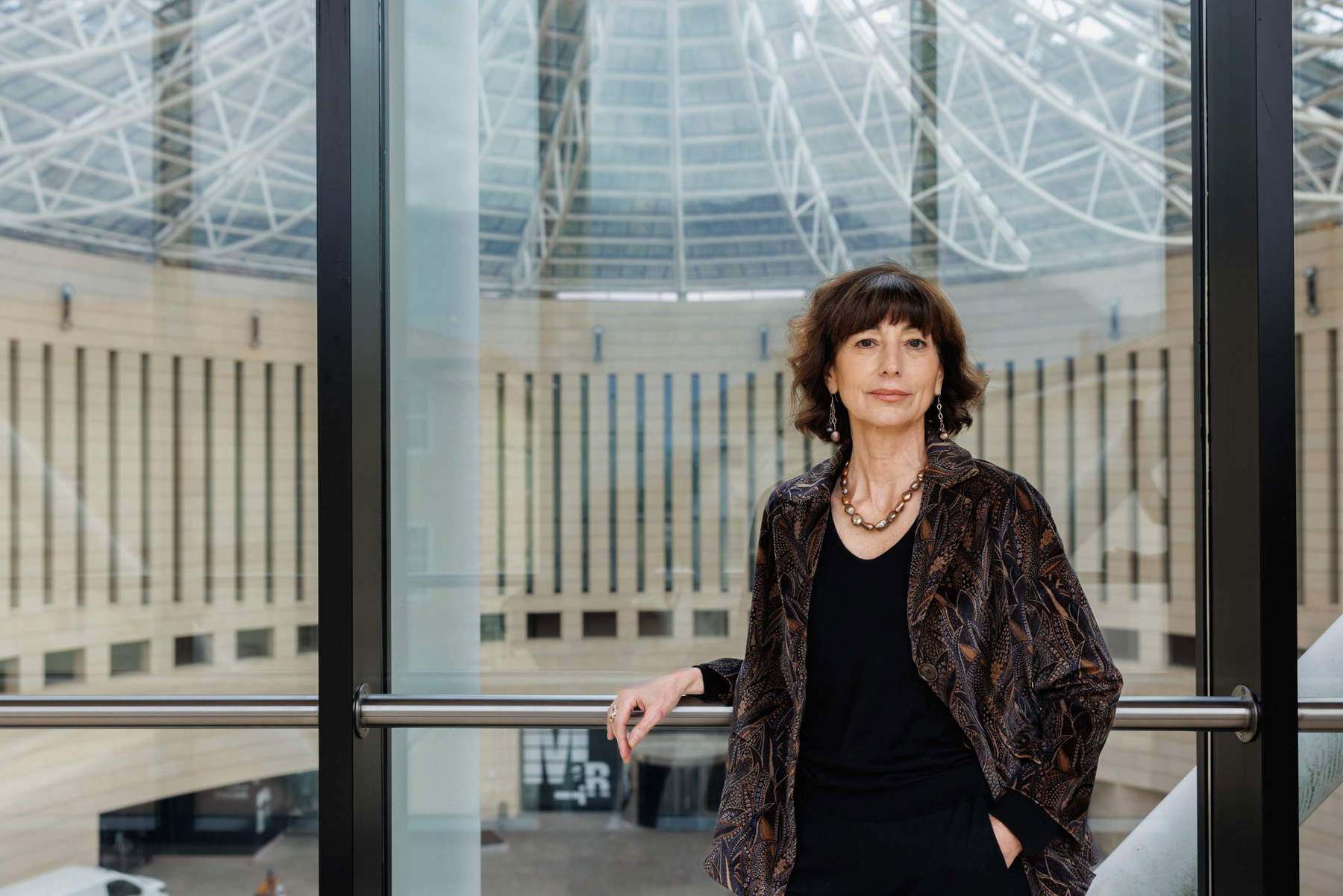
IB. Nearly a year into your tenure as director of the Mart in Rovereto and its branches, what assessment do you feel you can make? What goals did you set for yourself when you took office?


MF: Understanding its structure, getting to know it from the inside—that was my main goal. The Mart is a museum I’ve always visited as a scholar and as someone fascinated by its cultural offerings, but obviously I didn’t know it as an institutional entity. Like all major museums, it is a complex entity that must be understood and listened to—especially through the colleagues who have lived and worked here (some of them since its opening)—in order to grasp exactly how it fits into the cultural fabric of the region. The region itself, moreover, was something I had yet to discover, since I come from Rome and this is not the region where I received my education or gained my professional experience. Building on this initial key objective, I then sought to chart a course for the Mart’s future. By engaging with aspects that are, on the one hand, historical and identity-related and, on the other, managerial, I was able to consider the possibility of shaping its future trajectory and charting a personal course for its development. The overall assessment is therefore extremely positive. The Mart is a highly complex museum institution that has a unique relationship with the local area: on the one hand, it is undoubtedly a defining element of the region’s identity; on the other hand, however, it is still perceived, at least in part, as something foreign to the area’s own history. This duality will certainly require special attention (it will be one of my most important objectives), because it must unite two facets of the same identity. This museum also exists thanks to the significant presence of the Novecento movement in this region, beginning, of course, with the figure of Fortunato Depero. If it weren’t for Fortunato Depero and his bequest to the City of Rovereto, the opening of his Casa d’Arte Futurista—and likely the MART project itself—would never have come to this city. However, this project—so important, so imposing, and so influential—is still perceived by this region, in part, as something foreign and distant. The Mart has an exhibition and collection history of the utmost significance. Studying its evolution through the various directors who preceded me has been—and still is—a very interesting endeavor, precisely to define what initiatives might instead have a national and international impact. And this will be the third major objective: to redesign and strengthen (because, of course, the Mart already has them) the ties with national and international institutions dedicated to culture—and, in particular, to contemporary culture.

Is there any aspect of the museum that, upon getting to know it more closely, has led you to reevaluate your priorities?
One of the areas we’d like to focus heavily on in the coming years is the collections. The MART’s collections are fundamental; they form its heart, and many of them consist of works on loan from private collections, which in part constitute its backbone. At the same time, over the past twenty-five years, the Mart has also strengthened its holdings through donations and acquisitions. So, further strengthening the holdings owned by the Mart—that is, by the Autonomous Province of Trento—is another major goal. The more the Mart strengthens its permanent collection—including through major masterpieces—the more, in my opinion, an increasingly close dialogue is forged between the desire of major collectors to share their collections in a public setting, such as major museums (and for this, we not only thank them but are proud that they choose the Mart to showcase, preserve, protect, and promote their collections), and the museum. It is a dialogue in which both parties serve and support one another.
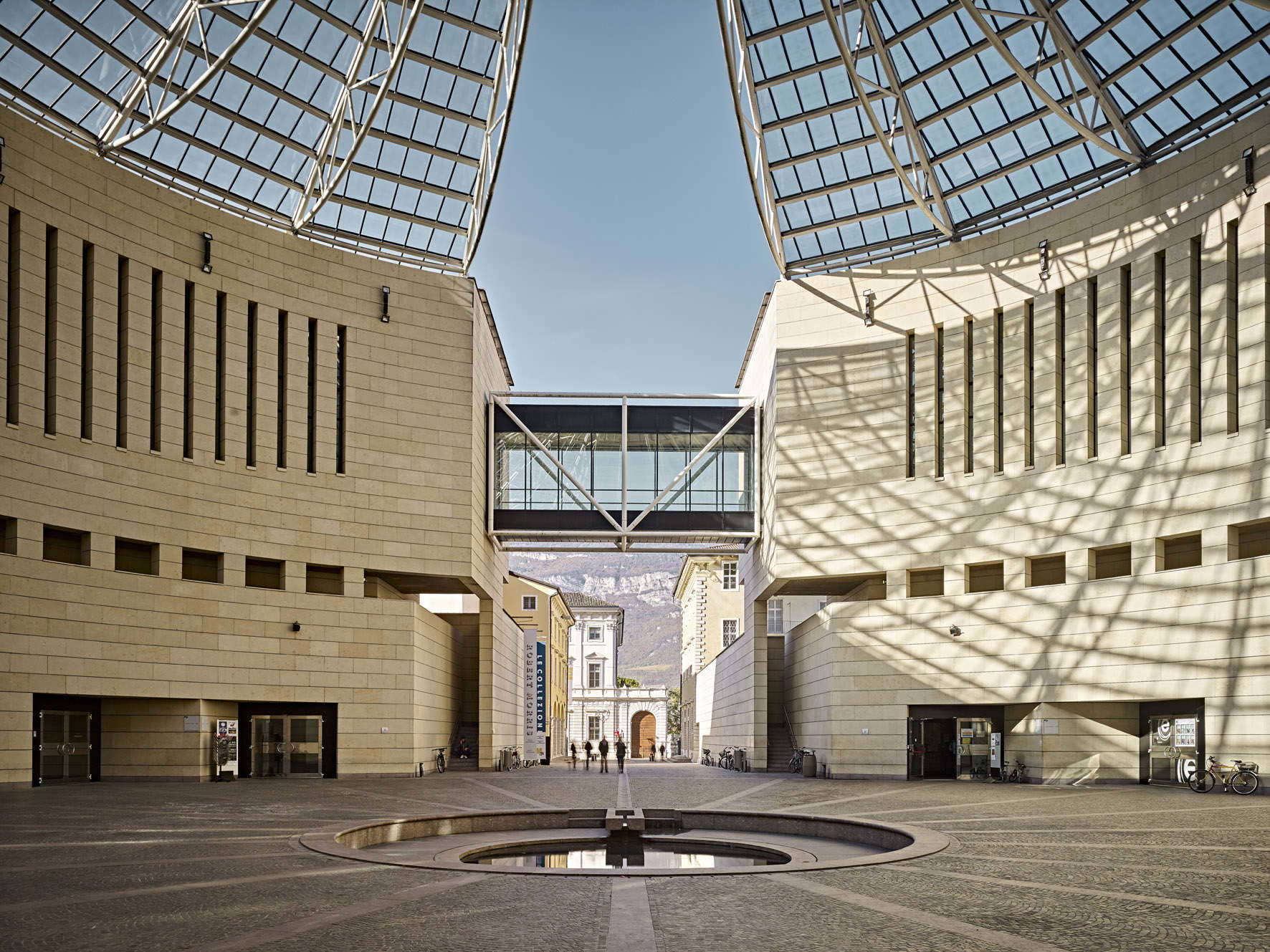
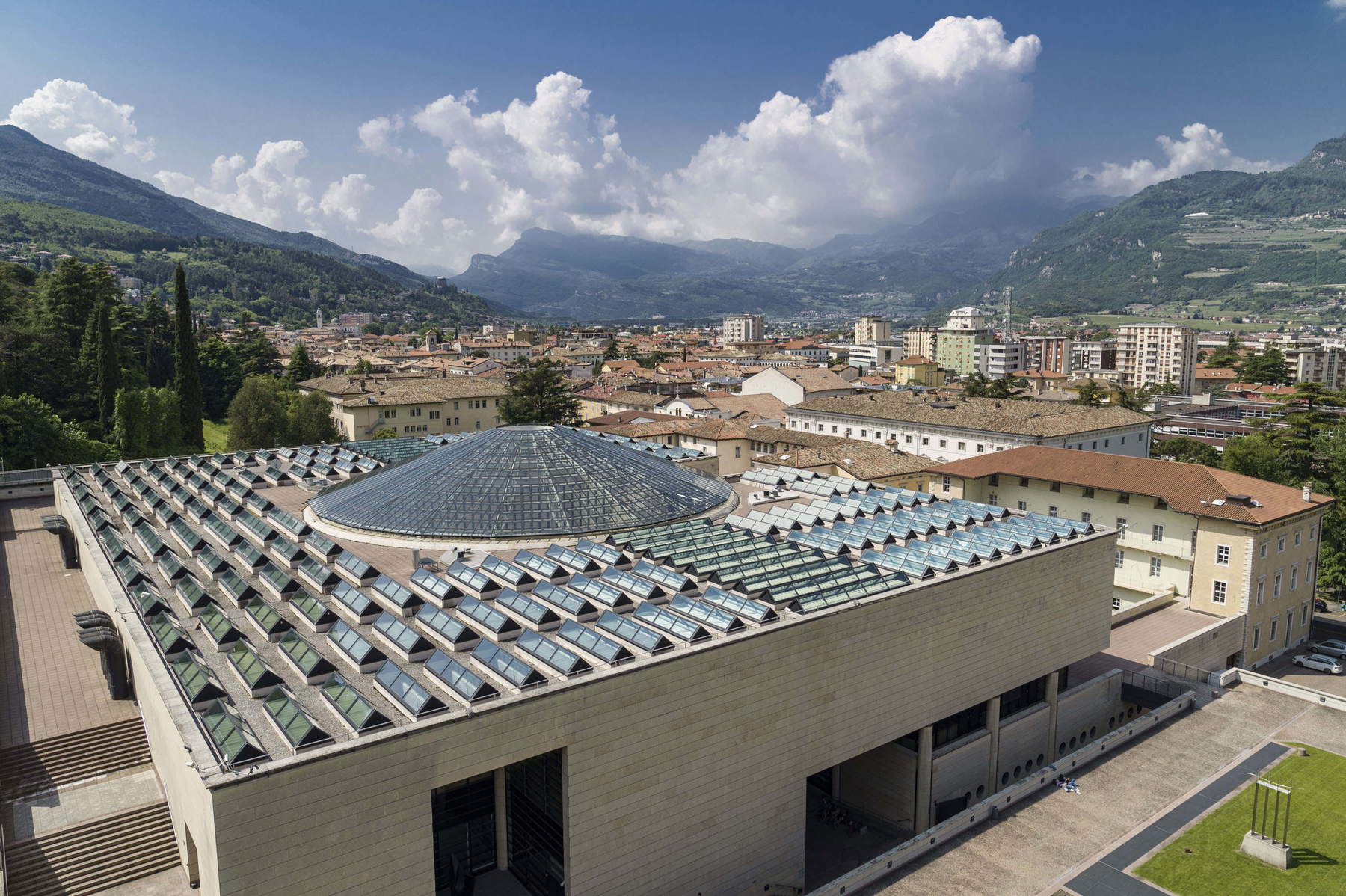
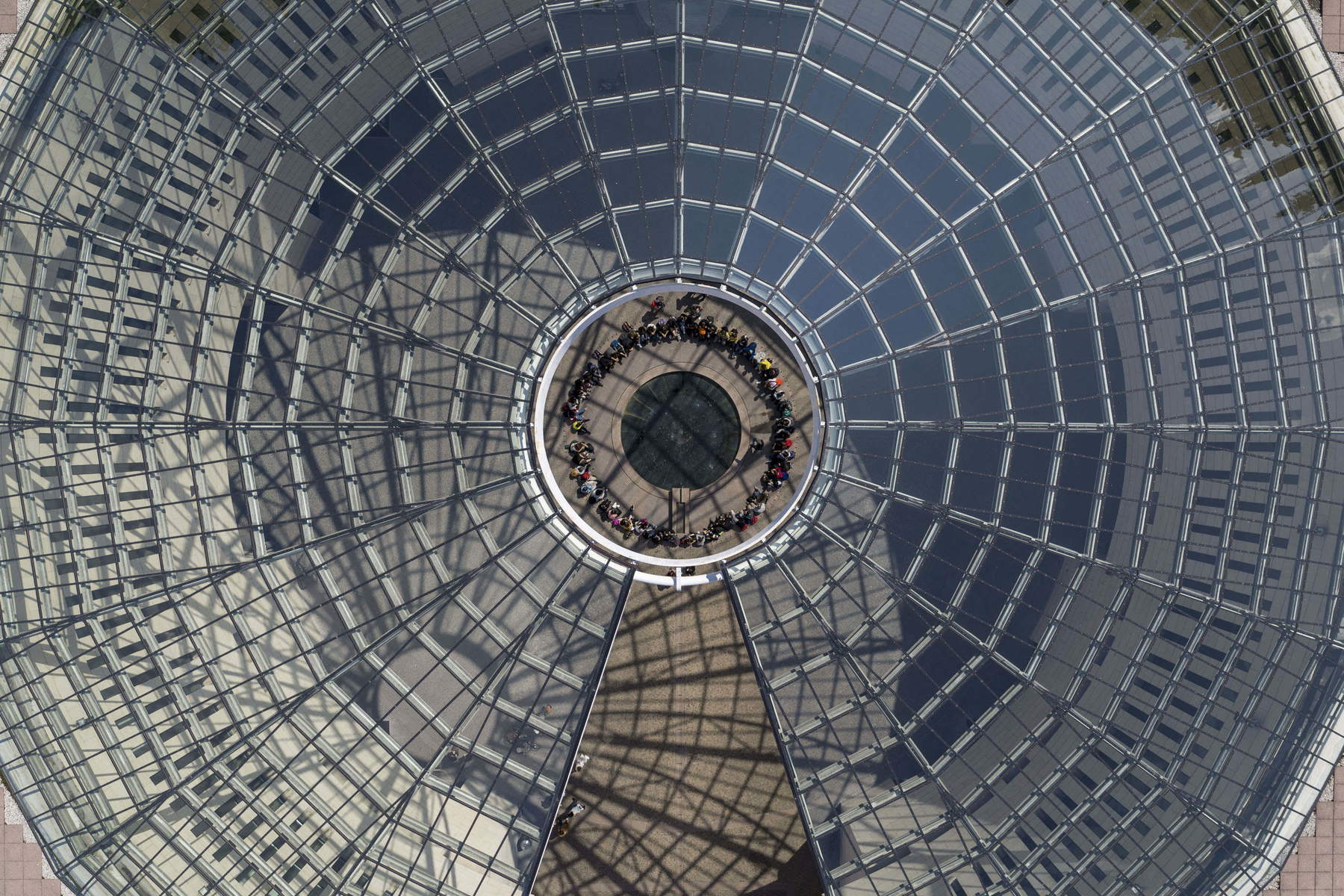
As you pointed out a moment ago, the Mart preserves a heritage that allows us to trace the history of 20th-century art. How important do you think it is, in the museum’s programming, to refocus attention on artists or artistic movements that deserve to be rediscovered, as in the case of the recent exhibitions on Anselmo Bucci and Luigi Bonazza?
It’s very important, because these aren’t just exhibition opportunities—they stem from research initiatives promoted by the museum’s various curators, drawing on Mart’s collections and archives. In fact, the museum’s other great asset is the 20th-Century Archives: they are all owned by the Mart and constitute the beating heart of the institution in terms of its capacity for research and its role as a hub for attracting and fostering exchange with leading international scholars. The exhibition on Luigi Bonazza, which you mentioned, stems precisely from these study and research activities. It was an exhibition that truly took stock of one of the major figures of the Secessionist and post-Secessionist culture in this region—specifically during its transition from the Austro-Hungarian Empire to Italy—through archival materials, a reconstruction of the artist’s presence and his works in the region, and so on. Anselmo Bucci, to whom, as you recalled, the MART recently dedicated an exhibition to, is an artist who is less well-documented in the museum’s collections—though he is represented there—but he is one of the lesser-known key figures of the great “Novecento” era, understood in the literal sense of the century and not merely as the Sarfatti movement, and his work engages well with a significant portion of the MART’s collections. So this is certainly a path worth supporting, precisely because it stems from research activities that are always very dynamic. However, in the future, we would also like to be open to proposals and exhibition offerings on themes and topics that do not belong to our collections but are part of the contemporary context that a major museum like the Mart must engage with.
On the other hand, a major exhibition dedicated to Gianni Berengo Gardin and his architectural vision opened a few days ago at the Mart, one year after his passing. How did the idea for this exhibition come about? I was also reflecting on the fact that architecture is, among other things, a distinctive feature of the Mart, with its dome designed by Mario Botta...
Absolutely! And incidentally, we found in the family archive (thanks to our collaboration with Berengo Gardin’s family) a small collection of photographs he took at the MART himself, of his own accord. These are previously unpublished photos—they’ve never been seen before—and we selected two of them, one interior and one exterior, to display in the exhibition. The interior shot captures, from a truly fascinating angle, the very spaces where his exhibition is now on view. It was a very moving experience. He came here in 2007, took many photos, printed them (they were all in a folder), but never had the opportunity to exhibit them. The theme of the exhibition was developed together with Alessandra Mauro and Gabriele Lorenzoni, who curated the exhibition with me: there had never been a focus on Berengo Gardin and his relationship with architecture. He had started out taking architectural photos for IUAV students who were graduating under Bruno Zevi. He produced his first book in collaboration with Zevi. His interest in this field would later develop through his interactions with many other architects, culminating in his friendship with Renzo Piano, with whom Berengo Gardin worked throughout his life. In fact, the exhibition not only displays photographs of architectural works but also photographs shaped by architectural rigor, in which the architectural framework is clearly evident in the photographic composition itself. We have organized the exhibition by spaces, by rooms, each with its own theme, grouping together sets of photos that emerged while working through the family archive as recurring elements—for example, on the theme of thresholds, doors, and arches. A consistent and highly refined focus on elements of passage emerges in his body of work. The same is true of walls, which in his photographs become truly narrative surfaces. And in all of his photos—from those of the 1950s to the most recent ones—the human figure is the central protagonist. The exhibition also features a gift from Renzo Piano: he sent us a four-minute video shot with two cameras and edited together, of rare sophistication, which reveals not only their friendship and collaboration but also the sense of humble craftsmanship inherent in the photographer’s work—a quality that the great architect also shares: doing things well. Through this exhibition project, we wanted to convey the greatness of Gianni Berengo Gardin, an extraordinary man of culture, whom both Alessandra Mauro and I were fortunate enough to know and work with.
In January, the Mart acquired Prof. Bad Trip’s archive, thereby enriching the museum’s collection. What did this acquisition mean for the museum? What criteria guide the Mart’s decisions regarding acquisitions and donations today?
Yes, Prof. Bad Trip’s donation was one of the most significant. The archives are constantly expanding through ongoing acquisitions, precisely because they are the museum’s true engine of research. We’re working to expand and strengthen existing archival collections: we’re currently in negotiations to acquire additional parts of archives we already own—and which we’d like to expand or even acquire in their entirety and exclusively—to facilitate our research and that of scholars who access our collections. At the same time, however, we are also seeking to expand our collection of material—for example, related to alternative cultures—which plays a very significant role within the Mart’s archives. Our curators and archive managers are working to acquire archival collections that are still in the hands of heirs, both to make them available to scholars and to secure documentary material on all those cultures that have kept the Italian cultural scene—and beyond—alive and vibrant from the 1960s onward, and which represent an informational and visual counterculture with which artists have extensively engaged and with which they remain in dialogue to this day. As for donations and acquisitions, the goal is to enrich the Mart’s collection, including through dialogue with young artists, because a museum must enrich its holdings not only for the present but also to tell the story of our present in the future. With this goal of constant enrichment in mind, we would like to make significant investments: in addition to accepting donated works—both historical and more contemporary—and making small acquisitions, we would also like to acquire masterpieces that can become cornerstones of the historical collections and engage in a dialogue with the works in storage.
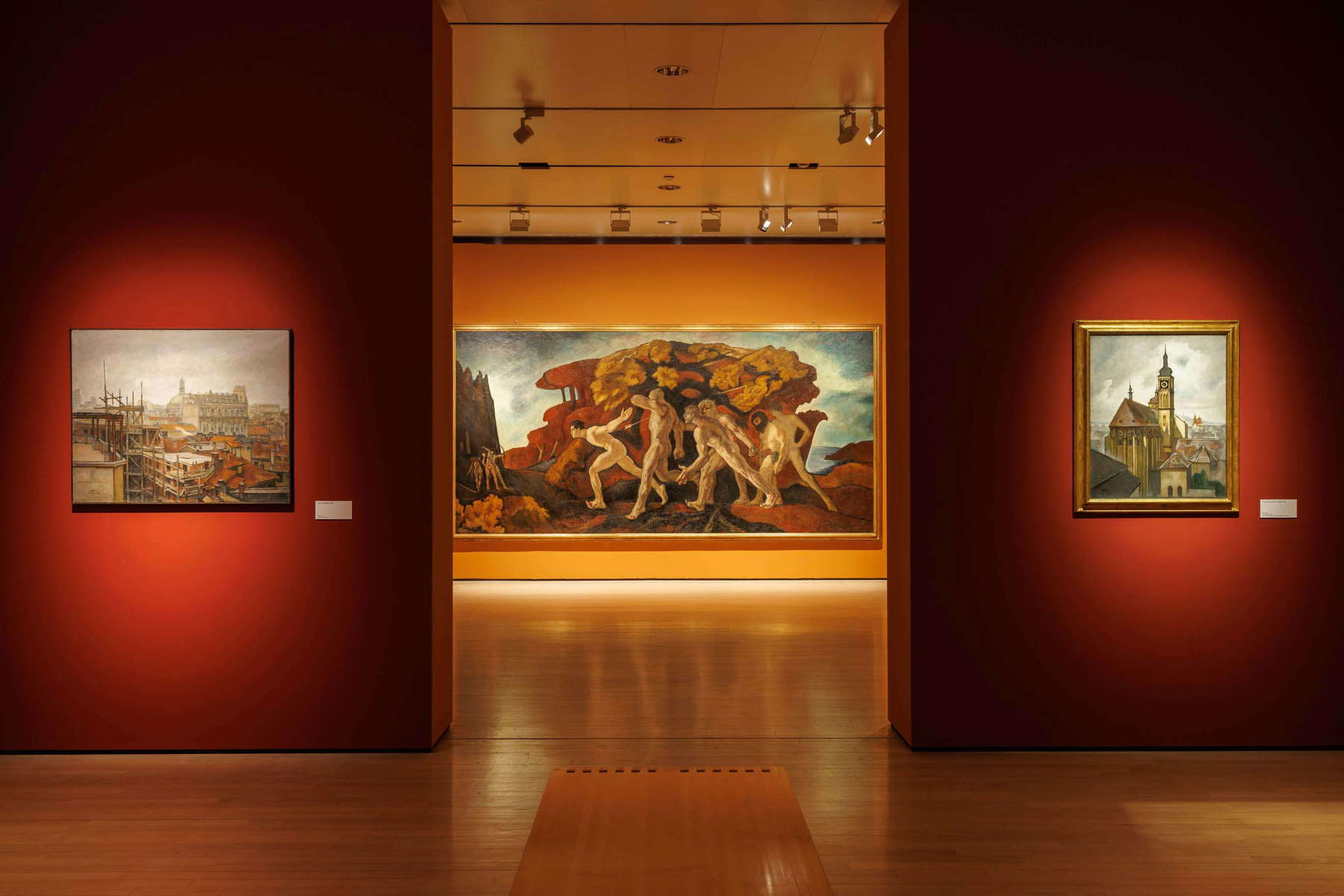
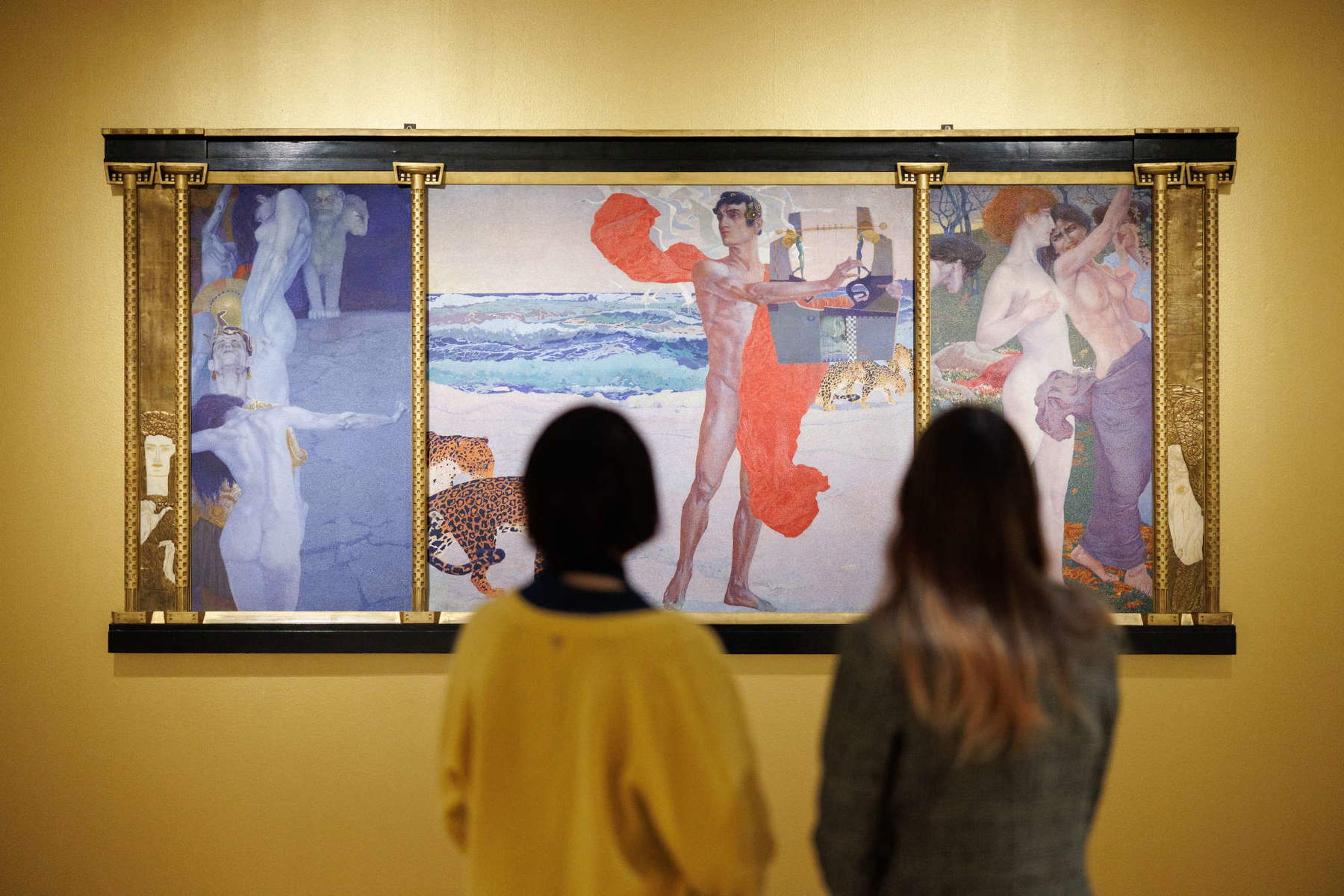

I’d like to return to a topic we’ve already touched on in part. When you took office, you stated your intention to strengthen the identity of a museum rooted in the local community, yet at the same time open to broad, international horizons. How has this goal been concretely reflected in the Mart’s cultural and exhibition choices? And what role can the Trento Civic Gallery and the Depero Futurist Art House play in building a comprehensive museum system, in which each venue highlights its own identity while contributing to a shared cultural vision?
As for international outreach, it obviously takes time to develop projects and establish a more structured dialogue. We are doing this for future projects, for 2028–2029. We are working on exhibition proposals developed in collaboration with international partners who are not merely lenders or recipients of our proposals, but who become scientific partners from the very start of the project. As for the local community, we have two major exhibitions planned for 2027, with themes of national and international scope, yet rooted in local issues and communities, trusting that this dual focus will begin to strengthen the dialogue with the local community, making this museum feel increasingly like an integral—and in some ways indispensable—part of the region’s very identity. The Trento Civic Gallery and the Depero Futurist Art House are fundamental. Casa Depero is almost the driving force behind all of this, because if it hadn’t been for that donation—the desire to create a dedicated space for his Futurist home—the very idea of establishing the MART in Rovereto probably wouldn’t have been so impactful, so decisive. We certainly need to give Casa Depero greater visibility; incidentally, admission to it is included in the MART ticket. However, we see that the public has difficulty reaching it, even though it is very close to the MART, right in the heart of the historic center. We’re planning to redesign the exterior—which is currently barely noticeable—in 2027, for the museum’s twenty-fifth anniversary. It will feature an entrance and a visual layout that, we hope, will attract visitors. The Civic Gallery, on the other hand, is our outpost for more contemporary projects—especially those aimed at younger generations—and for themes with very specific social significance that, if presented in a very large exhibition at the MART, might risk losing their impact given the museum’s scale. Currently, there is an exhibition titled *Pietre di pane*—a title taken from a book by Vito Teti—that focuses on fragile territories and places that are increasingly being abandoned. It is an exhibition of contemporary works, many of which were created specifically for this occasion, that explores this theme with exceptional quality. To these two venues, I would also add the Palazzo delle Albere in Trento, managed jointly by MUSE and MART. Here we inaugurated “Waterflow,” an exhibition dedicated to the theme of water, featuring many site-specific works created thanks to funding for artist residencies and PNRR grants. We have begun a collaboration with MUSE: we will make the Palazzo delle Albere a venue for exhibitions on the themes of art and science.
The Mart has always struck me as a very popular museum—a true cultural hub deeply integrated into the life of the city. In your opinion, what are the elements that allow a museum to become a living space—and not just a place to visit for an exhibition? And how can the Mart’s experience serve as a model or a source of inspiration for other museums?
On this topic, the difference lies in cultural mediation activities and the entire educational program, which caters to preschool-aged children—from 1 to 5 years old—through workshops, all the way up to the general adult audience and all special audiences. All of these outreach activities are increasingly becoming a key hub in ensuring that a museum is not perceived as a silent place. This year, in collaboration with the Faculty of Cognitive Sciences at the University of Trento—located across from the Mart—we launched a series of in-house workshops led by university faculty, Mart staff, and representatives from civil society, ranging from associations to schools, the FAI, Confartigianato, and Confcommercio. A strong demand is emerging for a museum to also become a place where visitors can have a personal and deeply engaging experience—both in emotional, almost sensory terms, and in terms of opportunities for contemplation. One thing that really surprised me is that, alongside the demand for museums to be places of fun, play, and surprise, there is a strong demand for spaces where visitors can stand in front of a work of art—spaces where they can pause. This seems to contrast sharply with the fast pace of life we’re subjected to. This initiative I launched a few months after arriving is truly fascinating, even for those of us who work in this field and therefore spend our days in a museum. The Mart’s educational and cultural mediation department has a wealth of experience. All of our programs—and the quality of our programs—are not only diverse but also tailored to specific audiences through specialized approaches. We have tactile tours for the visually impaired, all videos in Italian Sign Language (LIS), and all guided tours—both at the Mart and at Casa Depero—in augmentative and alternative communication, that is, in simplified language. We have workshops led by young people with autism for other young people with autism. People with all forms of disabilities have—and must find—in the museum a place to belong, to linger, and to spend time happily. Of course, the plaza also contributes to this: there’s the library, the Melotti Theater, and the café. The plaza is an open-air pantheon.
What are your thoughts on the dialogue between the museum and schools, and on the role that arts education should play in the development of future generations?
It’s fundamental. It should be a much more structured dialogue, not limited to field trips or small workshops, so that the museum can become a place where a substantial part of educational activities actually takes place. Art, in fact, is not just art: it is social and economic history; it tells of battles, great achievements, trade, peoples, and customs. It can therefore become a valuable tool for recounting to younger generations a past that today seems increasingly distant, by bringing to life elements that fascinate, intrigue, and reveal new worlds. Art is not limited to forms, colors, styles, or movements, but is something richer and more far-reaching. We note that university students are underrepresented among museum visitors. After the younger audience—which includes high school students—there is, in fact, a resurgence of adult visitors, while it is more difficult to attract young college students, who should, in fact, be among the most curious and eager to explore. This is especially true for students in fields other than Humanities or Art History, for whom visiting museums often comes more naturally. This is, therefore, an issue that warrants further consideration.
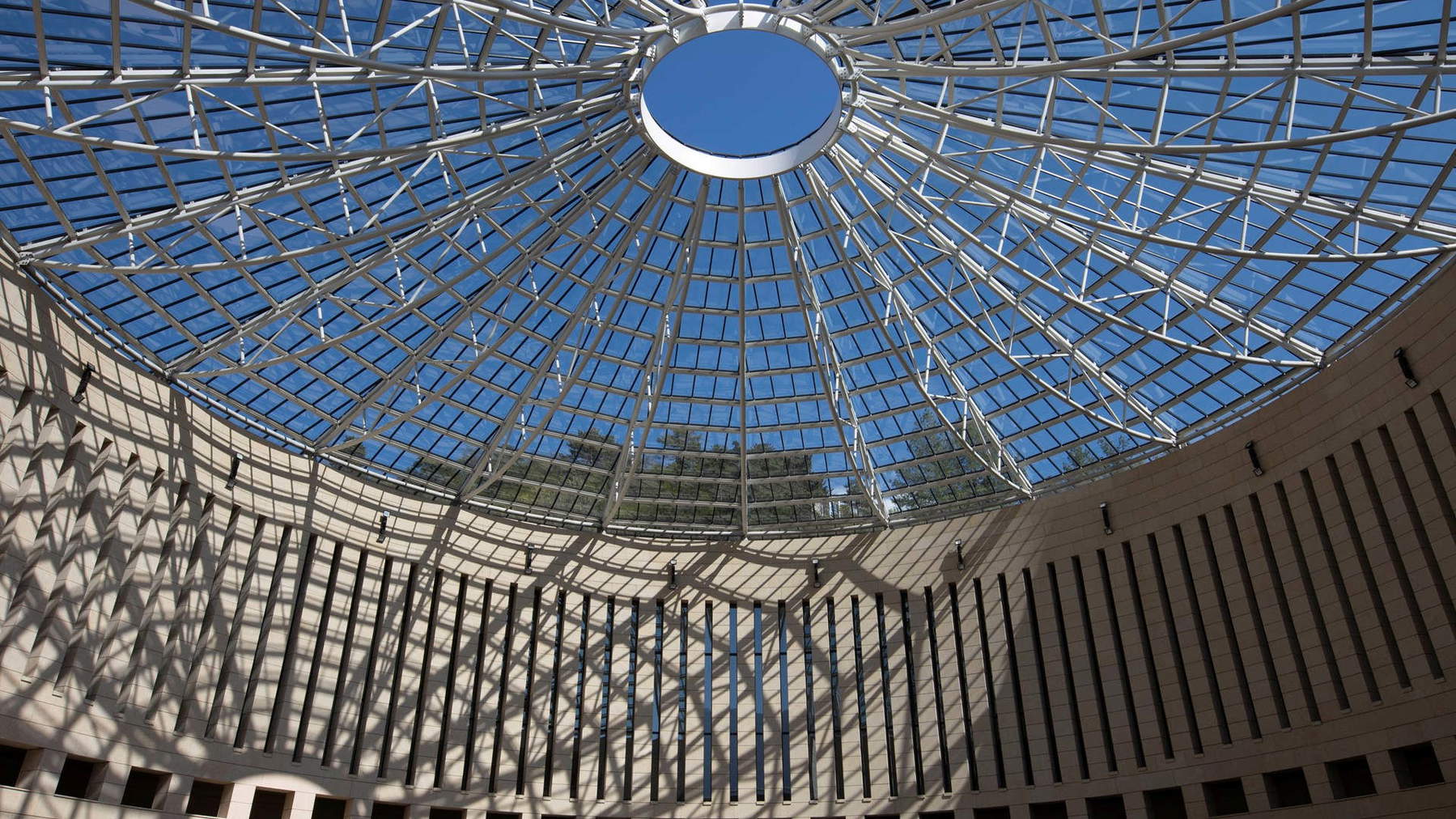
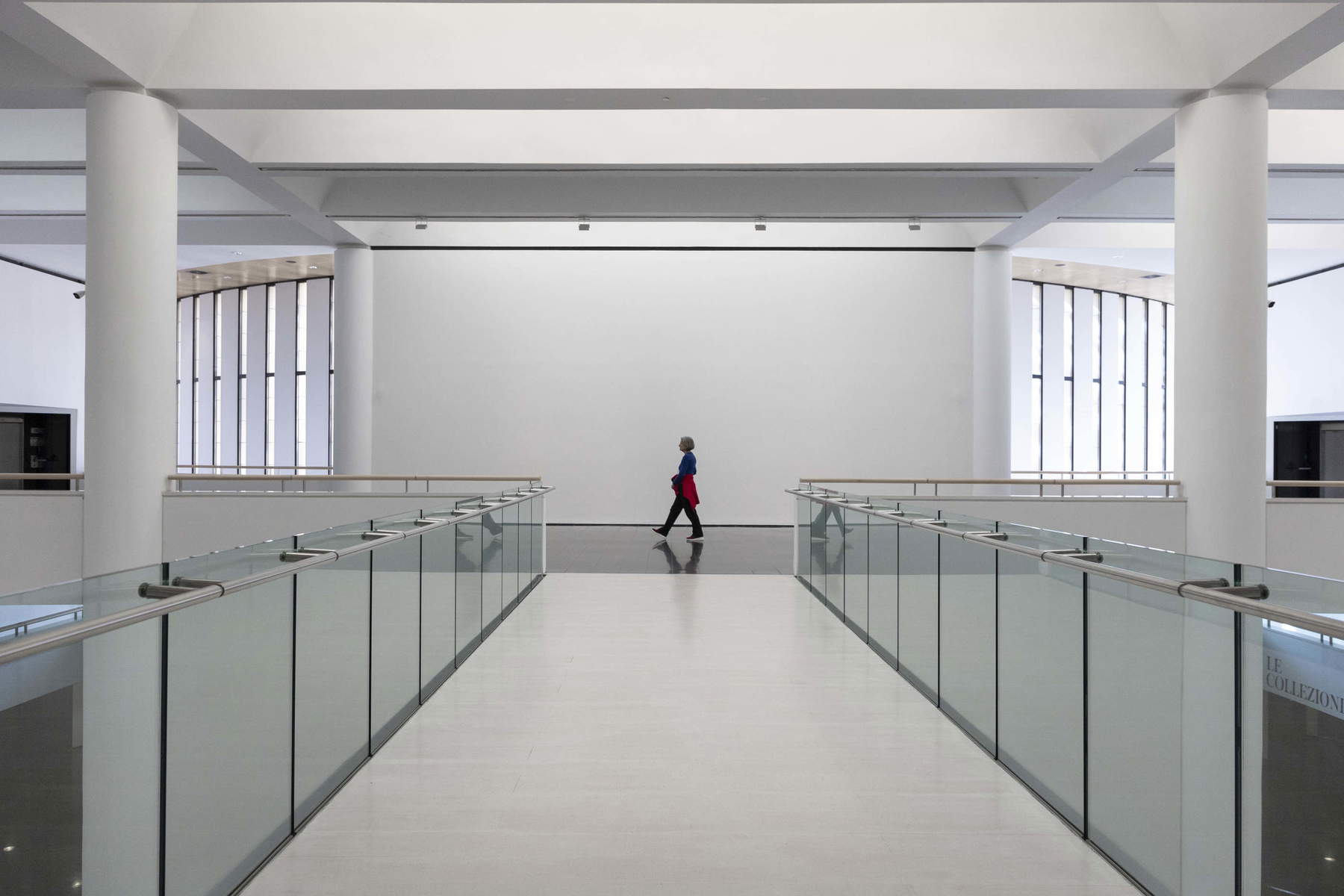
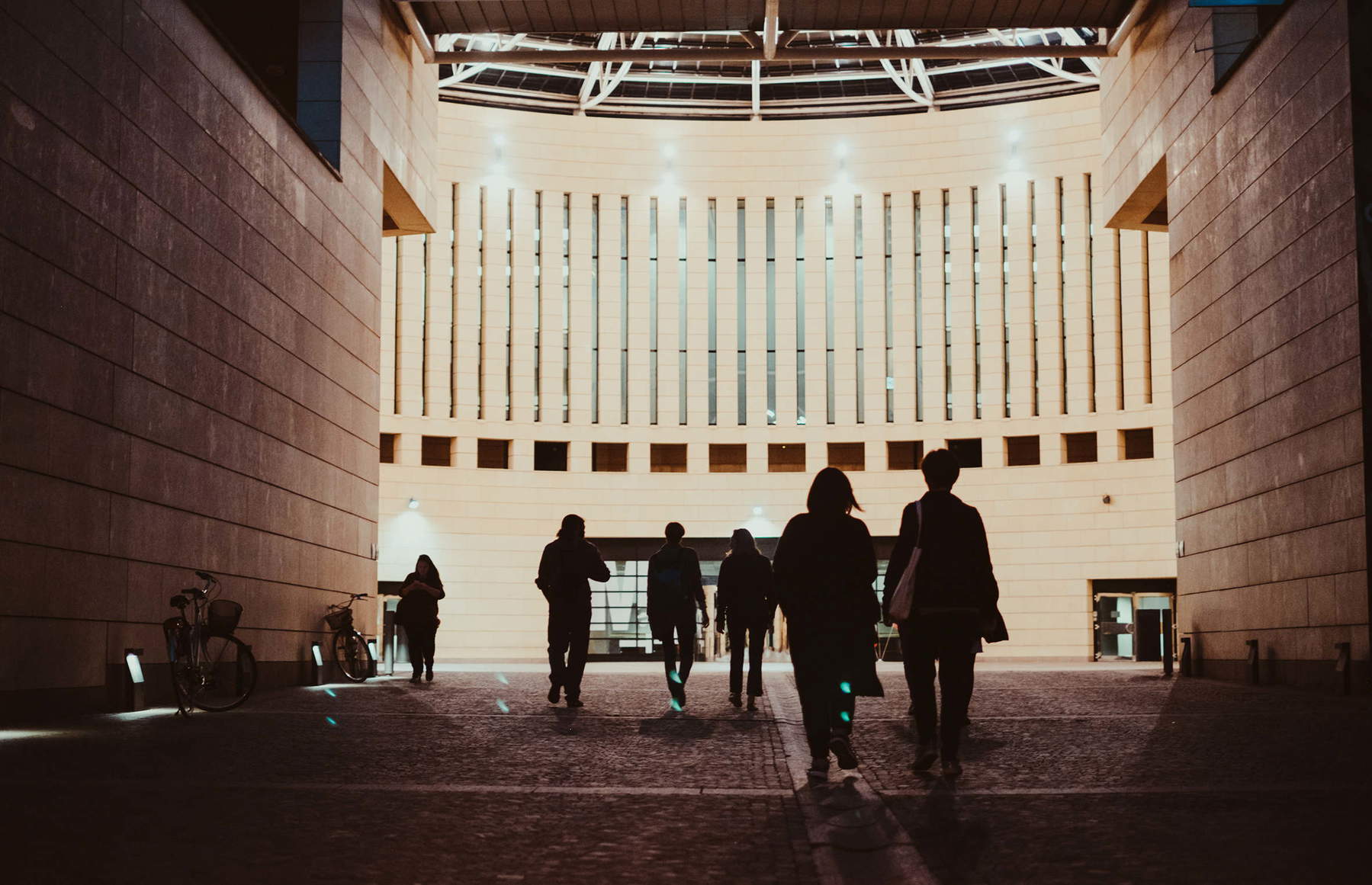
In a landscape where cultural communication increasingly takes place through social media and digital tools, what strategy is Mart adopting to reach and engage the digital audience? What role can online channels and content play not only in promoting exhibitions but also in building a community that identifies with the institution’s values?
We’re active on all major social media platforms and various communication channels, but we want to take it a step further. In fact, we’re launching collaborations with industry professionals to develop a different communication strategy—one that isn’t limited, as you rightly pointed out, to promoting events, but focuses above all on sharing content and showcasing its value. From this perspective, the Mart is at the forefront, particularly when it comes to digitizing its heritage: we were among the first museums in Italy to undertake a digitization process that encompassed both our collections and our archives. The Mart was among the very first museums in Italy to launch a digitization process, as early as the 1990s, long before the Mart existed as a building. At the time, it already existed as an institution and cultural hub, but not yet as a physical building. Today, however, the challenge is different: it is not merely a matter of digitizing content, but of identifying new ways to communicate and share it. This is a path we are currently working on, and it requires expertise that does not yet exist within our museums. For this reason, it is necessary to involve external specialists, especially given the rapid pace at which technologies evolve. The fundamental issue is understanding how to innovate without compromising scientific rigor—an indispensable principle for a museum, especially when it comes to a public and cultural institution like the Mart. We need to identify the most effective ways to convey content, taking into account what we want to communicate and the audiences we wish to reach. Language, in fact, changes depending on whether we’re speaking to young people, professionals, or adults: each audience requires different registers and approaches. It’s a very complex field, in which artificial intelligence plays a leading role in this new landscape. The challenge lies in connecting all these components and developing them in the most dynamic way possible.
To wrap up, is there a project, collaboration, or idea you’re currently working on that you consider particularly representative of the direction you’d like to take the Mart in? Can you give us a sneak peek?
Among the projects in the works—some of which I’ve already mentioned—there are a few that are particularly significant, although one cannot yet be announced because negotiations have not been finalized. It’s a major acquisition that is especially important to me and will still take a little more time. However, it is an acquisition that has the potential to become one of the highlights of the museum’s permanent collection. Another project involves the reorganization of the permanent collection, which we plan to undertake as part of the celebrations for the Mart’s 25th anniversary. It will not only be reorganized but also expanded: the collection will in fact occupy two floors of the museum, rather than just one as is currently the case. This will allow us to exhibit new works we’ve recently acquired, including major figures such as Picasso and Kandinsky. It will be a major challenge: to strengthen the Mart’s role as a major attraction not only for the local public but also—and above all—for tourists. Another highly ambitious project is scheduled for late 2028 through early 2029. Again, I cannot disclose any details at this time, but the goal is to carry it out in collaboration with another museum. It is a very ambitious project from an exhibition standpoint, one we are currently working on, and I hope to be able to reveal at least its theme very soon. The project would help strengthen the Mart’s dialogue with international institutions, bringing to the museum one of the major figures of the global art scene between the 19th and 20th centuries, through a very in-depth and completely original research project by the Mart. This is another aspect that is very important to me, because it represents a distinctive feature of the museum: the exhibitions we produce are projects developed in-house by our curatorial staff, in dialogue and collaboration with external scholars and curators when necessary. These are not, therefore, pre-packaged exhibitions that circulate on the international scene and are simply re-staged, but rather initiatives that arise from research and planning conducted here, within the museum. Upcoming exhibitions will also follow this approach: they will all be conceived and developed by MART. Of course, we are open to considering interesting external proposals, especially when they can offer the Italian public the opportunity to experience exhibition projects that would otherwise only be visible abroad. However, it remains essential to highlight the value of the research and planning work carried out in-house, because our curatorial staff is highly qualified and deserves proper recognition for the work they do.
Warning: the translation into English of the original Italian article was created using automatic tools. We undertake to review all articles, but we do not guarantee the total absence of inaccuracies in the translation due to the program. You can find the original by clicking on the ITA button. If you find any mistake,please contact us.