





Valentina Saluzzi is Vice Chair of the Board of Directors and Director of Events and Brand Experiences at Balich Wonder Studio, an international group specializing in the design and production of major events, ceremonies, and brand experiences. After studying Public Relations, Advertising, and Communication and earning an Executive MBA from Bocconi University, she built her career in the events industry, working with some of the leading international luxury and fashion brands. In 2016, she co-founded FeelRouge Worldwide Shows with Carolina Dotti, an agency that was named “World’s Best Agency” in 2020 and later merged into Balich Wonder Studio, where she now leads the Bespoke division dedicated to luxury brands.
In this interview with Noemi Capoccia, Saluzzi offers a glimpse into the work behind the design of live experiences for some of the most prominent international fashion houses, explaining how historical research, creative direction, and production come together to build narratives capable of translating a brand’s identity into an immersive experience. The conversation then broadens to the relationship between events and cultural heritage, addressing topics currently at the center of public debate: from the use of historic and monumental sites for private initiatives to collaboration between institutions and major brands, and the role these brands can play in promoting local areas. Saluzzi also reflects on the concept of placemaking, the delicate balance between spectacle and the preservation of places, and the need to build models of collaboration based on expertise, responsibility, and shared benefits. This gives rise to a reflection on the future of the relationship between the luxury industry, culture, and heritage, based on the conviction that events can leave a lasting legacy only when they succeed in generating value for the brands, the communities, and the contexts that host them.
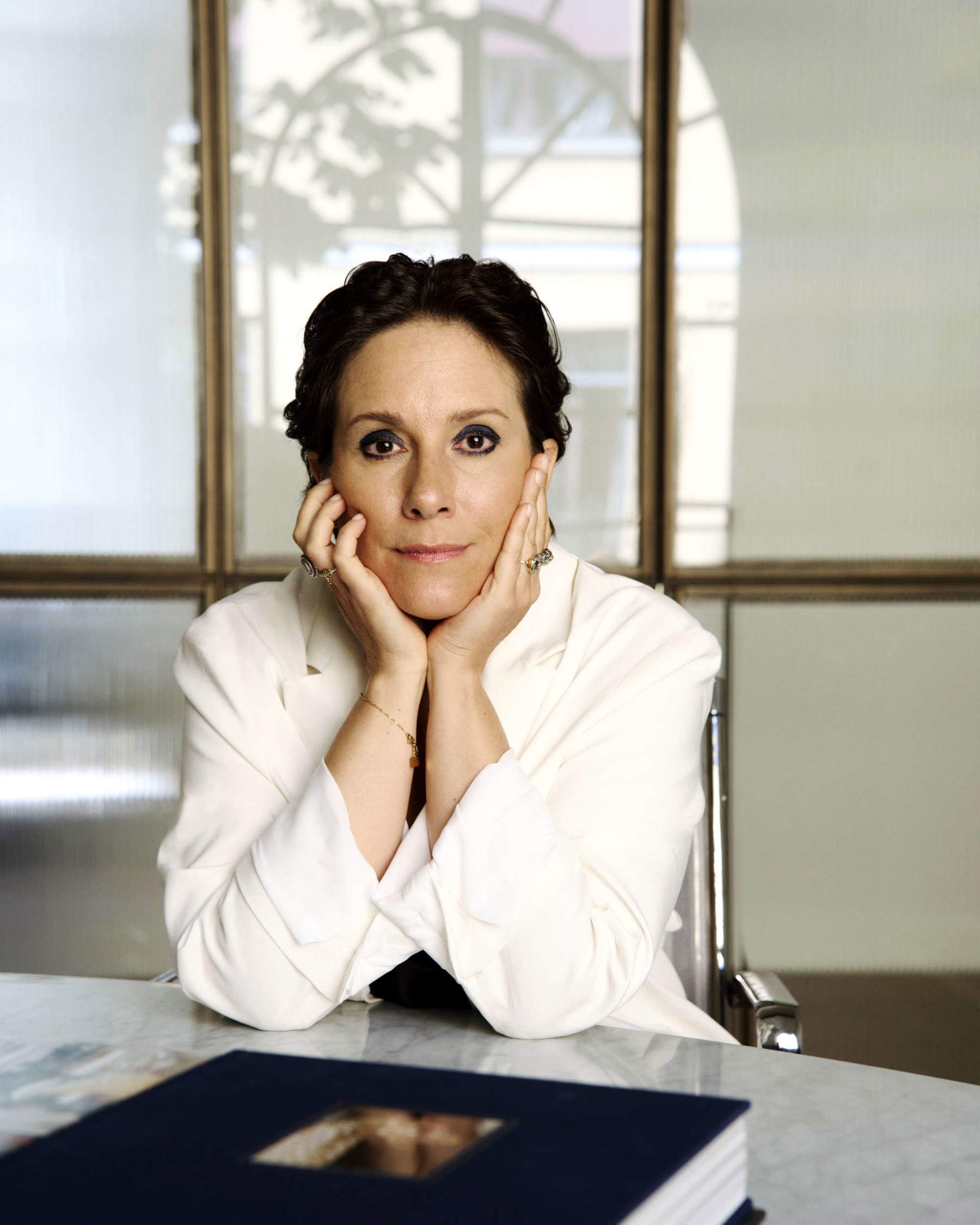
NC. Balich Wonder Studio is best known for large-scale ceremonies and immersive events. Specifically, what does the Bespoke division you oversee do, and what types of professionals are involved in bringing a project to life?
Balich Wonder Studio Bespoke is the Group’s division dedicated to luxury and fashion brands. We design and produce live experiences ranging from fashion shows to high jewelry events, from product launches to exhibitions, all the way to brand experience formats and placemaking. Our work consists of transforming a brand’s identity into an experience capable of engaging the audience and generating an impact that extends far beyond the moment of the event. What I find particularly interesting is that, even though I primarily work with luxury brands today, I bring with me experience gained in the world of large-scale ceremonies as well. After all, the skills are very similar: telling a story, building a narrative, coordinating creativity and production, and transforming an idea into a memorable experience. The core areas of work remain the same: creative and visual development, set design, performance, and artistic direction, along with production and organization. Of course, there are specific conventions and different sensibilities between ceremonies and luxury fashion events, both creatively and in terms of production and decor. These differences require highly specialized skills and have led to the creation of an international team dedicated exclusively to this sector. In my experience, one of the most stimulating aspects is precisely working with multidisciplinary teams: creatives, architects, set designers, producers, content experts, performers, and communications professionals collaborate from the very start of the project. It is this cross-pollination of expertise that allows us to build experiences that are truly consistent with the brand’s identity. When I moved to Paris to oversee the development of Bespoke, I saw firsthand just how natural it was to be based there: not only because it’s one of the world’s leading creative hubs, but also because it’s home to the headquarters of many major luxury groups. Being on the ground means engaging with clients on a daily basis, gaining a deeper understanding of their needs, and building long-term relationships.
When creating an experience for the luxury sector, how do you translate a brand’s identity into a narrative? What tools and processes guide this process?
Every project begins long before the creative phase. It starts with listening and research. Before conceptualizing an event, we seek to truly understand who that brand is, what values it represents, what story it wants to tell, and—above all—who it is addressing at that precise moment. The first phase is always studying the brand, both from a historical perspective and in terms of its recent evolution. History can be understood in a broad sense: from the most established traditions to the strategies and live experiences of recent years. In my experience, this is precisely the most interesting part: every fashion house has a distinct cultural heritage, and there is no one-size-fits-all approach. For some brands, it’s essential to delve into their archives and historical legacy; for others, the focus is on interpreting the present or engaging with new generations of customers. To give a concrete example, Buccellati, a leading fine jewelry house within the Richemont Group, has been at the center of several exhibition projects. In particular, an exhibition held in Venice to mark an anniversary required a very long and structured research phase. The project involved over six months of in-depth study of the brand, with direct access to the archives and analysis of historical pieces. Only after this phase was it possible to develop, together with the creative direction team, a coherent visual and content strategy, leading up to the design and productionof the exhibit. The approach is different for experiences tailored to specific communities, such as VIC or creators. In these projects, the starting point is understanding how the brand engages with its audience today and what communication strategies can make it relevant without compromising its identity. In these cases, the work focuses more on a recent analysis of the brand’s activities and communication methods, with the goal of developing proposals that are consistent with the fashion house’s values yet innovative at the same time. The goal is always the same: to build an authentic experience. If an event is spectacular but doesn’t seem to belong to that brand, the audience senses it immediately. For us, creativity isn’t about inventing something surprising at all costs, but about finding the right way to convey that identity.
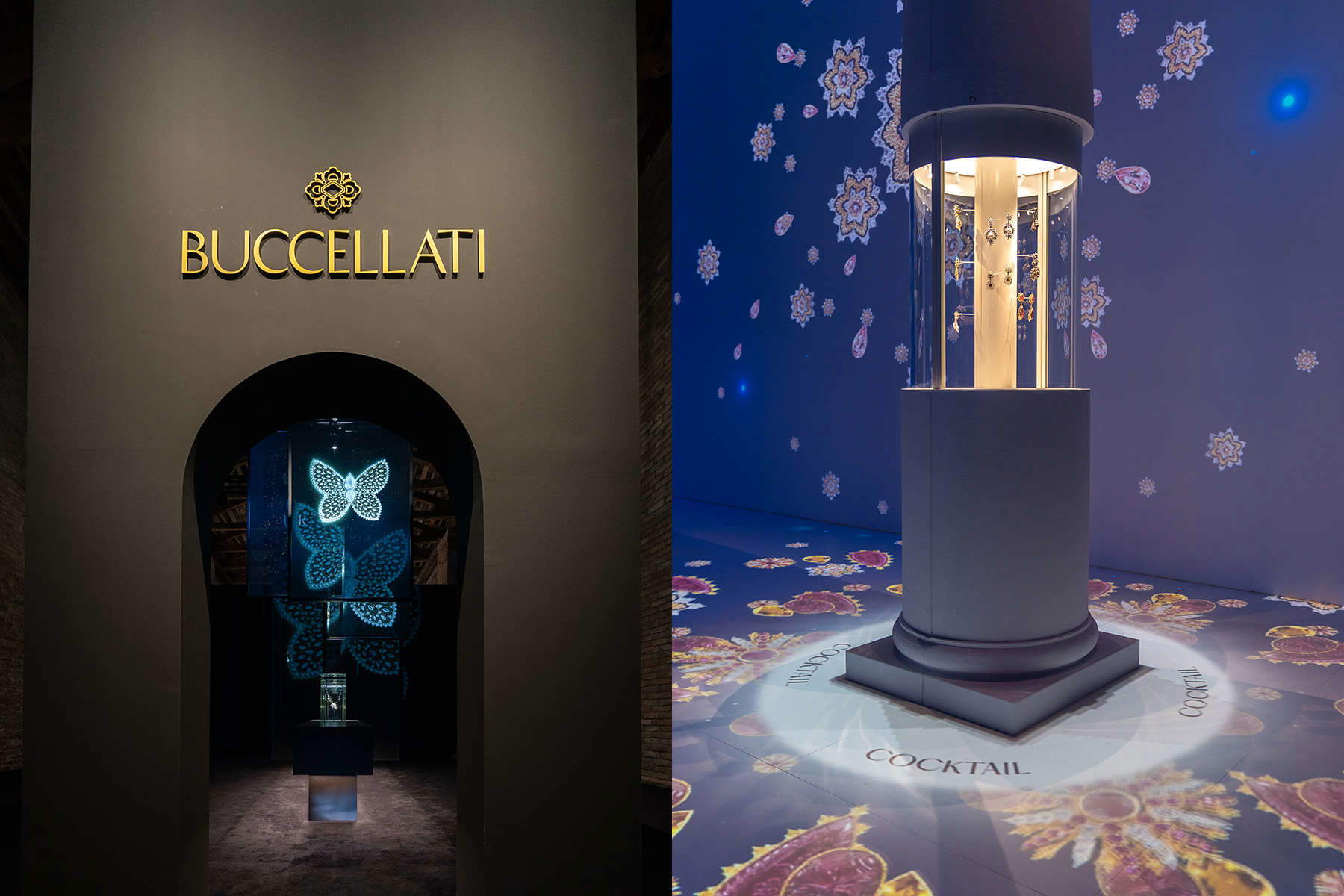
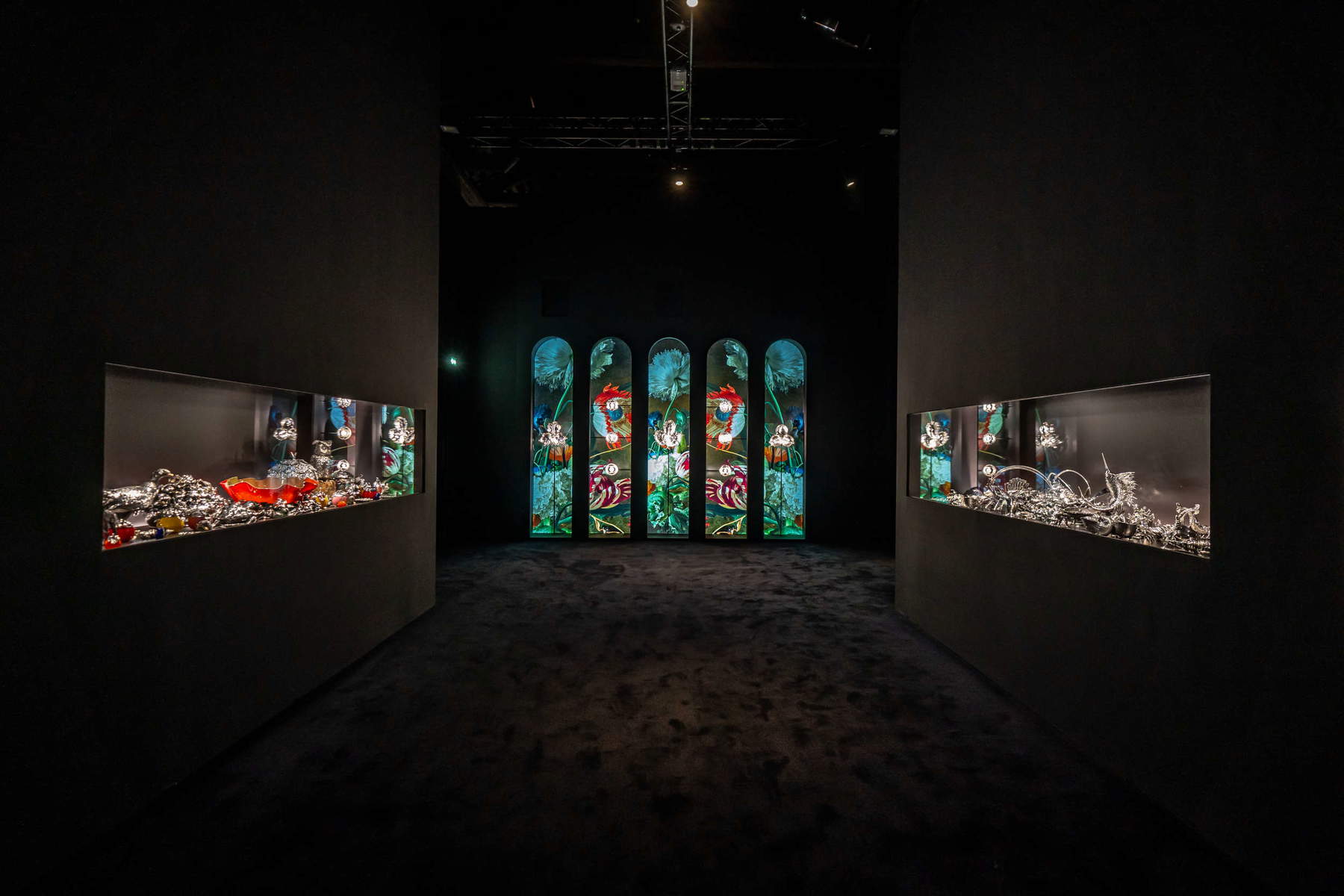
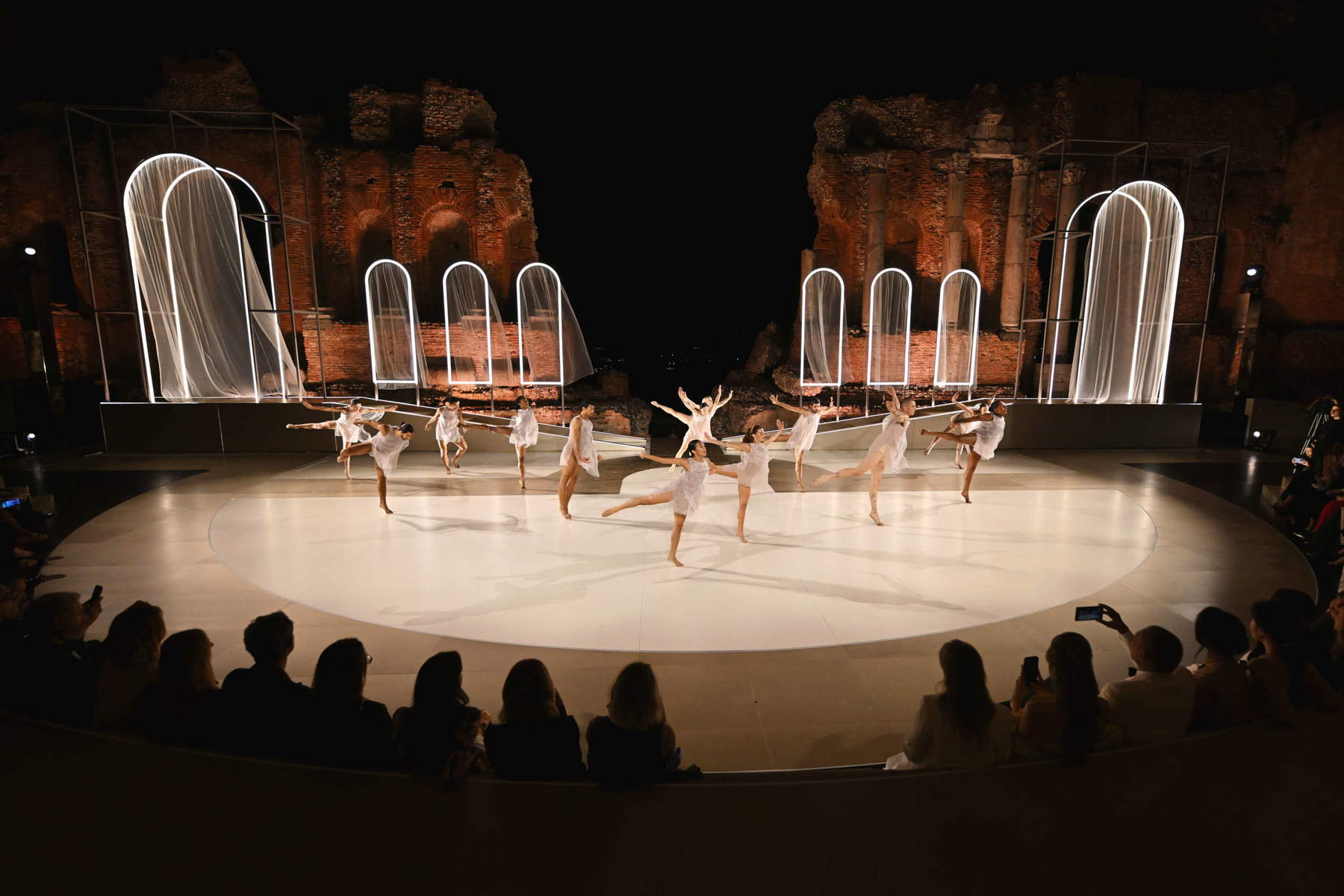
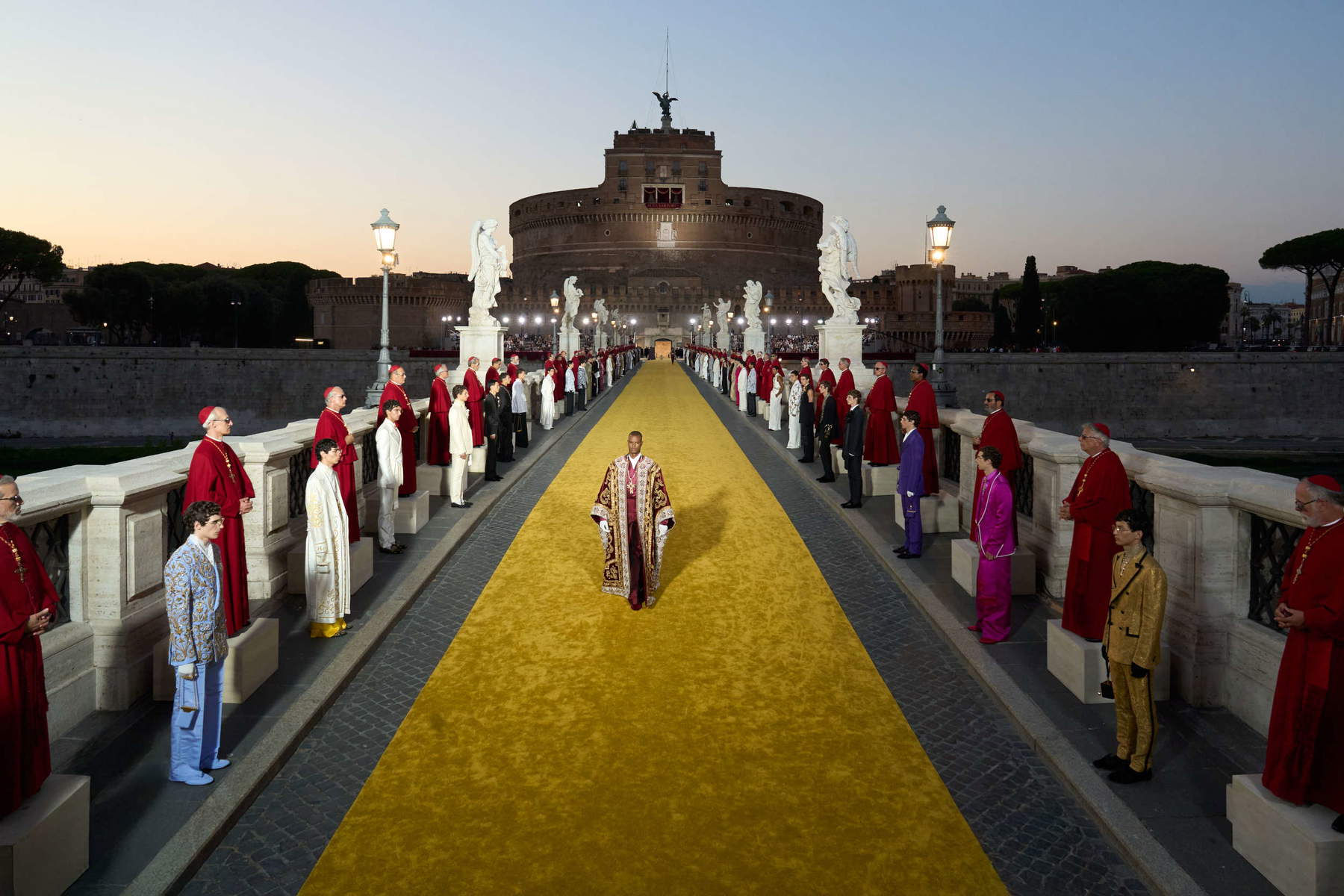
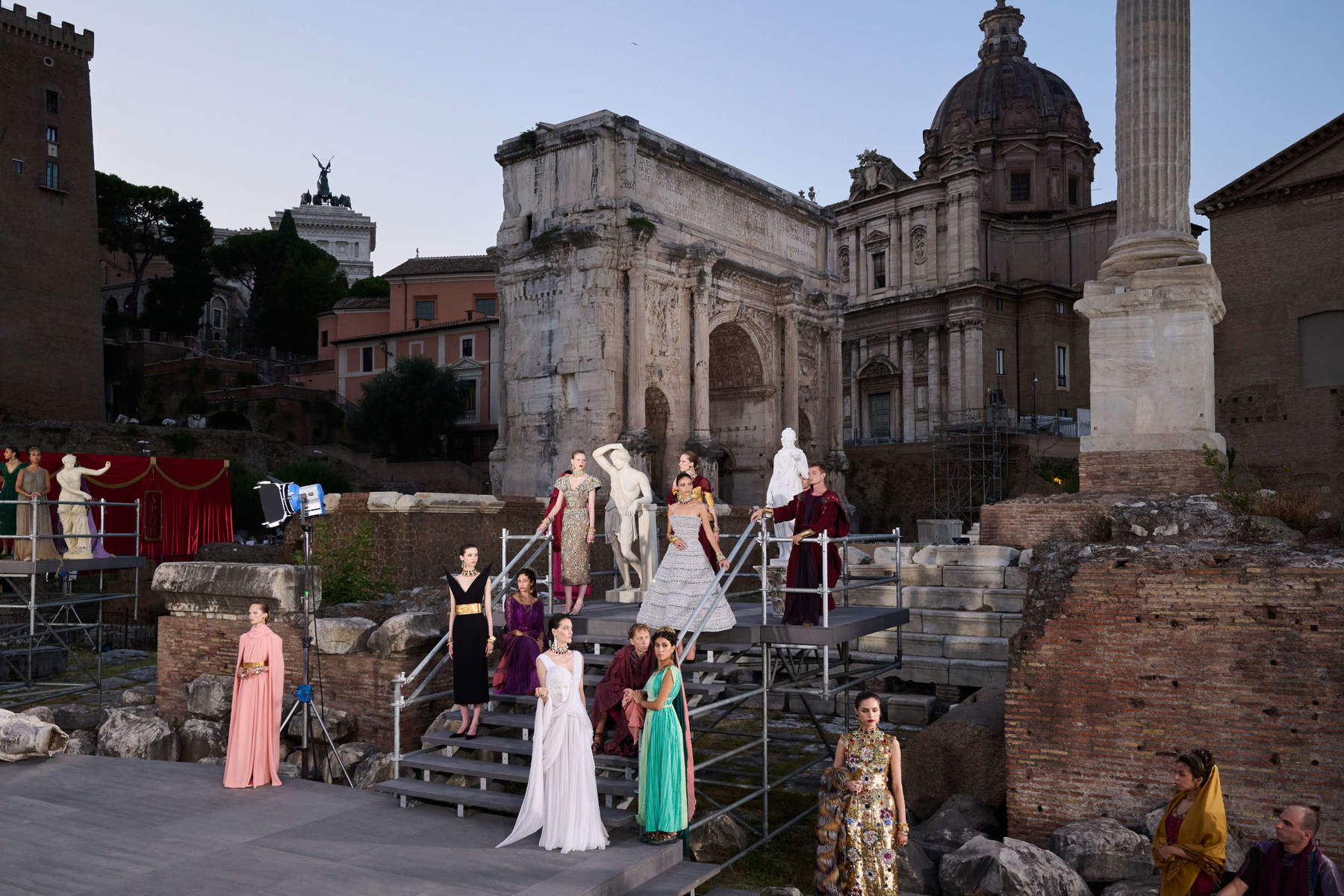
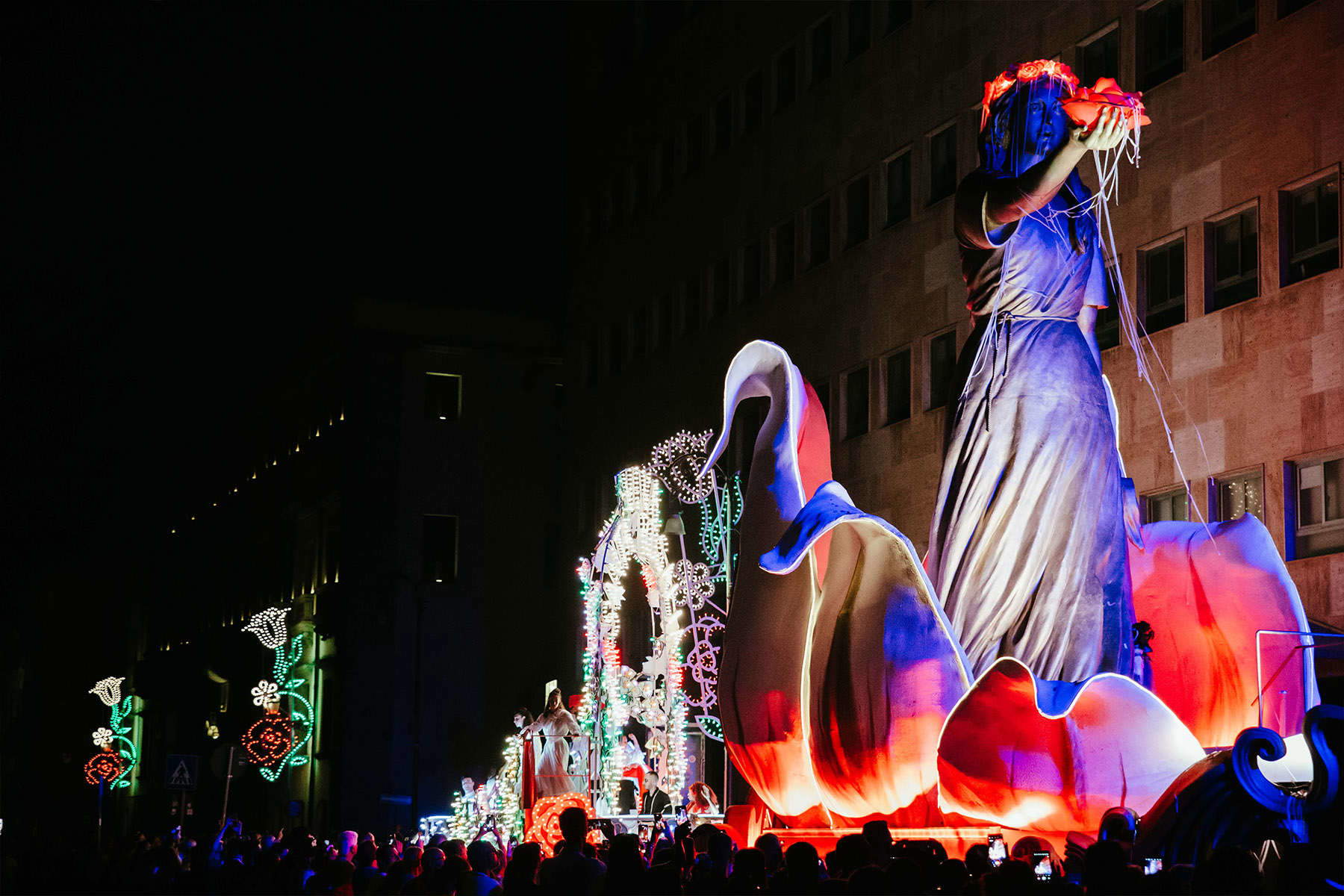
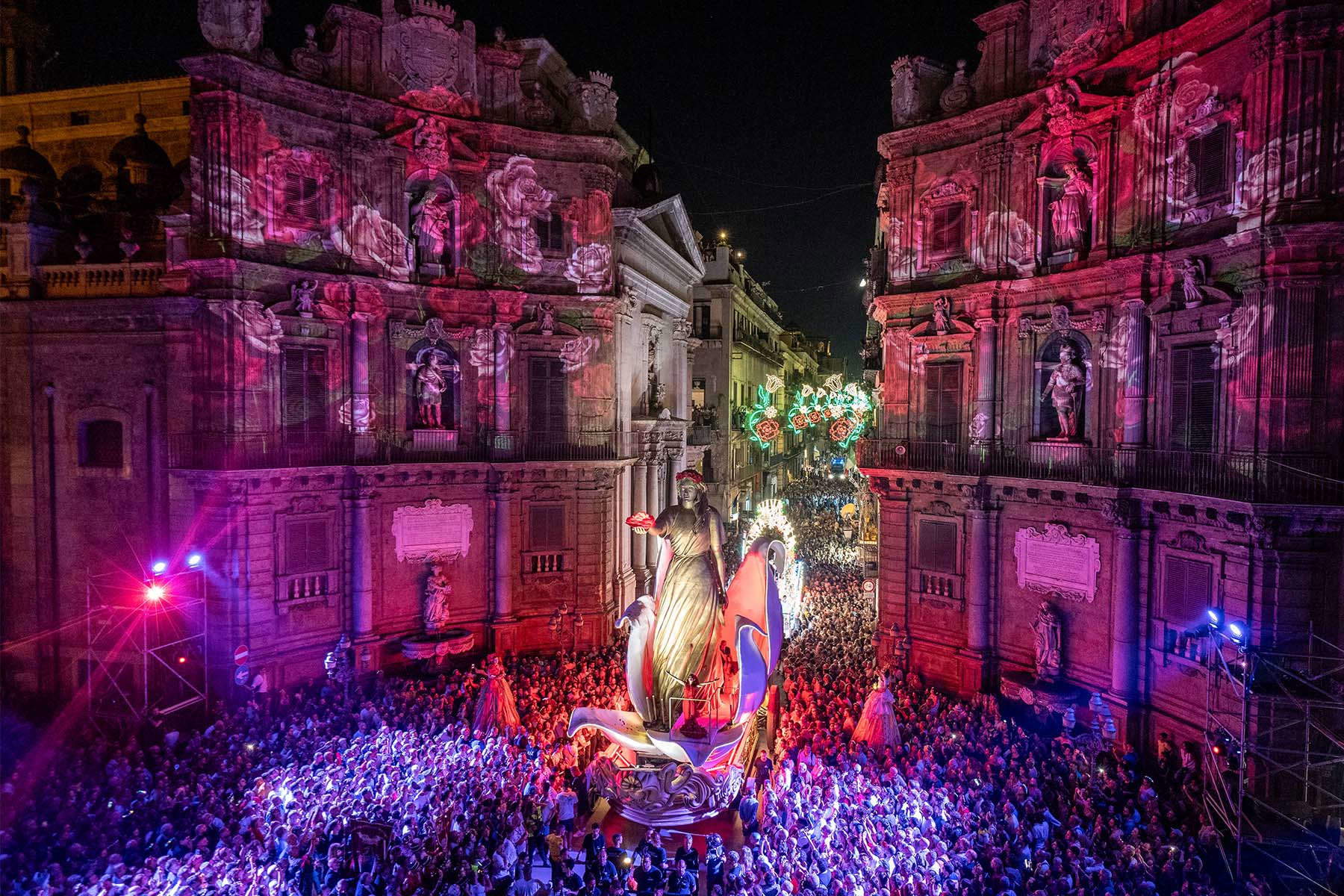
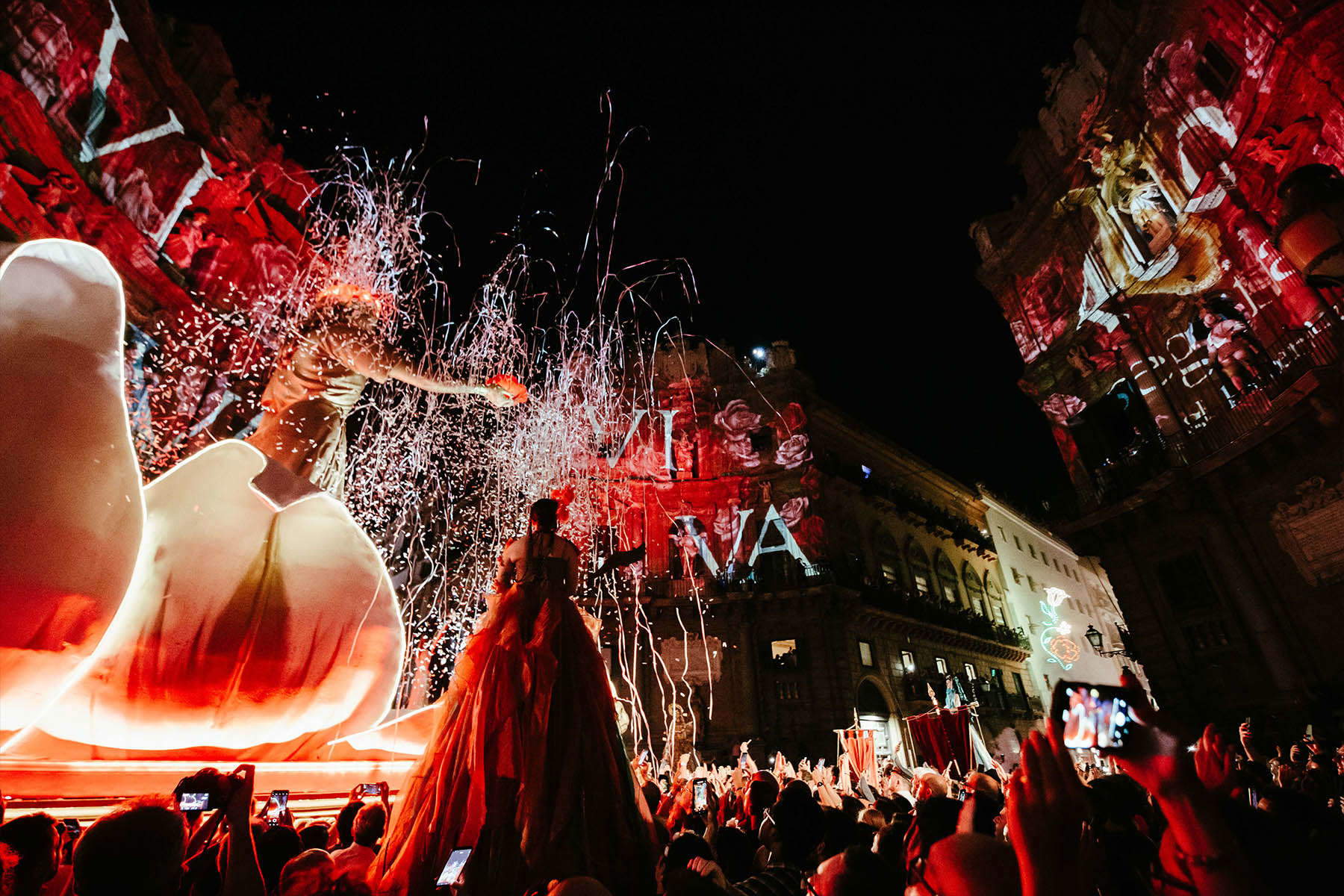
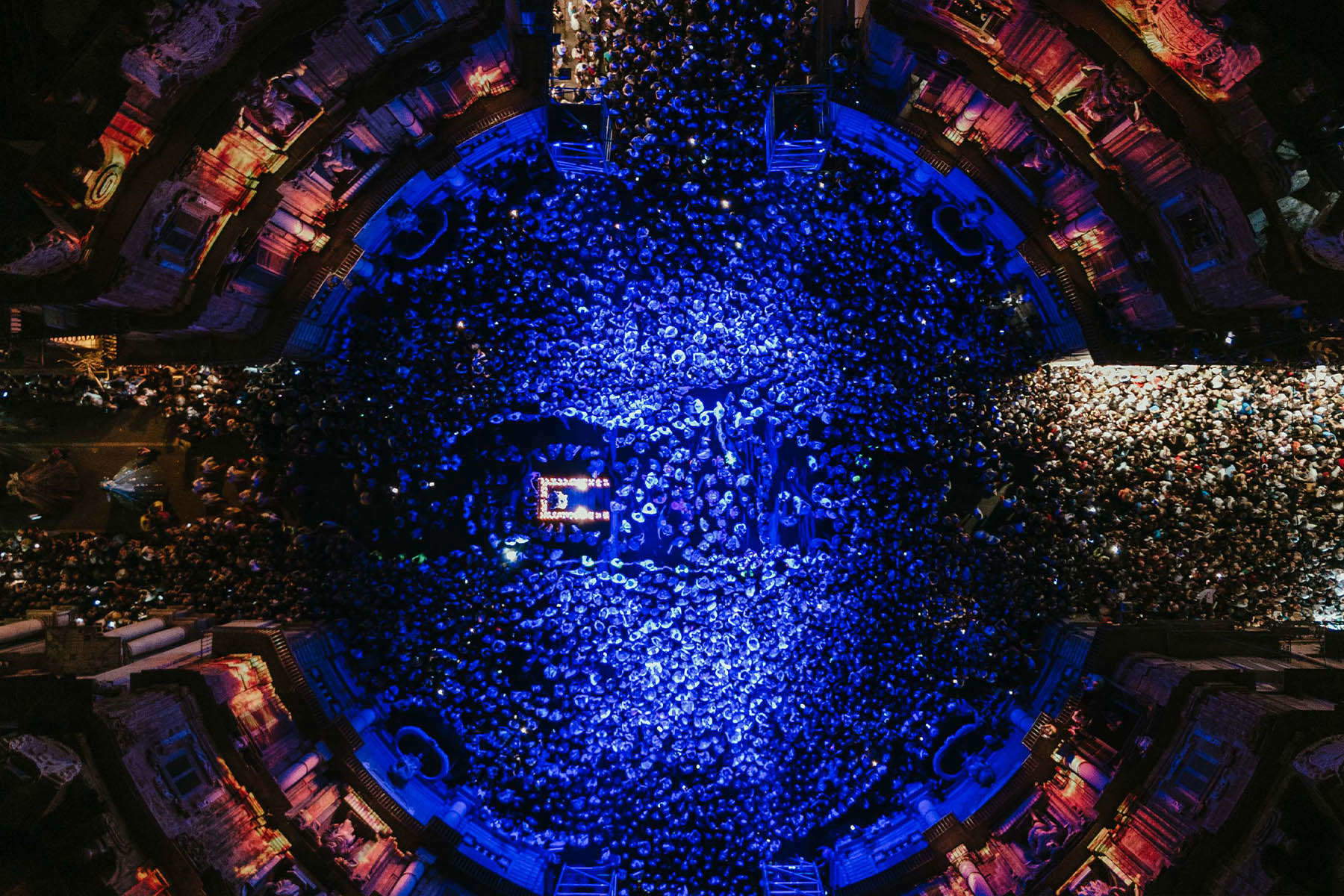
Many ofthe projects undertaken by Balich Wonder Studio take place in settings characterized by a strong historical and cultural identity, such as the Festino di Santa Rosalia in Palermo for its 400th anniversary, or productions staged in cities like Venice, in Puglia, on Lake Maggiore, or in Taormina—often linked to the worlds of fashion and luxury. How do you strike a balance between creating a spectacular experience, respecting the context, and highlighting the original significance of the locations involved?
I believe the starting point is recognizing that Italy possesses a cultural heritage that is unique in the world. It is precisely this extraordinary richness that makes it one of the most attractive destinations today for international luxury and fashion events. When a brand chooses a city like Venice, Taormina, or Agrigento, it isn’t simply choosing a location—it’s forging a connection with a history, an identity, and a community. That’s why every project must begin with respect for the place, not with the desire to transform it. The idea is to enhance these spaces, never to overshadow them. Every intervention must be guided by expertise, responsibility, and absolute respect for the context. In my experience, when this balance is achieved, the result is positive for everyone: the brand builds an authentic narrative, the region gains international visibility, and the cultural heritage benefits from new resources and new opportunities for promotion. Living today between Italy and France, I often observe different approaches. In France, there is a well-established tradition of collaboration between cultural institutions and private entities. I believe that in Italy, too, there is still great potential to be developed in this direction. Public resources alone can hardly sustain such a vast heritage. That’s why I think brands can be important partners, provided the relationship is based on clear rules, expertise, and mutual respect. The example of Dolce&Gabbana in the Valley of the Temples in Agrigento demonstrates how events of this kind can become opportunities to promote the region. For this reason, I believe that local governments also have a fundamental role to play: not only authorizing events but also supporting them with specialized expertise, fostering an ongoing dialogue with brands and with those who design these experiences. The real question, however, is always the same: what remains once the event is over? If it leaves behind only spectacular images, we’ve probably missed an opportunity. If, on the other hand, it helps strengthen a place’s cultural value and awareness, then that initiative continues to generate effects far beyond its duration.
In recent years, there has been much talk of placemaking (a collaborative approach to the design of public spaces) and of experiences capable of shaping spaces. From your perspective, when does a temporary intervention truly succeed in producing lasting value for a community, and when, on the other hand, does it risk being confined solely to the realm of the event?
I believe that an event does not necessarily have to leave a physical mark to have a lasting impact. It can be ephemeral in form but generate value over time if it builds relationships, fosters knowledge, or makes a concrete contribution to enhancing a place. Of course, there is also an immediate economic benefit: the resources generated by an event can contribute to the maintenance and preservation of heritage. But I believe that today, this alone is no longer sufficient. In the long term, there are more structured forms of collaboration between brands and local communities. The real evolution occurs when a brand chooses to build an ongoing relationship with a place, becoming an active part of it and assuming a role akin to that of a patron. A notable example is Bulgari in Rome, which represents a stable relationship with the city and its cultural fabric. I’m also thinking of initiatives like Bottega Veneta’s “Bottega for Bottegas” or the Oasi Zegna: projects that are very different from one another but united by a commitment to investing over time in a region, its skills, and its cultural heritage. I believe that local governments, too, can take on a more proactive role by developing expertise in engaging with brands and devising collaborations that go beyond the organization of a single event. Living in Paris, I often see this approach: many fashion houses support cultural institutions, artists, and long-term programs without necessarily turning every initiative into a public relations campaign. It’s an interesting model because it prioritizes the value of the relationship over that of immediate visibility. In recent years, the way people view brands has also changed. They no longer seek only products or spectacular experiences: they want to understand what contribution a brand makes to society, culture, and the communities with which it chooses to engage. That’s why I think brands have a new responsibility today. Not only to communicate through culture, but to make a tangible contribution to its growth. When this happens, the value generated endures long after the event has ended.
In your work, how important is historical research, and how important is the creation of an emotional narrative tailored to a contemporary audience?
For me, research and storytelling aren’t two separate processes: good storytelling always stems from rigorous research. This applies to brands just as much as it does to major ceremonies. I often like to draw a comparison with nations. In major ceremonies, our task is to convey, in just a few minutes, a country’s identity: its history, its symbols, its values—what makes it recognizable to the world. Something very similar happens with brands. When producing an Olympic opening ceremony, for instance, the challenge is to condense a nation’s identity, values, and distinctive elements into just a few minutes, presenting them to a global audience. I’ve learned that this work becomes even more fascinating when engaging with cultures different from one’s own. In those cases, you have to set aside all preconceptions and listen carefully. The experience in Brazil is a telling example: Marco Balich lived in the country alongside the creative team to gain a deep understanding of its culture, history, and symbols, and was then able to distill them into a performance of limited duration. It’s an approach I encounter every day, even when working with luxury fashion houses. Today, major brands are almost like nations: they have a recognizable language, a history, values, a community, and even a cultural geography. To tell their stories, you must first understand them deeply. That’s why research is essential. You have to enter their universe, understand their codes and their deepest meanings. Research, however, isn’t meant to construct a nostalgic narrative. It’s meant to understand which elements of the brand’s identity are still alive and how they can be translated into a contemporary language. Creativity serves precisely this purpose: to develop ideas and live experiences capable of speaking to different target audiences. Over the past decade, the brand experience has become a strategic lever. Today, an event is no longer designed solely for those in attendance, but also for everyone who will experience it through images, videos, and digital content. This profoundly changes the way we design. Consequently, our role is no longer just creative or production-oriented. It has become increasingly strategic, because every proposal has direct implications for the entire communication ecosystem that will develop around the event. This is another reason why, when we built the Paris team, we chose to pair highly experienced professionals with very young creatives. I deeply believe in intergenerational dialogue: it’s one of the best ways to avoid self-referentiality and continue to interpret the present. When a global brand like Cartier communicates, it must know precisely who it is speaking to. This, ultimately, is the challenge of our work: to respect a brand’s history without turning it into an exercise in nostalgia, but rather to make it relevant to the audiences of today and tomorrow.
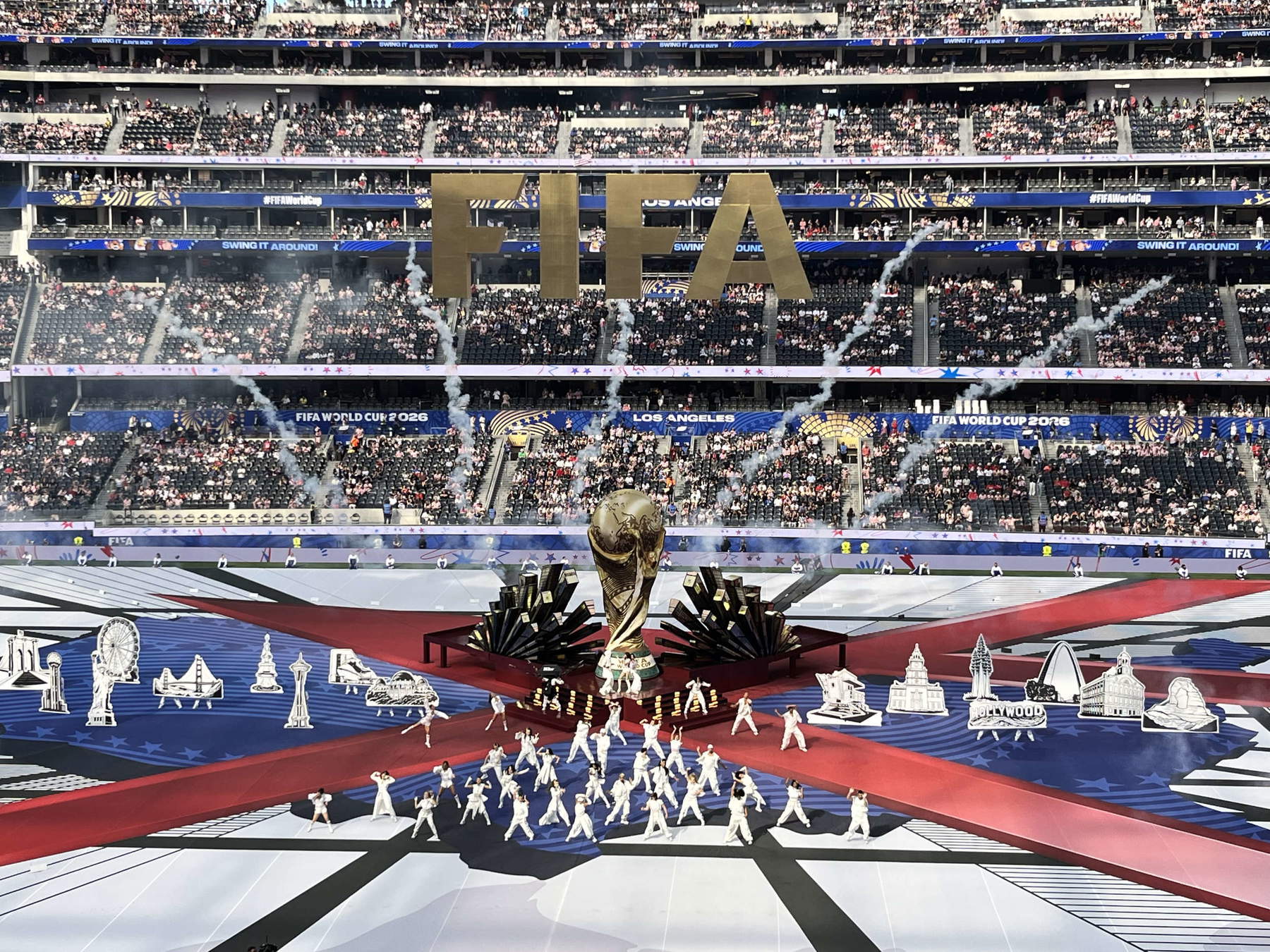
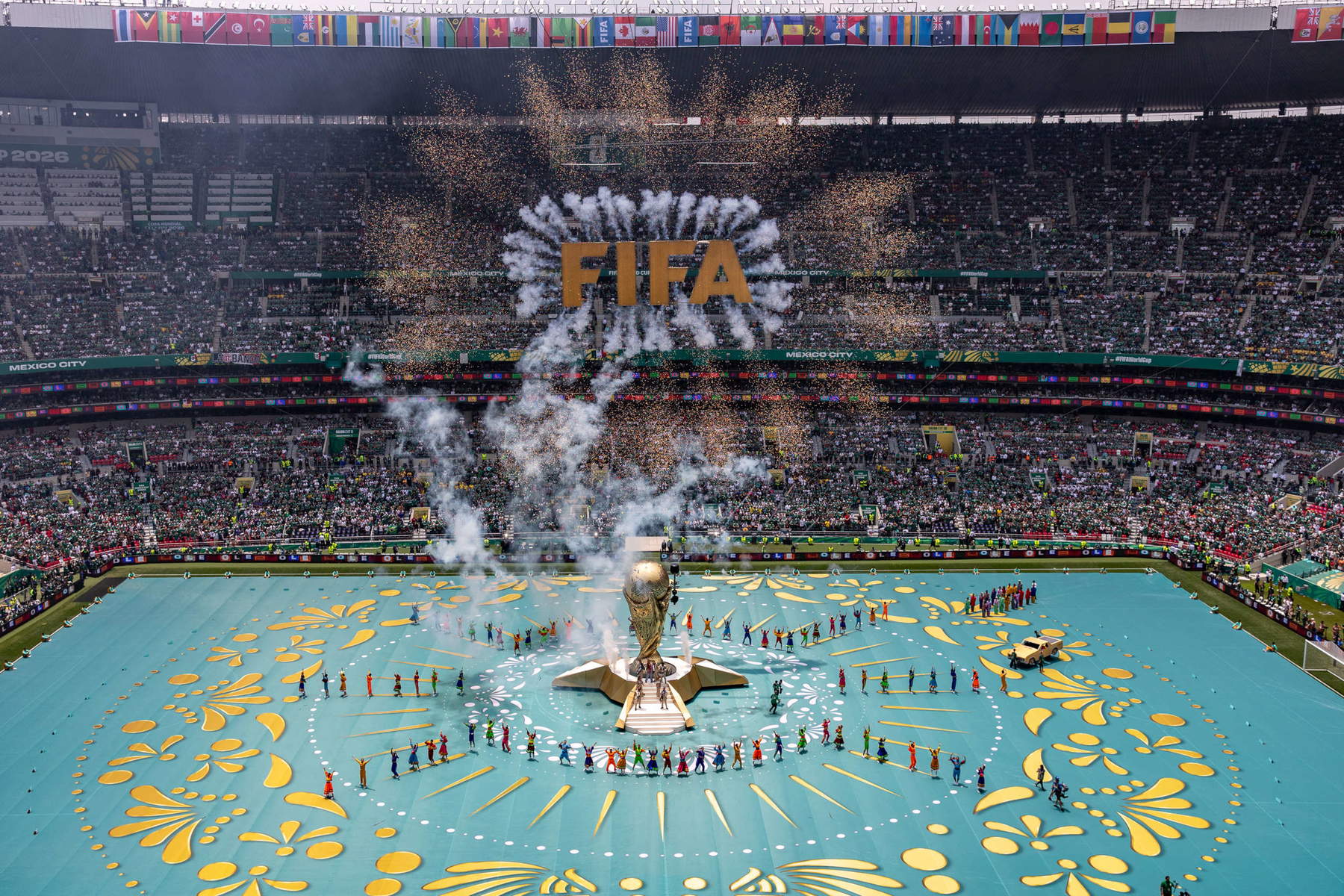
A sensitive issue also emerges in the public debate: the use of public spaces and assets for private events or those intended for a select audience. From the perspective of those who design these experiences, what limits do you believe should be set?
It is a legitimate question, and I believe it is important to address it without pitting public interest against private interest. The real issue is not whether an event is private, but how it is designed, what benefits it generates, and what relationship it builds with the venue that hosts it. First and foremost, every project must be reviewed and approved by the relevant authorities. Heritage authorities and commissions evaluate the installations, verify the compatibility of the interventions, and scrutinize in detail what will be carried out. This authorization system is essential because it ensures that cultural heritage is protected and that every intervention respects the constraints of the context. Of course, there is also the issue of the impact on how citizens and tourists experience these places. I believe we need to find a balance here. Events must not disrupt city life or significantly limit access to public spaces. At the same time, however, we must be aware that preserving such a vast cultural heritage requires substantial financial resources. If properly regulated, events can make a tangible contribution to supporting these efforts. Since I have deep ties to Venice, this is an issue that is particularly close to my heart. It is an extraordinary but extremely fragile city that requires continuous investment to be preserved.
Is there a risk that a brand’s communicative power will end up overshadowing the location that hosts it, turning the historical and artistic heritage into nothing more than a backdrop? How can we prevent this from happening?
The risk exists, and it’s important to acknowledge it. That’s why I believe a brand should never use a location as a mere backdrop. When a project is developed with sensitivity, cultural heritage doesn’t serve as a backdrop to the event—it becomes an integral part of it, helping to define its meaning. Of course, there are essential regulatory mechanisms—such as the work of heritage authorities and local governments—that ensure respect for these sites. But beyond regulatory considerations, I believe the real difference lies in the cultural approach with which a project is conceived. If we look at the history of art, the dialogue between creativity and patrons has always existed. Today, brands can embrace this legacy, but with a new responsibility: not merely to fund culture, but to contribute to the growth of a cultural ecosystem. It was also from this reflection that Bespoke Encounters was born, a project we launched in Paris. When I moved there, I realized that, even though we worked with creatives and artists every day, we still knew very little about the local art scene. Together with our team and a young Parisian curator, we decided to create a space for artists, designers, curators, clients, and professionals in our industry to meet and exchange ideas. The goal was to foster authentic conversations. Over time, we realized there was a genuine need on both sides: brands are increasingly seeking new forms of expression and partners capable of offering different perspectives, while many artists are looking for concrete opportunities to engage with organizations that can support their creative exploration without compromising its integrity. It was surprising to see just how much interest there was in this kind of exchange. On the one hand, brands want to step outside the most predictable circles and discover new talent; on the other, artists see the opportunity to build collaborations based on mutual respect and a shared vision. When this happens, the result is much richer. I’m thinking, for example, of the collaboration with Wayne McGregor on a Bulgari project at the Ancient Theater of Taormina. It wasn’t simply a matter of bringing in a prestigious name, but rather of entrusting the choreography to an artist whose vision could engage with the venue, the brand, and the narrative of the event. It is this kind of synergy that makes a project truly significant. I believe the future increasingly depends on relationships of this kind. Brands have the opportunity to support artists, institutions, and cultural initiatives on an ongoing basis, while the world of culture can offer brands new languages, new sensibilities, and new perspectives. Ultimately, the question isn’t whether brands should engage with culture, but how they can do so. In my view, the most interesting collaborations will be those capable of generating value for both parties and leaving a lasting legacy even after the event has ended.
The relationship between cultural heritage and private investment is often at the center of public debate. Some fear that the growing presence of brands in cultural venues could alter the public and shared nature of these spaces. Do you understand this concern? And how would you respond to those who fear that the return on image for brands will end up being disproportionate to the public benefit?
I understand this concern and believe it is valid. When discussing cultural heritage, it is natural to question the balance between the public interest and private investment. Rather than pitting these two worlds against each other, however, I believe it is important to develop tools that allow them to engage in a transparent and informed dialogue. In my view, public administrations should invest more and more in specialized expertise. Today, managing relationships with major brands requires professionals who understand cultural heritage, as well as the dynamics of communication, business, and cultural programming. The quality of these collaborations depends heavily on the expertise of those who oversee them. People often tend to assume that the art world is, by definition, more virtuous than the world of brands. In my experience, this is not always the case. I recall a conversation with a highly talented young artist who creates large-scale installations using expensive materials. I asked her how she managed to financially sustain her work and cover all the necessary expenses. Her answer struck me because it made me realize just how difficult it still is today to build a sustainable artistic career. High production costs, limited access to galleries, and difficulties in finding partners willing to invest in artistic research are very real challenges. That’s why I believe brands can be an important resource, provided the relationship is built on clear rules and shared goals. This is precisely where institutions can make a difference: by creating structures and expertise dedicated to facilitating this dialogue and ensuring that the benefits generated are truly shared. An interesting example is Milan’s Fuorisalone. I remember the early years as a time of great experimentation, when young designers could present their work and engage directly with companies and the public. Today, it has become an extraordinary international event. Precisely for this reason, I believe it is important to preserve its original spirit, ensuring that the economic clout of major brands does not end up reducing the space dedicated to experimentation and emerging talent. It is a delicate balance that requires constant attention. I’ve often reflected on these issues, including in discussions with Vincenzo De Bellis, curator of Art Basel. Ultimately, the question is always the same: how can major cultural events grow, attract investment, and become increasingly international without losing their identity? I believe this is one of the great challenges of the coming years. We shouldn’t have to choose between culture and business, but rather build models in which both contribute to generating value. When the cultural project remains at the center, even private investment can become a tool for growth. It is that balance—rather than the dichotomy—that we must continue to seek.
From your perspective, how do you envision the future relationship between the luxury industry, the entertainment sector, and cultural heritage? Do you believe it will be necessary to establish new rules and criteria to reconcile economic development, accessibility, and the common good?
I believe the relationship between the luxury industry, the entertainment industry, and cultural heritage is destined to become even closer. Not because this is a new phenomenon, but because today culture and creativity have become an integral part of the identity of major brands. Fashion has always been a form of creativity and, in some respects, a form of art applied to the contemporary world. Of course, there is a very strong commercial dimension, because the final product is sold, and many major brands today are publicly traded companies, subject to the same growth imperatives and financial pressures that characterize large international corporations. That’s why I consider it natural for them to continue collaborating with artists, performers, filmmakers, musicians, and cultural institutions. It’s a dialogue that’s part of their history and one that, I believe, will continue to grow stronger. When it comes to new rules, however, we need to distinguish between different levels. I don’t think the main challenge is introducing new formal rules, but rather fostering greater awareness among all the stakeholders involved. In this case, oversight comes from public opinion. Compared to the past, social media has profoundly changed the relationship between brands and their audiences. Collaborations perceived as opportunistic, campaigns considered disrespectful toward artists, or decisions deemed inconsistent with a brand’s stated values can generate immediate and widespread reactions. This makes brands far more accountable than in the past: authenticity, consistency, and respect for the context are essential conditions for building credible relationships with the public. From this perspective, certain Asian markets serve as a testing ground for luxury brands. These are extremely discerning, sophisticated markets that are sensitive to issues related to authenticity, the quality of cultural collaborations, and consistency between stated values and actual behavior. Working in these contexts means anticipating sensitivities that will, in all likelihood, become increasingly central in Europe as well. When, on the other hand, the dialogue involves public heritage and cultural institutions, the issue returns to what we addressed earlier: clear rules, adequate expertise, and a capacity for mediation are needed to build virtuous collaborations without losing sight of the common interest and the protection of cultural heritage. If I were to imagine the future, I’d like to see more and more projects capable of leaving a tangible legacy: not high-profile events, but collaborations that contribute to the growth of local areas, cultural institutions, and creative communities. This, in my view, is the most interesting direction in which our sector can evolve.


The author of this article: Noemi Capoccia
Originaria di Lecce, classe 1995, ha conseguito la laurea presso l'Accademia di Belle Arti di Carrara nel 2021. Le sue passioni sono l'arte antica e l'archeologia. Dal 2024 lavora in Finestre sull'Arte.Warning: the translation into English of the original Italian article was created using automatic tools. We undertake to review all articles, but we do not guarantee the total absence of inaccuracies in the translation due to the program. You can find the original by clicking on the ITA button. If you find any mistake,please contact us.




























 IT
IT FR
FR DE
DE ES
ES CN
CN


