



by Noemi Capoccia 23/10/2026


Categories: Interviews / Disclaimer
In a workshop in Carrara, sculptor Mariaelena Mariotti—also known as the “Mother of the Dinosaurs”—creates dinosaurs so lifelike they seem to come to life, yet they also challenge our notions of ferocity. It’s a journey where sculpture, anatomical study, and a sensitivity toward the animal world come together. And in her hometown, she dreams of a natural history museum. An interview by Noemi Capoccia.


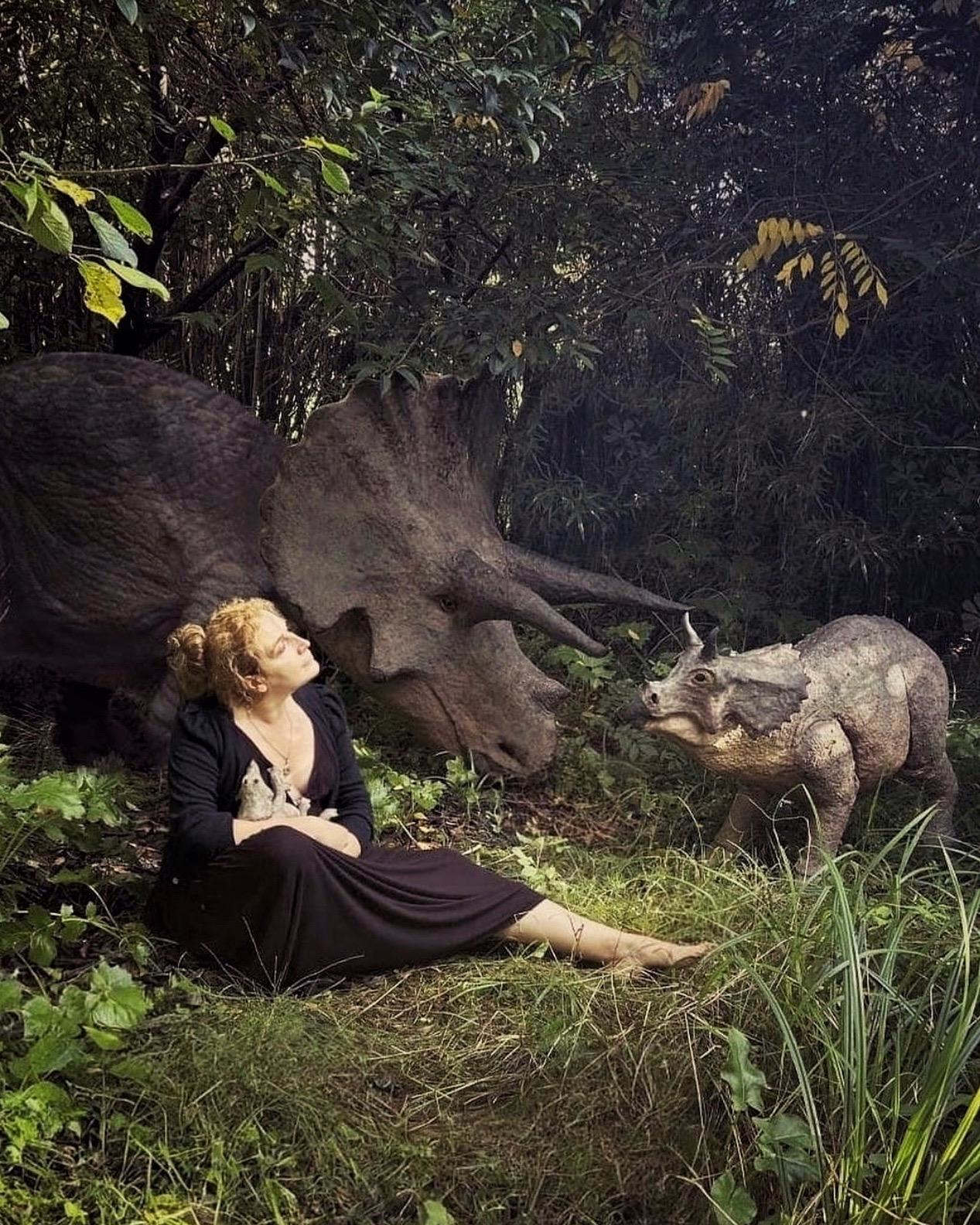
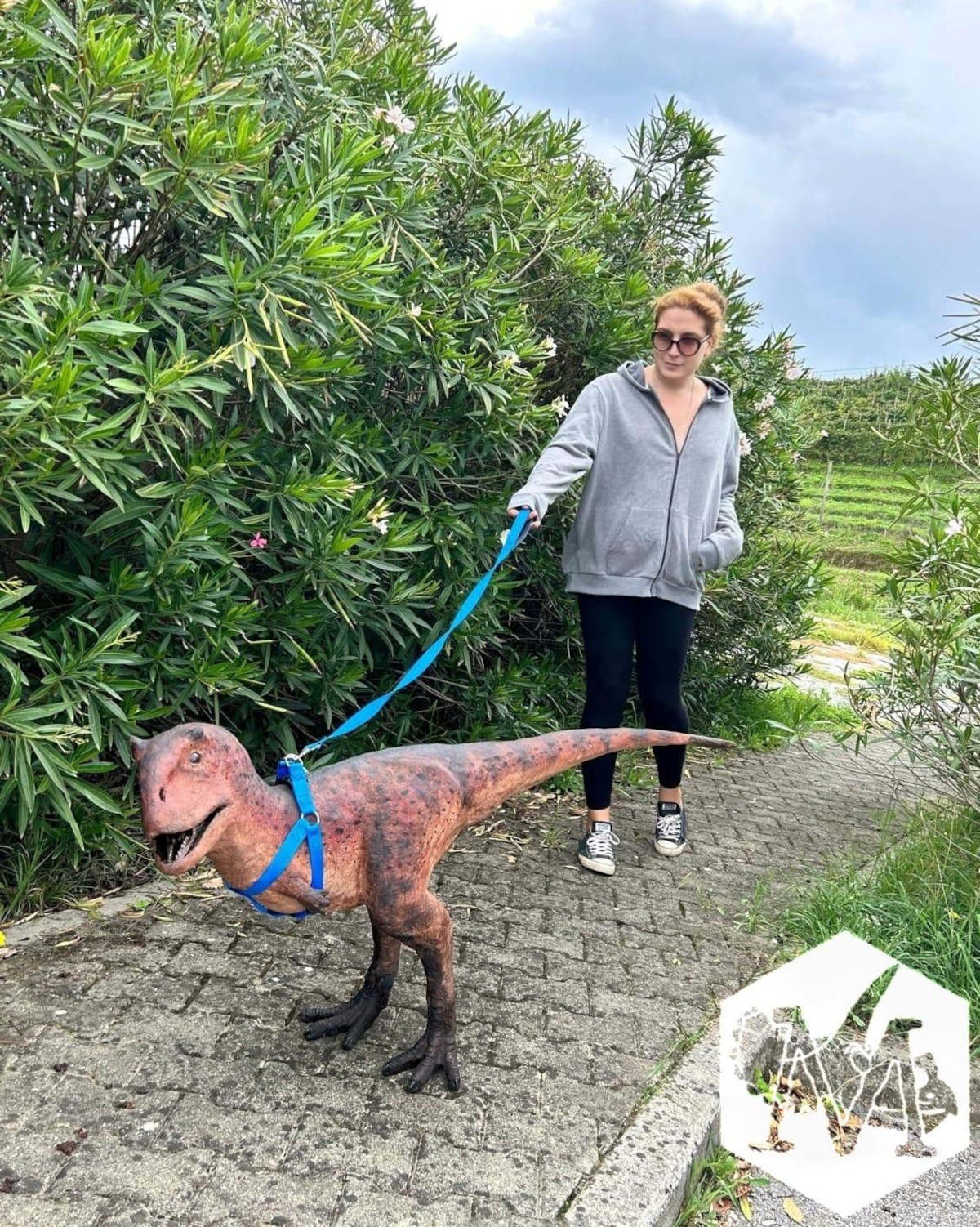
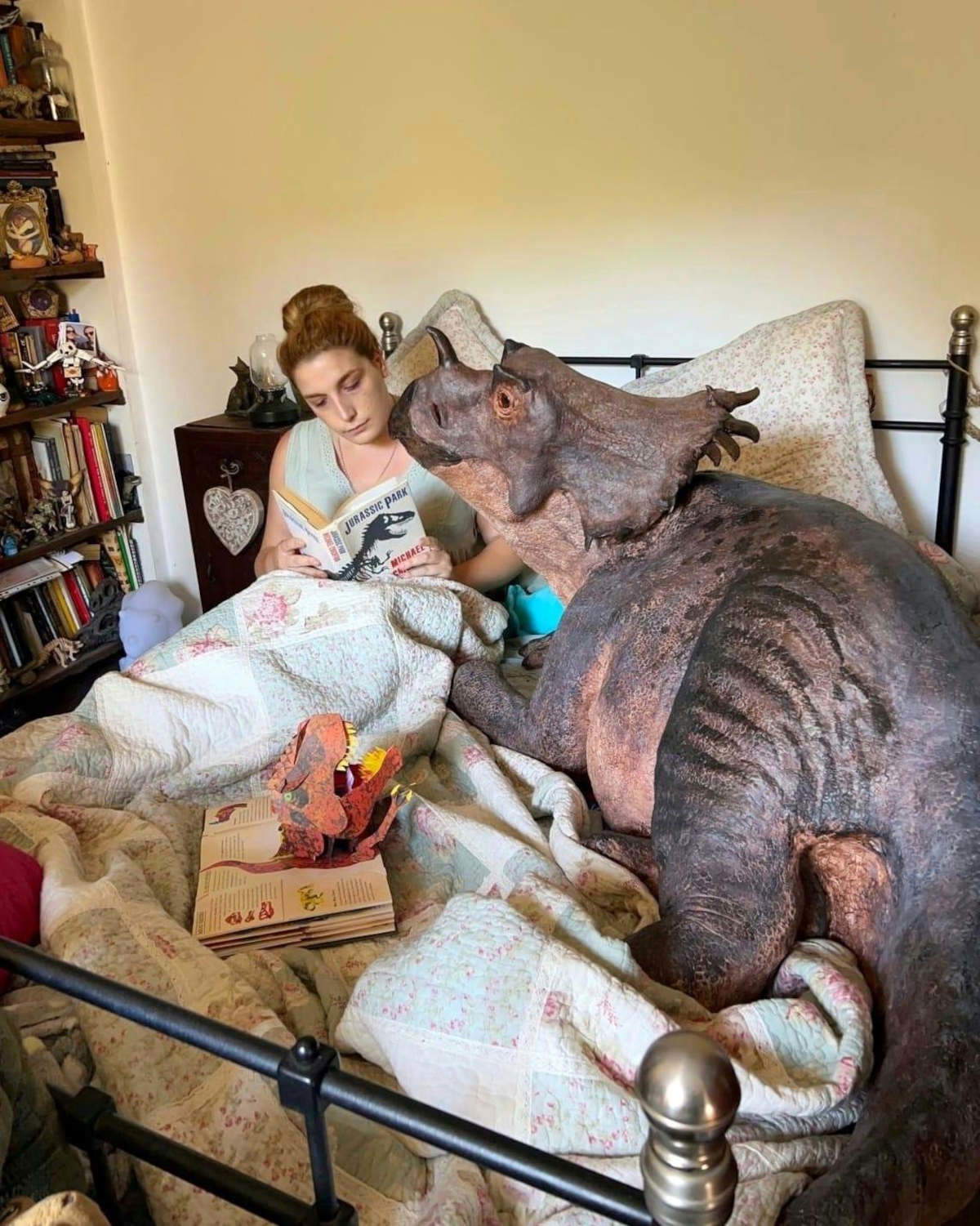
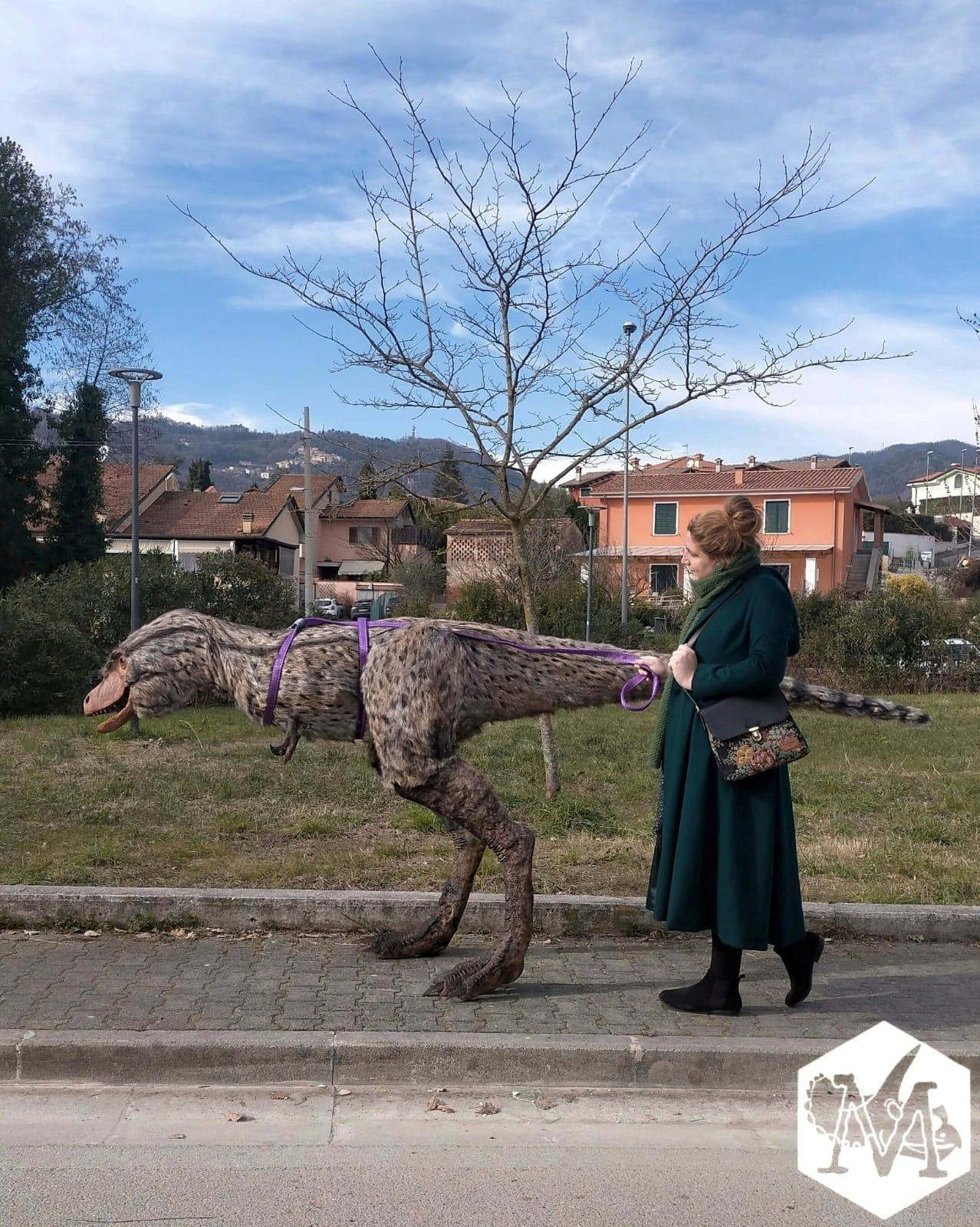
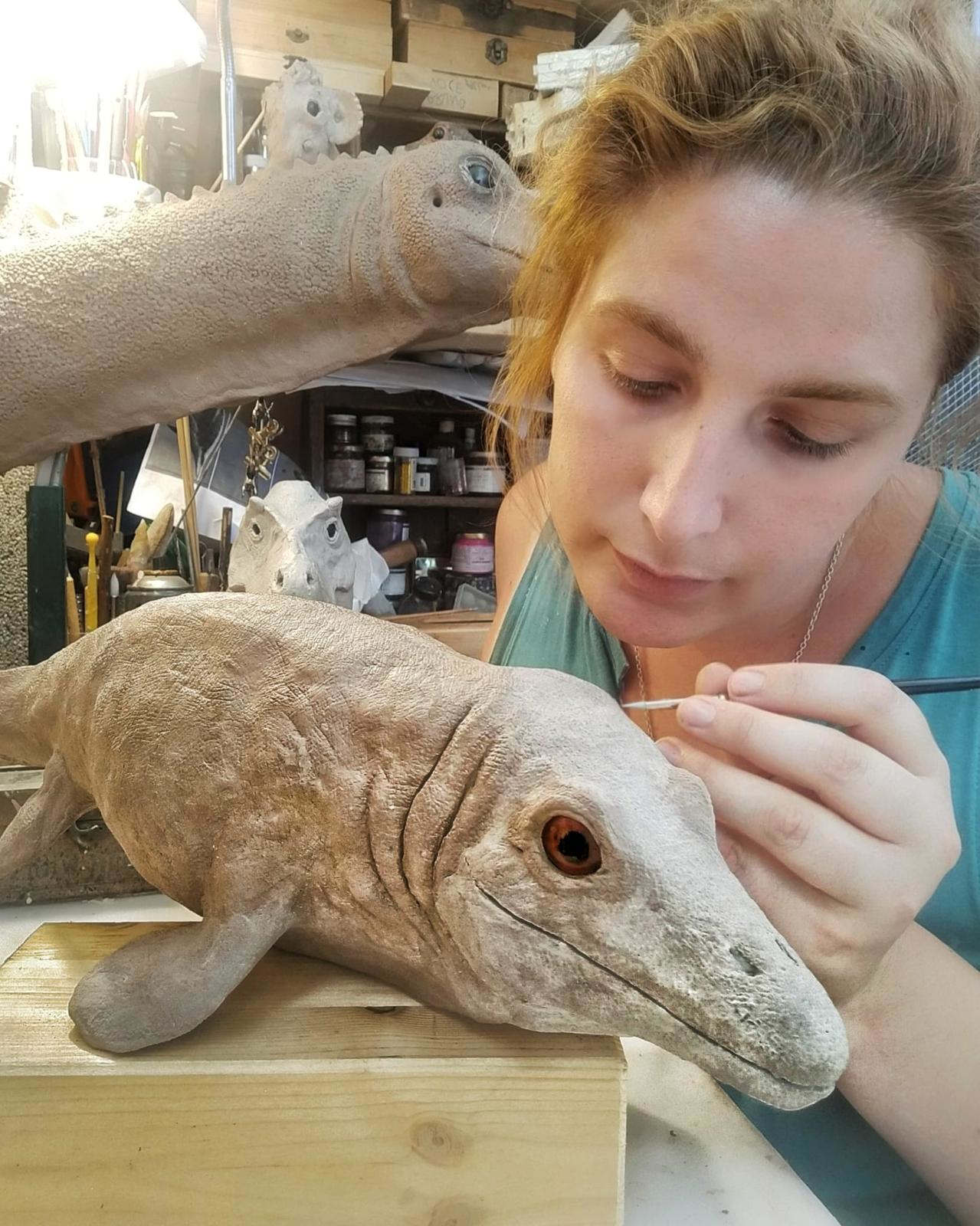
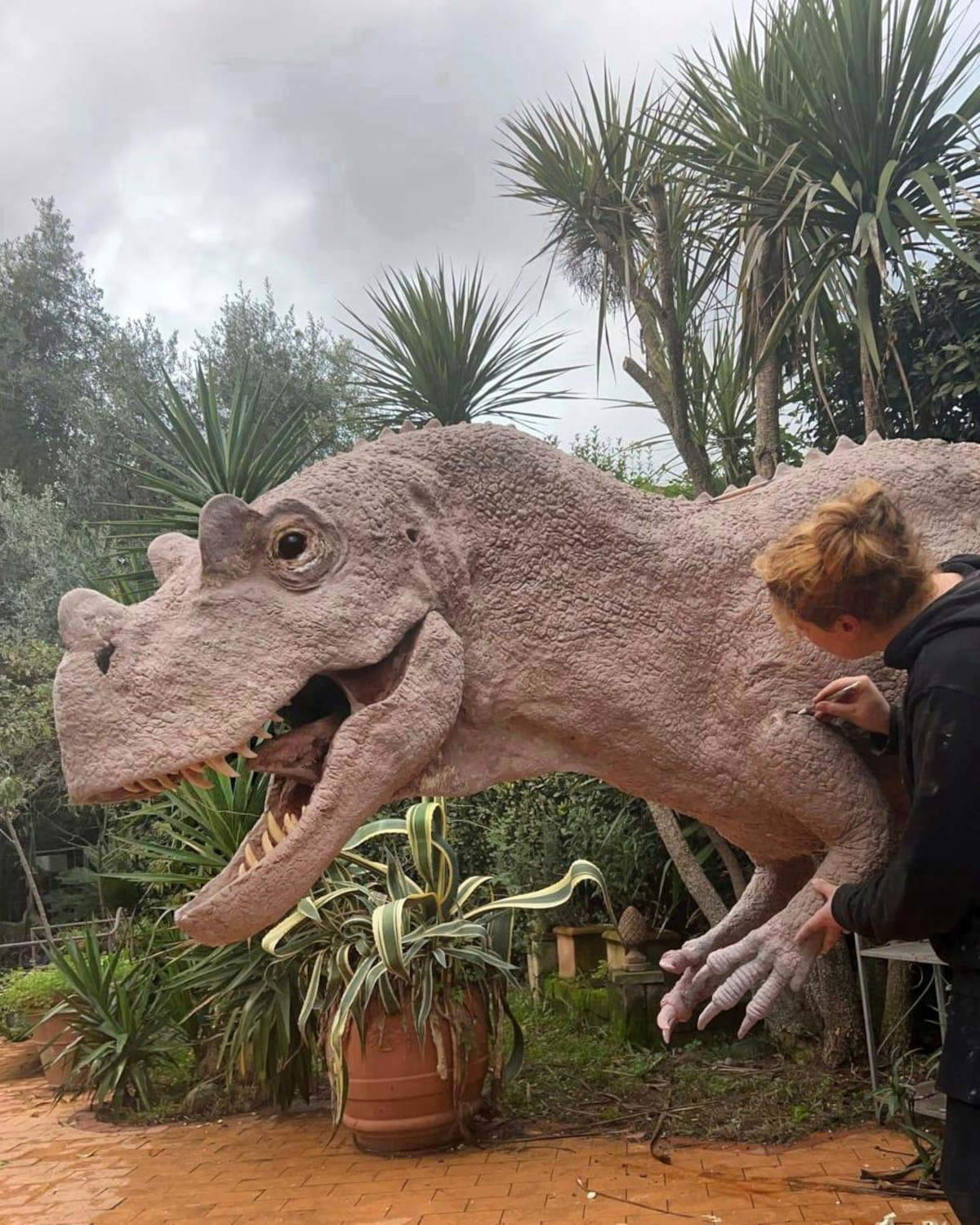
Born and raised in Carrara, Mariaelena Mariotti—known by her artist name, Mother of the Dinosaurs—is enjoying increasing success with her realistic dinosaurs, incredible sculptures that take shape in her studio in the Apuan Alps and are then shipped to every corner of the world. She began sculpting dinosaurs even before she knew that this passion would become the focus of her artistic exploration. From Play-Doh in preschool to clay in art high school, all the way to the large-scale sculptures she created during her years at the Academy of Fine Arts in Carrara, his relationship with these creatures has remained a constant, gradually transforming from child’s play into a language capable of blending sculpture, anatomy, paleontology, and a deep appreciation for the animal world. His career also took him into the world of film, where he worked for two years as an assistant costume designer in Turin, before returning to Carrara and meeting the sculptor Franco Mauro Franchi, then a professor at the Academy. It was there that Mariotti found the opportunity to tackle large-scale projects: thus was born the first life-size Velociraptor, followed by a thirteen-meter Tyrannosaurus rex, made of recycled wax and papier-mâché, curled up under a blanket with a moving belly to simulate breathing.

Over time, his research has become increasingly rigorous: from clay to bronze, from resin to polyurethane and recycled materials, Mariotti has developed various techniques for crafting monumental creatures, studying their anatomy and comparing them with actual fossils and scans. Behind the name “Mother of the Dinosaurs” lies a body of work that begins with a sense of wonder at prehistoric life and leads to questions about our place on the planet. This exploration now also looks to the future, with the dream of creating a museum right here in Carrara dedicated to geology, natural history, and paleontology—a place where sculptures, artifacts, and educational activities can help the public gain a new appreciation for the depth of time and the fragility of ecosystems. Mariaelena Mariotti tells us all about it in this interview with Noemi Capoccia.


NC. When did your relationship with dinosaurs begin? Was there a specific moment when this childhood passion turned into an artistic calling?
MM. I was lucky—at least from my perspective—to be born in the very year *Jurassic Park* came out. I grew up right in the middle of the dinosaur boom, but my passion for these creatures began even before I could really put a name to it. I have very vivid memories dating back to preschool, and ever since I was little, I’ve been passionate about dinosaurs. Back then, I watched*Jurassic Park* constantly, but especially the documentaries by Piero Angela—which I’d been given as gifts and which were fundamental to my upbringing. Even today, I think it was the “making of” feature for *Jurassic Park* —more than the movie itself—that influenced me the most: seeing how the dinosaurs were designed and created, starting with modeling clay and ending up as extremely realistic creatures, fascinated me deeply. My family has always supported my passion, providing me with materials I could use to build, sculpt, and draw. Play-Doh, LEGO, and anything else that allowed me to work with my hands were a constant presence throughout my childhood and, in a way, foreshadowed what I would go on to do. It’s a passion that has never truly waned. Even today, modeling clay is one of the materials I use most often. There’s also a nostalgic aspect to it: its smell, just like that of crayons and school supplies, immediately takes me back to my childhood. Dinosaurs, therefore, also represent an element deeply connected to my upbringing and my way of working. In recent years, however, something happened that held special significance for me: I got in touch with some of the people who worked on creating the dinosaurs for *Jurassic Park*. A member of the team from the first two films who worked on robotics—and specifically on the Dilophosaurus—contacted me to get to know me and to compliment my work. Later, I also got in touch with the sculptor who had created the Dilophosaurus model: for me, it was an important encounter, because those people belong exactly to the world I had observed as a child in the documentaries about the making of the film. Today, I’m also thinking about a photography project that captures some of their working methods and poses, as a tribute to that phase of my formative years. When I created the bronze Velociraptor in 2017, I also told Stan Winston’s son (the film’s special effects artist) just how important his father’s work had been to me. This is precisely the thread that links my childhood to the research I’m pursuing today: not so much the dinosaur as a subject, but rather my interest in the process through which an image takes shape and becomes tangible. My collection of models, which has grown quite extensive over the years, is also tied to this story. I own thousands of them, some on display and others stored and cataloged. These are objects that belong to different eras in the history of *Jurassic Park*, and I continue to seek them out and study them. Ultimately, that collection is the clearest trace of a passion born in childhood that, rather than fading away, has gradually become an integral part of my artistic journey.
You were born and live in Carrara, a city deeply connected to sculpture. How much has the local area influenced your development and your approach to the material?
I love Carrara very much, and I think it’s a city that’s often underestimated, especially when viewed superficially. For me, it has always been a treasure trove, a place where I continue to discover new things. As a child, I was particularly struck by the large blocks of marble being hauled away by trucks: that feeling of standing before something vastly larger than myself has stayed with me, and I believe it has shaped my relationship with the material and with the scale of sculpture. My artistic journey hasn’t always been easy: in school, I experienced moments of isolation because of my passions, to the point where I temporarily set aside my dinosaur collection in an attempt to fit in. It was a brief phase, because I realized it made no sense to give up what defined me. The Academy of Fine Arts in Carrara, on the other hand, was decisive, especially from a technical standpoint. There, Franco Mauro Franchi, after seeing my portfolio, suggested that I create a life-size sculpture. That’s how my first Velociraptor came to be, which allowed me to experiment with clay, armatures, molds, and casting. The following year, I created a T-Rex, still heavily influenced by the imagery of *Jurassic Park*. Today my approach is different: scientific accuracy has become fundamental, and I’m working on new sculptures through a much more rigorous study of anatomy and fossil evidence. Even at the Academy, I experienced moments of isolation and prejudice, linked above all to the idea that I had received special treatment or help from the professors. It was a difficult experience, but it taught me not to let myself be influenced by the judgment of others and to continue forging my own path independently.
How does one of your sculptures come to be, from the initial idea to the final form? What materials do you use, and how long does it take to create a creature of this size?
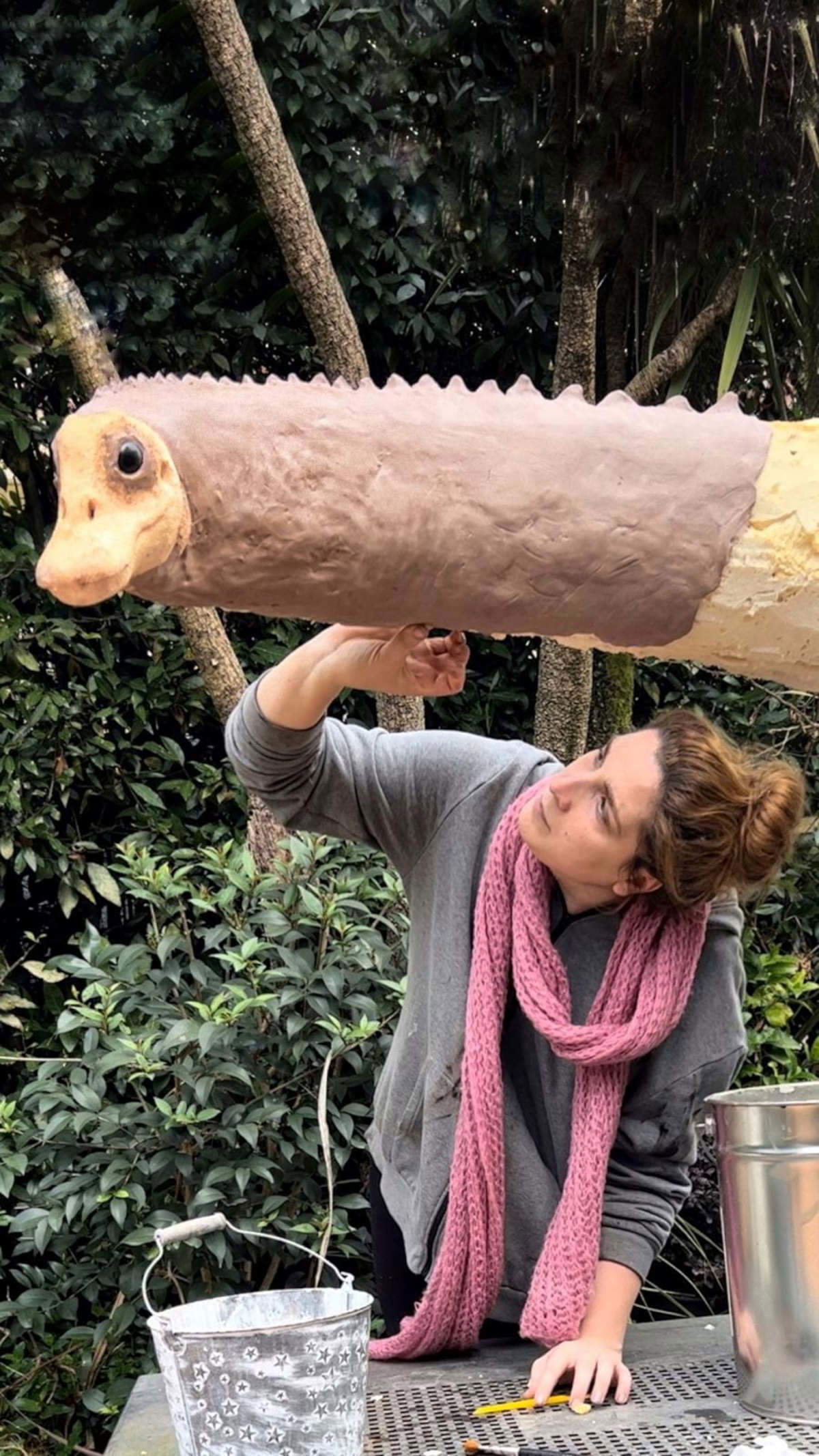
The materials have changed significantly over time, reflecting the evolution of my needs. At first, I worked mainly with clay and plaster; later, I switched to resin and bronze. The T-Rex, for example, was made with an iron frame, papier-mâché, and wax. For a while, I also worked exclusively with wax, especially for smaller sculptures. Later, after an exhibition where a large sculpture was damaged during transport, I began to think more carefully about the issue of weight and the need to use lighter materials. That’s how I discovered polyurethane, which became one of the main materials in my work for several years. The large sculptures were made with internal iron frames, carved polyurethane, and two-component resins, which I then shaped using utility knives, gouges, and rasps. For some pieces, I also use synthetic fur, which I paint afterward, while the smaller sculptures are created through assemblages and layers of resin. Starting this year, I’ve adopted a different technique that allows me to work faster and without resorting to welding. I create wooden templates already sized to fit the structure they are meant to support, add the iron by securing it and coating it with resin where necessary, and then build up the volume using polyurethane foam and recycled materials, such as polystyrene from packaging. The shape is finally refined by hand, as before, and coated with resin. It’s a faster, lighter, and more easily transportable technique, but it allows me to maintain the same level of control over the sculpture’s anatomical details.
How has your approach to your work changed since you began working with large-scale sculpture?
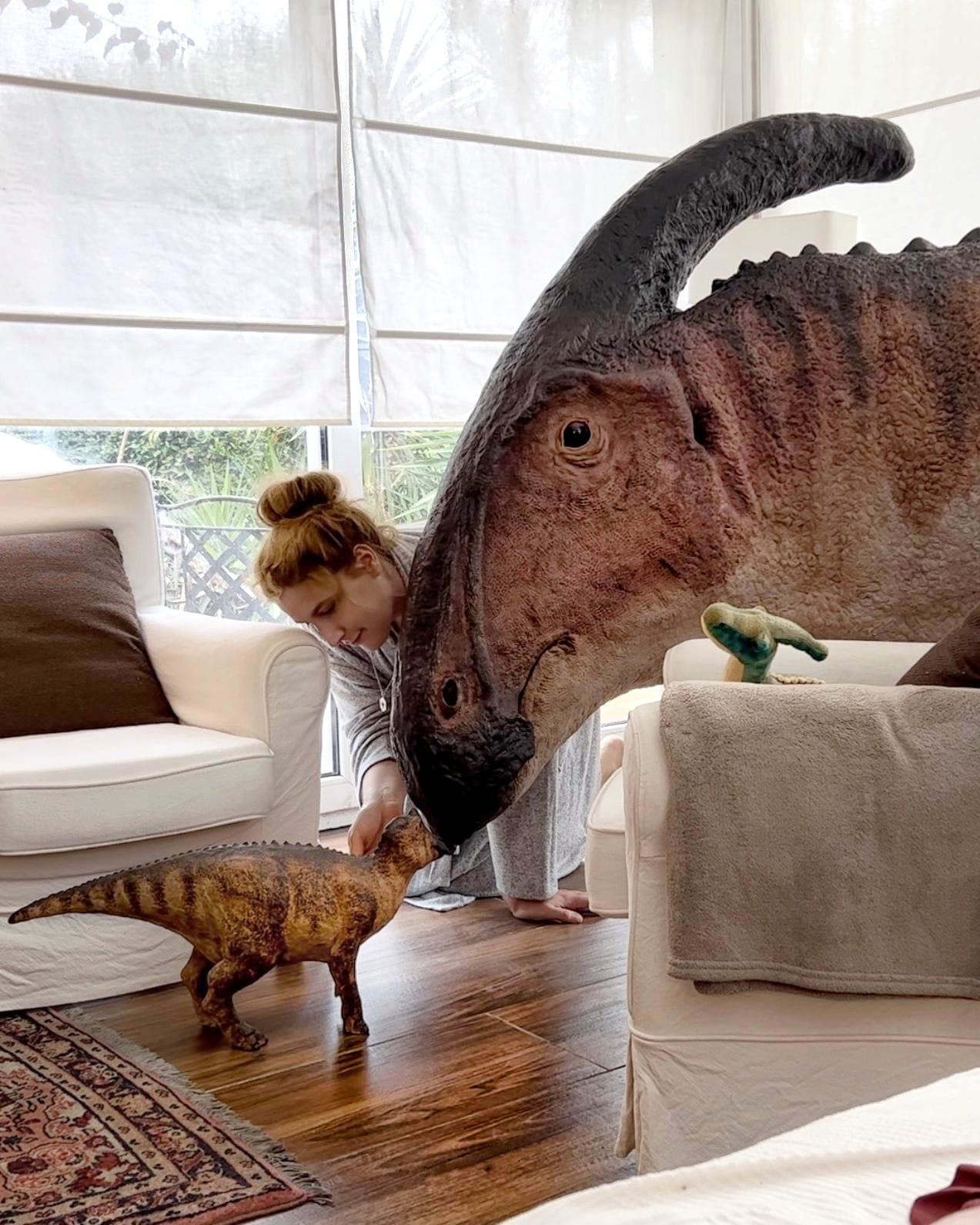
The greatest satisfaction doesn’t necessarily depend on the size of the sculpture. Sometimes even a small subject can take on a surprising vitality: when an eye really seems to be looking at you, or when the light and warmth of the sun momentarily give the impression that you’re looking at something alive—it’s a feeling that’s hard to explain. Large-scale works, on the other hand, evoke a different kind of emotion. They convey the magnificence of the animal and, in a way, make us feel our own insignificance compared to the life around us. It’s a sense of humility that I believe should be part of anyone interested in biology, zoology, or paleontology. When you begin to grapple with time scales of hundreds of millions of years, in fact, your perception of our own history also changes. Discovering that sharks have existed since before trees, or understanding the temporal distance separating animals like the Stegosaurus and the Tyrannosaurus, inevitably puts our presence on the planet into perspective. This is one of the aspects I try to convey through the realism of my sculptures. Of course, we can’t know exactly what an extinct animal looked like, but when I reconstruct an anatomy based on actual fossils and scans and then see sunlight fall on that form, I feel something special—it’s as if, for a moment, that creature were illuminated once again after millions of years. It’s one of the most fascinating parts of my work.
Your dinosaurs almost seem like creatures capable of telling us something about the present. What meaning do you want to convey through your works? Why have they, in particular, become your artistic language?
One of my dreams is to open a museum that combines paleontology with my artwork, with spaces dedicated to hands-on workshops as well. Above all, I’d like it to be a place of education, capable of fostering greater awareness of our relationship with the planet. I’d especially like to teach children to grapple with the concept of geological time and the history of life on Earth. Dinosaurs can be an accessible way to introduce them to these topics, but the goal would be to help them understand something much bigger: just how recent we are in the context of the planet’s history, and how fragile the balance of ecosystems truly is. I believe we often have a very anthropocentric view of the world, as if the planet, its animals, and its resources were simply at our disposal. Confronting hundreds of millions of years of evolution, on the other hand, helps put our presence into perspective and understand that we are only a part—and a very recent one at that—of an immensely longer history. That’s why I see the museum almost as a place to help people better understand where they are and when they are. It’s an awareness I consider fundamental and one that, in my opinion, should be given more attention in school education as well. Dinosaurs are a fundamental part of the planet’s history, and I find it telling that they’re often given so little attention.
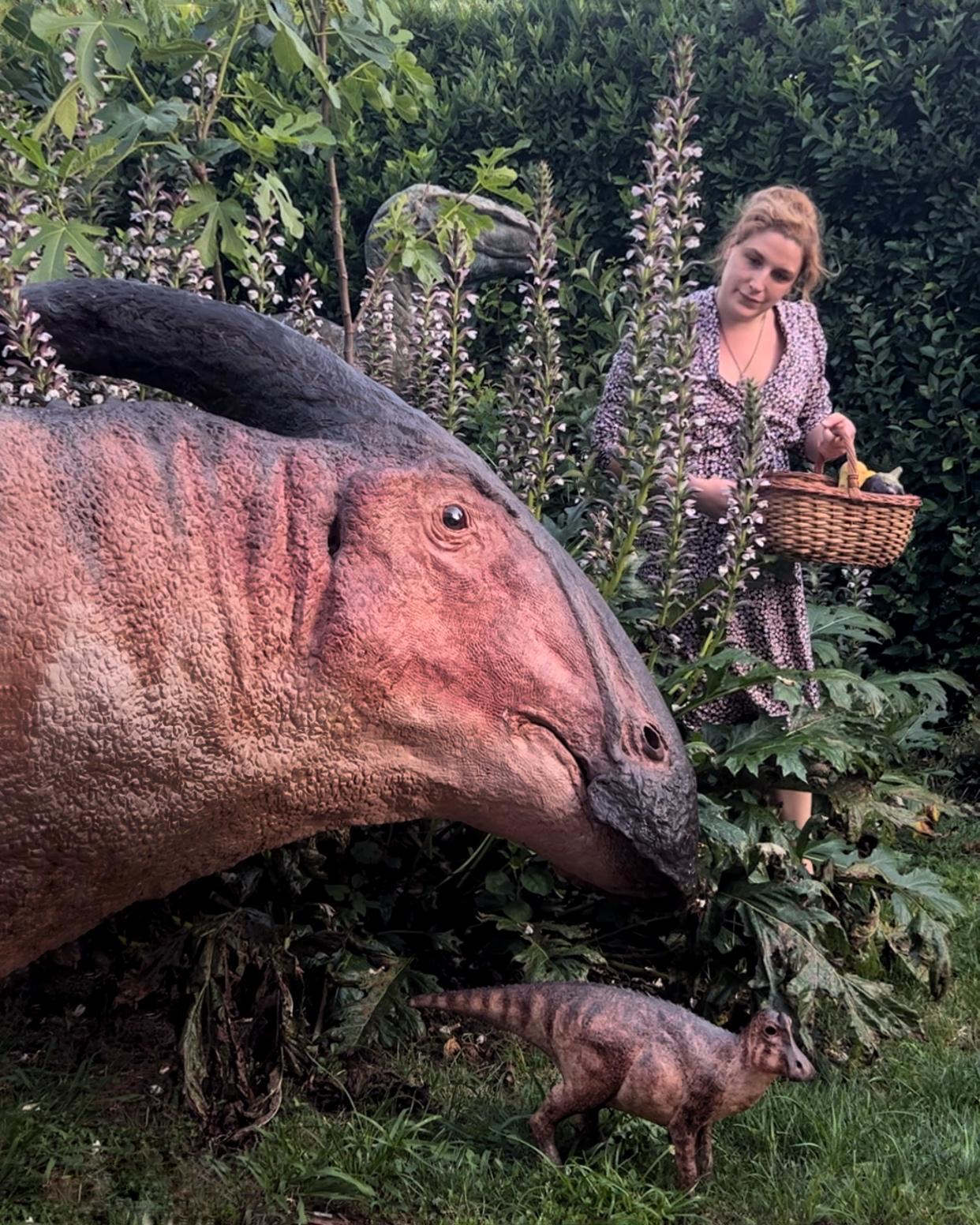
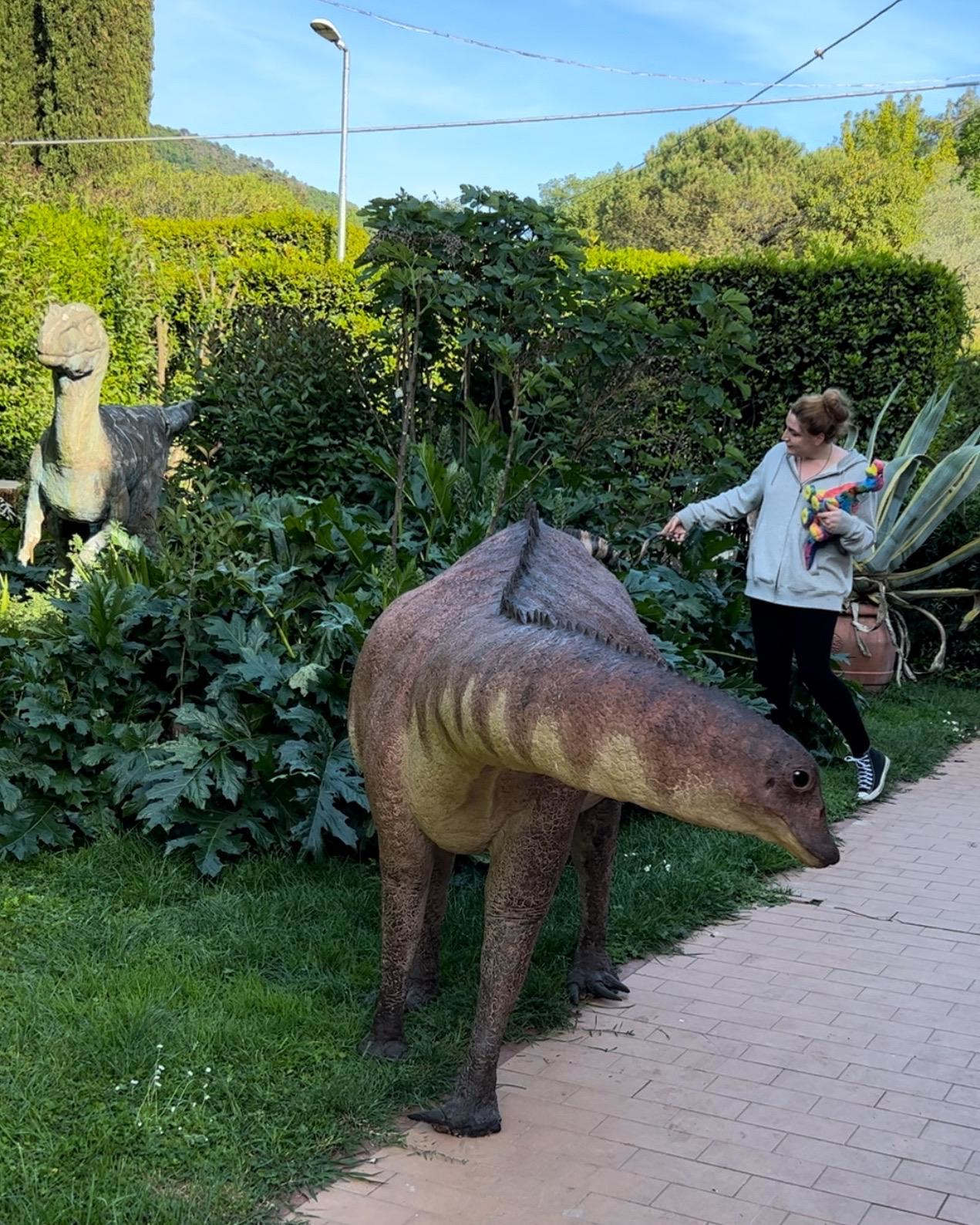
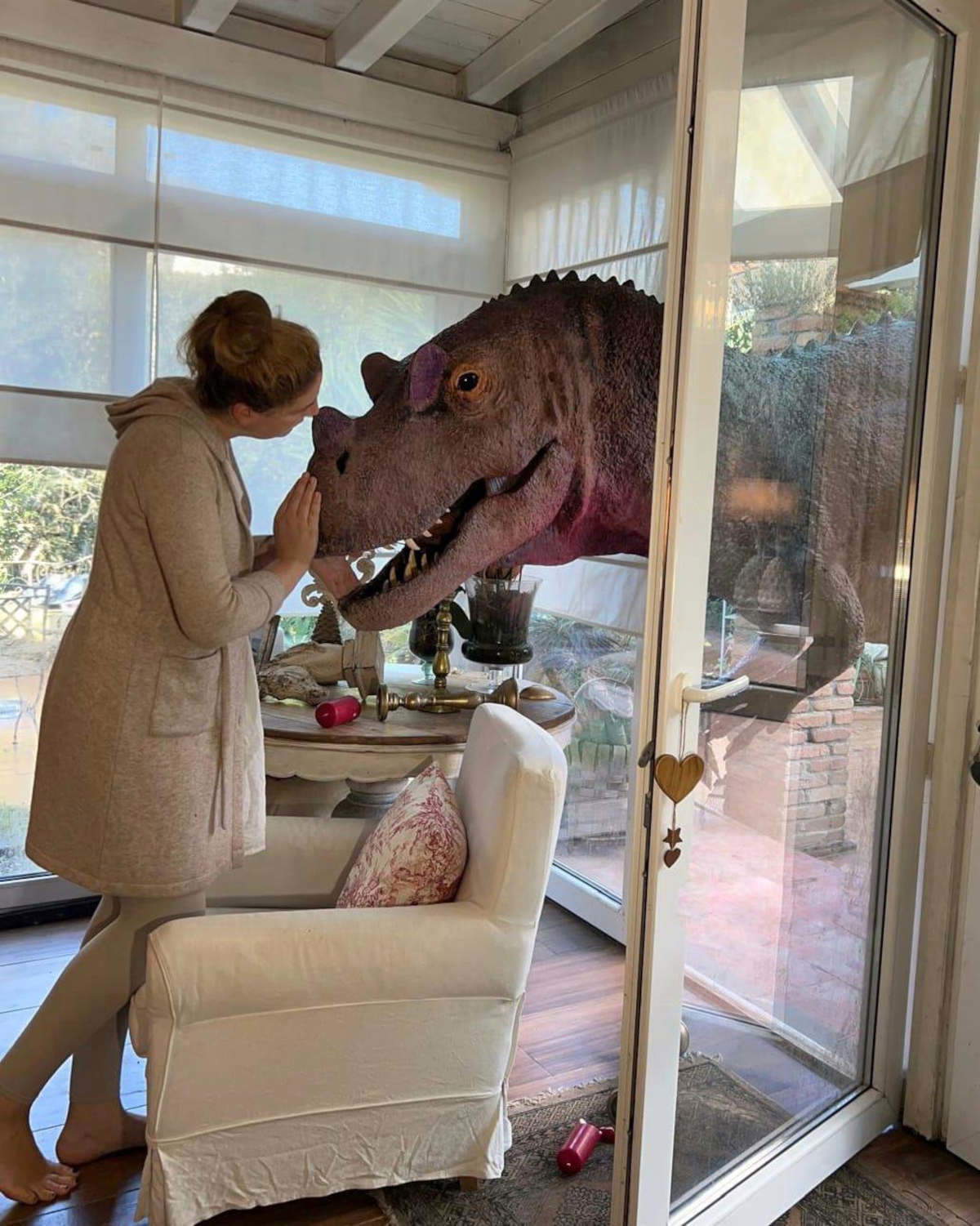
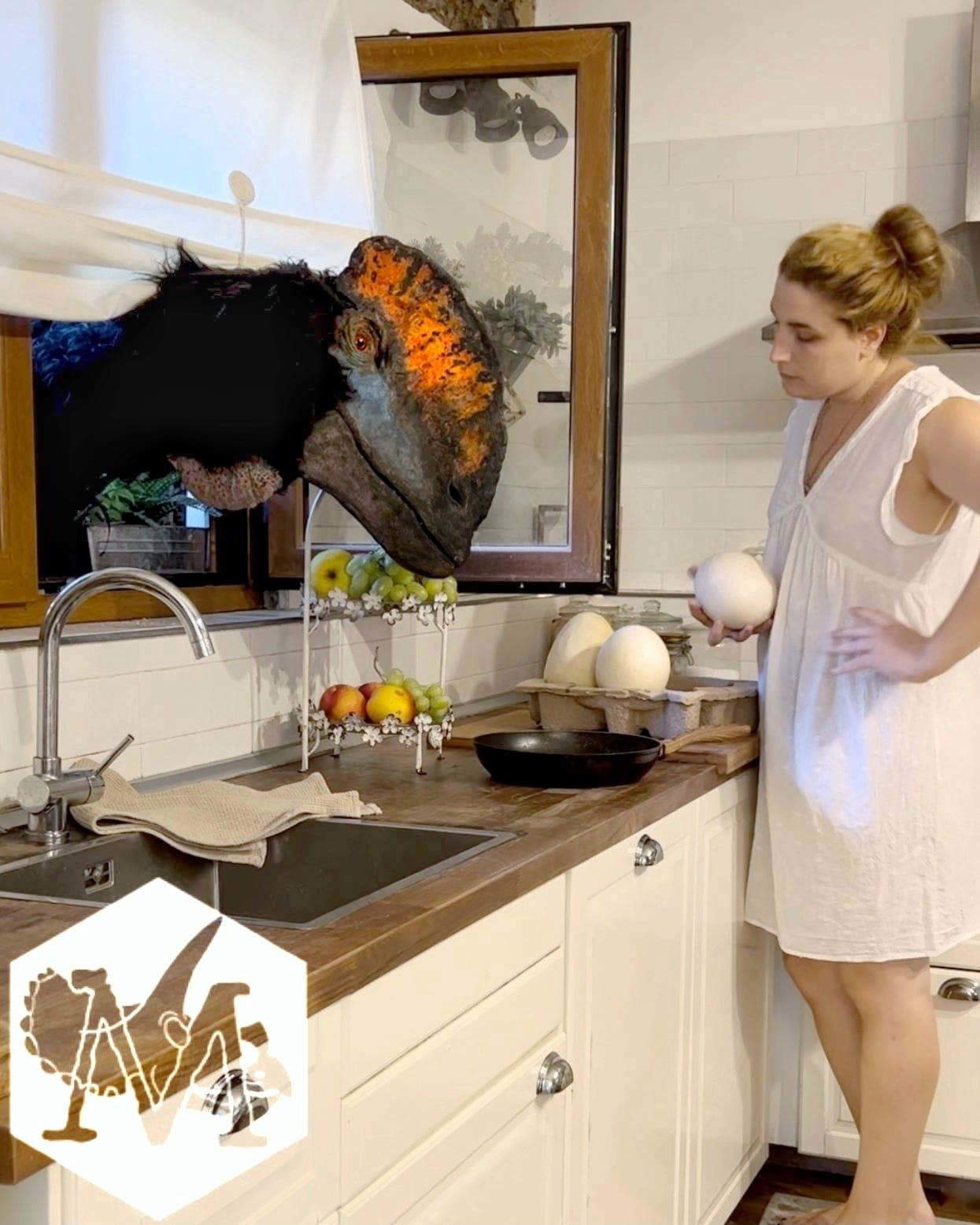
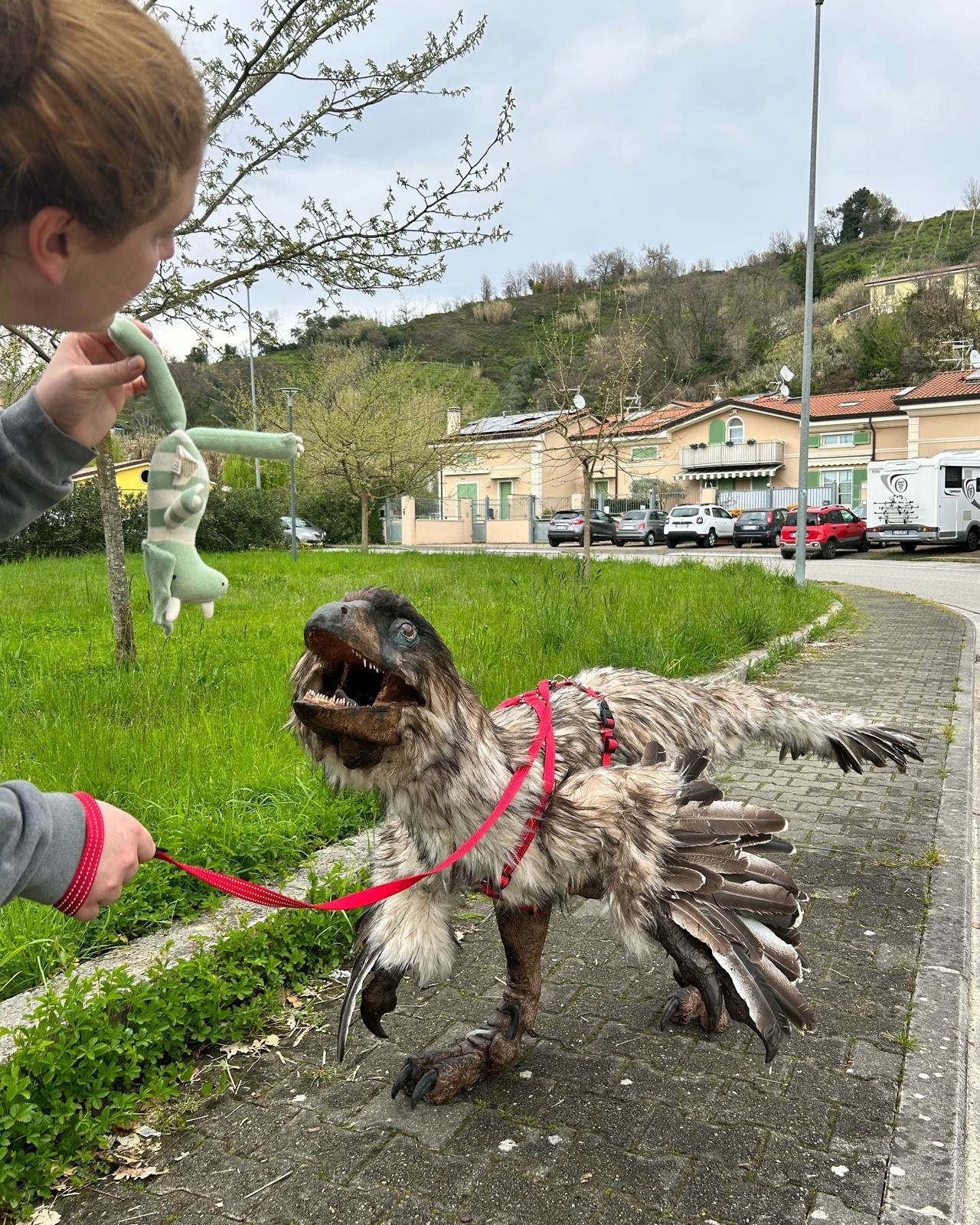
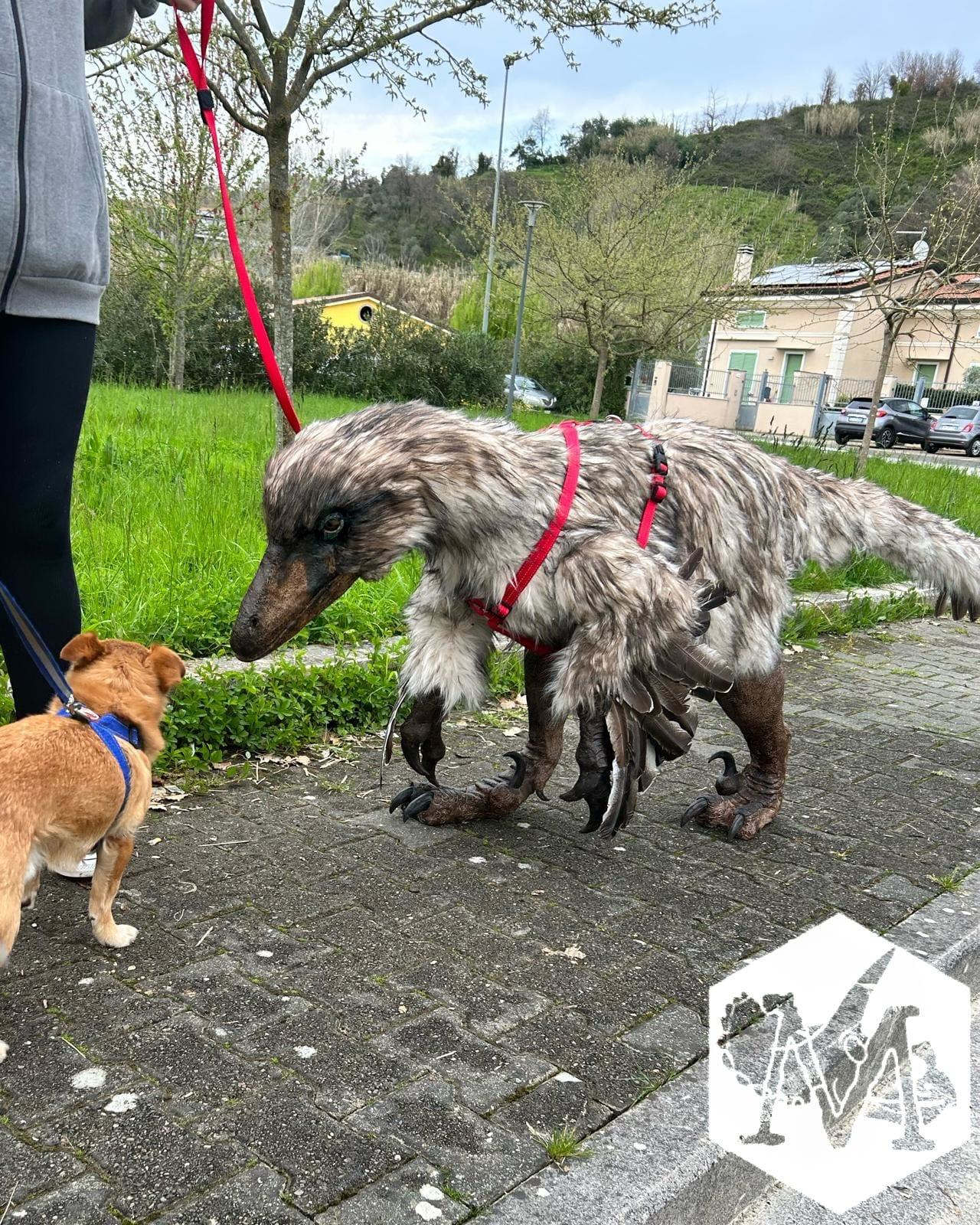
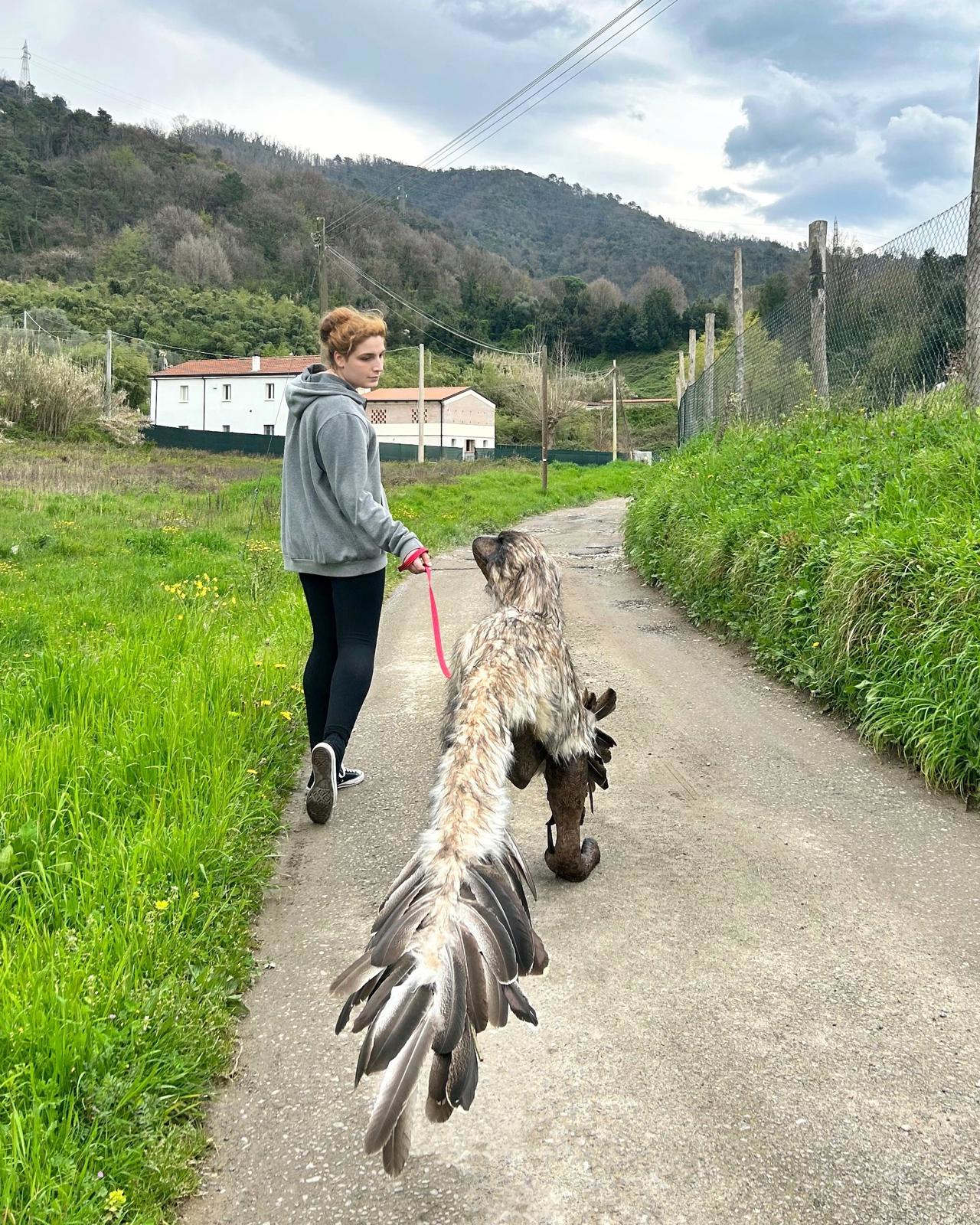
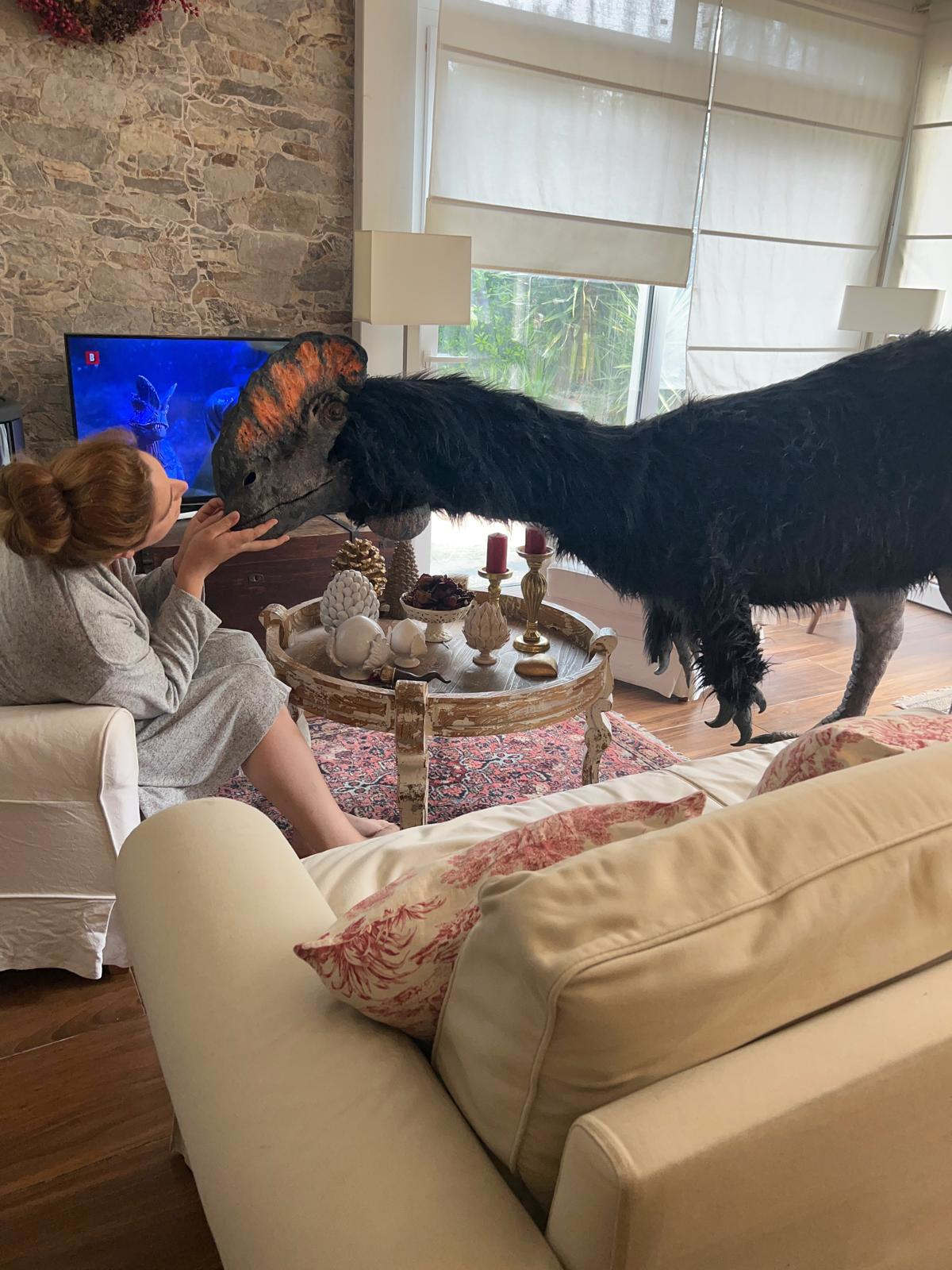
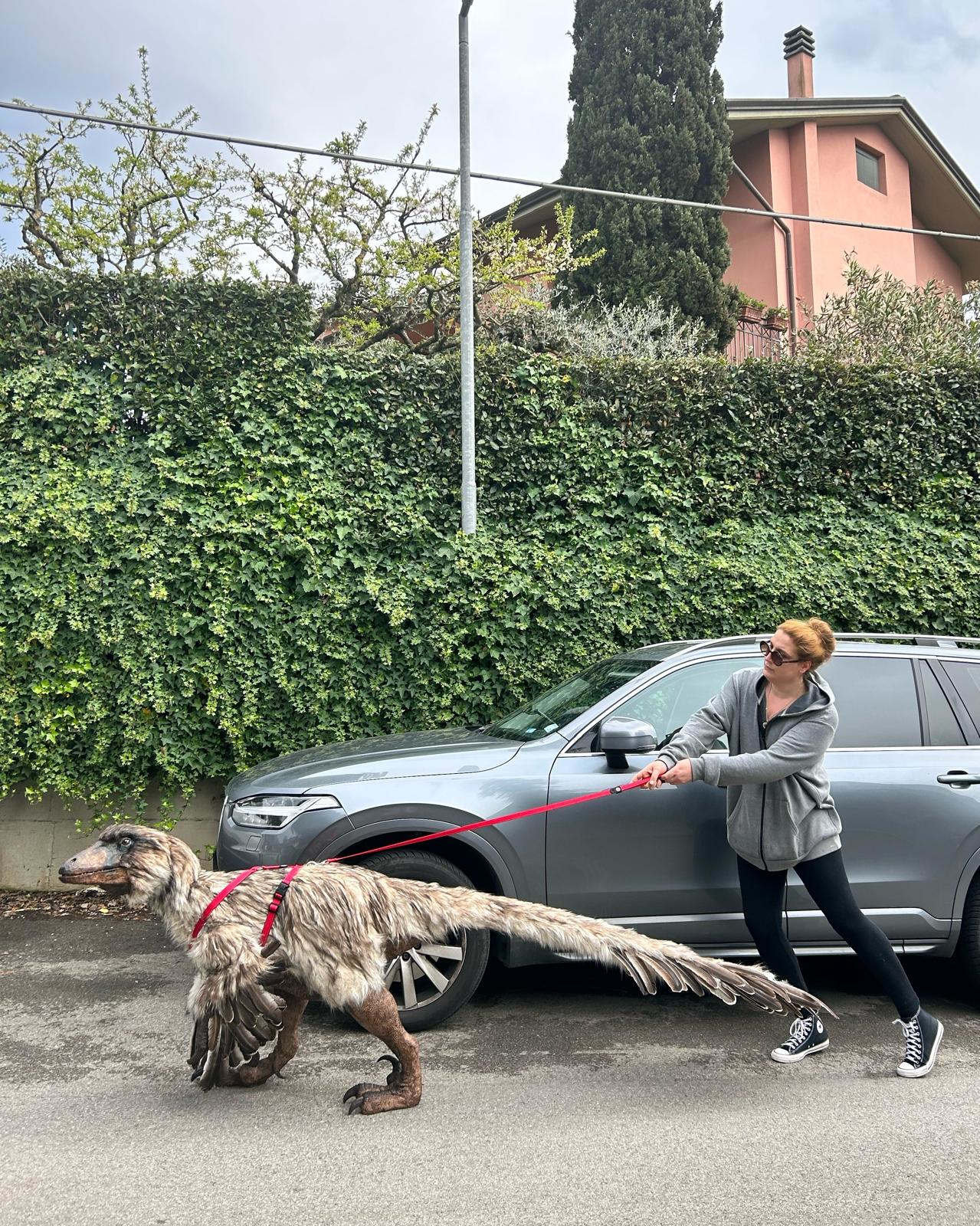
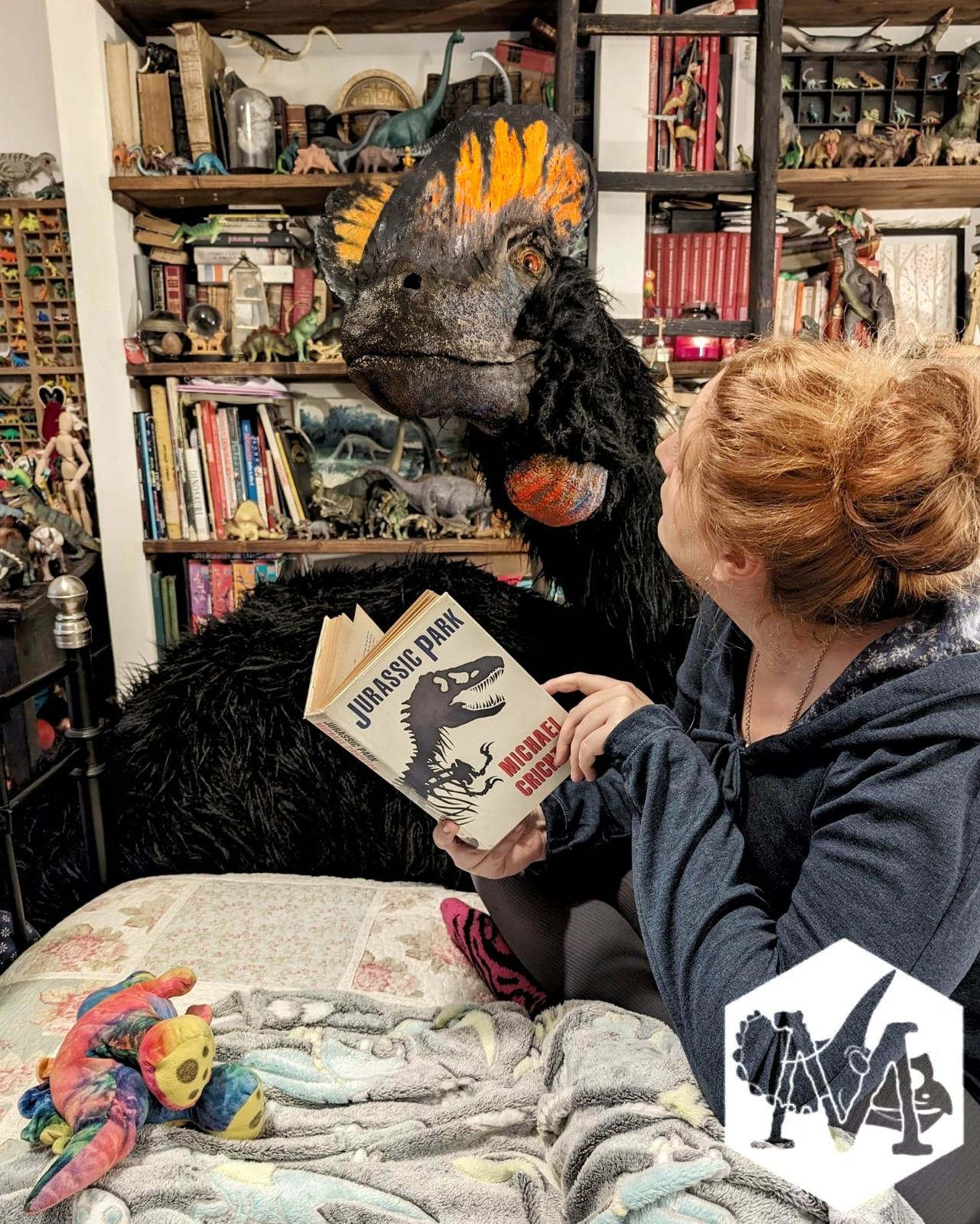
One of your most striking works is the 13-meter-long Tyrannosaurus rex made from recycled wax, curled up under a blanket with its belly rising and falling as if it were breathing. Where did the idea come from to give a human dimension to a creature we normally associate with ferocity?
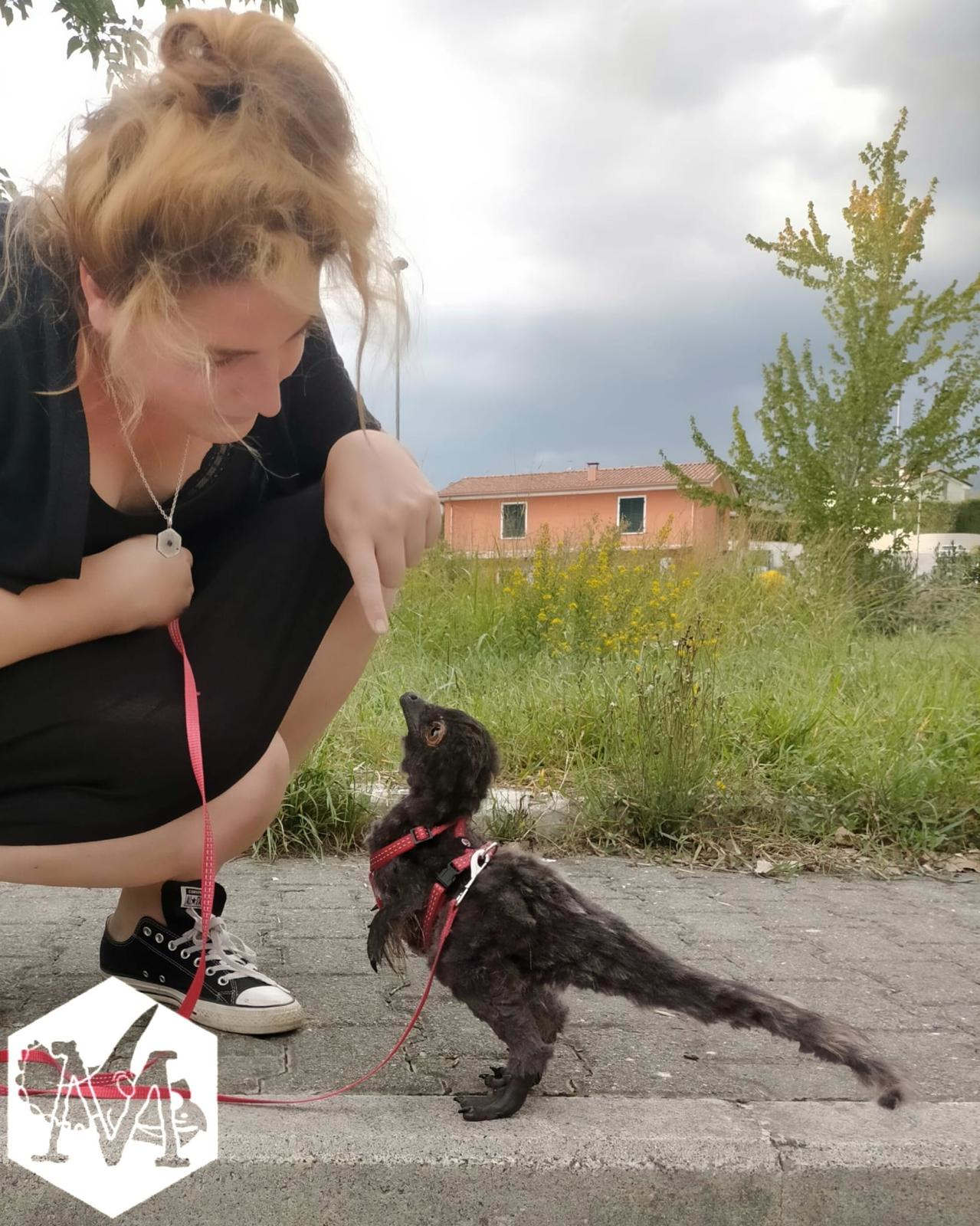
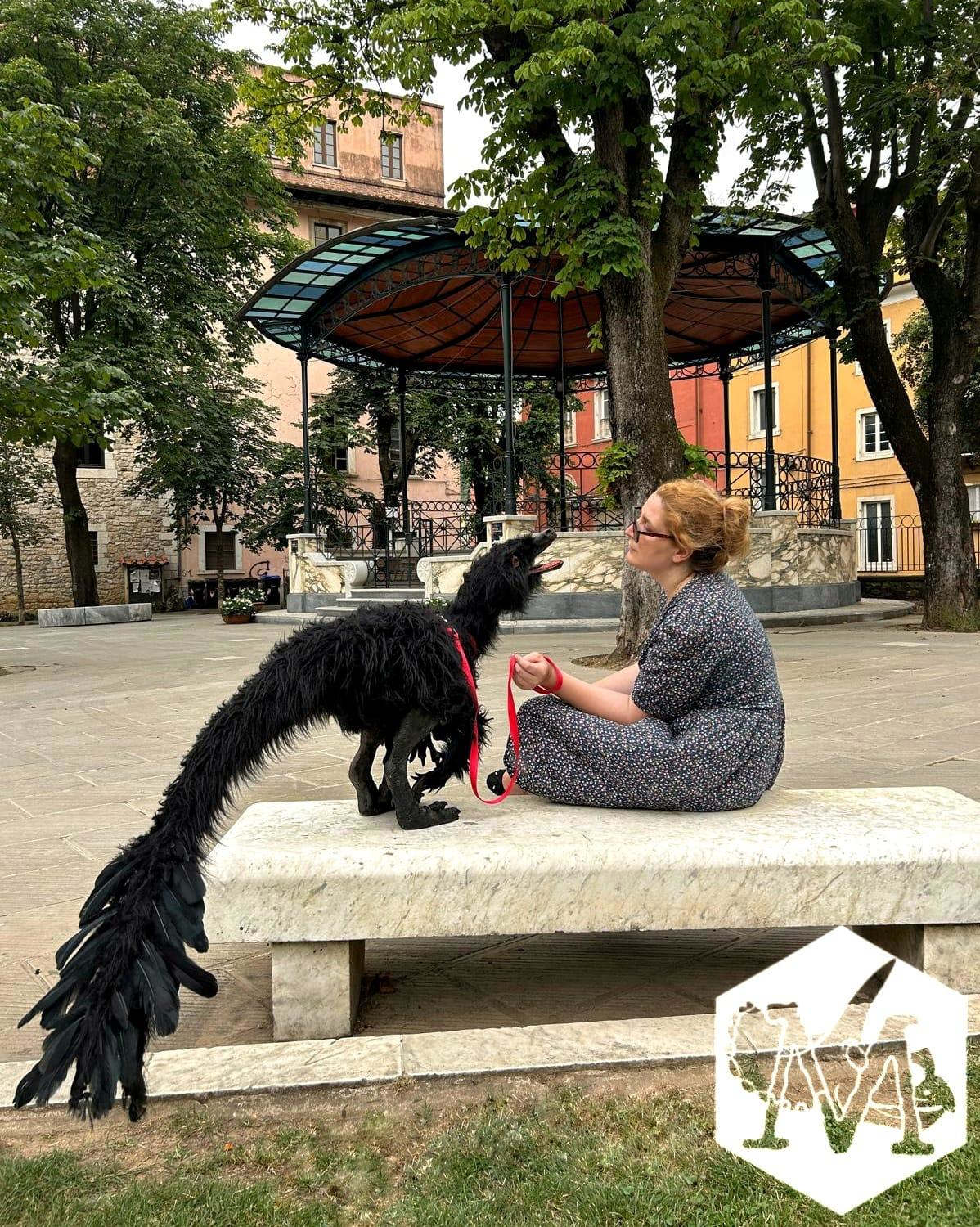
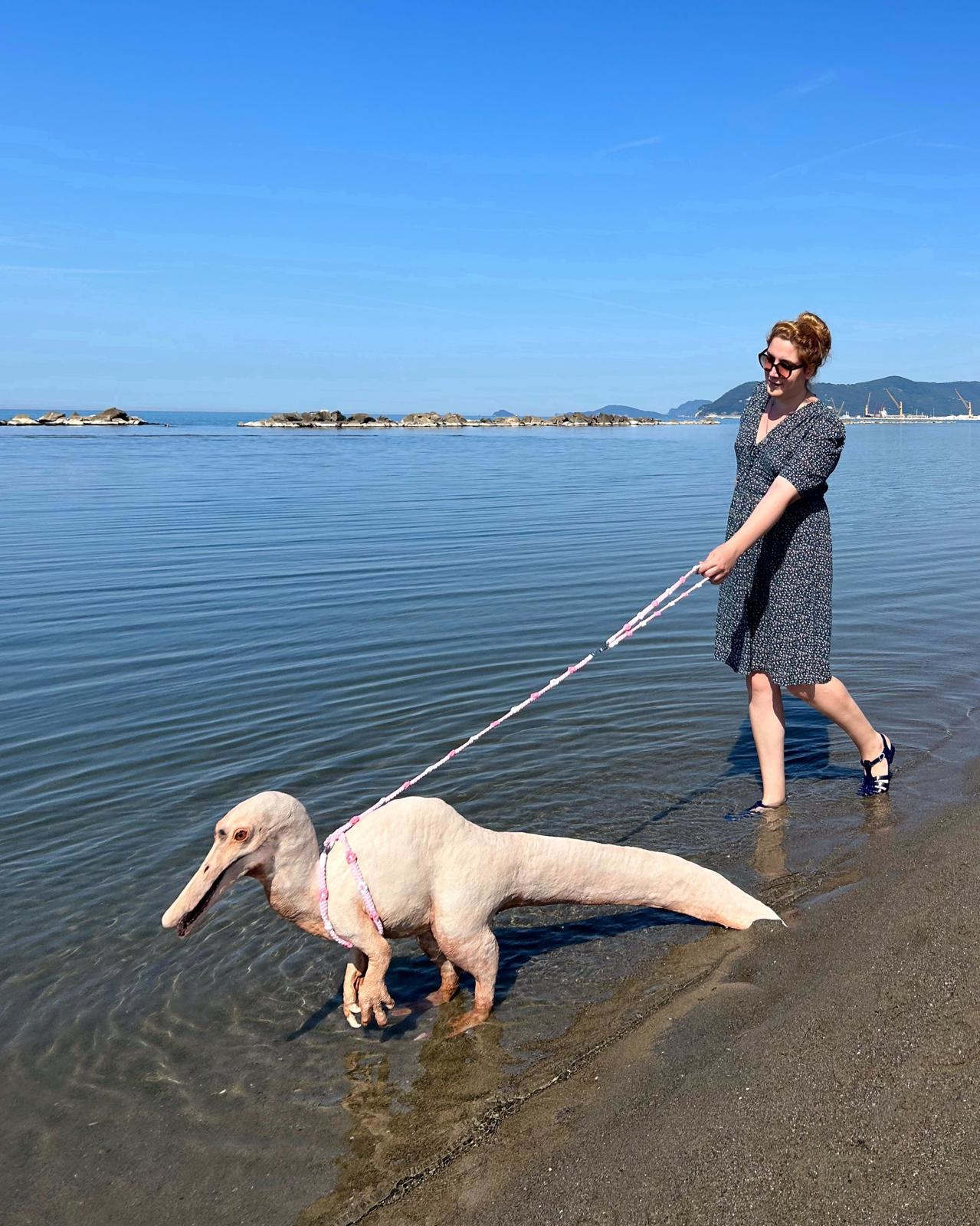
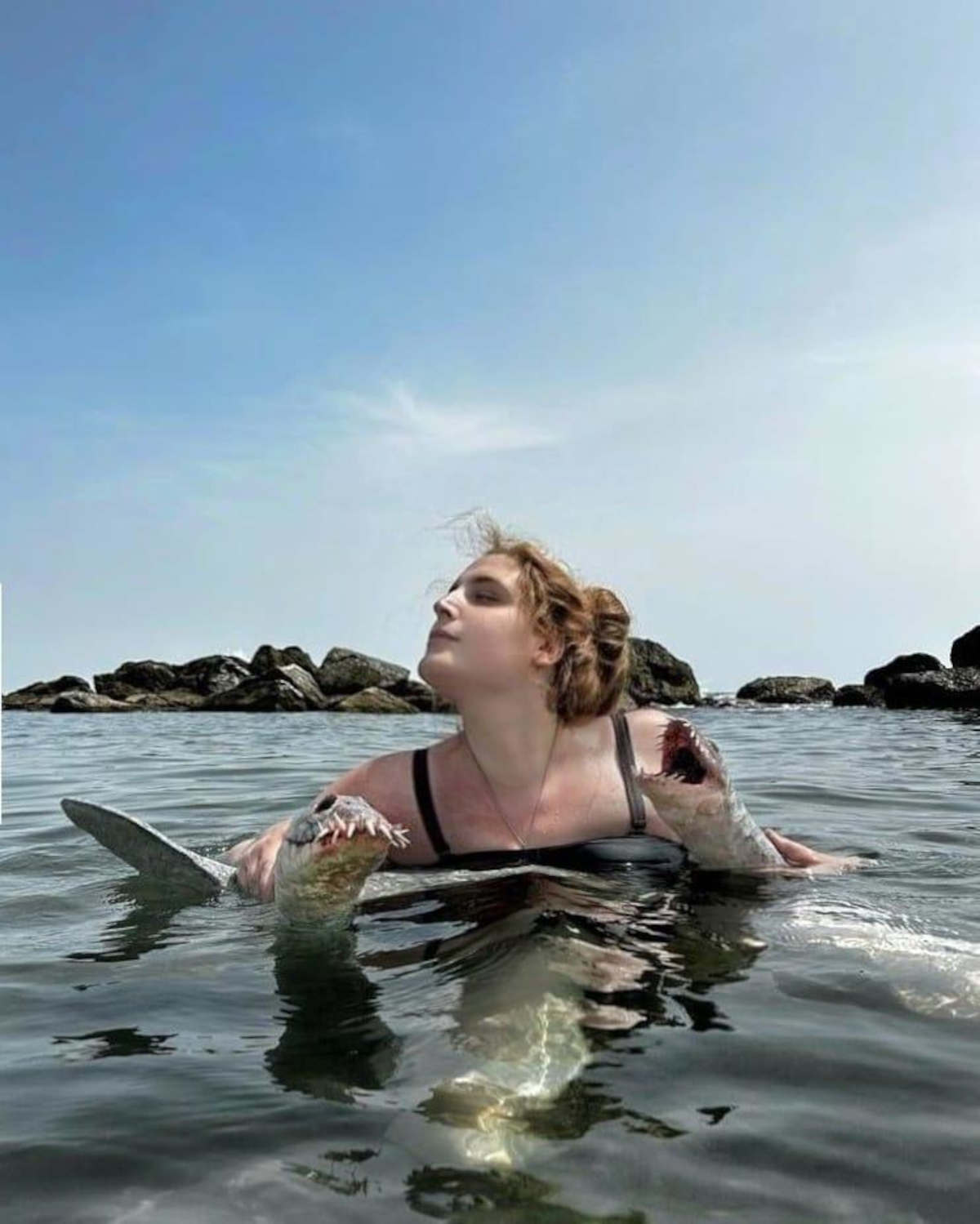
The intention is to create a sort of oxymoron, because dinosaurs are often associated with noise, violence, and blood. I, on the other hand, try to show their animal side as well—the more vulnerable, everyday side. The same goes for the other subjects I depict. A shark, for example, isn’t just what we’ve come to know through movies: it’s an animal that can be curious, frightened, or calm. I try to convey precisely this dimension, even though, of course, when talking about extinct animals, it’s always an interpretive reconstruction. This approach also applies to photography. For me, sculpture isn’t limited to the physical work itself. I also try to make the photographs an integral part of the work, constructing each image as if it were a work of art in its own right. I believe there’s a need for this more delicate dimension as well. Over the years, I’ve received messages from people in different countries telling me they look forward to my work to make them smile or simply to feel better. This moves me deeply, because it means that through prehistoric animals—which seem so distant and imposing—it’s also possible to convey a sense of tenderness and comfort. It’s precisely this contrast that interests me: using subjects associated with strength and ferocity to reveal, instead, their most fragile, curious, and vital aspects.
Your works have a monumental and spectacular scale. Are they also designed to move beyond traditional art spaces and reach a different audience? Have you already exhibited your works outside of Italy, or would you like to?
Fortunately, my audience is already quite international. Most of my smaller-scale works are purchased primarily in the United States, Northern Europe, Japan, India, and Latin America. This makes me reflect on how my work is perceived differently in various countries. In Italy, dinosaurs are still very often associated with childhood or entertainment. Abroad, however, they’re increasingly recognized as subjects of both science and art. This has allowed me to reach an audience that views my work from a different perspective and recognizes the value of the research behind each reconstruction. This is another reason why I’d very much like to take my work outside of Italy. So far, I’ve exhibited mainly here, and one of my dreams would be to hold an exhibition abroad—particularly in England or Germany, where there’s a very strong tradition of paleontology and science communication. I believe that the fact that I’ve built a large part of my audience outside of Italy also shows that there’s a place for this kind of research. My goal is to have this work recognized for what it is: a discipline that combines art, anatomical reconstruction, scientific study, and science communication.
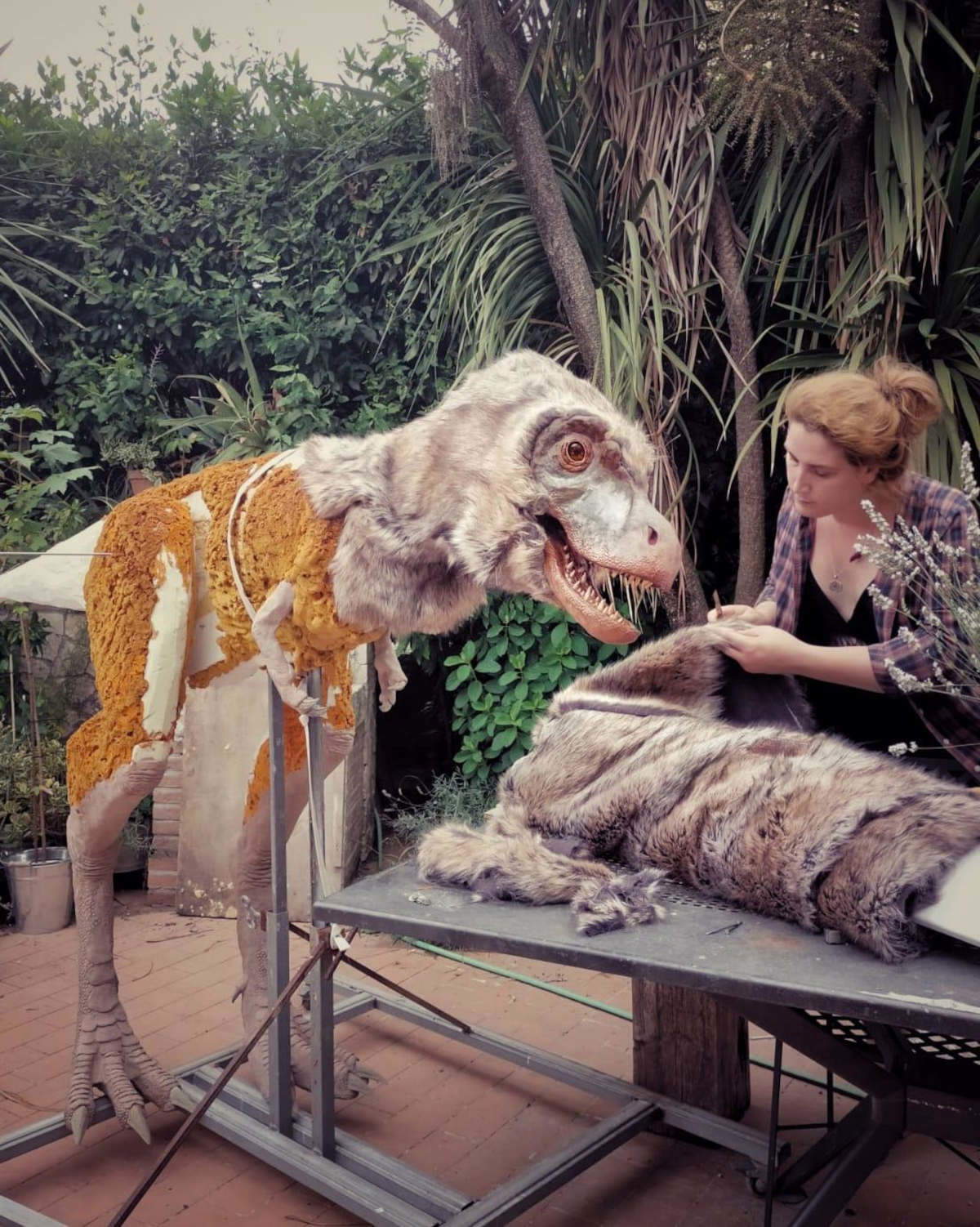
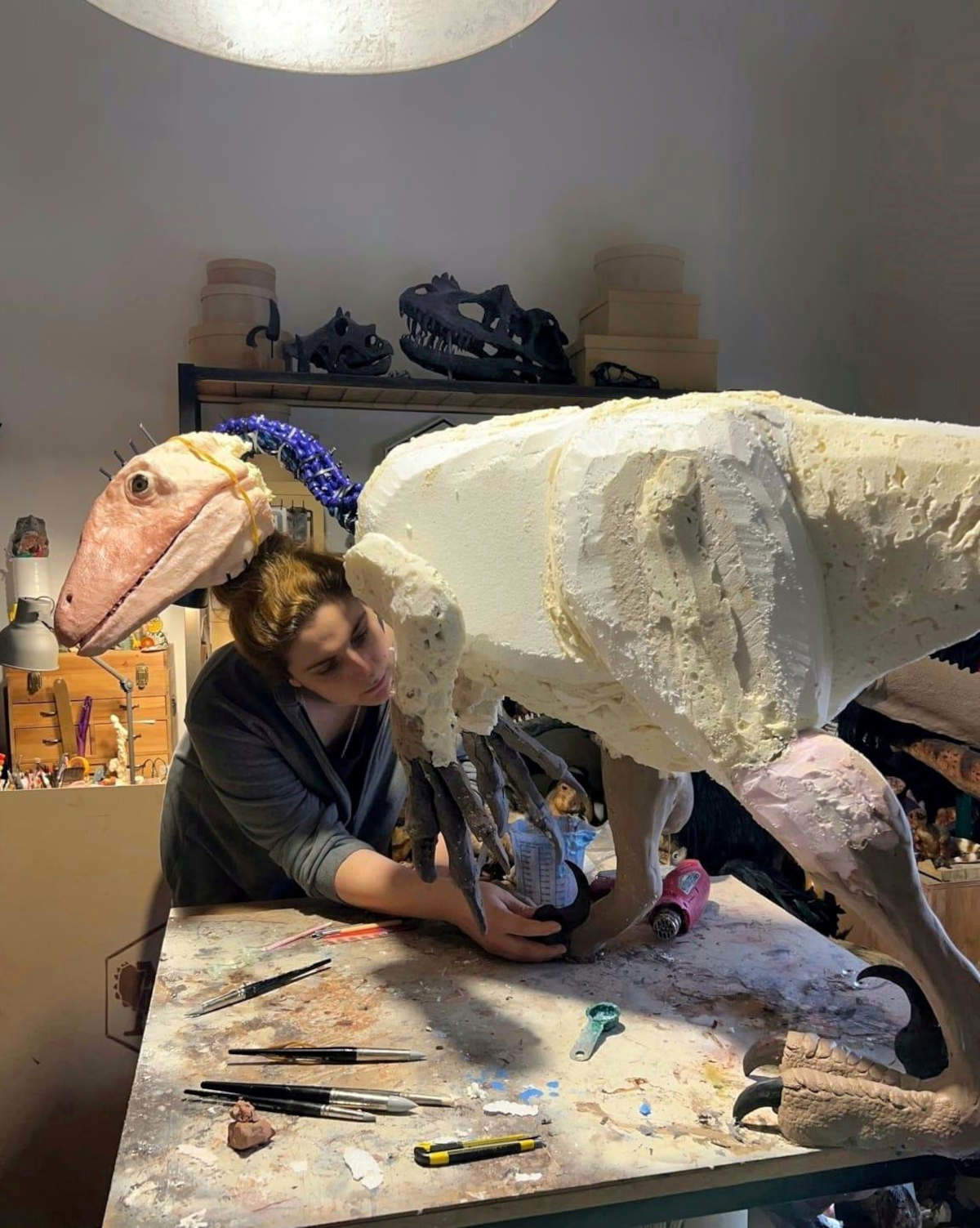
After years dedicated to researching and building your universe of creatures, what are the current goals of “Mother of the Dinosaurs”? Is there a dinosaur you haven’t created yet but dream of making?
What I’m really eager to bring to life is the museum, and I’d love to build it in Carrara, a place I feel particularly connected to. I’d like it to be a museum dedicated first and foremost to the geology of the region—that is, to the rocks and materials of our mountains—but with an eye toward the geological and natural history of the planet. I already have a collection of reconstructions and artifacts that could serve as a starting point: in addition to the sculptures, I have ammonites, dinosaur footprints, teeth, and other fossils. It’s also important to remember that in major natural history museums, not all the skeletons on display are originals: many are casts or replicas made from authentic specimens. That’s why I believe the material I’ve collected over the years can already contribute to the creation of a major project. As for exhibitions, however, I’ve become much more selective. I’ve had experiences where my works weren’t treated with the respect they deserved, and today I consider it essential that a collaboration recognize the artist as a professional, ensuring clear conditions, support, and agreements. One of the most positive experiences was with Lucca Comics, where, even though I was still at the beginning of my career, I was treated professionally in every respect. It’s a difference I’ve come to regard as essential. As for the international audience, I believe the success of the smaller sculptures can also be summed up by the Japanese concept of “kawaii”—that is, the idea of something cute and endearing. My little creatures are born precisely from the intersection of scientific accuracy and a certain tenderness: they have carefully studied proportions and anatomical features, but also larger eyes and certain traits deliberately accentuated to make them expressive. What strikes me most is that a large portion of these works is purchased as gifts. For example, I’ve seen daughters give them to mothers who had dreamed of studying paleontology, or parents give them to their children, couples, or grandparents. This aspect gives me a special sense of motivation: knowing that one of my sculptures travels the world and reaches someone who chose it for a personal reason reminds me that, beyond the daily grind of work, there is a person on the other end who has seen what I do, appreciated it, and decided to take a piece of my work with them.
Warning: the translation into English of the original Italian article was created using automatic tools. We undertake to review all articles, but we do not guarantee the total absence of inaccuracies in the translation due to the program. You can find the original by clicking on the ITA button. If you find any mistake,please contact us.