



by Redazione 23/10/2026


Categories: Modern Art / Disclaimer
On November 5, Finarte will offer more than 300 works from the 19th and 20th centuries at its auction in Milan. Among the highlights are a self-portrait by Appiani dating from 1810–1811 and a rare preparatory drawing for the decorations at the Royal Palace.


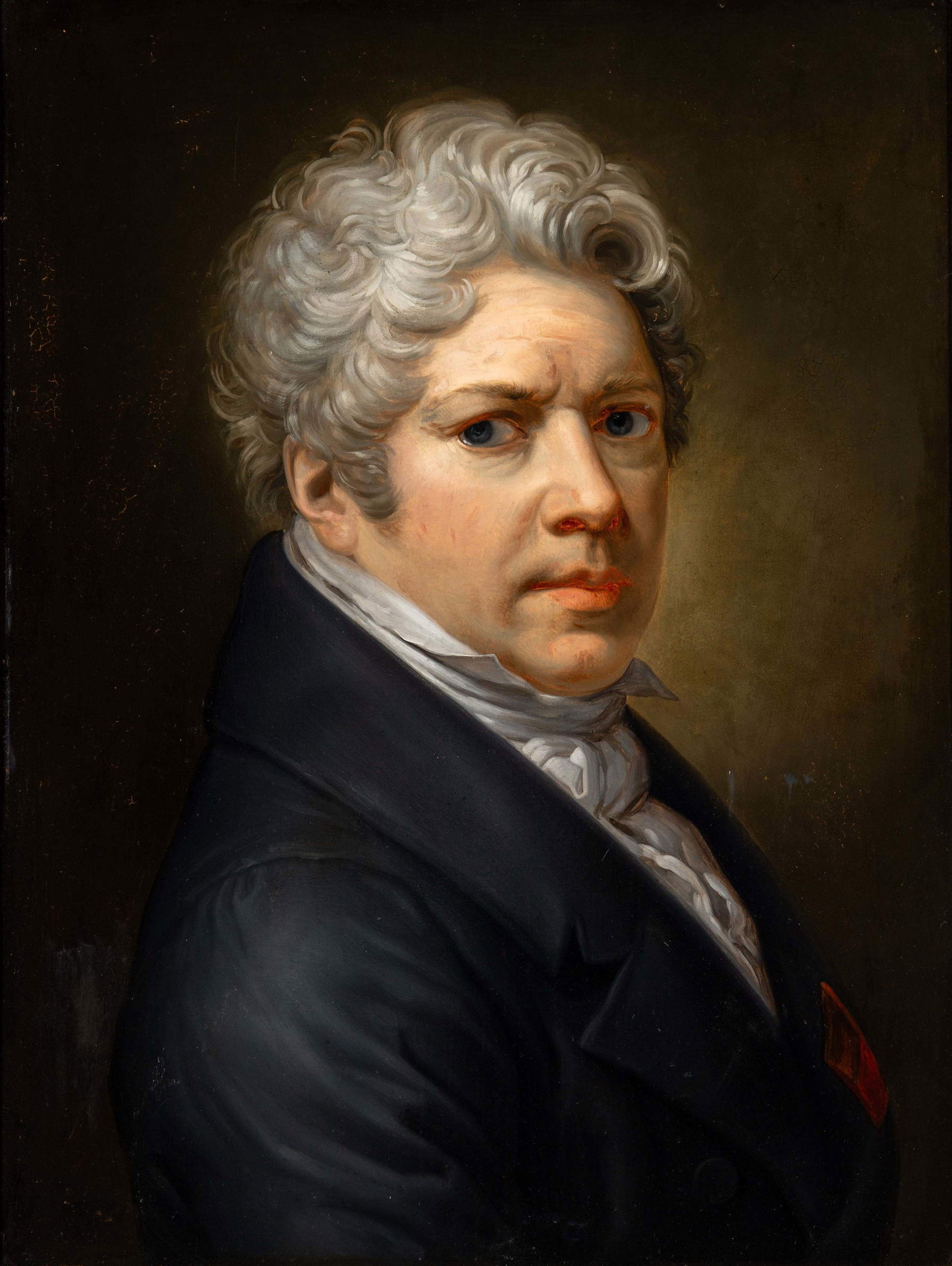
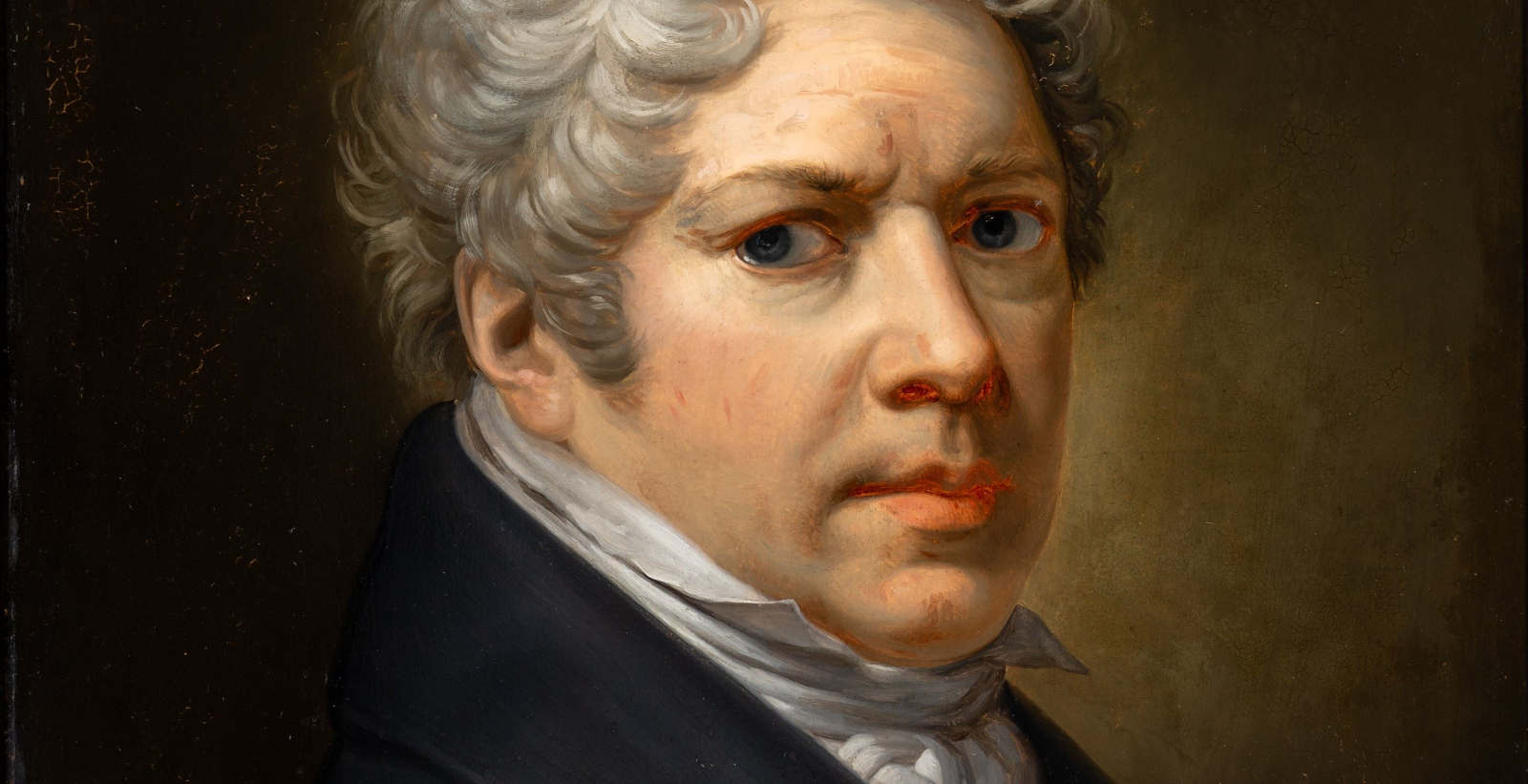
A new self-portrait by Andrea Appiani (Milan, 1754–1817) has been added to the neoclassical painter’s catalog: The painting, dated to 1810–1811 and characterized by an intense gaze directed straight at the viewer, will be offered by Finarte in Milan on November 5, with an estimate of 20,000–30,000 euros. The work, painted on wood, is very similar to a piece housed at the Uffizi Galleries in Florence and, according to art historian Fernando Mazzocca, author of the auction catalog entry, displays a painterly quality at least equal to that of the Florentine painting.


The self-portrait is lot 63 in the afternoon sale “Important Works from Private Collections,” scheduled for 4:00 p.m. at the auction house’s Milan office, located at Via dei Bossi 2. It dates to a late phase of the artist’s career, when he had already completed some of his most important works and was preparing to finish *The Parnassus*, painted on the vaulted ceiling of the conversation salon on the main floor of the Villa Reale in Milan. As Fernando Mazzocca observes in the expert notes accompanying the work, the self-portrait stands out for its choice to focus exclusively on the face. Appiani does not depict himself with brushes or other tools of the trade, but entrusts his facial features and gaze with the task of conveying his personality. The brushwork, particularly meticulous in rendering the silvery hair and the translucency of the skin, contributes to the painting’s quality.


The most direct comparison is withthe self-portrait in the Uffizi Galleries, which came to the museum in 1850 thanks to a bequest from Bianca Milesi Mojon, a patriot and writer who was a friend of the painter and from whom she had received drawing lessons. The Florentine version measures 54 by 44 centimeters (the painting offered by Finarte is larger), and according to Mazzocca, the stylistic characteristics and quality of the work up for auction allow it to be considered an important addition to Appiani’s catalog. “It appears unique,” he writes, “how Appiani, in this work as in other earlier self-portraits—all marked by the same simplicity—chose to depict himself not as a painter with his tools of the trade, but by focusing solely on the features of his face and his personality, conveyed by the intensity of his gaze fixed on the viewer. Meanwhile, the quality of the brushwork—which lingers on the silvery hair rendered in all its depth, on the translucency of the skin, and on the shape of the intense eyes—is very high.”

The section dedicated to the artist also includes a preparatory drawing for the decorations of the Palazzo di Corte in Milan—now the Palazzo Reale—created in 1782–1783, at the beginning of his career. The drawing, offered with an estimate of 2,000–3,000 euros, documents a phase preceding the self-portrait and allows us to trace the painter’s work in the field of monumental decoration. The drawing depicts one of the figures featured in the faux-tapestry panels designed and executed by the ornamental painter Giuseppe Levati for the rooms on the main floor intended to house the series of seven tapestries depicting the Stories of Jason, woven by the Gobelins workshop in Paris between 1764 and 1773. Appiani’s contribution focused on the third and final room, where he collaborated with Levati on the creation of four large panels—one of which has been lost—and eight smaller panels.
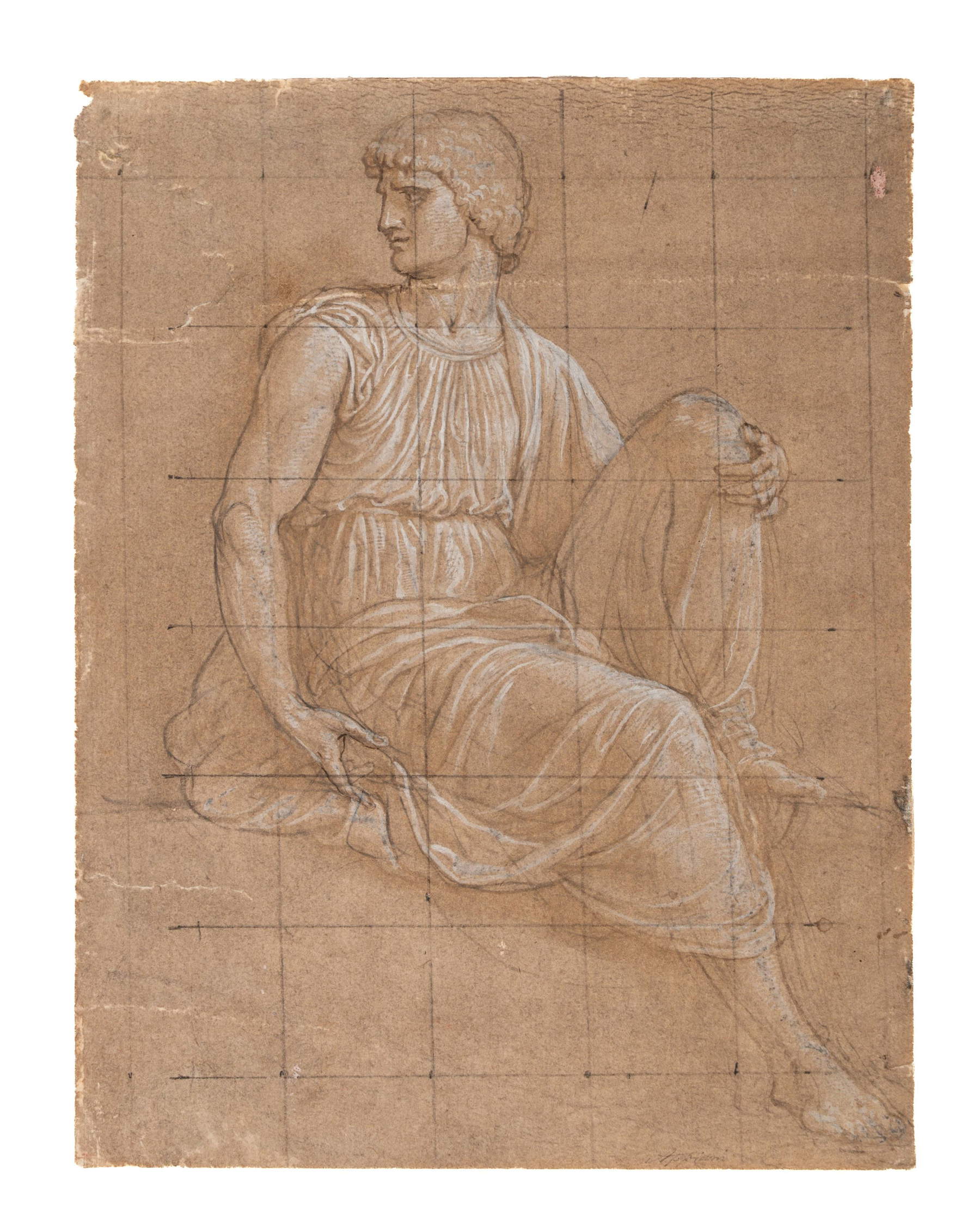
The decorations featured classical ornamental motifs, including trophies, candelabra, racemes, and scrolls, inspired by Raphael’s Loggias in the Vatican and the tradition of grotesques, which had returned to favor in neoclassical circles. In this composition, Appiani was responsible for the figures, which included allegories, mythological deities, and decorative elements. The panel for sale corresponds precisely to the figure on the right in a pair of figures seated symmetrically on the edge of an antique-style basin: the two figures are shown from the back, but they turn their heads to look at one another. The panel to which they belong is one of three large surviving examples, still on display in one of the tapestry rooms of the Royal Palace.
Mazzocca highlights the quality of the drawing, with the white lead giving particular emphasis to the painterly rendering. The attention to the dense folds of the tunic and the definition of the face attests to Appiani’s graphic skill even at the very beginning of his career.
The two auctions will take place on Thursday, November 5, at Finarte’s headquarters at Via dei Bossi 2 in Milan: the first at 10:00 a.m., featuring lots 1001–1167, and the second at 4:00 p.m., featuring lots 1–138. Appiani’s previously unseen self-portrait will thus be one of the day’s highlights, accompanied by a drawing that traces the painter’s early years and his work on the decorations for the Royal Palace.
 |
| A previously unseen self-portrait by Andrea Appiani is up for auction: the painting is estimated at 30,000 euros |
Warning: the translation into English of the original Italian article was created using automatic tools. We undertake to review all articles, but we do not guarantee the total absence of inaccuracies in the translation due to the program. You can find the original by clicking on the ITA button. If you find any mistake,please contact us.