




by Redazione 25/11/2026



Categories: Museums / Disclaimer
From November 23, 2026, through spring 2027, the GAMB group will present six events at five venues in Florence. The program includes two exhibitions dedicated to Michelangelo, a focus on North African musical instruments, guided tours of the collections, and the presentation of the results of the restoration of the base of Cellini’s Perseus.


The GAMB Group—the Galleria dell’Accademia in Florence and the Bargello Museums —presents its 2026–2027 exhibition season, featuring six events spread across five museum venues in Florence. From November 23, 2026, through spring 2027, the program includes two major exhibitions dedicated to the legacy of Michelangelo, projects highlighting the collections, in-depth historical and artistic analyses, and the presentation of the results of a restoration project. The calendar, curated by General Director Andreina Contessa, spans different periods and fields, from cultural exchanges in the Mediterranean to Renaissance Florence, and on to the collections of Casa Martelli.


The two main events dedicated to Michelangelo are *The Soul of Marble: Michelangelo and the Visions of Symbolism*, at the Galleria dell’Accademia from December 15, 2026, to May 2, 2027, and *Michelangelo’s Mark in Figures and Verses: Drawings from the Teylers Museum in Haarlem, at the Museo delle Cappelle Medicee from February 2 to May 2, 2027. Both exhibitions have been made possible thanks to loans from national and international institutions.


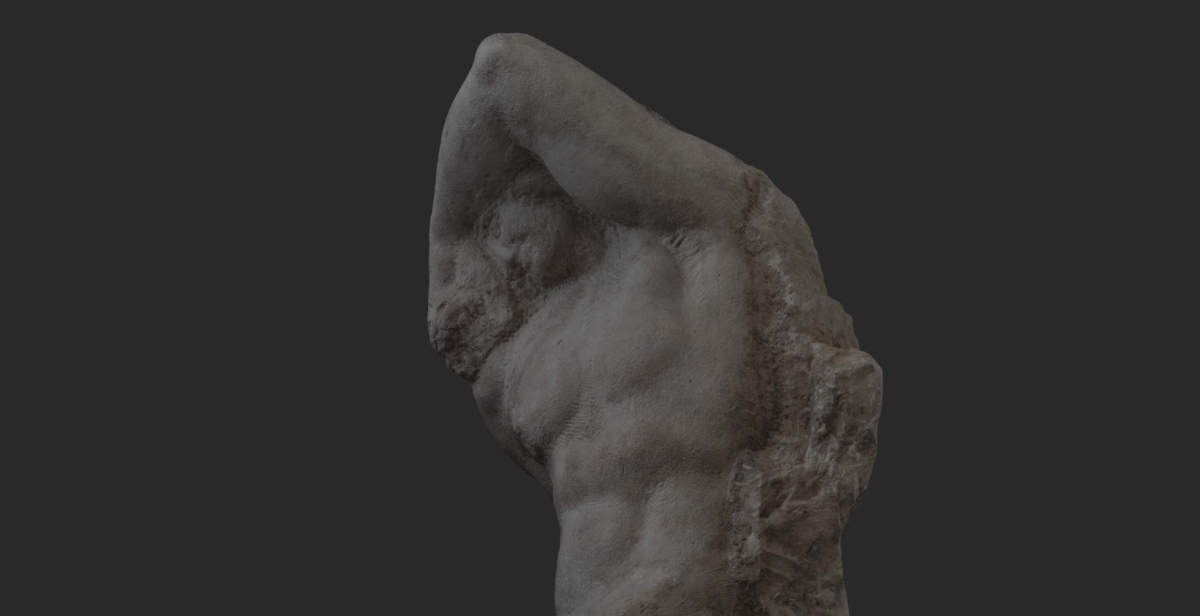
Curated by Anna Mazzanti and Carlo Sisi, *The Soul of Marble* explores the influence Michelangelo Buonarroti exerted on Italian and European artists between the late 19th century and the early decades of the 20th century. The starting point is the historic exhibition organized in 1875 at the Galleria dell’Accademia to mark the fourth centenary of the artist’s birth. The exhibition traces how the Symbolists identified in Michelangelo’s work a formal and spiritual reference point capable of helping to move beyond academicism and naturalism and of defining a new artistic sensibility.


Divided into six thematic sections and organized by the GAMB in collaboration with Opera Laboratori, the exhibition draws parallels between Michelangelo’s works and those of Auguste Rodin, Antoine Bourdelle, Gustave Moreau, Edward Burne-Jones, Leonardo Bistolfi, Libero Andreotti, and Giulio Aristide Sartorio. A specific section also explores the relationship between Gabriele d’Annunzio and Michelangelo through the reconstruction of a room from the Vittoriale. The sculptures in the New Sacristy and the frescoes on the Sistine Ceiling serve as the starting point for exploring the writer’s reinterpretations in *Notturno* and other literary works, as well as their influence on Adolfo De Carolis’s graphic and painterly output. Lenders include the Musée Rodin, the Musée Bourdelle, the Musée d’Orsay, Tate Britain, the Minneapolis Institute of Art, the Uffizi Galleries, and the GNAMC.
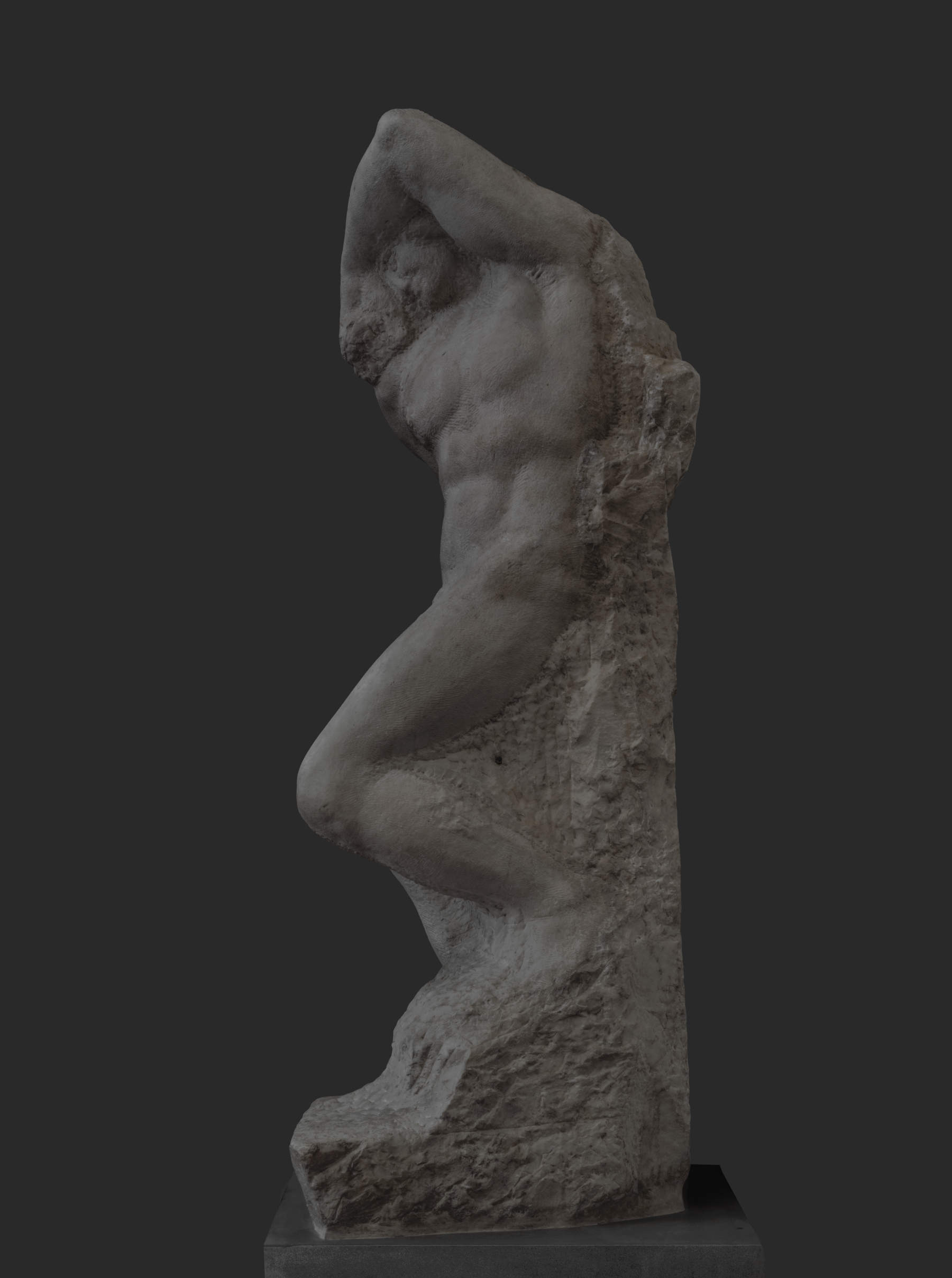
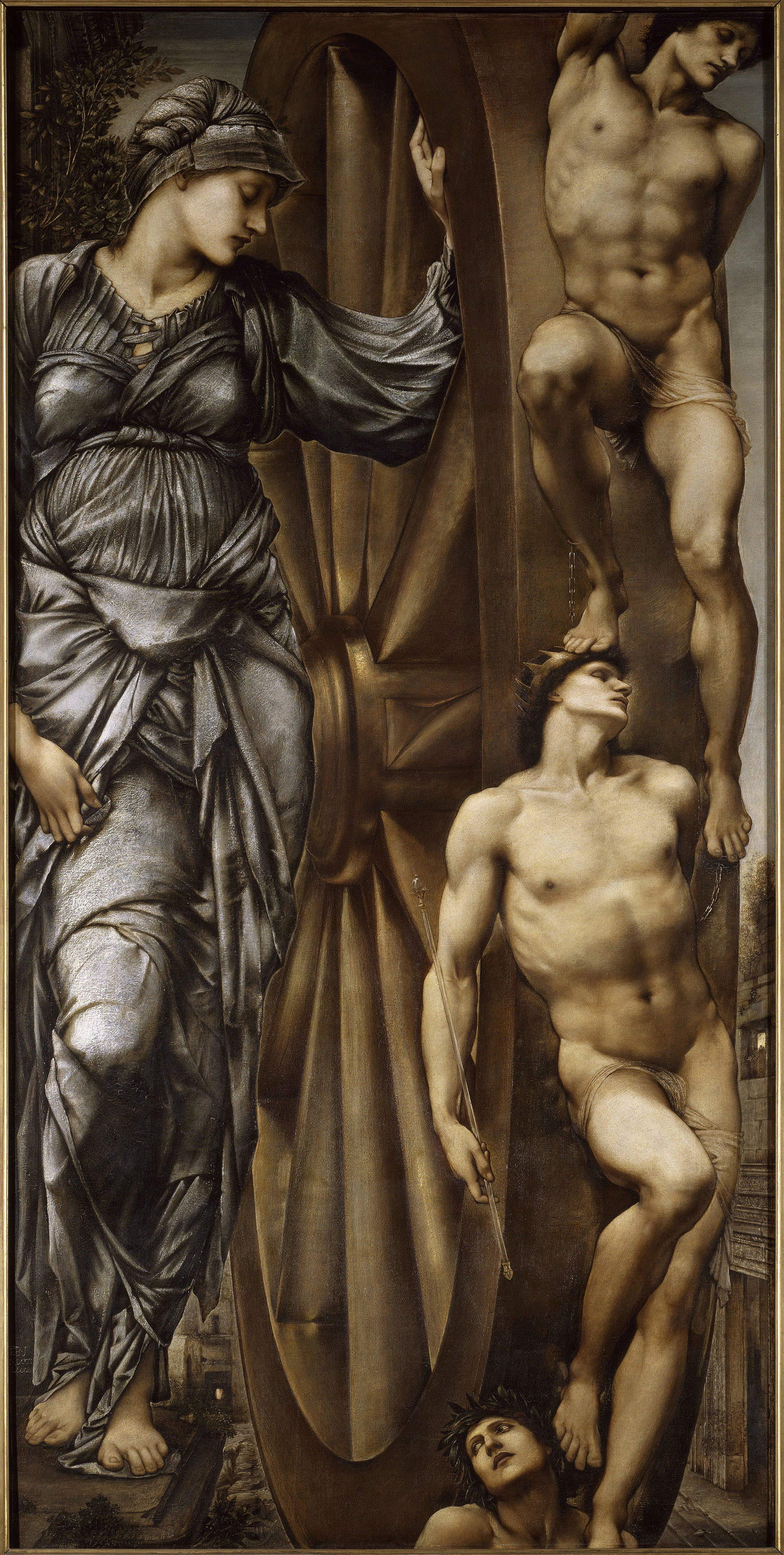
At the Museo delle Cappelle Medicee, *Michelangelo’s Mark in Figures and Verse: Drawings from the Teylers Museum in Haarlem*, curated by Francesca de Luca, Benedetta Matucci, and Matteo Residori, brings together ten drawings by the master from the Dutch museum as part of an exchange between the two institutions. Many of the drawings have never been exhibited in Italy. The works will be accompanied by twenty-nine pieces—including paintings, sculptures, engravings, printed volumes, and manuscripts—arranged across six sections. The project explores the relationship between figurative invention and poetic writing, bringing together studies of the human body, architectural sketches, and compositions on both sacred and secular subjects with Michelangelo’s verses and autograph texts.
The program opens on November 23 at the Galleria dell’Accademia with *Echoes of Africa: Musical Instruments in Dialogue Across the Mediterranean*, curated by Alessandra Nardi, on view through February 10, 2027. The project presents four North African instruments previously held in the storage facilities of the Department of Musical Instruments: a guinbri, two rabābs, and a duff. These objects offer insight into the exchange of sounds, forms, and traditions between Africa and Europe, as well as the history of collecting between the 19th and 20th centuries. The initiative is part of the Mattei Plan for Africa promoted by the Ministry of Culture, which views culture as a tool for dialogue and international cooperation.
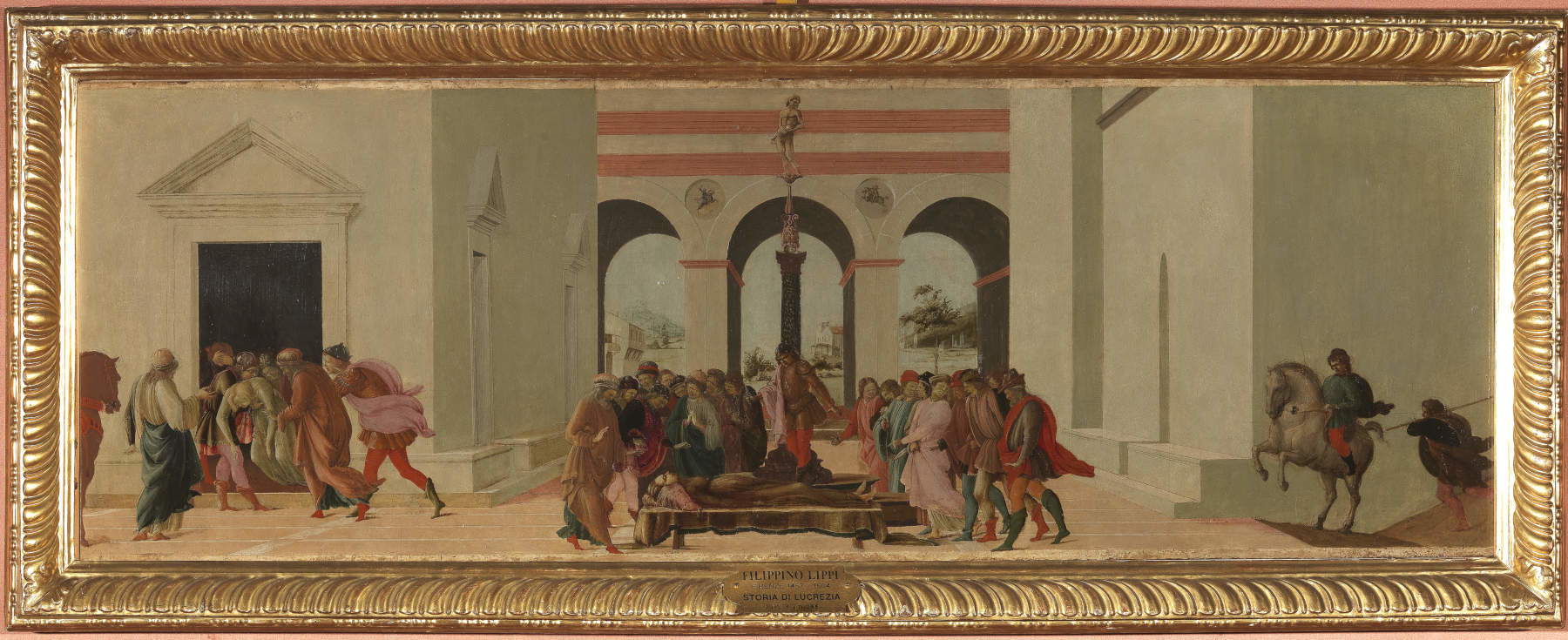
From November 30, 2026, to March 1, 2027, the Palazzo Davanzati Museum will host *Intrecci del tempo: From the Late Gothic to the Renaissance in the Treasure Trove of Palazzo Davanzati*, curated by Cristiana Sargentini. The exhibition explores the transition from the Late Gothic style to the Florentine Renaissance through a comparison of the palace’s architecture, its collections, and selected works from the Uffizi Galleries, including pieces by Masolino, Paolo Uccello, and Filippino Lippi. The exhibition unfolds in the Camera delle Impannate and offers a historical and artistic interpretation of the evolution of space and perspective. Part of the exhibition also traces Rodolfo Siviero’s restoration of some of the works on display. The dialogue between the rooms and the artworks allows visitors to explore the different conceptions of real and represented space.
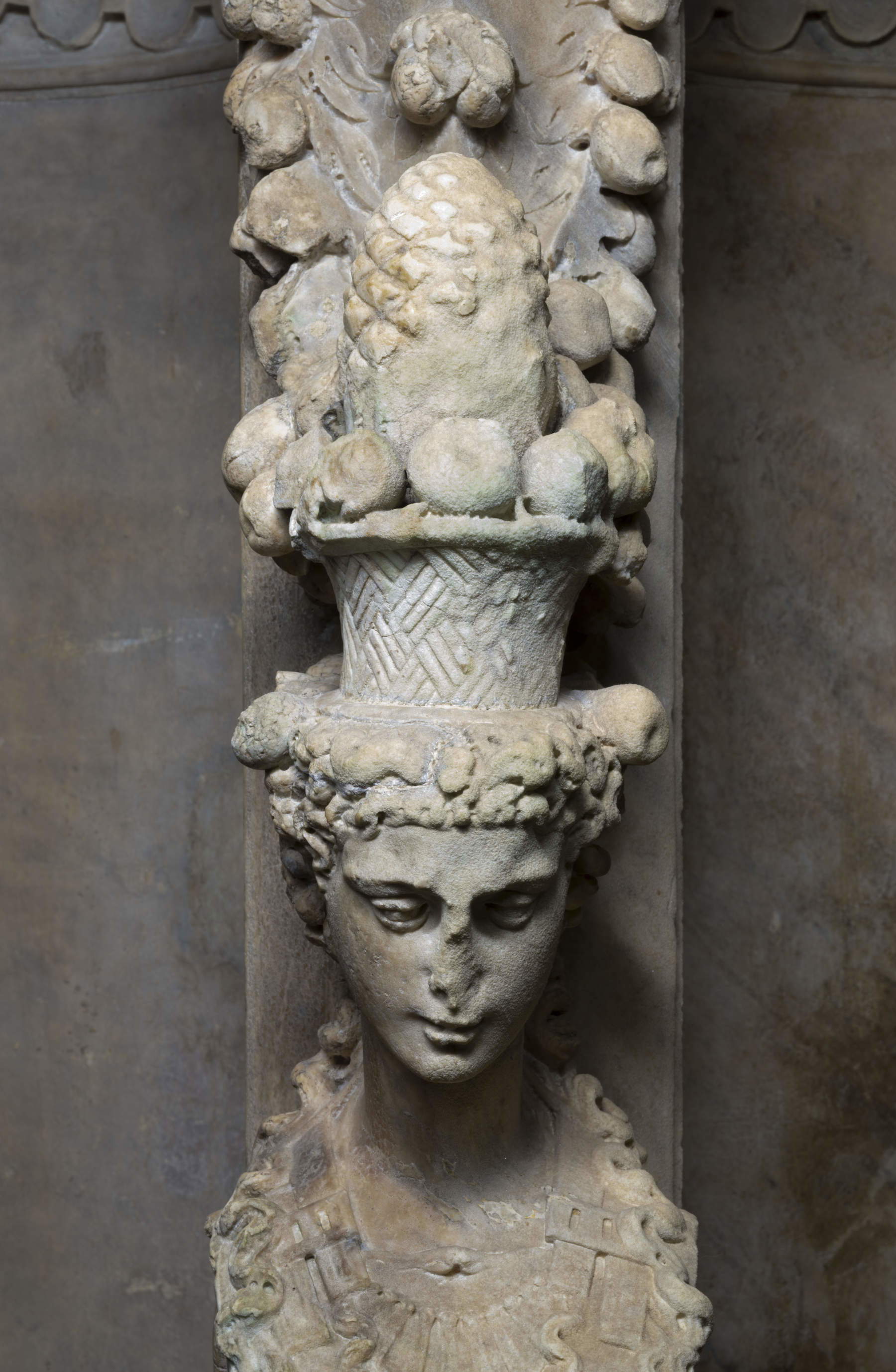
On December 21, 2026, the Bargello National Museum will present to the public *At the Feet of Perseus. The Invisible Details of Benvenuto Cellini’s Pedestal, dedicated to the results of the restoration of the pedestal of the famous sculpture. The restoration, conducted openly to the public, allowed visitors to follow its various stages, from the dismantling of the four small bronzes to their cleaning and the application of protective treatments. Scholars and specialists participated in the work, while diagnostic investigations involved institutions such as the Opificio delle Pietre Dure and the CNR in Florence.
The analyses revealed previously unknown information about the execution techniques and surface treatments of the works. Among the discoveries were traces of selective gilding on the hair of the young Perseus, on Minerva’s helmet, and on Mercury’s sandals. The exhibition in the ground-floor gallery will also offer visitors the opportunity to view the backs of the restored bronzes before they are reinstalled on their stone pedestals.
The final event is scheduled for late February 2027 at the Casa Martelli Museum with *Stories, Capriccios, Fairy Tales, and Portraits: The Martelli Picture Gallery and Its Tales*, curated by Francesca de Luca. The exhibition coincides with the renovation of the museum’s spaces, during which restoration work will prevent regular visits to the first floor, though safe access to the frescoed rooms on the ground floor will still be permitted. On this occasion, a selection of paintings from the Martelli Picture Gallery—normally housed on the main floor—will be presented.
The collection includes works from different eras, schools, and subjects, by artists such as Cosmè Tura, Domenico Beccafumi, Pieter Brueghel the Younger, Salvator Rosa, Luca Giordano, and Orazio Borgianni. The exhibition will thus offer an opportunity to discover part of the Martelli family’s heritage even while restoration work is underway. Casa Martelli, a museum open to the public since 2009, continues in this way its efforts to showcase its collections and historic spaces.
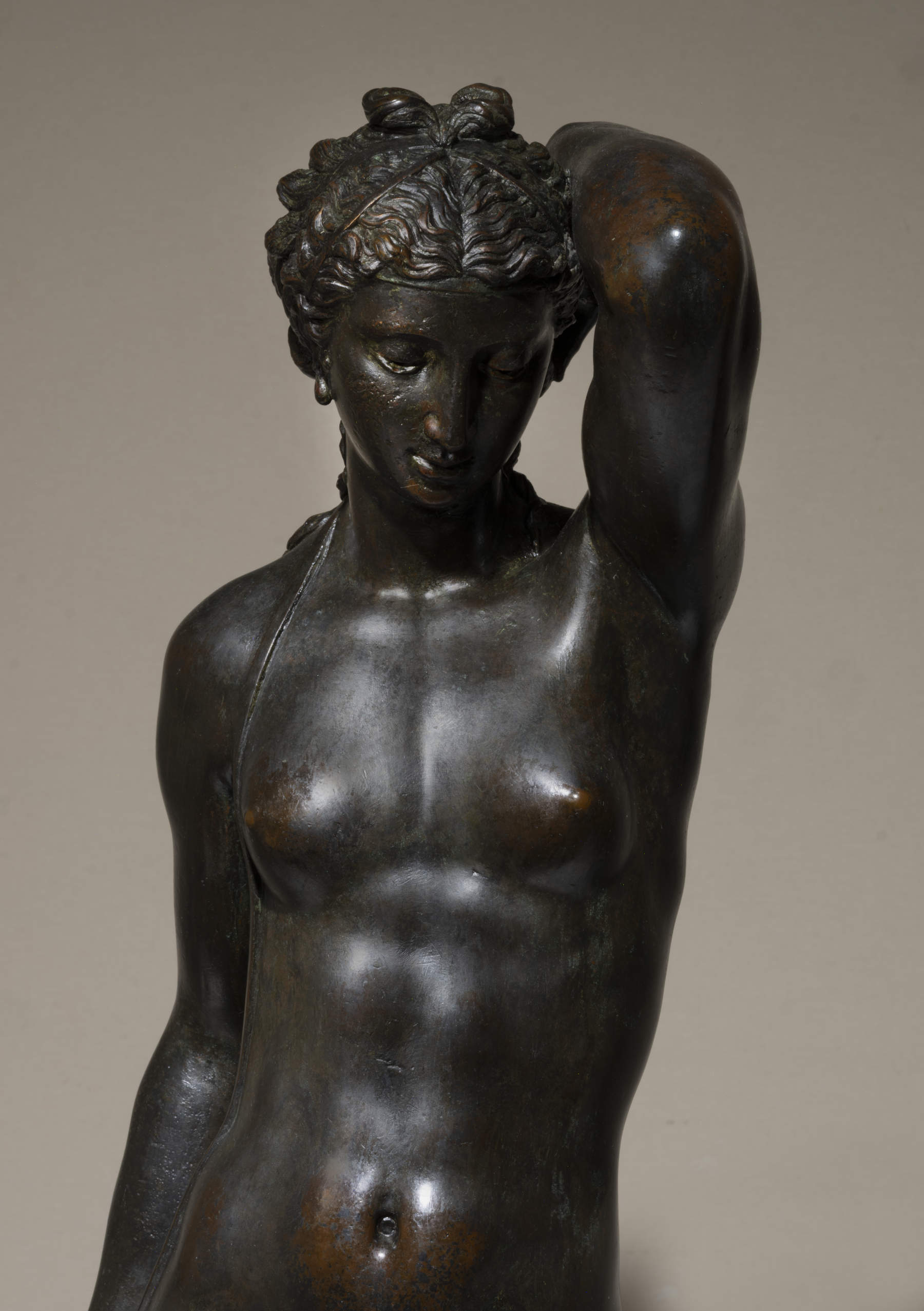
“This exhibition season stems from a desire to highlight the distinct identities of the GAMB museums within a shared cultural project,” states Andreina Contessa, general director of GAMB—the Galleria dell’Accademia in Florence and the Bargello Museums. “A prime example is the two major exhibitions dedicated to Michelangelo, hosted at two of our venues, conceived from two complementary perspectives, and set to close simultaneously. The first reveals the power with which Michelangelo’s art spoke to a profoundly changed world, inspiring the Symbolists at the end of the 19th century. The second, which will open later to accommodate the exhibition schedule for the fragile autograph sheets, places his sculpture in the context in which it was created and compares it with his extremely rare drawings and poetic works, revealing an artist in his entirety. These are two paths that illuminate one another: one follows Michelangelo’s voice in the consciousness of another era, while the other leads to the place where that voice takes shape. Alongside these events, the rediscovery of lesser-known works and collections, as well as new insights emerging from restoration efforts, offer a fresh perspective each time on the heritage we preserve. Our goal is to make museums increasingly vibrant places, capable not only of preserving and telling their own stories but also of fostering new opportunities for study, discussion, and dialogue with the public. A program that places research, curation, and promotion at its core, in the belief that these are inseparable elements of the mission of a contemporary cultural institution such as GAMB.”
 |
| From Michelangelo to the Perseus Bronzes: Events at the Bargello and the Accademia Gallery in Florence |
Warning: the translation into English of the original Italian article was created using automatic tools. We undertake to review all articles, but we do not guarantee the total absence of inaccuracies in the translation due to the program. You can find the original by clicking on the ITA button. If you find any mistake,please contact us.