





The MAM – Media Art Museum opens to the public on Friday, October 9, 2026, in Rome, billed as the capital’s first permanent museum entirely dedicated to media art. The new institution is located at Corso d’Italia 37/D, occupies approximately 1,000 square meters, and is directed by Gianluca Del Gobbo. The project brings together exhibitions, installations, performances, research, training, and educational activities in a single space, with a program that complements the permanent exhibition with festivals and events dedicated to digital, audiovisual, and immersive live arts.
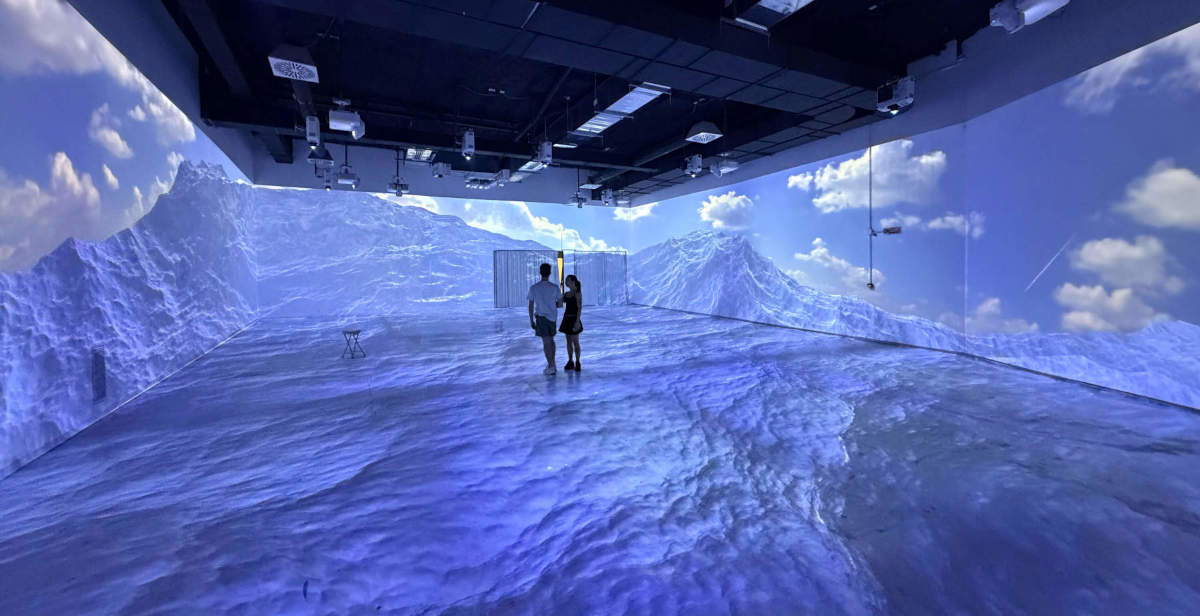
A central feature of the museum is a 300-square-meter hall equipped with a stage and 27 projectors. The system allows the walls, ceiling, and floor to be transformed into a single visual environment, altering the conventional relationship between the artwork, the exhibition space, and the audience. In fact, the MAM grew out of over twenty-five years of work in the field of digital and audiovisual arts, ranging from early experiments with the web and artificial intelligence to generative practices and contemporary immersive forms.
The museum’s permanent exhibition, titled HyperMedia, is curated by Gianluca Del Gobbo himself and brings together works and materials reflecting different stages in the evolution of digital creativity. The exhibition features Net Art, NFTs, immersive live experiences, AI art, interactive works, and installations, bringing together historical and contemporary works and documenting how technology, images, code, and space have progressively transformed the ways in which art is produced and experienced.
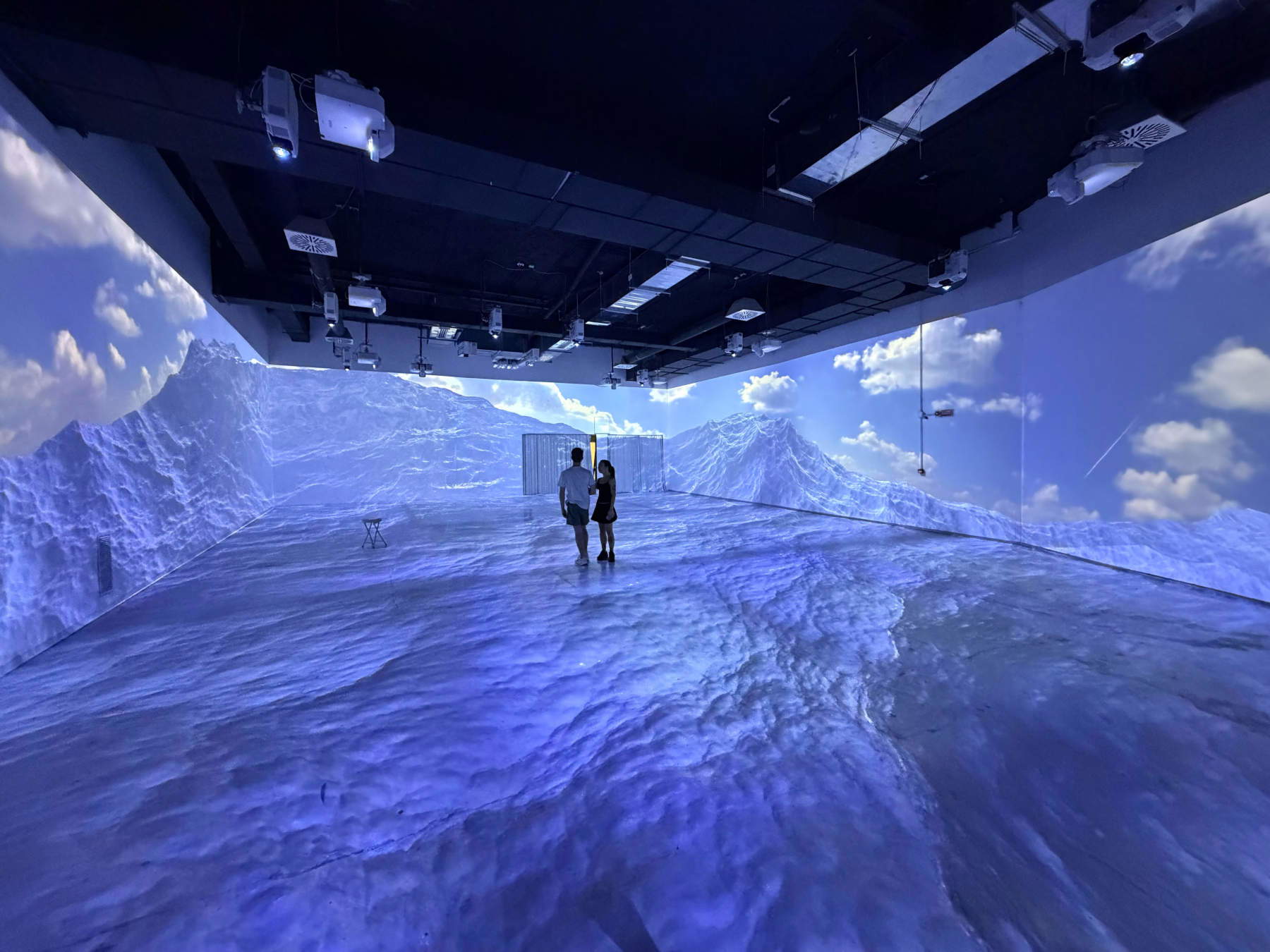
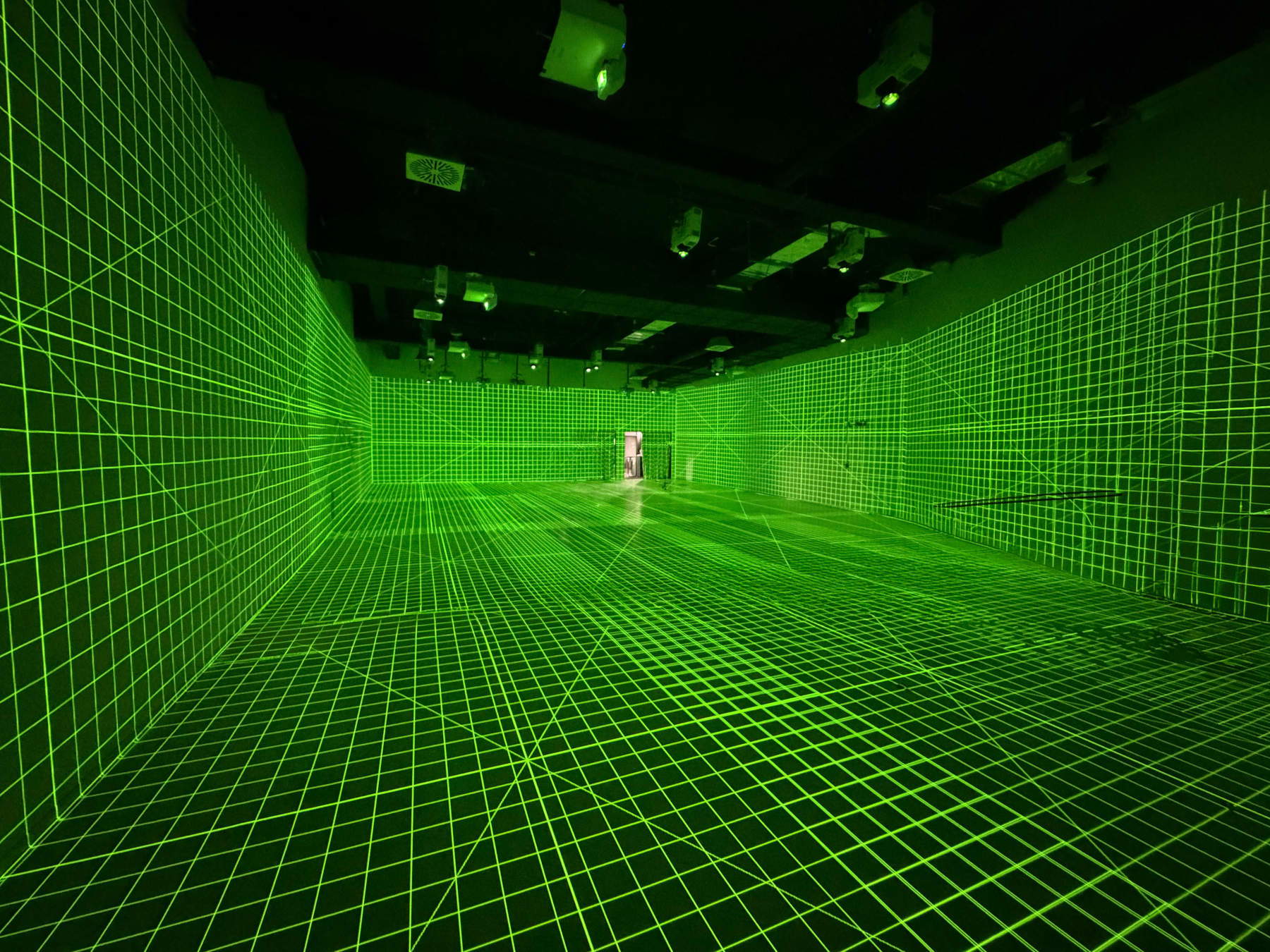
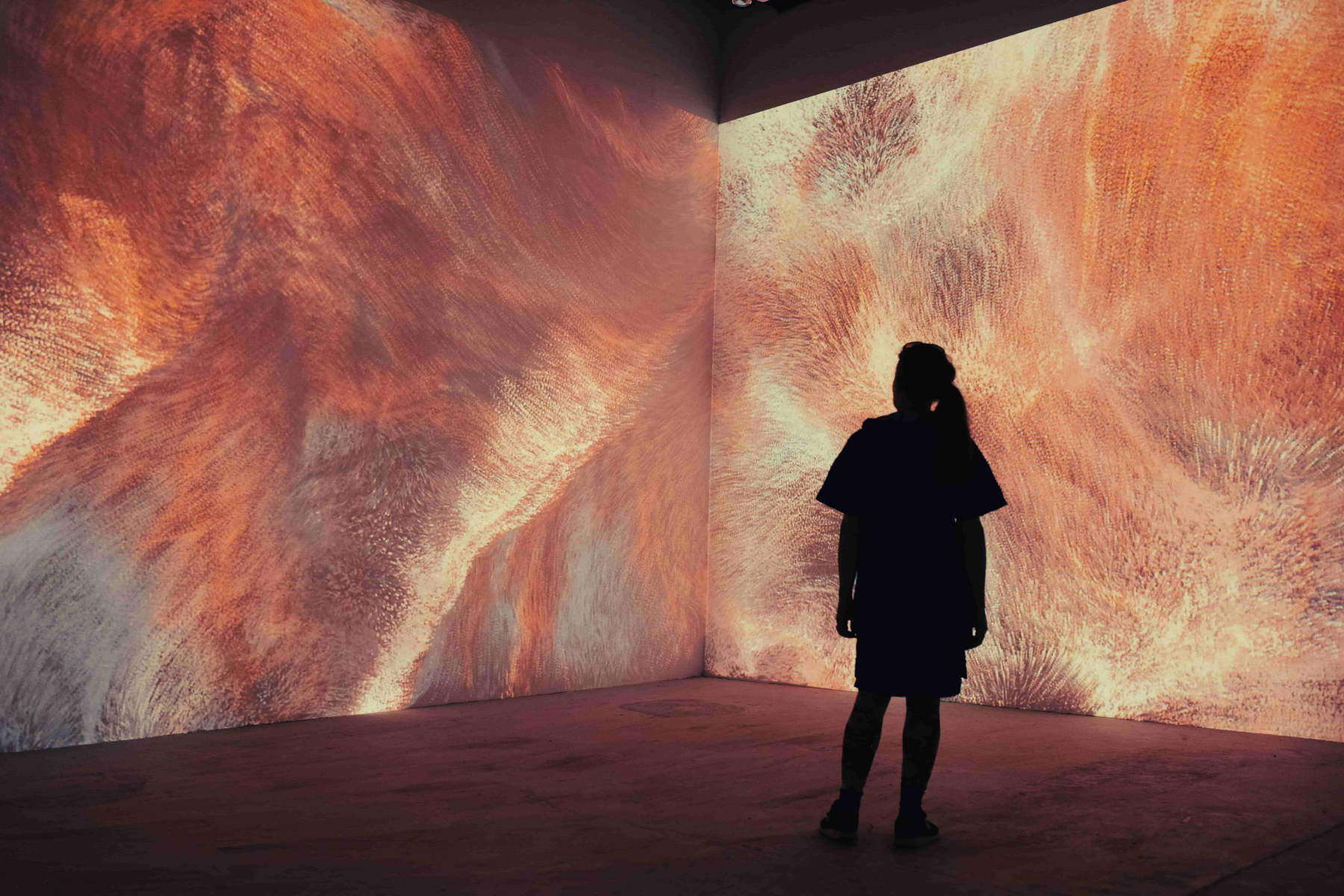
HyperMedia also incorporatesthe historical archive of Shockart.net, spanning over 25 years of digital creativity, along with works by artists from theAVnode network . The project brings together 35 artist collectives, for a total of 48 artists, from ten different countries, including Australia, the United States, Hungary, Italy, Turkey, and Chile, as well as France. The works on display utilize pixels, transforming images, HTML code, and interactive systems, challenging the traditional distinction between artwork and device through forms that, in many cases, require audience participation.
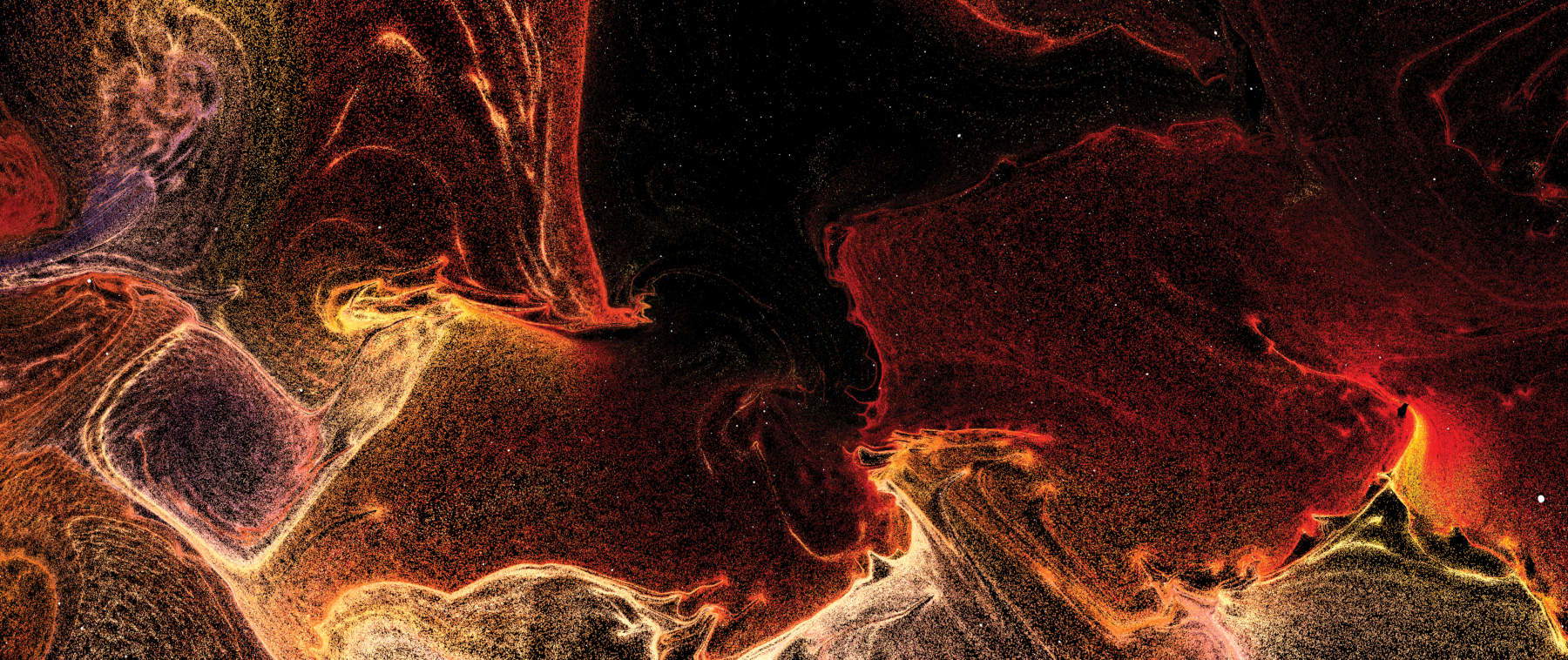
Part of the exhibition is dedicated specifically to immersive works, in which the physical separation between the viewer and the artwork is reduced to the point of transforming the environment itself into a space for engagement. This is the case with *Continuum* by Hungarian artist Kati Katona, who previously exhibited at Fotonica in 2024. The work explores the structure of space and time on a cosmic scale and immerses the viewer in a sort of temporal bubble in which time, space, and movement gradually tend to dissolve. The work thus intervenes on the perception of temporal progression and the spatial dimension.
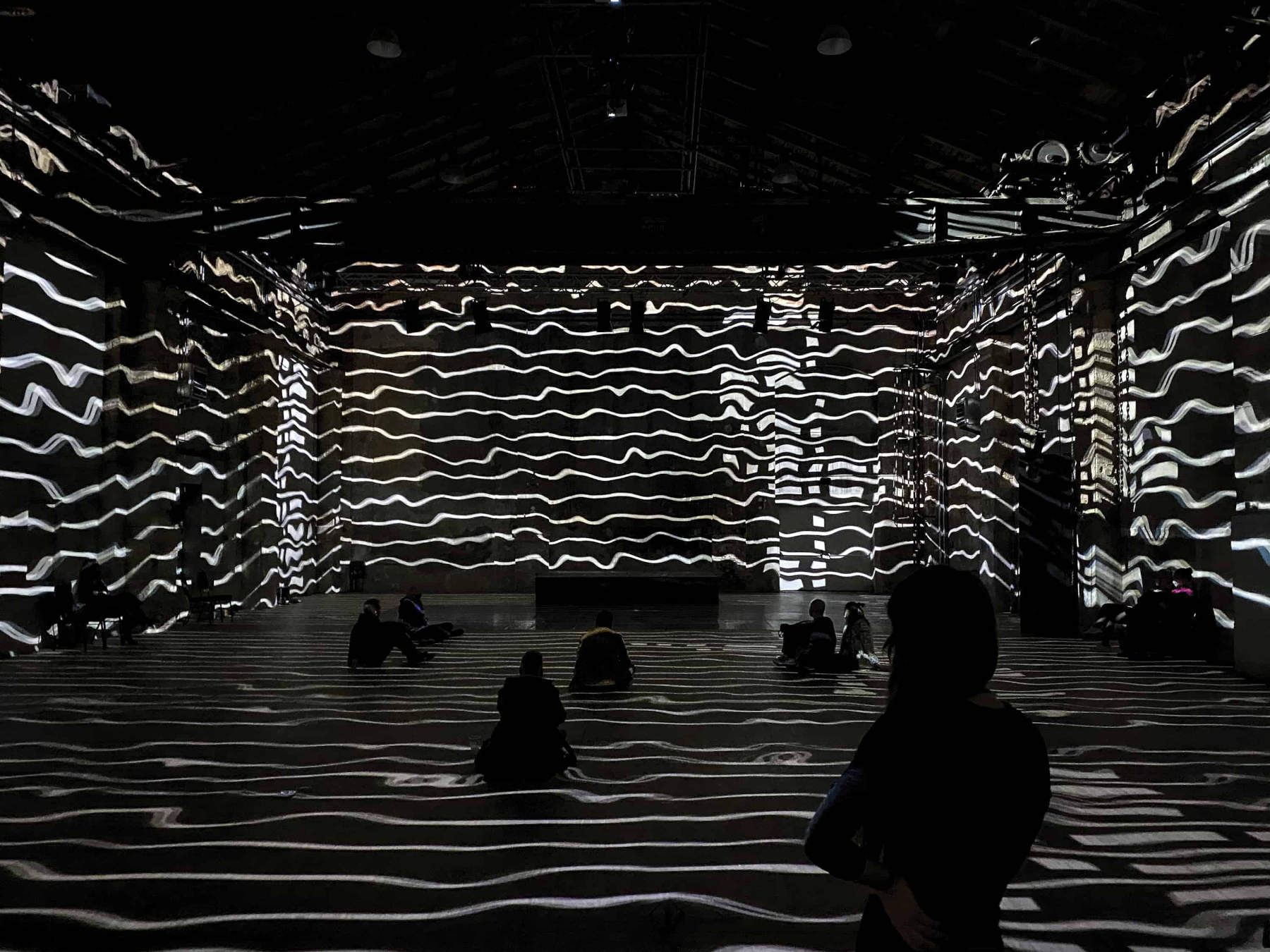
Also part of this program is *Pixel Orchestra vs FLxER* by the Italian studio Ultravioletto, an interactive installation in which two software programs, *Pixel Orchestra* and *FLxER*, interact to produce images that can be composed and manipulated directly by the viewer. The Immersive Live program also includes works by Alice Felloni, FLxER, Dario Buratti, martae, Carlo Alfano, Angela D’onghia, and Simona Vacca for Italy; Stanislav Glazov for Hungary; SARV and Infratonal for France; Susan Kosti for Australia; Lake Heckaman for the United States; Sergey Prokofyev for Germany; Konx-on-pax from the United Kingdom; Jana Tox and Bruno Tripodi from Chile; Pandelis Diamantides from the Netherlands; Anna Bacheva from France; Benjamin Sandro Jantzen from Germany; Bad Pedestrian from the United States; and DECOL Media Arts Studio from Turkey.
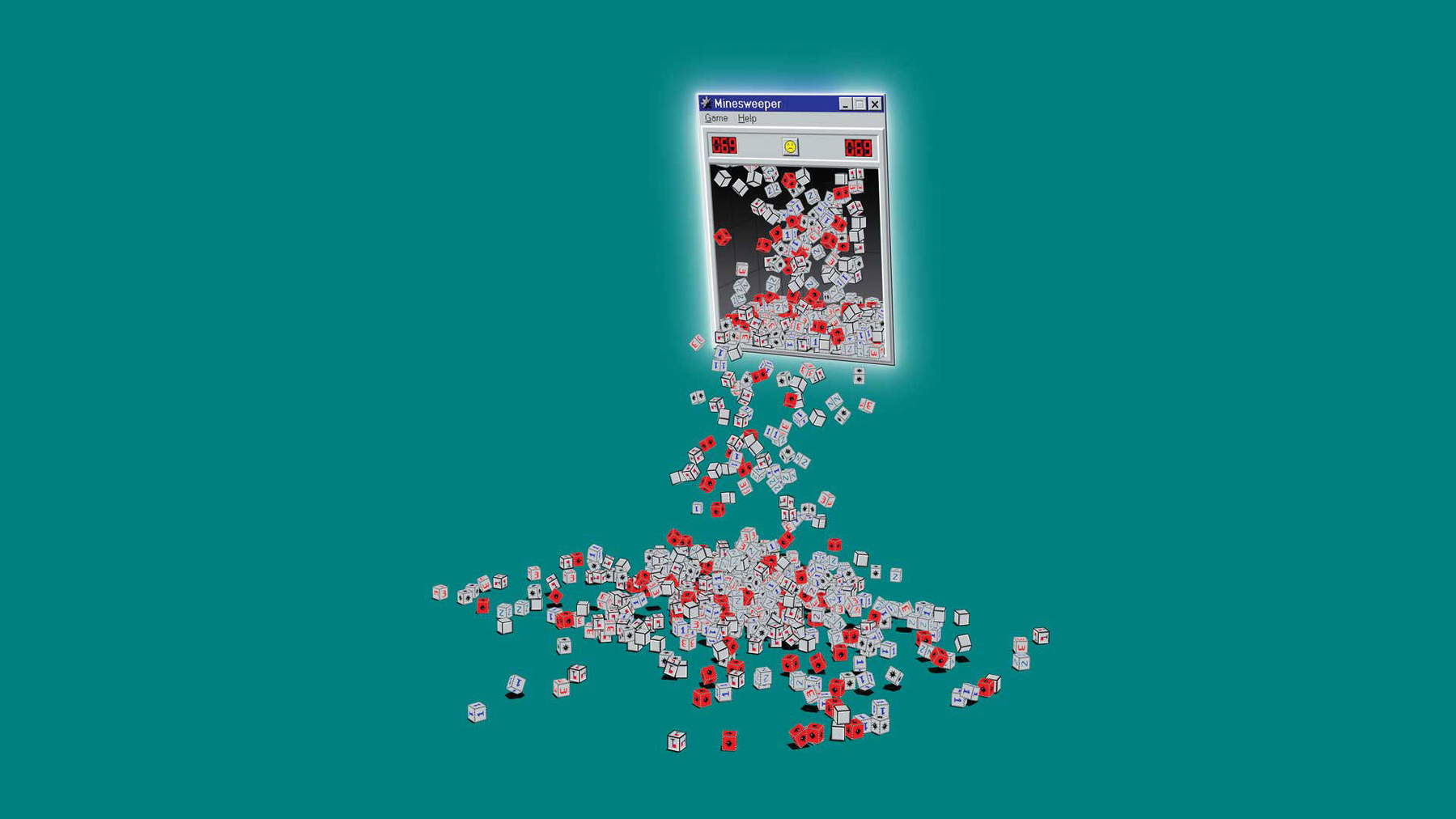
Another section of HyperMedia is dedicated to works created using Artificial Intelligence. Among the featured artists is the Italian Francesca Fini with *Blood & Ink*, a series of animations built from a personal archive. Hungarian artist David Szauder, a featured artist at Fotonica 2024, presents *I Believe with All My Soul*, a work in which artificial intelligence, memory, and visual culture construct a suspended moment in time where absence takes center stage. Also featured in this section is V3RBO, who draws on graffiti art to explore the digital realm with *Metamorphosis Insectorum*. In this work, the letters of the alphabet break apart and reassemble to form armor, challenging the boundary between an artificial structure and a living organism.
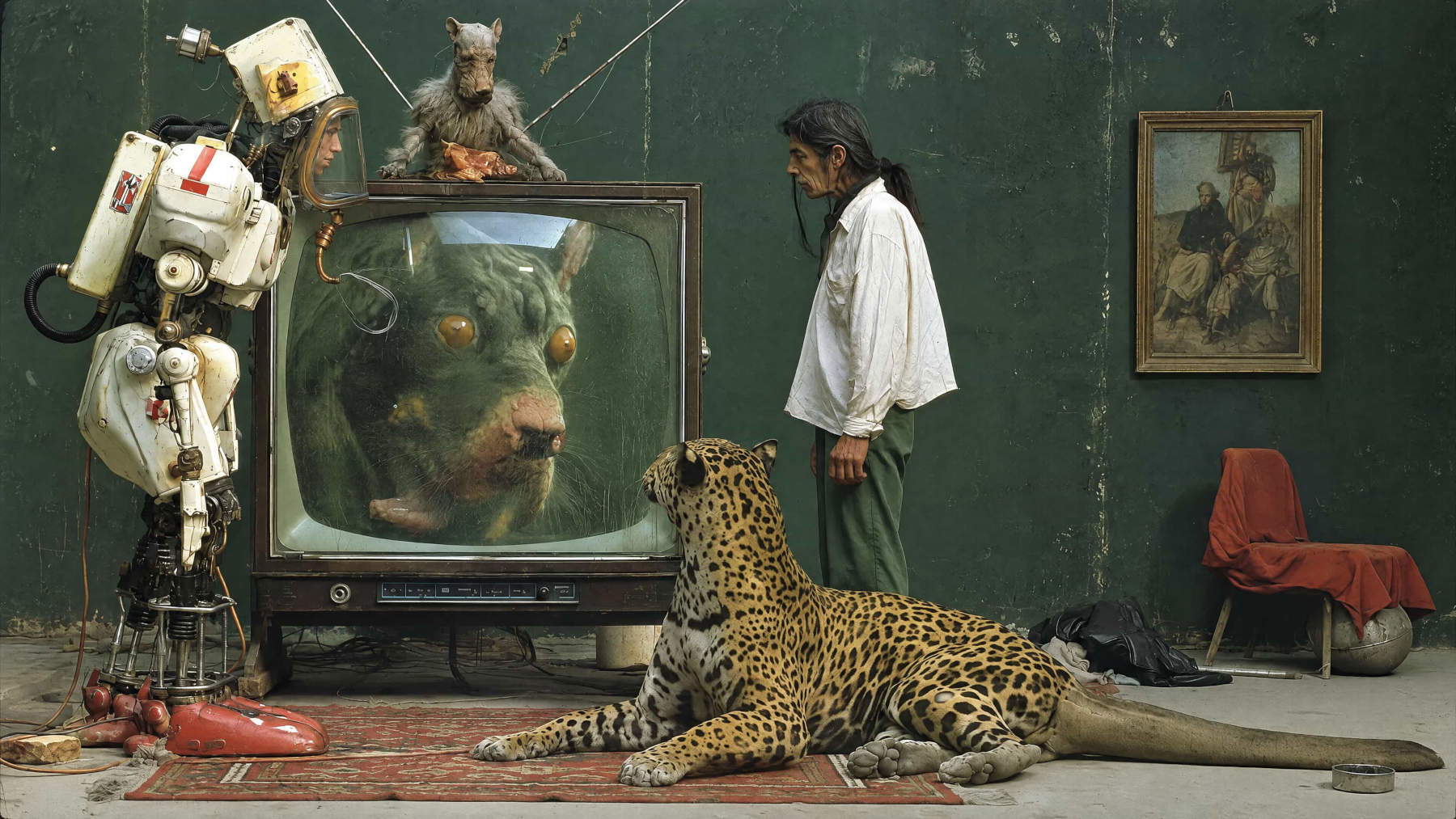
The exhibition also includes a section dedicated to Net Art, in which the internet is considered not merely a tool for dissemination but as both the medium and the space of the artwork. Code, images, links, and interaction thus contribute to the construction of the works. This section features creations by the American artists GMUNK, Perfectl00p, Chris Maestas (0009), Ghassan Naji (g0naji), and Joshua Davis, as well as Jaromil from the Netherlands, Ross Mawdsley from the United Kingdom, and Deliriouniversale.com(a) from Italy.
The museum’s opening coincides with the launch of a program that extends beyond the permanent exhibition. On Saturday, October 10,the Visual Sound Academy kicks off, an initiative dedicated to fostering creativity among the next generation of digital artists. Through October 21, the MAM will host artist residencies and intensive workshops led by professional international artists. During the event, students will also present the works they created during the residency in the museum’s spaces.
MAM will also serve as the venue for several resident festivals that have been active for years on the international digital and audiovisual arts scene. The first event is the 26th edition of LPM – Live Performers Meeting, scheduled for October 22–25 and billed as the world’s largest event dedicated to the Audio-Visual Performing Arts. The event continues the path developed by the network through live performances and audiovisual practices. From November 5 to 7, it will be the turn of the Live Cinema Festival, dedicated to live cinema and audiovisual performances. From November 20 to 28, the museum will host the 10th edition of the Fotonica Festival, an international festival dedicated to audiovisual digital art and light.
Fotonica’s program includes video mapping, artist residencies, performances, electronic music, and workshops aimed at various age groups. The festival focuses on international initiatives in the fields of digital art and audiovisual experimentation and operates through a network that brings together organizations active in the sector. The full program will be announced in the coming weeks and will take place across the spaces of the MAM and the Hungarian Academy, which will host artist residencies, workshops, and meetings with the artists.
In addition to exhibitions and festivals, the museum plans to offer specific programs dedicated to education and outreach. The workshops will be open not only to young artists but also to schools, children, and families. MAM’s programming is thus structured on multiple levels, with the goal of bringing together exhibitions, international events, and educational activities. Starting in 2027, courses for children and teens will also be offered, designed to introduce them to digital art through workshops, interactive installations, and educational programs.
Documentation of the works in the museum is also compiled in a catalog published by Art’Officina, which can be requested at collection@mediaartmuseum.org. The MAM will be open daily from 11 a.m. to 7 p.m., while the educational area will be accessible by reservation. Information on activities and ticket purchases is available on the museum’s website.
The opening on October 9, 2026, will be free to the public and will officially kick off the calendar of events. Following the opening, the Visual Sound Academy 2026 will take place from October 10 to 21, featuring residencies and workshops; from October 22 to 25 , the 26th edition of LPM is scheduled; from November 5 to 7, the Live Cinema Festival 2026, dedicated to live cinema and audiovisual performances; and finally, from November 20 to 28, the Fotonica Festival 2026, dedicated to Audio Visual Digital Art and light.
 |
| MAM, the first permanent museum dedicated to media art, opens in Rome |

Warning: the translation into English of the original Italian article was created using automatic tools. We undertake to review all articles, but we do not guarantee the total absence of inaccuracies in the translation due to the program. You can find the original by clicking on the ITA button. If you find any mistake,please contact us.






















 IT
IT FR
FR DE
DE ES
ES CN
CN


